
 USD
USD GBP
GBP
 EUR
EUR



















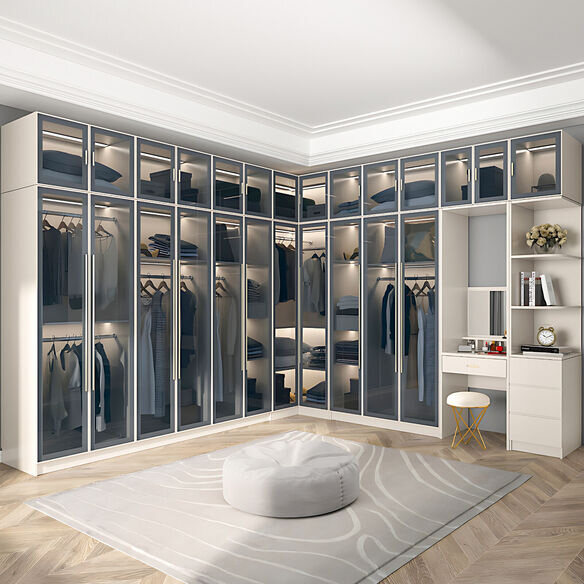
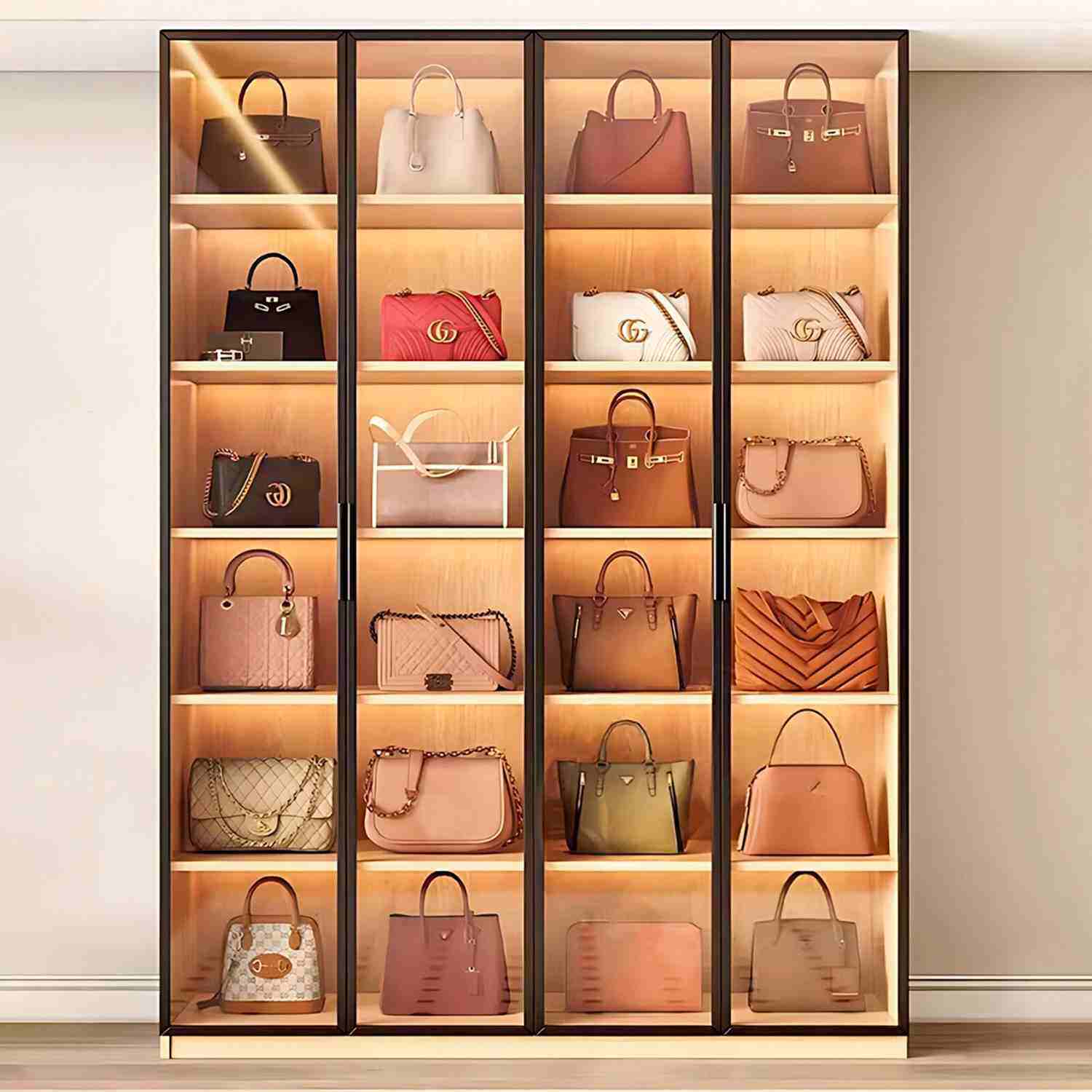
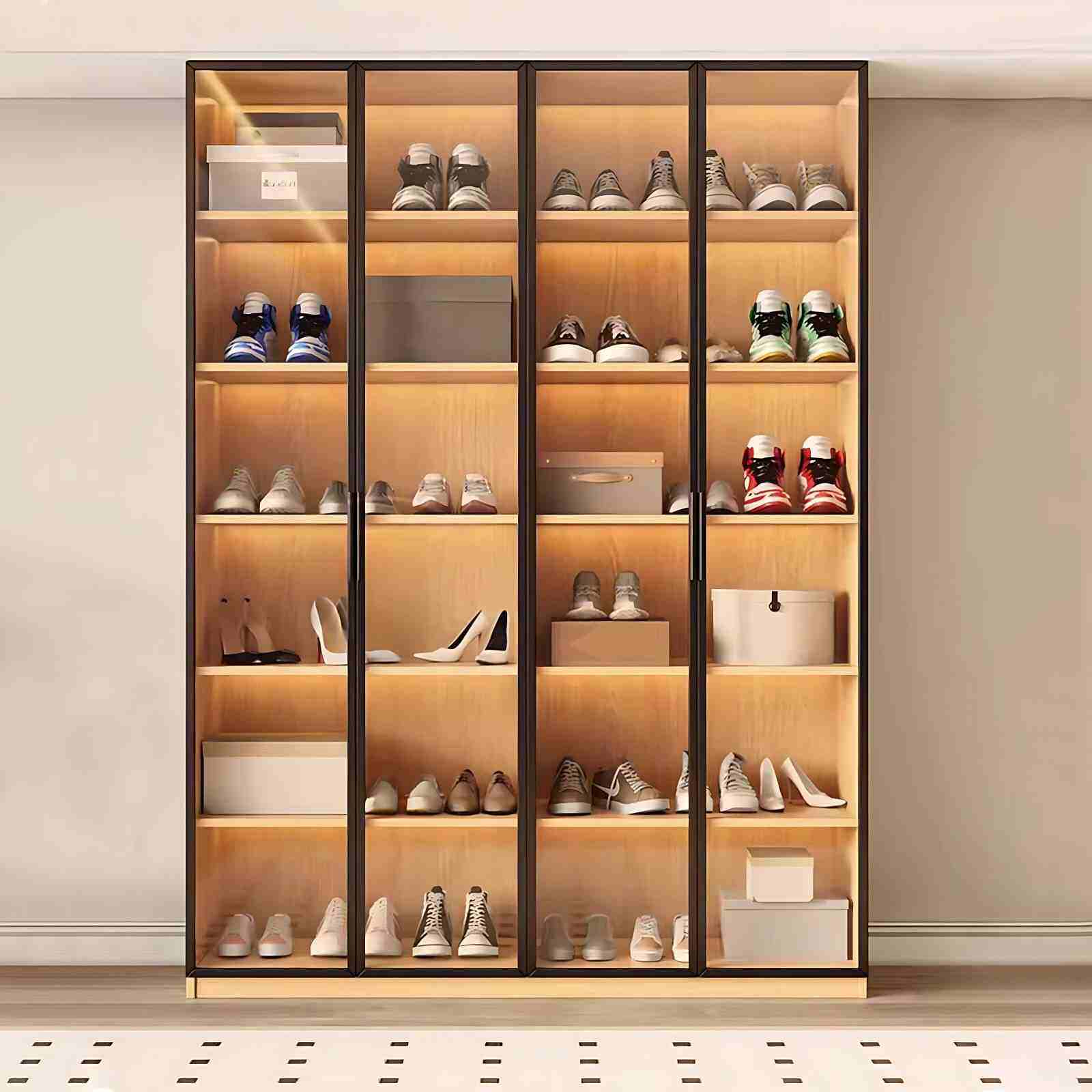








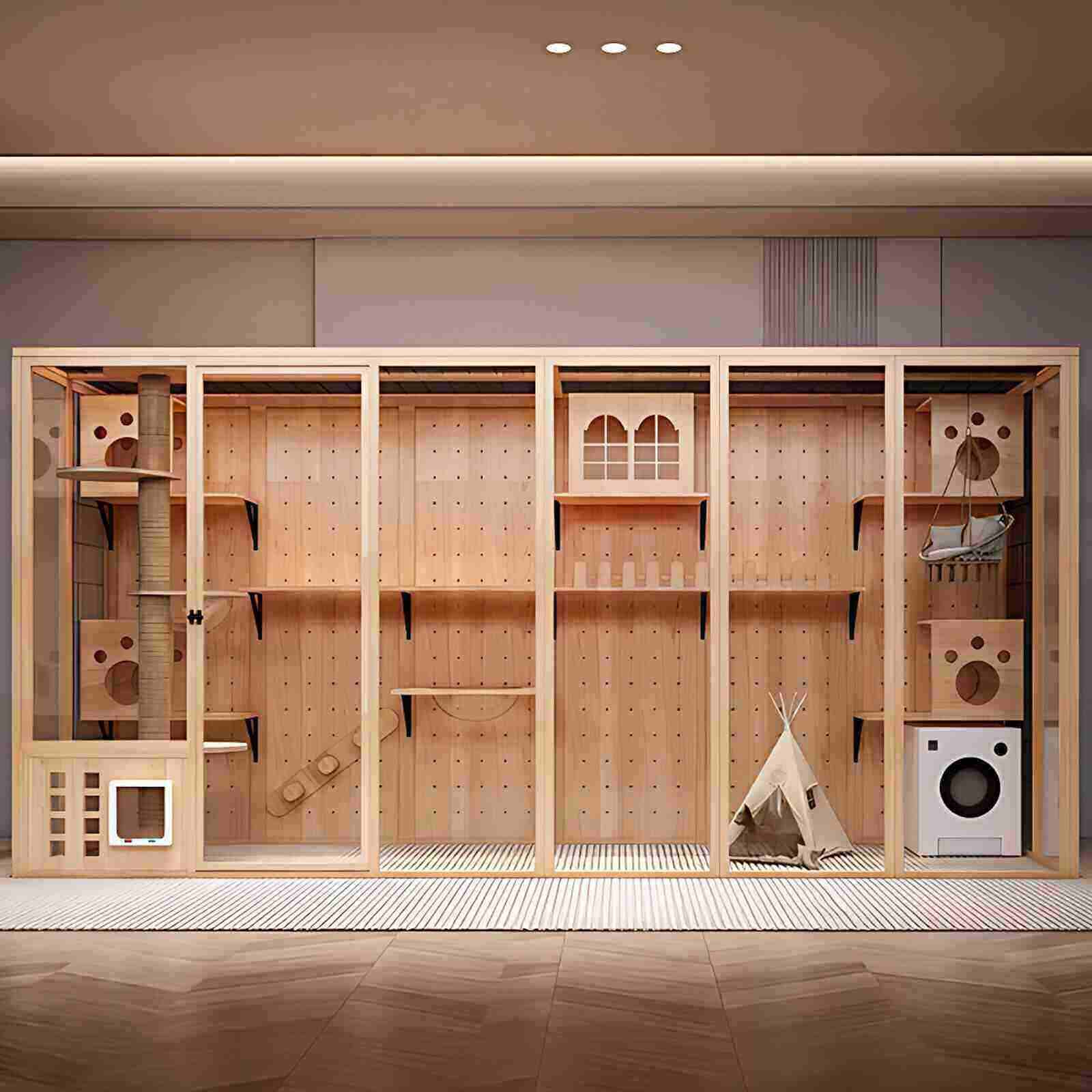
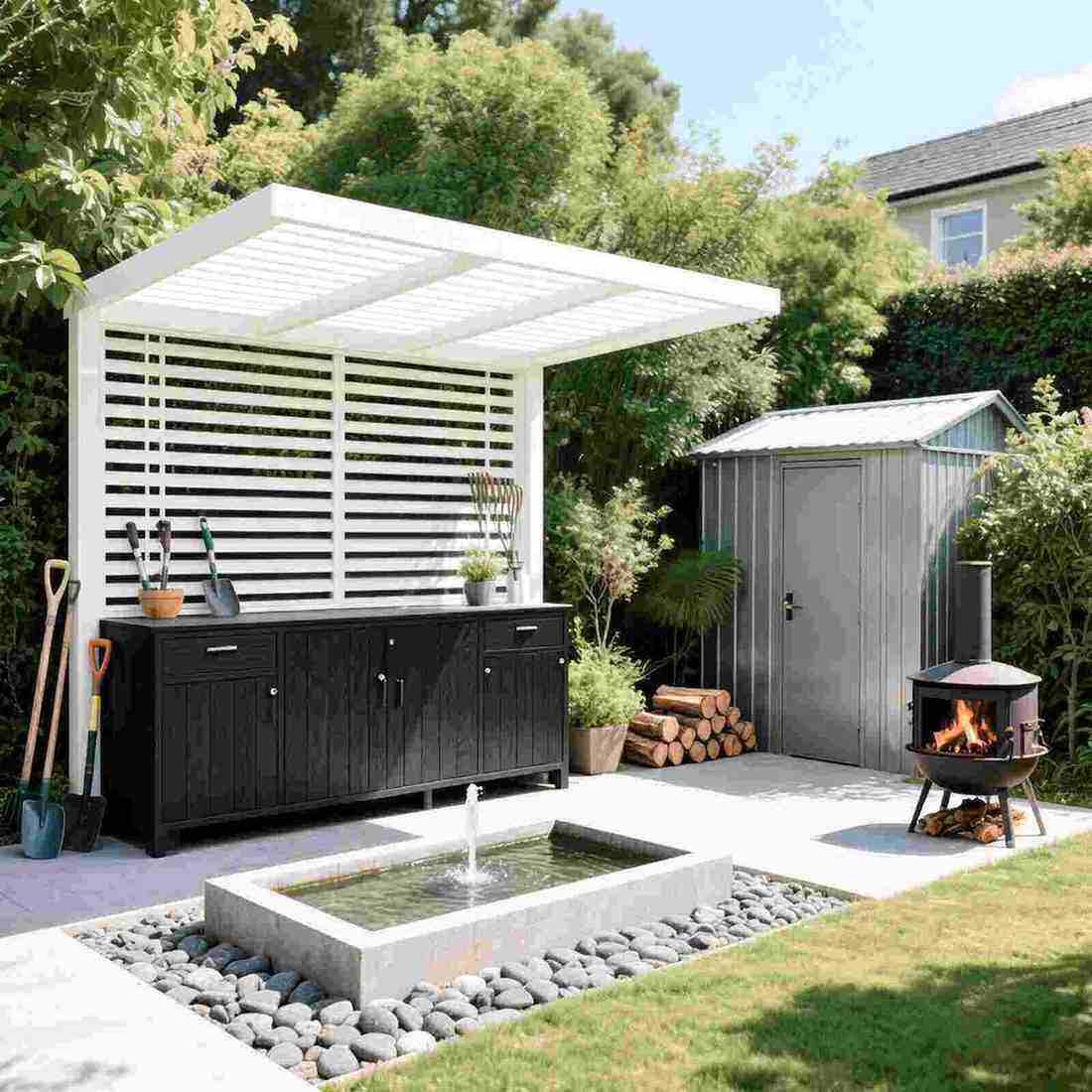
Adding certain "moisture-resistant factors" or "moisture-resistant agents" to the interior of particleboard creates what is commonly known as moisture-resistant particleboard, or simply moisture-resistant board. It does offer some moisture resistance because particleboard itself has a certain degree of moisture resistance and a low expansion coefficient after absorbing water, making it commonly used in environments such as kitchen cabinets and bathroom vanities. However, in reality, it has become a tool for many inferior particleboards to conceal the presence of many impurities inside. Adding green dyes to the particleboard further creates what is currently called "green-based particleboard," which many manufacturers use to mislead consumers into believing it is an environmentally friendly board, but this has no scientific basis. Top-tier domestic and international brands of particleboard mostly use natural-colored base materials.
advantage:
A. It has good sound absorption and sound insulation properties; particleboard has heat insulation and sound absorption properties.
B. The internal structure consists of interlocking granules, with similar performance in all directions and a relatively uniform structure, resulting in good nail-holding power and good lateral load-bearing capacity.
C. It has strong moisture-proof properties and a small expansion coefficient after absorbing moisture, making it widely used as a raw material for cabinet products such as kitchen cabinets and bathroom vanities in humid environments.
D. Particleboard has a smooth surface, realistic texture, uniform density, small thickness error, is resistant to pollution and aging, and is beautiful. It can be painted and veneered in various ways.
F. Particleboard uses less glue during production, resulting in a relatively high environmental protection coefficient.
shortcoming:
A. Its internal granular structure makes it difficult to mill.
B. The cutting process can easily cause chipping, so some processes require high-quality processing equipment; it is not suitable for on-site production.