
 USD
USD GBP
GBP
 EUR
EUR
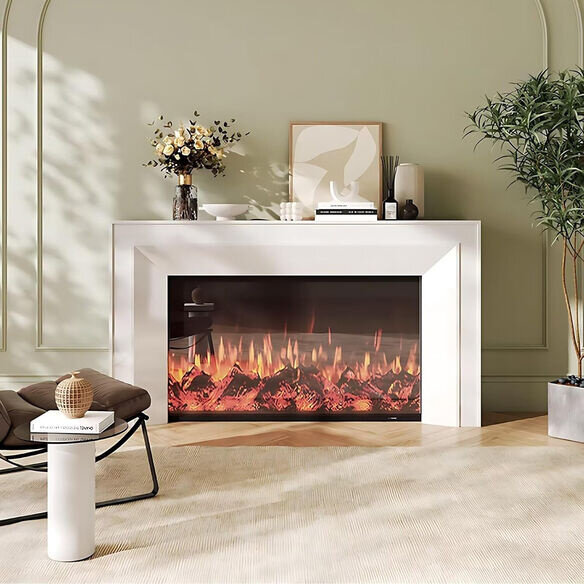
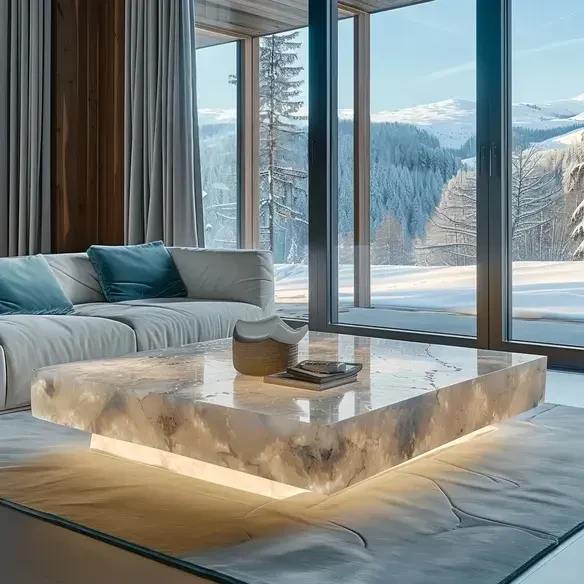
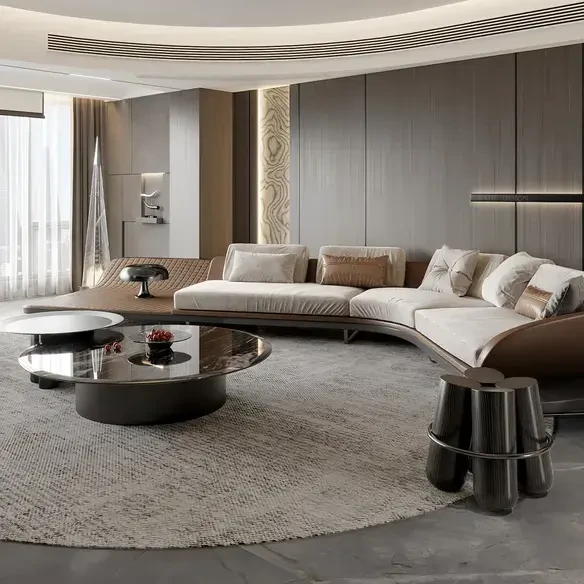
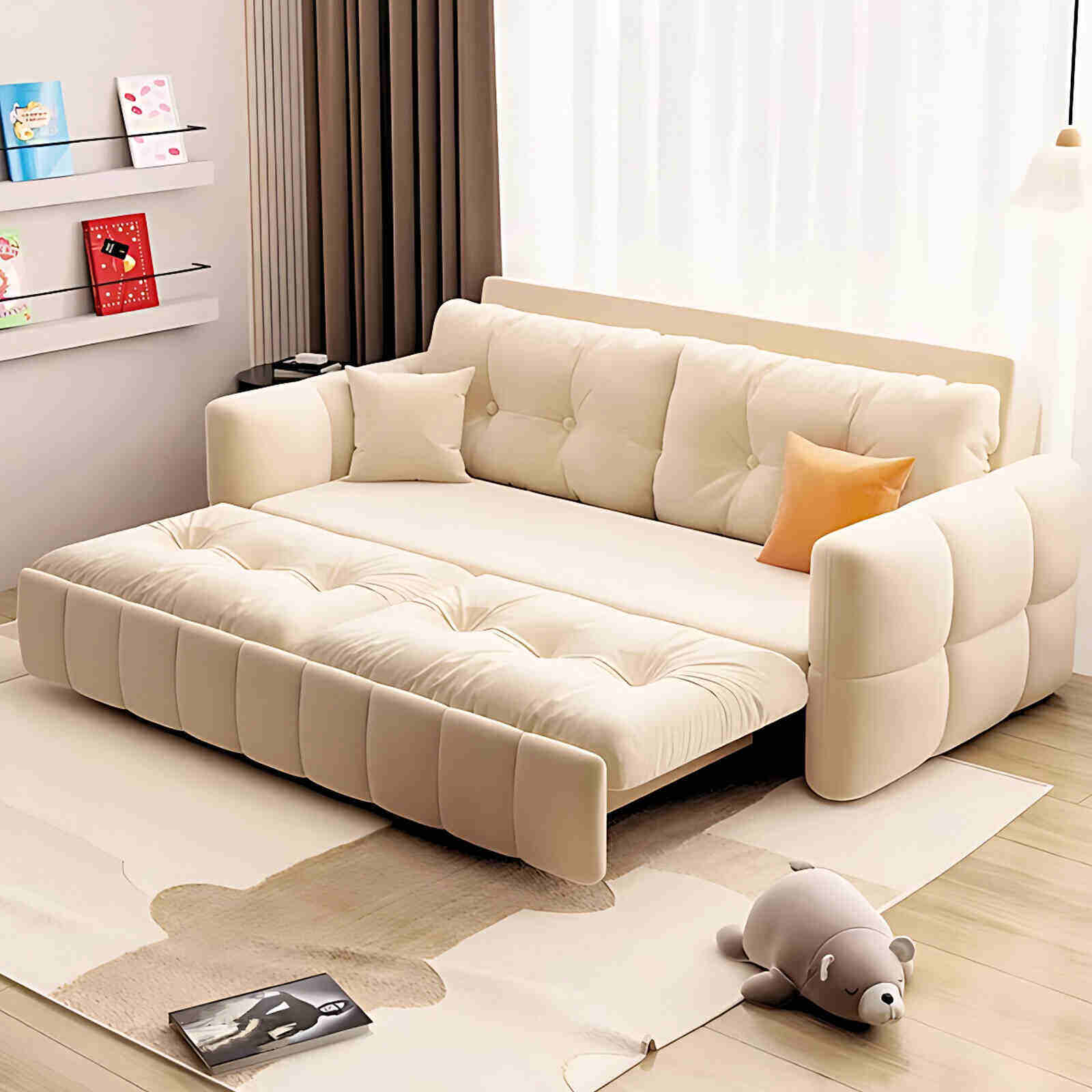
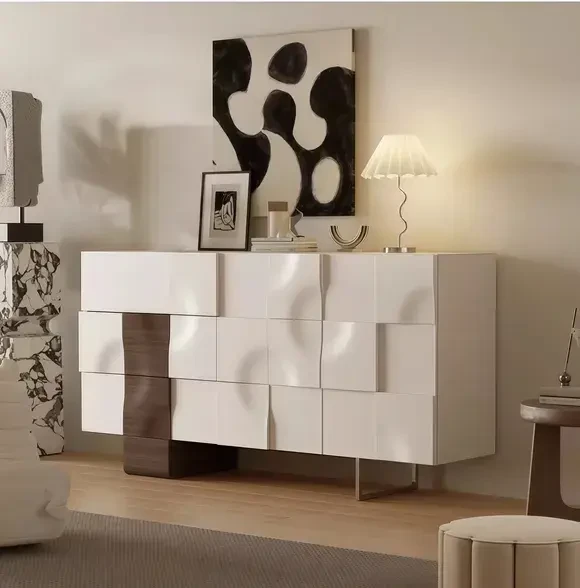
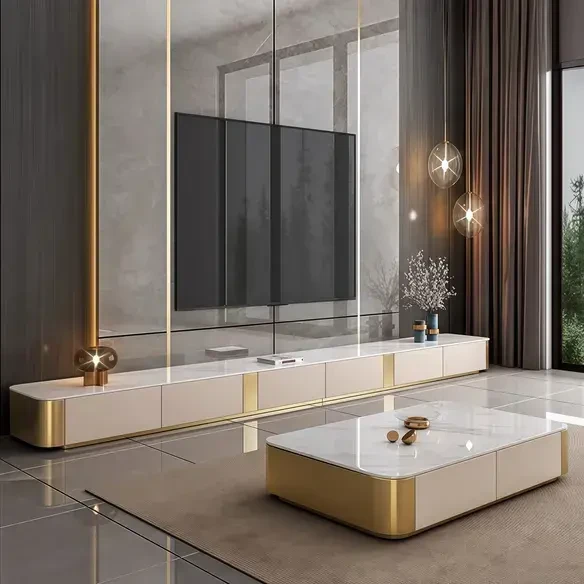
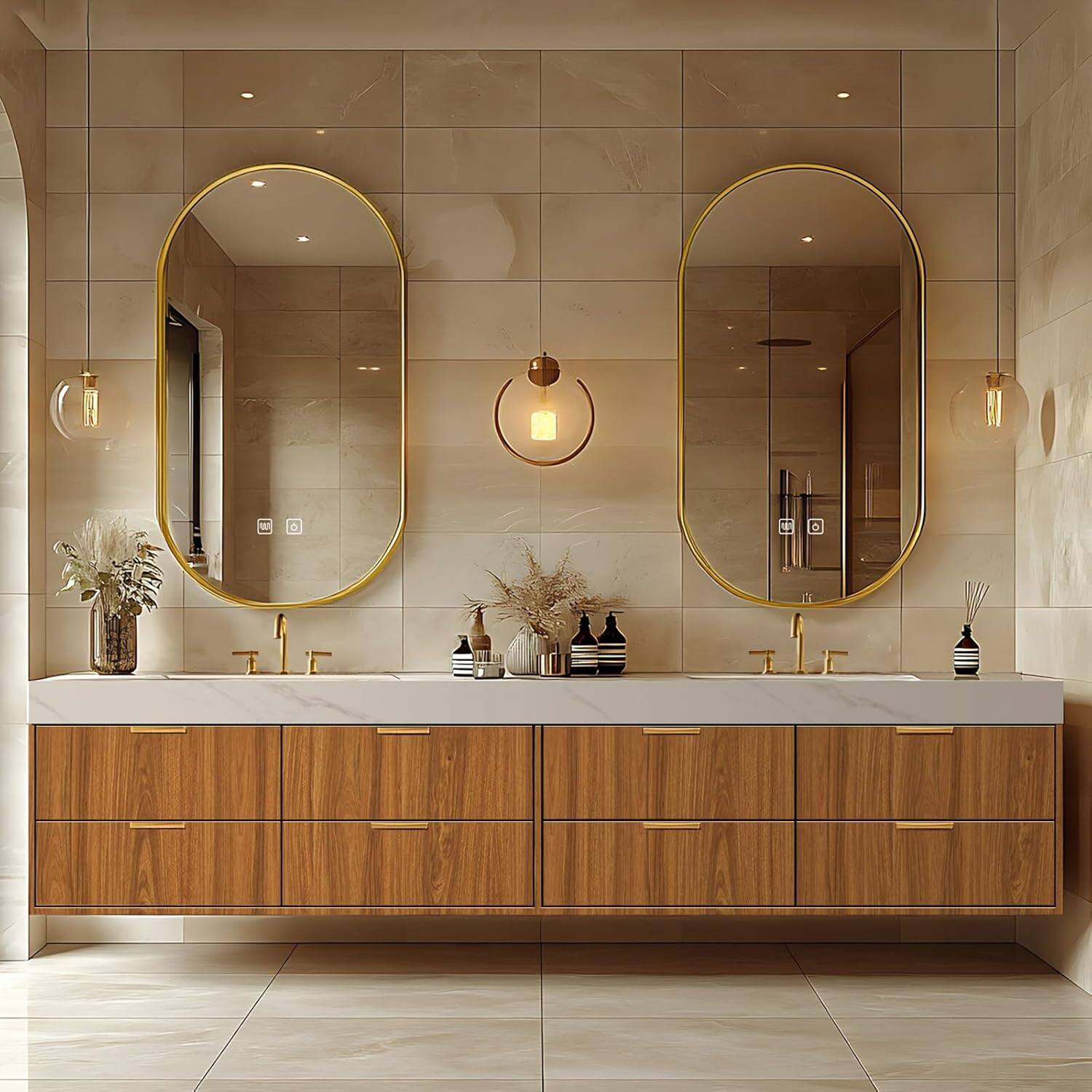
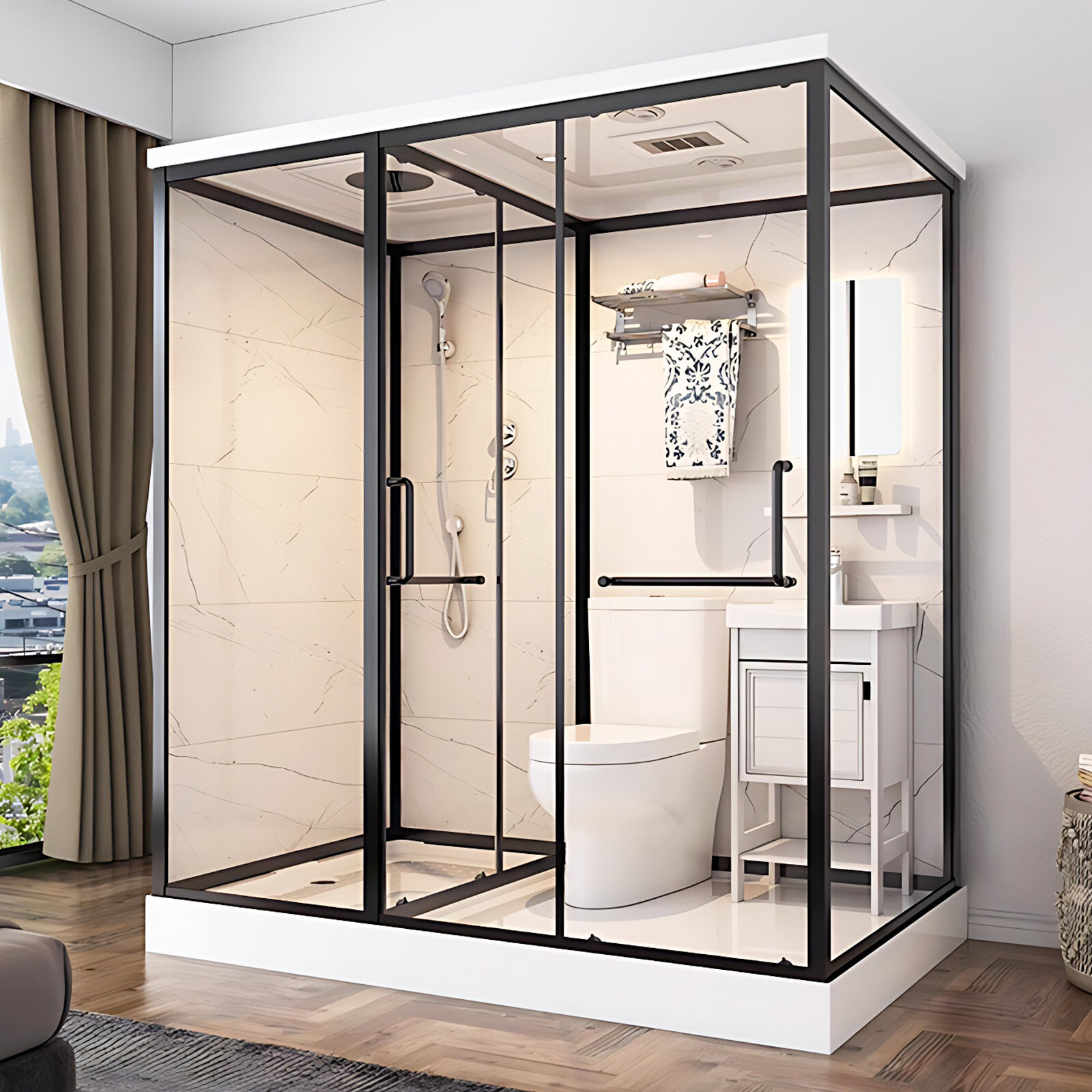
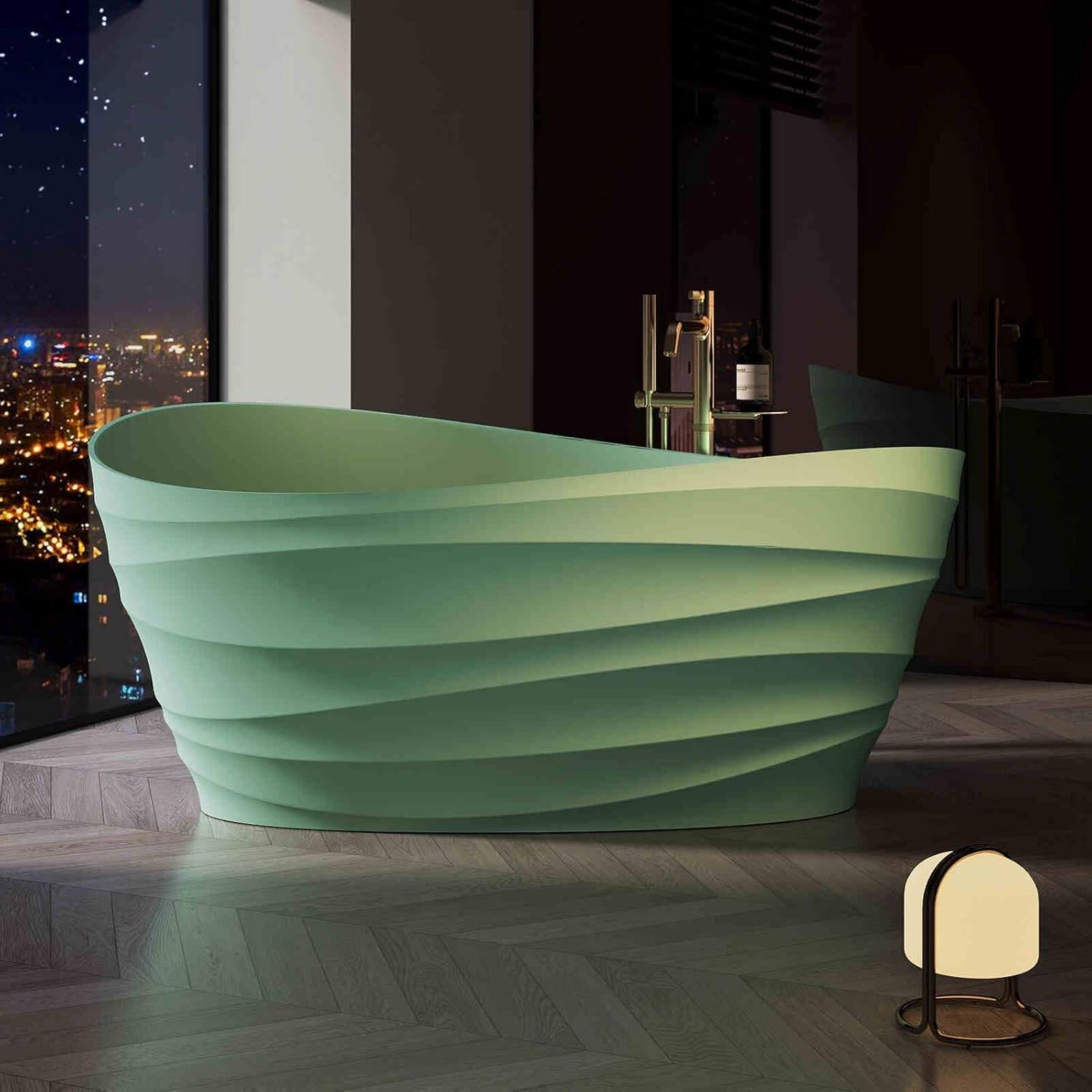
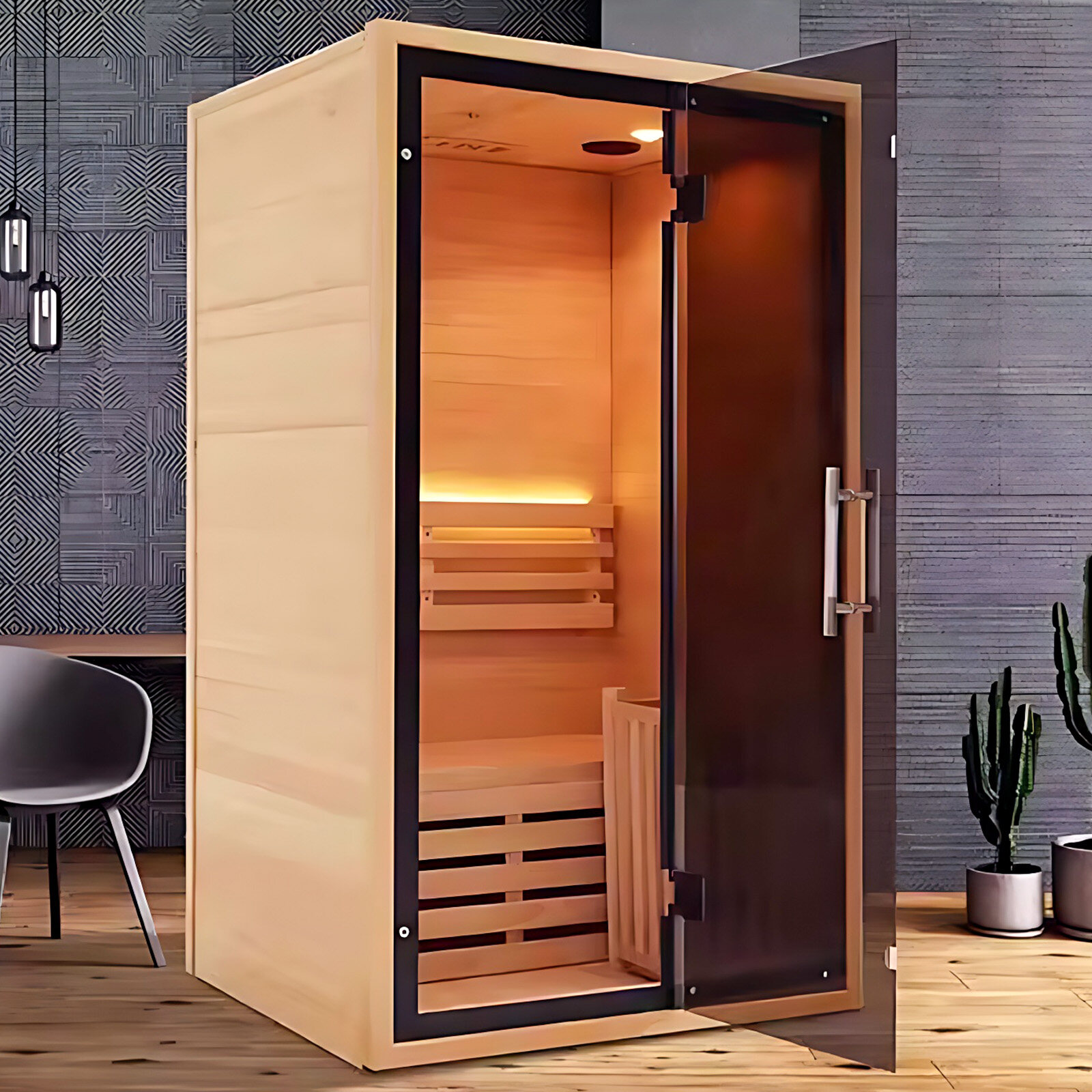
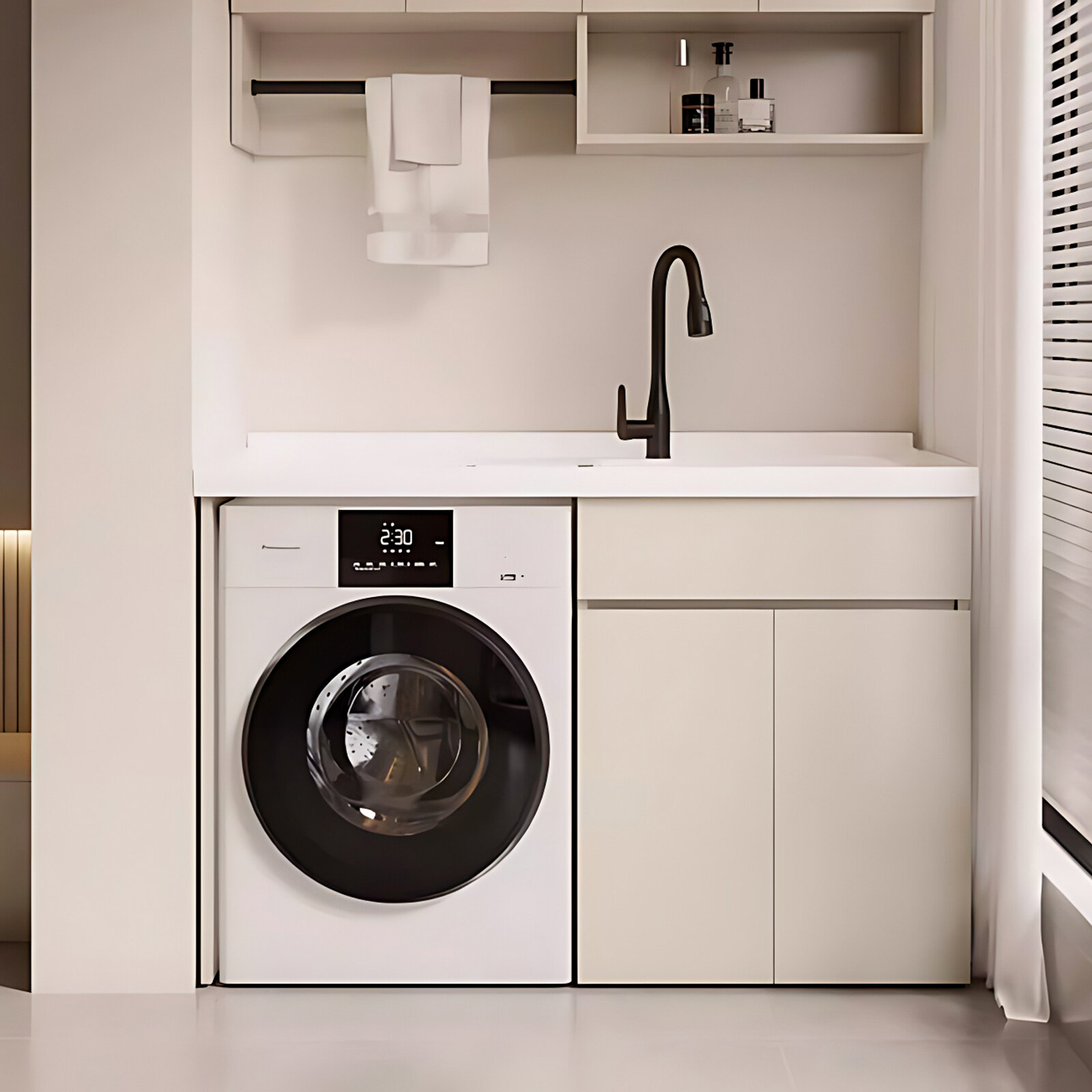
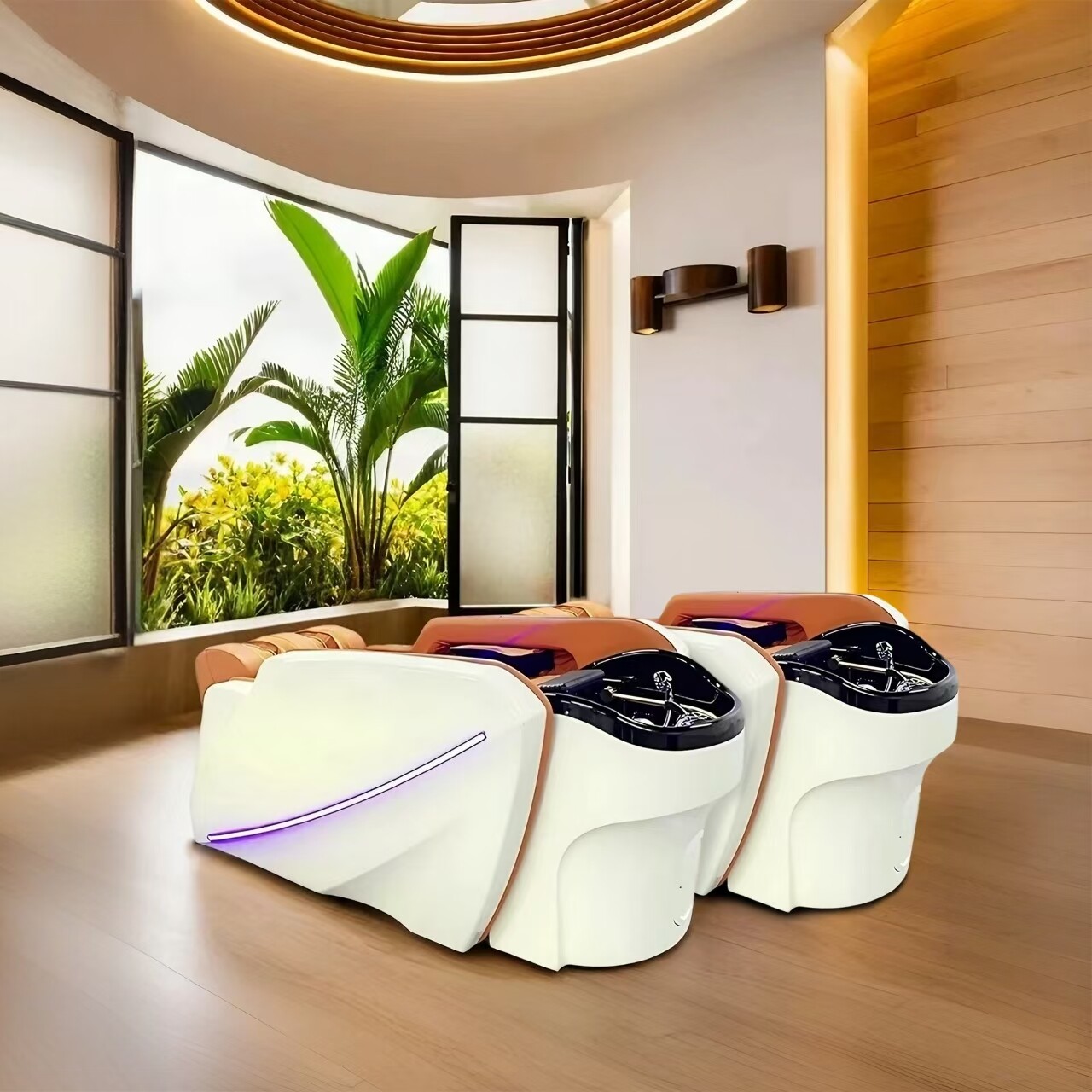
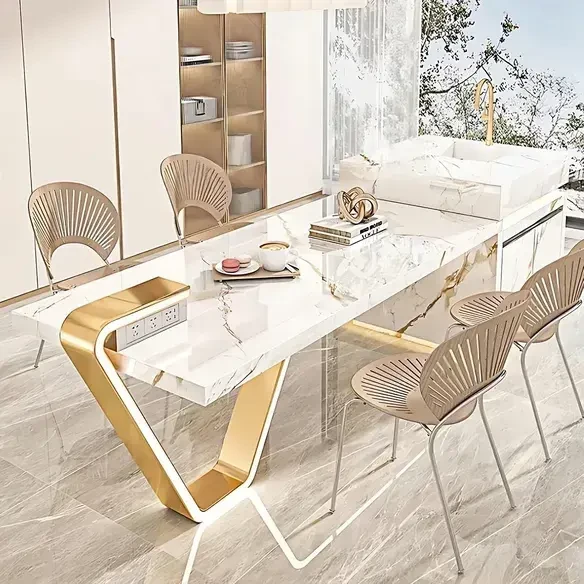
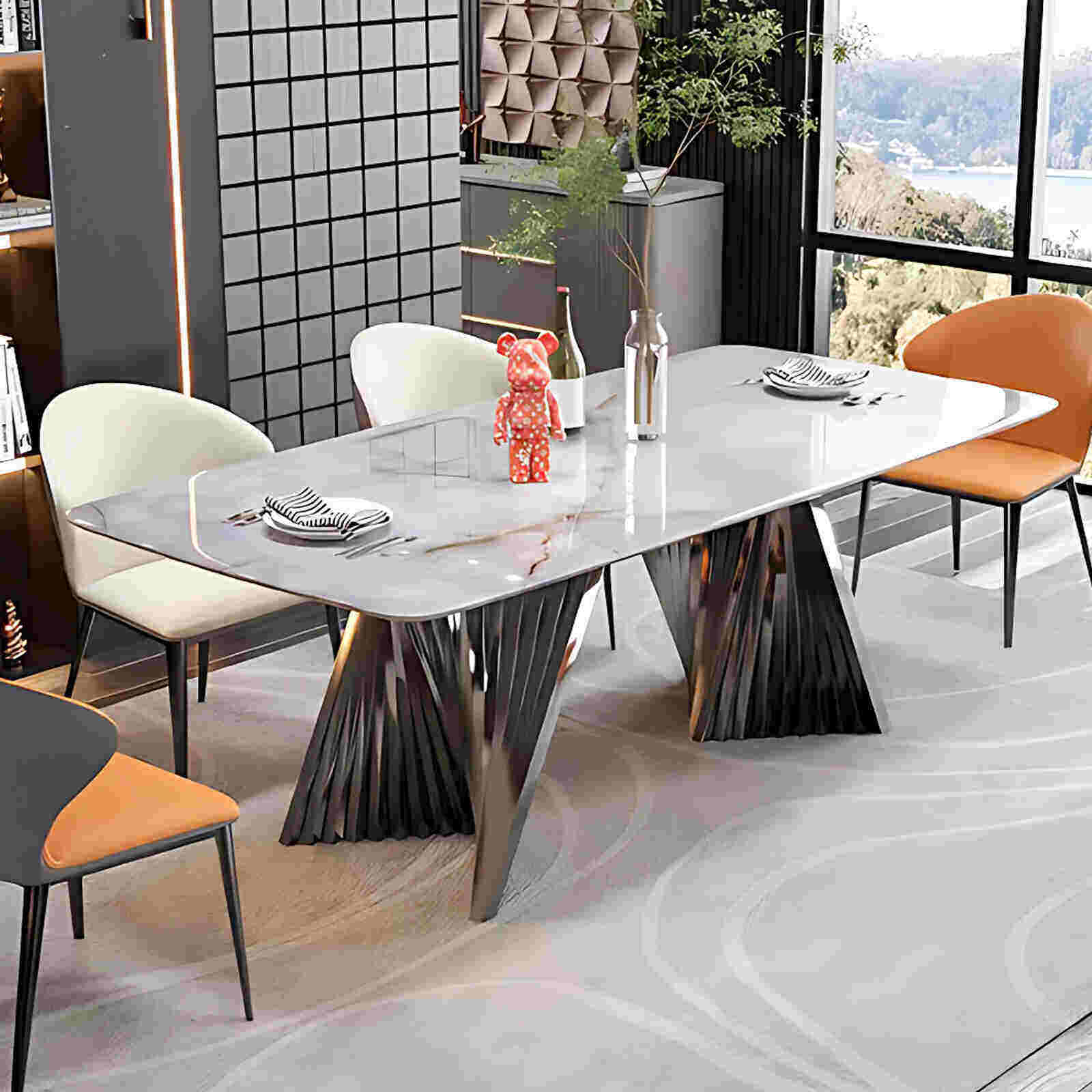
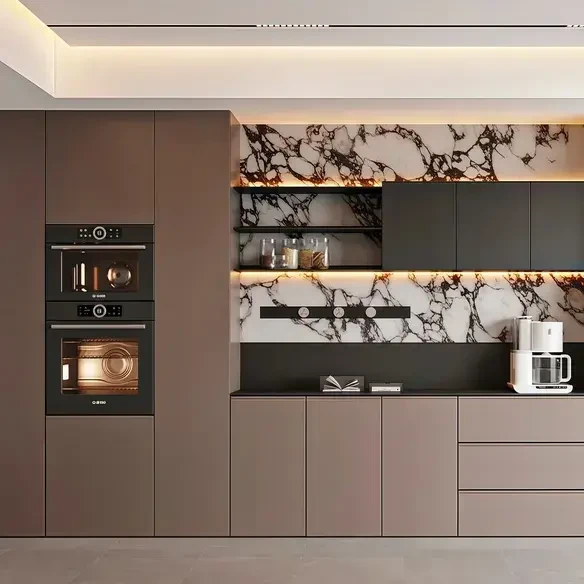
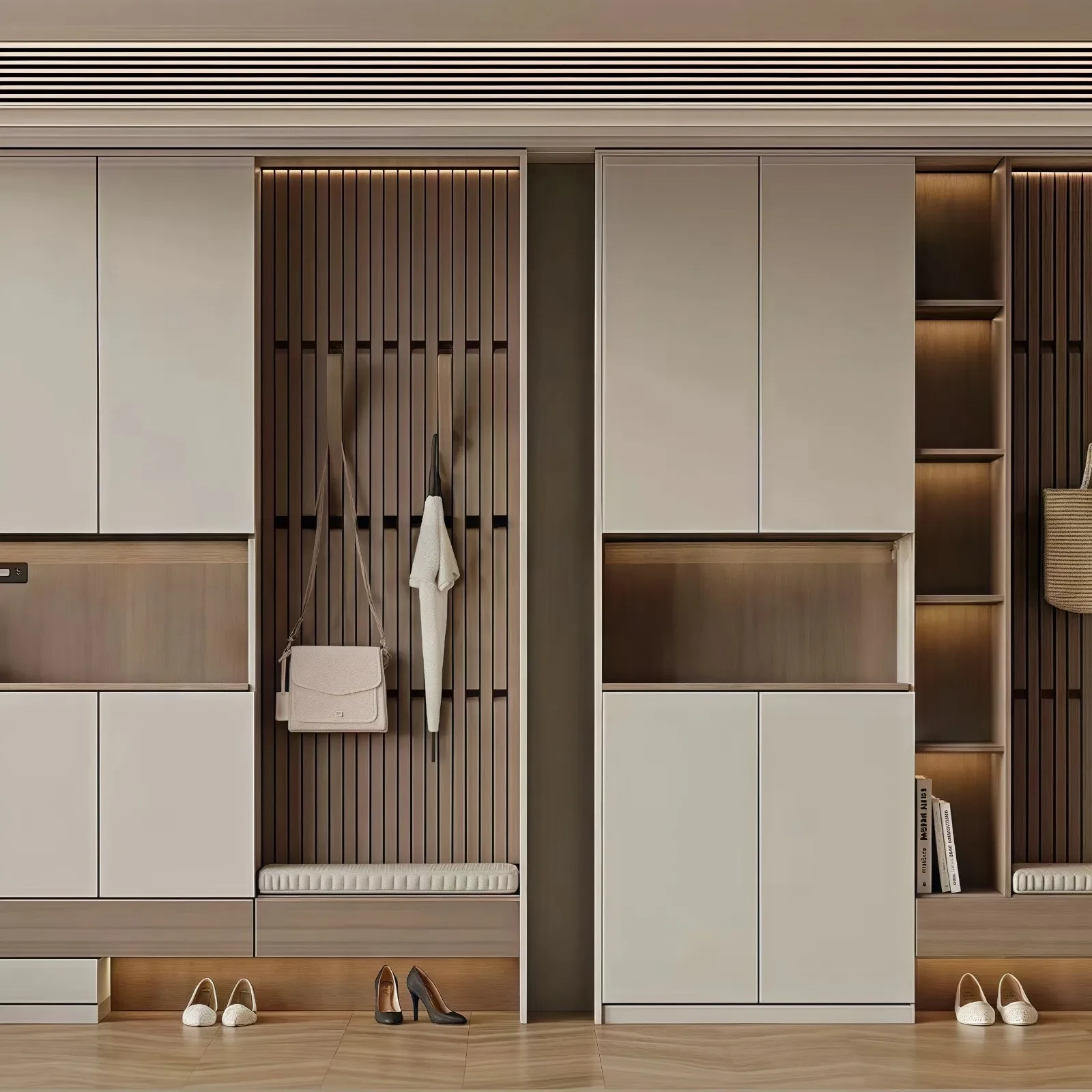
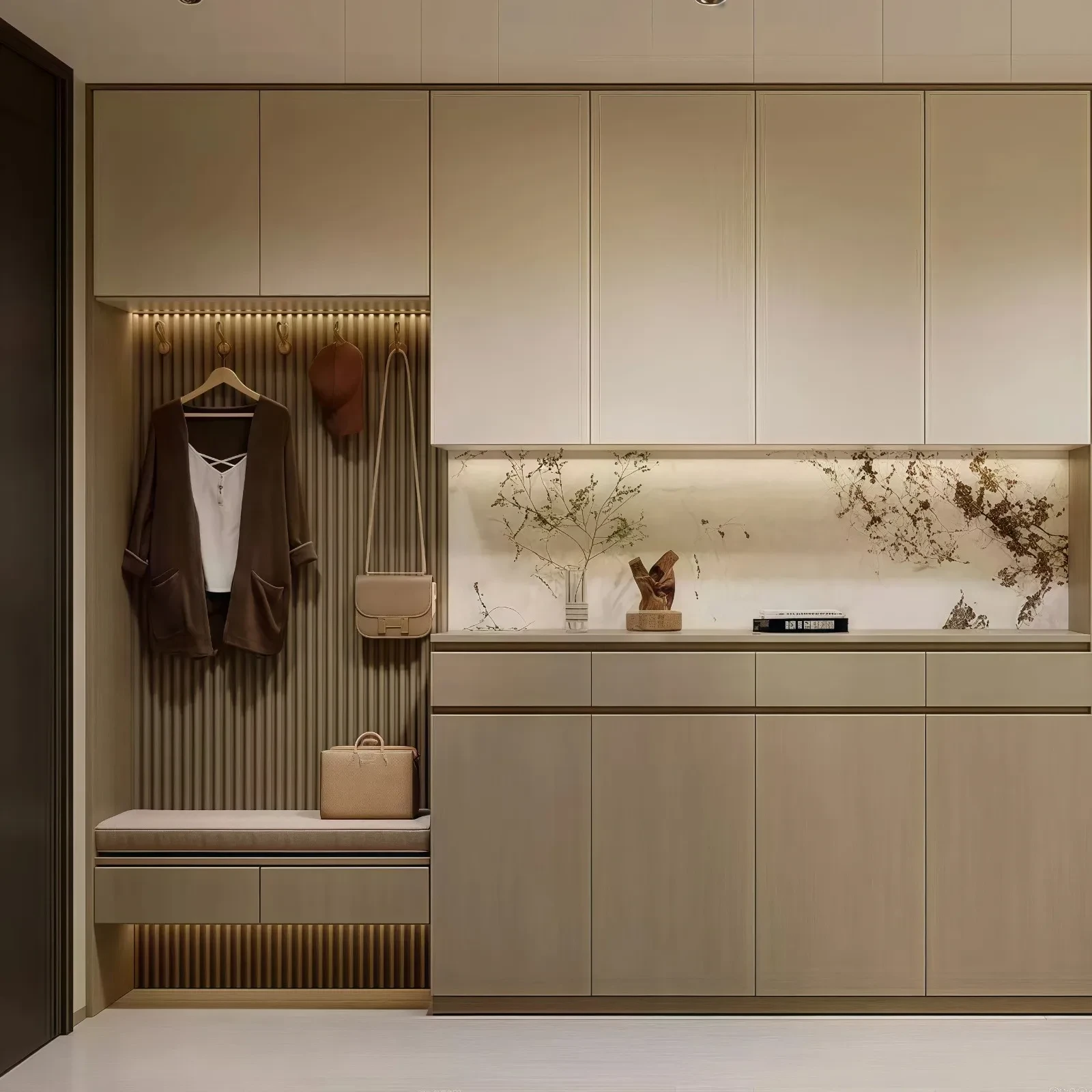
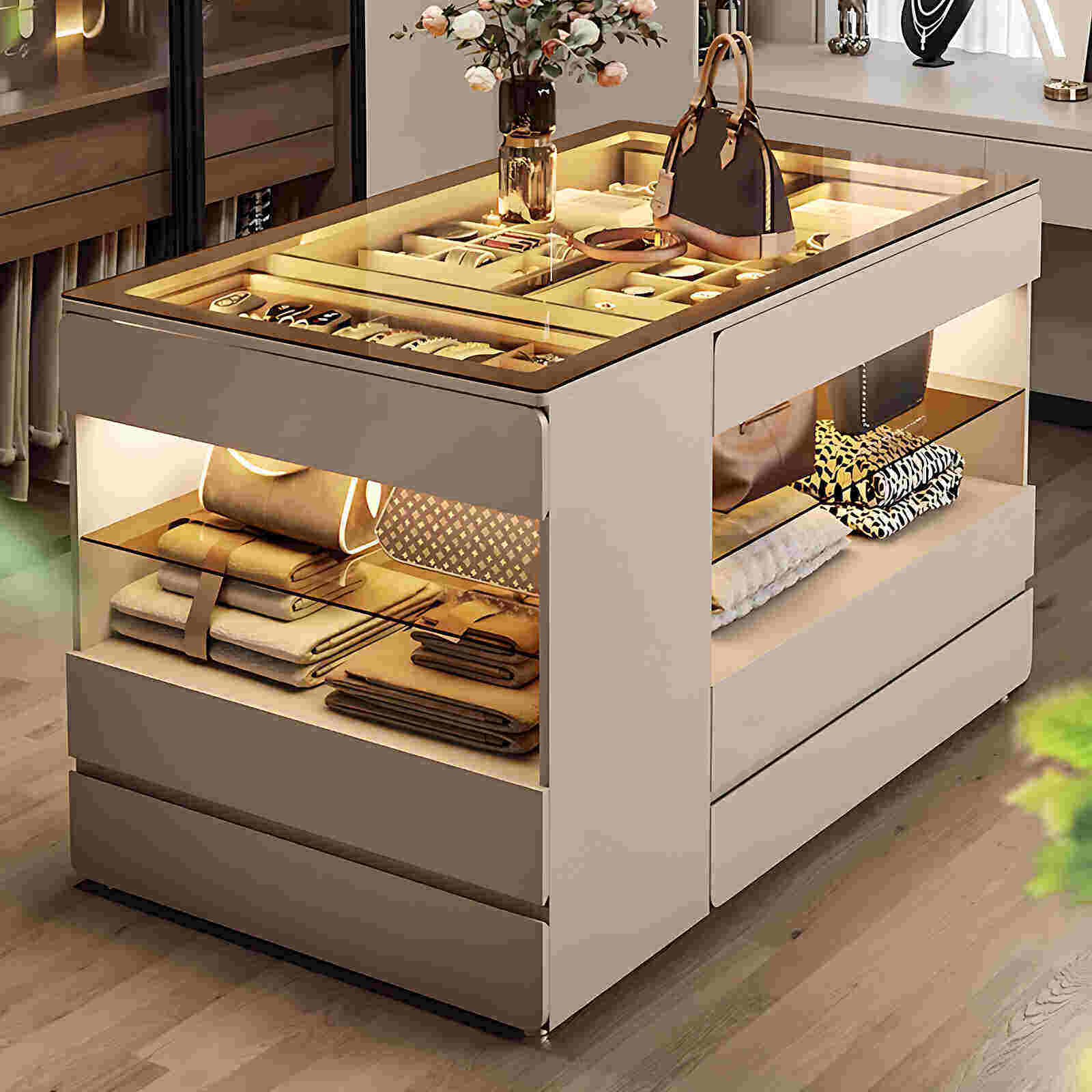
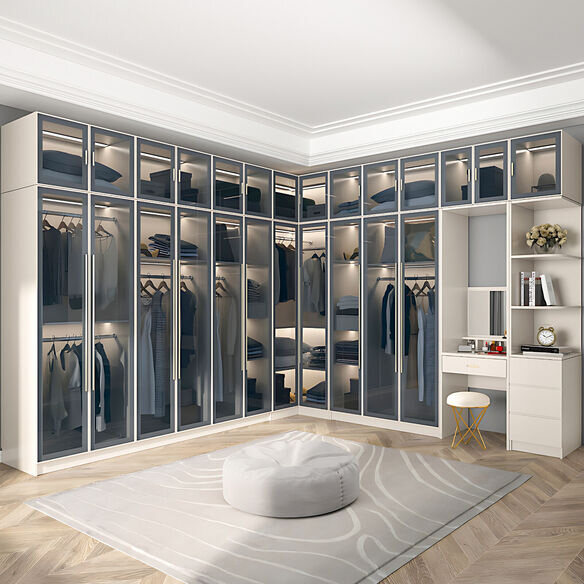
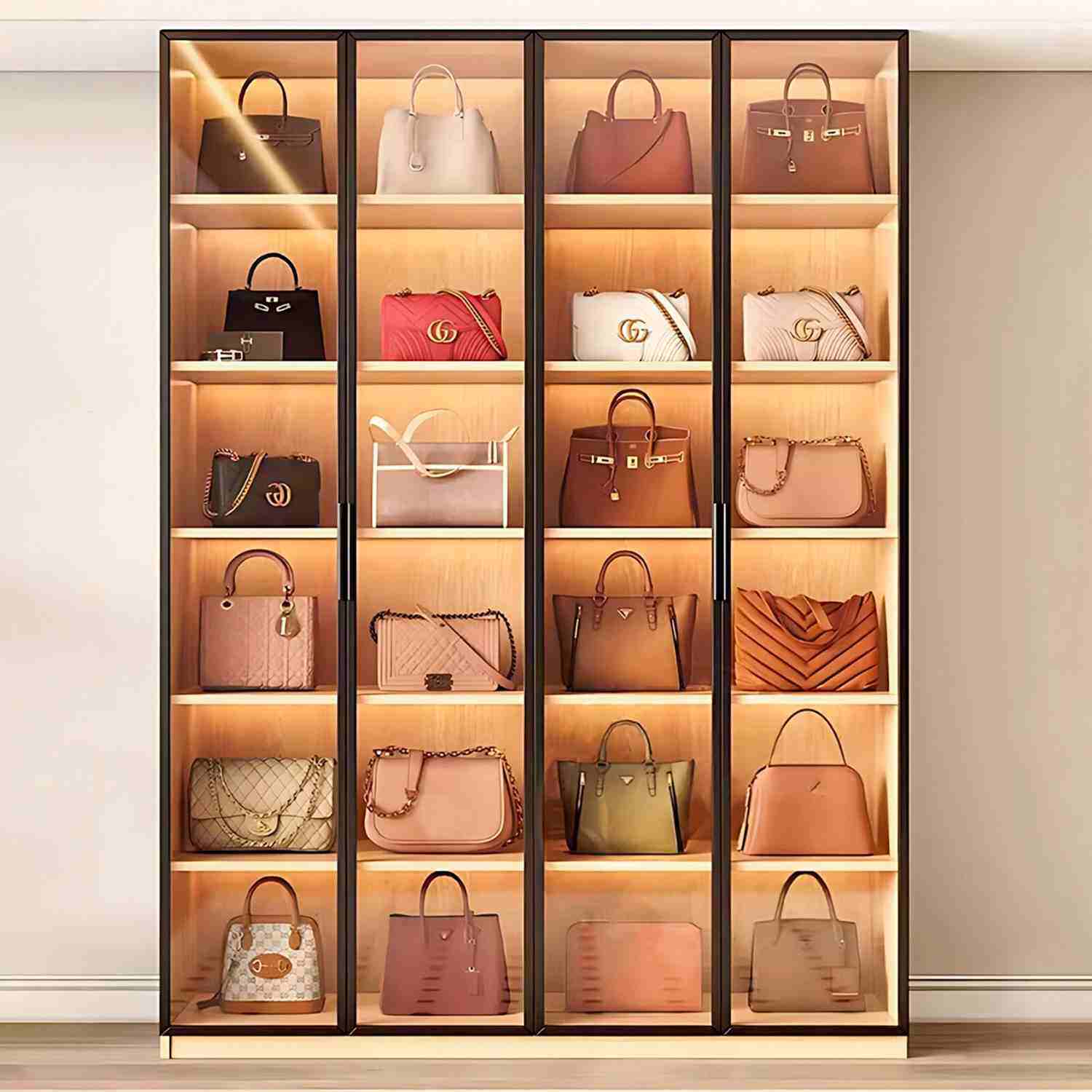
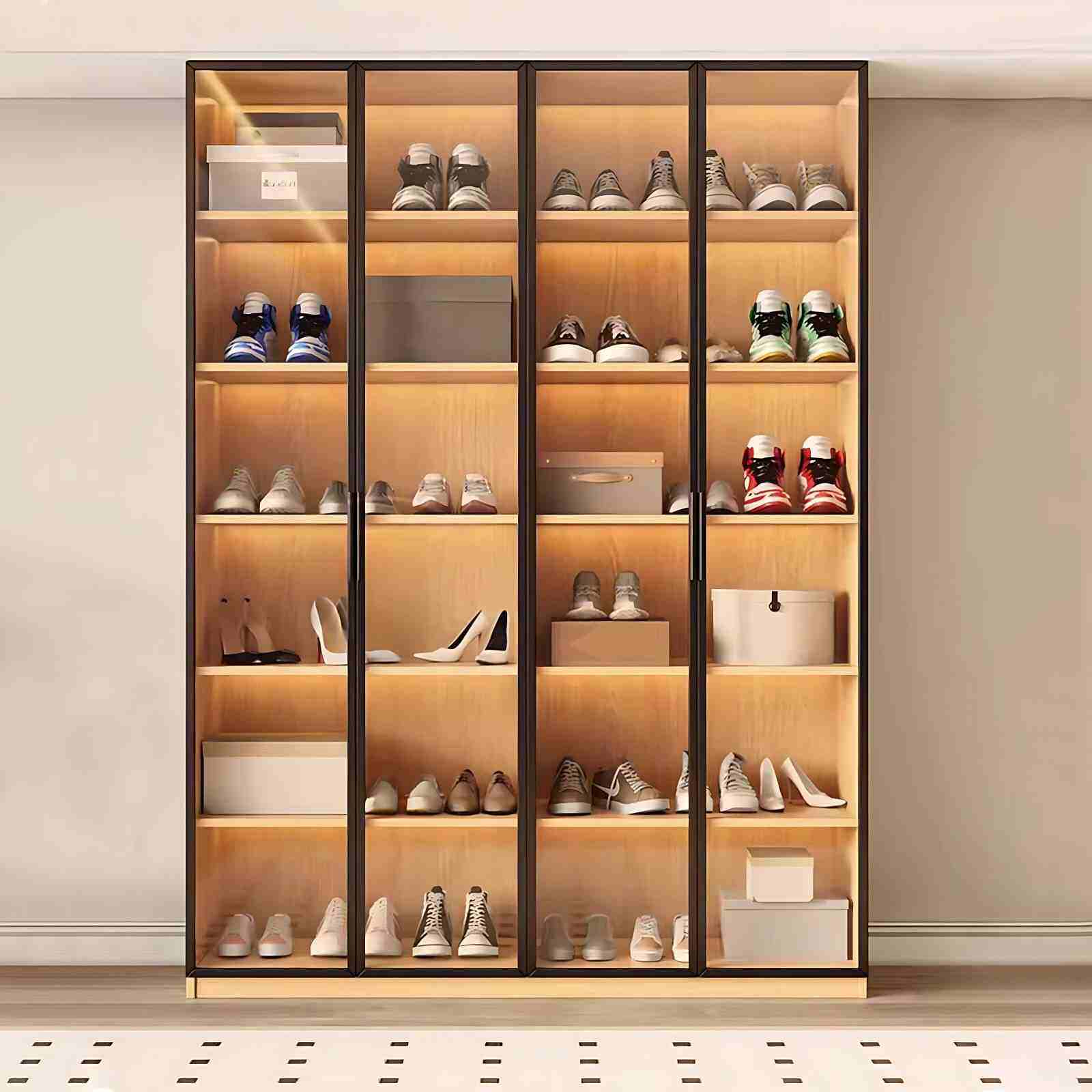
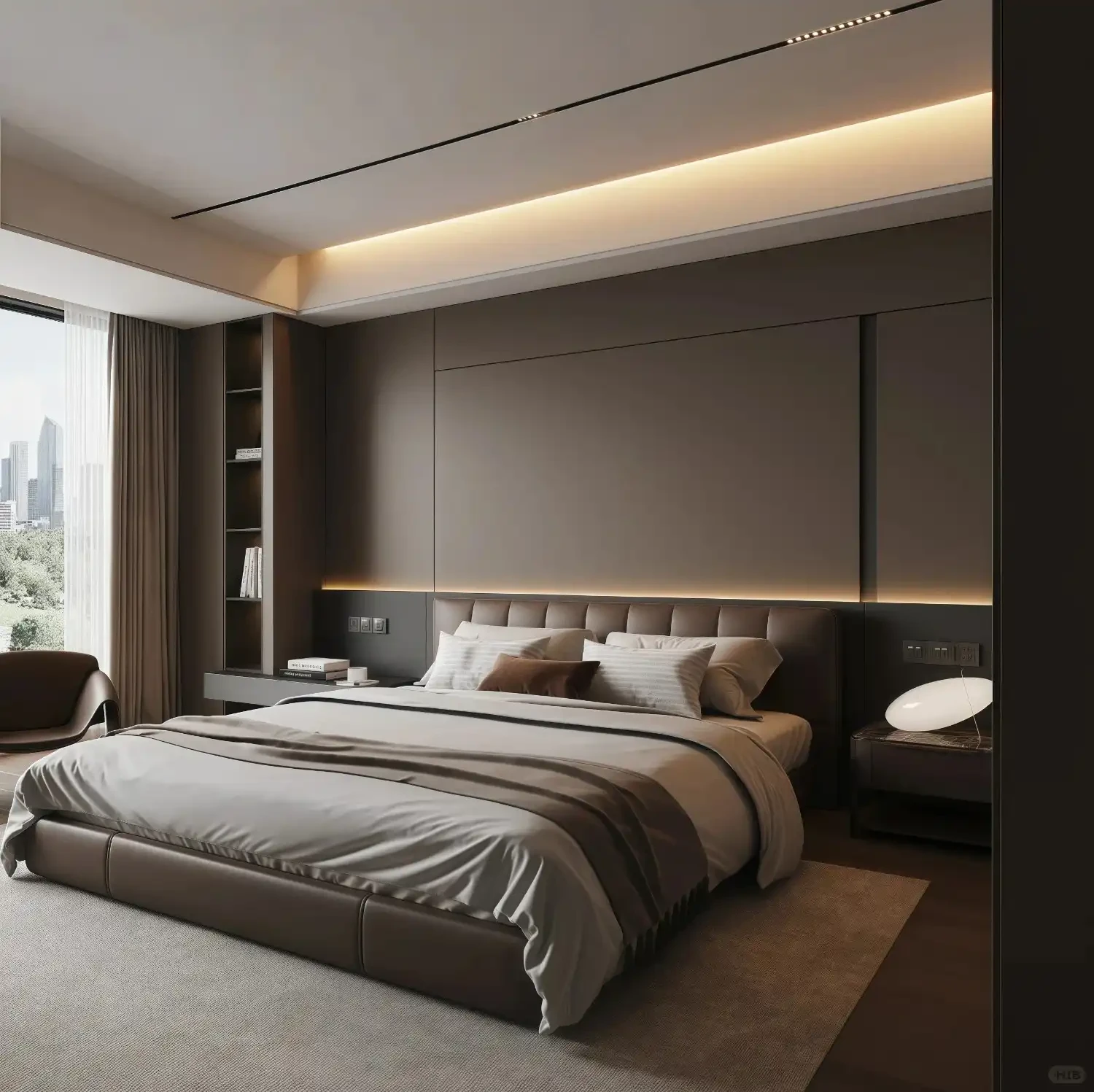
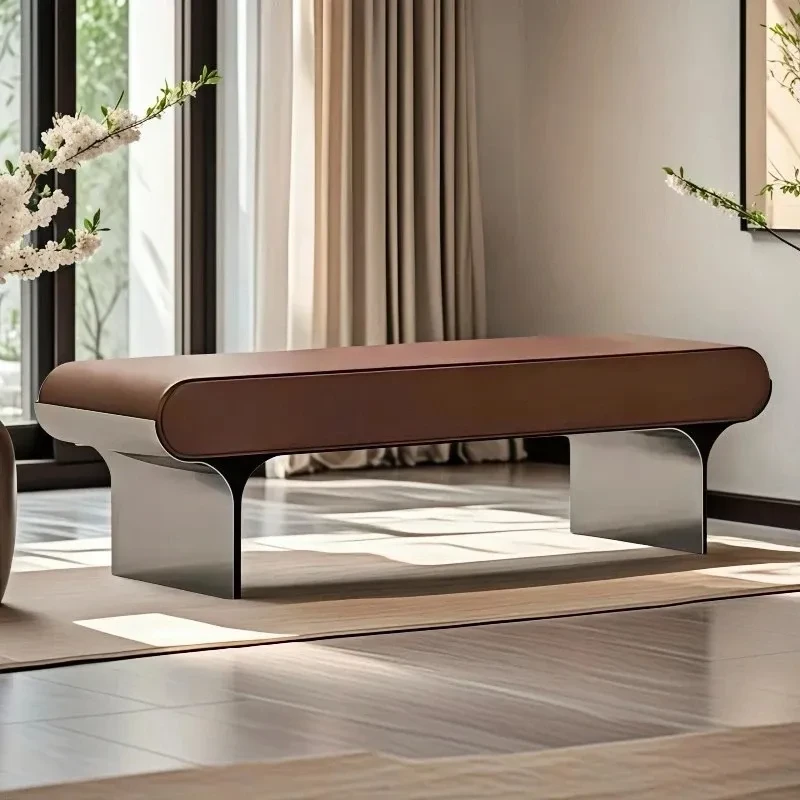
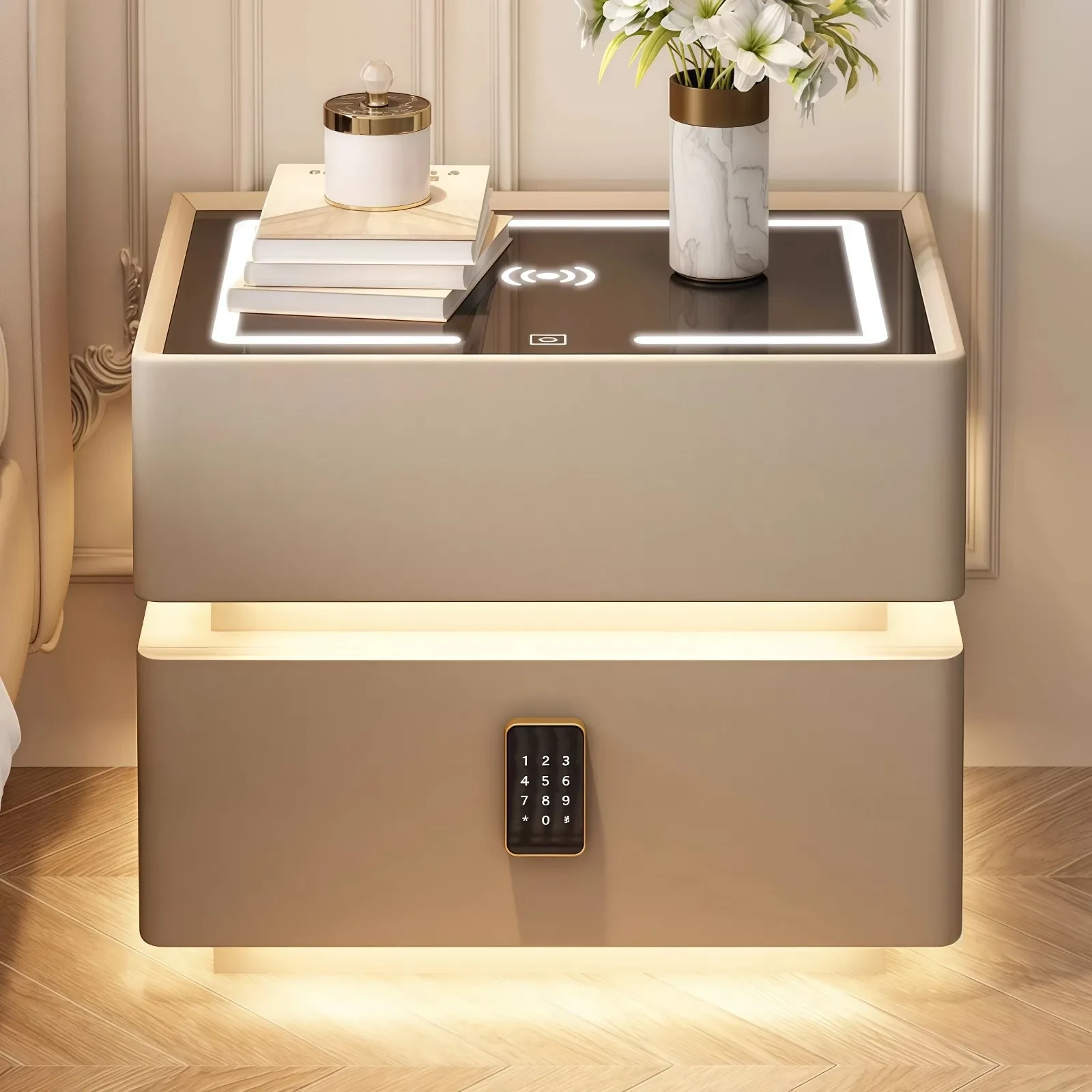
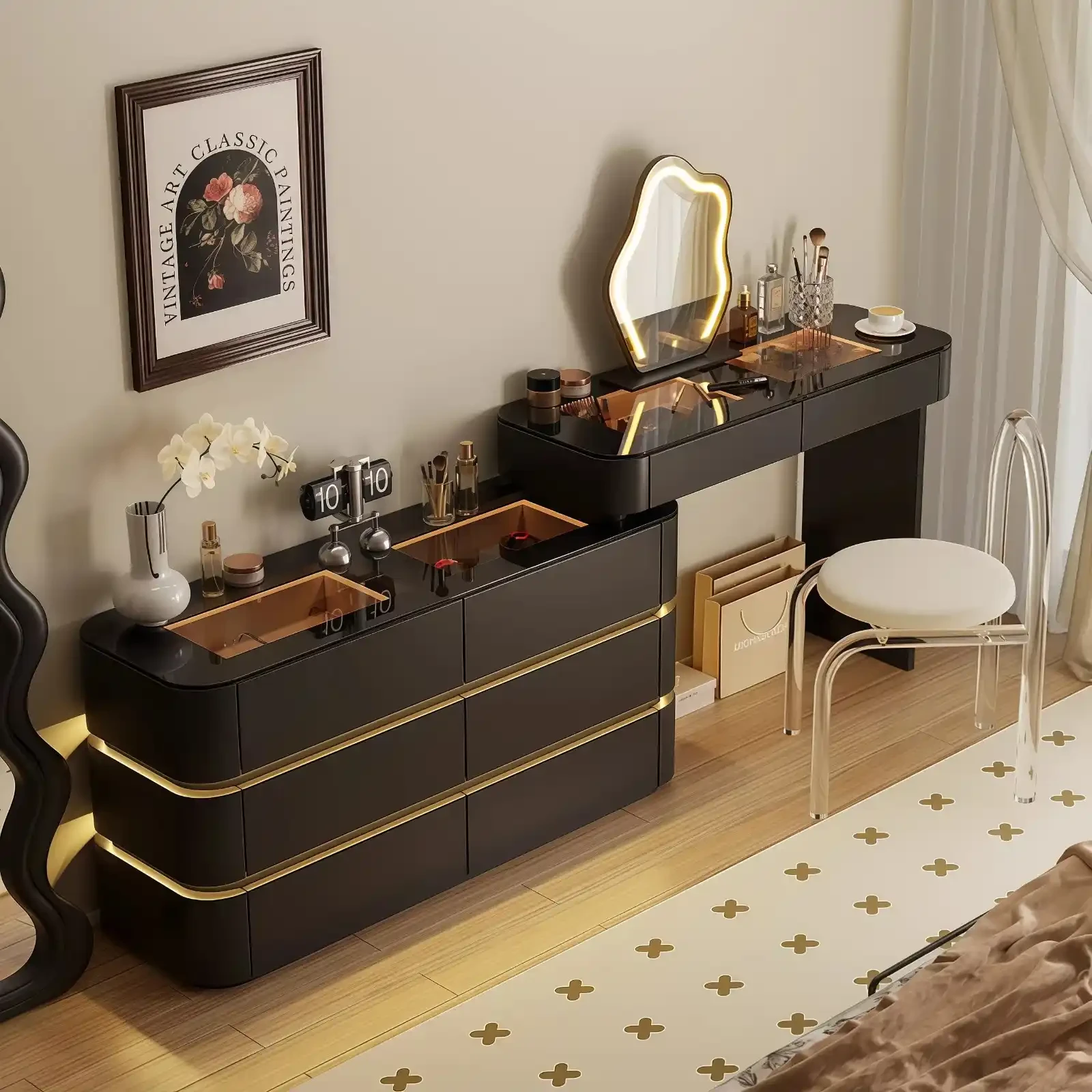
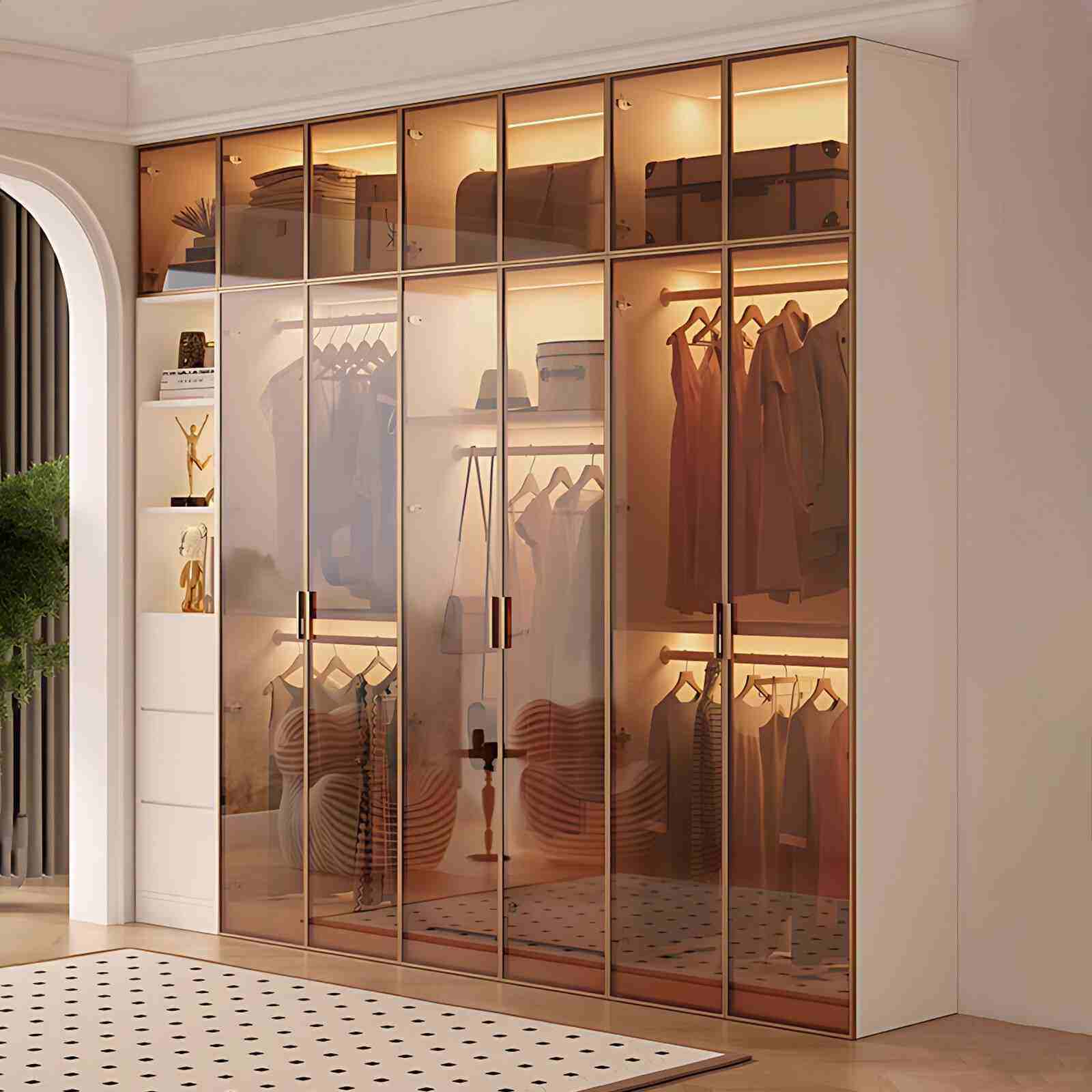
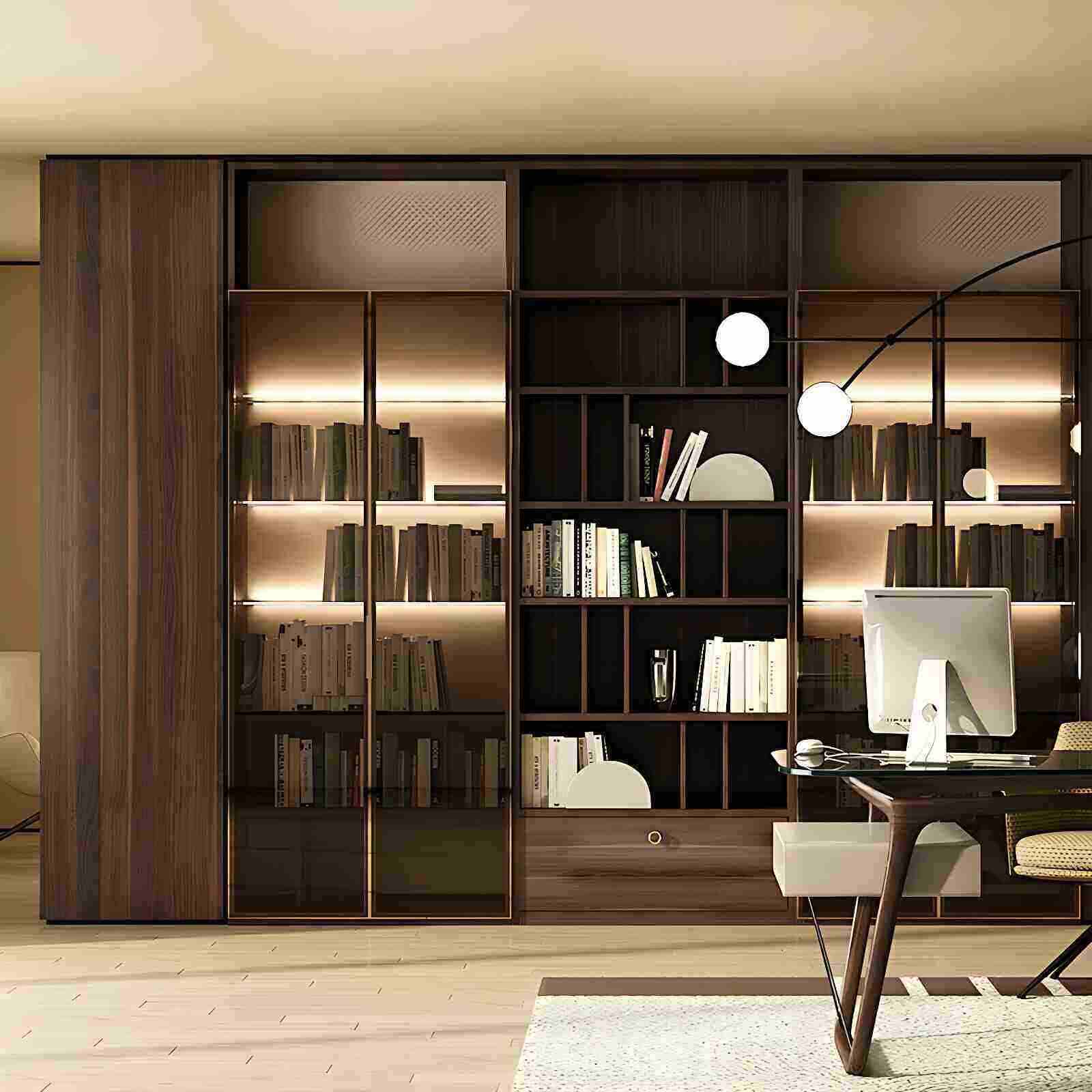
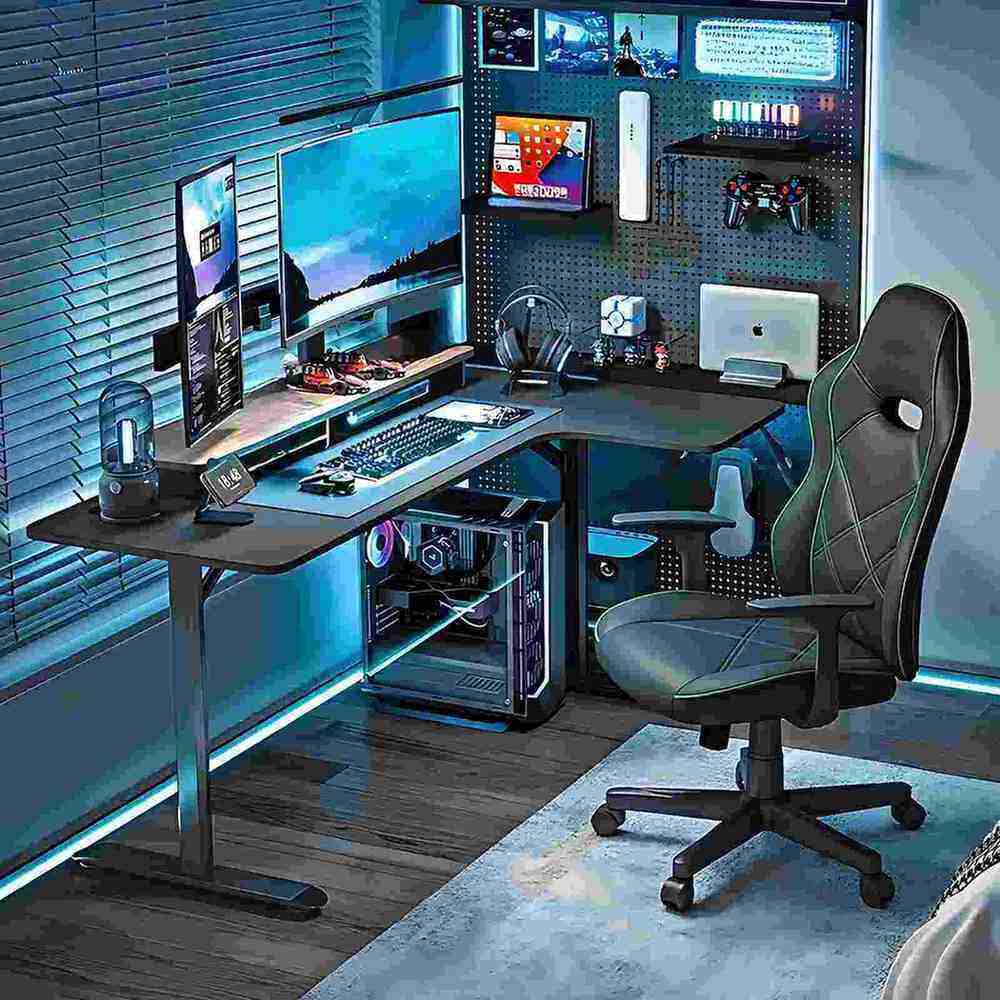
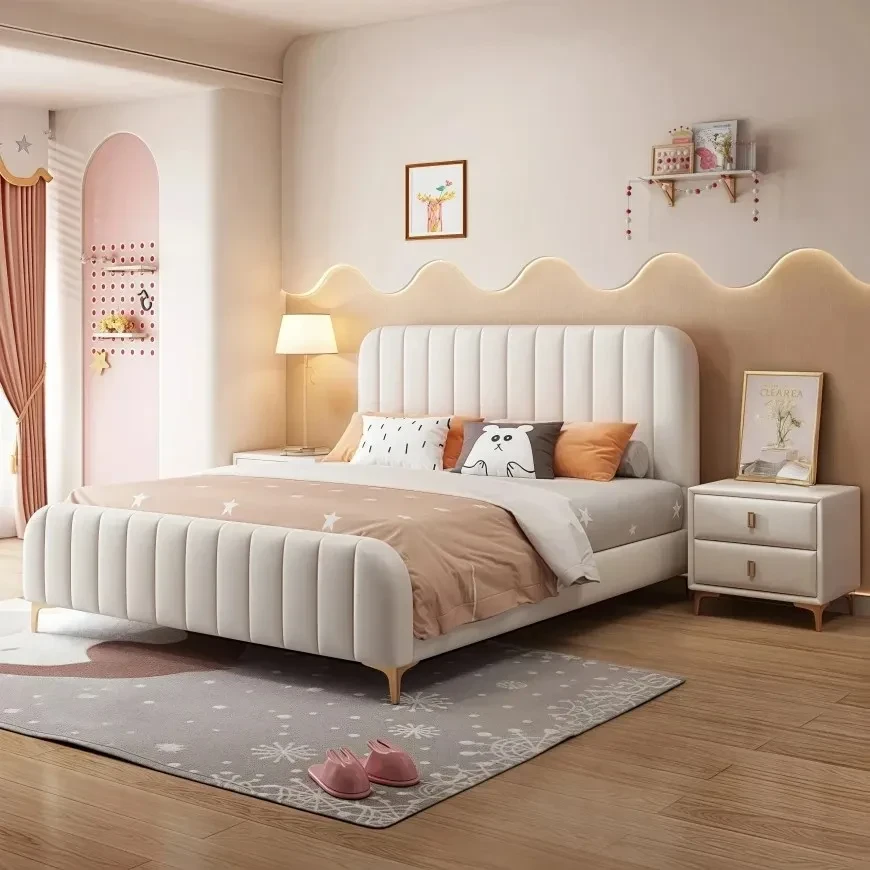
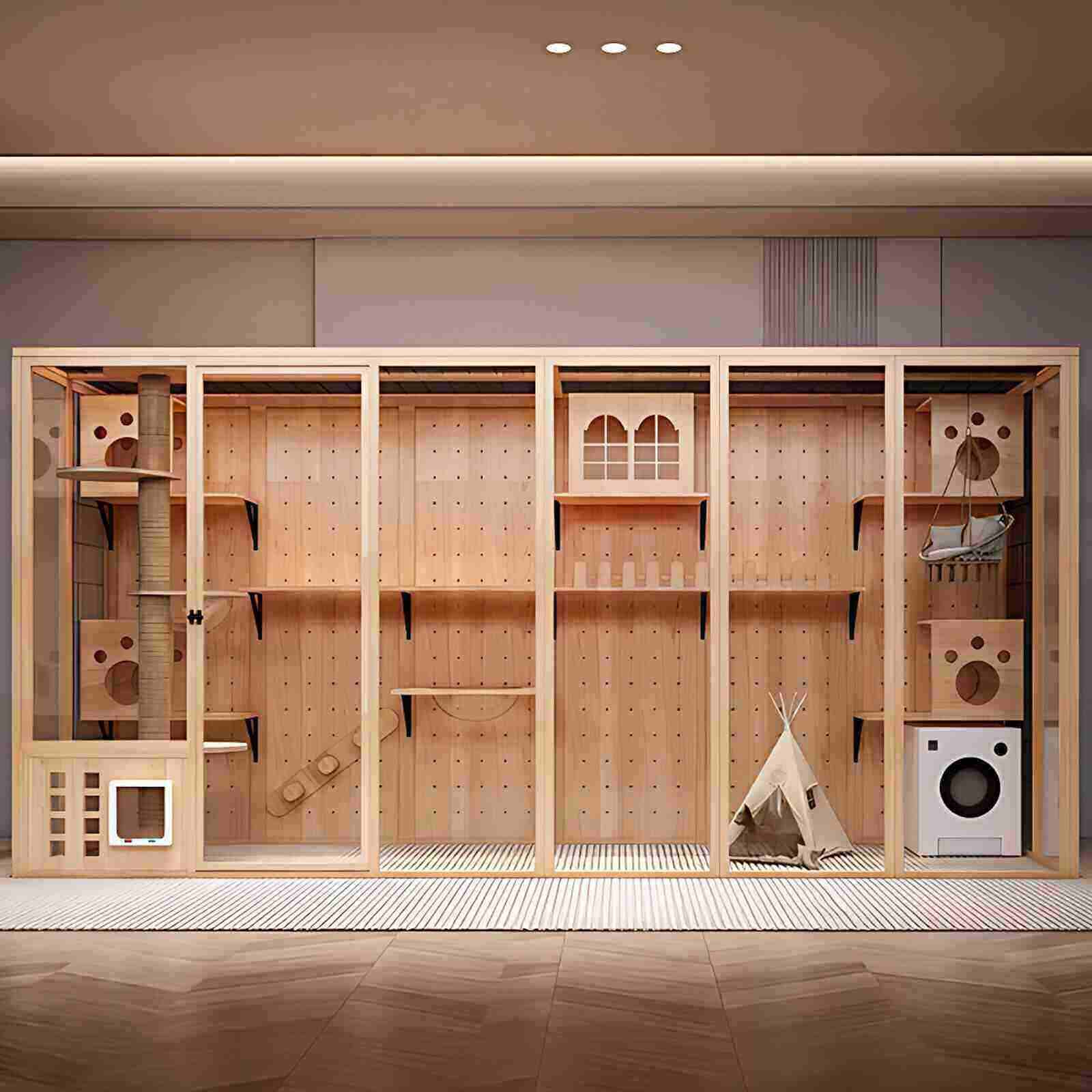
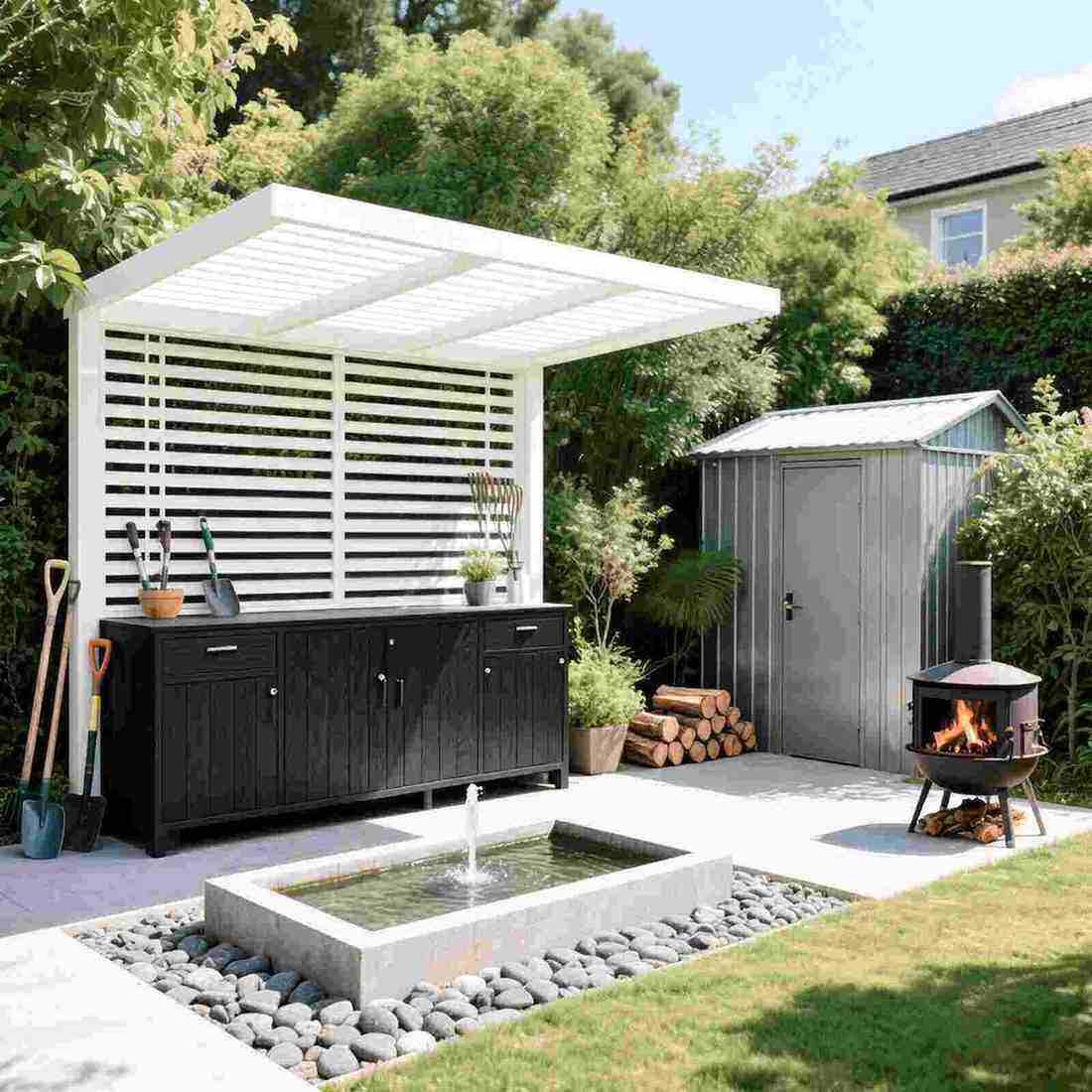
Buying a new house requires renovation, while older houses need refurbishment. Whether it's a new house or a renovation, a large amount of engineered wood panels are needed. So, how much do you know about the commonly used panels in home decoration? Today, we'll talk about some things related to home decoration panels, hoping to be helpful to our readers.
First, let's talk about the different types of engineered wood panels.
Currently, the boards on the market can be divided into two main categories: solid wood boards and engineered wood boards.
There are many types of solid wood boards depending on the type of wood used, such as cedar and oak, which will not be discussed in detail here.
Today's main subject is [artificial board].
Based on the different core materials, engineered wood products are classified into particleboard, medium-density fiberboard, plywood, etc.
Particleboard, also known as chipboard, is a commonly used board material for various types of custom furniture.
Medium-density fiberboard (MDF) is a type of particleboard made from wood chips that are even finer and more pulverized than regular particleboard.
This type of board is low in strength, not sturdy, and not moisture-proof, but it is easy to shape and can be arranged into various patterns, so it is generally used for cabinet doors.
Plywood, also known as multi-layer solid wood composite board, is made by shaving wood into sheets and then gluing them together.
This type of board has high strength and good moisture resistance.
The "blockboard" commonly used by carpenters is a type of plywood.
However, the quality and price differences in the market are quite significant. Expensive boards are extremely expensive, while cheap ones are priced beyond your imagination... The polarization is severe, and there are instances of inferior products being passed off as superior ones. You need to be discerning when purchasing.
The commonly used finishes for engineered wood panels include: melamine-impregnated paper, PVC lamination, painted finish, solid wood veneer, and glass finish.
Among them, melamine-impregnated paper is currently the most common type of engineered wood panel finish on the market.
Simply put, it involves applying a film to the core of the board and printing various textures and patterns on the film to achieve a decorative effect.
This finish is often used in conjunction with particleboard, as most custom cabinets we encounter use a combination of melamine-impregnated paper and particleboard.
PVC-coated finishes are often seen on Western-style cabinet doors and are a perfect match for medium-density fiberboard (MDF).
It has a soft feel, realistic patterns, and a great texture, making it easy to create attractive designs. The price is also relatively reasonable.
The painted finish is quite different from the previous two, the biggest difference being... it's expensive!
Baked enamel finish is made of MDF as the base material. The surface is sanded six to nine times (the number of times varies from manufacturer to manufacturer; the more times, the higher the process requirements and the higher the cost), then primed, dried, polished (three base coats, two top coats, and one gloss coat) and baked at high temperature.
Painted wood veneer panels can be divided into three types: glossy, matte, and metallic paint.
Solid wood veneer involves applying wood veneer to particleboard or medium-density fiberboard, sealing the edges, and then painting it.
There are many types of solid wood veneer on the market now. Common ones include walnut, sapele, ash, beech, cherry, maple, rosewood, and teak.
A perfect match for Chinese furniture!