
 USD
USD GBP
GBP
 EUR
EUR

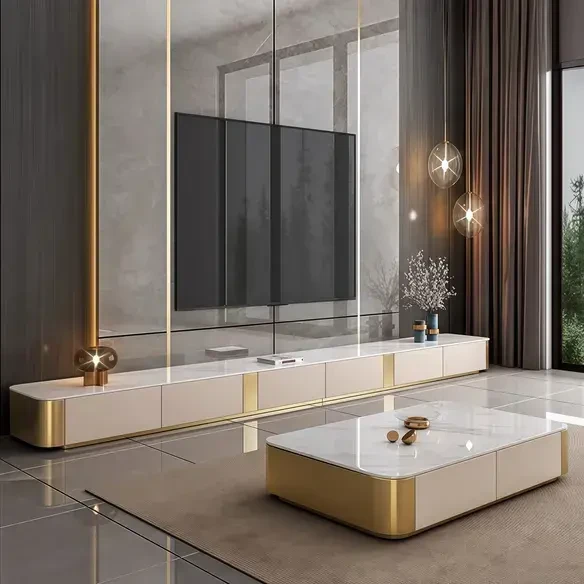
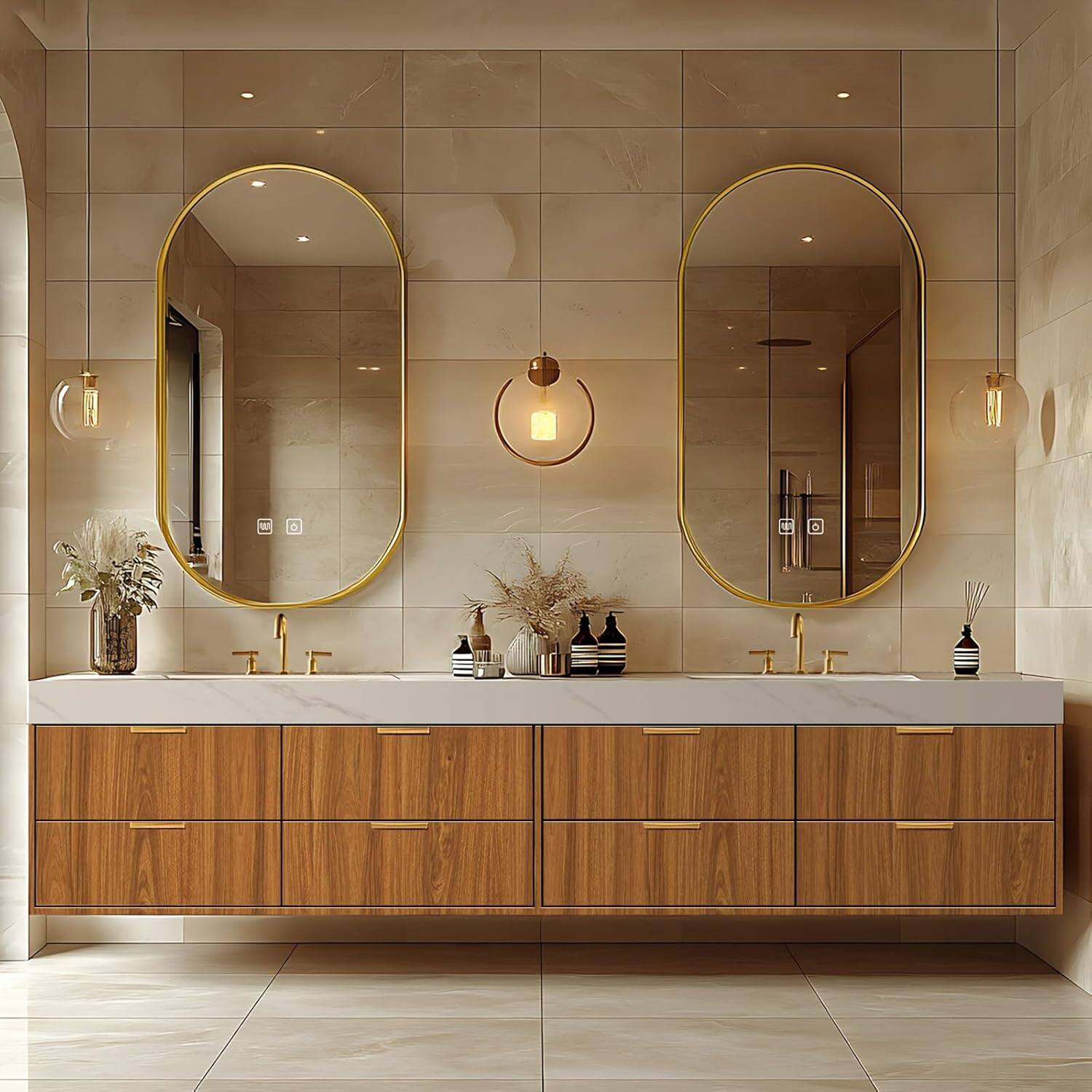
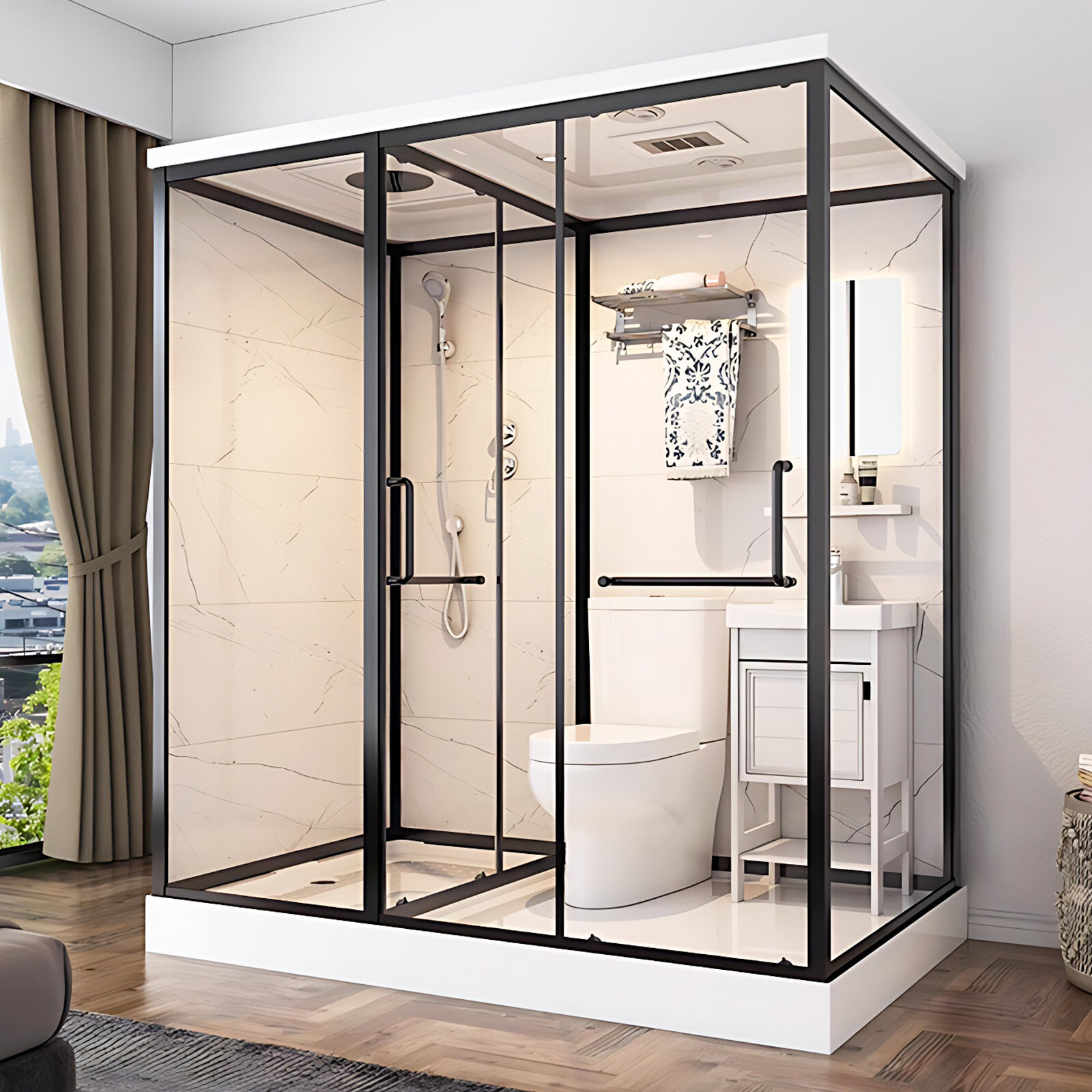
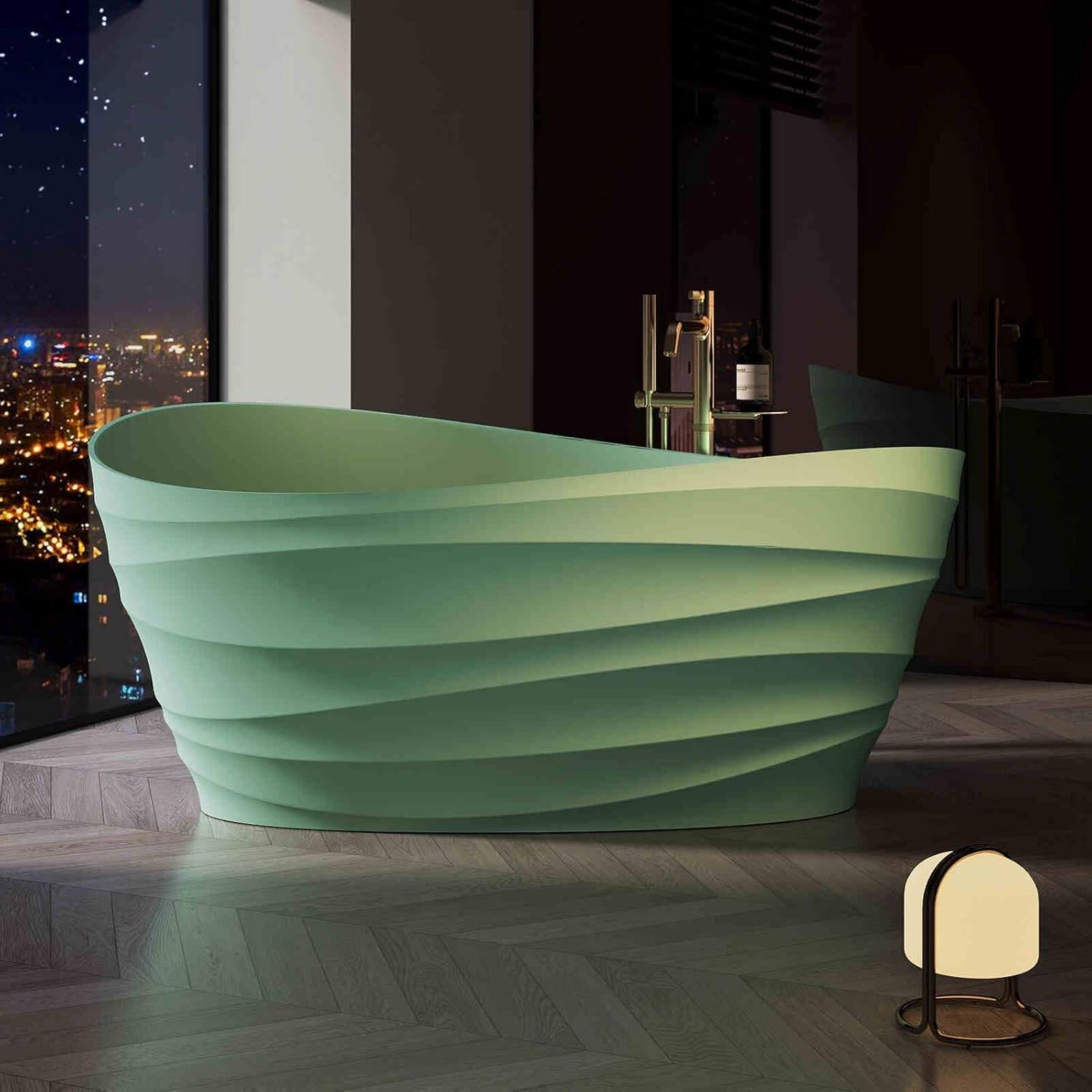
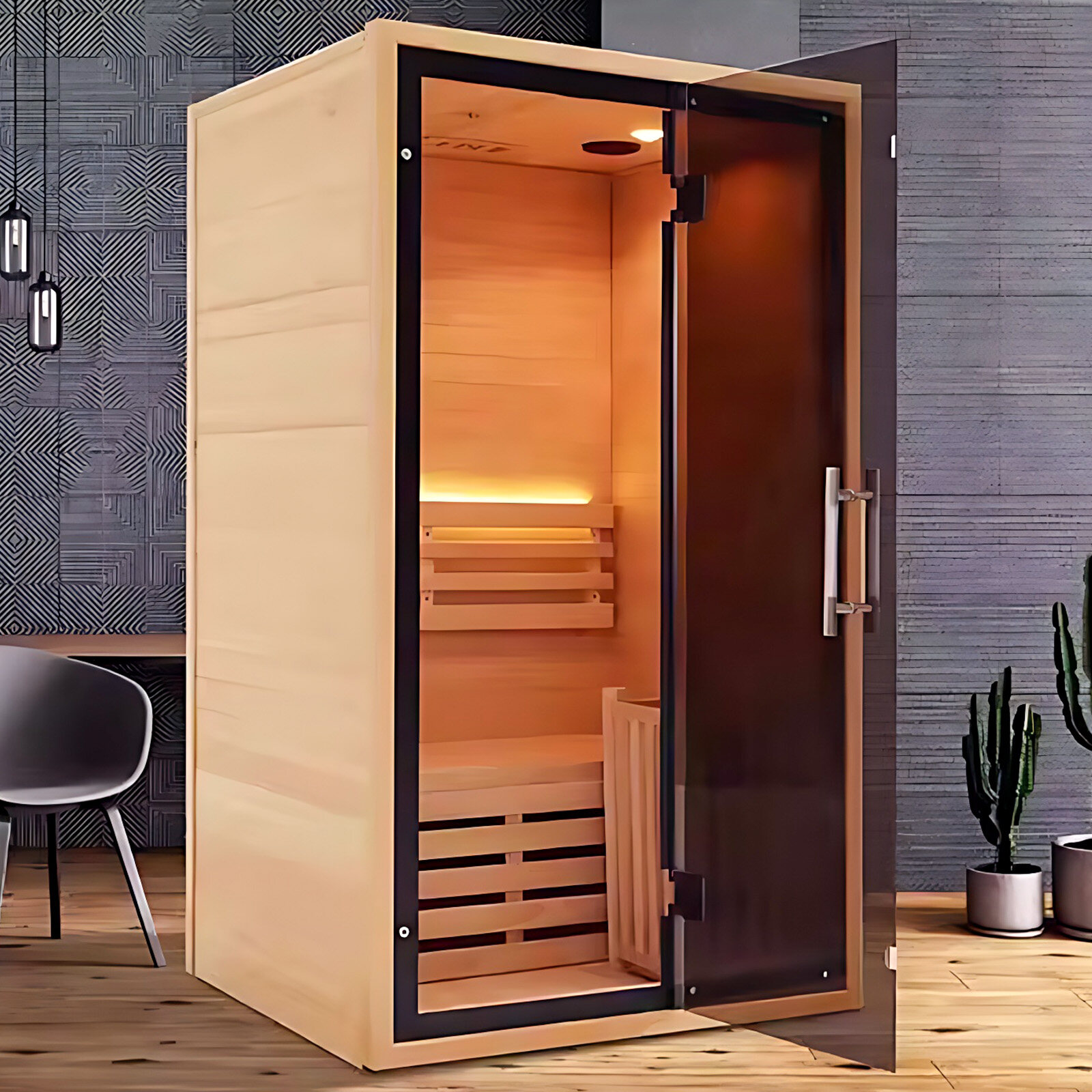
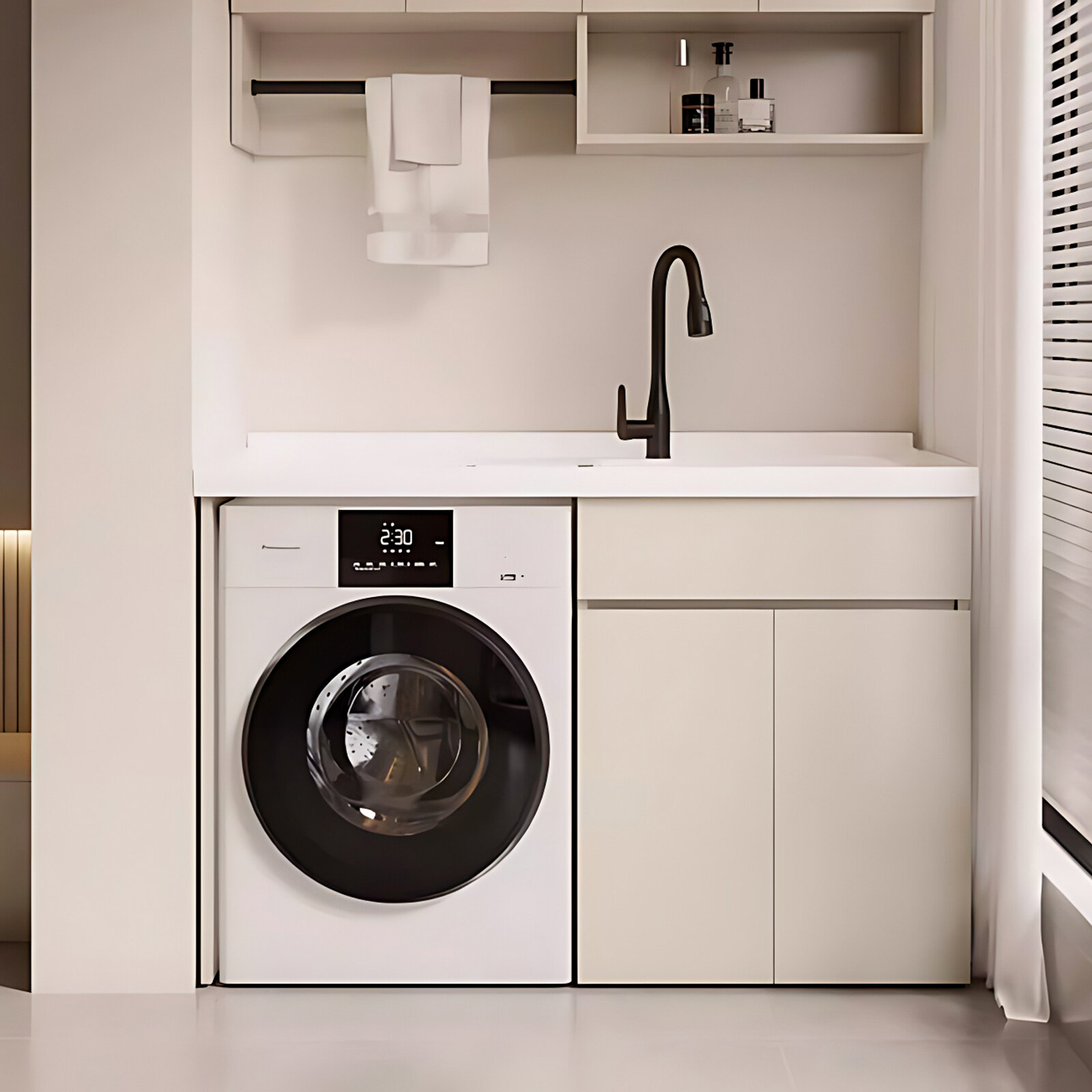
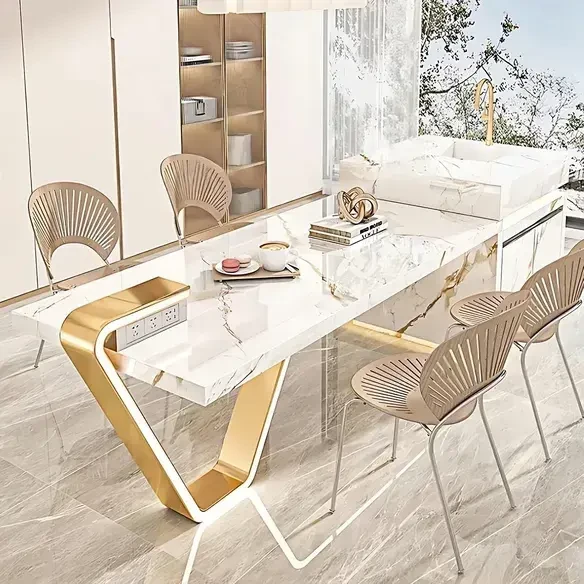
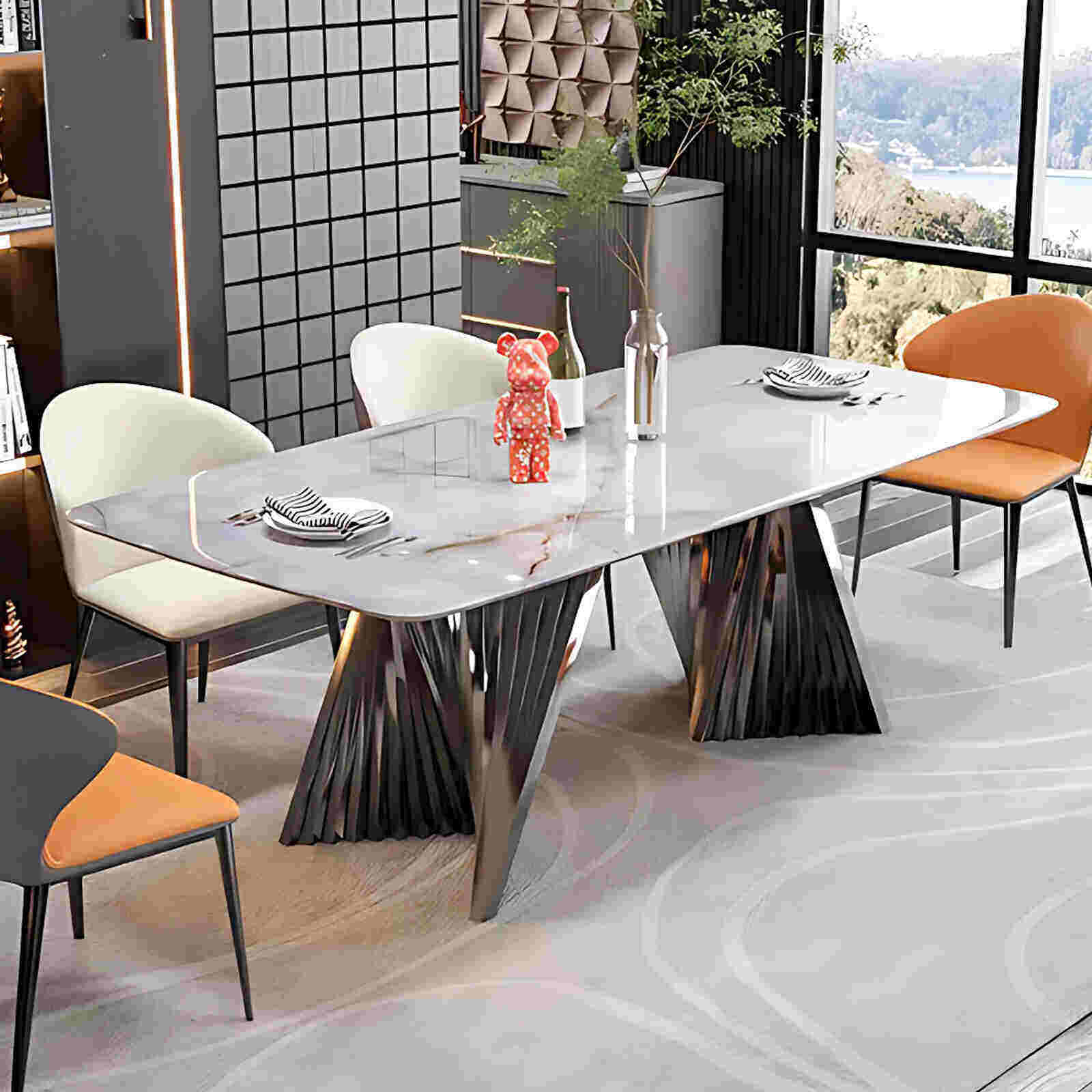
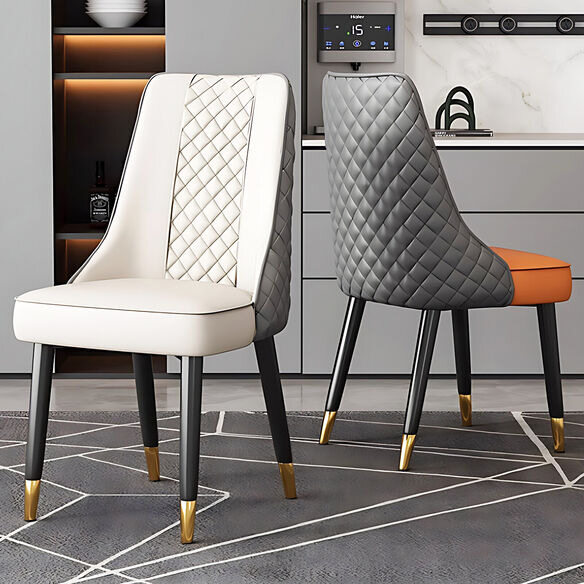
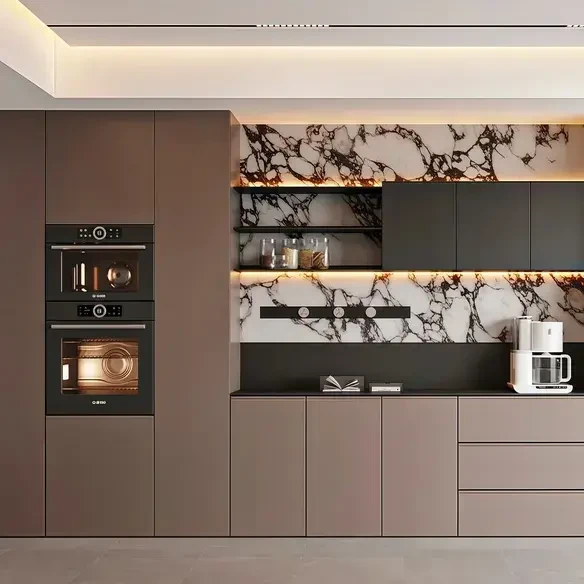
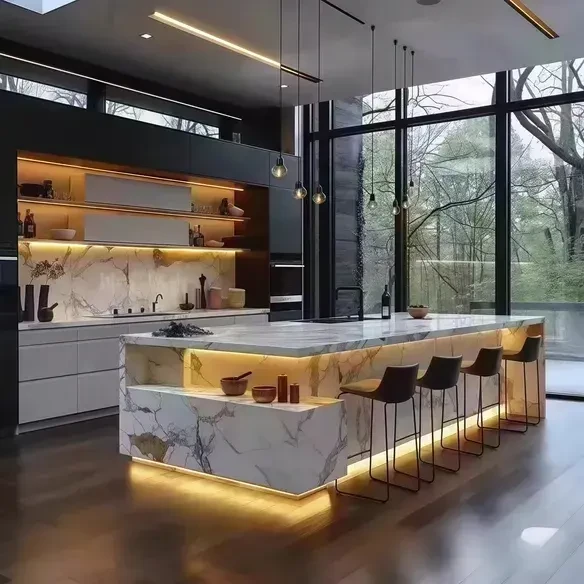
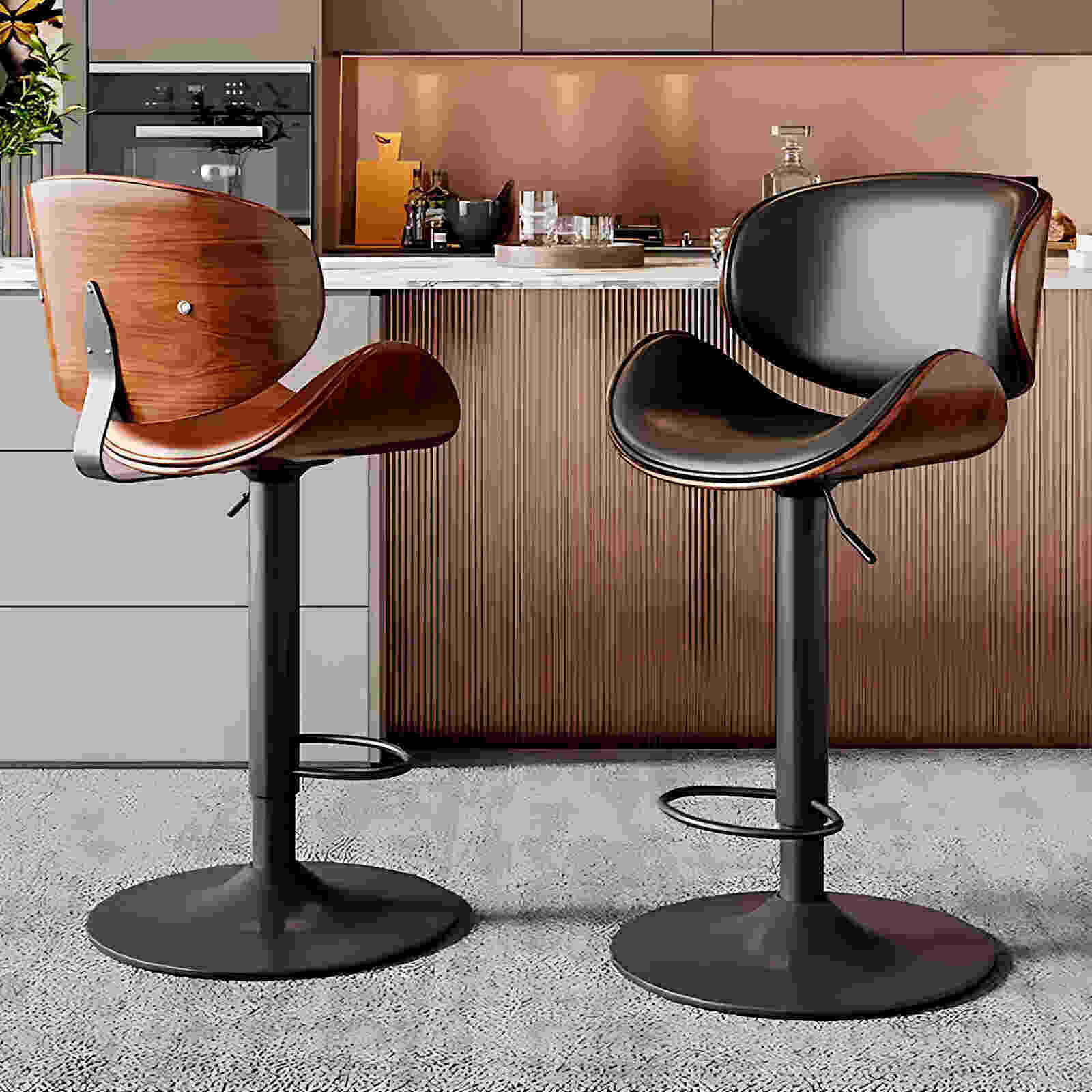
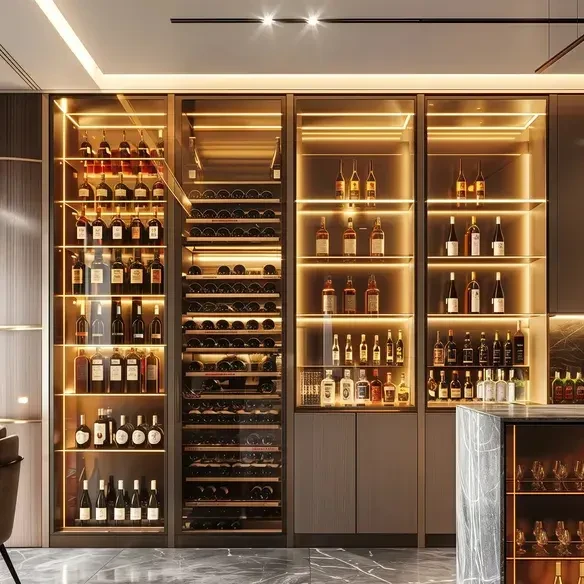
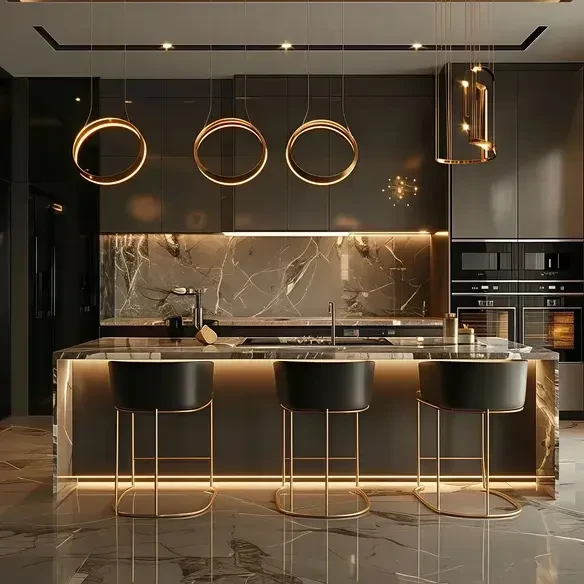
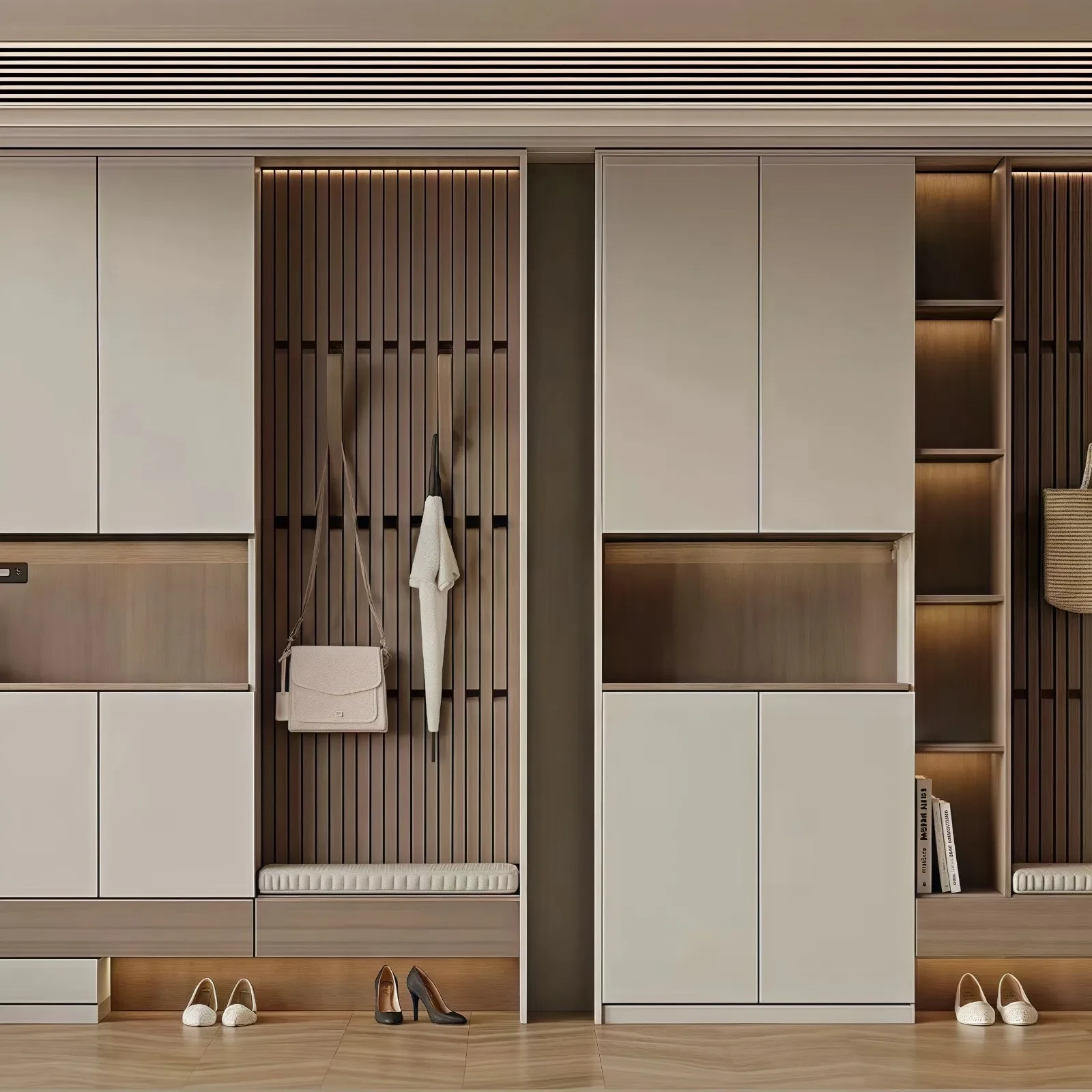
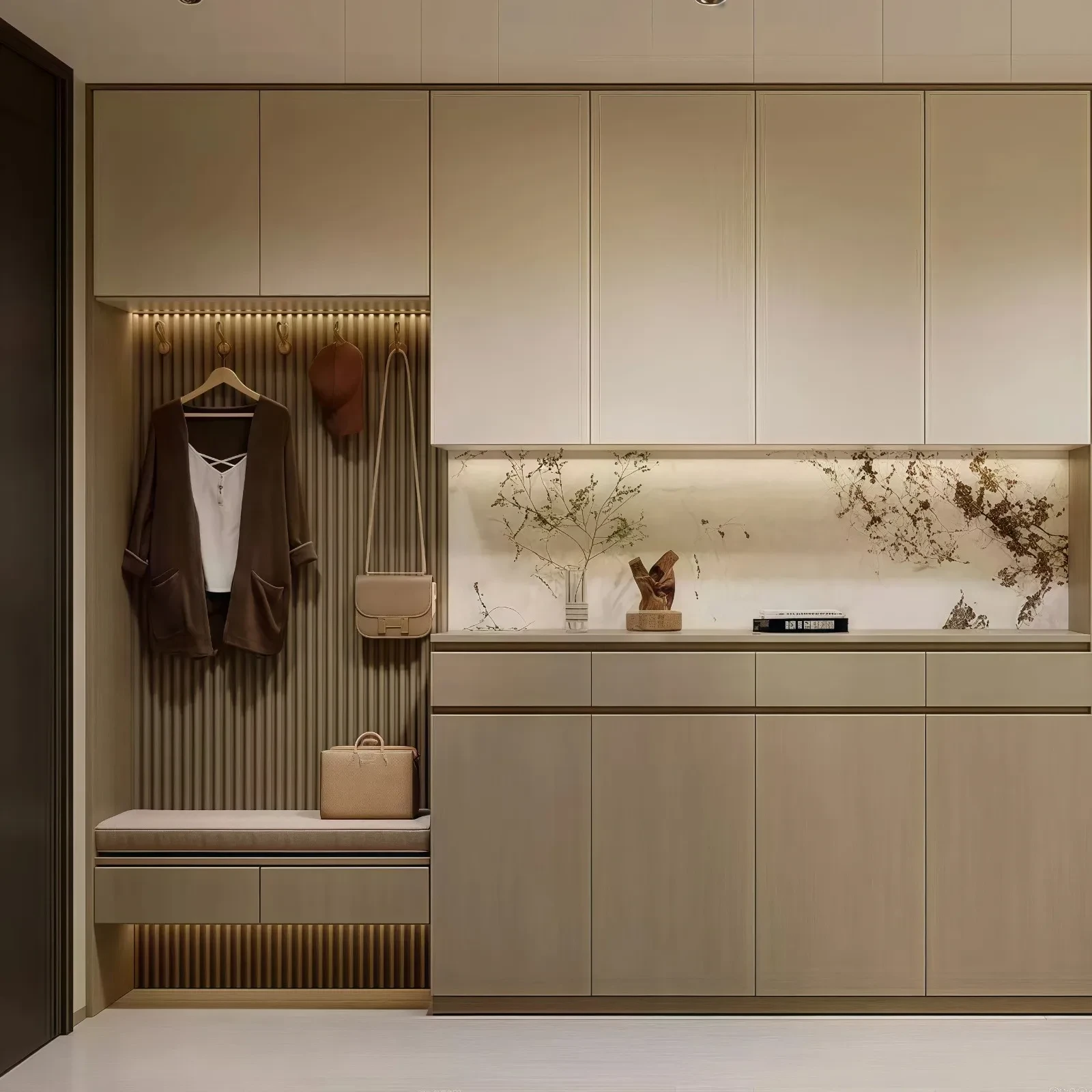
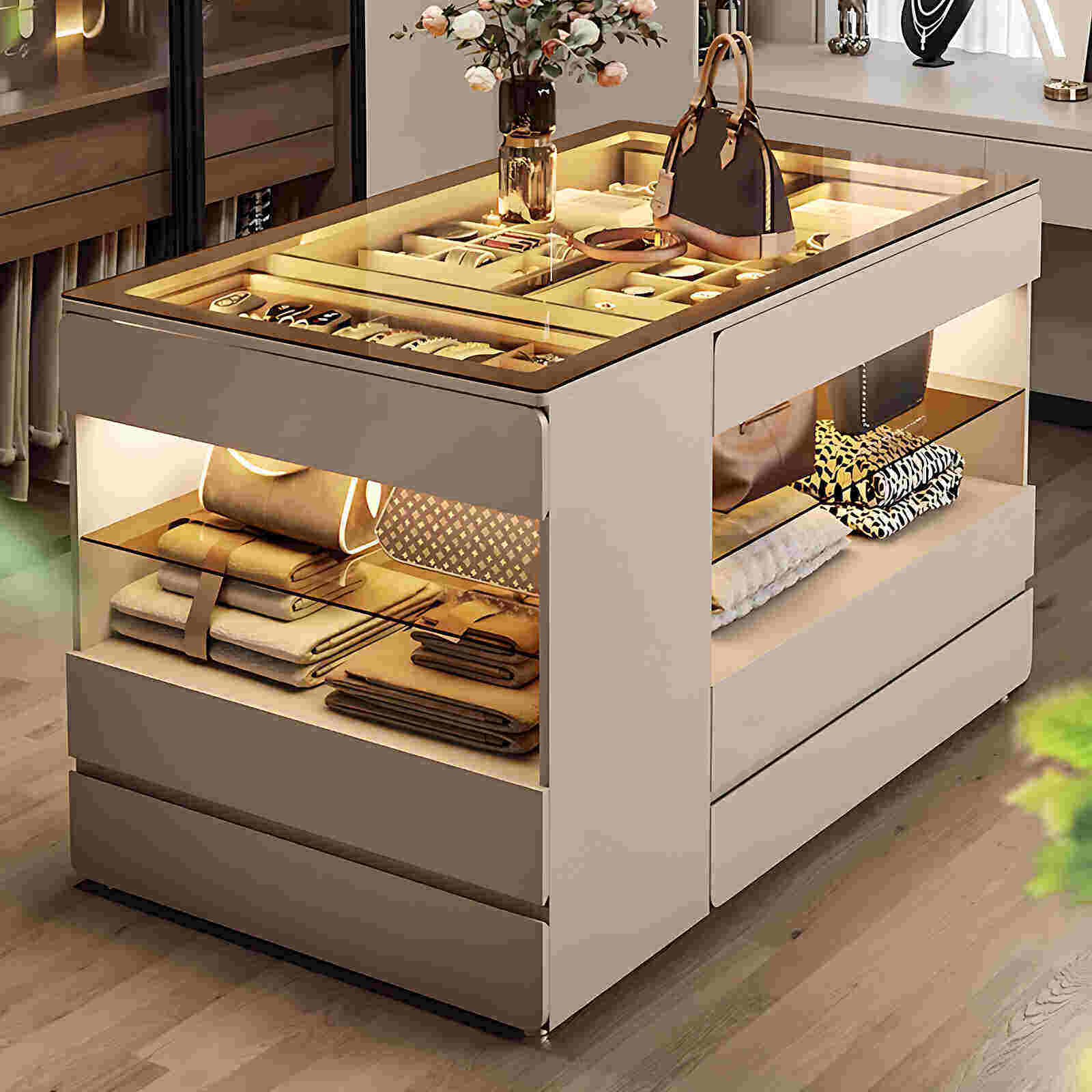
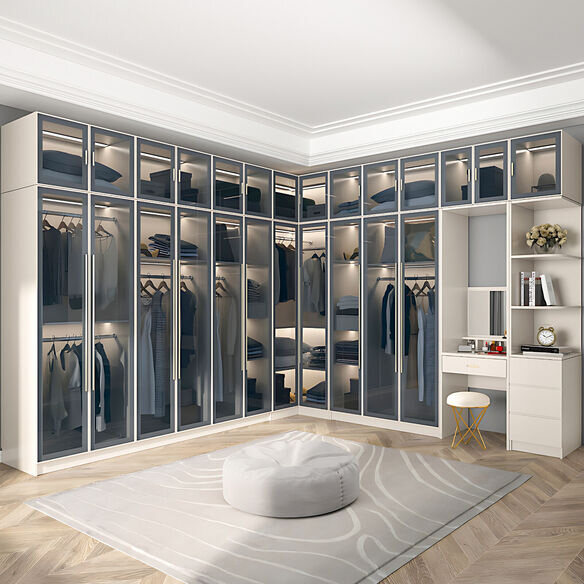
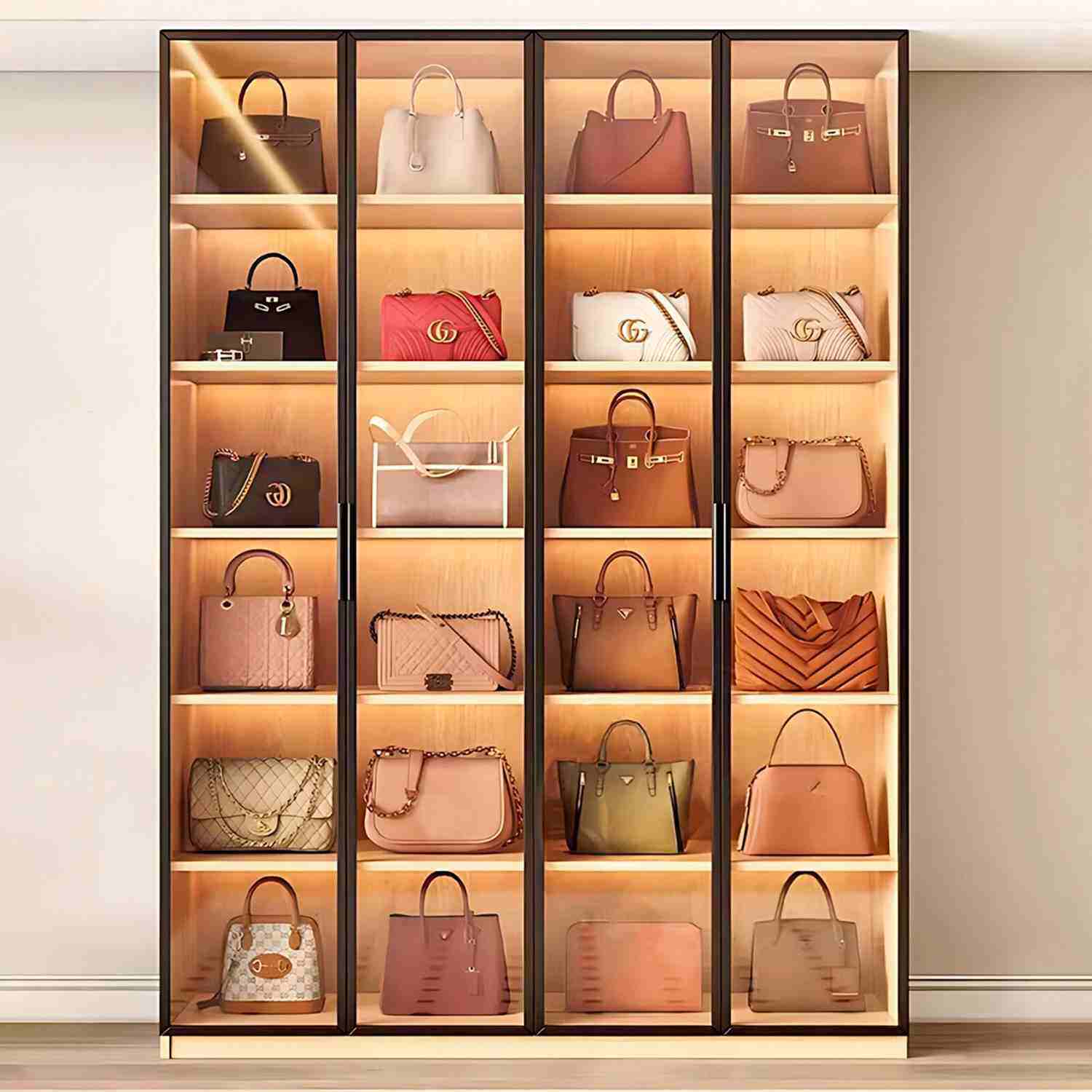
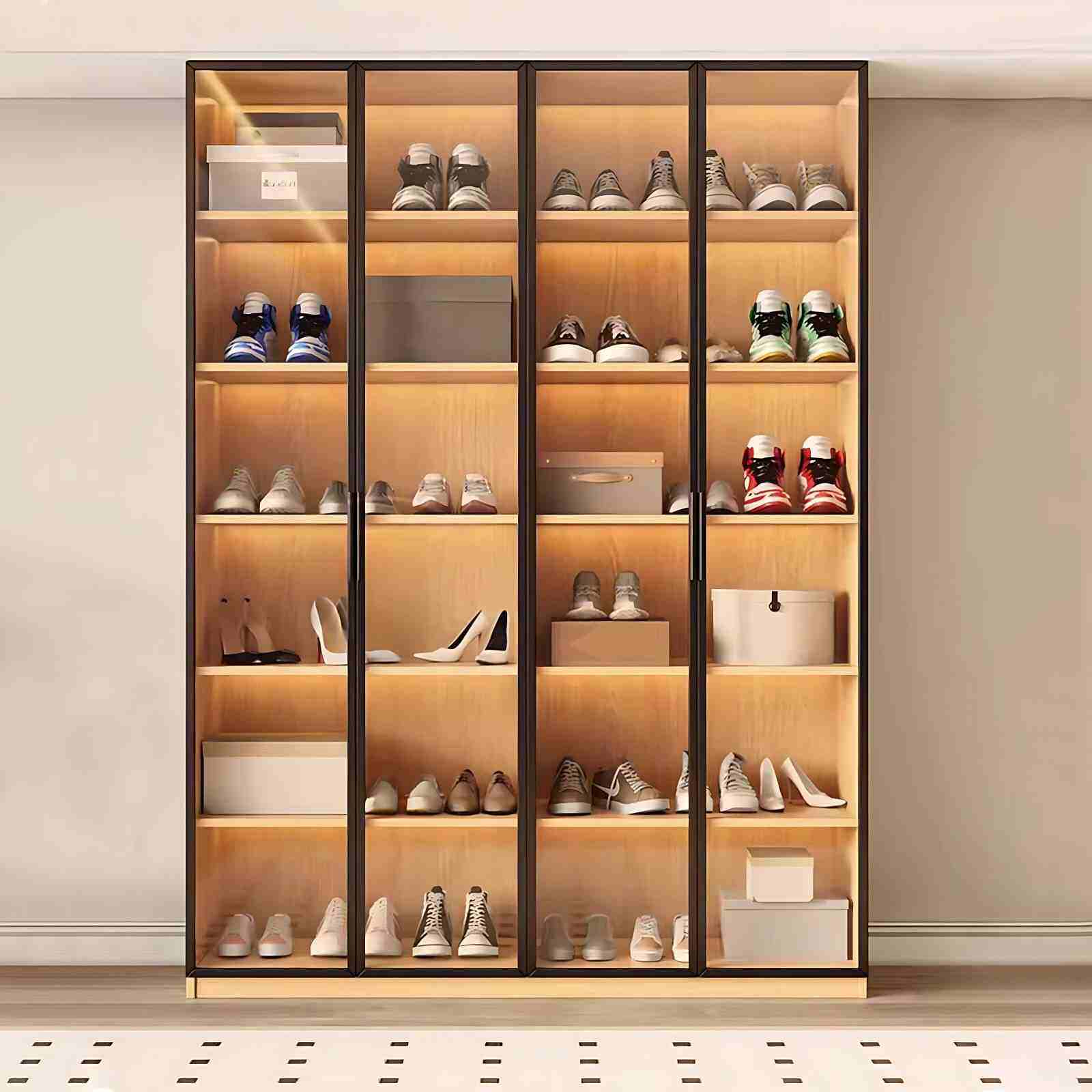
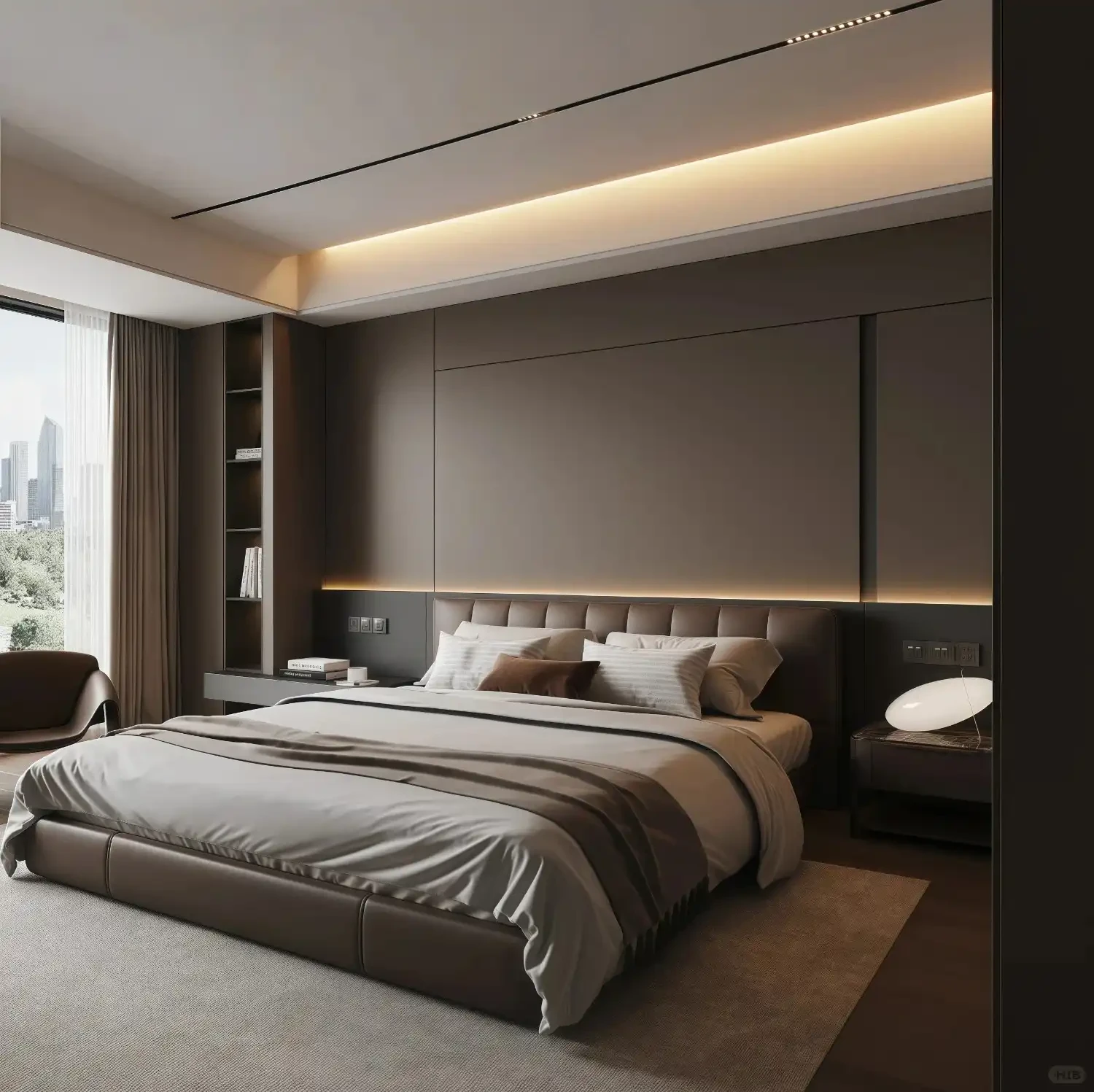
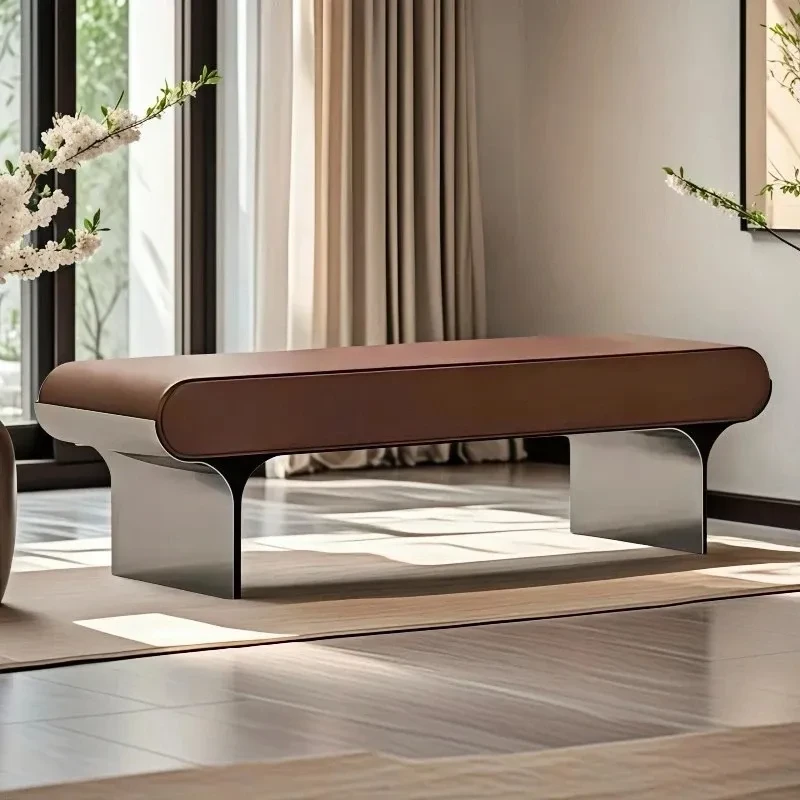
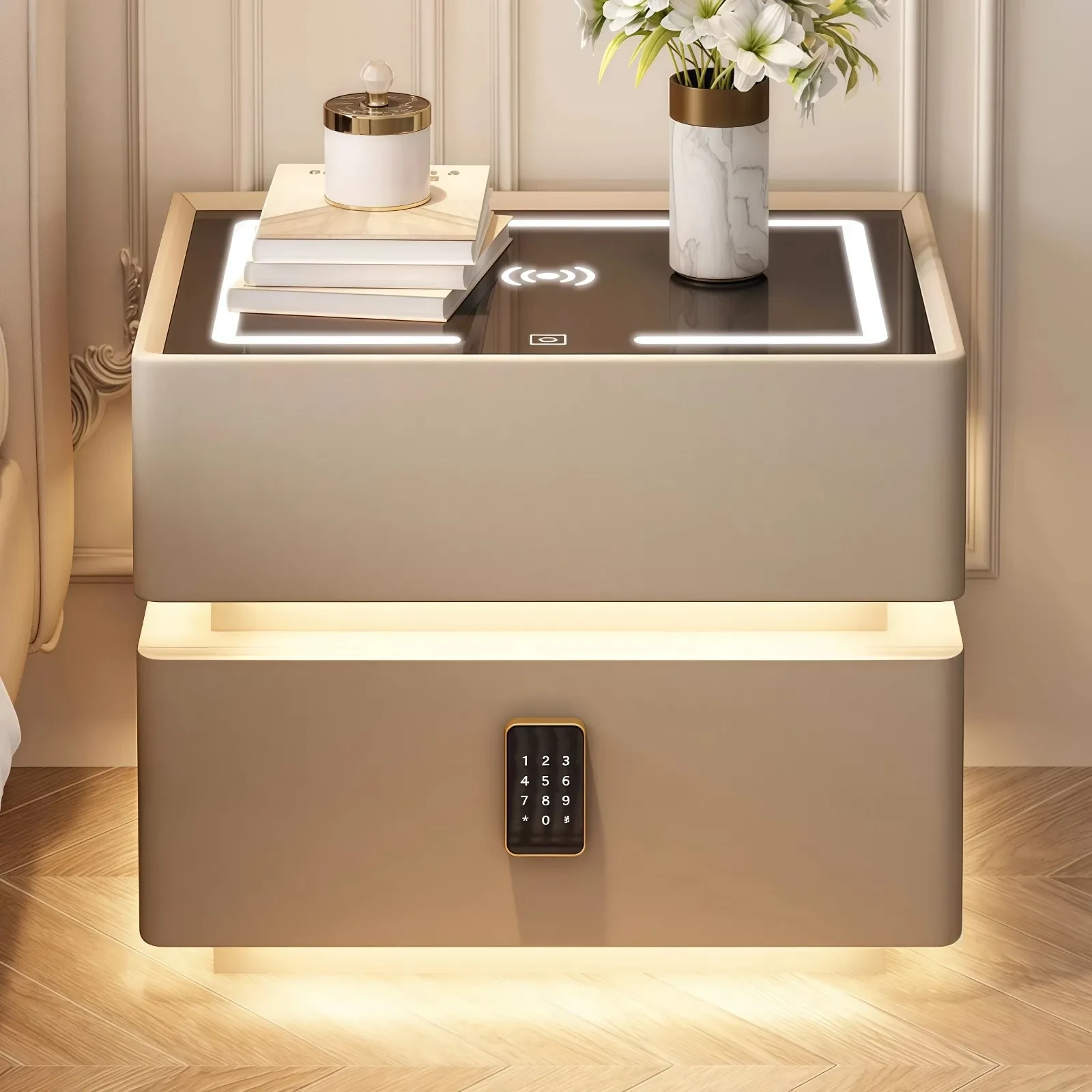
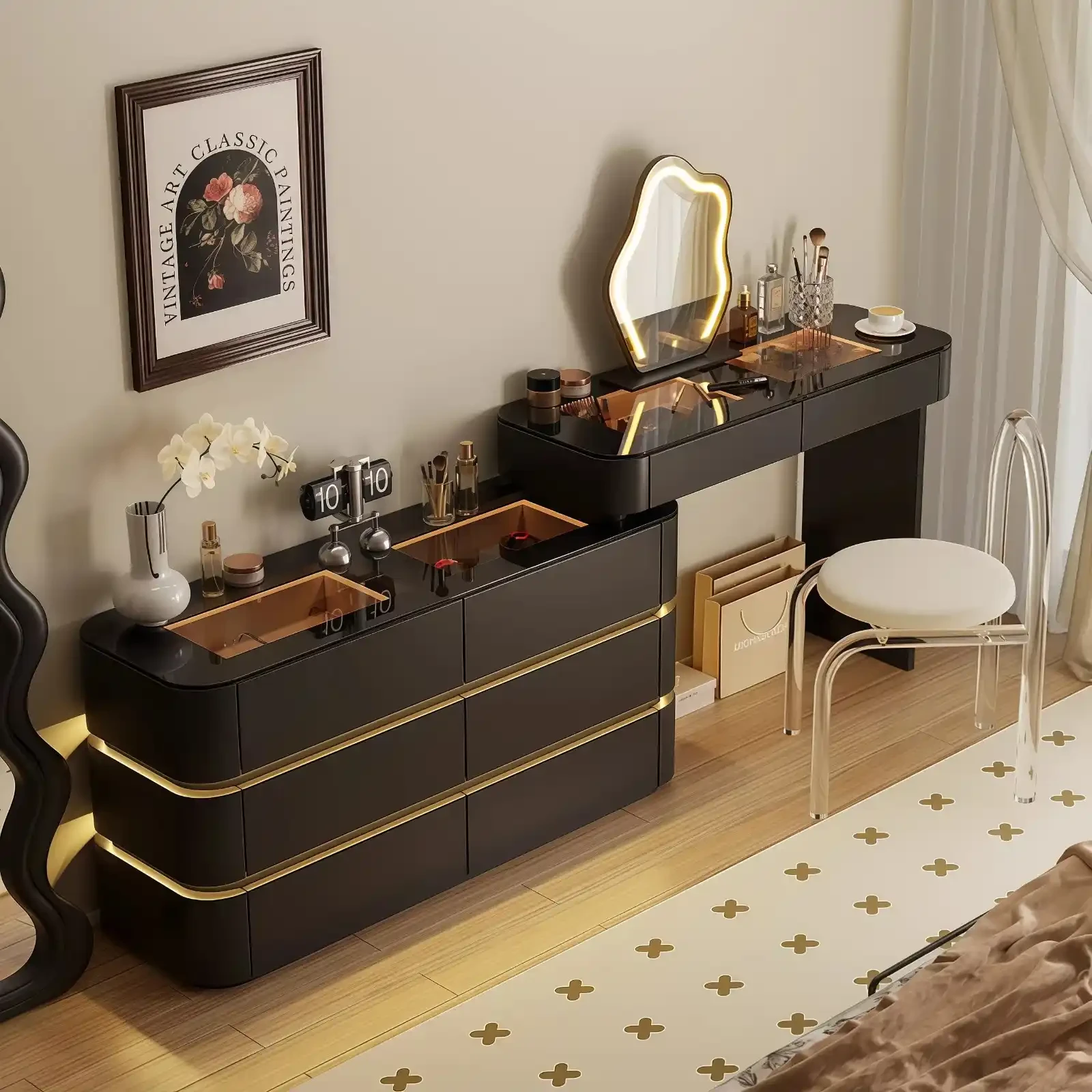
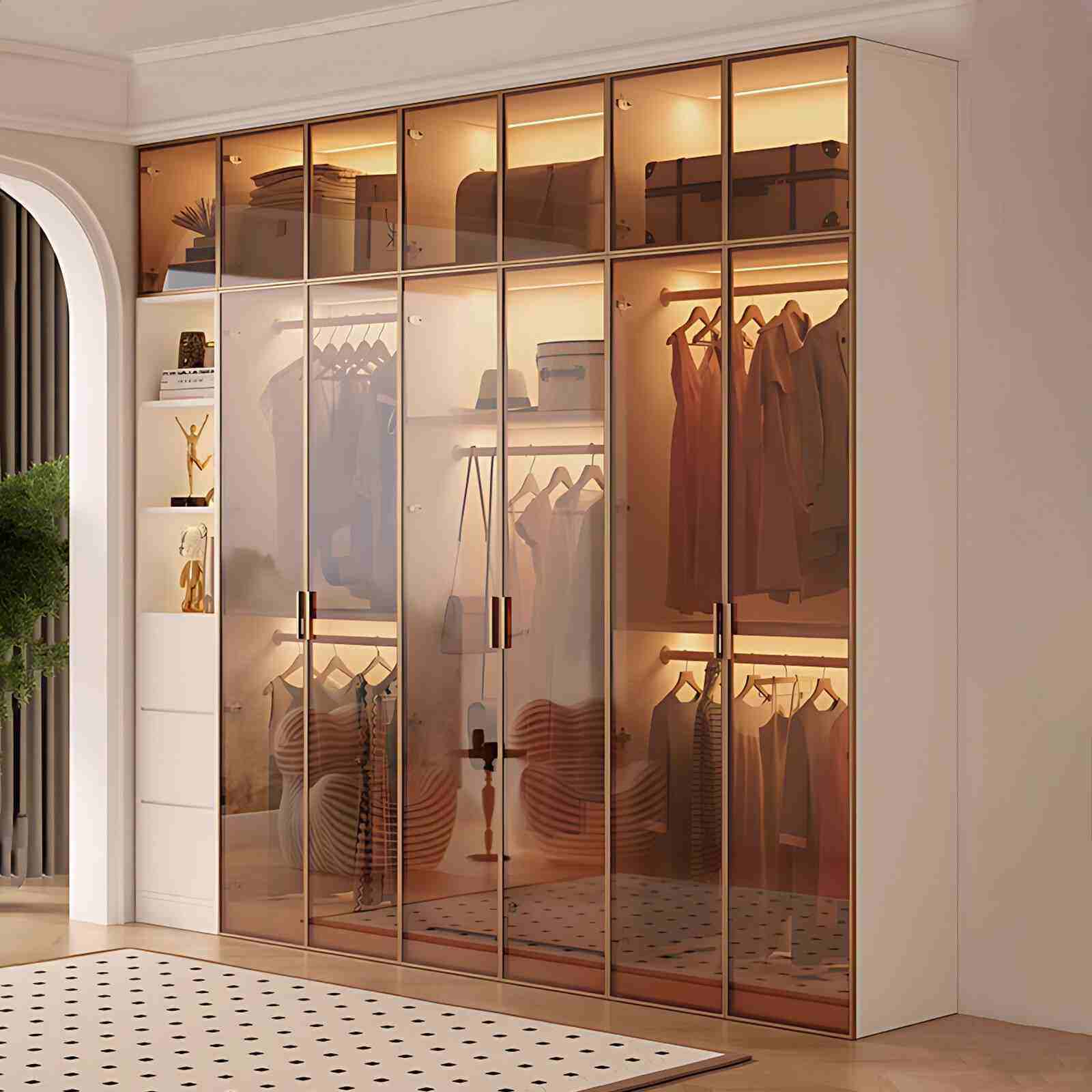
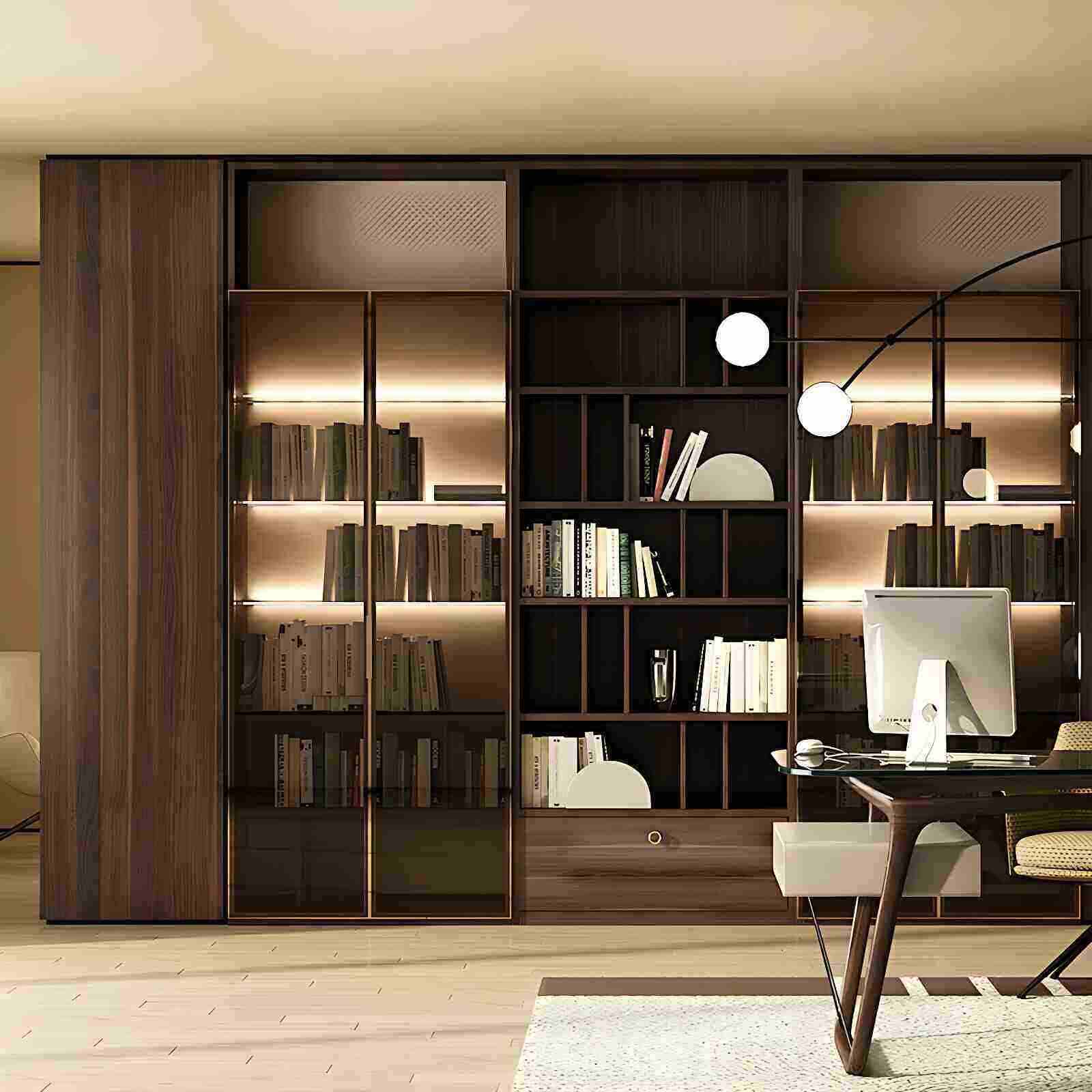
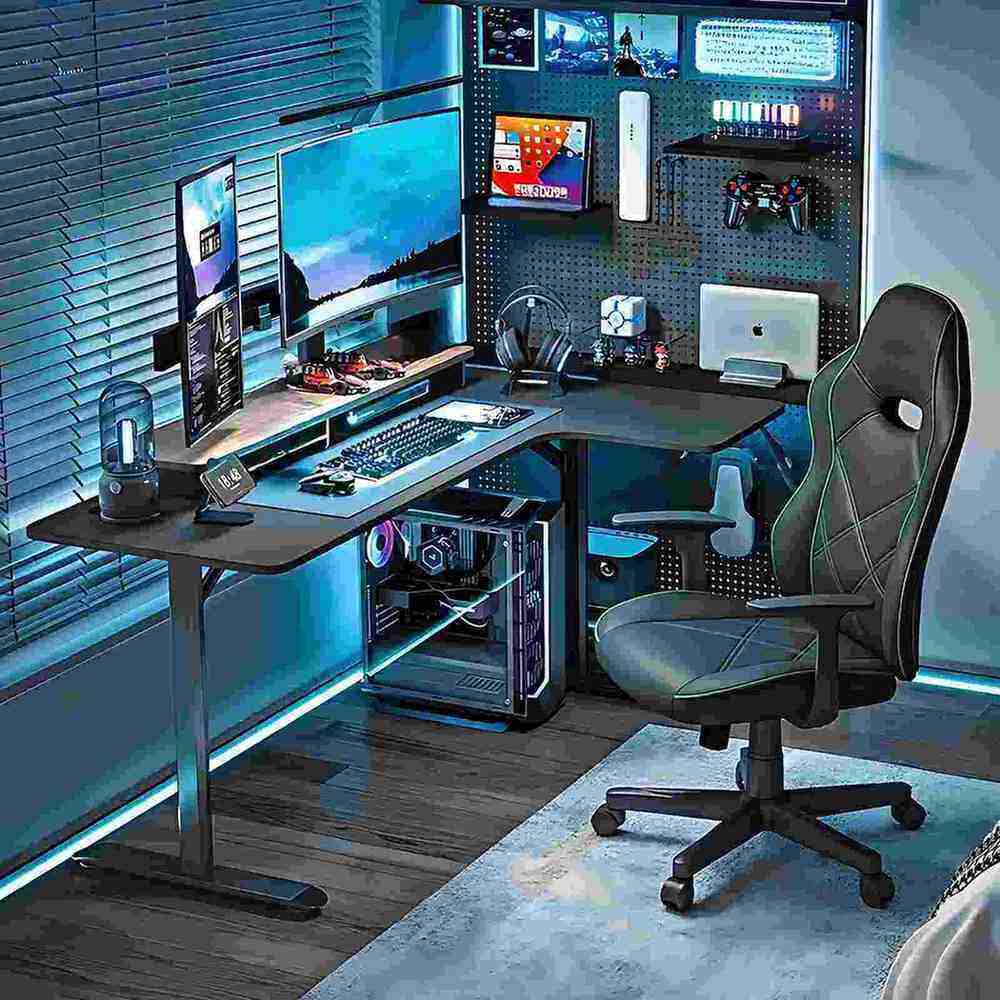
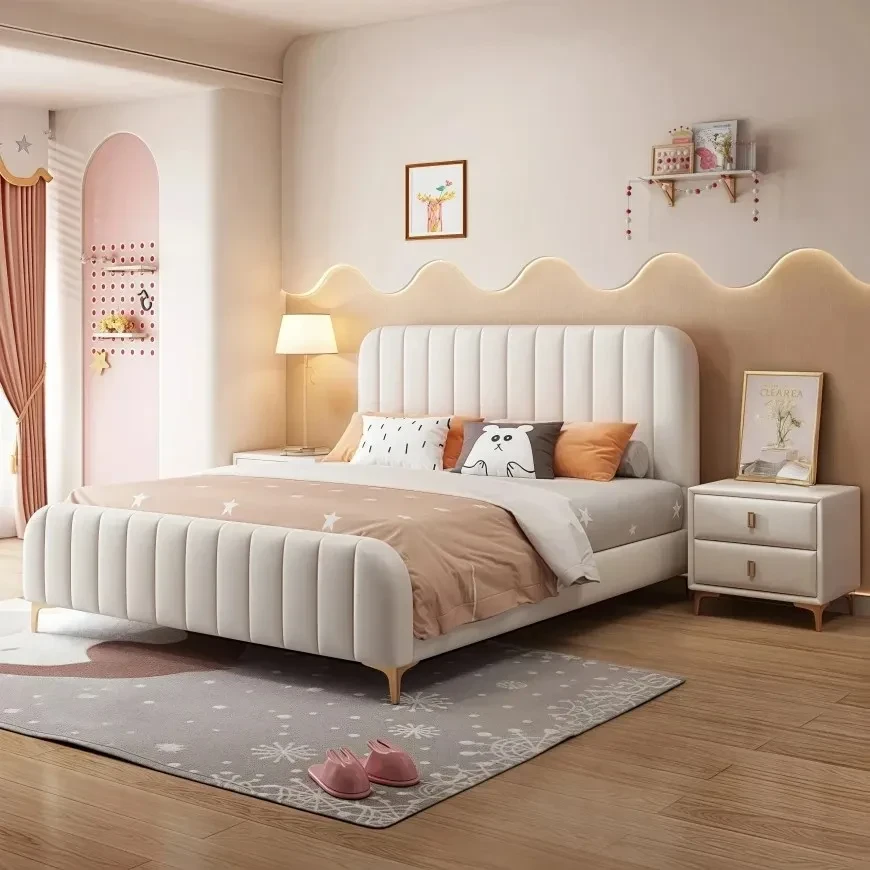
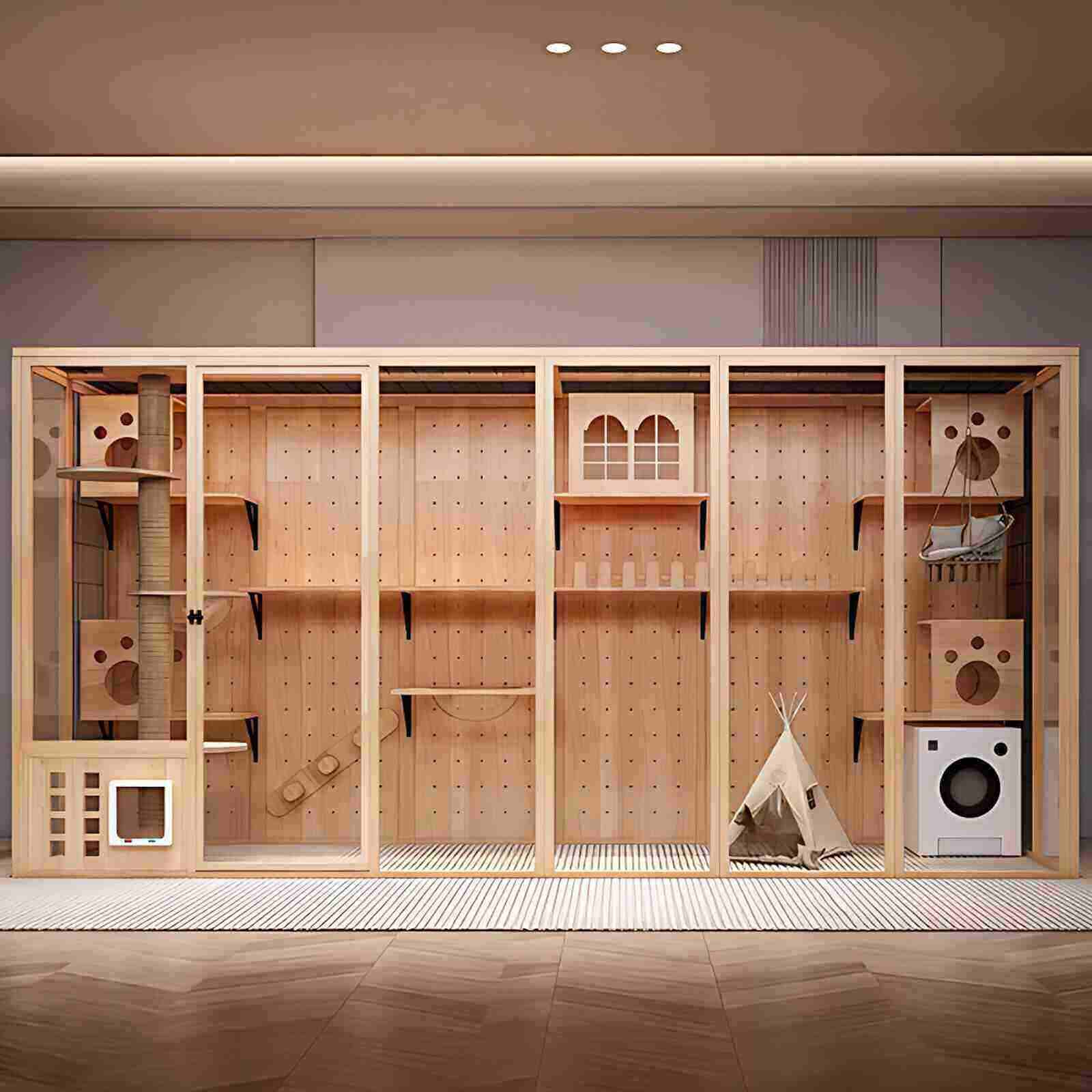
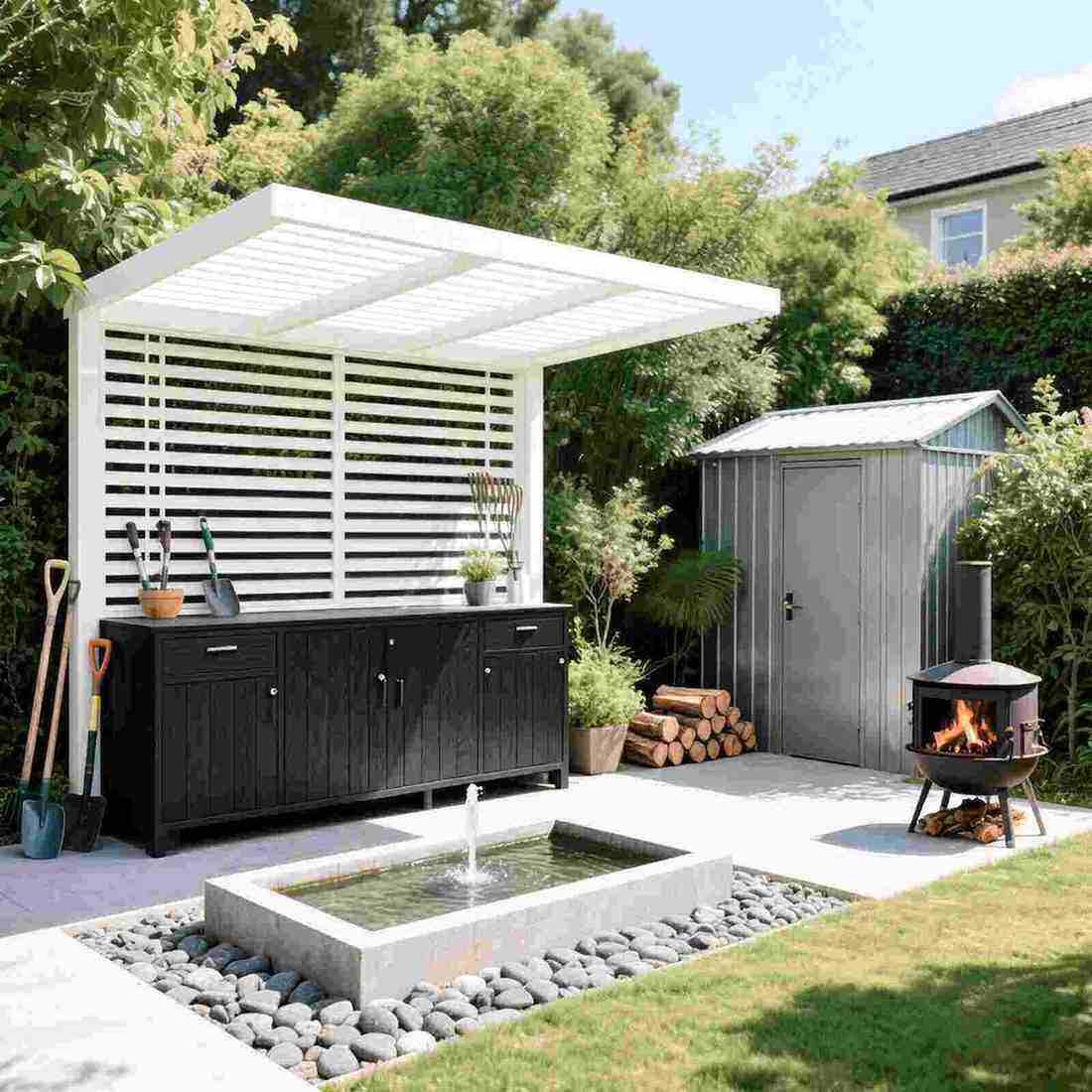
Summer's consecutive typhoons have left your home in a mess? Swollen cabinets, a pungent odor, and rickety boards...
This is not just a scene of devastation, but also the most realistic depiction of the "closet disaster" in southern homes after a typhoon. As the floodwaters recede, the high humidity becomes an "invisible killer," posing a hidden danger to homes!
Economic analysis: According to statistics from a residential community in Shenzhen, 70% of households needed to replace all their cabinets after the typhoon, with an average loss of 28,000 yuan and a maximum loss of 120,000 yuan (including flooring and electrical repairs).
Health Facts: Formaldehyde release from traditional wood-based panels increases eightfold after soaking in water! Disease control data shows that the incidence of allergic diseases in children surges by 312% during typhoon season.
Safety concerns: Deformed cabinets squeezing electrical wires, moldy boards breeding aflatoxin, a Group 1 carcinogen, loose shelves causing injuries... The "secondary disasters" after the typhoon are shocking.
#1
Southern homeowners
Why do we always fall into the trap of using "bad boards"?
The climate in the south is a "torture" for wood-based panels: the "high humidity curse" is not limited to typhoon days - the long plum rain season (45 days with 90% humidity), the humid return of spring (water dripping from the walls), and sudden summer rainstorms... Traditional wood-based panels are like "paper" in such an environment, bulging in 3 years, falling apart in 5 years, and continuously releasing formaldehyde, turning the home into a "slow poisoning site".
It wasn't until the emergence of the Weiye Five-Strong Board, with its genes specifically designed for "disaster relief" in the South, that this cycle of "cabinet disasters" that had plagued the market year after year came to an end.
#2 Great Cause Five Strong Board
Three major disaster relief advantages tailored for typhoon season
When traditional wood-based panels "collectively fail" in the southern climate, Weiye's Five-Strength Board arrives with "disaster-resistant genes" specially customized for typhoon-prone areas-every aspect of its performance precisely addresses the pain points of southern homeowners.
1. Water immersion for 1000 hours, deep-sea level waterproof code.
In response to the challenges of short-term flooding during typhoons and persistent high humidity during the plum rain season, Weiye's Five-Strength Board addresses the "expansion problem" at its root:
Earth's crust minerals, material revolution: Inorganic ecological adhesive is derived from the earth's crust silicon and calcium minerals, and is calcined at 1350℃ to form a three-dimensional silicon-oxygen skeleton (similar to ceramic structure). It is insoluble in water and not afraid of high temperature, completely eliminating the common problem of traditional adhesives "dissolving in water".
Class II waterproofing, actual crush test: In the Guangzhou typhoon simulation laboratory, Weiye Five-Strength Board was soaked for 1000 hours (equivalent to 10 days of water immersion during a typhoon), with an expansion rate of ≤0.3% (national standard allows ≤12%). After drying, the cabinet door opened and closed smoothly, and the hardware remained completely still.
Suitable for humid weather, dry and not dripping: After 30 days in a 90% humidity environment, there are no mold spots on the surface, while traditional boards will grow green mold on the 5th day - which means that even if the walls are dripping water during humid weather, your cabinets can remain dry.
2. Zero formaldehyde + anti-deformation, safe to live in even during typhoons.
Homeowners in southern China are most afraid of a surge in formaldehyde levels after water damage, but Weiye's Five Strong Boards dispel these concerns with hard data:
True zero-formaldehyde protection: The inorganic eco-adhesive contains no formaldehyde or benzene compounds added throughout the entire process. SGS testing showed "not detected (ND grade)". After soaking in water, the formaldehyde level remained stable at 0.012 mg/m³ (cleaner than the air in a park), while the formaldehyde level of traditional boards soared to 0.98 mg/m³ after soaking in water (12 times higher than the national standard).
Military-grade deformation resistance: transverse static bending strength > 20MPa (national standard ≥ 15MPa), 49-foot cabinet door with full ceiling deformation resistance, and door gap error < 0.1mm after a typhoon.
3. Termite resistant and durable, suitable for the "high humidity ecosystem" of southern regions.
The humid climate in the south makes termites a "killer of wood-based panels," but Weiye's Five-Strength Panels come with a built-in "defense system":
Level 8 insect resistance, termite killer: The silicate components in the colloid form an alkaline barrier, inhibiting the growth of termites and microorganisms. Tests in Yunnan, an area infested with insects, showed that all termites that came into contact with Weiye's Five Strength Board died within 30 days, while traditional boards were hollowed out in 3 days.
Stays like new for ten years, saving you money directly: The surface is cured with nano-silicon compounds, achieving a 3H pencil hardness for scratch resistance. Children's scribbles and rainwater from typhoons can be easily wiped clean. Compared to traditional boards that "bulge after 3 years and need to be replaced after 5 years," Weiye's Five-Strength Board will not deform for 15 years, reducing average annual costs by 60%.
A home during a typhoon should not be a "disposable consumable." Since its inception, Weiye Five-Strong Board has been imbued with a deep understanding of the southern climate: it understands the dampness of the plum rain season, knows the fury of typhoons, and comprehends the homeowner's urgent need for "safety + durability"-this is not an ordinary board, but a "disaster-resistant armor" tailor-made for southern homeowners.
Remember: In the South, choosing the right building material is more important than a typhoon warning!