
 USD
USD GBP
GBP
 EUR
EUR
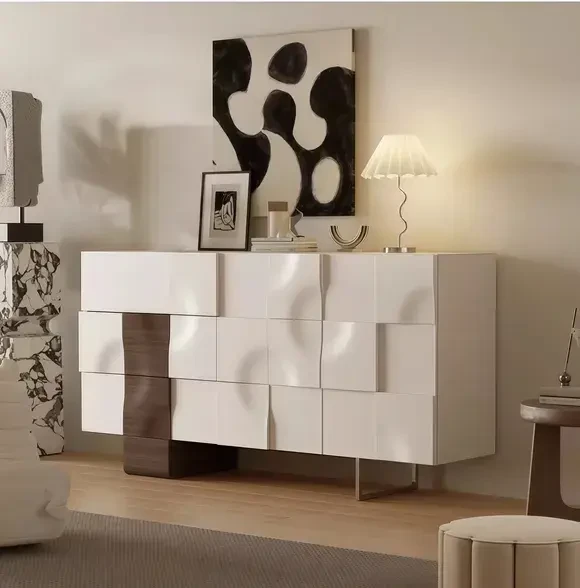
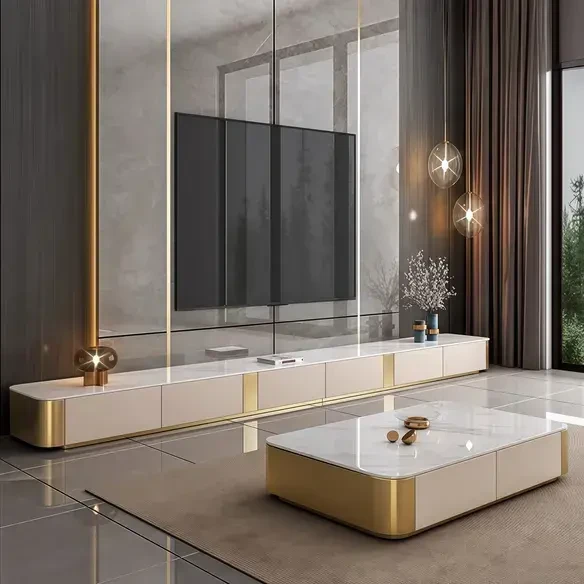
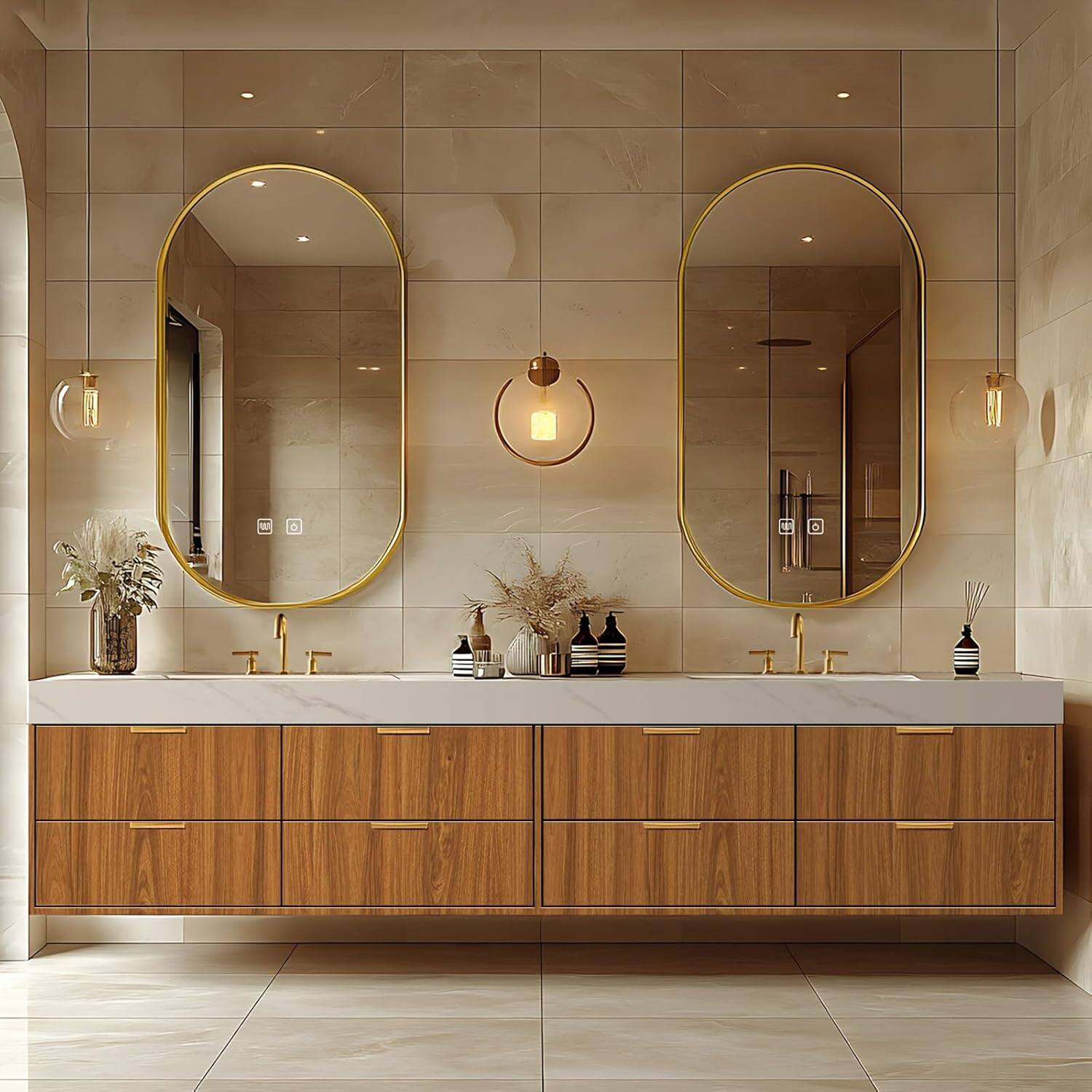
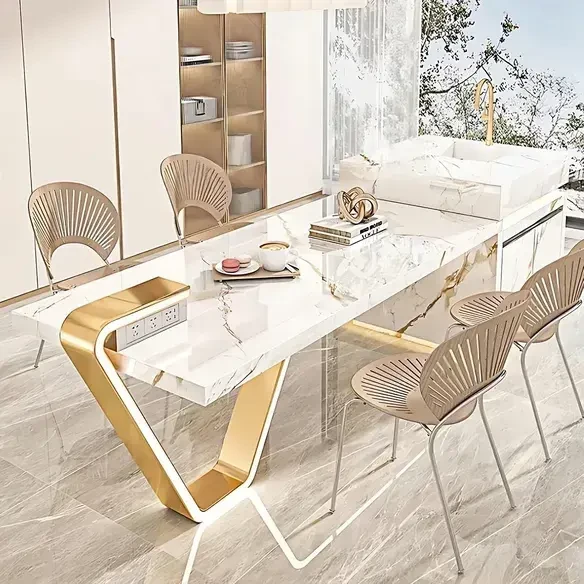
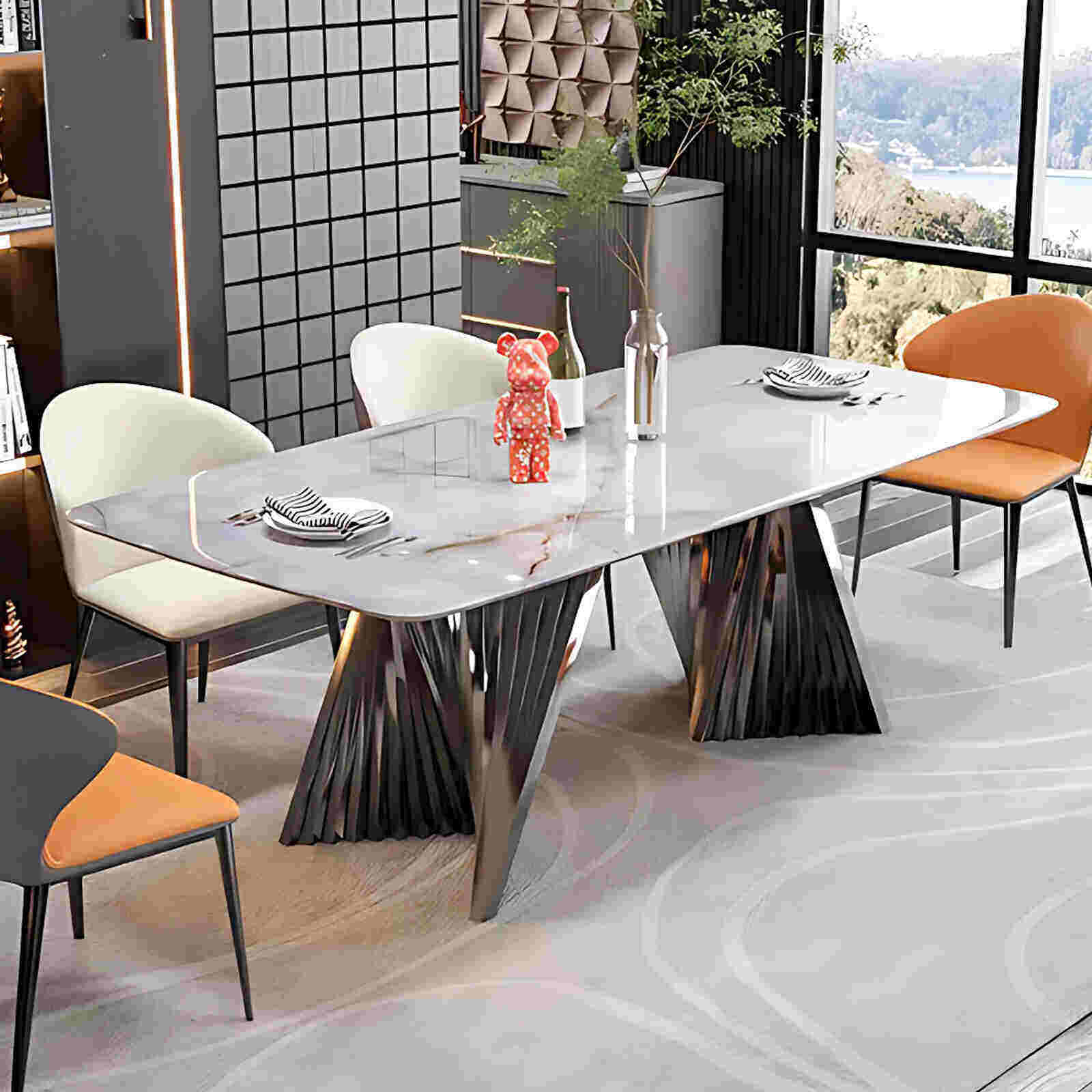
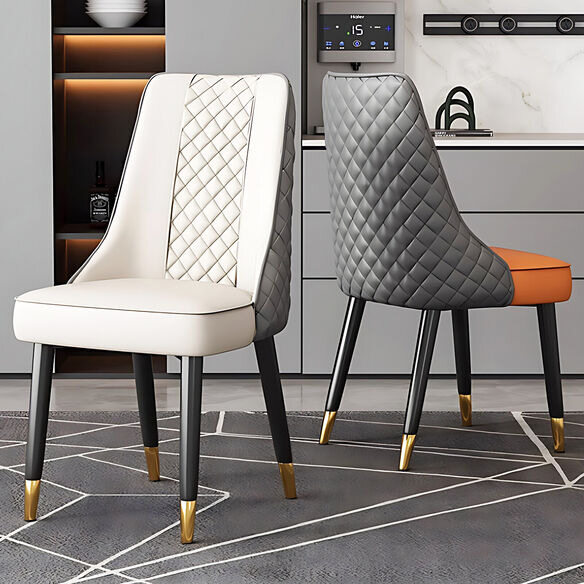
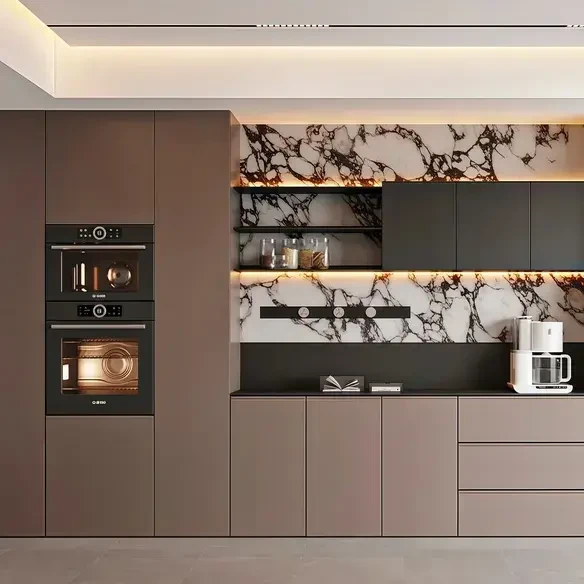
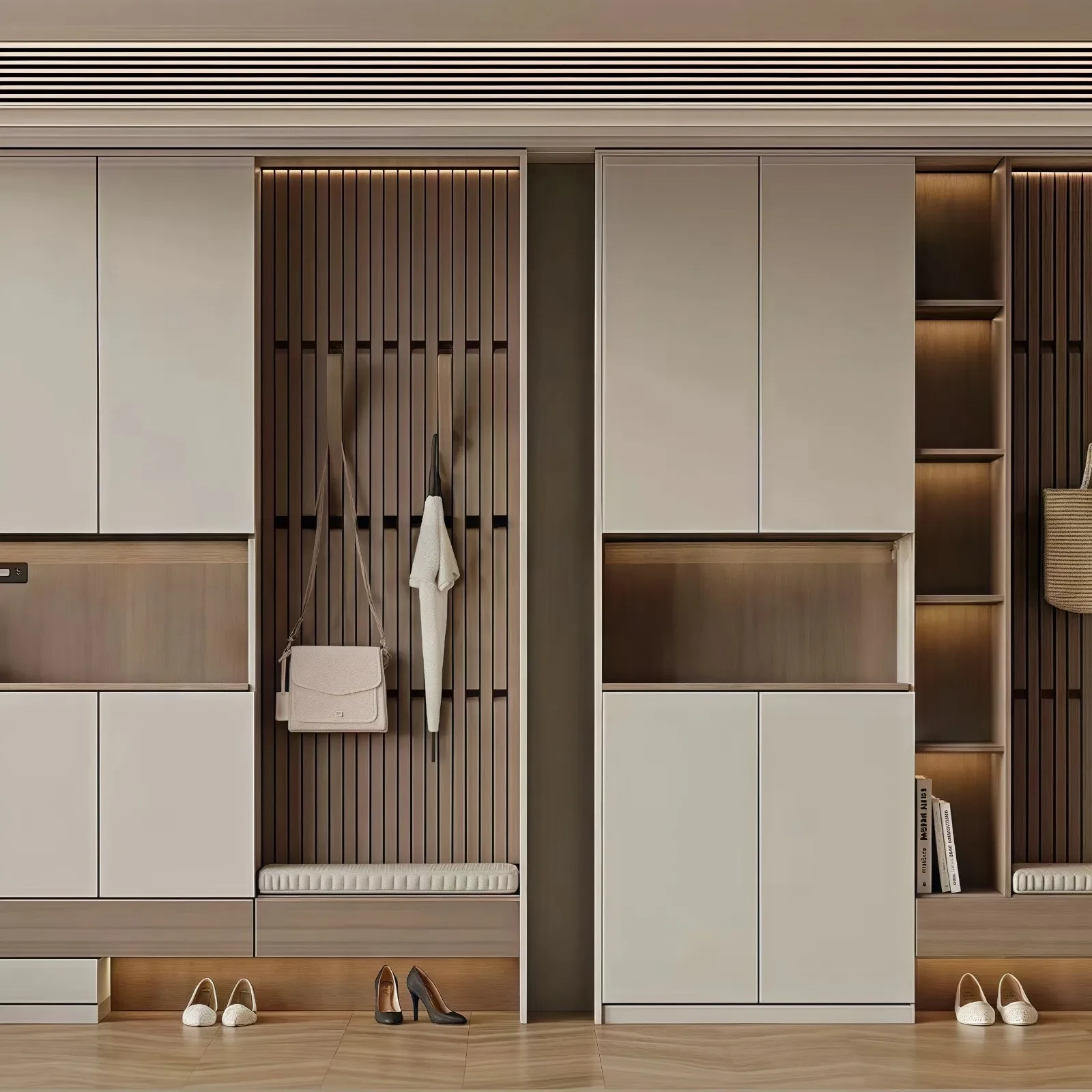
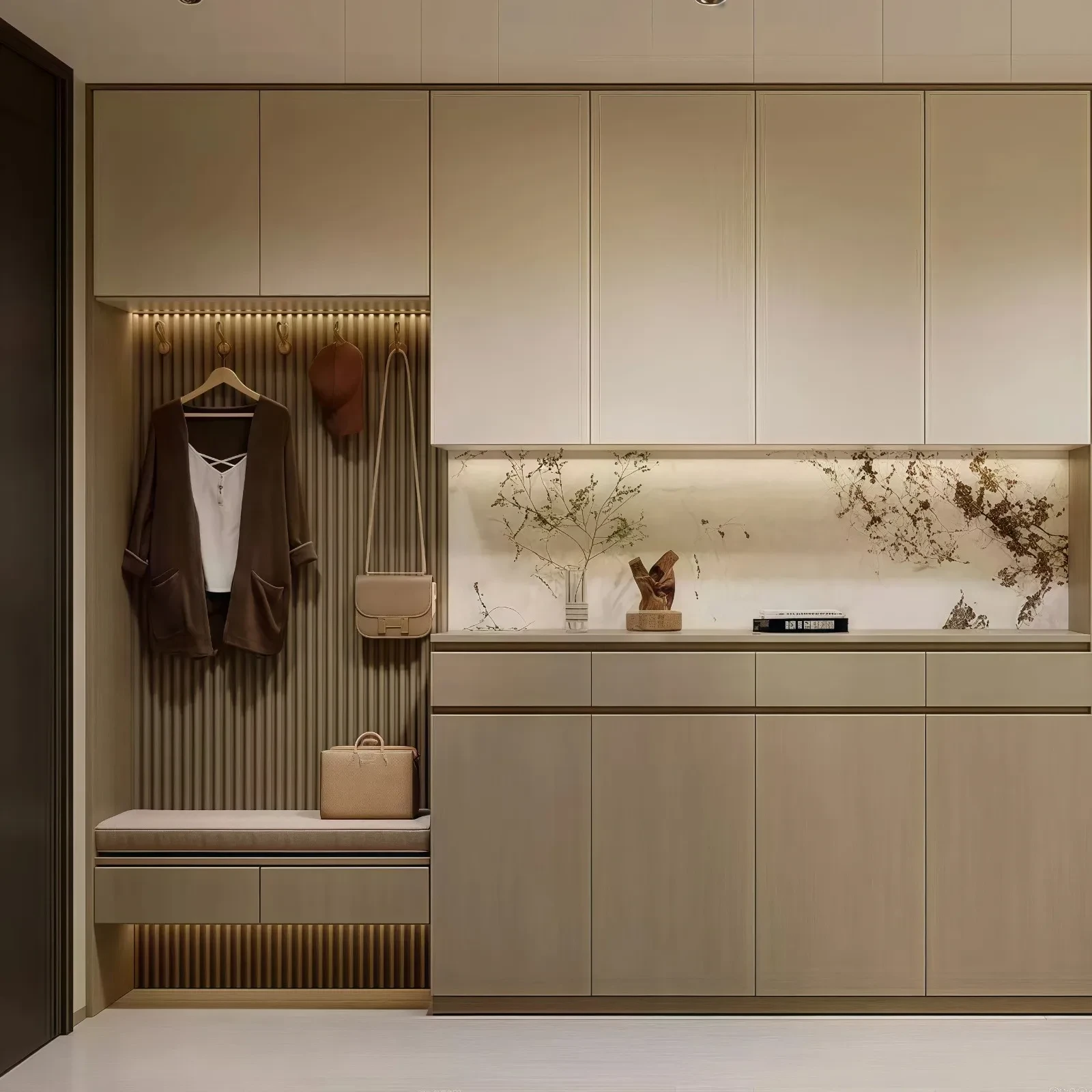
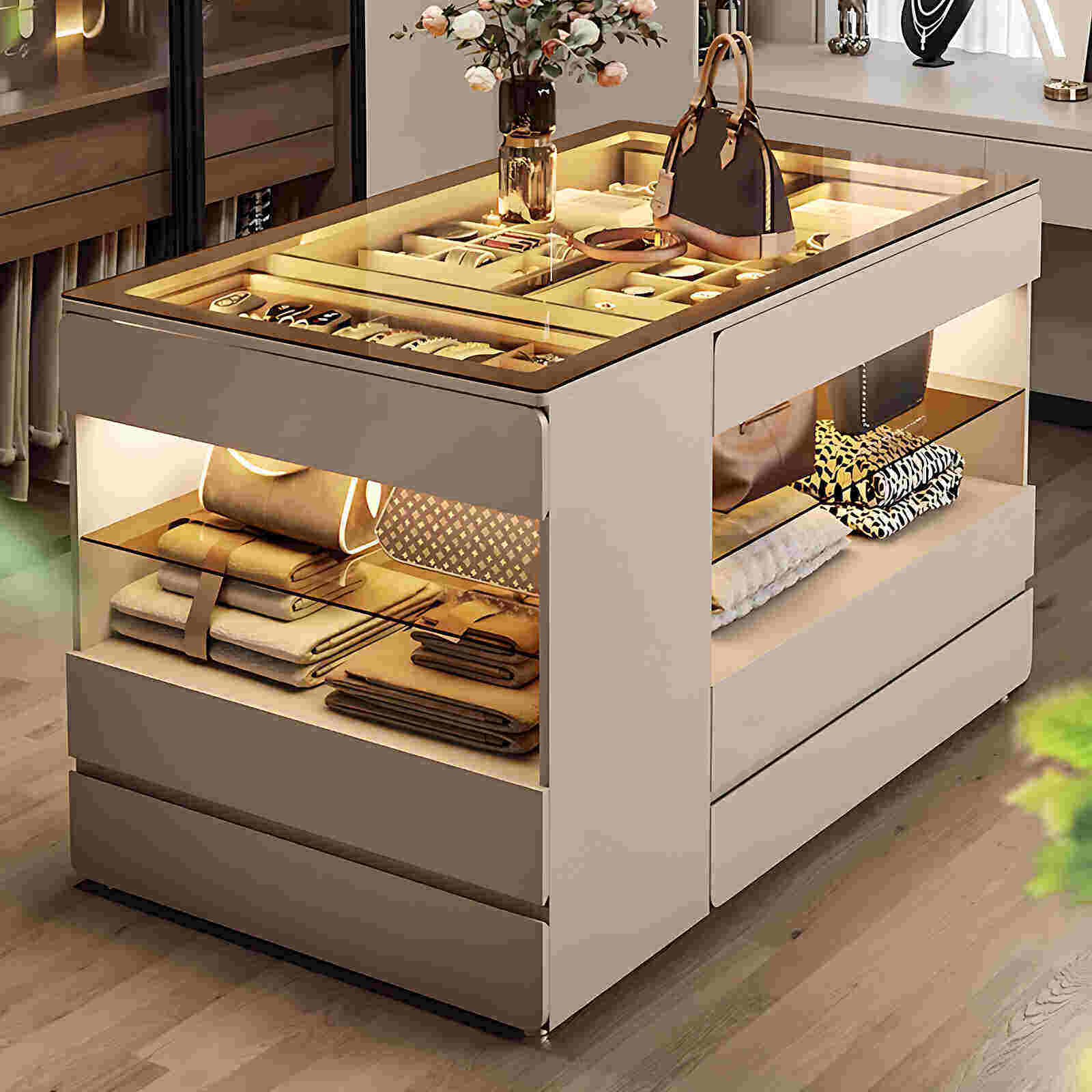
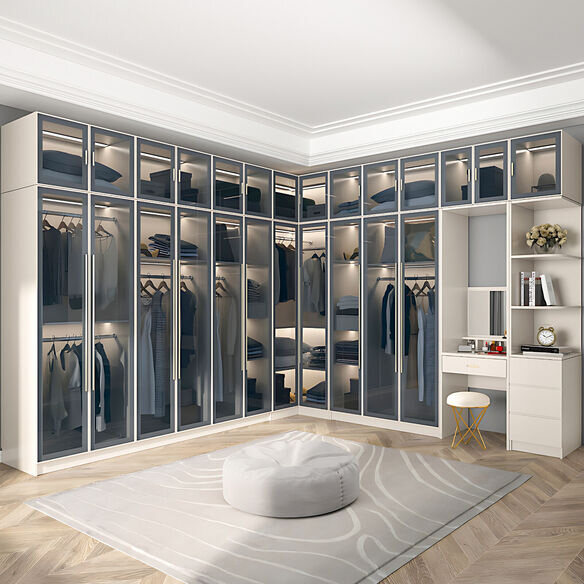
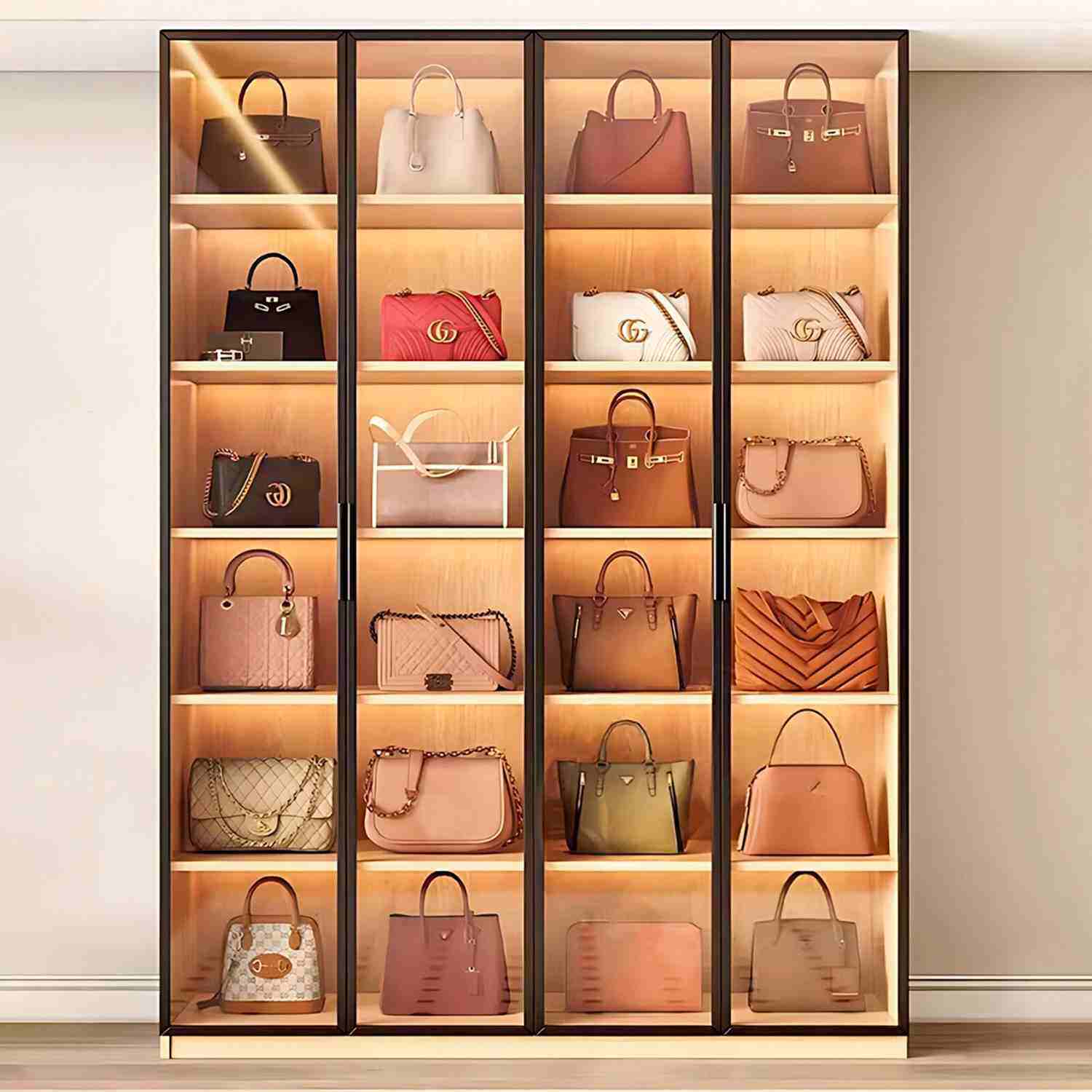
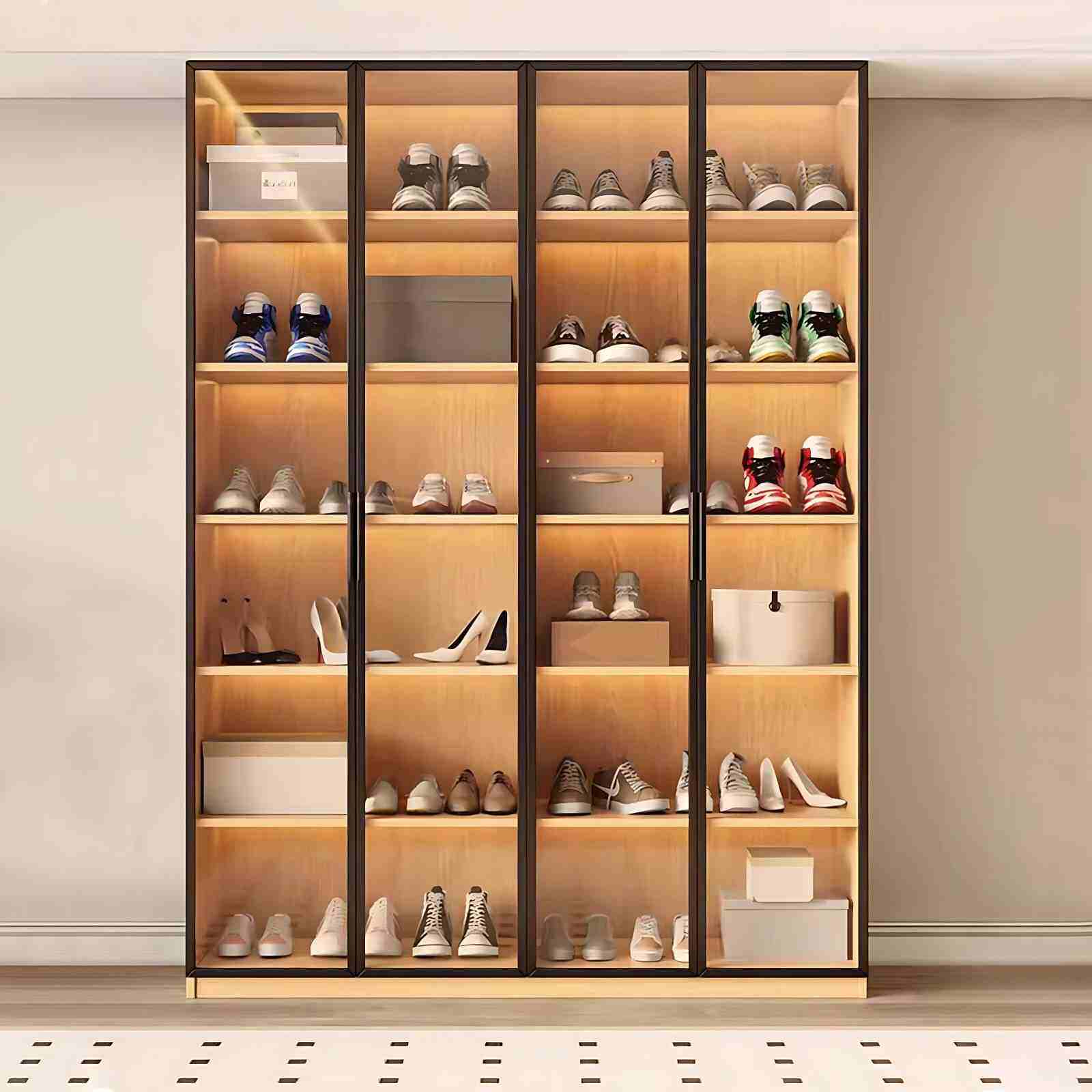
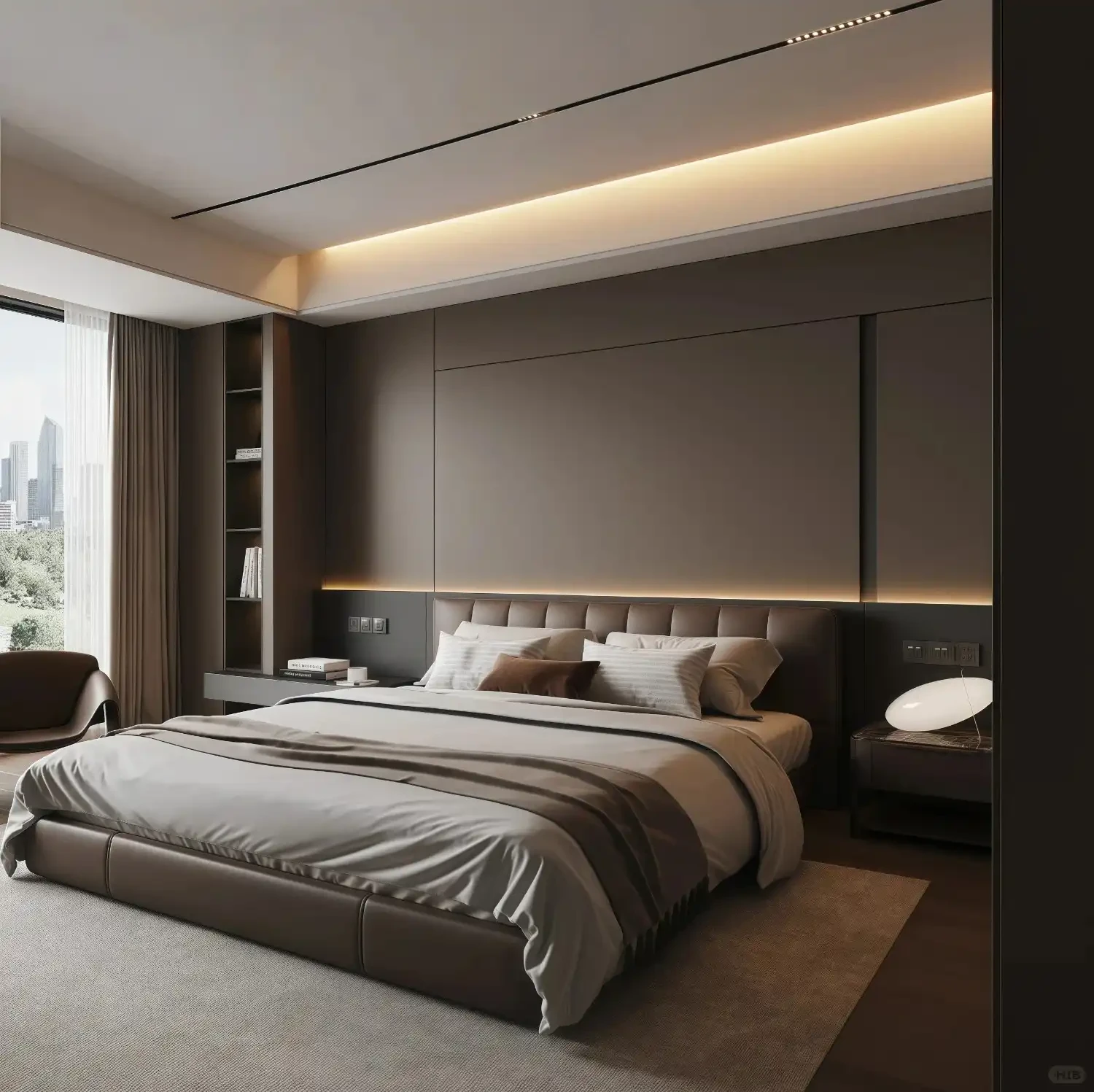
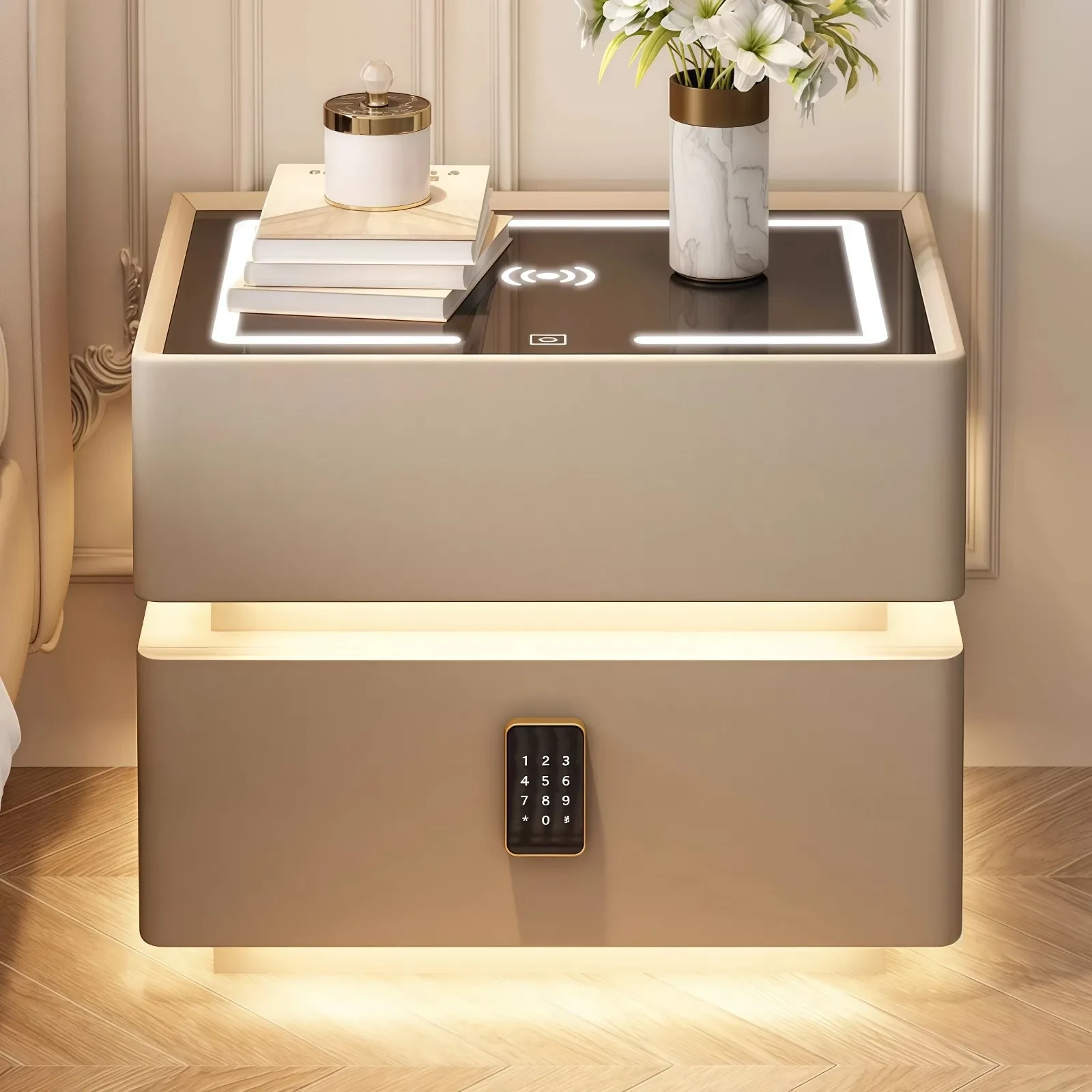
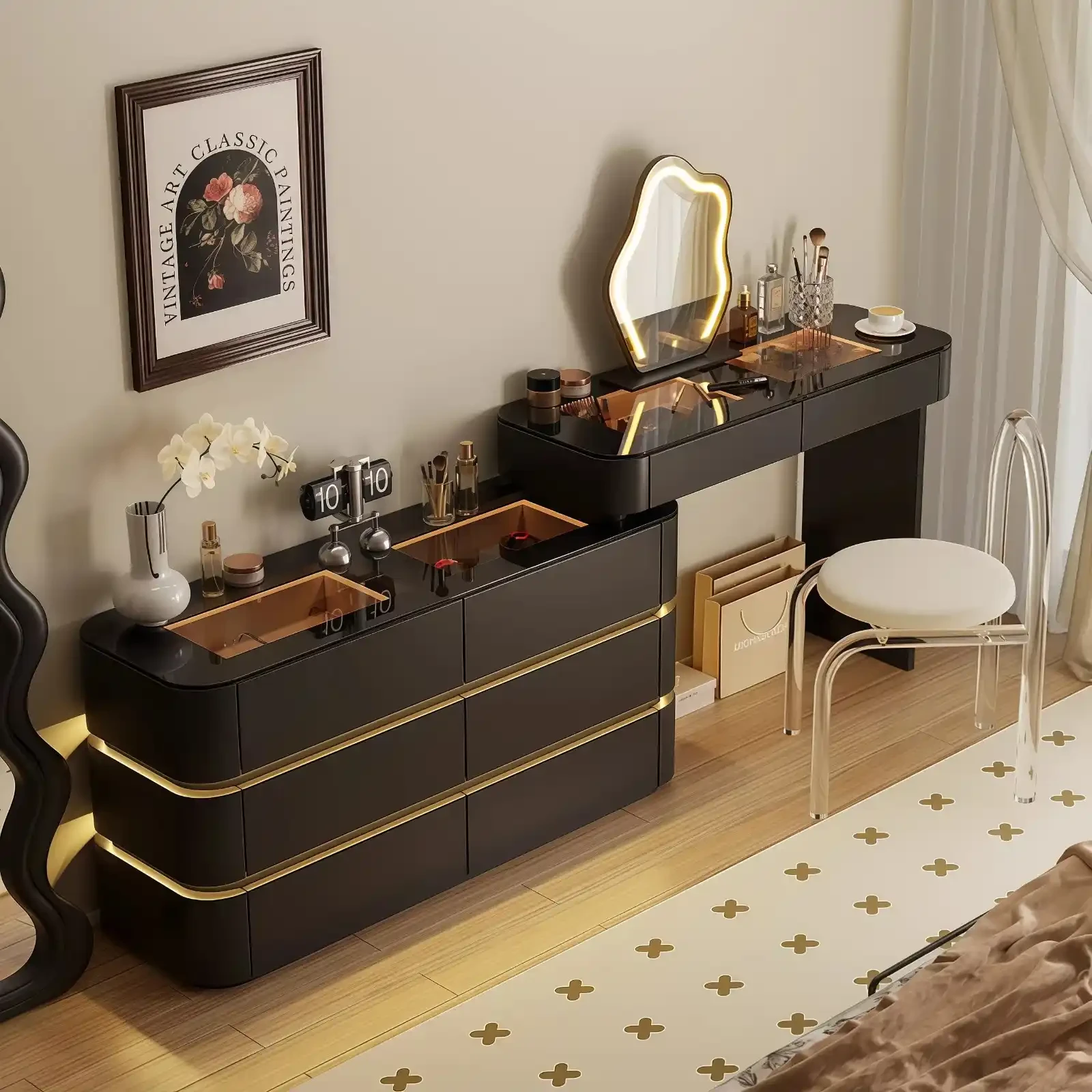
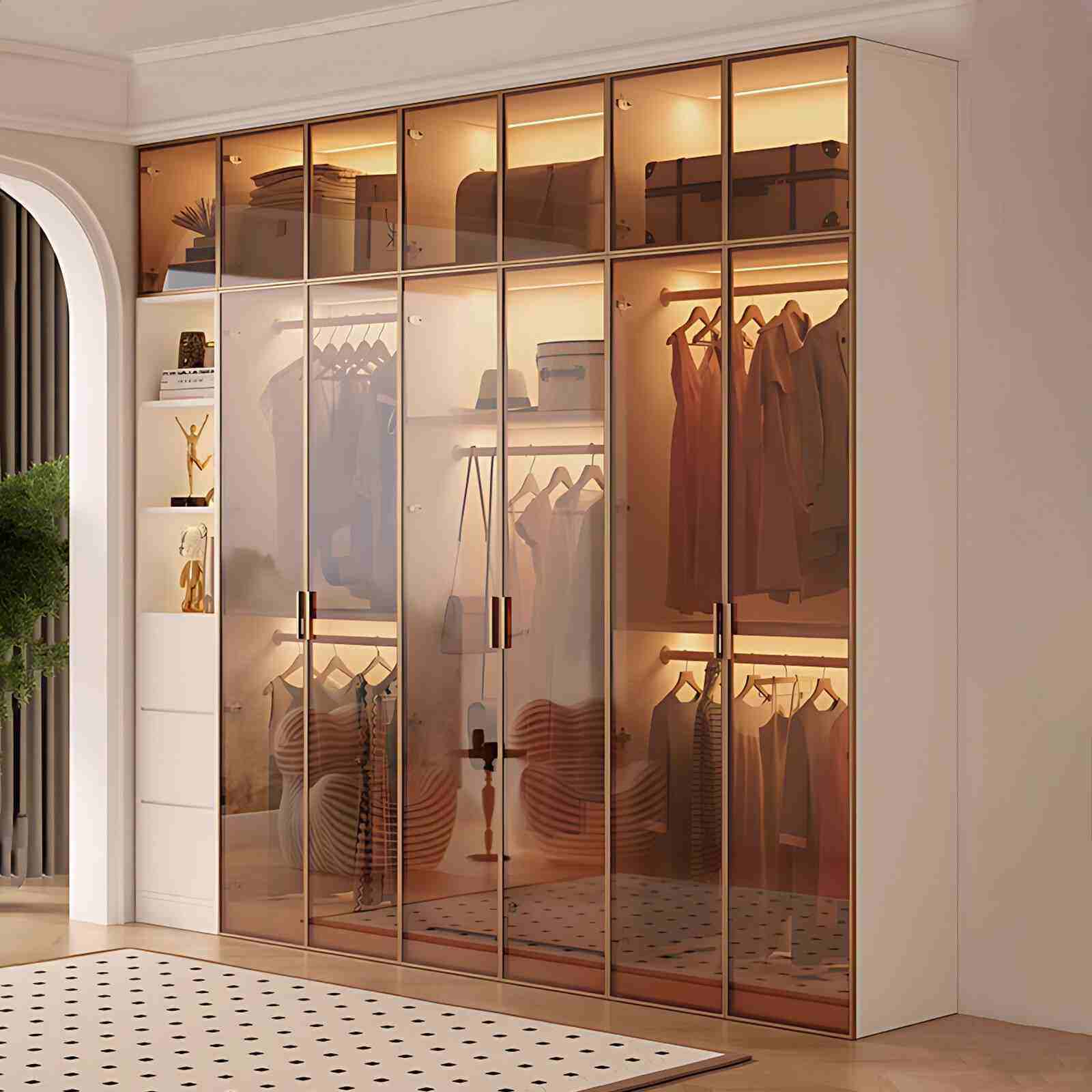
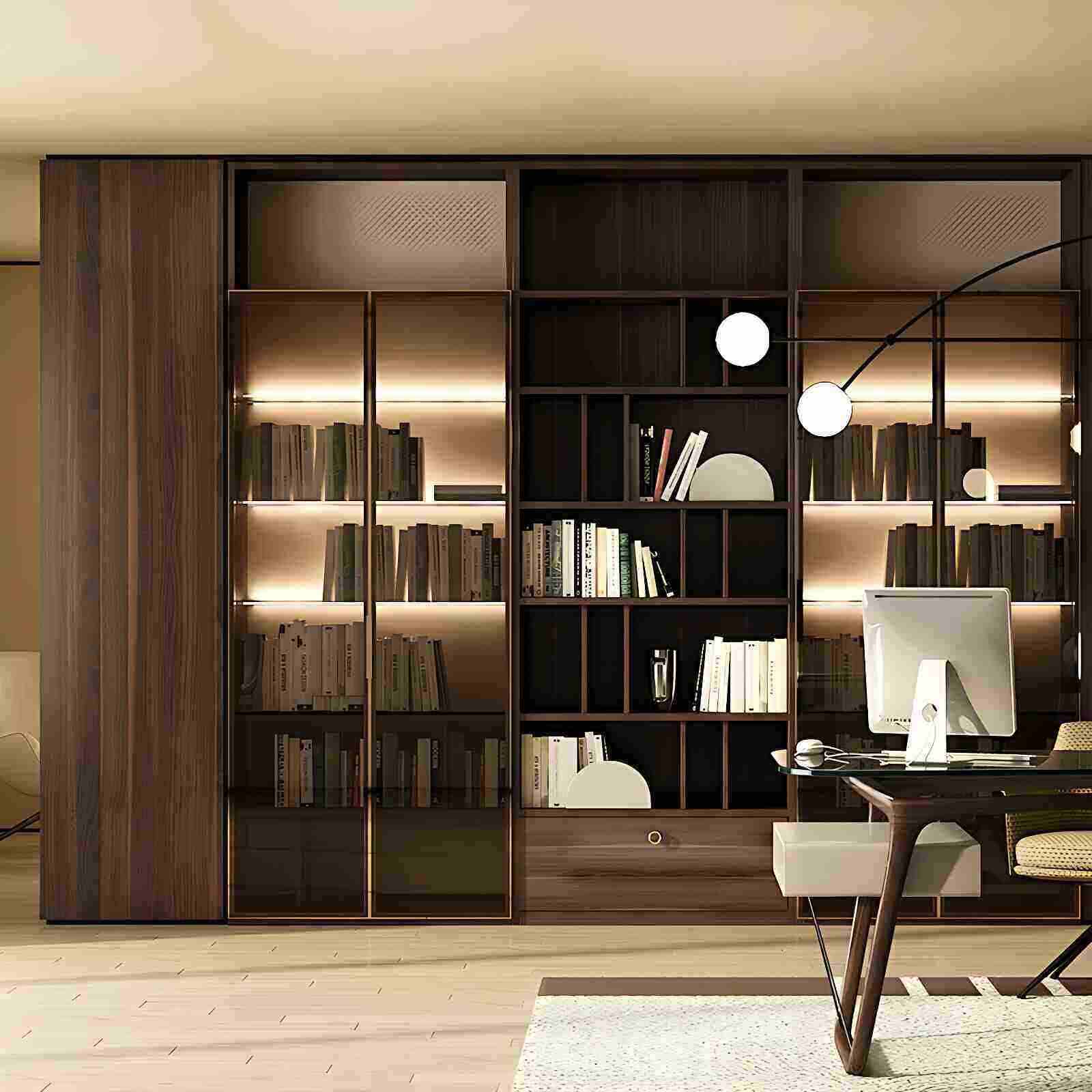
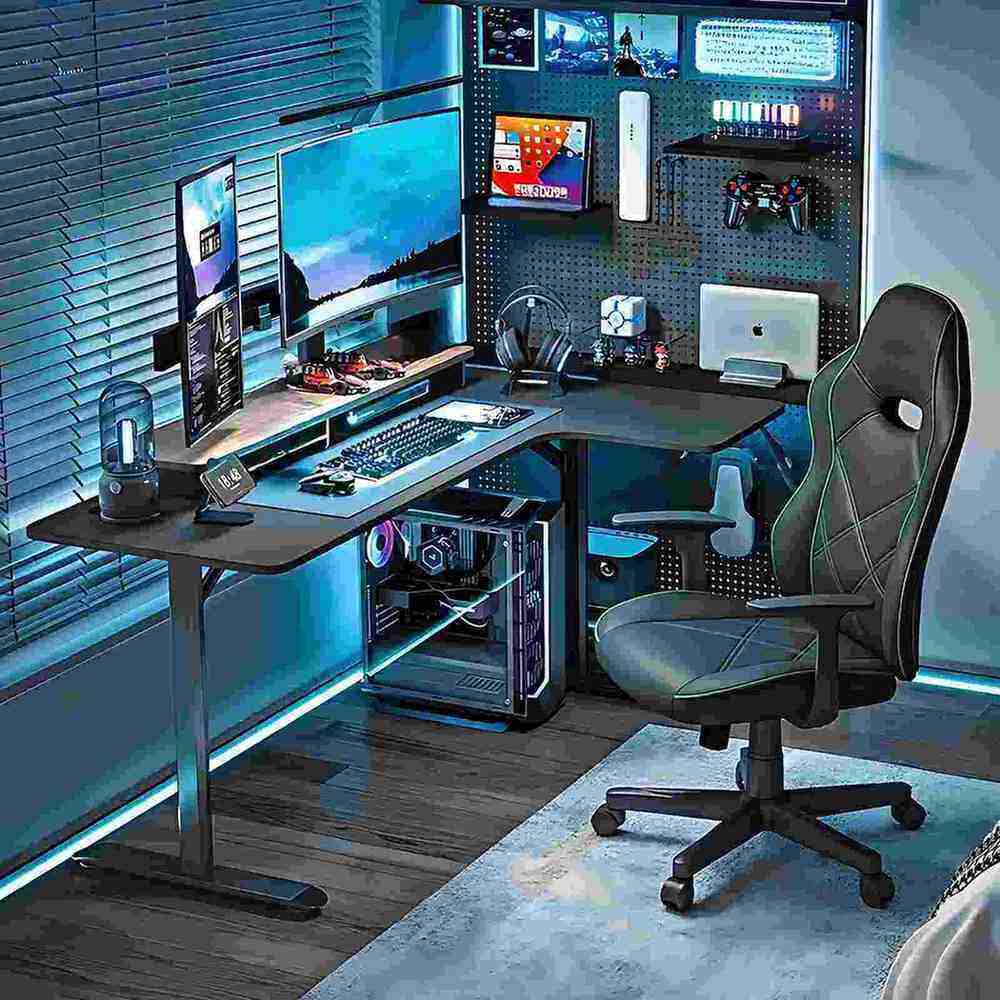
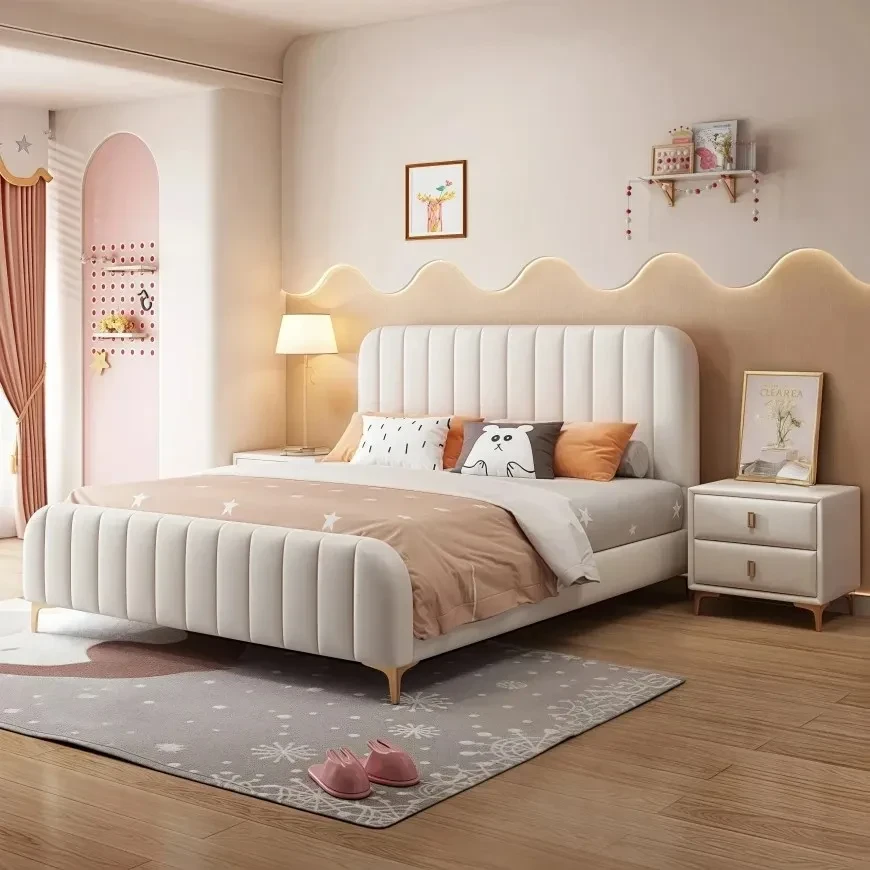
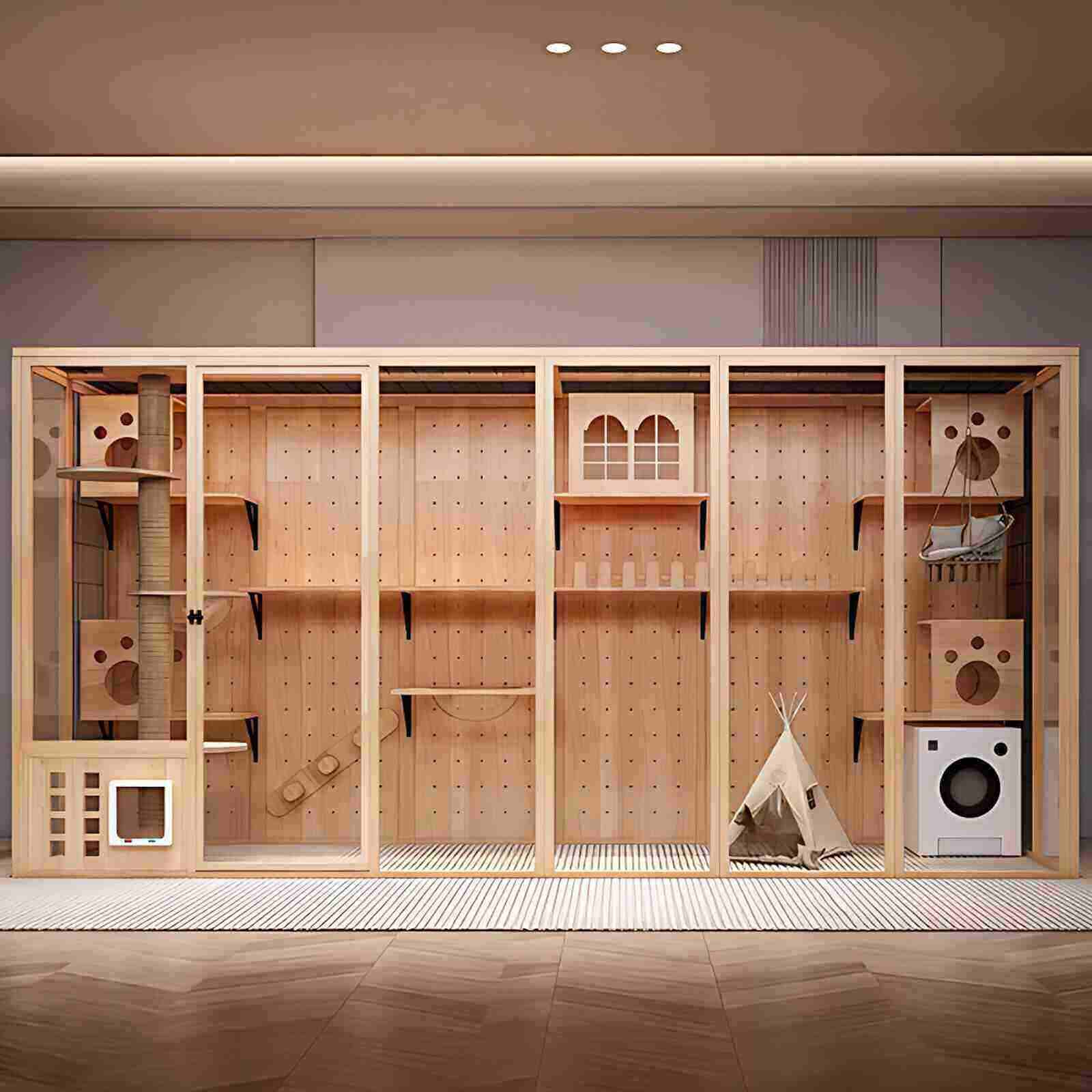
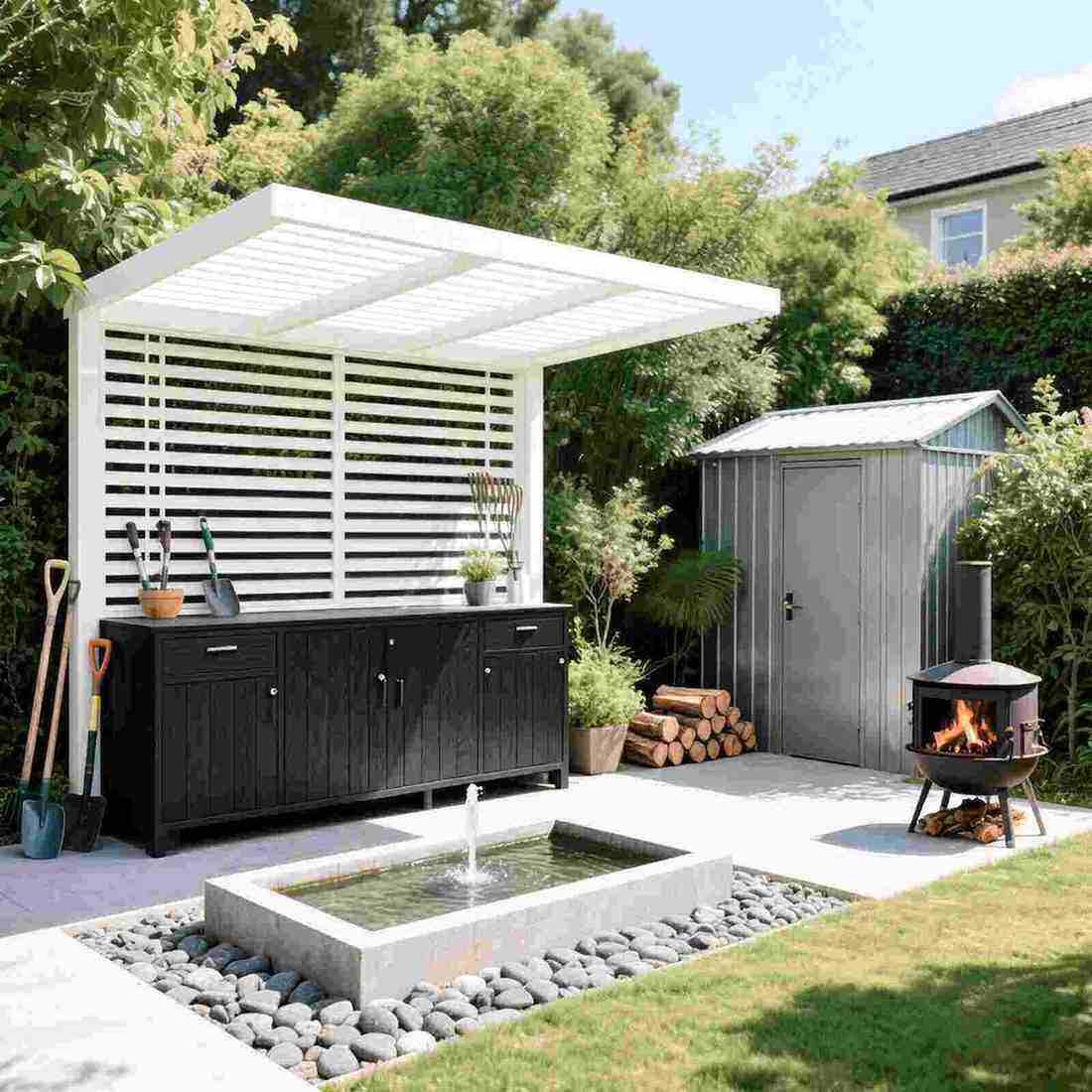
Family members, what's the most daunting part of custom-made furniture? That's right, it's material selection! Looking at names like "particleboard," "MDF," and "eco-board," doesn't it feel like a game of "spot the difference"? What are the differences between them? Which one is right for your home? Today's comprehensive guide will teach you step-by-step how to avoid common pitfalls in choosing boards!
A Deep Dive into Commonly Used Board Materials for Whole-House Customization
1. Particleboard
It is a type of engineered wood product made by processing wood or plant fibers into shavings, then bonding them together with adhesives and pressing them under heat. Its biggest advantages are its smooth and even surface, uniform thickness, and relatively affordable price. However, its moisture resistance is average; it is prone to swelling and warping in humid environments, making it more suitable for wardrobes and shoe cabinets.
2. Plywood
It's like a "sandwich," with a core of wood strips or blocks aligned with the grain, and veneer or plywood glued to both sides. Blockboard is marketed as healthy and environmentally friendly, with stable performance, strong nail-holding power, and a substantial solid wood feel.
3. Plywood
Plywood is a multi-layered structure made of several veneers, with adjacent layers having perpendicular grain directions, glued together. It is also healthy and environmentally friendly, with stable performance, good nail-holding power, a high strength-to-weight ratio, and distinct layers. If you want to build sturdy and beautiful furniture, plywood is a good choice.
4. Corrugated board
The raw material for oriented strand board is large wood shavings, which are glued, laid out in an oriented manner, and then hot-pressed into a multi-layer structural board. The surface shavings are also arranged in a specific direction. It combines the advantages of being healthy and environmentally friendly, having stable performance, strong nail-holding power, and excellent load-bearing capacity, making it a highly reliable choice for building large cabinets.
A discerning eye for choosing the right board
1. Check the environmental protection rating.
Look for these letters: ENF grade < E0 grade < E1 grade < E2 grade. ENF grade is currently the "environmentally friendly ceiling" in China! Recently, TBB also launched ENF+ grade boards, with formaldehyde emissions only one-third of the ENF grade. Families with babies and elderly people can buy without hesitation. Remember to ask the seller for the test report!
2. Check the appearance
Take a closer look! Good quality boards have a smooth surface, uniform color without any discoloration, and natural, non-dull texture.
3. Smell the aroma
Environmentally friendly building materials don't have any strange smells, at most a faint wood fragrance. If you smell a pungent odor, stay away immediately! That's probably due to formaldehyde, especially if inferior glue was used, which has a very strong, overpowering smell.
4. Ask for details
Be bold and ask! Inquire about the material of the boards, the type of glue used, and the brand that manufactured them. Choosing a major brand ensures stricter quality control and better after-sales service. If the seller hesitates or can't answer, run!
Choosing the right wood panels is one of the most worthwhile aspects of home renovation. Environmental friendliness and structural integrity are key. Don't blindly pursue "solid wood"; choose panels that suit your home!