
 USD
USD GBP
GBP
 EUR
EUR
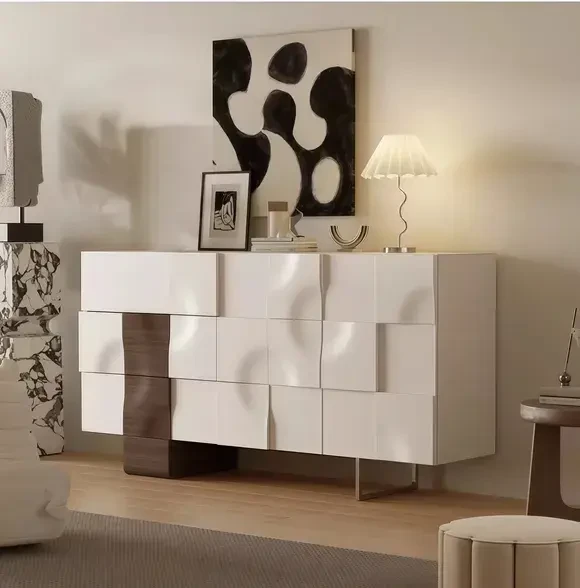
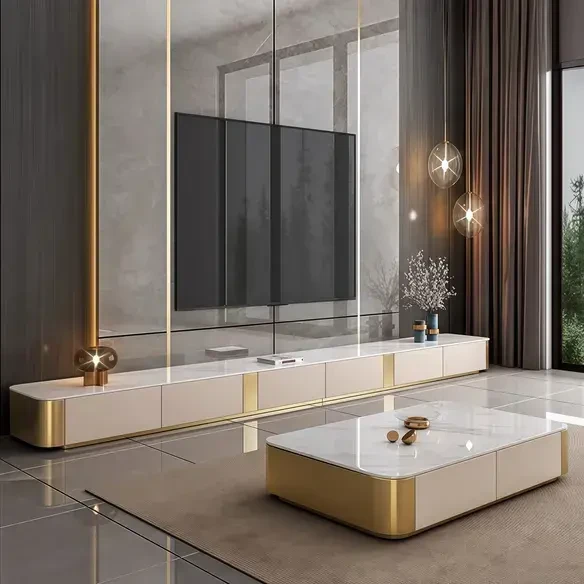
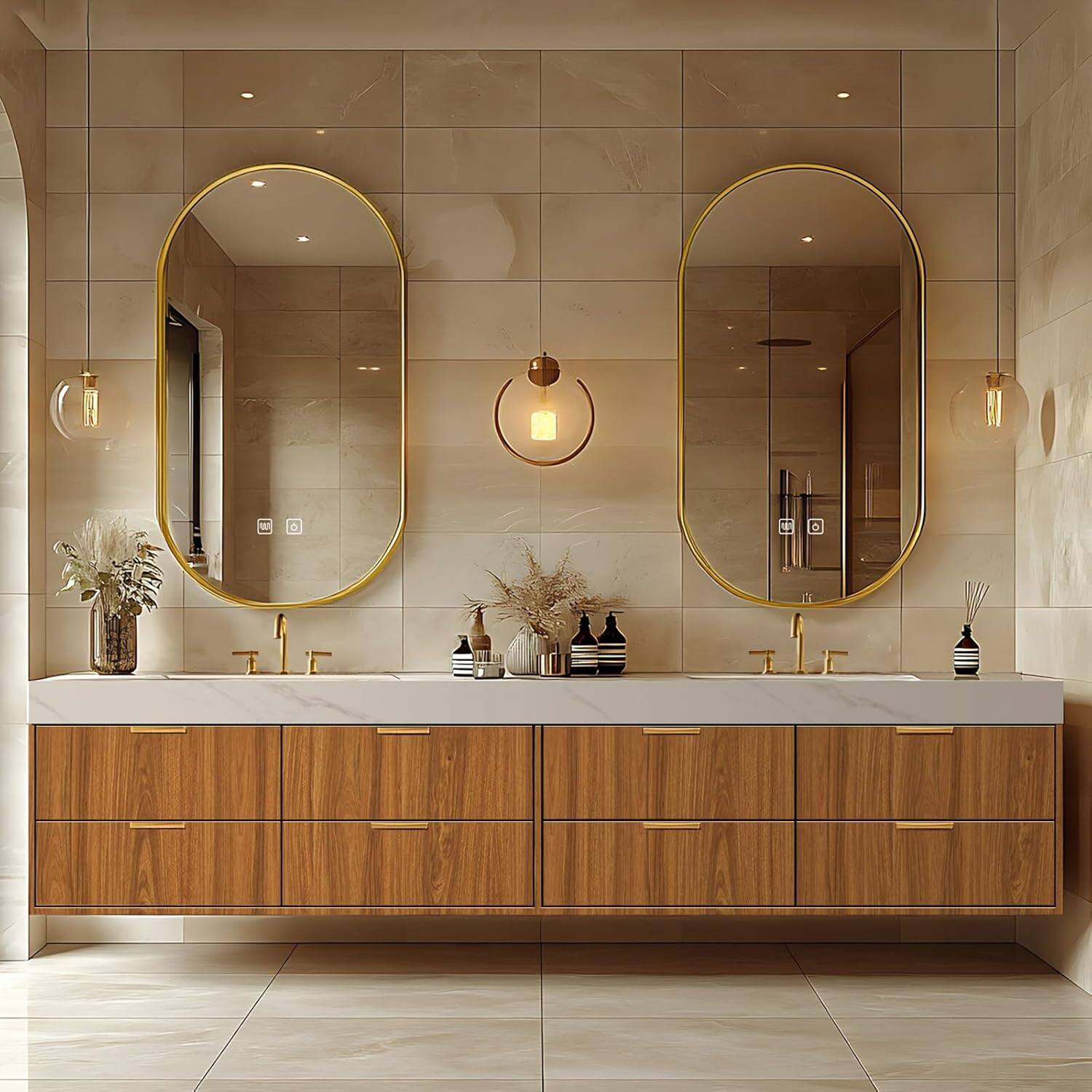
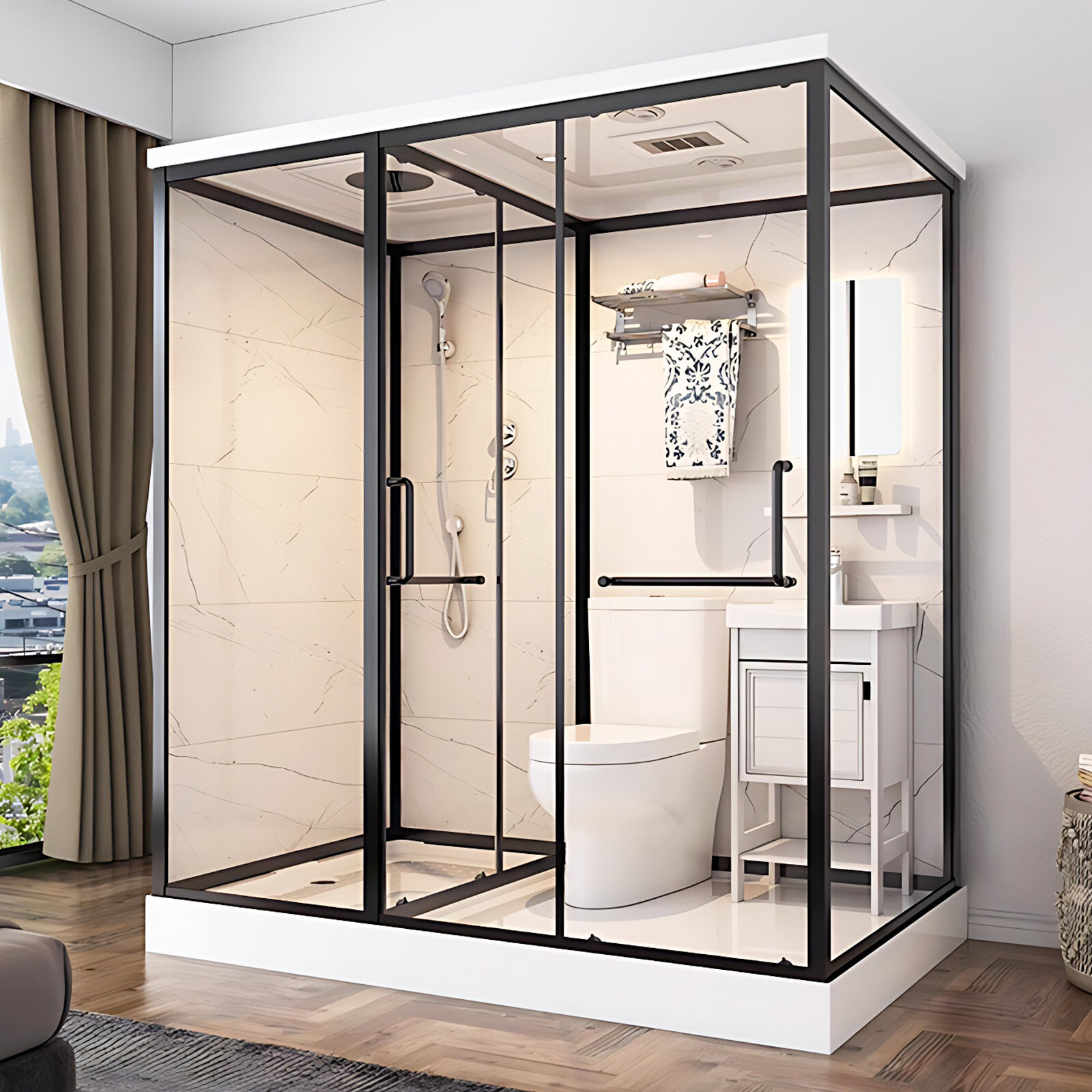
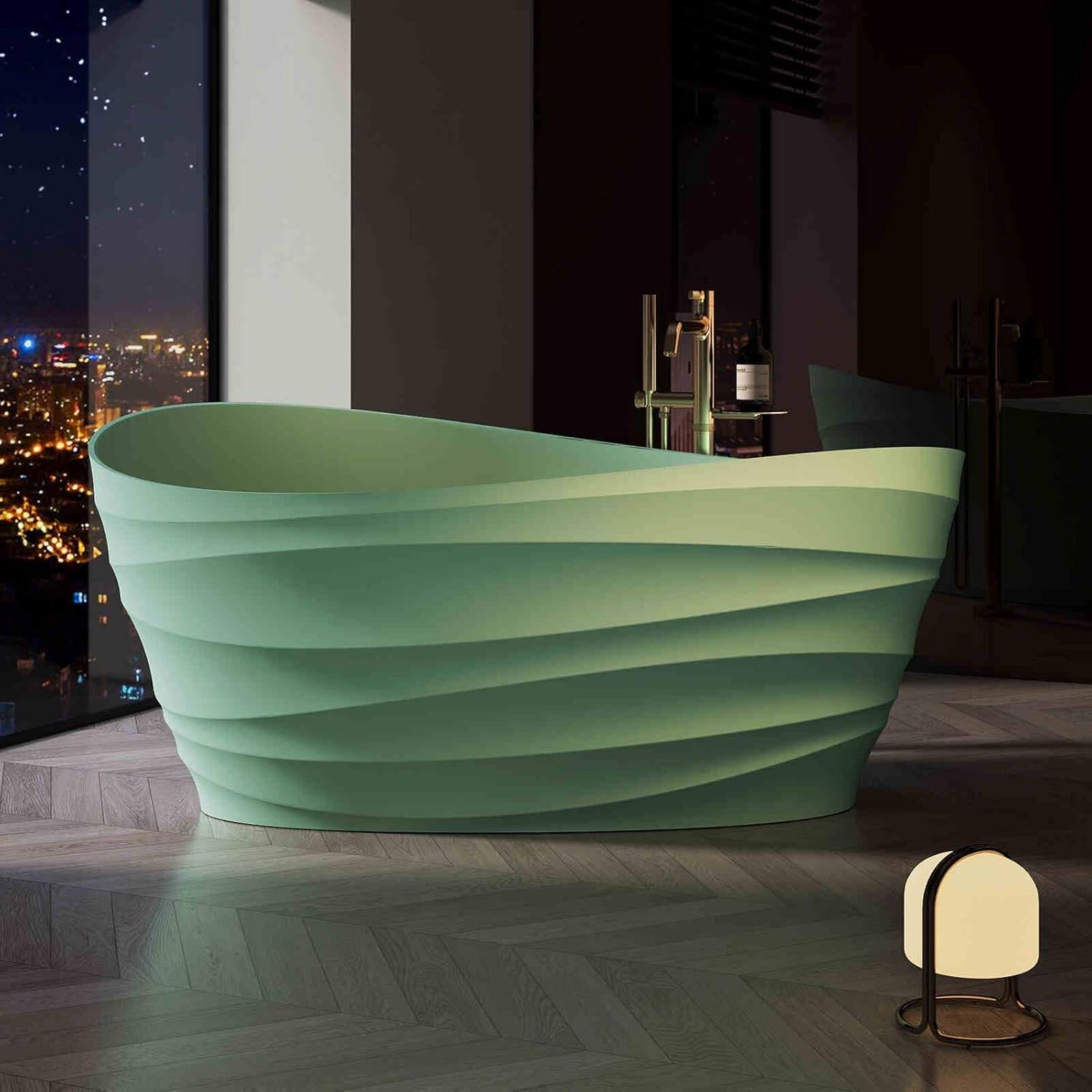
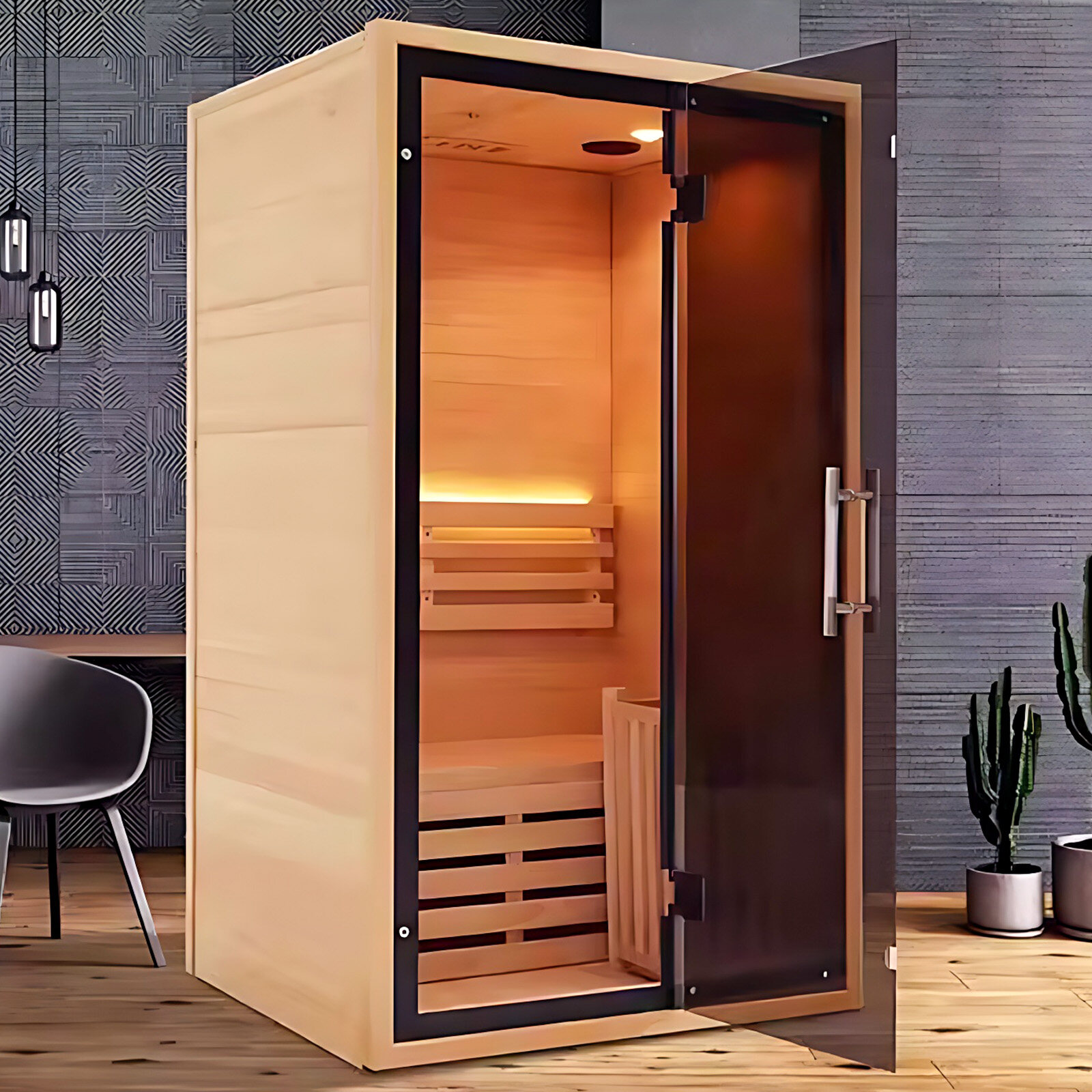
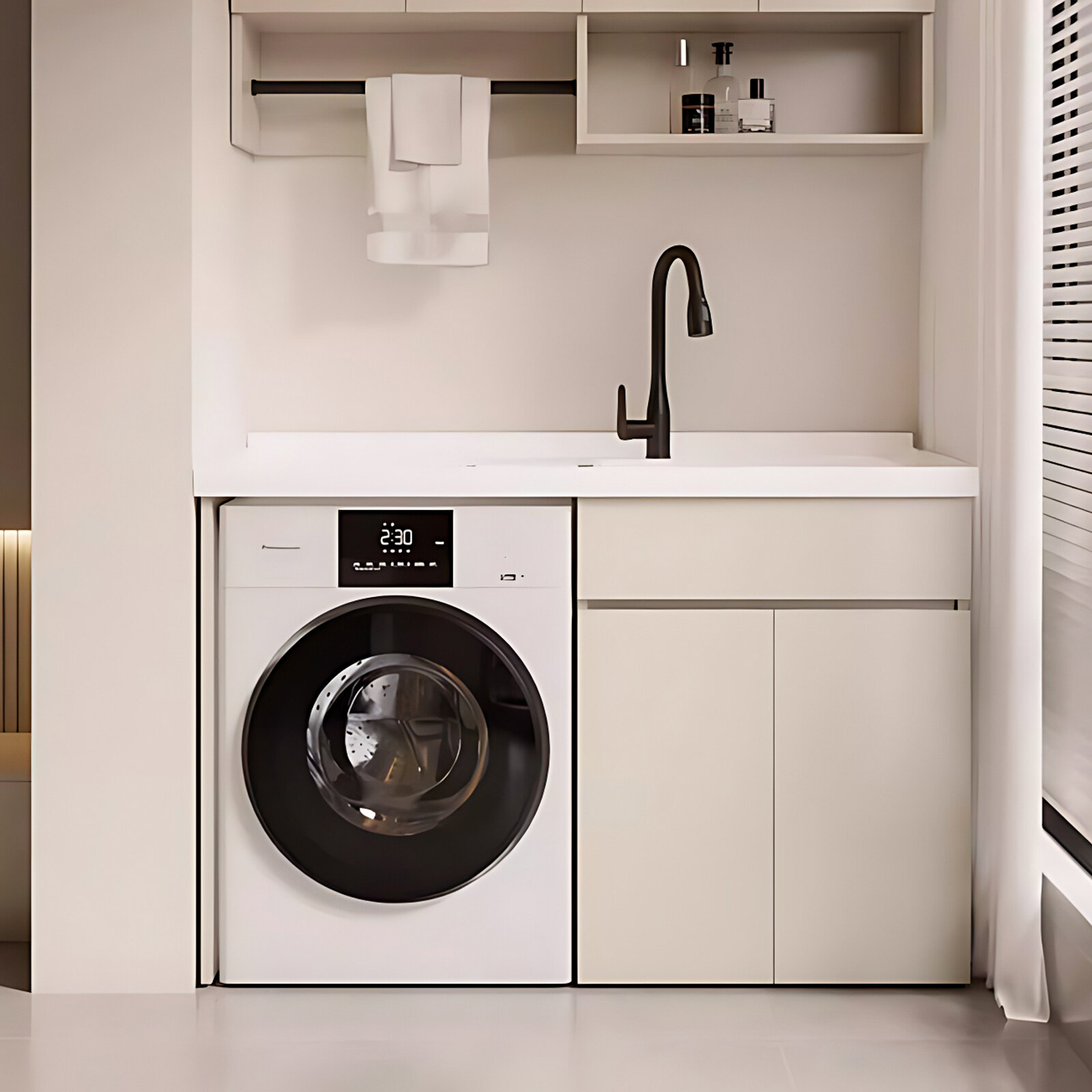
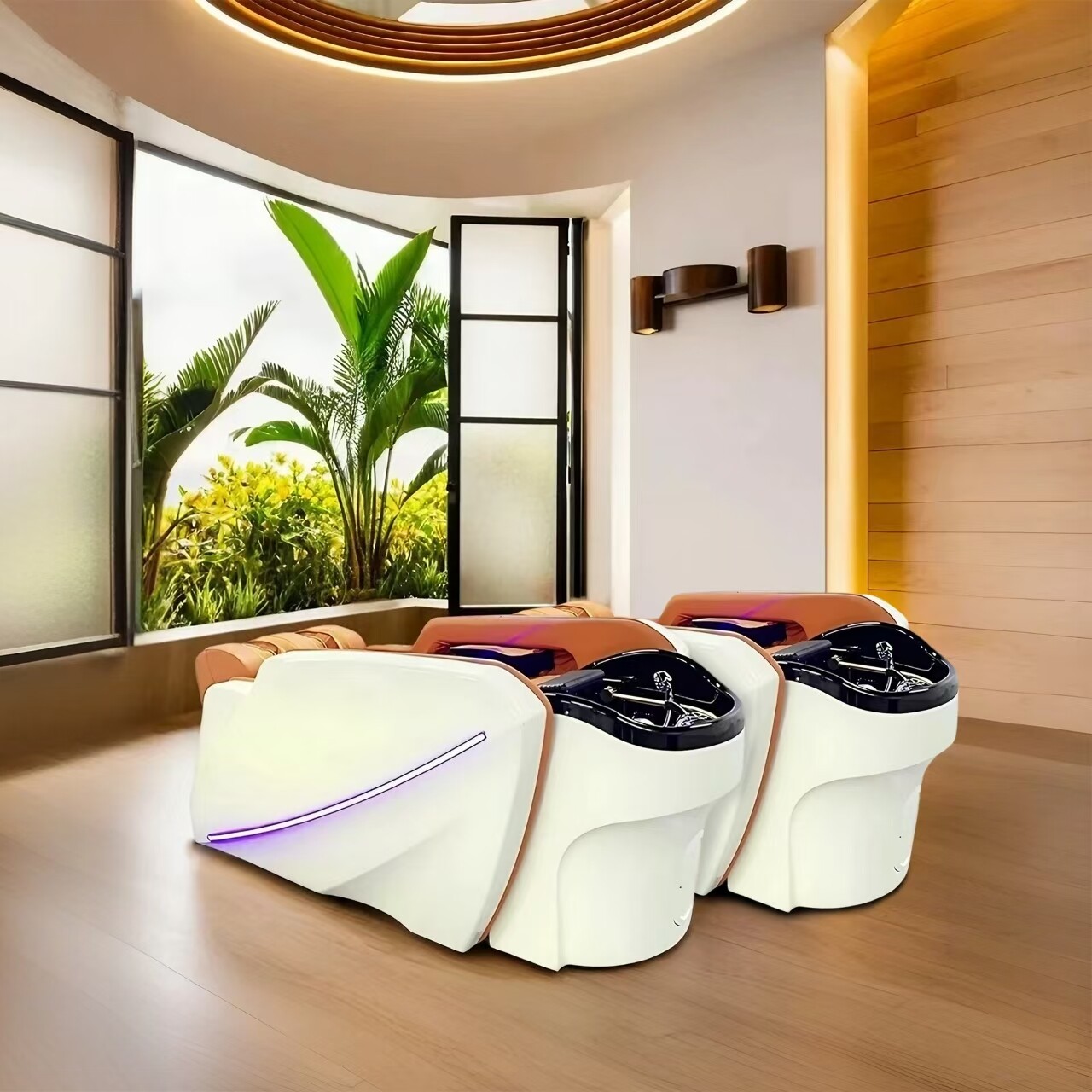
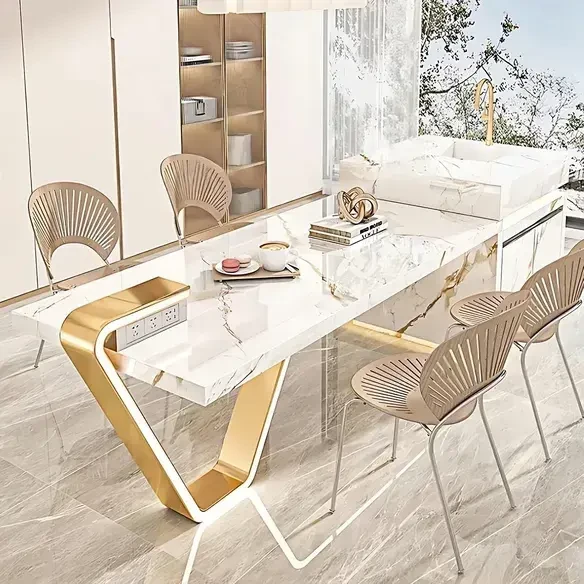
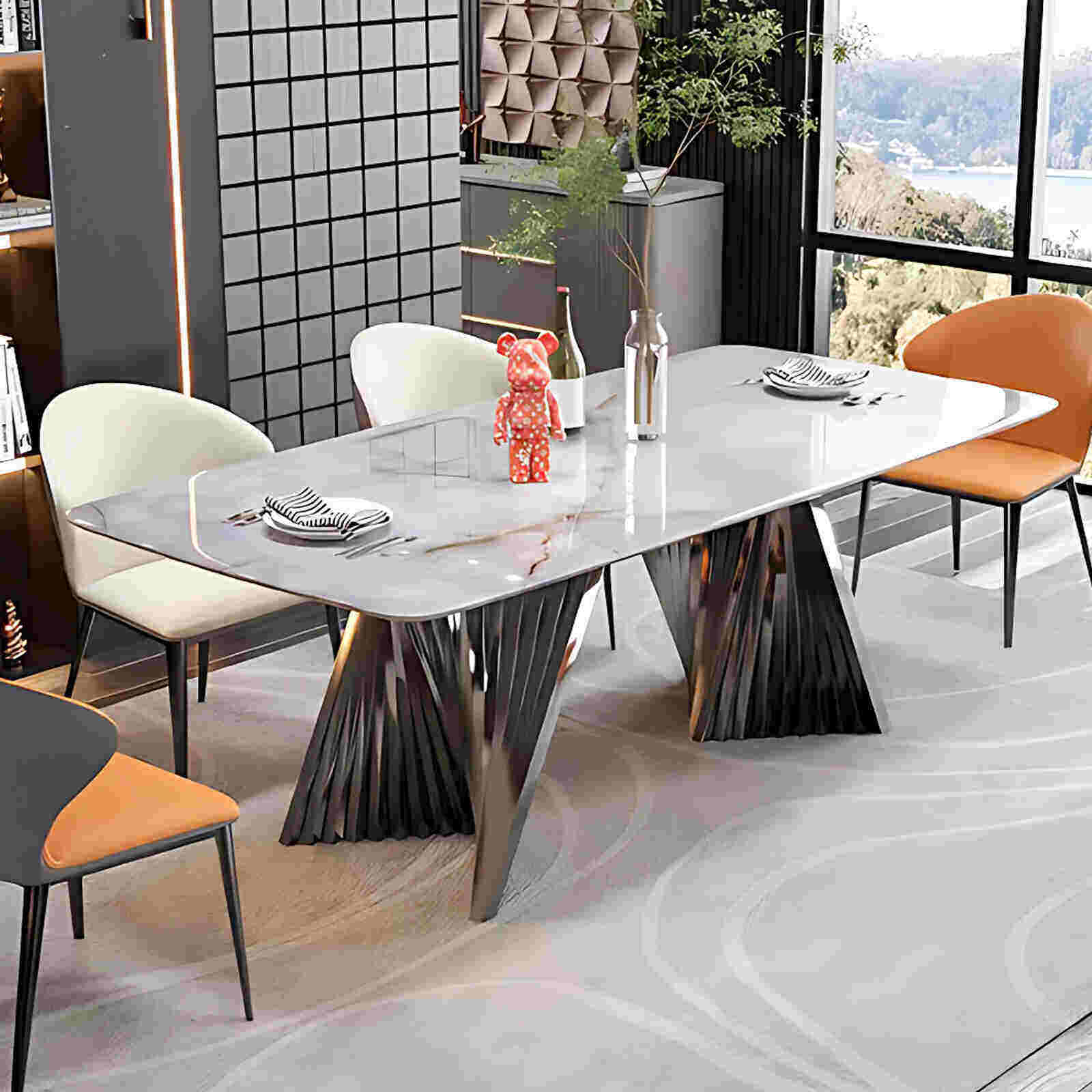
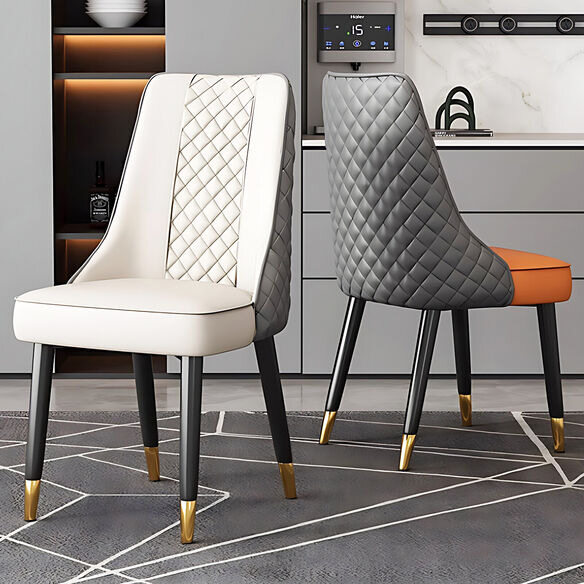
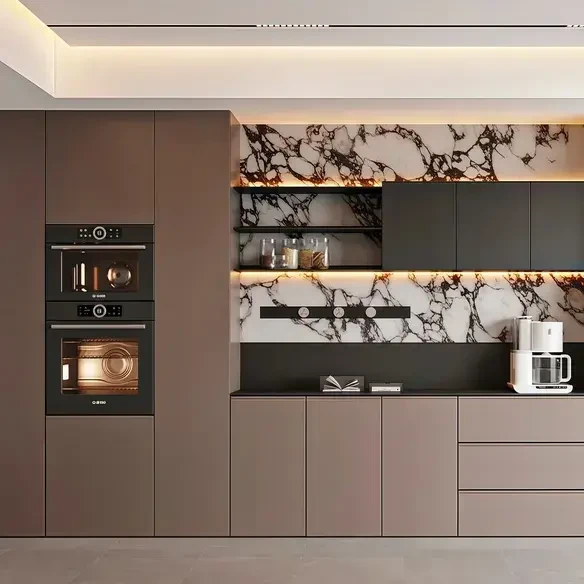

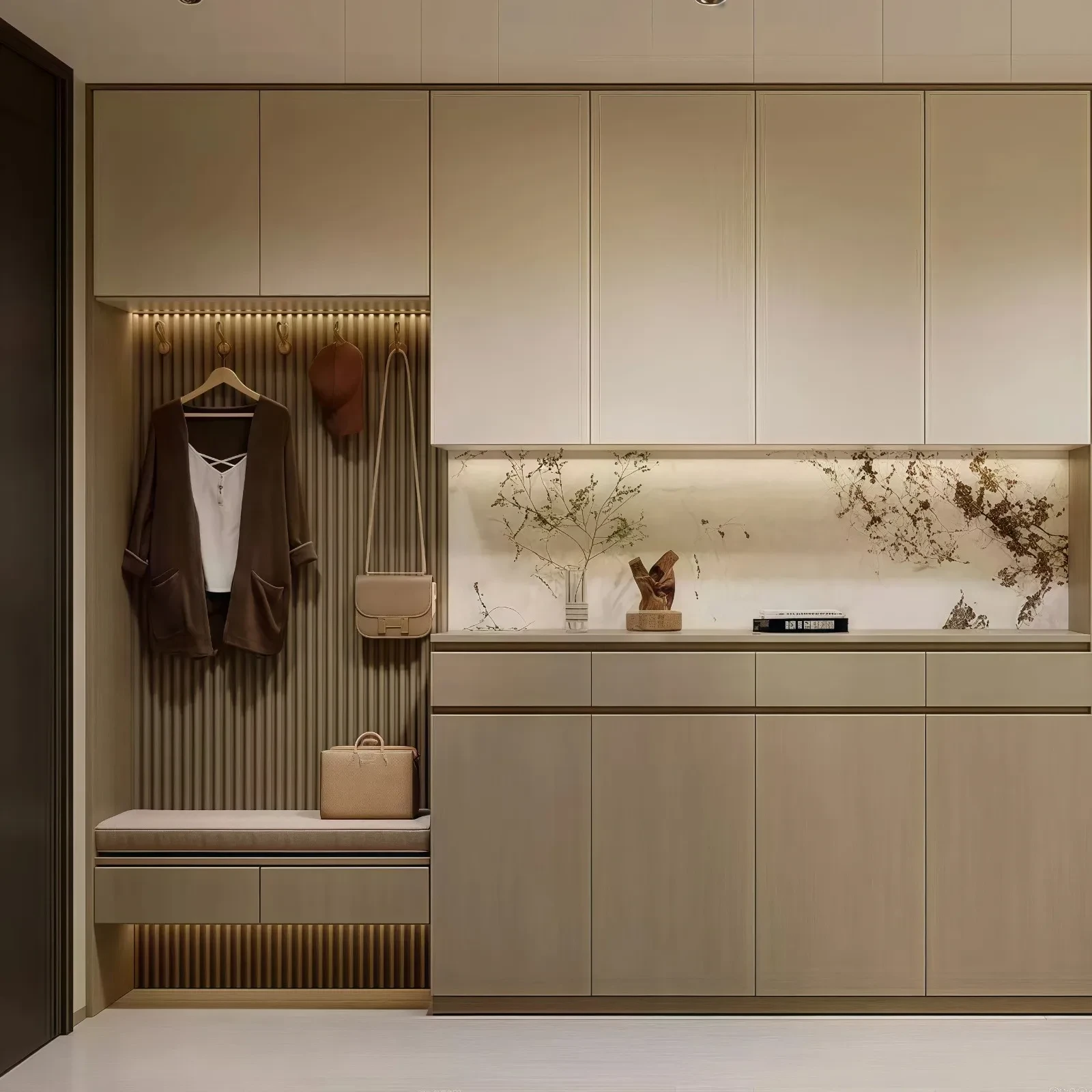
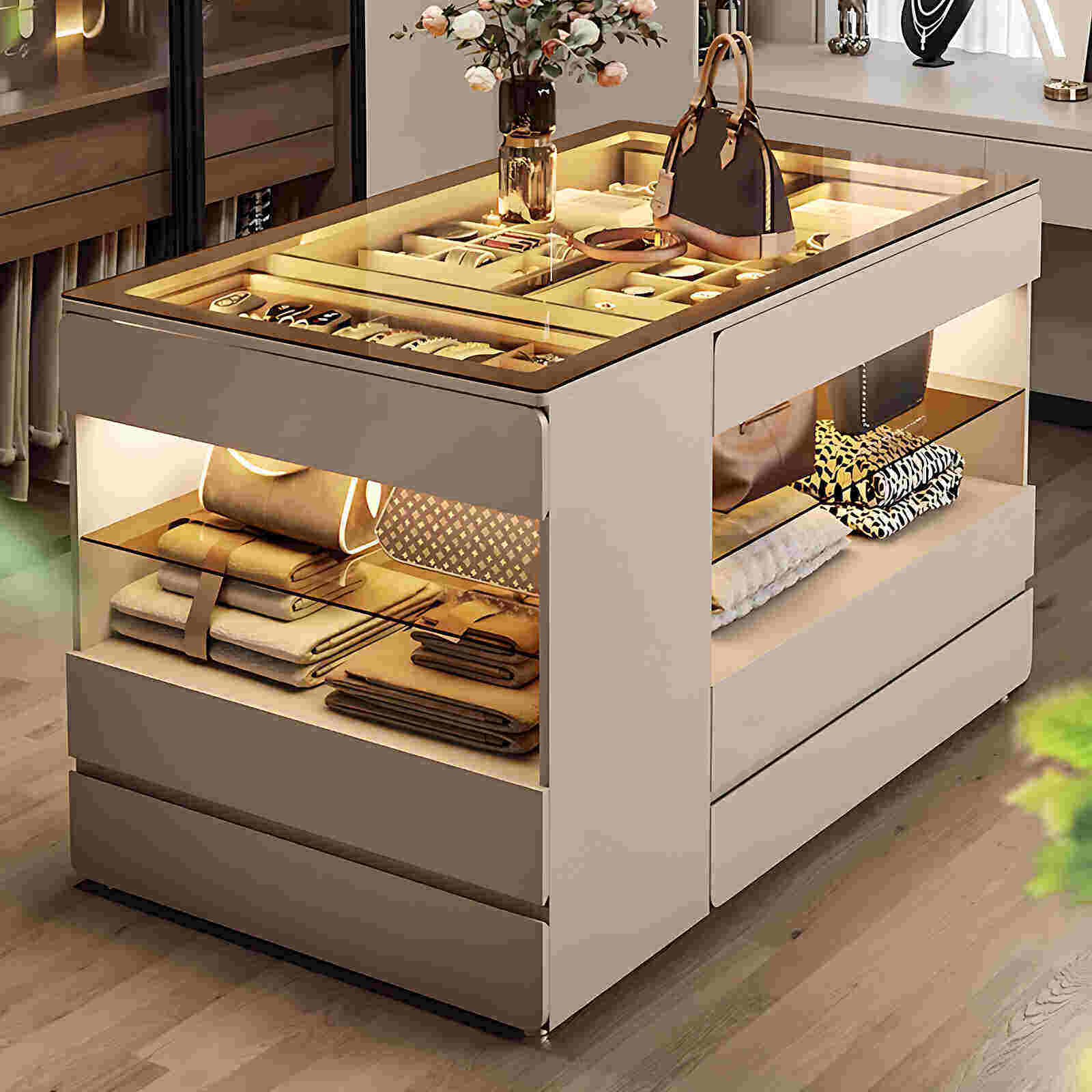
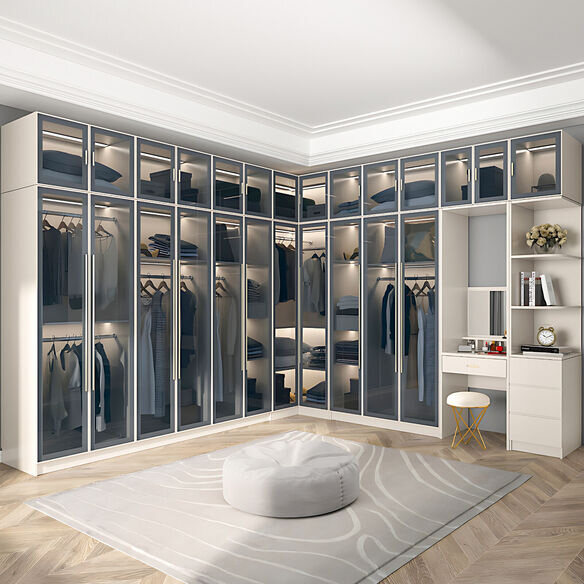
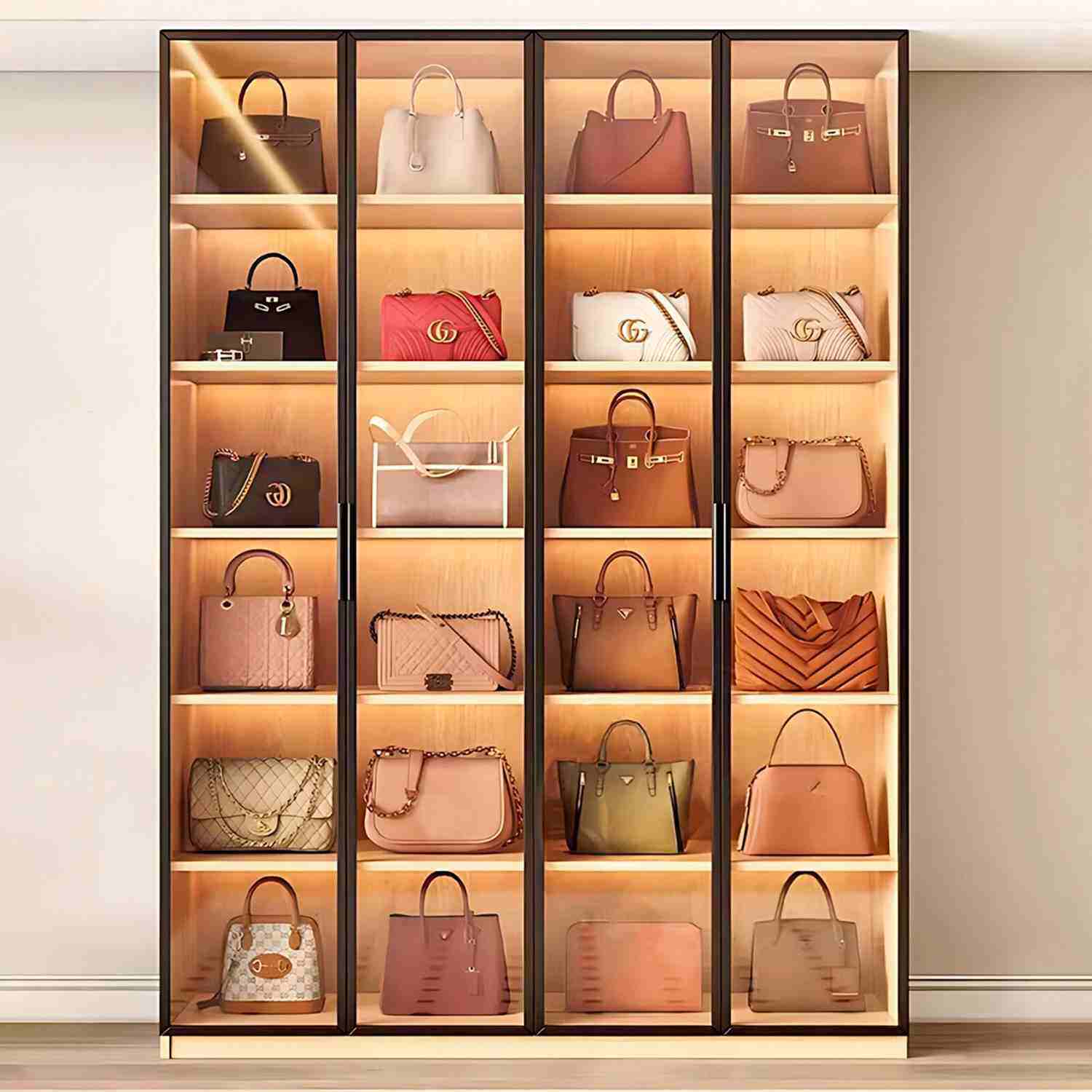
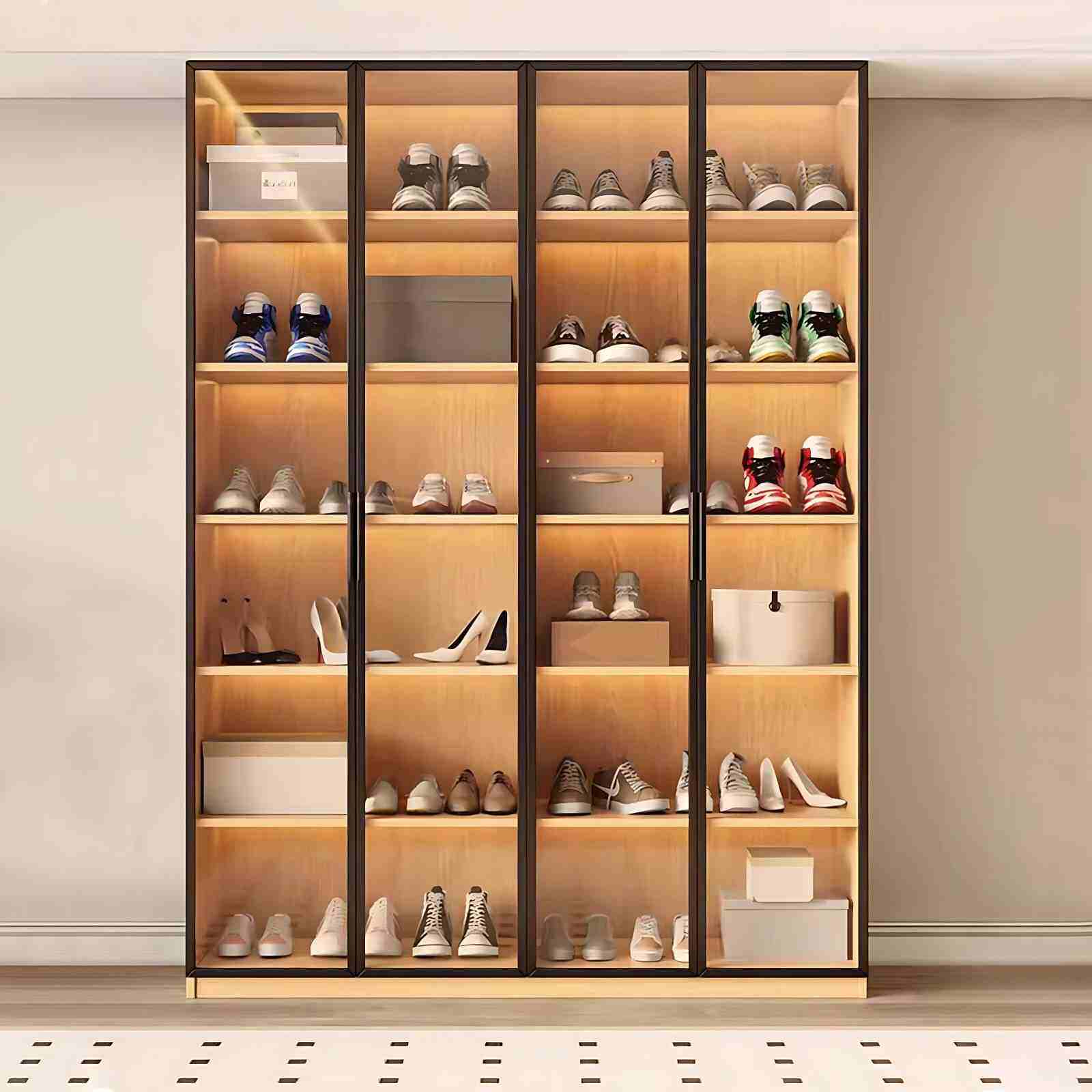
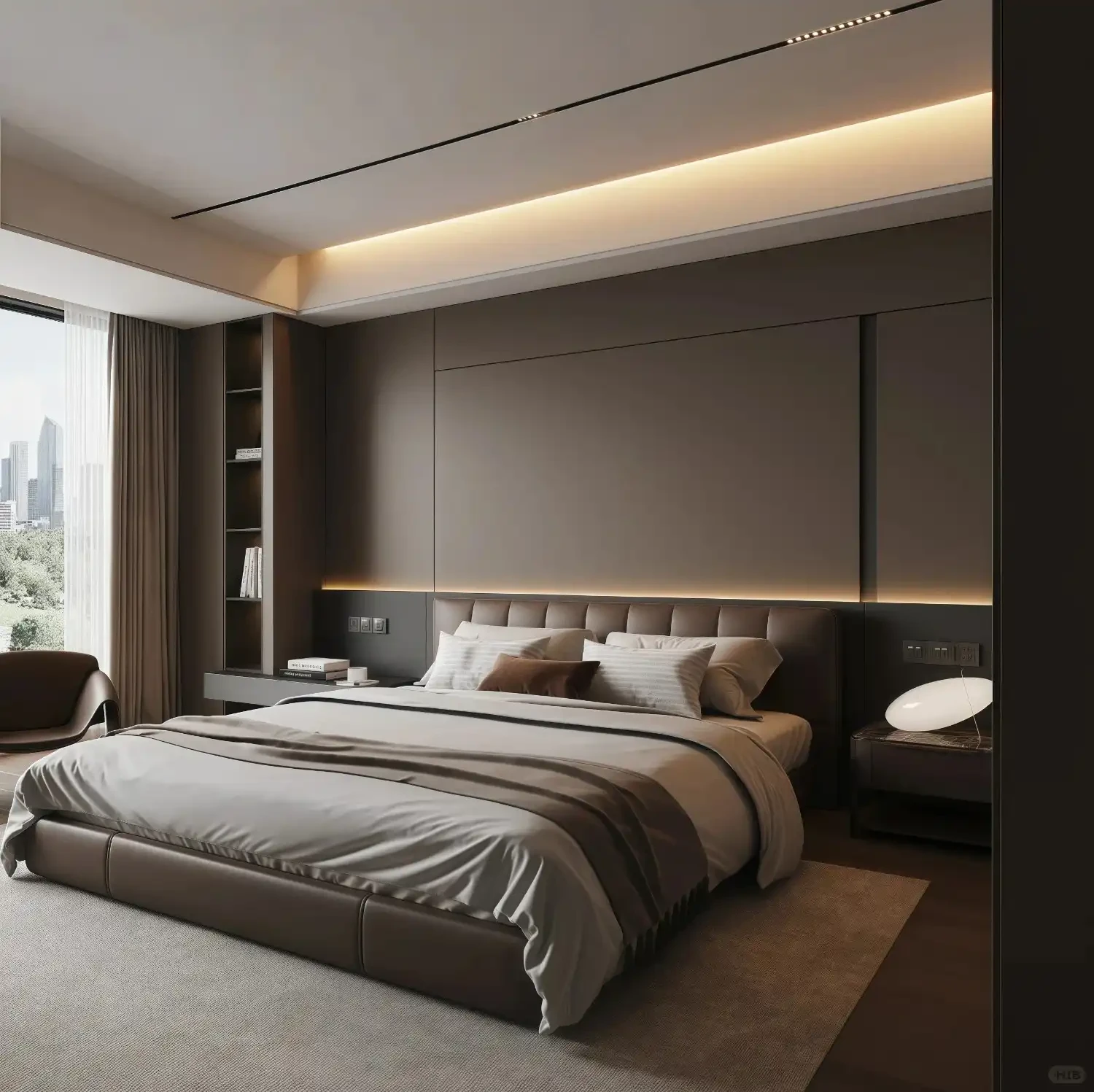
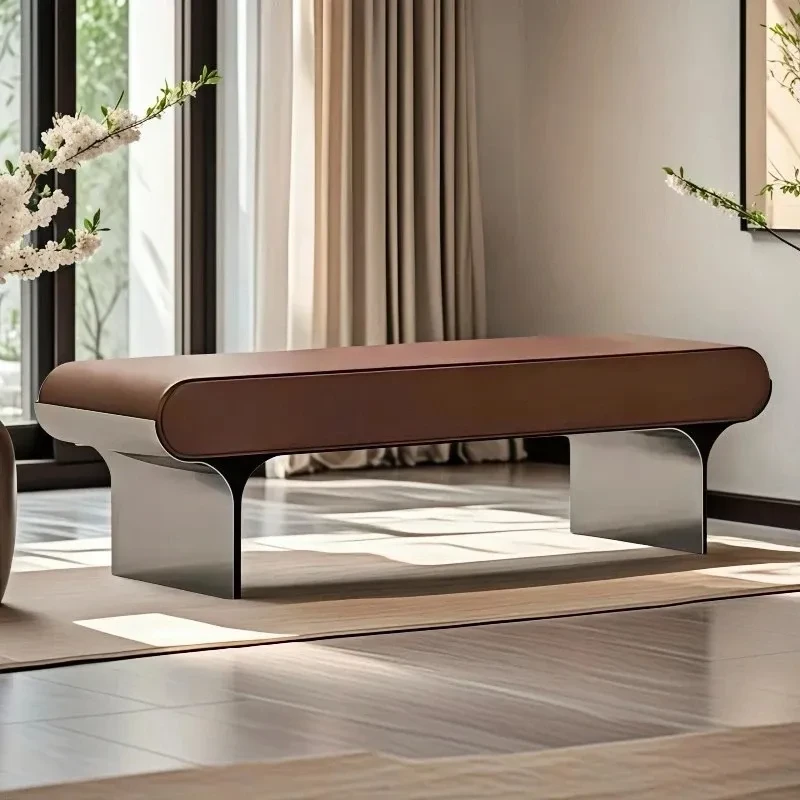
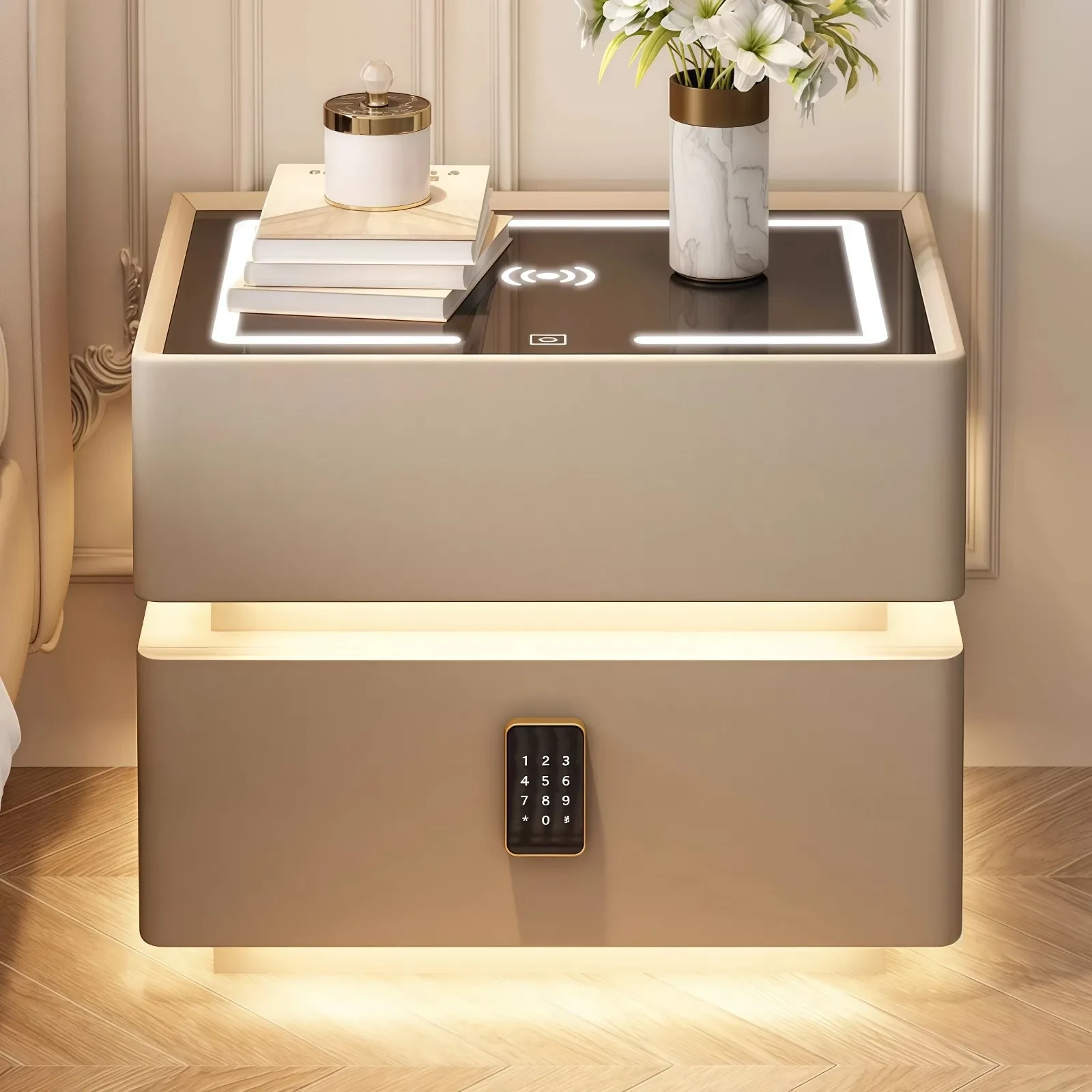
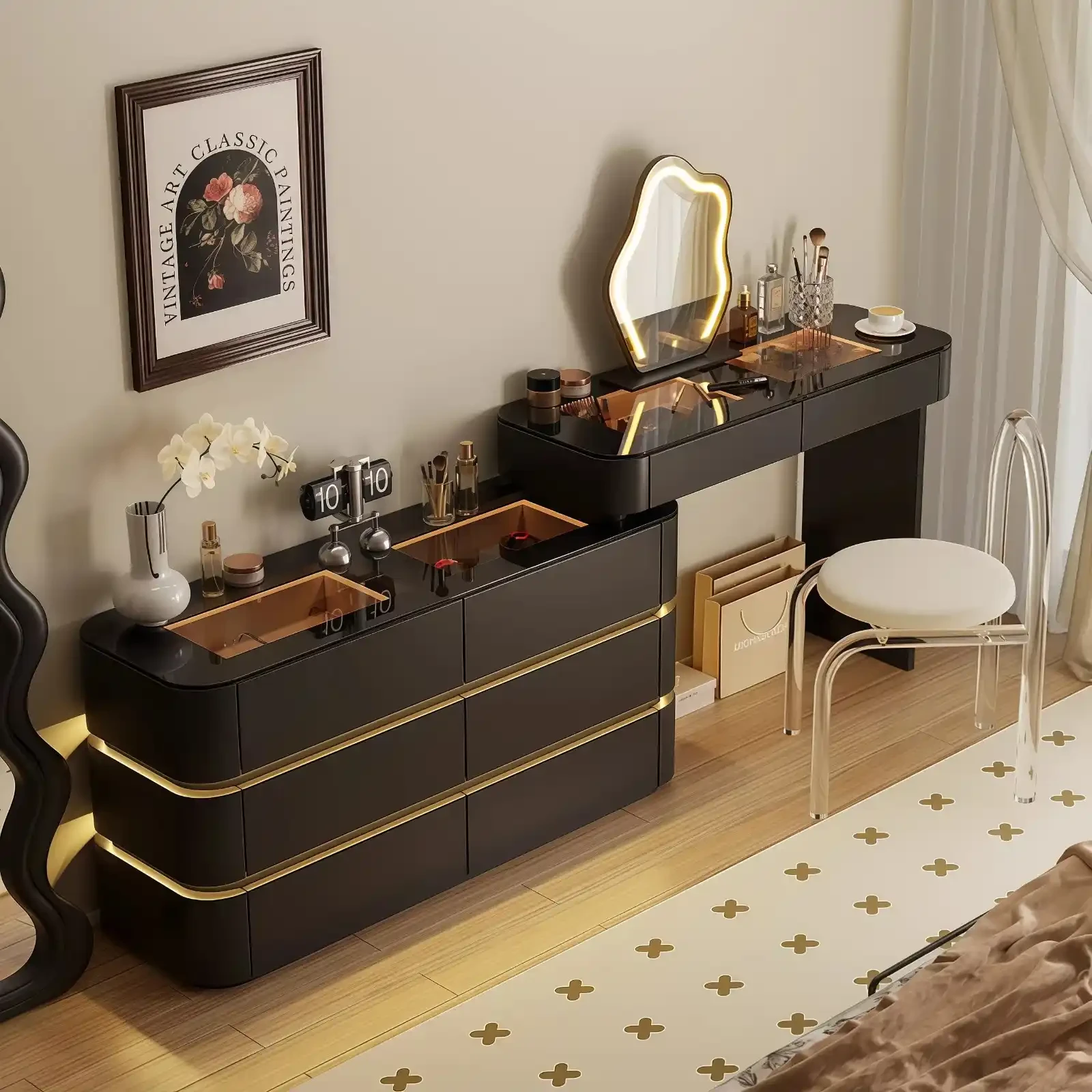
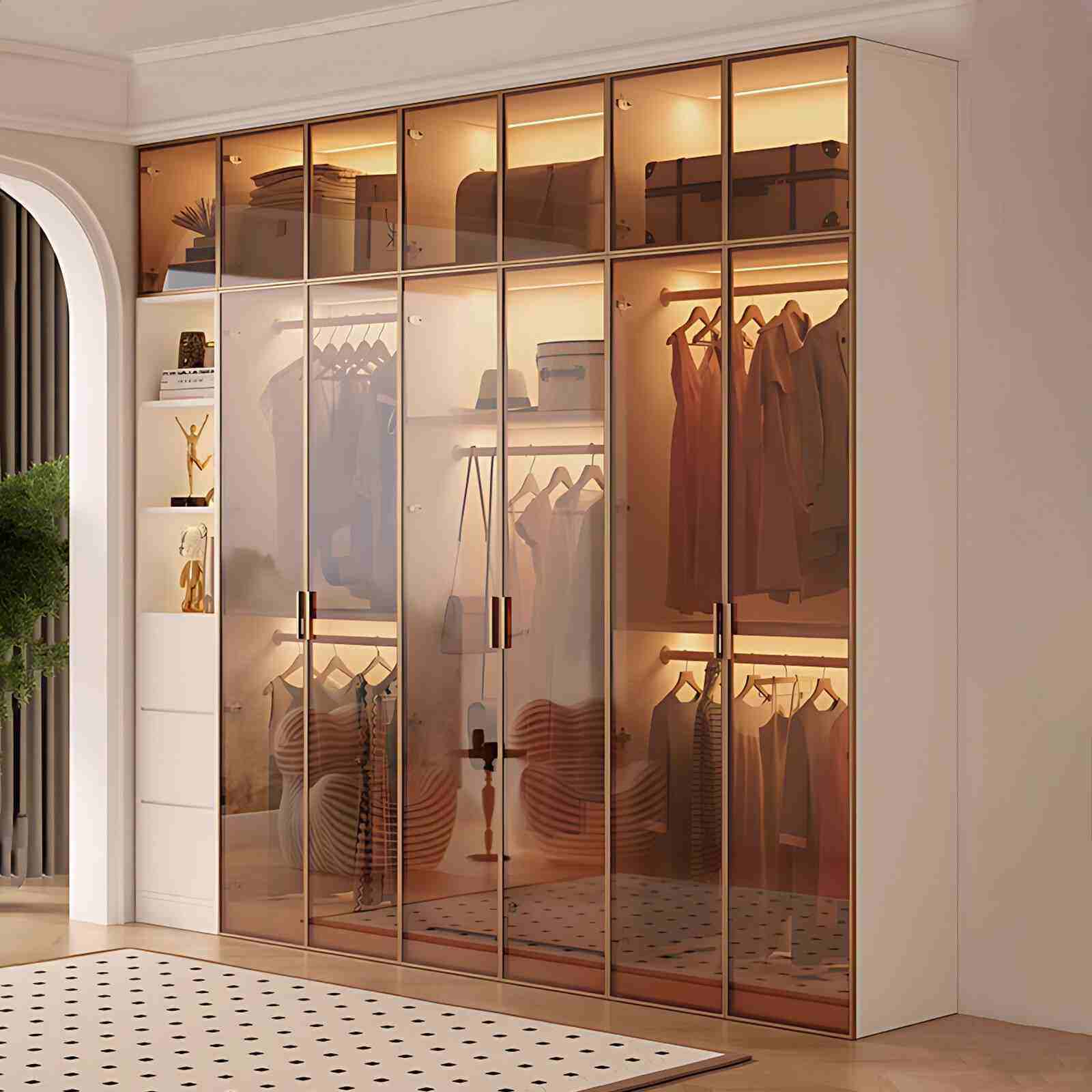
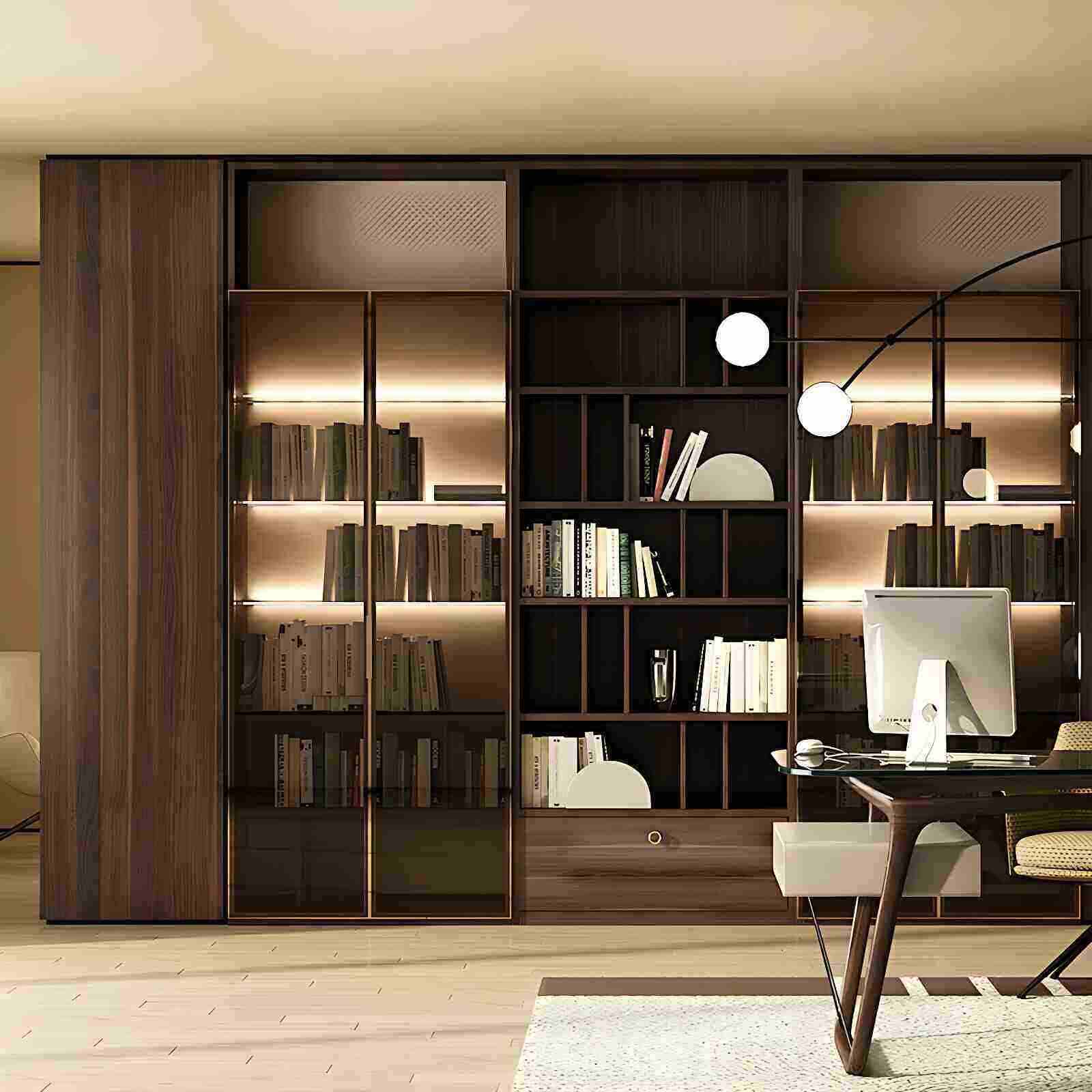
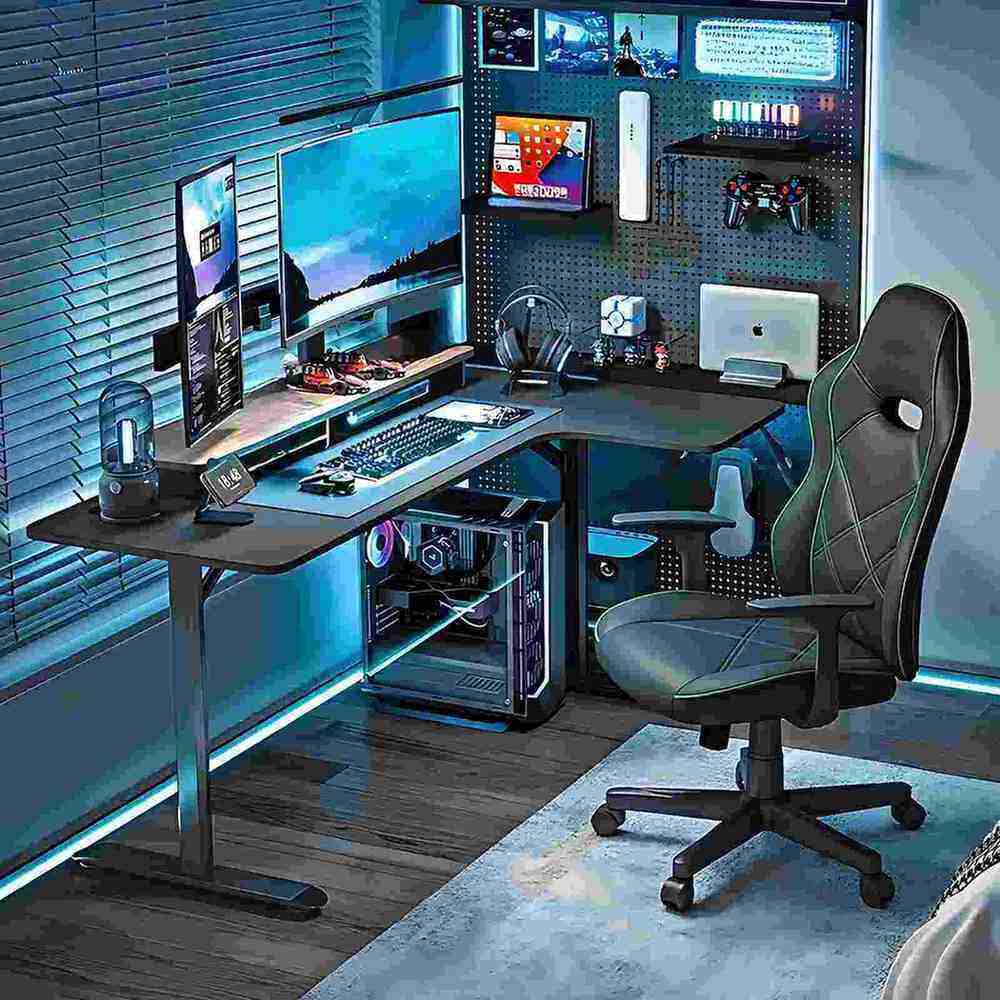
A long time ago, eco-boards weren't called eco-boards.
It's called a "melamine board"...
Don't panic, things aren't as you think!
Let's keep the story short: it was all Sanlu's fault!
This technical term was once popular throughout the country in 2008.
It's so outrageous that "a child's crying stops immediately upon hearing their name."
Eco-board had to be renamed...
In the industry, it is also called paint-free board, antibacterial board, or clean board. As the name suggests, it is paint-free, pollution-free, and has a high environmental protection level.
Ecological board
Ecological board has two definitions: narrow and broad. 1. In a broad sense, ecological board is equivalent to melamine-faced board. Its full name is melamine-impregnated paper-faced engineered wood panel. It is made by impregnating paper with different colors or textures in resin adhesive, drying it to a certain degree of curing, and then laying it on the surface of particleboard, moisture-resistant board, medium-density fiberboard, plywood, blockboard, or other hard fiberboard, and then hot-pressing it into a decorative board. 2. In a narrow sense, ecological board refers only to melamine-faced panels whose core material is spliced solid wood (such as Malacca wood, cedar, paulownia wood, poplar, etc.). It is mainly used in furniture, cabinets, wardrobes, bathroom cabinets, etc.
Are you still struggling to choose the right eco-friendly boards? Let Xiao Mo guide you through a more comprehensive understanding of eco-friendly boards. Knowing the common quality issues that may arise will help you make a better purchase decision!
01. The biggest feature of eco-friendly boards is, of course, their environmental friendliness. Moganshan eco-friendly boards have a high environmental protection level, reaching E1 and E0 standards. They no longer have an odor like traditional melamine boards, and even have the fragrance of wood.
Tip: When choosing, check in a closed space to see if there is any odor or irritation to the nose and eyes.
02. First, check the thickness and layering of the substrate. A good substrate has uniform thickness, good layering, no voids or overlaps, and a smooth, flat surface without bulges.
Tip: In slightly dim lighting, look at the longer side at a 45-degree angle to see if there are any uneven areas. This isn't a hard and fast rule, but it can reflect a manufacturer's craftsmanship.
03. Paper fading: Relatively speaking, ink-printed paper is less prone to fading and has a stronger three-dimensional effect, while pigment-printed paper is much worse.
Tip: Stack two boards together, offset them, and leave them in the sun for a few hours. Then check if there is a color difference on the bottom board.
04. Check if the decorative paper is firmly attached to the wood and if it peels off after soaking.
Tip: Stick strong glue to a small area of each square decimeter and pull hard to see if the paper comes off, or try to pry it off with your hand on the cross-section to see if you can remove the top layer of paper.
05. The degree of board deformation also reflects the manufacturer's craftsmanship and the static bending strength of the board. If deformation occurs after the board is made into a wardrobe or finished product (excluding large hinged doors), it is considered a quality issue.
Tip: It can be seen with the naked eye.
These five tips are simple and practical.
Each customer can operate it themselves.
Make it easy for everyone to distinguish between good and bad.
Of course, choose Moganshan ecological boards.
You won't have this kind of trouble!