
 USD
USD GBP
GBP
 EUR
EUR
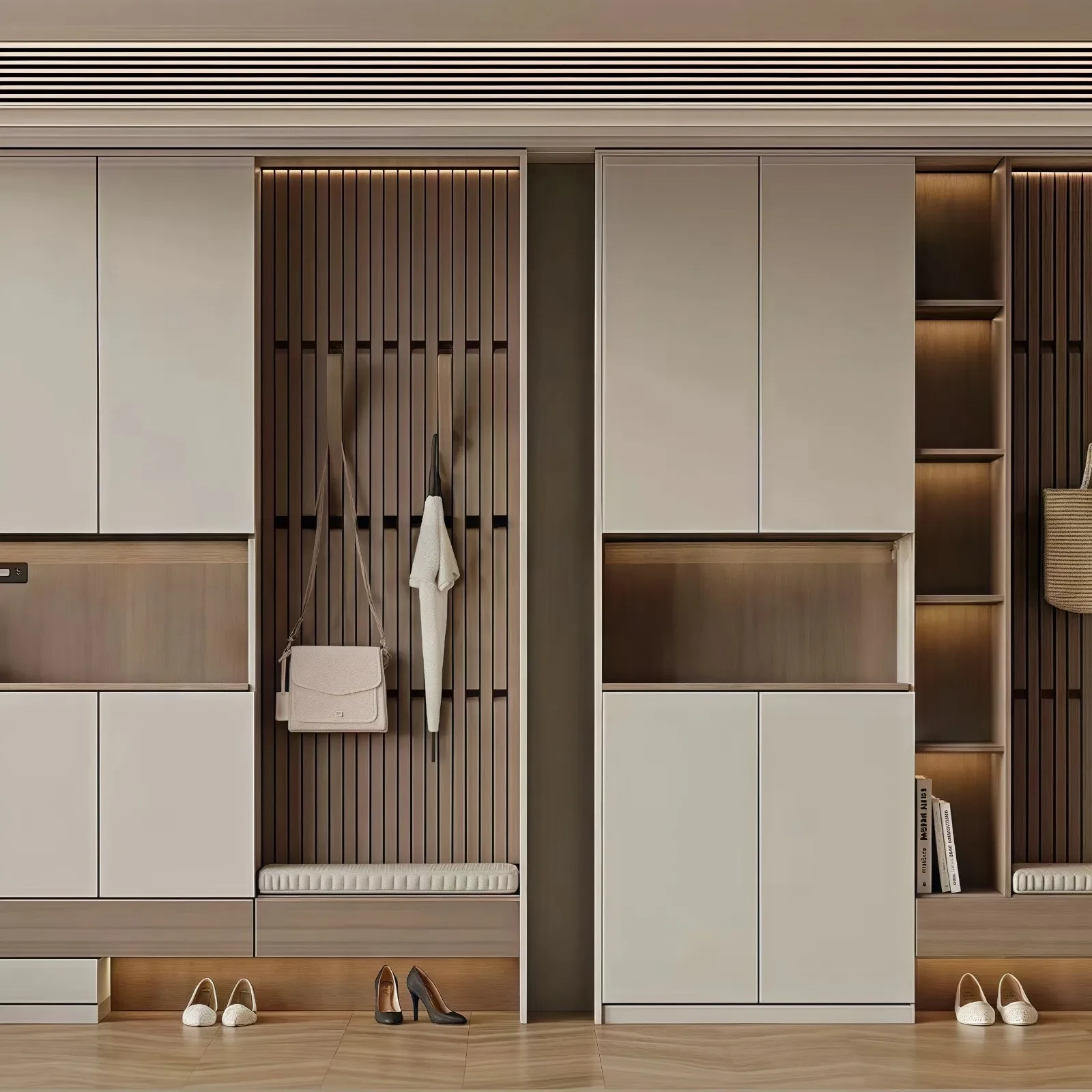
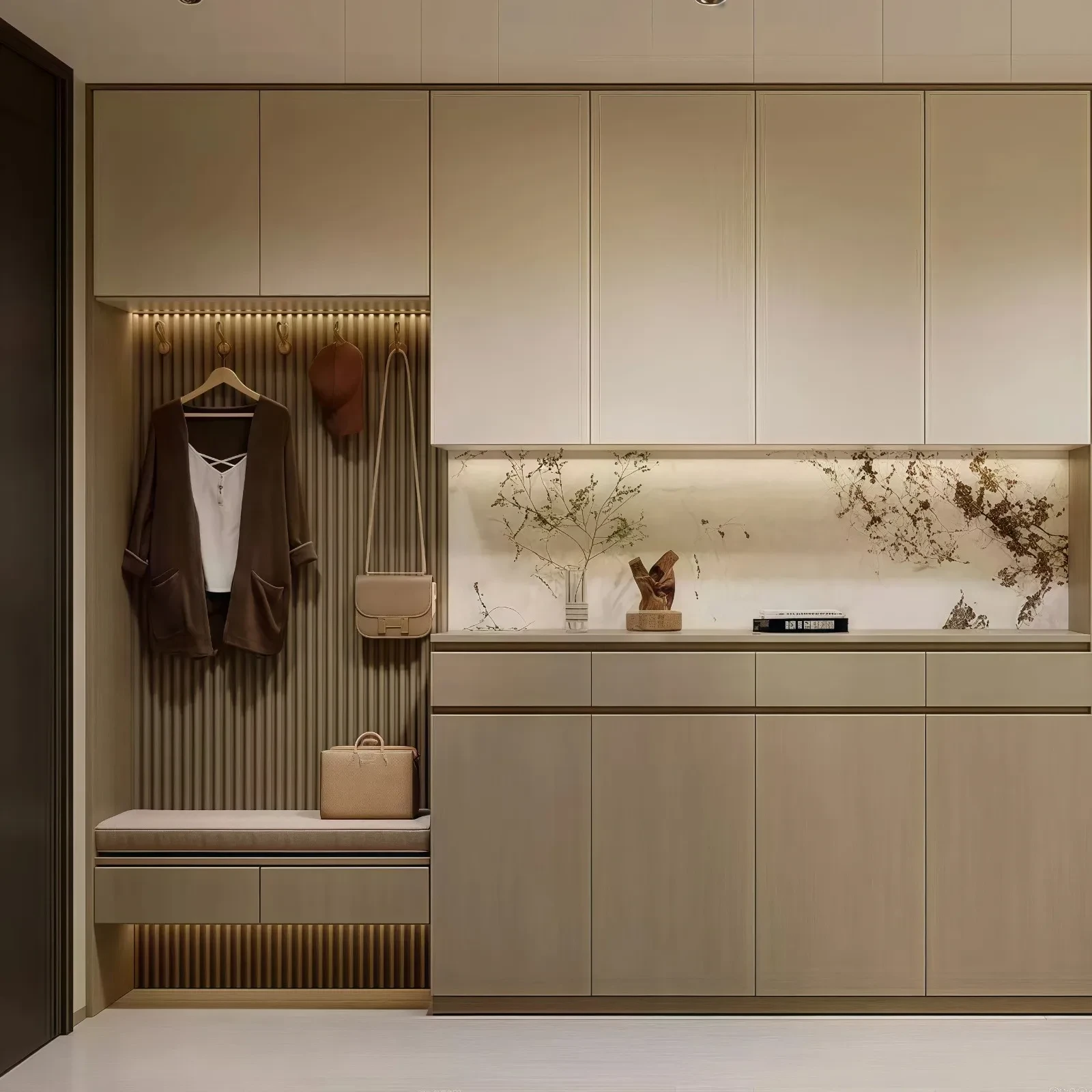
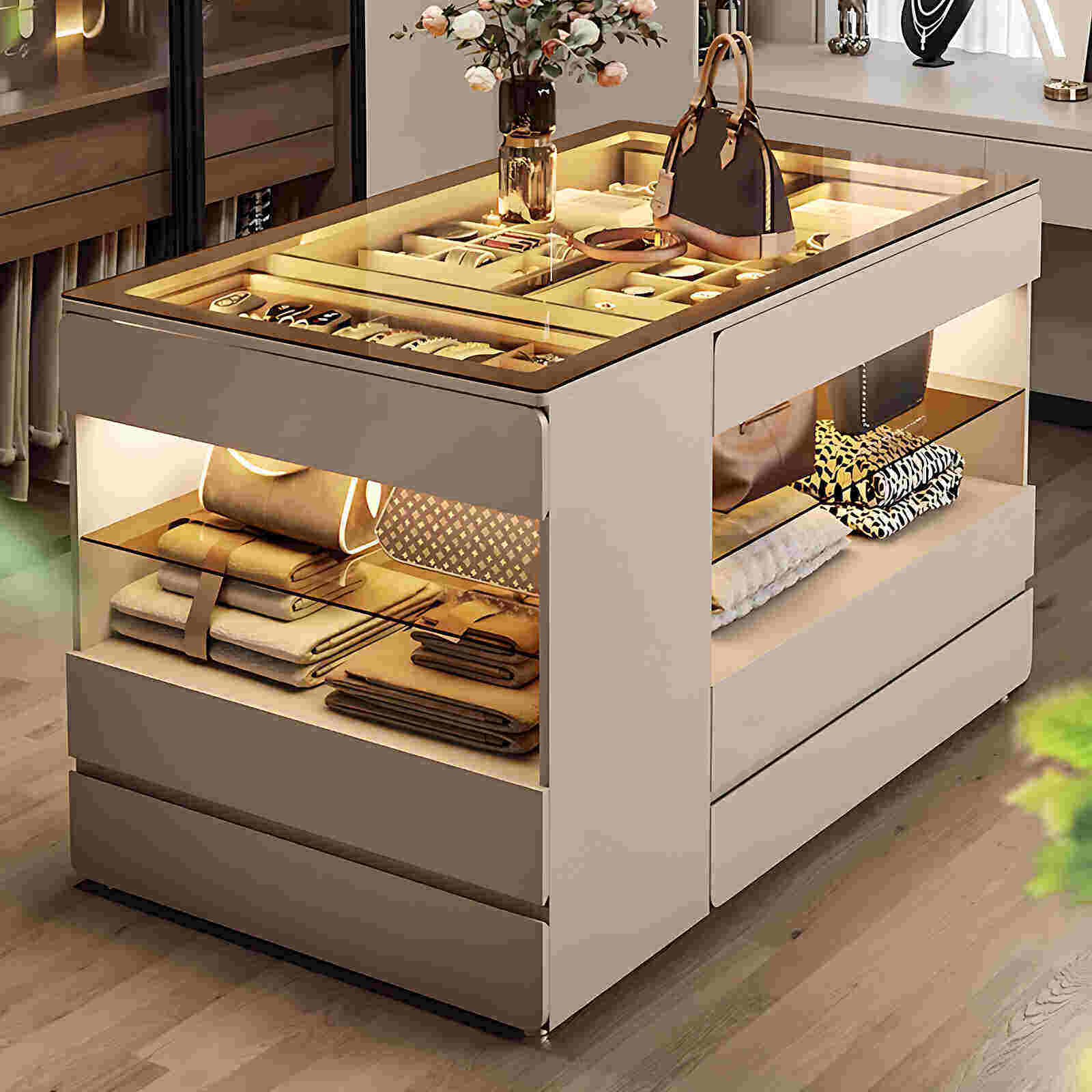
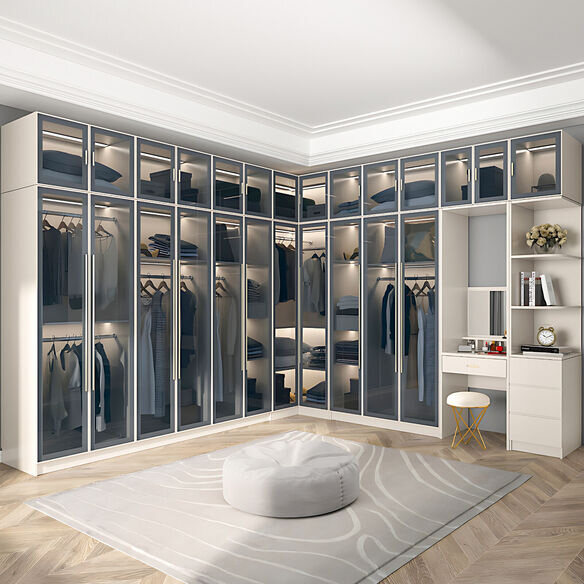
When decorating, you'll often hear terms like "E1 grade" and "E0 grade." The E1 grade was first proposed in the GB 18580-2001 standard, and the E0 grade in the GB 9846-2004 standard. As consumers' requirements for formaldehyde emission limits increased, the national standard GB 18580-2017 was issued and implemented, specifying formaldehyde emission limits for wood-based panels and their products. This standard only stipulated a limit for E1 grade (≤0.124 mg/m3), without mentioning a limit for E0 grade. Subsequent revisions of wood-based panel product standards referenced the aforementioned standard for formaldehyde emission limits, and the widely accepted "E0 grade" disappeared from the national standard.
To address this issue, stricter standards than the national standard, E0 and formaldehyde-free grades, were developed. As market demands for higher formaldehyde emission limits continue to grow, the national standard GB/T 39600-2021, "Classification of Formaldehyde Emissions from Wood-based Panels and Their Products," officially came into effect on October 1, 2021. TBB (Tu Baobao) also participated in the formulation of this standard. This standard classifies formaldehyde emissions into three levels: E1, E0, and ENF. Specific requirements are shown in the table below.
Does ENF grade mean formaldehyde-free grade?
The proposed "formaldehyde-free grade" refers to a formaldehyde emission level measured using the desiccator method; while the national standard "ENF grade" refers to a formaldehyde emission level measured using the climate chamber method. Because the testing methods differ, the two cannot be hastily equated. Furthermore, "formaldehyde-free grade" and "ENF grade" indicate that no formaldehyde was added during the production process, which differs from the consumer's perception of "formaldehyde-free" or "0 formaldehyde," since even naturally occurring materials contain some formaldehyde.
It's important to note that formaldehyde in indoor air originates from products such as engineered wood furniture, flooring, curtains, carpets, and wallpaper. Therefore, while focusing on the environmental friendliness of engineered wood products, it's also necessary to pay attention to the environmental performance of other building materials, as well as the room's load-bearing capacity. Not all products are environmentally friendly and can be used without restriction.
The world's strictest environmental standards, bar none.
The latest Chinese national standards for ENF and E0 levels not only surpass the EU E1 standard, but also exceed the US P2 standard and the Japanese F☆☆☆☆ standard, which are considered the pinnacle of the home decoration industry. The new ENF standard has become the most stringent environmental standard globally, and even some of the most prestigious brand-name boards in Europe and America struggle to meet it.
The new national standard imposes stricter requirements on businesses. To meet these standards, companies must further optimize and improve all aspects, including raw material control, manufacturing processes, and quality inspection. For consumers, there's no need to blindly believe that foreign eco-friendly boards are superior; Chinese boards can be even better than their foreign counterparts.
Demand higher standards of yourself
It has always held itself to higher standards than national standards, implementing E1 and E0 standards ahead of the national standards; it was the first to launch "formaldehyde-free" products in 2008; and after the new national standards were officially implemented in October 2021, it launched "Super Core Board" – a board that meets the ENF environmental protection standard.
Super Core Board not only provides formaldehyde-free and antibacterial boards for whole-house customization consumers, but also actively removes formaldehyde from the home space, creating a healthier and more reassuring living space for consumers.