
 USD
USD GBP
GBP
 EUR
EUR


















How much do you know about choosing a washbasin?
People generally know that washbasins mainly include countertop basins, undermount basins, and sink basins. These products are basically similar, but they differ in color, size, and depth. There are three main types of washbasins on the market, but they vary greatly in shape and material. Next, we will introduce how to choose a washbasin.
1. How to choose a washbasin with a base
Pedestal sinks are primarily suitable for relatively small bathroom spaces or bathrooms with low usage. As you can see, the design of this toilet is very simple, with the drainage components concealed within the pedestal, giving it a clean and tidy appearance.
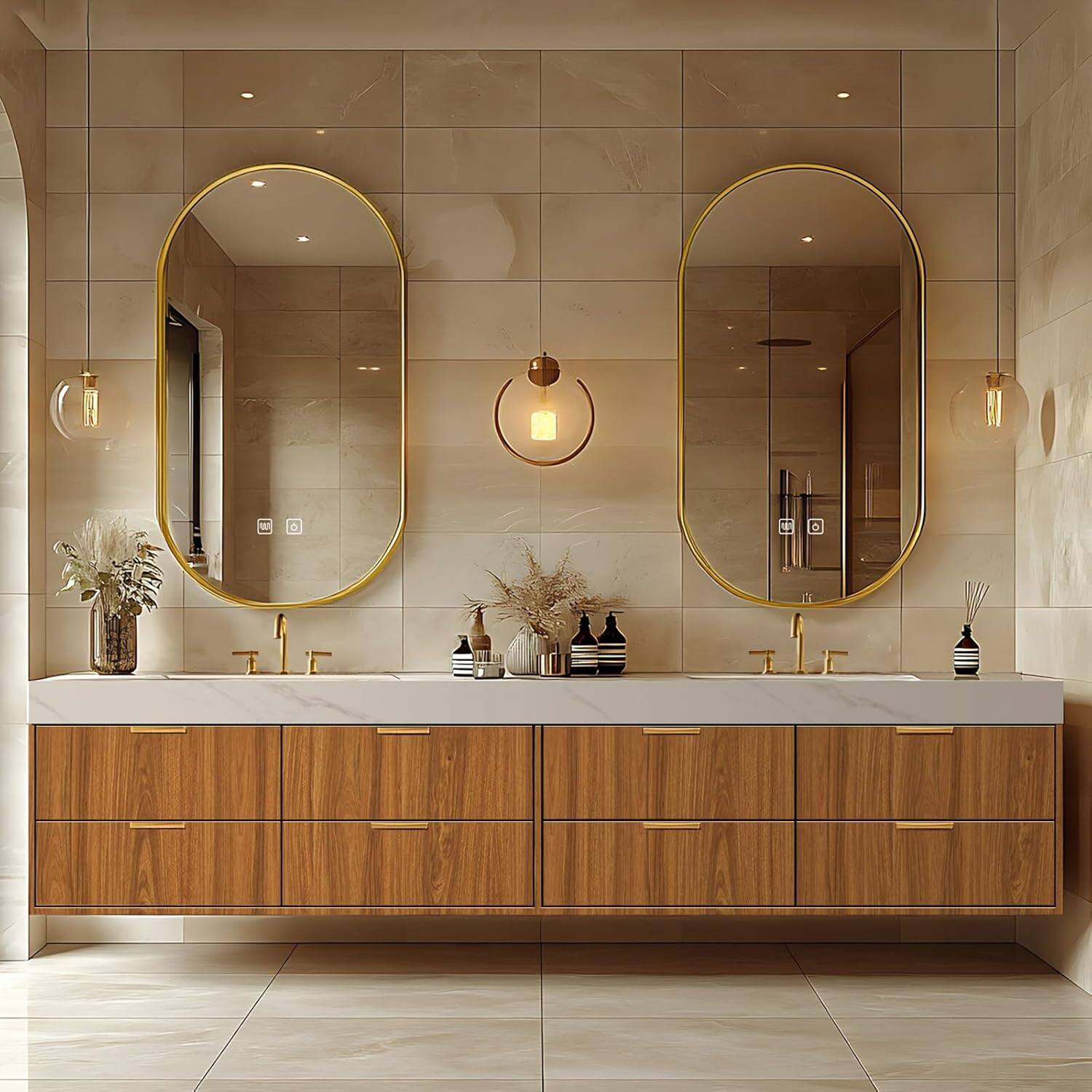
2. Marble washbasin
Washbasins are more suitable for large bathrooms. You can choose matching countertop materials such as marble or granite, and a custom-made bathroom cabinet can be installed underneath to store bathroom products, which is convenient, practical, and aesthetically pleasing.
3. Stainless steel washbasin
Stainless steel washbasins are very modern, stylish, and easy to clean. However, stainless steel washbasins are usually made of solid materials. A large amount of steel is extracted, and the surface must be brushed or mirror-plated, so the price is not low. When buying a stainless steel washbasin, you must not only be optimistic about the style, but also understand its materials and maintenance points.
4. Glass washbasin
Glass objects always attract attention, whether for their unique texture or their interplay of light and shadow. However, glass has disadvantages such as being fragile and not heat-resistant (glass basins sold on the market have wall thicknesses of 19mm, 15mm, and 12mm, etc., and even for products with a wall thickness of 19mm, the maximum temperature resistance is only 80℃).
5. Artificial stone washbasin
Artificial stone, also known as seamless stone, is strong, easy to mold, and comes in a variety of styles, making it suitable for creating washbasins that are integrated with countertops. However, the quality of artificial stone varies greatly depending on its price; inferior artificial stone may have color issues. Additionally, it is easily scratched and cannot withstand high temperatures.
6. Washbasin dimensions and specifications
In fact, there are some common standard sizes for washbasins. When buying a washbasin, you need to know its size. Otherwise, if the size is wrong, it cannot be installed on the bathroom cabinet. Washbasins in the bathroom come in various sizes, making it difficult to find different models of washbasins with the same dimensions. This situation has led to a variety of washbasin sizes. Currently commonly used washbasin sizes are: 585×390mm, 600×460mm, 700×460mm, 750×460mm, 800×460mm, 900×460mm, 1000×460mm, 600×405×155mm, and 410×310×140mm, etc. Besides these more common washbasin sizes, there are many other sizes available. Because washbasins are personal hygiene products, various brands must manufacture different sizes to meet the needs of each user as much as possible.