
 USD
USD GBP
GBP
 EUR
EUR






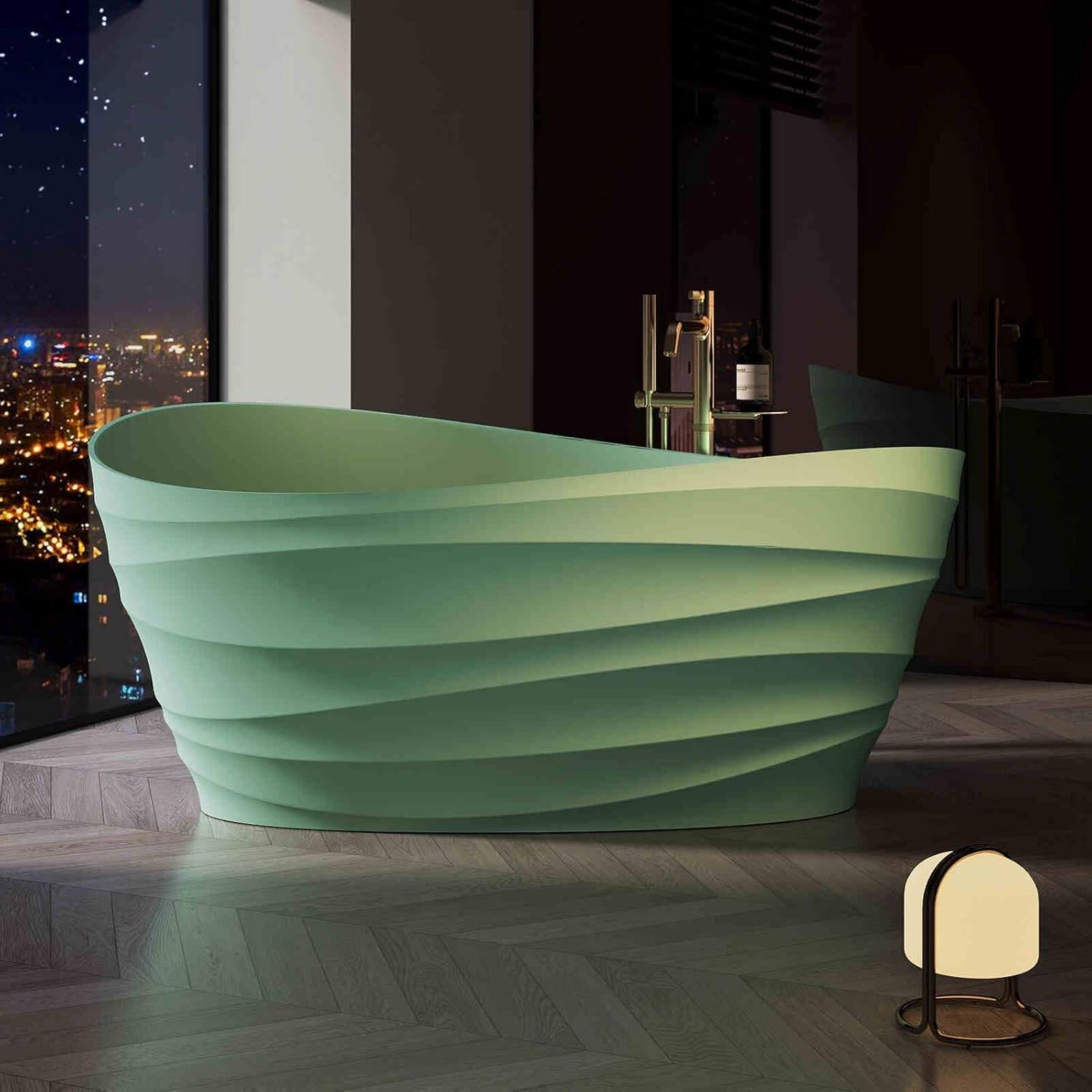























What are the differences between acrylic bathtubs and ceramic bathtubs?
The difference between acrylic bathtubs and ceramic bathtubs lies in the materials, design, and price.
Materials: Acrylic bathtubs are mainly made of polypropylene, while ceramic bathtubs are made of ceramic.
Acrylic is a malleable polymer chemical material with excellent transparency, chemical stability, and weather resistance. It is easy to dye, process, and has a beautiful appearance. It has good heat insulation properties, is lightweight for easy transportation and installation, and surface scratches can be repaired. It is also relatively inexpensive. However, acrylic bathtubs are prone to scratches, and improperly treated bottoms can easily crack. They can also yellow over time.
Ceramic bathtubs are made from ceramic clay and have a high-gloss glaze that enhances the overall look of the bathroom. They are also thick and durable. However, ceramic bathtubs are heavy, difficult to transport, susceptible to damage from bumps and knocks, and easily break. Their smooth surface also makes them slippery, and scratches and cracks are often irreparable.
Design: Acrylic materials are easy to process into bathtubs of various shapes and sizes, so acrylic bathtubs usually offer more design and style options. Ceramic bathtubs, on the other hand, typically feature simple and elegant designs.
Price: Acrylic bathtubs are generally cheaper than ceramic bathtubs due to differences in materials and production costs, but there are also high-end models that are more expensive than ceramic bathtubs.
Some families consider installing a bathtub in their bathroom during renovations. Imagine relaxing with a rose bath, a glass of wine beside you, and some music – it sounds wonderful. However, choosing a bathtub often involves deciding on the material. For example, do you know the difference between acrylic and ceramic bathtubs?
Acrylic bathtubs have a relatively large market share. The surface is made of polymethyl methacrylate (PMMA), while the back is made of resin plaster and fiberglass. When purchasing, pay attention to whether the overall color is uniform, the surface is smooth, and there are no delaminations or bubbles. The surface layer thickness is generally more than 3 mm, and it should be firmly bonded to the fiberglass without peeling.
These bathtubs are easy to mold, have excellent heat retention, and a good gloss; moreover, they are lightweight and easy to install, and offer a wide variety of shapes and colors. Crucially, acrylic bathtubs are relatively inexpensive. However, acrylic materials also have disadvantages, such as being noisy when filling with water, poor high-temperature resistance, not wear-resistant, and prone to aging and discoloration.
Ceramic bathtubs are made from ceramic clay and have a high-gloss glaze that enhances the overall quality of the bathroom. They instantly elevate the style of the bathroom. They are aesthetically pleasing and durable. However, their disadvantages are also obvious: they are heavy and difficult to transport, susceptible to damage from impacts, too slippery to prevent falls, and irreparable damage from cracks or scratches.
Compared to ceramic bathtubs, acrylic bathtubs have slower heat transfer and therefore better heat retention. They provide a warmer feel when in contact with the skin and are less painful to the touch. However, it's important to note that acrylic bathtubs should be installed with a full base of sand and cement paste; they should not be left suspended or supported by only a few points, otherwise they are prone to breakage when stepped into.
Based on the above analysis, from a practical point of view, it is recommended to choose an acrylic bathtub. Of course, if your budget allows and you only care about aesthetics and enhancing the style of your home, please feel free to choose any material you like.