
 USD
USD GBP
GBP
 EUR
EUR
























Ceramic Bathtubs vs. Acrylic Bathtubs: An Important Comparison Guide
When you need to replace an old bathtub, the options aren't just limited to the right size. You also have to choose the material that best suits your budget and your family's daily use. If you're torn between acrylic and porcelain bathtubs, this guide will outline their unique advantages to reveal the best choice.
Benefits of acrylic bathtubs:
Durable and damage-resistant - Acrylic bathtubs are more resistant to peeling, scratches and stains than materials such as fiberglass, and maintain their good condition for many years.
Easy to clean - The non-porous acrylic surface does not easily attract dirt and dust, making cleaning simple.
Inhibits mold and mildew - The smooth surface also makes acrylic bathtubs resistant to the growth of pesky mold and mildew.
Various shapes and sizes - Acrylic is a versatile material that can be molded into a variety of bathtub shapes/sizes to suit different spaces.
Excellent heat retention - Acrylic retains bath water temperature better than other materials such as ceramic or cast iron.
Affordable – While prices vary, acrylic bathtubs are generally more economical than high-end materials.
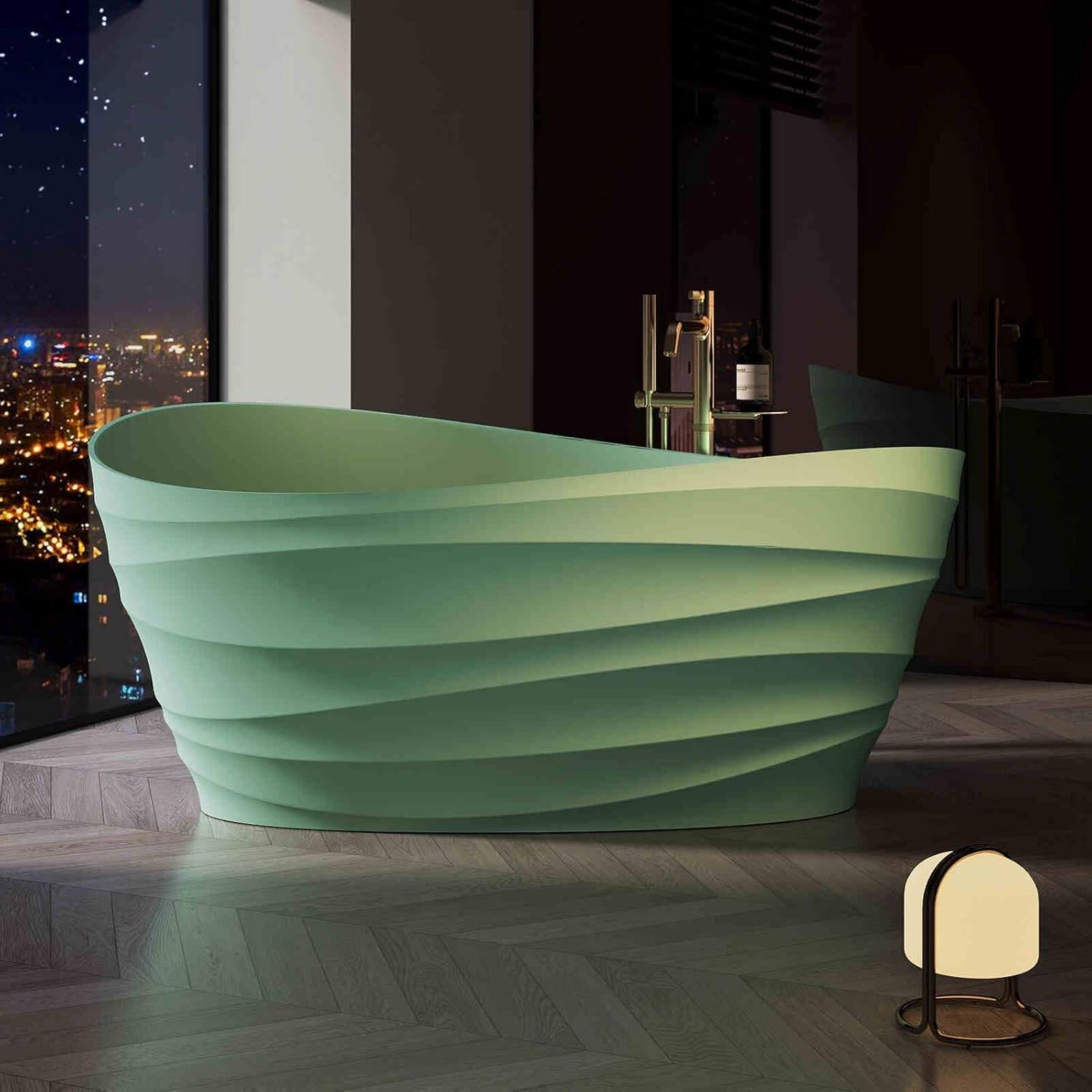
Customizable color options - Some acrylic bathtubs offer a wide range of color options to match your bathroom's décor.
Lightweight and easy to install - Acrylic's lightweight properties make bathtubs easier to move and install, compared to other heavier materials.
Disadvantages of acrylic bathtubs:
Acrylic material is prone to scratches over time - despite its durability, it can accumulate minor scratches over the years from cleaning tools and other objects.
Lacking the appeal of natural stone – Acrylic lacks the elegance and decorative visual appeal offered by materials such as stone, granite, or marble.
Acrylic bathtubs are not as good at heat retention as cast iron bathtubs. Although they have good heat retention, acrylic bathtubs cannot maintain the water temperature for as long as cast iron bathtubs.
Pet hair/particles may be visible - fine hair, soap residue, or particles may adhere more noticeably to smooth acrylic surfaces compared to textured bathtub materials.
It may make noise when under stress – Acrylic bathtubs may produce a loud squeaking sound if weight is moved or force is applied while bathing. Cut areas are fragile – The edges and cut contours of an acrylic bathtub may easily break and crack if subjected to improper impact.
Insufficient durability under heavy use - Acrylic bathtubs may show noticeable wear earlier than other materials if used frequently by multiple family members.
Water spots may appear - due to the smooth surface, water spots and mineral deposits may remain if not thoroughly dried.
Benefits of porcelain bathtubs:
Durability and Longevity - Ceramic steel is extremely durable. With proper care, a ceramic bathtub can last for decades.
Stain and chemical resistant - The glass-like enamel coating prevents permanent buildup of stains from soap, body oil, and other bathroom products.
Easy to clean - The ultra-smooth, non-porous surface allows for easy cleaning with just a quick wipe, resisting the buildup of soap scum.
Aesthetically appealing – Porcelain offers an attractive, bright white look, perfect for both classic and modern bathroom styles.
Excellent heat retention - The ceramic enamel steel material effectively retains heat energy, keeping the bath water hot for a longer time.
Noise Reduction in Certain Models - Some companies offer ceramic bathtub models that incorporate vibration damping technology to avoid loud echoes and noise.
Wide range of sizes - Porcelain is available in a variety of sizes, from compact small spaces to spacious large bathtubs and containers. Availability varies by brand.
Ideal for soaking - Porcelain bathtubs are generally deeper than other bathtubs, creating a space to relax tense muscles.
Small scratches are less likely to show - While chips and cracks may require repair, small scratches are more visually blended and disappear on ceramic than on glossy acrylic.
Disadvantages of porcelain bathtubs:
Easily broken and cracked - Porcelain has a glass-like surface, making it easy to shatter if struck by a hard object with sufficient force. Cracks are also common over time.
High cost – Porcelain bathtubs are among the more expensive bathtub materials. Installation costs are also typically higher.
Heavy weight – Porcelain bathtubs are extremely heavy, making transportation and installation more complicated. Bathroom modifications may be necessary.
Slow thermal conductivity – Ceramic does not conduct heat quickly, therefore cooling bath water faster than other materials. Maintaining the desired temperature may be more difficult.
Noisy - May produce loud echo noise because the ceramic material amplifies the sound from the hard surface, which may disturb some users.
Limited shape options - Compared to lighter acrylic bathtubs, the weight limitations of porcelain bathtubs restrict the variety of shapes and sizes available.
Gentle cleaning is required - strong chemical cleaners may damage the smooth porcelain surface, so only use mild cleaners and gentle scrubbing.
Obvious hair/residue - Dust, hair particles, and soap scum tend to adhere clearly to the glossy porcelain surface, requiring frequent wiping.
Prone to discoloration - With regular use, ceramic bathtubs may gradually lose their bright white color and develop a dull, yellowish hue over time.
How to choose between acrylic and ceramic bathtubs to suit your needs?
Acrylic and ceramic bathtubs each have their own advantages and disadvantages, requiring a balance when choosing a material. However, generally speaking, for most homeowners' needs, acrylic is a better choice for several key reasons:
Acrylic bathtubs are significantly cheaper – on average, acrylic is $100-$600 cheaper than porcelain. This makes them an affordable option while still providing durability.
Easier to care for and clean – Acrylic's non-porous surface prevents soap residue buildup, doesn't show small hairs/particles as noticeably as porcelain, and is very easy to wipe clean. Porcelain requires careful cleaning.
Resistant to peeling and scratches - While acrylic may gradually accumulate minor scratches, the fragile, glassy surface of the ceramic bathtub makes it easy to expose the steel underneath.
Lighter weight and easier to handle - Before water filling, acrylic is on average more than 100 pounds lighter than ceramic, putting less stress on installers and allowing for more flexibility.
A wider range of style options – from entry-level bathtubs to corner tubs, and a rich selection of colors, acrylic can be molded into more shapes and customized looks.
The only exception is that porcelain might be more popular with those who want natural aesthetic appeal or better heat retention. But for most homeowners who are shopping on a budget and looking for ease of maintenance, durability, and style options, acrylic undoubtedly wins out as the best bathtub material choice.