
 USD
USD GBP
GBP
 EUR
EUR
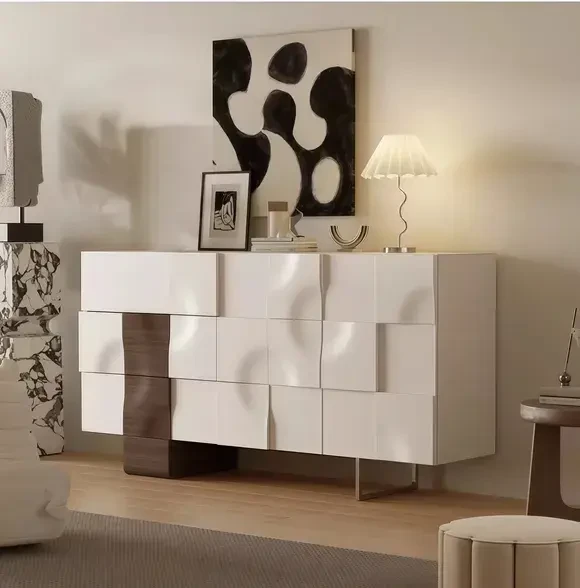
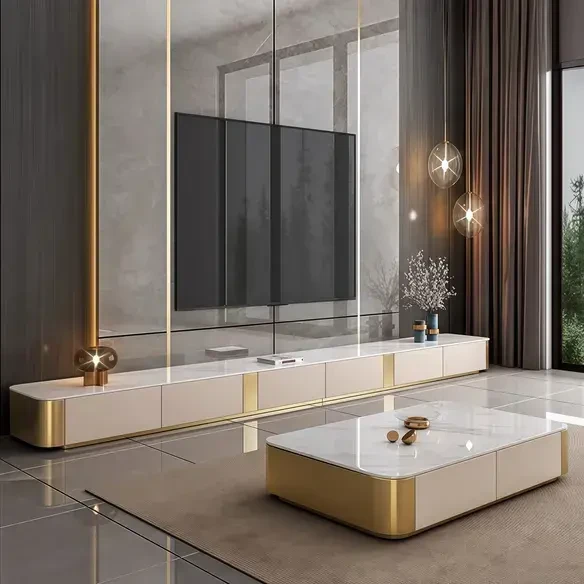
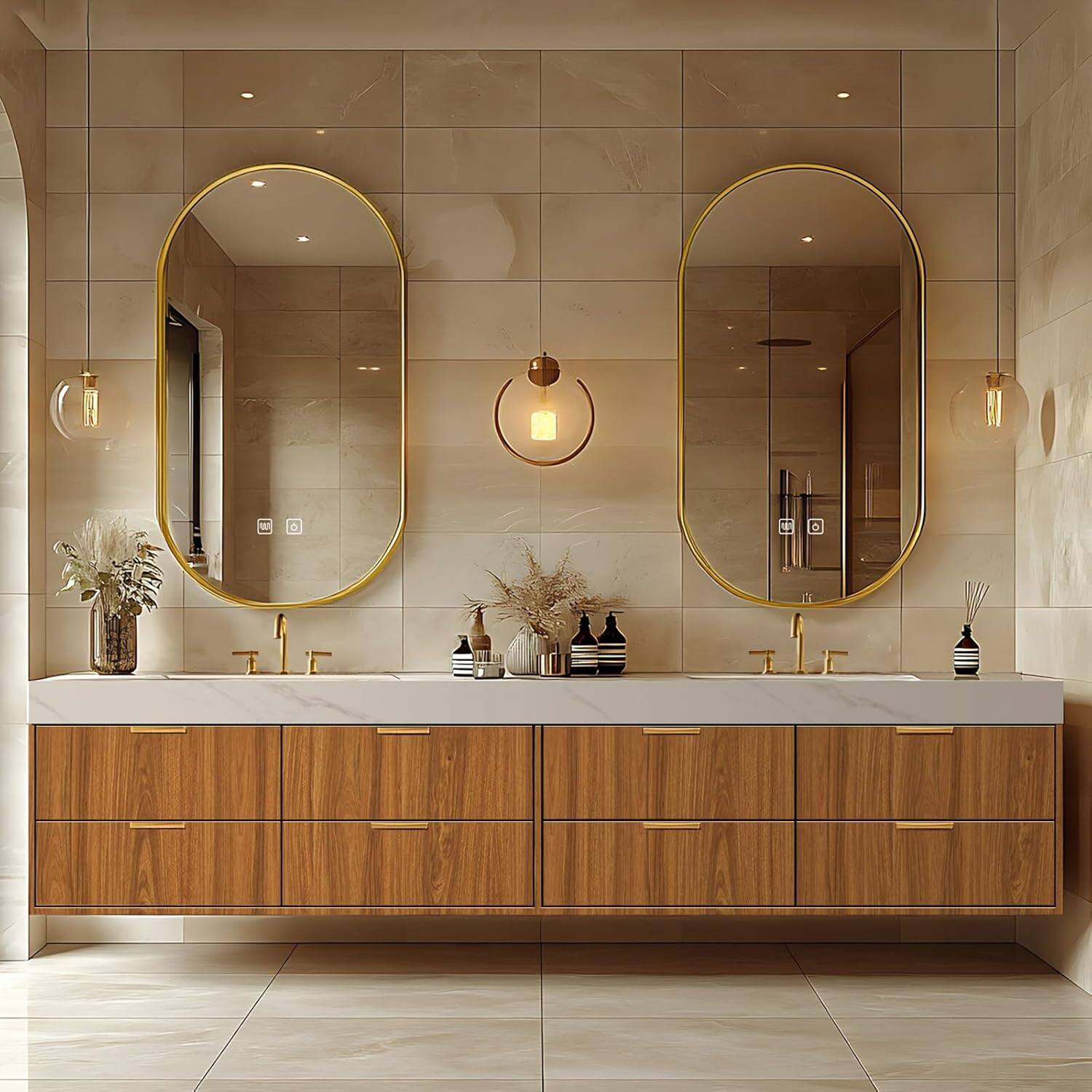
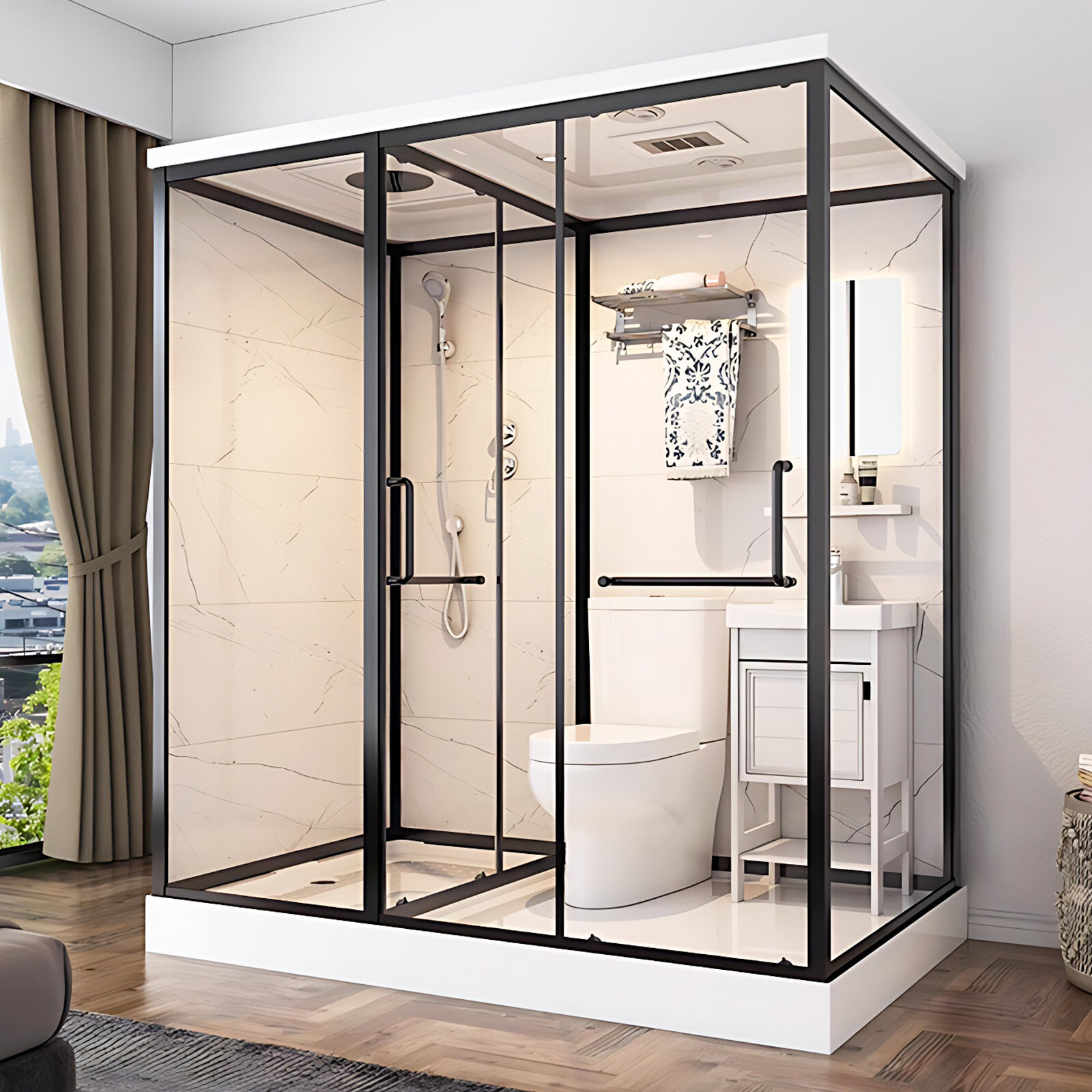
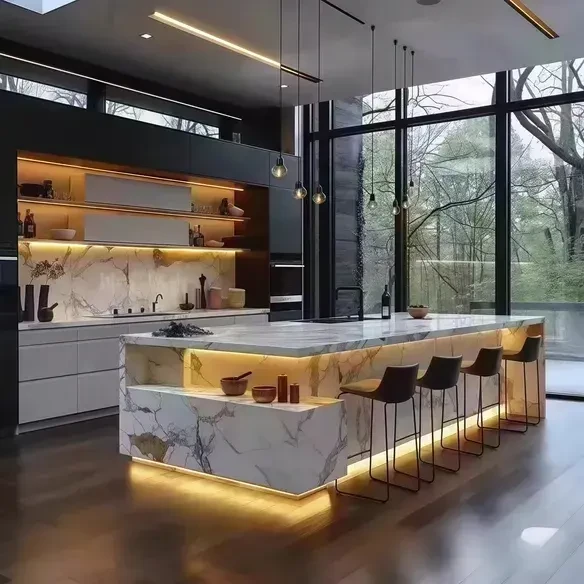
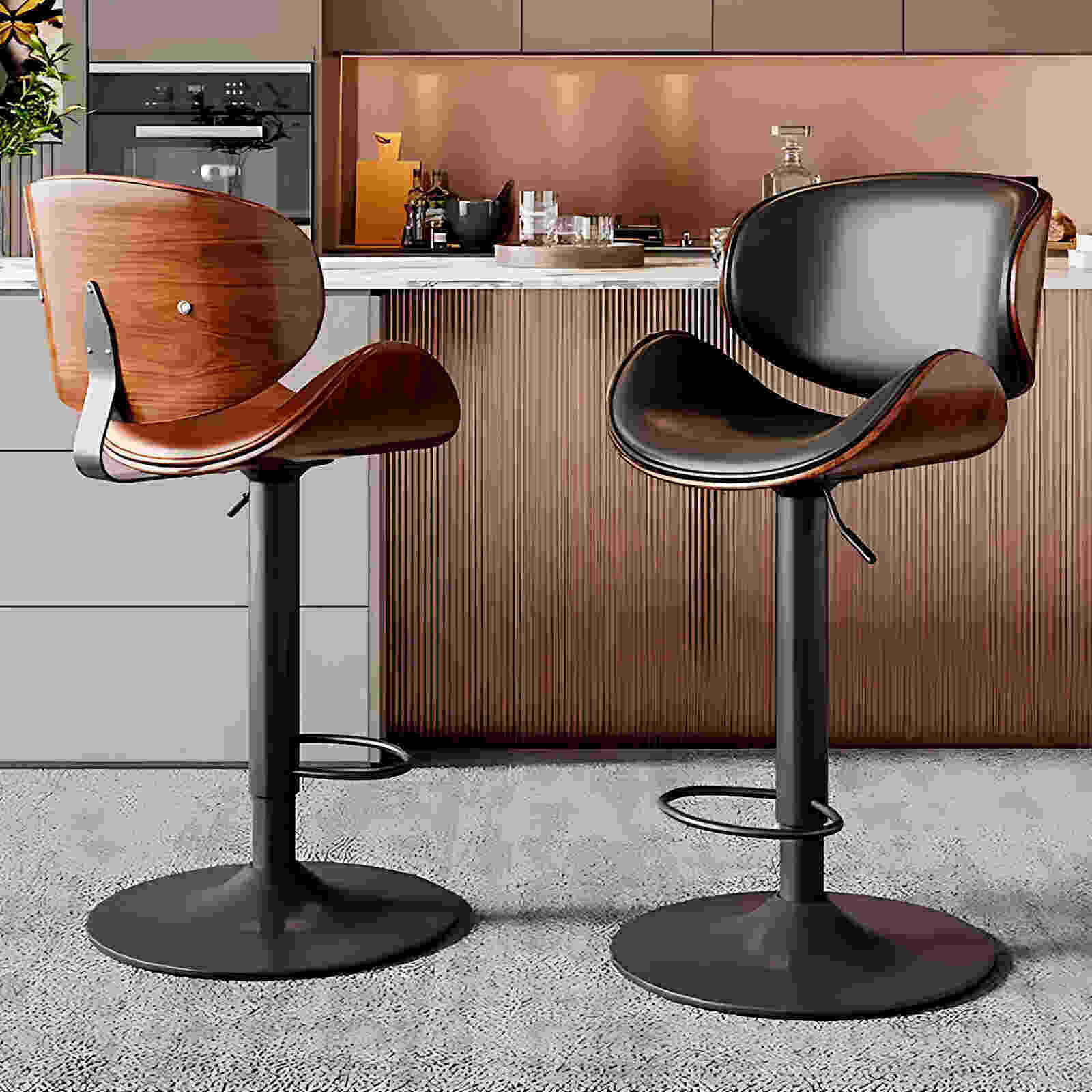
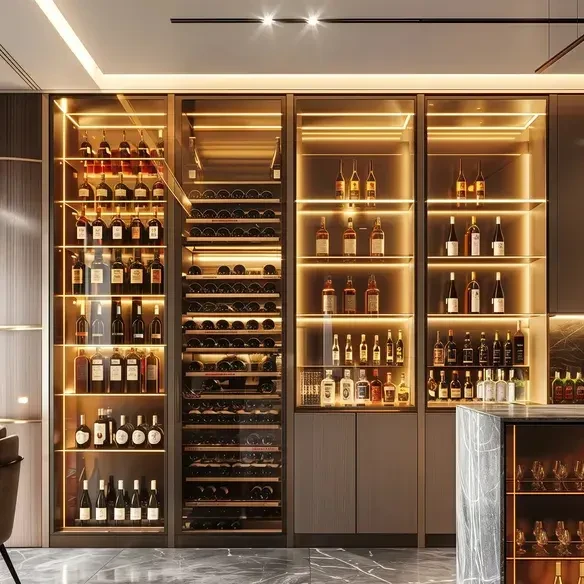
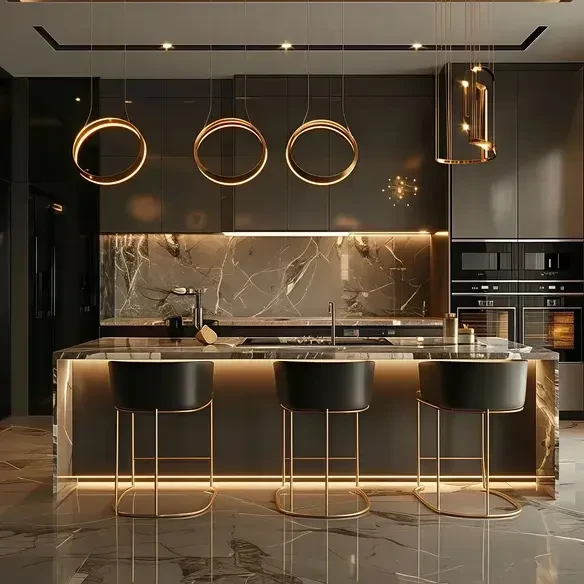
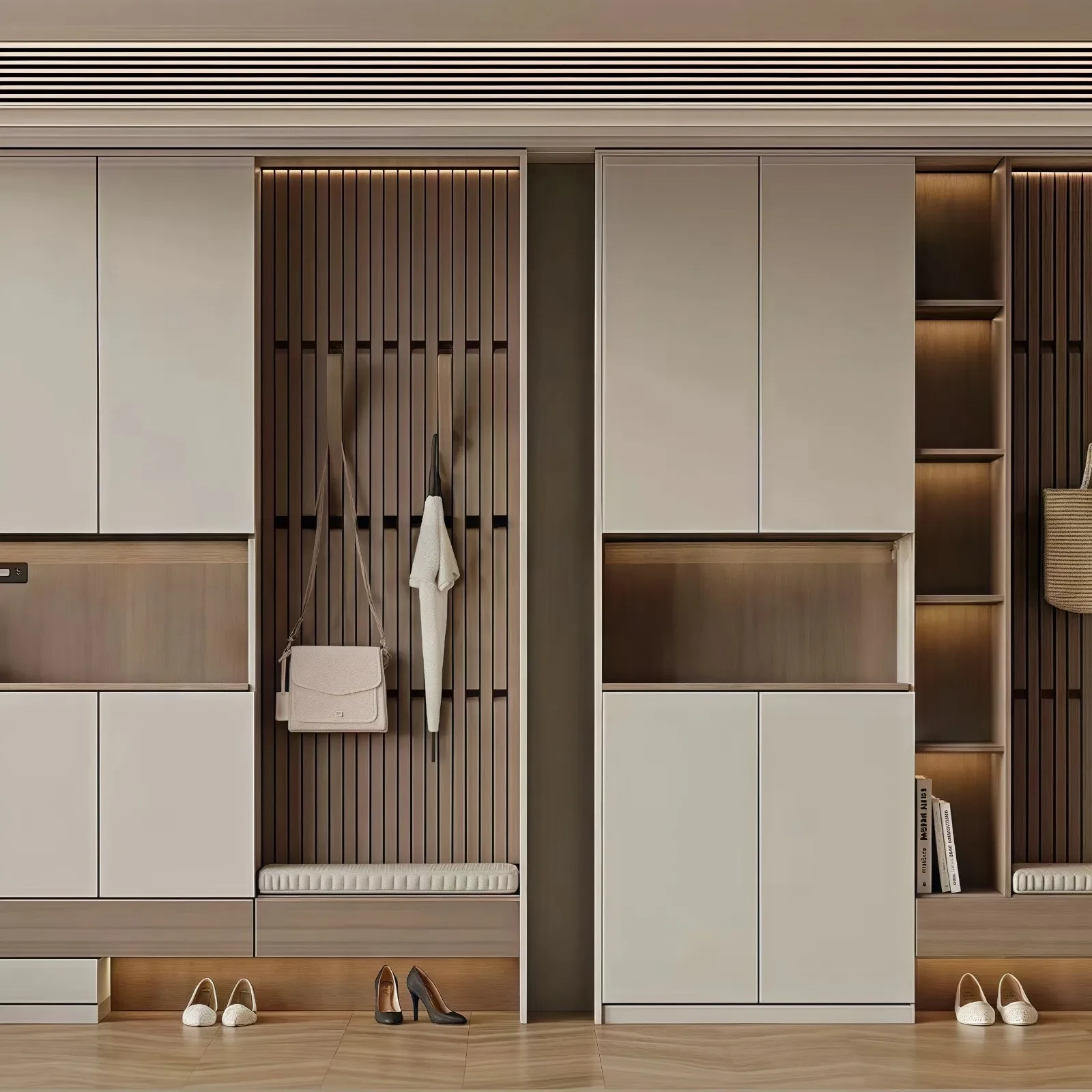
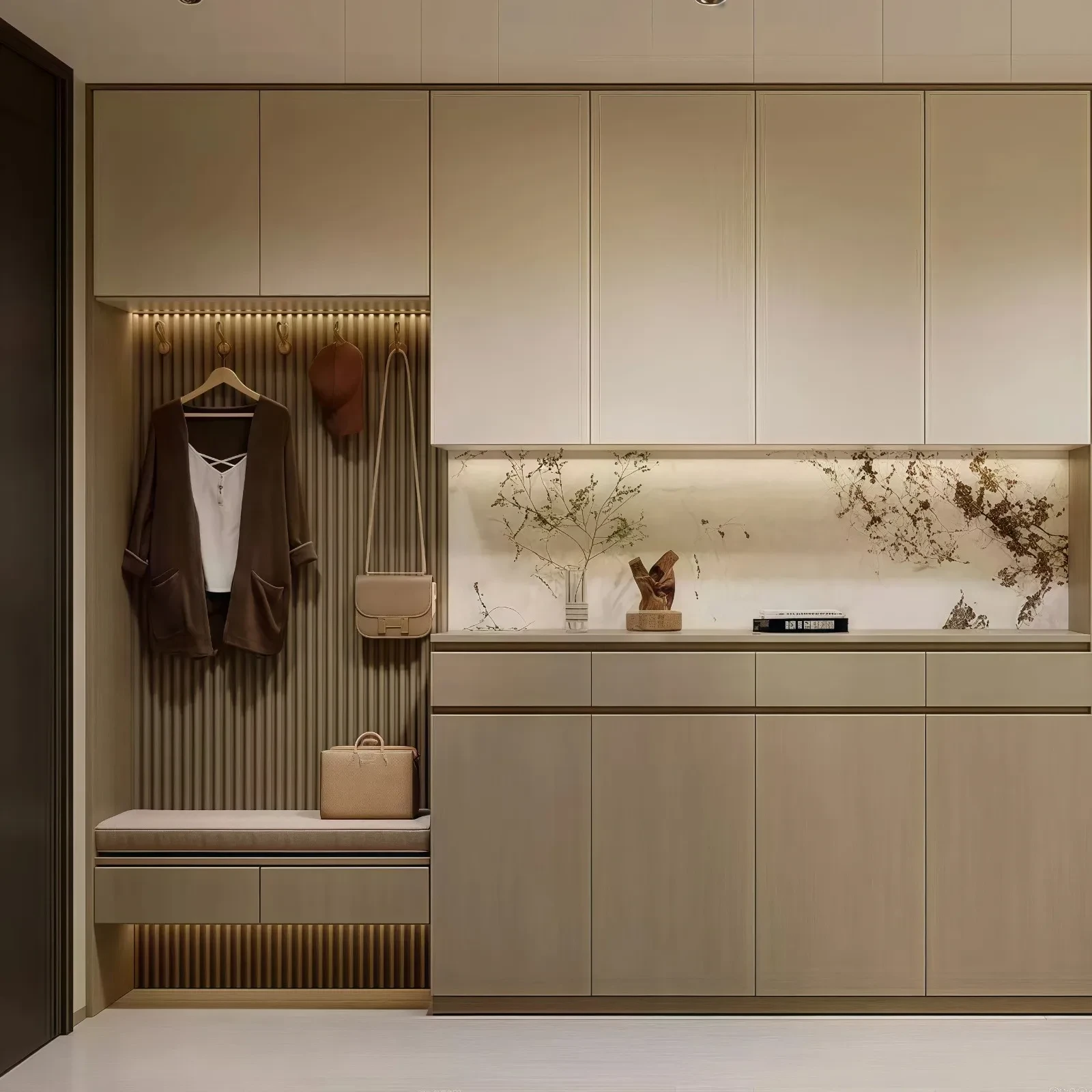
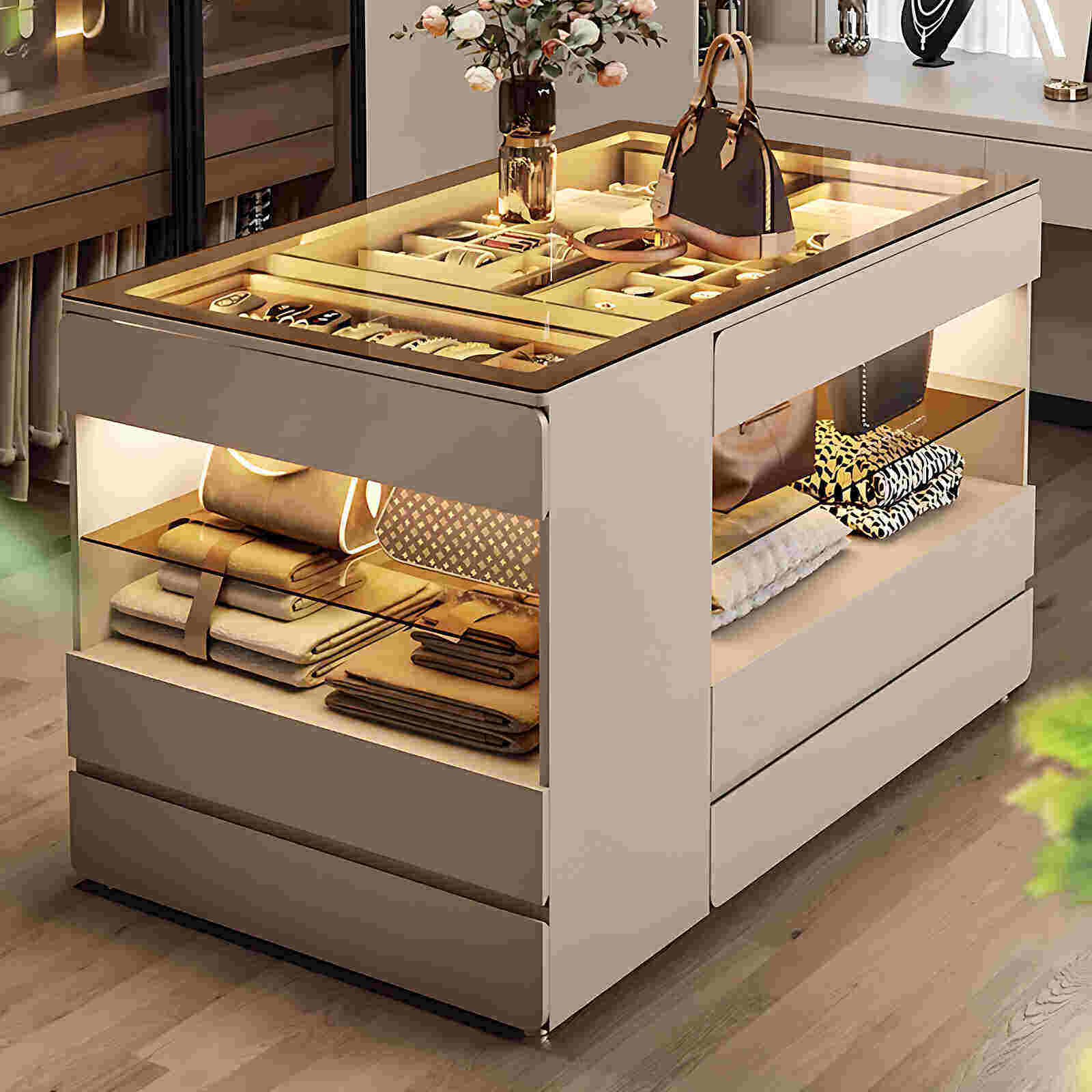
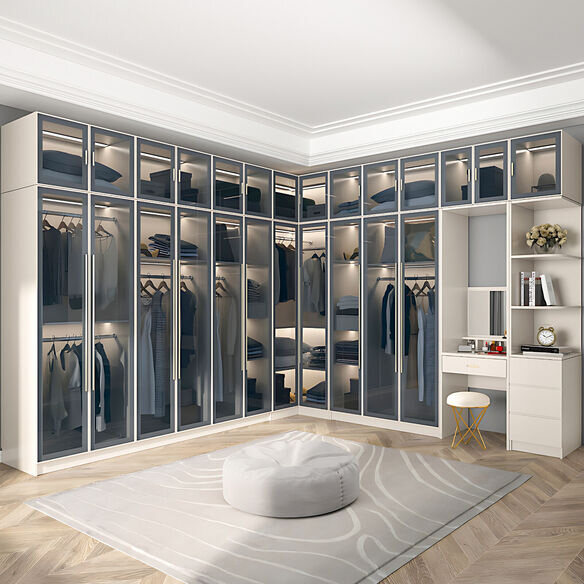
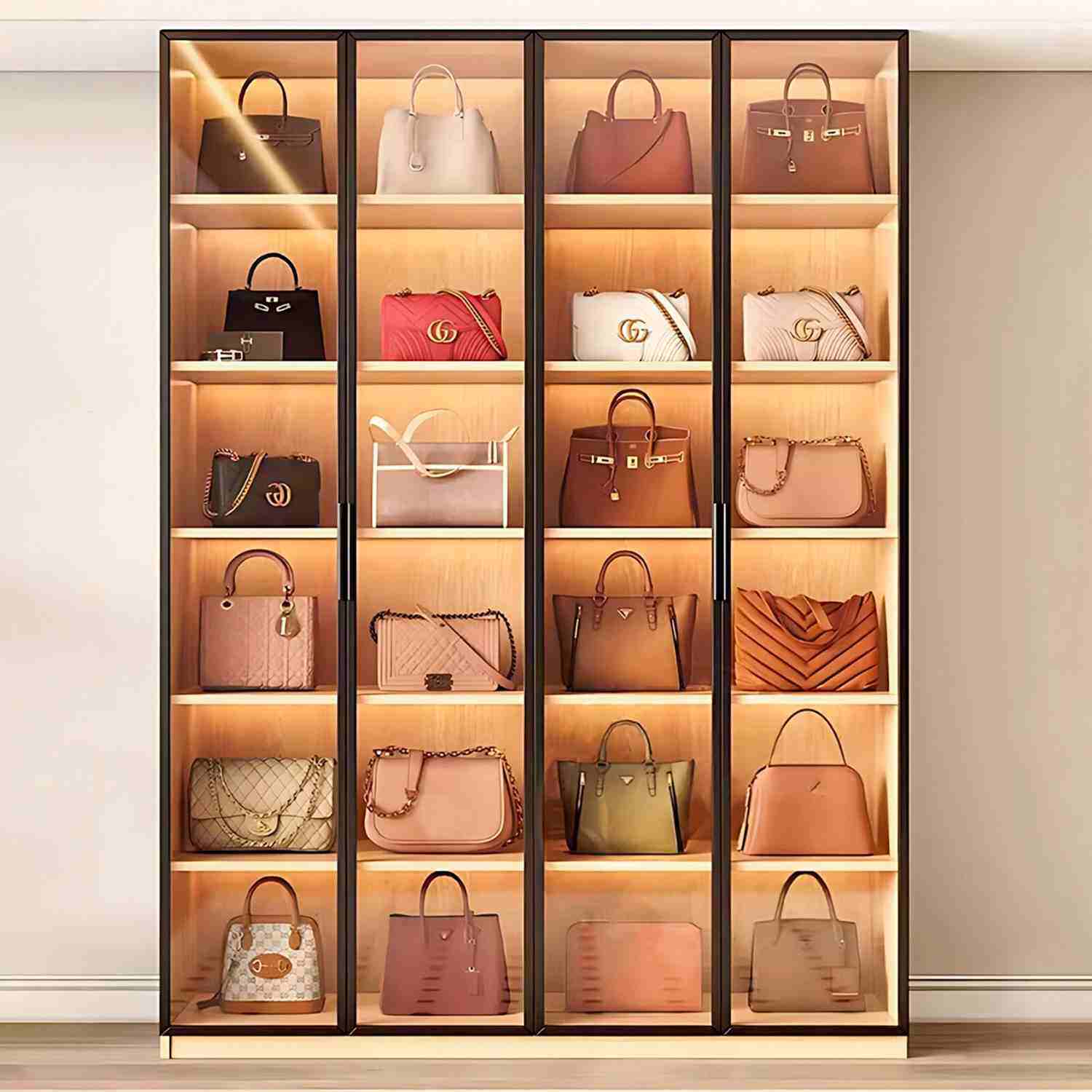
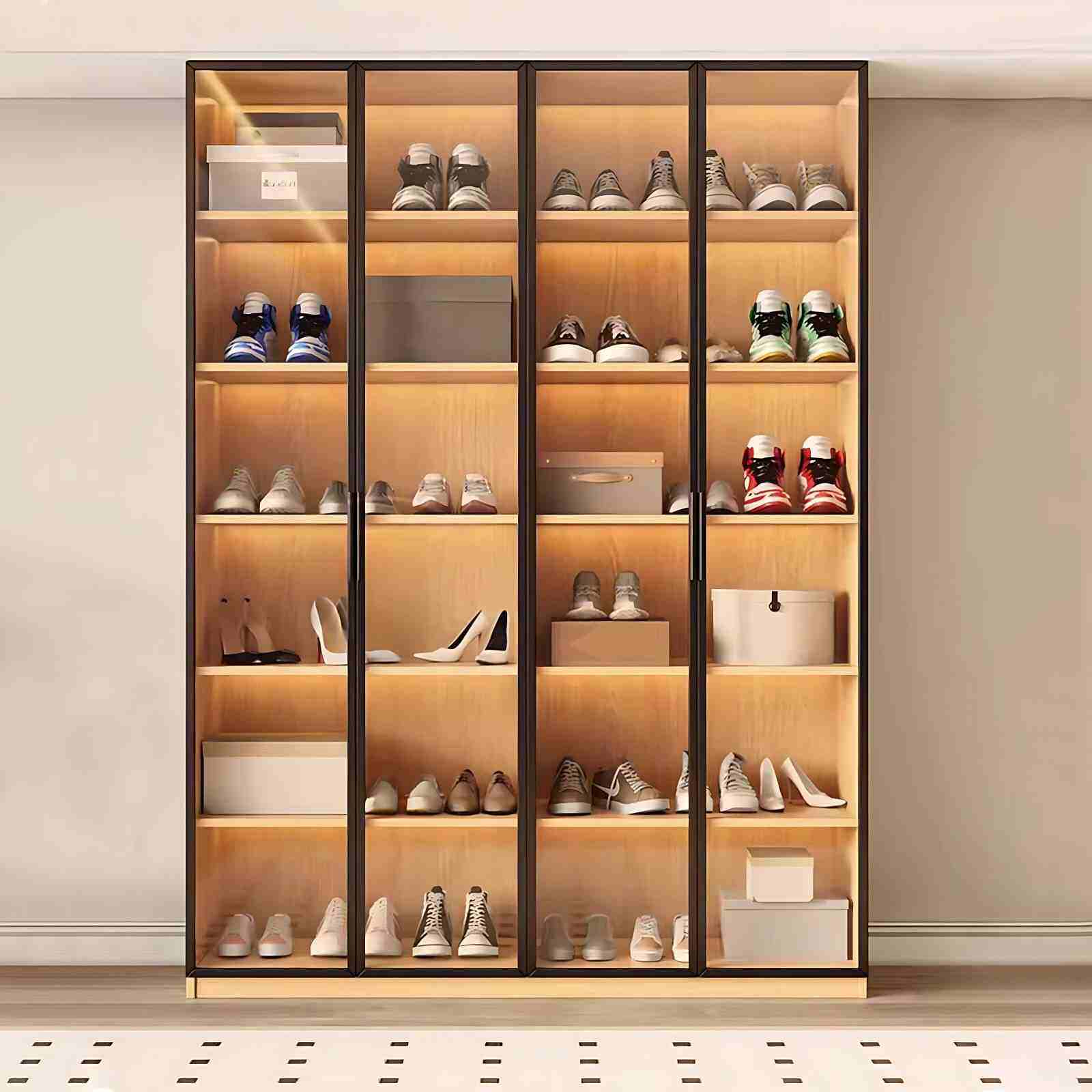
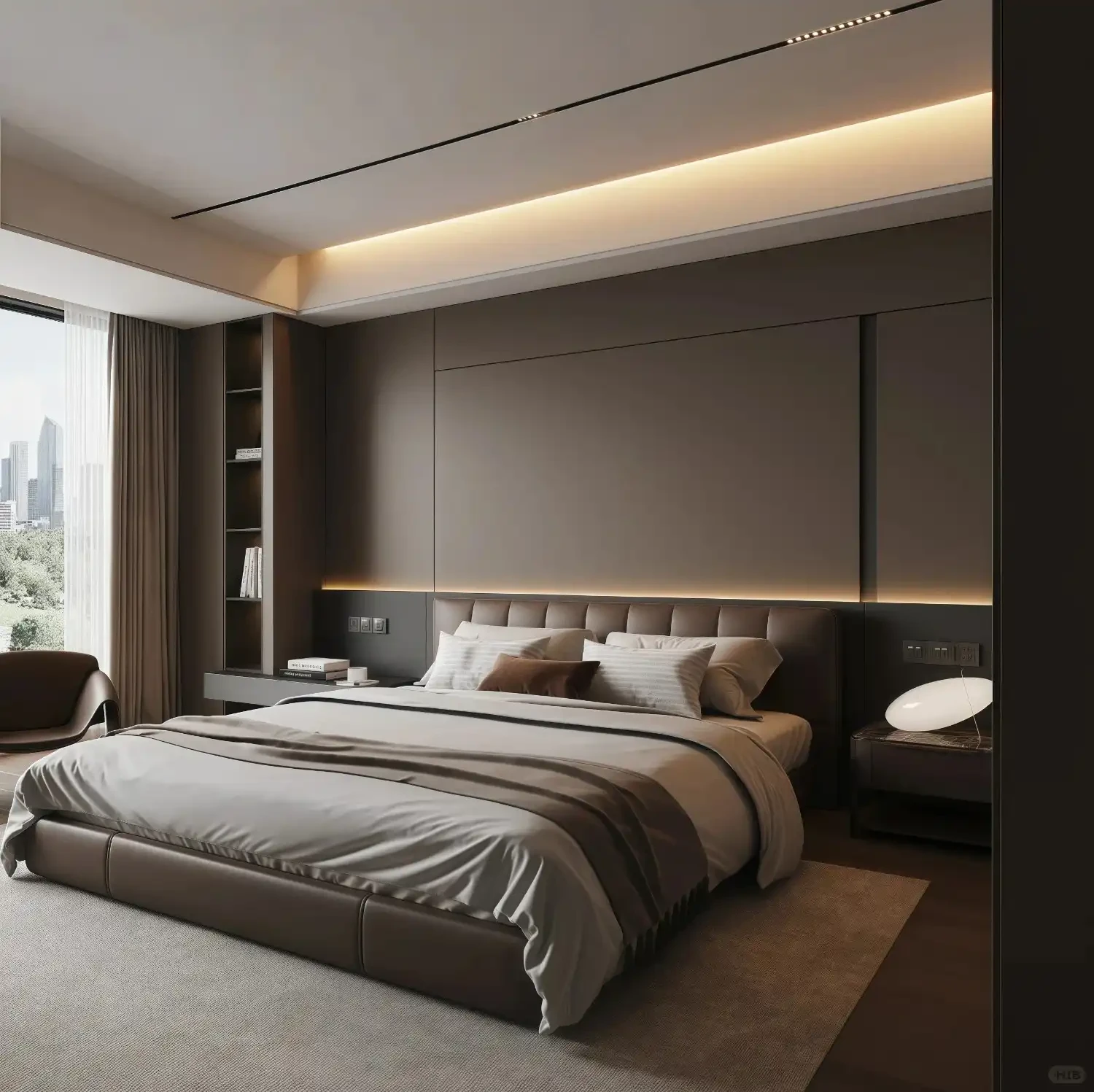
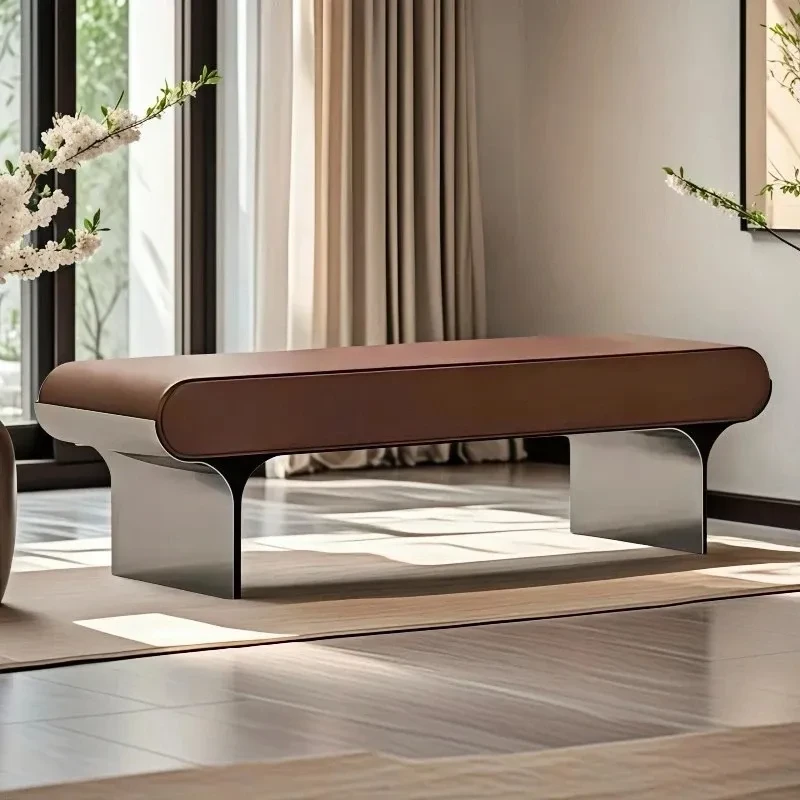
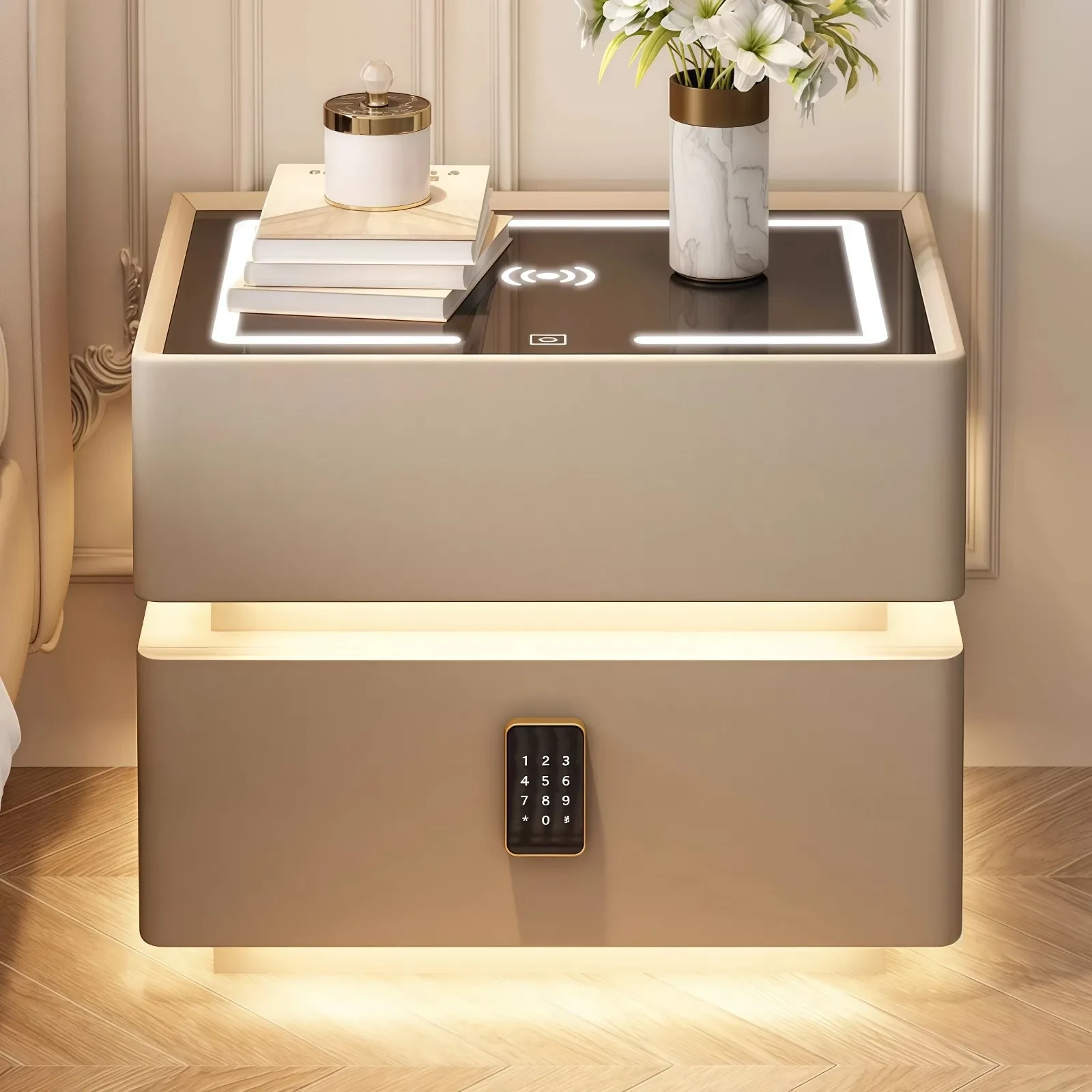
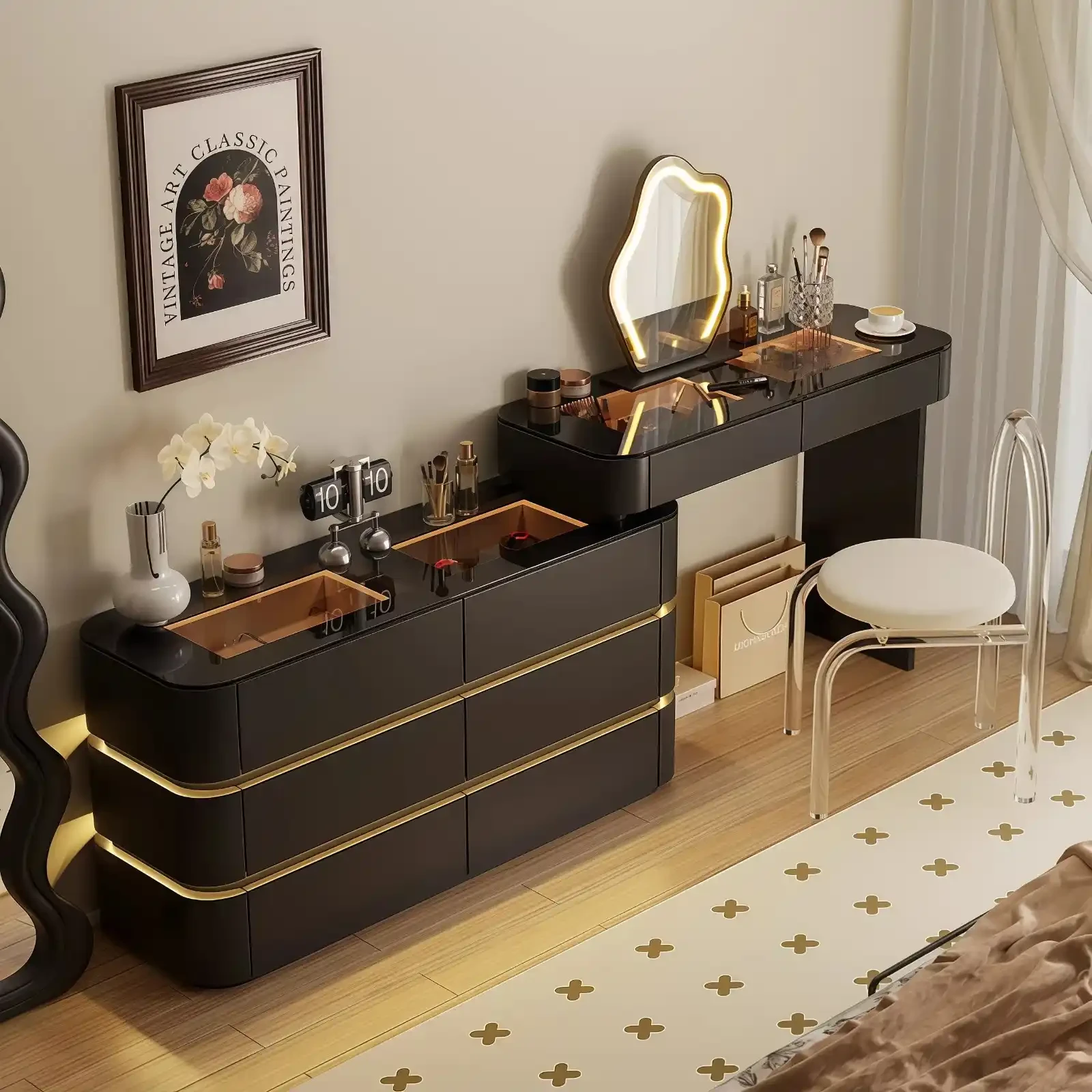
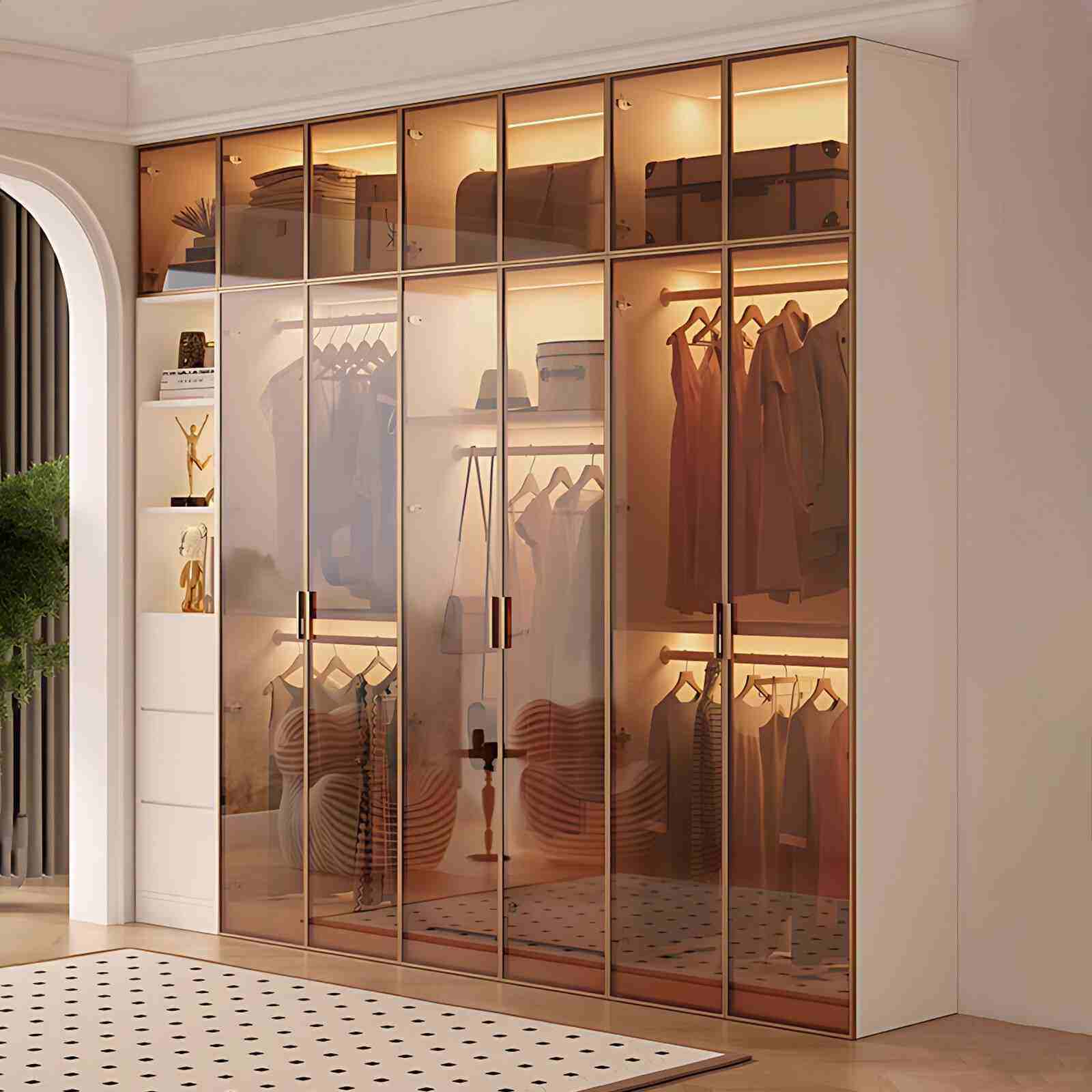
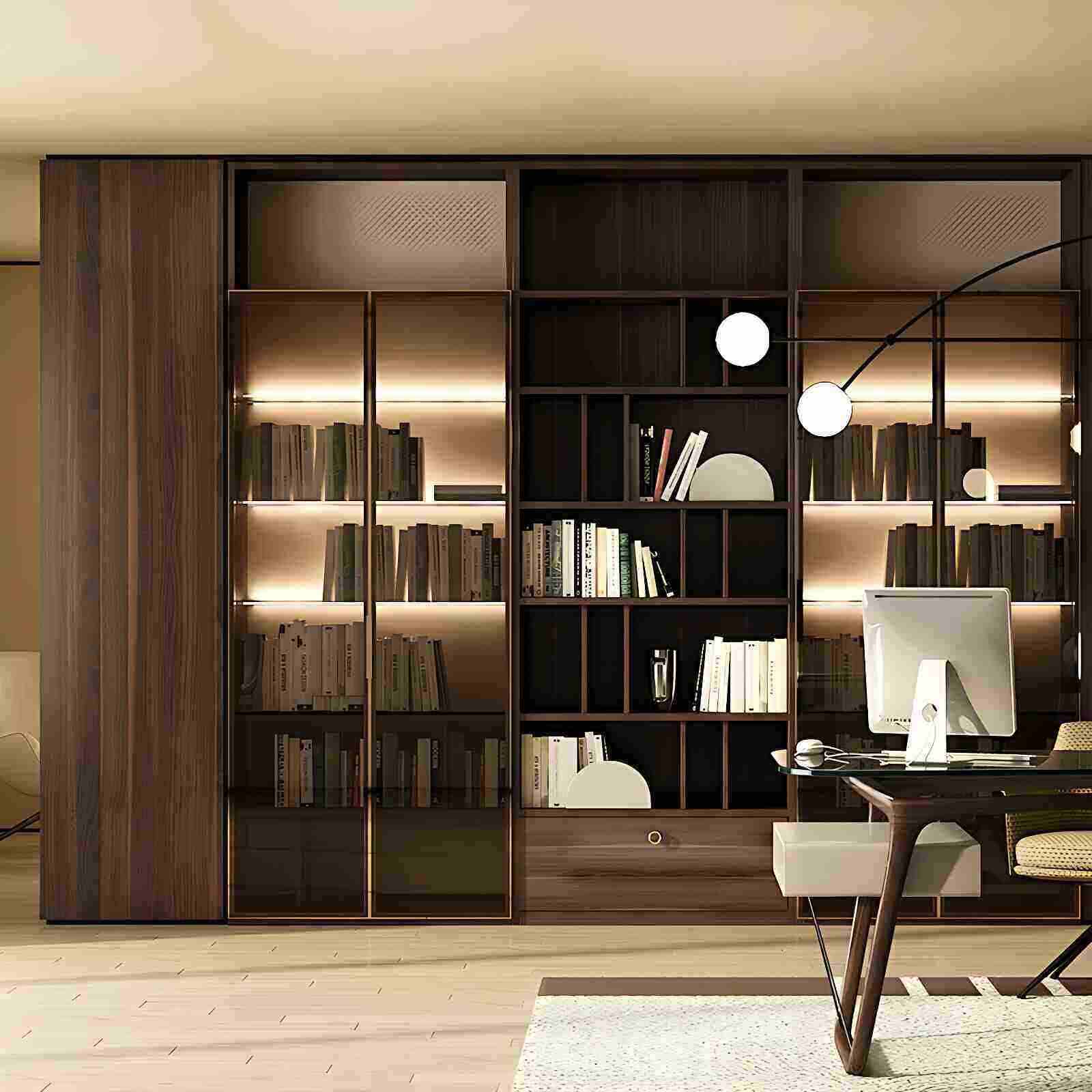
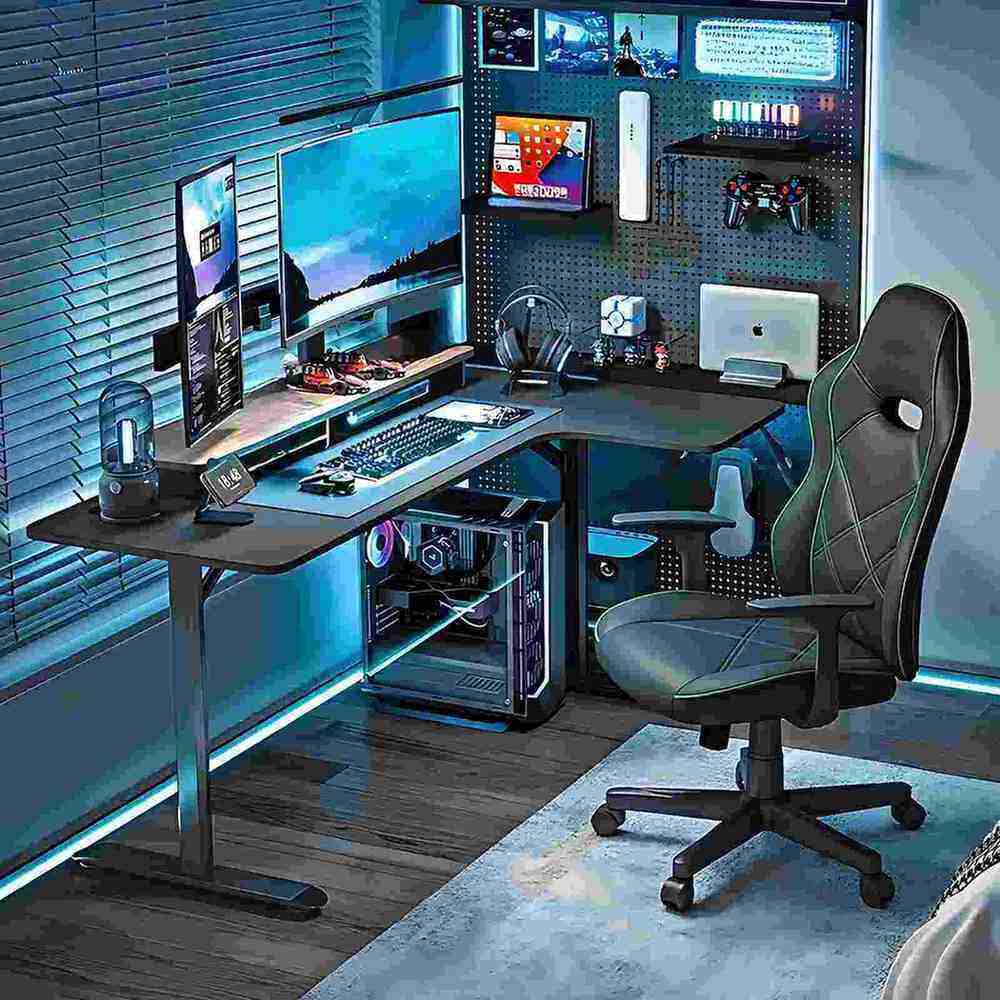
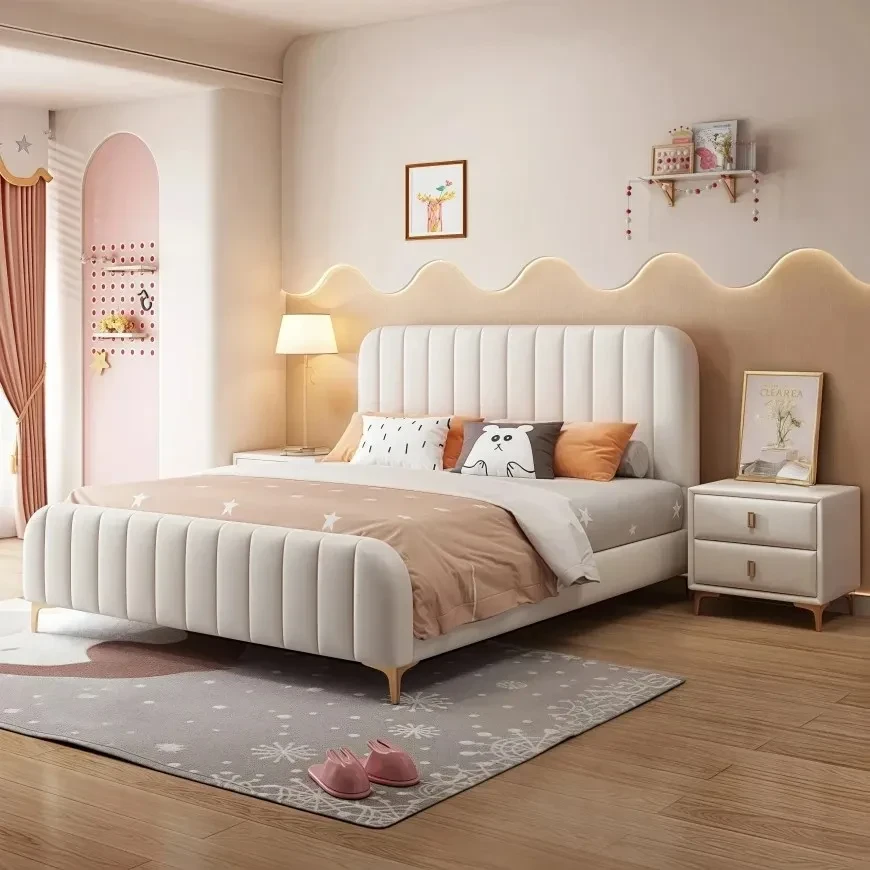
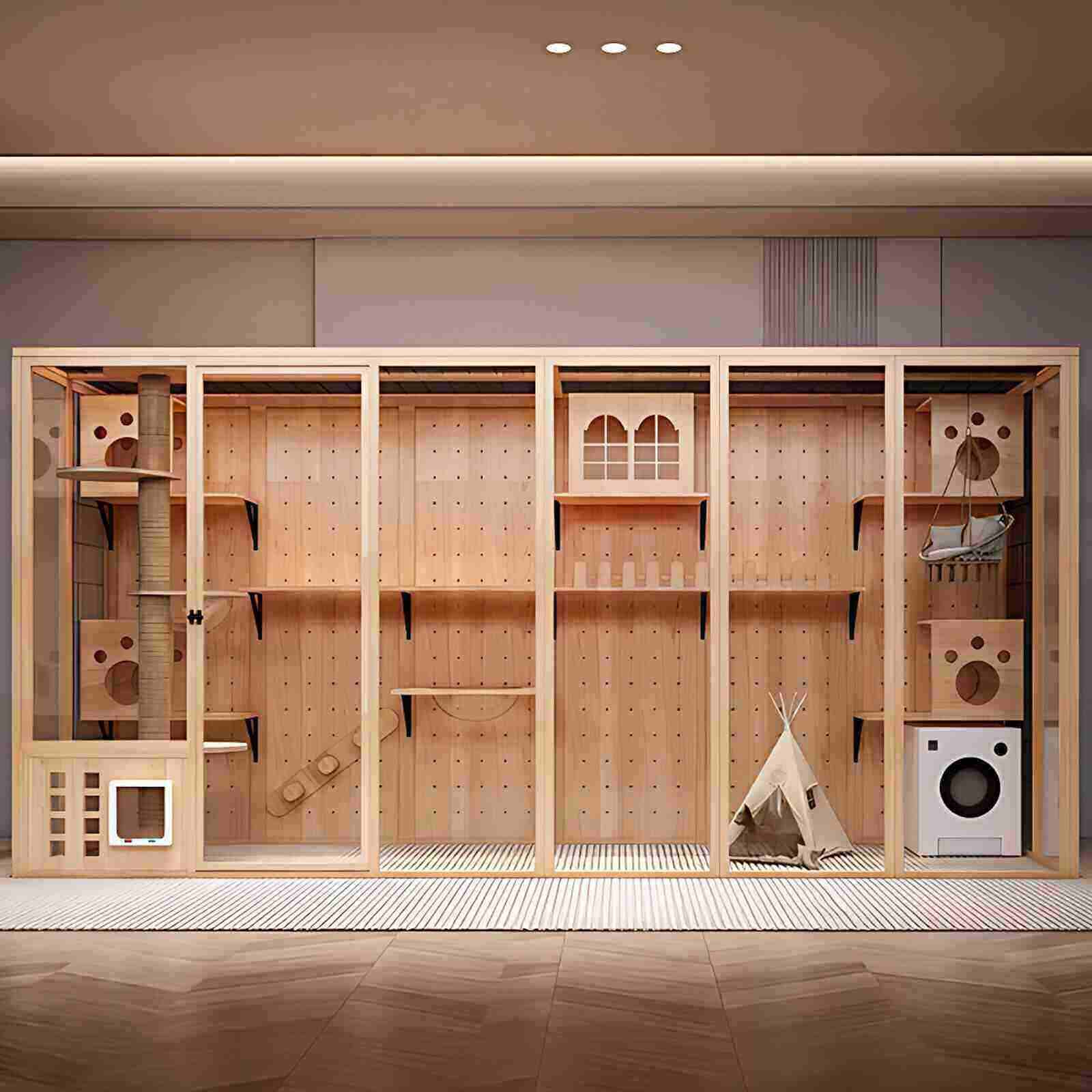
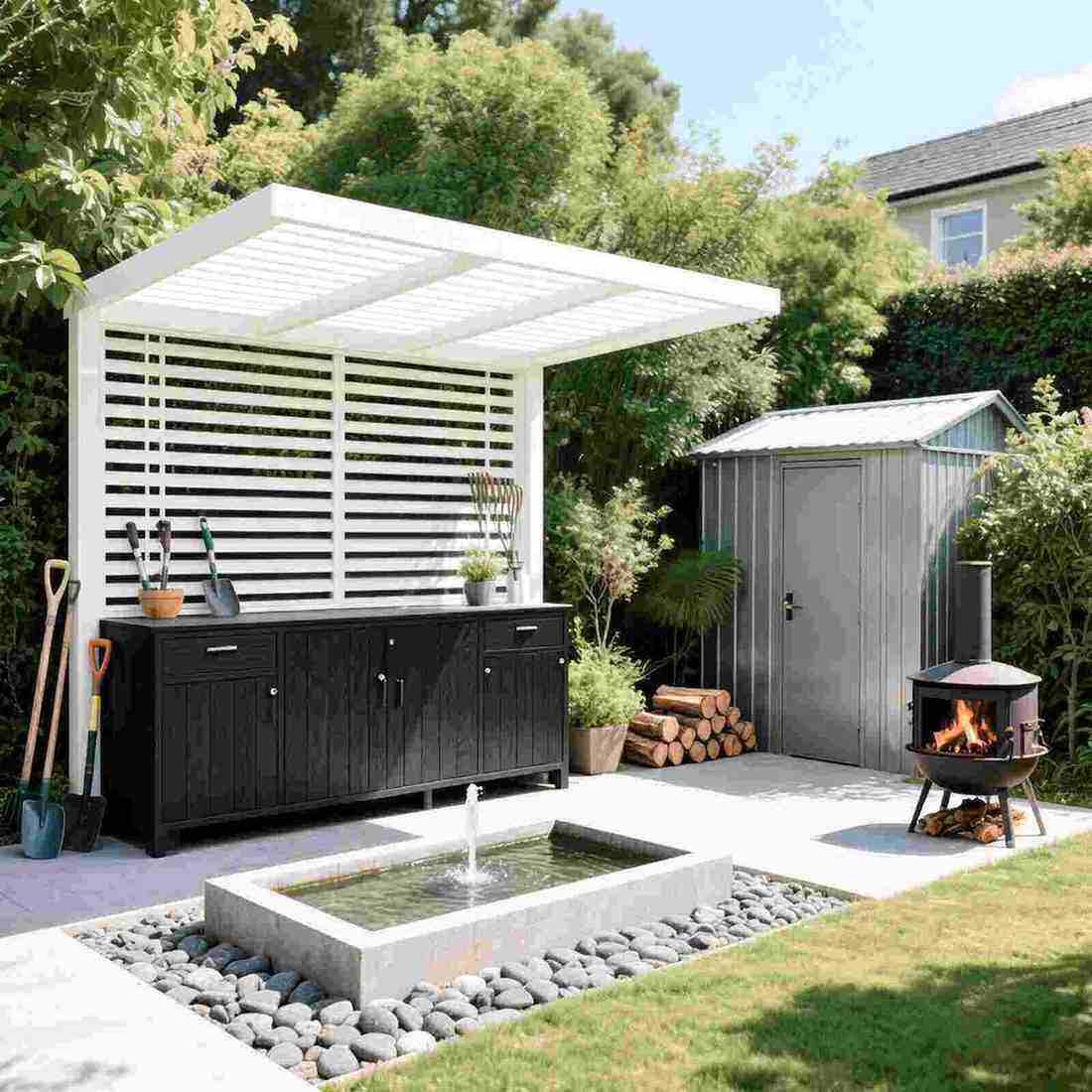
Although furniture is a one-time purchase, its impact on home life can last for decades. Therefore, choosing the right furniture and the type of wood used in its construction have become essential considerations for home living.
Choosing the right furniture board is becoming increasingly important in our lives. Today, we'll analyze together what kind of board to choose when making furniture.
When choosing wood-based panels, many people fall into a misconception about the formaldehyde volatilization period of the panels.
A friend mentioned this. He's getting married soon, and like many others, he's decorating his new house. Considering he'll be living there alone for the time being, he chose ordinary E0 grade board for his furniture. He selected the most basic board for everything-wardrobes, shoe cabinets, TV cabinets, beds, etc. One factor he considered was that even if it didn't meet environmental standards, ventilation would release formaldehyde, thus alleviating indoor air pollution after the wedding.
Unexpectedly, after moving in with all the furniture installed, I closed the windows because it was cold at night. When I woke up in the morning, I had symptoms such as a sore throat, dizziness, and dry eyes. A hospital check-up revealed that the cause was excessive formaldehyde in the room.
The World Health Organization's classification of formaldehyde as a Group 1 carcinogen is not unfounded. Furthermore, scientific investigations show that the release period of formaldehyde from engineered wood products can last as long as 15 years.
Interestingly, as awareness of the dangers of excessive formaldehyde levels becomes more widespread, substandard and polluting wood-based panels are finding it increasingly difficult to gain traction in the furniture board market, while new formaldehyde-free multilayer board products are rapidly capturing market share nationwide. This is strongly evidenced by the choices made by furniture companies.
Under the influence of the external environment, furniture companies can no longer profit by exploiting customers' desire for bargains. Improving product quality and enhancing corporate competitiveness are urgent tasks, just as the principle of "having what others don't have, and being better at what others have" dictates.
Therefore, the choice of which type of board material to use for furniture is not only a consideration for end-user home improvement customers, but also for furniture companies.
According to statistics, there is currently no clear compensation policy for formaldehyde exceeding the standard in the domestic furniture market. In cases such as leukemia caused by excessive formaldehyde, consumers are responsible for the costs themselves.
So what should you pay attention to when choosing materials for furniture making?
I. Weight of the board
First, different types of boards will have different weights, and the weight of a board is also related to factors such as its density and moisture content. In conclusion, judging the quality of a board solely by its weight is not advisable; we need to consider the characteristics of various boards and our own needs to select the right ones.
II. Appearance Color
Taking eco-friendly paint-free boards as an example, good eco-friendly paint-free boards use high-quality eco-friendly paper veneer, with bright colors, clear textures, and a realistic feel. They do not fade, are heat-resistant, and their patterns remain unchanged over the years, looking as new as ever.
Third, the board material has no pungent odor.
The biggest characteristic of truly environmentally friendly boards is that they are environmentally friendly. Even when sawn open, the boards still have a strong wood smell and no pungent odor. TBB Company requires that every board leaving the factory strictly meet environmental standards and refuses to deceive consumers.
IV. Cross-section
The cross-section of the board should be neat and clean, and the internal structure of the board should be visible through the cross-section. This is one of the important pieces of evidence to detect the quality of the materials inside the board.
V. Excellent after-sales service mechanism
The most important factor in judging the quality of a board material is its systematic and professional after-sales service. Only with a good after-sales mechanism can consumers truly feel at ease when buying and using it.
Founded in 1993, TBB has been producing wood-based panels for 24 years. The company has also established the TBB Research Institute, dedicated to developing environmentally friendly wood-based panels. TBB has consistently made breakthroughs in environmental protection, progressing from E1 to E0 grades, and then to formaldehyde-free grades. The recently developed 360° formaldehyde-removing ecological board is a further upgrade from formaldehyde-free, absorbing and removing formaldehyde, bringing environmentally friendly wood-based panels to every household!