
 USD
USD GBP
GBP
 EUR
EUR
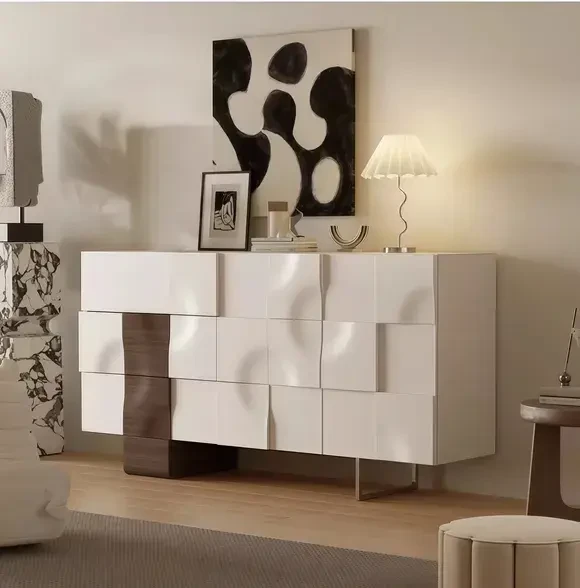
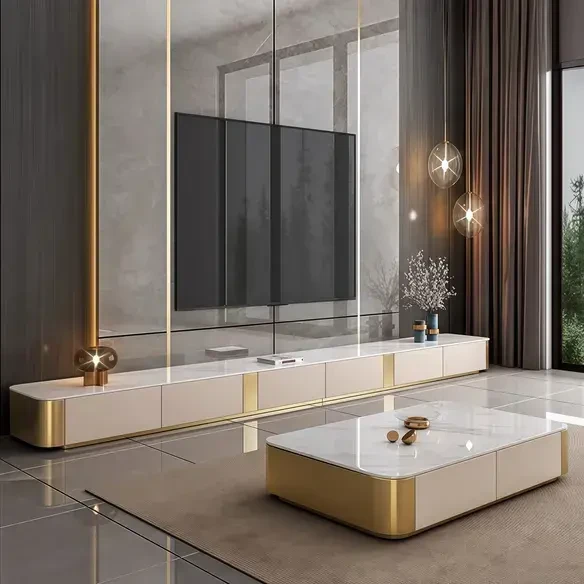
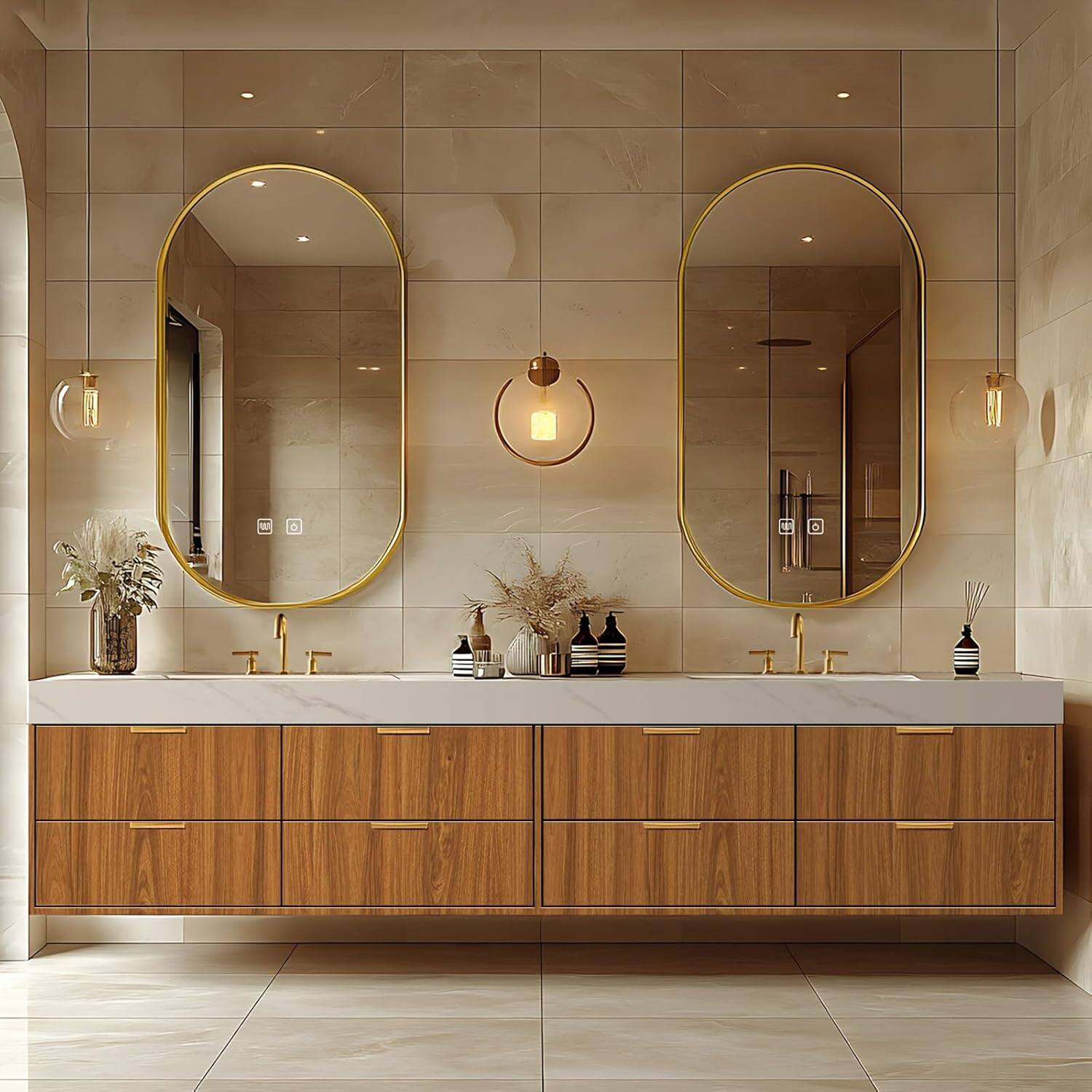
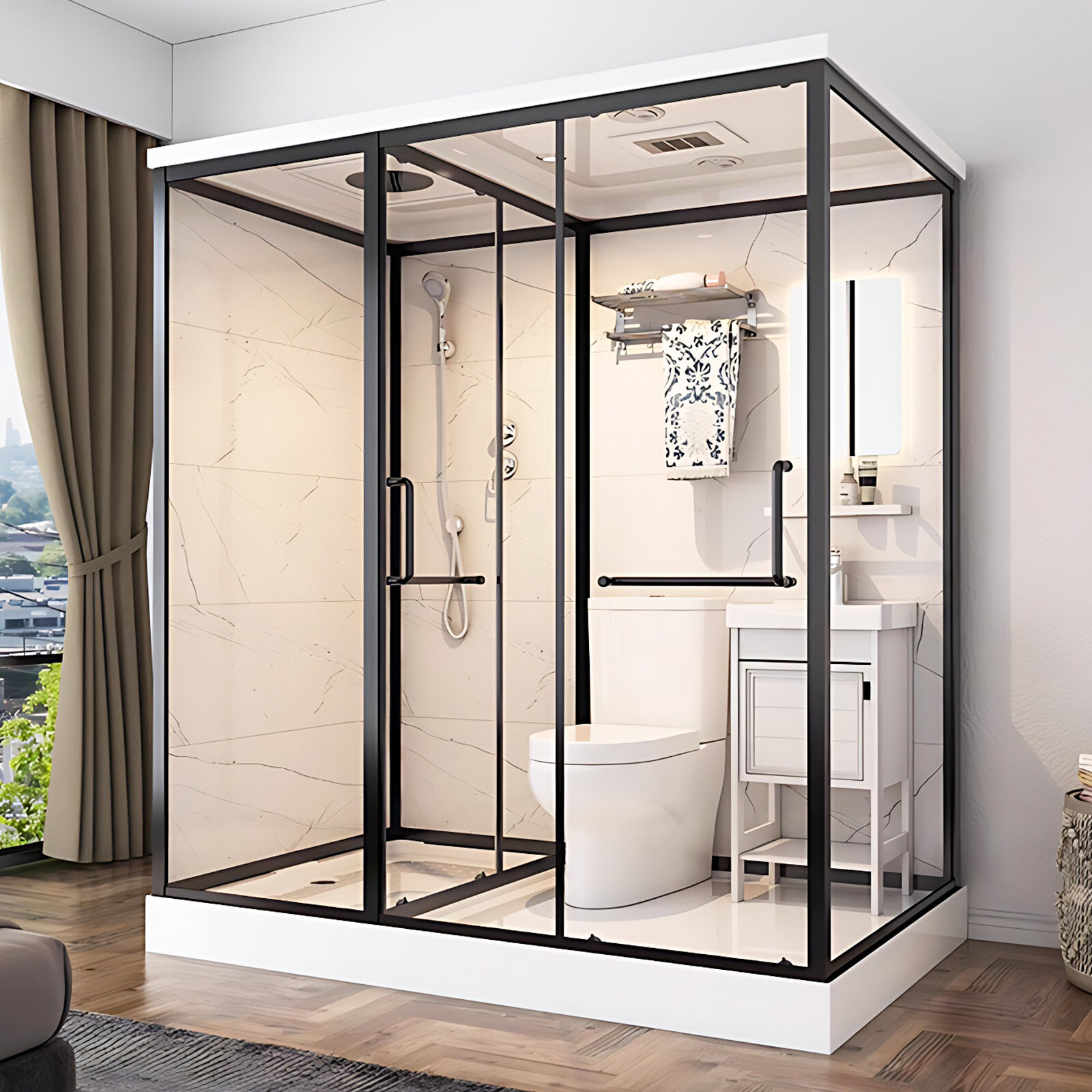
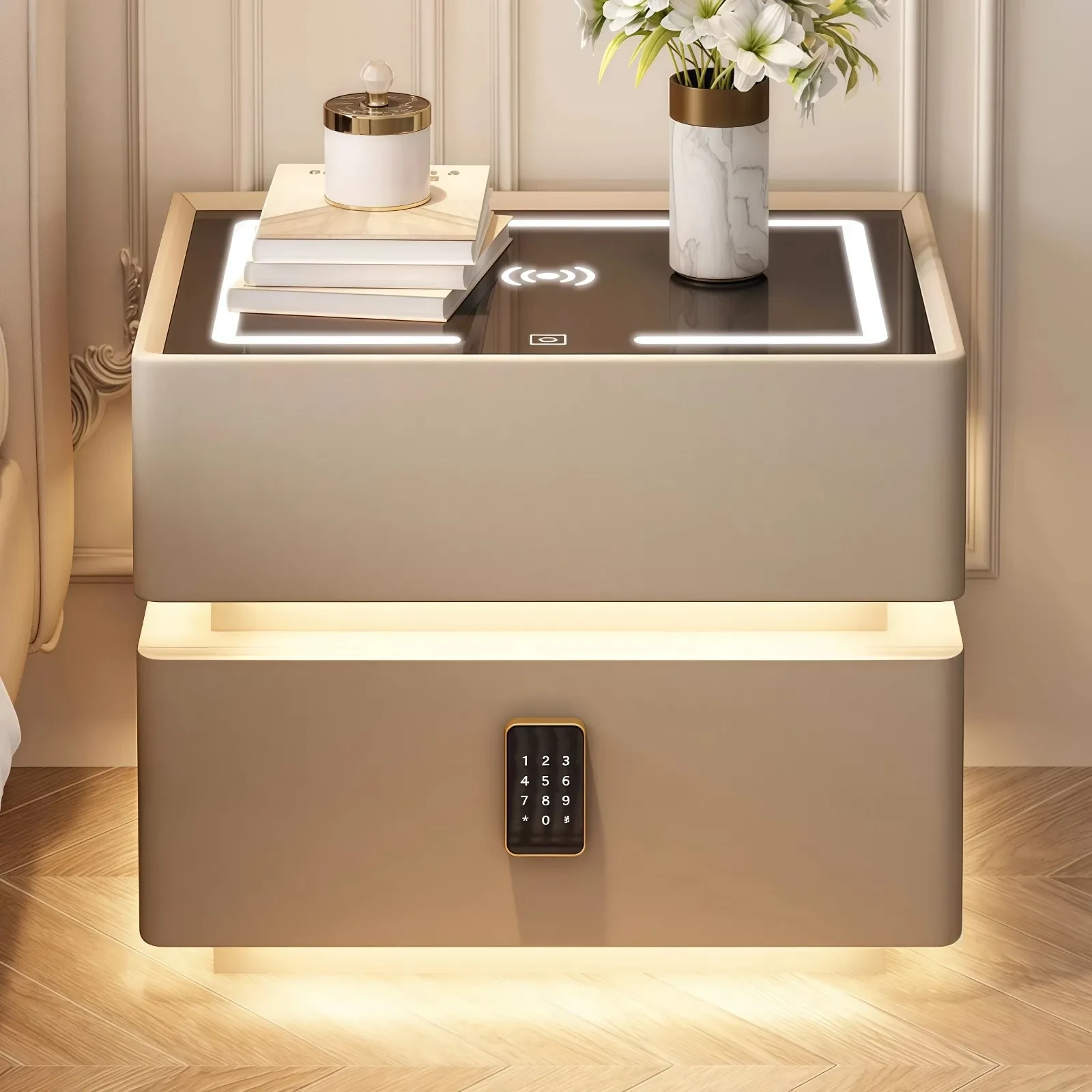
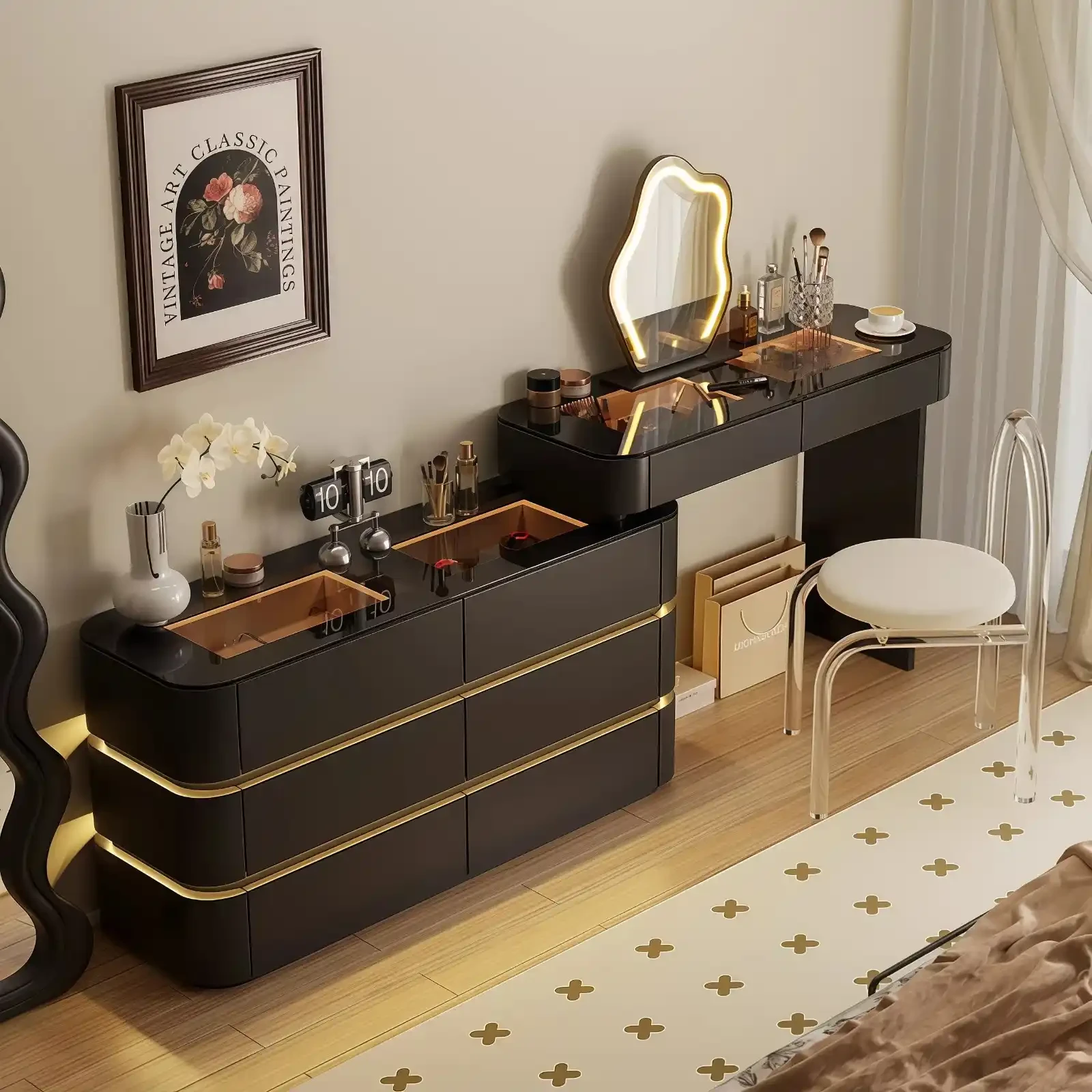
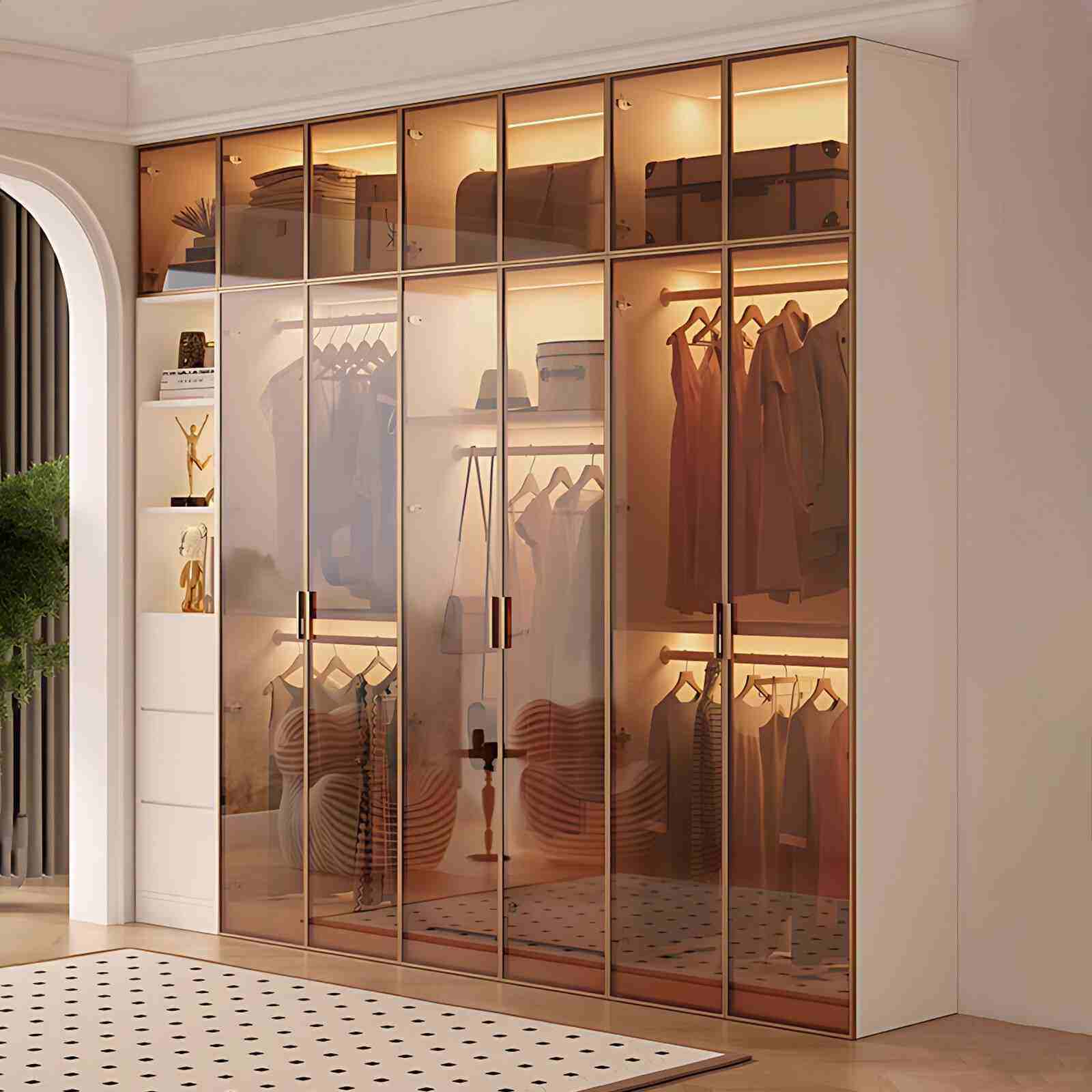
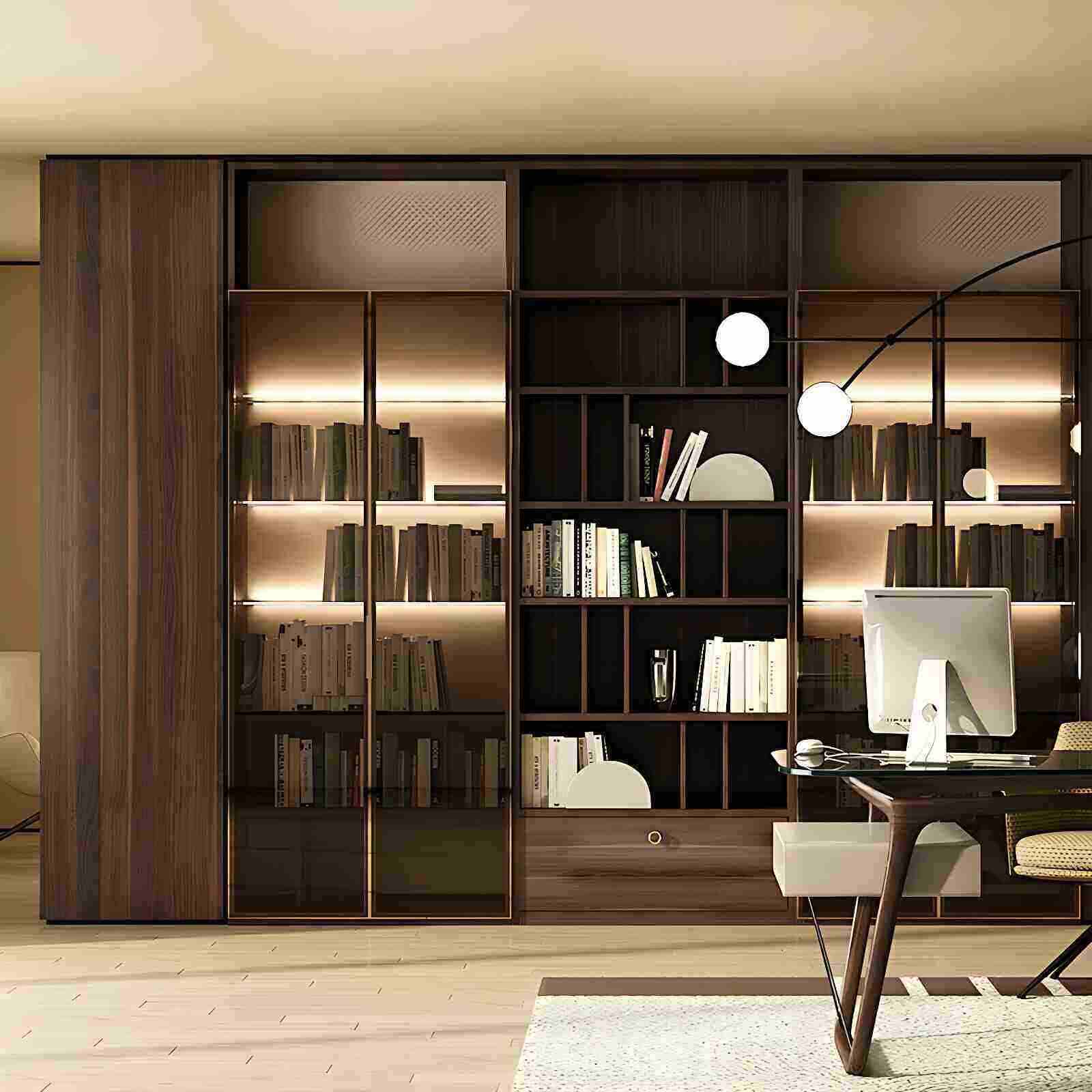
It is worth noting that although the boards do not release toxic substances after curing, their environmental friendliness and air pollution depend entirely on the base material used. If the formaldehyde emission of the base material does not meet environmental standards, it should not be the primary factor in our consumption.
Even though glue is indispensable in the manufacturing of wood-based panels, it is harmless to the human body at certain concentrations. Consumers should carefully pay attention to the formaldehyde emission levels of the wood-based panels used in furniture, given the varying quality of the panels.
The common methods for formaldehyde testing of wood-based panels include: 1. Desiccator method: E0 grade formaldehyde emission ≤ 0.5 mg/L, E1 grade formaldehyde emission ≤ 1.5 mg/L, E2 grade formaldehyde emission ≤ 5.0 mg/L. 2. Perforation extraction method: E0 grade formaldehyde emission ≤ 3 mg/100g, E1 grade formaldehyde emission ≤ 9 mg/100g, E2 grade formaldehyde emission ≤ 30 mg/100g. Strictly speaking, only E1 and E0 grade panels can be used indoors; E2 grade panels must be labeled for export.
In recent years, with social development, people's requirements for home decoration have become increasingly higher. This has undoubtedly greatly promoted the rapid popularity and development of wood-based panels. With their unique advantages, wood-based panels are gradually replacing ordinary solid wood products. Let me introduce them to you in detail below:
1. Ecological advantages: It is formed naturally from natural inorganic raw materials through inorganic cementation technology, without consuming petrochemical organic resources, and can be recycled.
2. Performance Advantages: Made primarily of inorganic materials, it is non-flammable and has been certified as a Class A non-flammable material by the state. It contains no formaldehyde, toluene, or any harmful substances, and possesses strong waterproof, anti-corrosion, insect-proof, mildew-proof, and frost-proof properties. Its service life reaches 30 years.
3. Texture advantage: The surface has a natural texture and beautiful patterns, which expands the application and creative space of green and ecological building materials.
4. Color advantages: Colors can be freely combined and the color remains unchanged for a long time, providing designers with free design space.
5. Installation advantages: Material specifications can be customized, the construction process is simple and quick, and it can be glued, hung, or nailed.
6. Application advantages: Energy saving and consumption reduction, it is the best alternative to building materials such as solid wood, stone, metal plate, and terracotta plate.