
 USD
USD GBP
GBP
 EUR
EUR
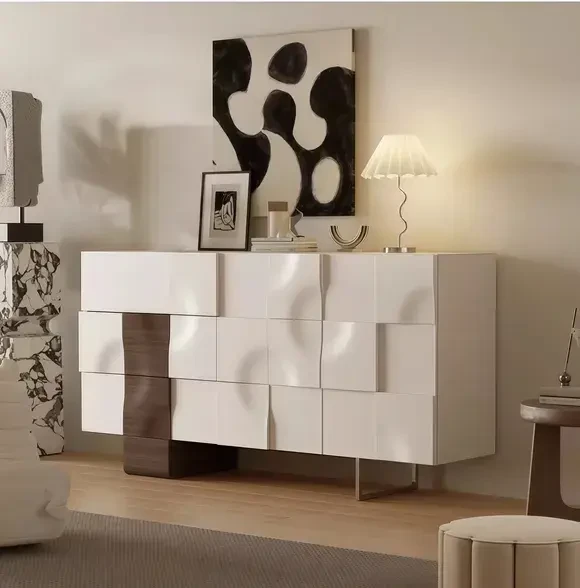
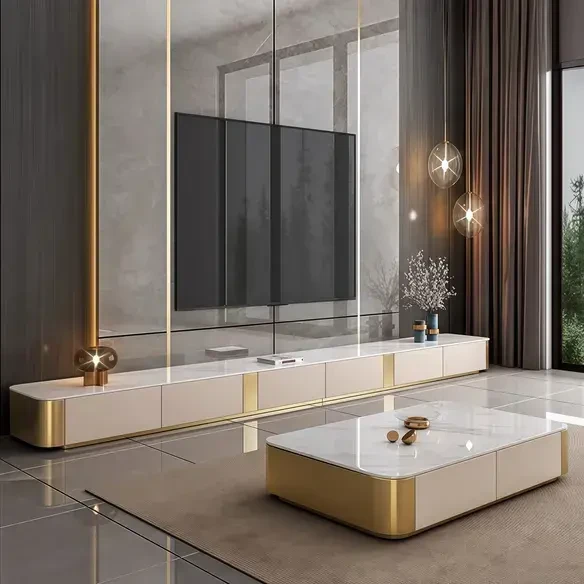
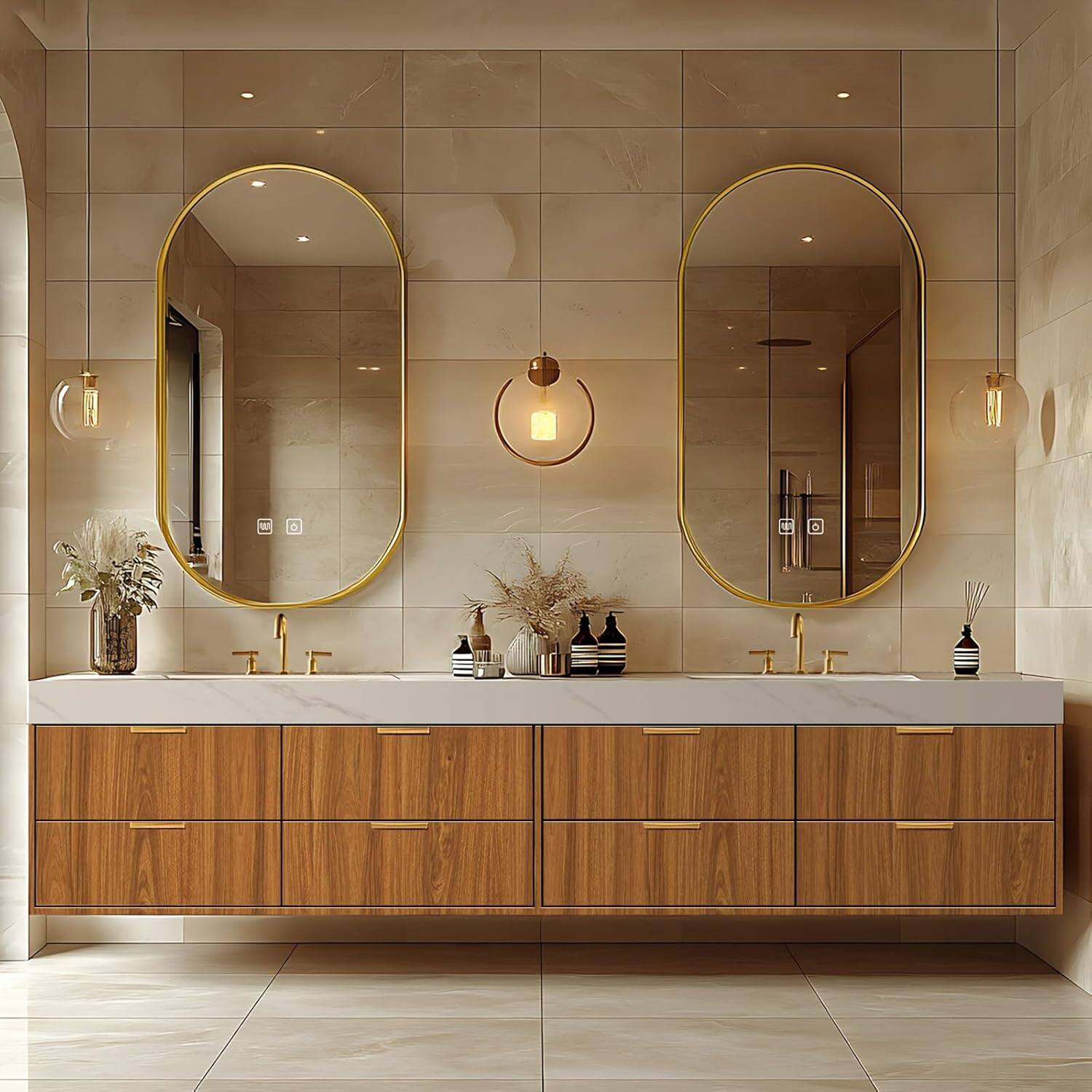
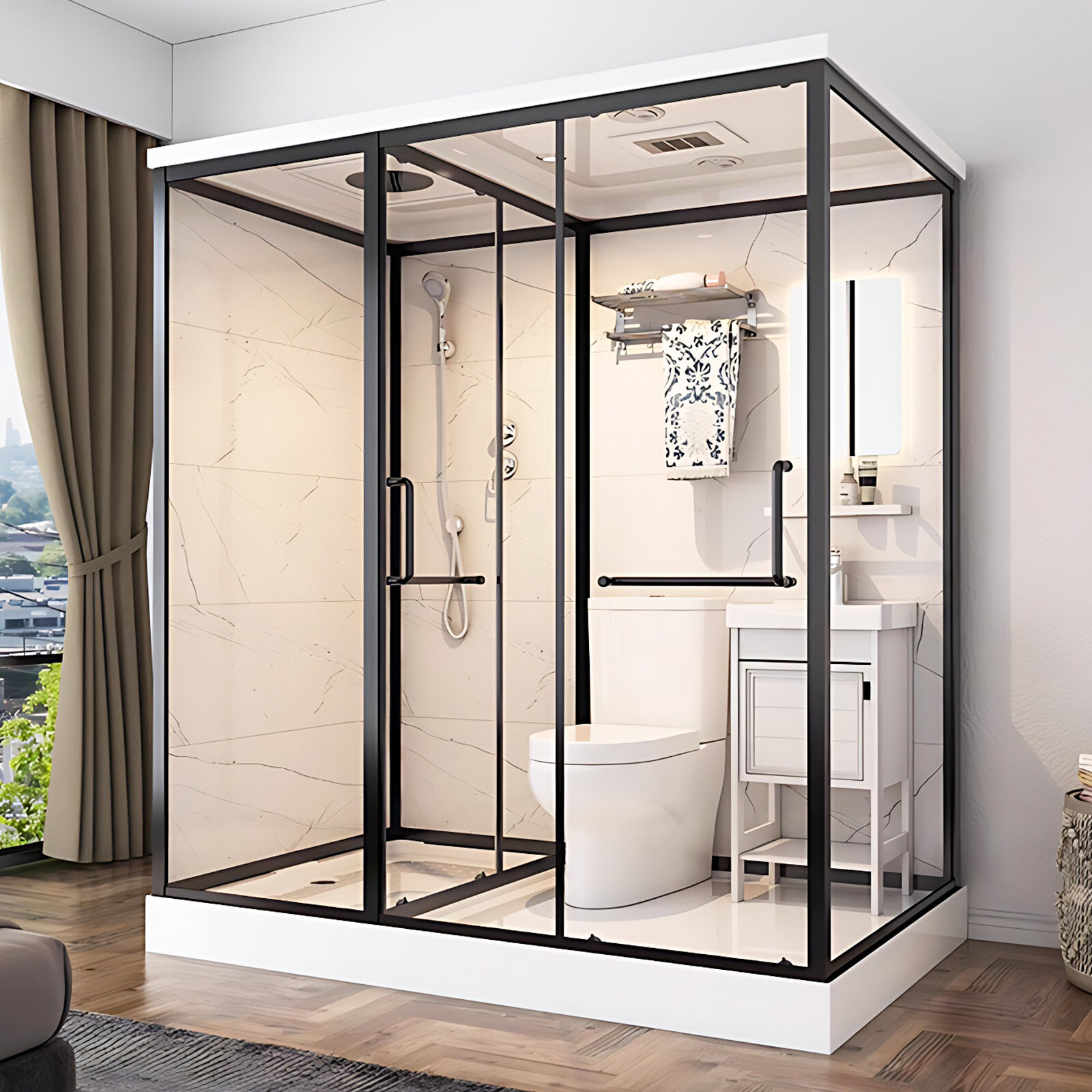
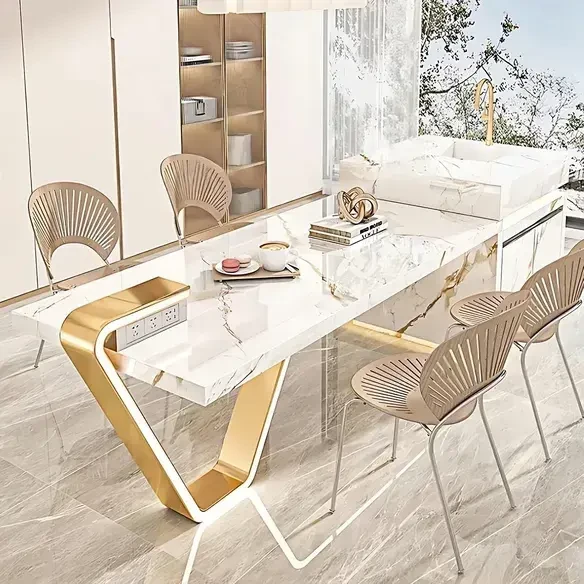
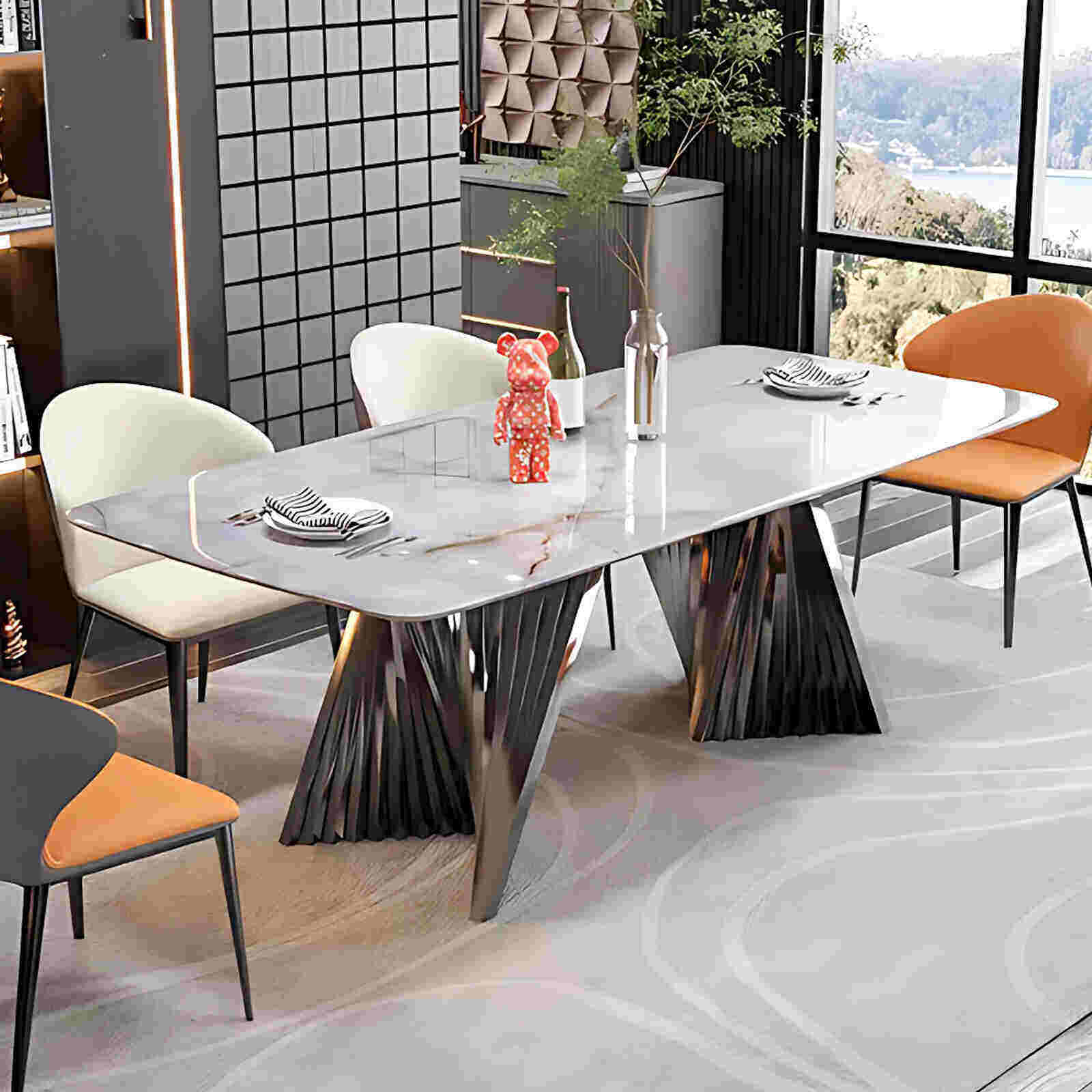
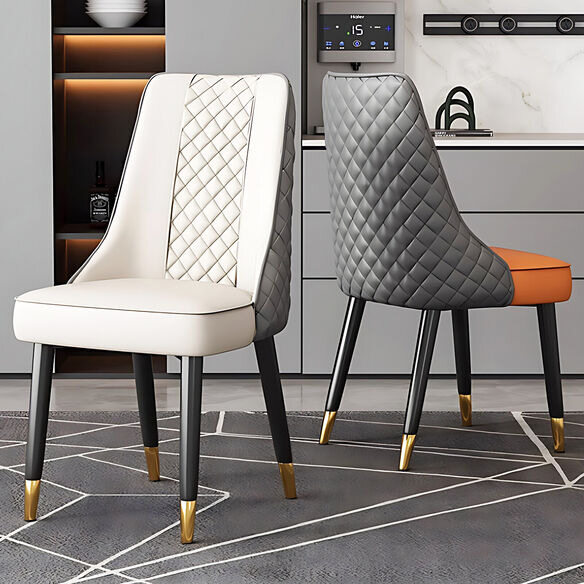
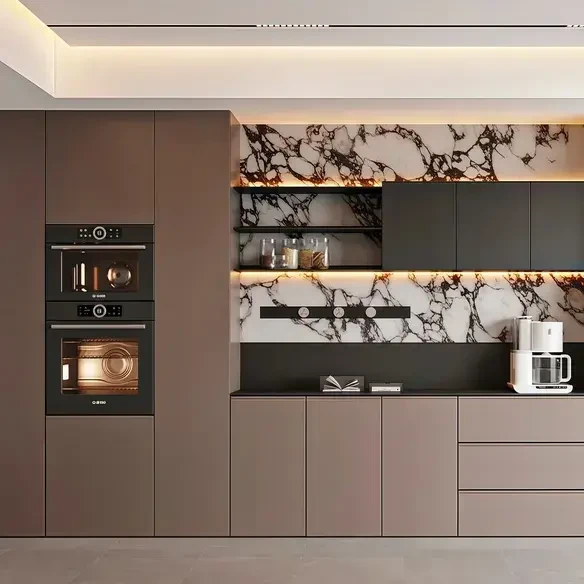
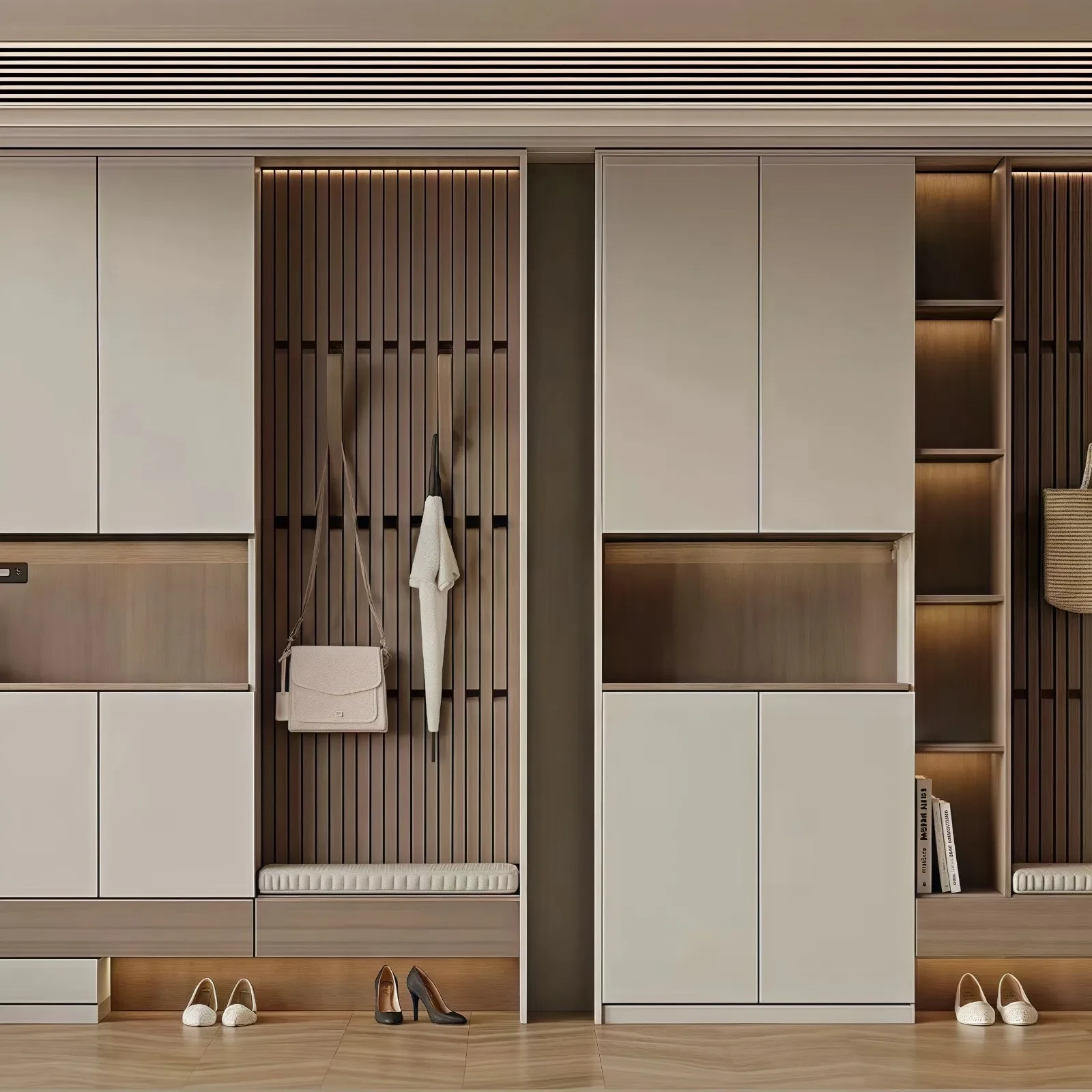
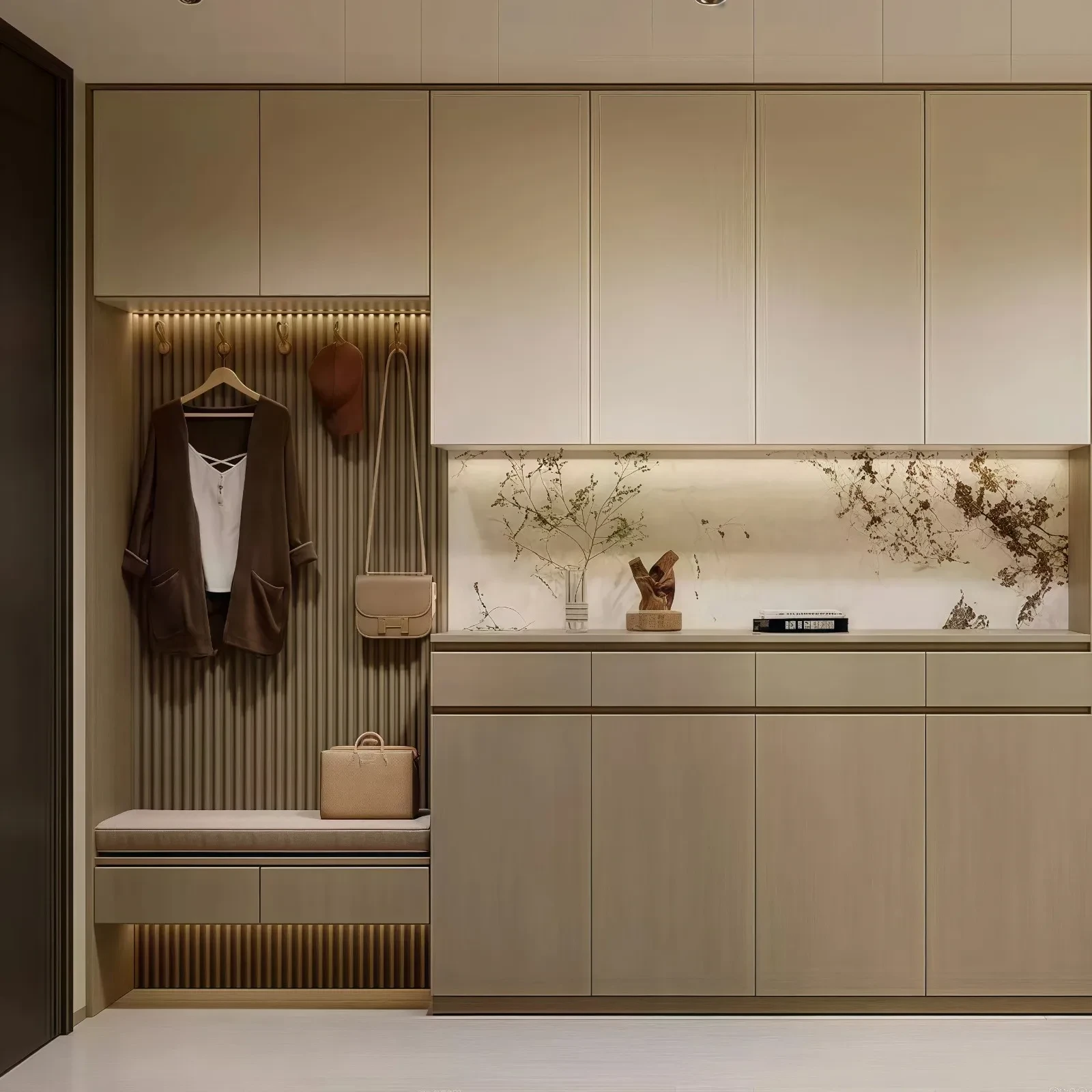
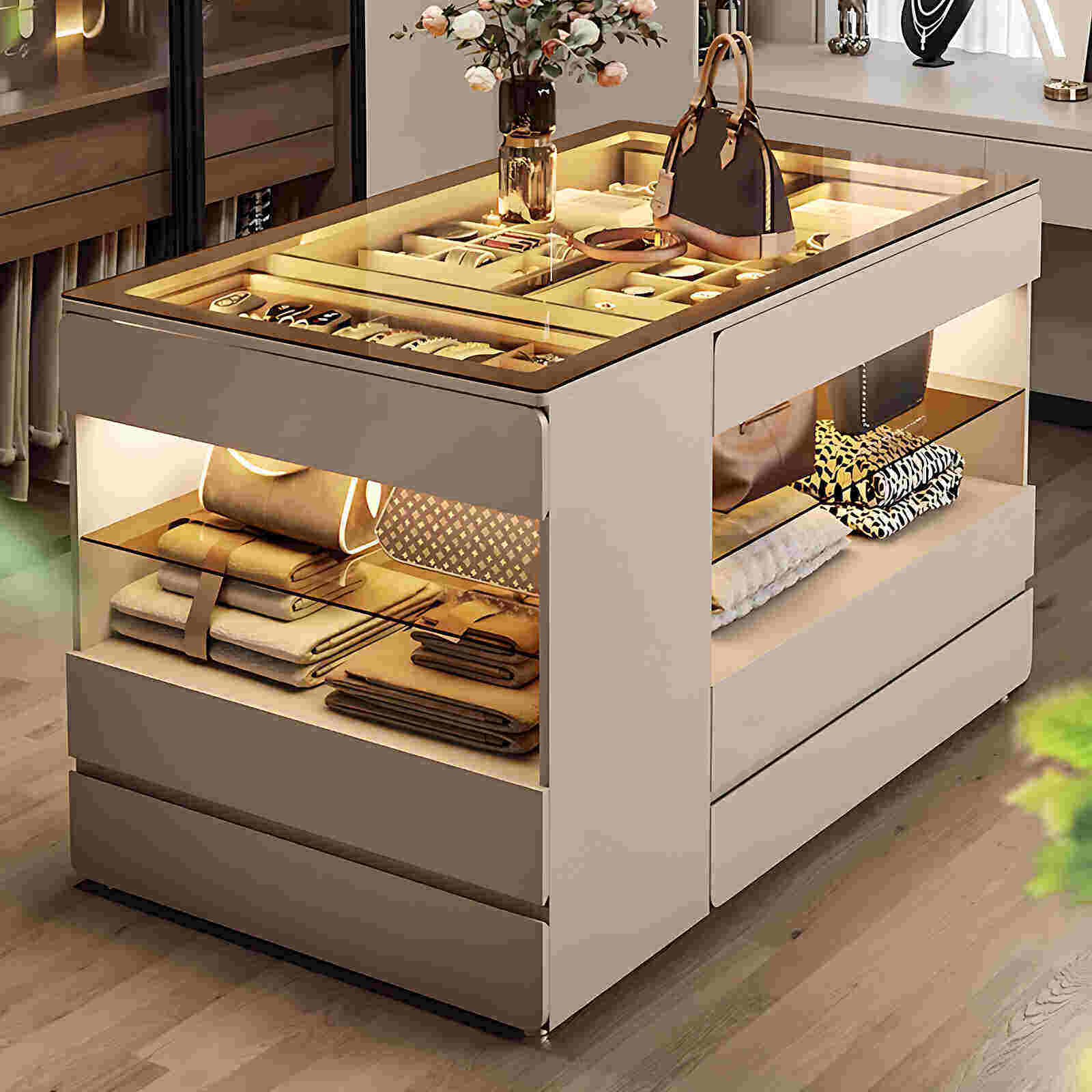
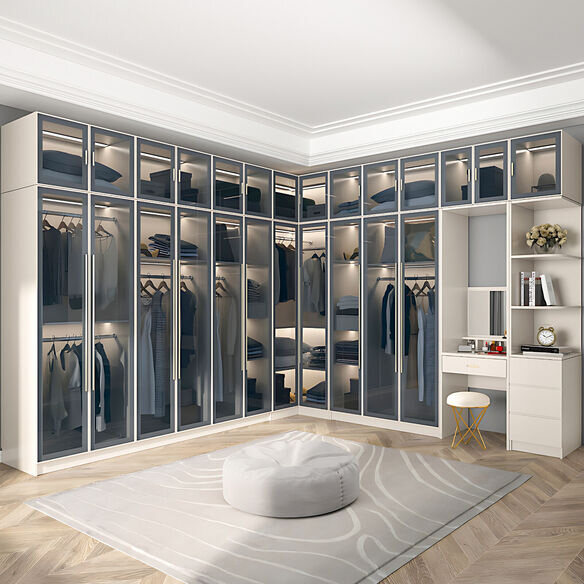
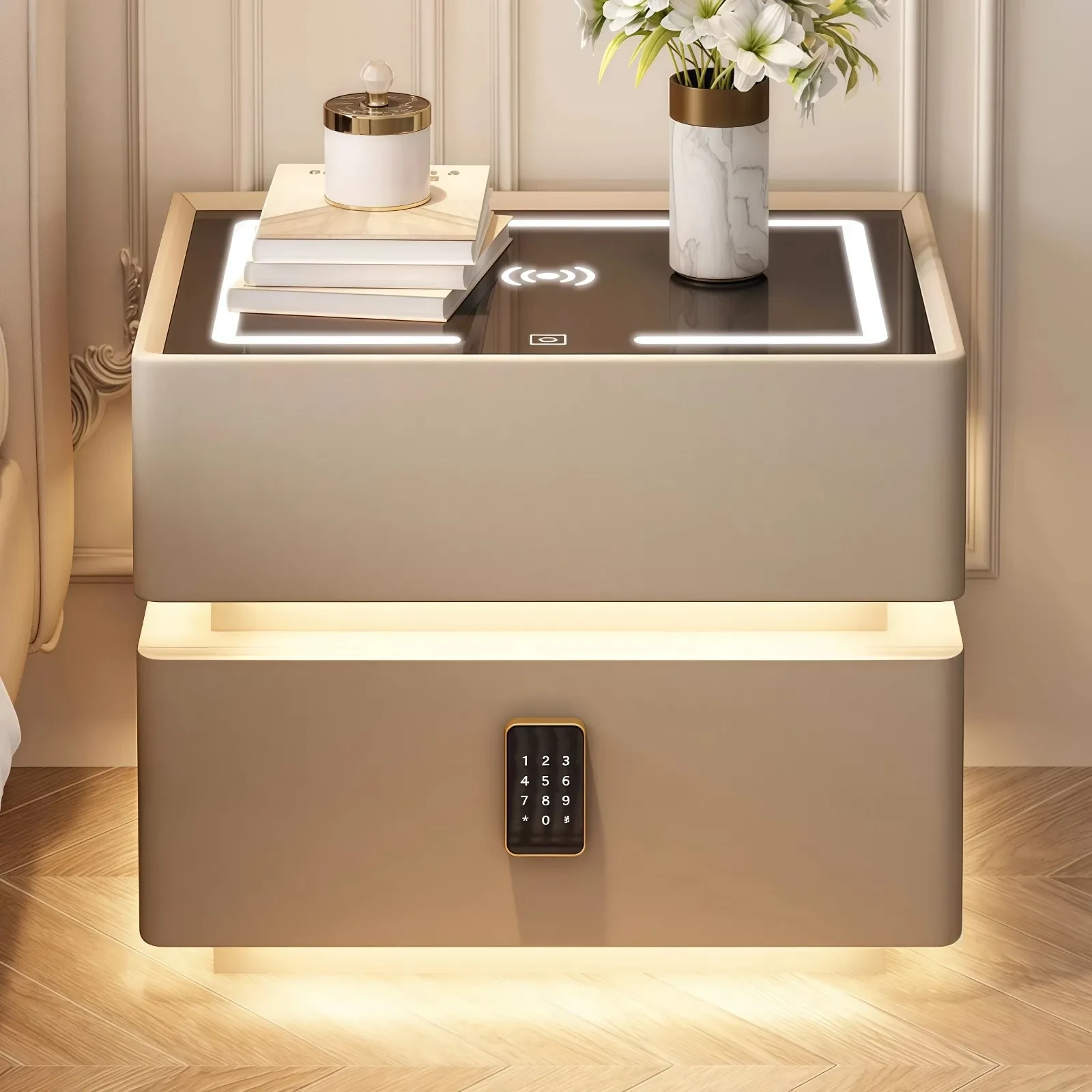
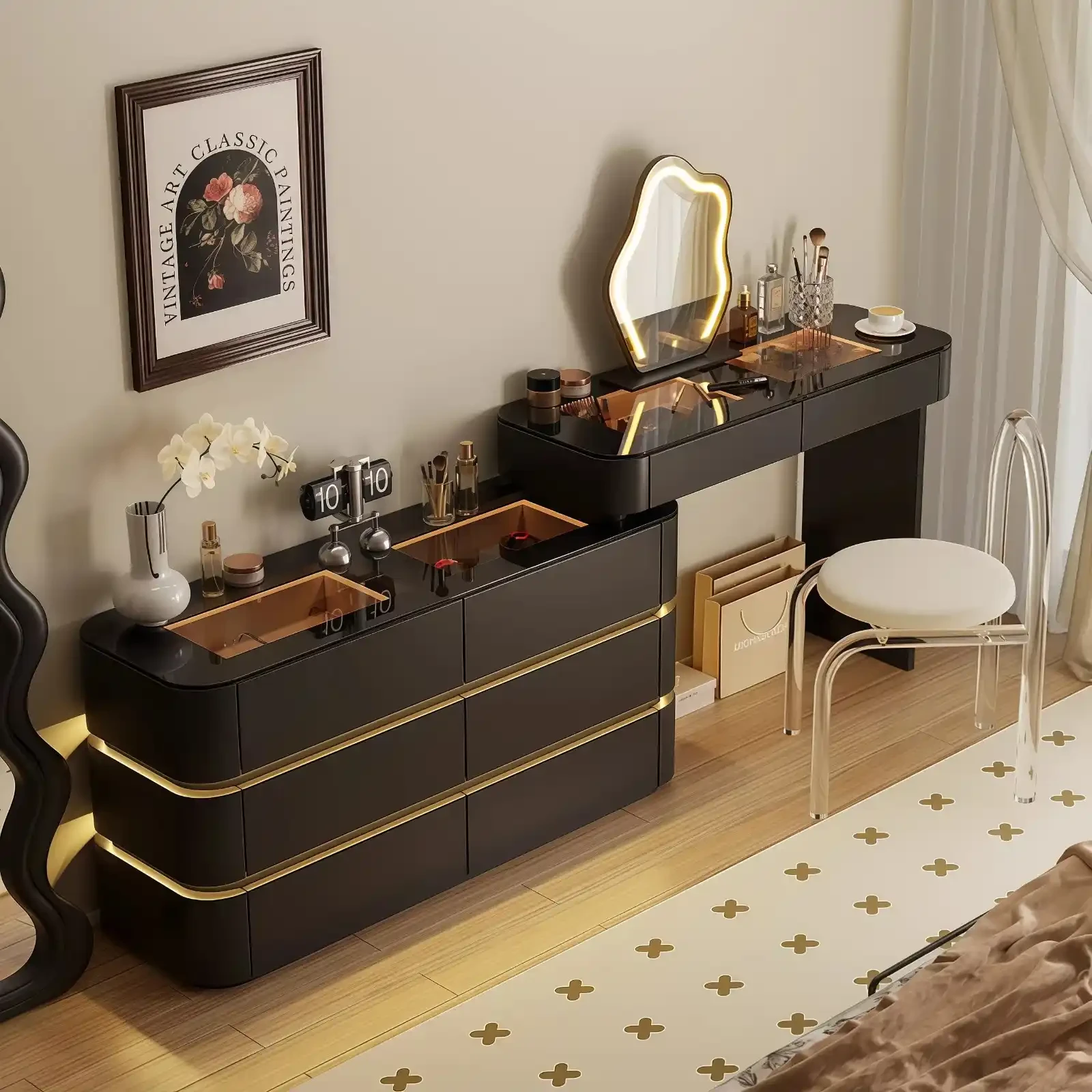
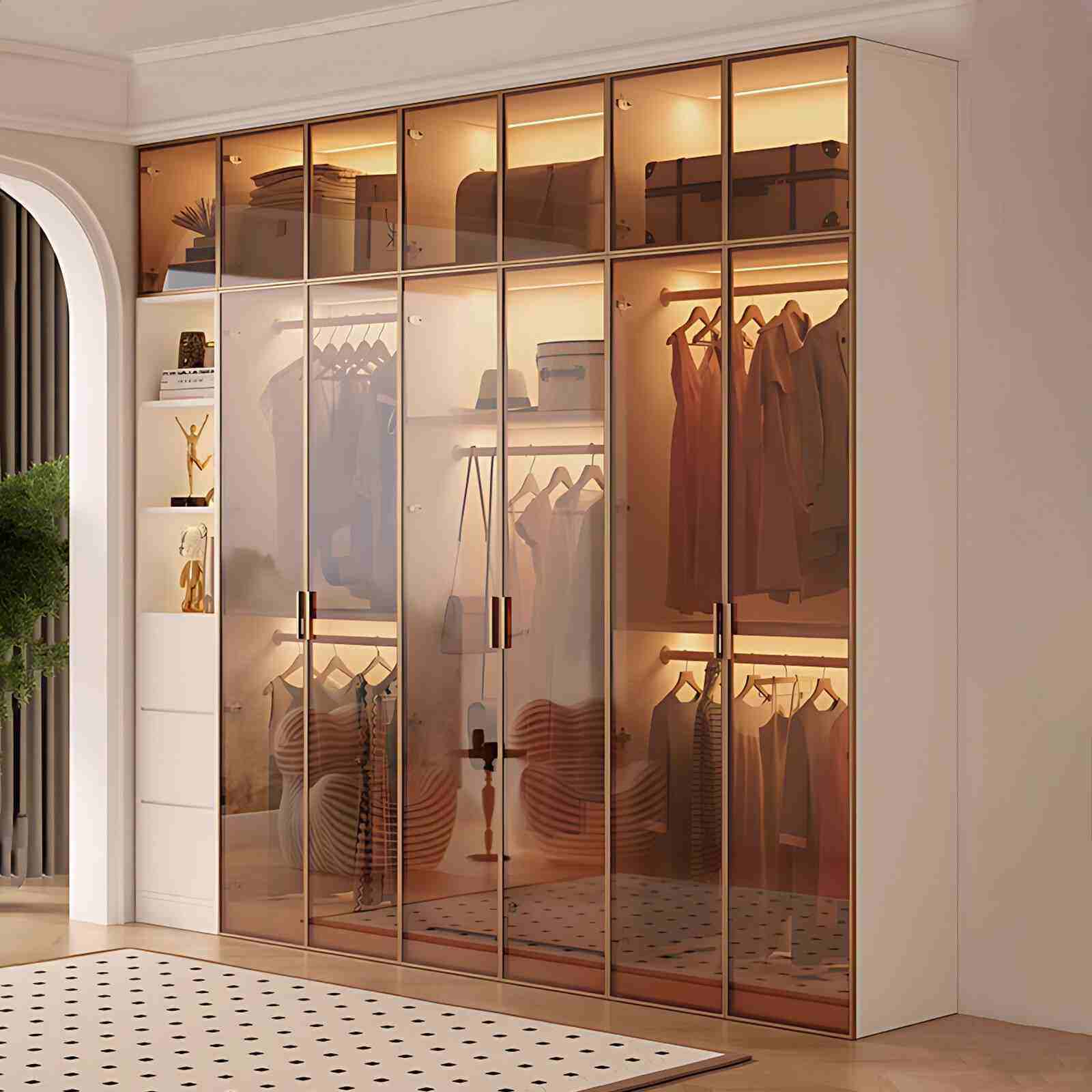
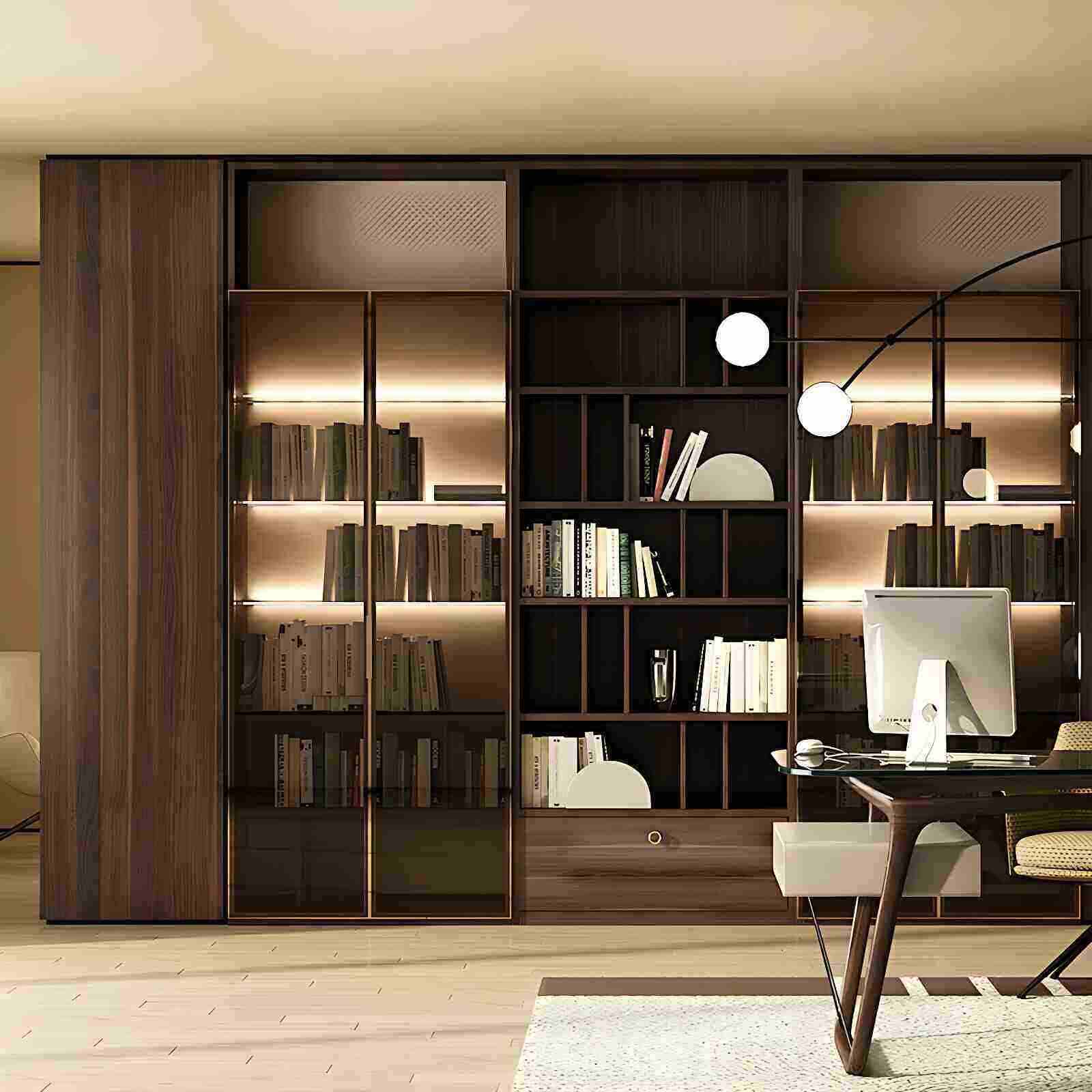
I. MDF (Medium-density Fiberboard)
1. Concept: MDF (Medium-Density Fiberboard) is divided into medium-density fiberboard (MDF) and hardboard (high-density fiberboard). MDF has a density of 450-800 kg/m³, while hardboard has a density above 800 kg/m³. MDF is made primarily from plant wood fibers through processes such as hot grinding, laying, and hot pressing.
2. Characteristics: MDF has a smooth and flat surface, fine texture, stable performance, and strong edges, and the surface of the board has good decorative properties. However, MDF has poor moisture resistance, and compared to particleboard, MDF has weaker nail-holding power. If screws become loose after being tightened, it is difficult to fix them again due to the low strength of MDF.
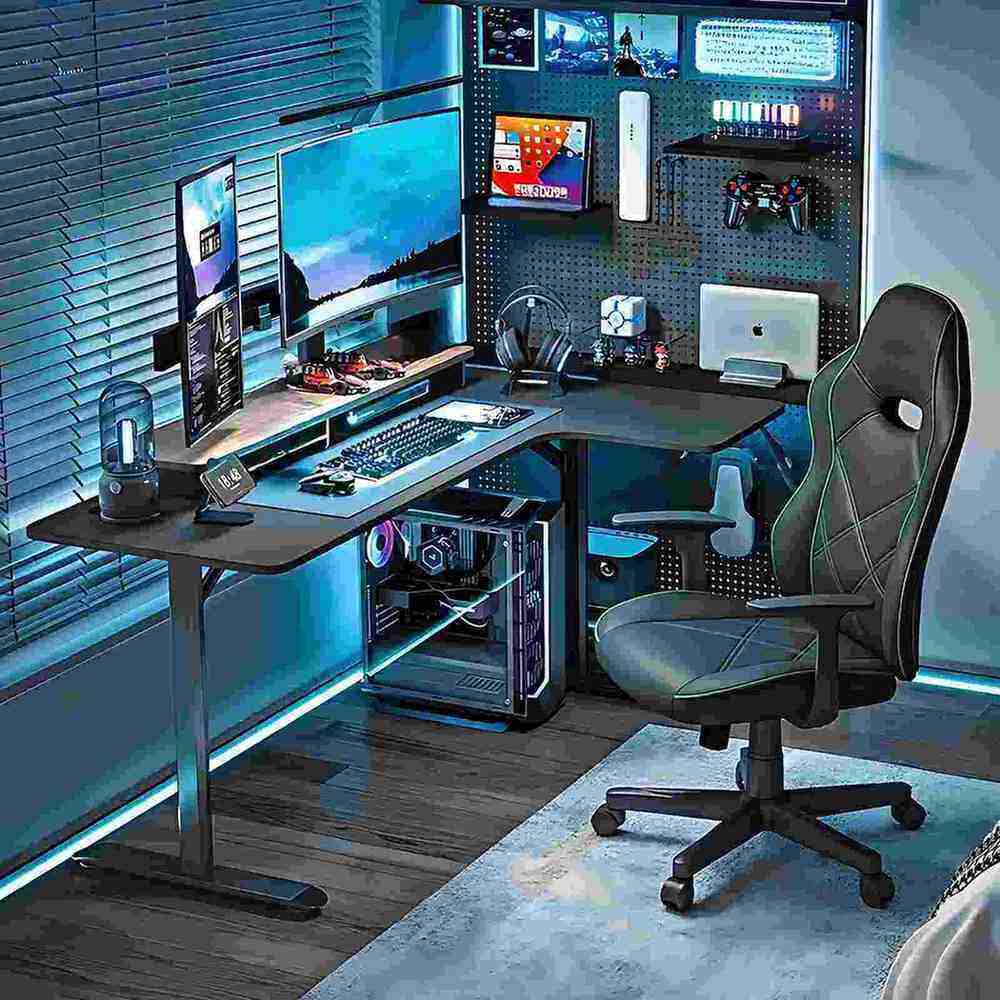
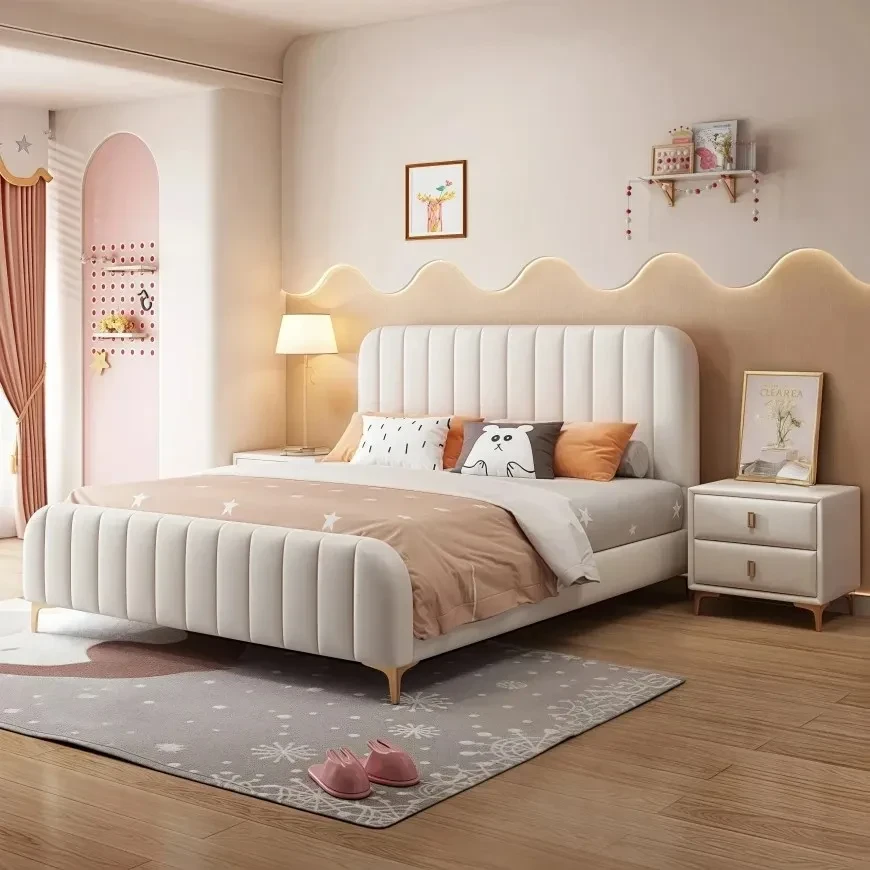
3. Applications: Mainly used for engineered wood flooring, door panels, partitions, furniture, etc. In home decoration, MDF is primarily used for surface treatment in mixed-oil painting processes.
4. Selection: The main tests for MDF (Medium-density Fiberboard) are formaldehyde emission and structural strength. MDF is classified into E1 and E2 grades based on formaldehyde emission; a formaldehyde emission exceeding 30mg/100g is considered substandard. Generally speaking, most MDF produced by large-scale manufacturers meets these standards. Most MDF on the market is E2 grade, with E1 grade being less common.
II. Plywood
1. Concept: Blockboard (also known as core board or plywood) is a type of plywood with a solid wood core. Its vertical (distinguished by the direction of the core material) bending and compressive strength is relatively poor, but its horizontal bending and compressive strength is relatively high. Most blockboard on the market today is solid, glued, double-sided sanded, and five-layered, with a standard size of 1220 mm × 2440 mm.
2. Characteristics: Plywood has good screw holding power, high strength, and is characterized by its hardness, sound absorption, and heat insulation. Moreover, its moisture content is not high, ranging from 10% to 13%, making it easy to process and widely used.
Plywood is more stable than solid wood, but it is susceptible to moisture, so care should be taken to avoid using it in kitchens and bathrooms during construction.
There are two processing techniques for plywood: machine splicing and hand splicing. Hand splicing involves manually inserting wood strips into the plywood. The wood strips are subjected to less compressive force, making them unsuitable for cutting and processing. They are only suitable for some sub-projects in decoration, such as the underlayment for solid wood flooring. Machine splicing, on the other hand, involves greater compressive force, resulting in very small gaps, a smooth joint, and even load-bearing capacity, making it less prone to deformation over long-term use. Good quality plywood costs between 70 and 140 yuan per sheet, while lower quality costs between 40 and 60 yuan. The core material of plywood can be made from various materials, such as poplar, birch, pine, and paulownia. Poplar and birch are considered the best, as they are dense, neither too soft nor too hard, have strong nail-holding power, and are not easily deformed. Paulownia is relatively soft, absorbs a lot of water, and is difficult to dry. Plywood made from plywood is prone to cracking and warping after prolonged use due to moisture evaporation. Hardwoods are hard, difficult to press, have poor splicing structures, good nail-holding power, but also a high deformation coefficient.
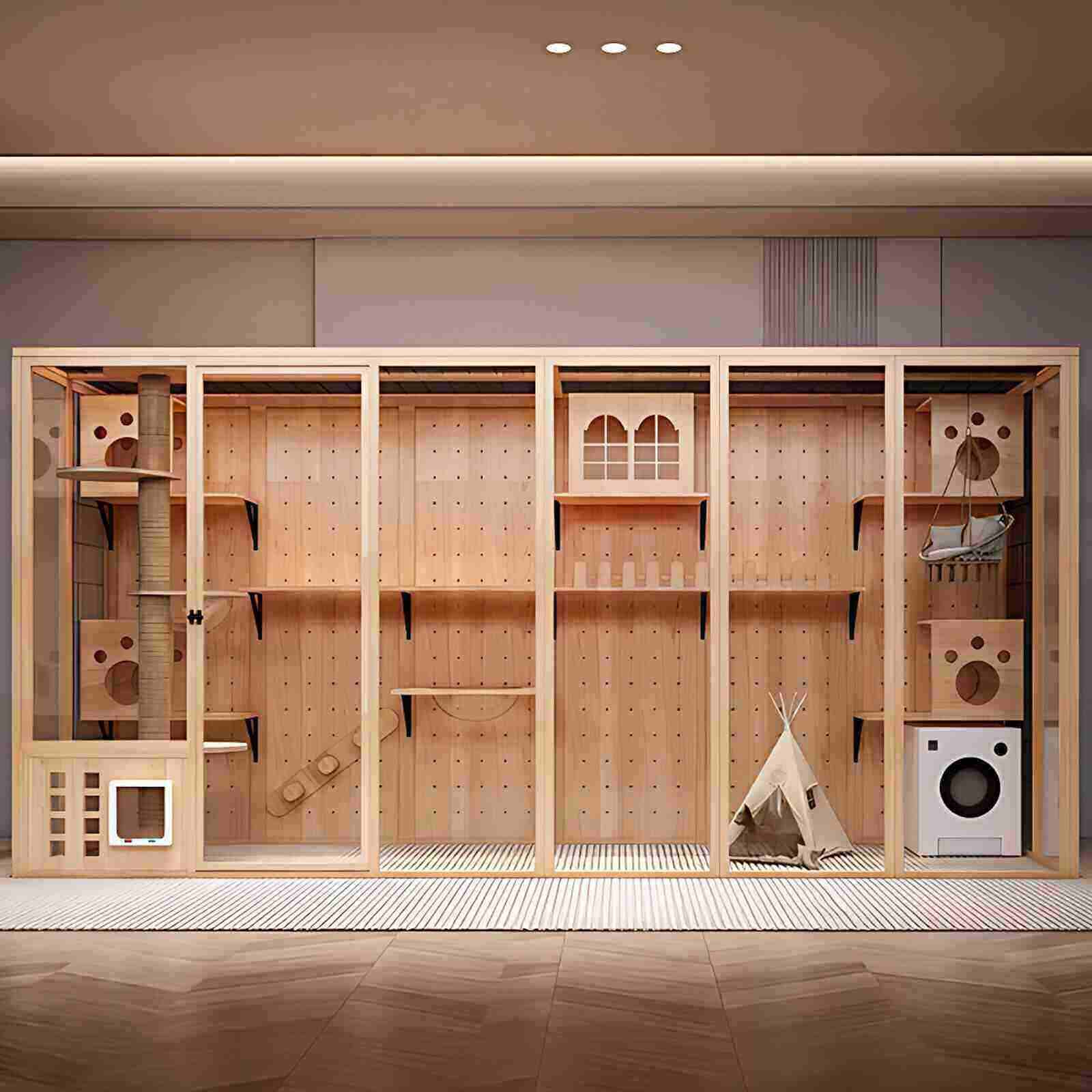
3. Applications: Furniture, doors and windows and frames, partitions, false walls, radiator covers, curtain boxes, etc.
4. Selection: The surface of the plywood should be flat, without warping, deformation, bubbles, or dents; the core strips should be evenly and neatly arranged with small gaps, and free from rot, breakage, wormholes, knots, etc. Some plywood is made with inferior materials, resulting in large gaps between the solid wood strips. If nails are driven into these gaps, there will be virtually no nail-holding power. Consumers can check the plywood against the sunlight; the gaps between the solid wood strips will appear translucent. If the plywood's adhesive strength is poor, it will make a squeaking sound when lifted. If the plywood emits a pleasant wood scent, it indicates low formaldehyde release; if the odor is pungent, it indicates high formaldehyde release.
The quality of plywood varies greatly, so careful inspection is essential when purchasing. First, check the core material for density and look for any obvious seams or rotten/deteriorated wood strips. Rotten wood strips may contain insect eggs, making the board susceptible to future insect infestation. Next, check for signs of glue or putty filling around the edges; this is usually done to cover internal cracks or voids. Finally, tap the surface of the board with a pointed tool and listen to the sound. A significant difference in sound indicates internal voids. These issues weaken the overall load-bearing capacity of the board, and long-term uneven stress can cause structural distortion and deformation, affecting its appearance and usability.
III. Plywood
1. Concept: Plywood is made by gluing and hot-pressing three or more layers of solid wood veneers or thin boards about one millimeter thick. Common types include three-ply, five-ply, nine-ply and twelve-ply (commonly known as three-ply board, five-millimeter board, nine-millimeter board and twelve-millimeter board).
2. Characteristics: Good structural strength and stability. Plywood has a high glue content, so proper edge sealing is necessary during construction to minimize pollution.
3. Applications: Plywood is mainly used for the baseboard of decorative panels, the backboard of panel furniture, and various wood products.
4. Selection: When choosing plywood, the main factors to consider are its formaldehyde emission level and bonding strength. Poor bonding strength will cause the plywood to easily fall apart. When selecting plywood, pay attention to whether the nominal thickness matches the actual thickness.
When choosing plywood, pay attention to the following points:
① Plywood has a front and a back side. When selecting plywood, the wood grain should be clear, the front side should be smooth and clean, not rough, and flat without any sticky feeling.
② Plywood should be free from defects such as breakage, dents, hard scratches, and knots.
③ There is no delamination on the entire board.
④ Some plywood is made by gluing two veneers with different textures together, so when choosing plywood, you should pay attention to whether the joints are tight and there are no unevenness.
⑤ When selecting plywood, pay attention to choosing plywood that does not delaminate. If the sound is crisp when you tap different parts of the plywood, it indicates good quality; if the sound is dull, it means that the plywood has delaminated.
IV. Decorative Panels
1. Concept: Decorative veneer plywood (decorative panel, veneer panel) is a decorative board made by precisely slicing solid wood into thin veneers with a thickness of more than 0.2 mm, using plywood as the base material, and then gluing them together.
2. Characteristics: Decorative panels are generally used for clear oil finishing. The surface layer is thin and made of precious wood species with natural and beautiful grain. The base material is generally plywood, which is stable and reliable in performance.
3. Uses: Decorative panels are a commonly used decorative material in home decoration nowadays.
4. Selection: Some unscrupulous merchants tamper with the surface panel, making it too thin, only about 0.1mm thick. To prevent the base color from showing through, they first paint the base panel with the same color as the surface panel, and then attach the surface panel. Due to the poor adhesion between the paint and adhesive, the surface panel has poor bonding strength and is prone to blistering. Consumers can check this by scraping the surface with a blade; if the paint is easily scratched off, the surface panel is likely not thick enough.
High-quality decorative panels will make a room shine. Inferior decorative panels will develop blistering and cracks after a period of use. When purchasing decorative panels, pay attention to the following points:
① Distinguish between artificial wood veneer and natural wood veneer. The former has a generally straight grain with a regular pattern; while the latter has natural wood grain with greater natural variation and irregular patterns.
② The decorative effect should be good. The decorative panel should have a good aesthetic appearance, and the material should be fine and uniform, with clear color and beautiful wood grain. The texture of the matching panels and the inlay should be arranged in a certain pattern, with similar natural colors, and the seams should be nearly parallel to the edges of the panels.
③ The surface should be free of obvious defects. The selected decorative board should have a smooth surface, free of burrs, grooves, and planer marks; there should be no glue seepage or surface contamination (such as localized yellowing or blackening); it should be selected as much as possible without cracks, fissures, knots, bark inclusions, resin pockets, or resin ducts; the natural warping of the entire board should be as small as possible to avoid sanding defects caused by improper sanding processes.
④ No delamination. It is important to ensure that there are no bulges or delamination between the surface veneer and the substrate, or between the layers within the substrate.
⑤ The knife prying method is the most intuitive way to test the bonding strength. Use a sharp, flat-bladed knife to pry open the glue layer. If the glue layer is damaged but the wood is not, it indicates poor bonding strength.
⑥ Choose boards with low formaldehyde emissions. When selecting boards, avoid those with a pungent odor.
⑦ Choose good products with a clearly identified manufacturer. Most products with a clear manufacturer name, address, and trademark perform well.
V. Laminated timber
1. Concept: Engineered wood is a new type of solid wood material. It is made from large-diameter logs and processed into interlocking planks that resemble fingers.
2. Characteristics: Due to different manufacturing processes, this type of board has superior environmental performance and costs around 200 yuan per sheet, slightly more expensive than high-grade plywood. Engineered wood can be directly stained and painted, saving a step compared to plywood.
3. Applications: Laminated wood is not easily deformed and is mainly used for wooden doors, high-end furniture, etc.
VI. Particleboard
1. Concept: Particleboard is made by crushing natural wood into particles and then bonding and pressing them together. Because its cross-section resembles a honeycomb, it is called particleboard.
2. Characteristics: Particleboard has heat insulation and sound absorption properties. Due to its easy manufacturing process, the quality varies greatly and is not easy to distinguish. It has poor bending and tensile strength and is loose and easy to loosen.
3. Applications: Primarily used for heat insulation, sound absorption, ceiling installation, and making ordinary furniture. Currently, many manufacturers use particleboard in their furniture production, and it is also a major material for kitchen cabinets. Particleboard surfaces are often double-laminated with melamine veneer, and after edge banding, it has the same appearance as medium-density fiberboard (MDF). It is assembled using specialized connectors and is detachable.
VII. Fireproof Board
1. Concept: Fireproof board is a decorative board made by mixing siliceous or calcareous materials as the main raw materials with a certain proportion of fiber materials, lightweight aggregates, adhesives and chemical additives, and then using autoclaving technology. The thickness is generally 0.6-1.2mm.
2. Characteristics: Fireproof boards are more economical, and have high strength, fire resistance, and moisture resistance.
3. Applications: Fireproof boards are mainly used in cabinets, display cases, etc. The installation of fireproof boards requires high precision in the application of adhesive; the thickness of the adhesive and its drying time must be carefully controlled, and the boards must be bonded in one go.
8. Aluminum ceiling panels
1. Concept: Aluminum ceiling panels are aluminum products. They are installed by clipping them onto a keel, hence the name "aluminum ceiling panel." Aluminum ceiling panels are typically 0.4mm-0.8mm thick and come in strip, square, and diamond shapes, among others.
2. Applications: In home decoration, aluminum ceiling panels are generally considered for installation in two areas: the bathroom and the kitchen. For bathroom ceilings, choose perforated patterns. For kitchen ceilings, choose flat panels.
3. Selection: When purchasing aluminum ceiling panels, be careful of imitations made of stainless steel. You can use a magnet to verify the authenticity.
9. Aluminum Composite Panel
1. Concept: Aluminum composite panels are composed of a thin aluminum layer and a plastic layer. They are divided into single-sided aluminum composite panels and double-sided aluminum composite panels, with a thickness of about 3-5mm.
2. Applications: Aluminum composite panels have good decorative properties and are used for feature walls, display cases, kitchen and bathroom ceilings, etc.
3. Selection: When purchasing aluminum composite panels, use calipers to measure the thickness to see if it meets the requirements, and then prepare a magnet to test whether it is iron or aluminum.
10. Gypsum board
1. Concept: Gypsum board is made primarily from calcined gypsum, mixed with additives and fibers. When combined with light steel keel (made of galvanized thin steel), it forms light steel keel gypsum board. Light steel keel gypsum board ceilings come in various types, including paper-faced gypsum board, decorative gypsum board, fiber gypsum board, and hollow gypsum board strips, and are available in various specifications.
2. Characteristics: It has properties such as being lightweight, heat-insulating, sound-absorbing, non-flammable, and sawable.
3. Uses: In home decoration, the light coves in the living room and the partial decorations in the dining room are mostly made of gypsum board. Gypsum board is lightweight, inexpensive and easy to install, but it has poor moisture resistance.