
 USD
USD GBP
GBP
 EUR
EUR
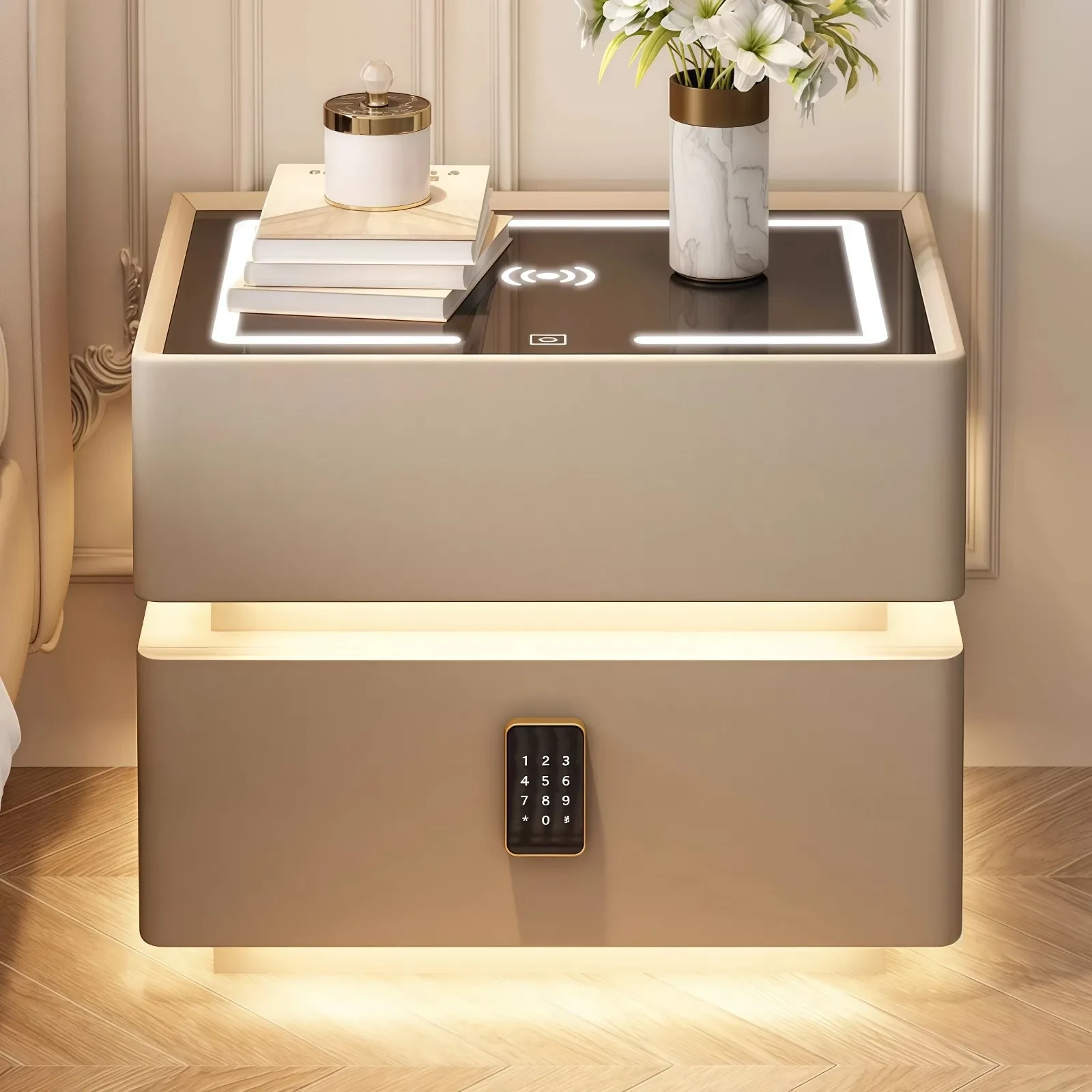
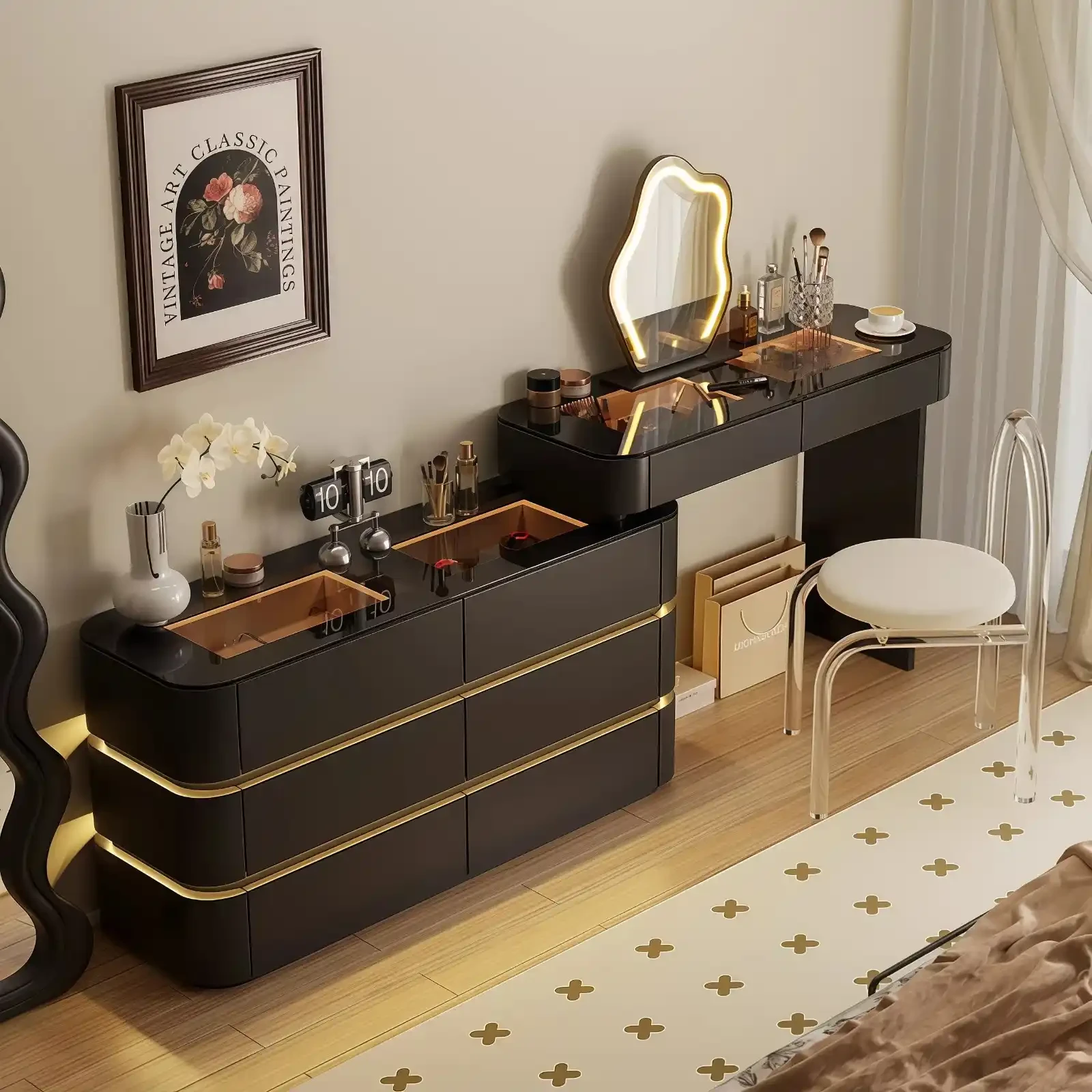
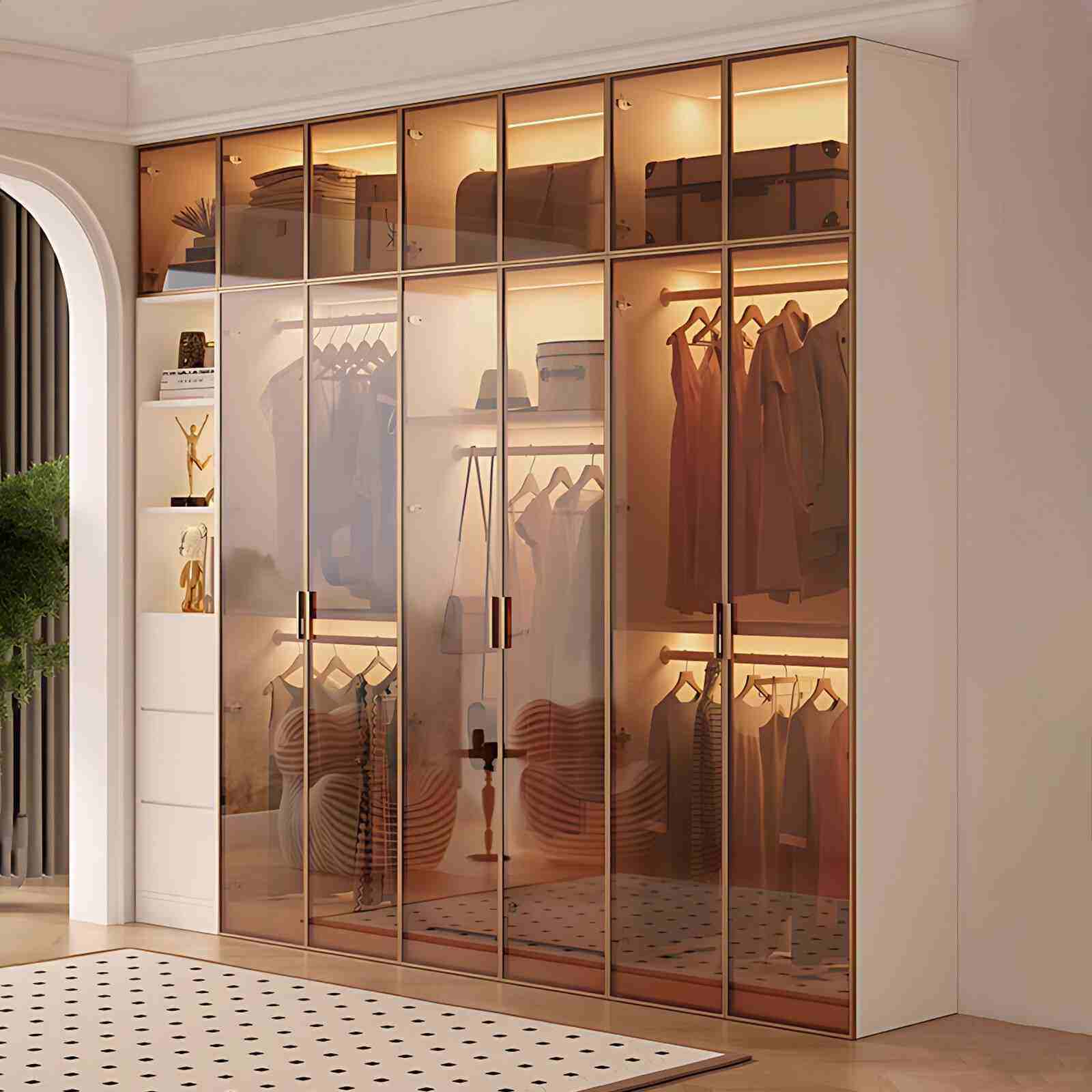
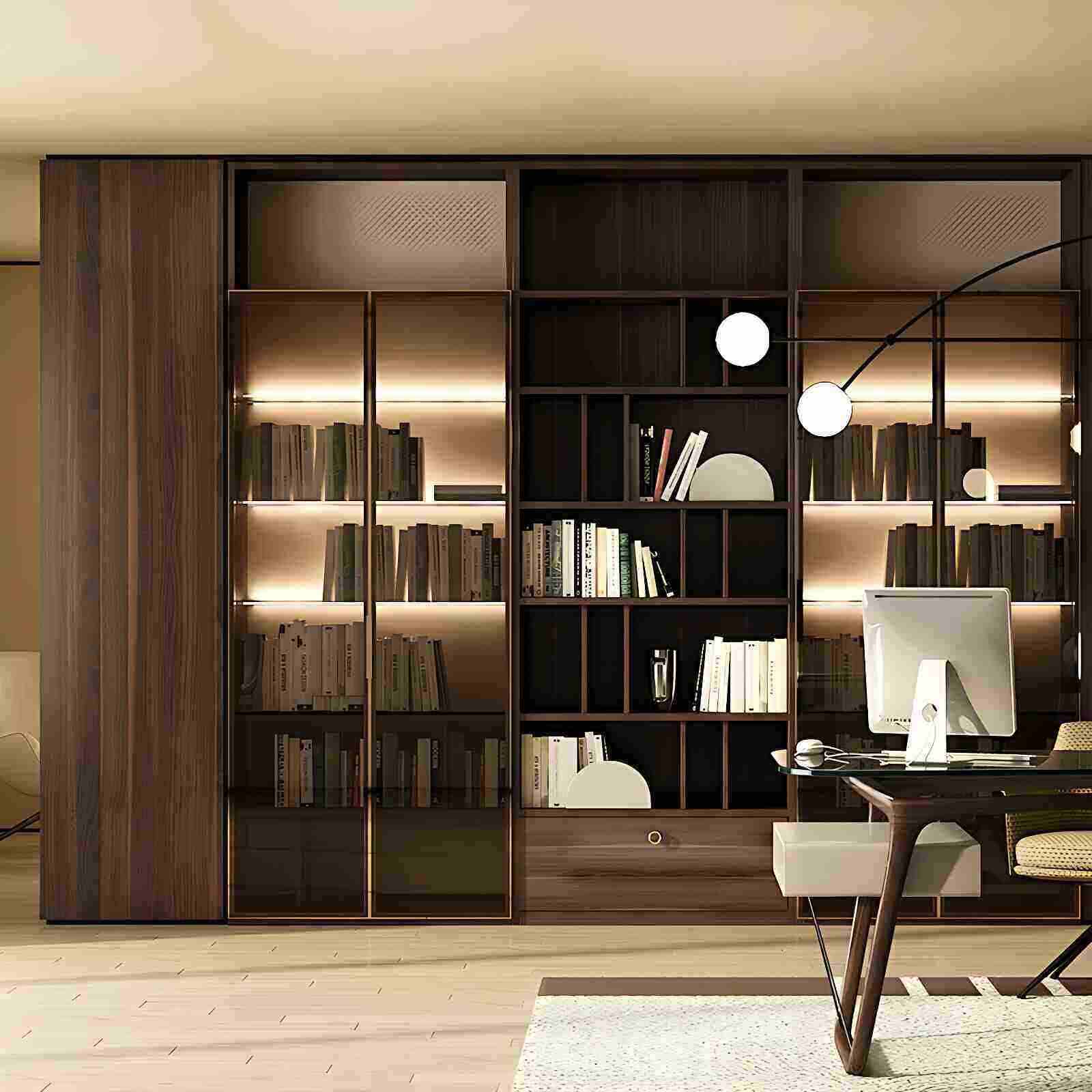

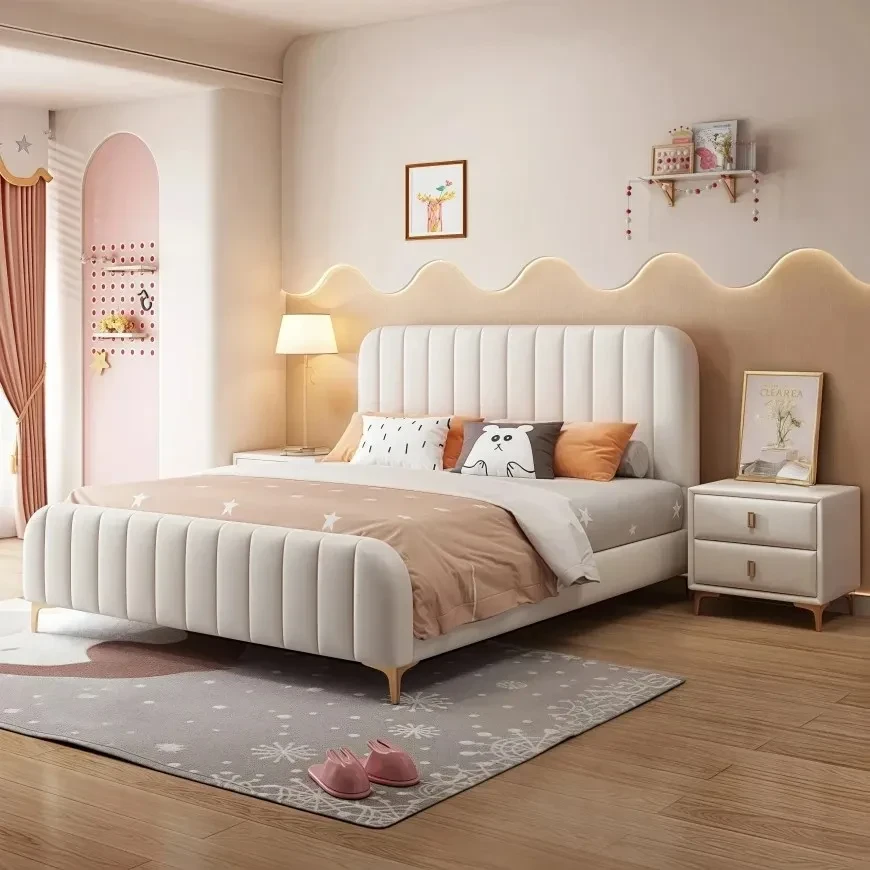
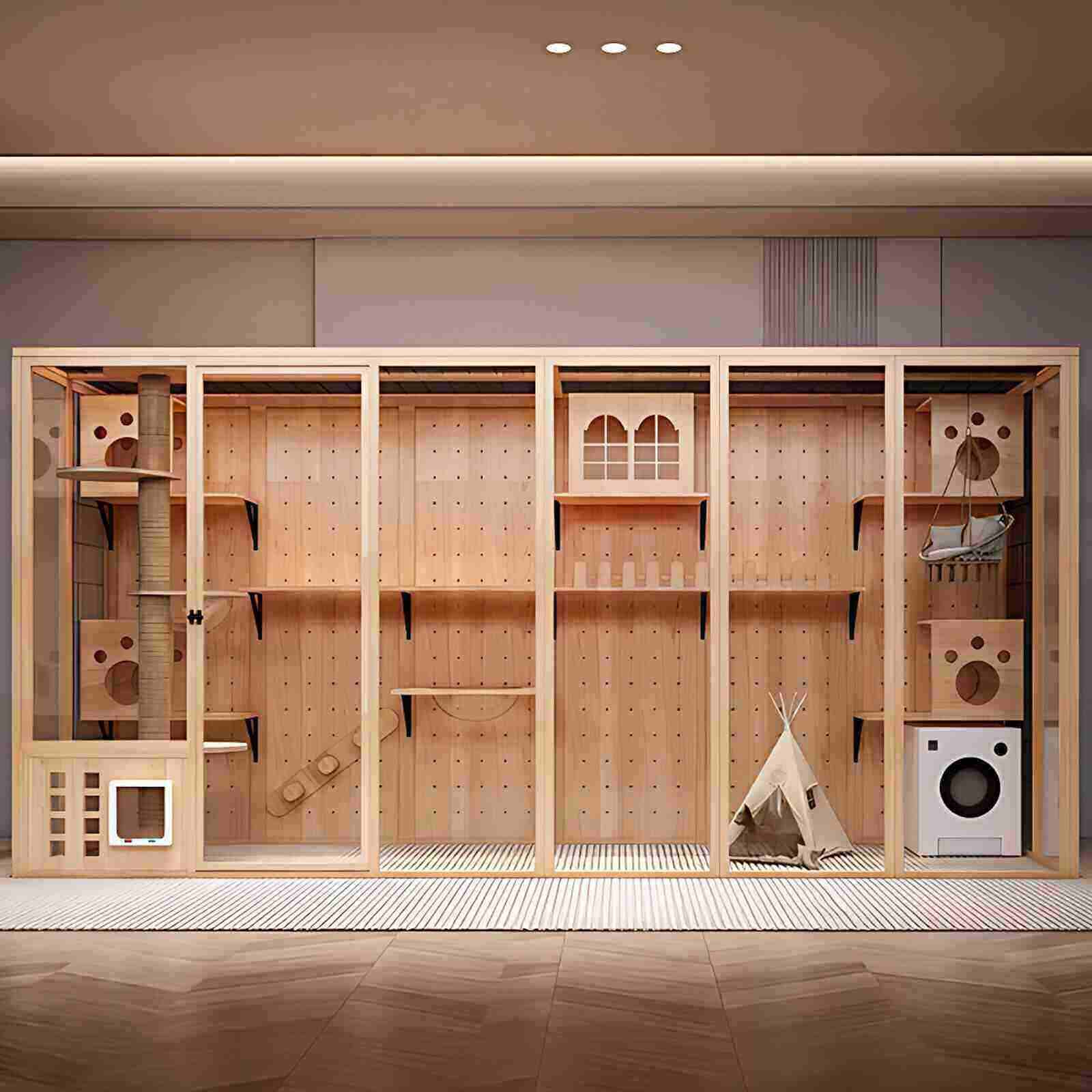
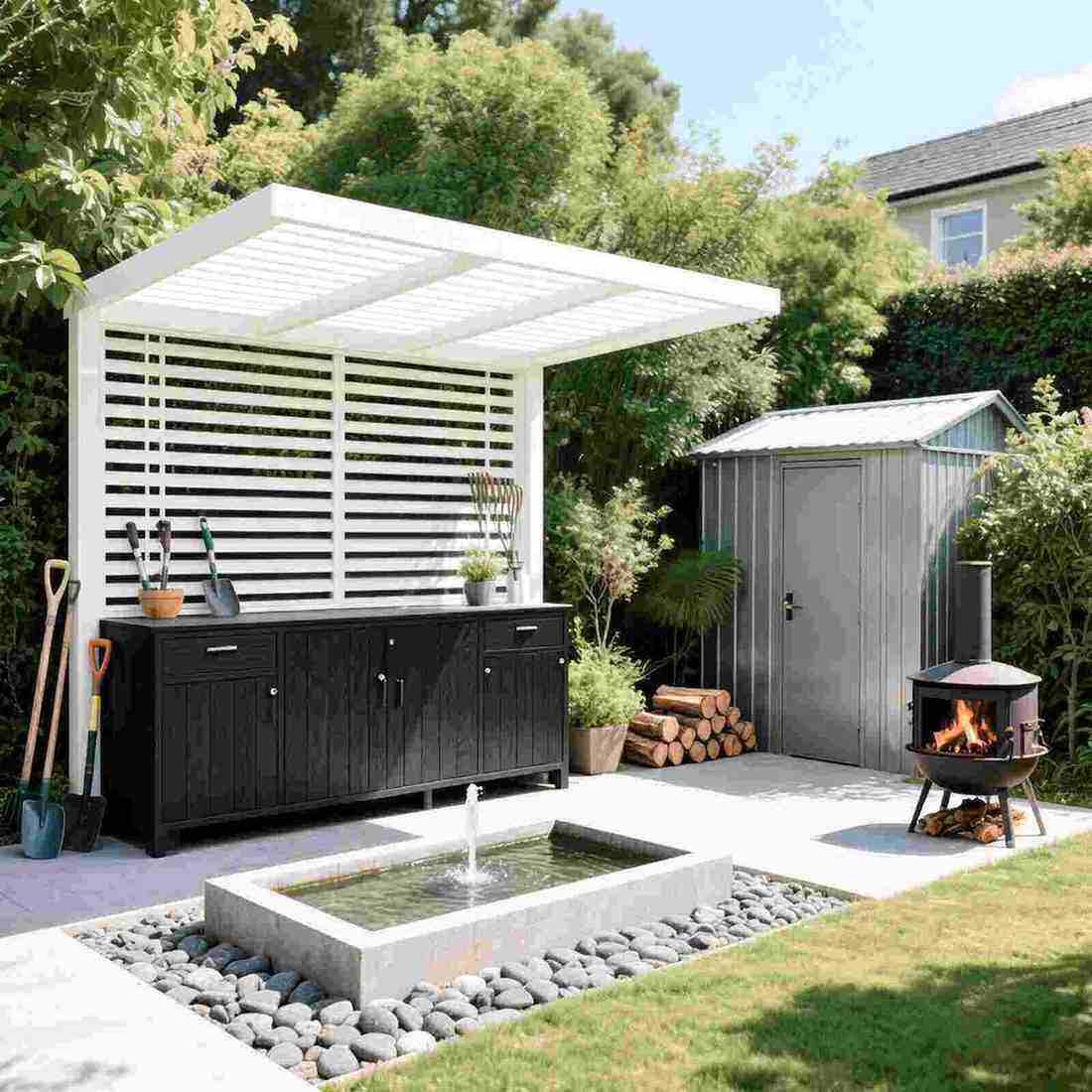
What is multi-layer solid wood board, and what are its advantages?
Solid wood multi-layer boards are made from natural large-diameter logs. They are first rotary-cut into 1mm-2mm veneers, and then layered together under high temperature and pressure to form a product.
Because it is rotary-cut layer by layer from logs, it retains the original wood fiber structure, making it the closest board material to solid wood! The cross-laminated arrangement ensures that the wood fibers of adjacent veneers are perpendicular to each other, resulting in balanced stress. Therefore, multi-layer solid wood boards have better bending resistance and load-bearing capacity than solid wood, and are less prone to deformation and cracking. Used for furniture, they are sturdy and durable.
What are the differences between plywood and solid wood?
Both use natural logs as raw materials, but the manufacturing processes differ. Plywood is made by stacking layers of solid wood veneers.
Plywood is made by pressing layers of solid wood veneers arranged in a crisscross pattern. The fibers of adjacent layers are perpendicular to each other, which improves the anisotropy defects formed in wood under natural growth conditions. Compared with logs, it has higher structural stability, better load-bearing capacity, and is less prone to cracking and deformation.
What kind of wood is Huazhou's solid wood multi-layer board made of?
Solid wood multilayer board is a green, environmentally friendly, sturdy and durable board made from high-quality eucalyptus wood aged over 8 years as raw material, through a 4-stage hot air drying process, a "7+2+2" three-stage hot pressing process, and E0-grade environmentally friendly ecological adhesive.
Solid wood multilayer boards are made of 100% eucalyptus core material, which is a single tree species. Therefore, the density of the boards is uniform, the stress is even, and the load-bearing capacity is stronger.
What makes Huazhou's multi-layer solid wood boards better than other multi-layer solid wood boards on the market?
The raw materials are of high quality. Only eucalyptus trees with an age of ≥8 years and a diameter of ≥150mm are selected as the raw materials for the boards. Eucalyptus wood has a straight shape, high density, high hardness, and high toughness, making the furniture well-loaded and not easily deformed.
Unlike multi-layer solid wood boards made from mixed woods, multi-layer solid wood boards are made of 100% eucalyptus core material, a single tree species, with uniform board density, uniform stress distribution, and stronger load-bearing capacity.
Sufficient thickness: 90% of ordinary boards on the market are ≤17mm thick, while solid wood multi-layer boards are up to 18mm thick. The materials are solid, and the qualified thickness can enhance the stability and service life of the furniture.
Unique 7+2+2 three-stage hot-pressing process: Due to the three hot-pressing processes, the bonding strength of solid wood multilayer boards is much stronger than that of boards formed by one or two hot-pressing processes. Therefore, solid wood multilayer boards have a more stable product structure, a smoother surface, and are less prone to deformation.
How environmentally friendly are multi-layer solid wood products?
Solid wood multilayer boards use high-quality environmentally friendly adhesives as the bonding agent for the boards, and the environmental protection level reaches the E0 standard (on March 9, 2021, my country's GB/T 39600-2021 "Classification of Formaldehyde Emission of Wood-based Panels and Their Products" was released: the formaldehyde emission limit of E0 grade is ≤0.050mg/m³), which can bring consumers a healthy and beautiful living environment.
Why are solid wood multilayer boards always made with an odd number of layers? Is more layers always better?
Solid wood multilayer boards usually have an odd number of layers. This is to ensure that the board is subjected to balanced forces in all directions. The interwoven substrates are stable and mutually supportive with the middle layer as the axis of symmetry, resulting in better resistance to deformation.
The strength of multi-layer solid wood boards is related to their base layer. Each additional layer increases the strength accordingly. However, one should not simply pursue the number of layers, but rather choose the thickness specifications based on the design requirements of the furniture.