
 USD
USD GBP
GBP
 EUR
EUR













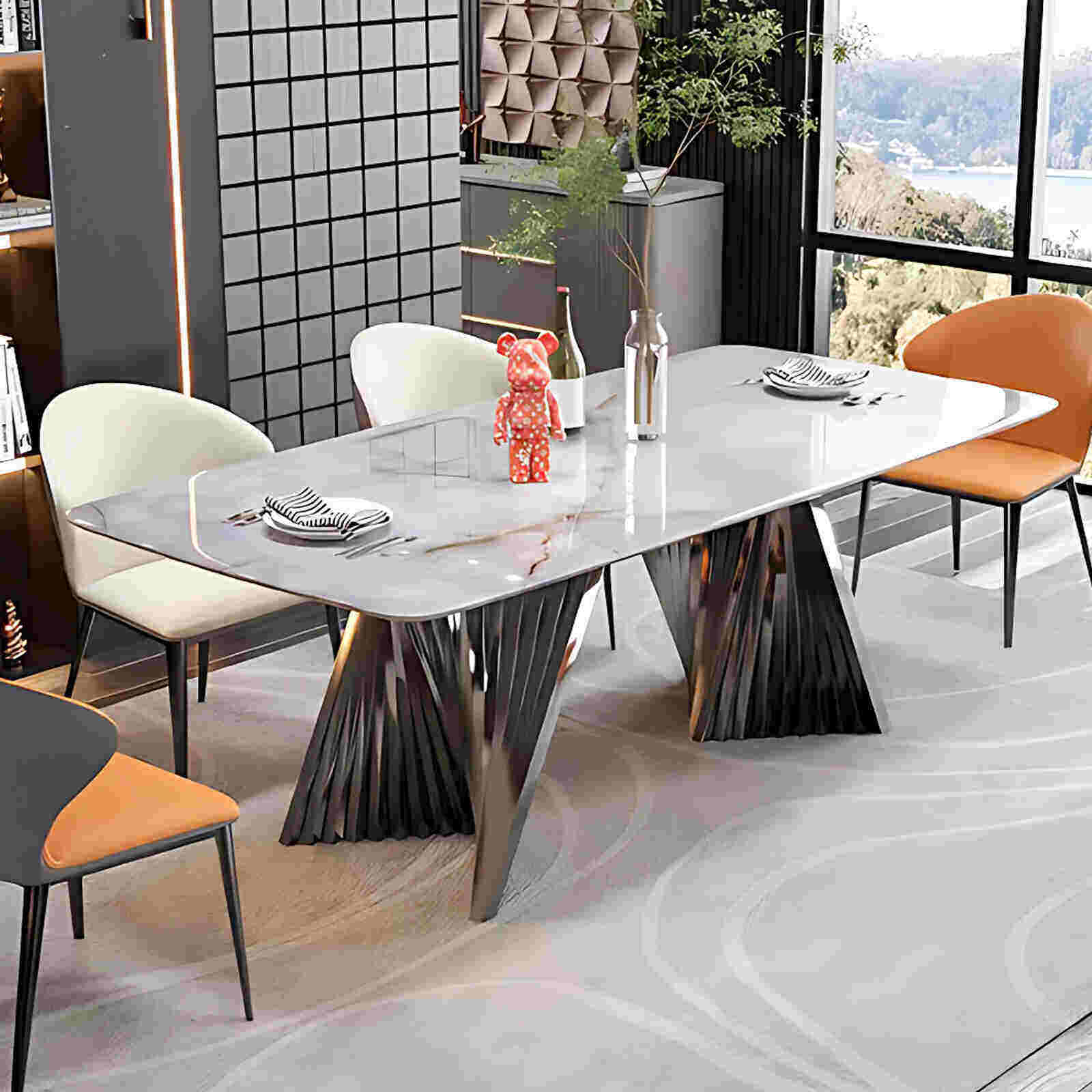
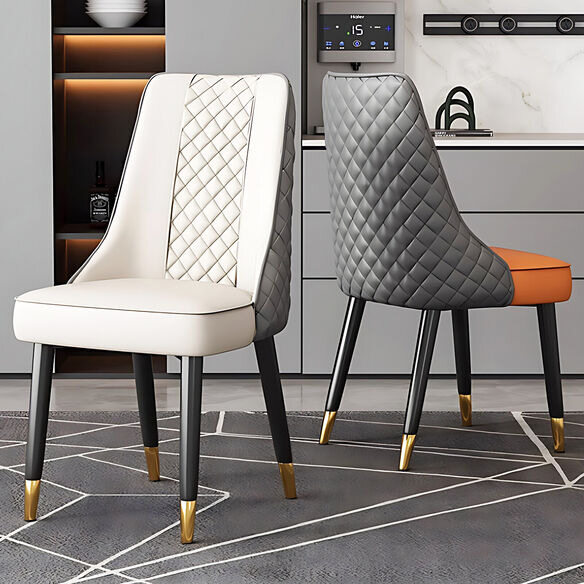


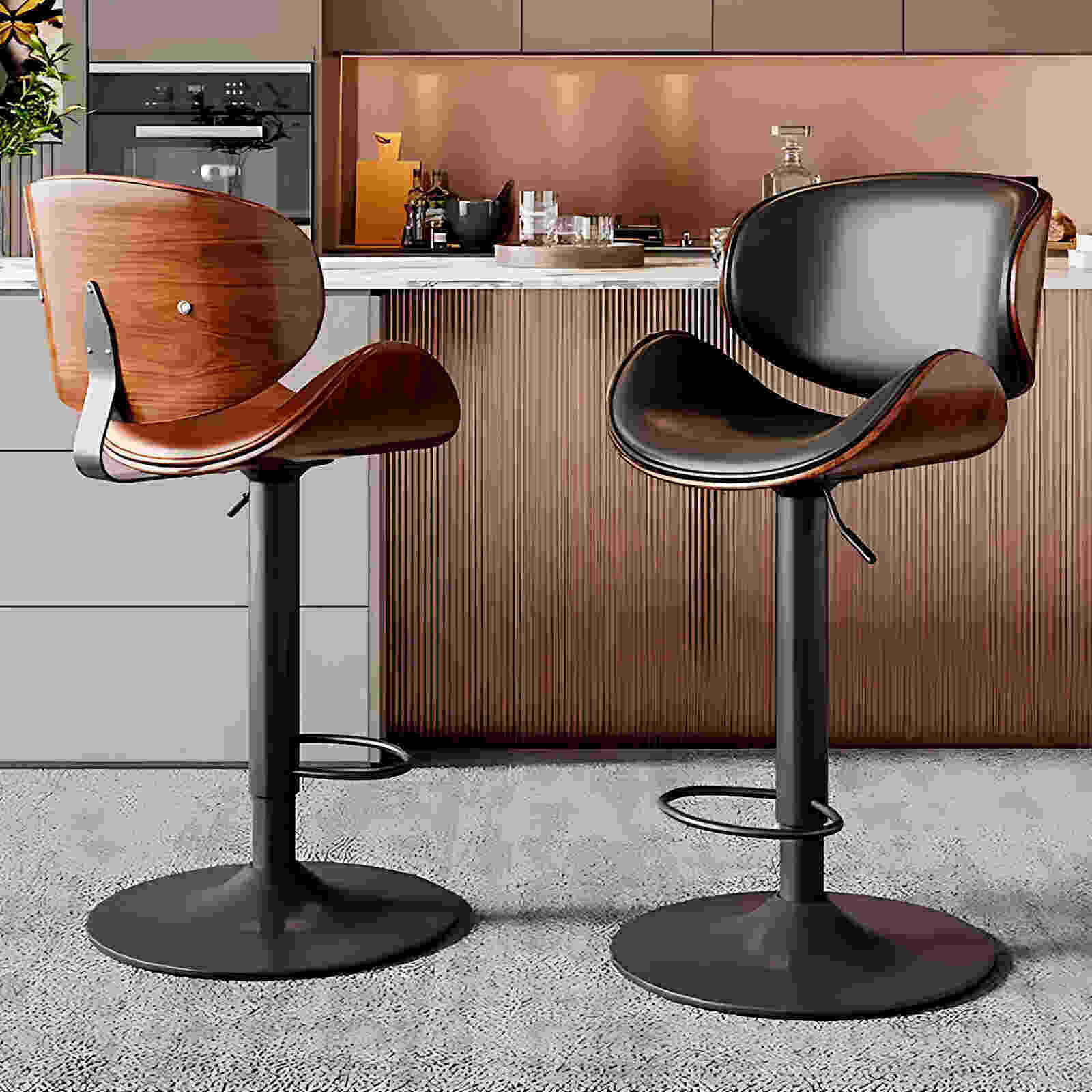















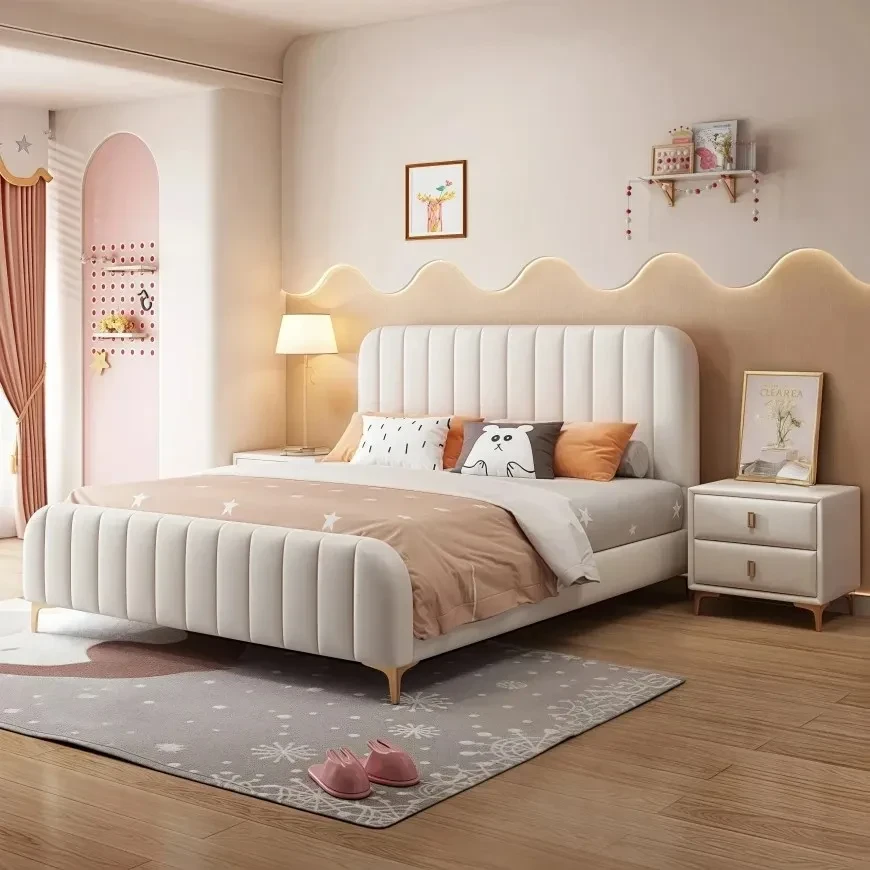


From ancient times to the present, the houses and furniture we live in have all been built with wood, reflecting the special preference and deep affection Chinese people have for wood. Since ancient times, wood has been an integral part of people's lives, embodying the Confucian ideal of "following the natural way and the unity of man and nature." This deep-rooted affinity for wood in Chinese culture can also be understood through the lens of ancient Chinese philosophy. The Five Elements theory is the foundation and core of ancient Chinese philosophy, representing the ancient Chinese theory of the formation of matter in the universe. Regarding the Five Elements, the *Zuo Zhuan* (Commentary of Zuo) states in the 27th year of Duke Xiang: "Heaven produces five materials, which the people use together; none can be neglected." Among the five elements-metal, wood, water, fire, and earth-only wood is considered to be alive. Wood represents spring, life, fertility, and vitality, symbolizing growth, prosperity, and flourishing. Therefore, it is clear that the deep-rooted affinity for wood in China is rooted in the ancient Chinese philosophy of the Five Elements.
In ancient times, people used wood for pillars, beams, and dwellings. From ancient times to the present, wood has contributed to everything from basic necessities like food, clothing, shelter, and transportation to the formation and development of natural sciences and the creation and enrichment of literature and art. Wood is the foundation and core of human culture and civilization.
Wood is considered the spirit of all things, possessing a strong life force yet a gentle nature. The fragrant cedar, in particular, grows without branching off, remaining steadfast and neutral, rooted in its native habitat, benefiting all living beings. It embodies qualities such as tranquility, focus, introversion, and self-discipline. Since the dawn of recorded history, the fragrant cedar has been a primary material for ships, bridges, buildings, and homes in my country. Generations of people in mountainous areas have relied on the mountains for sustenance, creating and passing down the culture of the fragrant cedar through their daily lives. The fragrant cedar has accompanied the progress of Chinese civilization for thousands of years.
Chinese cedar contains cedrol, a natural health-promoting compound that offers advantages such as corrosion resistance, water resistance, insect and mite resistance, and antibacterial and anti-inflammatory properties. This is why people in southern China rely heavily on Chinese cedar for their food, housing, and transportation. While the south has many types of timber, the choice of Chinese cedar represents the wisdom and ingenuity of its people, highlighting its irreplaceable role in the course of human civilization.
Fragrant cedar solid wood eco-boards inherit the advantages of wood, with a warm color and excellent softness, giving people a sense of intimacy and harmony. Especially in today's fast-paced world, people are eager to have a natural and stable wood lifestyle, to touch the true essence of life through the wood. So how do we interpret wood culture?
Today, people are using raw wood in whole-house wood furniture products, and the group is also continuing to inherit and develop this unique "wood culture": selecting high-quality wood to give the furniture an extraordinary temperament. Feel the passage of time in nature, understand the way of life, explore the essence of wood culture with the heart of a craftsman, and combine it with modern urban life to create a unique "raw wood life".