
 USD
USD GBP
GBP
 EUR
EUR
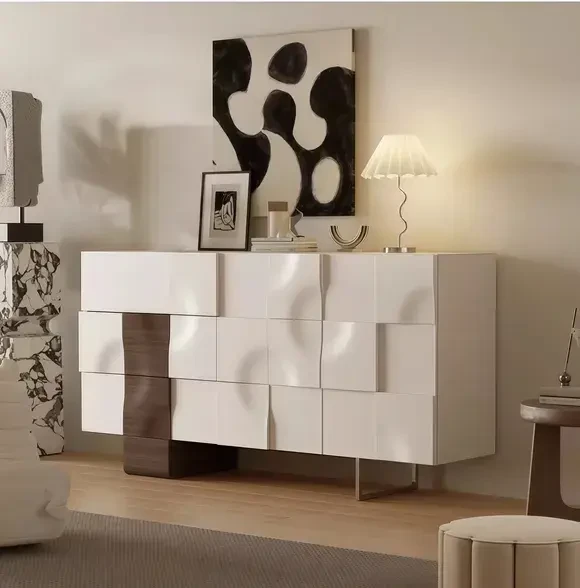
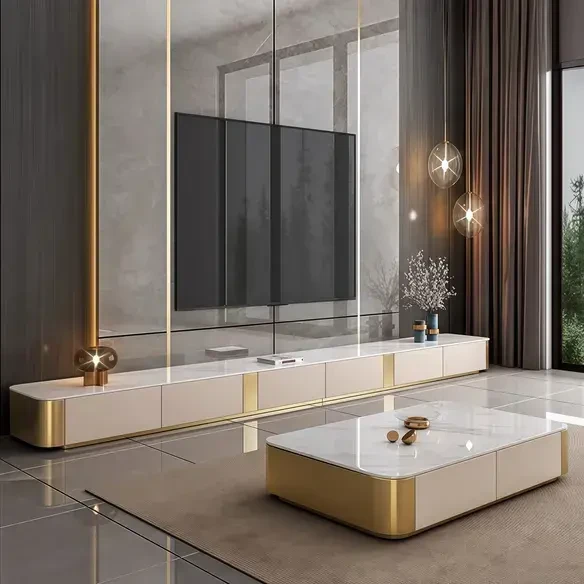
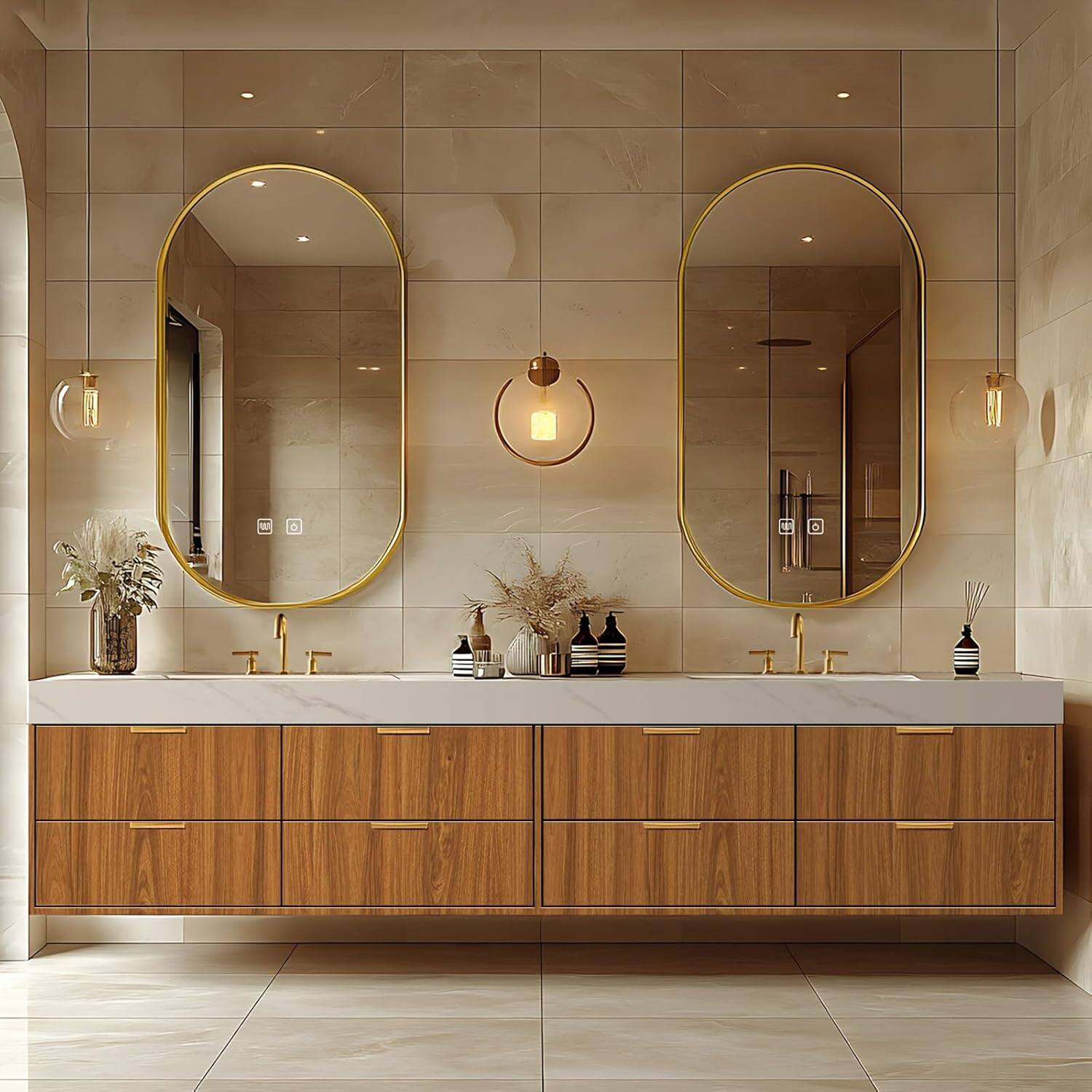
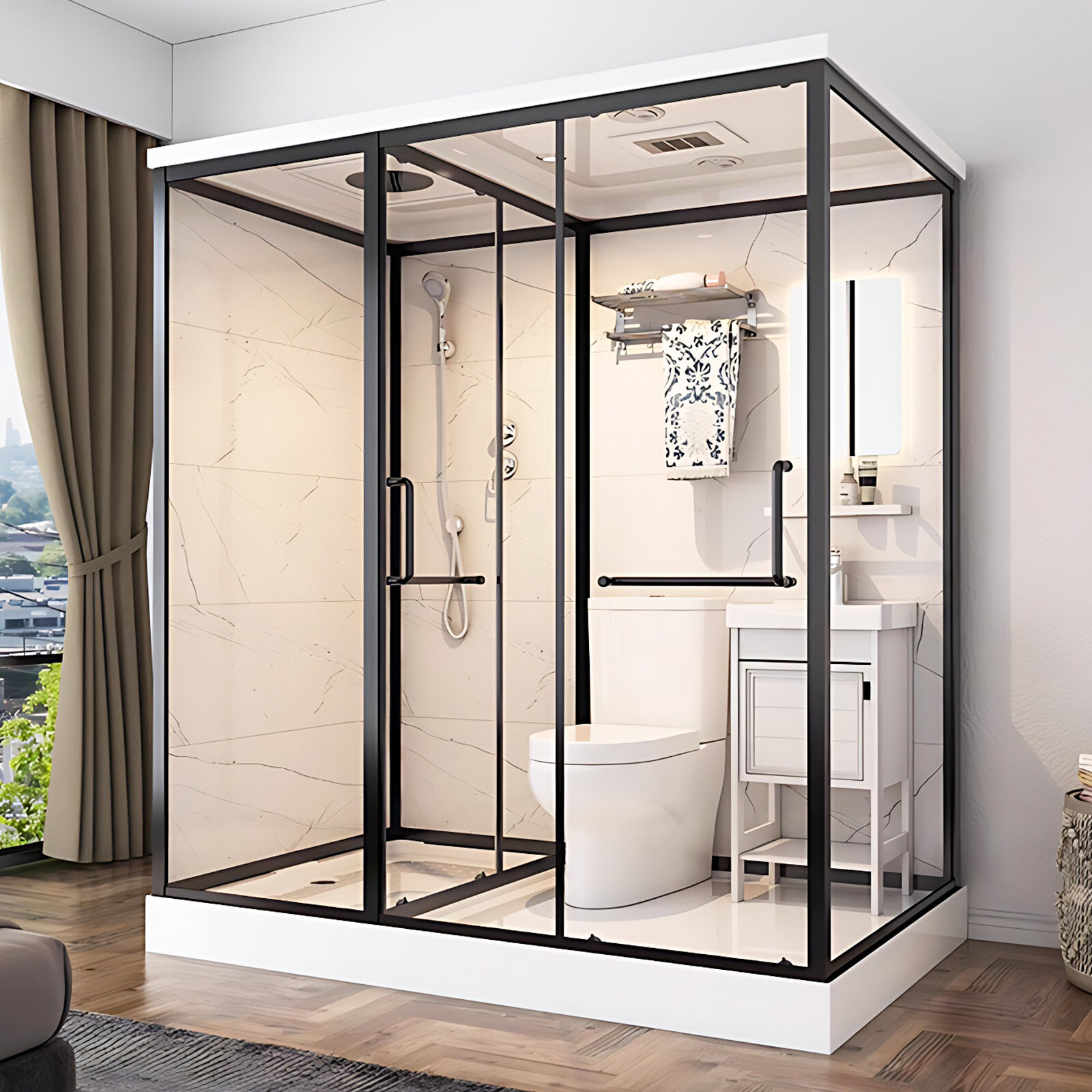
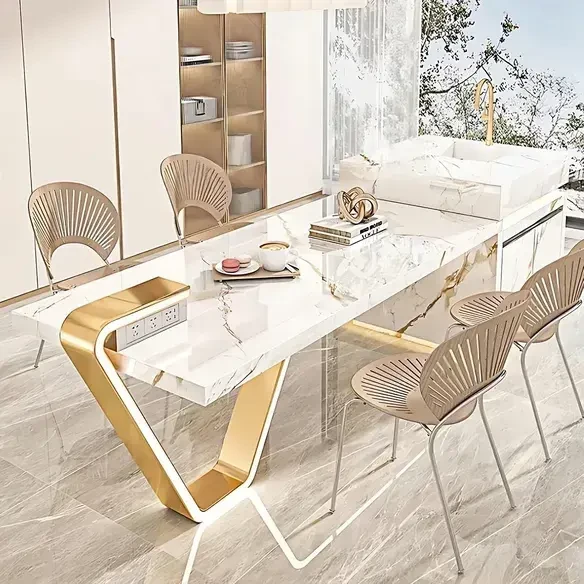
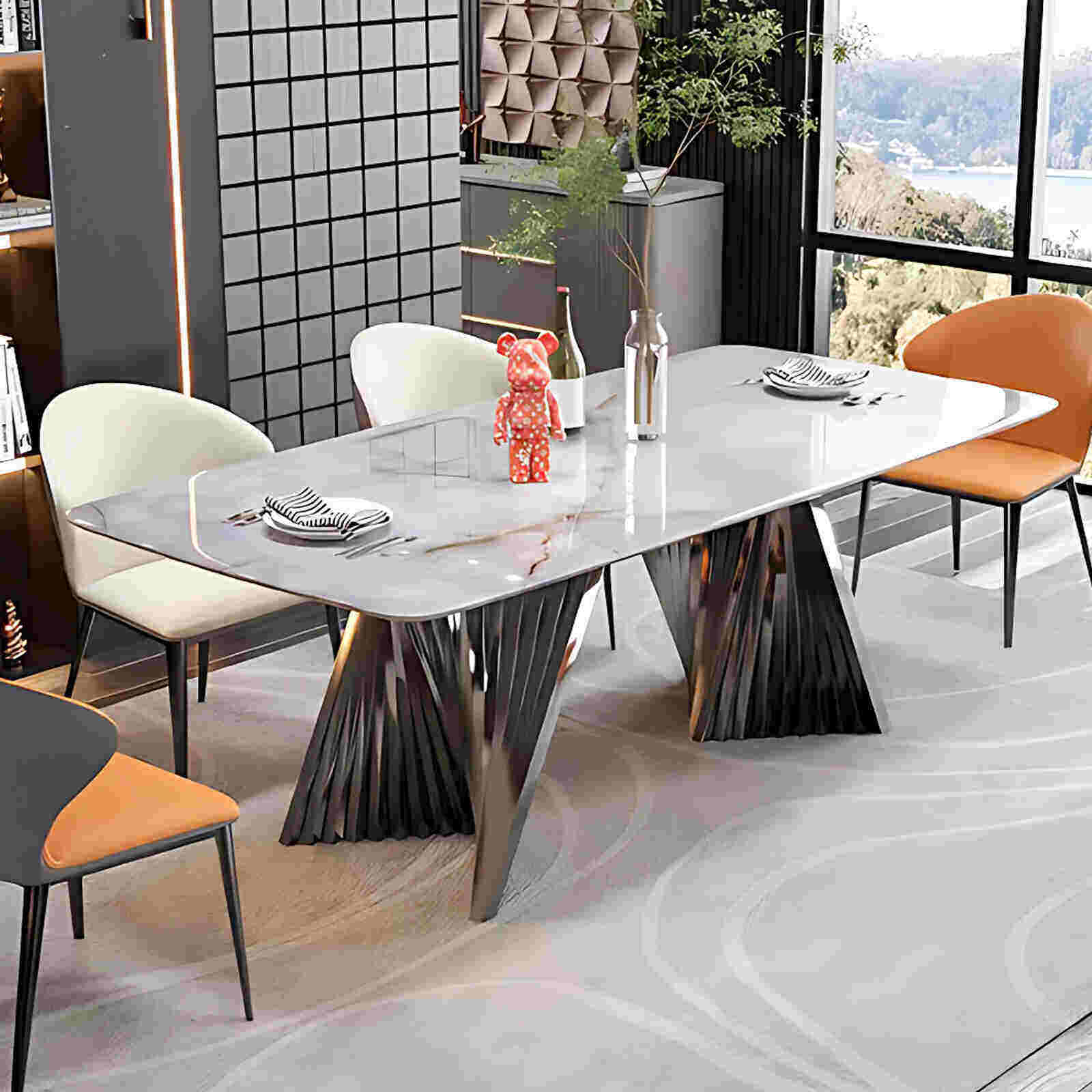
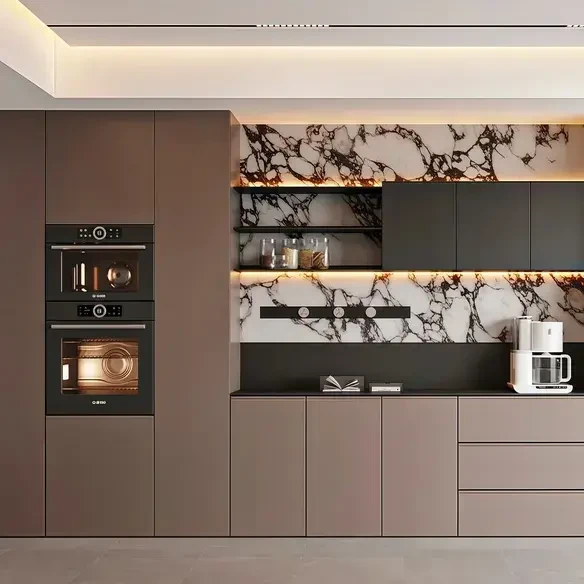
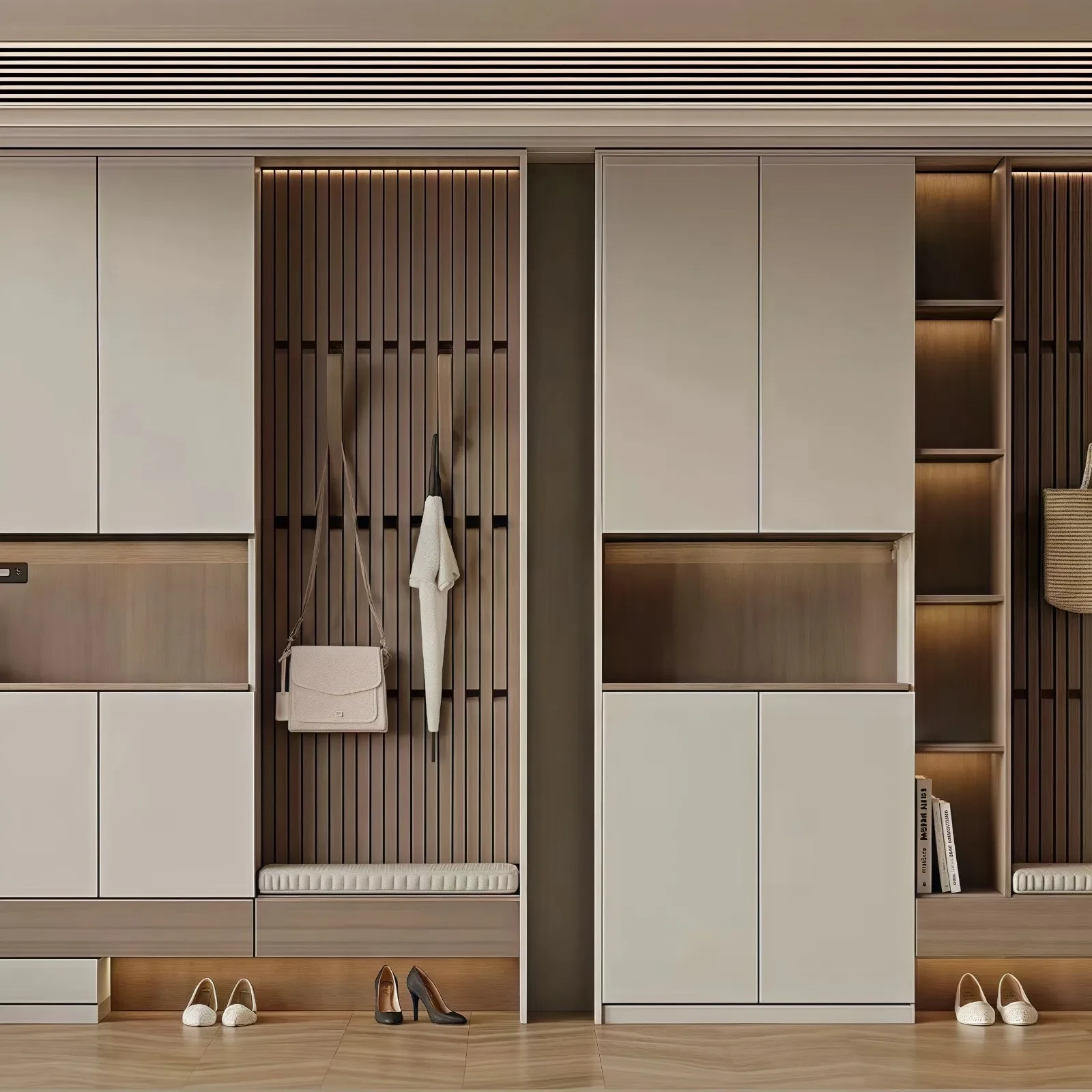
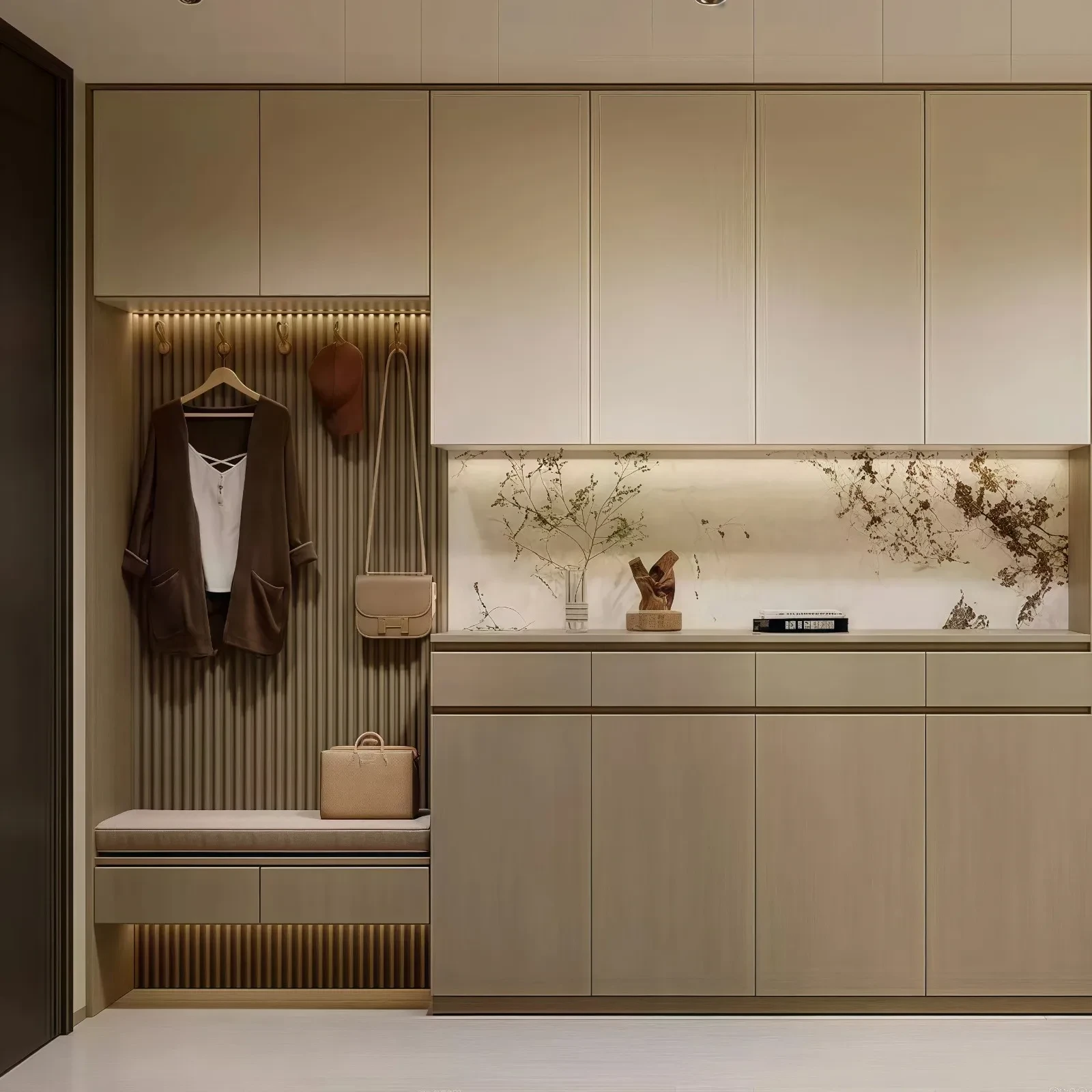
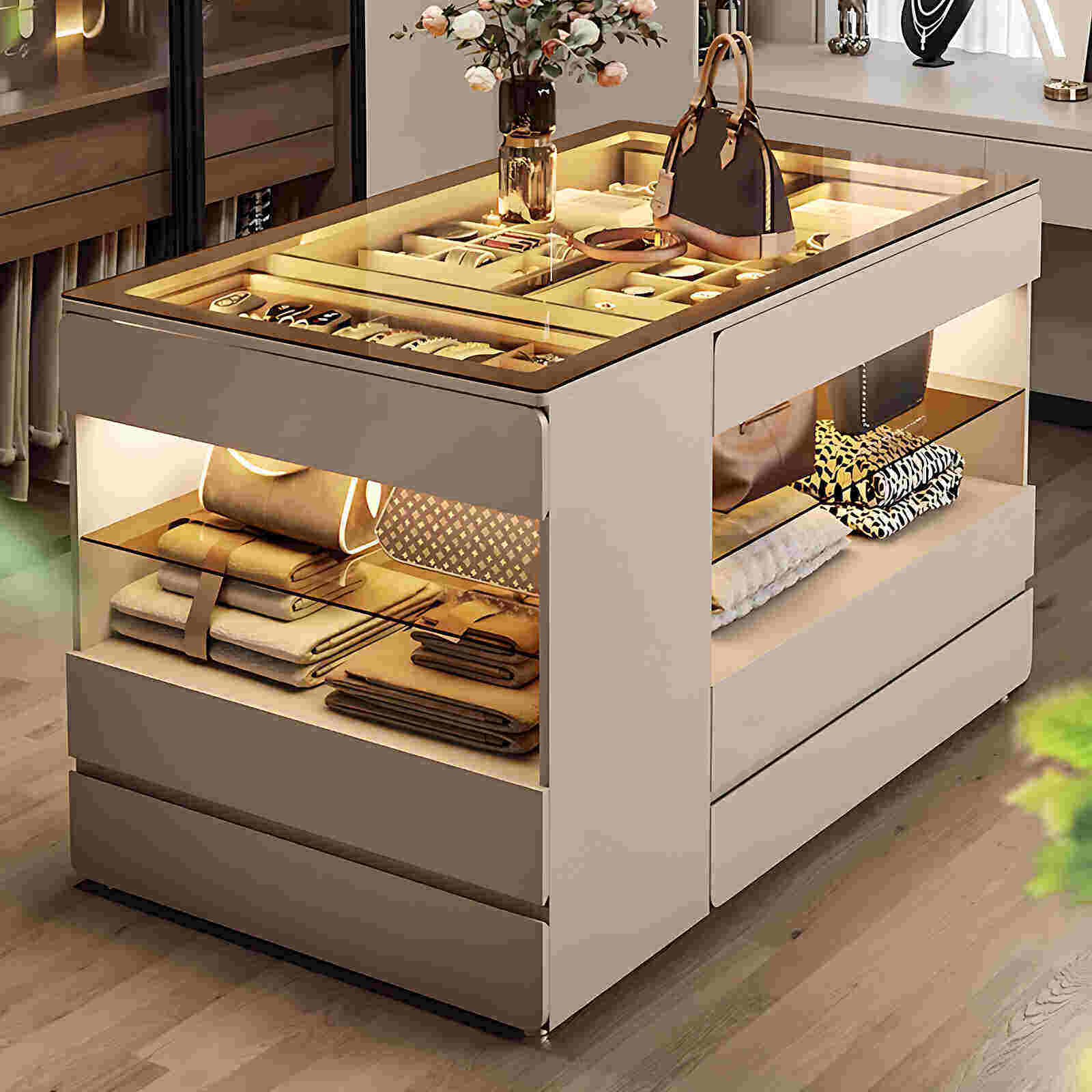
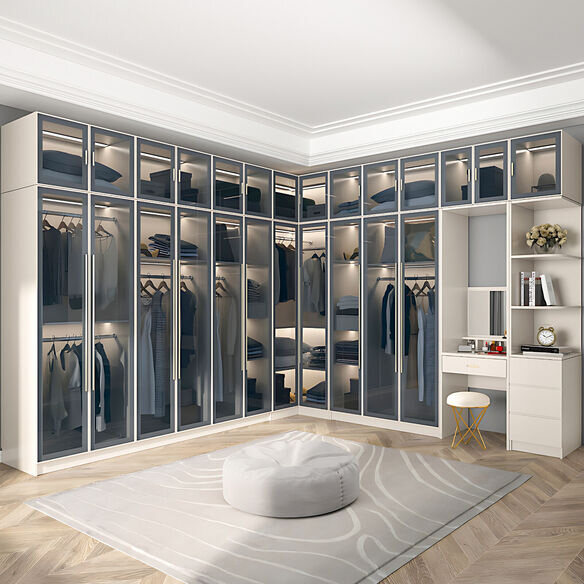
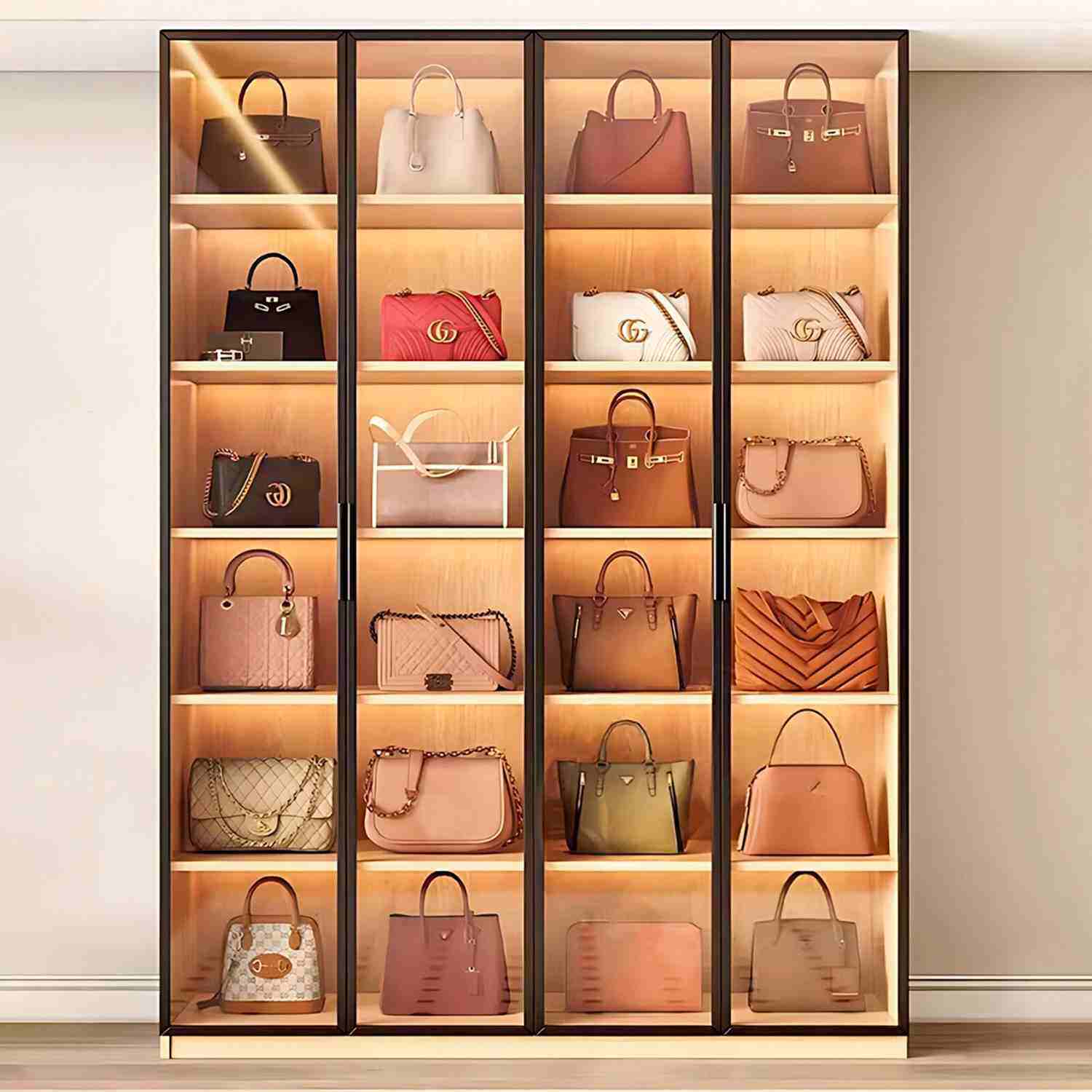
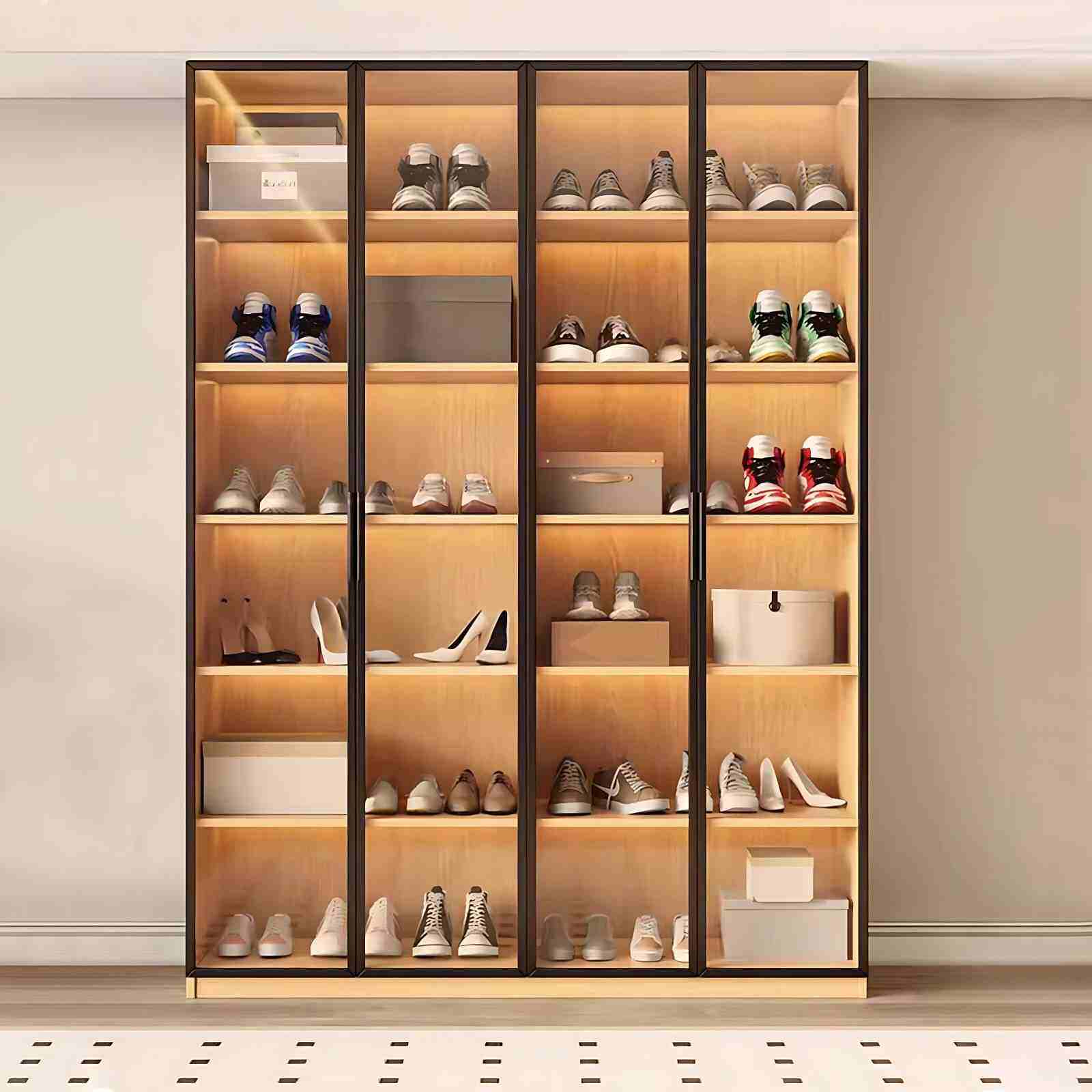
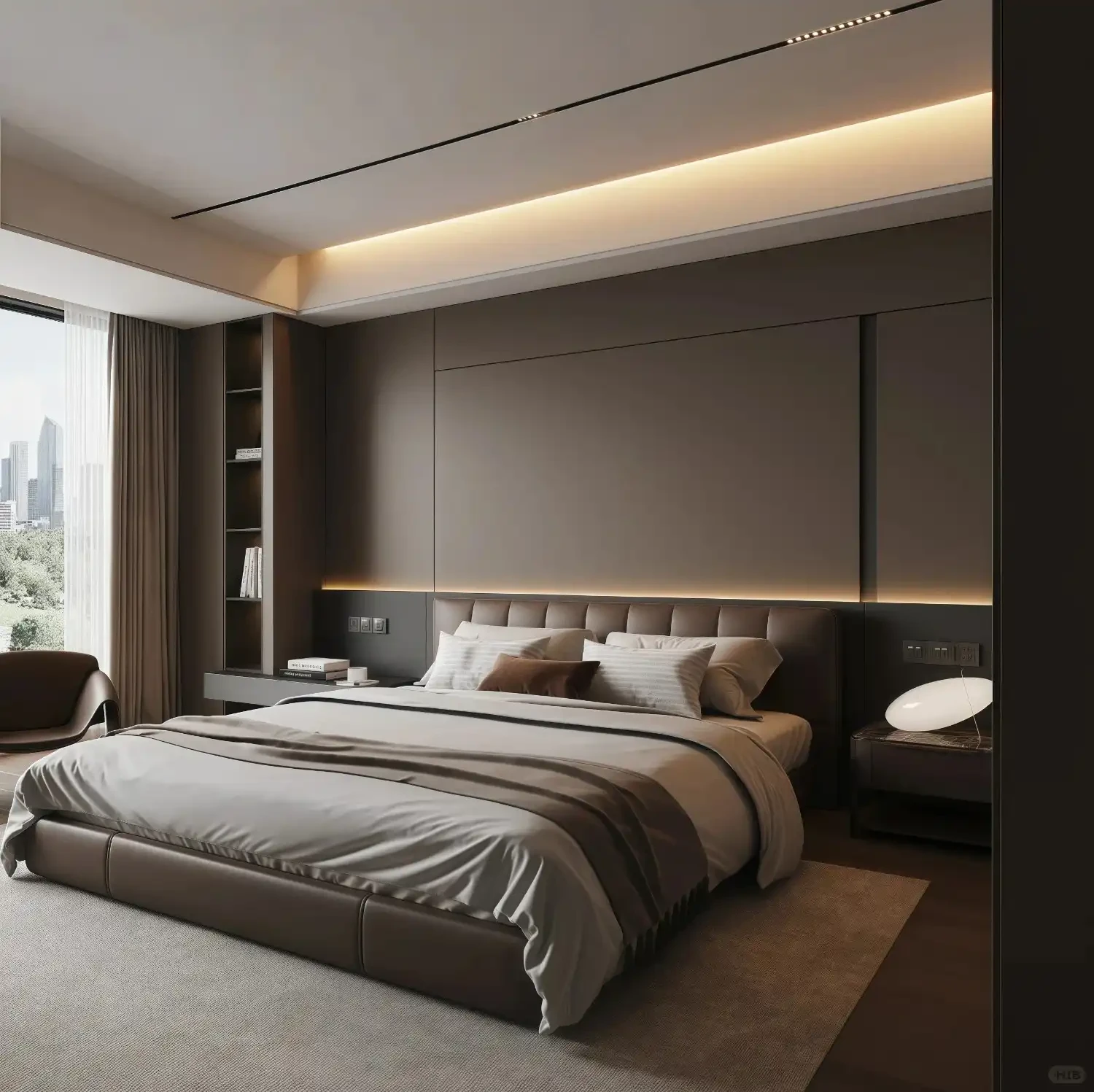
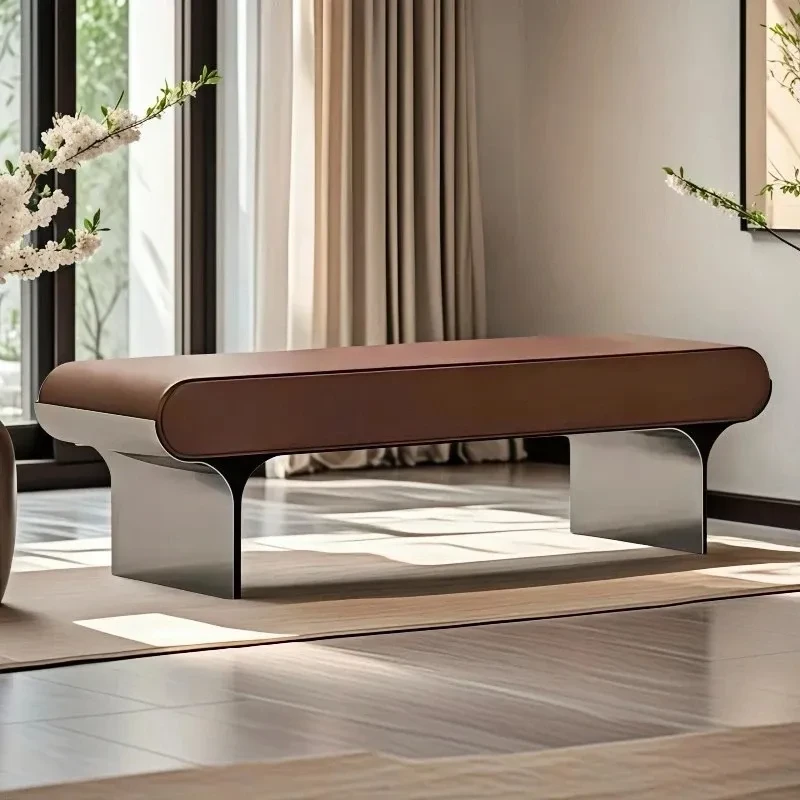
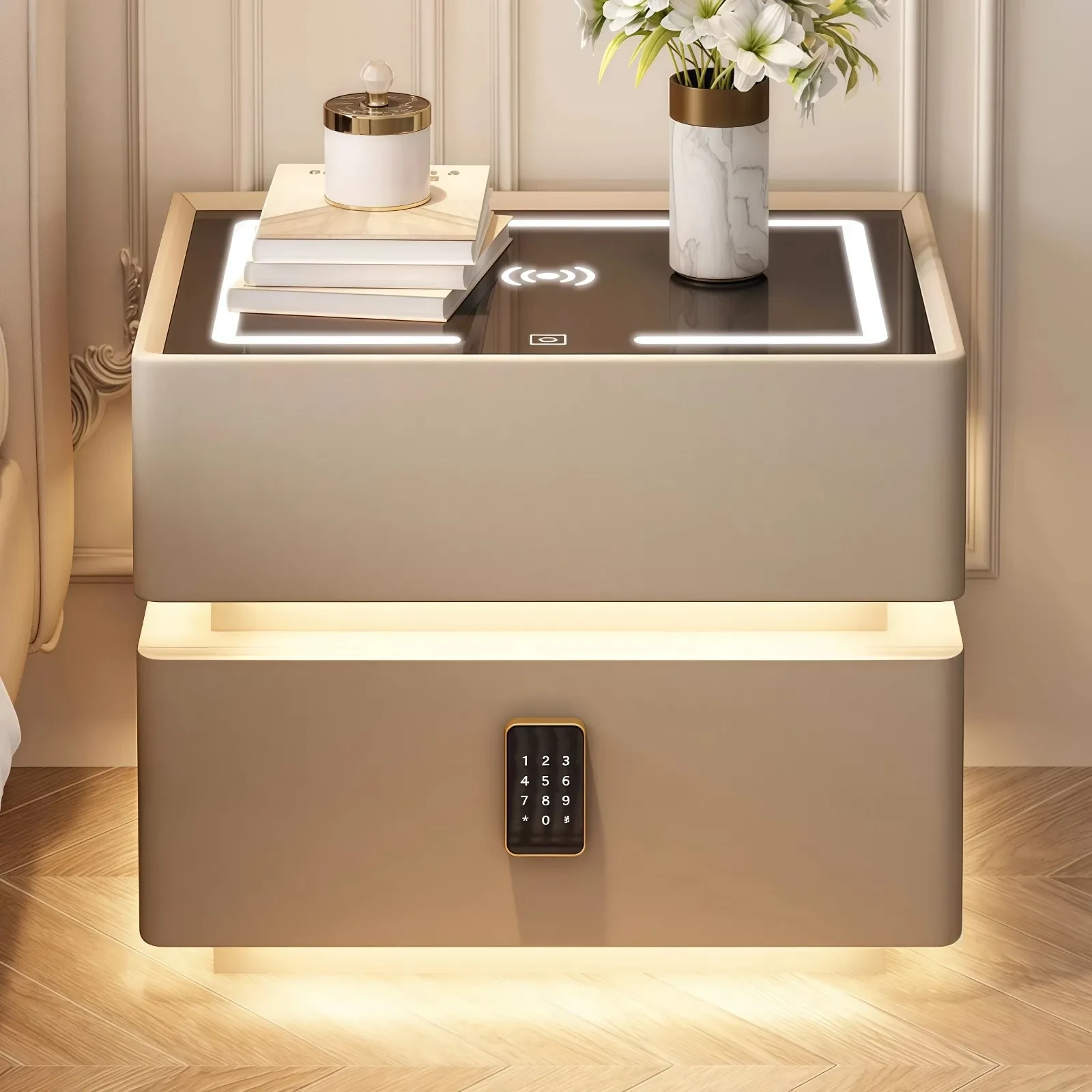
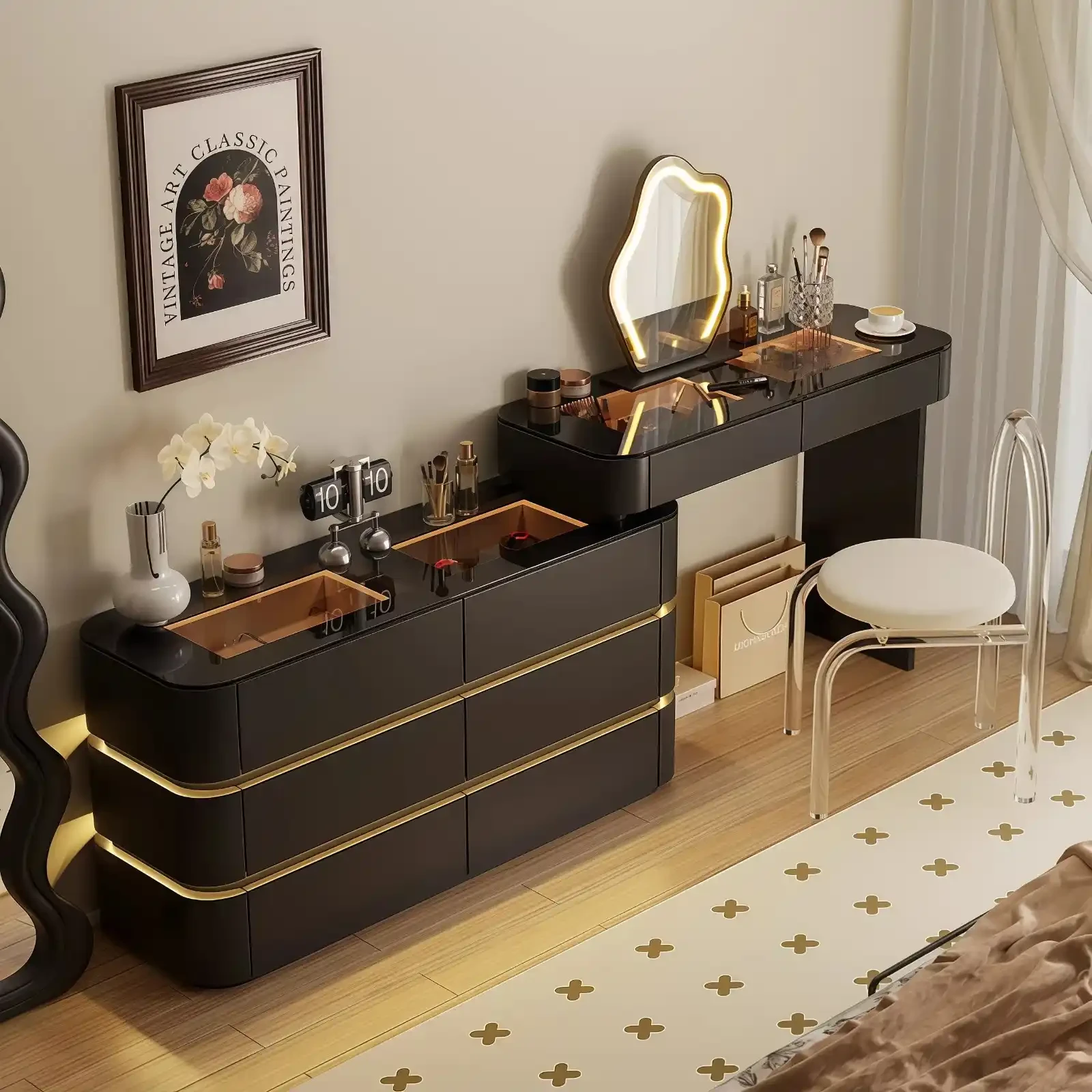
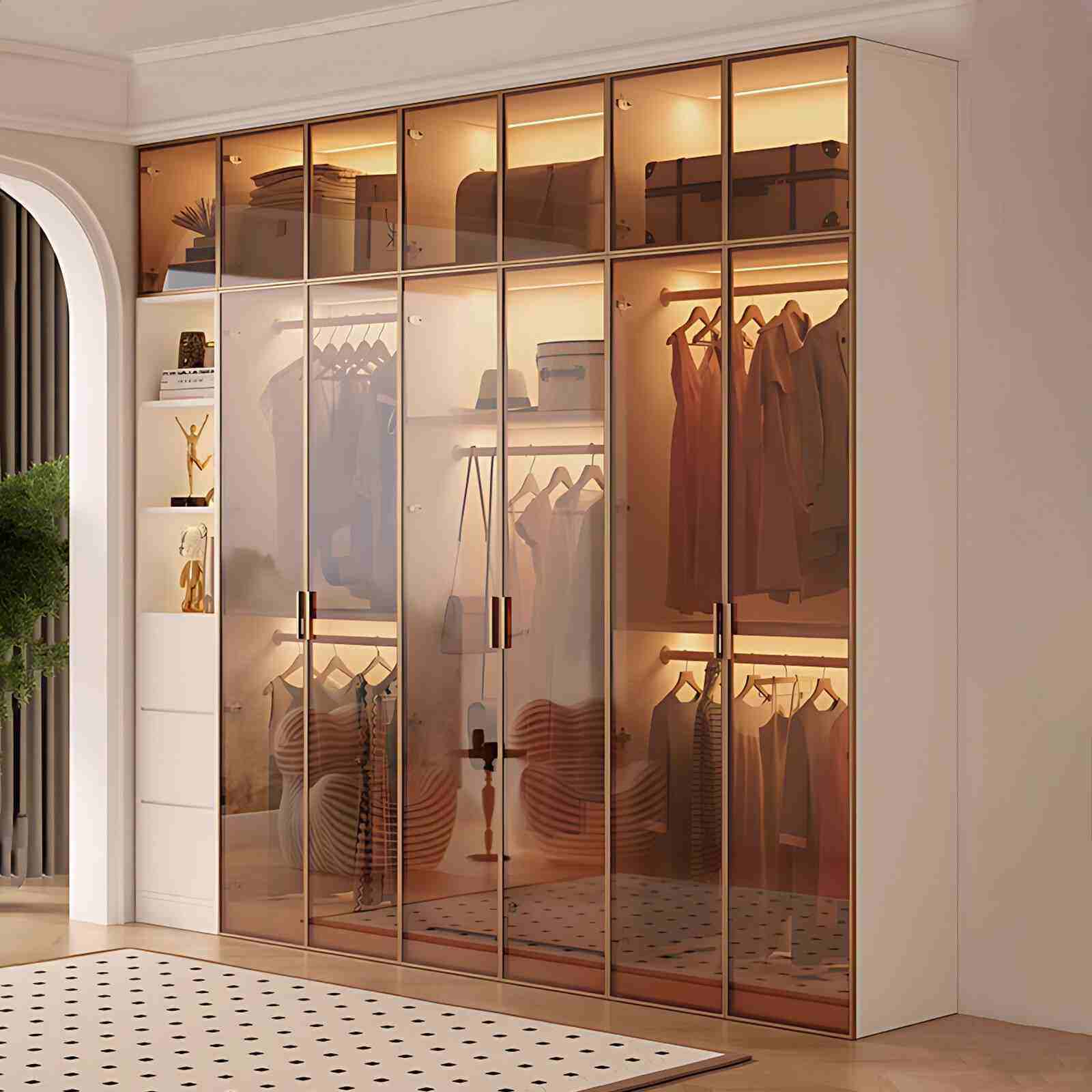
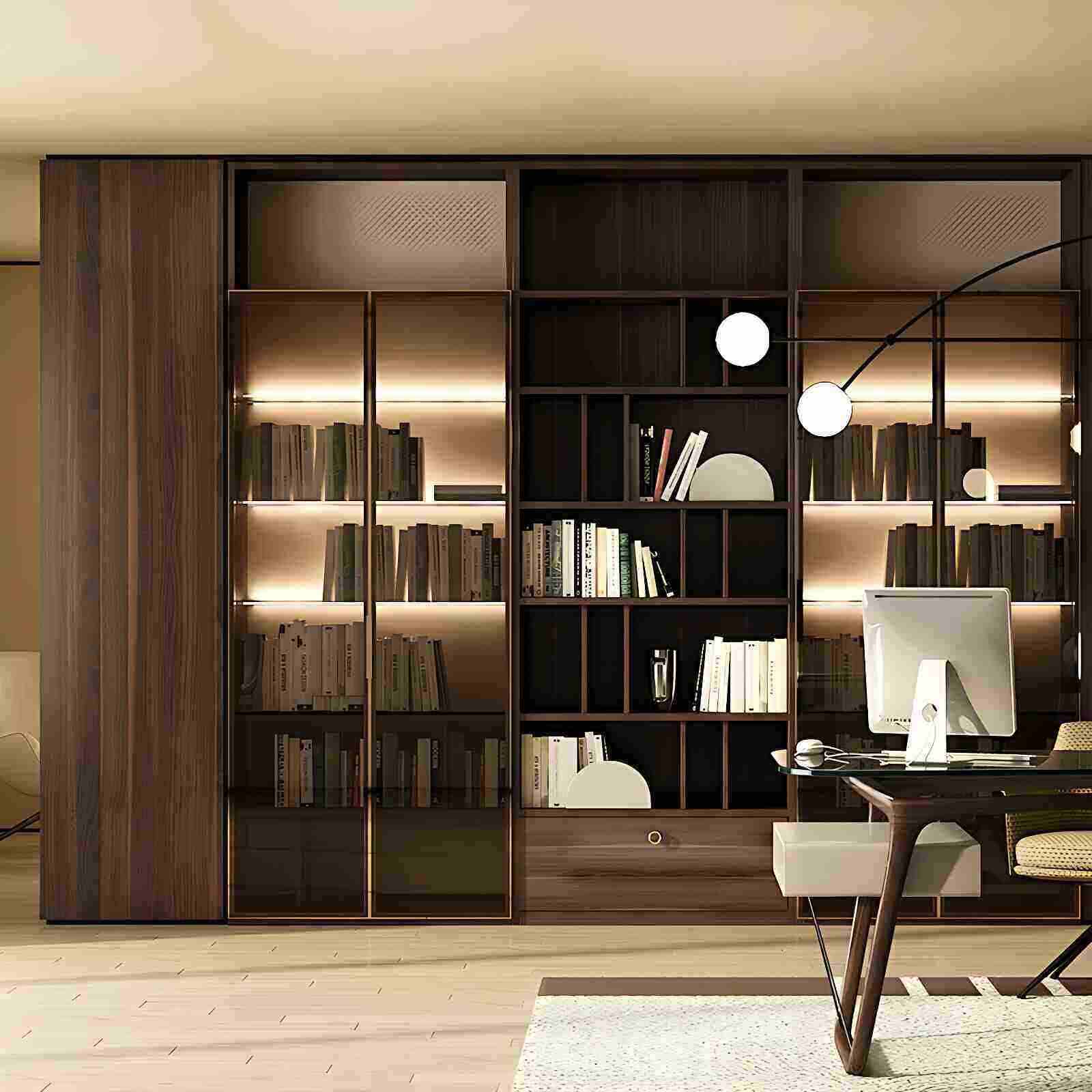
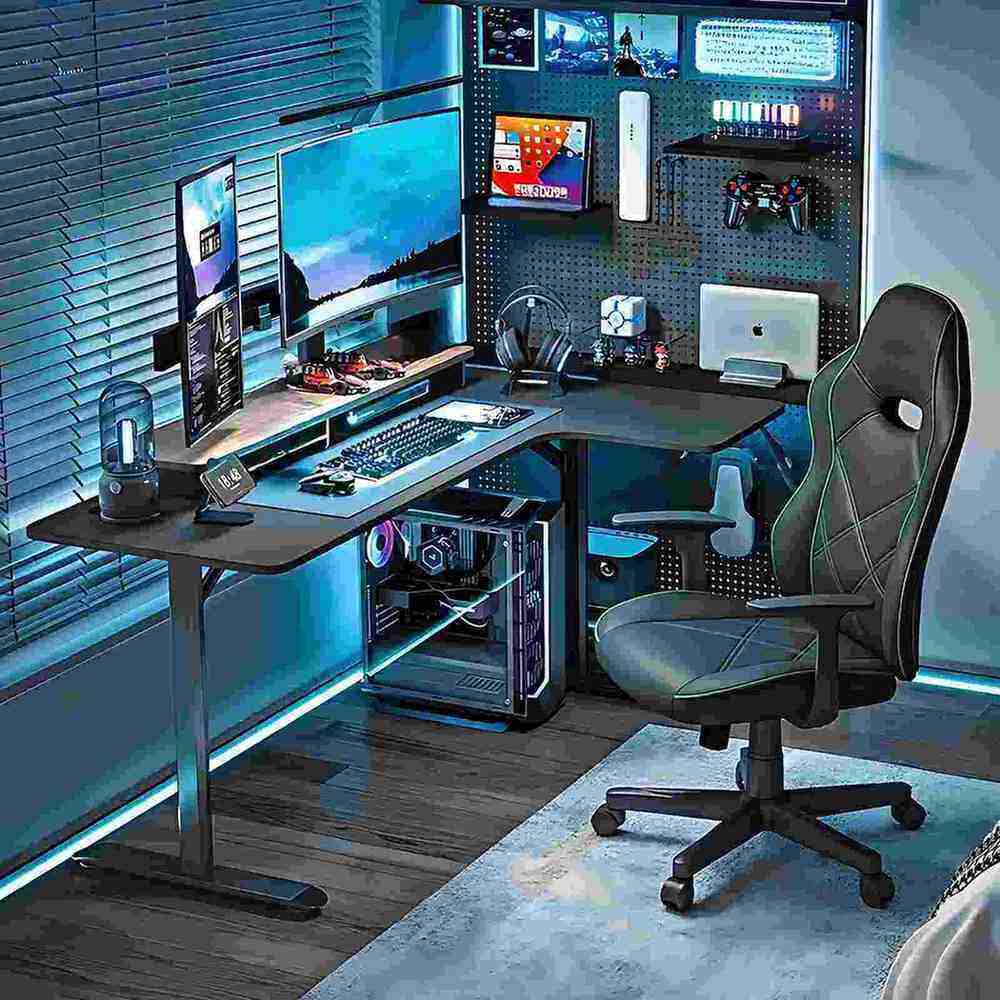
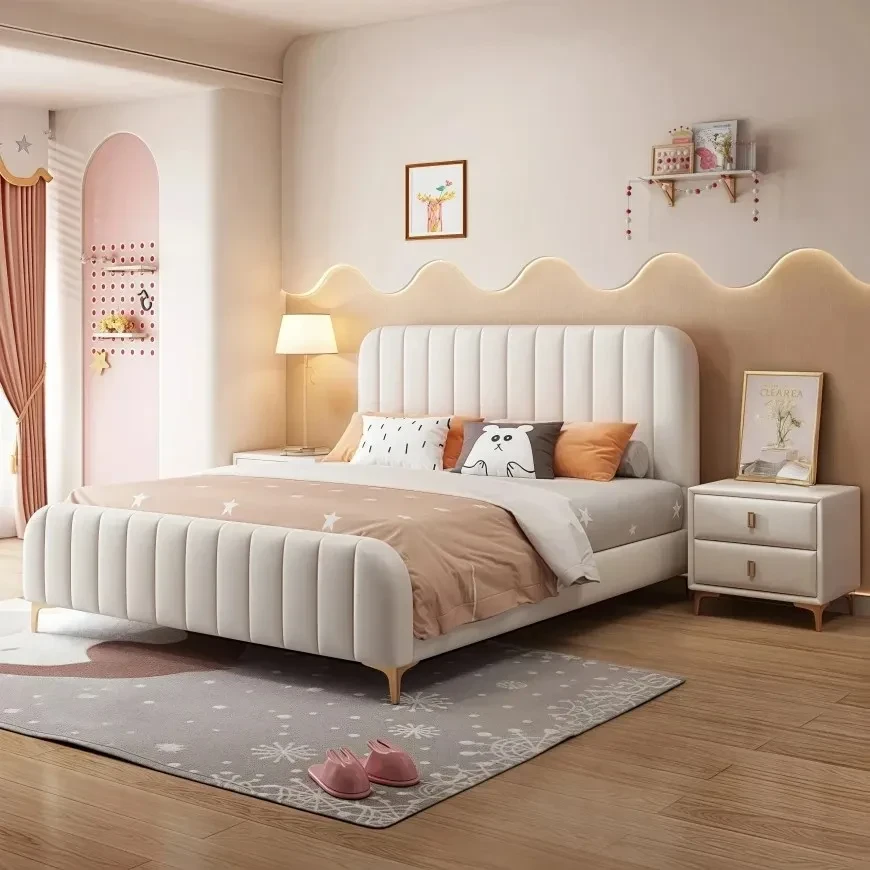
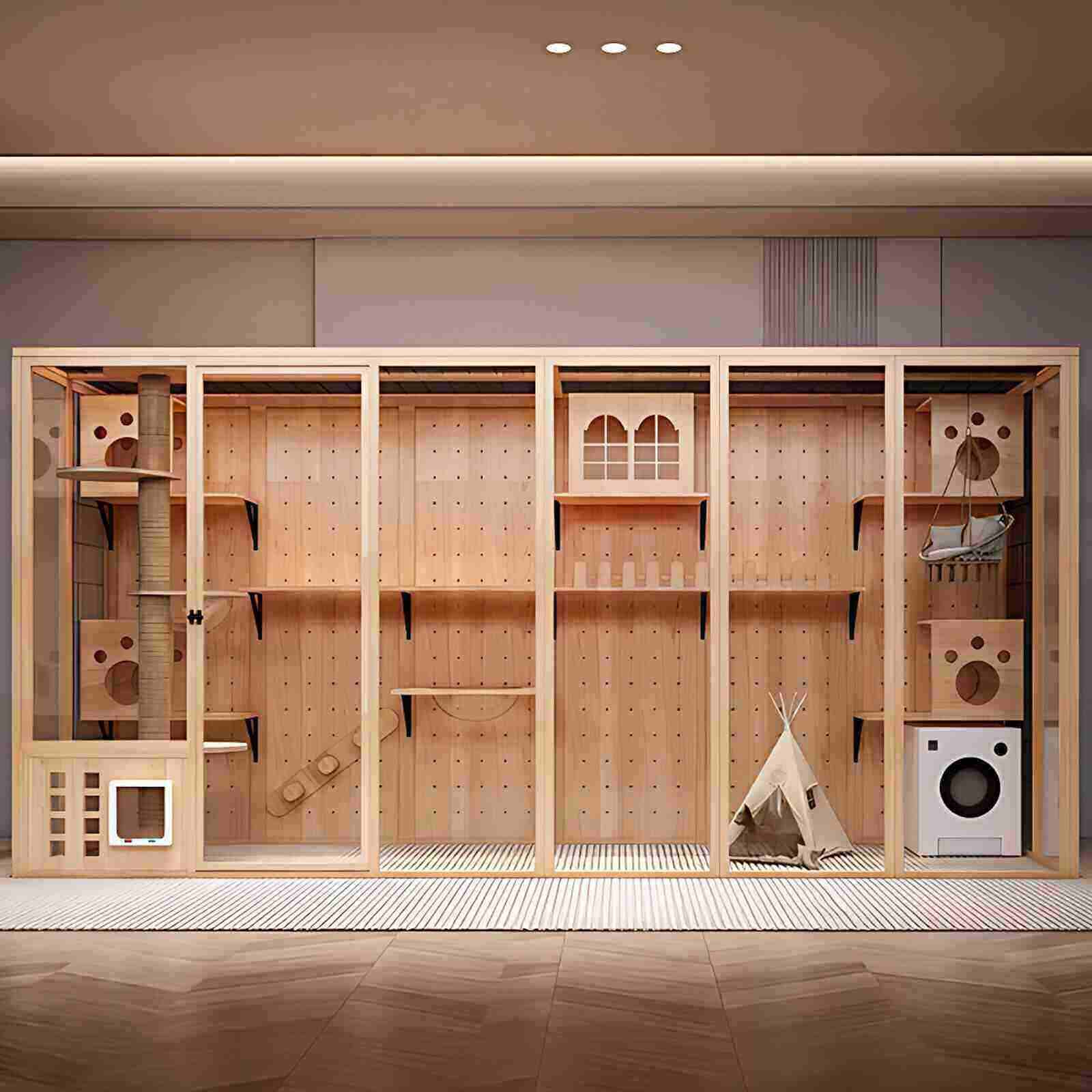
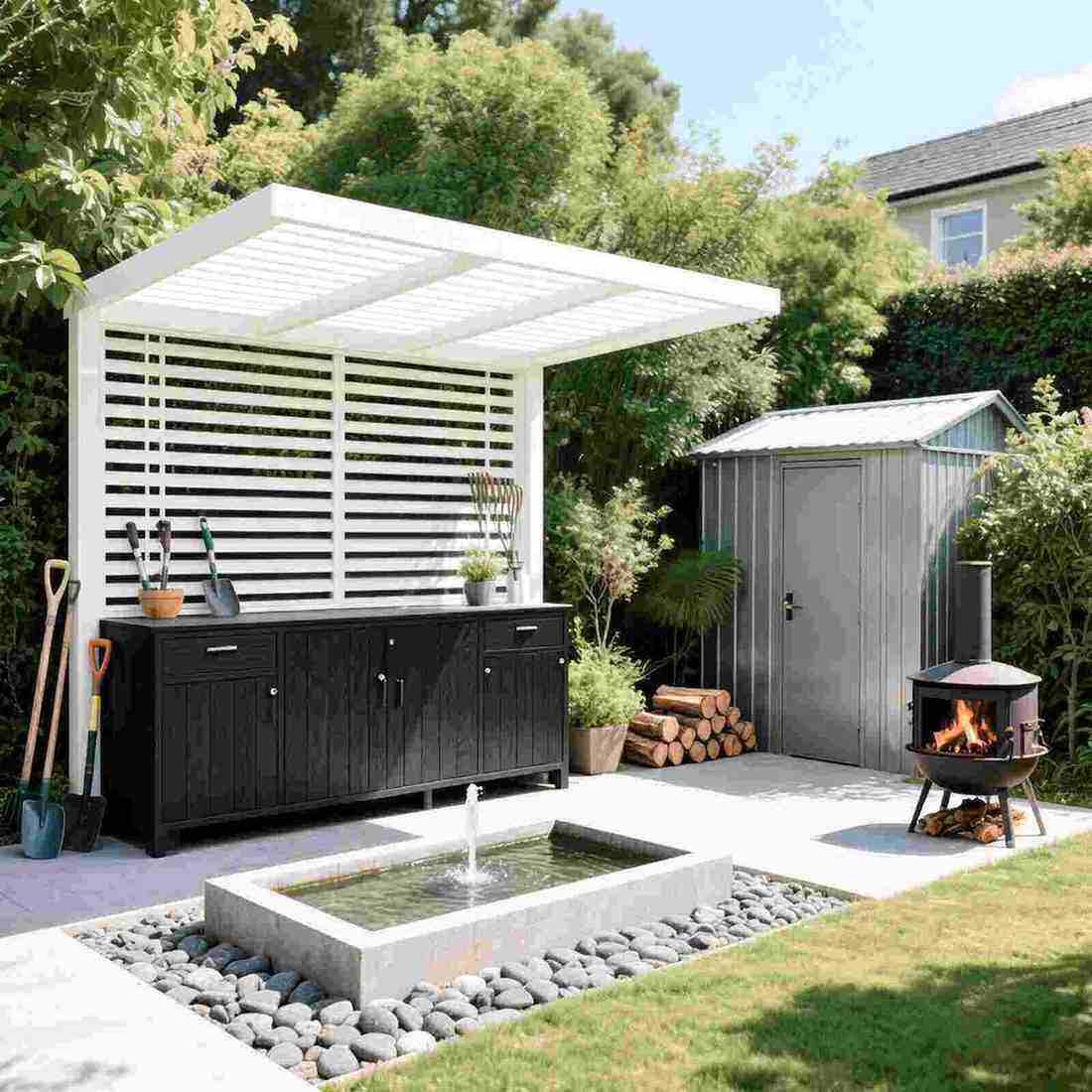
In winter, the sudden drop in temperature makes wood panels susceptible to the effects of climate and environment, causing them to expand and shrink due to moisture, leading to changes in moisture content and problems such as cracking and deformation. Therefore, to effectively prevent wood panels from cracking and deforming, proper maintenance is essential. To properly maintain wood panels, we must first understand the main cause of cracking-moisture content.
Changes in moisture content are the main cause of cracking in wood panels. The internal moisture content of the wood panel maintains an equilibrium value to adapt to the environment.
When the moisture content of the board decreases, the board will absorb moisture from the air, causing it to expand and deform; when the moisture content of the board increases, dry air will absorb moisture from the board, causing the board to shrink in volume and crack.
Clever ways to store and protect boards
Proper humidification
Common methods include using humidifiers or placing plants that promote indoor humidity, such as pothos or lucky bamboo. However, excessive humidification should be avoided, as it can cause problems like board swelling and deformation. The ideal humidity level is generally between 40% and 60%.
Keep away from heat sources
In the freezing winter, some customers worry about the boards freezing and use heaters to warm them. However, boards are also susceptible to damage from high temperatures. Prolonged exposure to high temperatures can cause them to lose moisture, leading to localized cracking and warping. Therefore, if using a heater, the boards should be kept at a certain distance from the heater to avoid damage from excessive heating.
Avoid direct sunlight
Although the winter sun is not as intense as the summer sun, prolonged exposure to sunlight, combined with the already dry climate, can make the boards more prone to cracking and localized fading. Therefore, it is best to cover the surface of the boards with a protective film.
Pay attention to surface maintenance.
Avoid placing excessively heavy items on the furniture for extended periods, as this can cause the furniture to deform or crack due to excessive external force. When placing heavy items for short periods, place a soft cloth under the heavy object. Avoid contact between the furniture surface and corrosive chemicals such as acids and alkalis.
Adjust the temperature appropriately
After heating is turned on in northern regions, the large temperature difference between indoors and outdoors can cause furniture boards to crack and warp. Generally speaking, the indoor temperature is best kept below 28℃, and the height of the furniture should be appropriately raised off the ground depending on the temperature changes.
Reduce window ventilation
In winter, indoor humidity is higher than outdoor humidity, and opening windows for ventilation will make the indoor air even drier. For indoor wood-based panels, the time and frequency of window ventilation should be reduced to maintain suitable humidity, and the panels should not be placed near air vents.
Choose these if you're afraid they'll crack.
Southern climates are rainy and humid, so it's necessary to keep the home environment dry to prevent mold; northern climates are dry and cold, so it's important to maintain humidity in the home to prevent cracking and warping. Are there any wood-based panels suitable for both northern and southern climates that you would recommend?
LSB's premium custom-designed boards, starting with controlling the moisture content of the shavings, maintain the internal moisture content of the finished boards stably between the optimal range of 8-16%. Tested by a third-party authoritative testing agency, the 24-hour thickness expansion rate after water absorption is 5.3%, exceeding national standards and suitable for use in humid environments such as bathrooms and kitchens.
The decorative panel series uses premium eucalyptus wood as the base material and a multi-layered core material. The upper and lower surfaces are covered with imported pine wood shavings. After being hot-pressed at high temperature, it can perfectly lock in an 8-16% golden moisture content, which not only better adapts to climate change but also effectively improves the stability of the panel and effectively resists cracking and splitting.
F-OSB2 decorative panels are made from carefully selected high-quality pine wood from regions between 34° and 47° south latitude. They are processed into long, thin planks of uniform thickness using an advanced long wood planer, and then oriented into five layers. They are then hot-pressed at high temperature to form a single piece, resulting in significantly improved stability and enhanced resistance to deformation and cracking. This makes them ideal for manufacturing high-requirement door and wall panels.
The storage and maintenance of boards should not be taken lightly, and the selection and use of boards should be even more cautious. Qiannianzhou starts with the selection of raw materials, and goes through manual maintenance, refinement, and precision manufacturing. It strictly controls every step and conducts multiple tests on each finished product, all to create a healthy board that embodies culture, technology, and style, and to build a better life with high-quality boards.