
 USD
USD GBP
GBP
 EUR
EUR






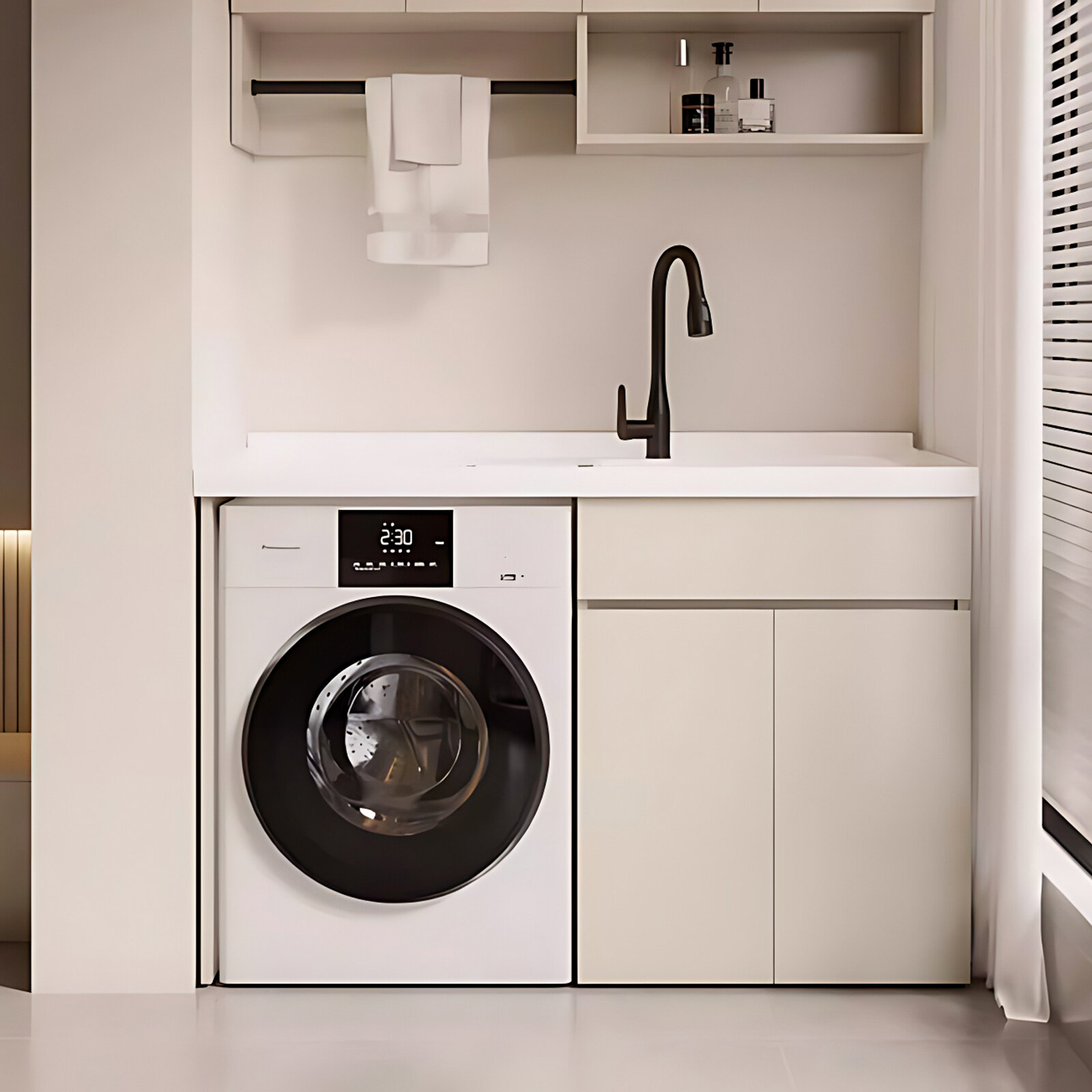
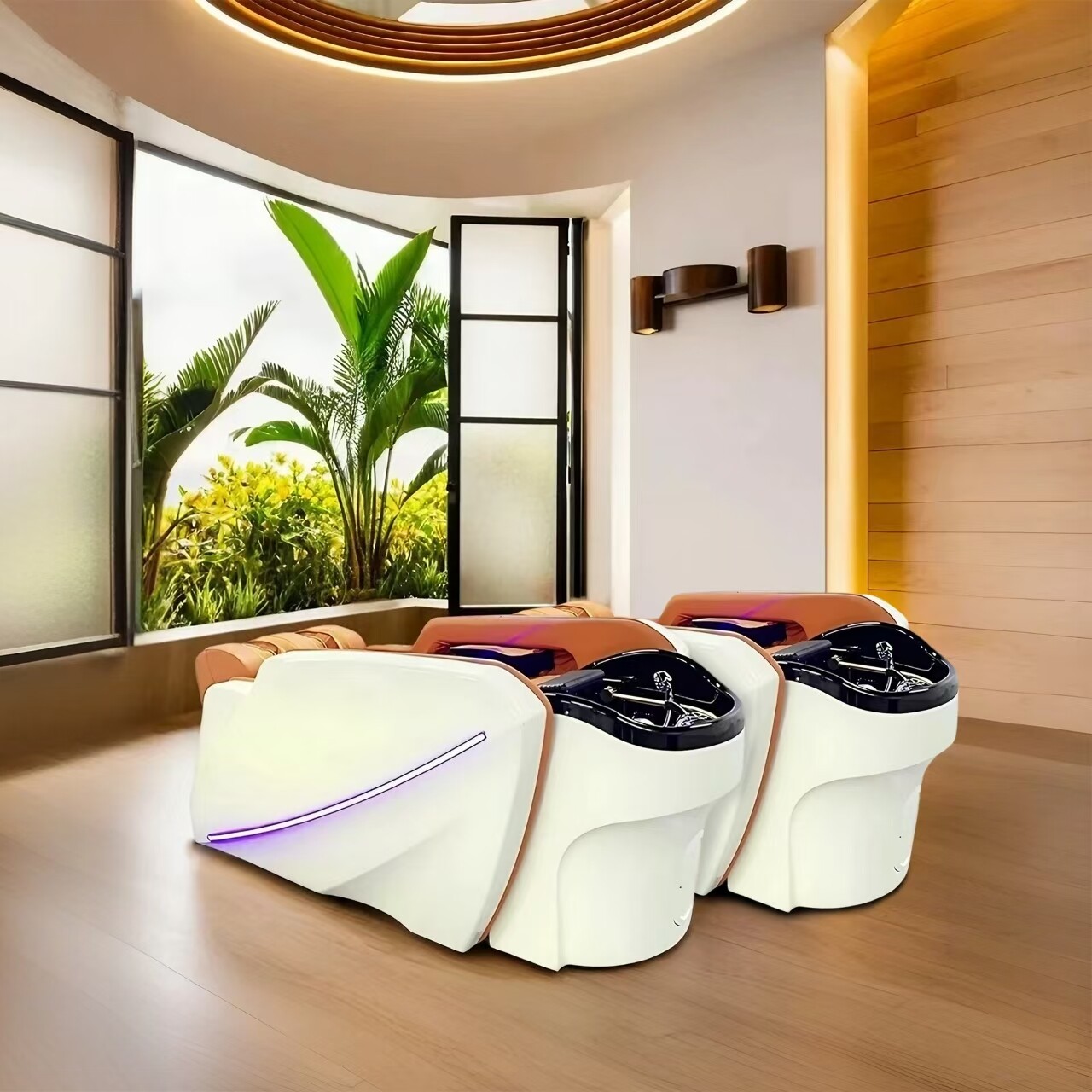

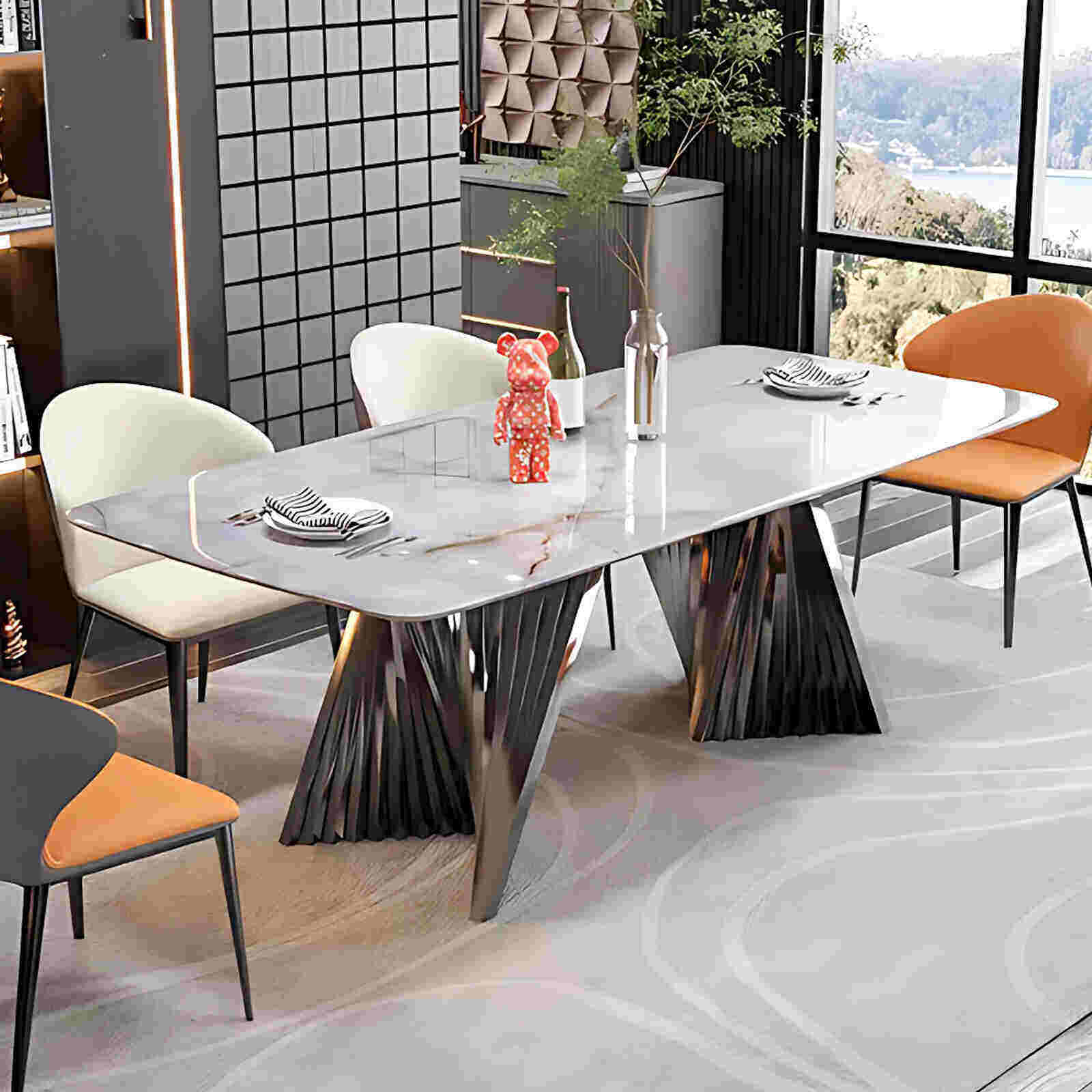
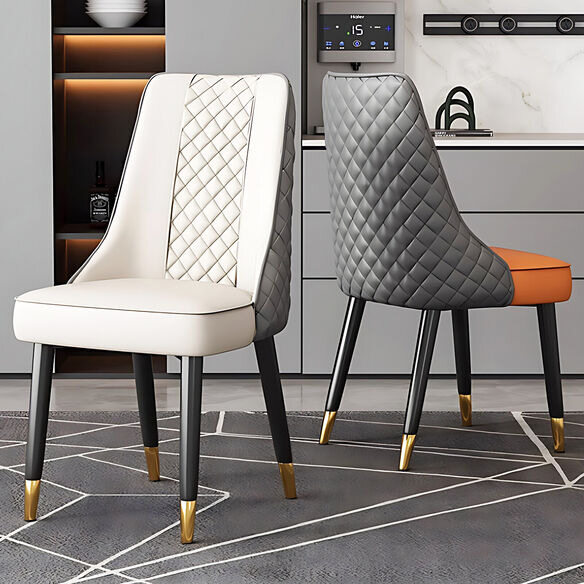


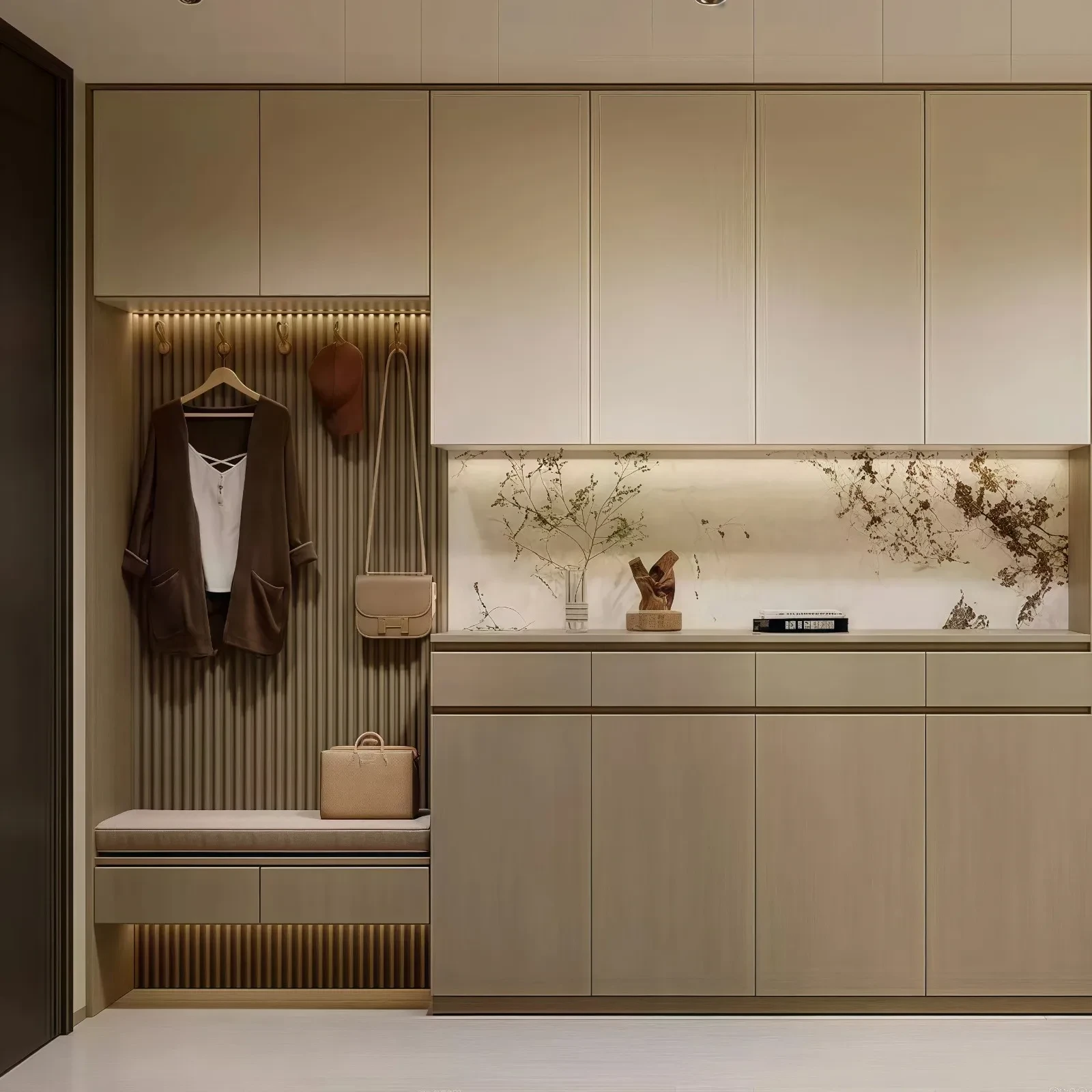

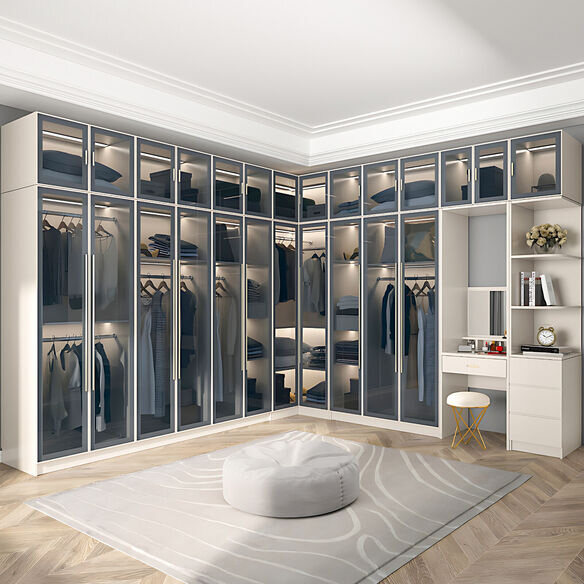







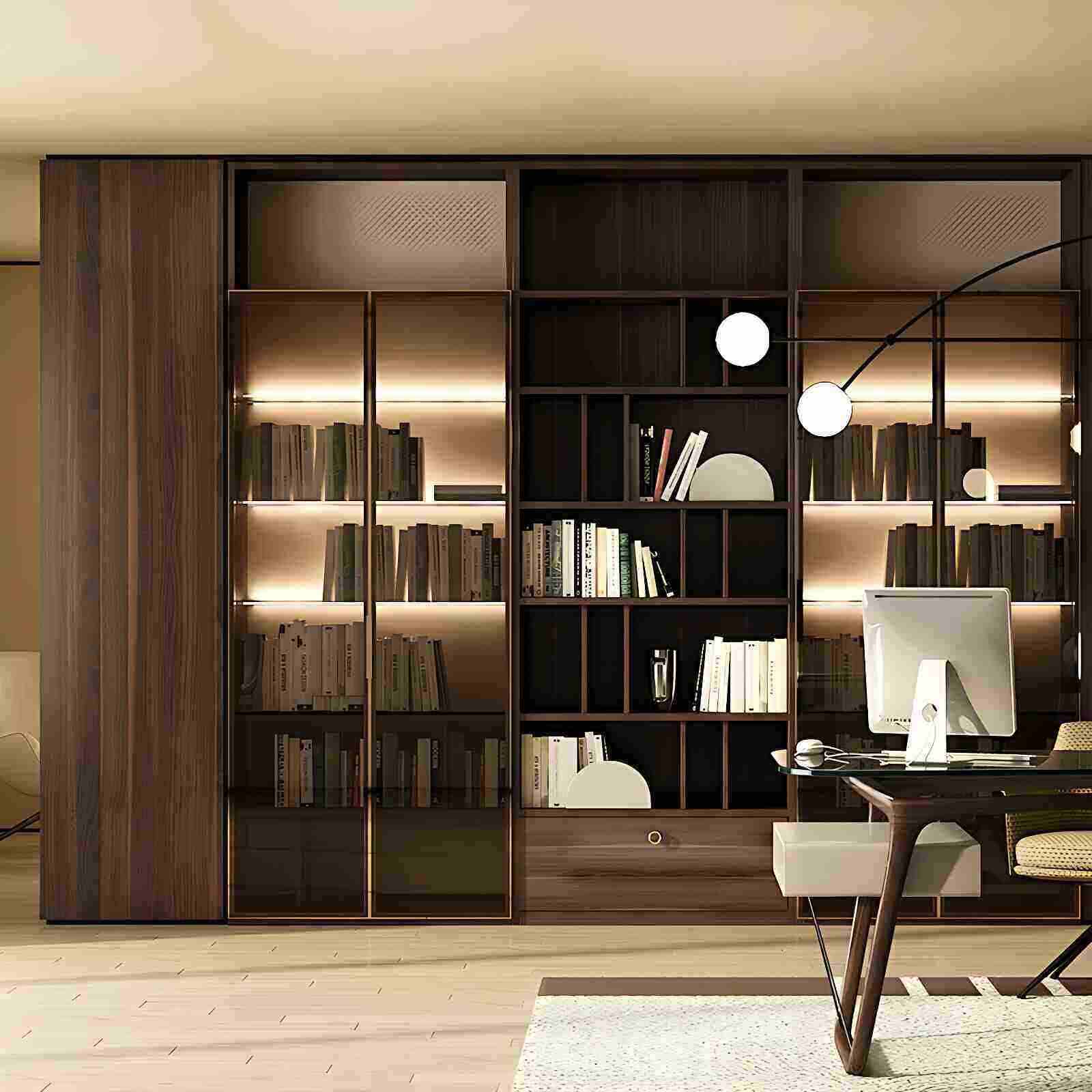


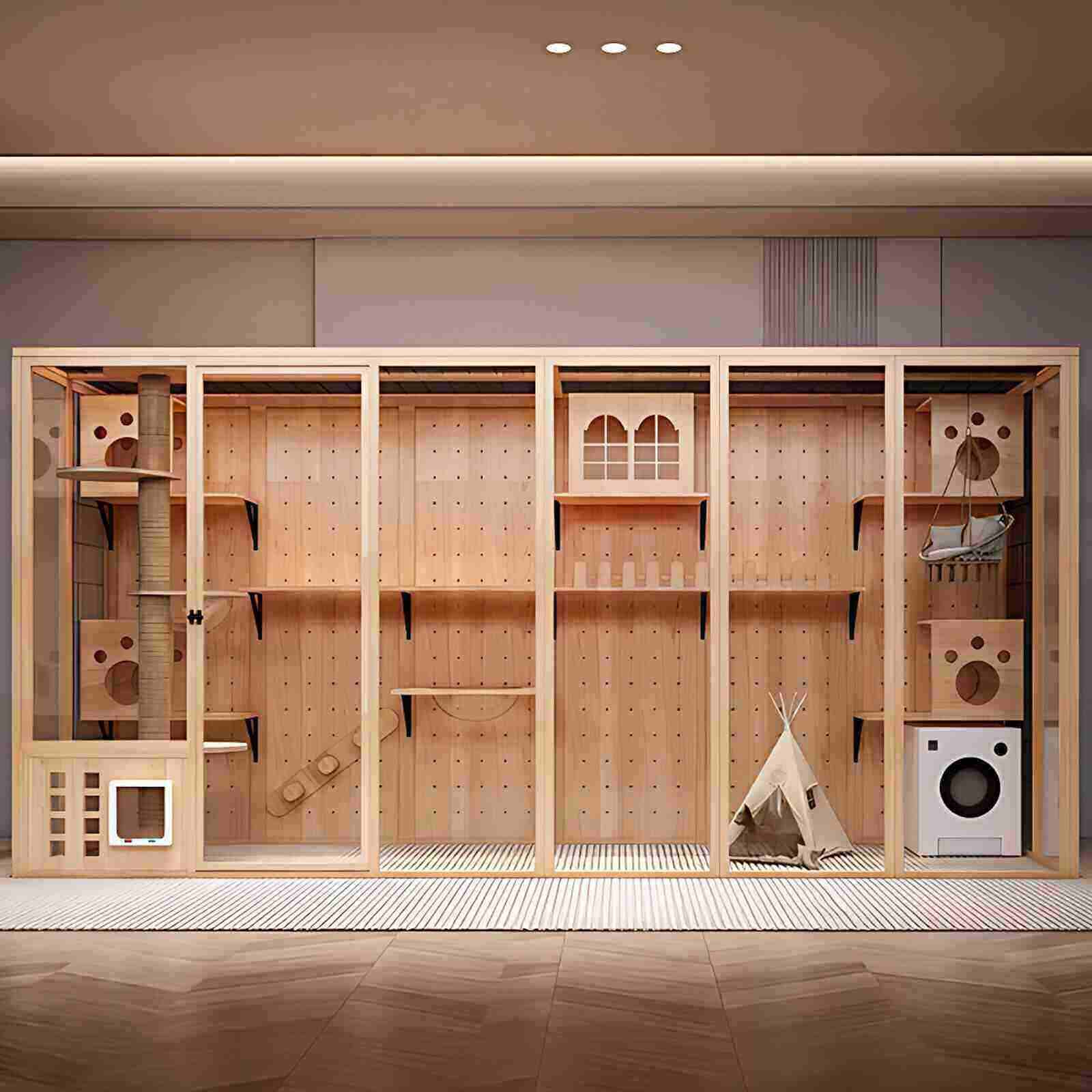
"Board! Are you getting too cocky?"
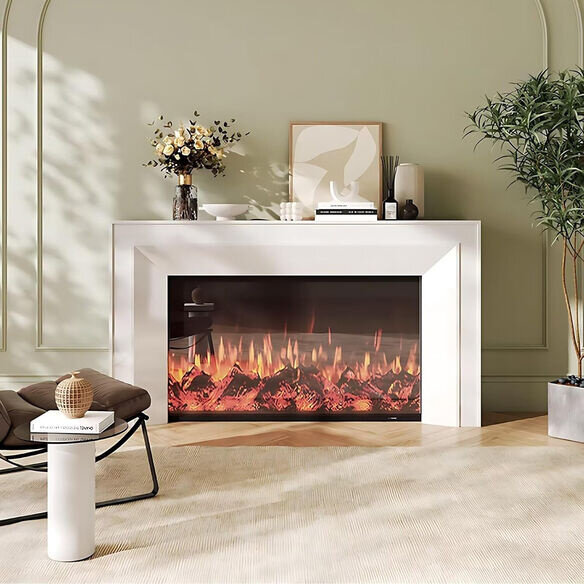
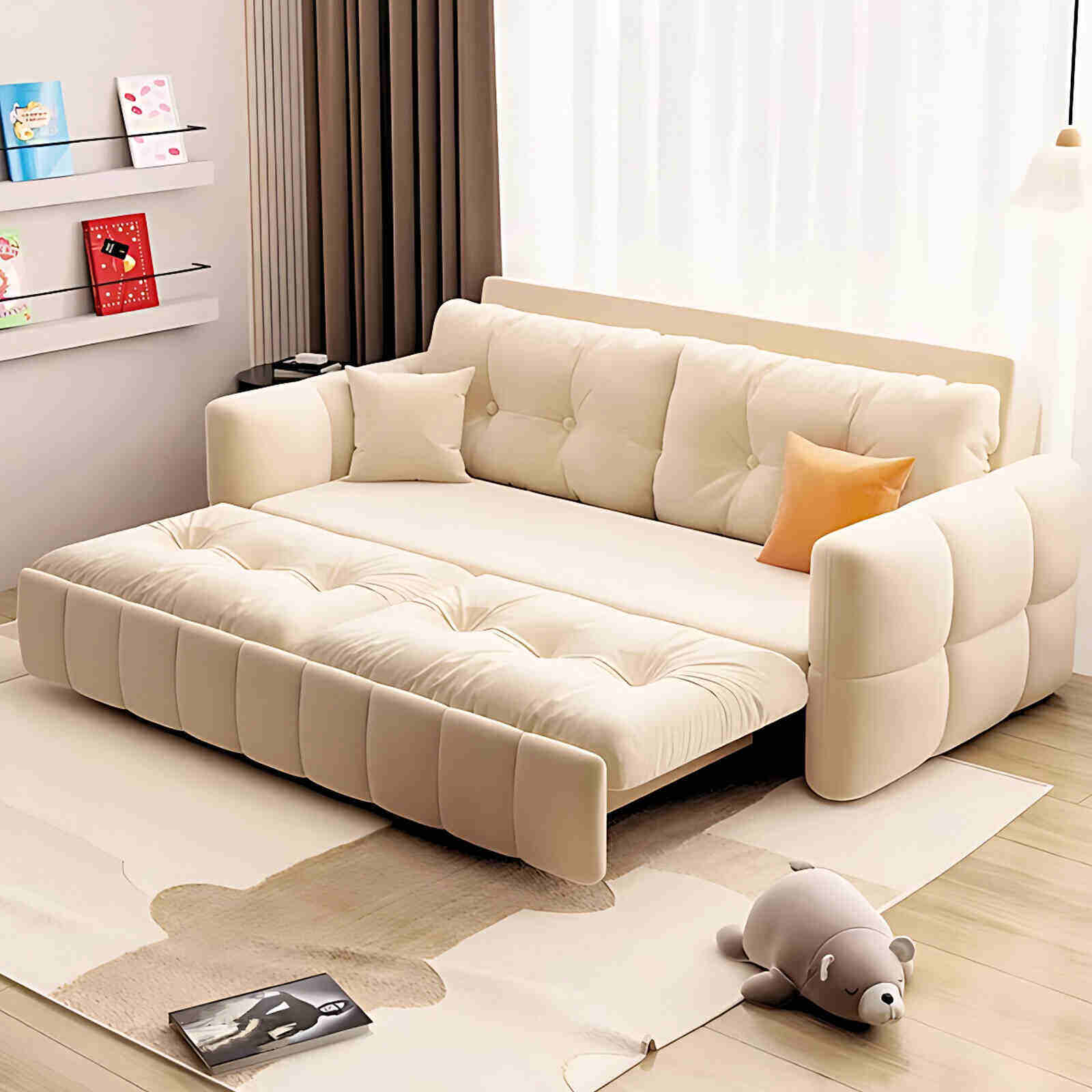
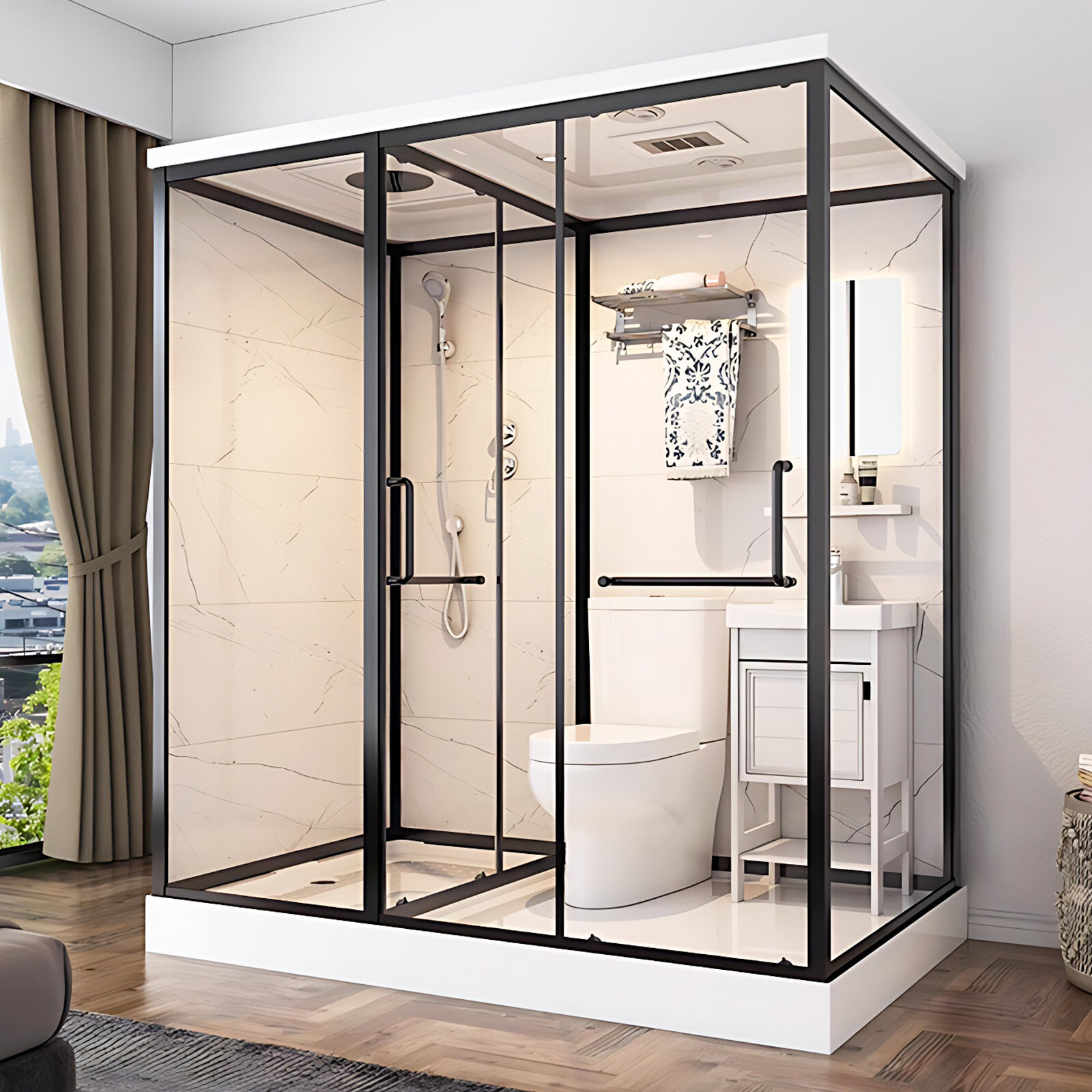
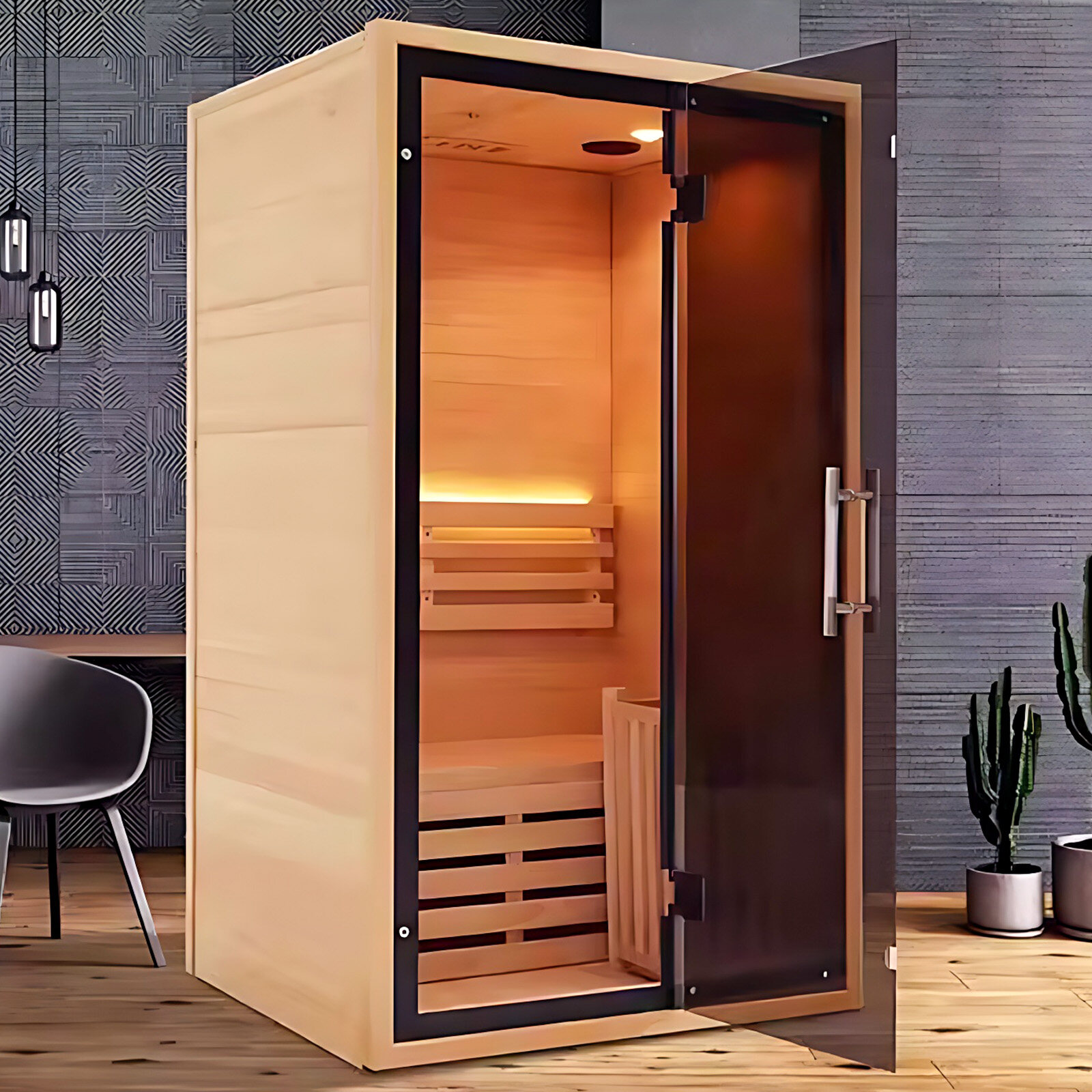
The "return to spring" weather from March to April and the "plum rain season" from June to July are both indiscriminate, large-scale "weapons of destruction" for furniture. Homes become damp everywhere, and furniture may even swell, warp, crack, or mold. If your furniture made of particleboard frequently experiences these problems during this time, you should pay attention; it's likely because the particleboard's water absorption thickness and expansion rate are substandard.
▲Damp weather is a "deadly weapon" for home furnishings.
"Water absorption thickness swelling rate"
01. Definition of water absorption thickness swelling rate
Definition: Water absorption thickness expansion rate is the ratio of the thickness difference before and after water absorption to the thickness before immersion, measured by immersing a certain amount of sample in water for a certain period of time according to the standard method.
In the field of wood-based panels, the water absorption thickness swelling rate is a very important performance indicator, reflecting the water resistance and dimensional stability of the panel product. The higher this value, the worse the water resistance of the panel. In other words, the higher the water absorption thickness swelling rate, the more likely the panel will swell significantly in a humid environment, leading to problems such as deformation and cracking.
▲The board material is water resistant.
02. Causes and Improvements of Water Absorption Thickness Swelling Rate
There are two main reasons why boards absorb water and swell: First, the raw material of boards is wood, which has an inherent hygroscopic property and will swell when exposed to moisture; second, during the hot pressing process, the internal material of the board is deformed under pressure and will recover its shape under certain conditions. Therefore, when exposed to moisture, it will rebound due to the release of stress.
Therefore, to improve the thickness expansion rate of boards due to water absorption, one can start from the selection of raw materials, the quality and quantity of adhesives, the optimization of hot pressing process, and the improvement of moisture content.
How is Da Wang Ye board made?
01. Carefully selected high-quality wood raw materials
The boards are selected using the 5A-grade material selection method, which involves conducting on-site surveys of the growth status of trees in the raw material production areas from multiple dimensions such as forest coverage, relative humidity, climate rainfall, and health index. The wood is then tested hundreds of times over 2-3 years to select high-quality logs with excellent material properties, thereby reducing the water absorption and thickness expansion rate of the boards at the source.
▲The 5A-grade material selection method for boards uses carefully selected high-quality logs.
02. Uses highly waterproof soybean glue
The boards are made with soybean bio-adhesive, with a solid content of over 46%. Through eight production processes, the freshness of the adhesive is guaranteed, while also possessing strong bonding properties, water resistance, and environmental friendliness. To a certain extent, it prevents moisture from entering, making the boards less prone to water absorption and swelling.
▲Uses high-quality soybean glue, uniformly coated by roller.
03. Continuously optimize hot pressing machinery and processes
Upgraded hot-pressing equipment for the sheets, with special material welding heads, ensures uniform pressure on the sheets; precision digital pressure gauges accurately control the hot-pressing temperature. It also operates three hot-pressing processes, maintaining a constant temperature of 130℃ for uniform hot pressing, significantly reducing the sheet's water absorption and thickness expansion rate.
▲ Upgrading sheet metal hot pressing equipment
04. Strictly control the density and moisture content of the boards.
Generally speaking, for boards within the standard acceptable range, the higher the density and moisture content, the lower the water absorption and thickness expansion rate. The boards are made from high-density logs and undergo a 10-day low-temperature drying process to ensure a balanced moisture content, keeping the values within the acceptable range and maximizing control over the water absorption and expansion rate.
In conclusion, there's no need to worry about damp weather; using high-quality boards will prevent them from "expanding" so easily!