
 USD
USD GBP
GBP
 EUR
EUR
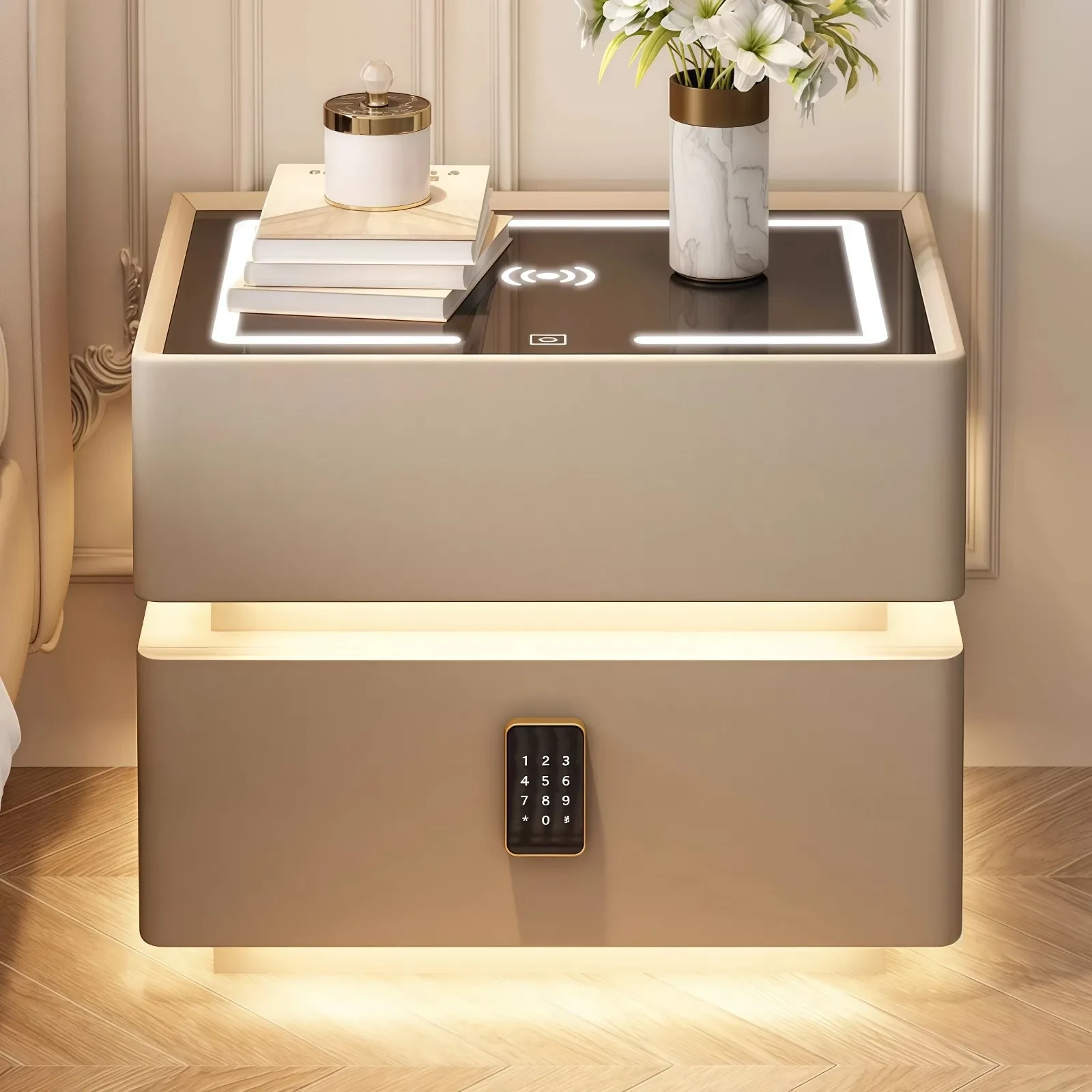
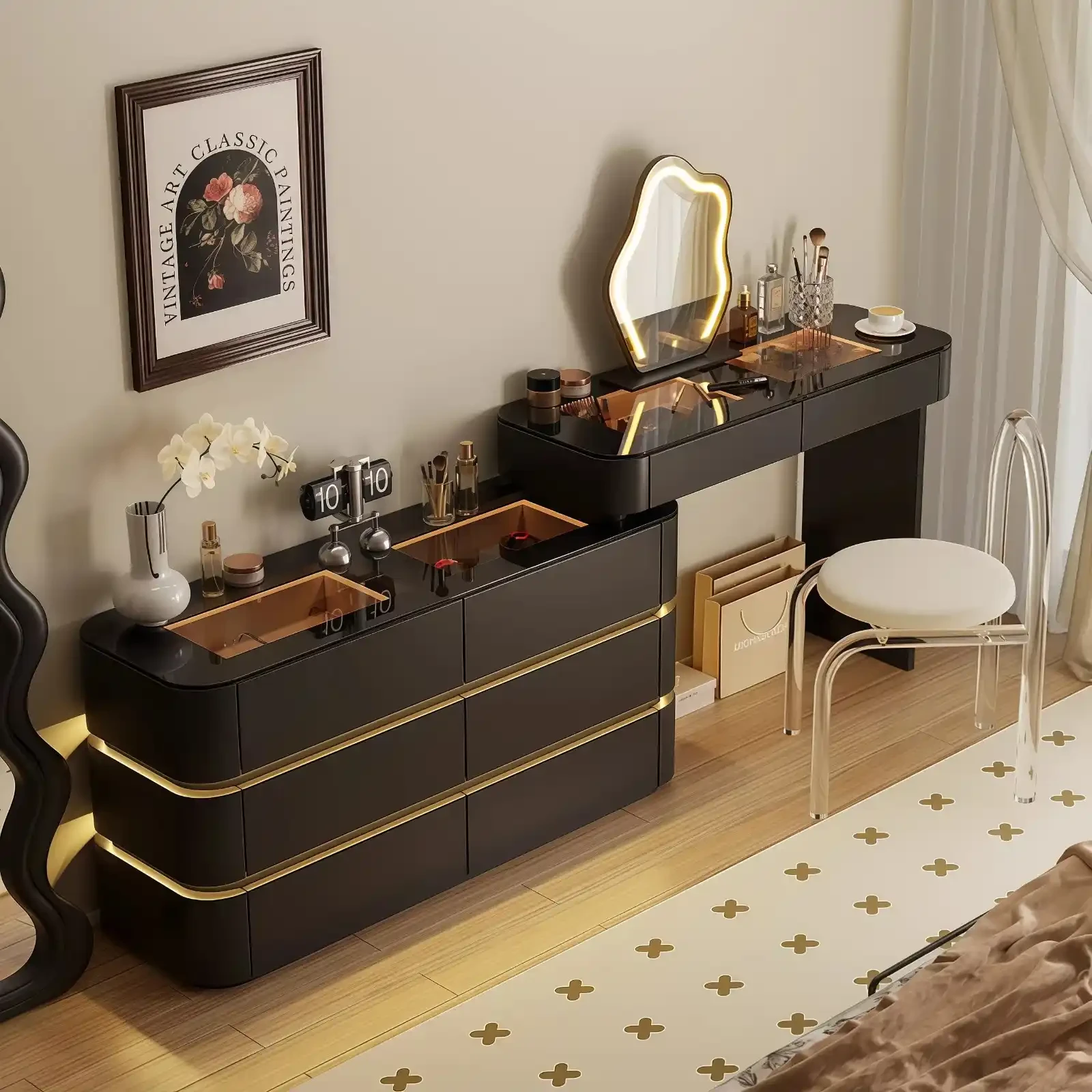
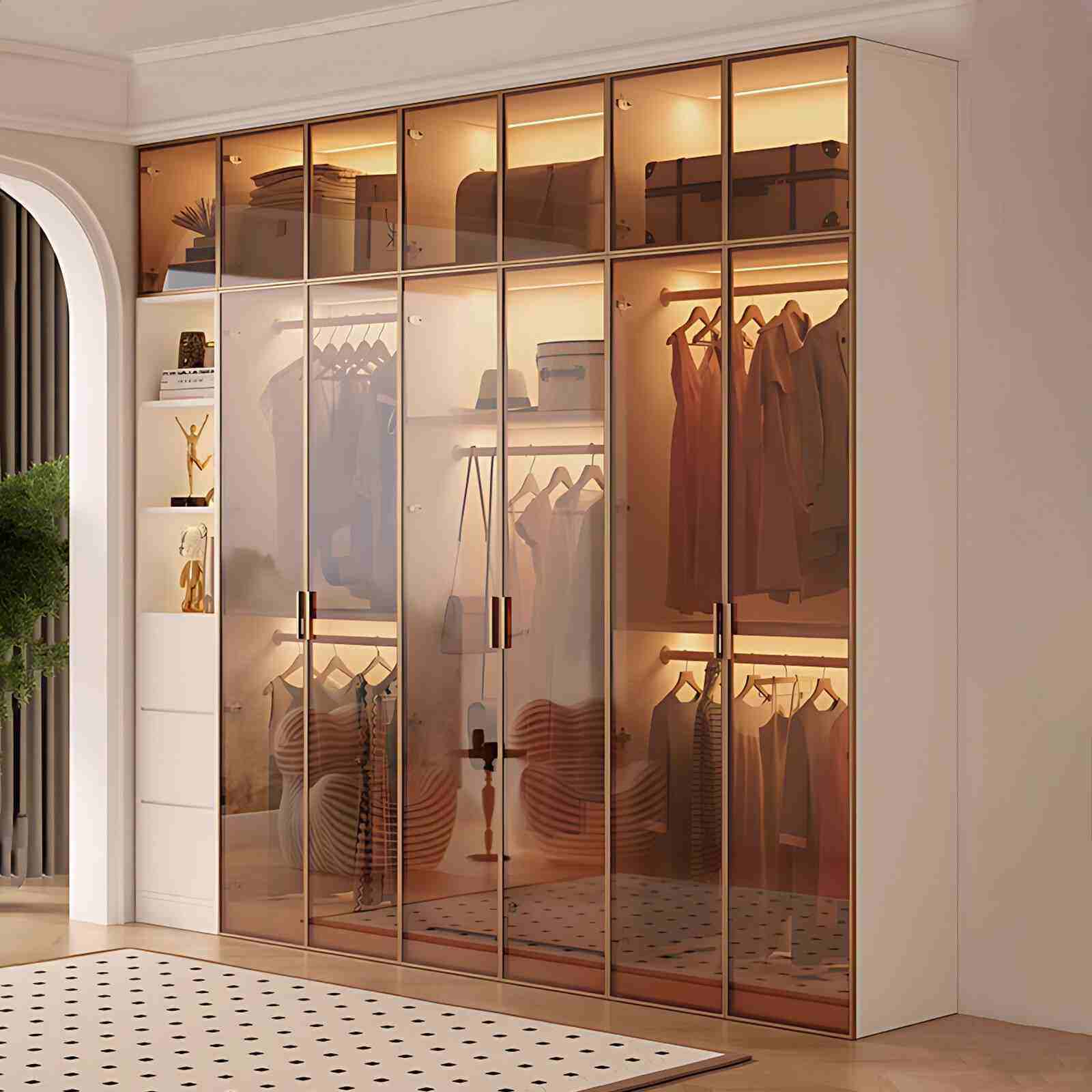
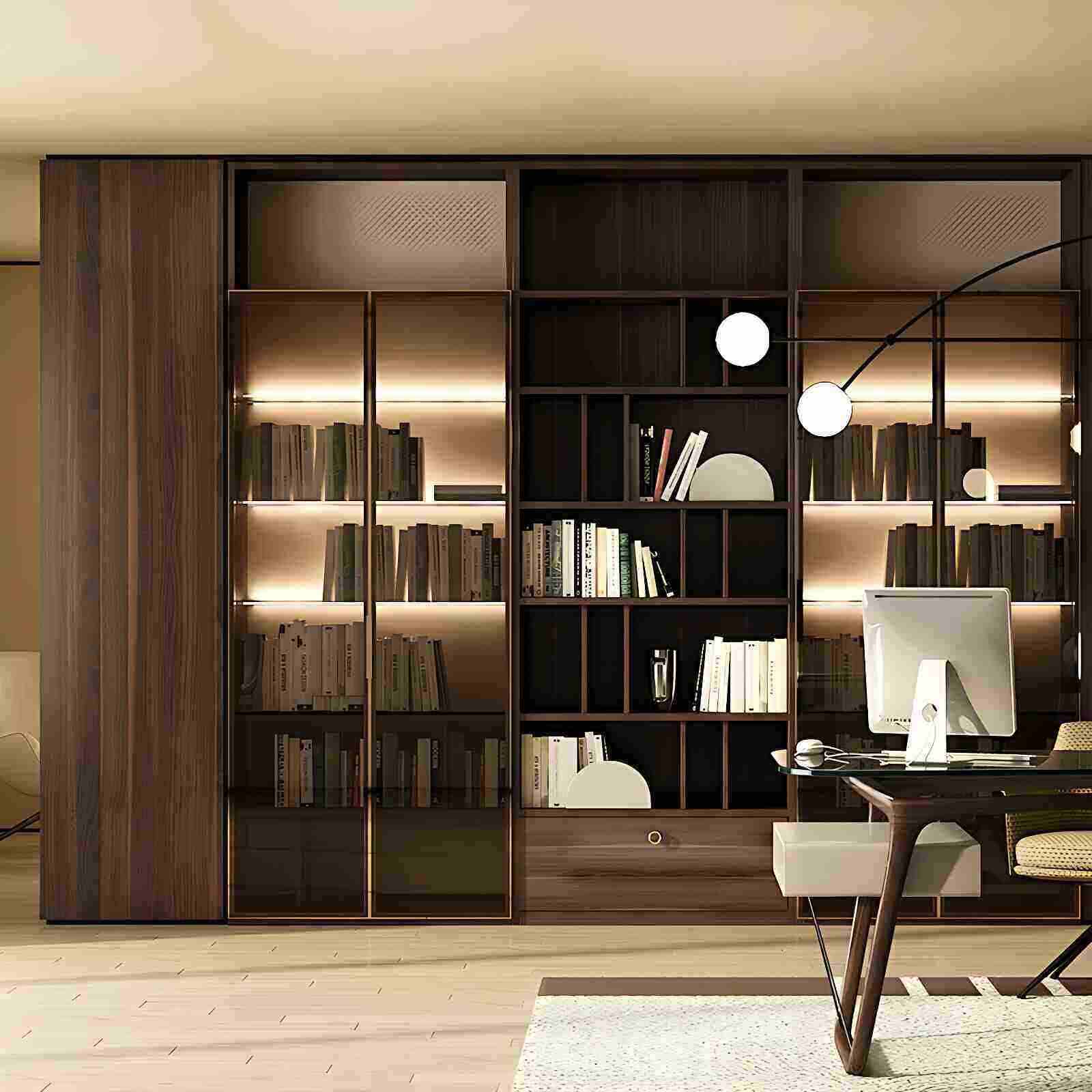

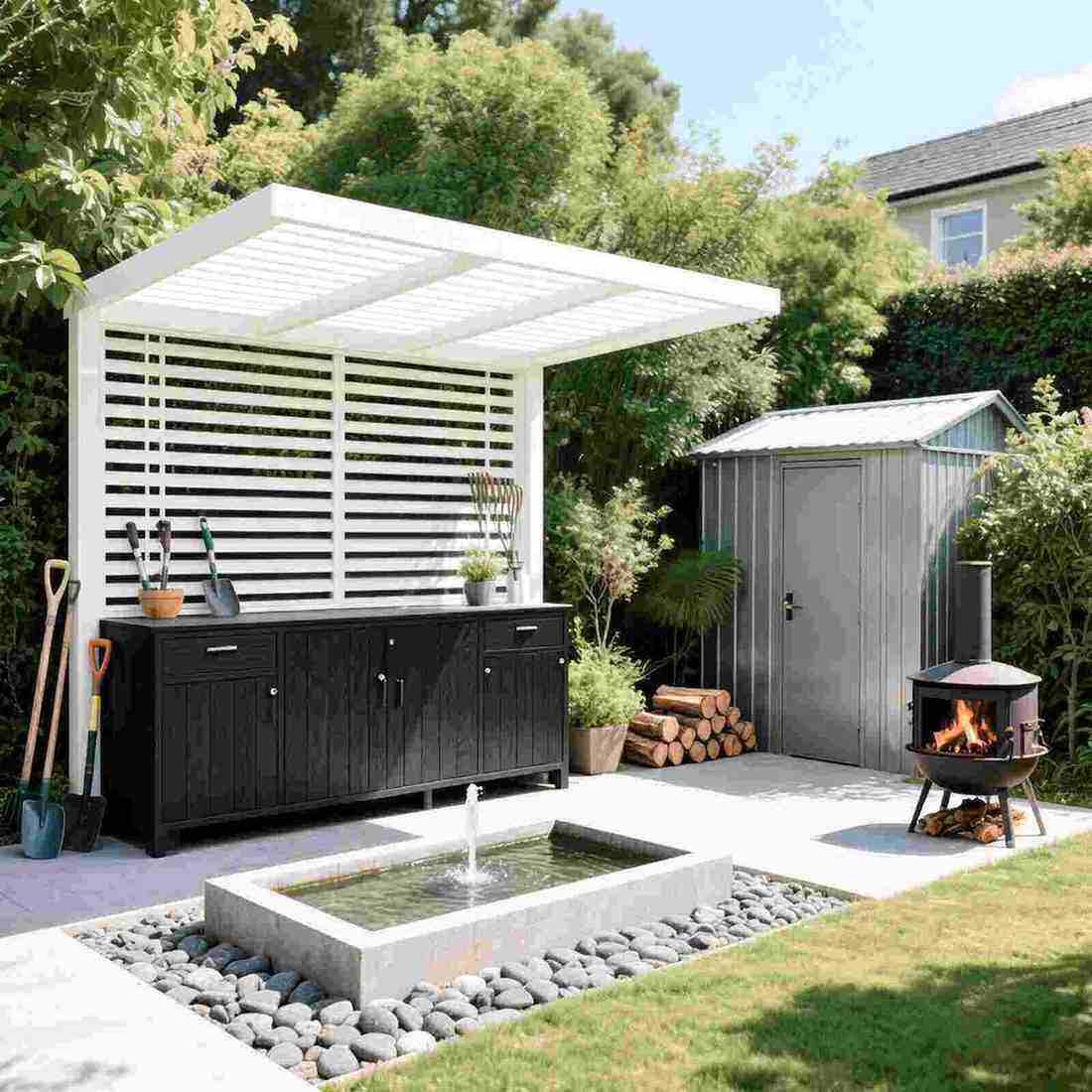
What are some commonly used garden landscaping timbers? How should we choose them? Today, the editor of Zhongmu.com will talk about the common types of garden timbers and how to distinguish them, starting with the price and grade of the materials from low to high.
1. Eco-wood/Wood-plastic composite
In my opinion, eco-wood and wood-plastic composite (WPC) are the lowest-grade in terms of user experience because they are new synthetic materials and not natural wood. Eco-wood is now widely used in the decoration market and is favored by homeowners and companies, as it has a better texture than sauna wood. WPC is mainly used for outdoor flooring and has become quite popular in recent years for both public and private spaces. Its advantages include not cracking and not oozing oil. However, both eco-wood and WPC have disadvantages such as looking unnatural, stiff, aging, having weak UV resistance, and warping. In fact, the unit price of WPC panels is not cheaper than that of the same size of preservative-treated wood.
2: Preservative-treated wood
Preservative-treated wood is not a single type of timber, but rather a general term encompassing all timber that has undergone preservative treatment. Common types include Scots pine, Southern yellow pine, Douglas fir, and Finnish pine (European red pine). Originating from the United States, Russia, Canada, and Europe, some are purely imported Southern yellow pine and Finnish pine, while most others are imported logs or timber by domestic manufacturers that undergo preservative treatment. The treatment method often employs high-pressure impregnation, using CCA and ACQ preservatives.
Three: Deeply Carbonized Wood
So-called carbonized wood pavilions, flower boxes, and fences sold on the market, including on Taobao, are all fake. Strictly speaking, they should be called charred wood, or, to put it more nicely, surface carbonization. This kind of anti-corrosion treatment of wood is only superficial and cannot fundamentally achieve anti-corrosion, insect-proof, or termite-proof effects. This is self-deception by merchants; believe that you get what you pay for. The surface carbonization produced by Yuanmu is a secondary process after anti-corrosion treatment; we would never use sapwood that has been charred to pass it off as high-quality. Genuine carbonized wood must be carbonized from the inside out. I believe that deeply carbonized wood is the most environmentally friendly outdoor landscaping wood besides hardwoods, and it can also be used indoors. We will discuss carbonized wood in more detail in later articles.
4: High-durability bamboo/outdoor bamboo
High-resistance bamboo has many other names, such as deep carbon bamboo, light carbon bamboo, low-resistance bamboo, and heavy bamboo. These are all alternative names because the manufacturers who created this product don't use these names; they simply call it high-resistance bamboo or outdoor bamboo. The other names are just marketing gimmicks used by individual manufacturers based on the perceived high, medium, or low quality of the product. High-resistance bamboo undergoes high-temperature, high-pressure treatment to achieve carbonization from the inside out, similar to deep carbonized wood. High-resistance bamboo involves multiple artificial carbonization processes on this natural material using specialized equipment. Its quality depends on the carbonization process and the quality of the synthetic adhesive. Generally, light carbon bamboo will show signs of mold and blackening after 2-3 years of use.
5. Hardwood/Natural Preservative-Treated Wood
Hardwoods, also known as naturally rot-resistant woods, achieve ideal preservation effects without artificial preservative treatment. The highest quality is Indonesian Merbau, while others are categorized by origin as Malaysian Merbau, African Merbau, and South American Merbau. Other woods such as Balau, Kapur, Merbau, and Silver Palm can also be used for outdoor landscaping.