
 USD
USD GBP
GBP
 EUR
EUR
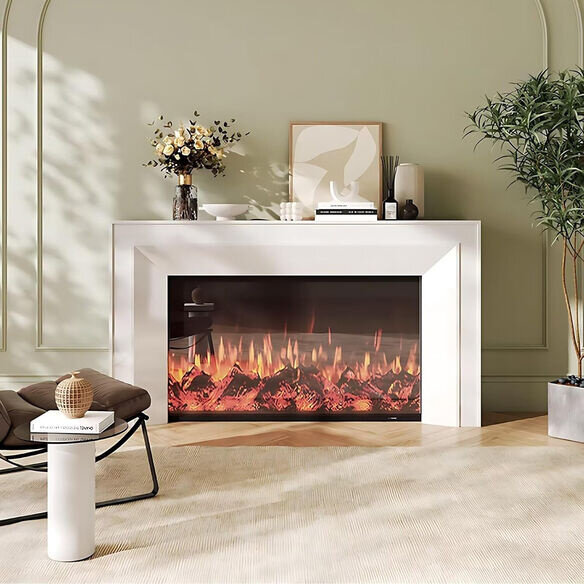

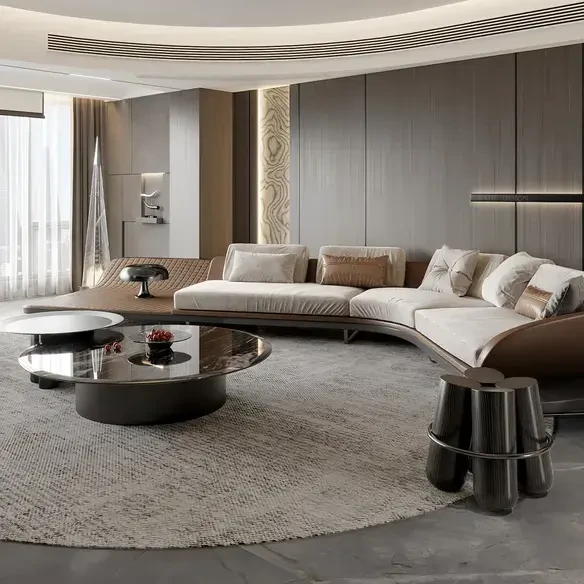
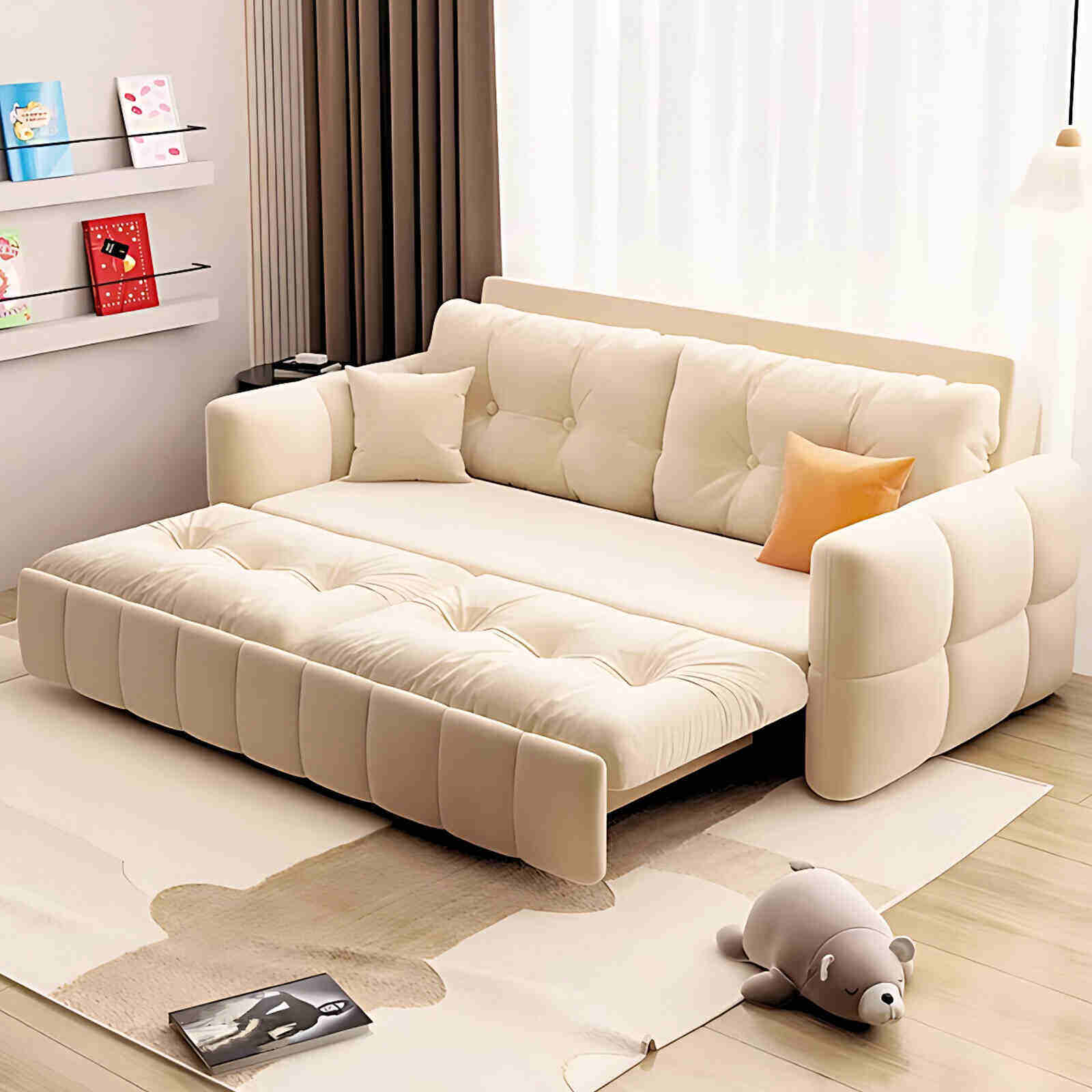
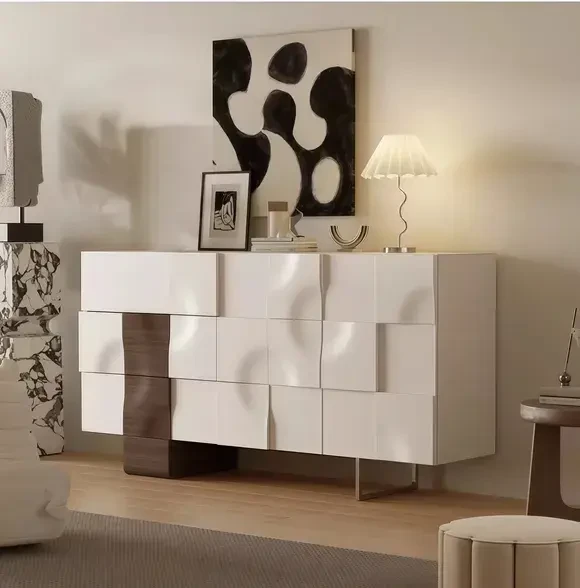
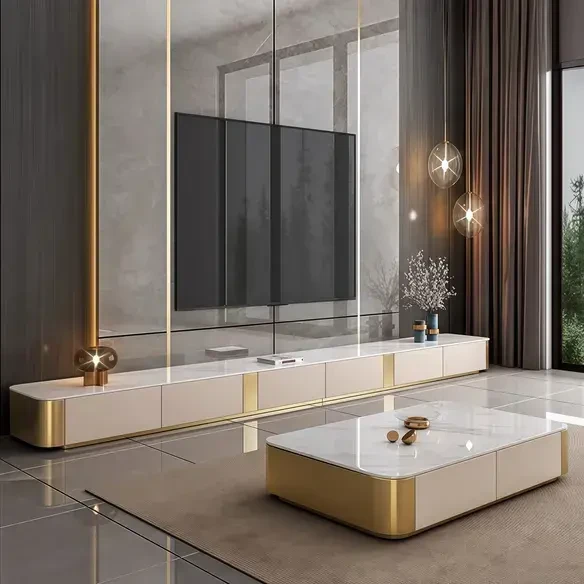
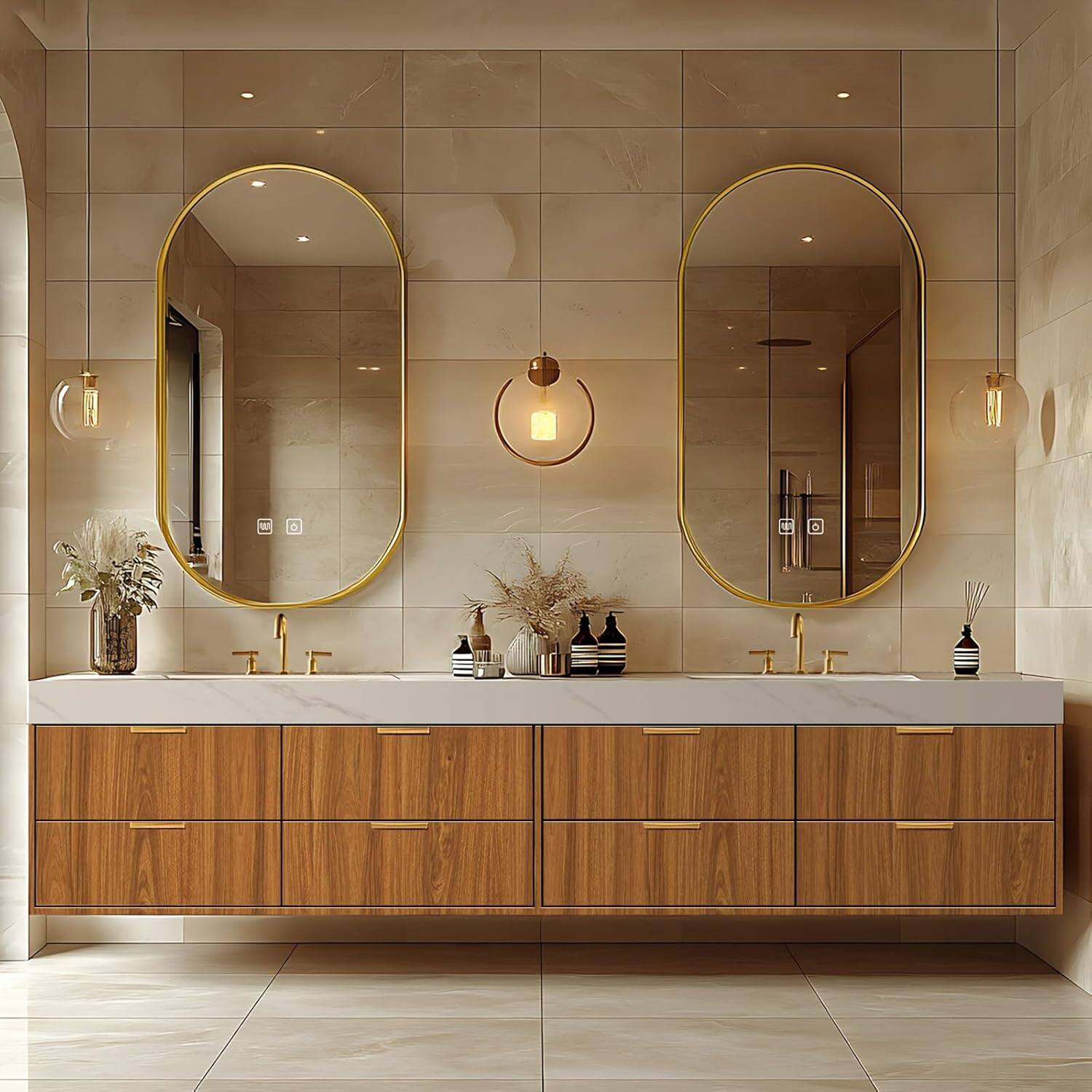
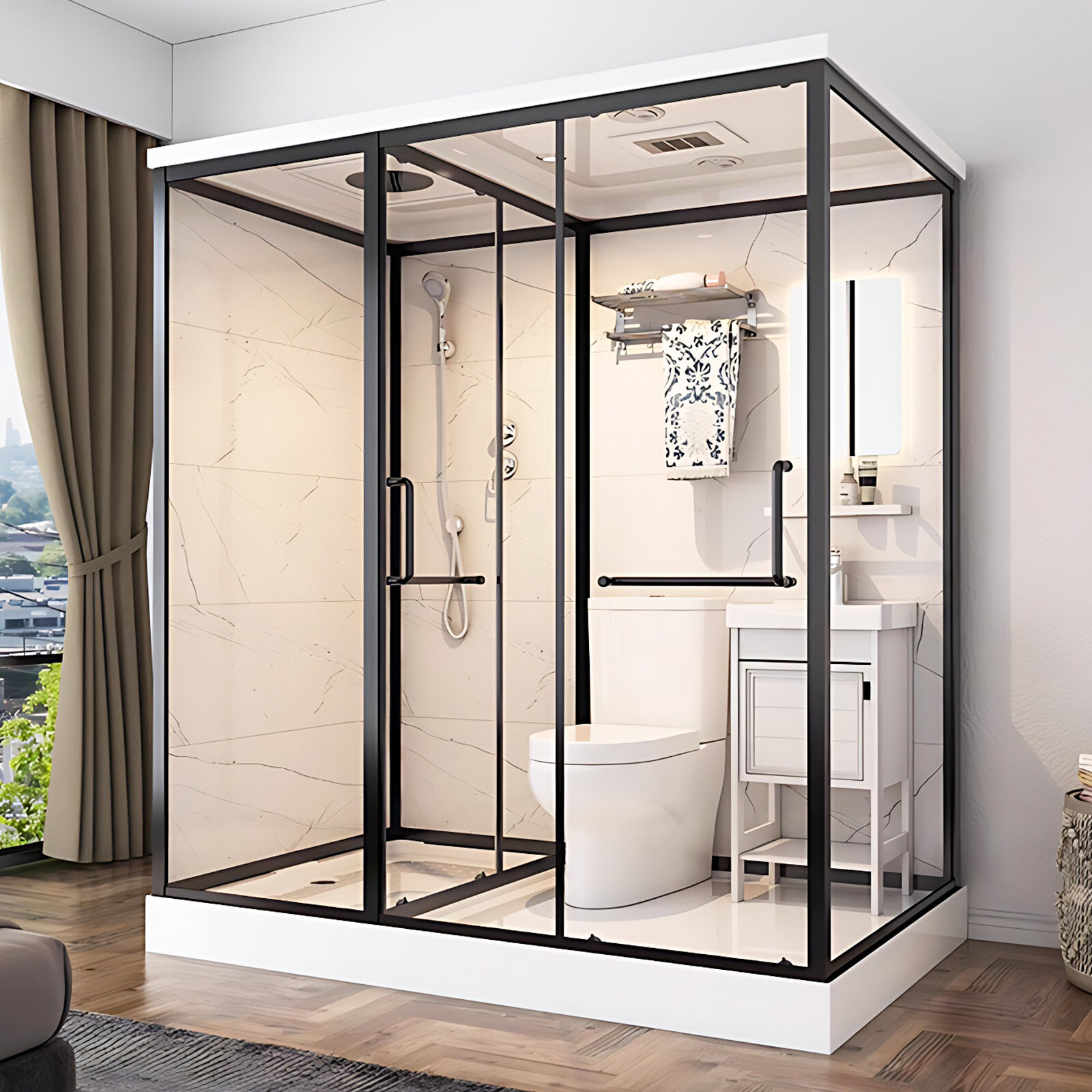
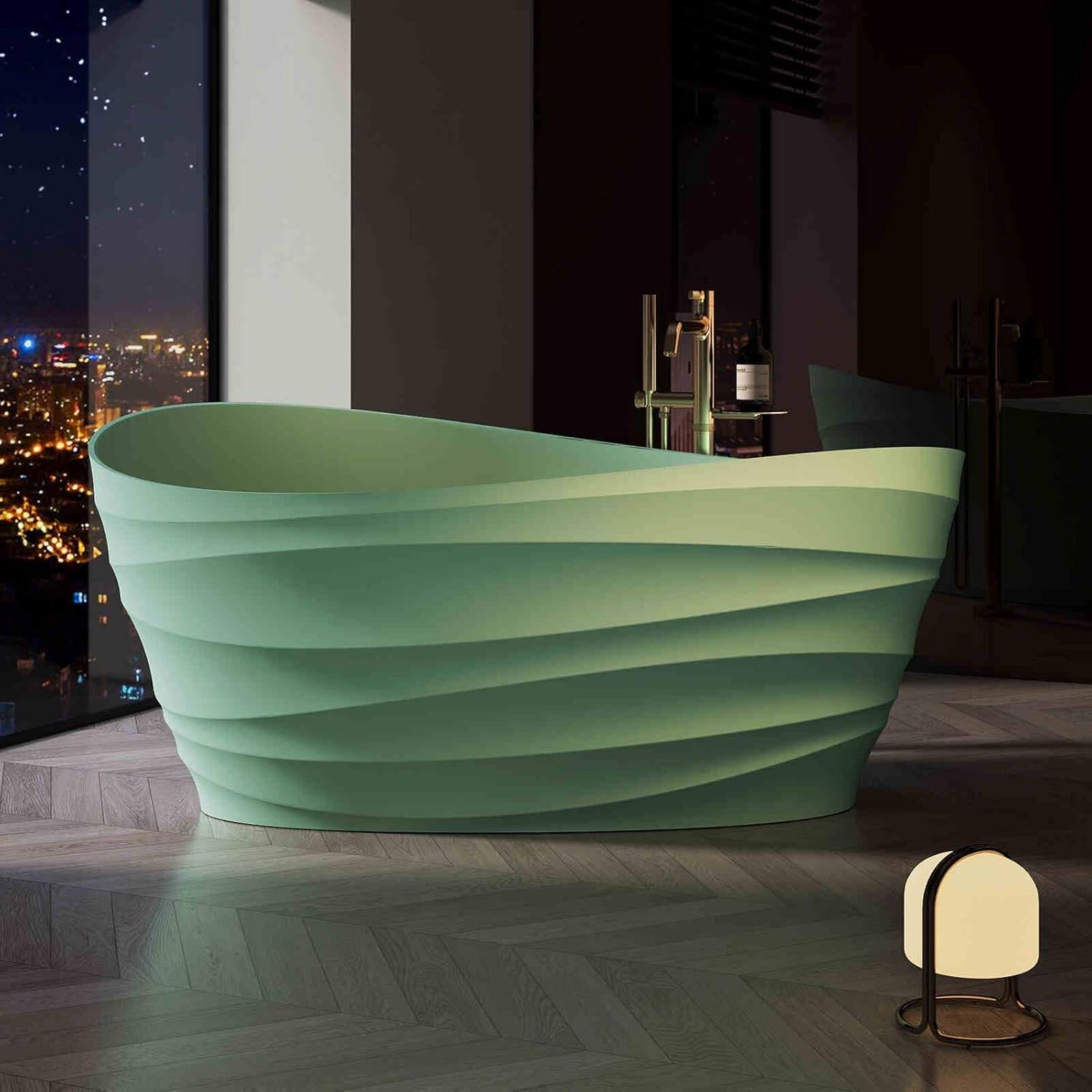
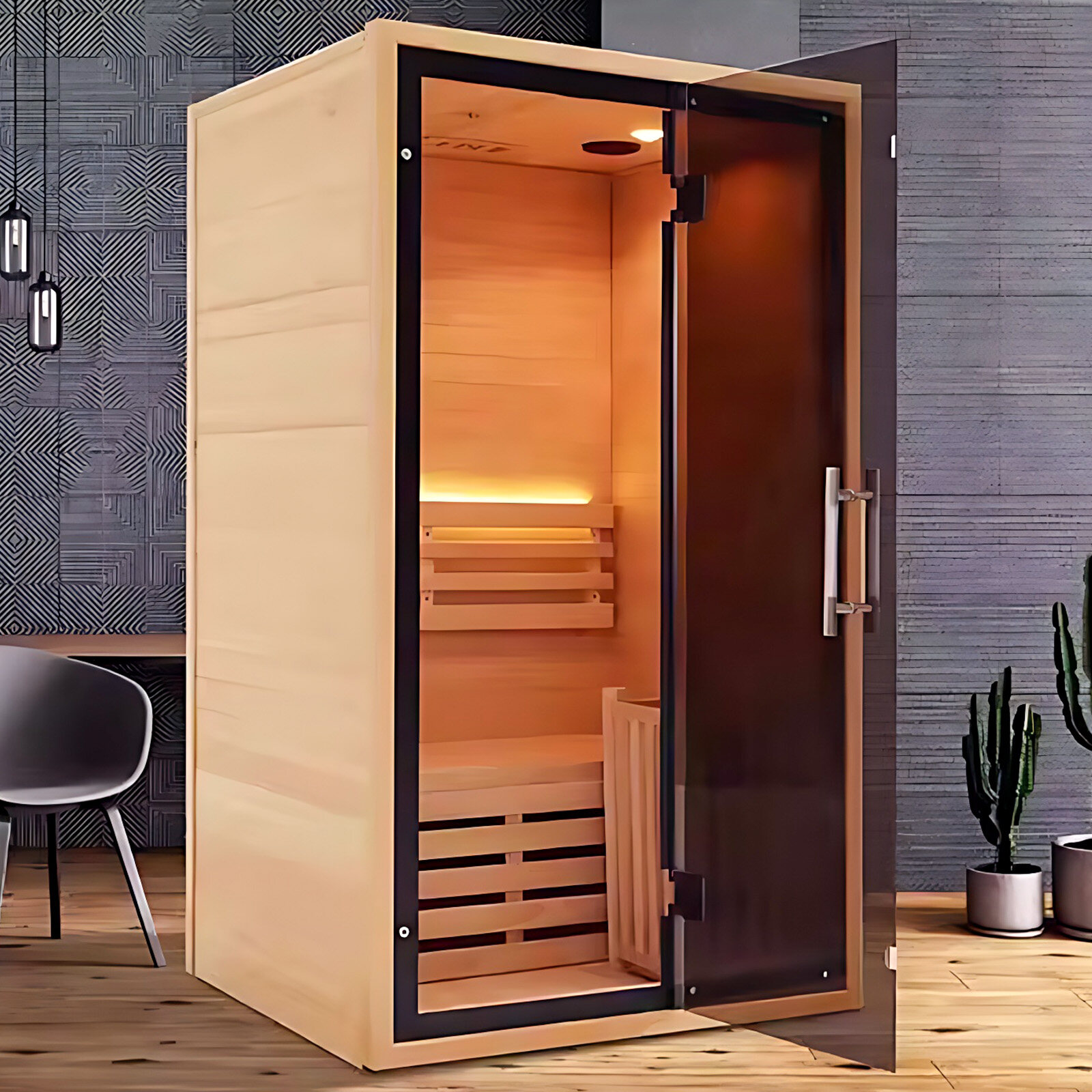
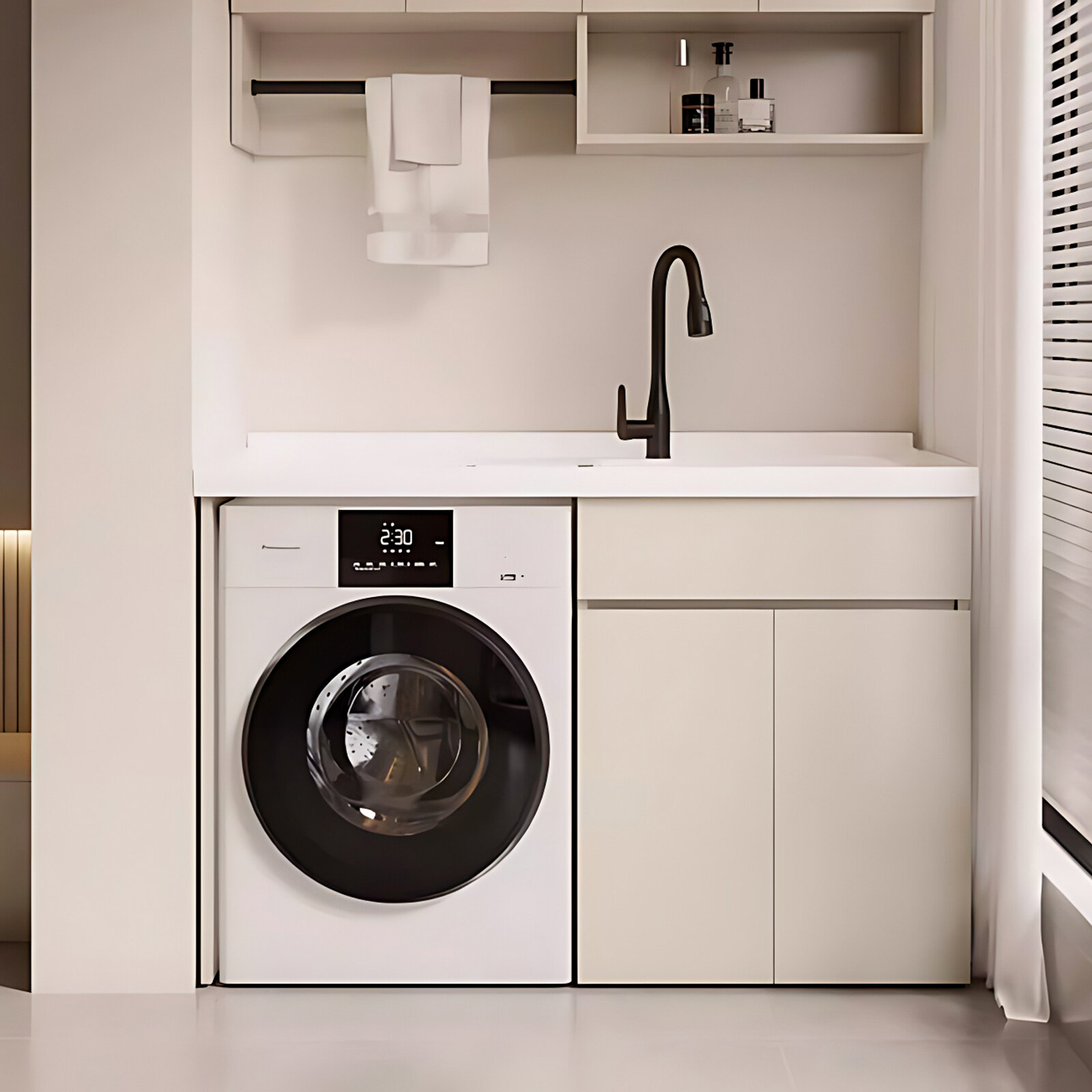
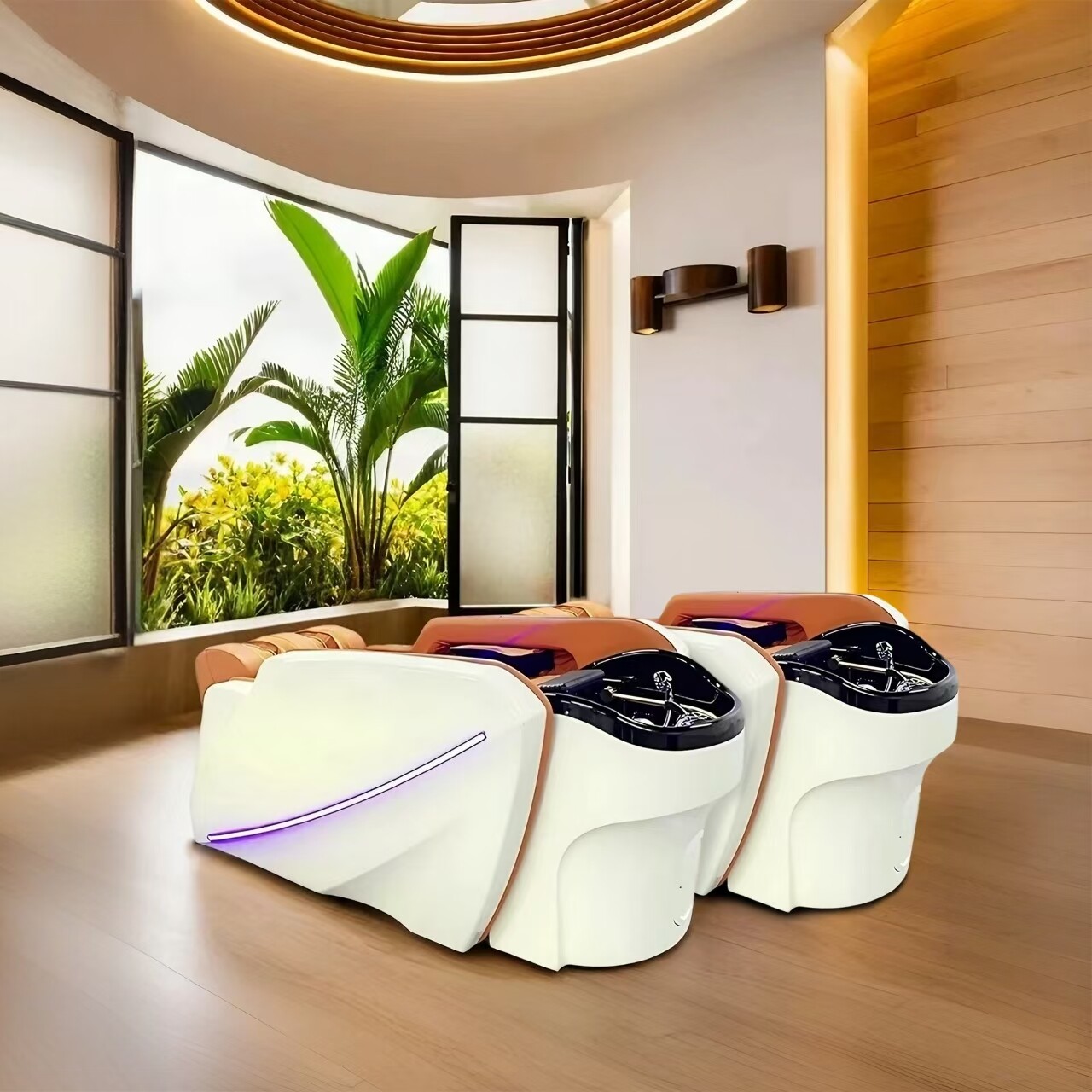
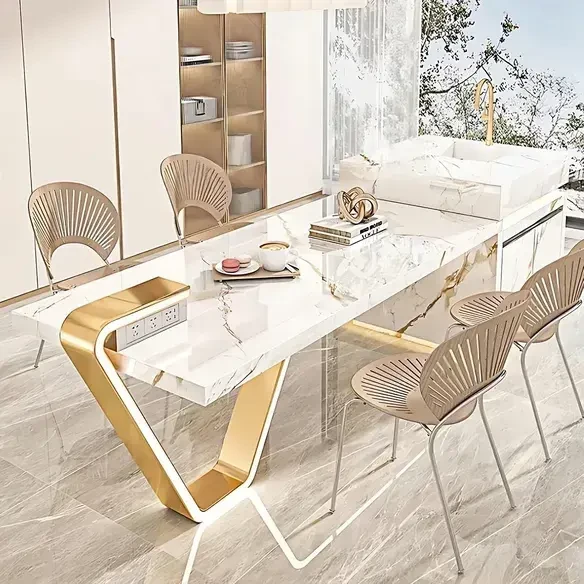
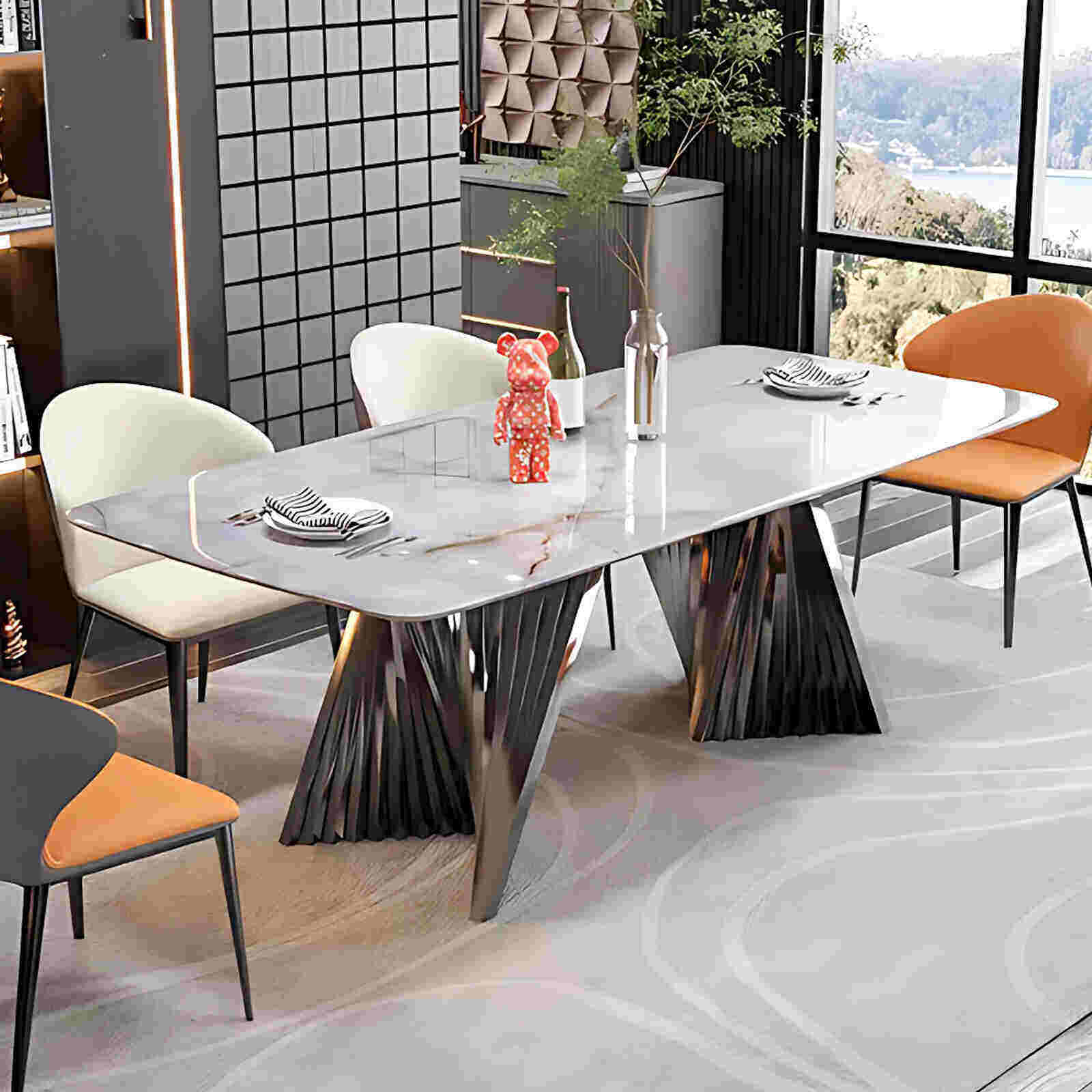
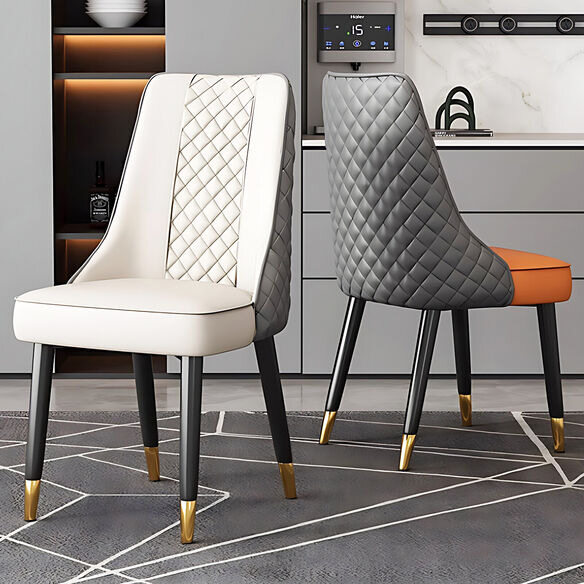
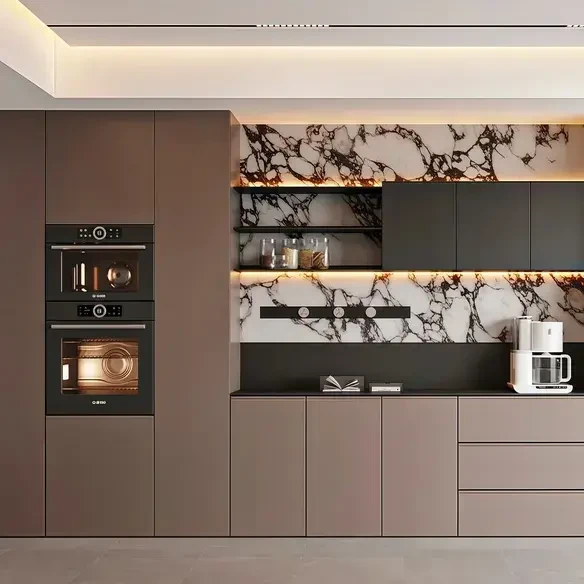
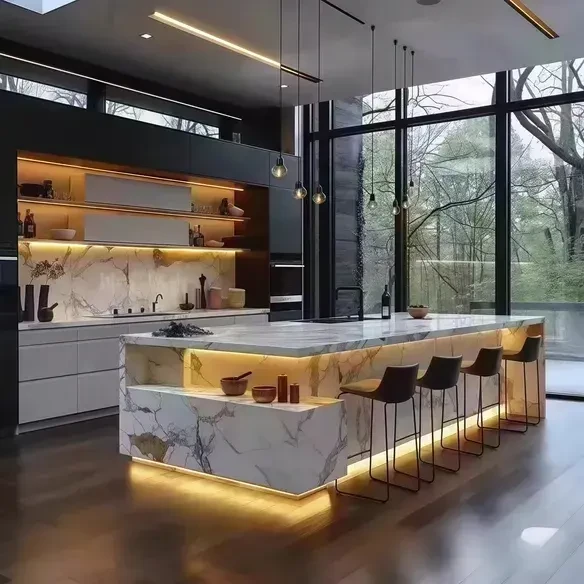
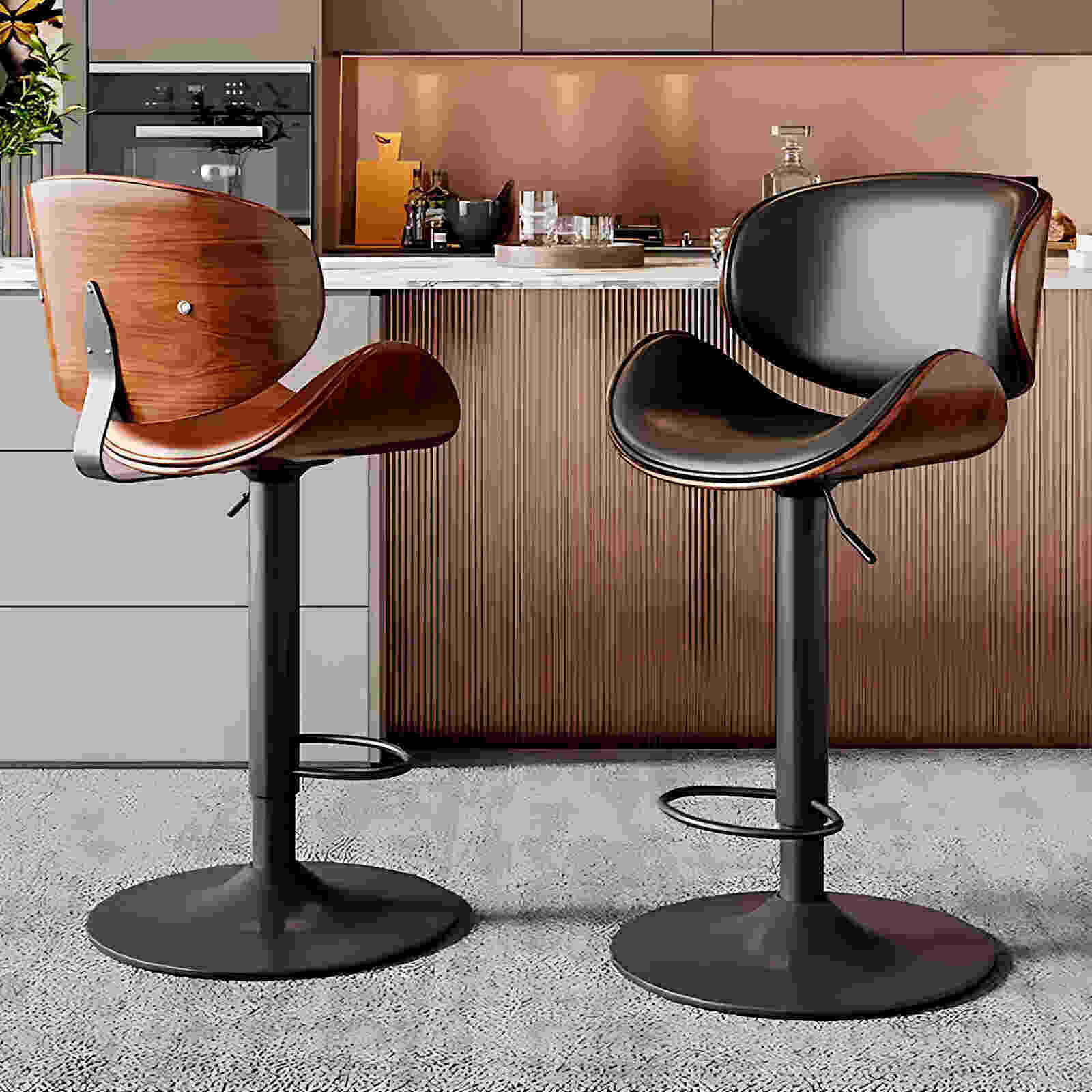
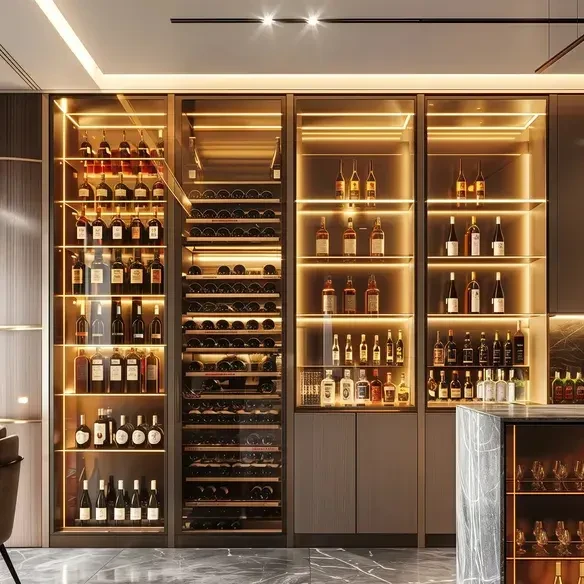

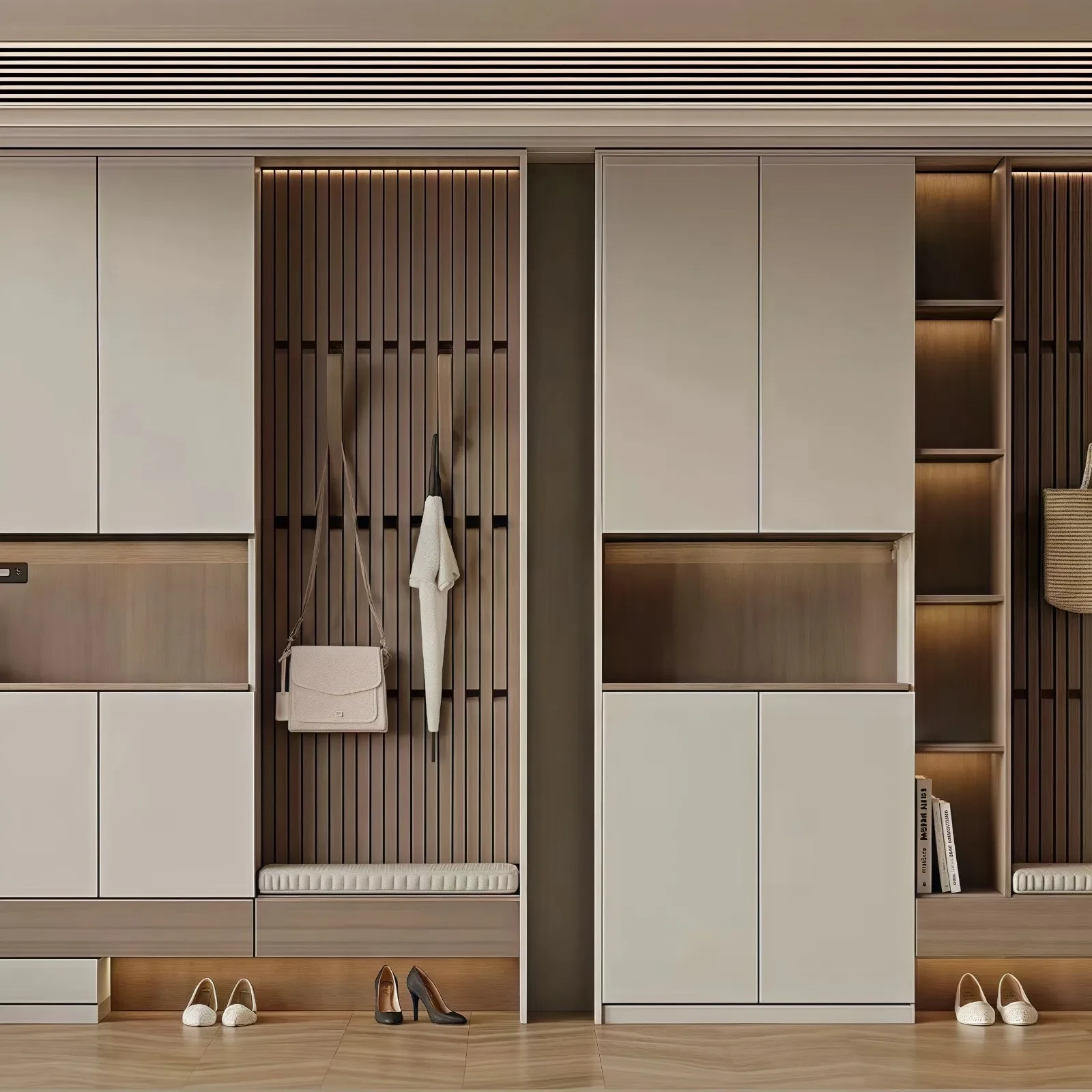
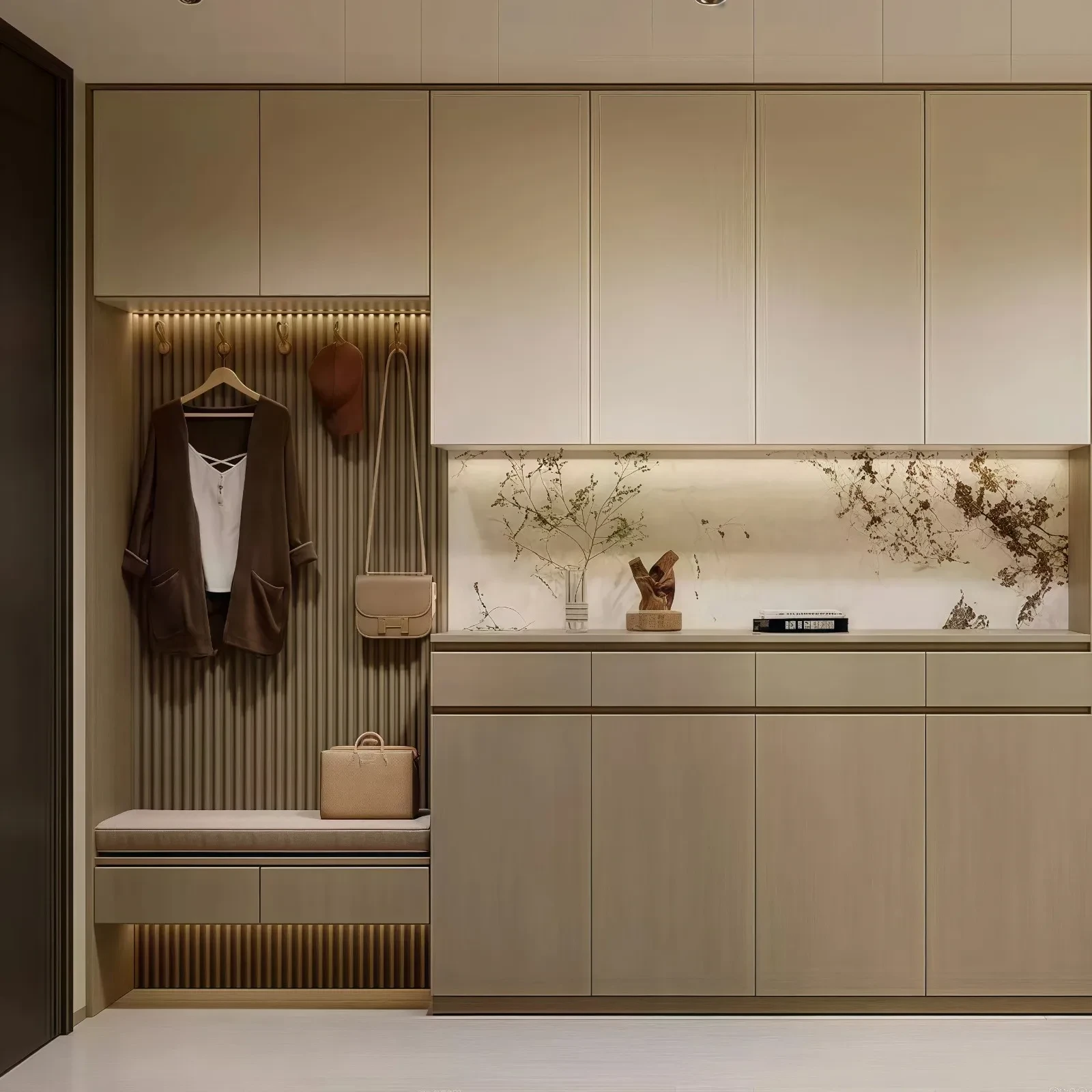
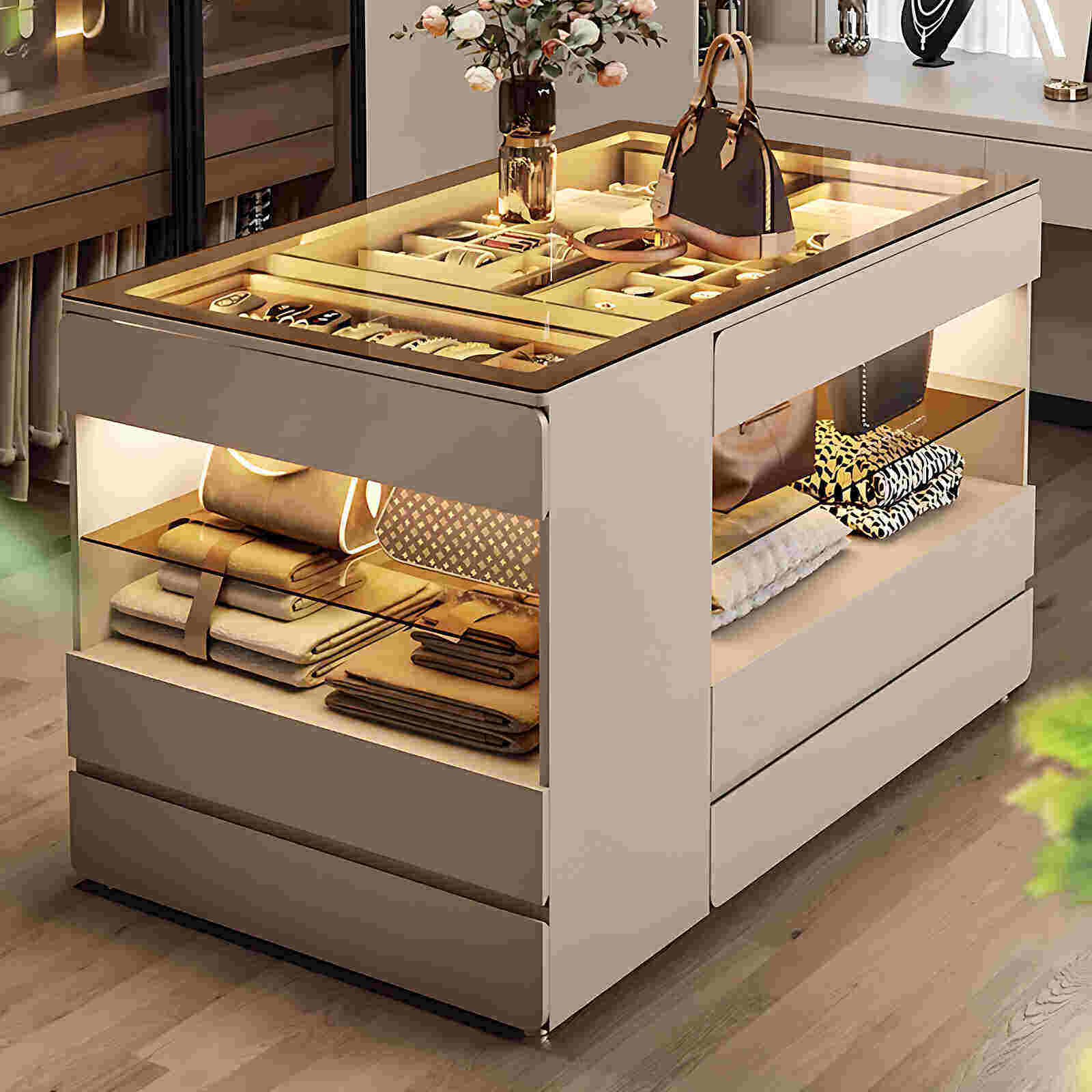
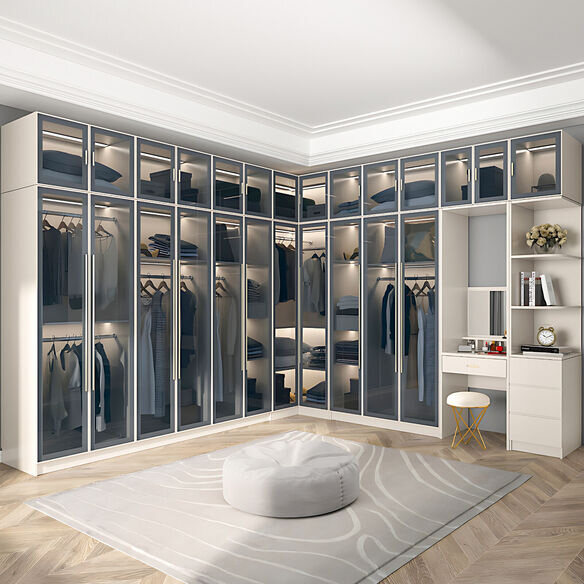
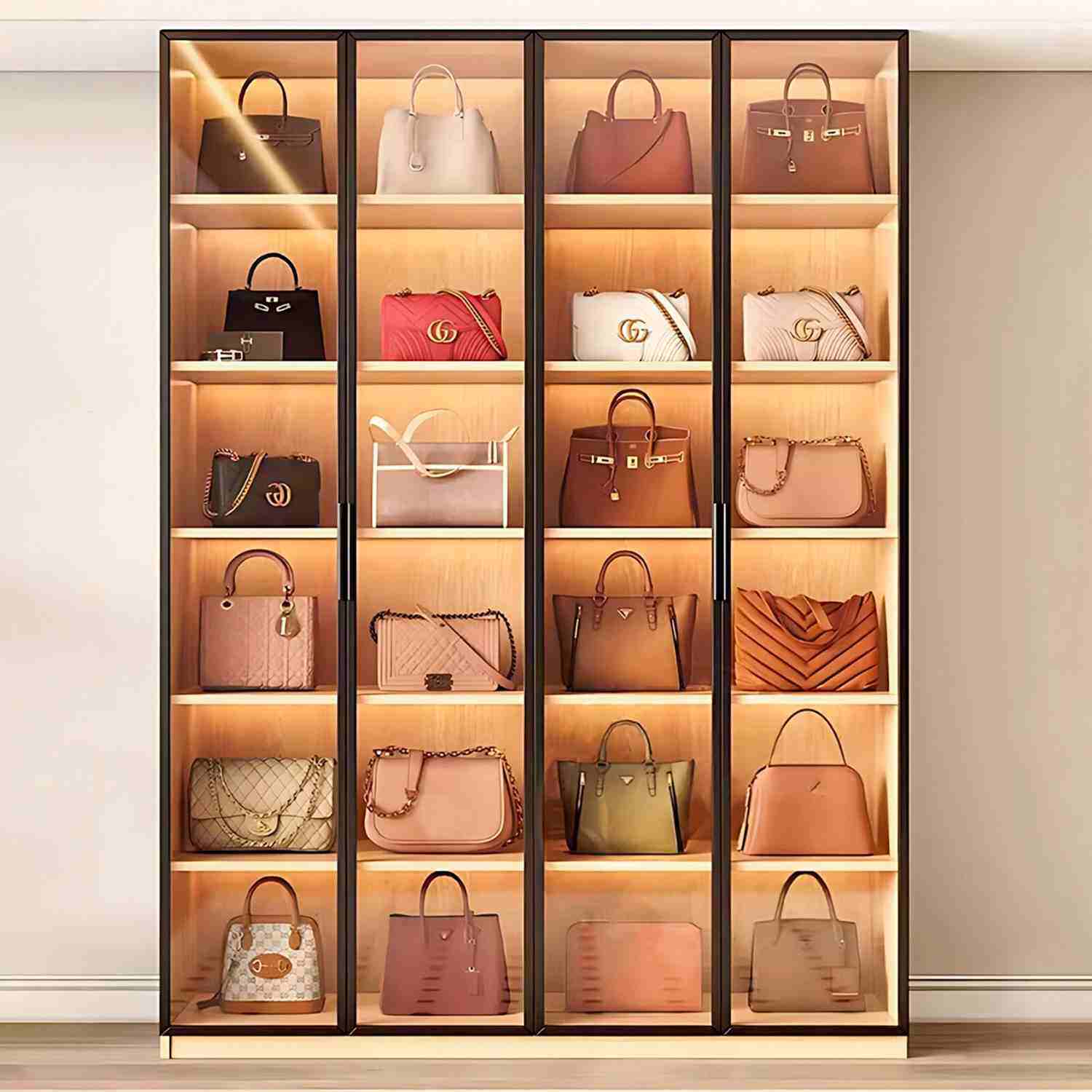
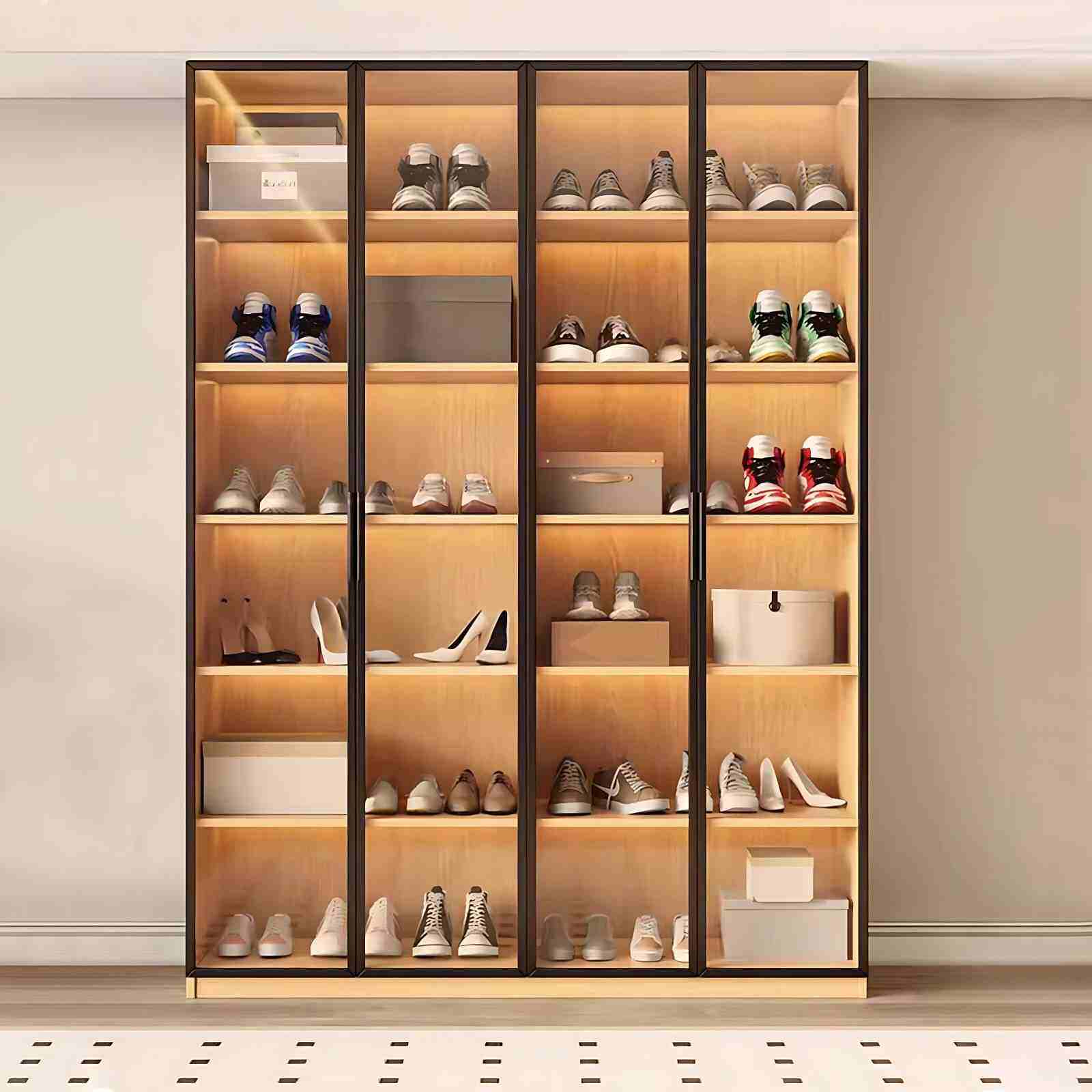
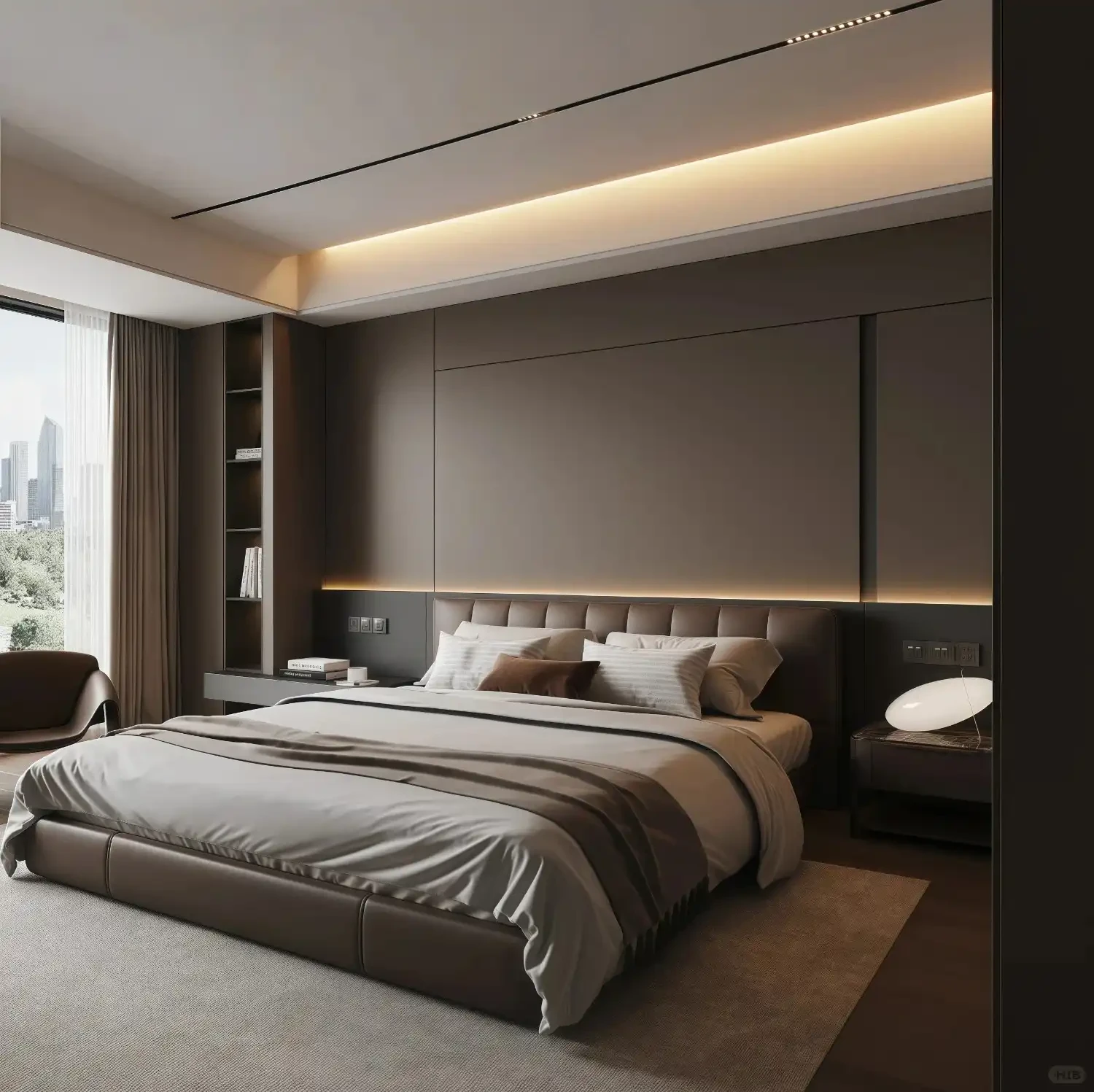
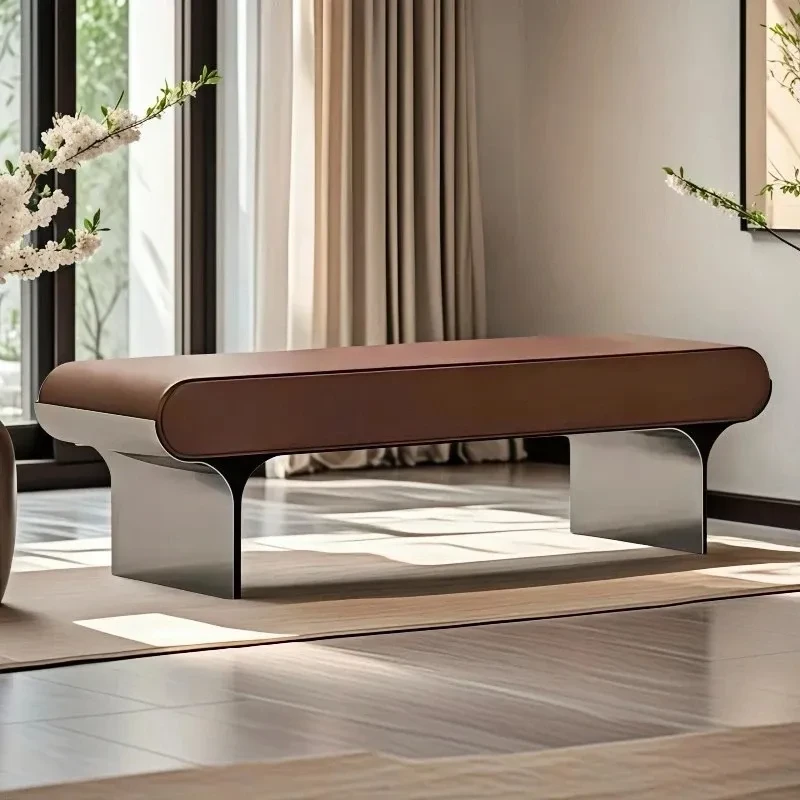
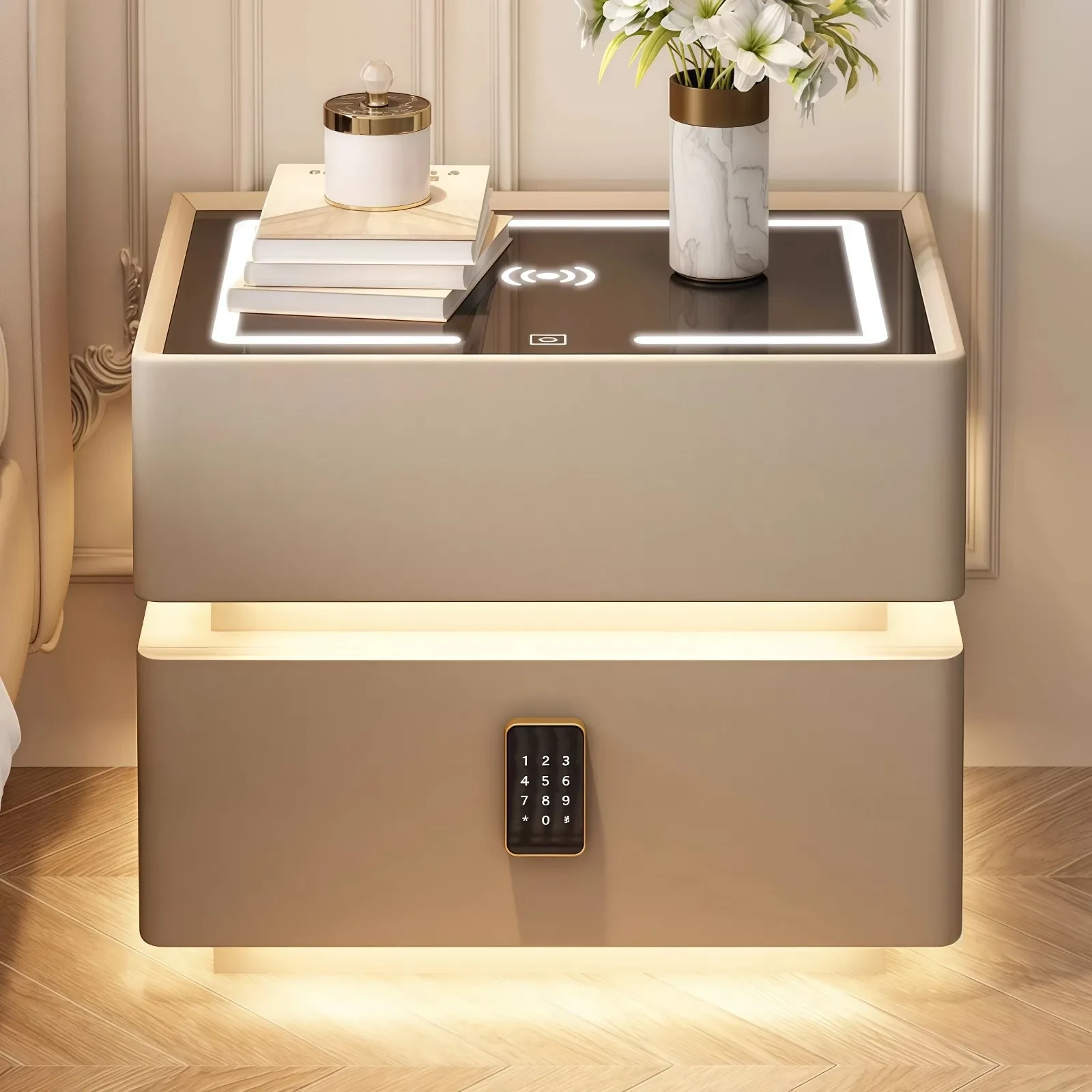
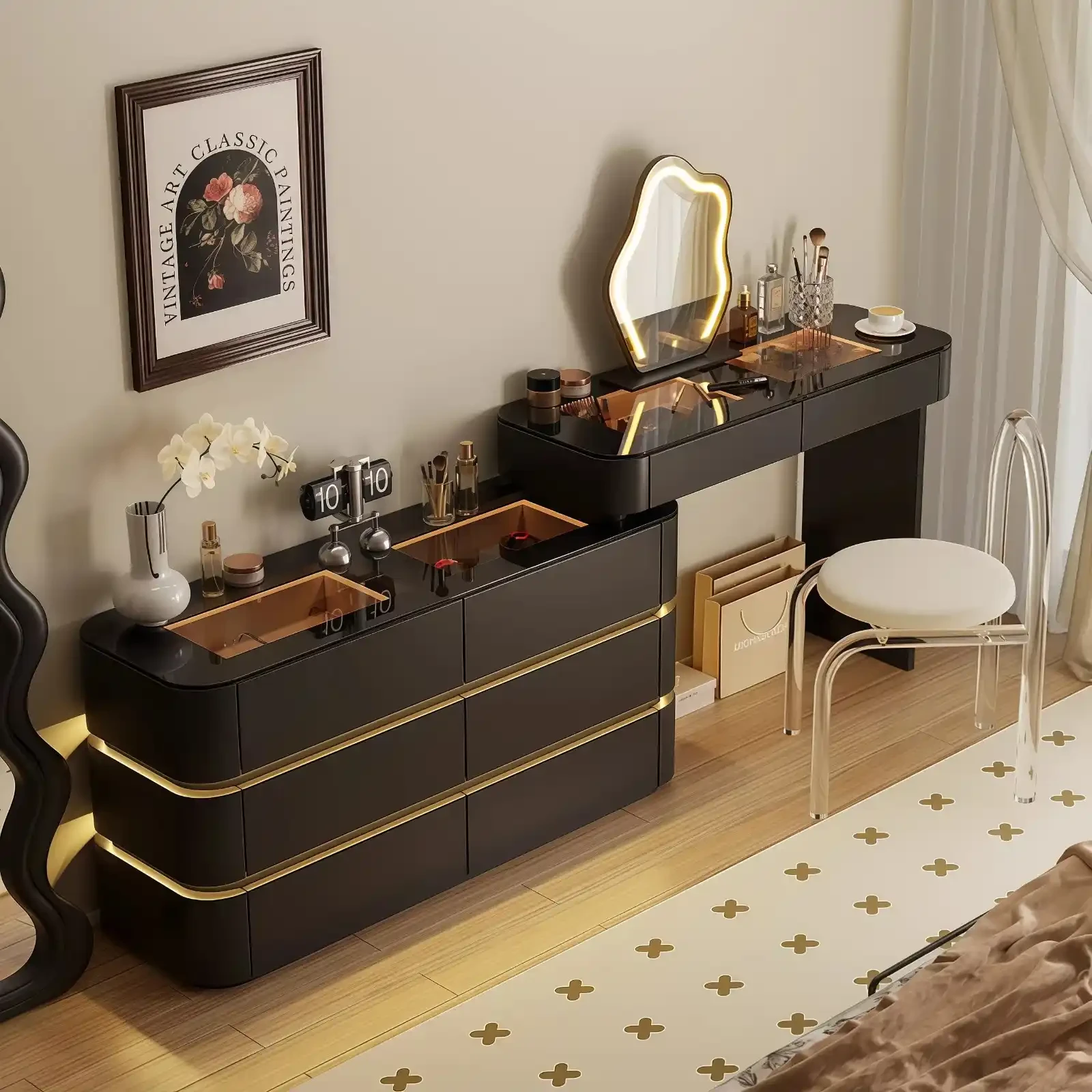
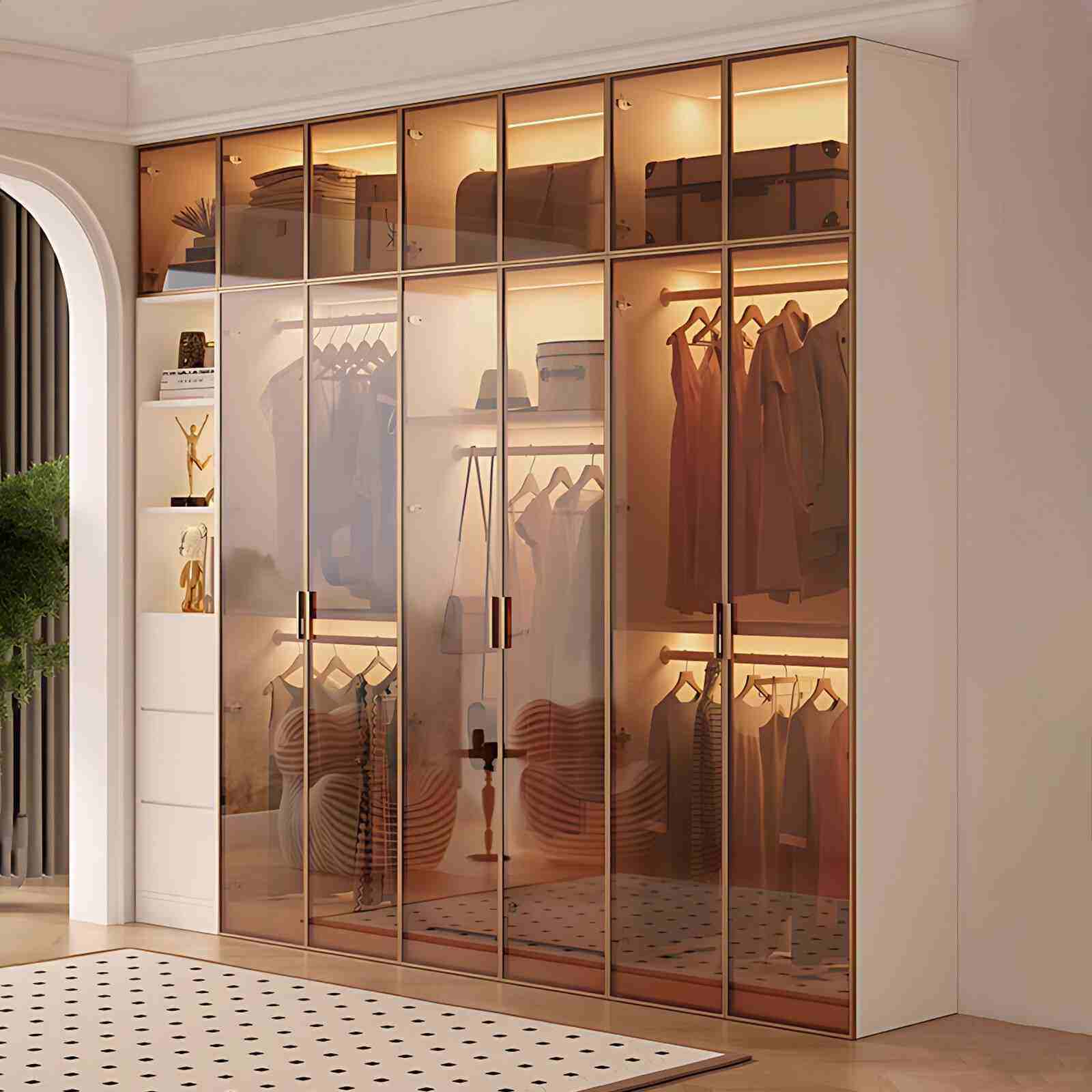
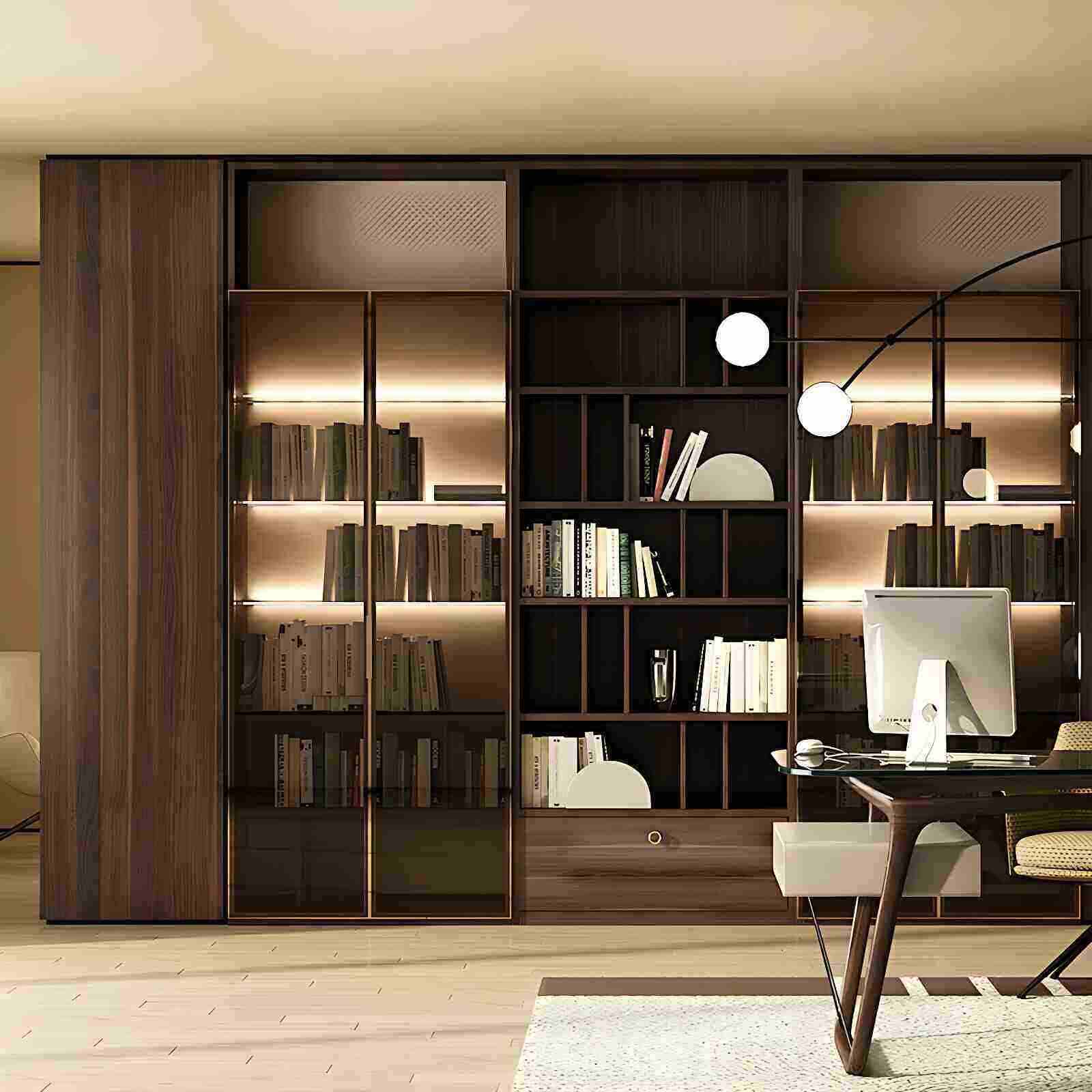

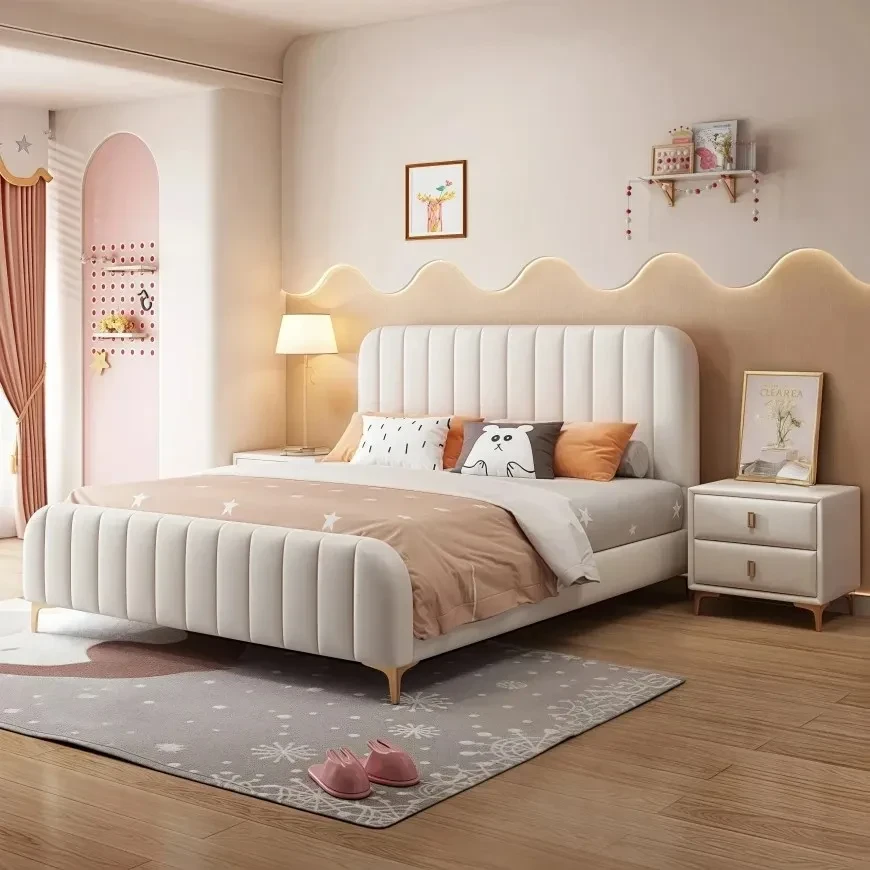
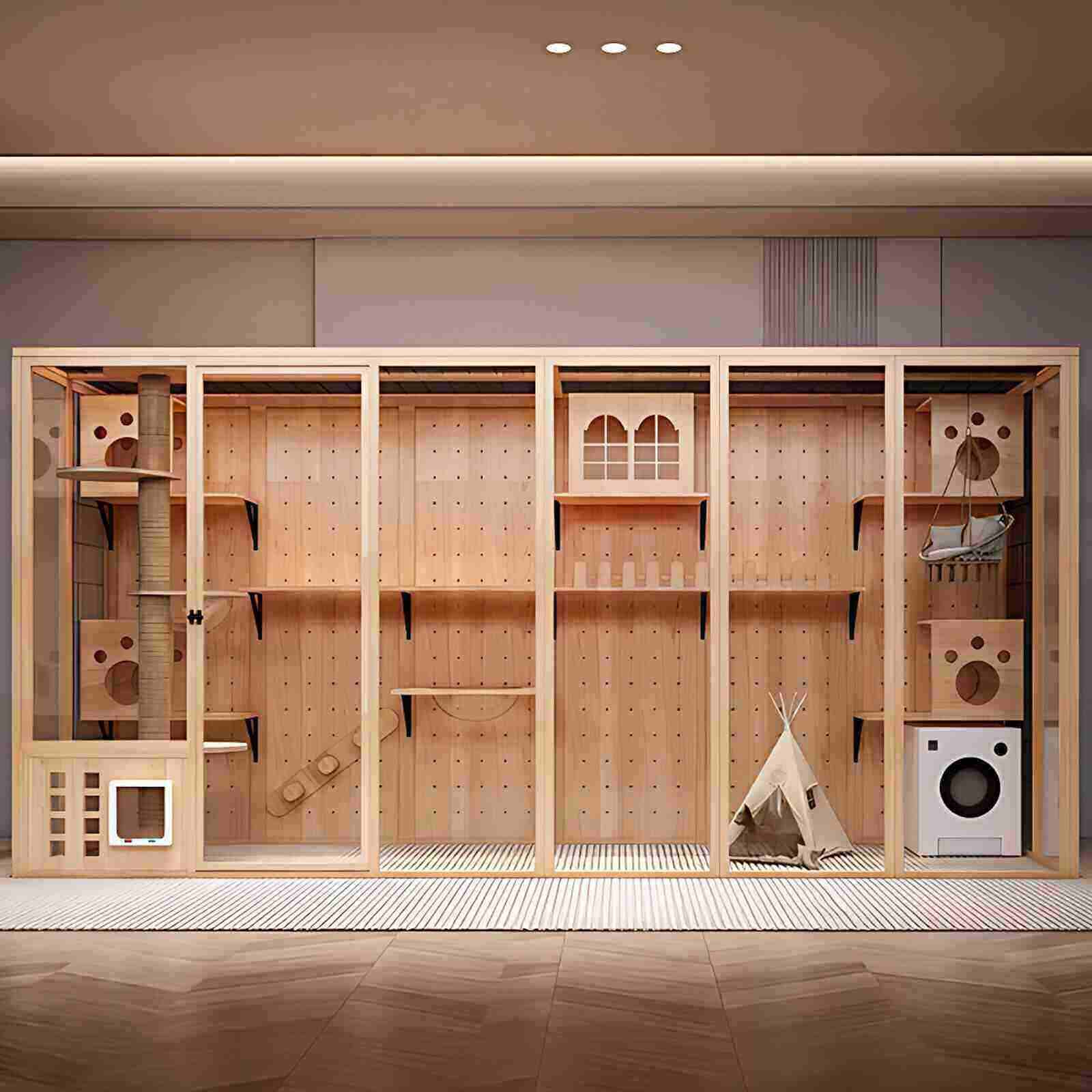
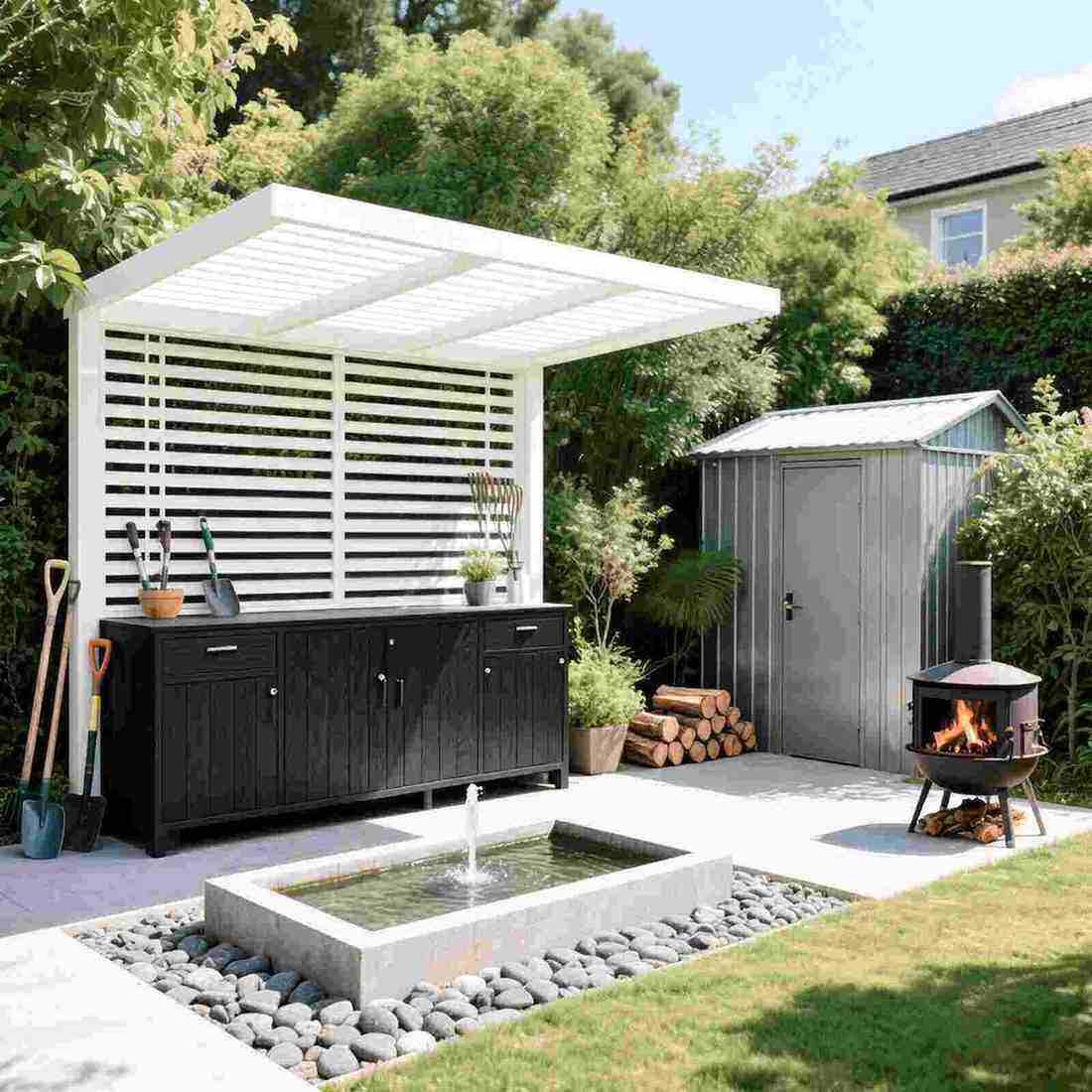
The rapid development of the home building materials industry has driven continuous innovation and upgrading of engineered wood products. Higher-quality engineered wood products are gradually emerging, gaining popularity among many industry brands and becoming a primary material for leading custom home furnishing brands. Solid wood particleboard is one such example. However, many consumers have deep misconceptions about solid wood particleboard: they believe it's simply wood chips glued together, prone to warping, and releases excessive formaldehyde, making its quality, performance, and environmental friendliness unreliable. Is this really the case? Let's discuss these questions together today!
Why are major brands using particleboard?
The main reasons why particleboard is misunderstood are its physical properties and whether it is environmentally friendly. However, it's not hard to see that many well-known domestic and international brands still endorse it and choose particleboard as their primary material. Why do these big brands make this choice? Let's start with the physical properties of particleboard. We can assess its load-bearing capacity, nail-holding power, and moisture resistance. Particleboard is made from log branches and shavings, which are then dried, sieved (outer and core layers), mixed with adhesive, laid, continuously hot-pressed, cured, and sanded. Due to its unique manufacturing process, particleboard has a cross-laminated structure of wood shavings, making it more stable, stronger, and more resistant to deformation. Continuous hot pressing further strengthens the shavings, resulting in better nail-holding power. High-quality moisture-resistant particleboard also incorporates waterproofing agents during production, enhancing its moisture resistance.
Compared to other substrates such as plywood and MDF, particleboard has very strong comprehensive physical properties, which can dispel consumers' doubts about the quality of particleboard.
Formaldehyde release from engineered wood products (No. 02 Environmental Performance) primarily originates from the adhesives used. The adhesives determine the formaldehyde release from the substrate, making them a decisive factor in whether the board is environmentally friendly. Due to the manufacturing process of particleboard, a significant amount of adhesive is used. Many small businesses, in an effort to save costs, choose cheap urea-formaldehyde resin as the adhesive, resulting in the release of large amounts of formaldehyde after board production, harming consumer health. Inferior adhesives are not only environmentally unfriendly but also affect the performance of the board. Many consumers' negative impression of particleboard may stem from choosing inferior products. However, formaldehyde-free adhesives are now available, such as the MDI formaldehyde-free eco-adhesive we use, offering high safety and commonly used in high-tech fields. There is no need to worry about the environmental friendliness of the board. In 2021, the national standard certification officially implemented new standards, classifying indoor core material formaldehyde release into three standards: E1, E0, and ENF (formaldehyde-free), ensuring the needs and interests of consumers.
In addition to its excellent physical properties and environmental friendliness, particleboard also has a smooth surface, allowing for good finishing effects. It is highly decorative, easy to process, and cost-effective, giving it a broader market for development. No wonder it is favored by major brands.
How to choose high-quality particleboard?
High-quality particleboard can meet consumers' diverse needs for home furnishings. However, in a market rife with inferior products, how can one avoid the pitfalls of choosing truly high-quality particleboard? Here are two methods: First, smell the particleboard. After production, particleboard will have a faint odor. High-quality particleboard has a light, pleasant wood scent, while inferior particleboard will have a strong, pungent odor, which becomes more pronounced at higher temperatures. Second, examine the cut surface. High-quality particleboard has a smooth cut surface with fine, dense, and clean wood shavings. This reflects the mature production processes and advanced equipment of large manufacturers, qualities that inferior particleboard cannot possess. Third, check the test reports. Currently, the national standard certifies three levels (formaldehyde emission limits): E1 (≤0.124mg/m³), E0 (≤0.050mg/m³), and ENF (≤0.025mg/m³). Test reports are the most direct way for consumers to understand particleboard products, clearly showing performance tests and environmental standards achieved.
In addition, I'll teach you an even easier and faster way to choose high-quality solid wood particleboard: look for Huazhou Wood Industry.
As a pioneer in environmentally friendly wood-based panels, we have created the world's first formaldehyde-free solid wood particleboard and invested 450 million yuan to build an advanced production line. We own 10,000 mu of forest farms to ensure the quality of our panels. We focus on both quality and environmental protection, and concentrate on innovative research and development. Currently, the formaldehyde emission of our formaldehyde-free solid wood particleboard is ≤0.02mg/m³, which meets the new national standard ENF grade (formaldehyde-free) in my country, placing us at the pinnacle of environmentally friendly wood-based panels.
Hopefully, this explanation will help everyone overcome misunderstandings about particleboard and gain a new understanding of it. High-quality particleboard can provide consumers with better home furnishing and decoration options.