
 USD
USD GBP
GBP
 EUR
EUR
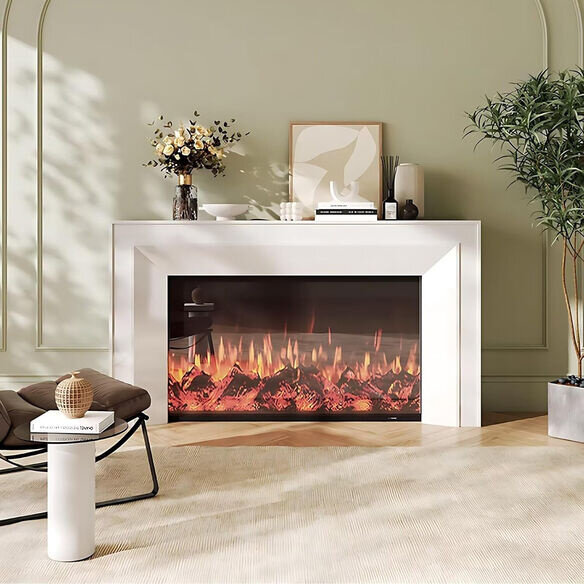


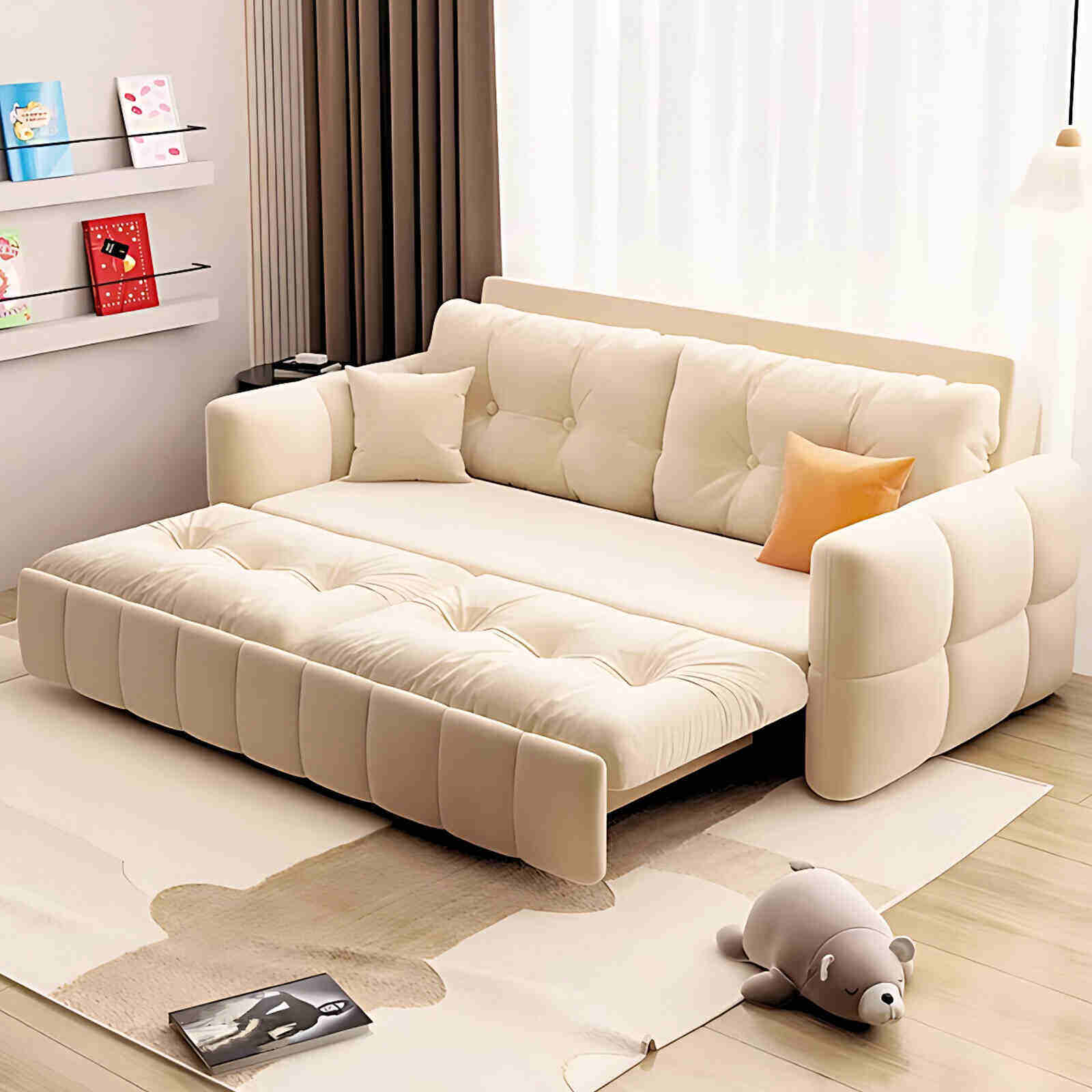
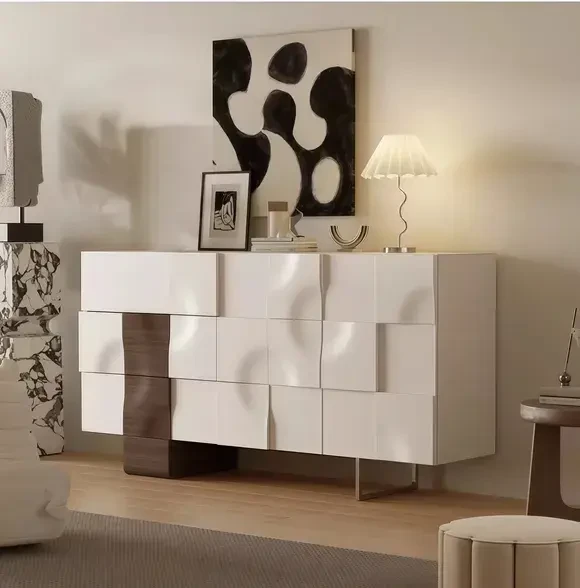
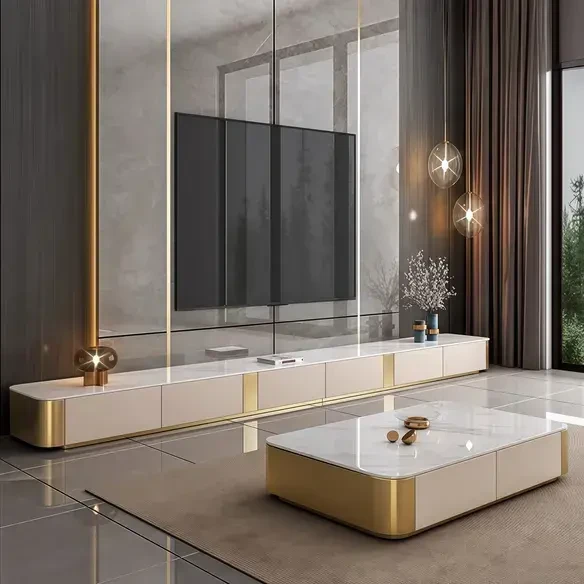

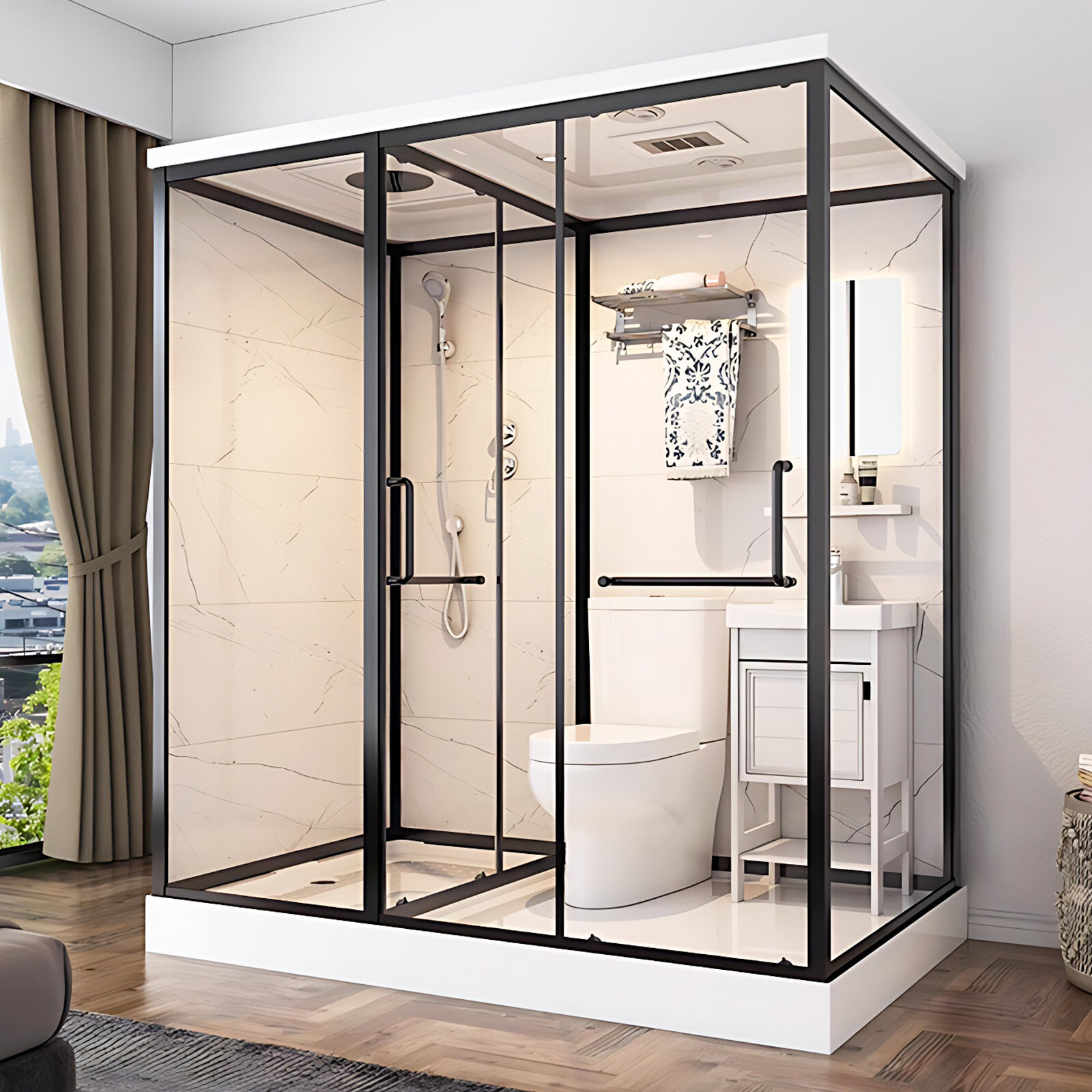
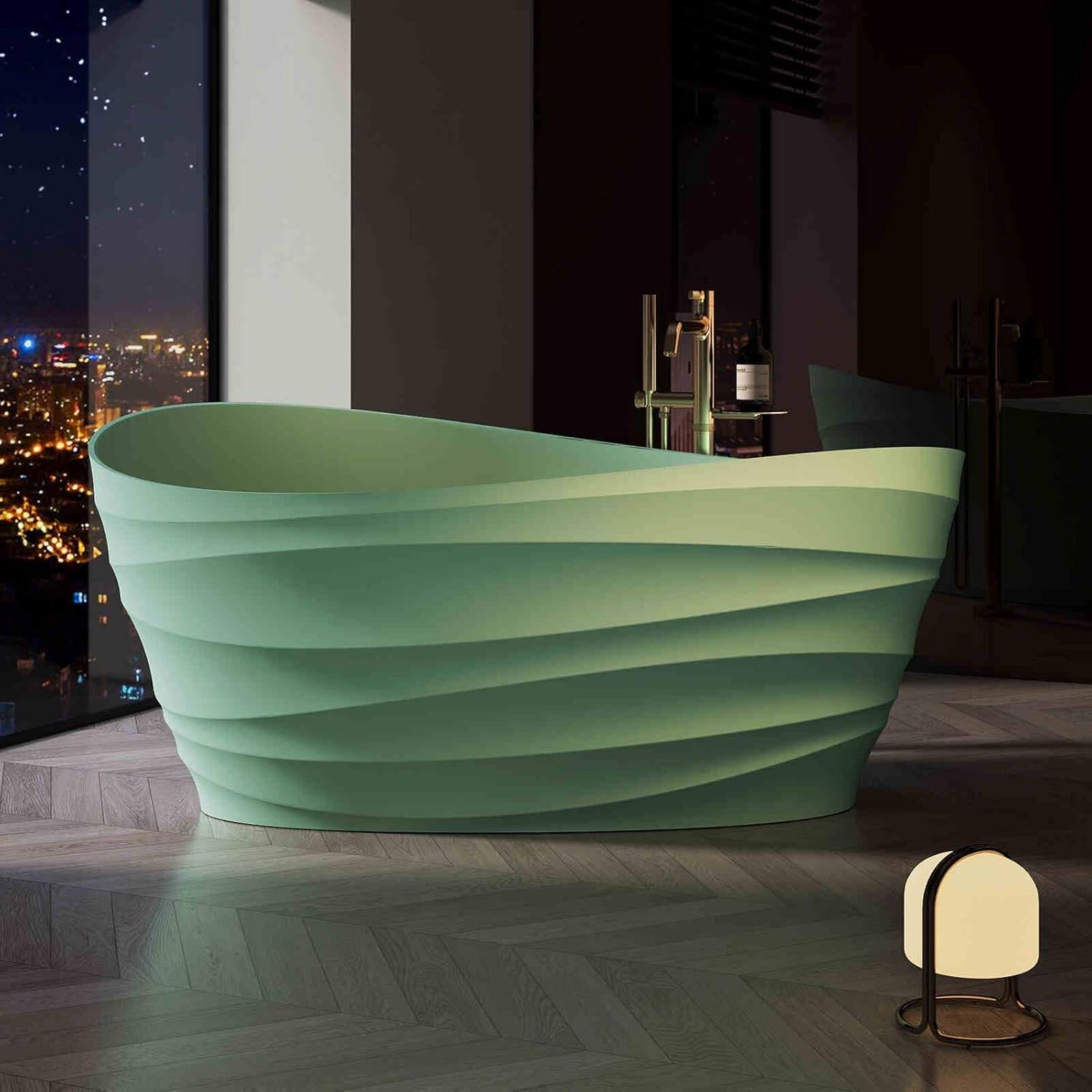
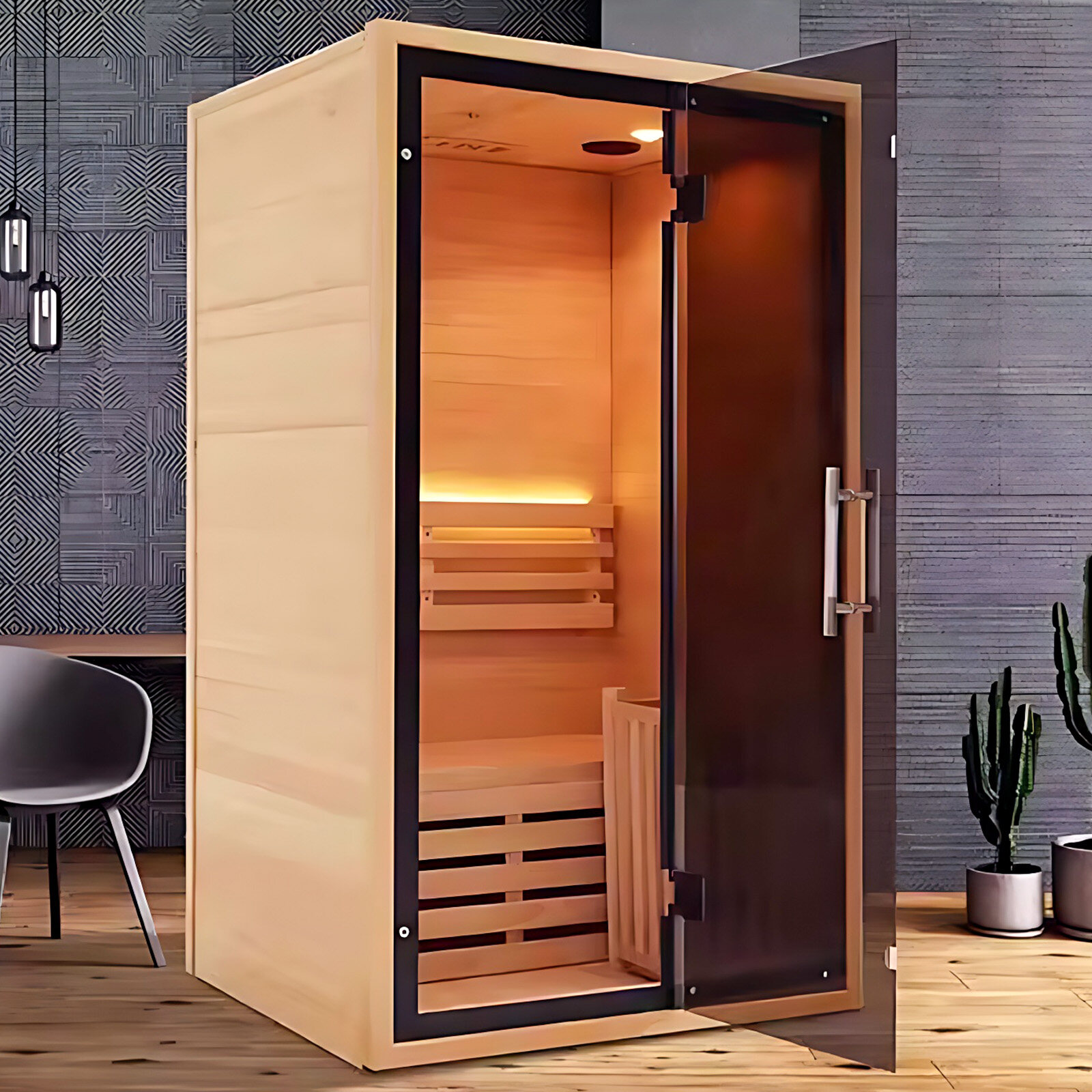
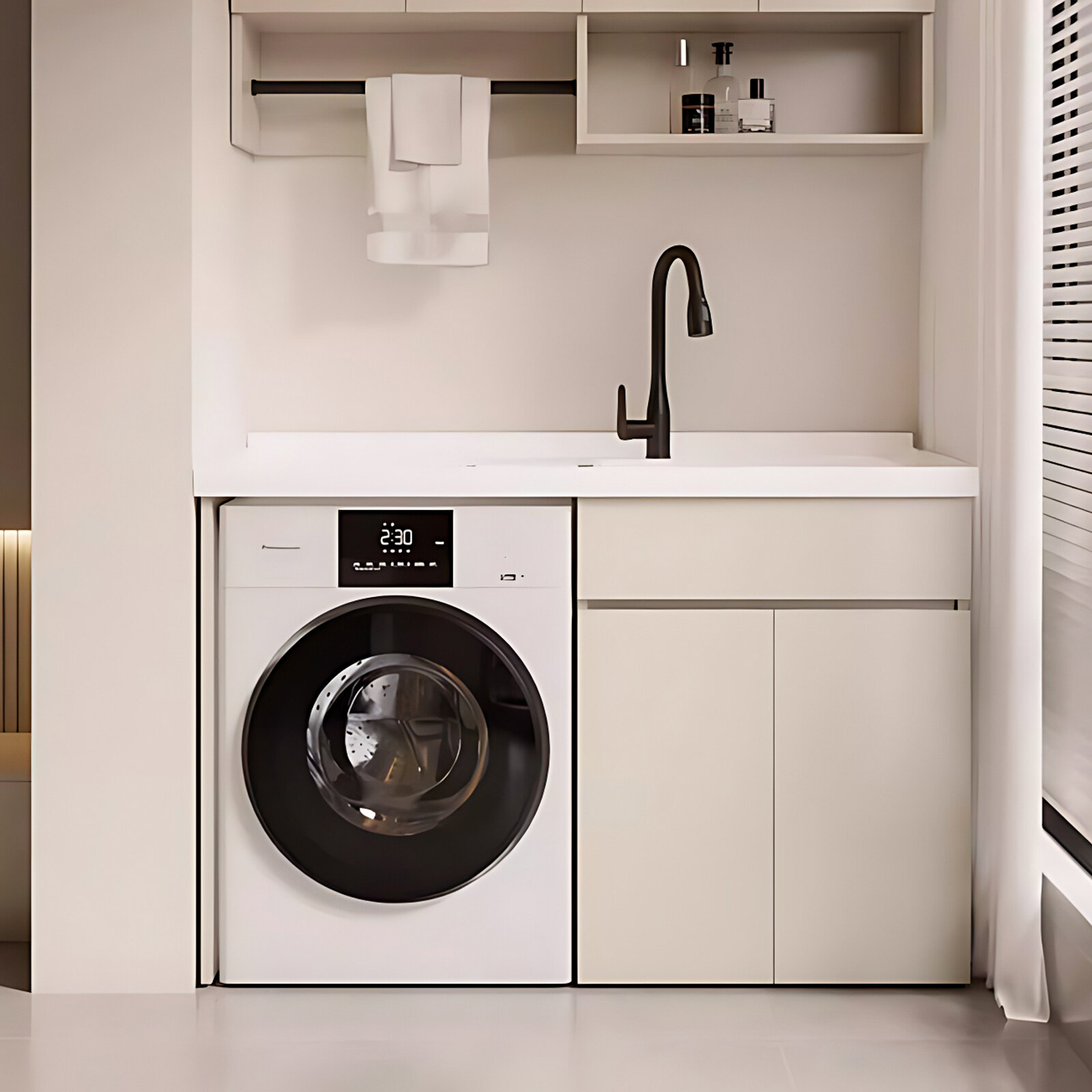
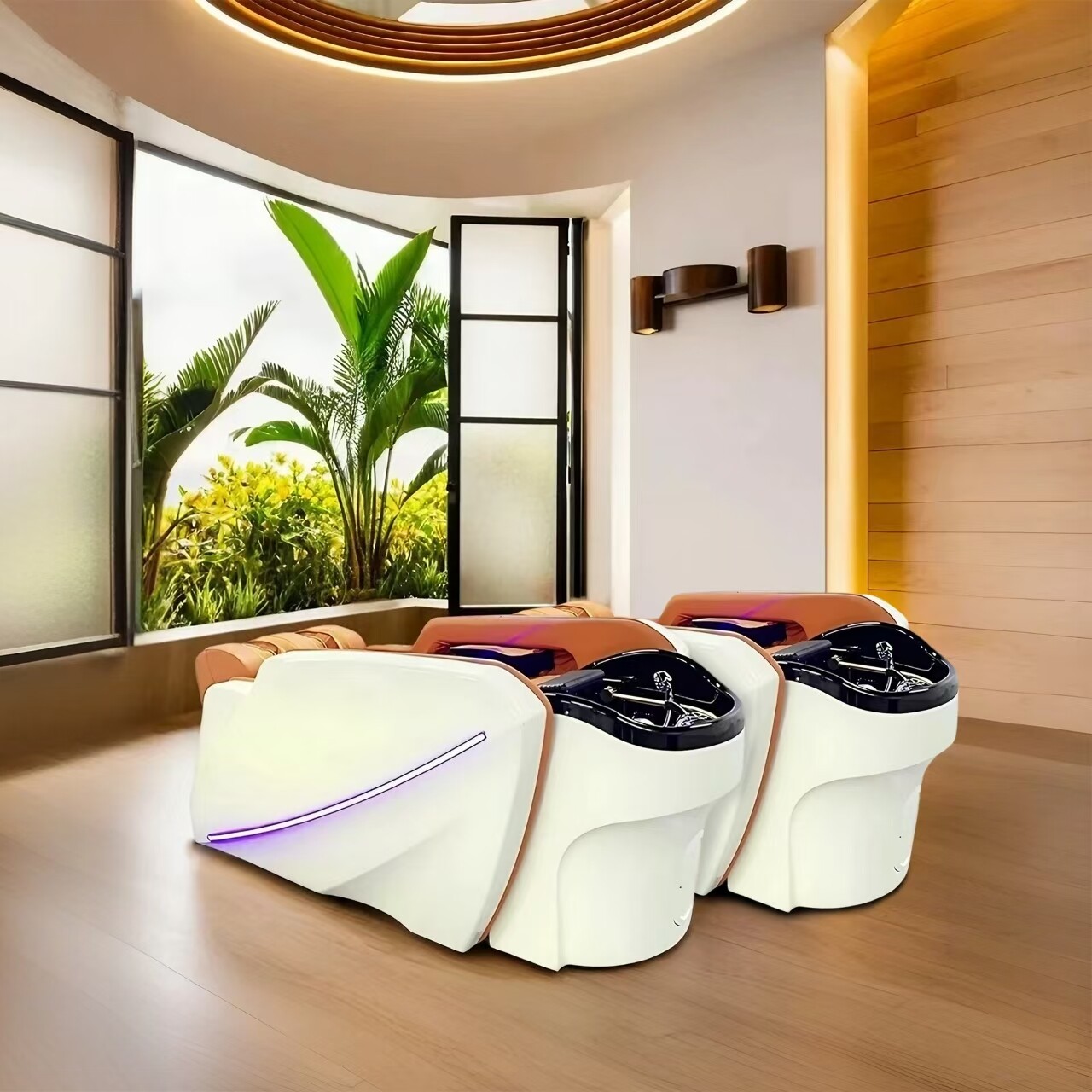

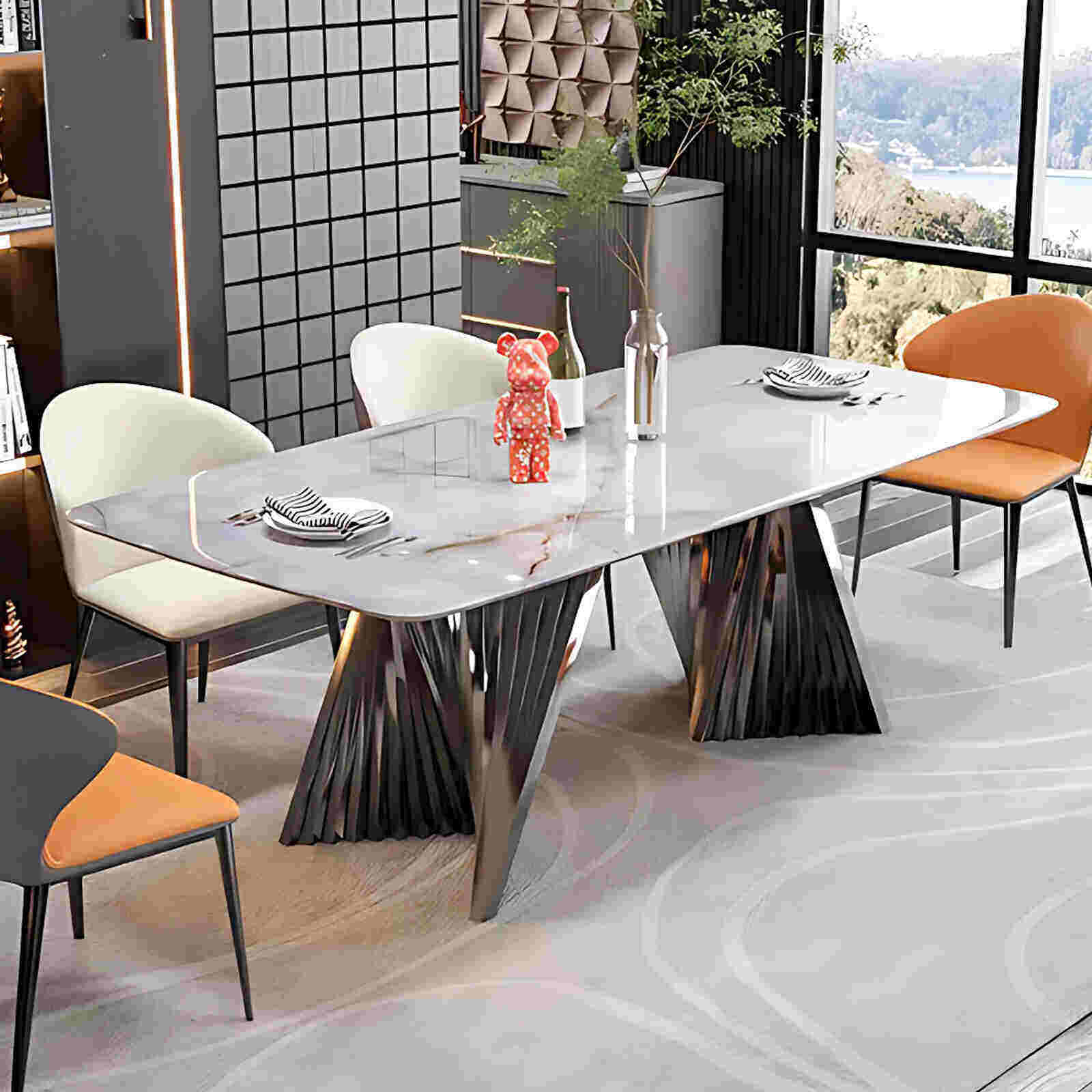
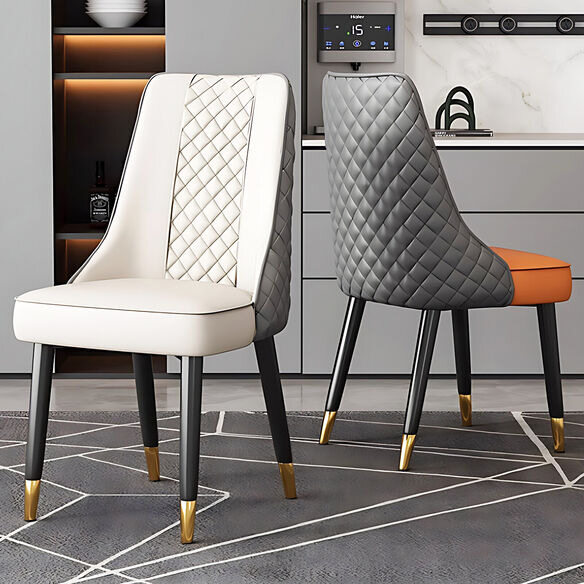
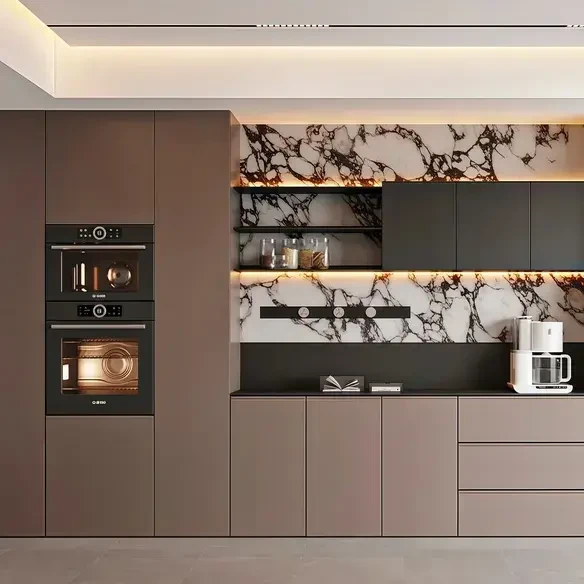

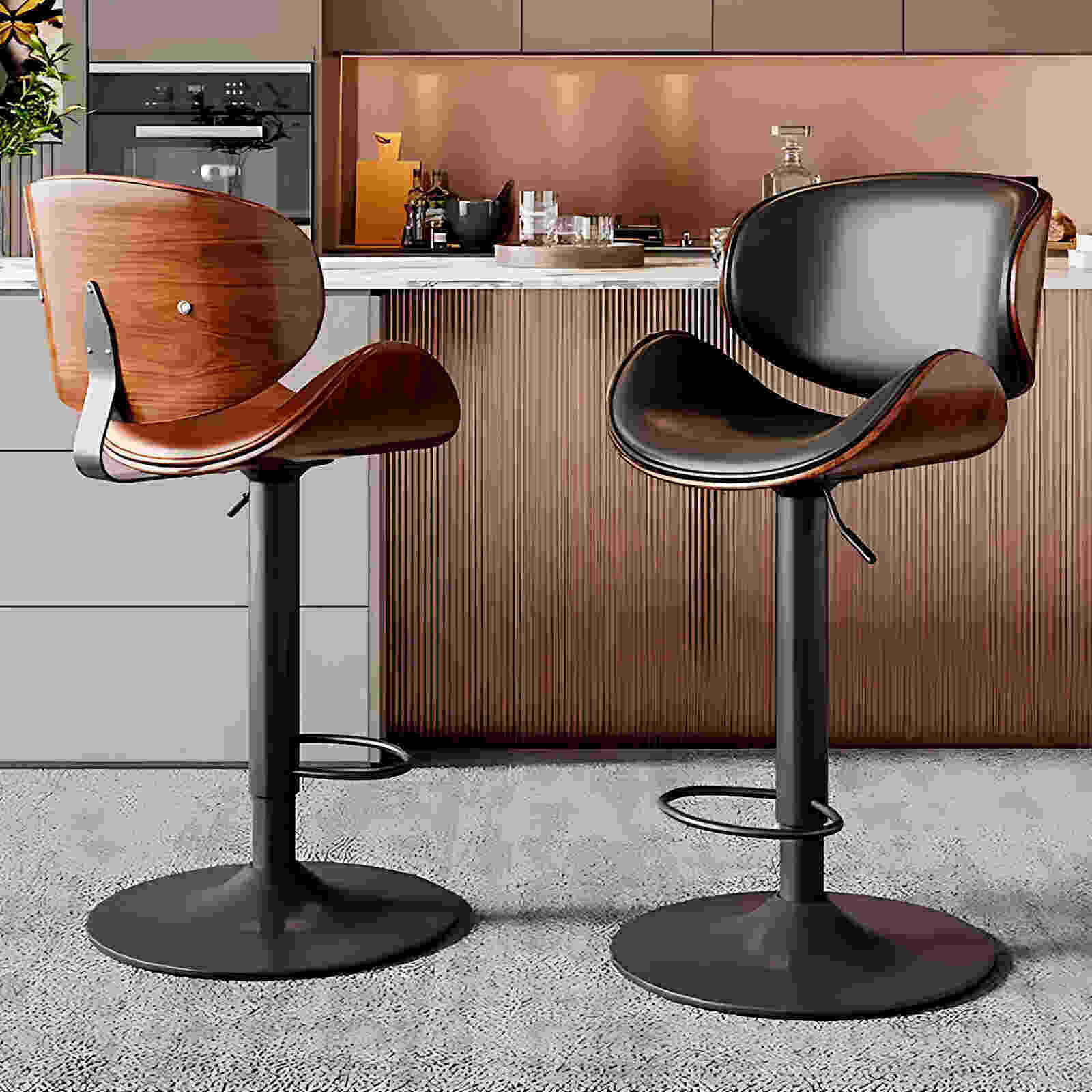



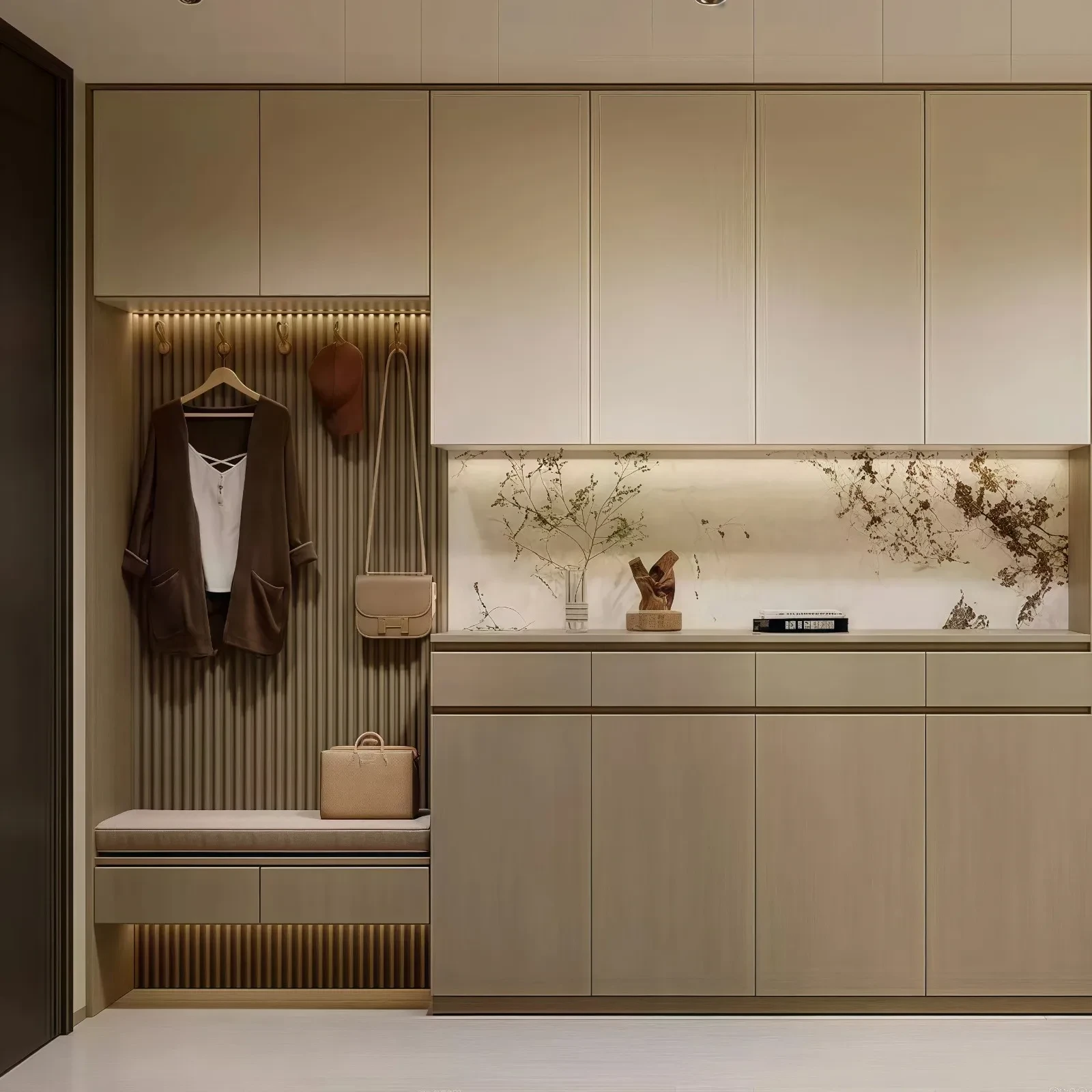





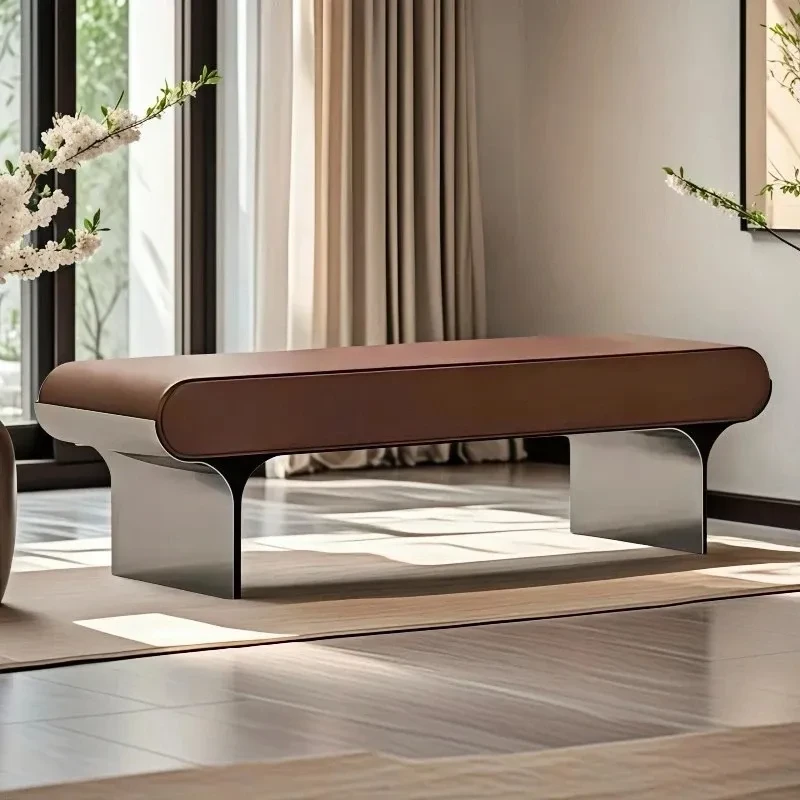
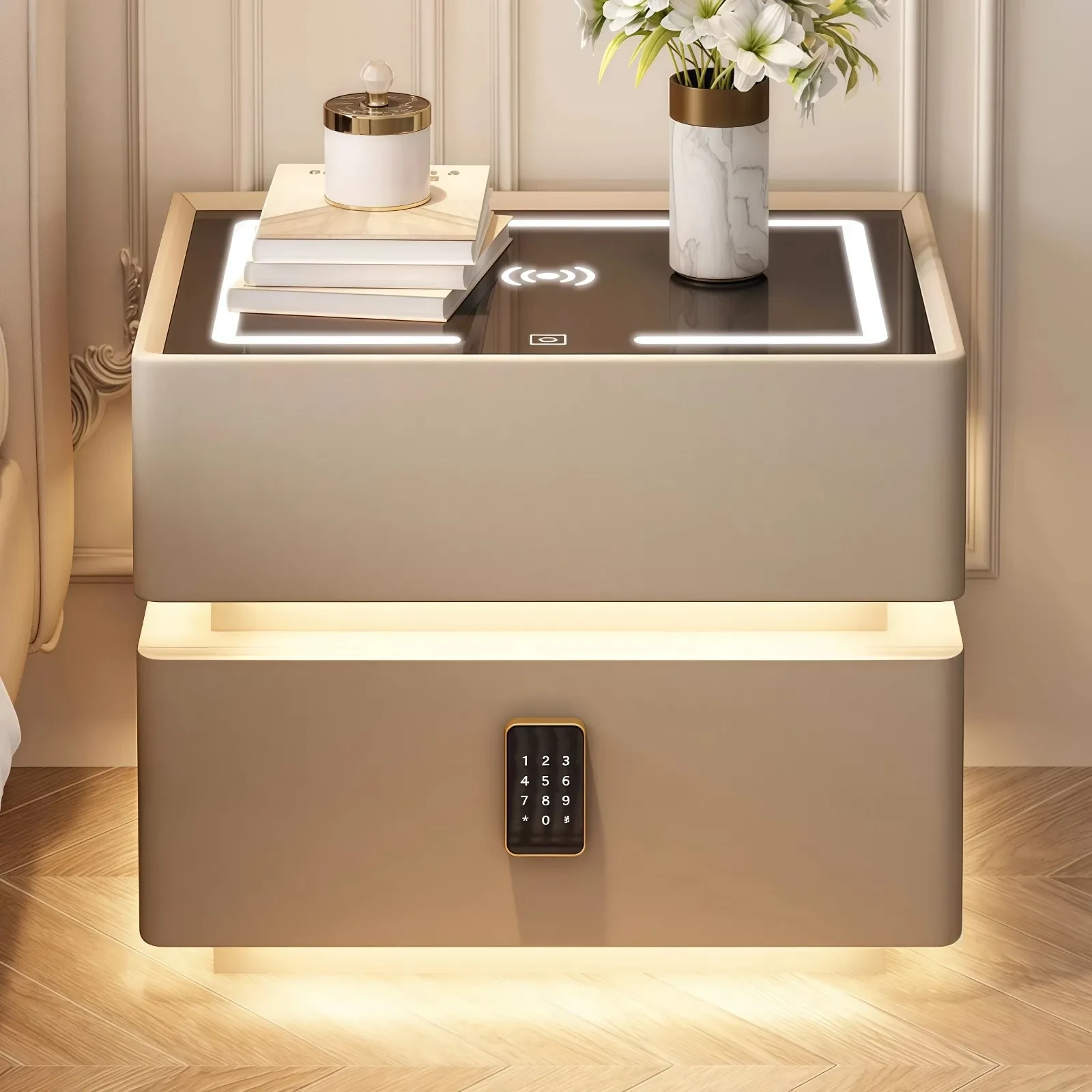




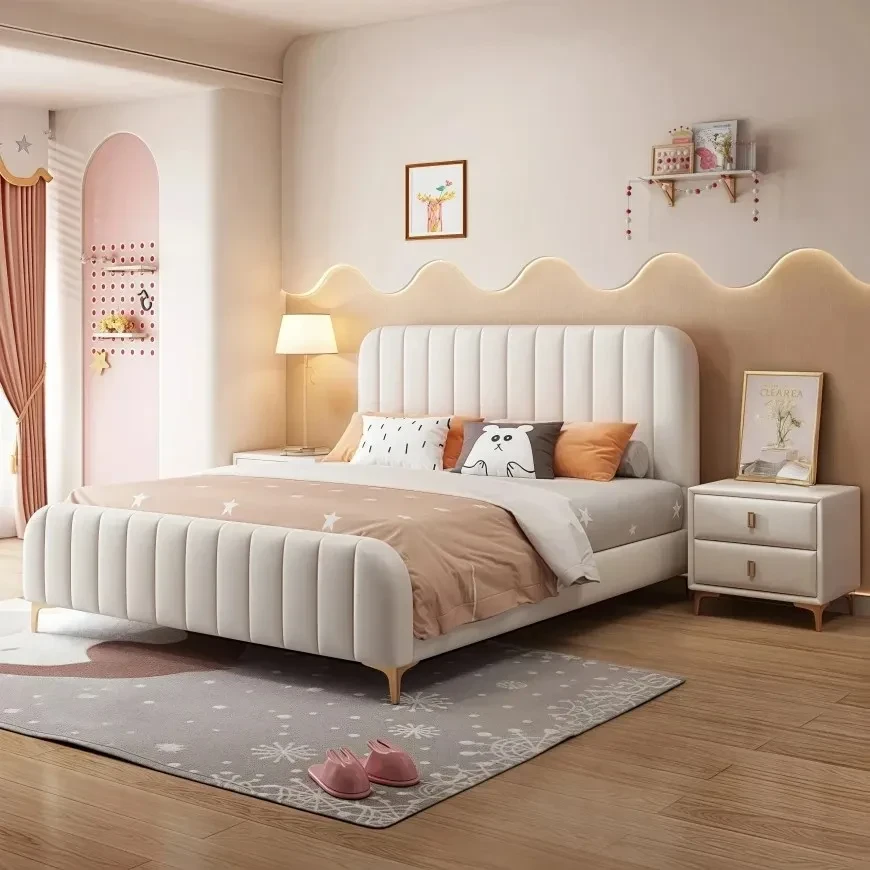
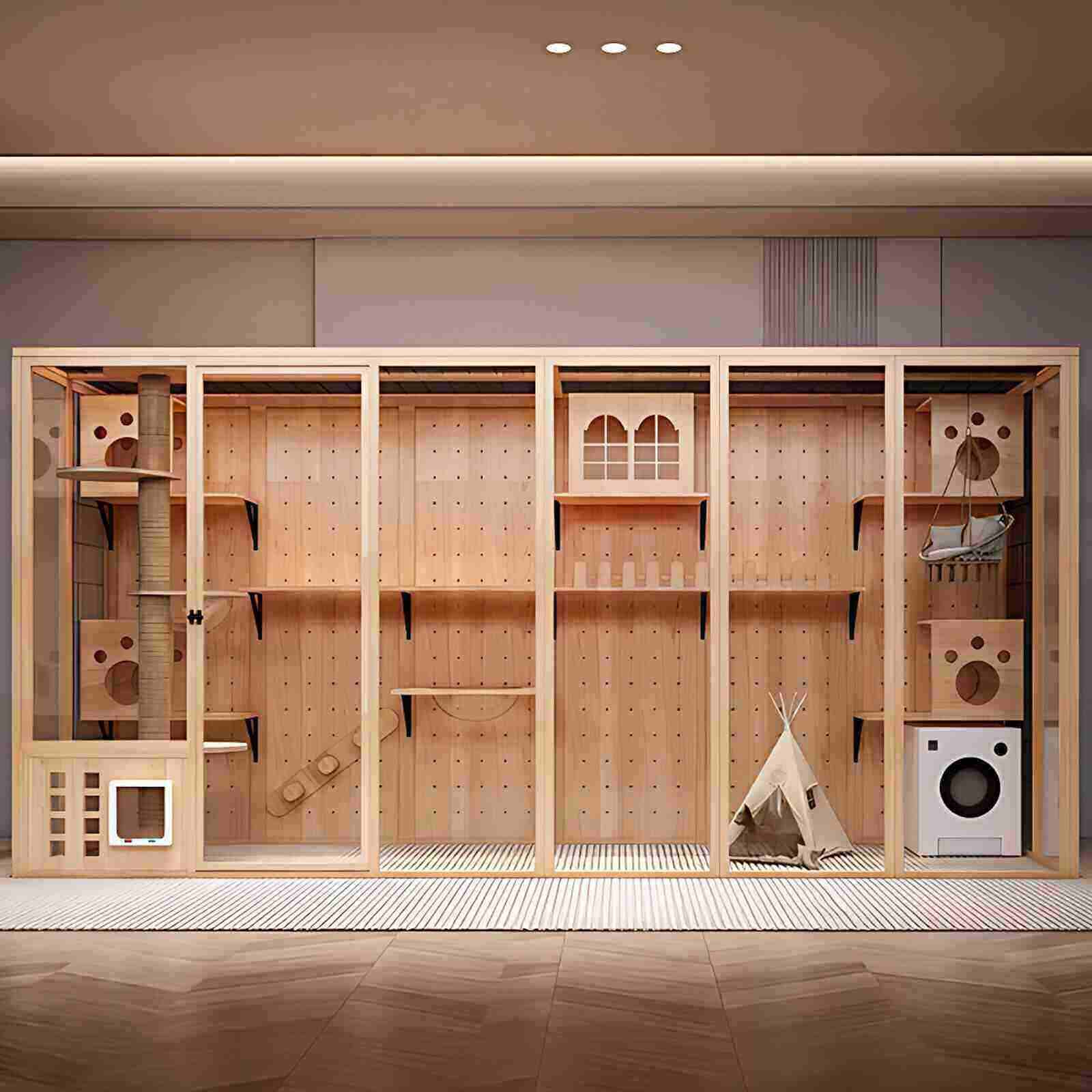

Formaldehyde can be released during home renovations and from furniture purchases. How should we deal with this familiar yet invisible, intangible, colorless, and odorless "enemy"? As the saying goes, "Know yourself and know your enemy, and you will never be defeated." Next, let's explore the characteristics of formaldehyde together.
How much do you know about the dangers of formaldehyde?
A 40% formaldehyde solution, commonly known as formalin, is a highly volatile, colorless gas that irritates the eyes and nose. According to the national mandatory standard "Code for Indoor Environmental Pollution Control of Civil Building Engineering," the maximum permissible concentration of formaldehyde in indoor air is 0.08 mg/m³. So, what clinical symptoms might occur if we live in an indoor environment with excessive formaldehyde levels?
Formaldehyde's dangers are terrifying, but as the saying goes, "everything has its counter," and many physical methods for removing formaldehyde circulate among the people. For example, using orange peels, grapefruits, and other fruits to absorb formaldehyde. However, in reality, this method is not only ineffective but can also greatly increase the release of formaldehyde. Using the freshness of fruit to temporarily mask the pungent smell after renovation is nothing more than self-deception.
Here are three truly effective formaldehyde removal techniques:
Three truly effective formaldehyde removal techniques: opening windows for ventilation, photocatalytic formaldehyde removal, and environmentally friendly materials.
01 Open windows for ventilation
By circulating indoor air, the concentration of harmful substances in the air can be reduced, thereby minimizing their harm to the human body. During ventilation, an electric fan can be placed indoors to assist in accelerating air convection and allowing formaldehyde to be expelled outdoors more quickly.
Advantages: No cost
Disadvantages: Long time cycle
01 Photocatalyst
Photocatalysts are widely known as one of the most active formaldehyde removal products on the market. Their principle involves spraying them onto a material surface and, under sufficient irradiation with visible and ultraviolet light, triggering a photocatalytic reaction that effectively degrades toxic and harmful gases in the air, including formaldehyde. However, three prerequisites must be met: ultraviolet light, airflow, and the amount of photocatalyst present.
Advantages: Fast and effective
Disadvantages: Chemical reactions cannot occur in areas not exposed to ultraviolet light, such as the inside of drawers and the back of cabinets.
01 Formaldehyde Removal and Environmentally Friendly Materials
When it comes to formaldehyde removal materials, diatomaceous earth and activated carbon are probably the first things that come to mind. However, from a scientific perspective, both of these only have an adsorption effect and cannot effectively decompose formaldehyde, posing a risk of secondary release. To effectively remove formaldehyde, the problem must be addressed at its source: the building materials used in the renovation. For example, formaldehyde-removing and antibacterial eco-boards can continuously decompose indoor formaldehyde 24 hours a day, achieving a purification performance of over 75%.
Advantages: Solves the formaldehyde release problem at its source, providing a one-step solution and long-lasting effectiveness.
Disadvantages: Higher cost compared to the first two items