
 USD
USD GBP
GBP
 EUR
EUR
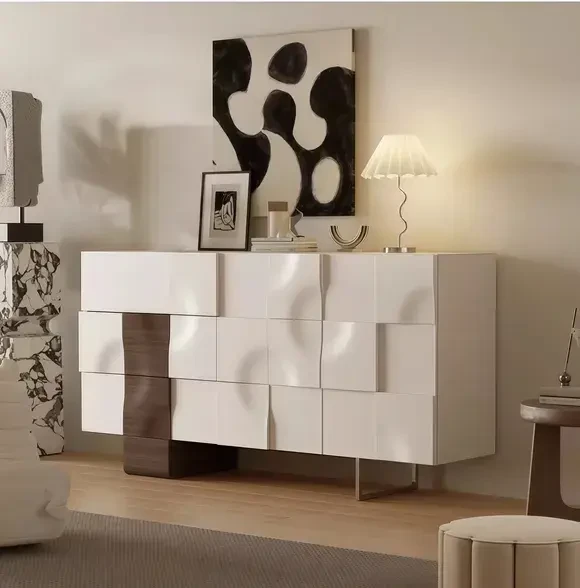
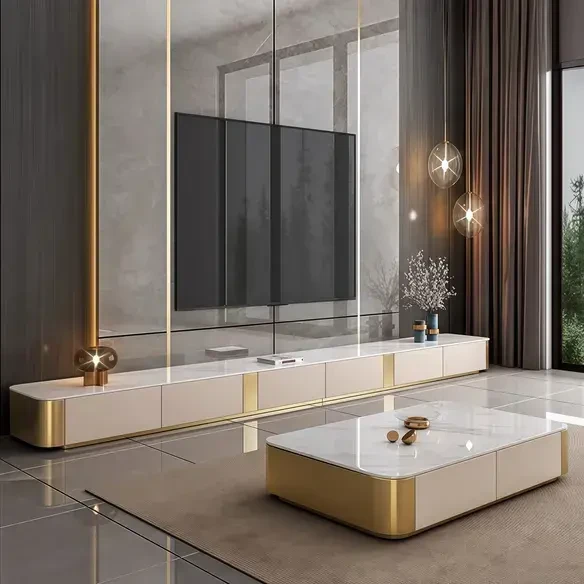
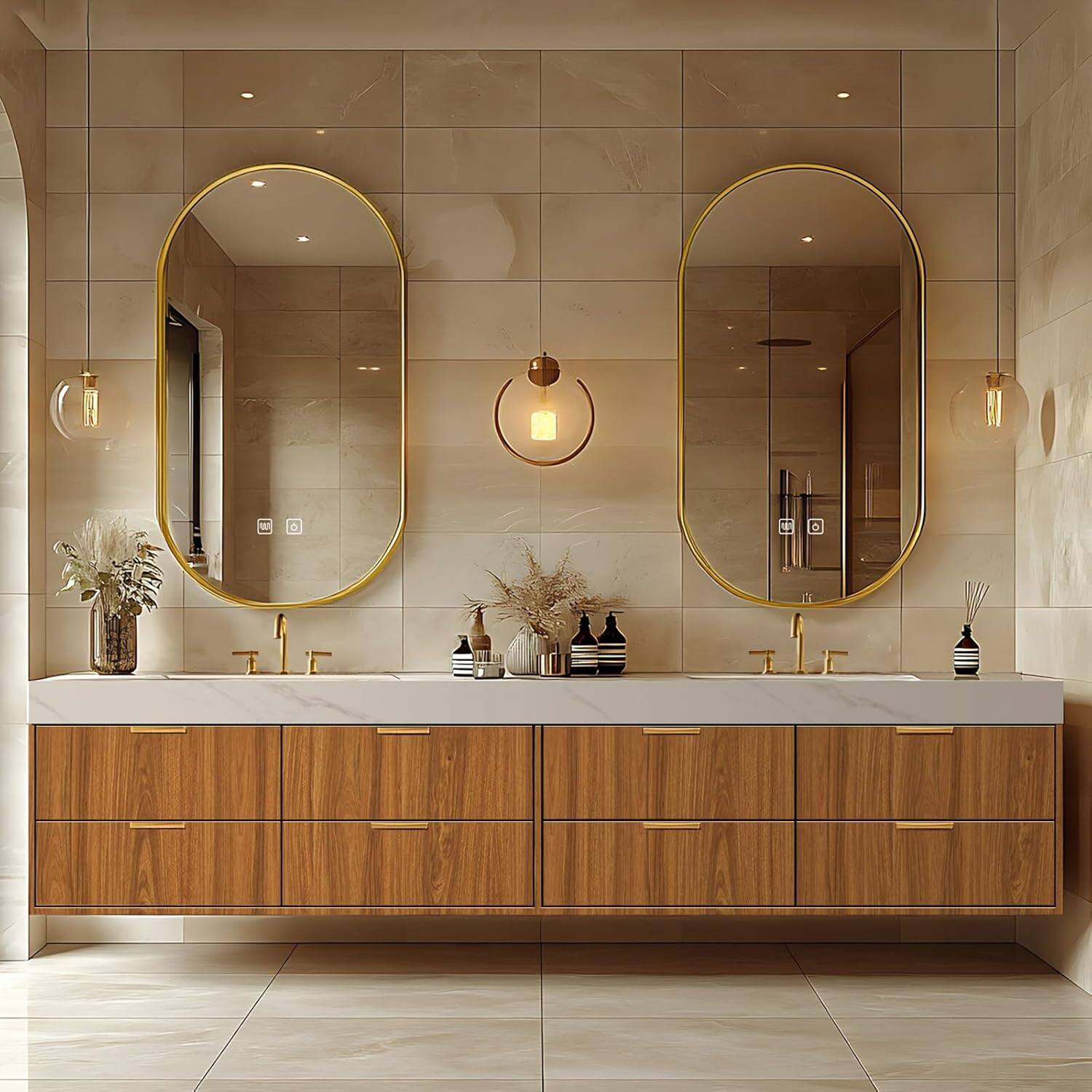
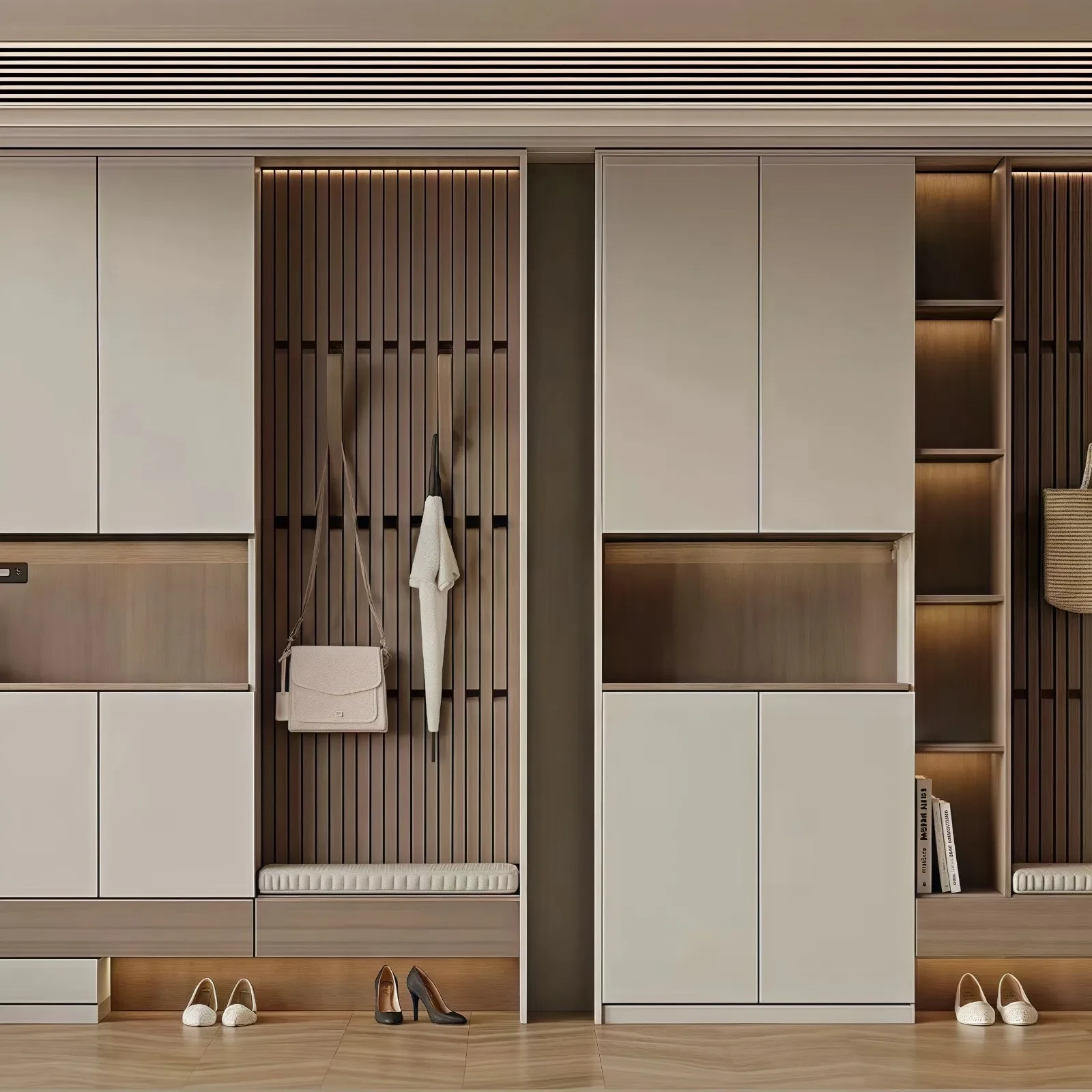
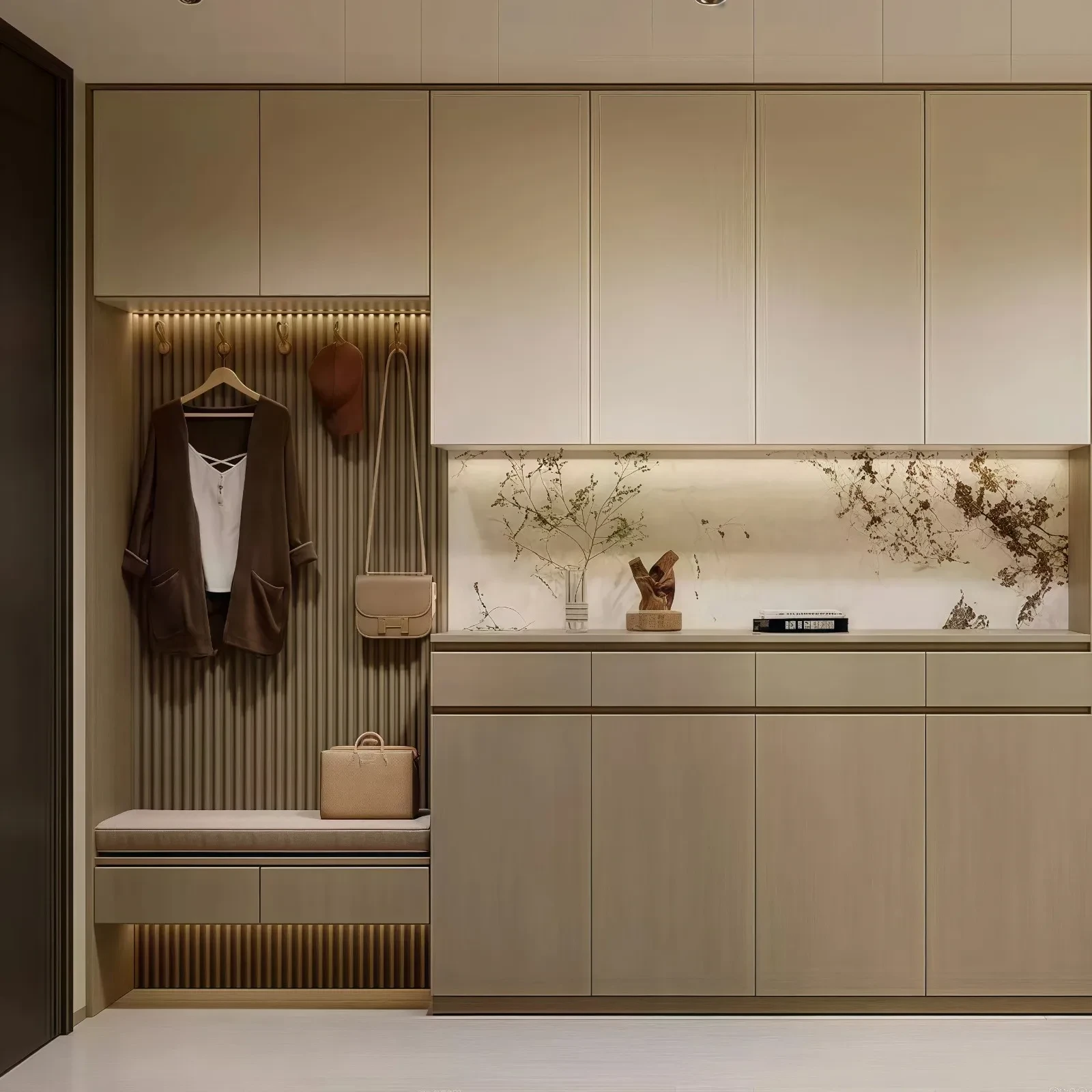
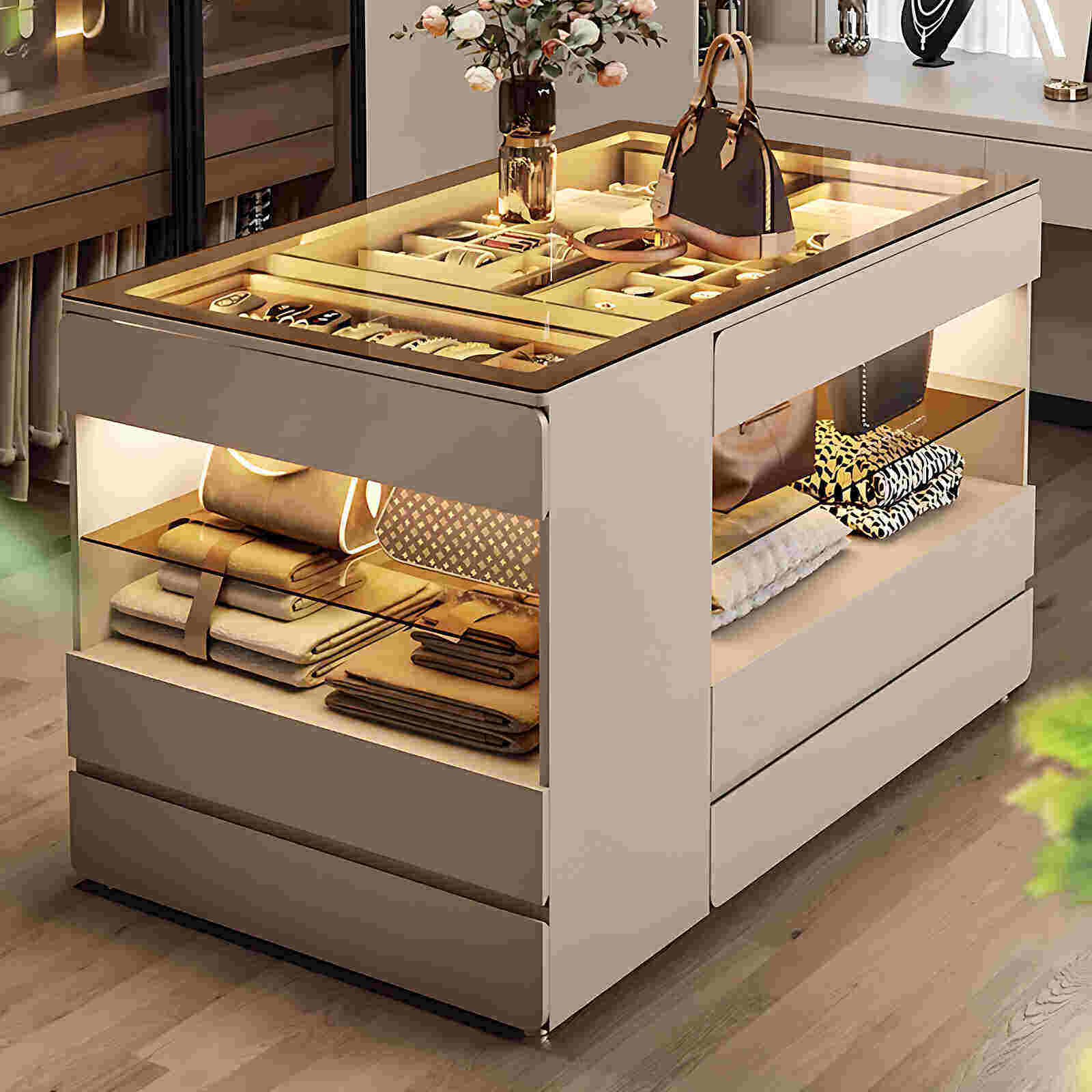
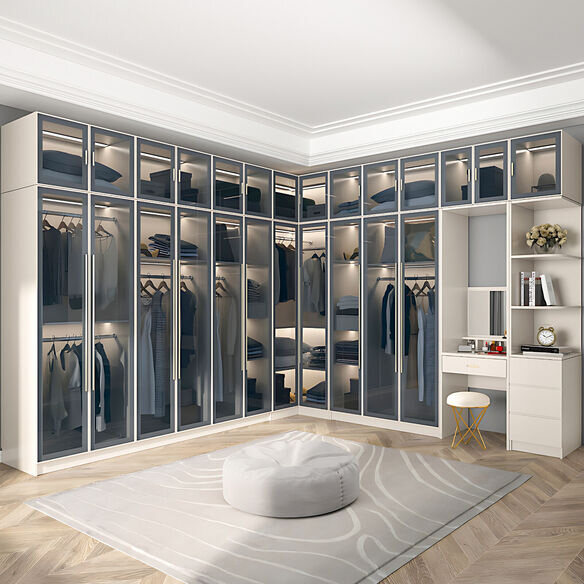
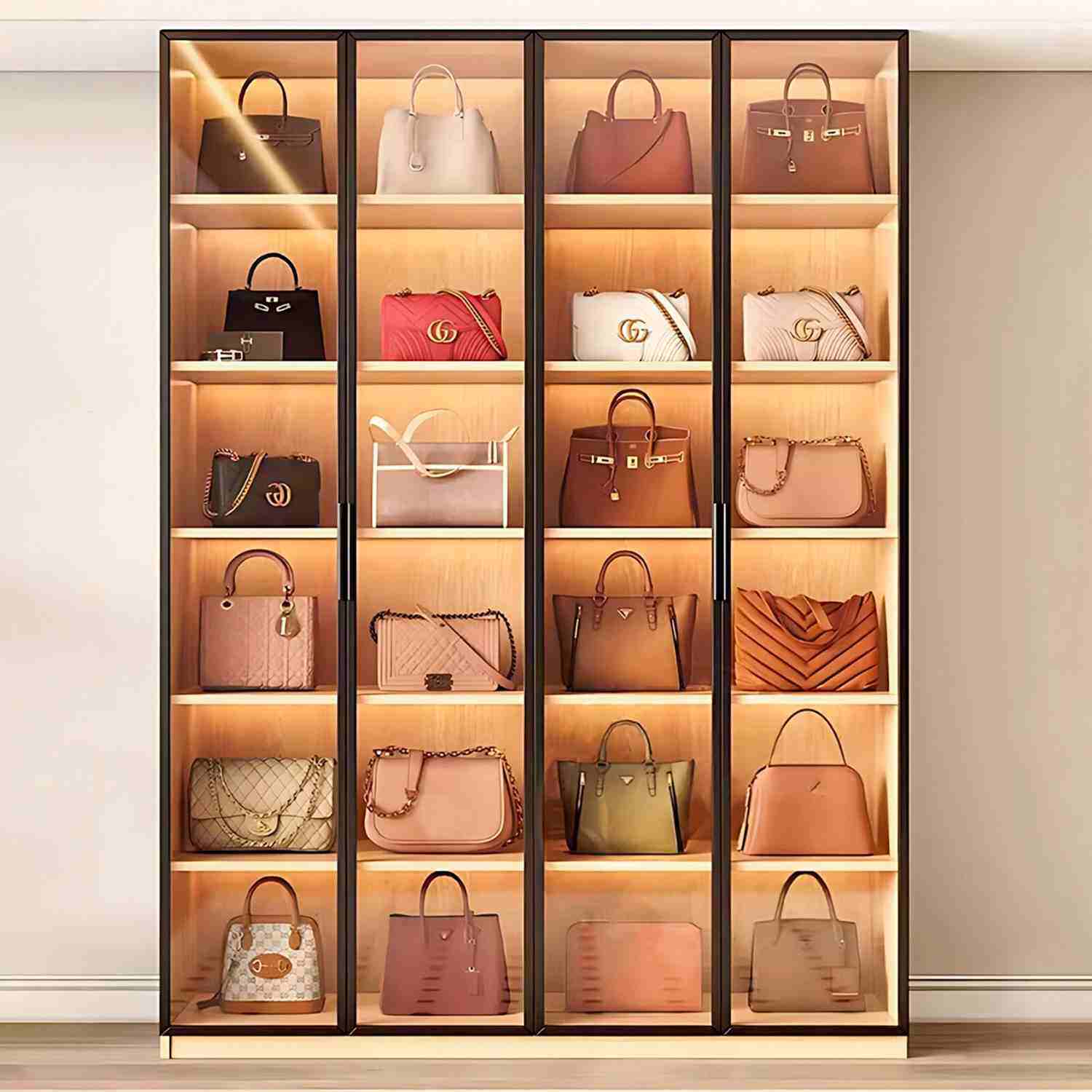
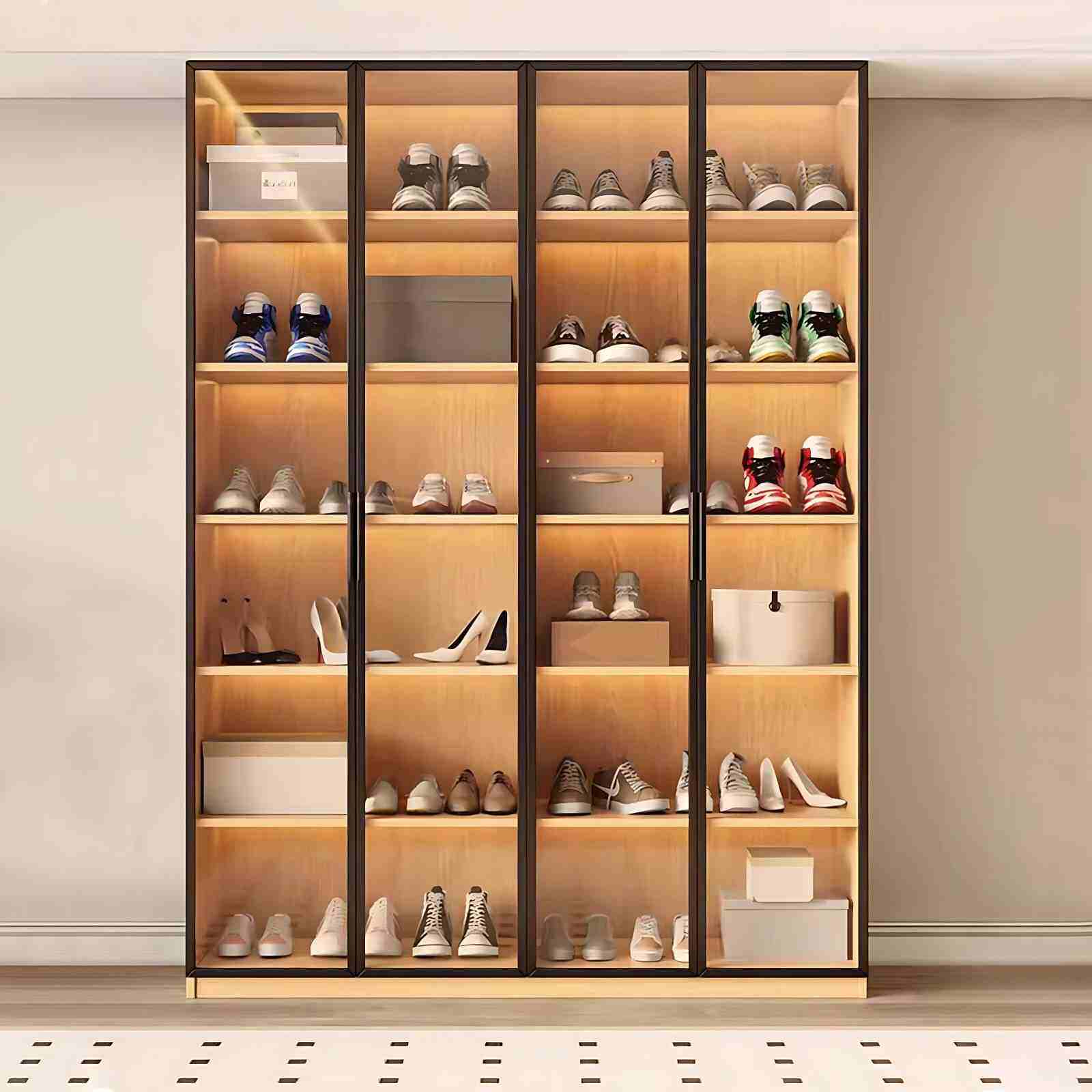
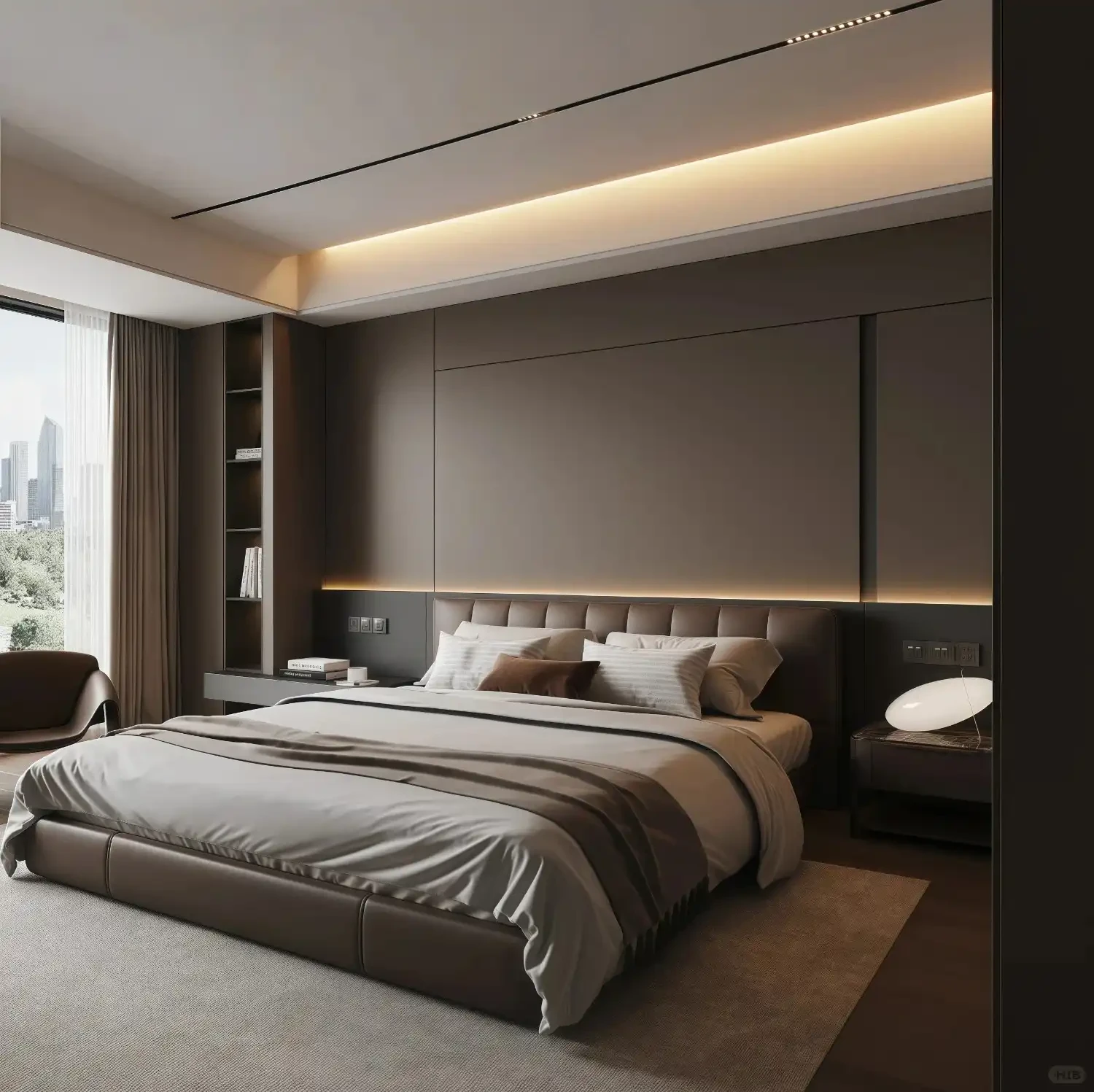
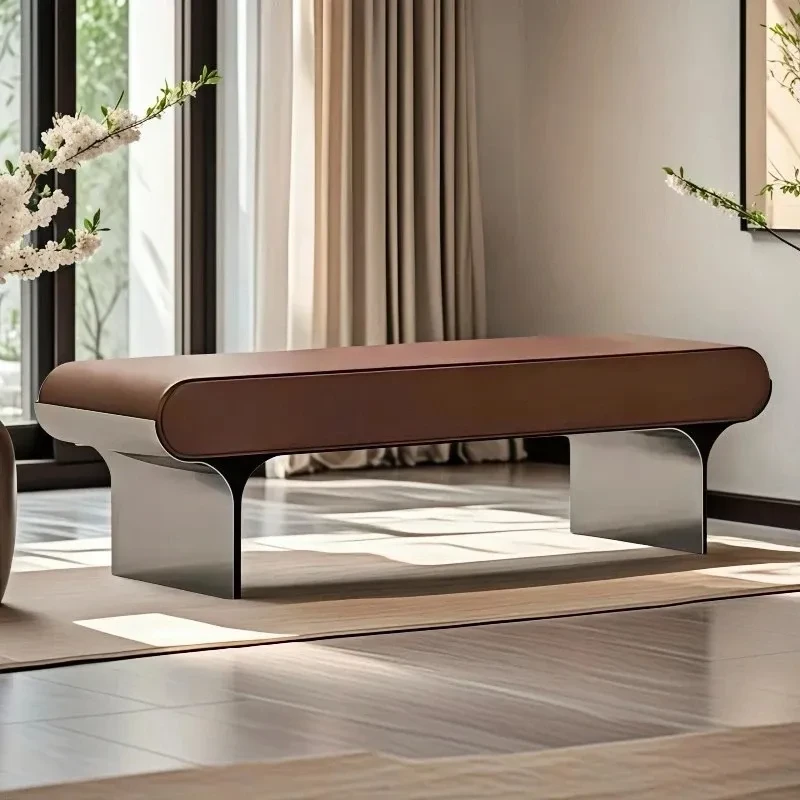
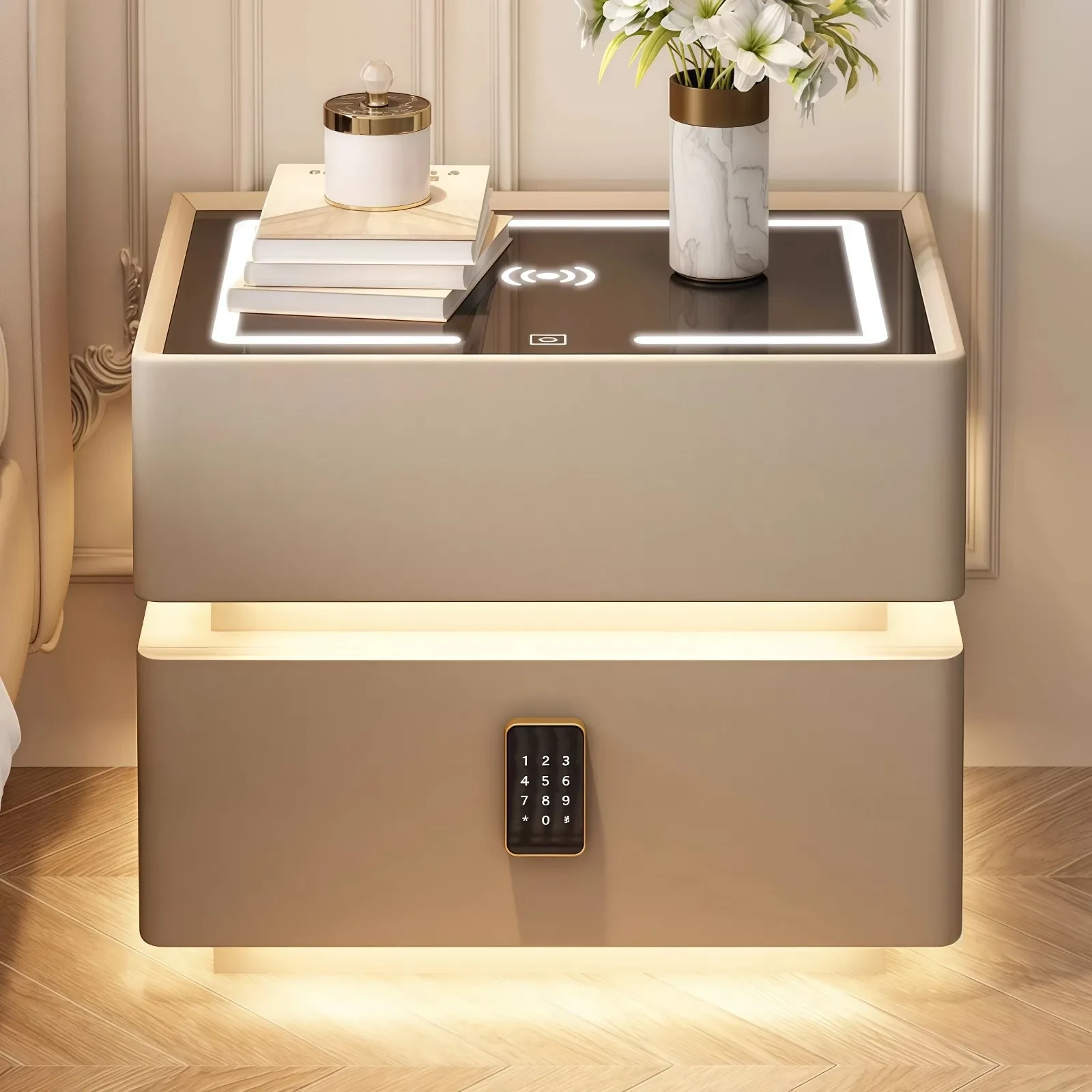
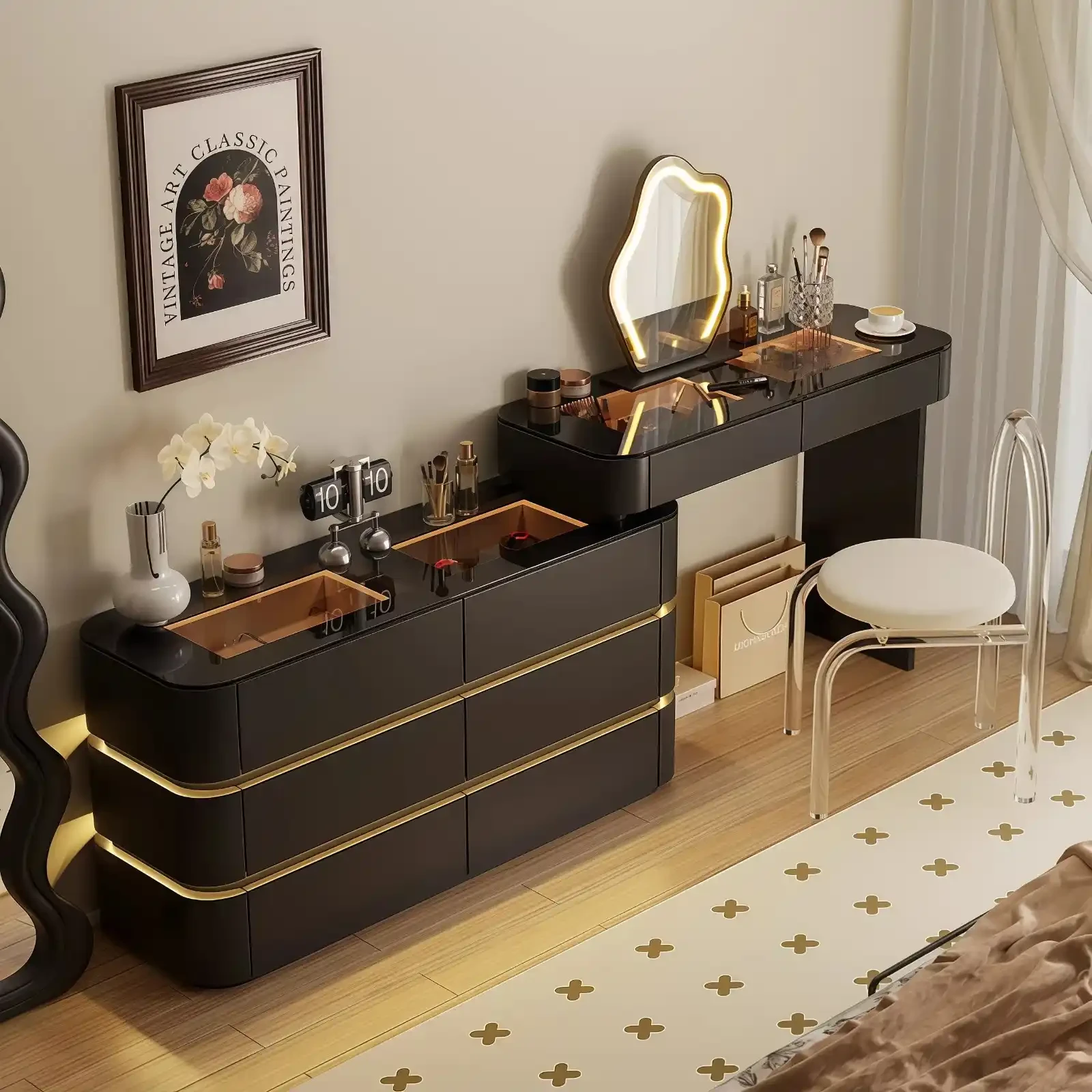
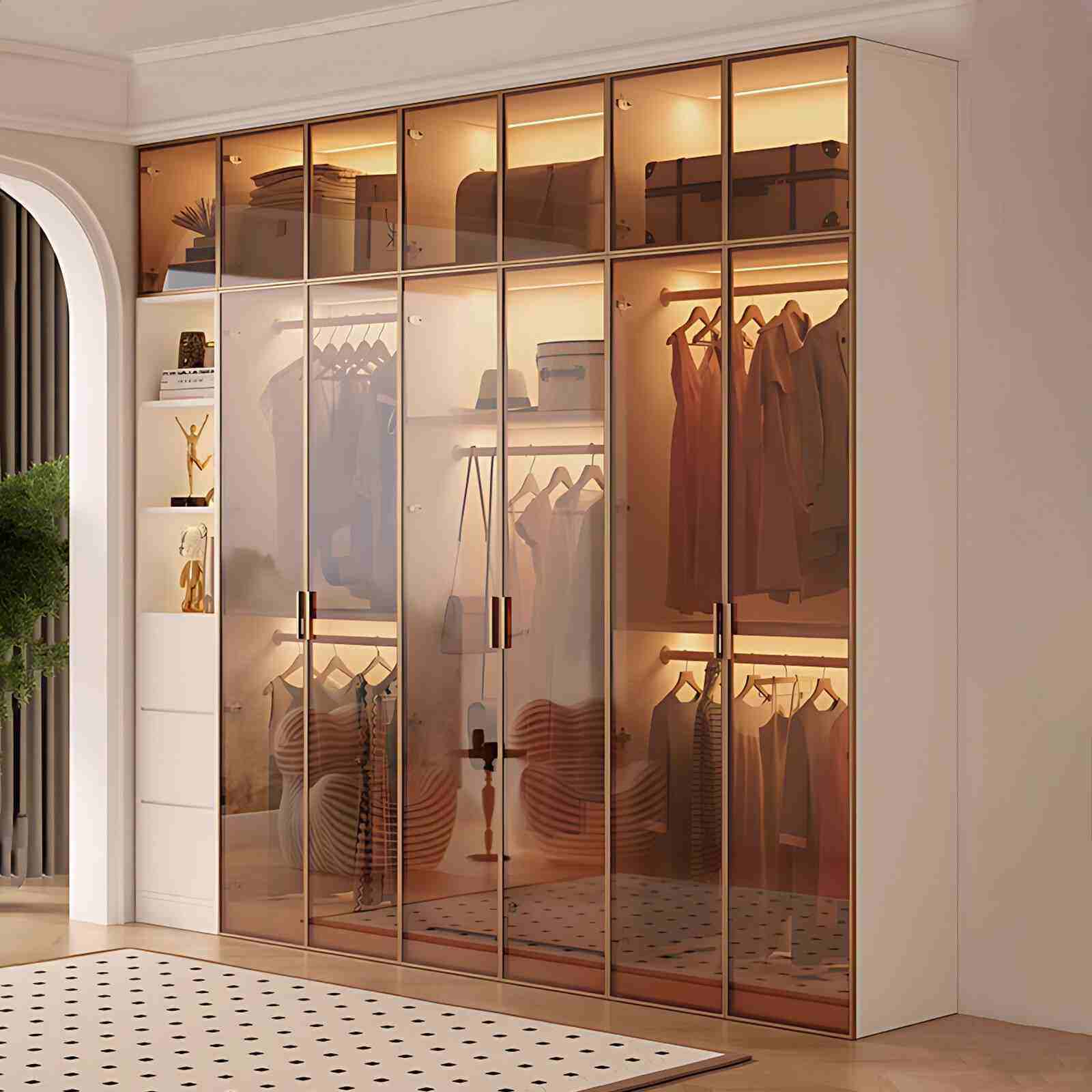
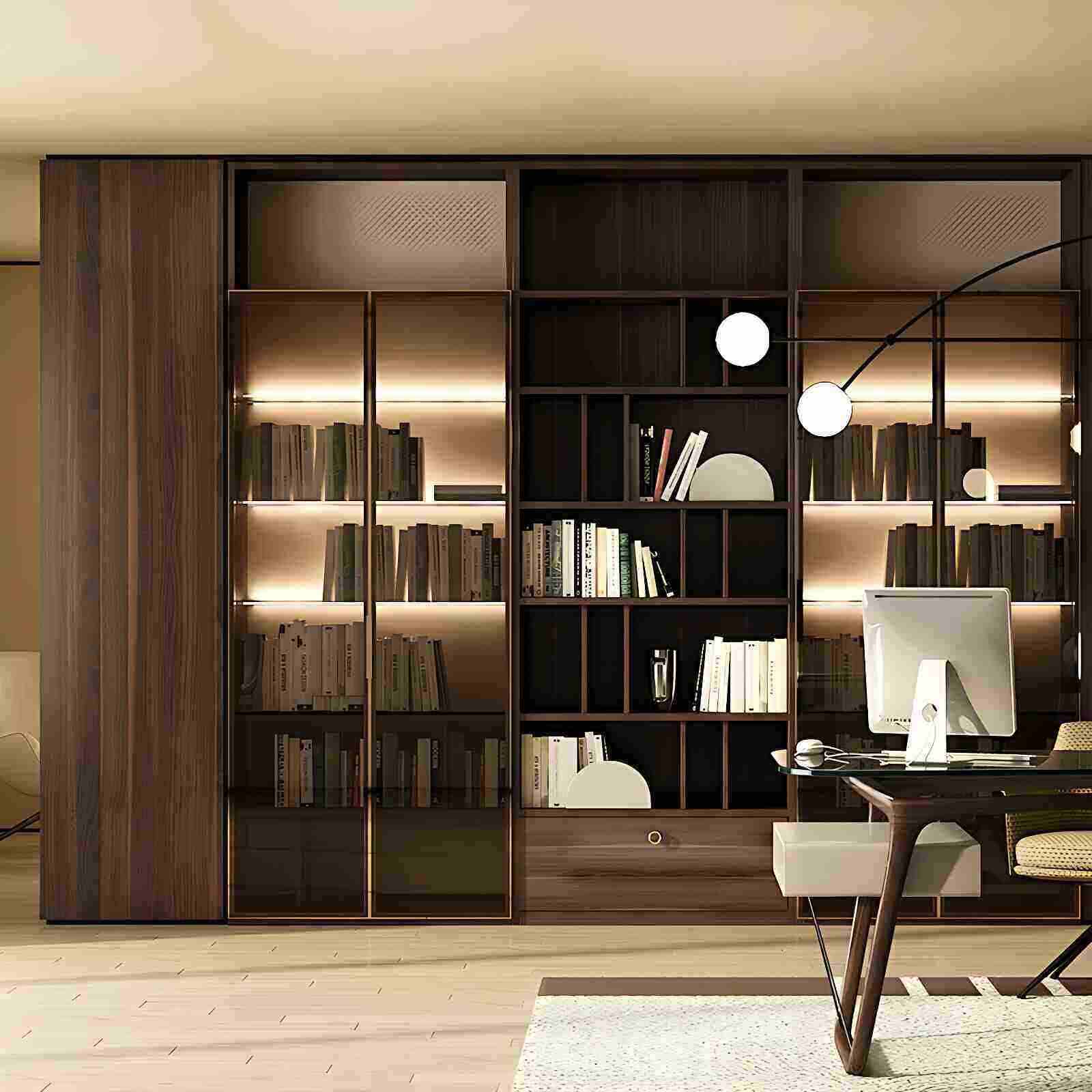
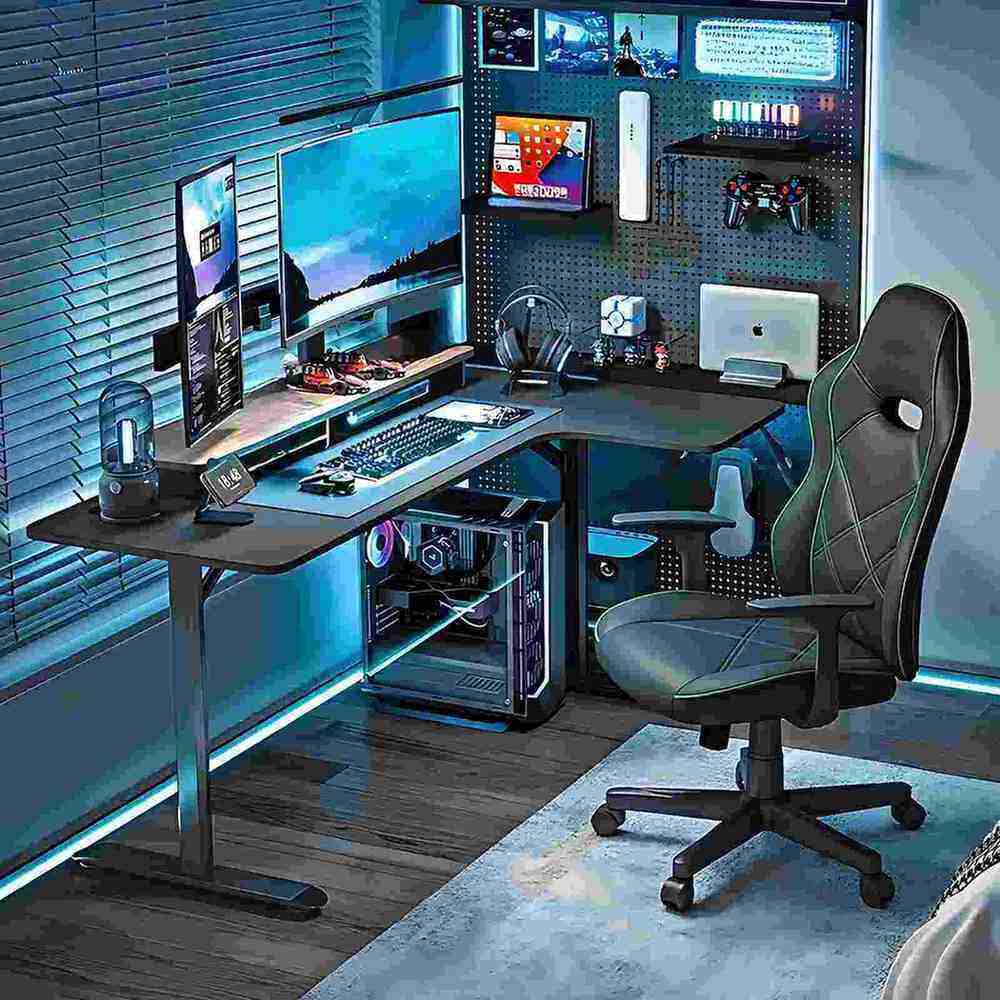
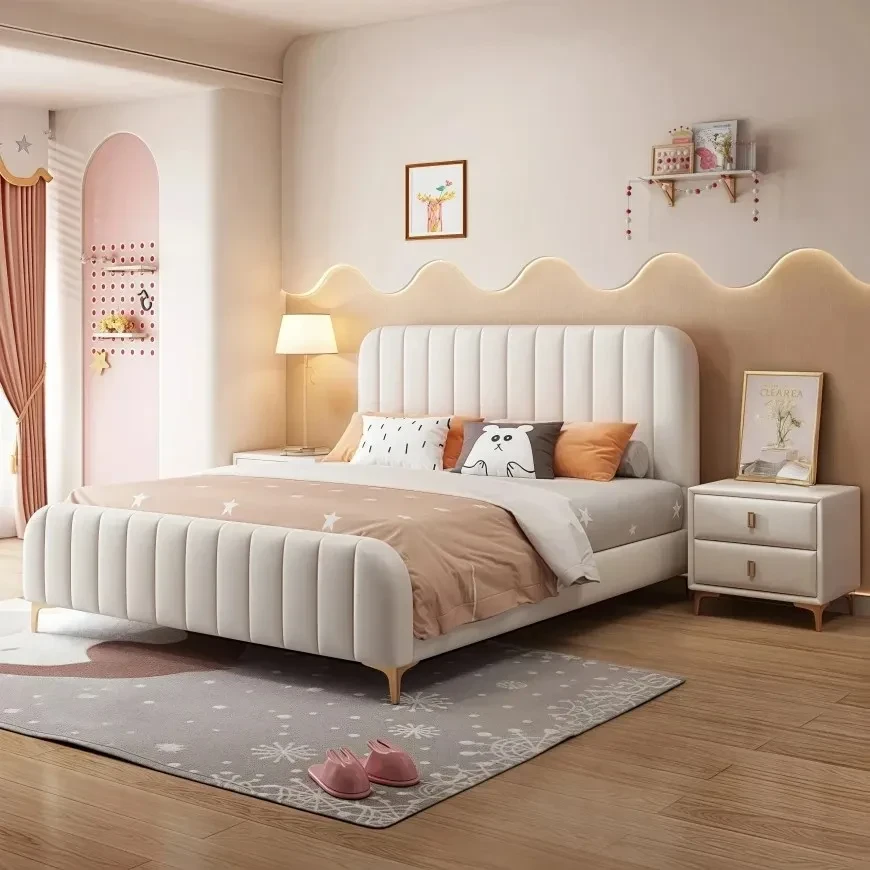
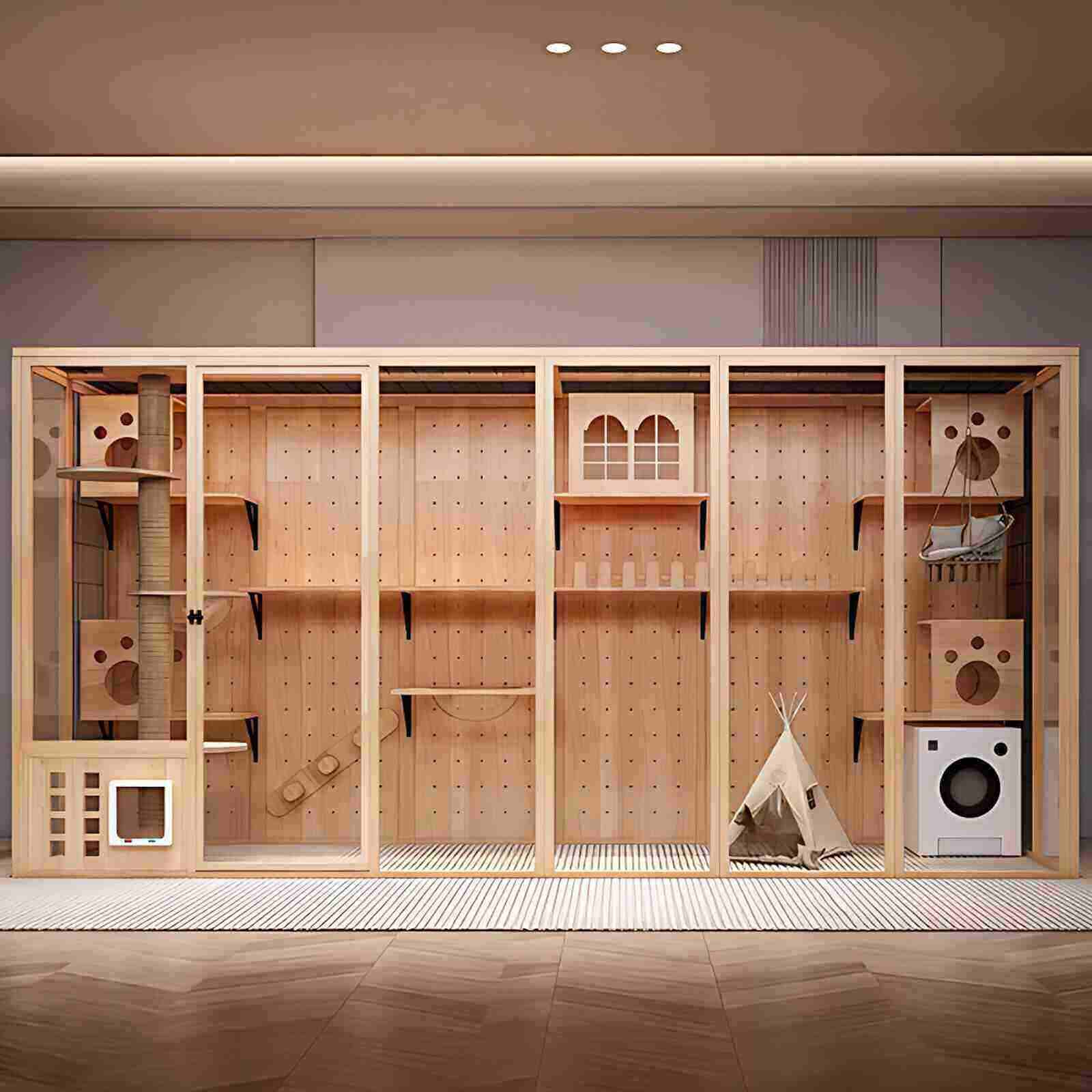
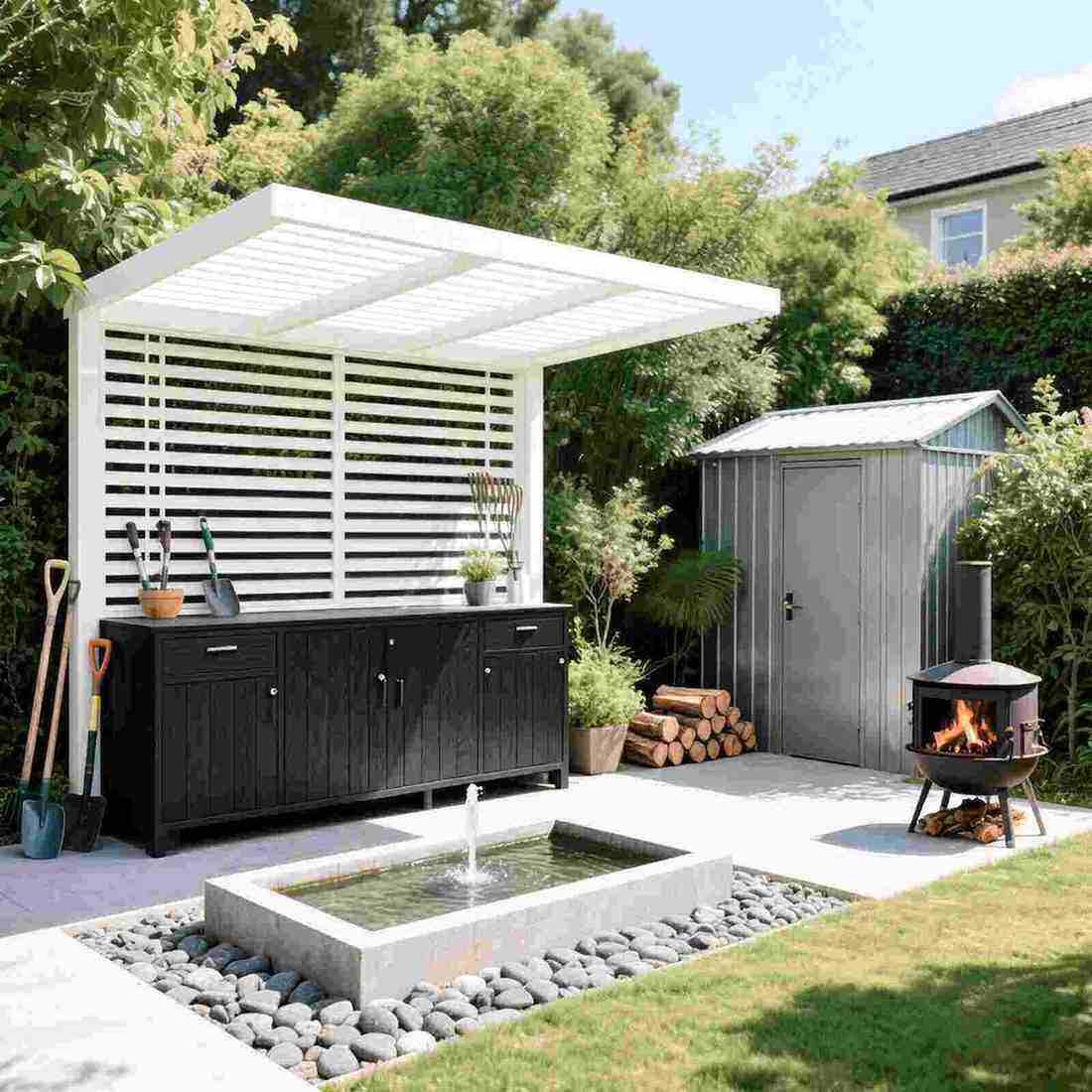
Before starting renovations, homeowners need to understand some basic knowledge. Take wood panels, for example-there's a lot to learn about them! Let's take a look!
I. What types of building materials are used in interior decoration?
Multi-layer board, blockboard, veneer, engineered wood, eco-board, core board, gypsum board
II. What types of boards are used in custom-made furniture?
1. Eco-friendly Furniture Board: This type of board is made by soaking paper with different colors, patterns, or textures in an amino resin adhesive, then drying it until the adhesive cures. It is then laid on the surface of plywood, blockboard, core board, moisture-resistant board, medium-density fiberboard, or other hard fiberboard and hot-pressed to form a decorative board. It boasts excellent properties such as being paint-free, wear-resistant, stain-resistant, moisture-proof, and deformation-resistant. It is environmentally friendly, offers a rich variety of fashionable and customizable designs, and is widely used in furniture manufacturing and home decoration for wardrobes, cabinets, shoe cabinets, etc.
2. Shunxin Furniture Board: Developed in collaboration with Norbord, a professional timber manufacturer in Canada, and the Alberta Research Institute, Shunxin board is used as the base material. It is covered with 0.2-1mm thick natural wood veneer or engineered wood veneer and impregnated paper on both sides or one side. While possessing all the advantages of Shunxin board, it also exudes a more upscale taste.
[New Product]3. Wood Veneer Furniture Boards: Building upon over 20 years of product innovation and leading technology, we use high-quality environmentally friendly boards as the base material, with double-sided or single-sided pure natural solid wood veneer (or engineered wood veneer and stained wood veneer) applied. The boards undergo cold pressing, hot pressing, sanding, and edge trimming processes, followed by finishing using imported equipment to create a refined, high-end, environmentally friendly, and aesthetically pleasing finished product. This ensures that no on-site veneer or coating is required during furniture manufacturing, effectively solving problems such as unstable quality control, long production cycles, complex processes, and pollution from deep processing associated with traditional boards.
[New Product]4. Eco-friendly TRUE Furniture Board: Made with carefully selected plywood or multi-layer plywood as the base material, and high-quality impregnated paper as the surface layer, utilizing the "True Synchronization" finishing process technology, and employing high-end imported zero-degree steel plates and fully automated production lines, ensuring a perfect fusion of precision technology and cross-border fashion creativity. The surface texture is warm and delicate, and the overall feel and visual effect are infinitely close to the real raw materials.
How to choose ceiling plasterboard during home renovation?
1. Visual inspection: High-quality gypsum board: smooth surface, no obvious air holes, cracks, missing corners, etc., and the upper and lower layers are firmly bonded; Inferior gypsum board: rough surface, obvious stains, and poor adhesion of the facing paper.
2. Tap it with your hand: High-quality gypsum board: produces a crisp sound when tapped; low-quality gypsum board: produces a dull sound when tapped.
3. Dimensional tolerances, flatness, and right angle deviation: High-quality gypsum board: small dimensional deviations, good flatness, and accurate thickness; Inferior gypsum board: large dimensional deviations, inaccurate flatness, and inaccurate thickness.
For consumers unfamiliar with gypsum board, the selection process can be very problematic. Therefore, it is advisable to choose products from well-known, large-scale, reputable manufacturers that meet national standards to avoid indoor pollution and the potential for radioactive nuclides to remain indoors, posing a significant threat to human health.
What precautions should be taken when using boards?
1. Both the top and bottom surfaces of a single or multiple sheets of board must be protected with pads to prevent damage to the two sheets.
2. During transportation or storage, it is strictly forbidden to get wet or immerse in water, and the decorative panels should not come into direct contact with iron-containing substances;
3. Store in a well-ventilated, dry place under normal conditions;
4. Do not mix or stack with boards containing excessive formaldehyde, to avoid cross-contamination of odors and secondary pollution of the boards by free formaldehyde.
5. After opening the packaging, use it promptly to avoid prolonged exposure to a humid environment, which may affect the product's moisture content.
6. Unless otherwise specified, plywood, blockboard, engineered wood and other similar boards are for indoor use only and are not suitable for outdoor landscaping or the production of corresponding wood products.