
 USD
USD GBP
GBP
 EUR
EUR





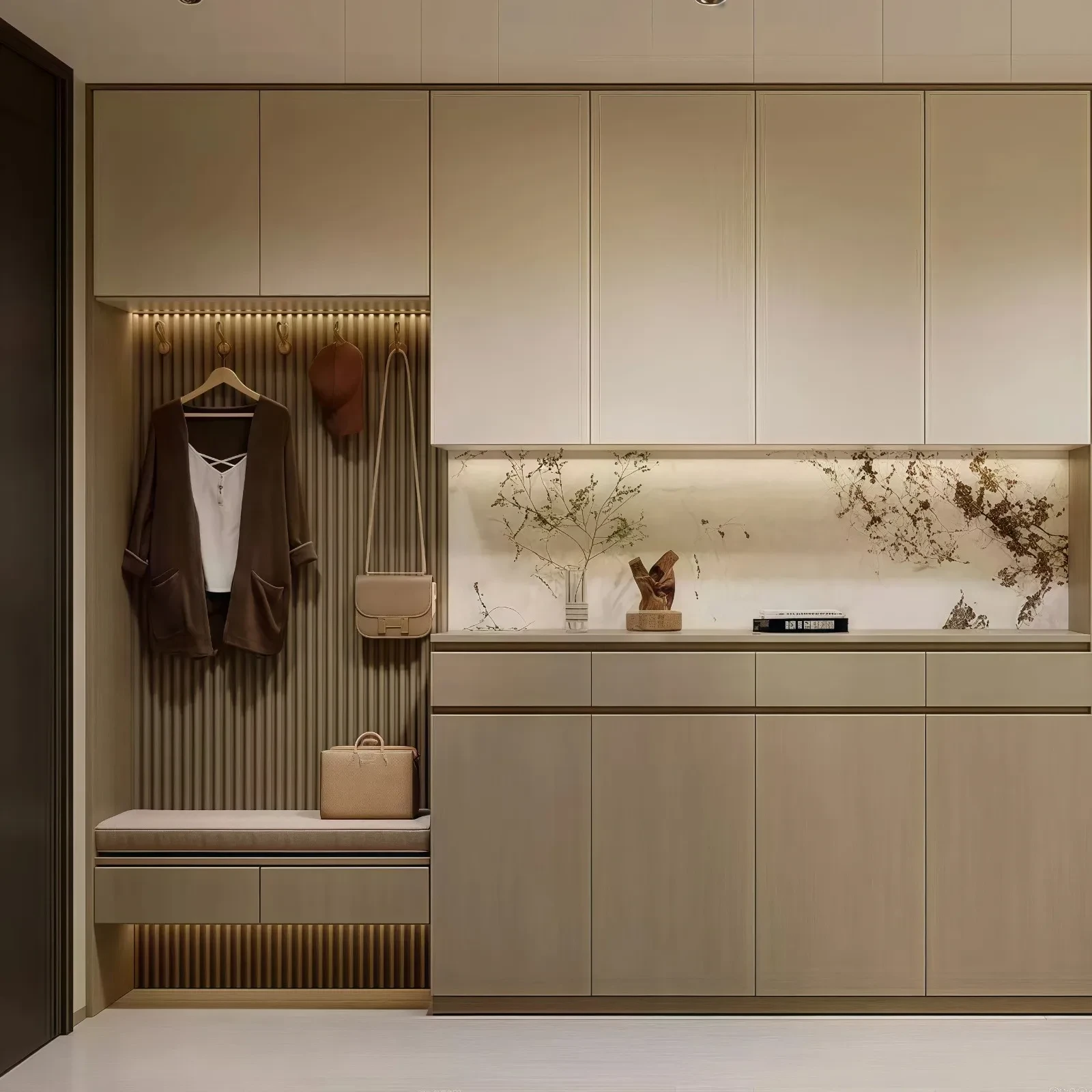
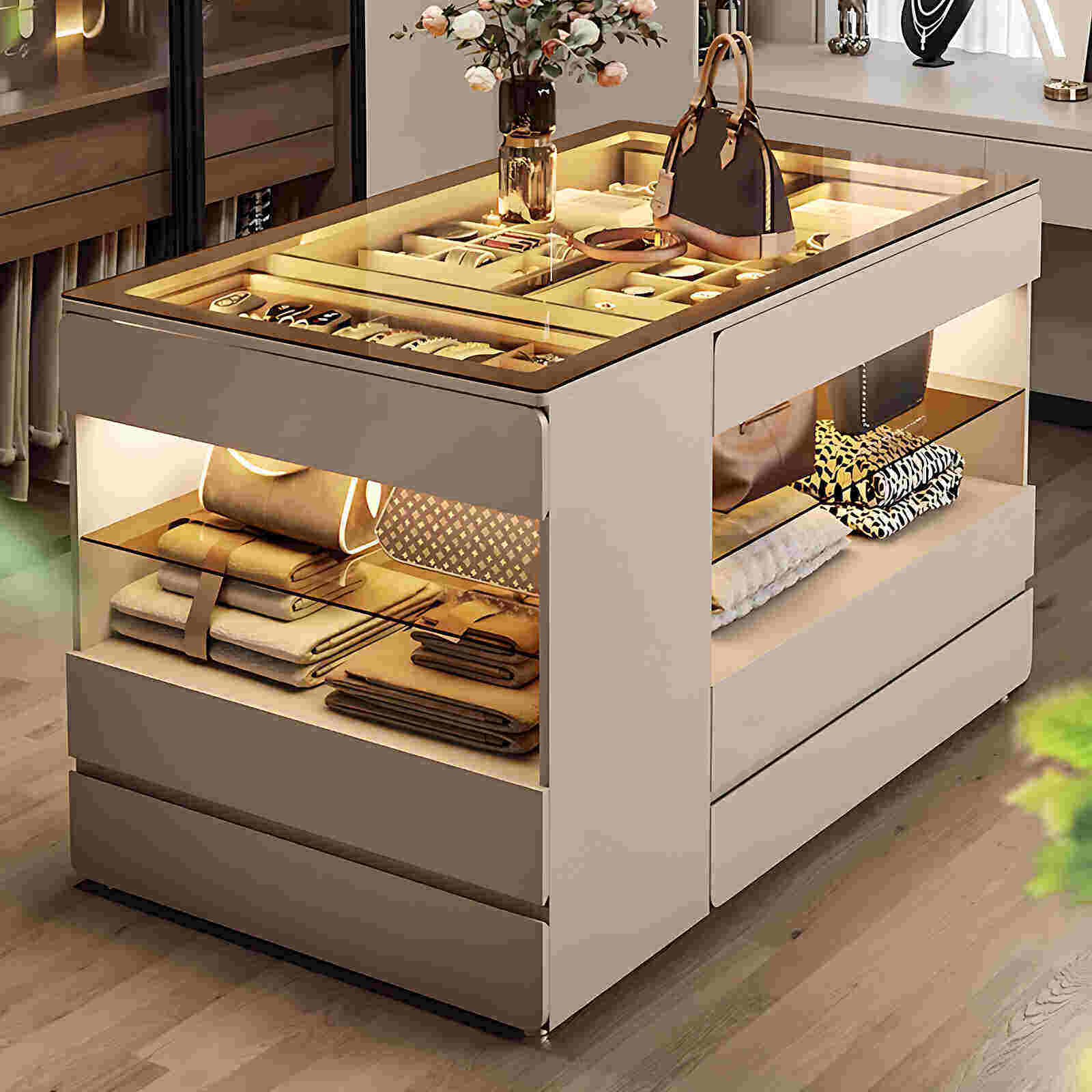
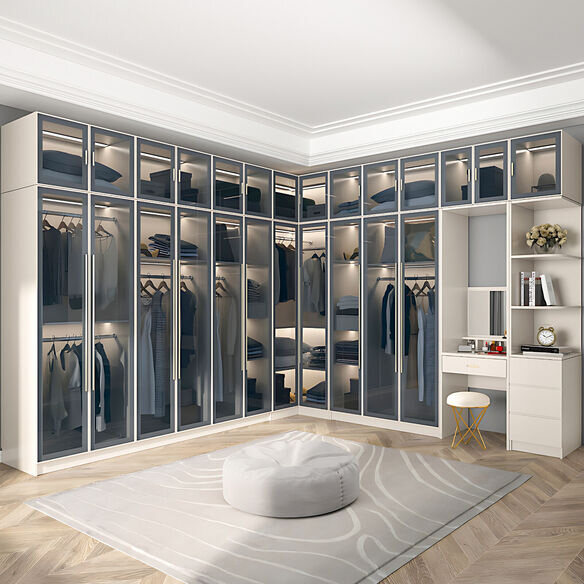
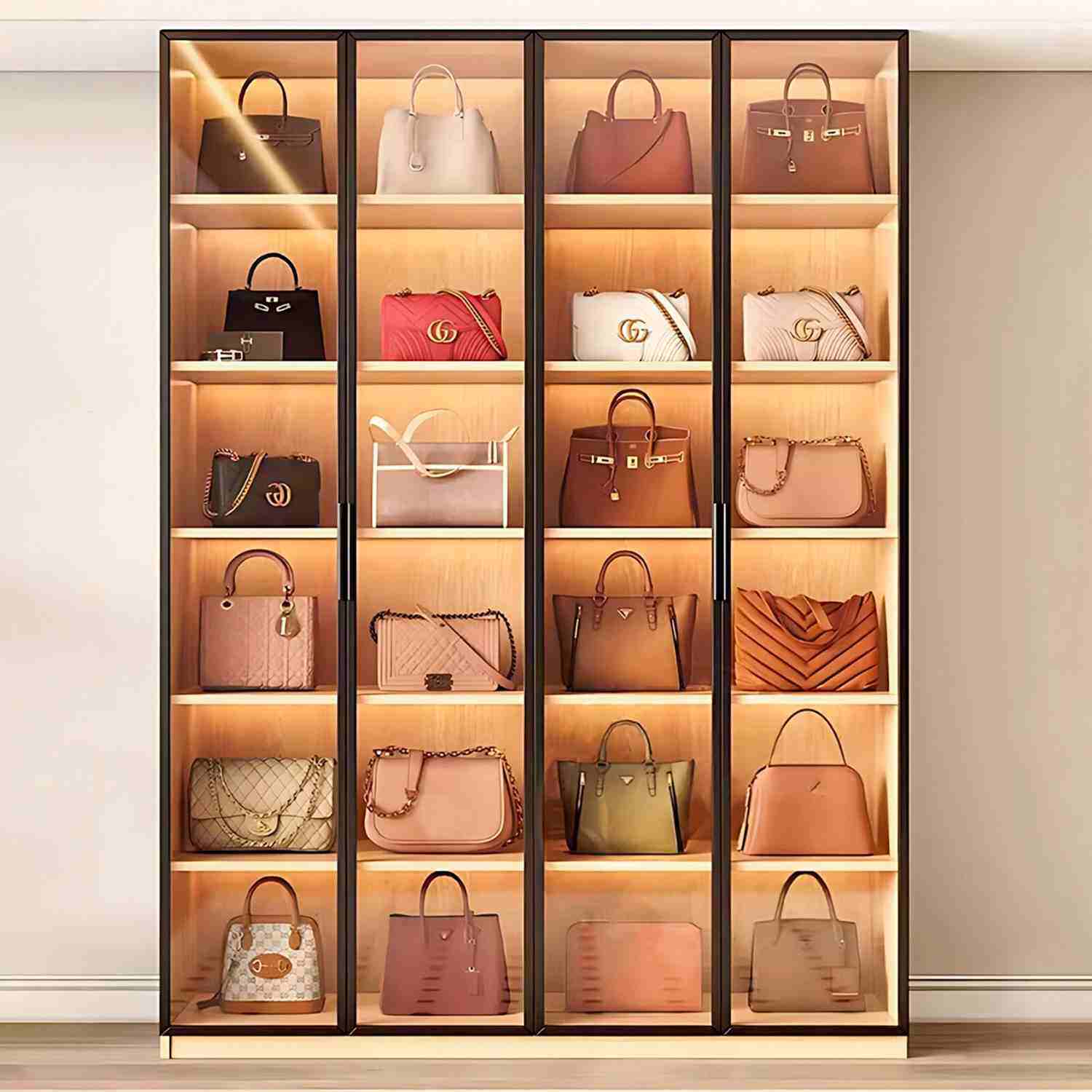
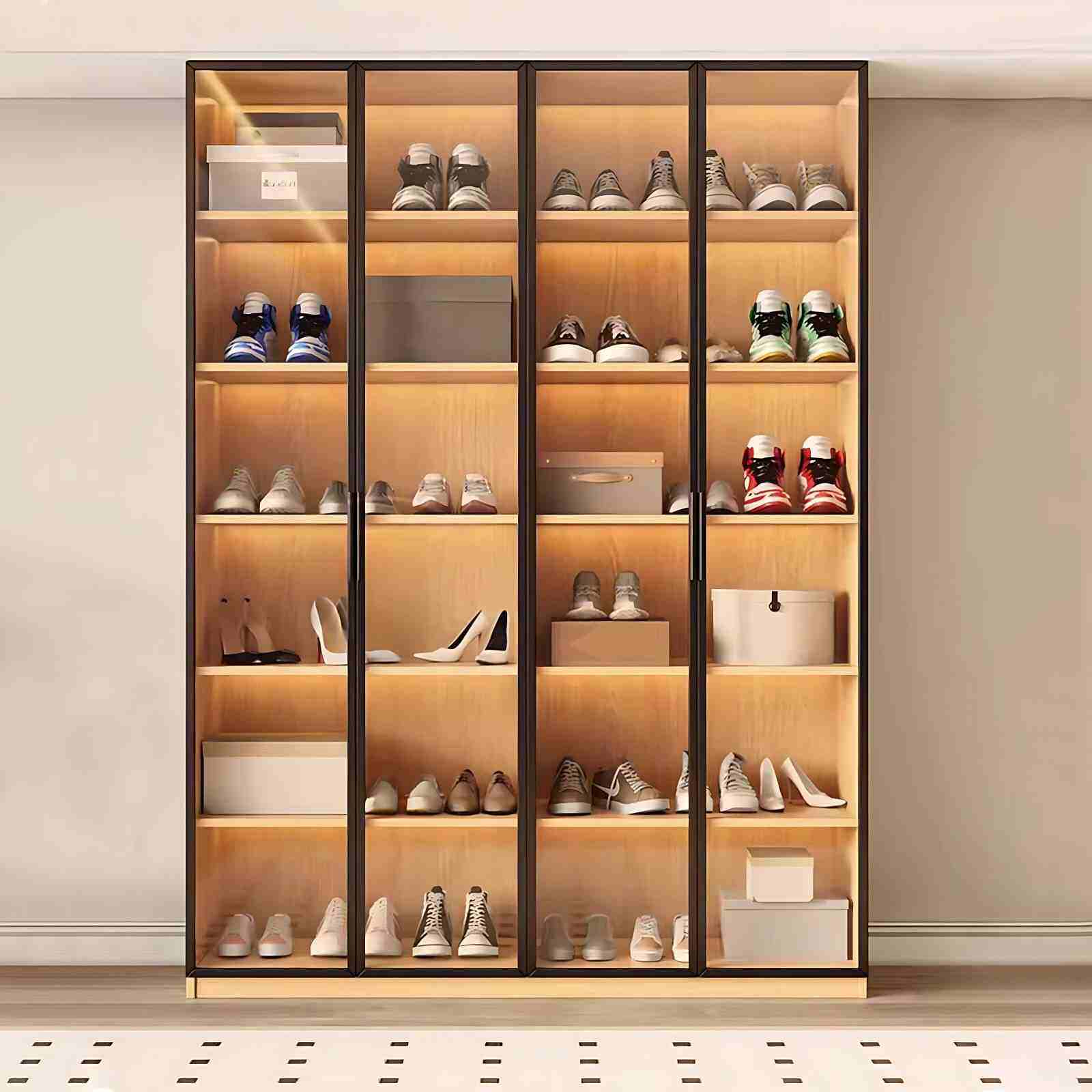



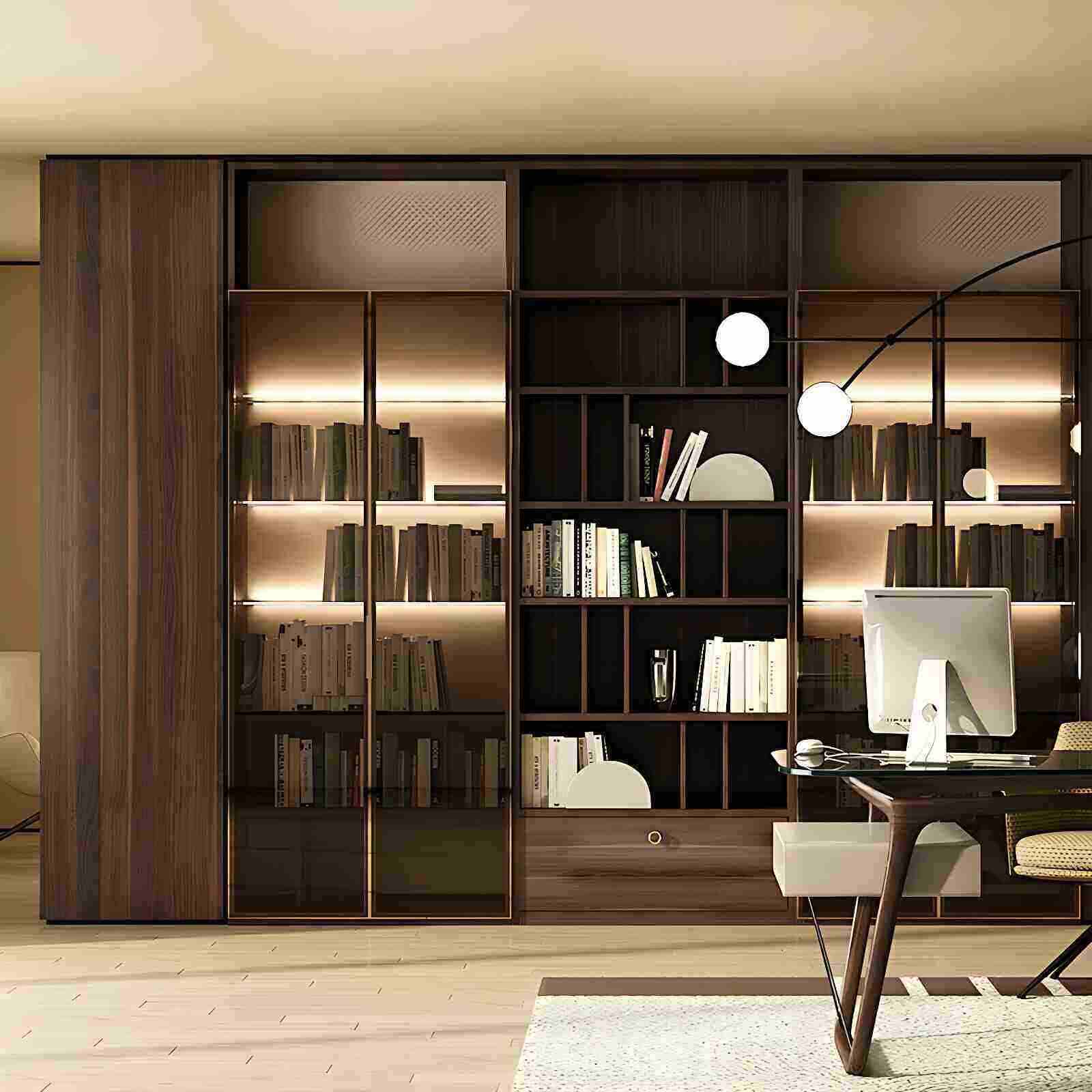
Finger-jointed boards are primarily made by splicing multiple pieces of wood together. They don't require top-to-bottom gluing or pressing; the vertical joints use a serrated edge, resembling two hands interlocking, hence the name "finger-jointed board." They are widely used in the furniture manufacturing industry. Today, we'll discuss the production process of finger-jointed boards from manufacturers. Let's take a look.
1. Processing raw materials
First, the wood is cut into individual units, which are then combined according to certain rules to create various types of boards. Boards composed of larger units have higher load-bearing capacity, while boards composed of smaller units have better homogeneity.
2. Dry the boards.
The drying process for boards includes veneer drying, particle drying, and fiber drying of dry-process fiberboard, as well as heat treatment of wet-process fiberboard. The drying process for boards is carried out under conditions of heat preservation, high speed, and continuous operation; after the heating stage, a deceleration drying stage must be initiated immediately.
3. Apply adhesive to the board.
In my country, plywood factories typically use roller gluing, while for wood shavings and fibers, spray gluing is currently the primary method.
4. Sheet forming
The manufacturing process of engineered wood products includes the forming and pressing of particleboard and fiberboard blanks. Particleboard and fiberboard blanks are transformed from single-layer to three- or multi-layer structures. Furthermore, the arrangement of the wood chips and fibers within the blank changes from random to oriented. By aligning the fiber directions of adjacent layers of plywood perpendicularly, the properties of the wood can be improved, resulting in greater dimensional stability.
The above is a summary of the production process steps for finger-jointed boards, shared by the editors of the top ten board brands. We hope this information is helpful.