
 USD
USD GBP
GBP
 EUR
EUR















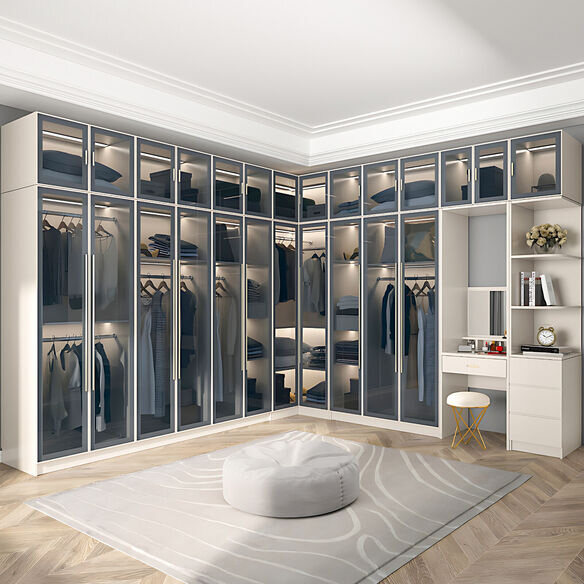


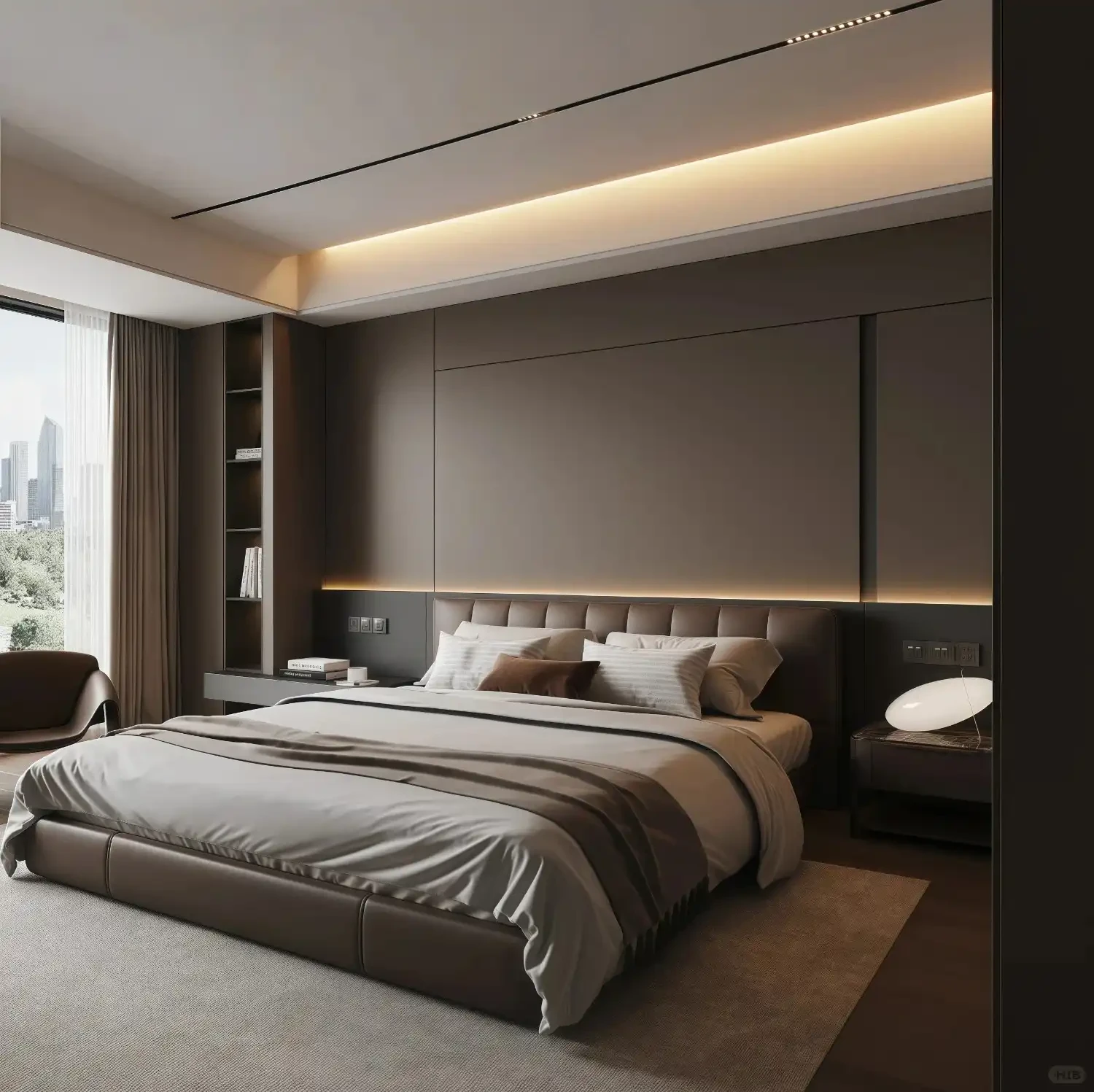



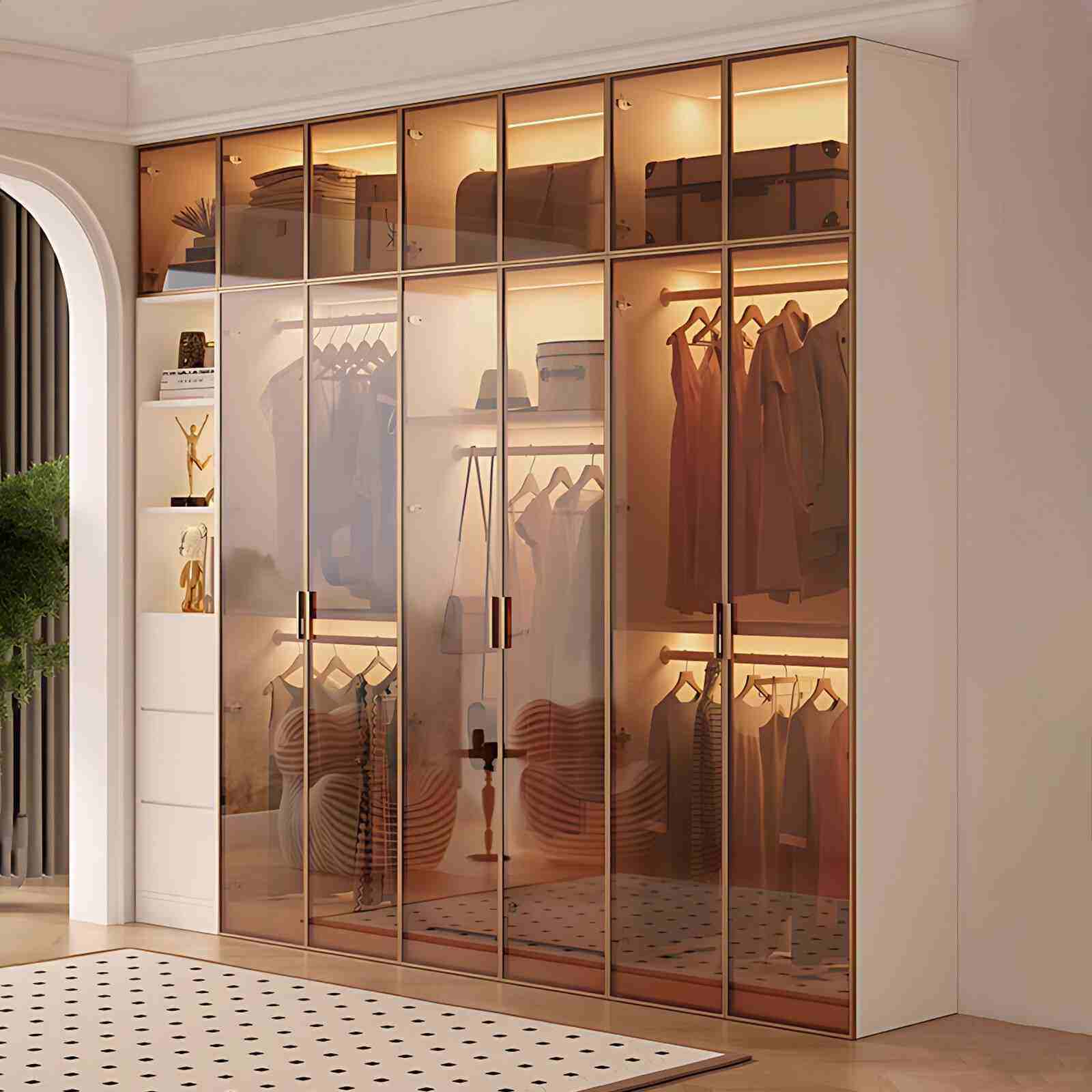



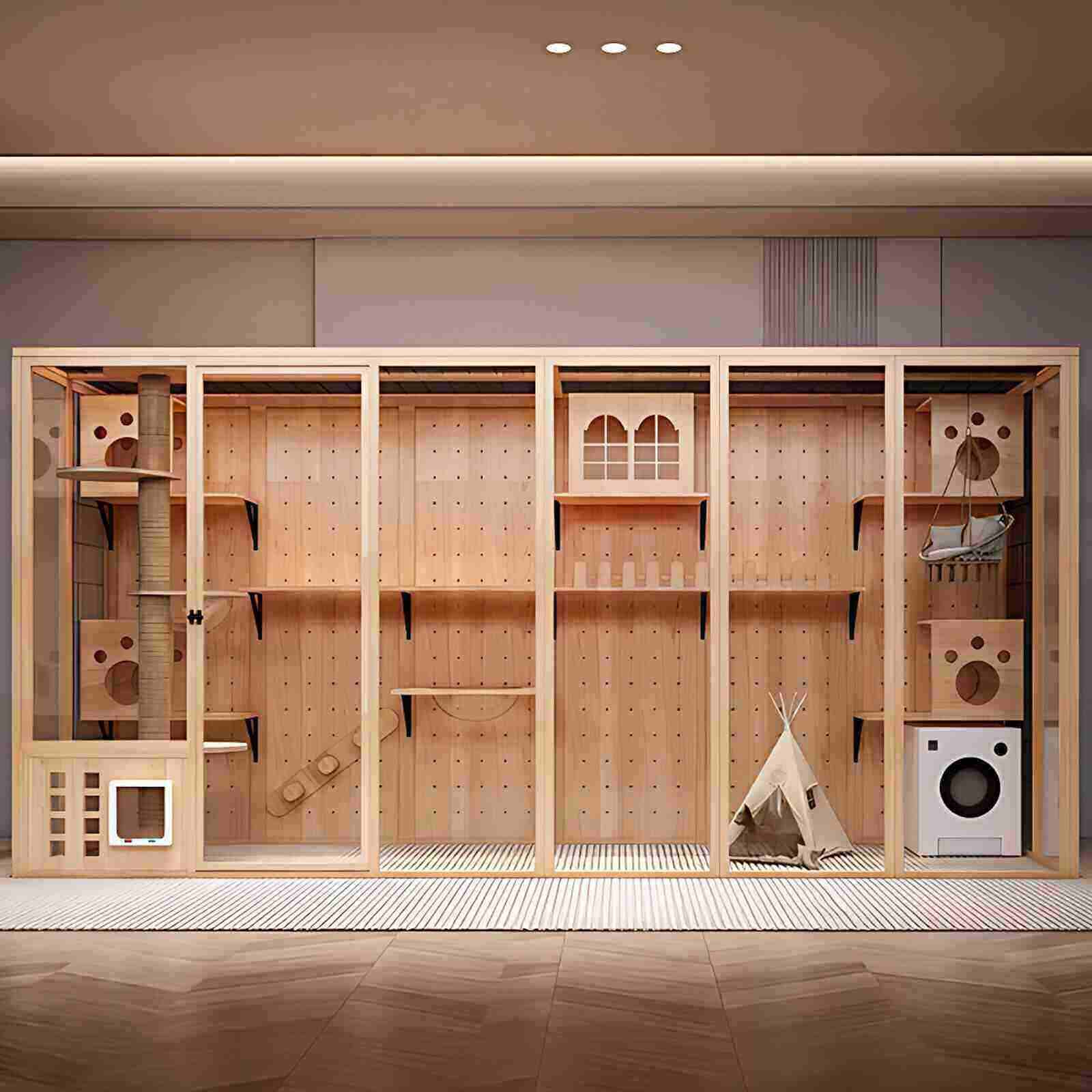
When fire-retardant plywood is mentioned, its superior flame-retardant properties are the first thing that comes to mind. In the event of a fire, this type of plywood can effectively inhibit the spread of flames, buying valuable time for evacuation and firefighting, thus significantly reducing the losses caused by a fire. It is precisely this remarkable characteristic that makes fire-retardant plywood highly valuable in various fields such as construction and furniture, and it has gained increasing popularity among consumers. Today, let's delve deeper into fire-retardant plywood and its characteristics.
Flame-retardant plywood is ordinary plywood or decorative veneer plywood that has undergone special flame-retardant treatment to achieve a flame-retardant rating. Before introducing flame-retardant plywood, let's first understand the national standard GB/T 18101-2024 "Flame-retardant Plywood" for classifying the combustion performance, smoke generation characteristics, and smoke toxicity levels of building materials and products.
PART • 01
Combustion performance
|
Combustion performance rating |
Main requirements |
|
|
B1 |
B |
Combustion growth rate index FIGRA 0.2MJ ≤120W/s |
|
Total heat release over 600 seconds THR600s ≤7.5MJ |
||
|
C |
Combustion growth rate index FIGRA 0.4MJ ≤250W/s |
|
|
Total heat release over 600 seconds THR600s ≤15MJ |
||
In short:
Class A: Non-combustible materials (products): Non-combustible and flameless.
Class B1: Flame-retardant materials (products): Have good flame-retardant properties. Difficult to ignite, slow to spread, and stops burning after the ignition source is removed.
B2 grade: Combustible materials (products): They ignite and burn immediately when exposed to open flames or high temperatures, and are prone to causing the fire to spread.
B3 Class: Flammable materials (products): Extremely flammable, posing a great fire hazard.
PART • 02
Smoke production characteristics
(Distinguished by the flue gas generation rate index and the total flue gas generation at 600 seconds in a single combustion test of building materials or products)
|
project |
Classification |
Require |
|
Smoke production characteristics |
s1 |
Flue gas formation rate index SMOGRA≤30m2/s2 |
|
Total flue gas generation in 600 seconds TSP600s≤50m2 |
||
|
s2 |
Flue gas formation rate index SMOGRA≤180m2/s2 |
|
|
Total flue gas generation in 600 seconds TSP600s≤200m2 |
||
|
s3 |
S1 not reached |
In short:
S1 level: indicates a low rate of flue gas generation and a relatively low total amount of flue gas generated.
S2 level: indicates that both the flue gas generation rate and the total flue gas generation are at a medium level.
S3 level: indicates that the flue gas generation rate and the total amount of flue gas generated are both relatively high.
While the intense heat of flames directly threatens human life in a fire, the smoke produced is also a major cause of injury and death. Therefore, the smoke production properties of fire-retardant plywood are crucial in assessing its safety performance.
PART • 03
Toxicity of smoke
|
project |
Classification |
Require |
|
Toxicity of smoke |
t0 |
Reaching Level 1 Safety (ZA1) |
|
t1 |
Reaching Level 3 (ZA3) of Quasi-Safety |
|
|
t2 |
Not up to Level 3 (ZA3) safety threshold |
In short:
T0 grade: This indicates that the smoke produced when the material is burned has relatively low toxicity, possibly because the smoke concentration is within a safe range or the content of toxic components is low.
T1 level: This indicates that the toxicity of the flue gas produced when the material is burned is at a moderate level. The flue gas may contain a certain amount of toxic components, but it has not yet reached a highly dangerous level.
T2 level: This indicates that the material produces highly toxic fumes during combustion, which may contain a large number of toxic components and pose a serious threat to human health.
Traditional wood materials and products are generally classified as combustible materials, but for wood-based panels, achieving a B1 fire rating is already considered quite excellent. Fire-retardant plywood is produced using carefully selected high-quality wood veneers, combined with impregnation and flame-retardant adhesive treatment processes. This ensures that the flame retardant fully penetrates the pores of the wood, thereby altering its combustion characteristics. After rigorous testing by the National Testing Center, fire-retardant plywood achieves the B1 fire-retardant standard, with smoke production reaching S1 level and smoke toxicity reaching T1 level, demonstrating outstanding performance.
In addition to its superior flame-retardant properties, fire-retardant plywood also possesses other excellent physical properties, such as good bonding strength and a moisture absorption rate that is approximately 10% lower than other fire-retardant plywoods on the market. Fire-retardant plywood is a high-quality product that meets comprehensive, high standards, and stringent requirements. Choosing fire-retardant plywood is a good option.