
 USD
USD GBP
GBP
 EUR
EUR
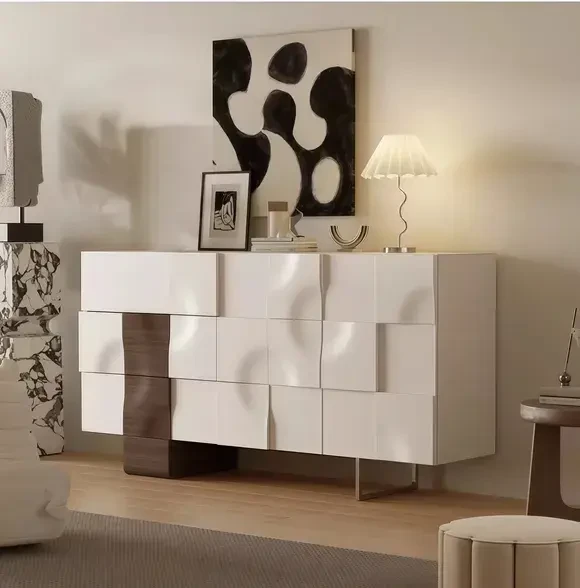
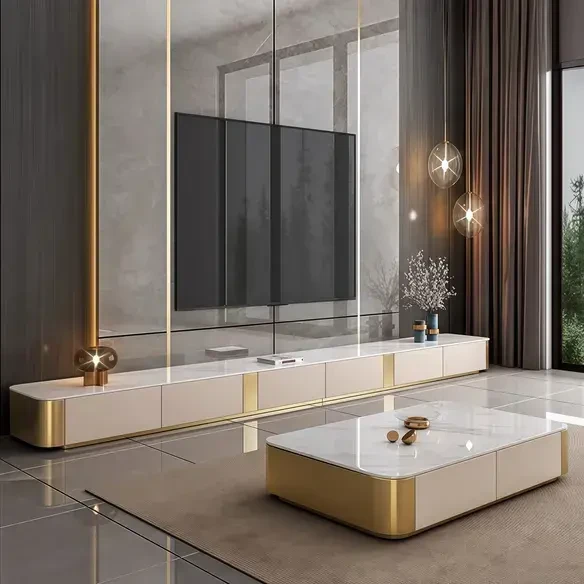
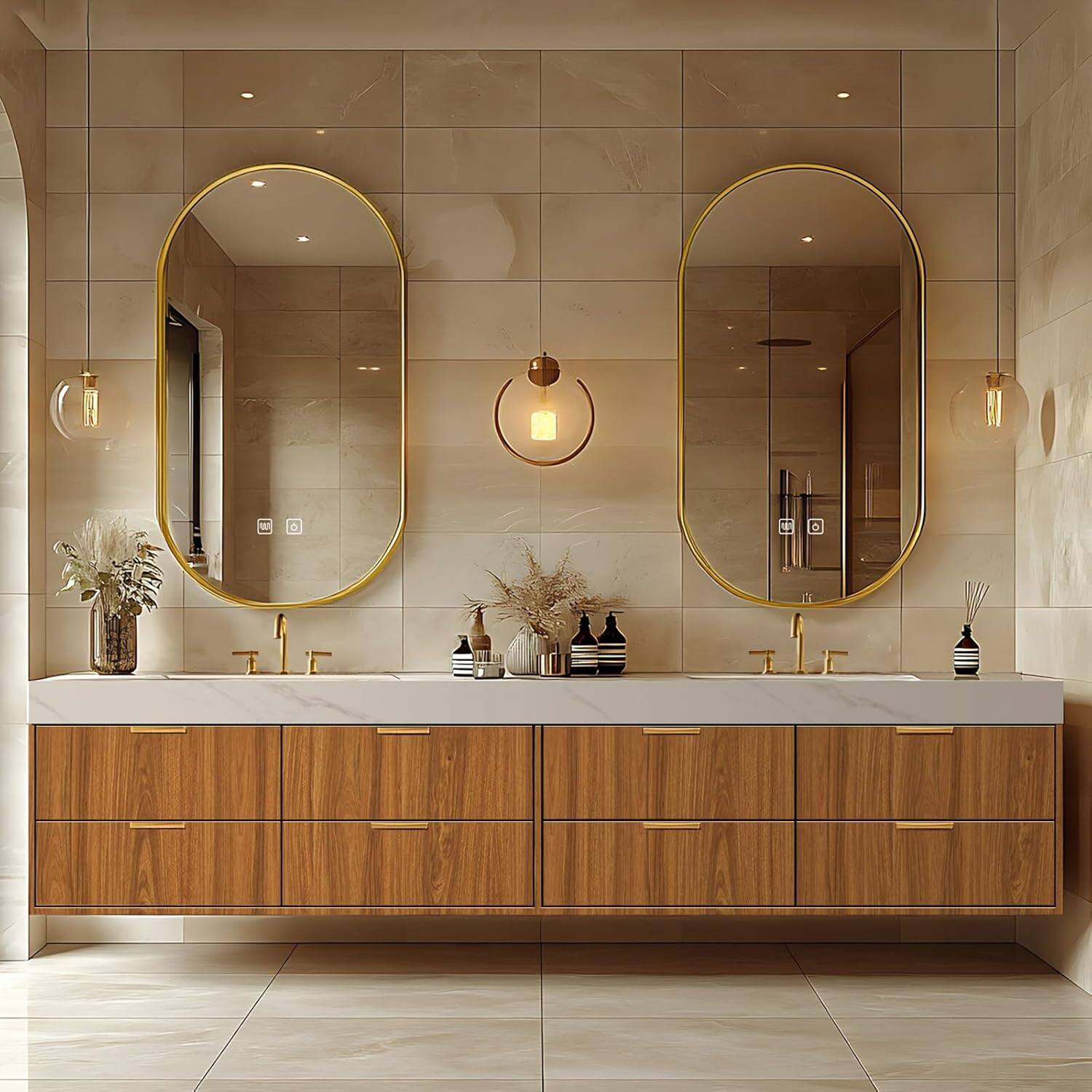
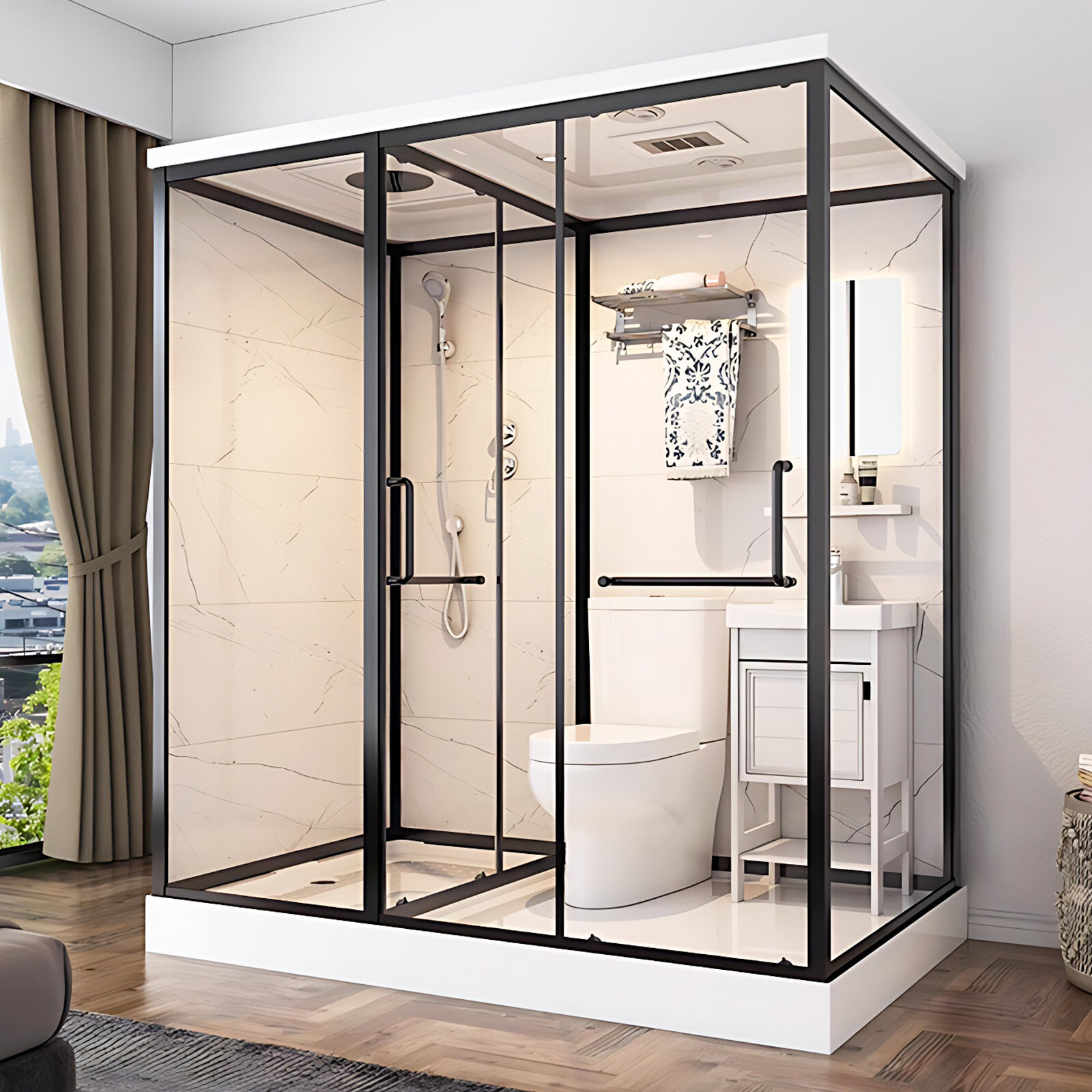
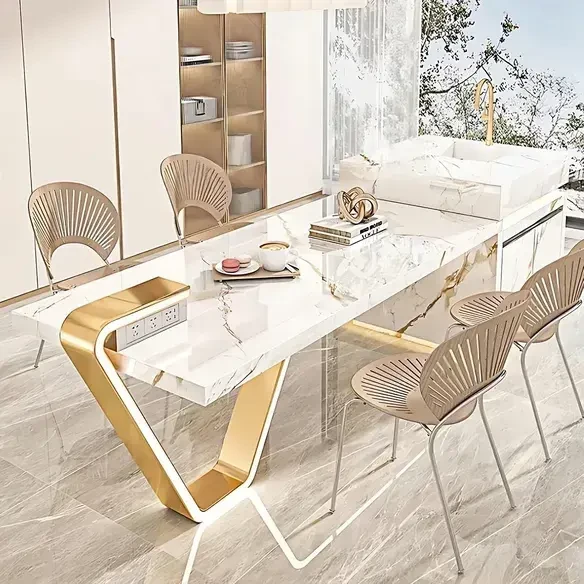
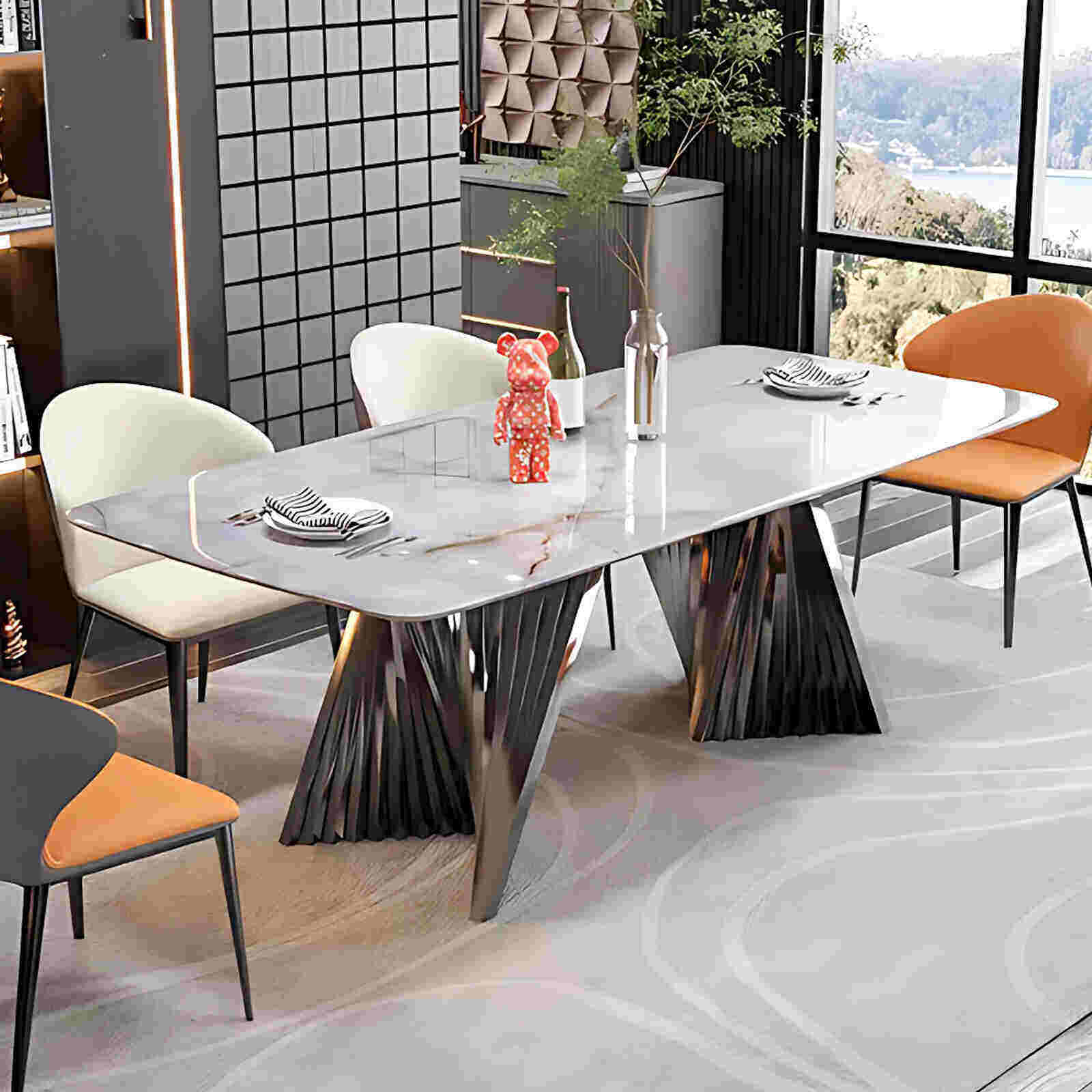
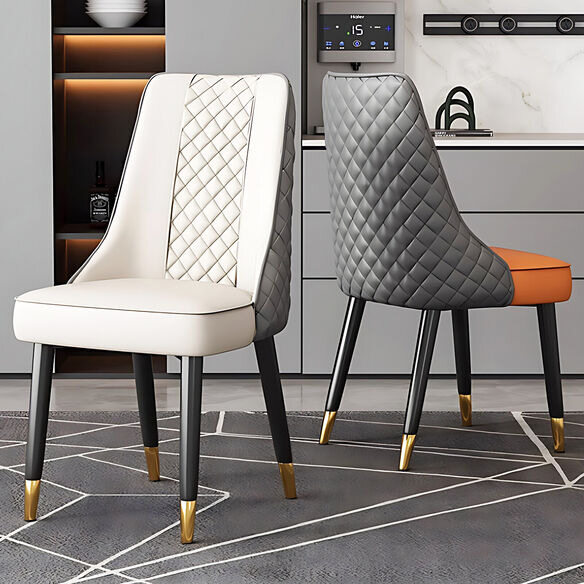
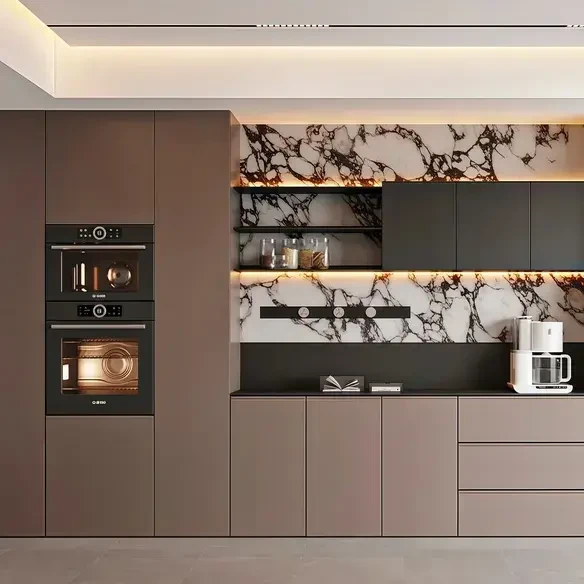
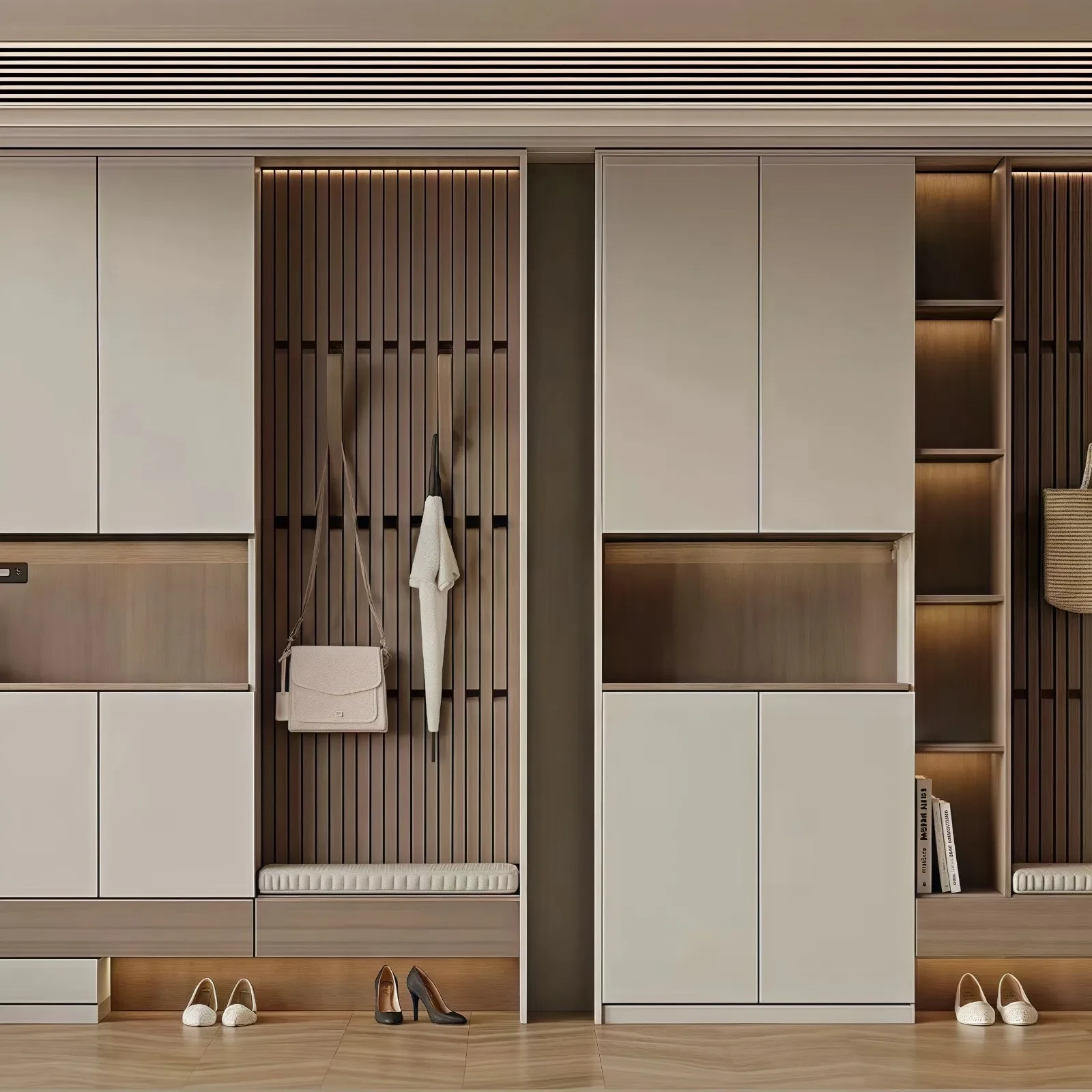
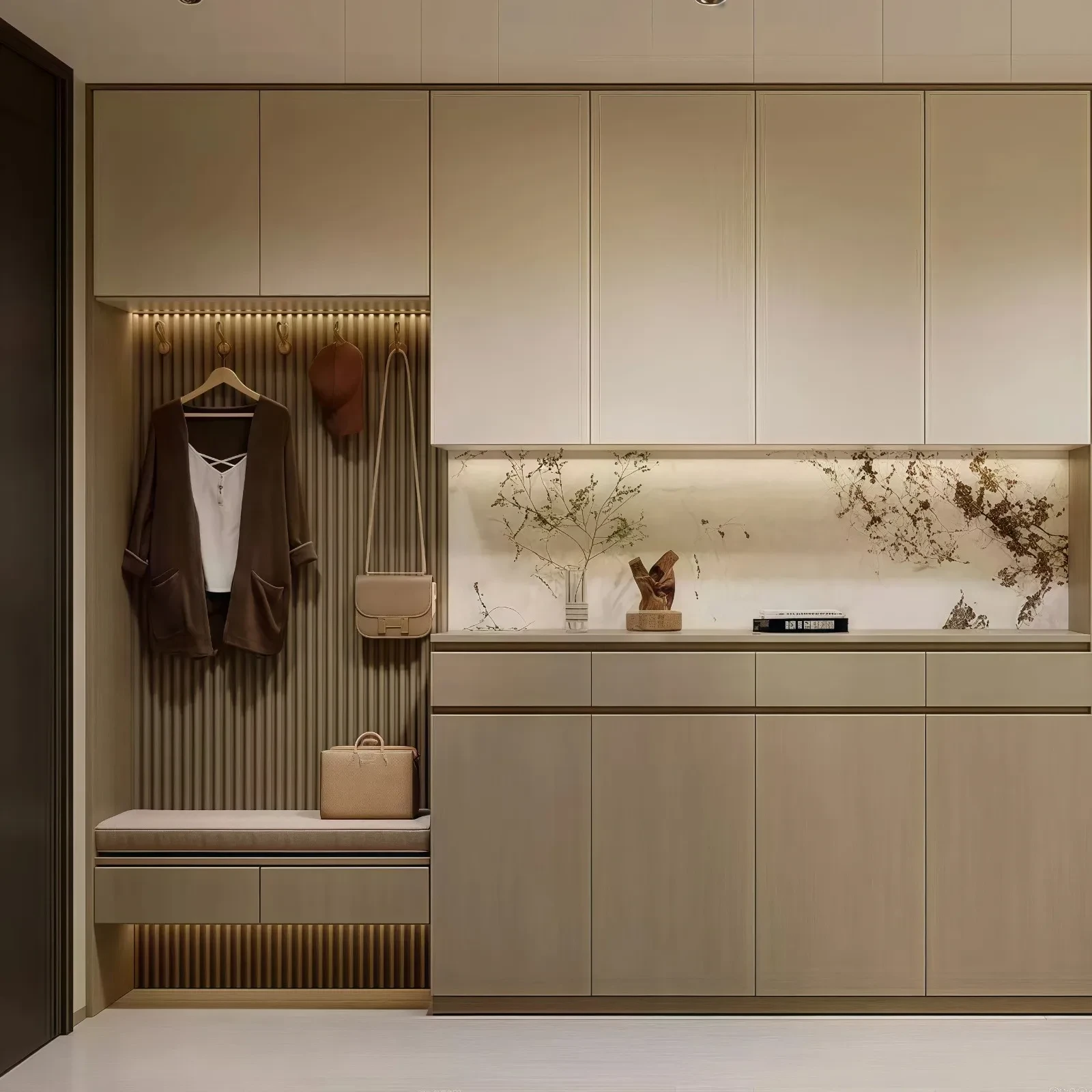
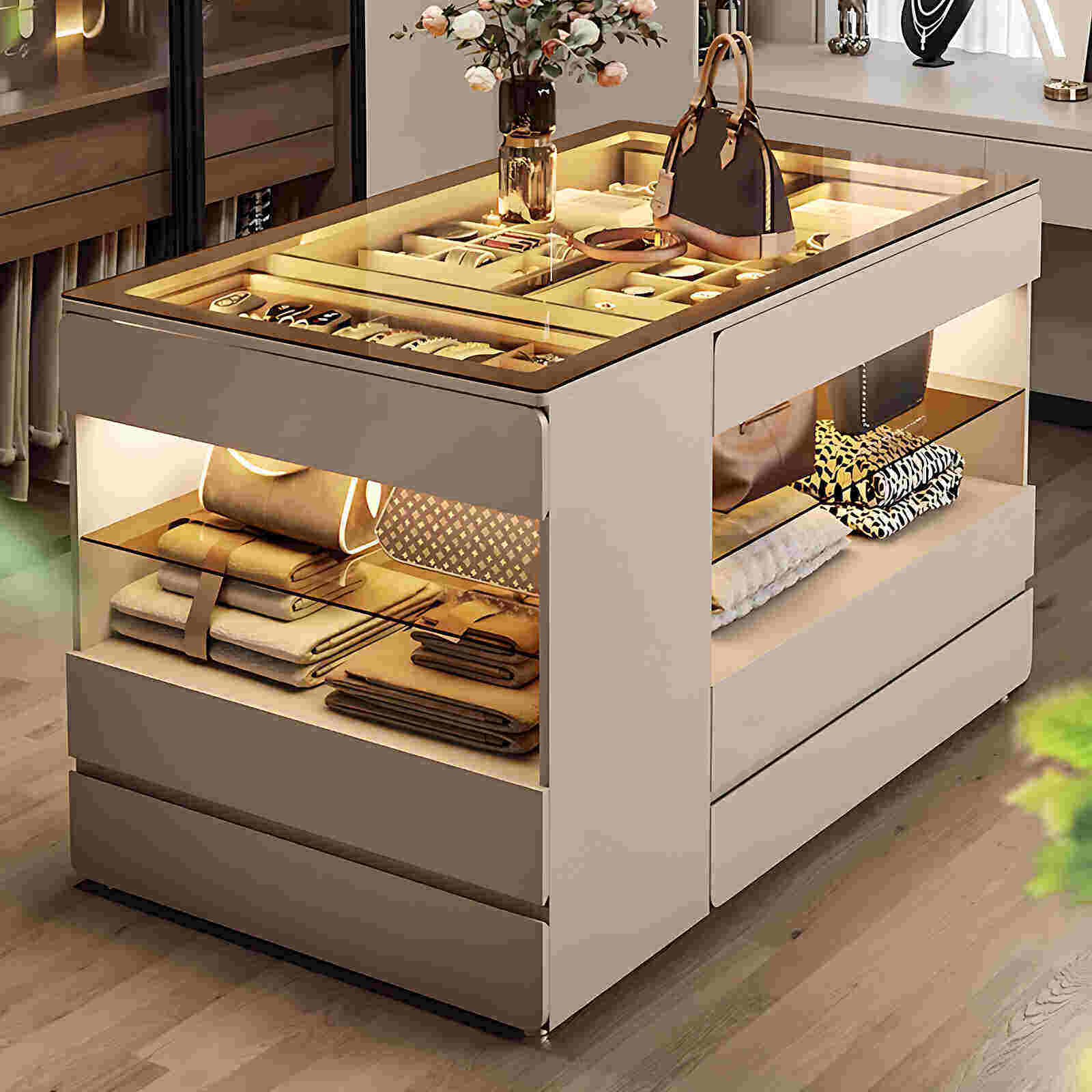
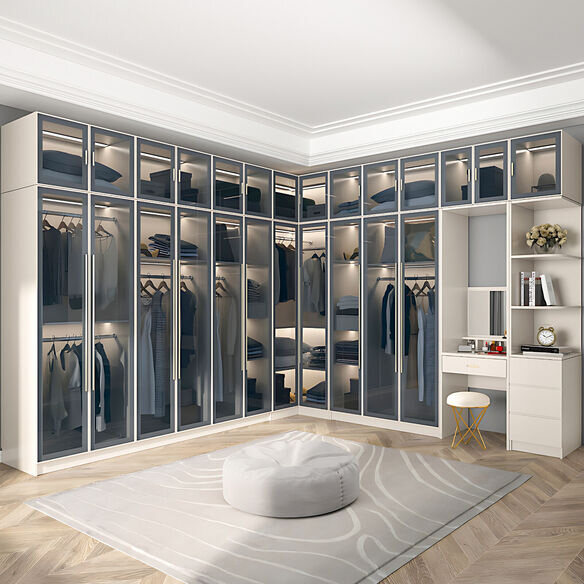
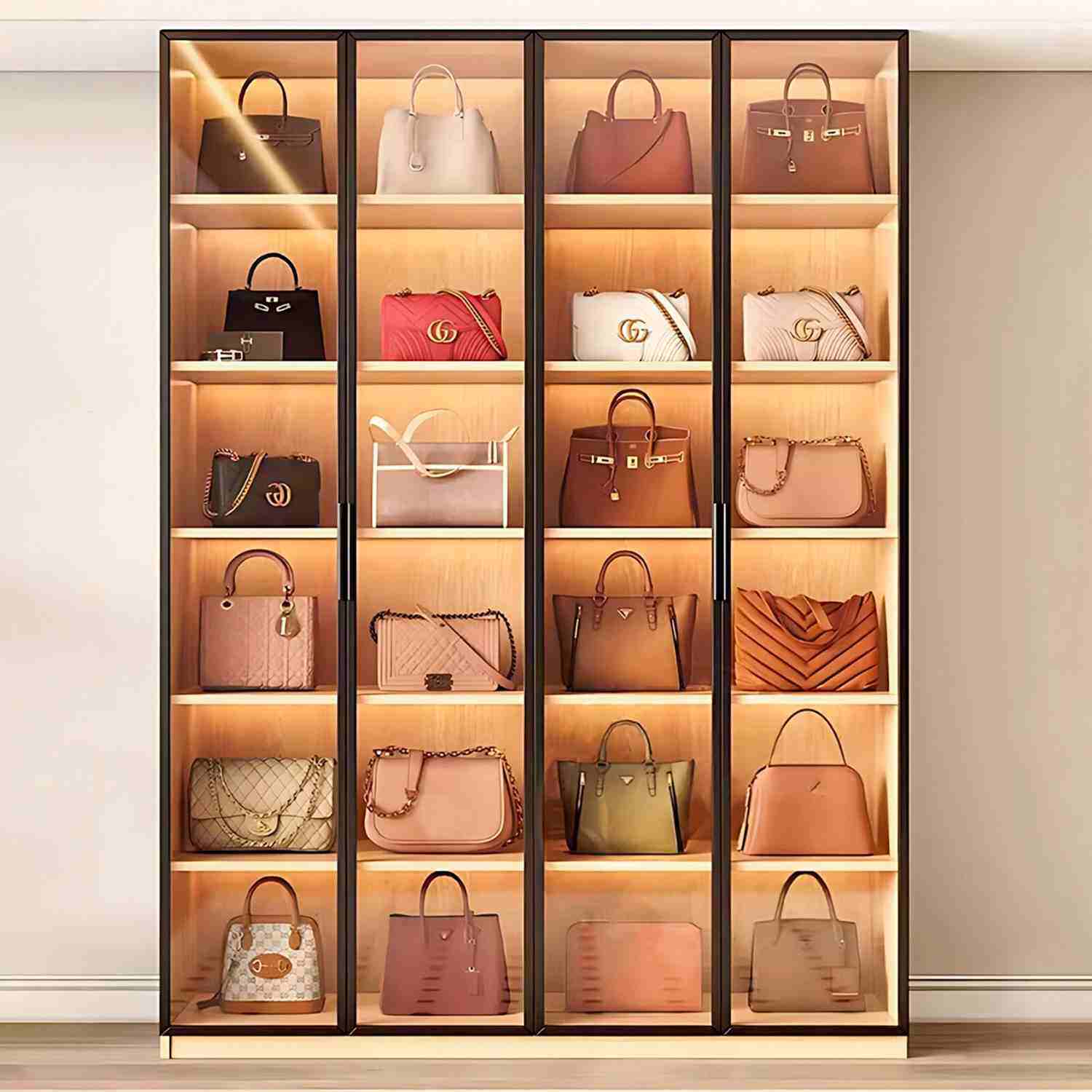
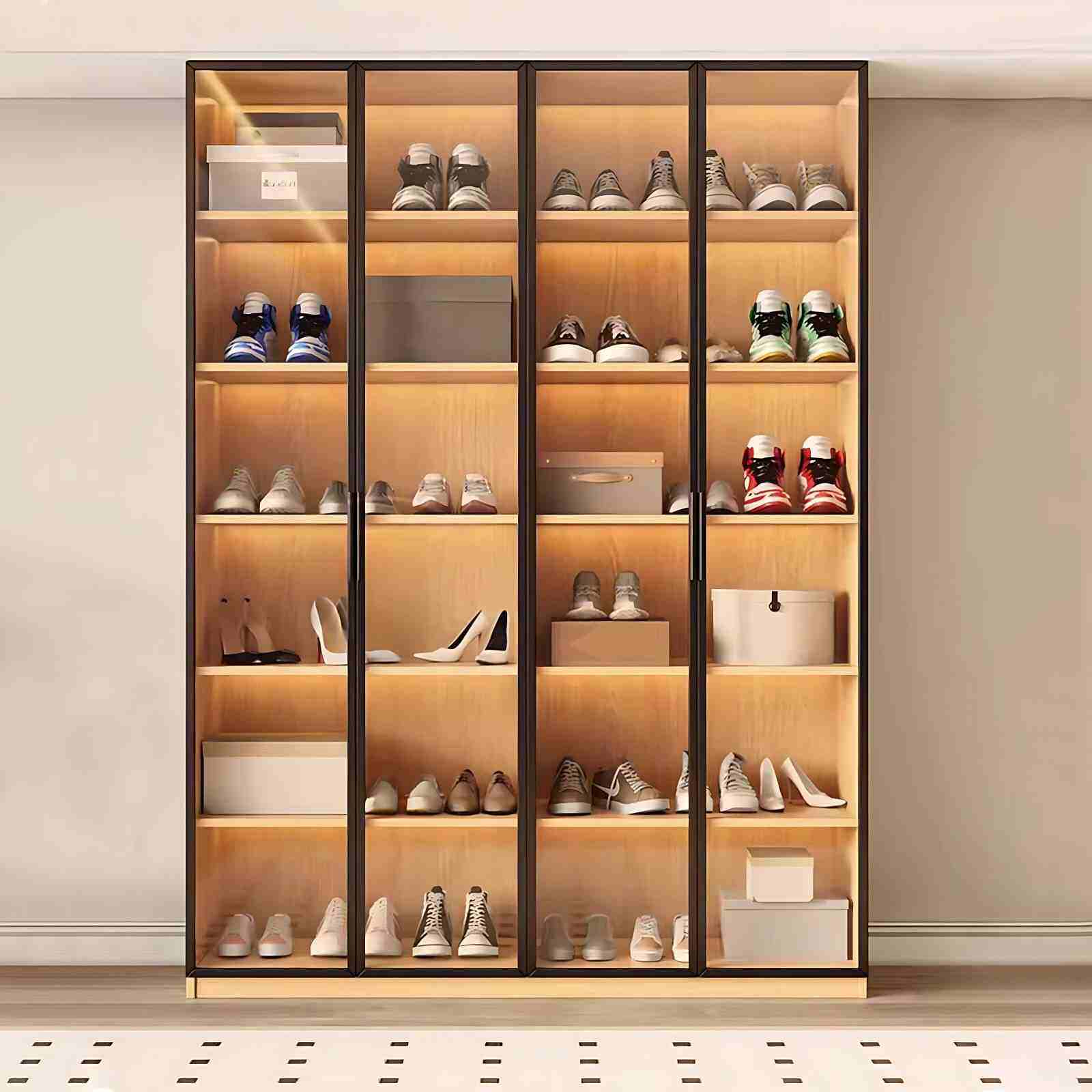
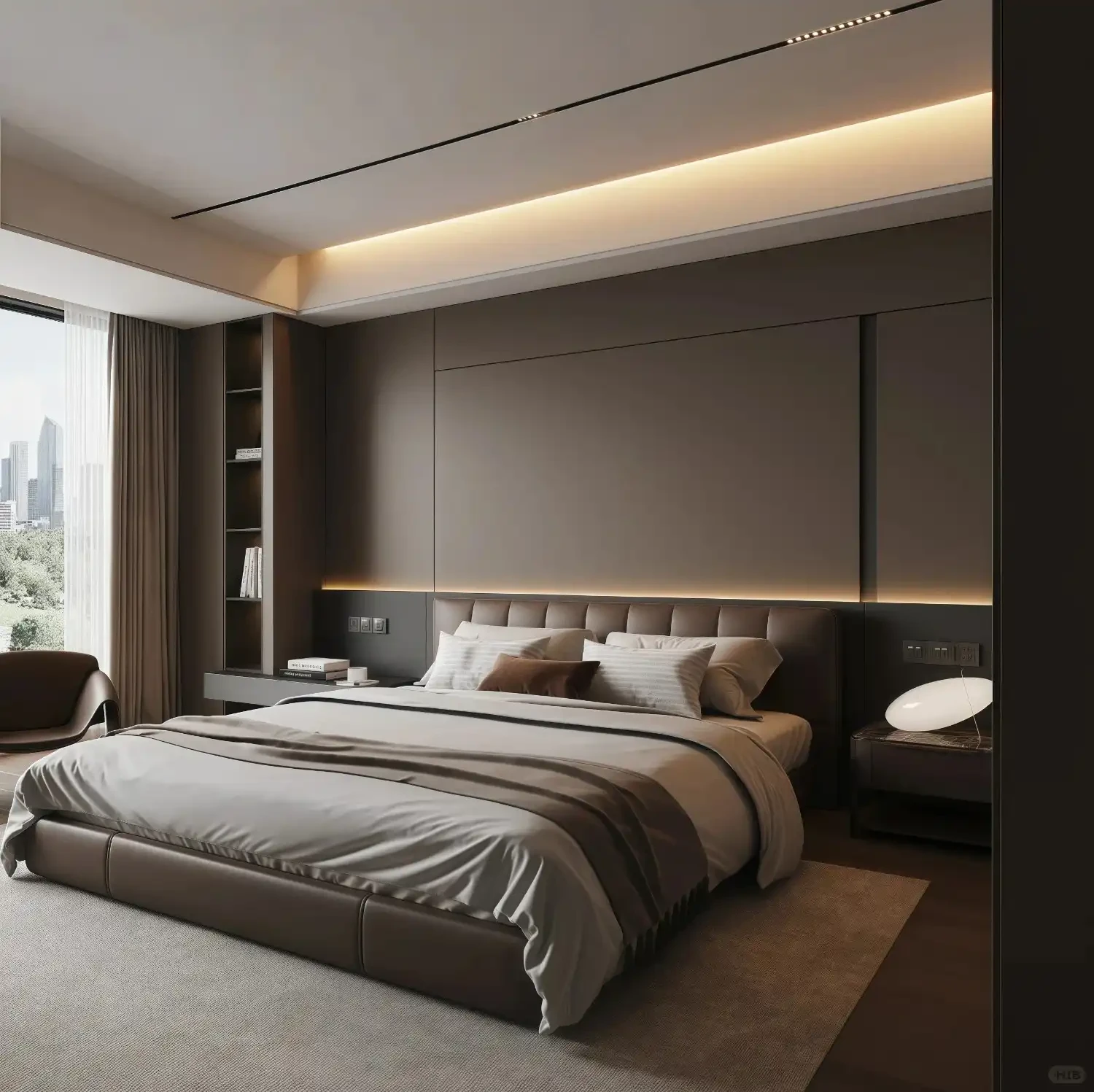
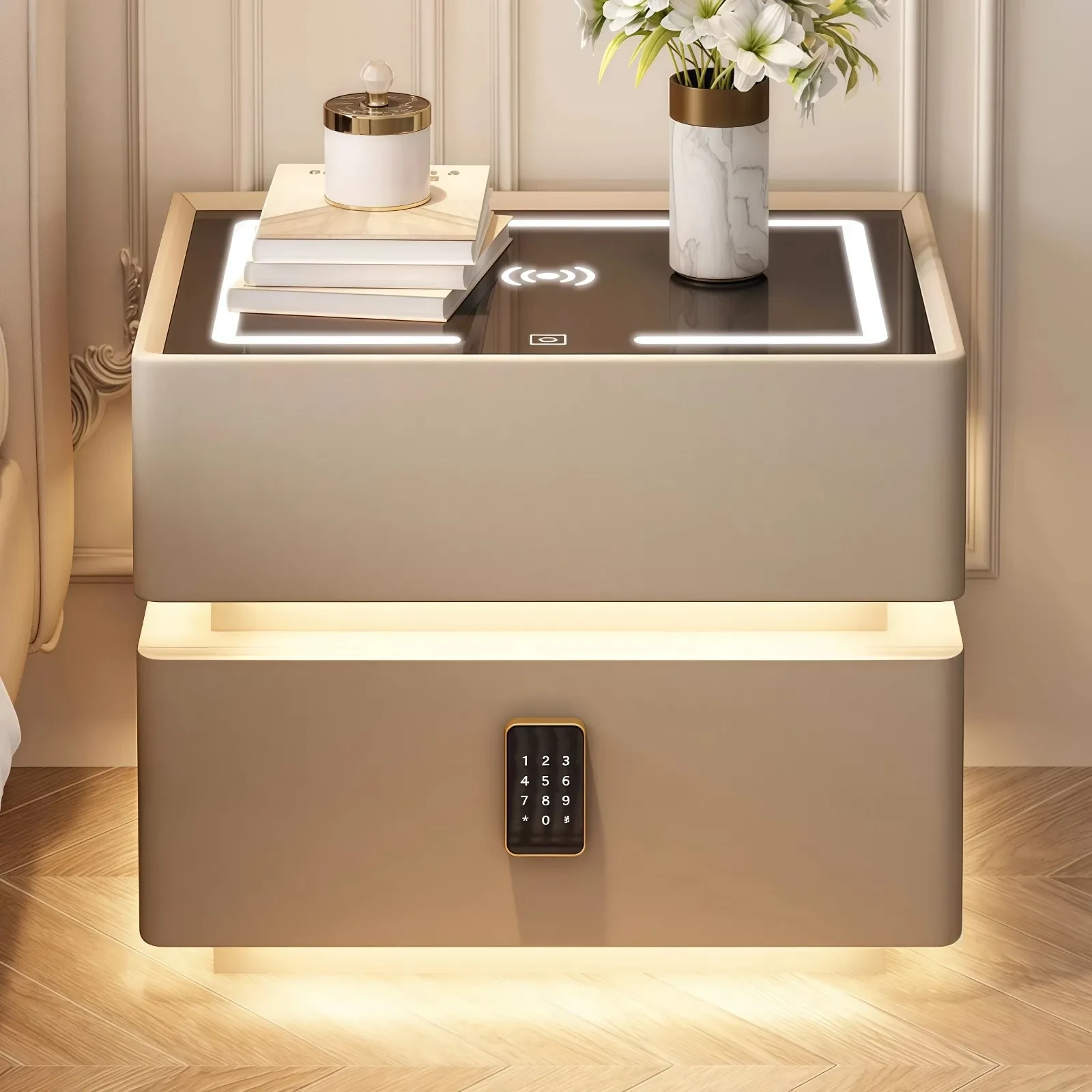
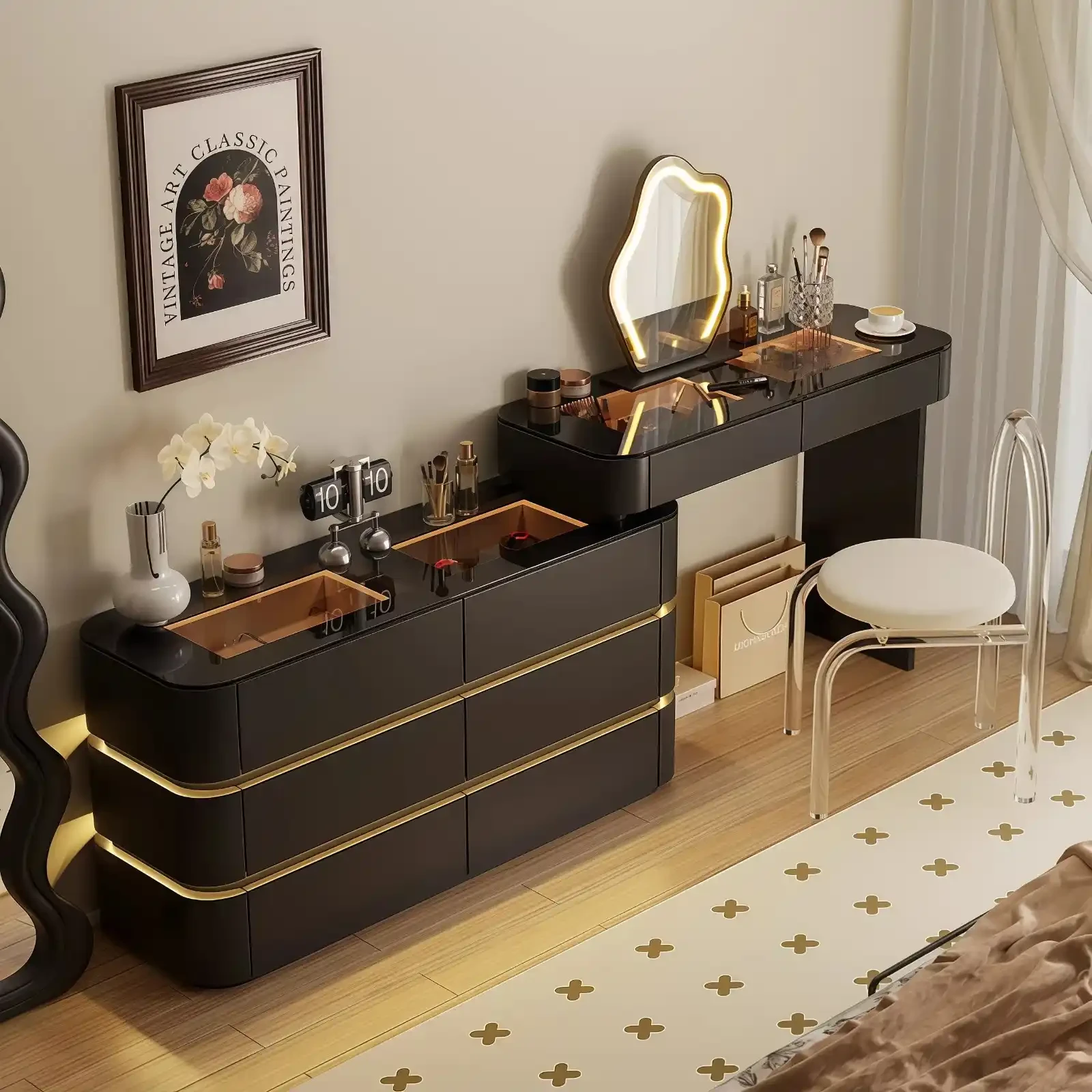
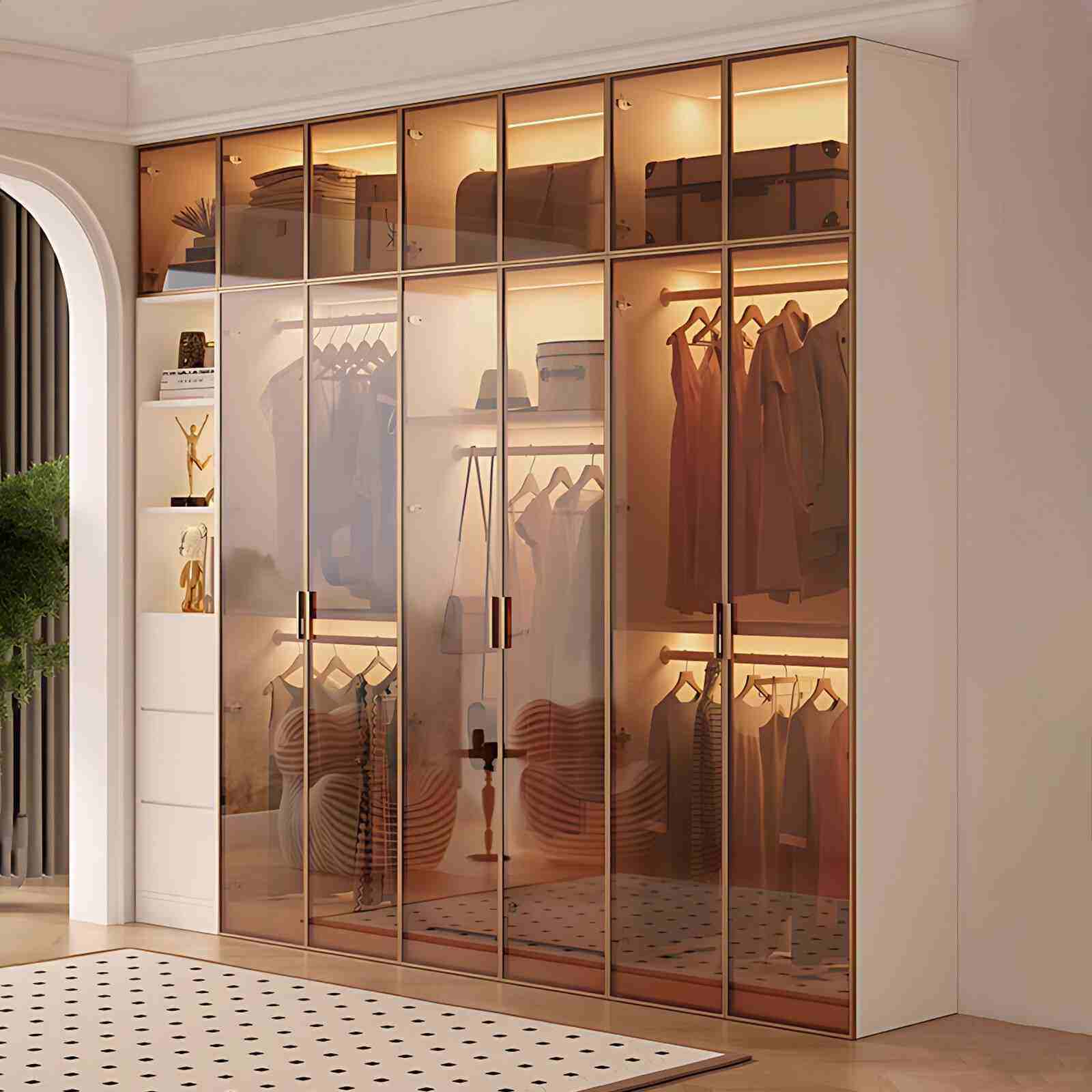
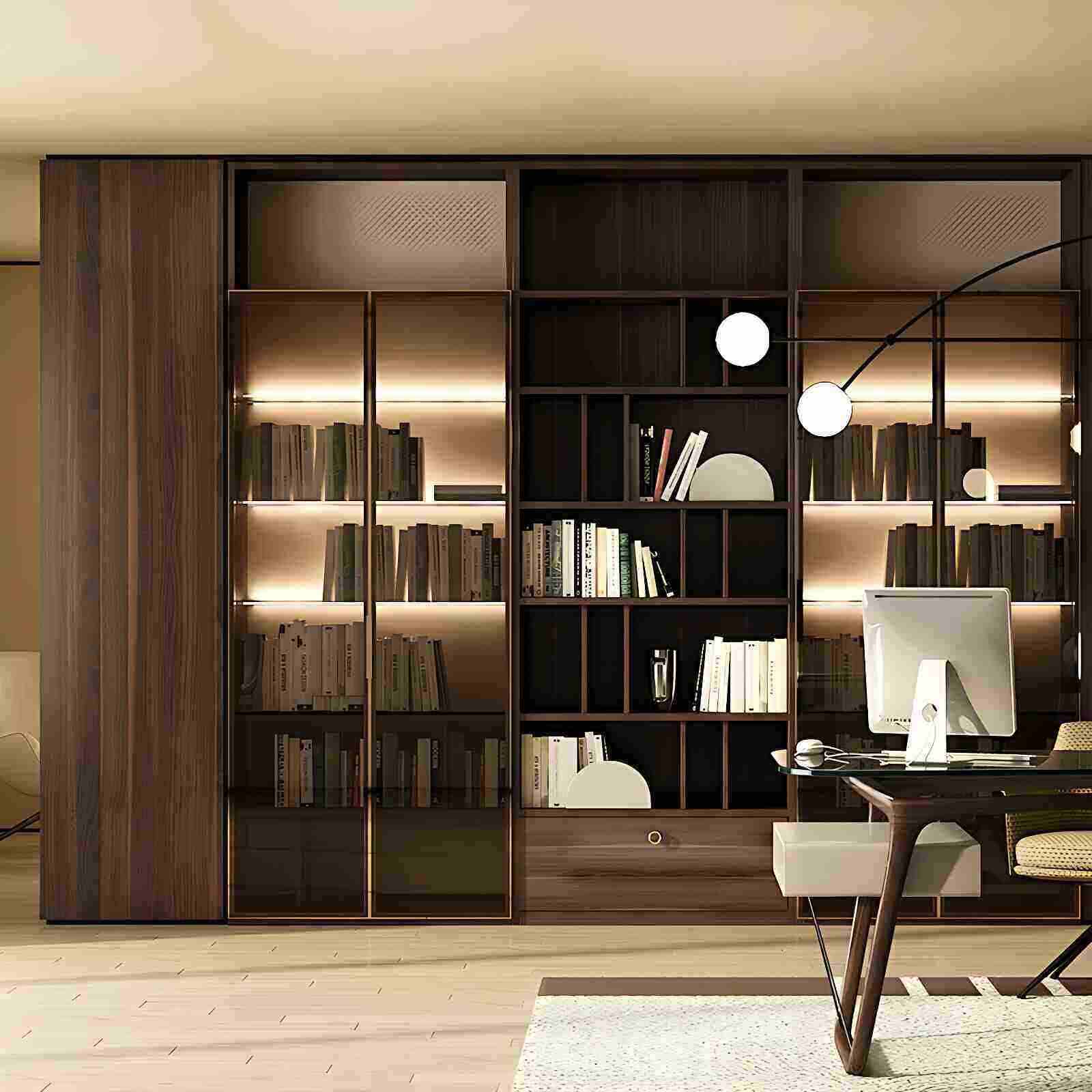
Lightweight boards are a common type of home decoration material, widely used in various aspects of home renovation. So, what kinds of boards are lightweight boards? What are their characteristics? How can they be used properly? Let's take a closer look.
Firstly, lightweight panels are not the same as low-quality panels; on the contrary, they are a type of high-quality panel. Compared to ordinary panels, lightweight panels often offer superior thermal and sound insulation performance for the same weight. Lightweight panels achieve their low density and high strength characteristics through the use of high-strength-to-weight ratio materials, special structures, and foaming techniques. Lightweight panels on the market are classified according to their base material type, including lightweight gypsum board, lightweight particleboard, and lightweight eco-board. These materials are widely used in partition walls and ceilings, interior decoration, and panel furniture.
Lightweight gypsum board
Lightweight gypsum board is a type of lightweight board made primarily of gypsum using a special foaming technology. Gypsum artworks were most common in 19th-century Europe. With technological advancements, gypsum products have become increasingly lightweight and entered the home decoration market, now serving as a primary material for ceilings and partitions. Lightweight gypsum board is a high-quality building material characterized by its light weight, high strength, thinness, high flatness, and ease of processing. It also possesses excellent properties such as resistance to deformation and cracking, sound insulation, heat insulation, and fire resistance.
Common lightweight gypsum boards include paper-faced gypsum board, paperless gypsum board, decorative gypsum board, and hollow gypsum board. Due to their strong processing performance and simple and convenient construction, they are widely used in home decoration. When used as ceilings and partitions, lightweight gypsum board, due to its low density and light weight, can effectively relieve the pressure on the keel frame. At the same time, the overall appearance is smoother than traditional plastering and has good decorative properties.
Unfoamed gypsum has a density of around 1500 kg/m³, which can be reduced by about 50% through foaming technology. More importantly, research has shown that lightweight gypsum board, due to its porous internal structure, has a low thermal conductivity, high thermal and sound insulation performance, and can stably maintain the indoor temperature and humidity environment.
Lightweight particleboard
With the rapid development of science and technology, the quality of particleboard is constantly improving and it is gradually becoming more environmentally friendly. However, particleboard made from fast-growing timber generally has a density of around 700 kg/m³, which limits its use to some extent. Currently, the industry has overcome this density problem by improving and optimizing the particle shape and structural design, reducing particleboard density by more than 20%. This high-quality, low-density particleboard product is called lightweight particleboard.
In today's panel furniture market, where stability and aesthetics are paramount, lightweight, high-energy particleboard offers superior flatness and load-bearing capacity, making it well-suited for applications in cabinets, doors, tables, beds, and other furniture. The introduction of lightweight particleboard allows for the production of large-format cabinet doors. Its high stability significantly reduces the risk of deformation during use, while also lowering the stress on hardware hinges and extending the furniture's lifespan. Lightweight particleboard boasts a clean, smooth surface, a dense cross-section, and silky wood grain texture, making it suitable for various veneer, edge banding, and milling processes.
Lightweight ecological board
Both lightweight and ordinary eco-boards use pre-finished veneer panels made from spliced solid wood (such as Malacca wood, cedar, paulownia wood, poplar, etc.) as the base material, with a basic density of around 600 kg/m³. By selecting and optimizing raw materials, removing high-density branches and using low-density, uniformly textured logs, we have achieved a lightweight transformation in ordinary eco-boards, reducing density by approximately 20%. In the field of lightweight eco-boards, cedar core eco-boards and paulownia core eco-boards are widely praised in the board consumer market due to their excellent resistance to deformation and ease of processing.
Because cedar and paulownia wood have low density and uniform texture, they are less affected by the environment. Wardrobes and shoe cabinets made from these two types of boards can guarantee high sealing performance, effectively reducing the risk of clothes getting damp and moldy. Ecological boards using cedar and paulownia cores are lighter and stronger than other ecological boards. With the same amount of material, they are lighter, easier to install or move, and have a stronger sense of unity between the cabinet doors and the cabinet body.
"For the best cabinets, use the best boards!" This phrase is familiar to everyone. In our home improvement product portfolio, we delve into the consumer market, using consumer feedback to drive our research, development, production, feedback, and further research. All for the sake of producing better boards, Qiannianzhou is dedicated to creating the best boards for the people!