
 USD
USD GBP
GBP
 EUR
EUR


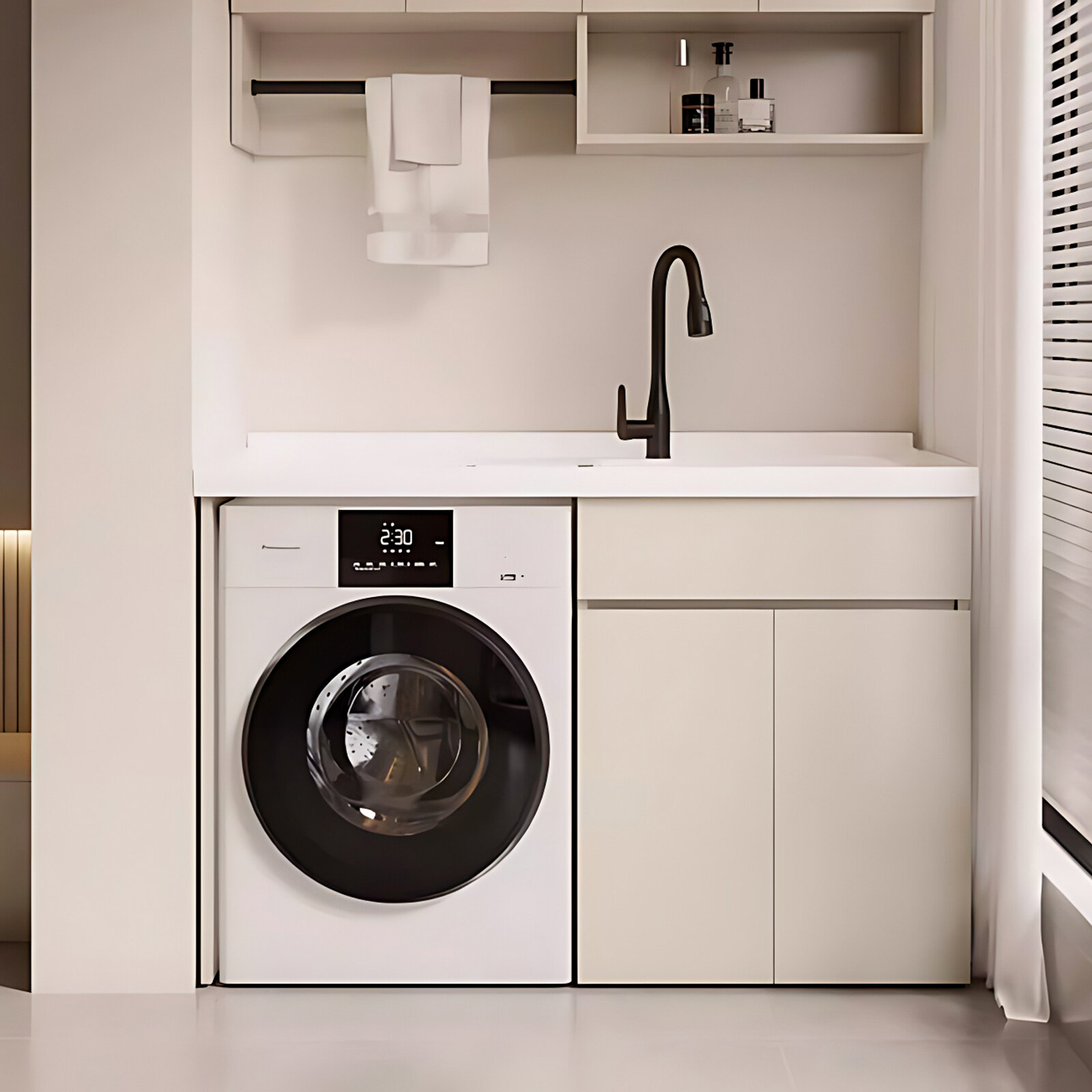
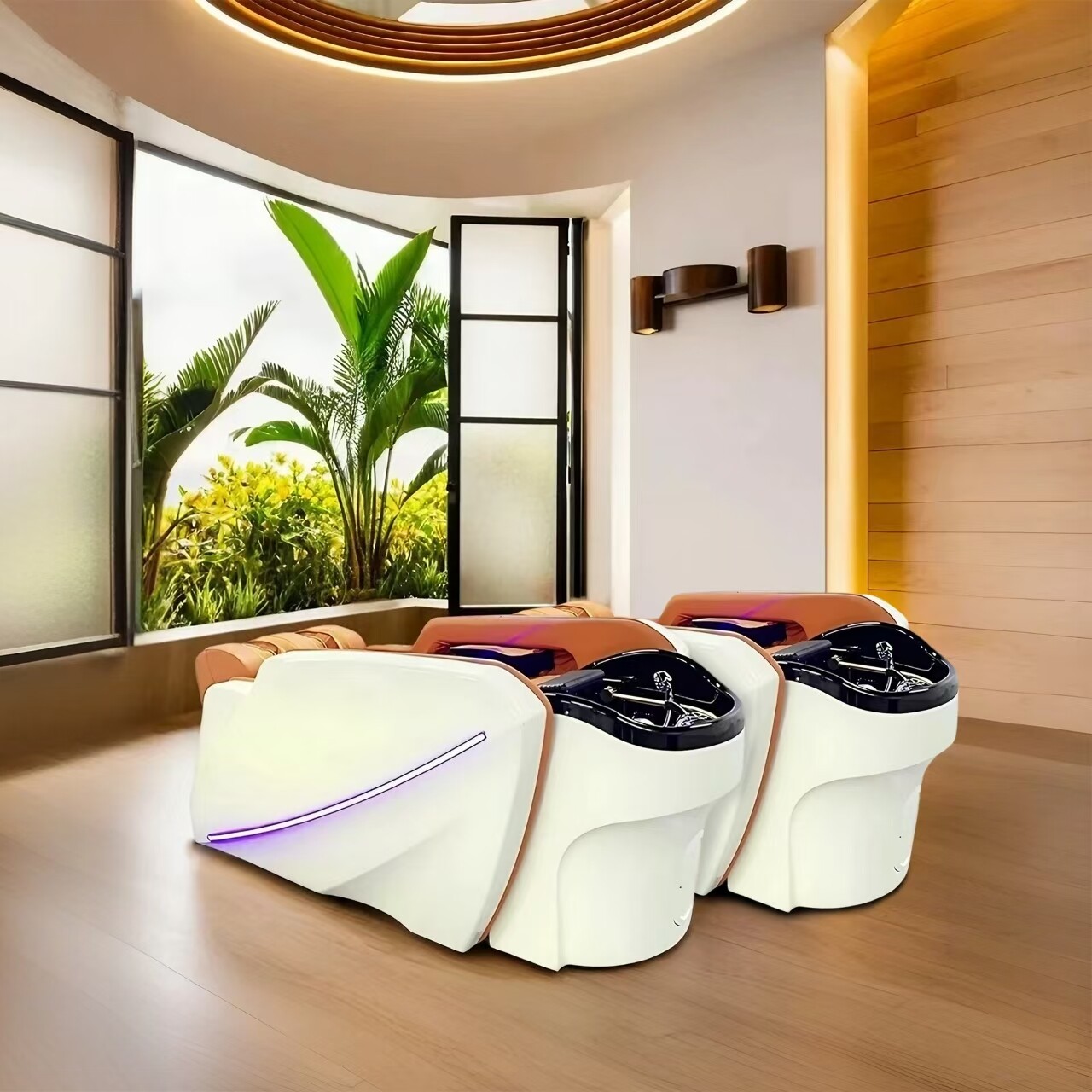
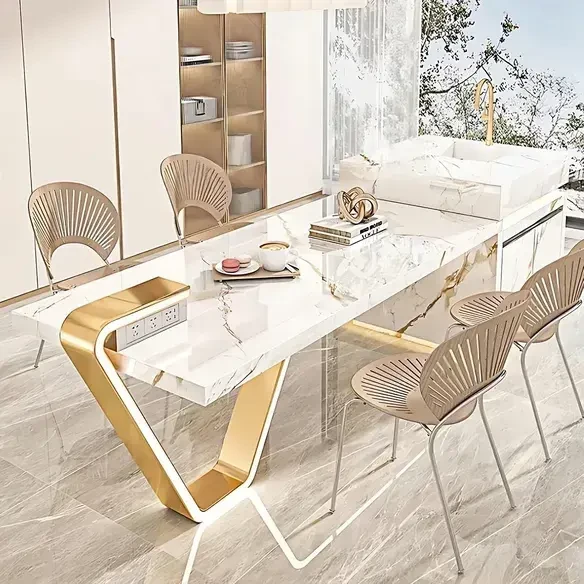
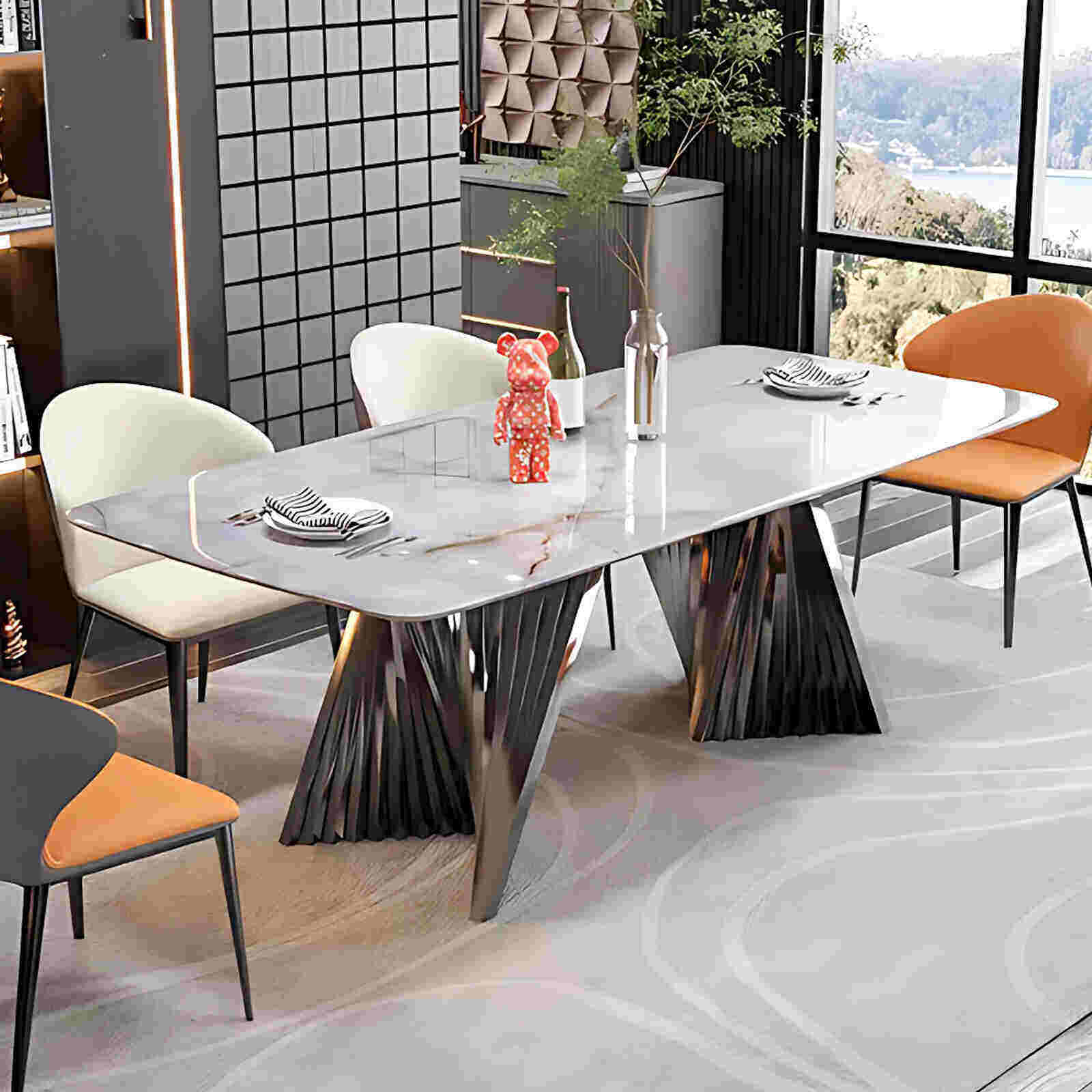
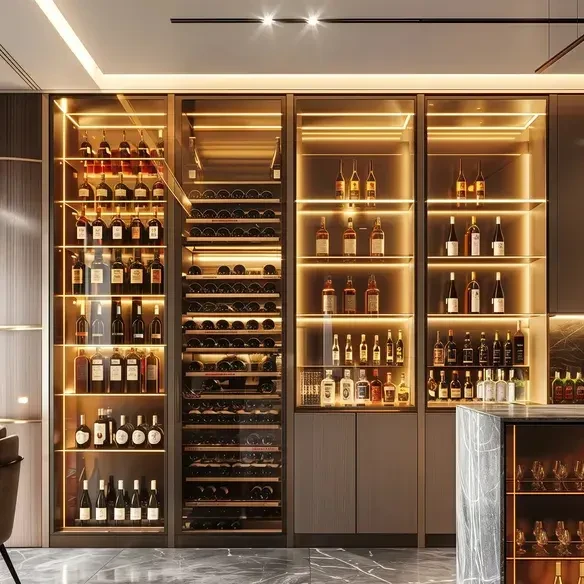

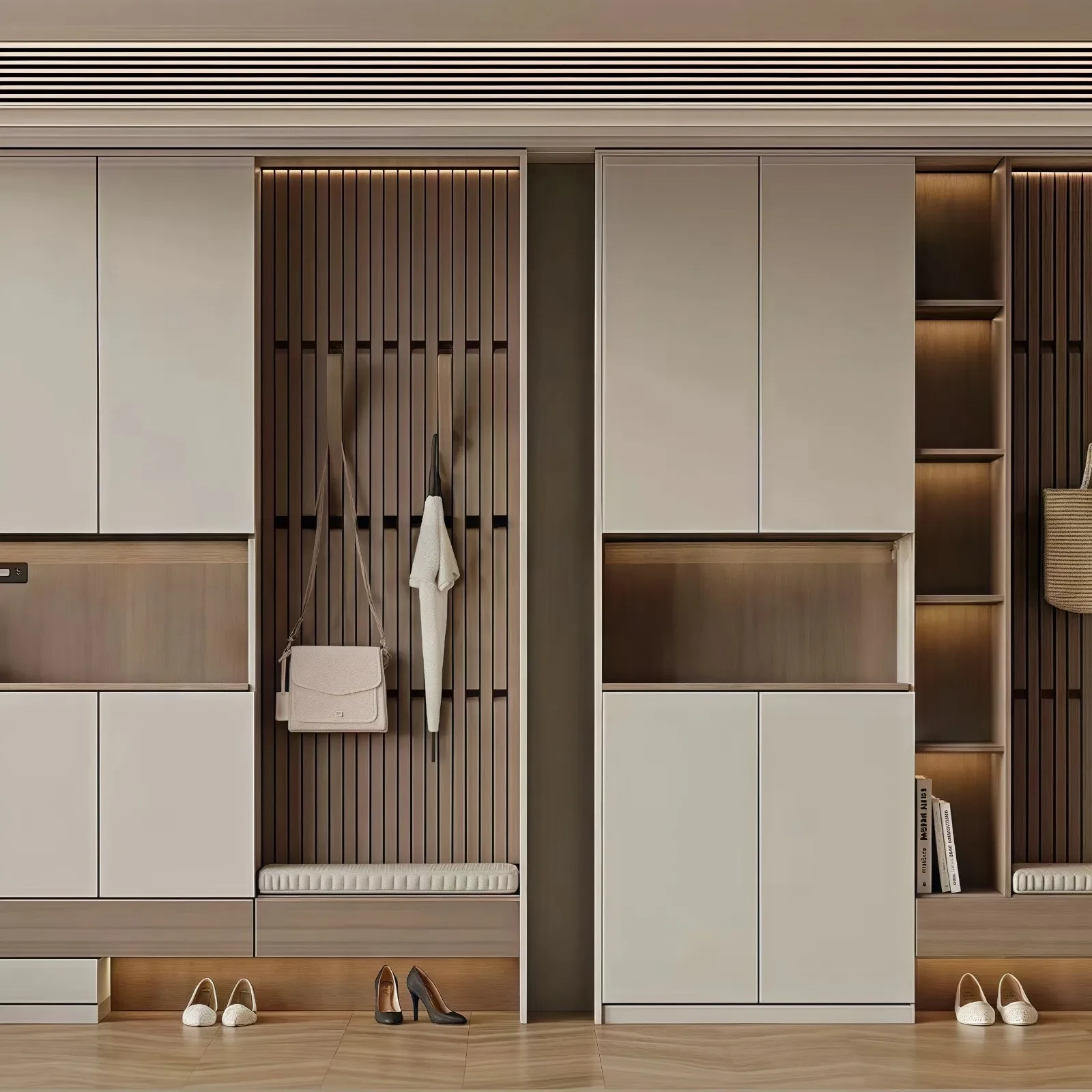
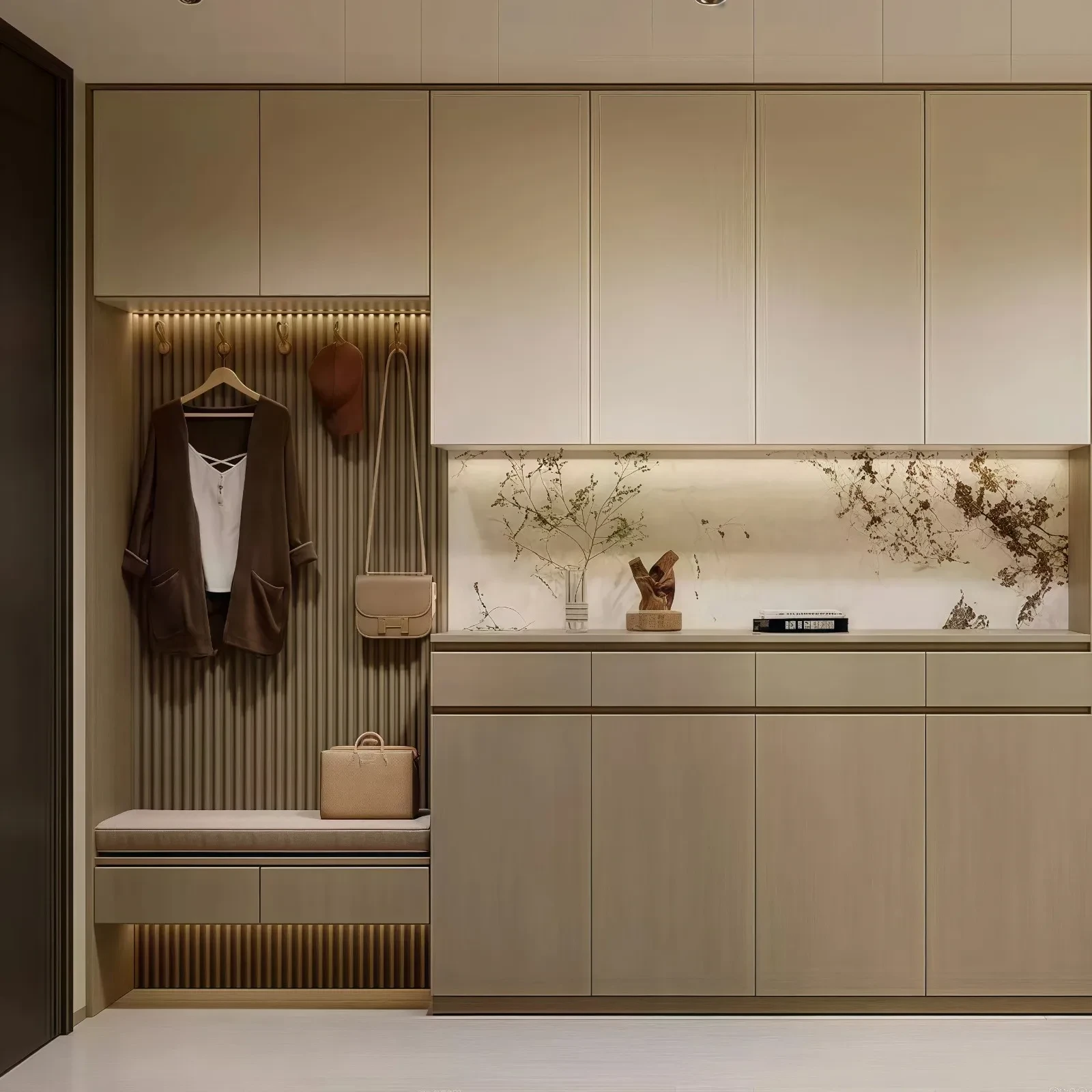
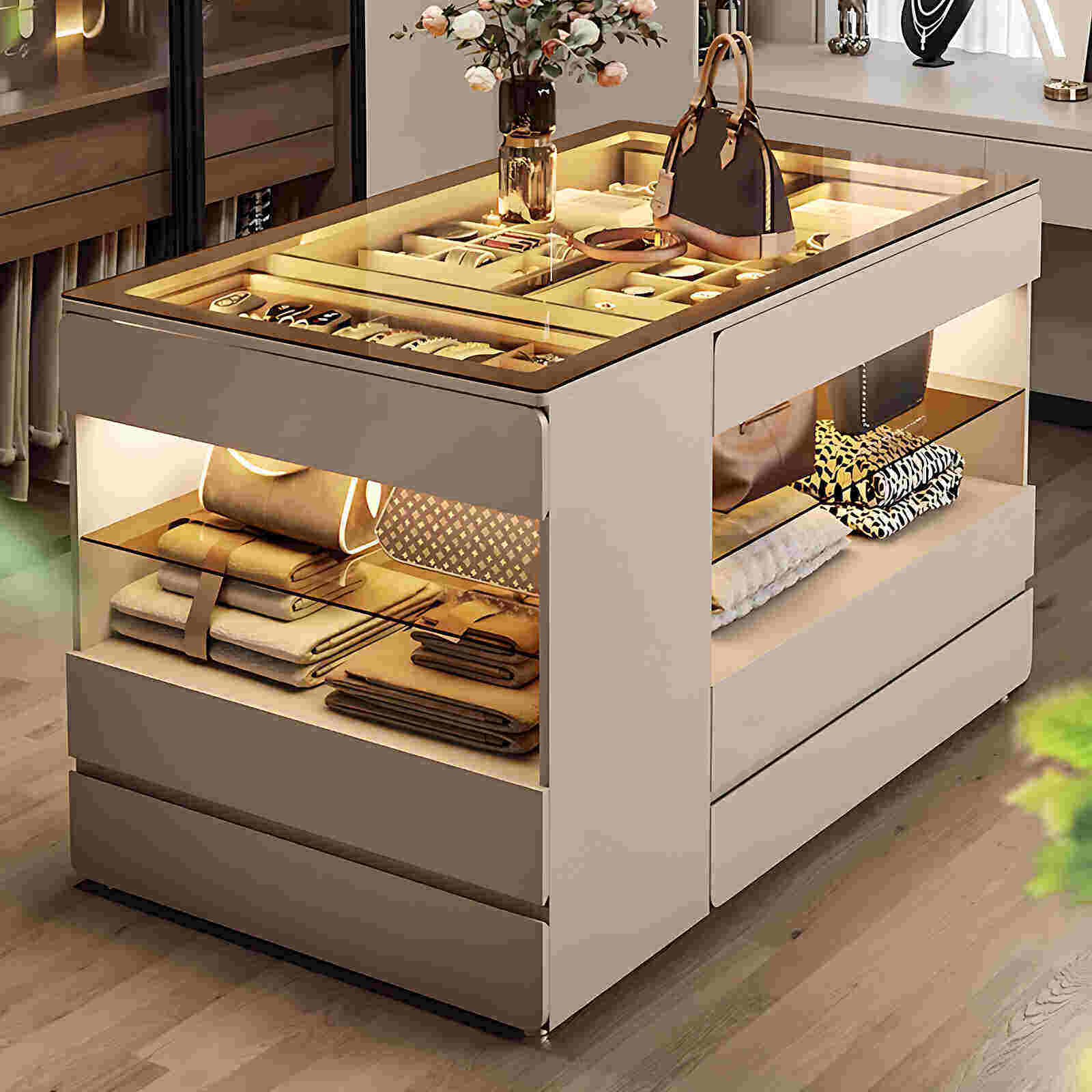
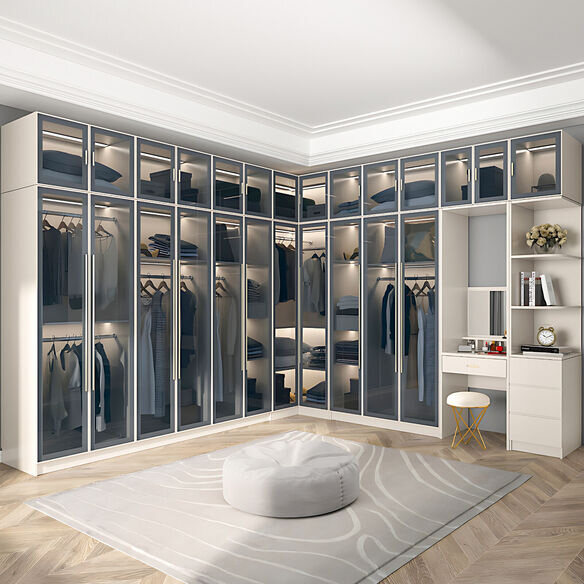
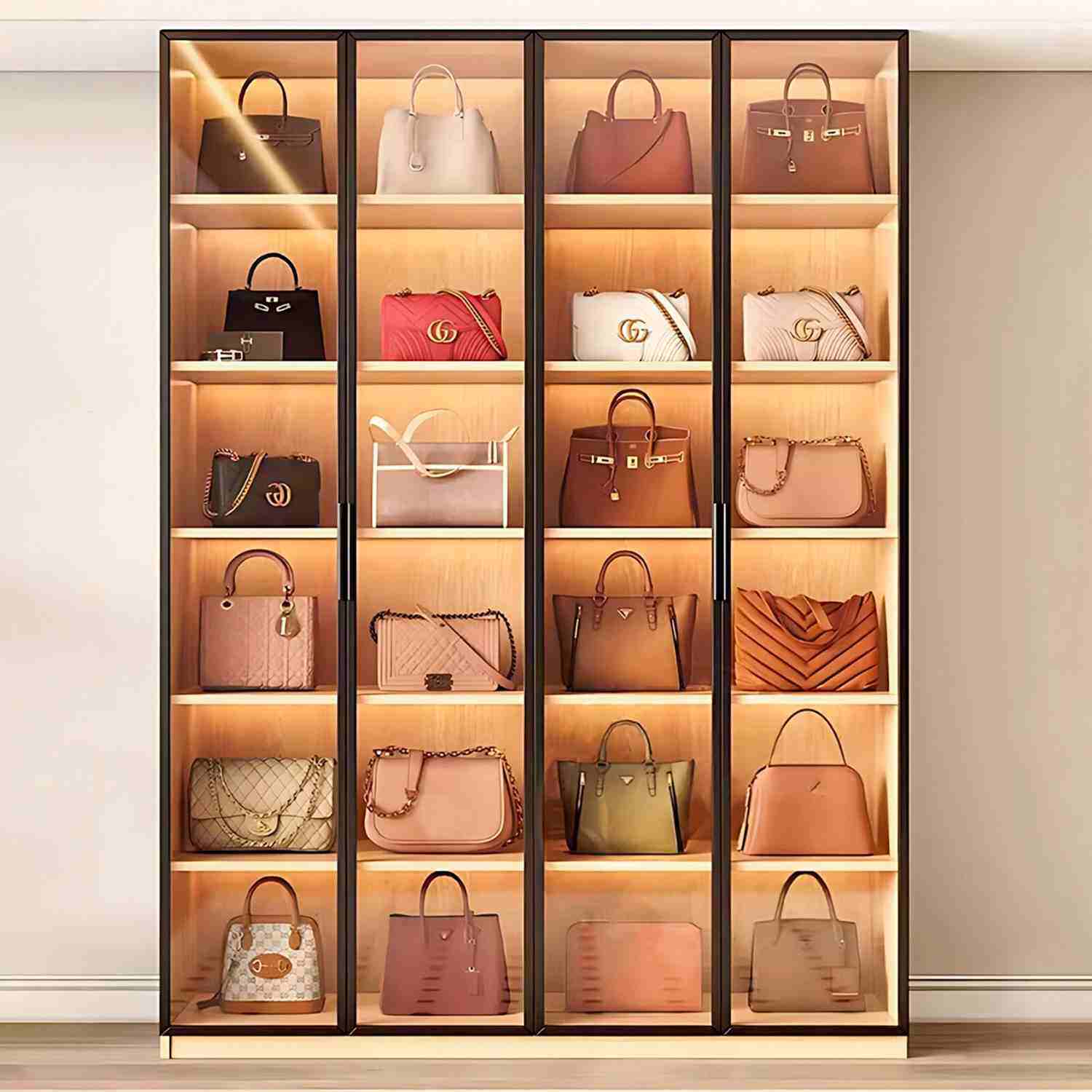

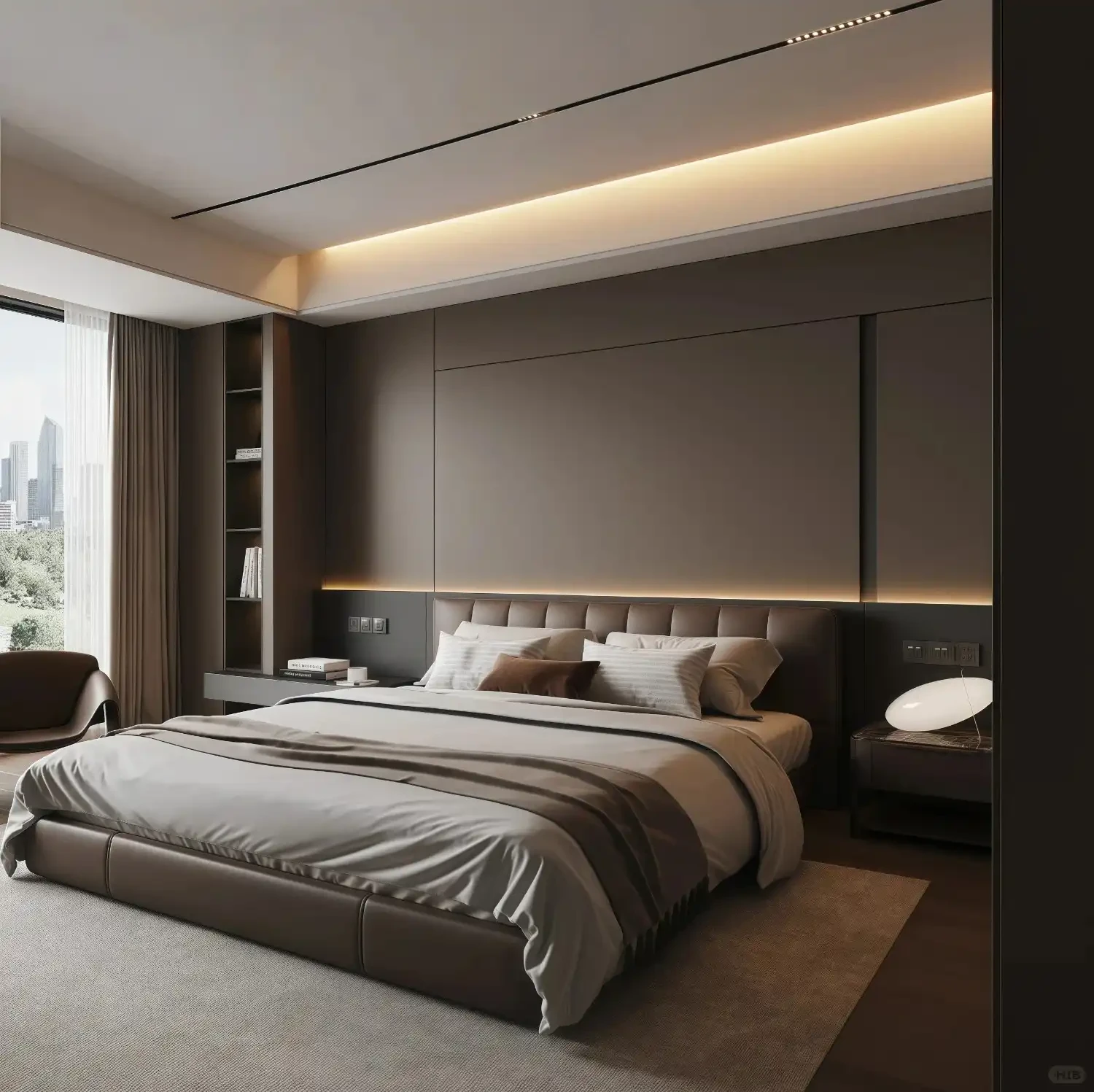
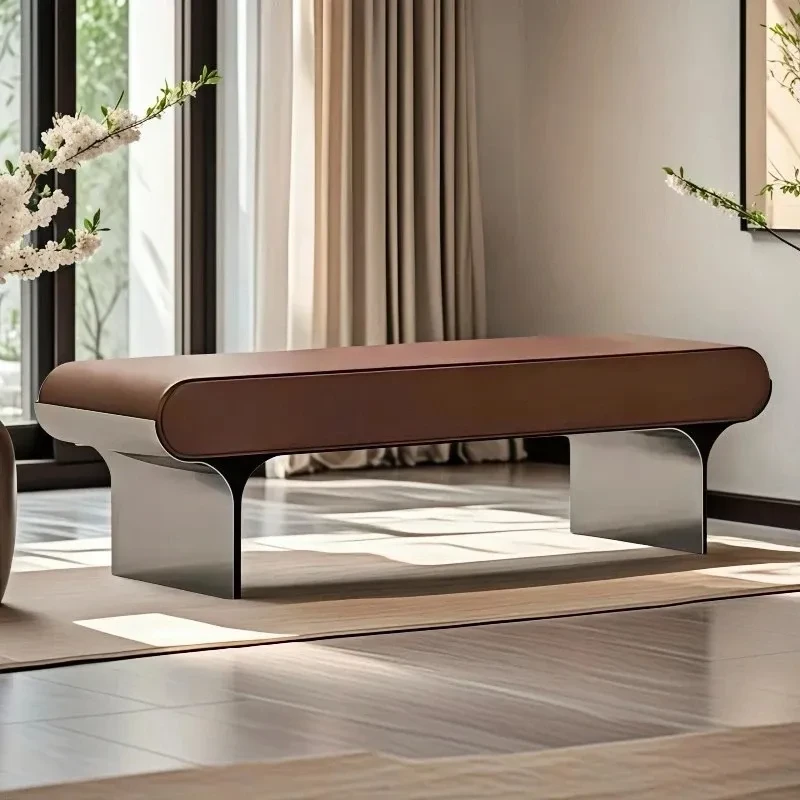
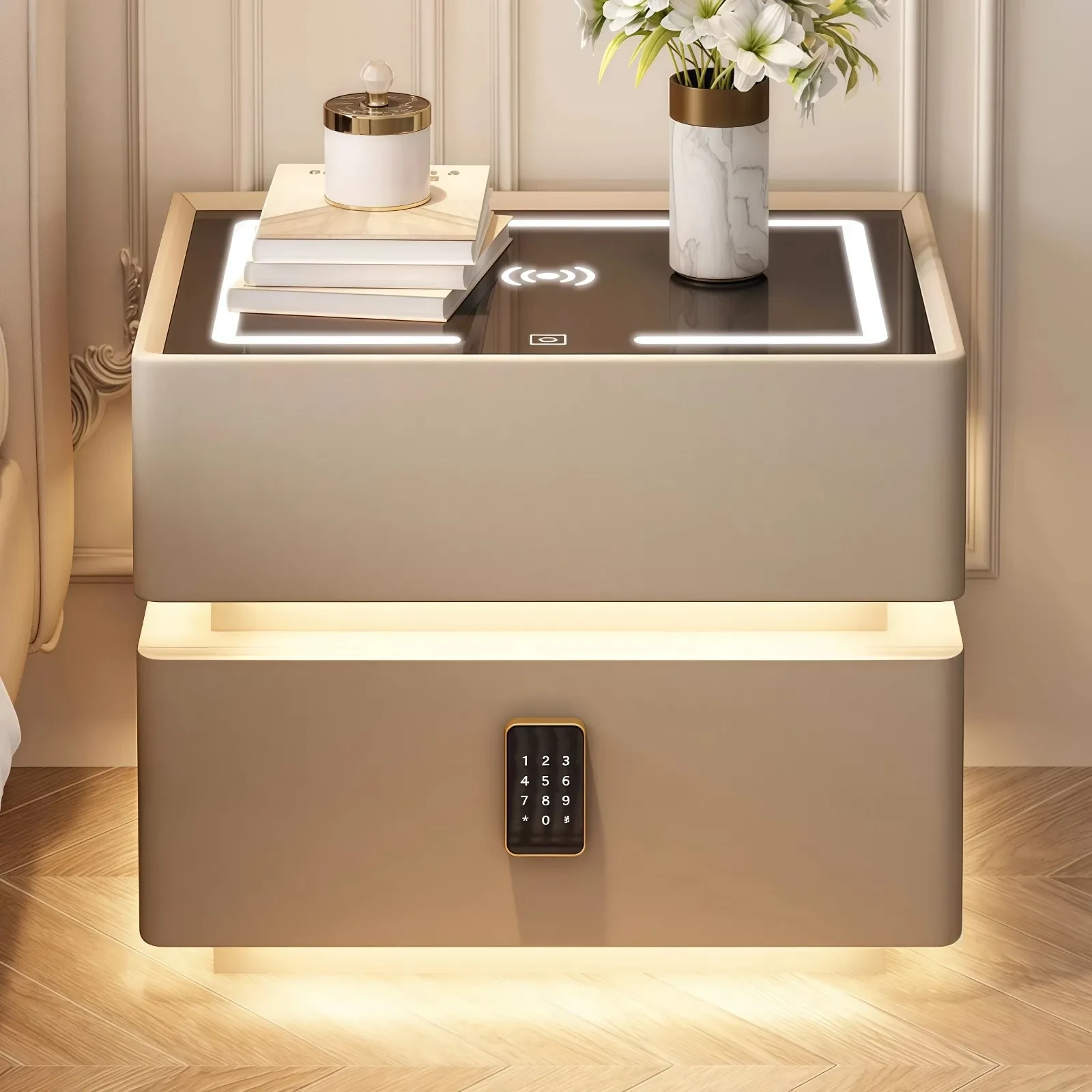
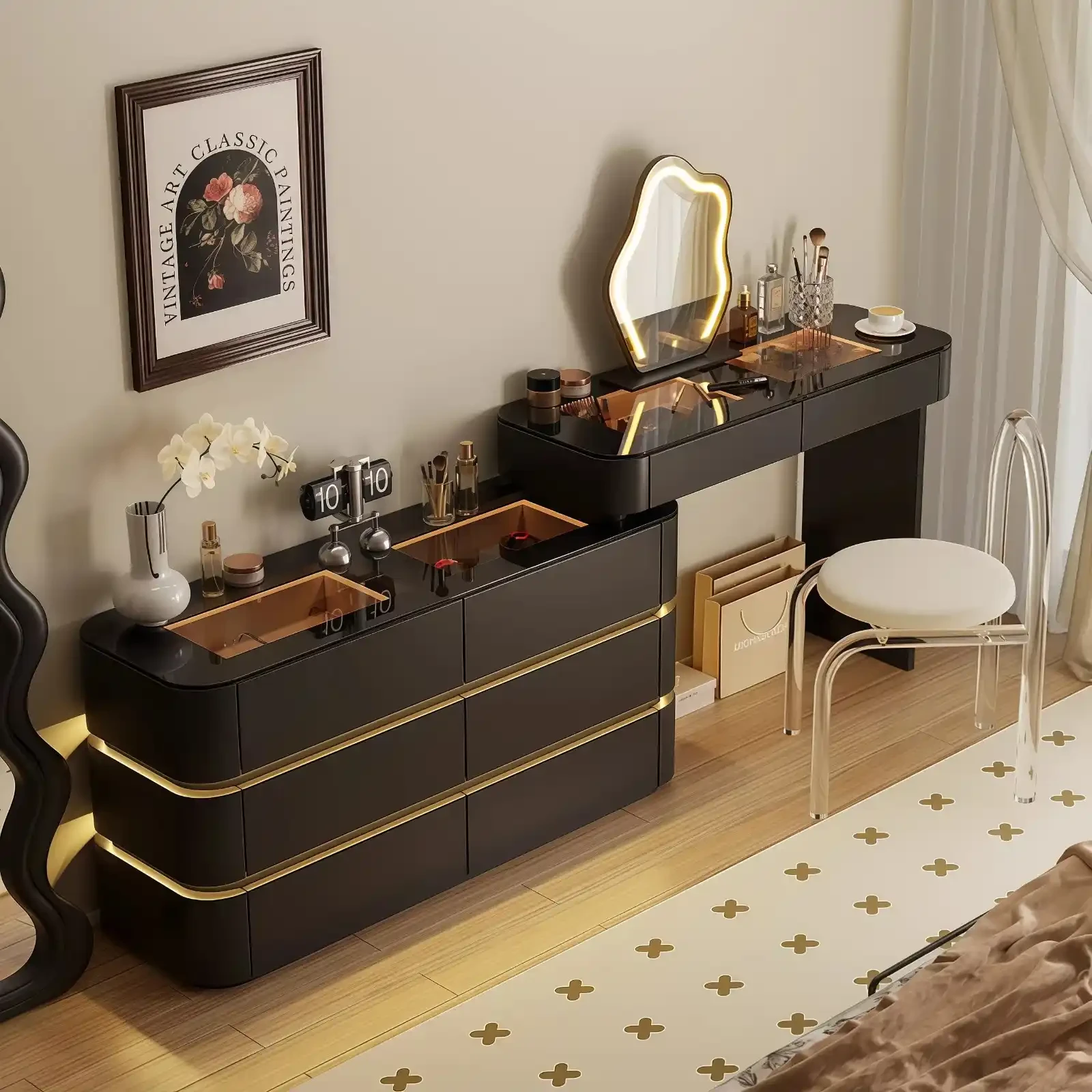
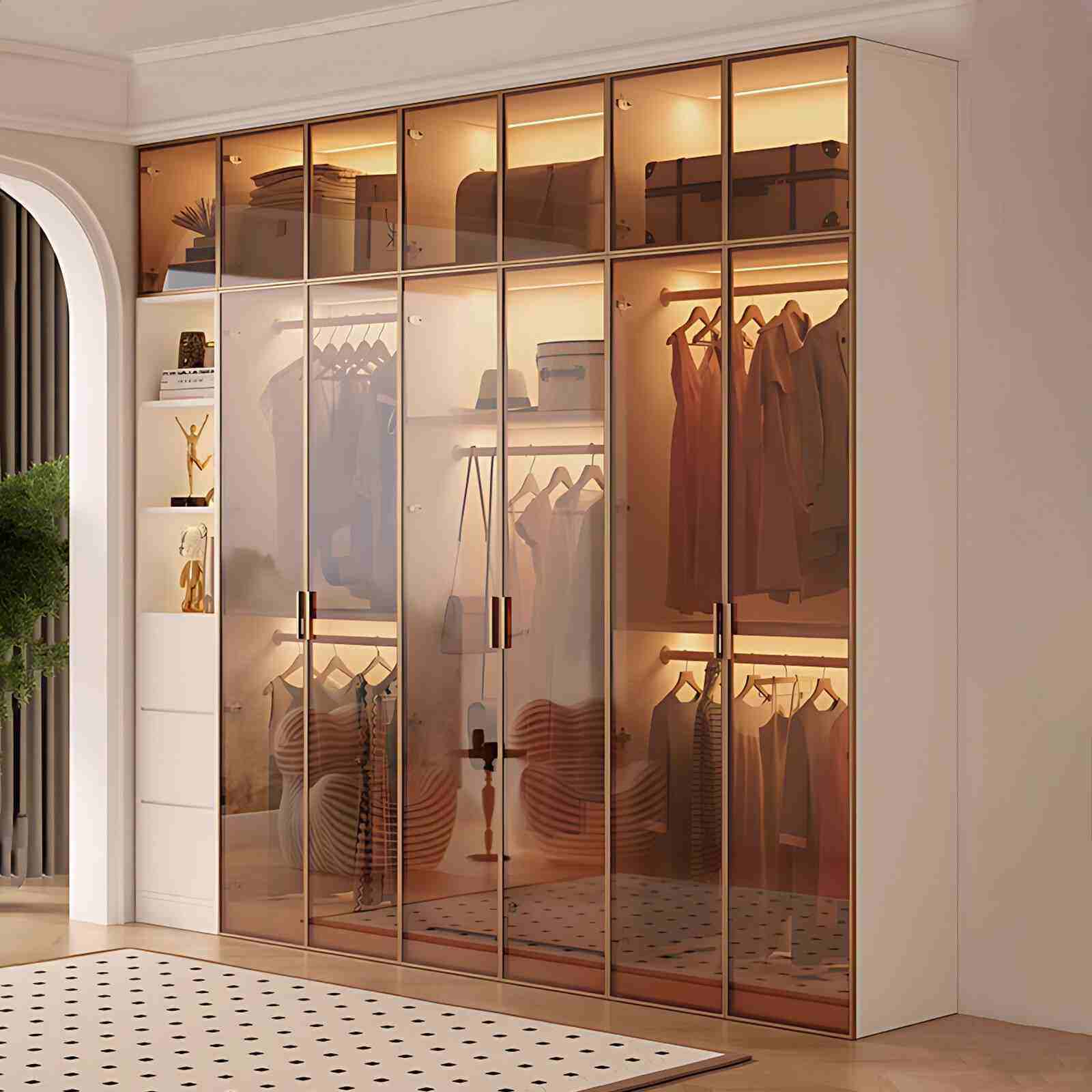
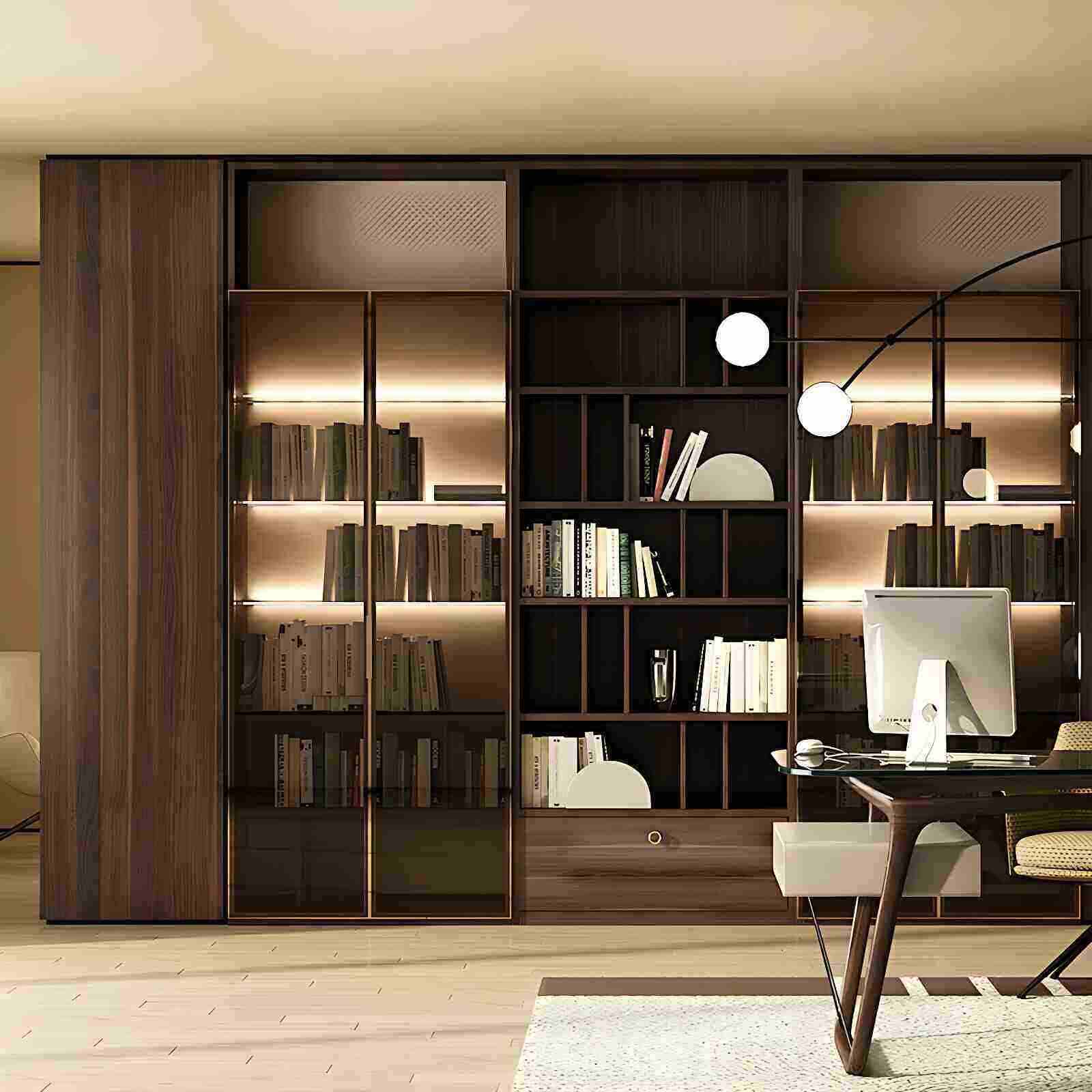

Plywood is a commonly used material in furniture manufacturing and one of the three major types of engineered wood products. In recent years, plywood has gradually become the leading engineered wood product in my country. At the same time, it is also one of the earliest-developed, fastest-growing, and most internationally competitive engineered wood products in my country.
The formaldehyde content in plywood has always been a major concern for consumers. Recently, the death of a two-year-old child of a Ziroom tenant due to formaldehyde exposure has caused widespread concern, making consumers extremely wary of formaldehyde.
As is well known, in the furniture industry, the formaldehyde content of plywood depends almost entirely on the amount of adhesive used. The more adhesive used, the higher the formaldehyde content of the plywood, because adhesives contain formaldehyde.
In the market, the adhesives used for plywood are generally urea-formaldehyde resin and phenolic resin. These commonly used adhesives release a certain amount of formaldehyde during use.
Therefore, under the general trend of formaldehyde-free and environmentally friendly development, MDI adhesive came into being, resulting in MDI formaldehyde-free boards.
What is MDI?
MDI stands for isocyanate adhesive, and is a dark reddish-brown liquid product.
MDI is a widely used, cutting-edge polymer synthesis material with excellent safety and stability.
Because of these properties, MDI is even used in the manufacture of artificial organs such as artificial blood vessels and heart valves. Therefore, MDI does not contain any formaldehyde.
MDI formaldehyde-free board
MDI formaldehyde-free boards are environmentally friendly boards made with isocyanate adhesives that do not release formaldehyde.
Isocyanate adhesives are highly polar and reactive, capable of reacting with wood and the moisture within it. Therefore, MDI formaldehyde-free boards exhibit high bonding strength and good water resistance.
Compared to the adhesives used in traditional engineered wood products, MDI formaldehyde-free boards use less adhesive and require a shorter hot-pressing time to achieve the same bonding effect.
The substrate of MDI formaldehyde-free board not only releases zero formaldehyde, but also releases benzene and TVOC at near zero, posing zero harm to human health.
The environmental protection level of MDI formaldehyde-free boards reaches 0.02mg/L-0.04mg/L, which is far superior to the national E0 level environmental protection standard and also superior to the US NAF level environmental protection standard.
Wanhua MDI
When talking about MDI technology, one cannot help but mention Wanhua Group, whose MDI technology is protected by national patents.
Currently, only 7 companies in 4 countries worldwide can produce MDI. Among them, Wanhua is the only company in my country that can produce MDI, and Wanhua HeXiang Board, which is Wanhua's MDI formaldehyde-free board, uses this technology.
MDI formaldehyde-free boards are made from the raw materials of citrus fruits, by successfully peeling the strong and tough fibers from the plant stems, and using MDI isocyanate, which releases zero formaldehyde, as an adhesive.
In addition to being strong, waterproof, moisture-proof, sound-absorbing, and heat-insulating, MDI formaldehyde-free boards also combine the advantages of wood particleboard and medium-density fiberboard.