
 USD
USD GBP
GBP
 EUR
EUR









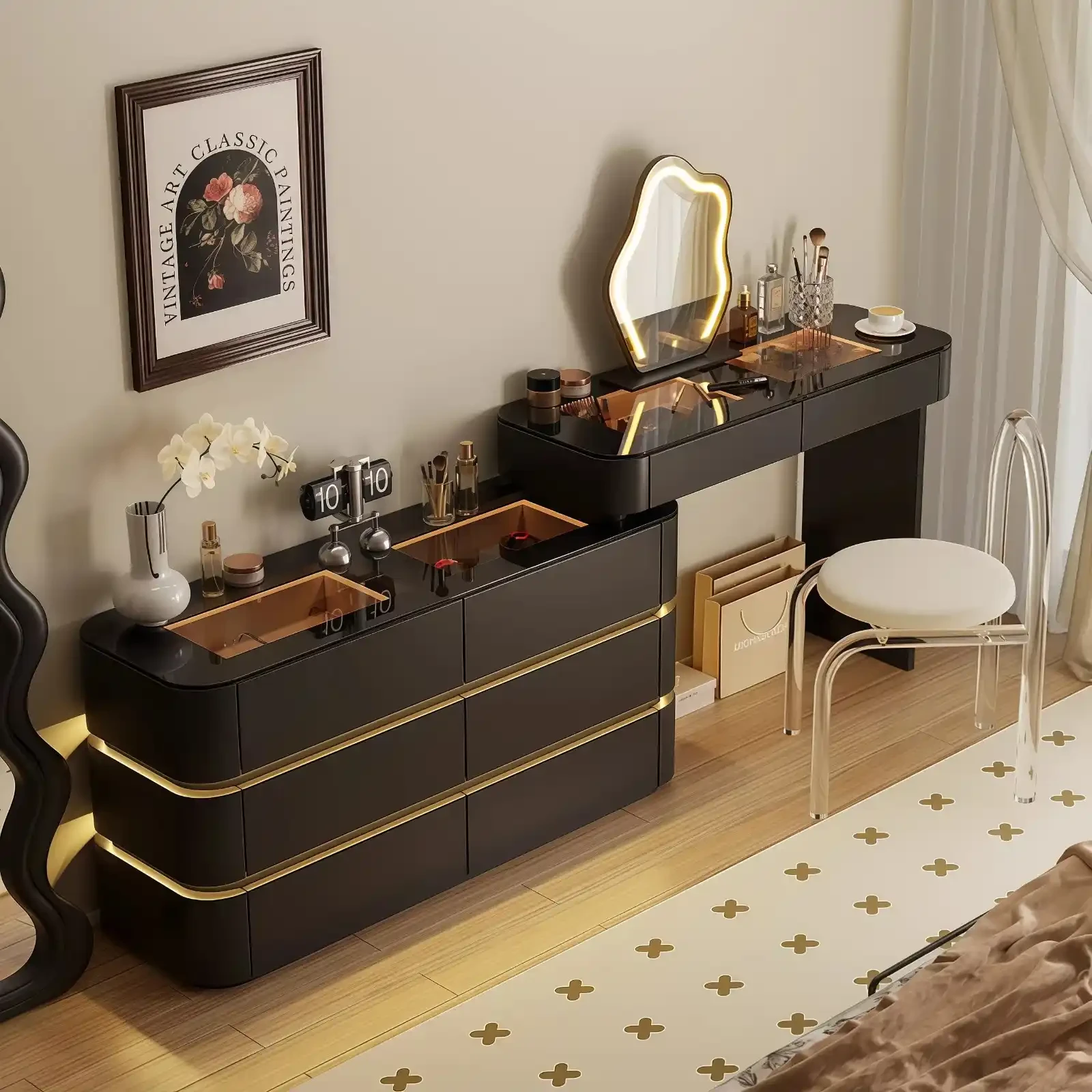

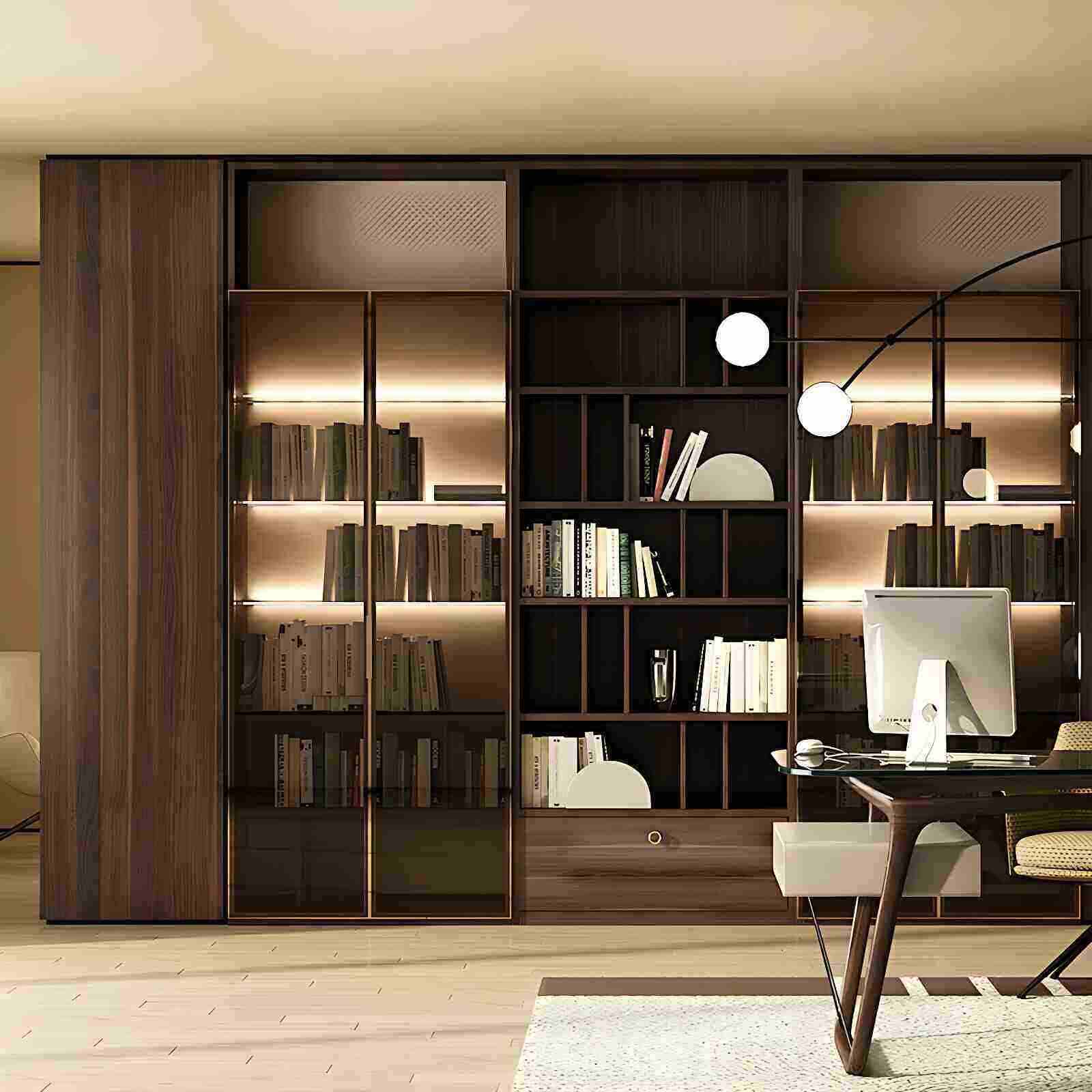



In terms of quality and appearance, ebony and rosewood are no less valuable than traditionally recognized rosewoods. However, because they have only been imported from Africa for less than half a century and haven't yet been officially recognized by the mainland China Rosewood Association, they are temporarily referred to as high-quality hardwoods. This is similar to how the fact that cats aren't included in the twelve zodiac animals doesn't mean they aren't domesticated.
Is ebony a type of rosewood, and why?
Wenge is a hardwood, as is mahogany, but it is not currently classified as mahogany. Today, Zhongmu.com has invited the head of a solid wood slab factory to explain the origin of wenge. Let's hear what he has to say:
As the head of a factory specializing in solid wood slabs, let me tell you that ebony is actually called zebrawood. It is a legume. After it came to China, zebrawood was considered to lack elegance and refinement, so merchants gave it a new name. Because of the wood itself and the saying in the wood industry that "wood with gold in it is of the highest quality," zebrawood was renamed ebony.
Wenge wood is also called zebrawood.
Wenge wood grows slowly and has high environmental requirements, making it scarce in the market. In Africa, it is often referred to as the aristocracy of Africa. The growing conditions of wenge wood are quite special, with abundant mineral and water resources on the ground, which gives the wood a unique metallic texture.
Judging from the color, mahogany is definitely a red-toned material, while ebony, with its black and golden hues, is completely different from mahogany in nature.
Most people know that rosewood is indeed valuable primarily due to its scarcity and long growth cycle, which has led to its continuously rising price. Wenge wood follows a similar principle, and its excessive price increases have mistakenly led people to label wenge solid wood furniture as rosewood. This is likely a misconception stemming from the fact that they are both hardwoods. Furthermore, the claim that wenge wood is the "ninth type of rosewood" is misleading; this is merely a reputation, not its true nature.
It is hailed as the "ninth type of rosewood" because of its inherent advantages such as natural grain, metallic texture, high density, high hardness, and wear resistance.
Natural texture: What is most surprising is the pattern of the texture, with gold and black prominently displayed, giving it a metallic feel, and the texture can be described as extremely dynamic.
The "ninth type of rosewood" may be due to its inherent advantages, such as...
Metallic texture: The reason why the name "Wenge wood" contains the word "gold" is not without reason. It is because the wood itself has a metallic texture, which is related to its growth conditions. Wenge wood grows in hilly areas at an altitude of about 1,600 meters. The soil contains abundant minerals, and by absorbing sufficient nutrients and water, the metallic texture is naturally formed.
High density and hardness: Wenge wood is sturdy and difficult to process, with an air-dry density of about 0.69-0.84 g/cm3.
Therefore, the reputation of ebony as the "ninth type of rosewood" is not undeserved.
Therefore, ebony is only known as the ninth type of rosewood, but in reality it is still not rosewood.