
 USD
USD GBP
GBP
 EUR
EUR
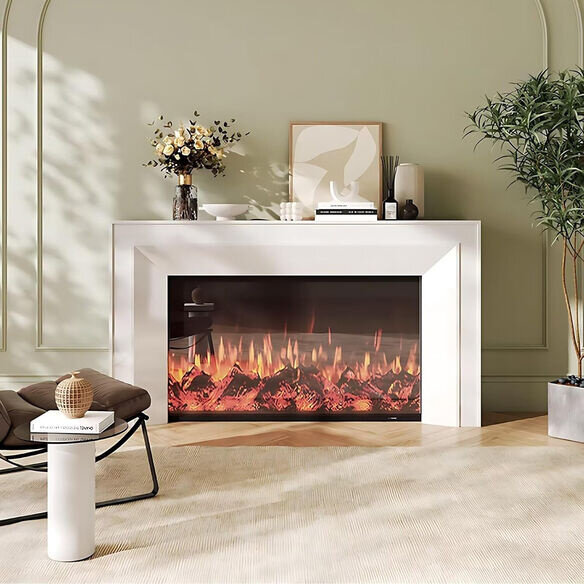
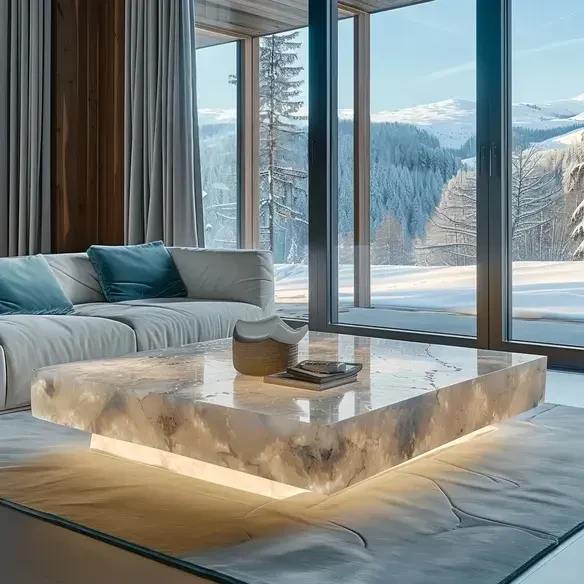
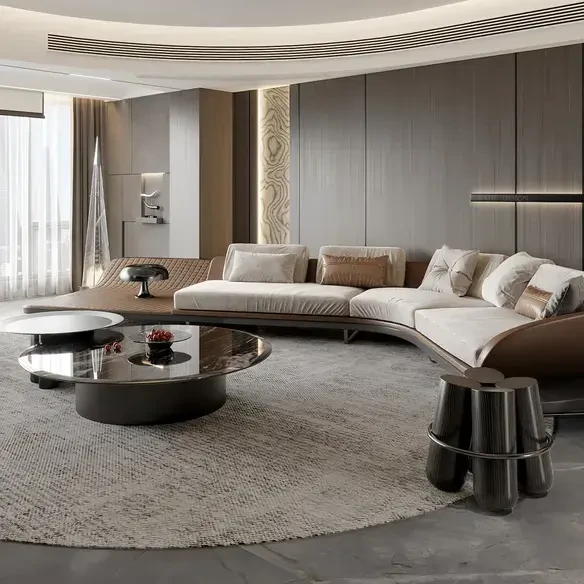
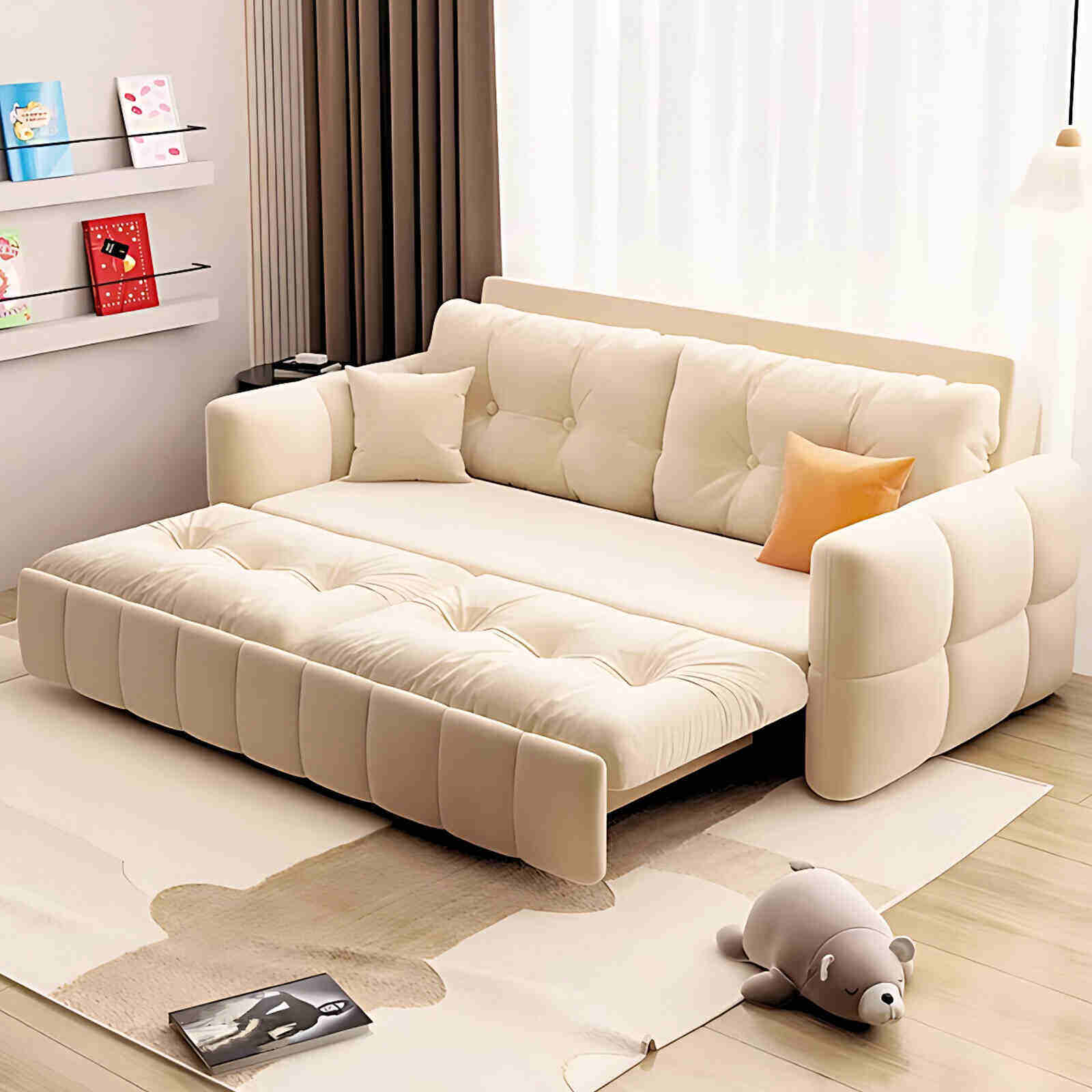
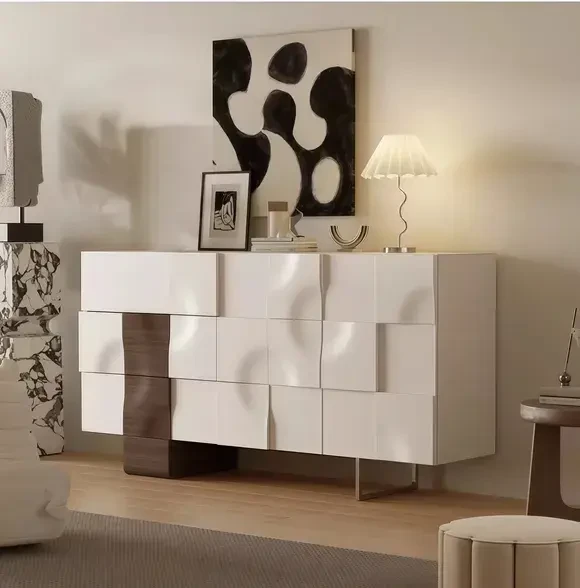
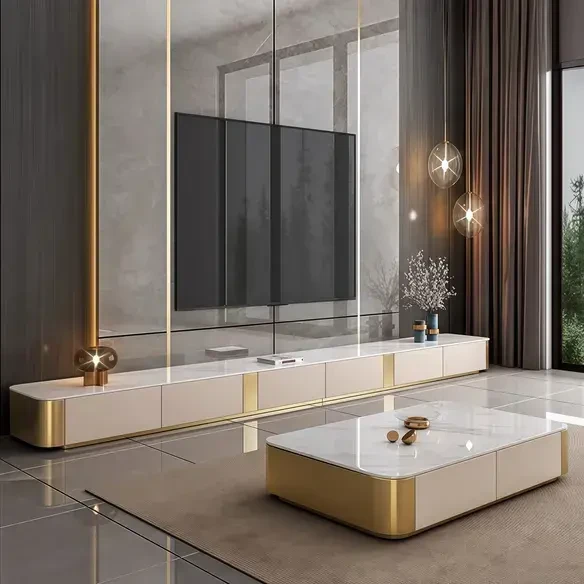
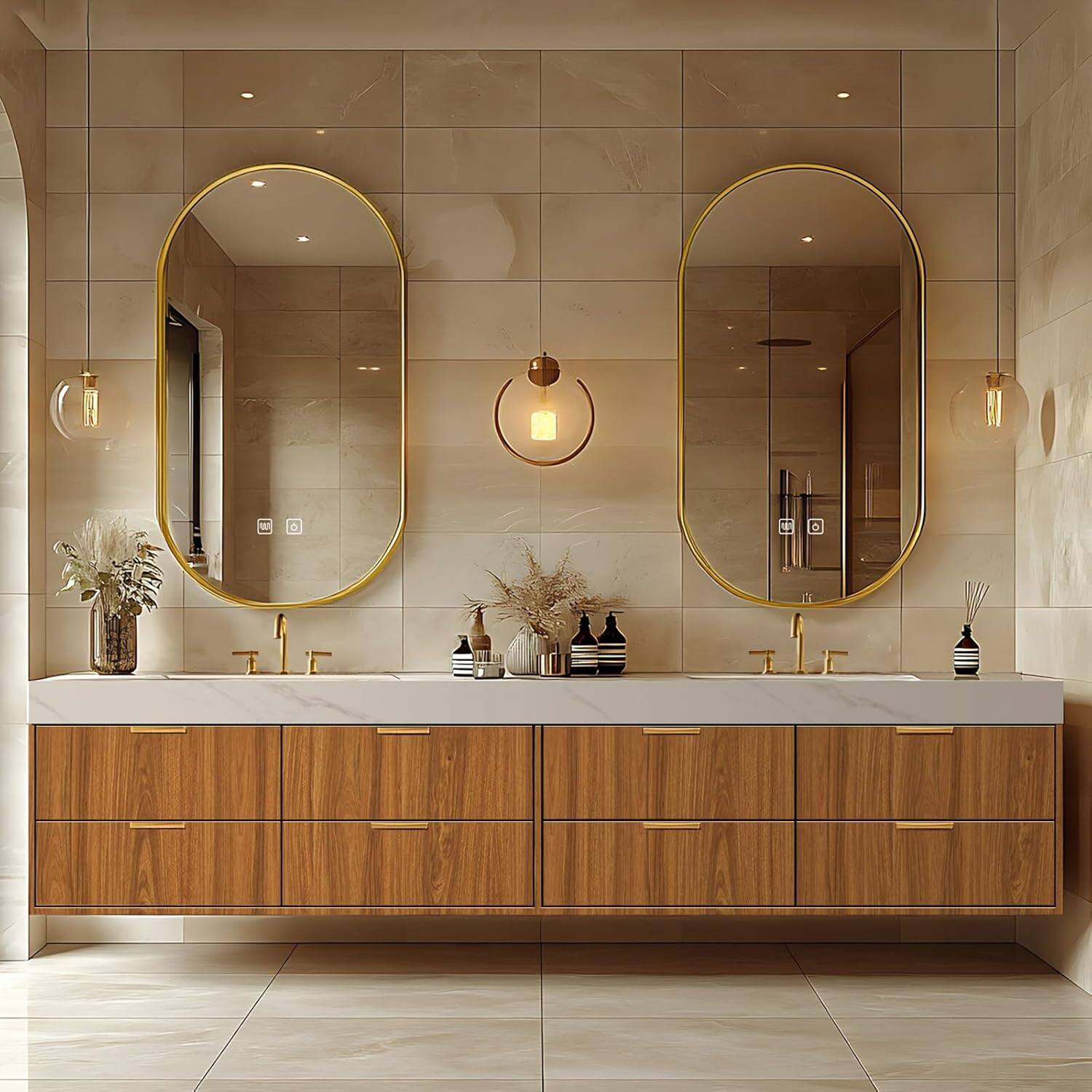
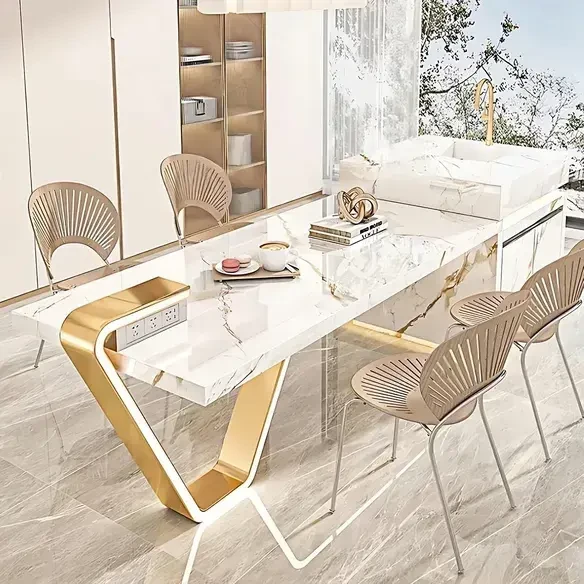
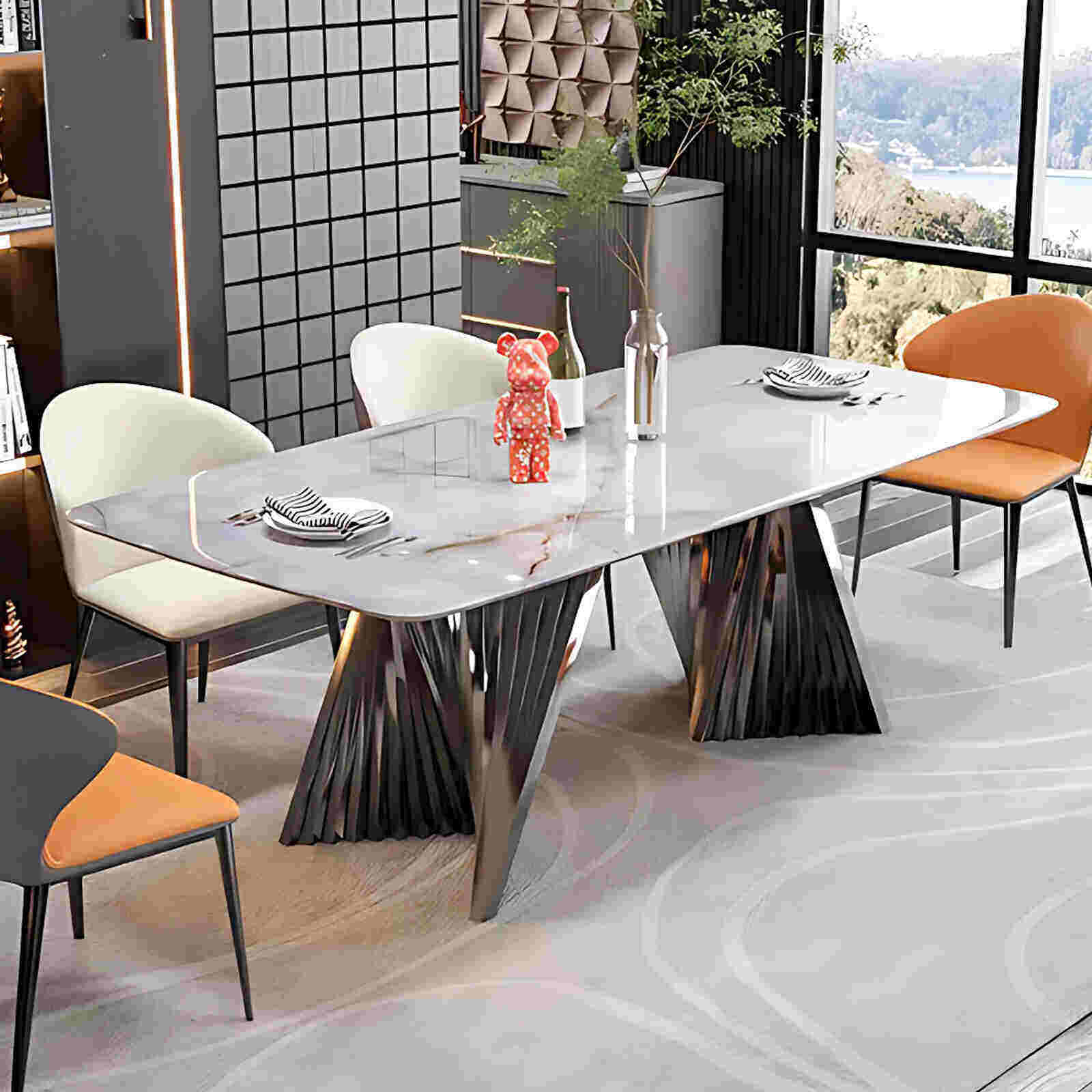
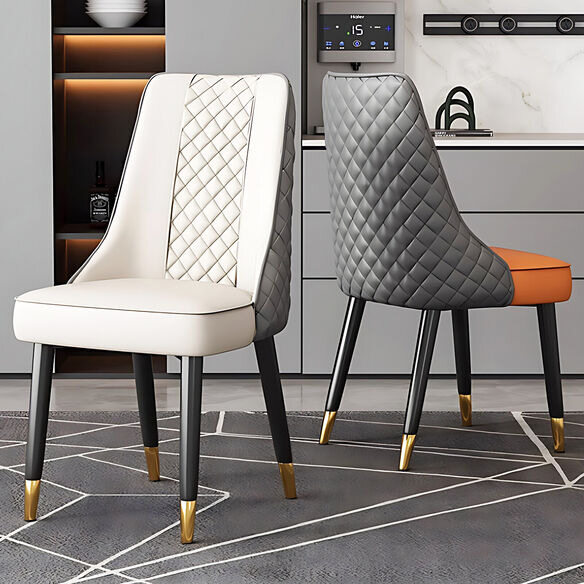
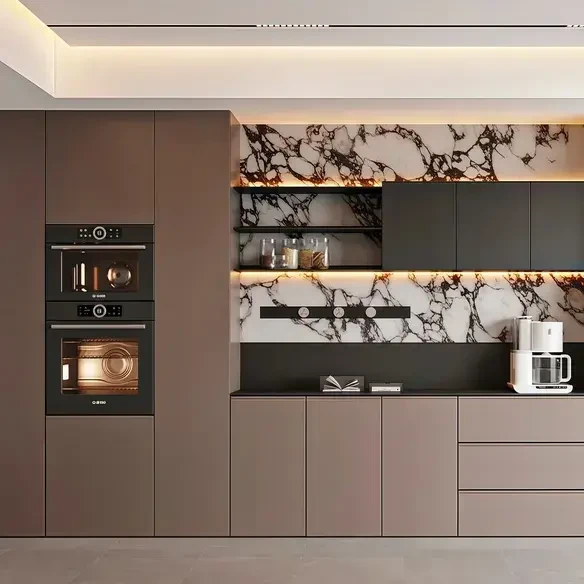
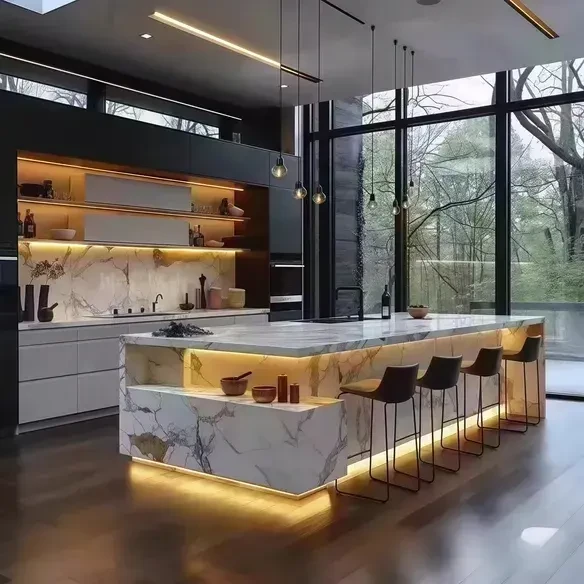
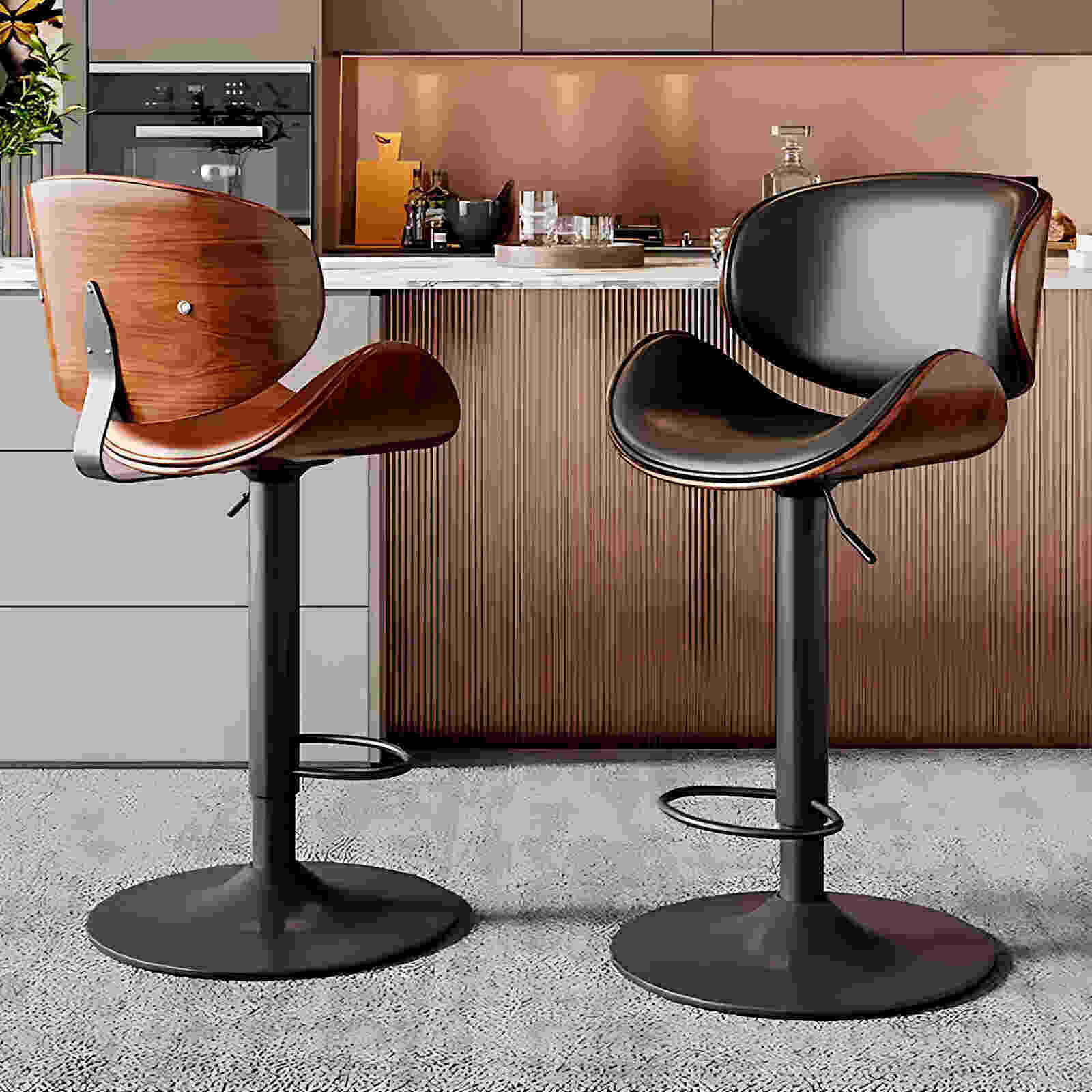
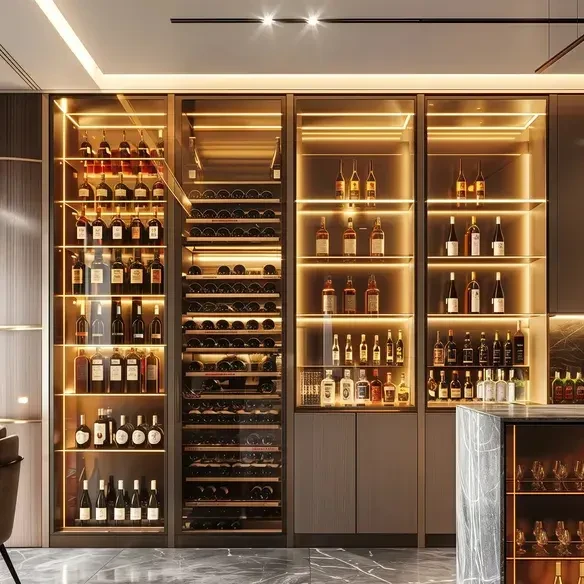
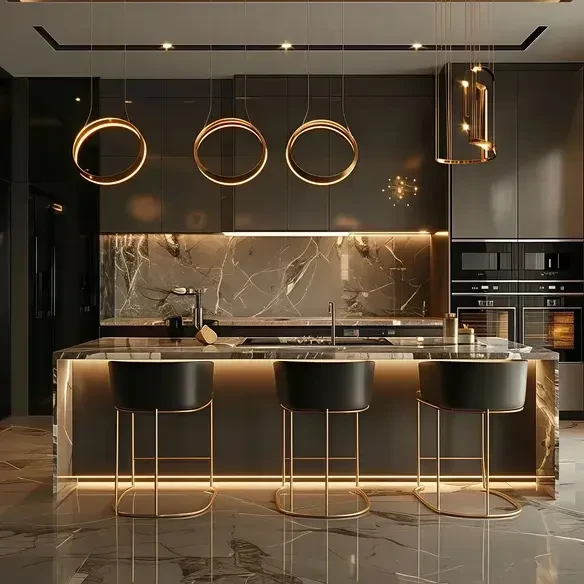
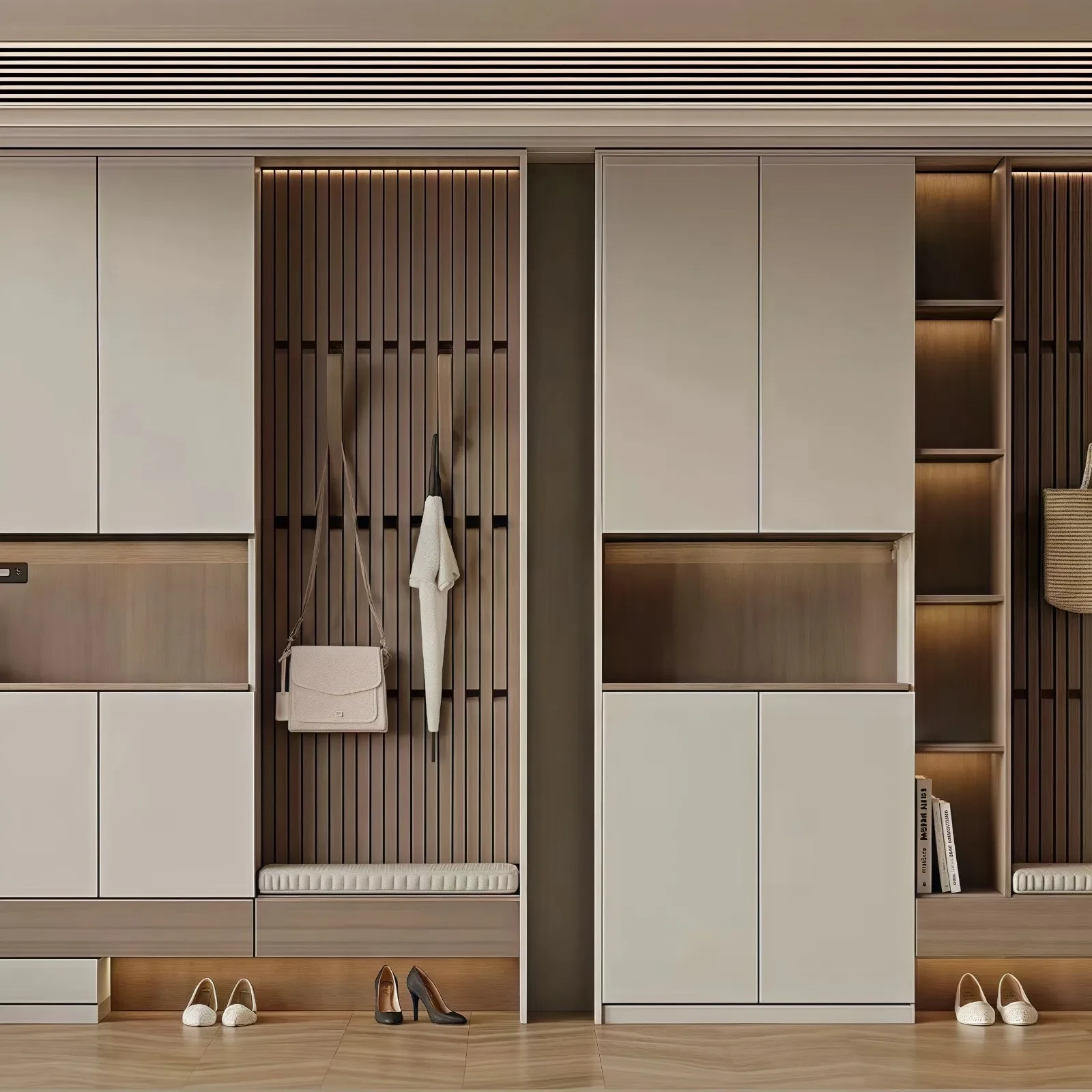
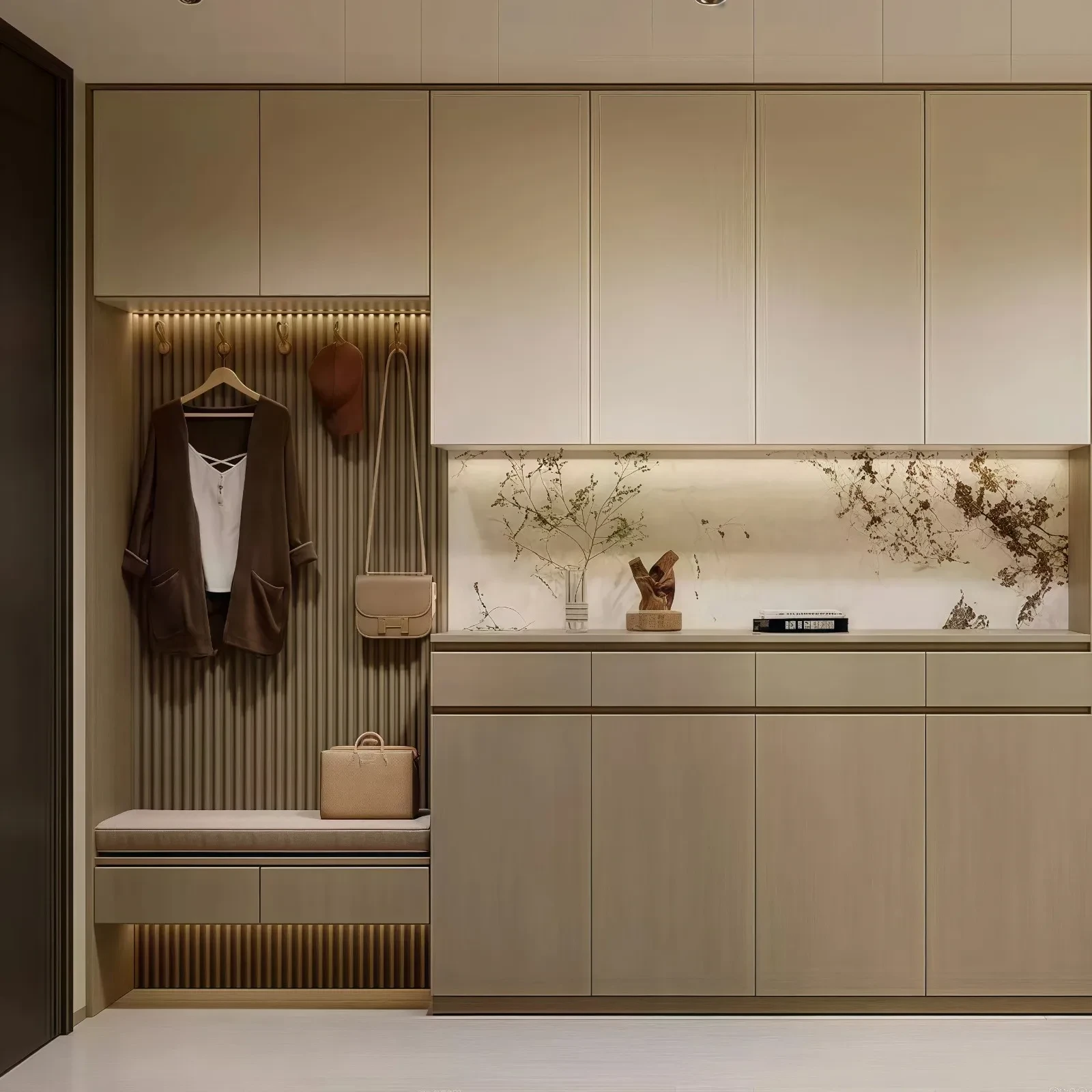
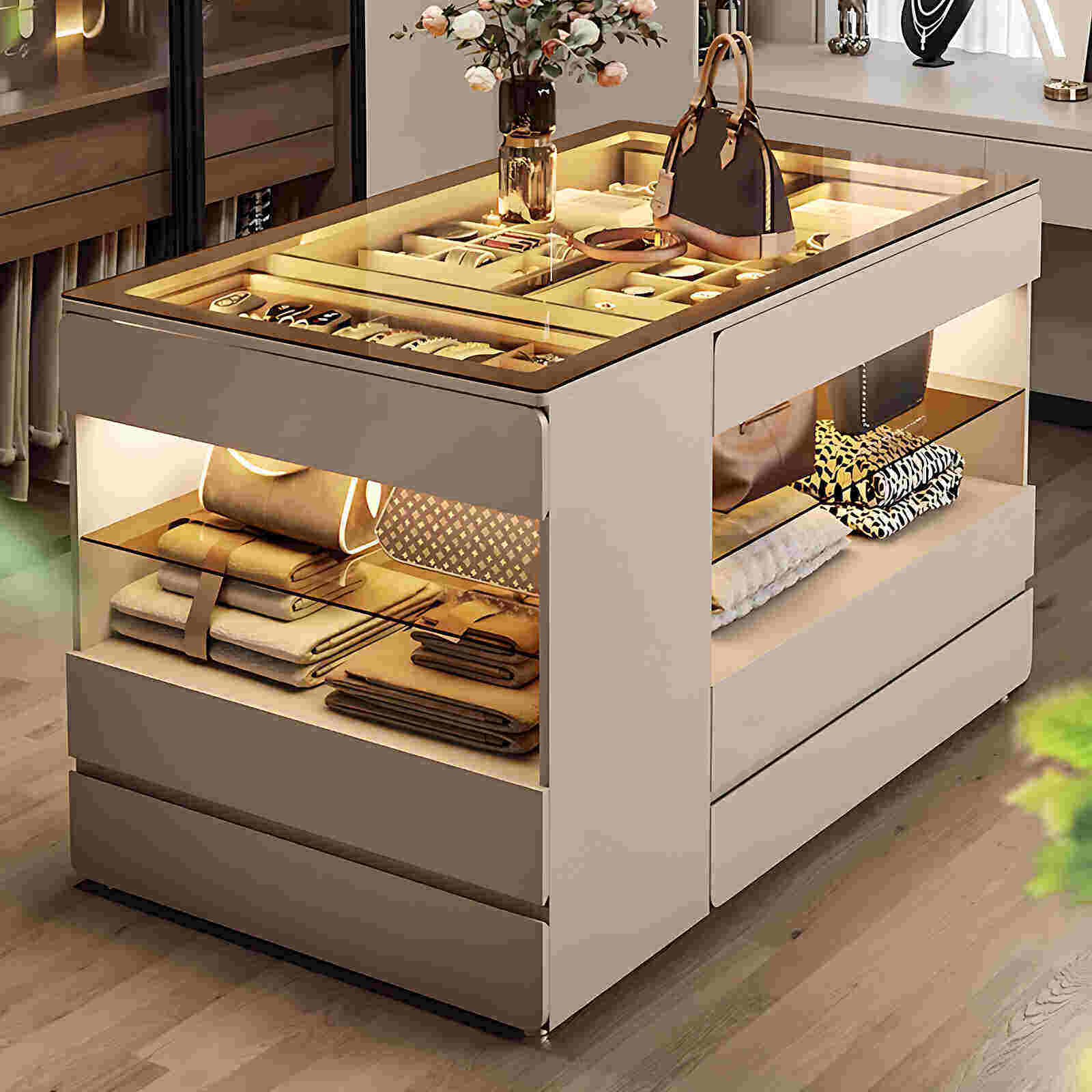
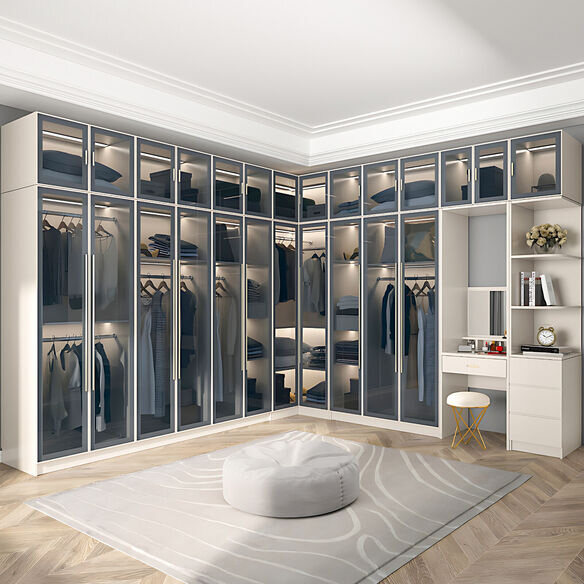
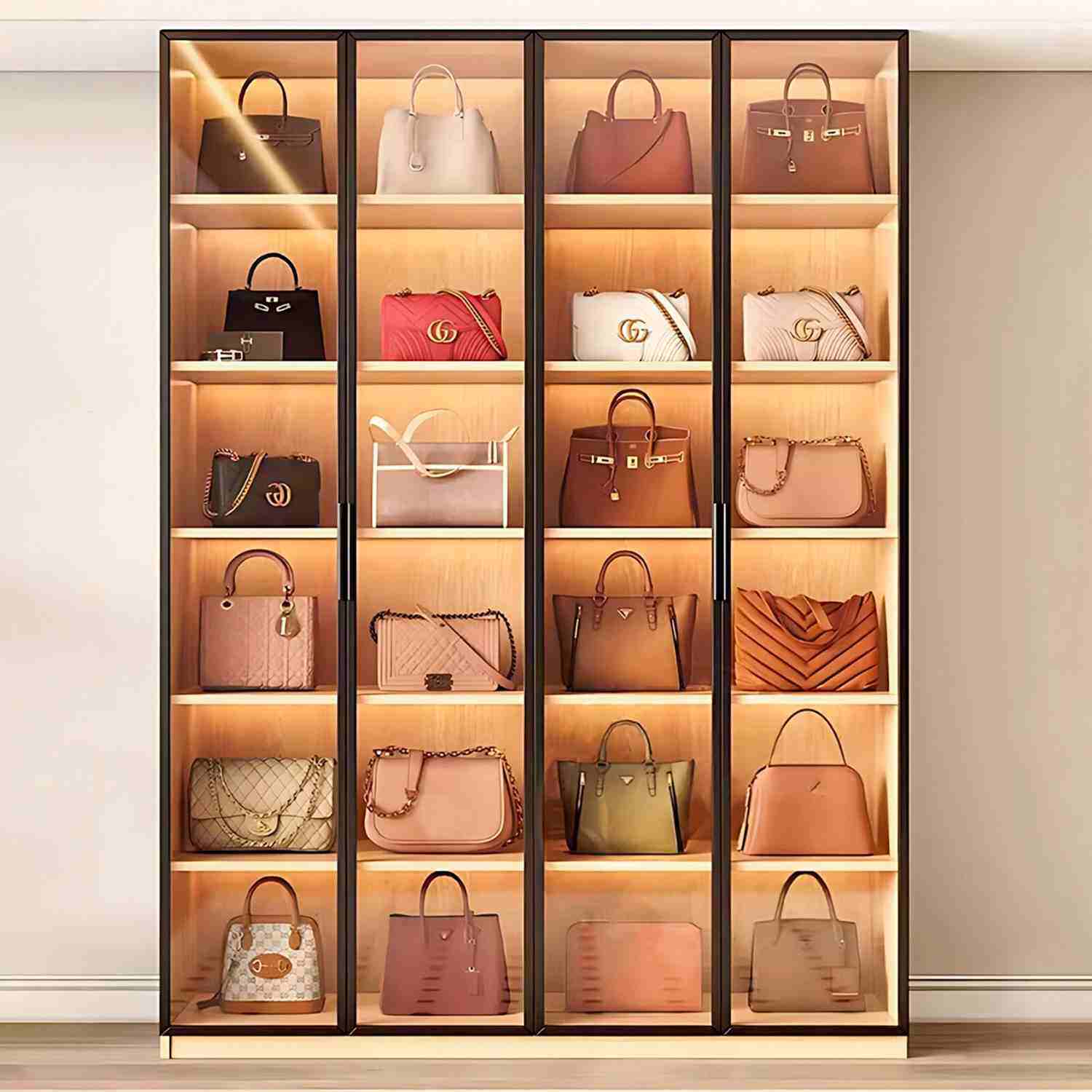
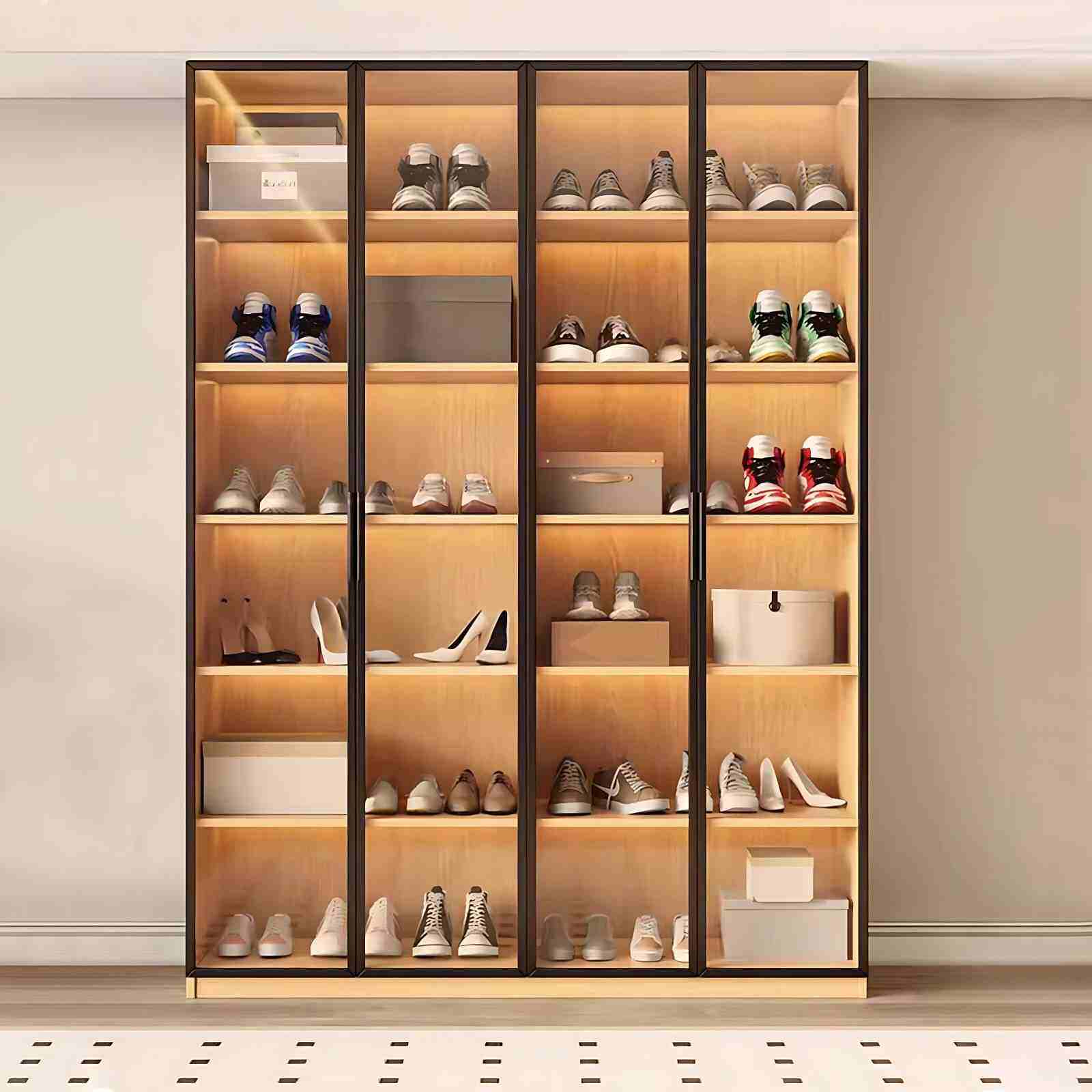
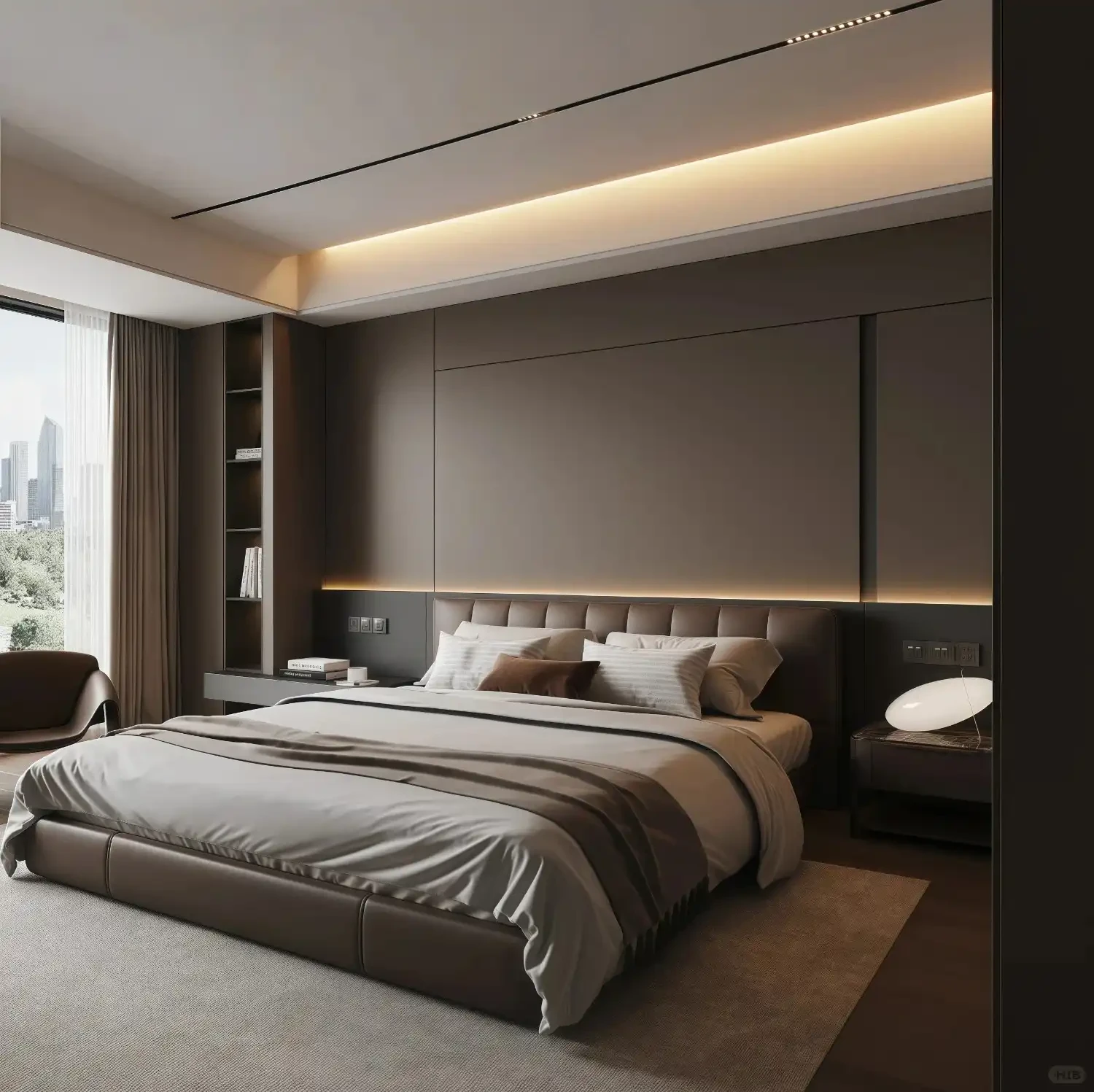
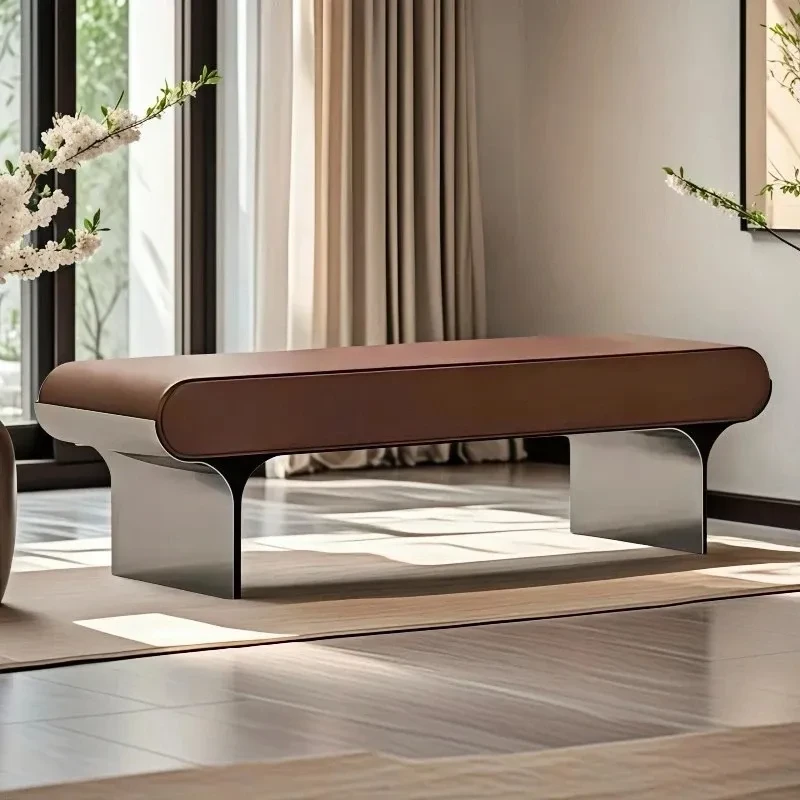
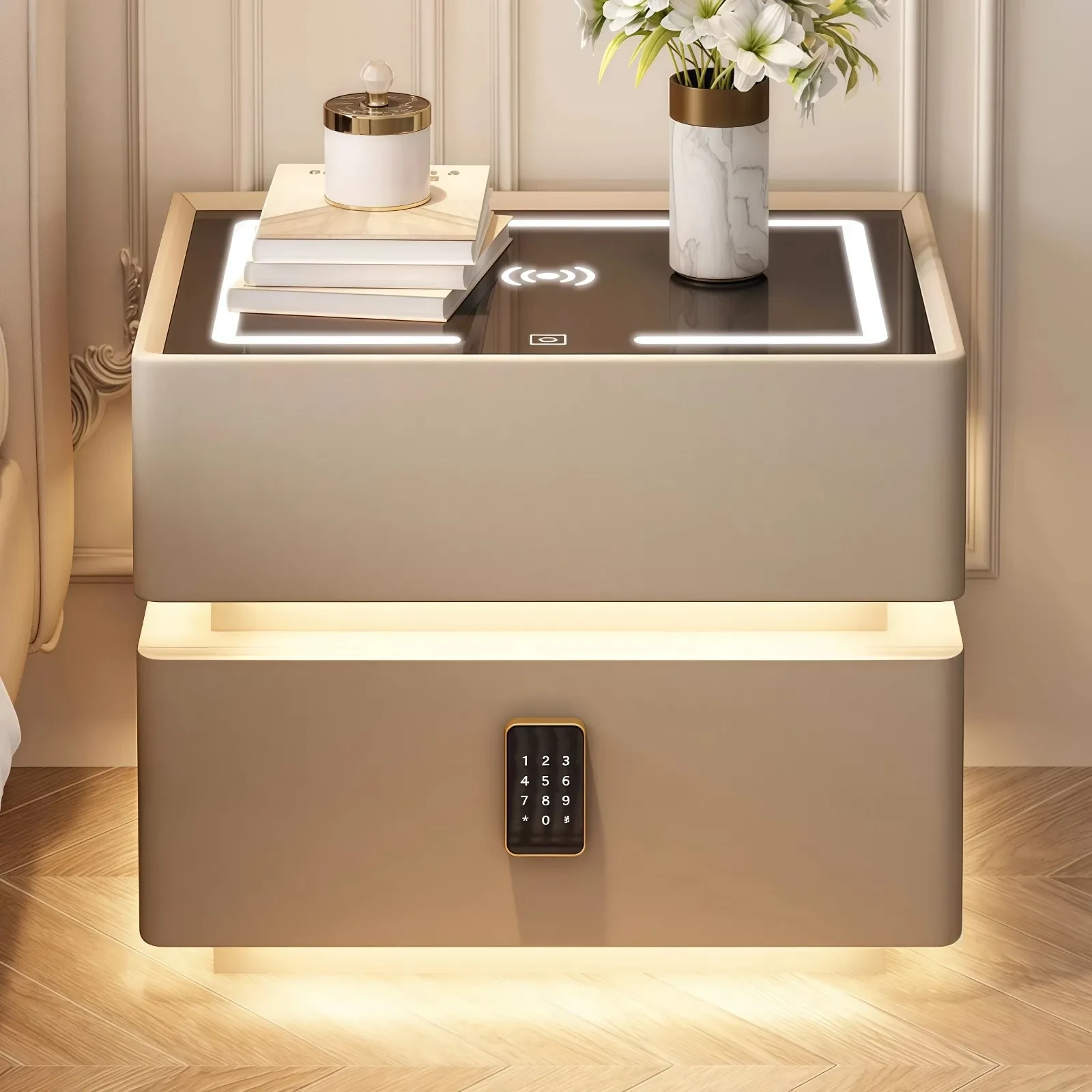
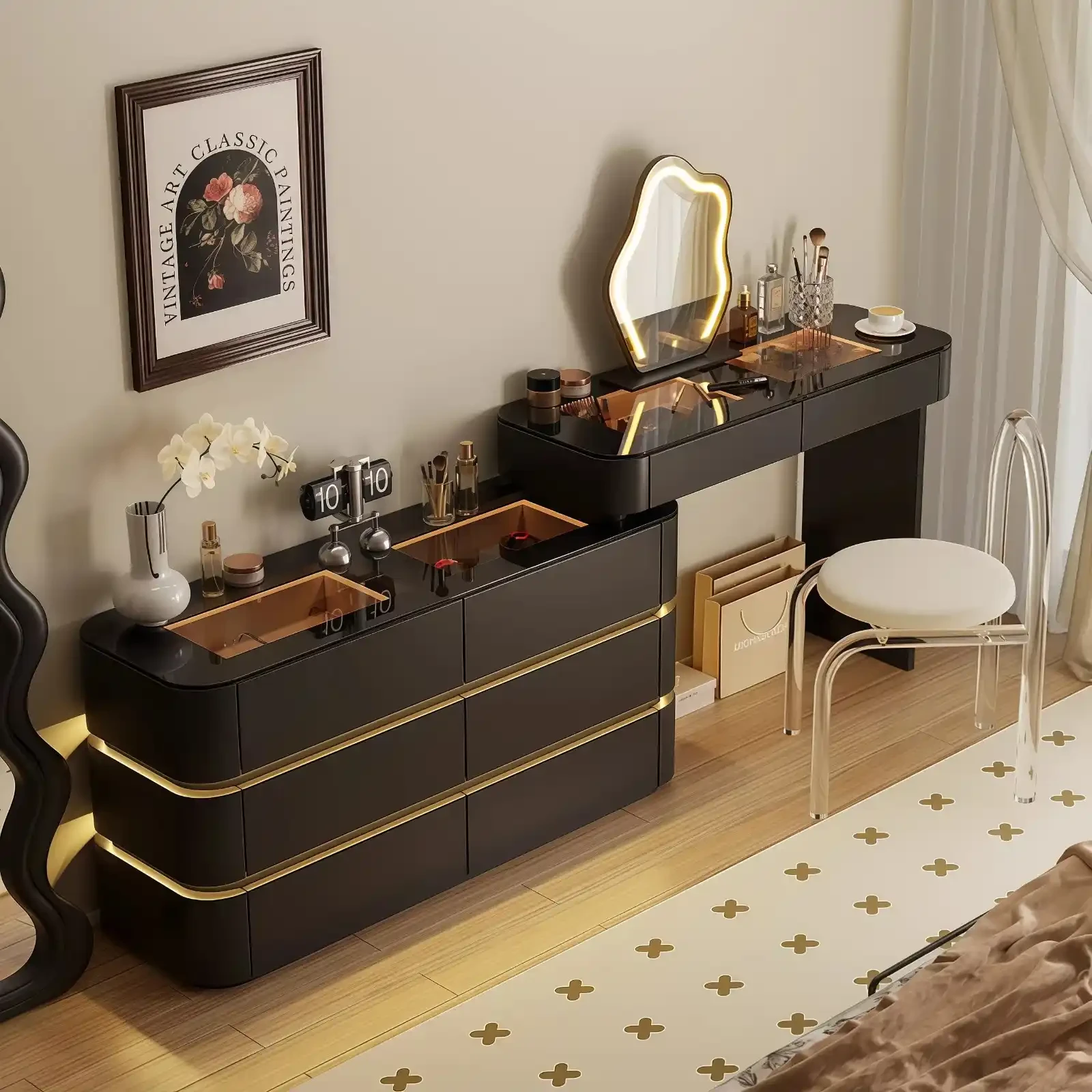
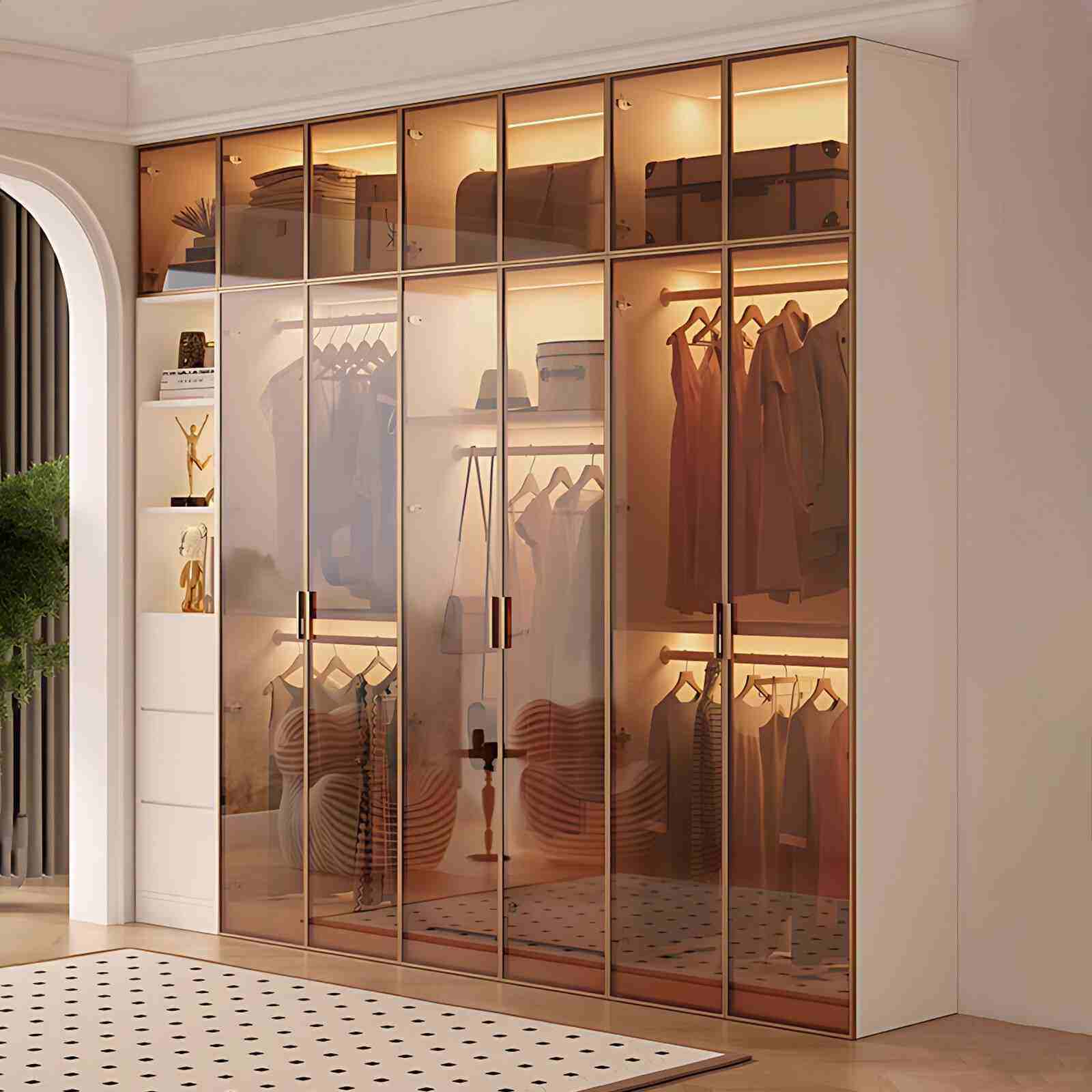
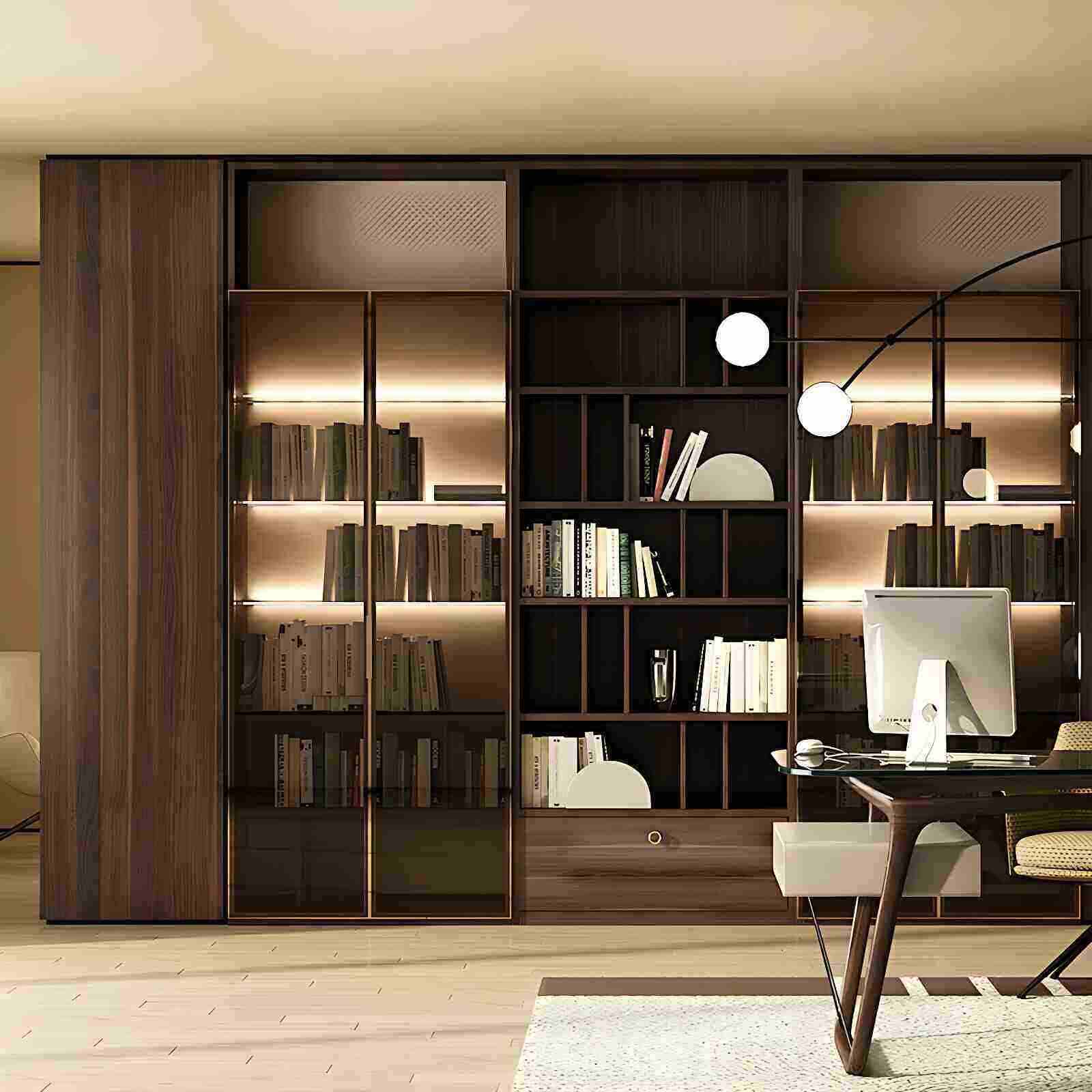
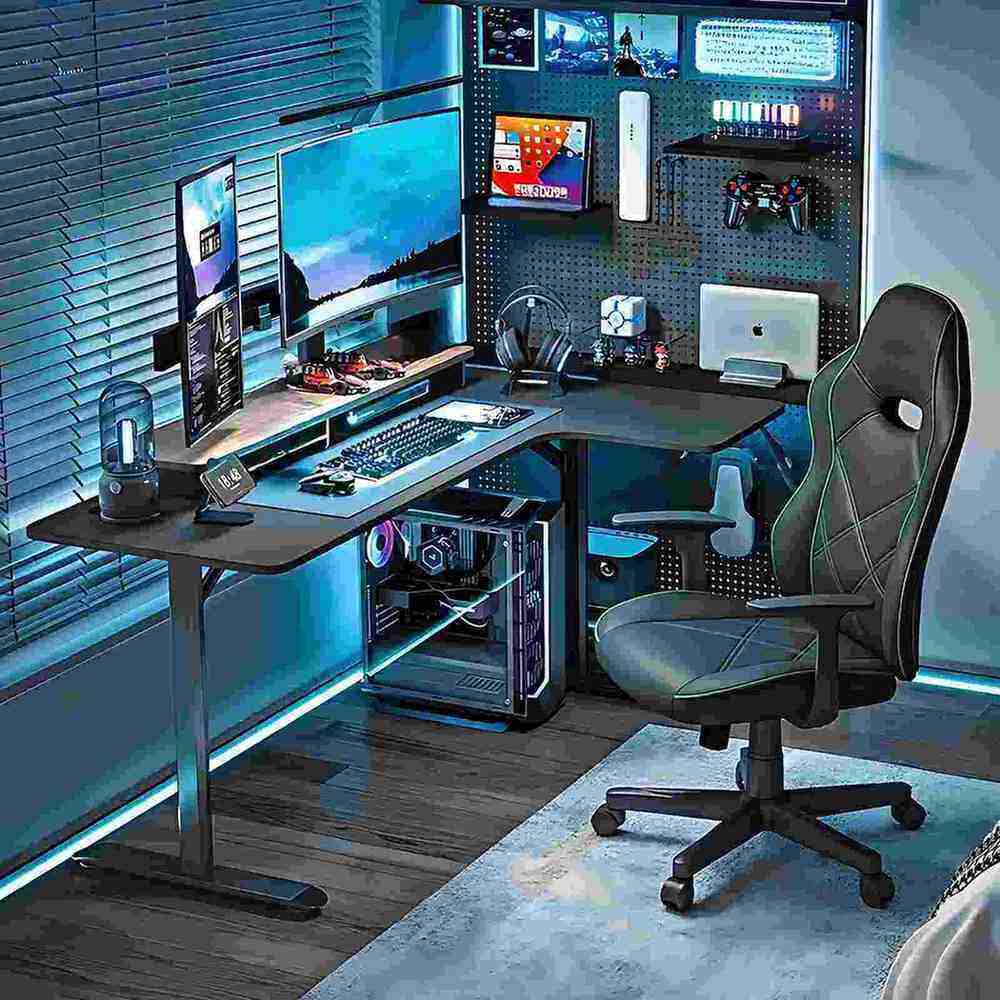
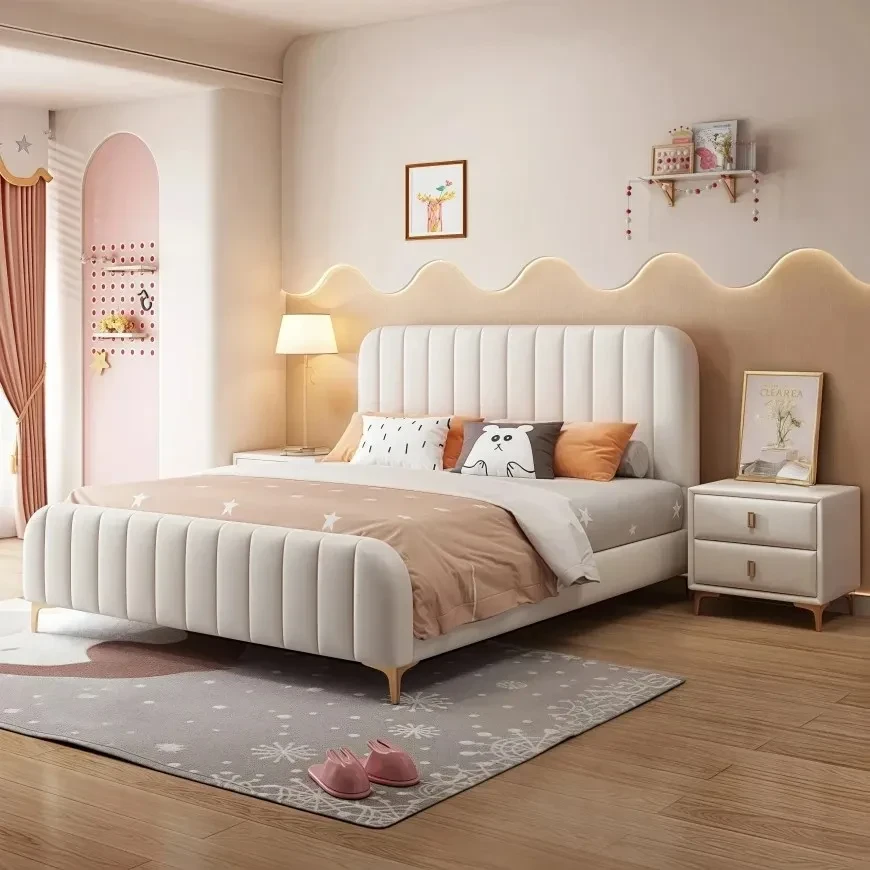
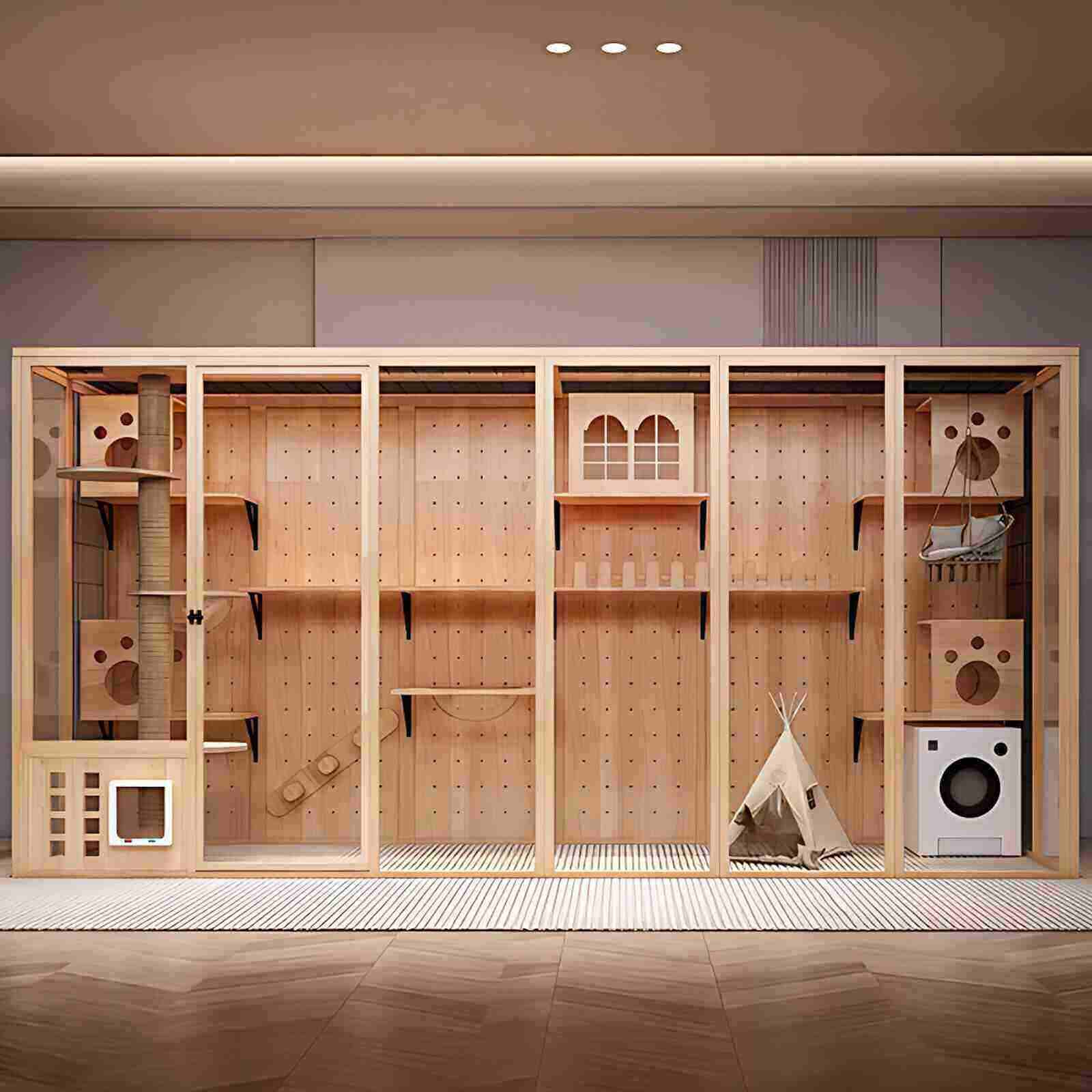
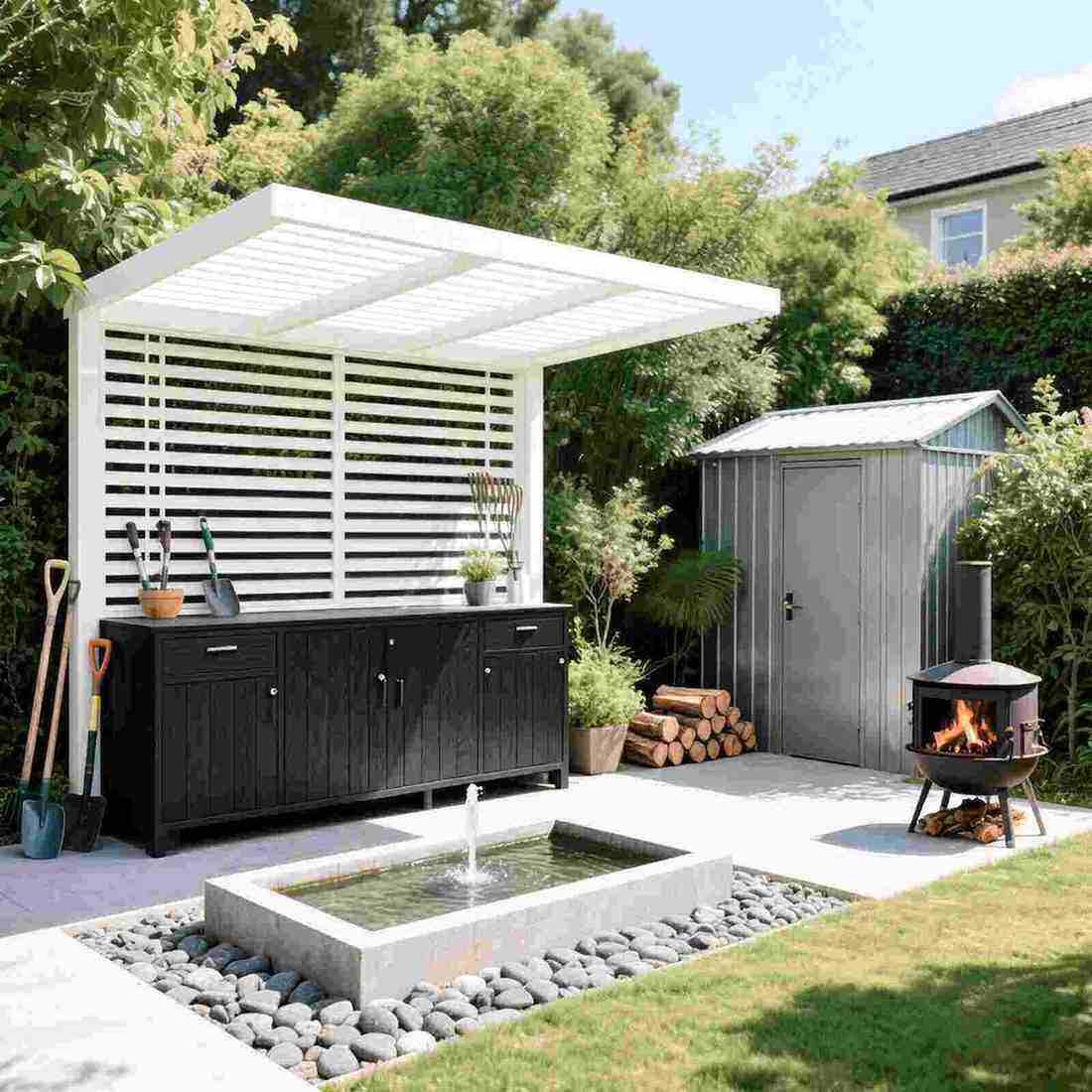
Since its introduction, the new type of engineered wood panel has won the favor of consumers. It is made from native Canadian poplar and processed by fully mechanized equipment abroad. It not only has advantages in environmental protection and improving wood utilization, but also has a good appearance and is widely used in interior decoration, furniture and other fields. It can be said to have both good looks and good performance.
Softboard boasts both aesthetic appeal and robust performance, excelling both internally and externally. Its unique appearance allows it to be used directly without veneer, and its excellent physical properties make it widely used in interior decoration, furniture, and many other fields, truly making it the all-rounder among engineered wood products.
Oriented strand board, also known as oriented strand board, is made from Canadian native aspen slices. Four layers of wood chips are interwoven, with three layers laid in an oriented direction, and then refined on the German Grinzelbach production line.
The board is seamless and free of gaps or voids, is uniformly sealed, stable and resistant to deformation, and has strong nail-holding properties, making the furniture as solid as a rock.
The difference between PVC core board and regular particleboard
What are the differences between particleboard and regular particleboard?
1. Differences in the shape of the planer blade
The most fundamental difference between core board and regular particleboard lies in the shape of the wood shavings used to make the board. Core board shavings require a large length-to-width ratio, consisting of thin, long strips whose length direction aligns with the wood fiber direction. Core board shavings generally have a larger length-to-width ratio and are also slightly thicker than those used to make regular particleboard.
2. Differences in manufacturing process
For transporting wood chips, symmetrical core boards (SCCBs) utilize methods that minimize damage to the chips, such as belt conveyors and scraper conveyors, avoiding pneumatic conveyors and screw conveyors which can cause significant damage. The installation method for SCCBs also differs greatly from that of ordinary particleboard. SCCBs are made by laying four layers of wood chips in a crisscross pattern, with a regular ratio of surface and core layers, and three layers oriented in a specific direction. They are then refined using a 12-foot-wide continuous press production line in Grinzelbach, Germany, resulting in a board with no gaps or voids, and a completely sealed and uniform structure. Ordinary particleboard, on the other hand, does not require oriented laying and only needs to be laid flat and pressed. Therefore, SCCBs are relatively stronger and more stable.
Characteristics and applications of ductile board
Thanks to specialized equipment and special processing techniques, spruce-core board has superior and stronger performance than ordinary particleboard in terms of strength, load-bearing capacity, and stability, resulting in better decorative effects.