
 USD
USD GBP
GBP
 EUR
EUR
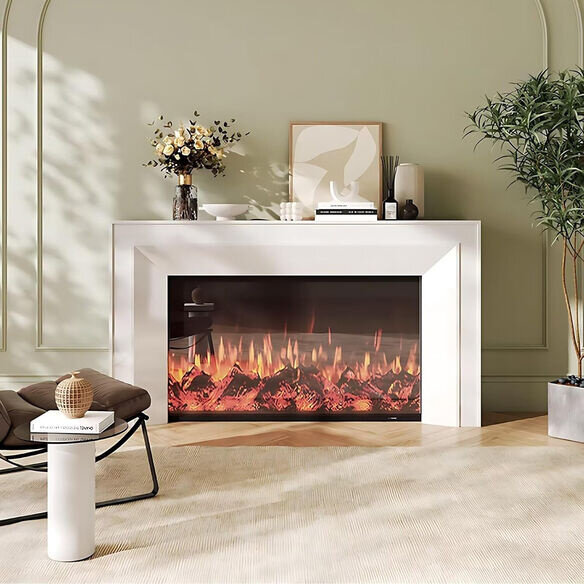
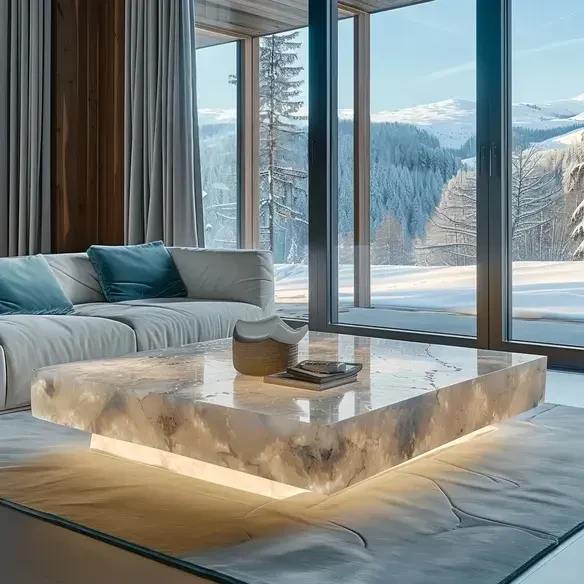
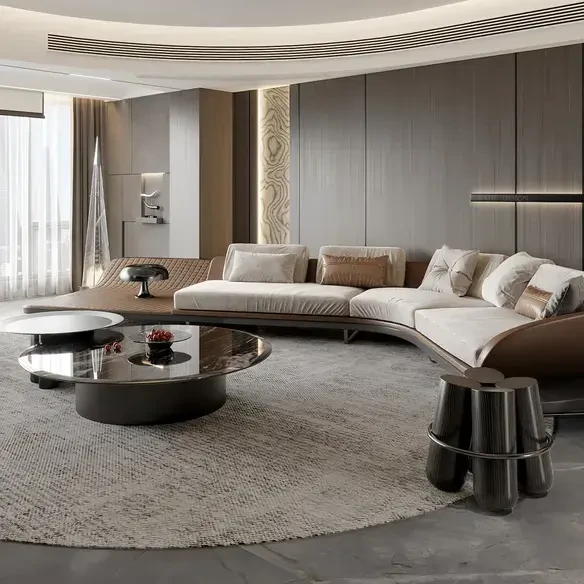
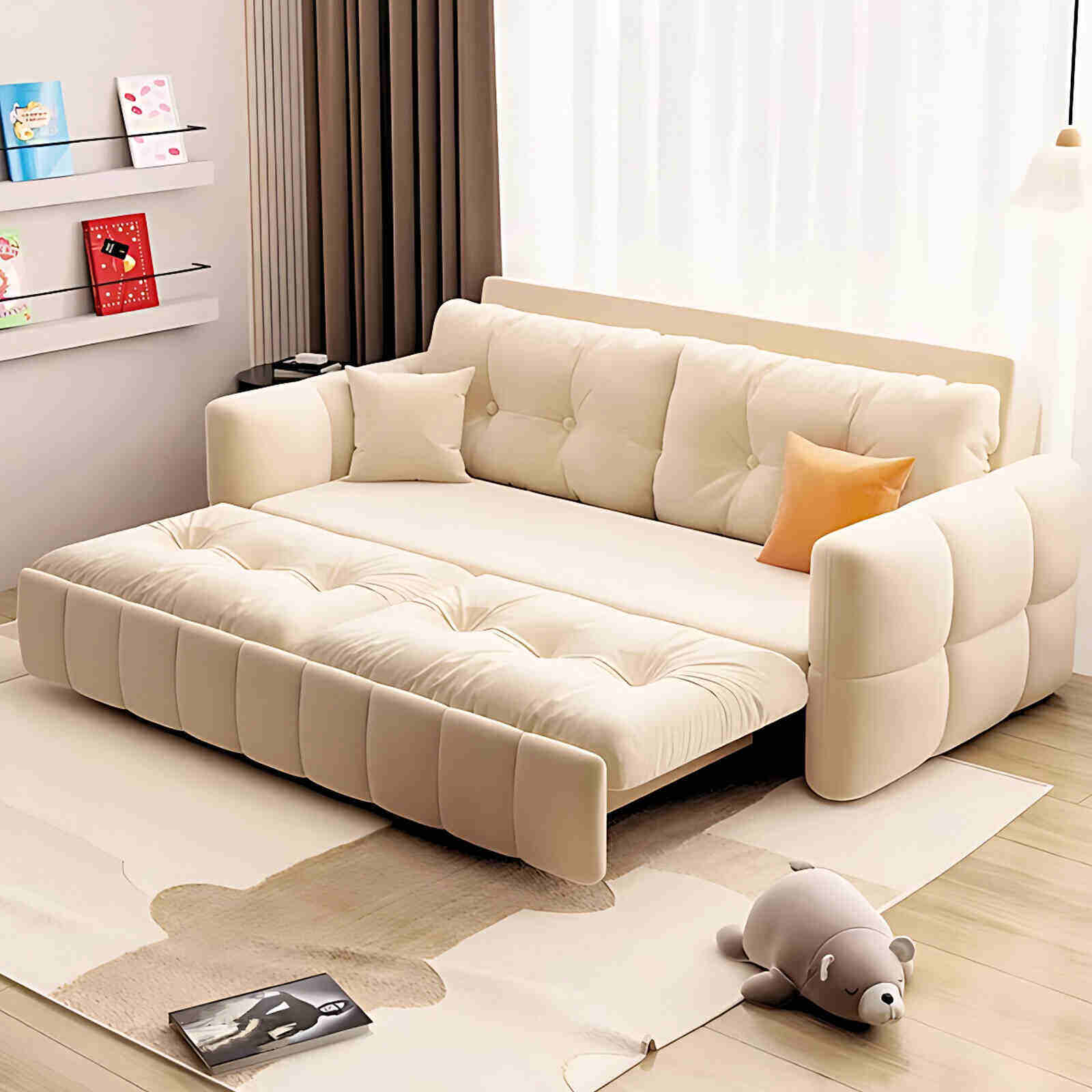
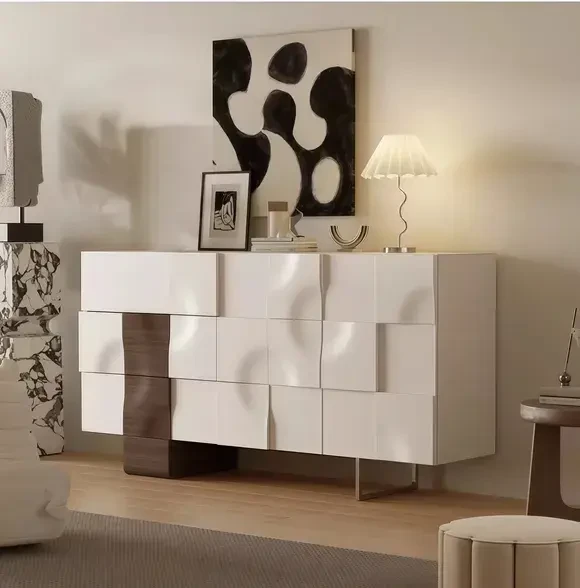
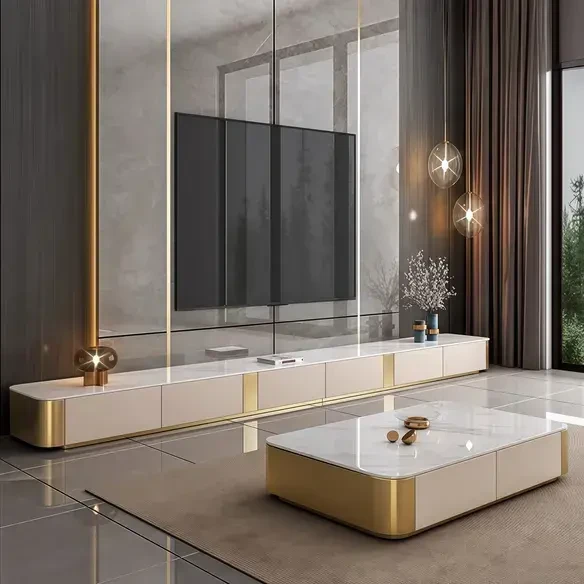
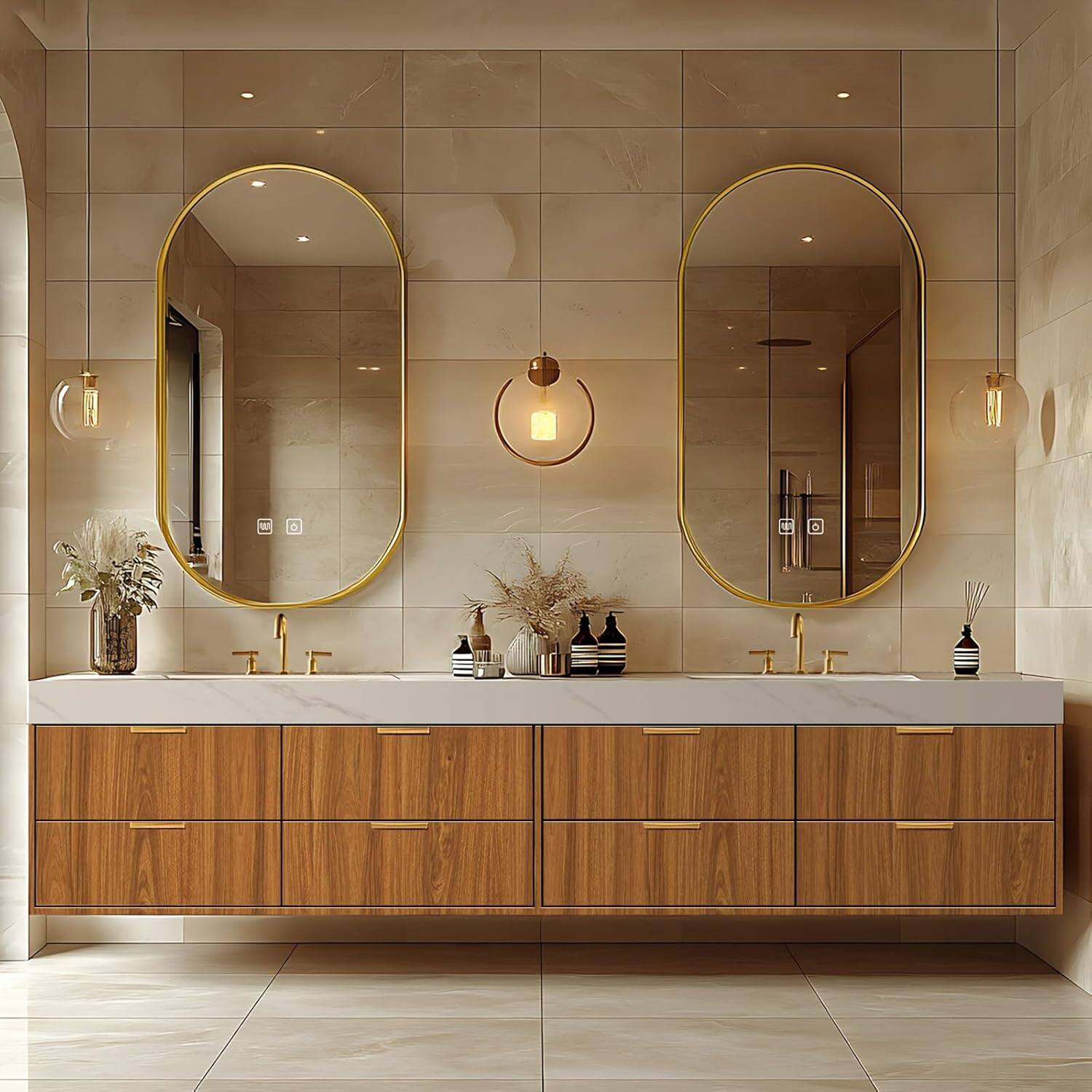
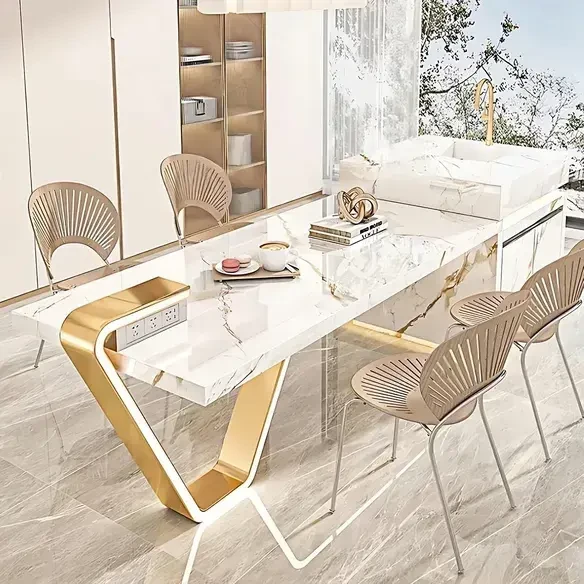
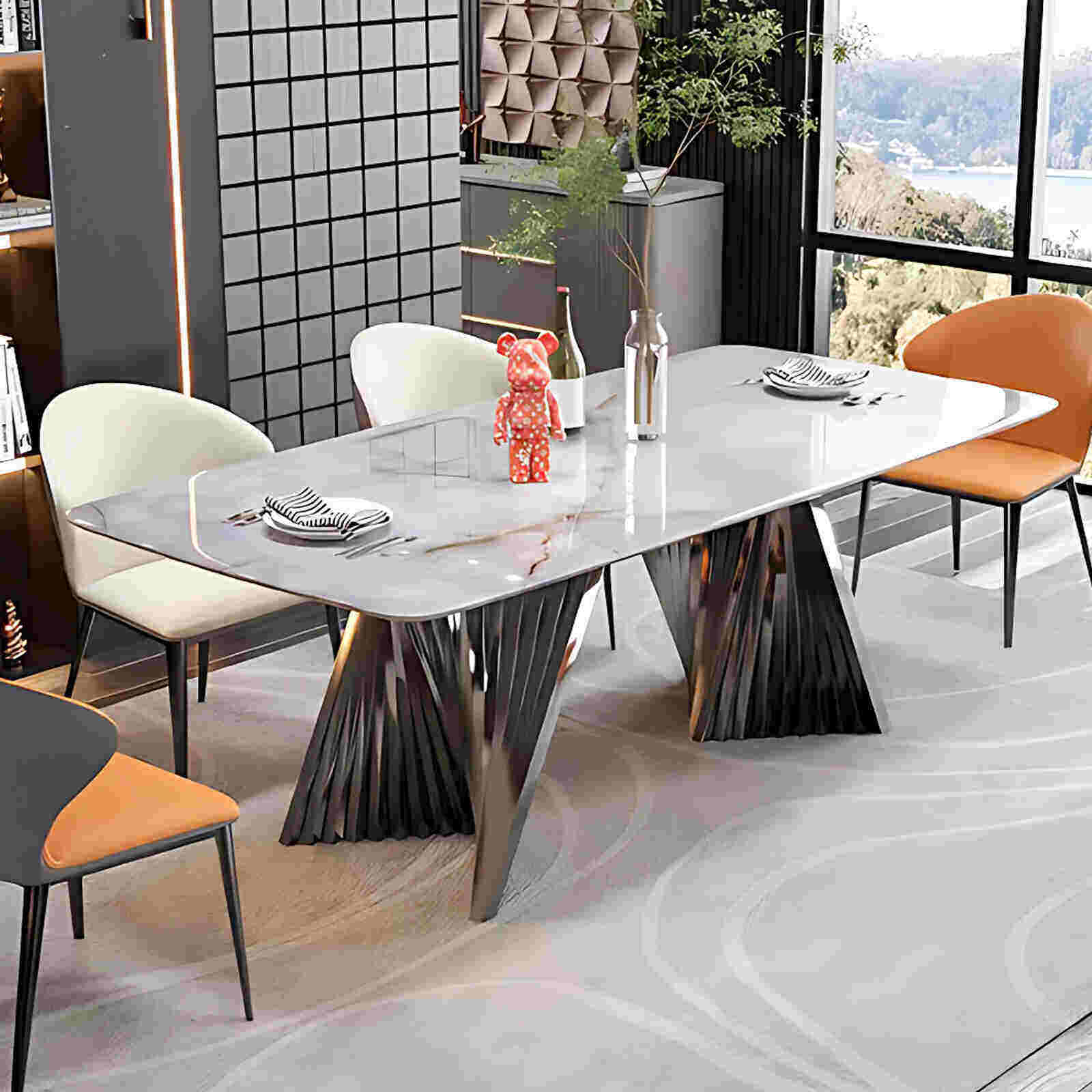
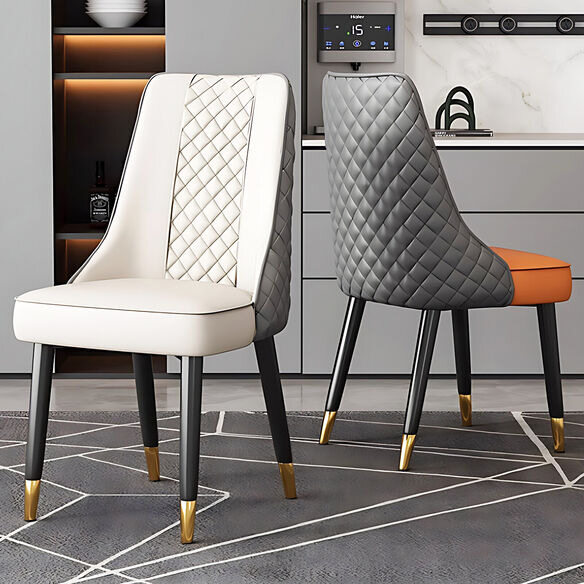
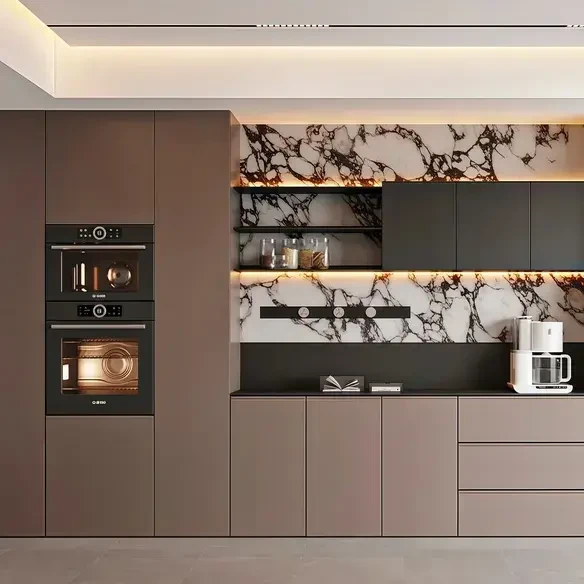
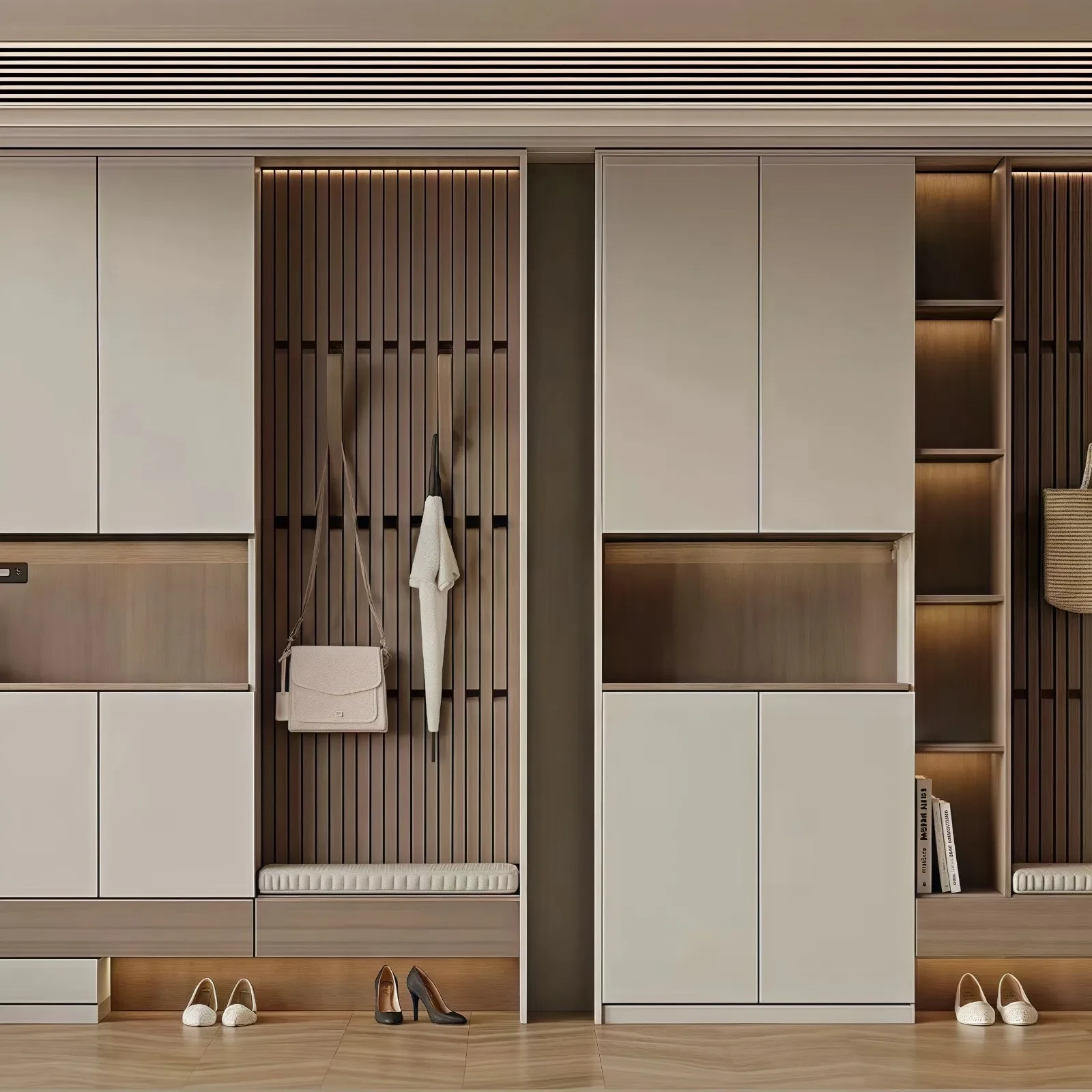
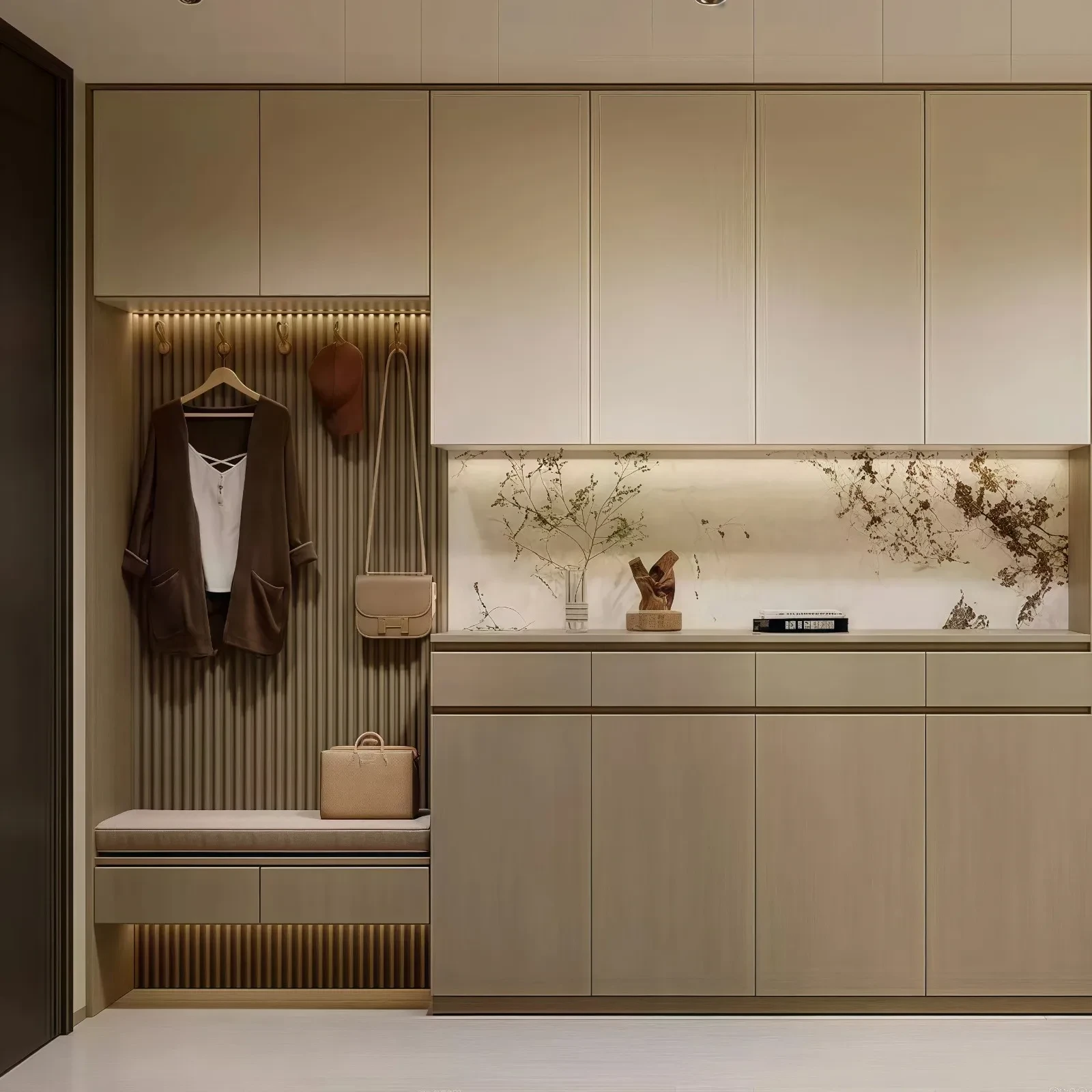
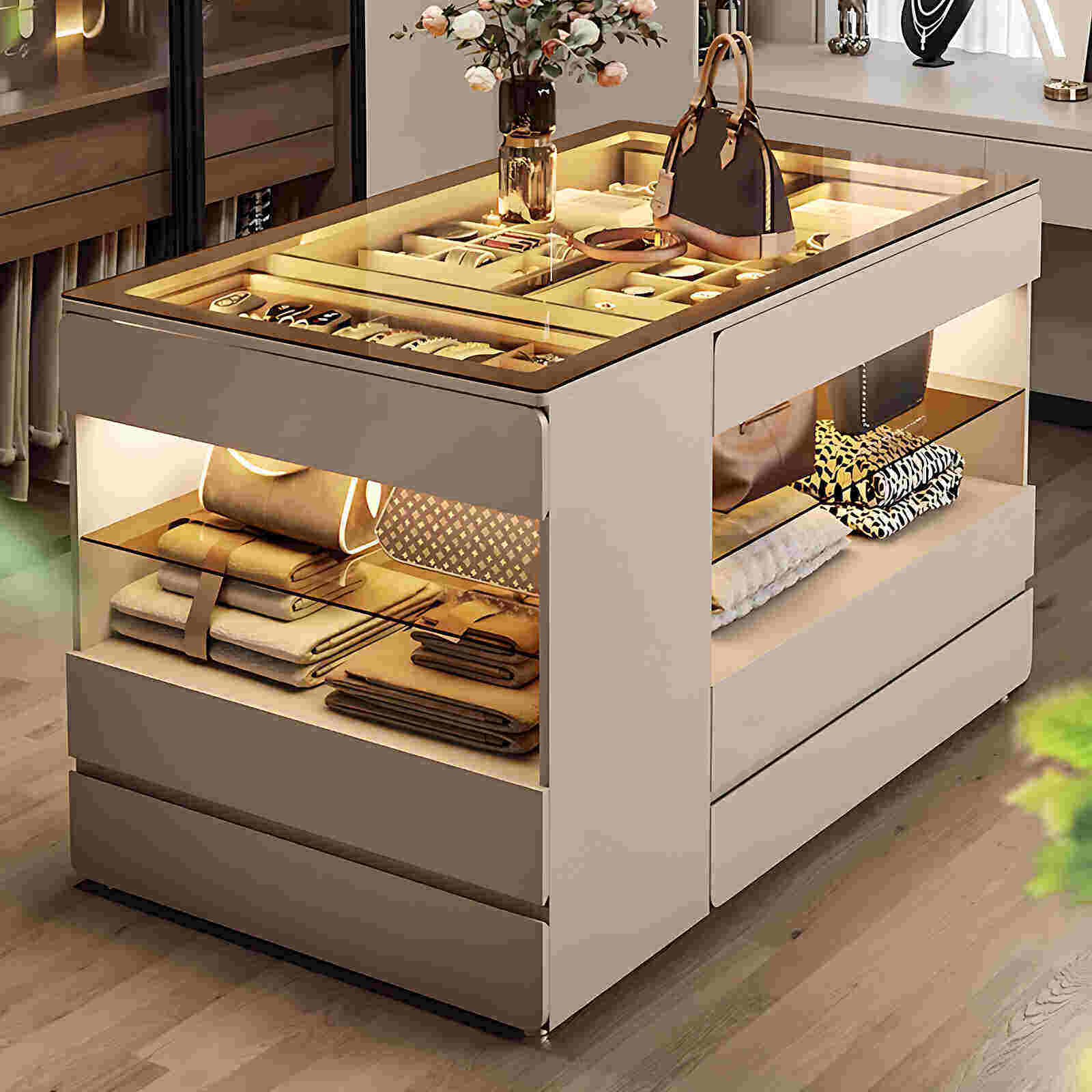
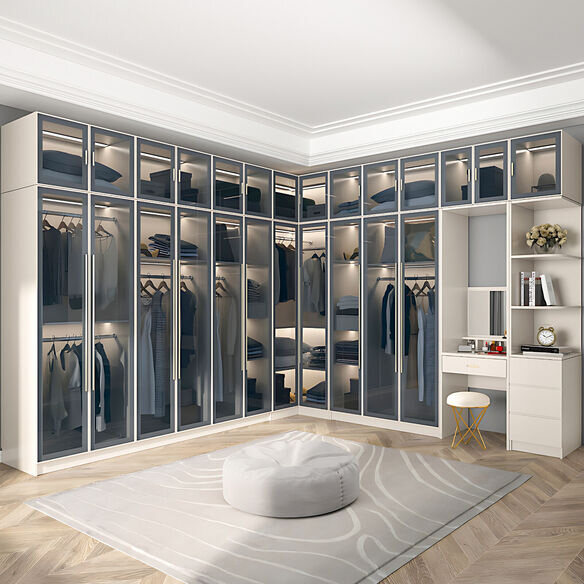
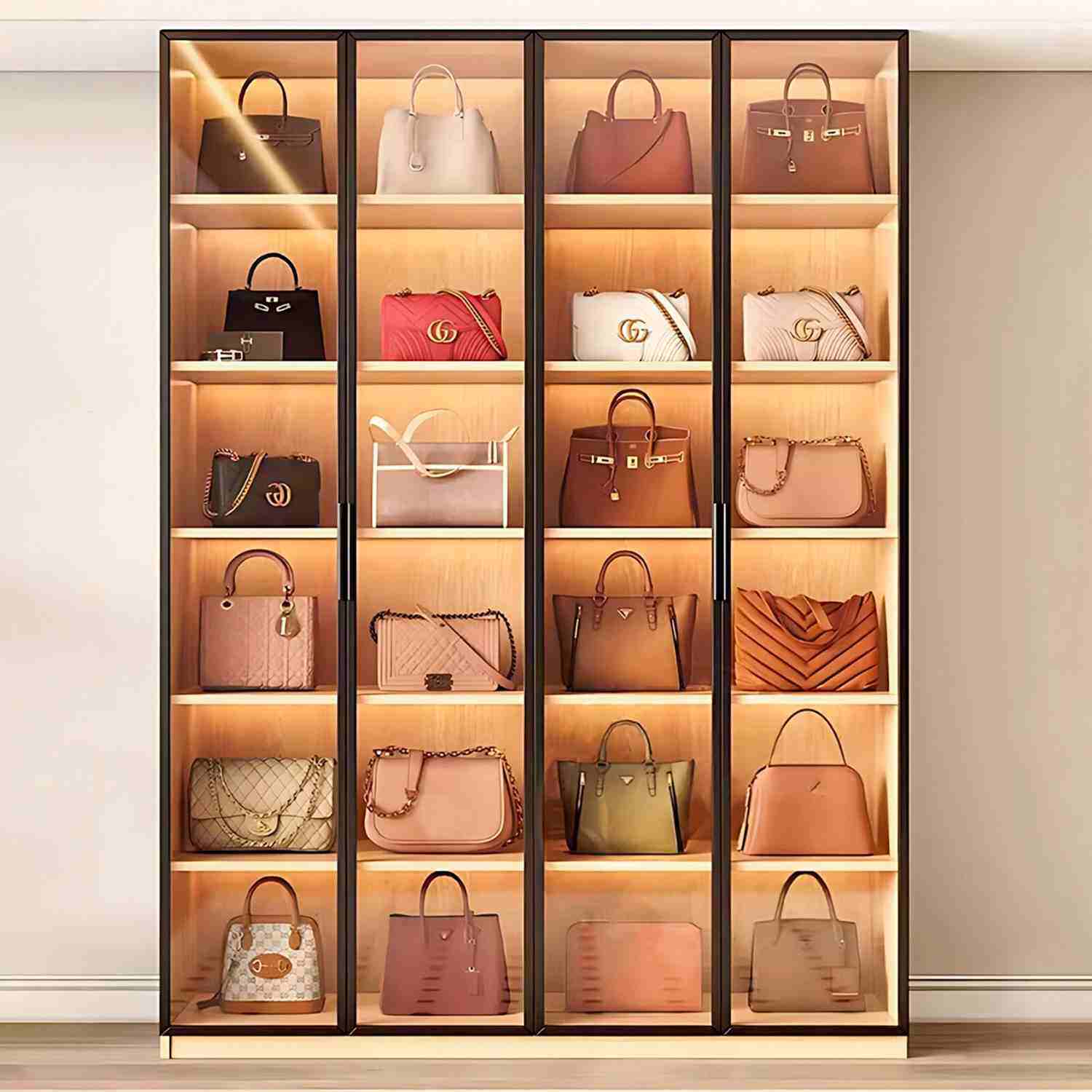
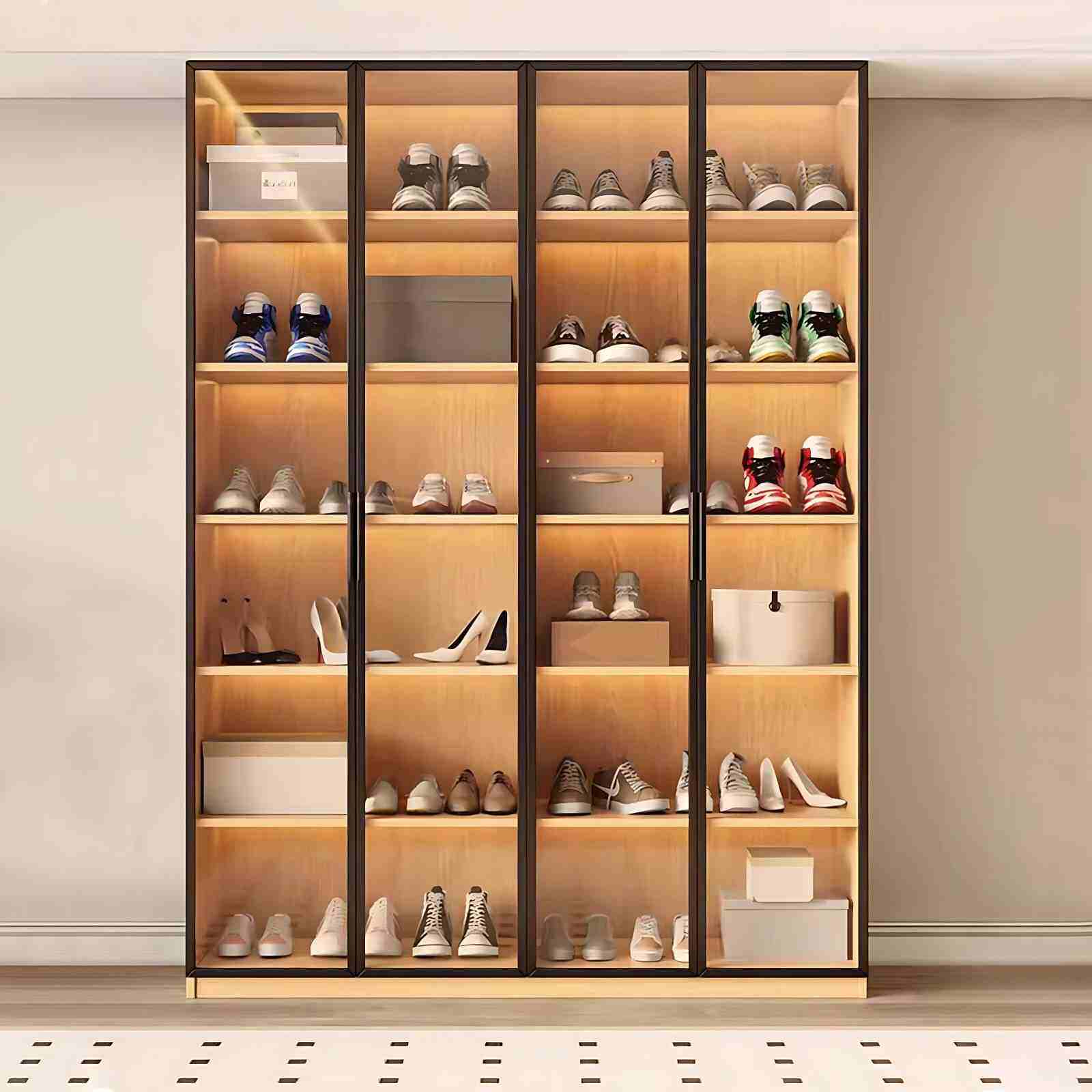
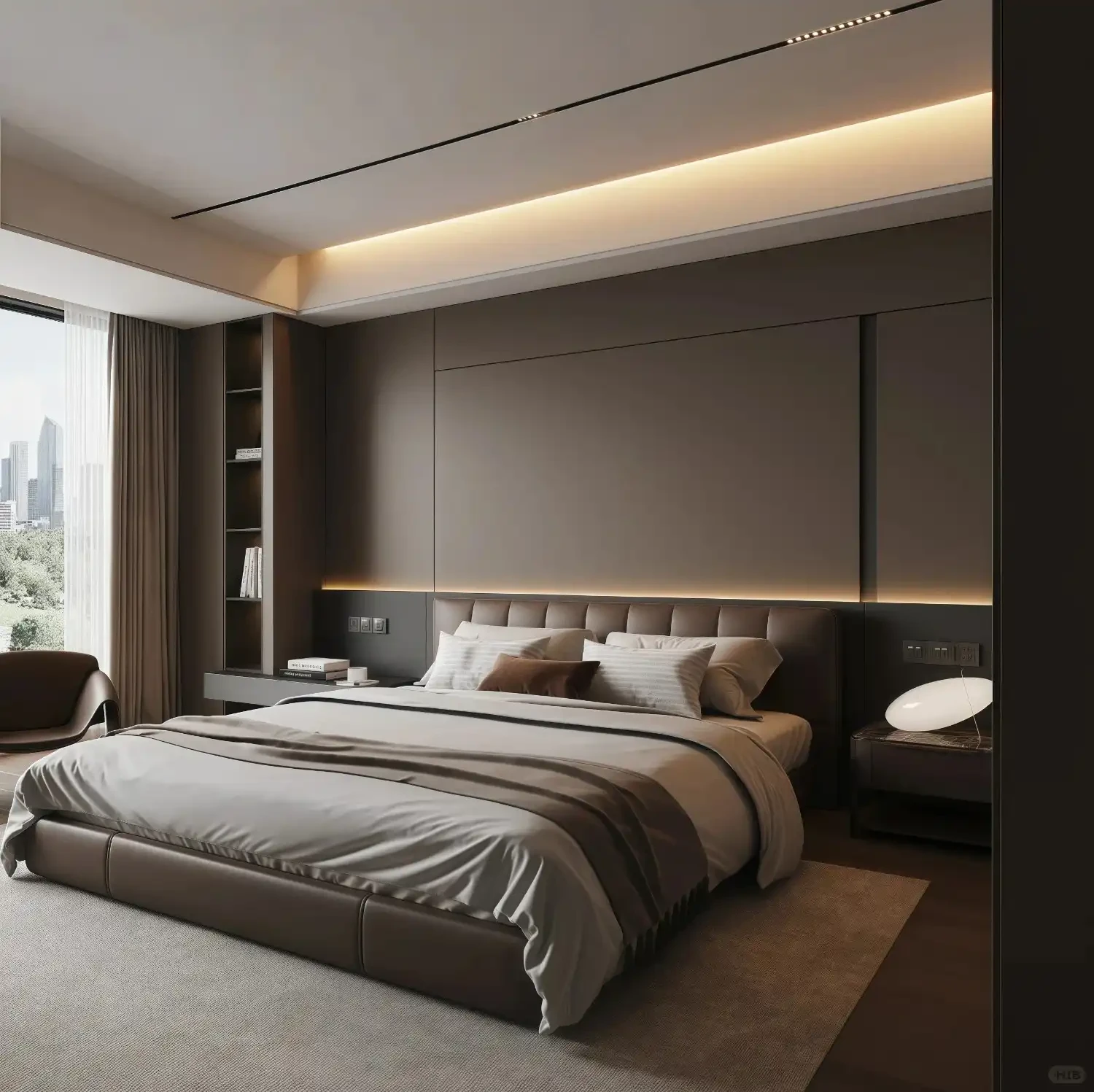
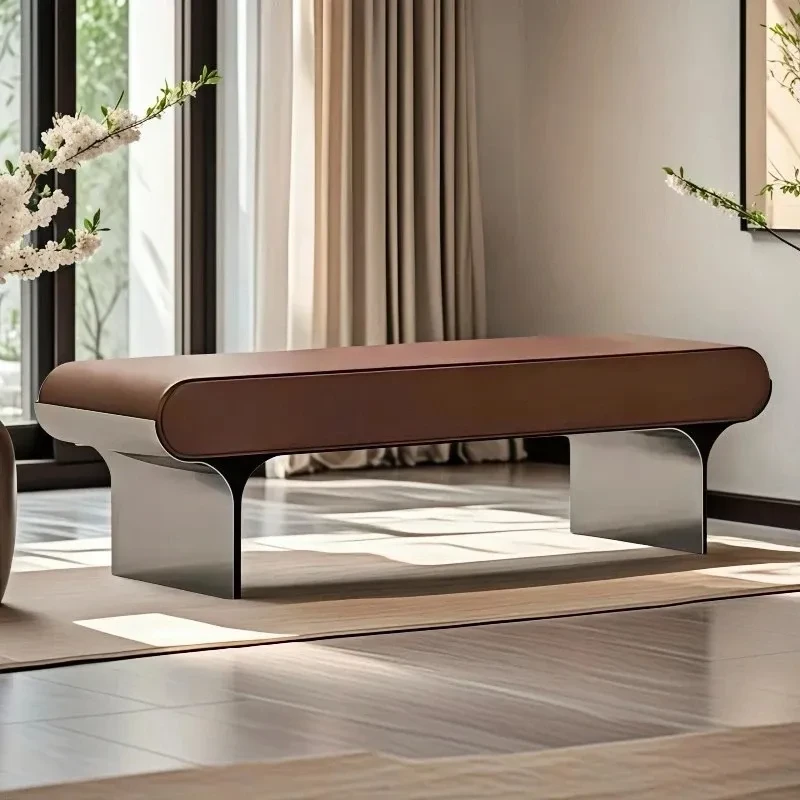
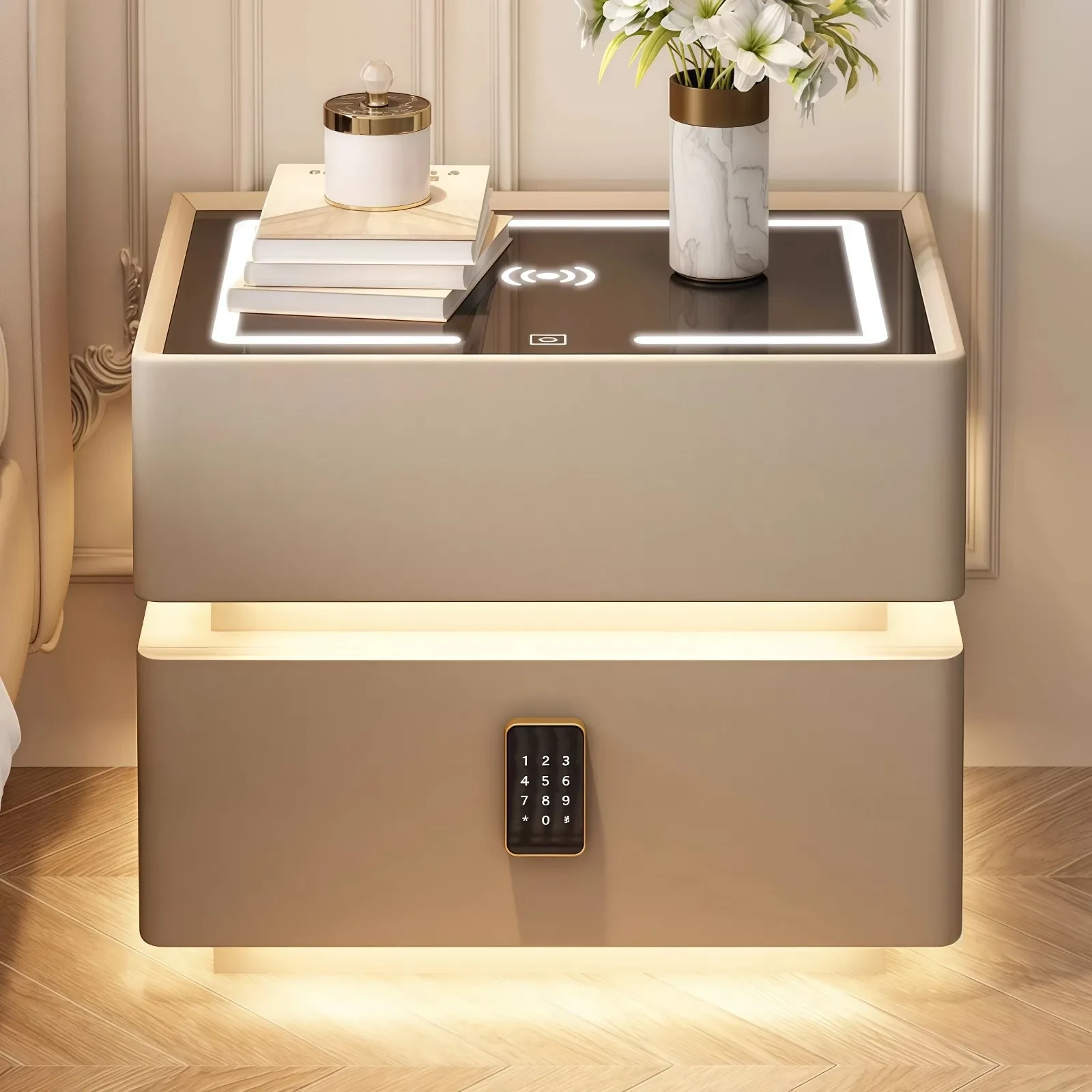
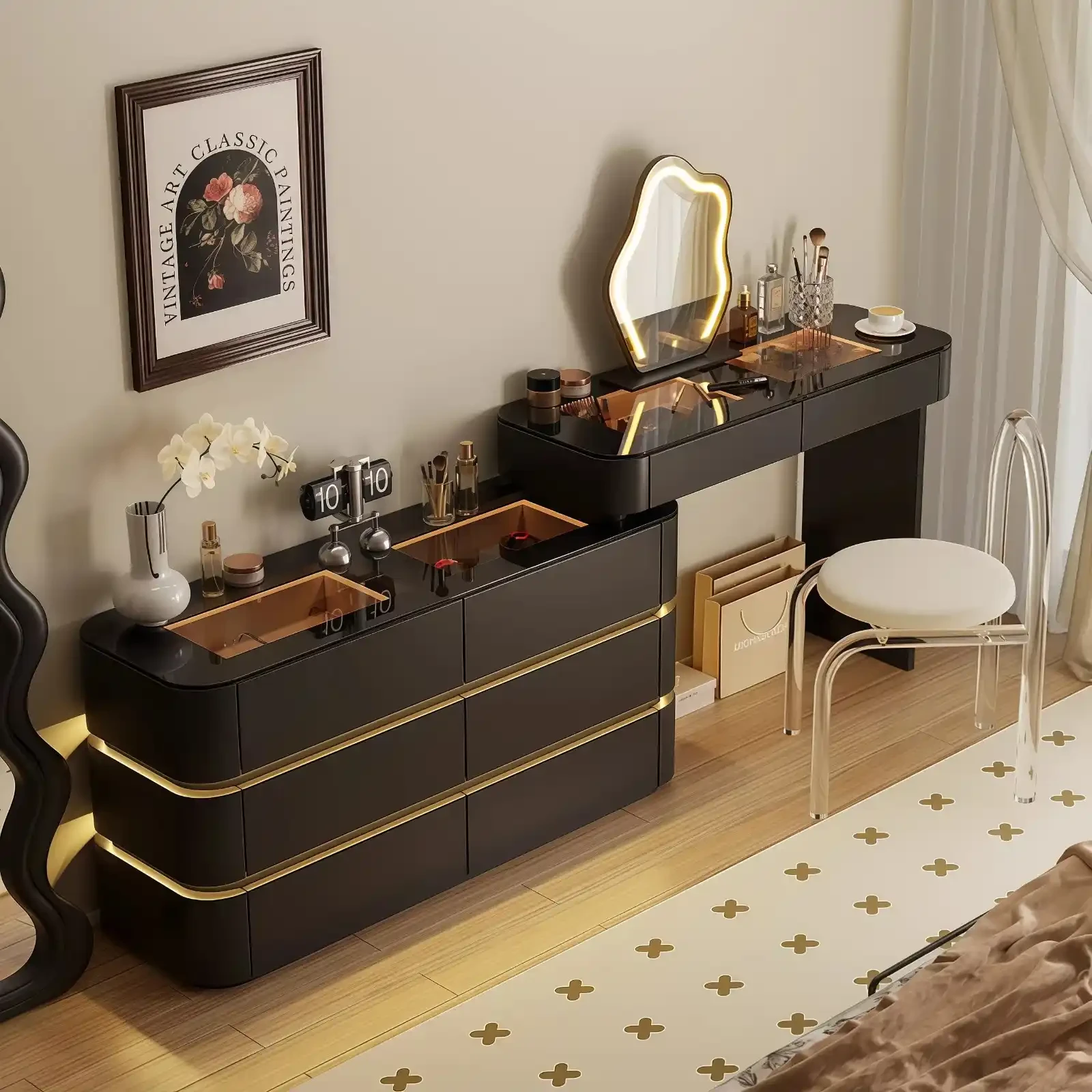
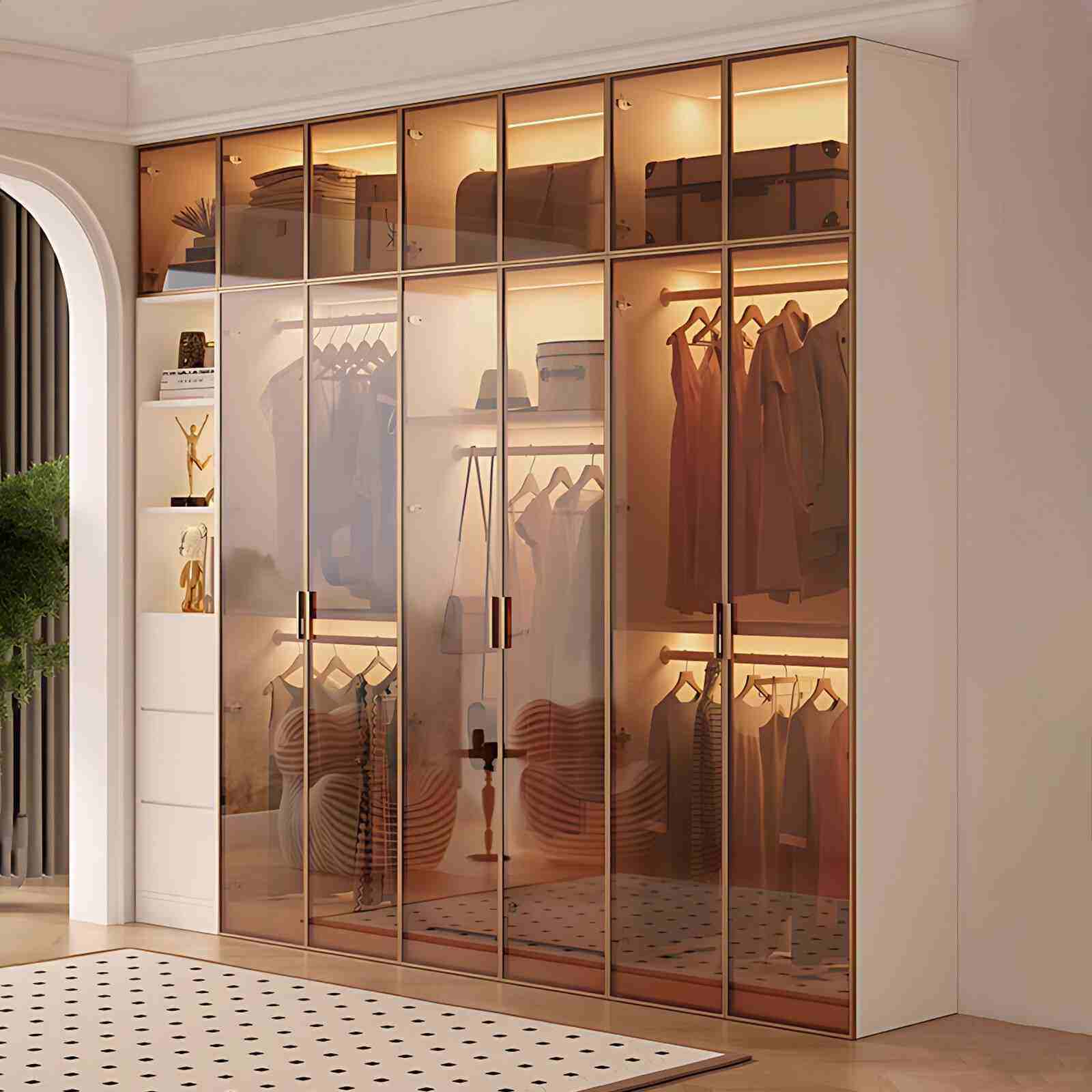
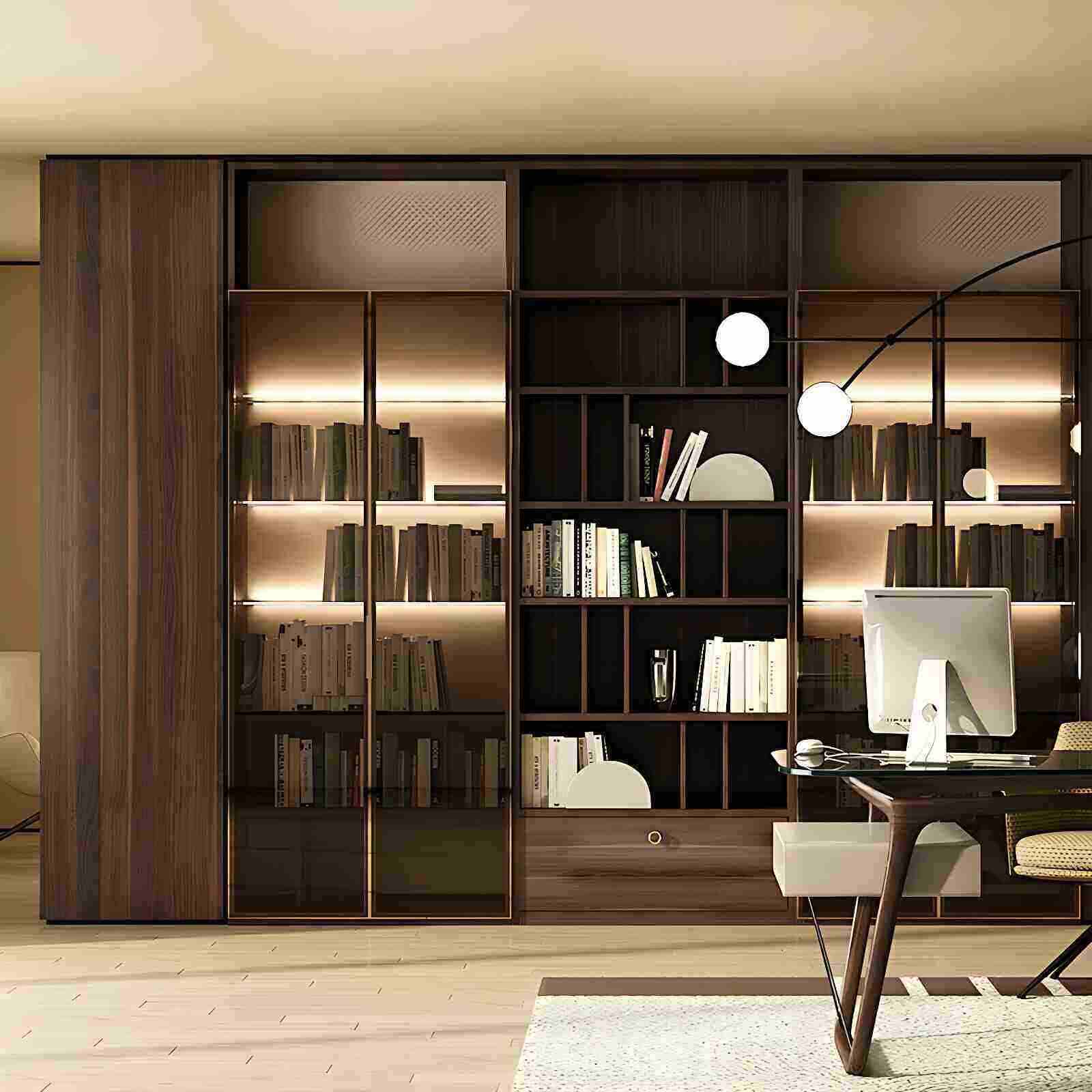
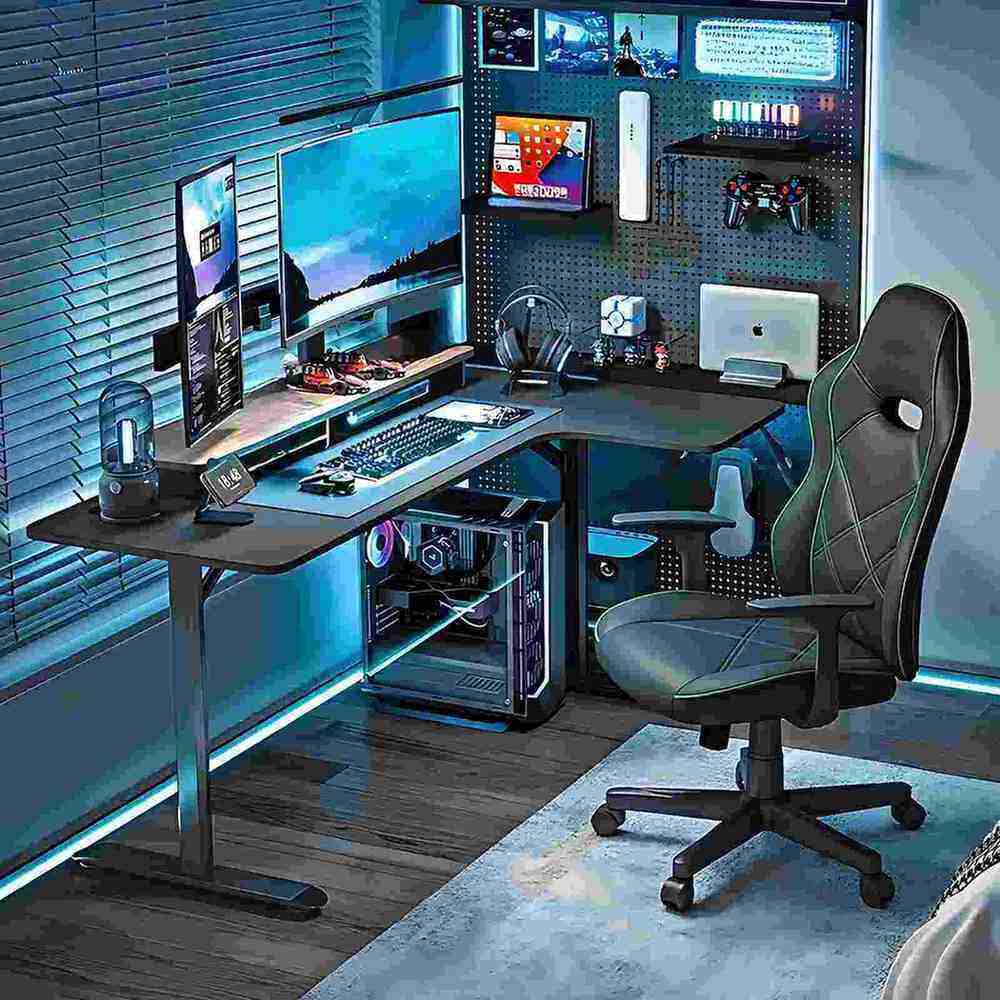
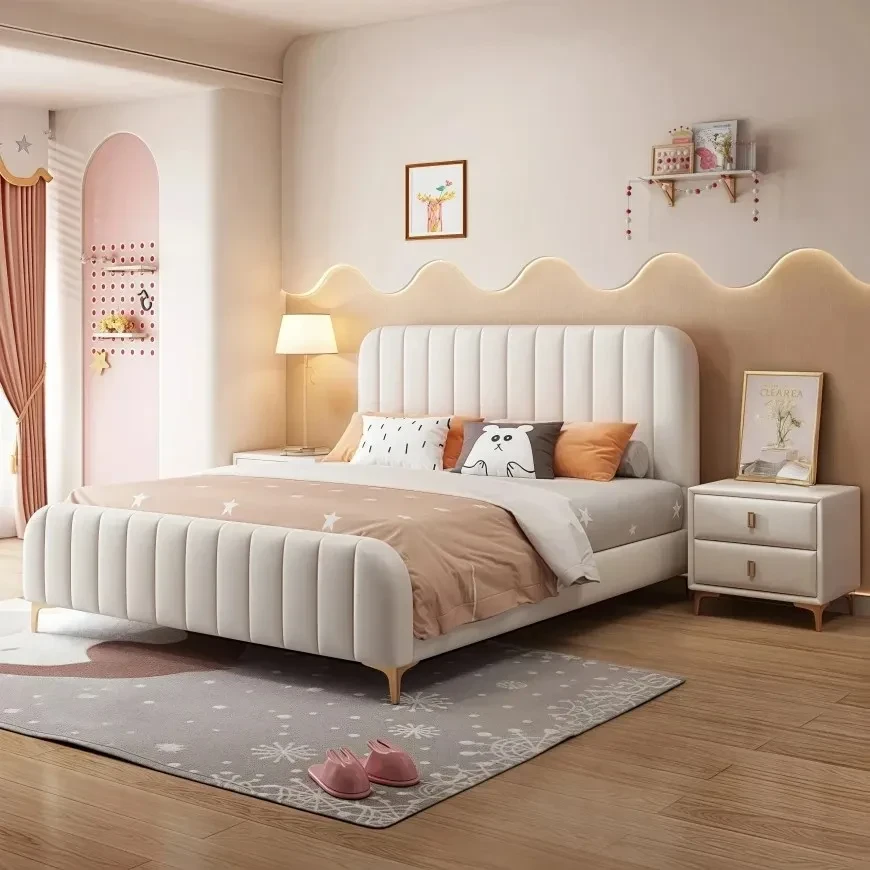
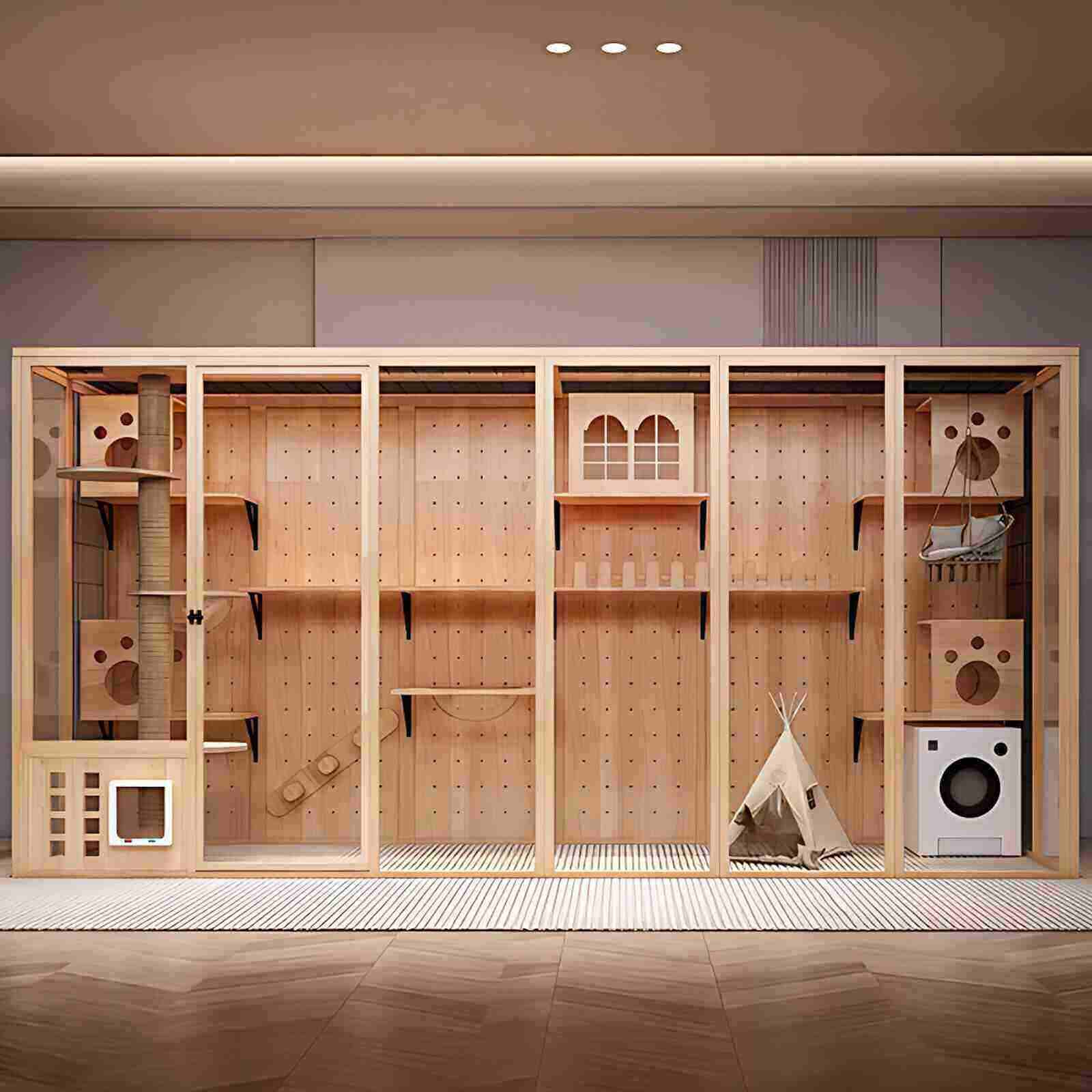
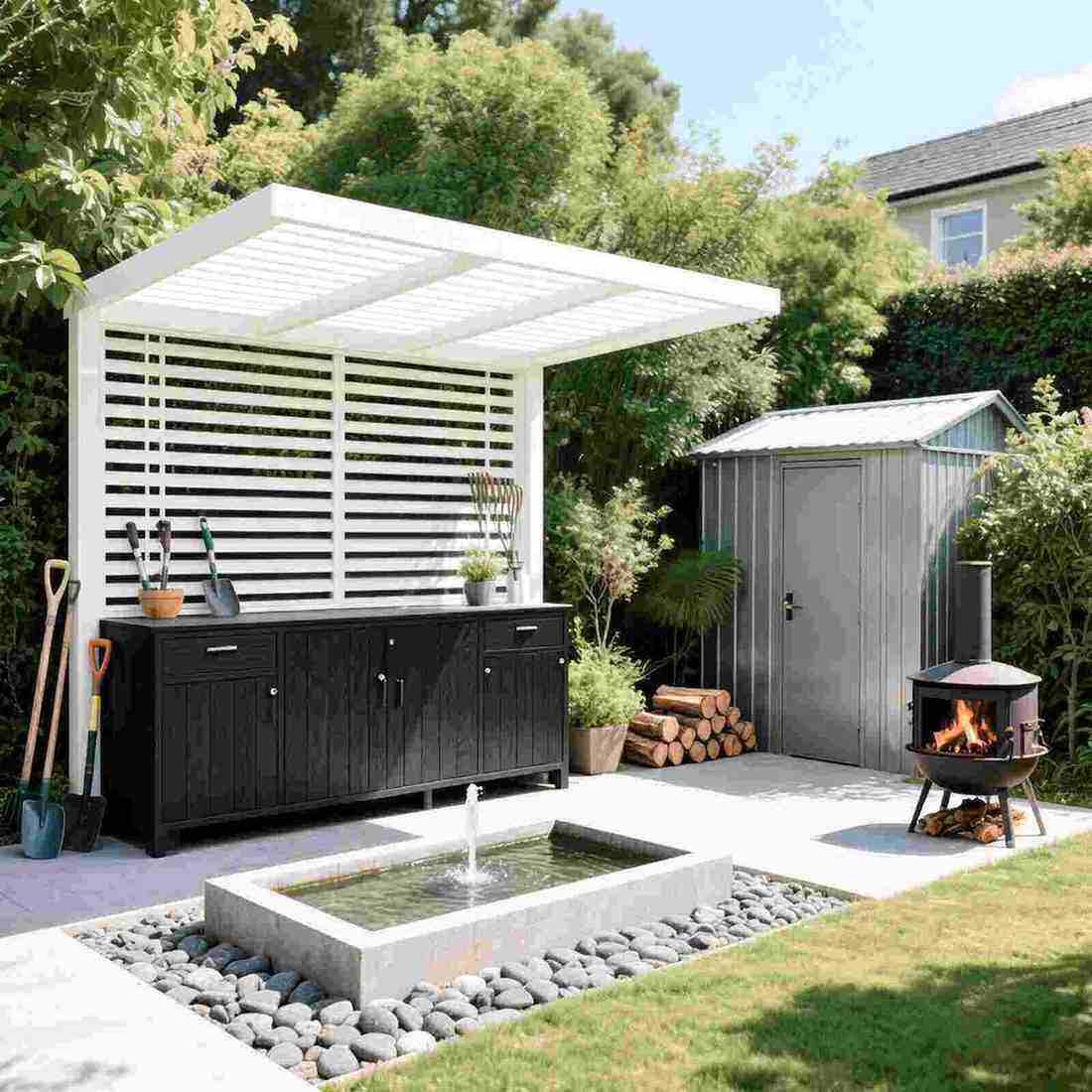
Engineered wood, also known as glued laminated timber:
Glued Laminated Timber (GLA) is one of the three main types of engineered wood products, along with timber I-beams and laminated veneer lumber. It is sometimes called finger-jointed board and can be coated with wood wax oil to prevent warping.
Glulam
Engineered wood panels are made by splicing together high-quality, large-diameter logs. They retain the natural texture and beautiful appearance of wood, are crafted with exquisite workmanship, have a smooth surface, are sturdy and easy to process, are not easily deformed, have low formaldehyde content, high strength, and excellent thermal insulation properties.
Parameters of engineered wood products:
Product varieties: Chinese fir, camphor wood, Scots pine, etc.
Product specifications: 1220×2440×(12~18) mm
Product Grade: Superior, First-class, Qualified
Product standards: QB/ZX.2-2013; GB 18580-2001
Product packaging: 50 sheets/carton - 60 sheets/carton
Formaldehyde emission: E0 grade, E1 grade
Product Standards:
A. Length and width tolerance: 0mm---5mm.
B. Uniform thickness, thickness tolerance: 0mm---+0.5mm.
C. 40mm < strip width < 65mm. (15mm, 16mm, 17mm, and 18mm thick boards sold on the market can have strip widths of 80-90mm.)
D. Must be dried; moisture content: ≤12%
E. Double-sided sanding, smooth and flat surface, free of bark and filler.
F. Apply glue to the joints, using a large amount of glue for good adhesion, ensuring no unevenness at the knuckles.
G. The fingers are properly connected, the board surface is free of cracks, and the ends are free of cracks.
Product advantages:
Engineered wood surpasses solid wood in both tensile and compressive strength, as well as in material uniformity. Custom-made boards feature thickened core panels, ensuring sufficient thickness and environmental friendliness. Natural grain patterns evoke a sense of returning to nature; they are also easy to process and manufacture.
Application scope:
1. In the furniture industry, engineered wood is used in the form of engineered panels, engineered square timber, and engineered curved timber.
(1) Integrated panels are used for large-format components such as table panels, cabinet side panels, top and bottom panels, cabinet partitions, bottom panels and drawer bottoms, as well as small-format components such as drawer panels, side panels, bottom panels and cabinet doors.
(2) Integrated square timber is used for square or spun round cross-section components such as table and chair supports and cabinet legs.
(3) Integrated bending materials are used in curved parts such as chair frames, armrests, backrests, sofas, and coffee tables.
2. In interior decoration, engineered wood is used as interior decoration material in the form of engineered panels and engineered square timber.
(1) Integrated panels are used for materials such as stair side panels, treads, flooring and wall decoration panels.
(2) Integrated square timber is used for beams, columns, decorative columns, stair handrails and decorative strips of interior doors, windows and cabinets.
How to select an integrated circuit board:
1. Inspect the board surface: High-quality engineered wood has clear wood grain, beautiful and natural texture. The board surface is flat and smooth, without obvious patching, sanding marks, pressure marks, obvious color difference, or stains;
2. Check the joints between the strips: check for delamination, separation, excessive cracks, wormholes, bark inclusions, resin ducts, rot, etc.
3. Check the thickness: Is it the correct size? Is the thickness consistent at both ends and in the middle?