
 USD
USD GBP
GBP
 EUR
EUR
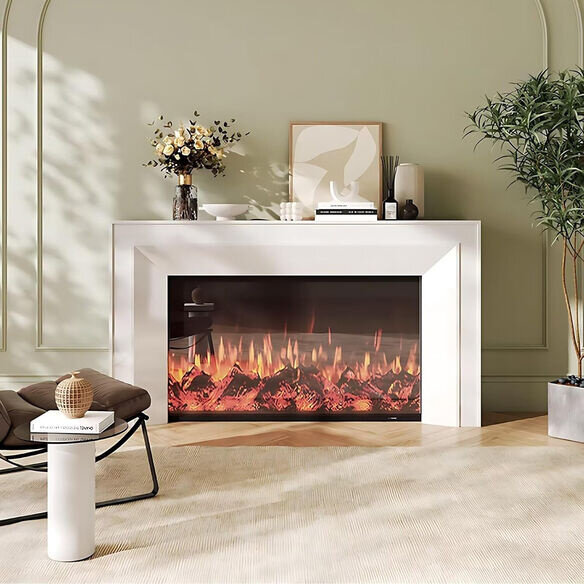


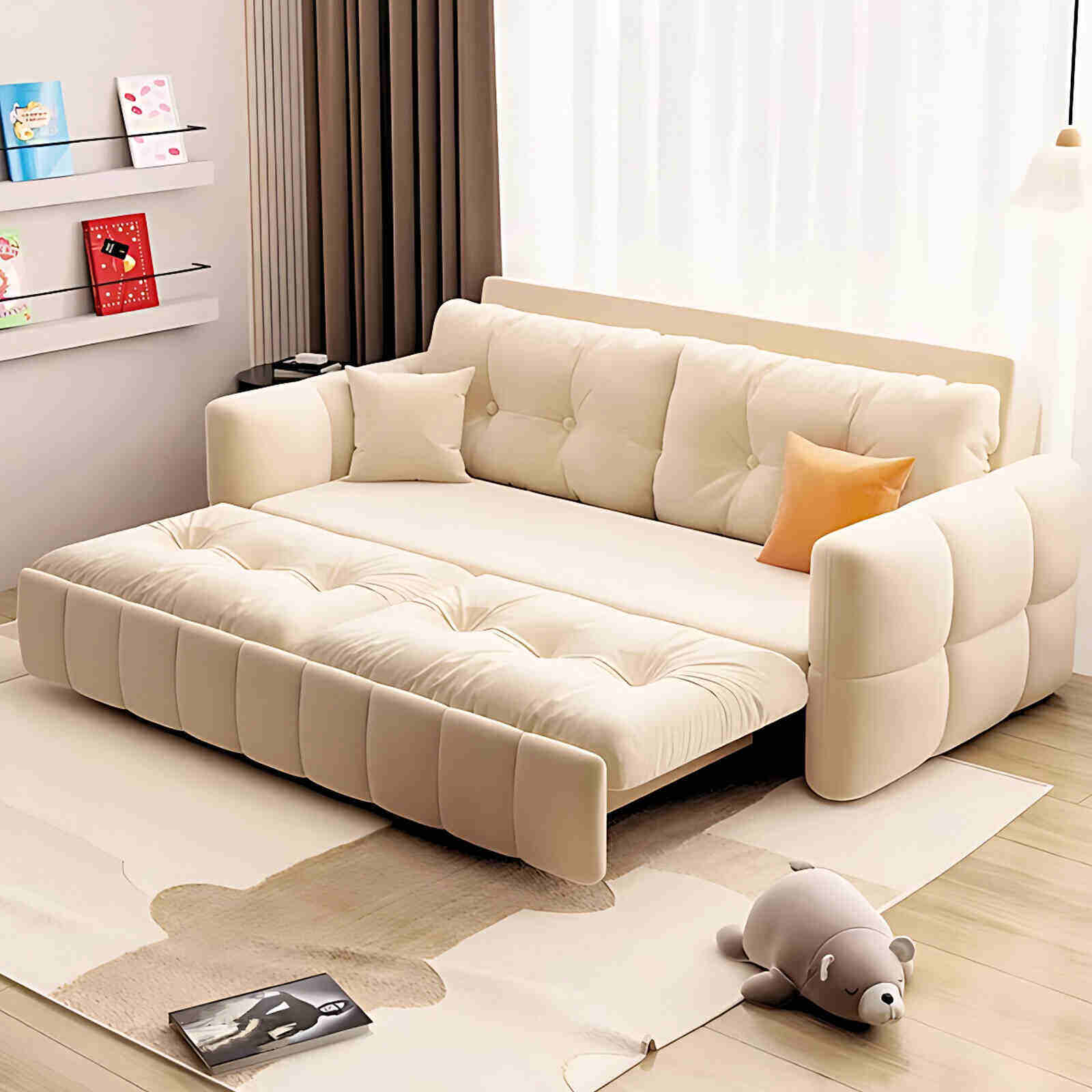






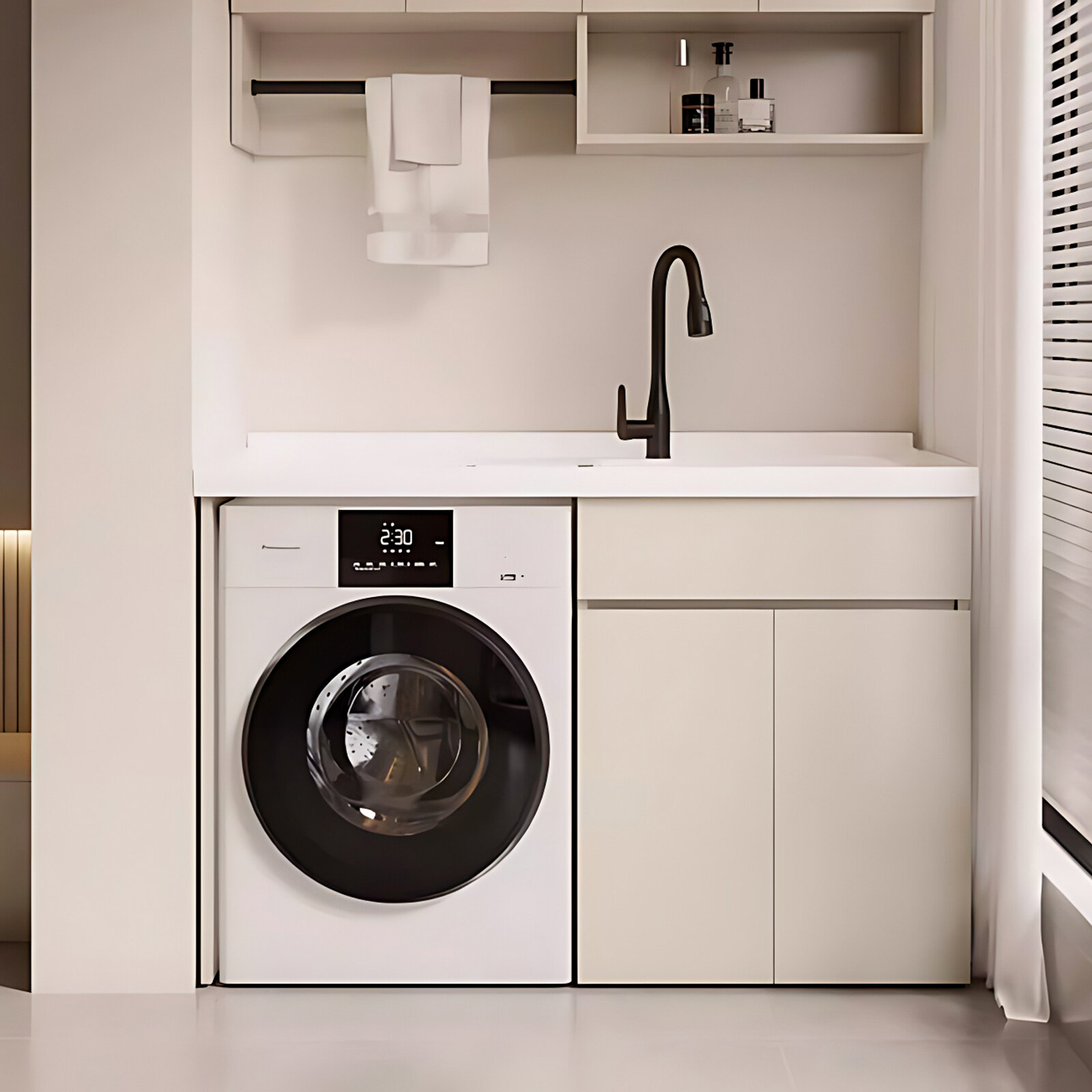


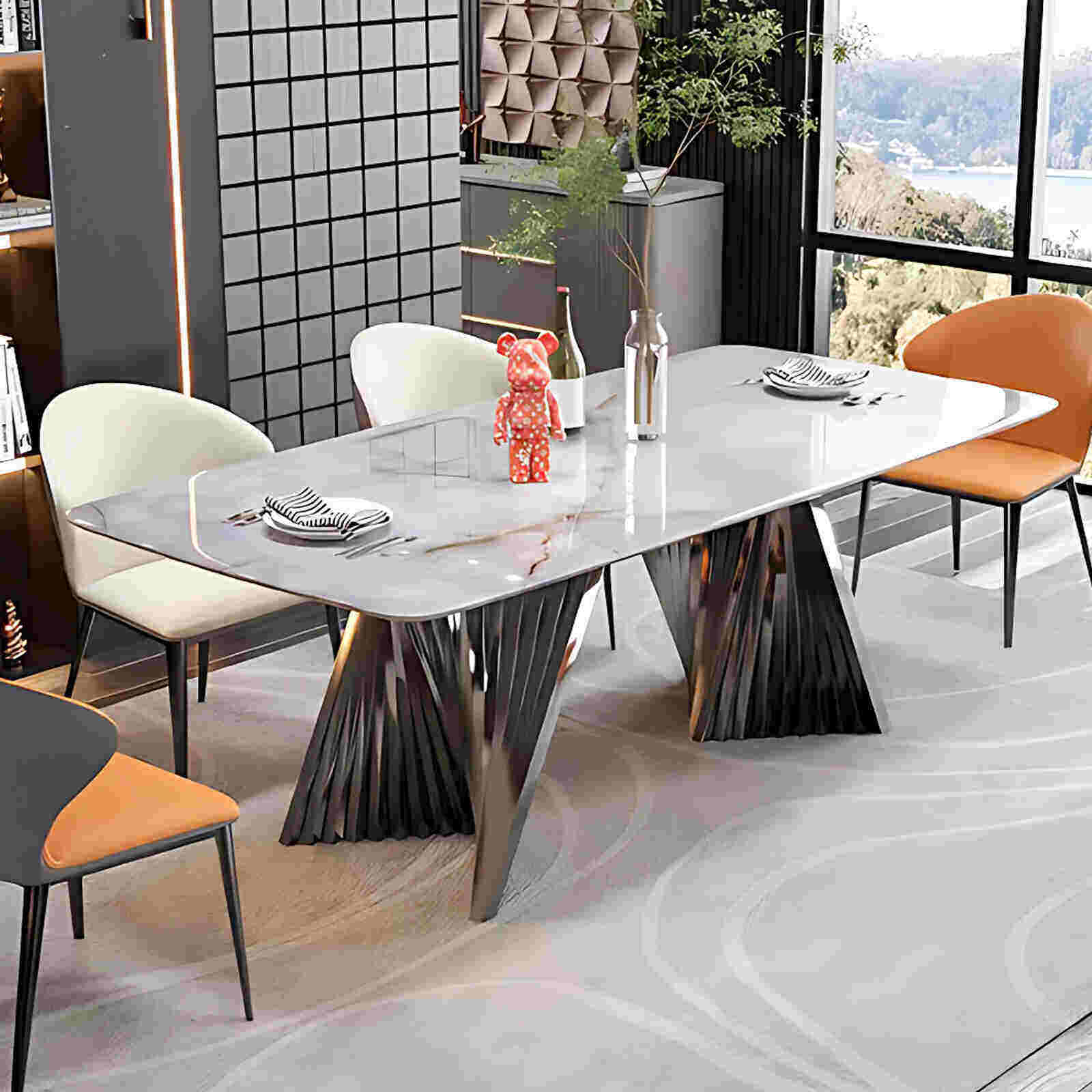
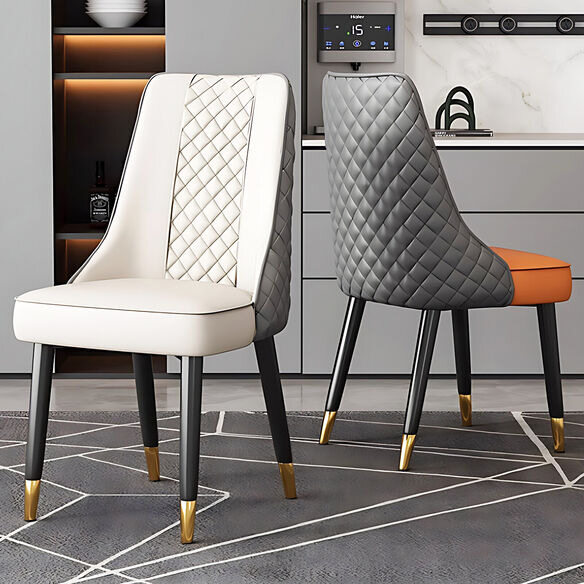
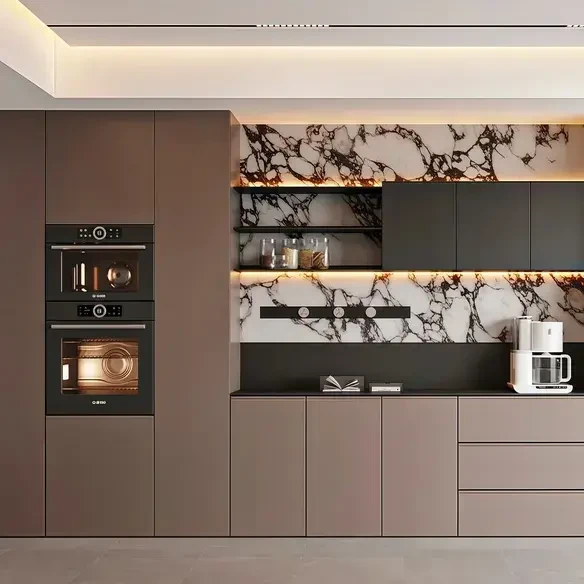








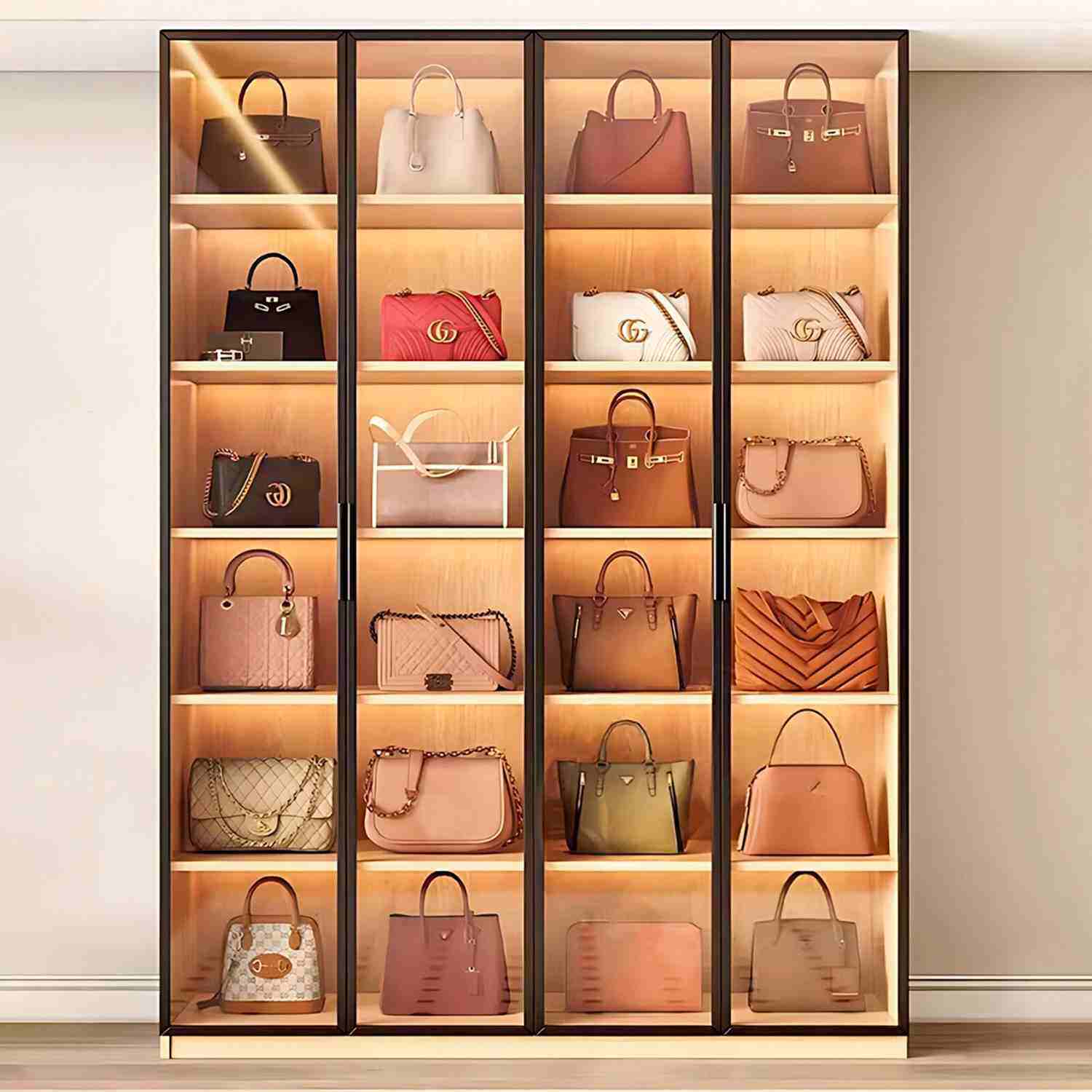








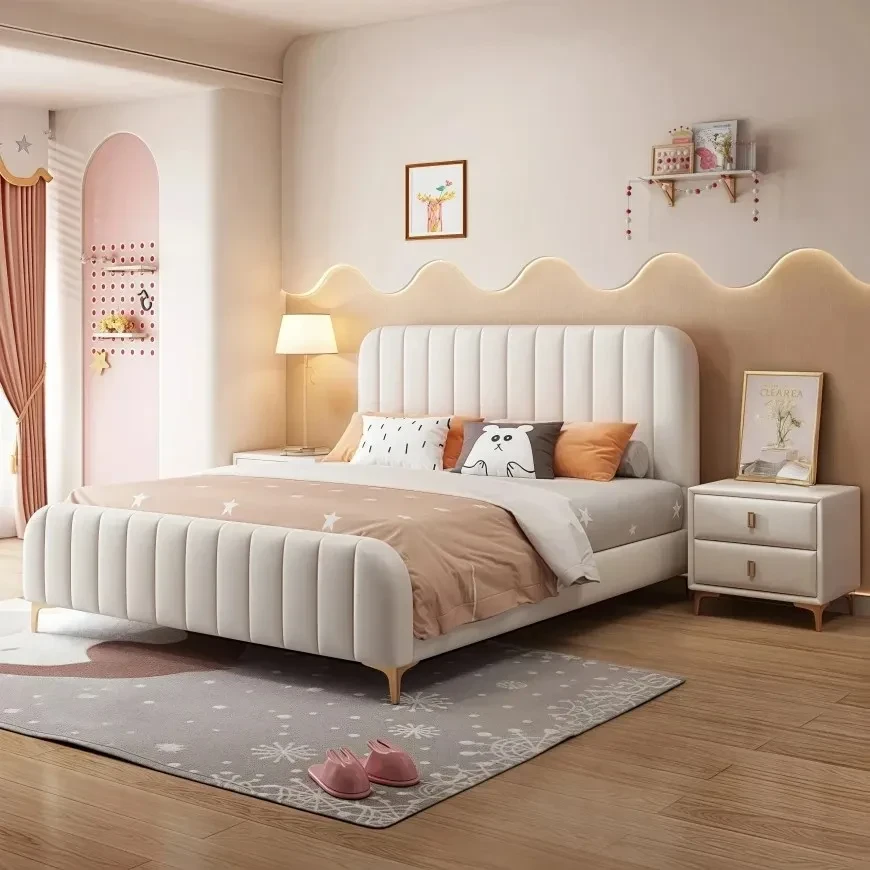
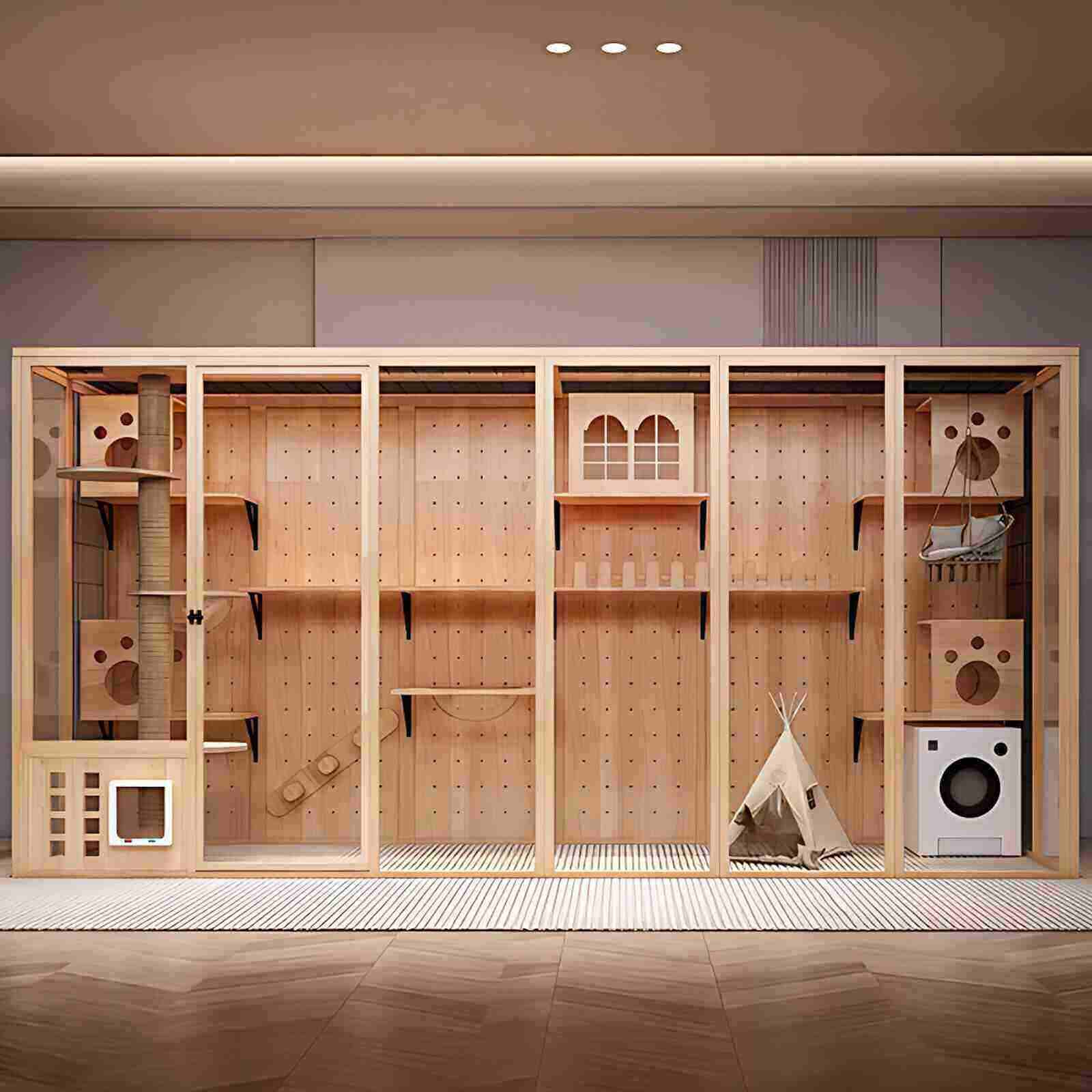
Blockboard, also known as plywood, is a type of wood-based panel. It's made of multiple layers of solid wood, making it very durable and widely used in furniture and interior decoration. Although the core of blockboard is made of spliced natural wood strips with a wood veneer on the top and bottom, consumers can only see the outer surface when purchasing. So how can you choose high-quality blockboard? Below, the top ten wood-based panel brands will introduce some options.
1. The surface should be flat and smooth.
The most direct way to check the quality of blockboard is by looking at its appearance. The outermost layer of blockboard is veneer, and high-quality veneer is at least 0.35 mm thick. Veneers produced by reputable manufacturers are generally double-sided sanded, resulting in a smooth, even surface with no noticeable color difference. To check the smoothness, consumers should touch the surface; the smoother it feels, the better the surface treatment.
2. The splicing of the core board strips should be uniform.
The sturdiness and durability of blockboard hinges on the materials and craftsmanship of the third core layer. When purchasing, observing the blockboard's structure from the side is also crucial. Consumers should check not only the width of the core strips but also whether the two core strips are tightly joined and whether there are any noticeable gaps.
Inferior quality plywood strips are not tightly joined, resulting in noticeable gaps. Some manufacturers use putty, plaster powder, or other materials to fill these gaps to conceal the defect. Consumers can check the sides of the plywood; if they see signs of glue or putty filling, it indicates that there may be gaps or voids inside.
3. The thicker the medium-thickness plate, the more stable the plate.
Blockboard consists of three layers from the inside out: the core board, the middle board, and the face board. The second layer, the face board, is usually called the middle board, and its main function is to stabilize the core board strips. Therefore, the thicker the middle board, the better the stability of the blockboard. If the middle board of the upper boards is relatively thin, it can easily lead to insufficient bending resistance of the blockboard. The middle board of the lower boards should have a suitable thickness.
To assess the quality of plywood, you can tap the surface and listen to the difference in sound. If the sound changes, it indicates the presence of voids inside the plywood. Such plywood is generally weak, and long-term uneven stress can cause the plywood structure to twist and deform, affecting its appearance and usability.
4. Check the grade of environmentally friendly building materials.
Adhesives are used when splicing the core wood strips and gluing the core to the surface veneer in blockboard manufacturing, which inevitably releases some formaldehyde. When the free formaldehyde content exceeds a certain range, it can affect human health. Therefore, the main difference between environmentally friendly and inferior blockboard lies in the quality of the adhesive used.
If the glue used is environmentally friendly, the plywood will only have a dry wood smell, without the pungent odor of formaldehyde. If the plywood emits a pungent odor, it indicates a high formaldehyde release. Furthermore, consumers should not only focus on the plywood samples provided by the seller, but also smell the other boards piled up in the store. Because the samples may have lost their odor due to long-term storage, consumers should approach the piles of plywood, especially those in the middle, and smell for any pungent odor.
Top 10 Board Brands
Advantages in material selection, environmental protection, craftsmanship, and brand. Bringing low-carbon, environmentally friendly, eco-friendly, and healthy home building materials to consumers.