
 USD
USD GBP
GBP
 EUR
EUR
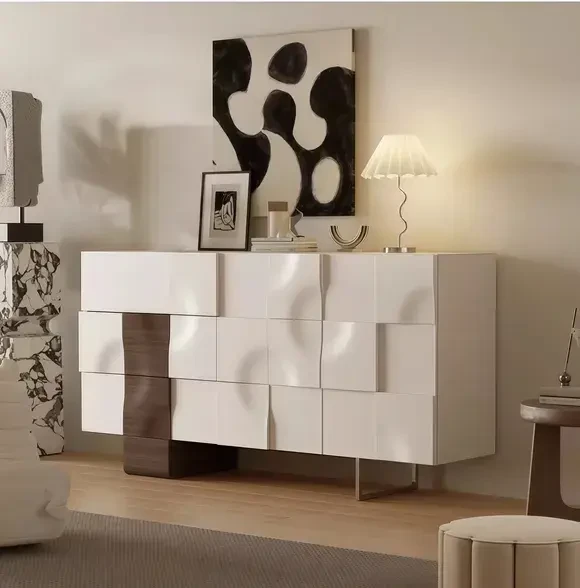
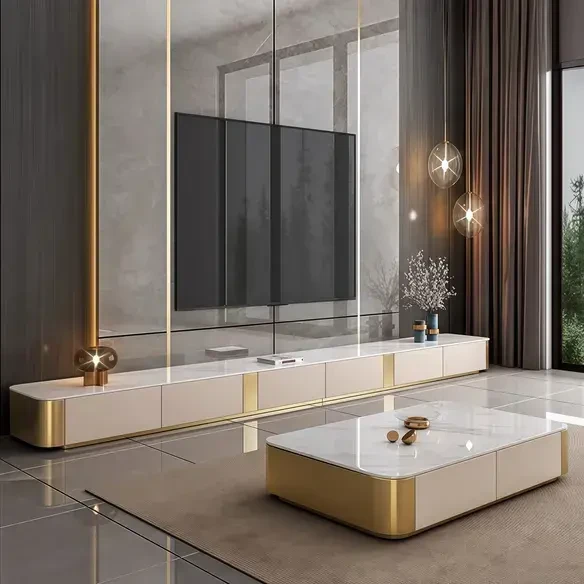
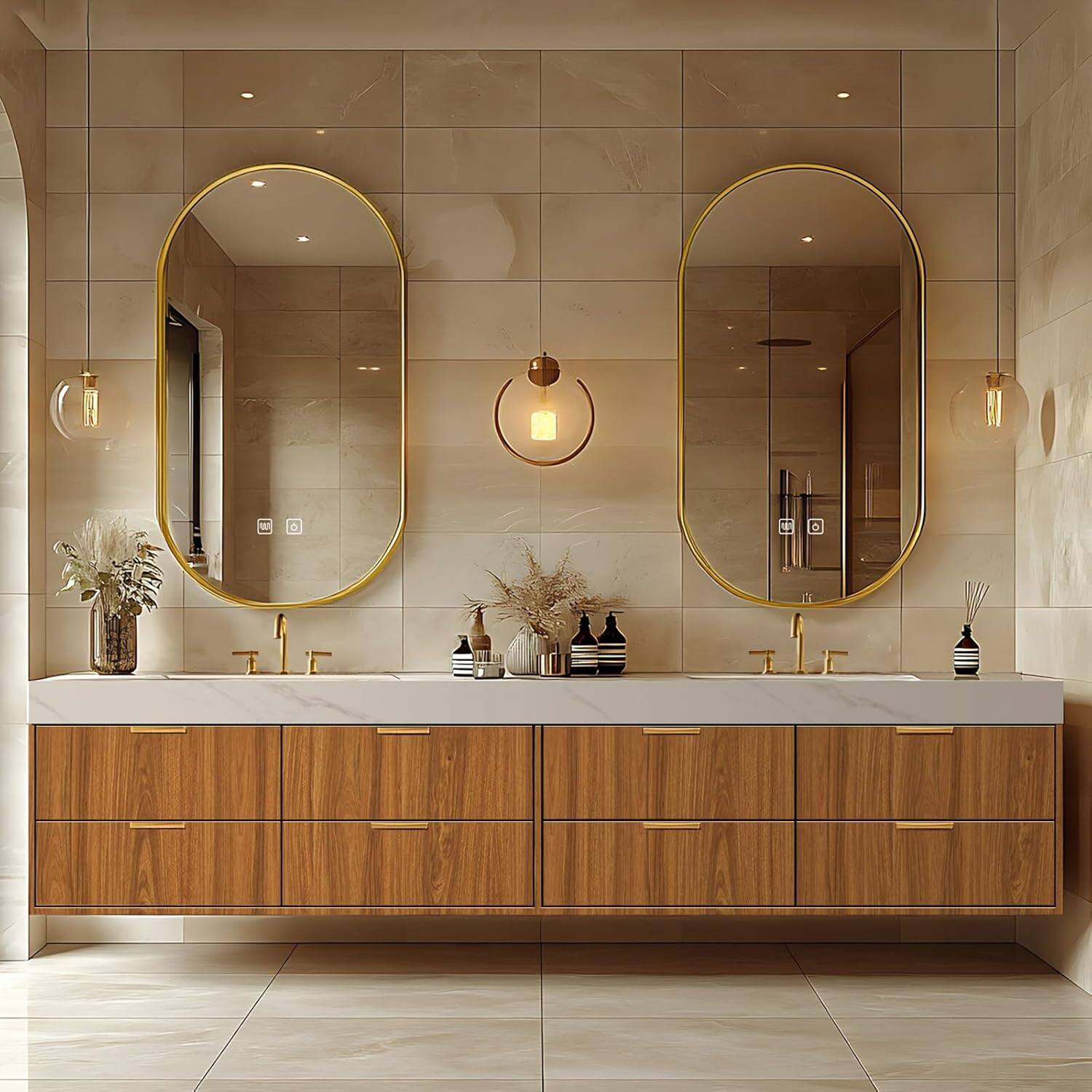
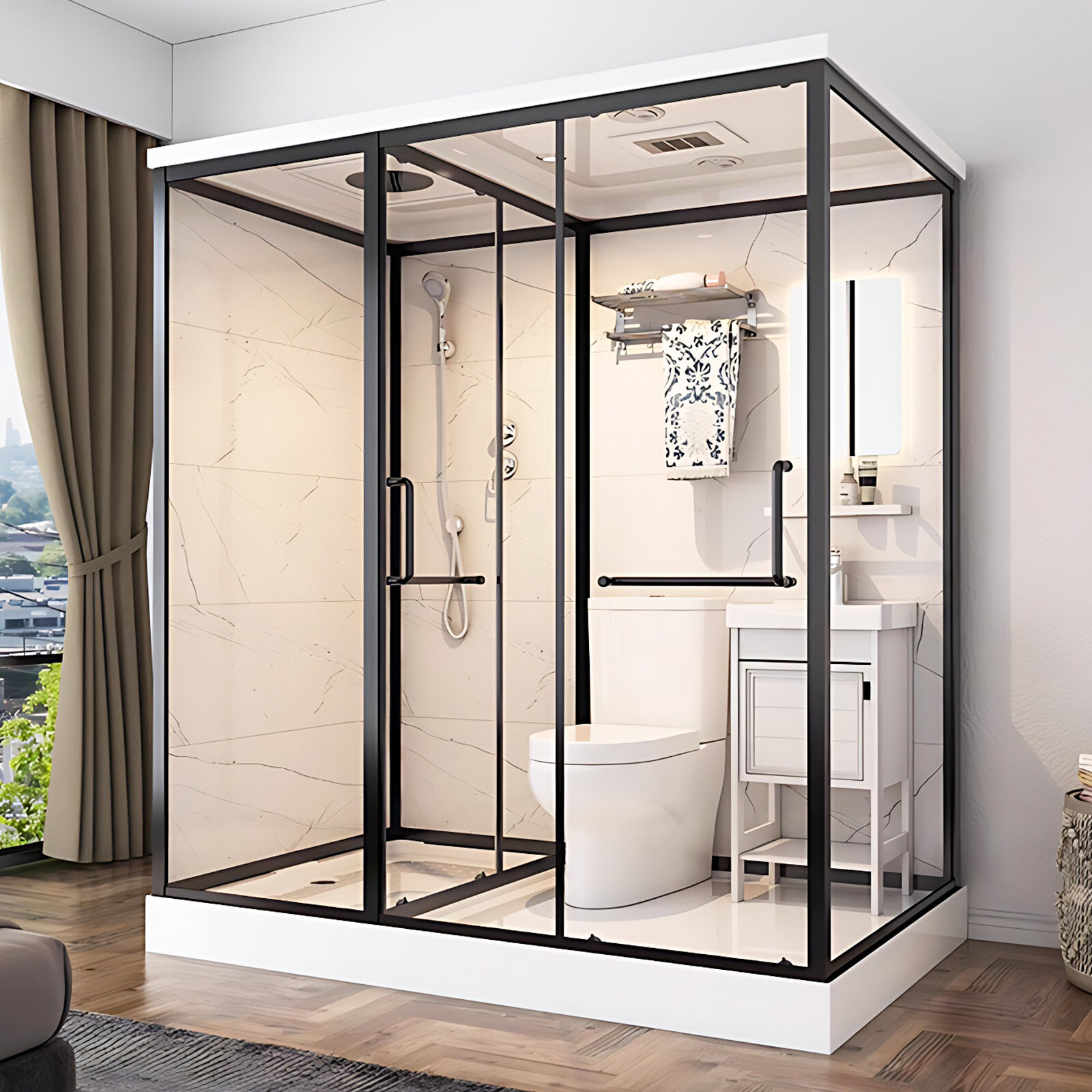
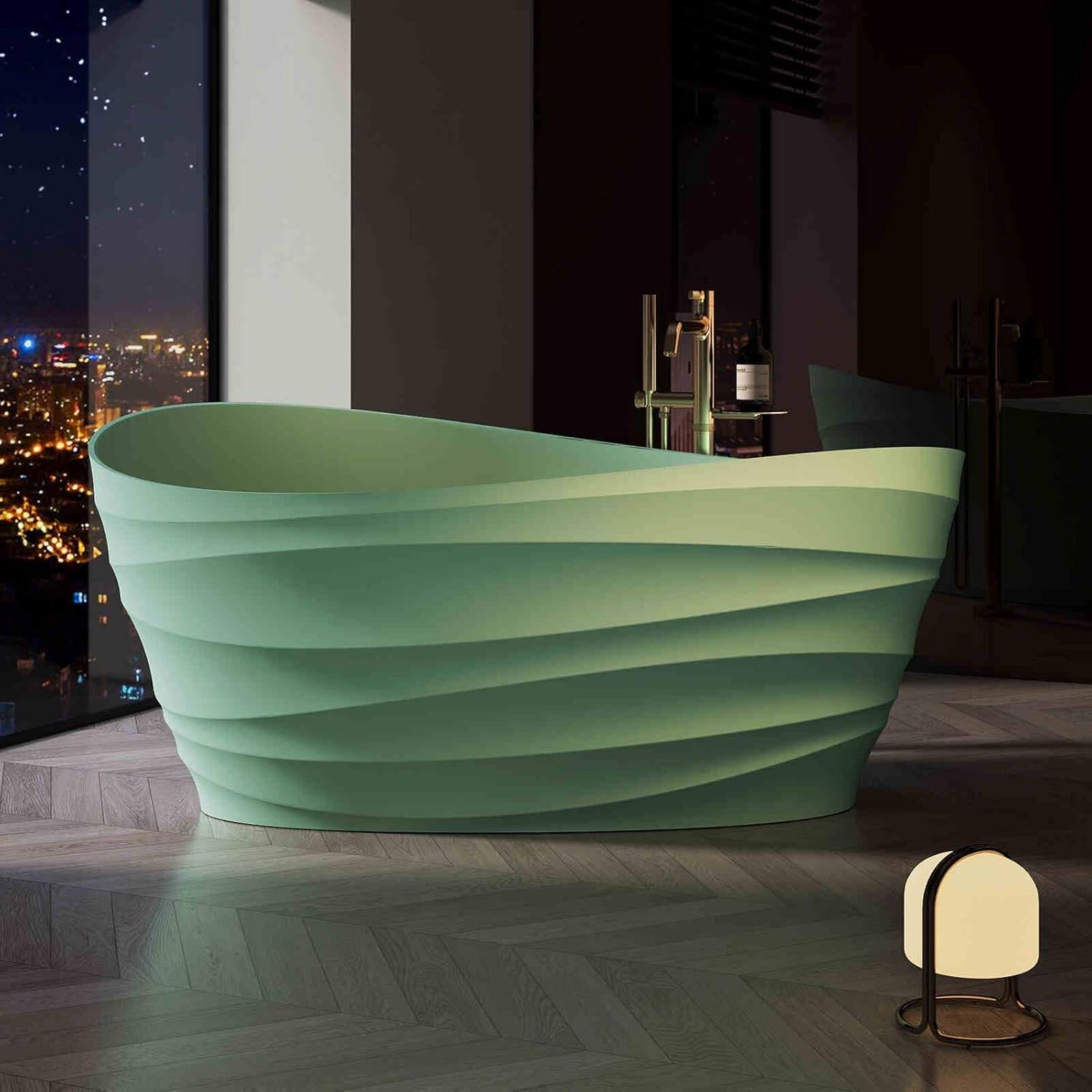
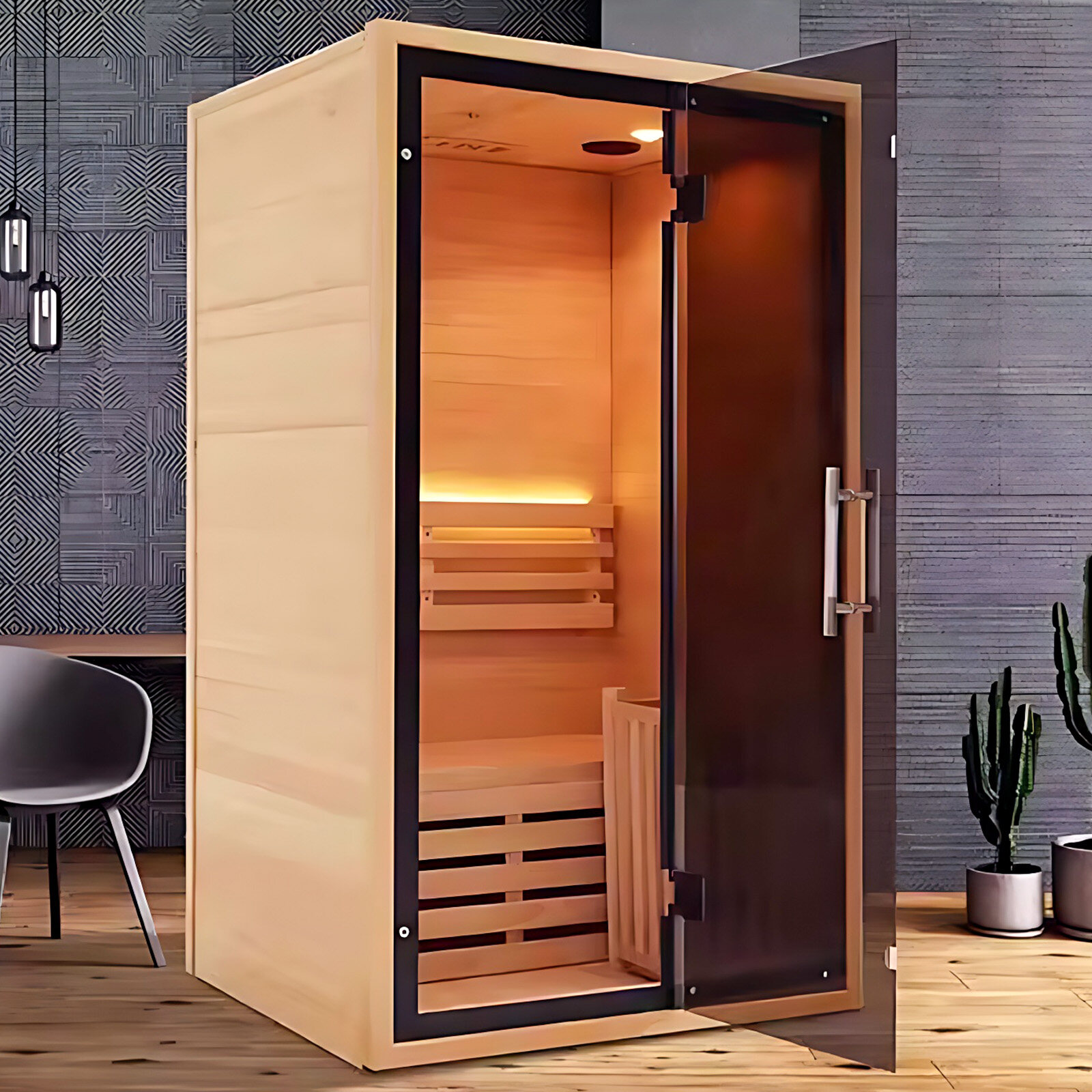
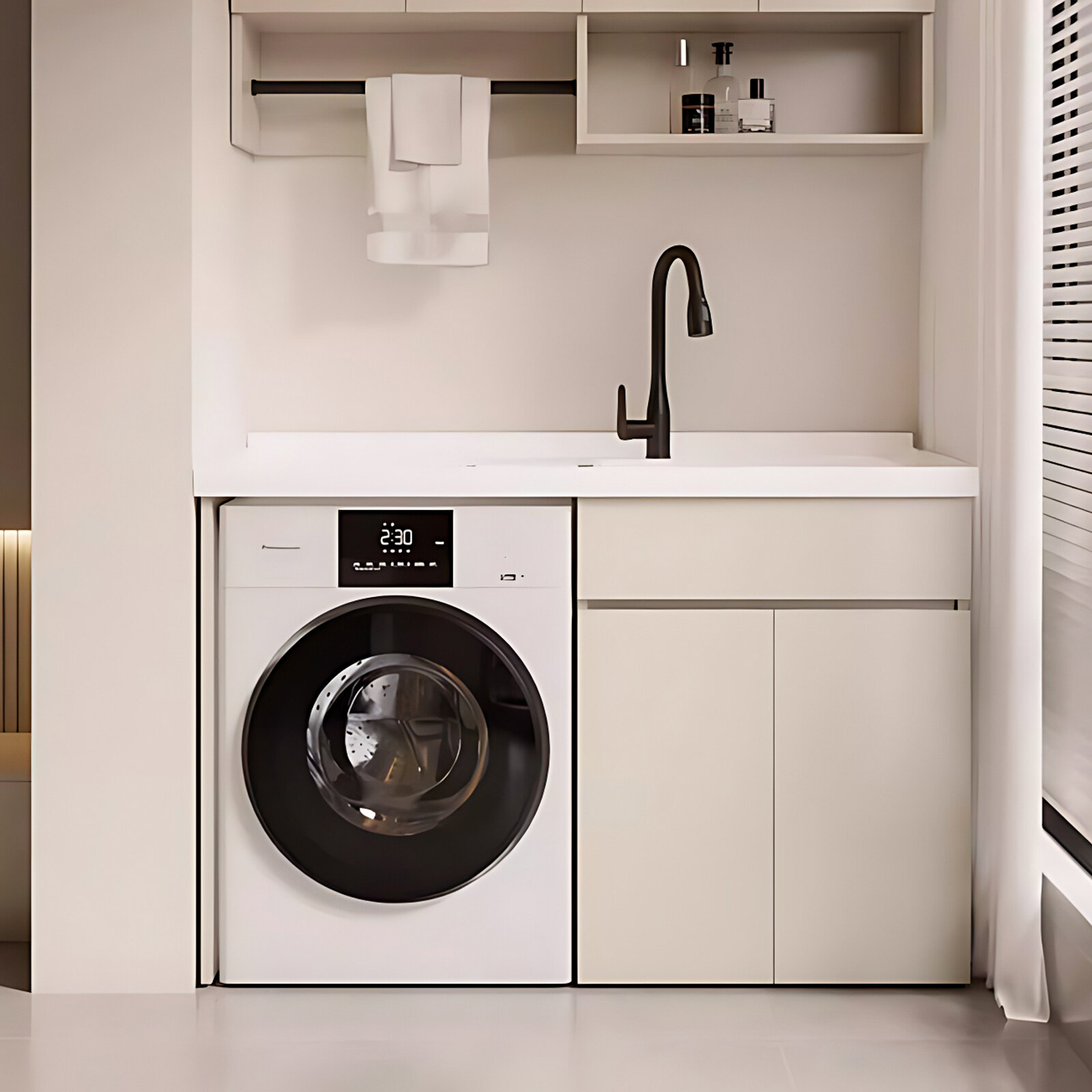
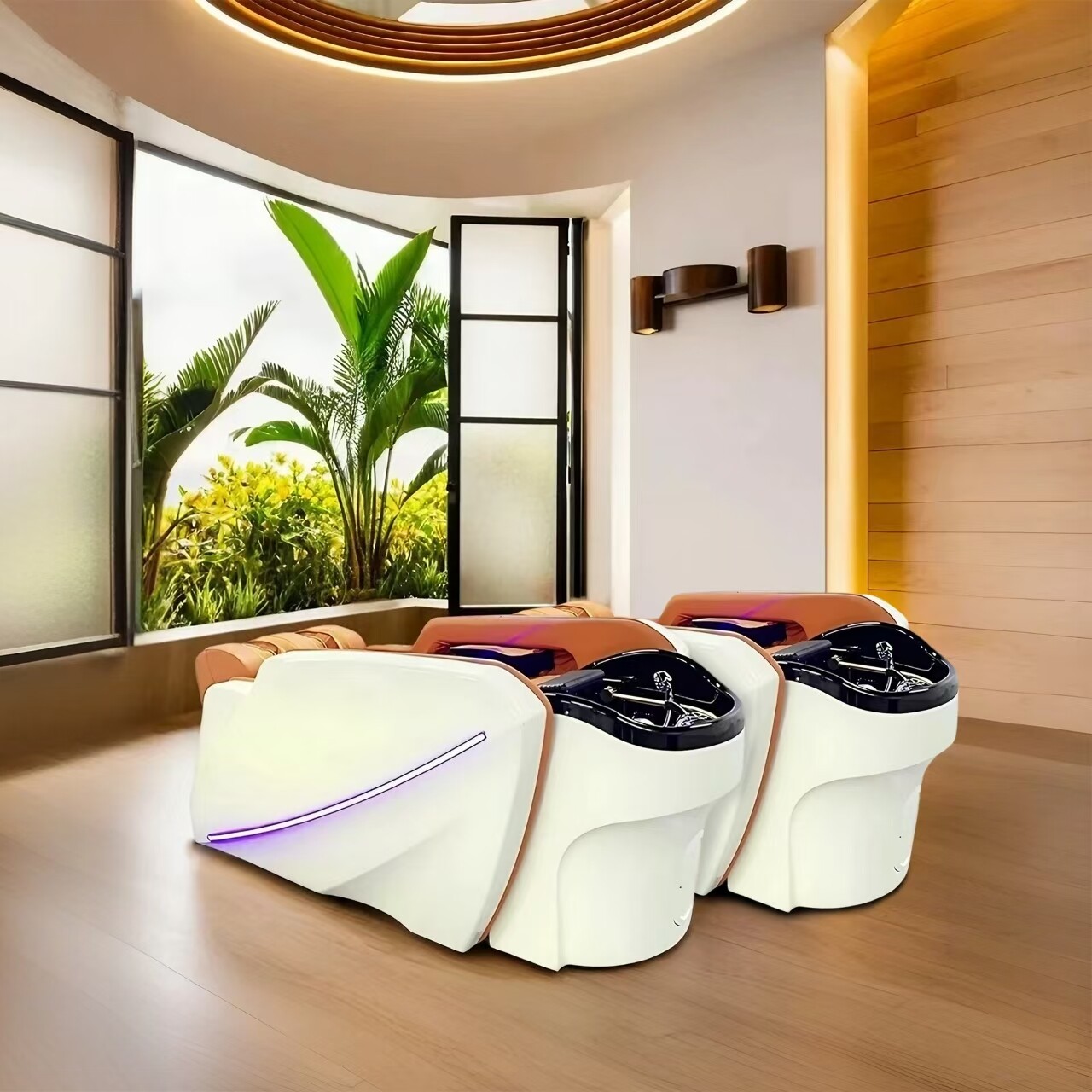
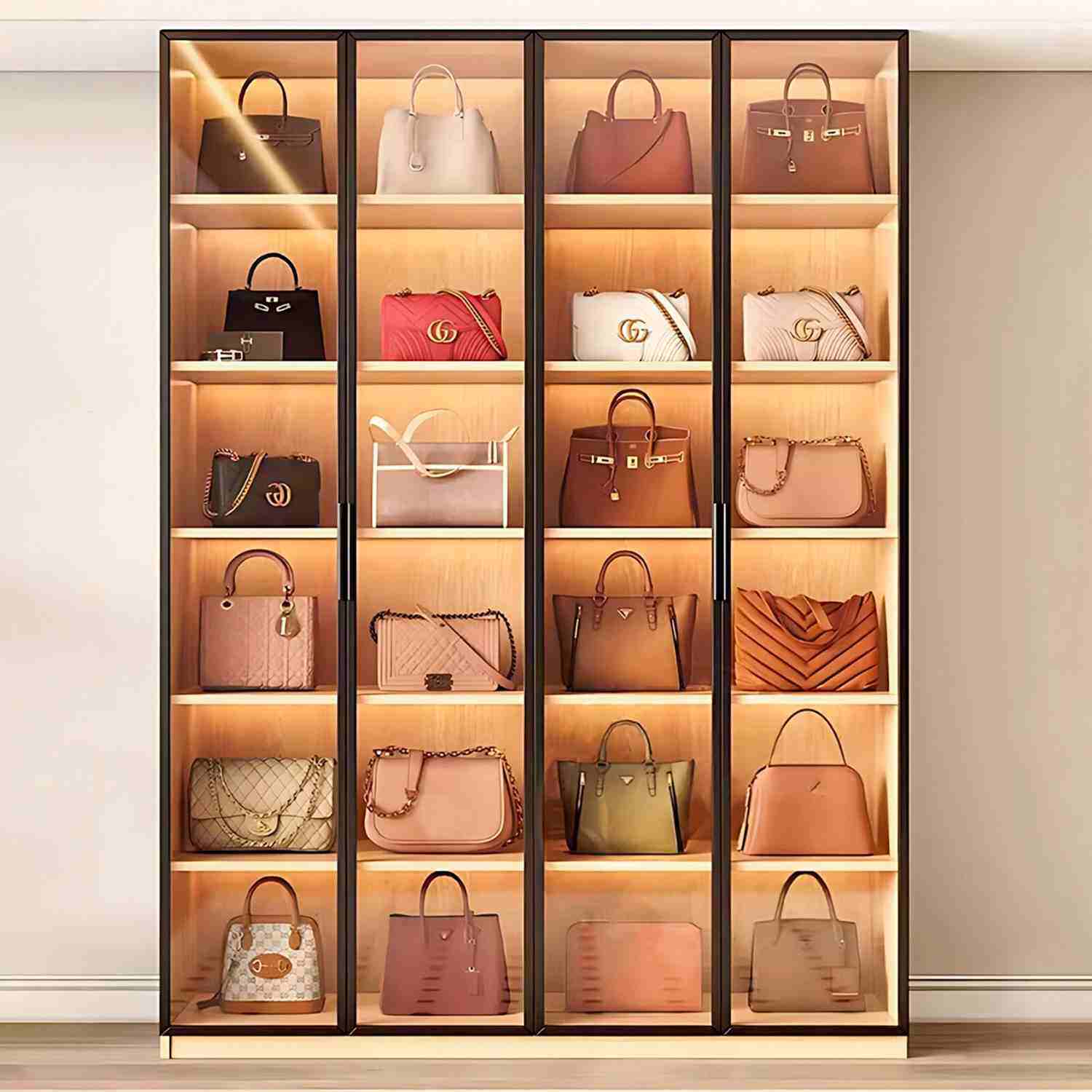
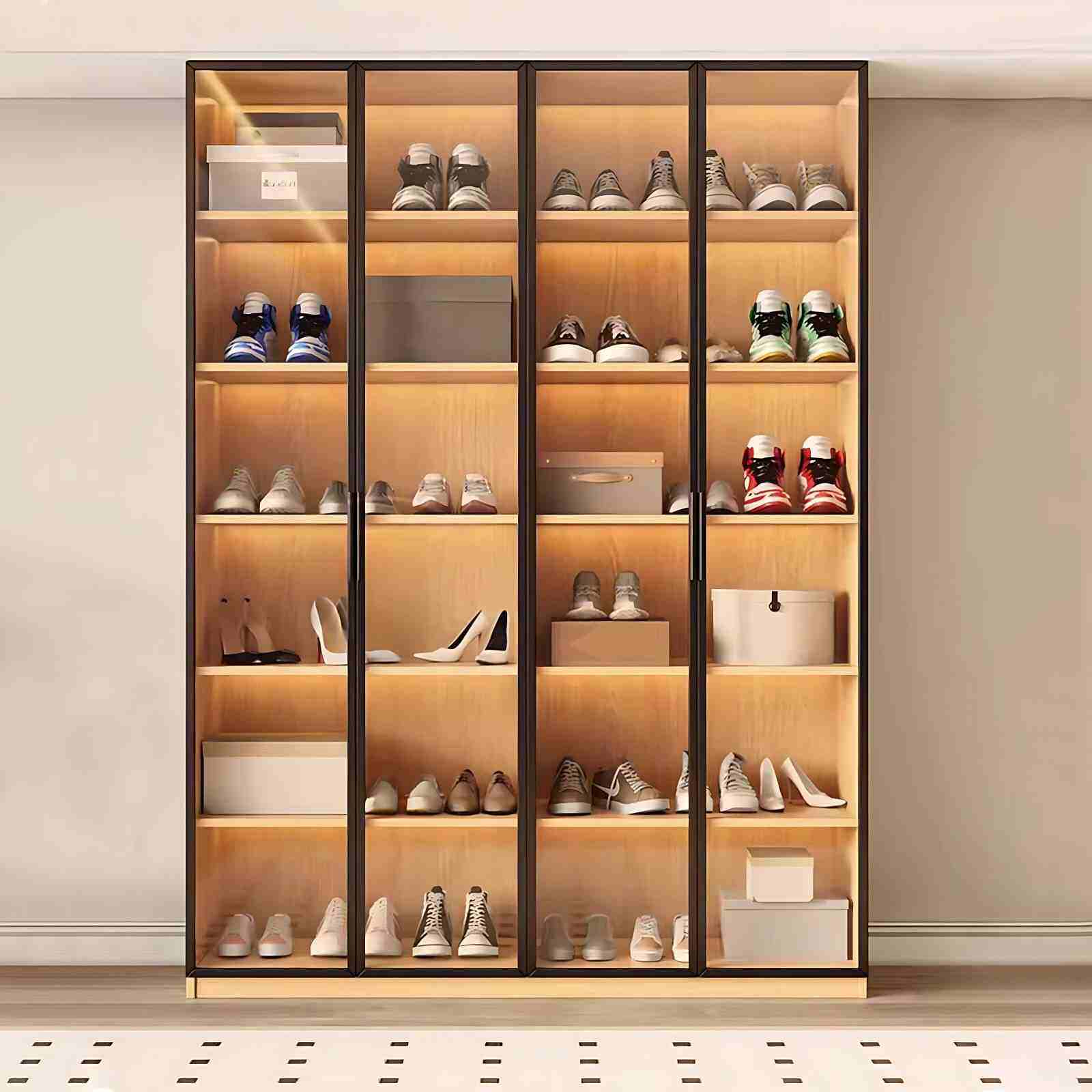
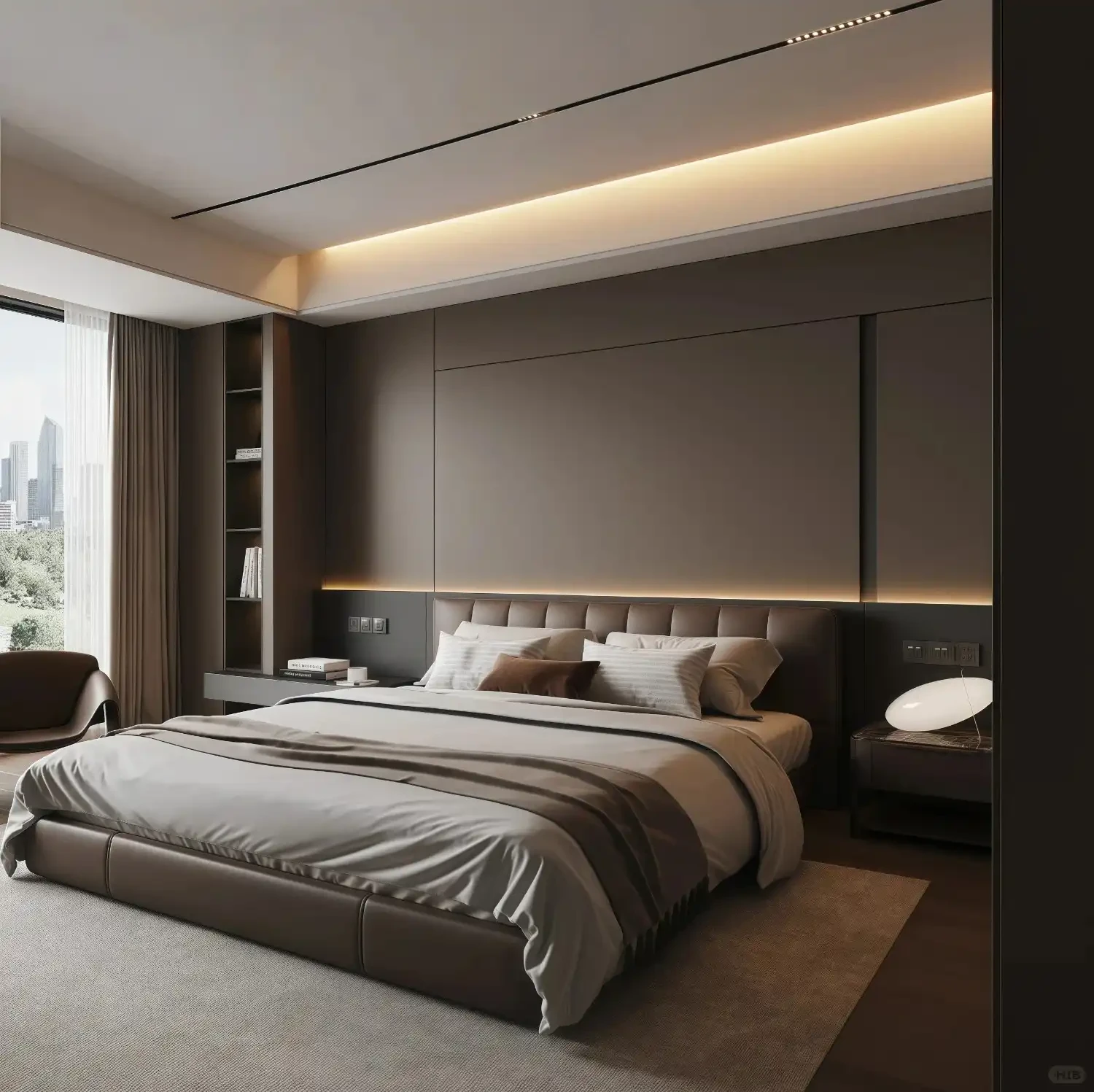
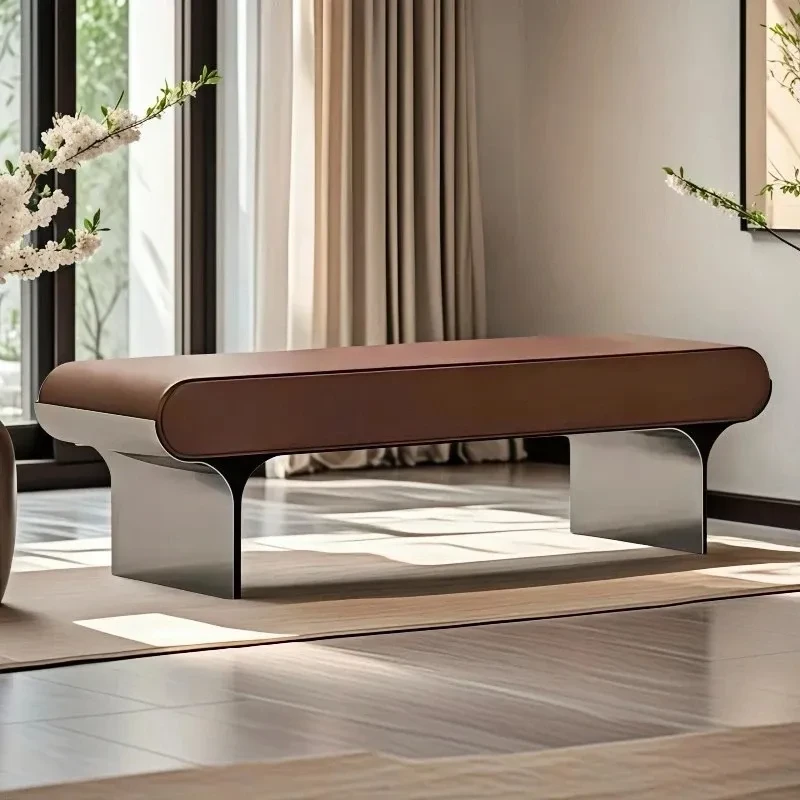
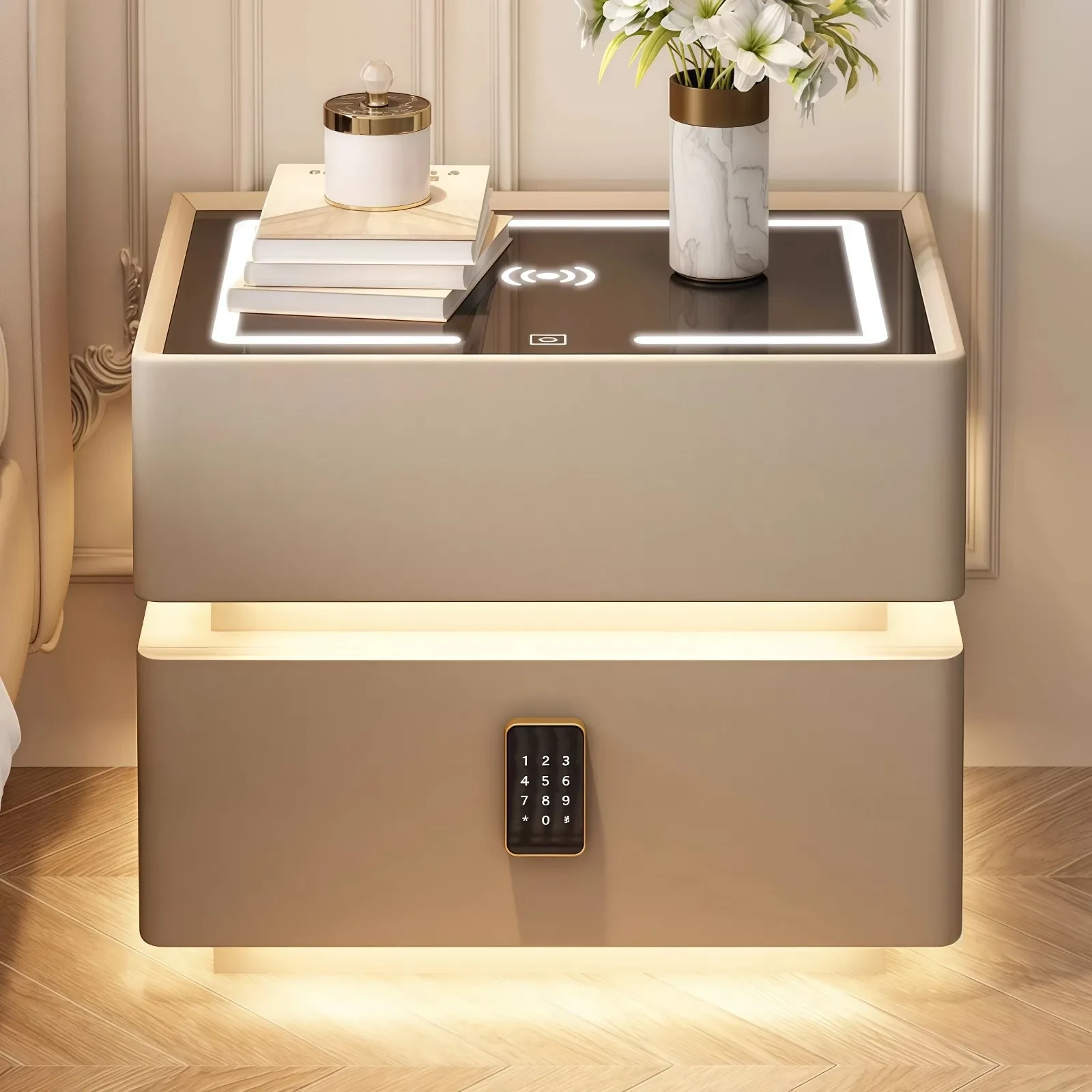
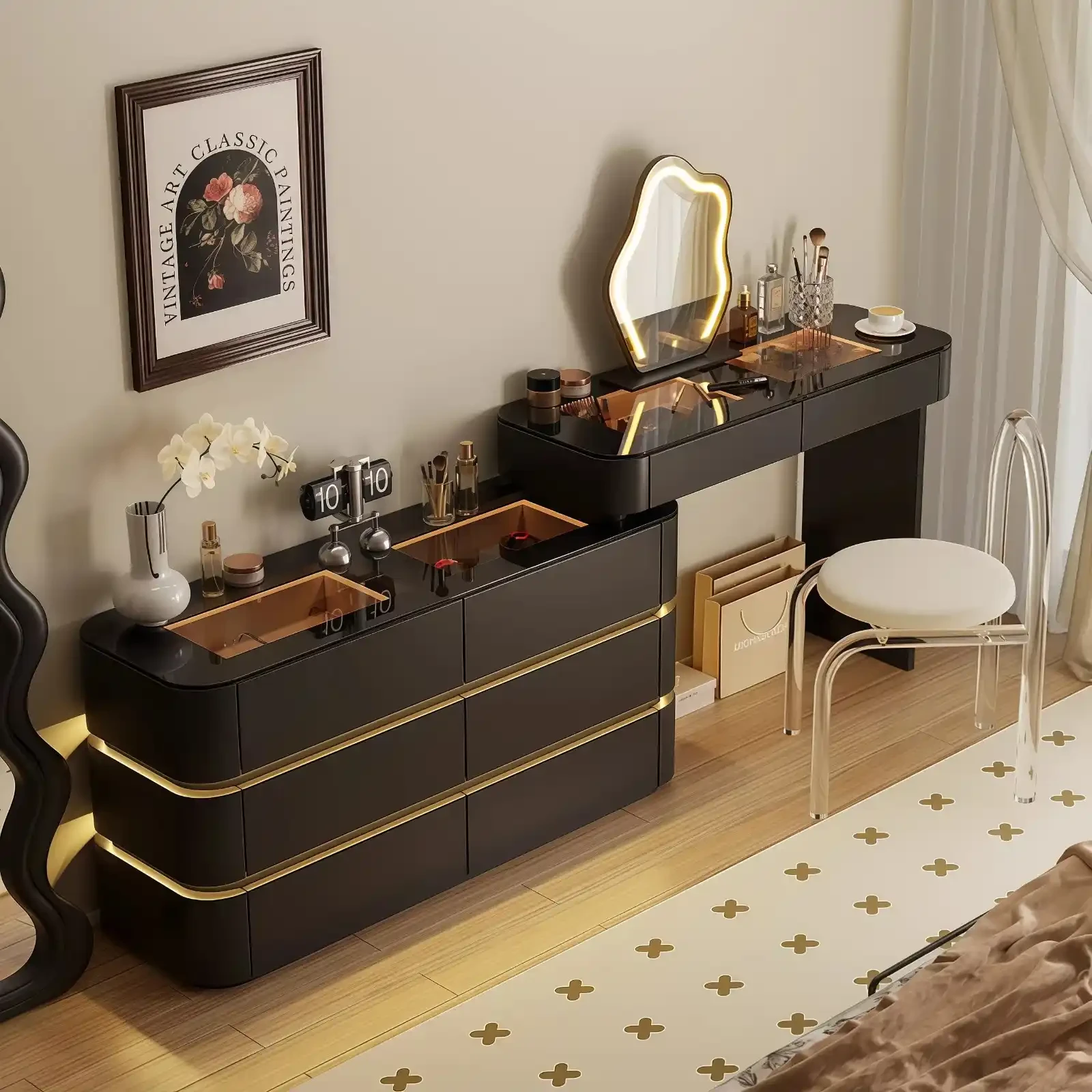
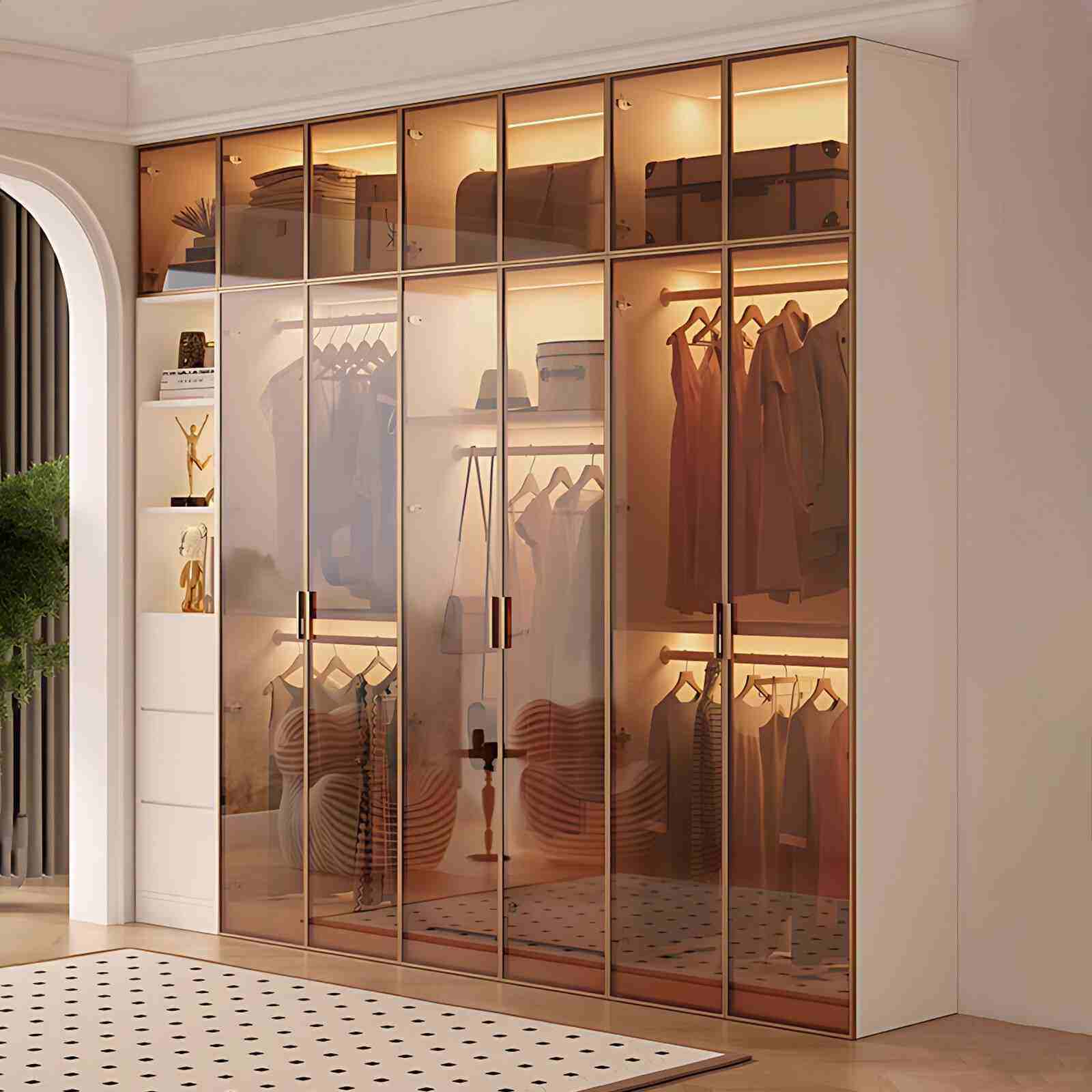
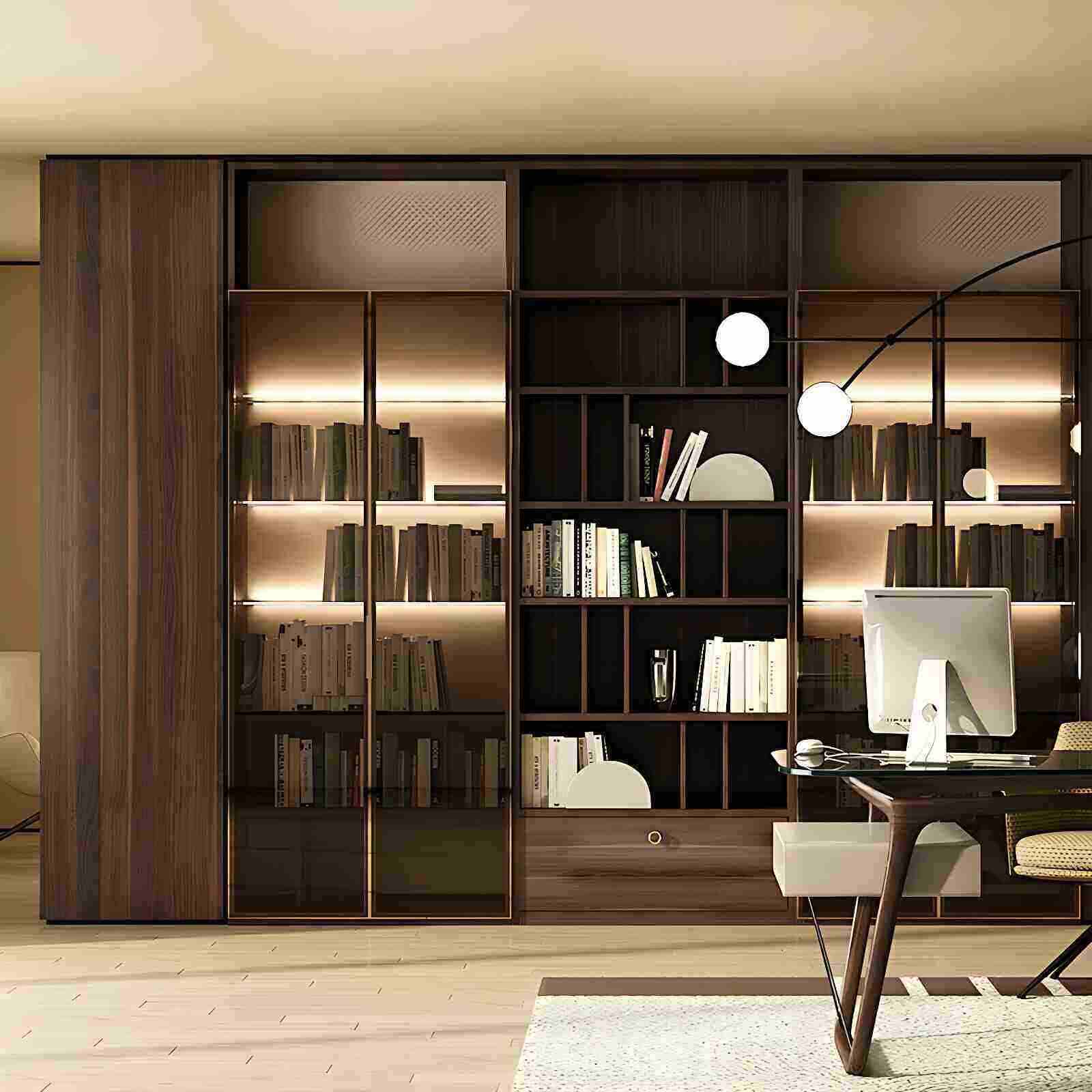
1. What is UV coating process?
UV paint is an abbreviation for Ultraviolet Curing Paint. It refers to paint cured by ultraviolet light, also known as photoinitiating coating or light-curing coating. UV paint is named after its curing method. It is applied automatically by roller or spray coating onto furniture panels using machinery. Under ultraviolet light (wavelength 320-390nm), the initiator decomposes, generating free radicals that trigger a reaction in the resin (resin paint, benzene-free and formaldehyde-free), instantly curing into a film. This process is called UV coating.
2. Advantages of UV coating process
√ Environmentally friendly, healthy, and colorfast
The paint film is cured instantly by ultraviolet light and contains no formaldehyde or xylene.
√ Sturdy, wear-resistant, and easy to maintain
It has strong stain resistance, acid and alkali resistance, and corrosion resistance.
√ Enhanced layering and smoother surface
The paint film has good fullness, giving people a strong sense of three-dimensionality.
√ No cracking or delamination on the board surface
UV penetration integrates into the substrate, resulting in a paint film that is resistant to yellowing and fading, and free from cracking and peeling.
3. UV coating process production flow
UV High Gloss Process Production Flow
01 Edge grinding
The edges and corners are polished neatly (this process alone requires 6 to 8 skilled workers to operate).
02 Inspection board
Check if the board surface is flat and clean.
03 Polishing
The surface of the board is polished meticulously.
04 Vacuuming
Fine dust is removed from the board surface, and then it enters the cleanroom.
05 Adhesion layer
This makes the primer adhere more easily.
06 Drying
This allows the adhesive layer to cure quickly.
07 forward and reverse rollers
Make the base coat on the board surface smoother.
08 Drying
This allows the primer to cure quickly.
09 Pre-spray roller
It makes the paint and primer adhere more easily.
1 top coat
The outermost layer of coating is applied to the board surface.
11. Ultraviolet drying
Instant drying with 1000-degree ultraviolet light ensures the board surface remains completely stable.
12. Add a protective film.
Prevent scratches during transportation.
UV skin-feel process production process
01 Edge grinding
The edges and corners are polished neatly (this process alone requires 6 to 8 skilled workers to operate).
02 Inspection board
Check if the board surface is flat and clean.
03 Polishing
The surface of the board is polished meticulously.
04 Vacuuming
Fine dust is removed from the board surface, and then it enters the cleanroom.
05 Adhesion layer
This makes the primer adhere more easily.
06 Drying
This allows the adhesive layer to cure quickly.
07 forward and reverse rollers
Make the base coat on the board surface smoother.
08 Drying
This allows the primer to cure quickly.
09 Secondary application of base coat
It makes the paint surface more delicate and layered.
10. Drying
Allow the base coat to harden.
11 Polishing
Makes the surface smoother.
12 Topcoat
Increase the thickness of the film.
13 Membrane pressure
This gives the surface a skin-like feel.
14. Drying
Make sure the board is finally stable.
15. Add a protective film.
Prevent scratches during transportation.
4. Storage Environment Instructions for UV Processed Products
All types of boards are susceptible to changes due to their storage environment. It is recommended to store them in a relatively dry environment, avoiding drafts, and to lay them flat. Even after the boards have been processed into smaller pieces, they should still be laid flat and not leaned against a wall.