
 USD
USD GBP
GBP
 EUR
EUR




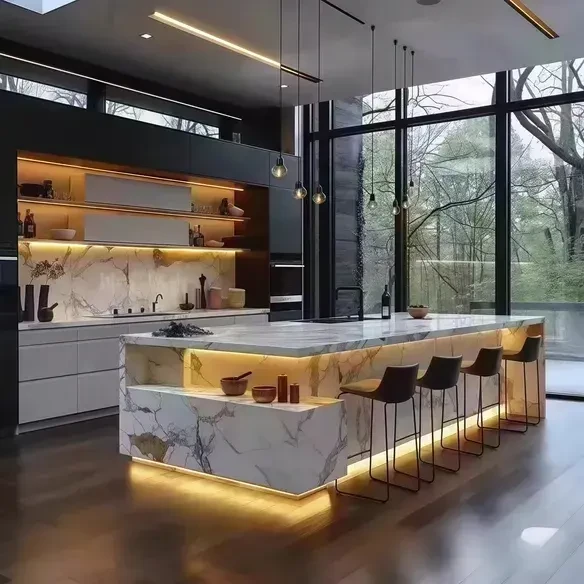
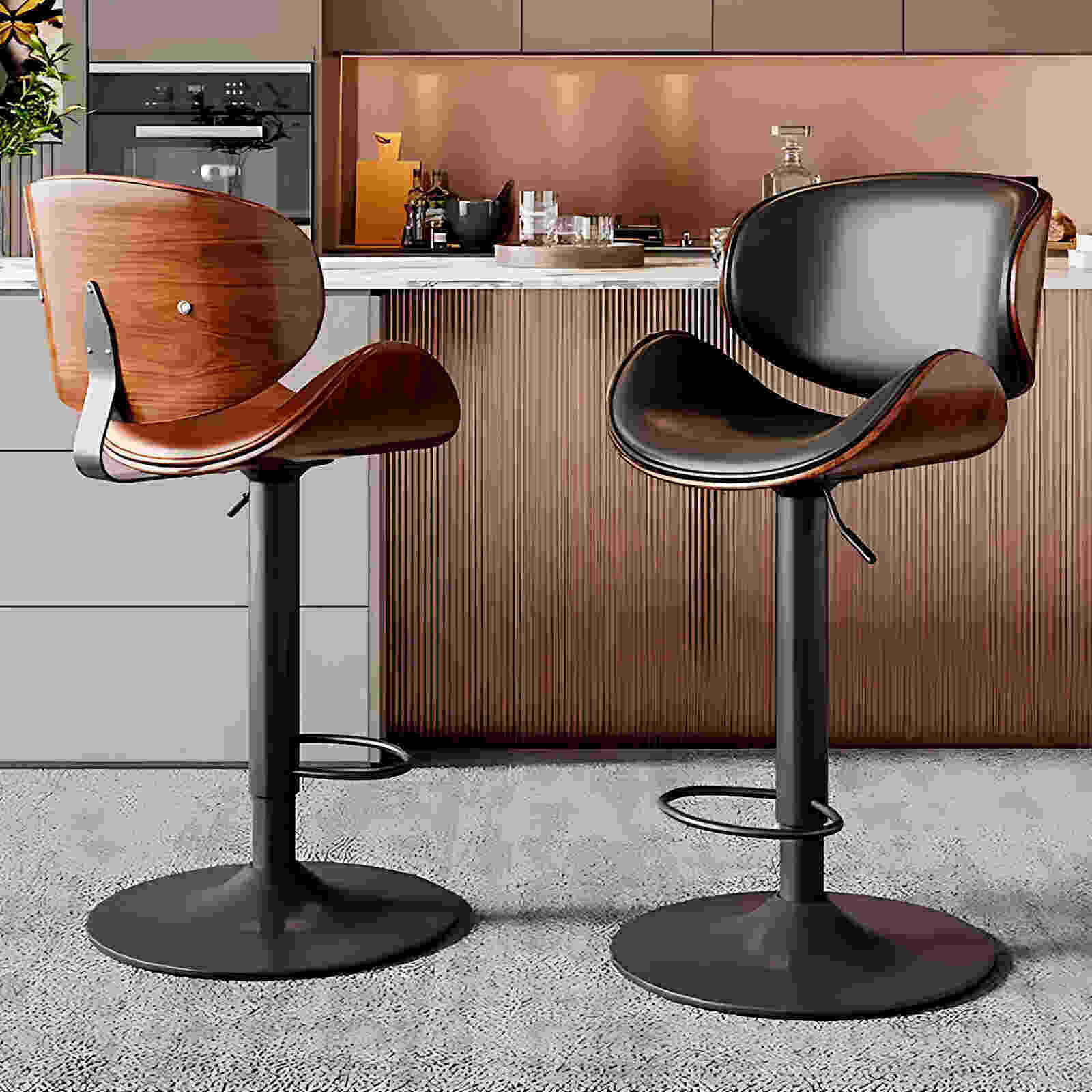

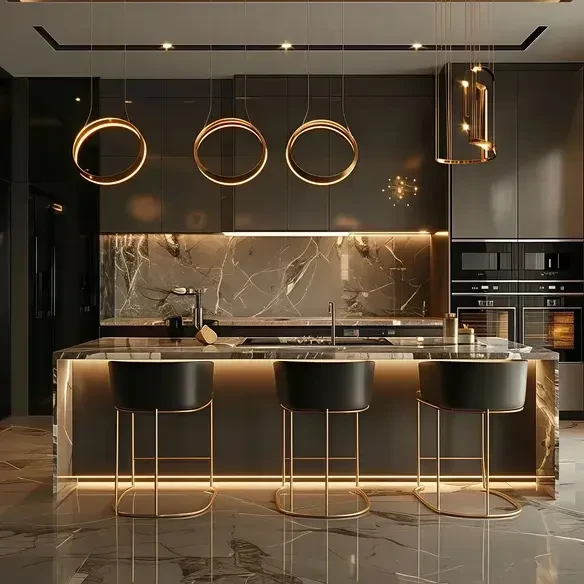




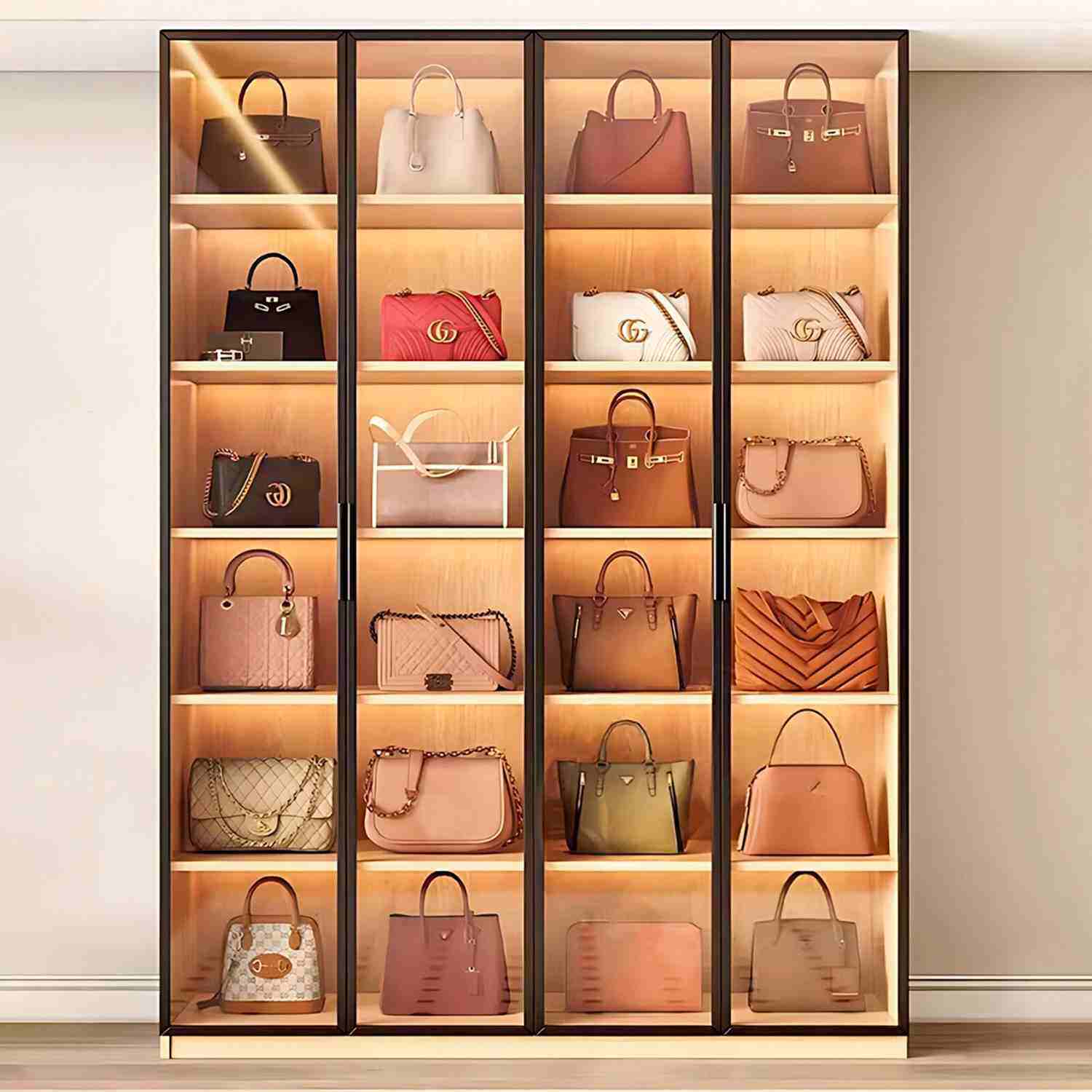


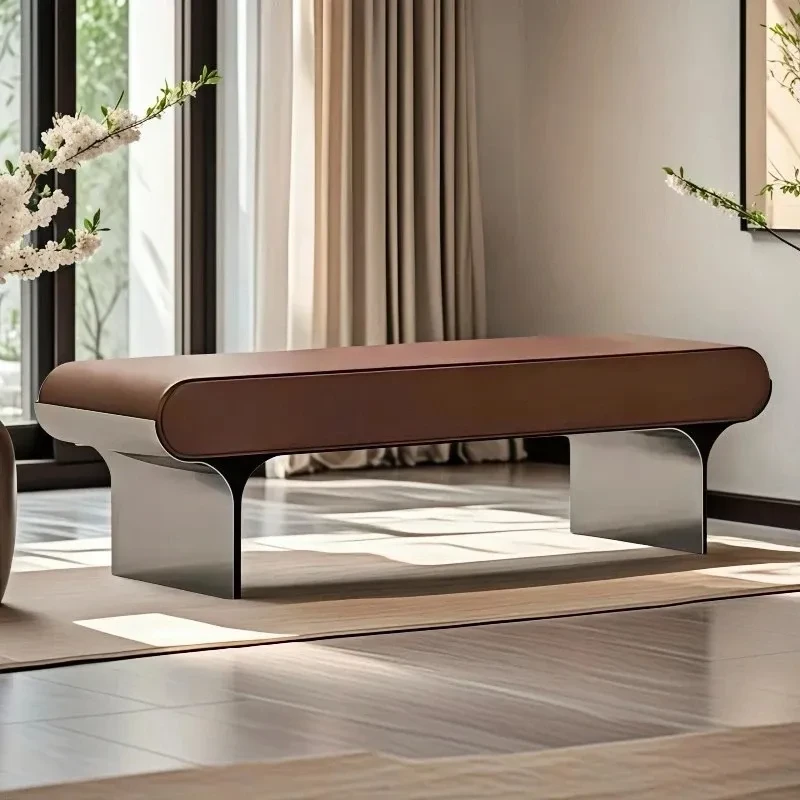
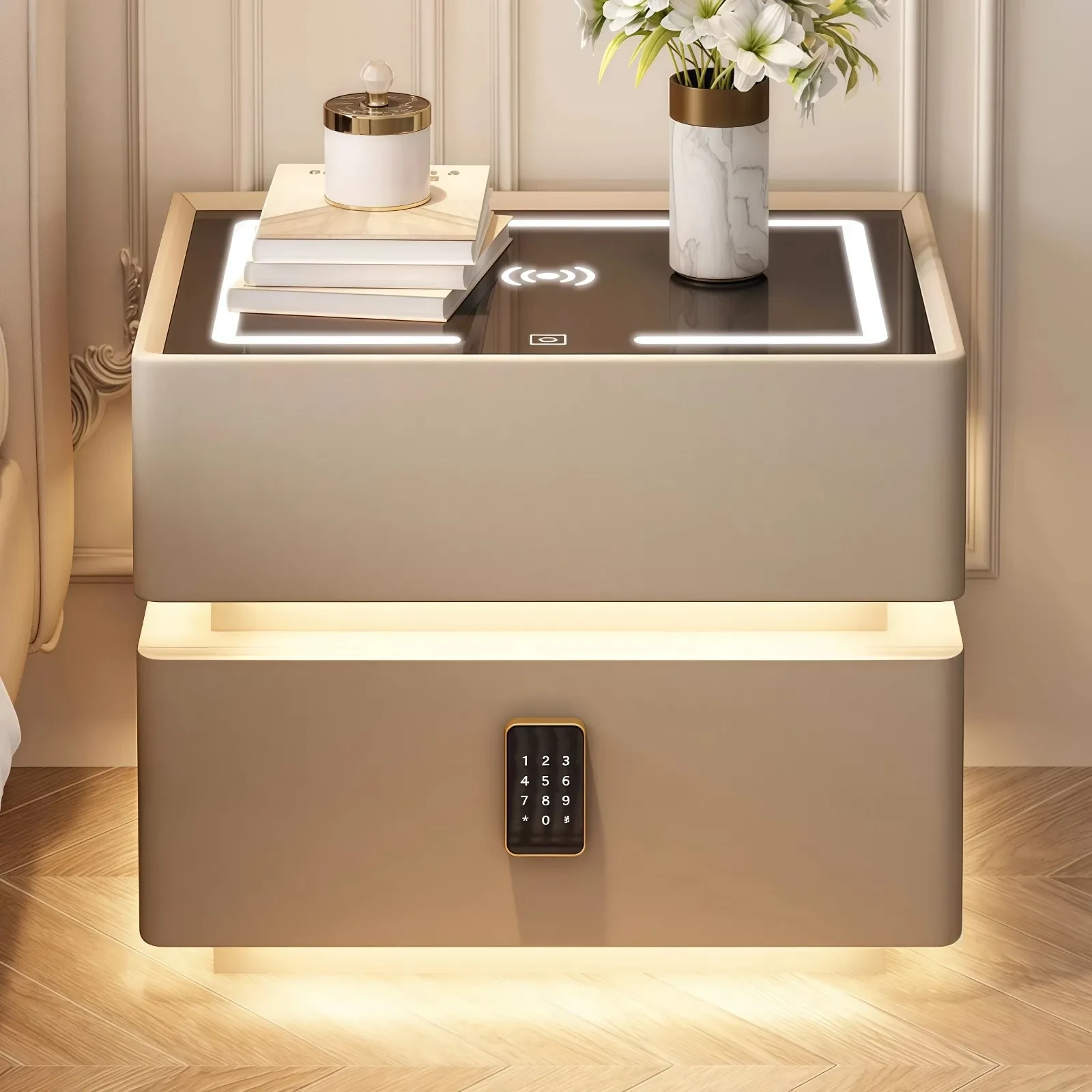




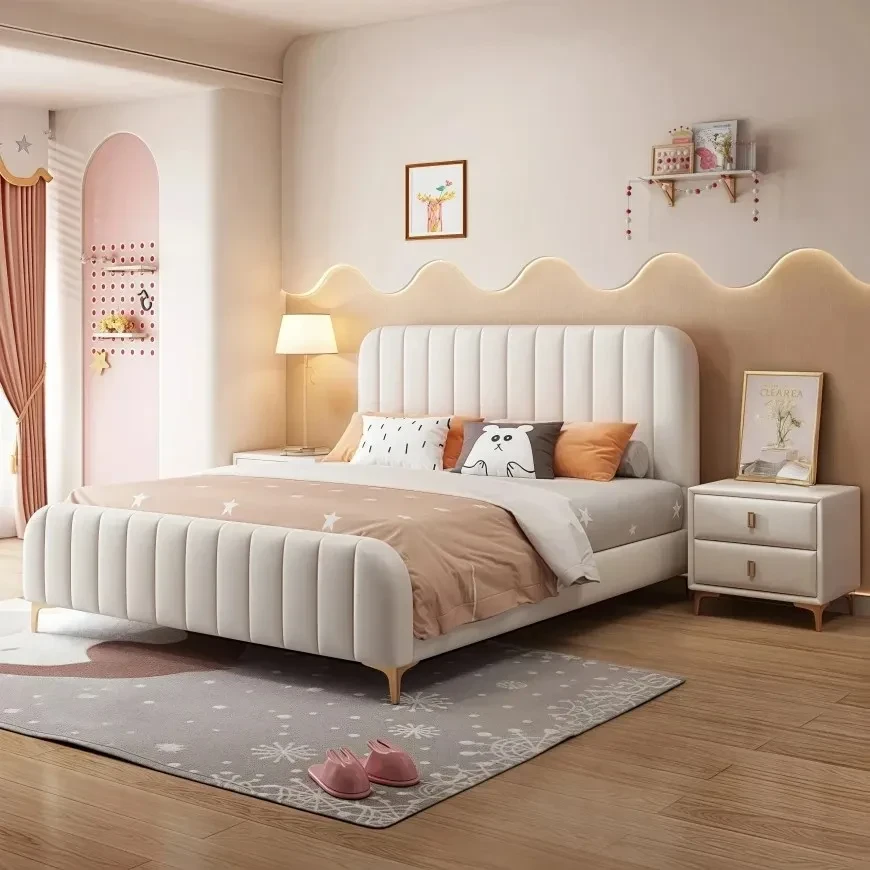
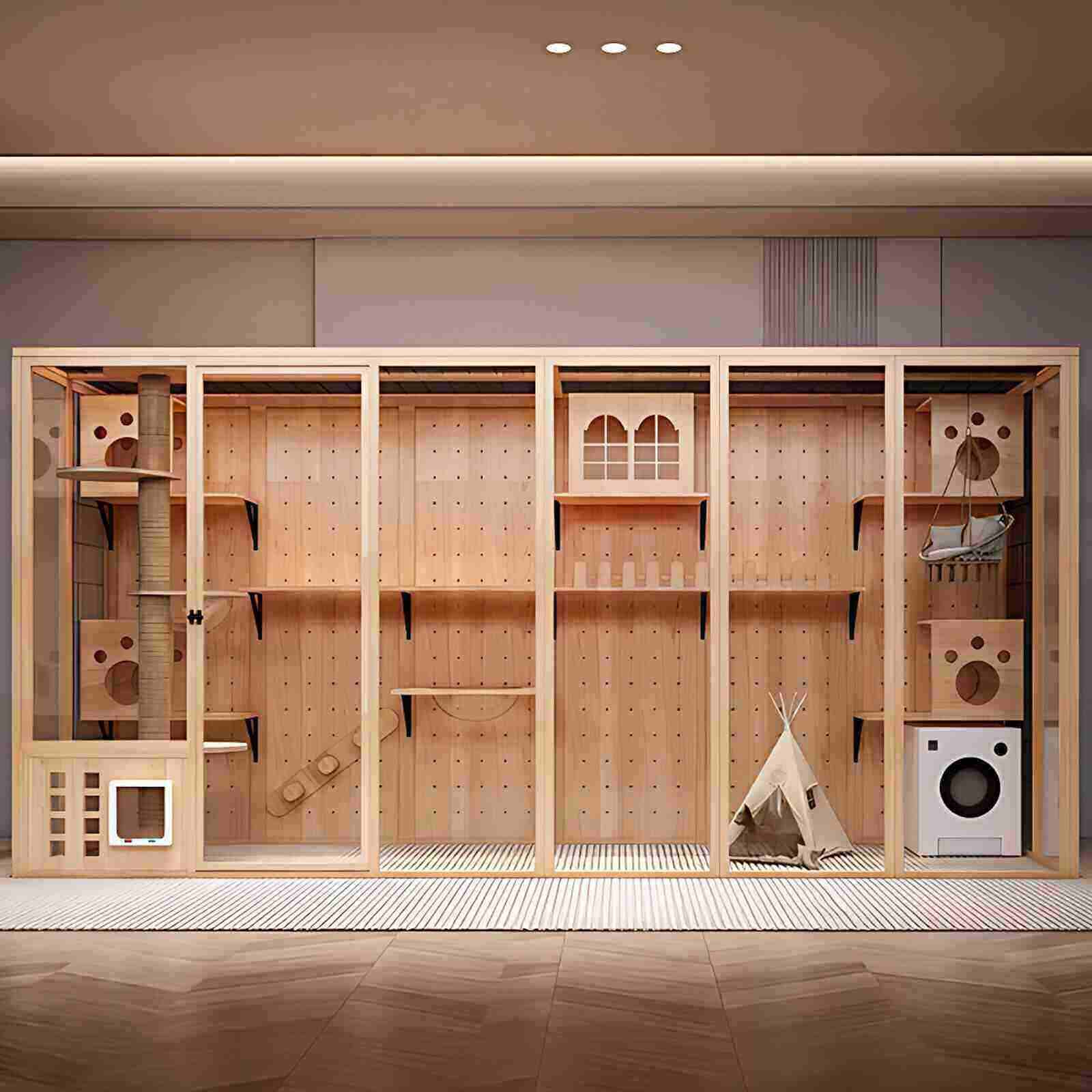
Eco-friendly boards are a common type of building material, but do you know the differences between them? China has a mandatory national standard for the board product industry: "Formaldehyde Emission Limits in Wood-based Panels and Their Products for Interior Decoration and Renovation" (GB18580-2001). This standard underwent its first revision in 2016. The most crucial revision was raising the formaldehyde emission limit and eliminating the previous E2 level, unifying the formaldehyde emission limits to E1 and E0. The formaldehyde emission limit for E1 level is ≤1.5 mg/L .
According to national environmental protection requirements, indoor wood-based panels must meet or exceed the E1 environmental standard to be considered compliant. In other words, such panels are safe and environmentally friendly, posing virtually no harm to the human body. When purchasing wood-based panels, it's crucial to pay attention to the above points, as formaldehyde emissions are closely related to your health. Next, we'll discuss the differences between E0 and E1 grade eco-boards. Those interested can take a look.
1. Different standards
The E1 environmental standard, a mandatory national standard, is a compulsory "safety standard line" for wood-based panels. The state clearly stipulates that the formaldehyde emission value of E1 grade panels is ≤1.5mg/L , which is a safe standard value and poses virtually no harm to the human body. The E0 environmental standard is even more environmentally friendly and safer, generally meeting international standards, with a formaldehyde content of ≤0.5mg/L, even lower than the formaldehyde content in water. According to relevant data, the formaldehyde content of E0 grade panels is even lower than that of apples and cabbages.
2. Other differences
Besides the differences in standards mentioned above, E1 and E0 grade eco-boards also differ in other aspects, mainly in the following points: First, E0 grade belongs to international standards, while E1 grade belongs to national standards; second, the formaldehyde concentration in E0 grade is lower than that in E1 grade, so E0 grade is safer, healthier, and more environmentally friendly than E1 grade; finally, because E0 grade boards are safer, they are more expensive than E1 grade boards.
The above is the content about the differences between E0 and E1 eco-boards. If you have any further questions, you can visit our official website for more information. We hope this introduction has been helpful.