
 USD
USD GBP
GBP
 EUR
EUR







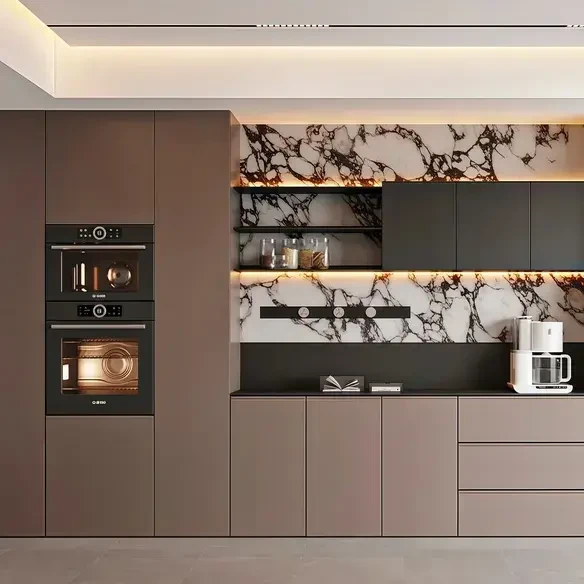
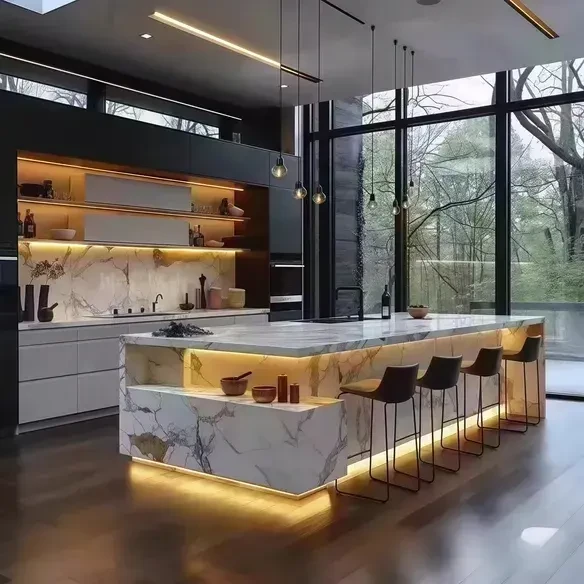







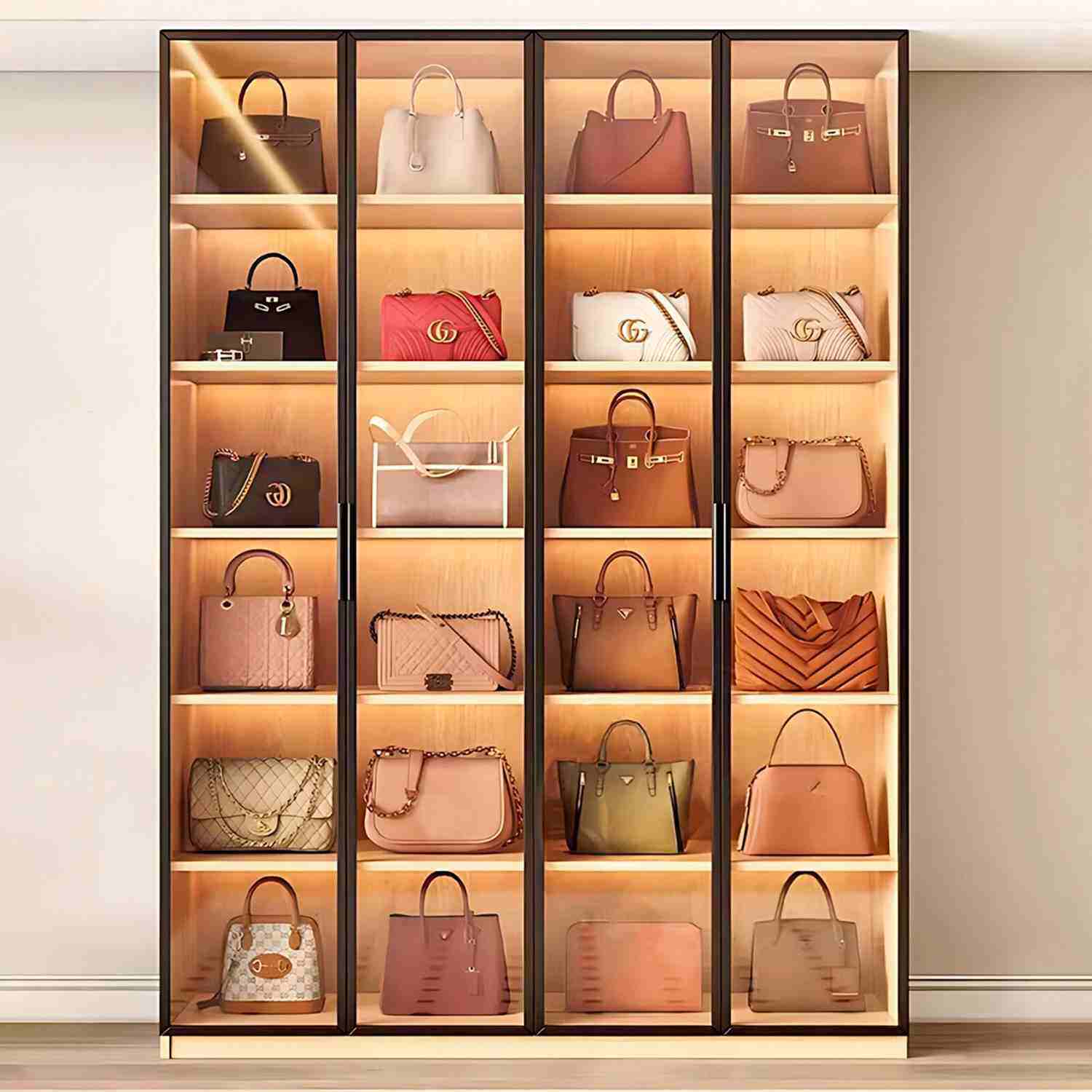








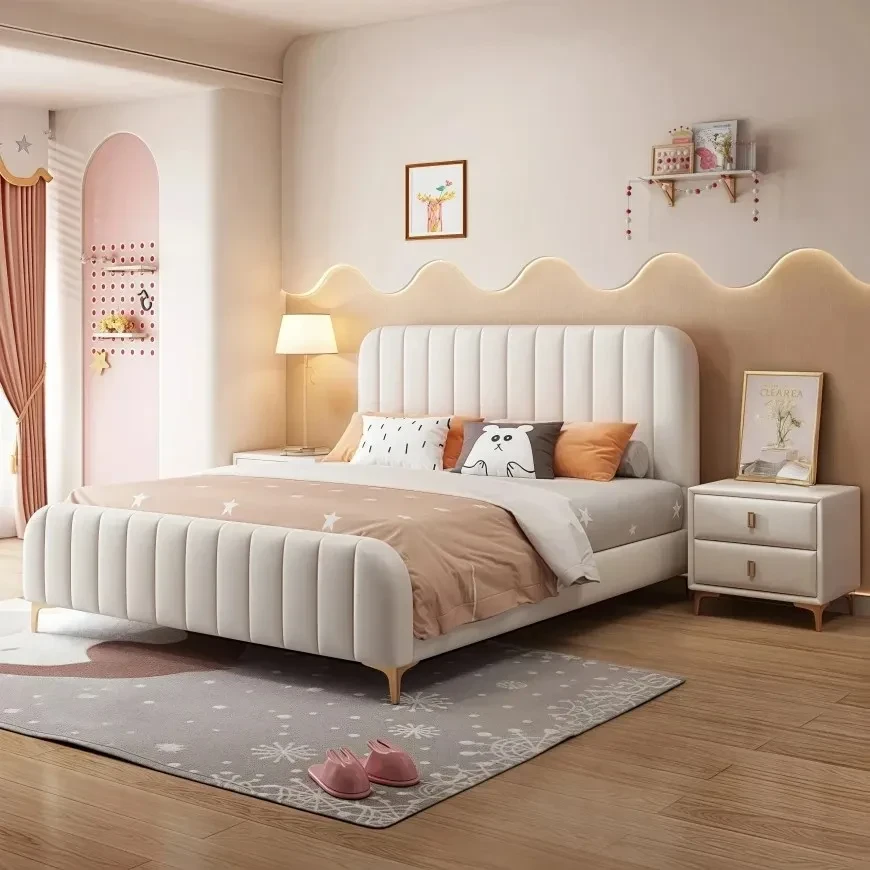

A survey conducted by the Indoor Environmental Monitoring Committee of the China Interior Decoration Association revealed that engineered wood products are a major source of formaldehyde in indoor environments. While the raw wood itself contains negligible trace amounts of formaldehyde, the main culprit is the adhesives added during production. Data shows that my country has long been the world's largest producer of engineered wood products and wood adhesives. However, we know very little about these adhesives that may have health risks.
Today, we'll be sharing some basic information about adhesives used in wood panels!
The first is the adhesive used for boards, mainly urea-formaldehyde resin, melamine-formaldehyde resin, and phenolic resin. As the names suggest, they all involve formaldehyde in the reaction. Specifically:
Urea + Formaldehyde + Water = Urea-Formaldehyde Gel
Melamine + formaldehyde + water = melamine-formaldehyde adhesive
Phenol + Formaldehyde + Water = Phenolic Resin
Although the latter two types of adhesives, namely melamine-formaldehyde adhesive and phenolic adhesive, have excellent environmental performance and release very little formaldehyde after curing, urea-formaldehyde adhesive has a very obvious price advantage. Therefore, most of the engineered wood products in my country use urea-formaldehyde adhesive.
There are two main reasons why urea-formaldehyde resin releases formaldehyde: first, unreacted formaldehyde remains in the adhesive; second, the cured urea-formaldehyde resin slowly decomposes in a humid environment, reverting back to urea and formaldehyde. For the first situation, the ratio of urea to formaldehyde can be adjusted, and the reaction can be separated into several steps to minimize residual formaldehyde. For the second situation, a formaldehyde absorbent that reacts with formaldehyde can be added to the adhesive. However, achieving this requires numerous experiments to determine the optimal chemical reaction conditions and strict production management. This is difficult for small, unknown factories to accomplish; therefore, when choosing boards, it's essential to have a reputable brand to ensure safety.
The second is white glue, an environmentally friendly adhesive, which is generally a polyvinyl acetate emulsion. This glue can be used alone, without the need for a hardener or heat curing, and is harmless to the human body. Its concentration can be as high as 60%, with the remainder being water.
Third is neoprene rubber solution adhesive, often called all-purpose adhesive. It's frequently used in interior and exterior decoration to bond decorative panels. Because it uses organic solvents, it has a certain degree of toxicity. When neoprene rubber adhesive is applied to the surface of the decorative panel and allowed to dry appropriately, it crystallizes instantly upon contact, generating a strong initial bond. Therefore, compared to white glue, it doesn't require a longer holding time and is more convenient to use.
Fourth is hot melt adhesive. The EVA hot melt adhesive used on edge banding strips is convenient, quick, and environmentally friendly.
Fifth isocyanate adhesive (MDI). Boards made from this adhesive are non-toxic, but expensive and used in small quantities. Currently, major brands in the market are gradually promoting this type of board product. For example, formaldehyde-free Australian pine boards and solid wood veneer OSB boards both use imported MDI adhesive, and their environmental protection levels meet the enterprise standard for formaldehyde-free boards, showing a significant improvement in environmental performance.
Further Knowledge: The Bonding Principle of Adhesives
There are many explanations for the principle of adhesion, but it can be roughly understood as follows: two surfaces will attract each other when they come into contact, but this contact is measured from the perspective of atomic and molecular scale: the distance between them must be less than 0.0000001 centimeters. Of course, the smoother the two surfaces are, the better the contact.
For example, if you put two pieces of glass together and then pry them apart, you'll feel a slight attraction between them. However, at the atomic level, the surfaces of the glass aren't perfectly smooth, and the contact is only about 1%. Making them perfectly in contact is actually quite simple-fill the gaps, for example, by adding water between the glass pieces. This would make them very difficult to pry apart. So, what if you added a curable adhesive between the glass pieces? Probably even two cars wouldn't be able to separate them.
No matter how well wood is processed, it can never achieve the smoothness of glass. Therefore, the adhesive strength and environmental performance of the glue used are extremely important. The worse the flatness, the more glue is needed for bonding. It is conceivable that the environmental performance of boards produced by unknown small factories is truly worrying.