
 USD
USD GBP
GBP
 EUR
EUR
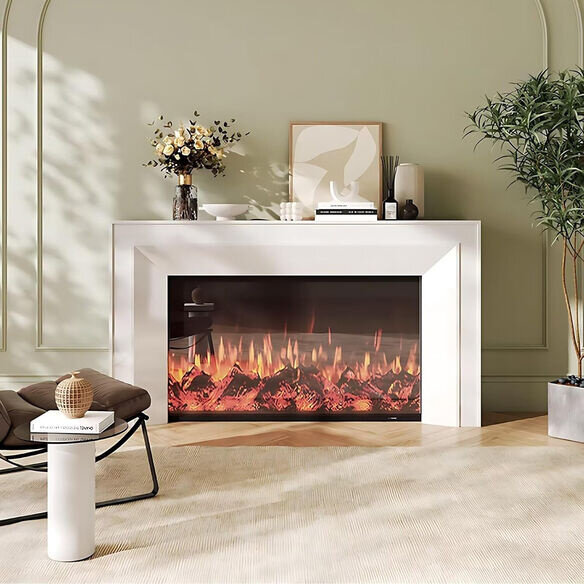
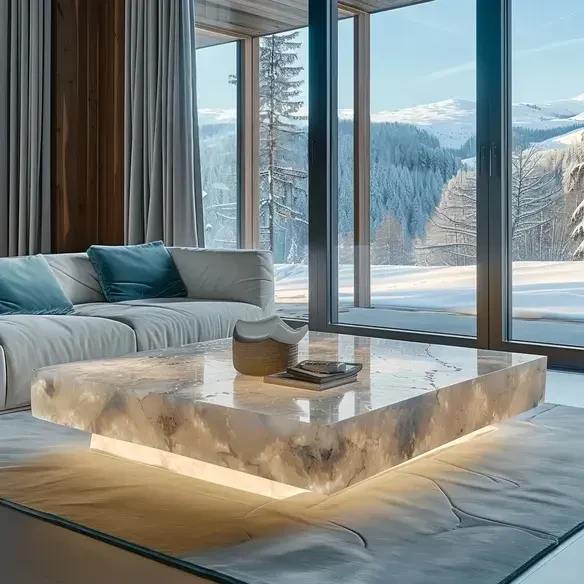
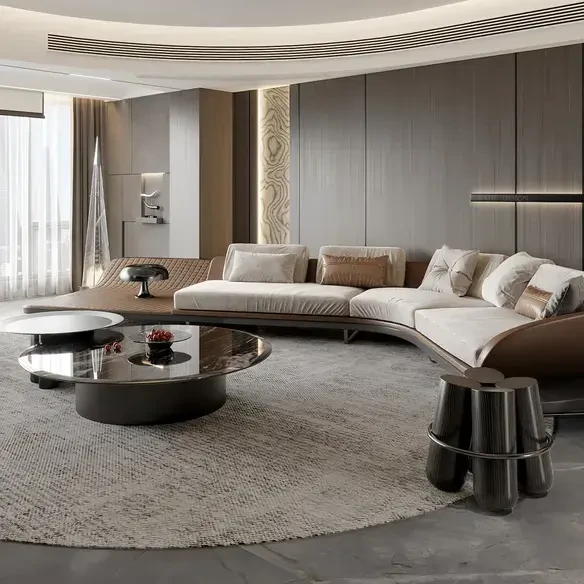
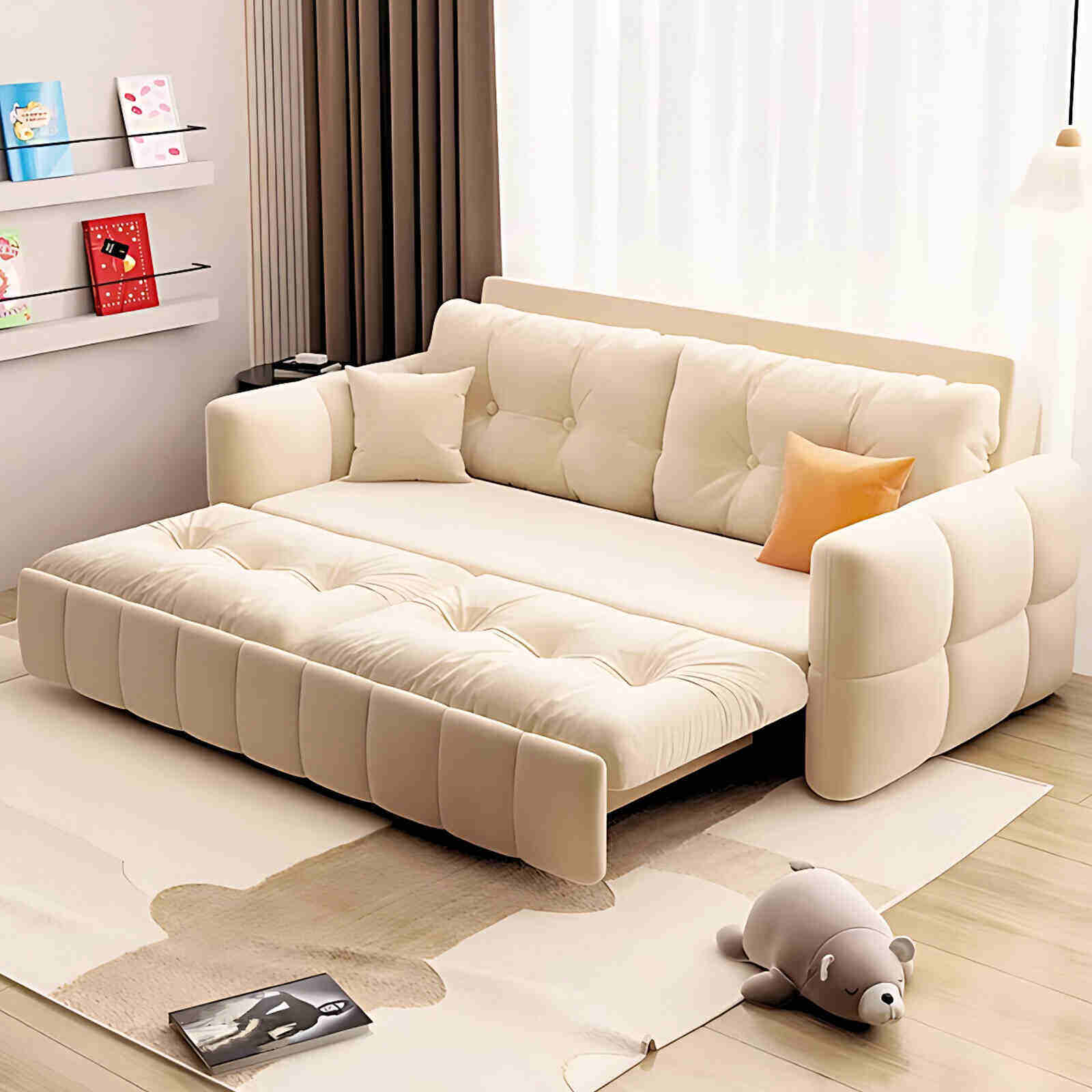
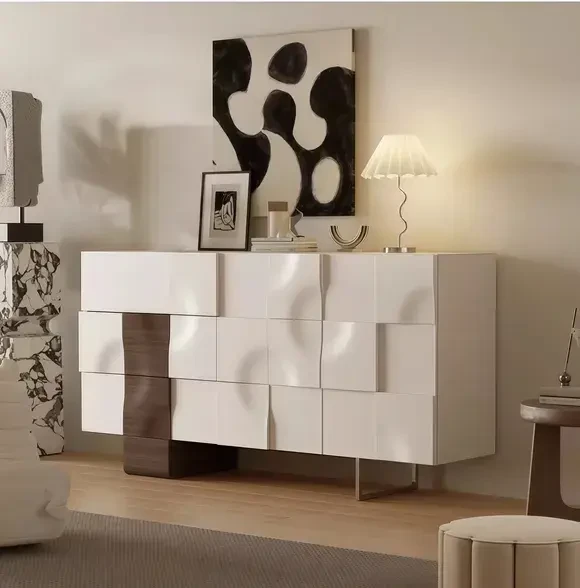
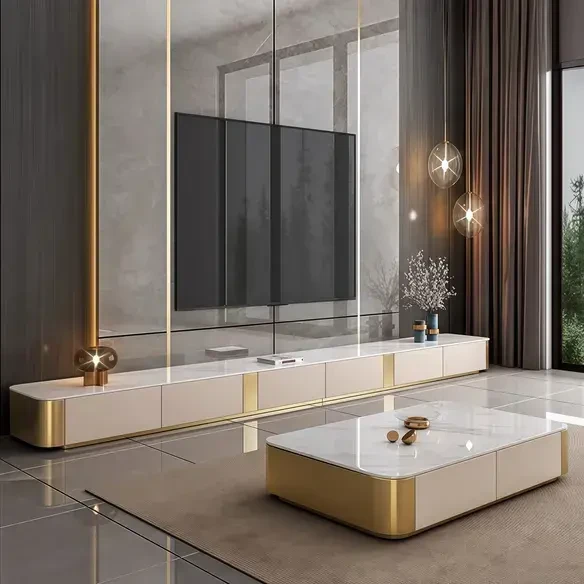
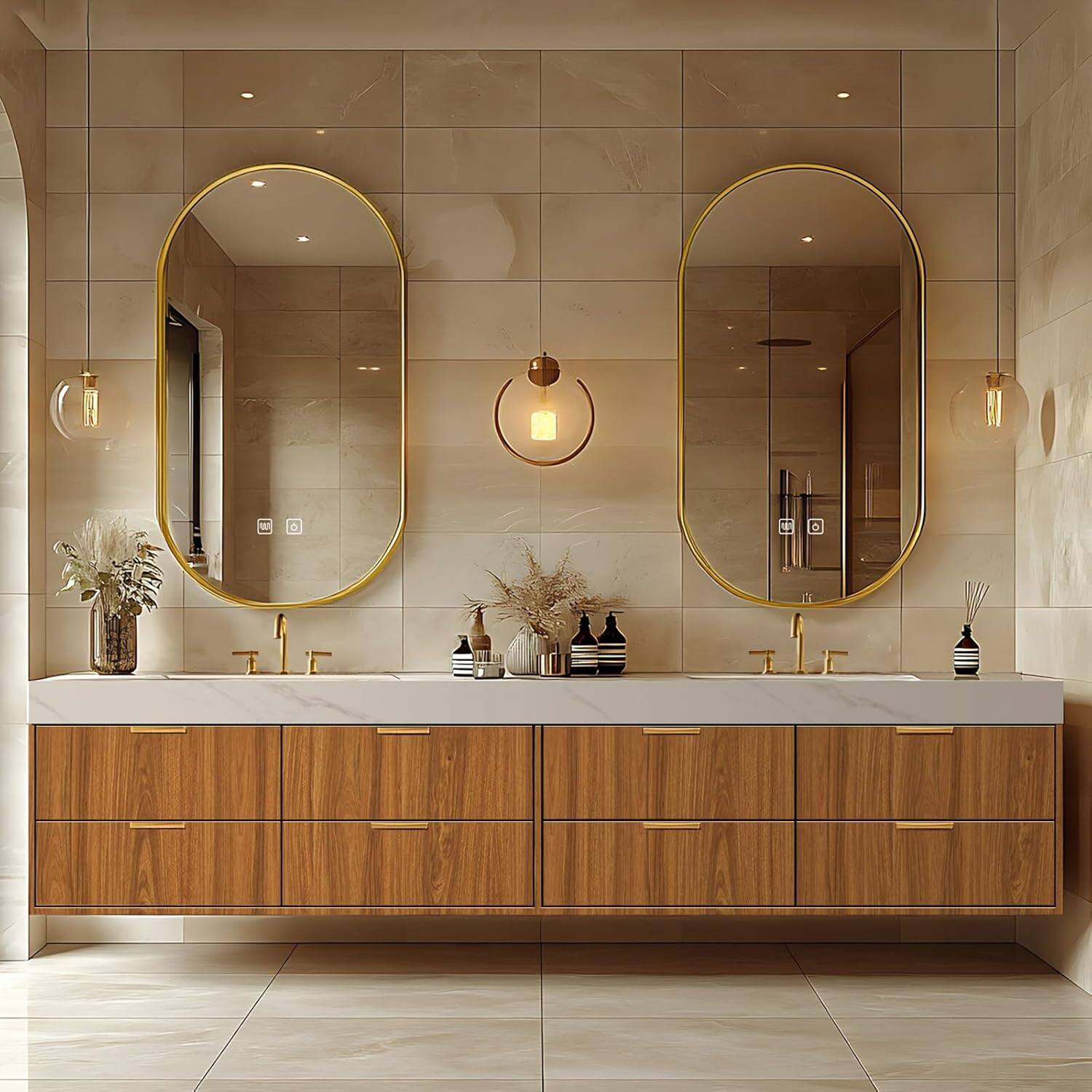
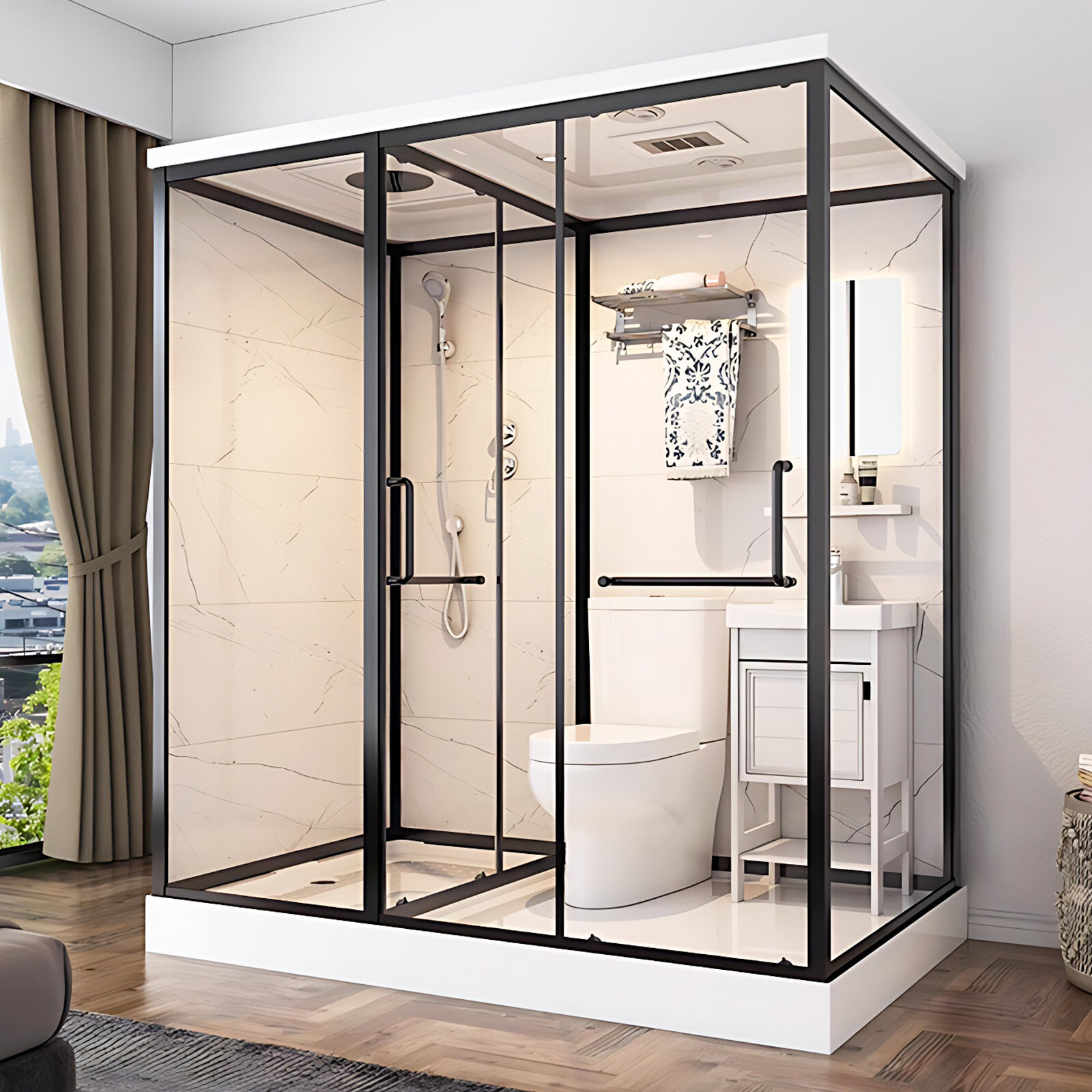
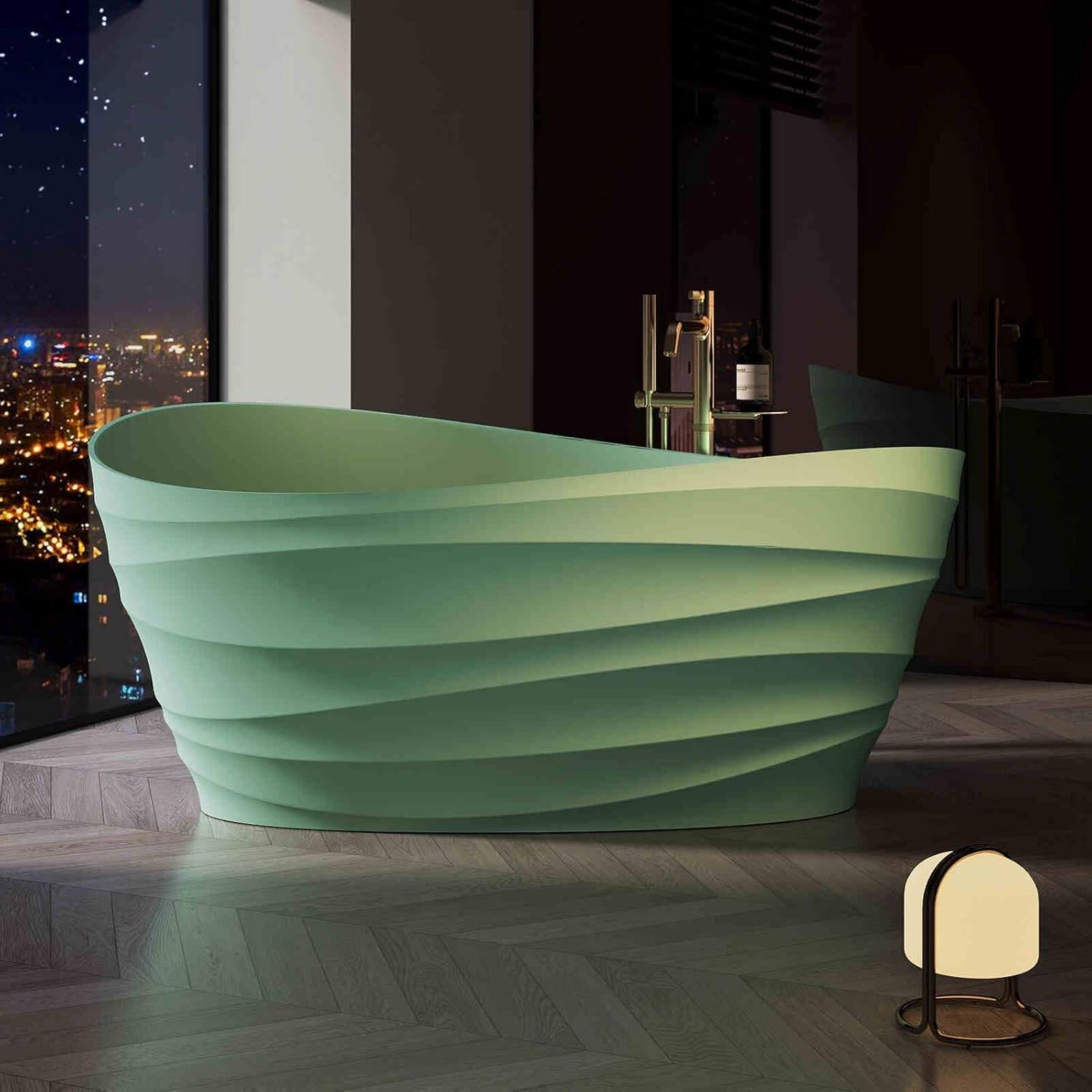
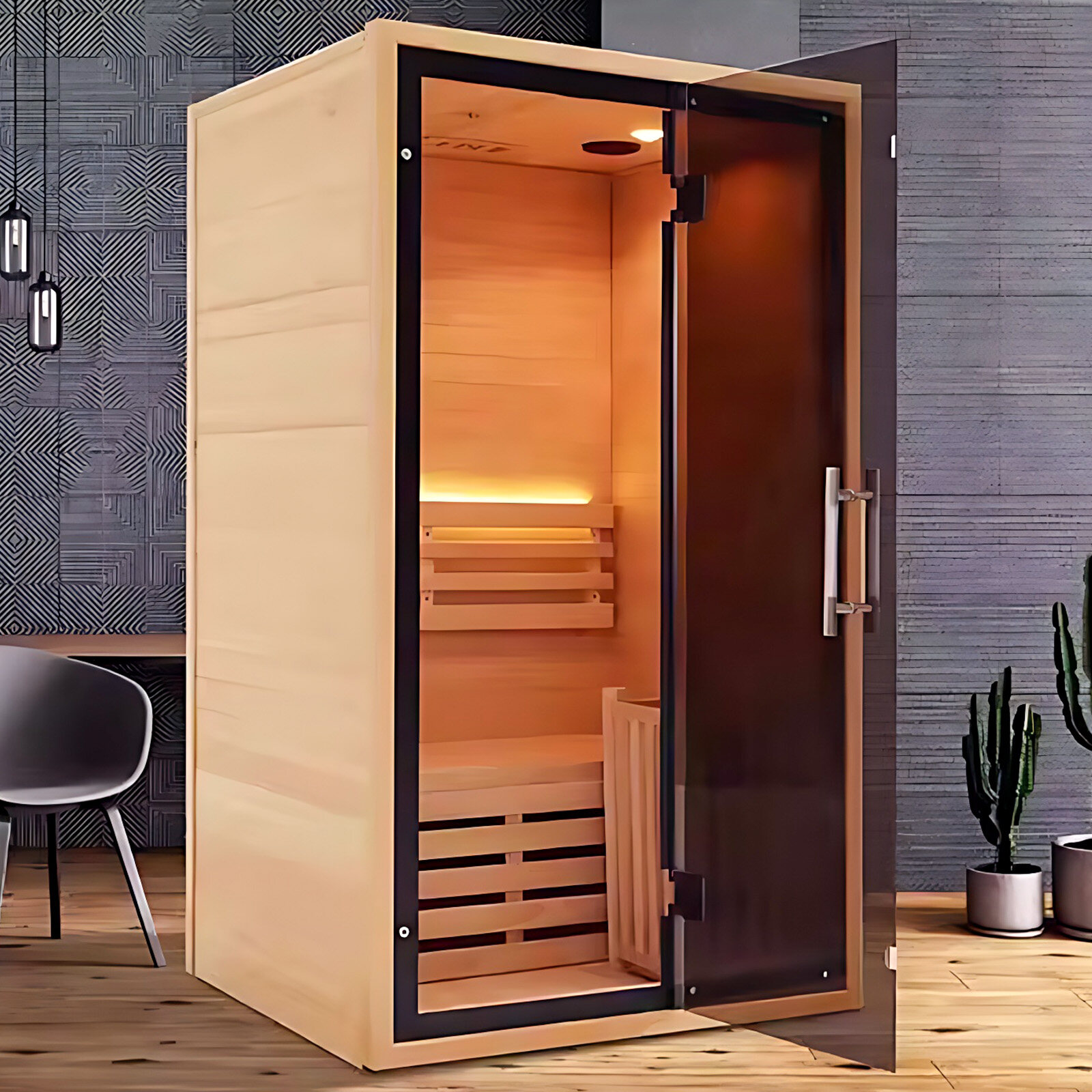
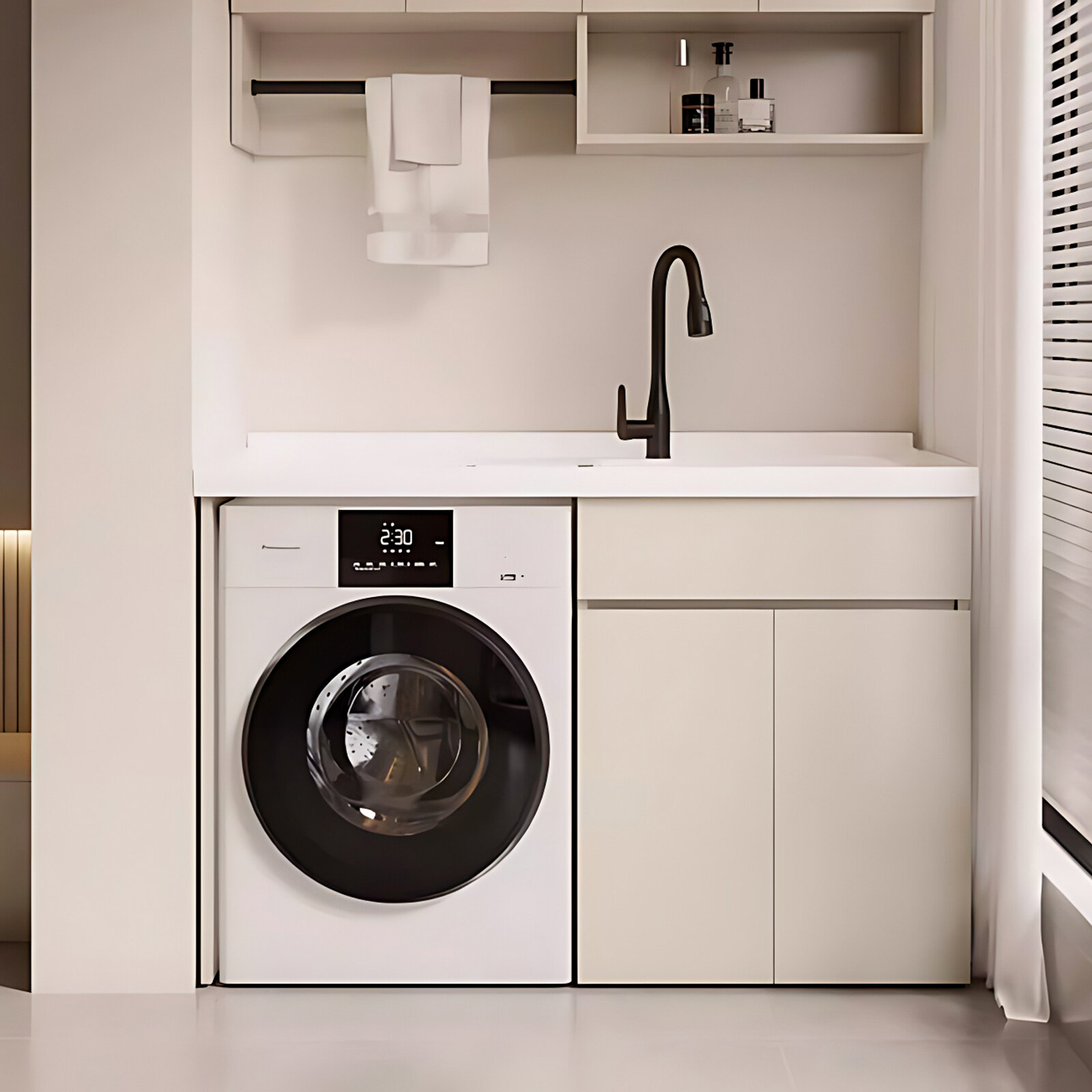
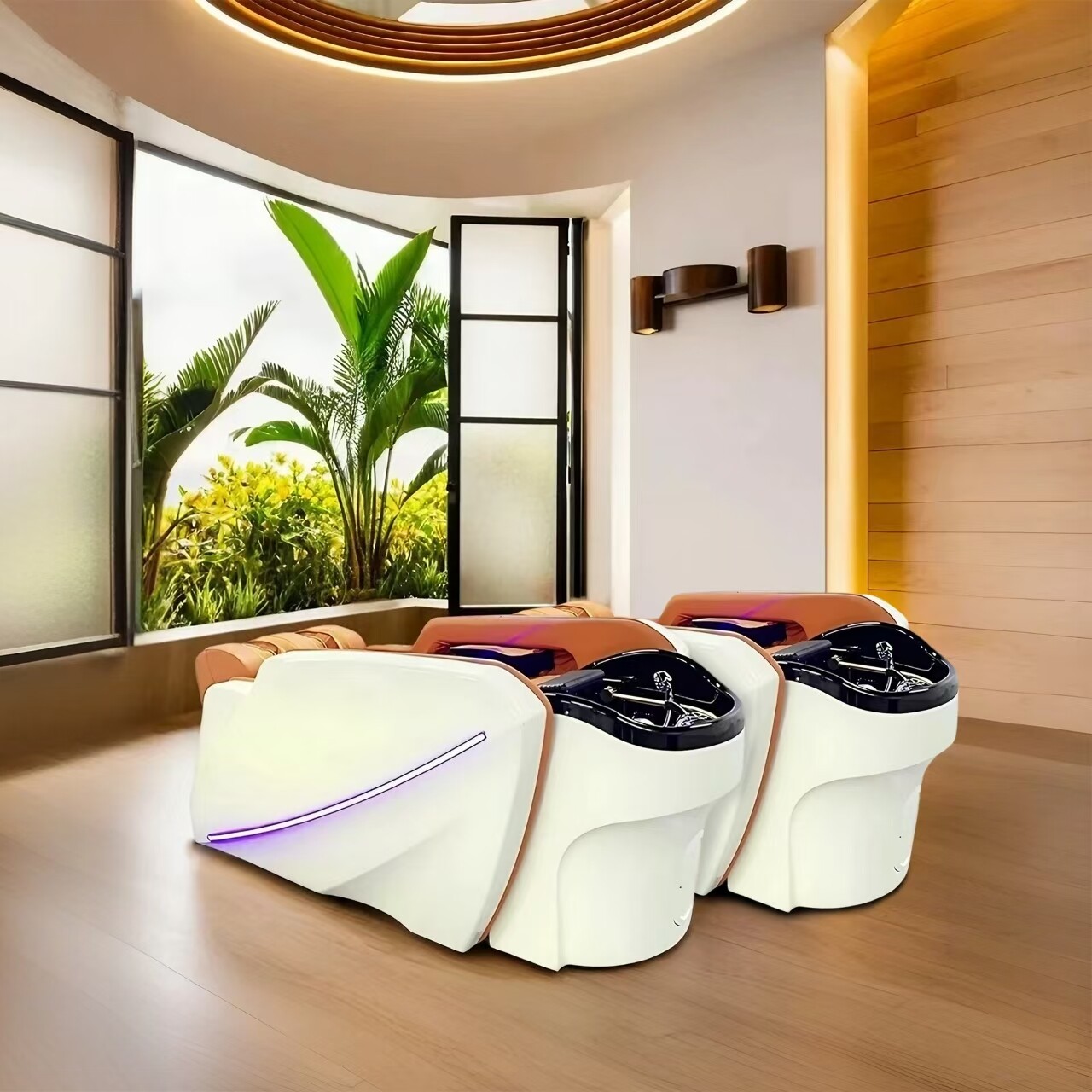
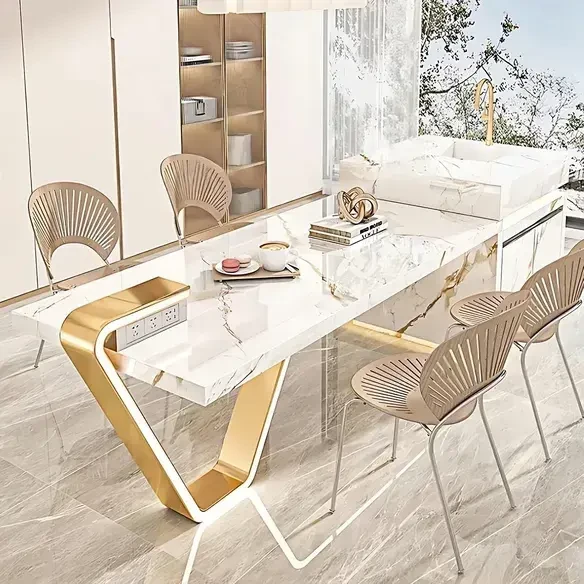
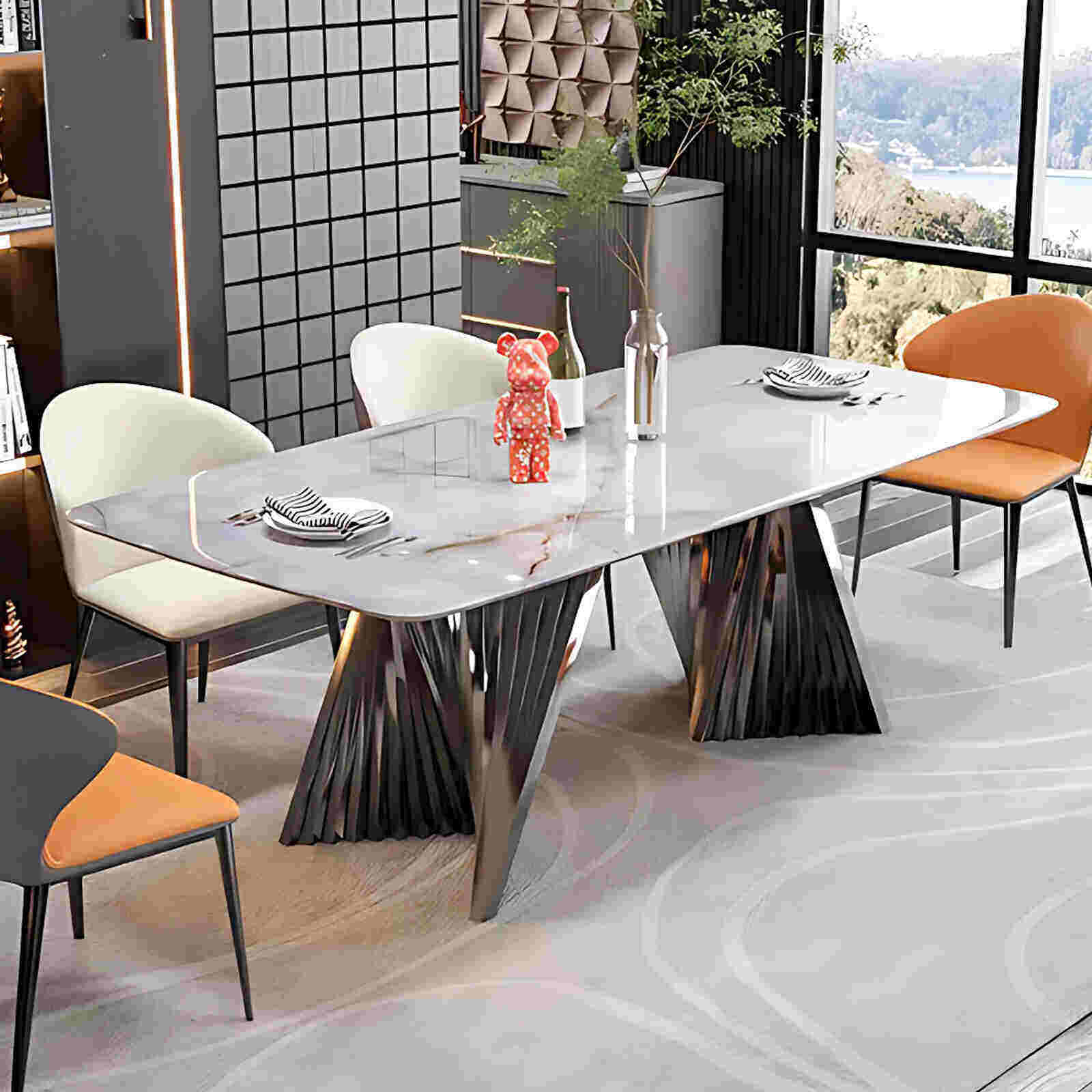
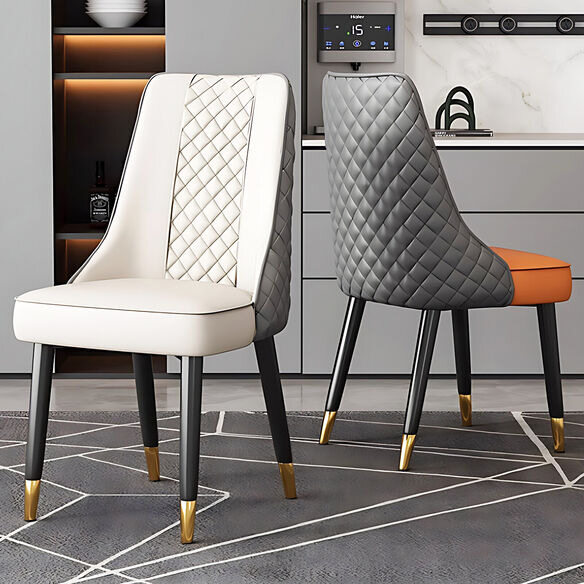
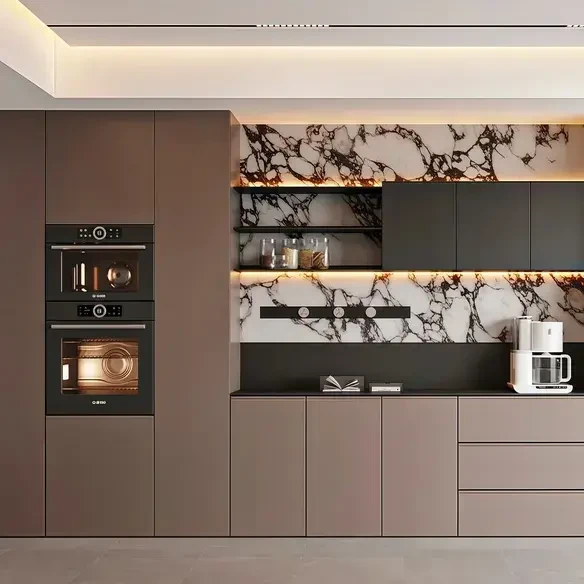
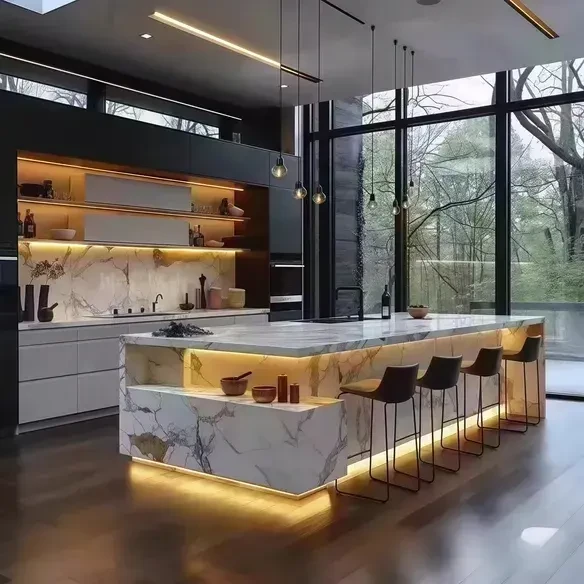
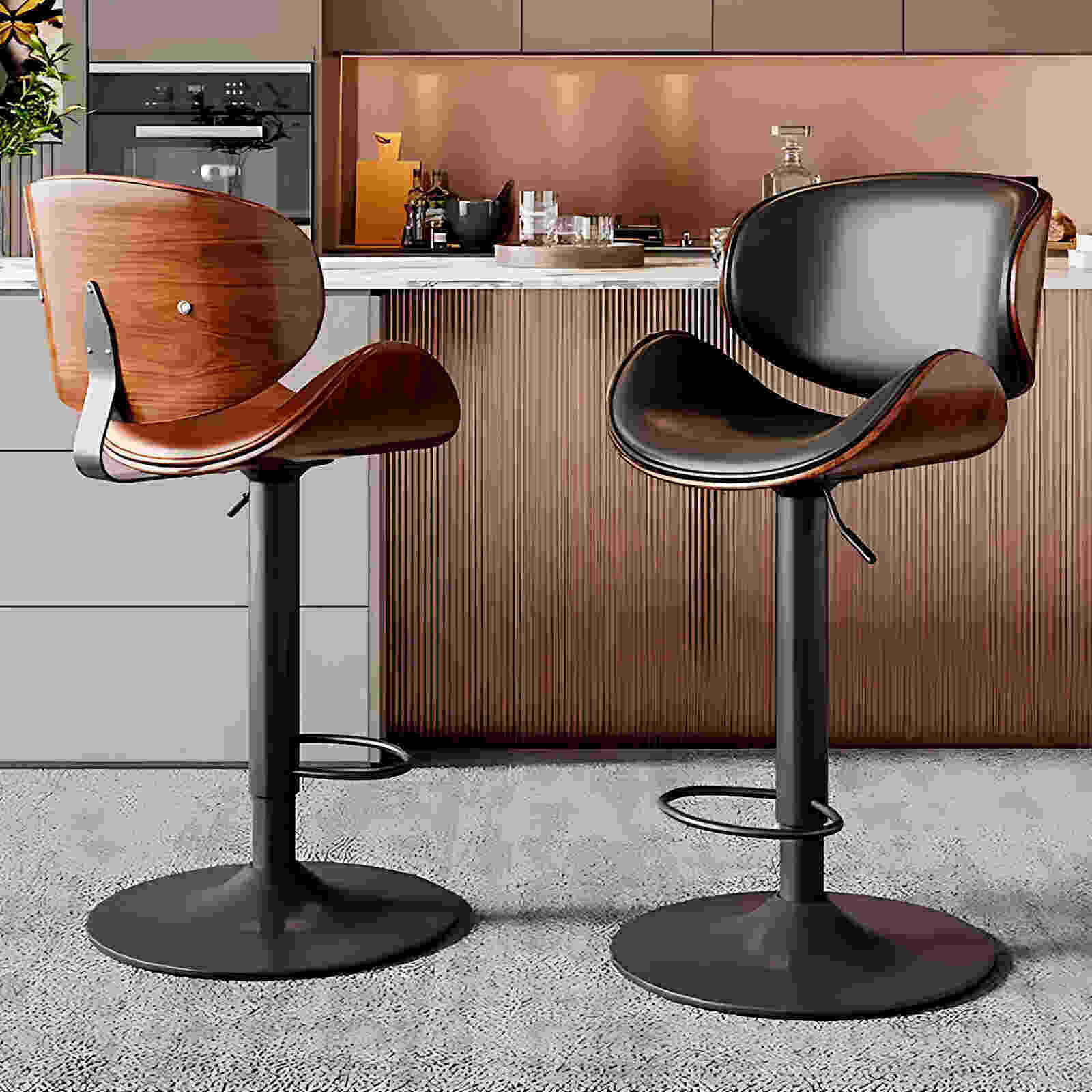
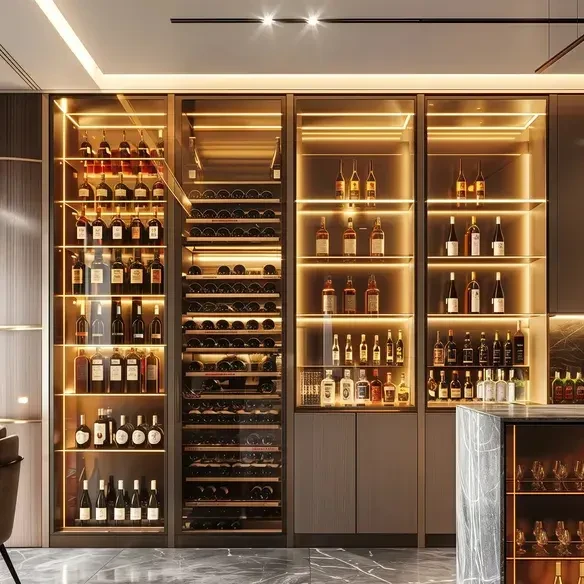
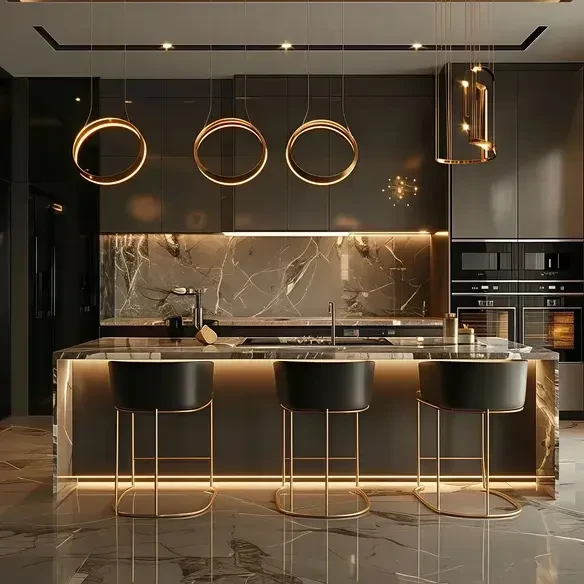
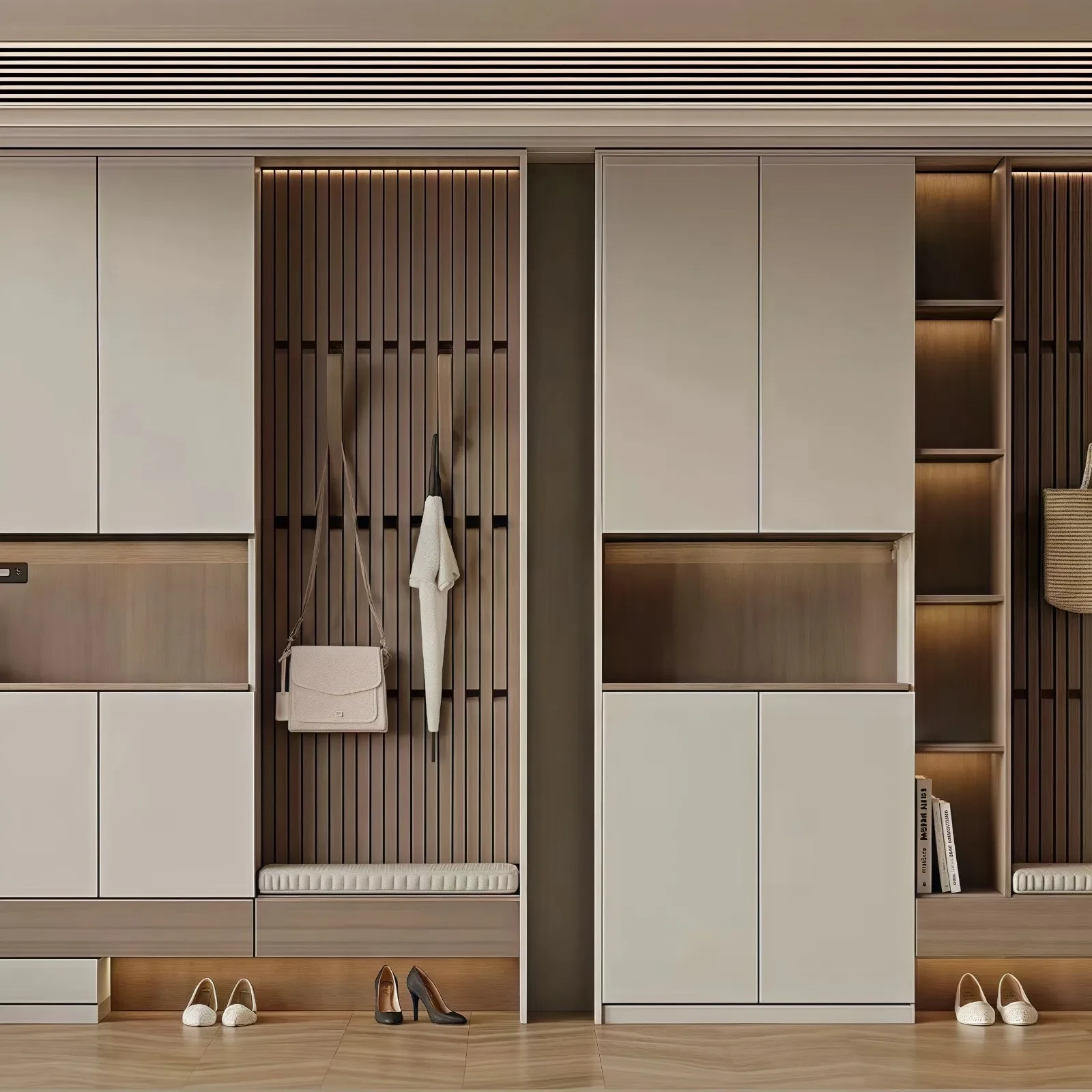
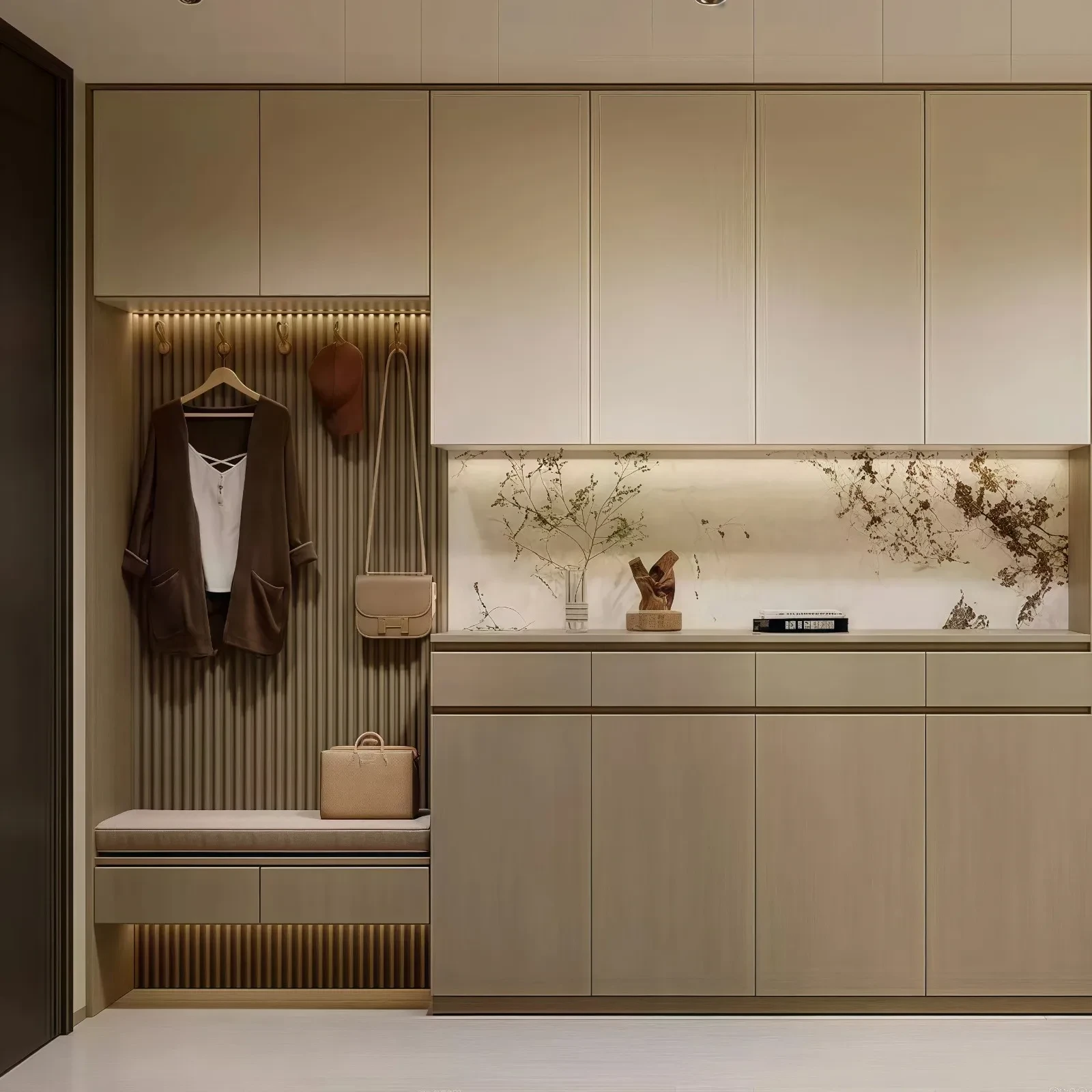
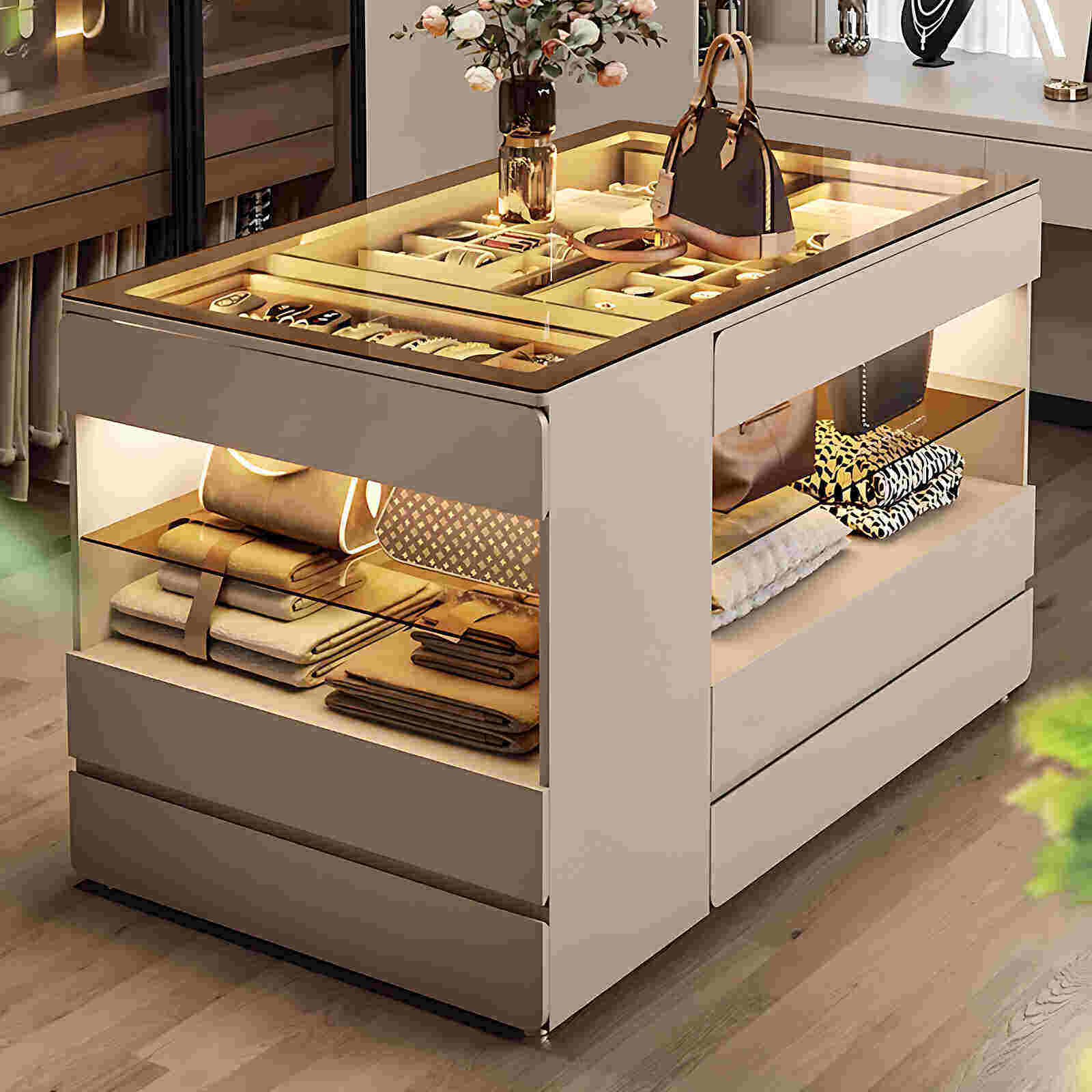
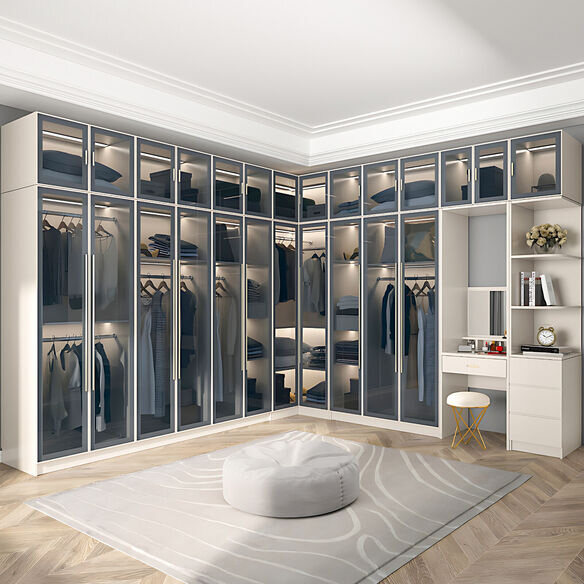
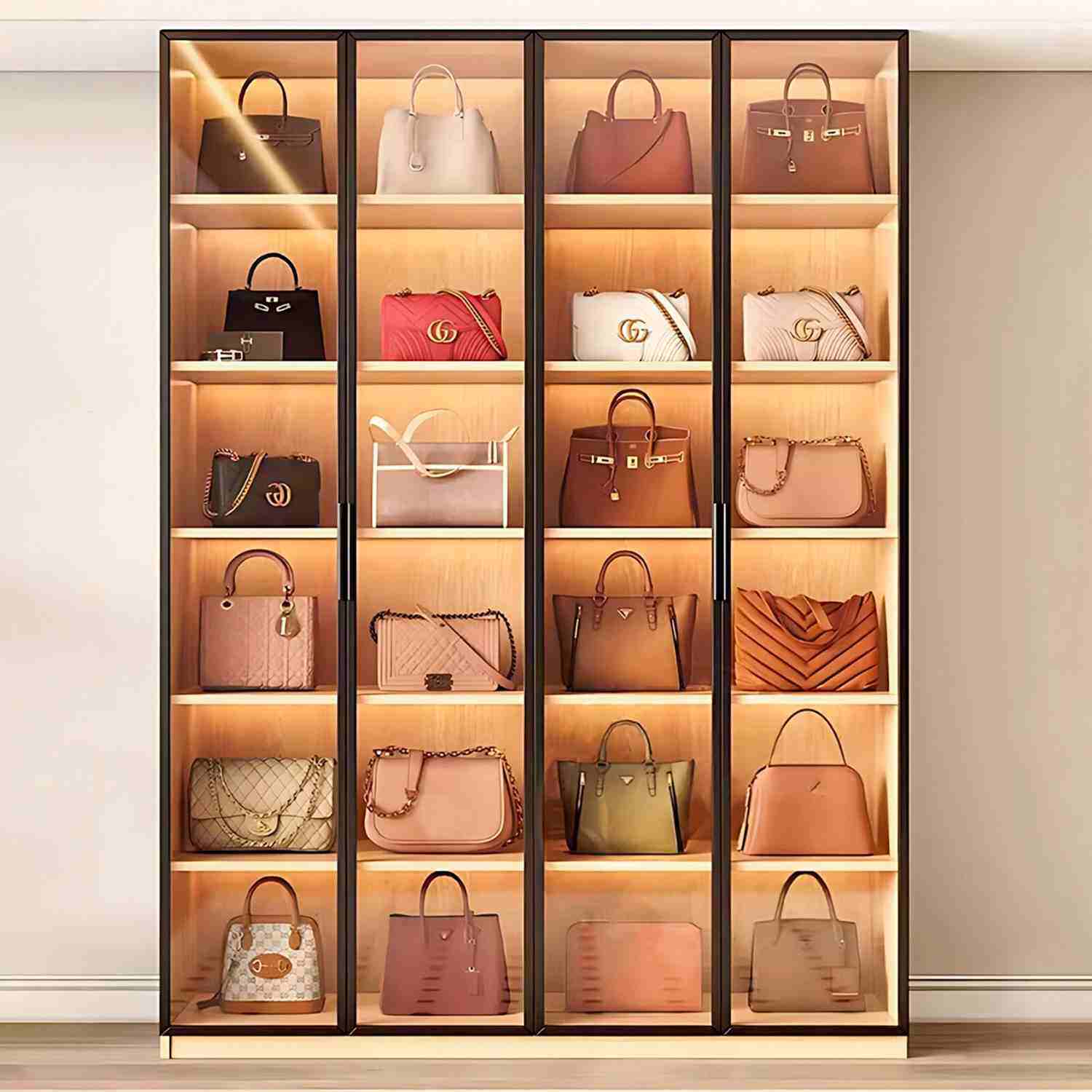
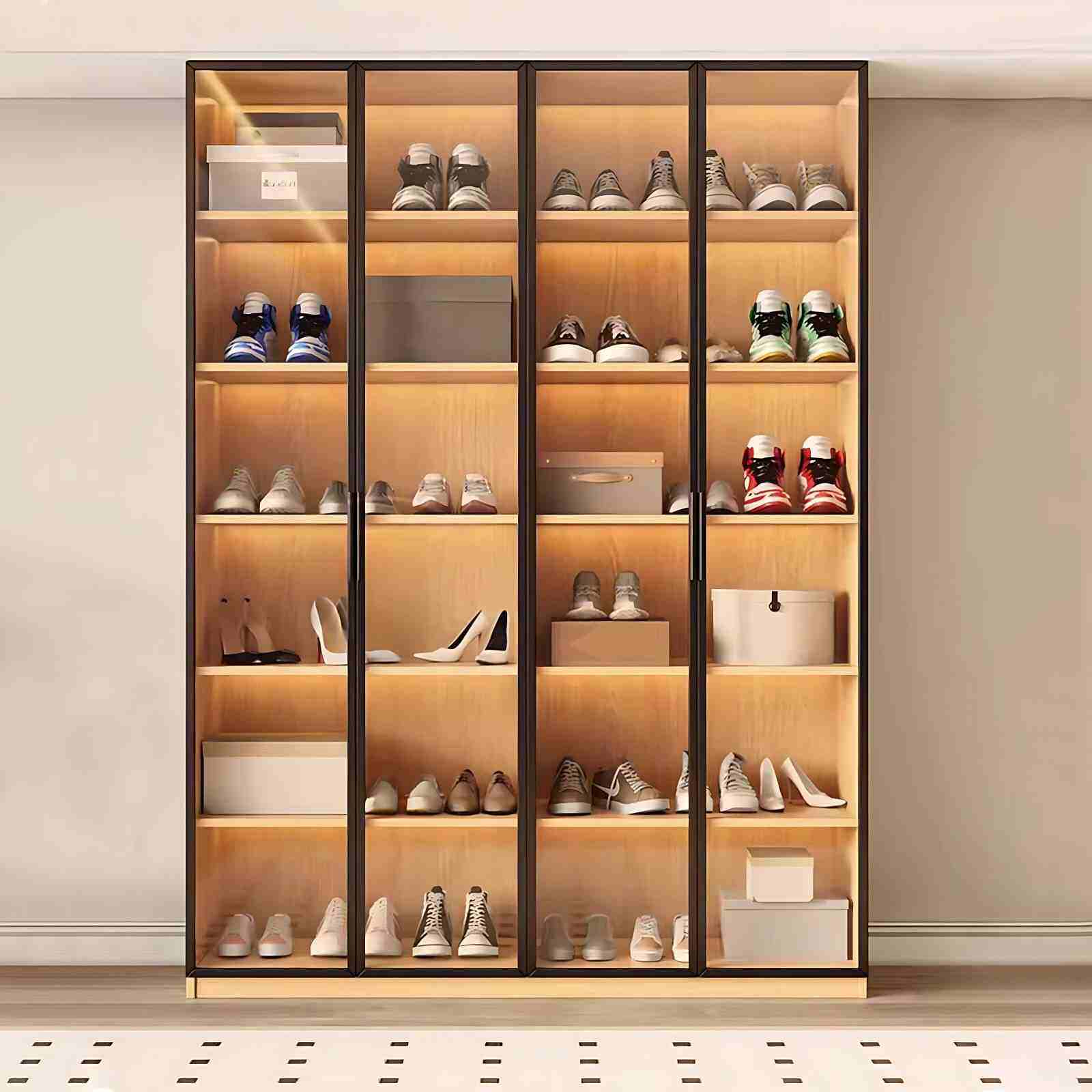
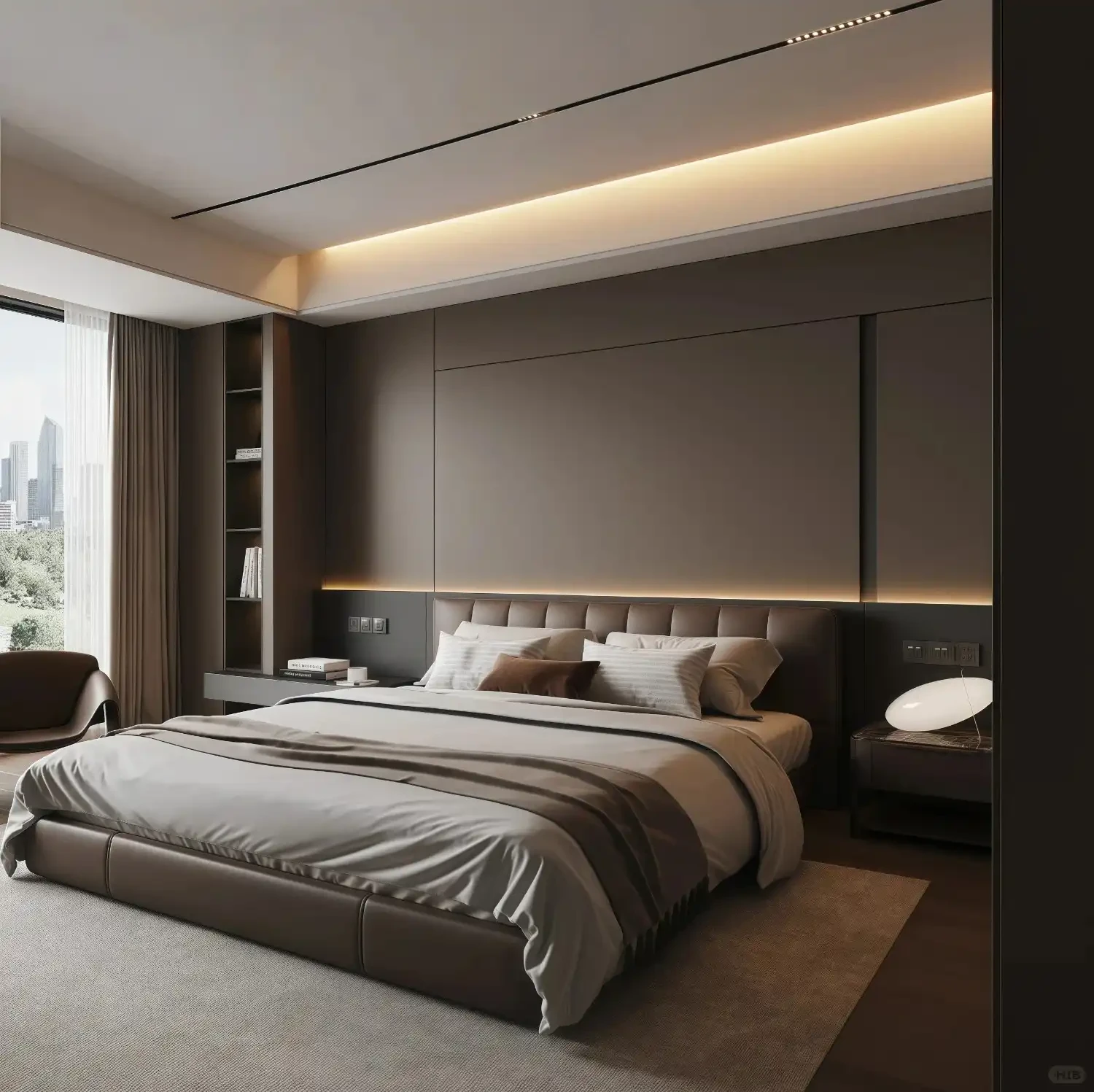
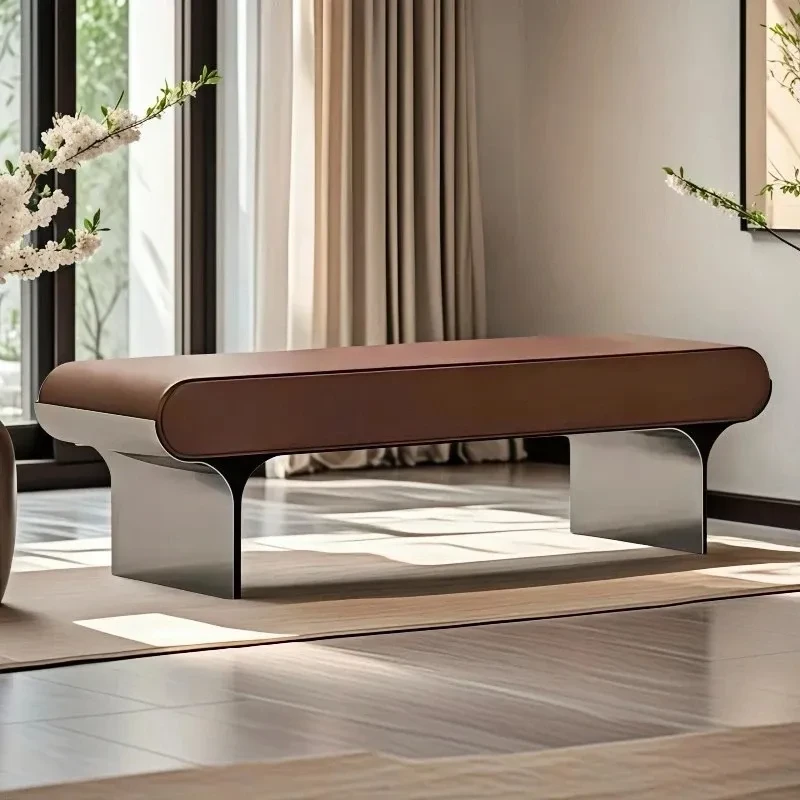
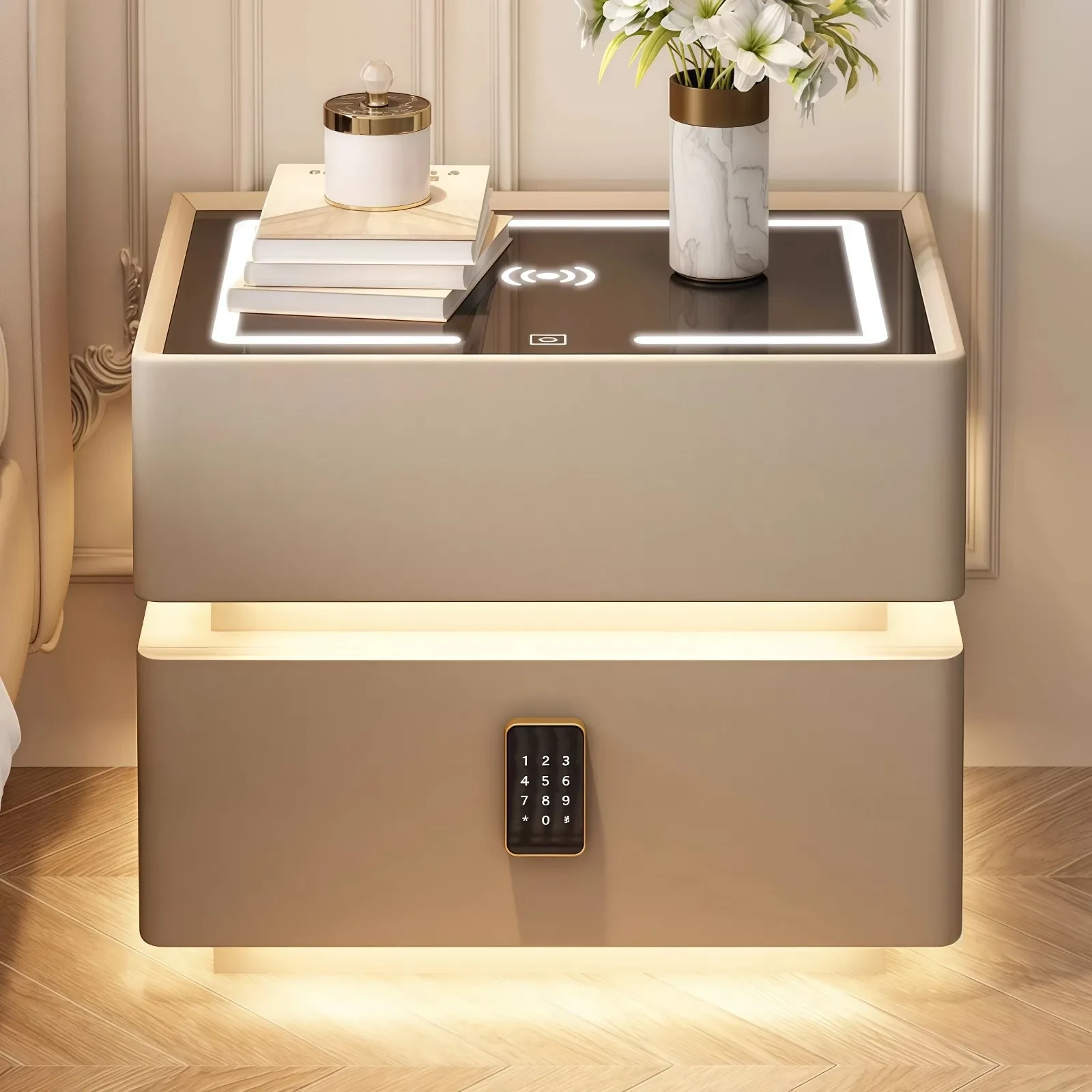
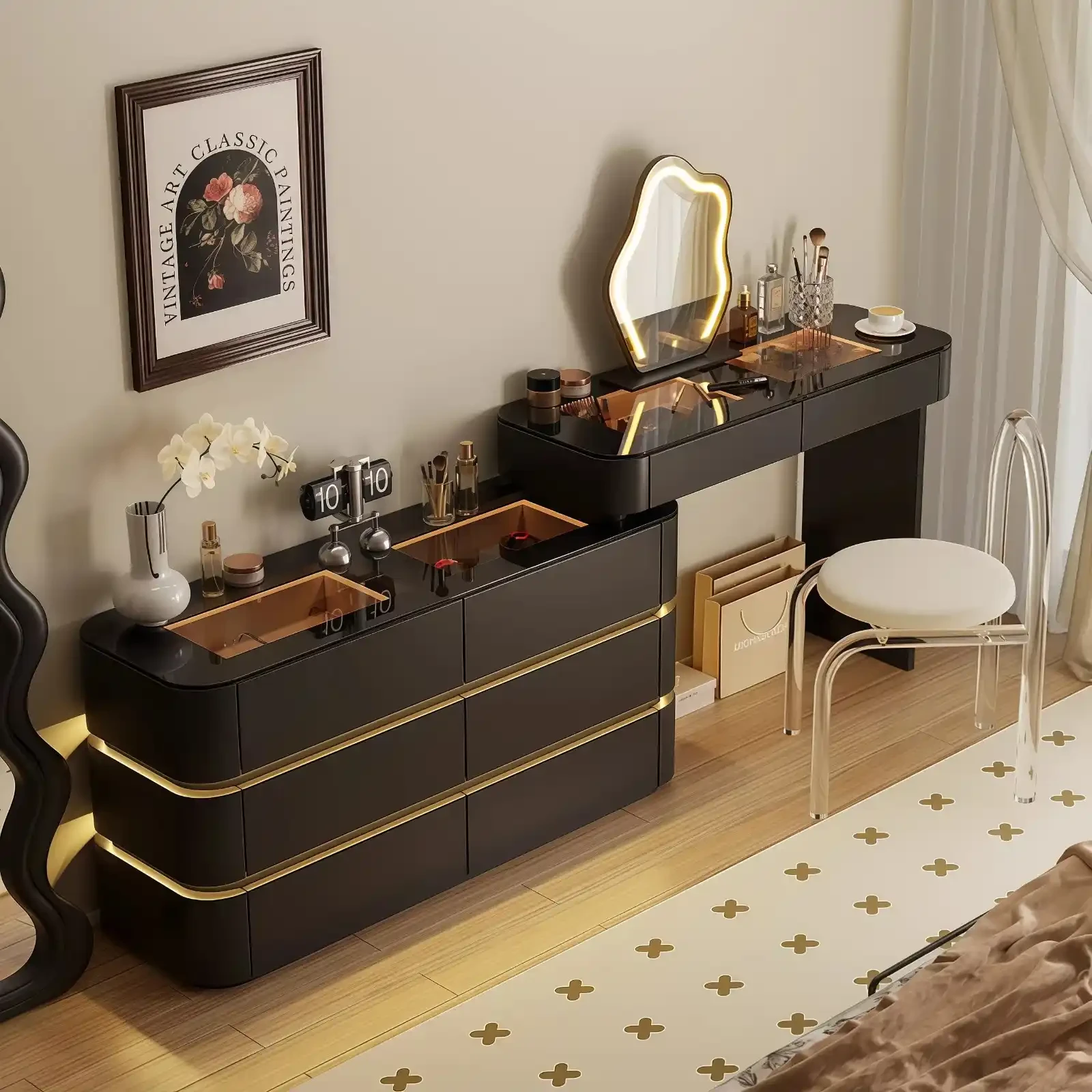
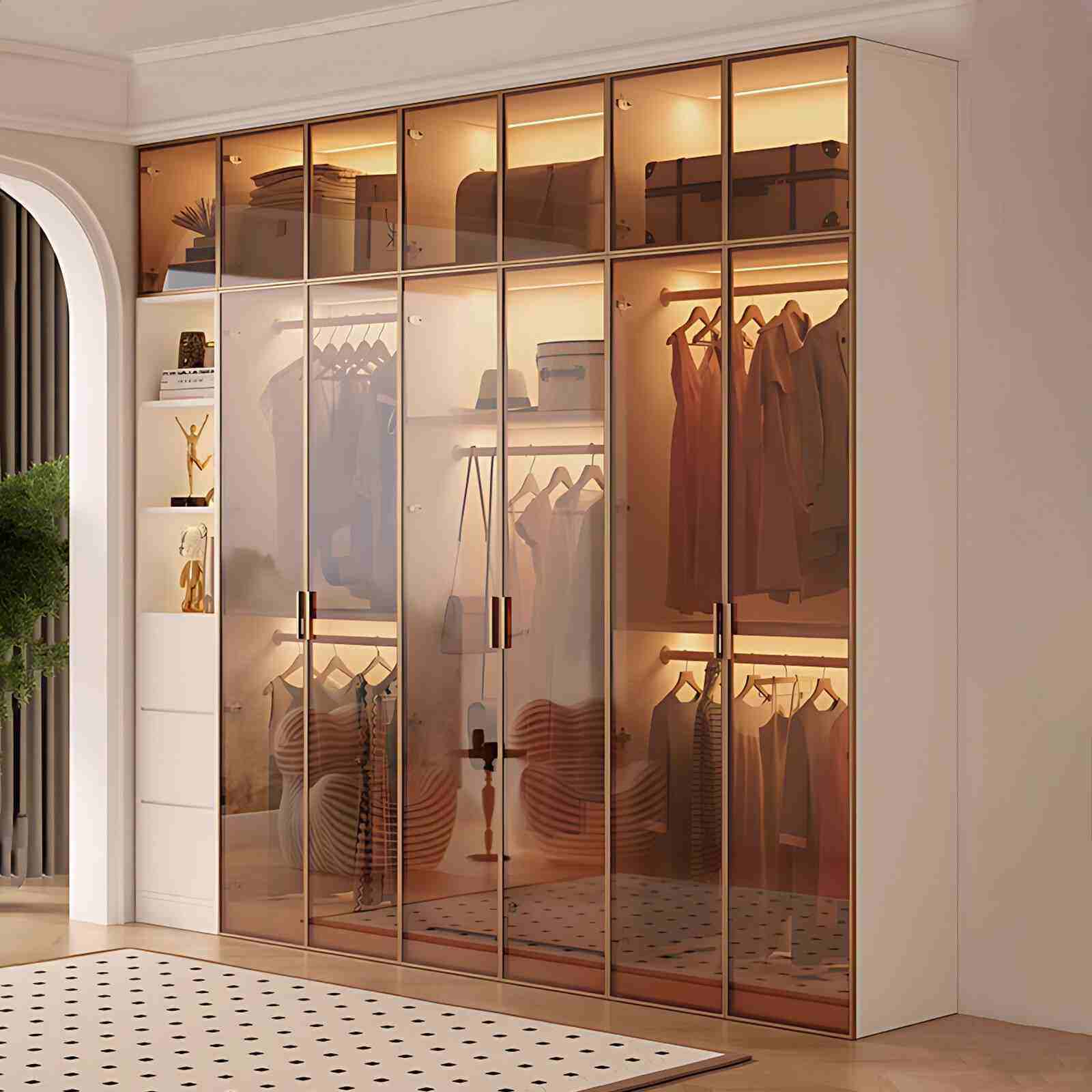
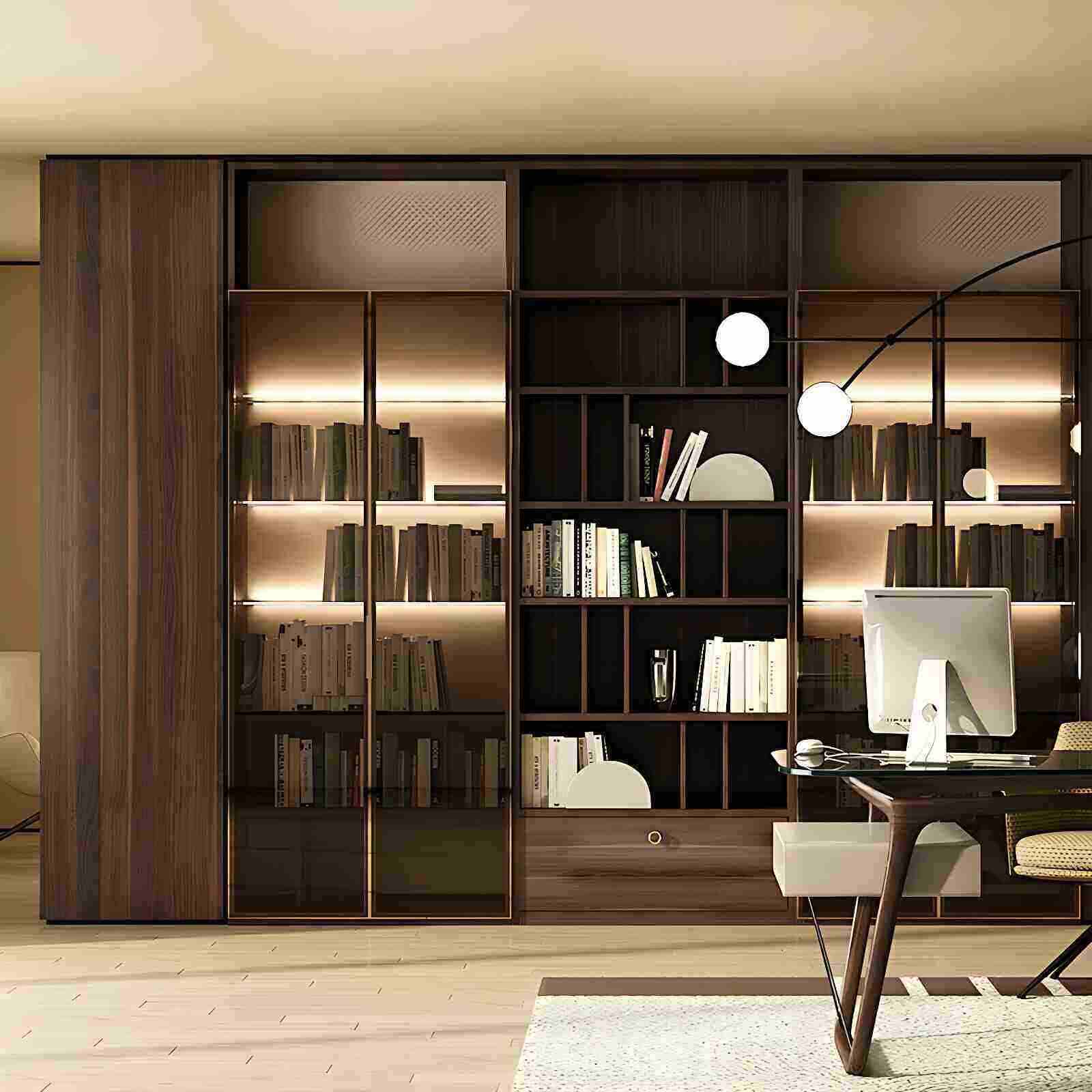
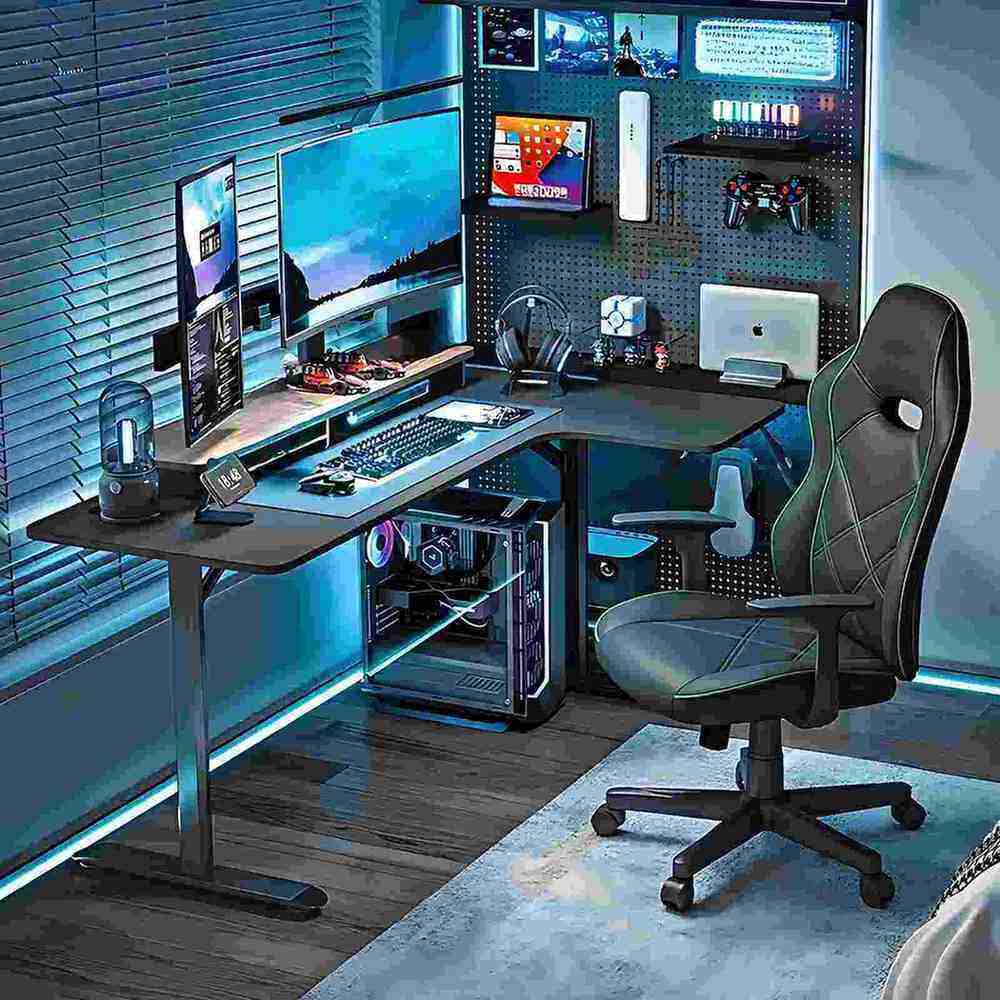
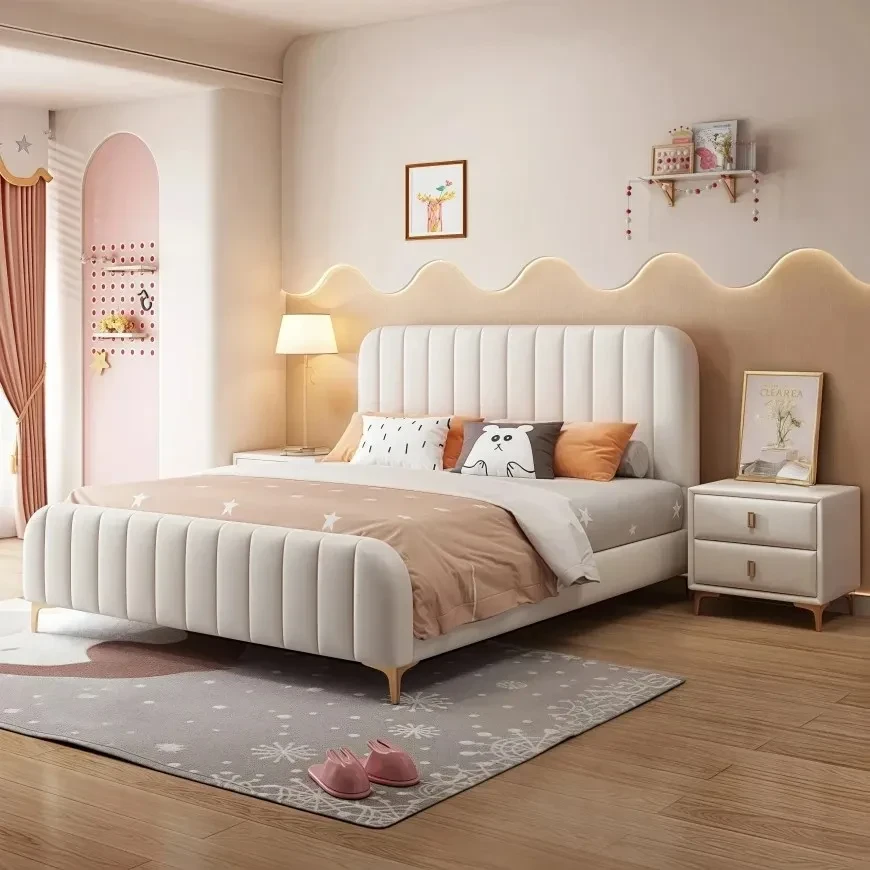
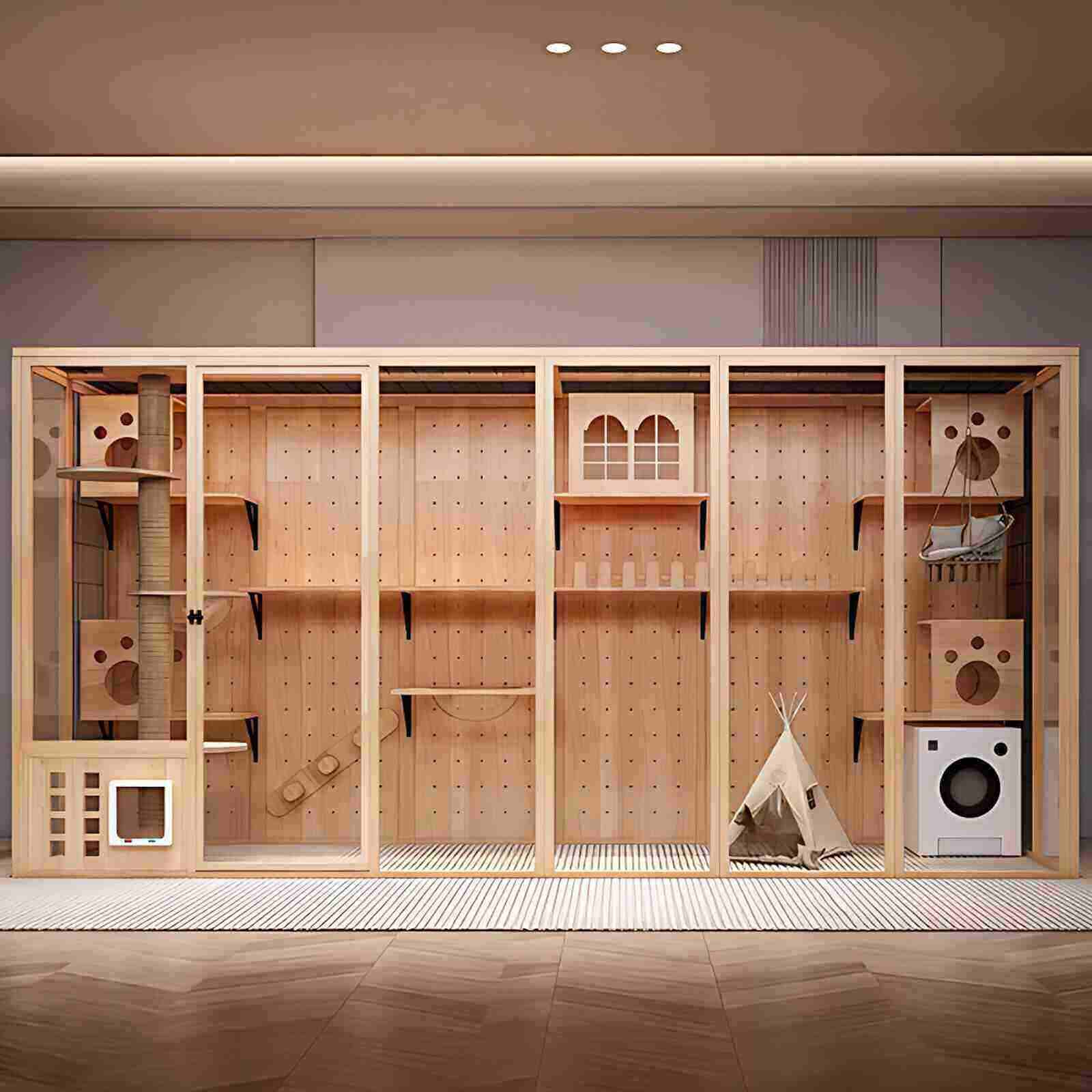
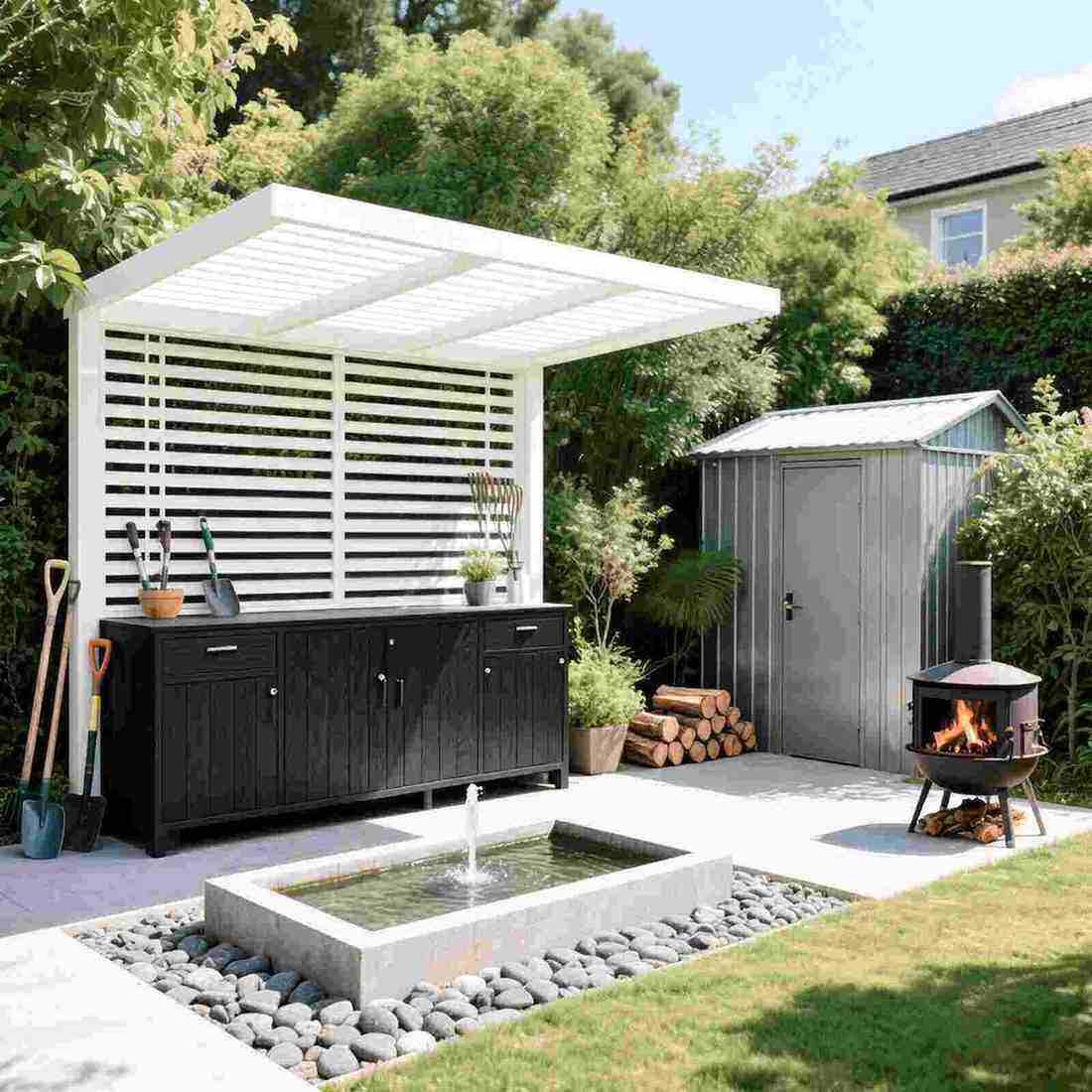
Nowadays, people tend to choose whole-house customization when decorating because it saves time, effort, and worry. Finding a reliable whole-house customization company can save a lot of unnecessary trouble. Although whole-house customization can handle custom cabinets in various spaces, the choice of cabinet materials still depends on you. So, how should you choose building materials? Today, let's learn some basic knowledge about building materials.
The first type of board, which many people are familiar with, is solid wood board. Solid wood board uses natural wood as its raw material, without any added glue, making it the most environmentally friendly but also the most expensive. Its health advantages are more prominent. However, solid wood board also has its drawbacks. Because it is naturally grown, solid wood board often has knots, wormholes, and grain imperfections, which not everyone likes. Additionally, solid wood is more susceptible to environmental influences and is more prone to moisture absorption and shrinkage than engineered wood.
The second type is plywood, which is also a widely used board material on the market. It features good nail-holding power, high strength, easy processing, and a wide range of uses. Depending on the thickness, plywood can be used as cabinet back panels, front panels, side panels, and interior decorations such as wooden doors. Plywood is made from high-quality wood, bonded with environmentally friendly adhesives, refined using imported equipment, and undergoes rigorous testing by a testing center before being sold on the market. The board is not only environmentally friendly and healthy but also durable.
The third type is plywood, also known as multi-layer board, which is a type of board with extremely high compressive strength. Compared to blockboard, multi-layer board uses more glue, which may cause concern for many people regarding its environmental friendliness. However, there's no need to worry. Multi-layer board is made by rotary cutting veneers from logs and applying environmentally friendly adhesives, resulting in a smooth surface that is not easily deformed. It is manufactured through 24 processes and achieves an E0 environmental rating, making it a safe choice.
The fourth type is core board. Core board uses high-quality Canadian aspen as raw material, processed into planks using specialized equipment. It undergoes processes such as steaming, planing, screening, oriented strand laying, and continuous flat pressing. Formaldehyde-free MDI glue is used in the processing, achieving an ENF environmental standard. 25 rigorous processes effectively eliminate the internal stress of natural wood, giving it superior properties compared to natural wood, making it the ideal choice for those seeking health and environmental protection!
The fifth type is eco-friendly board. Just like its name suggests, eco-friendly board is healthy and environmentally friendly, and is a popular decorative board material currently, as well as a flagship product of TBB (Tu Baobao). Compared to ordinary boards, eco-friendly board is more convenient to use. Eco-friendly board also boasts advantages such as a wide variety of colors and patterns, natural wood grain, clear texture, and a natural feel, making it suitable for various decoration styles including Chinese, European, and modern minimalist, fully meeting the needs of different users.