
 USD
USD GBP
GBP
 EUR
EUR
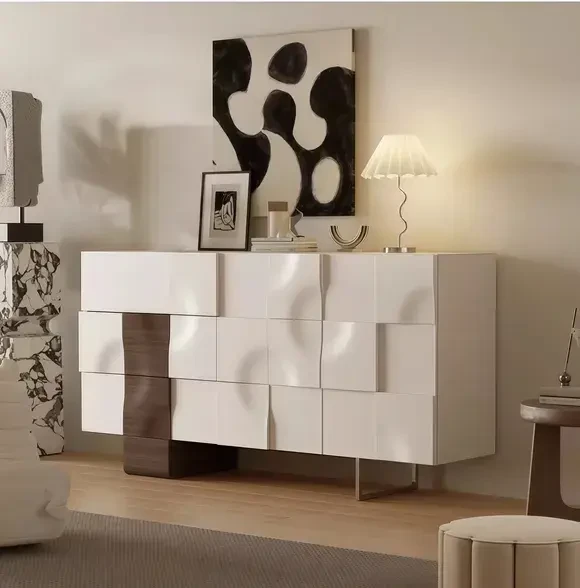
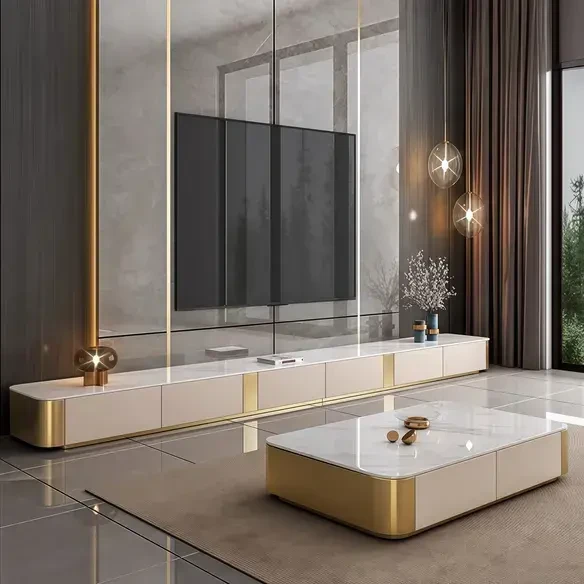
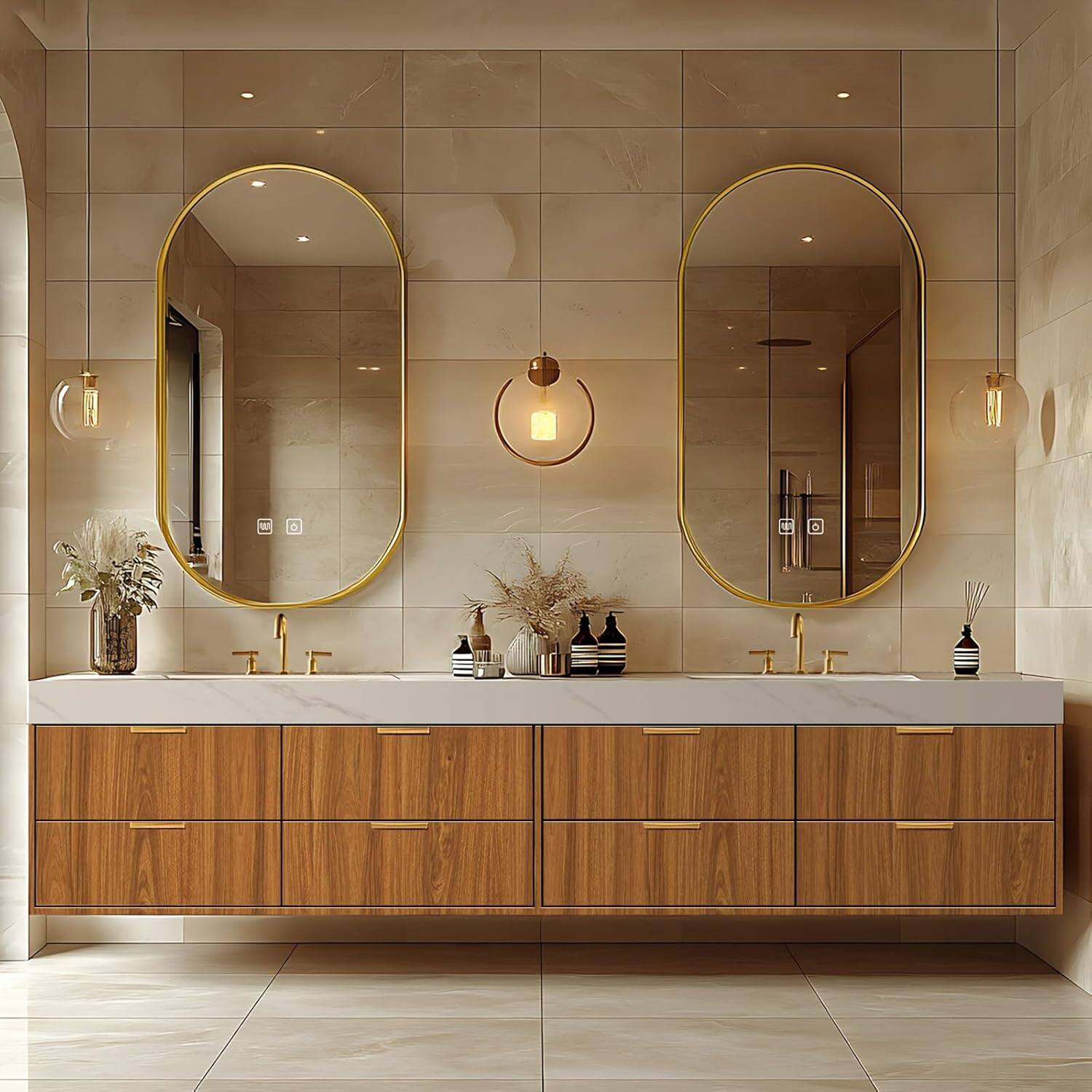
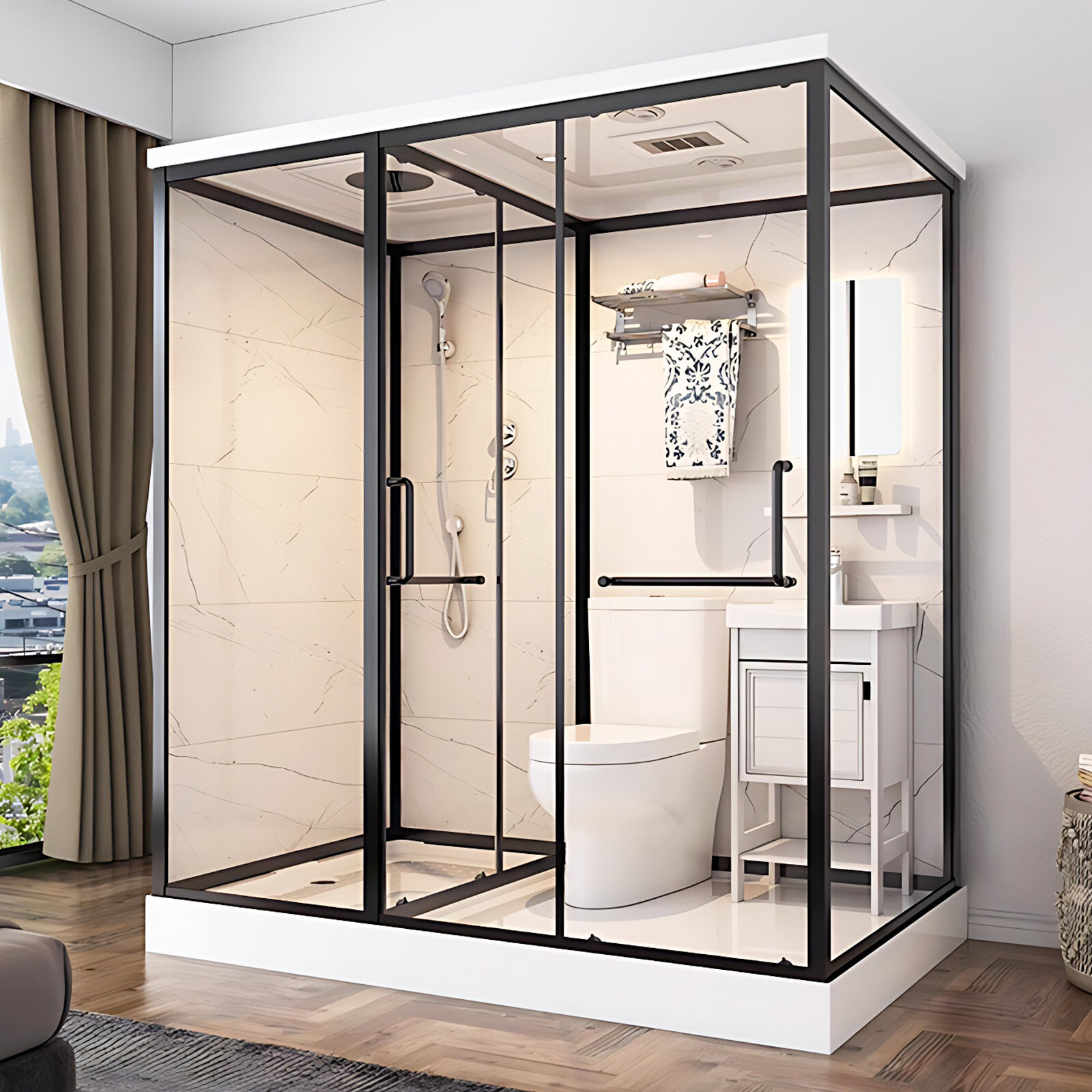
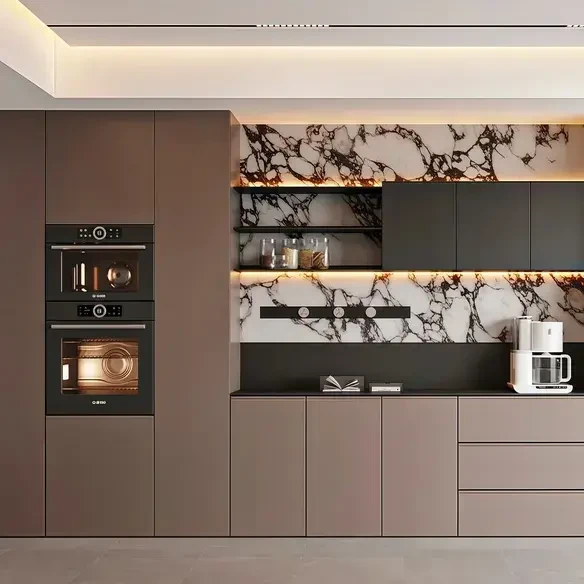
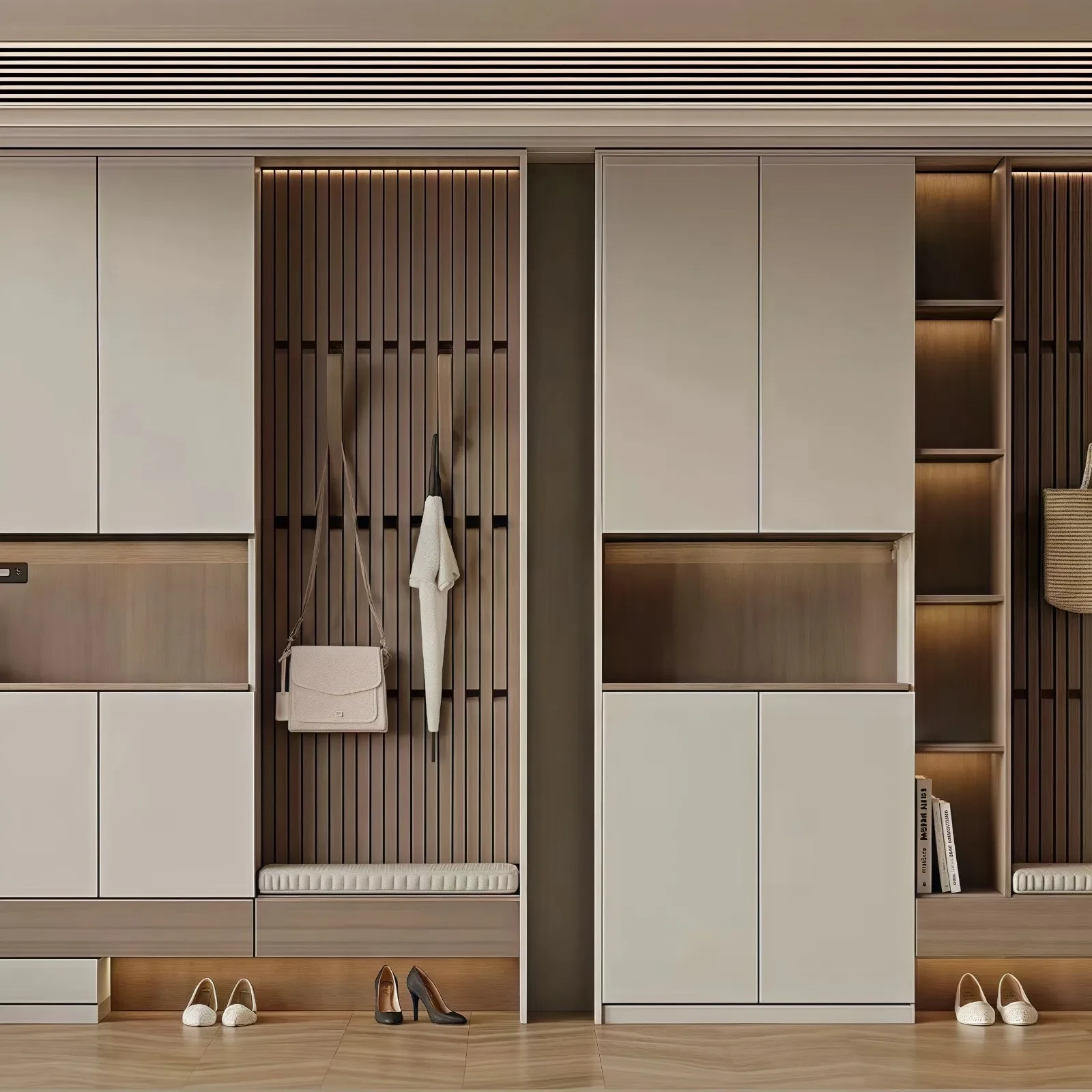
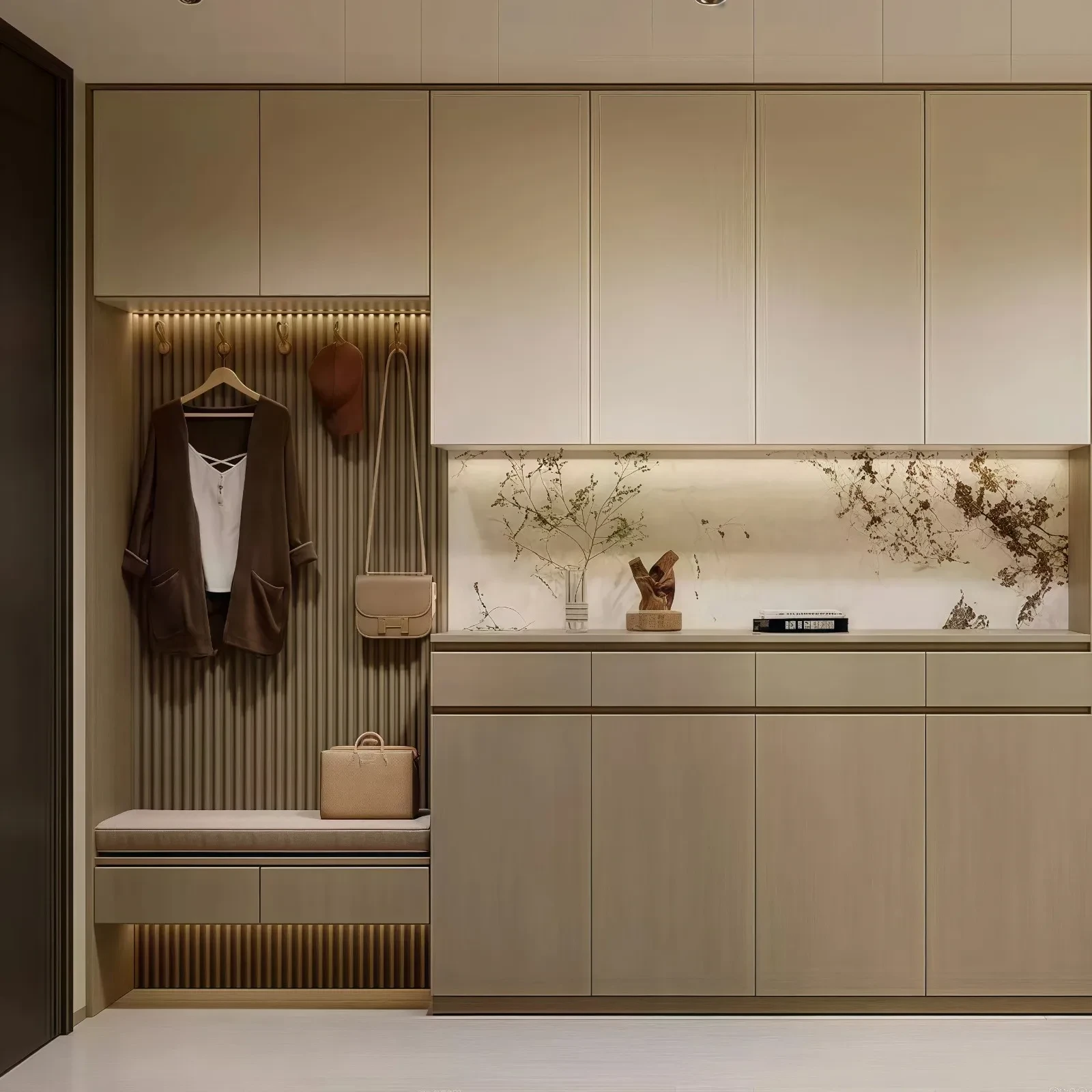
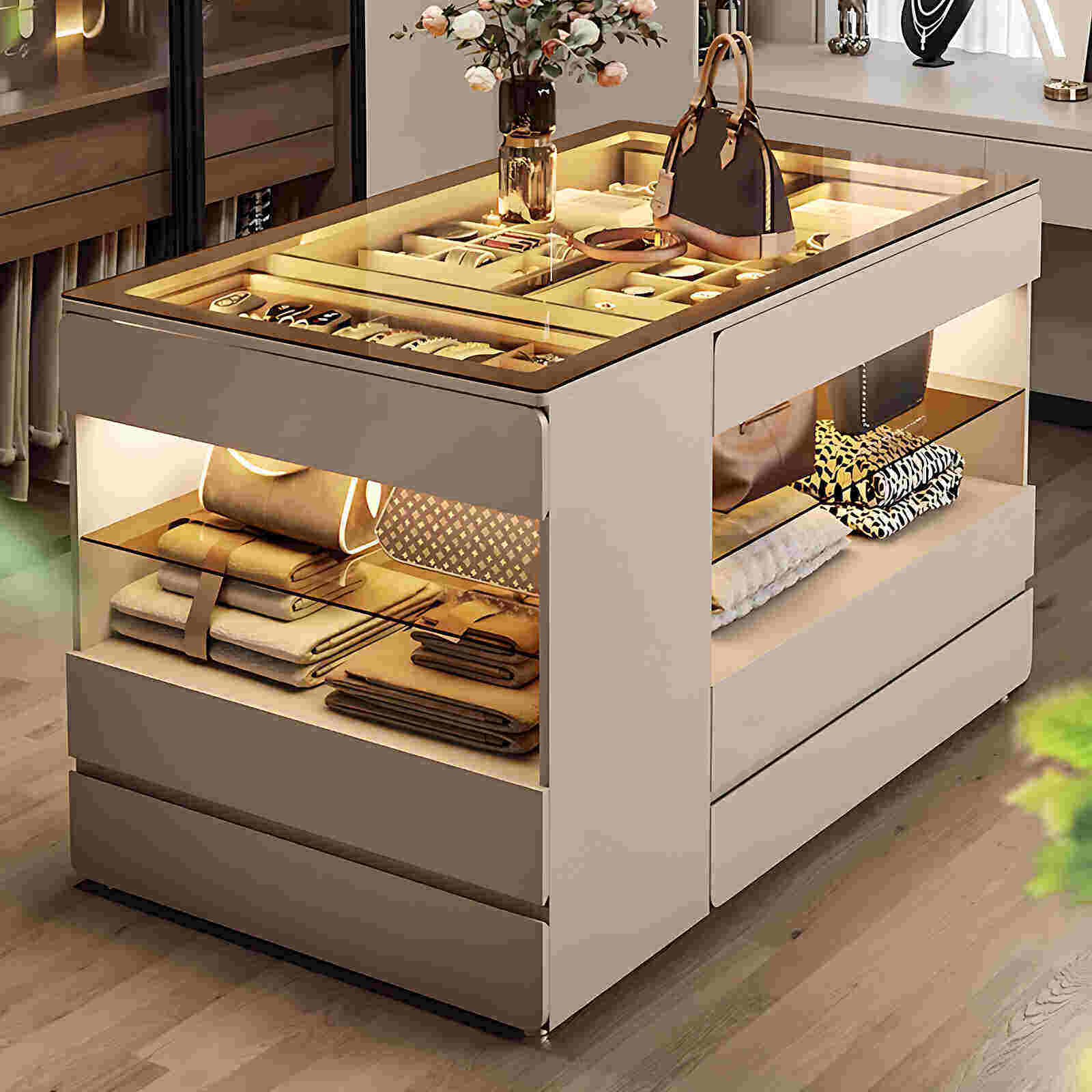
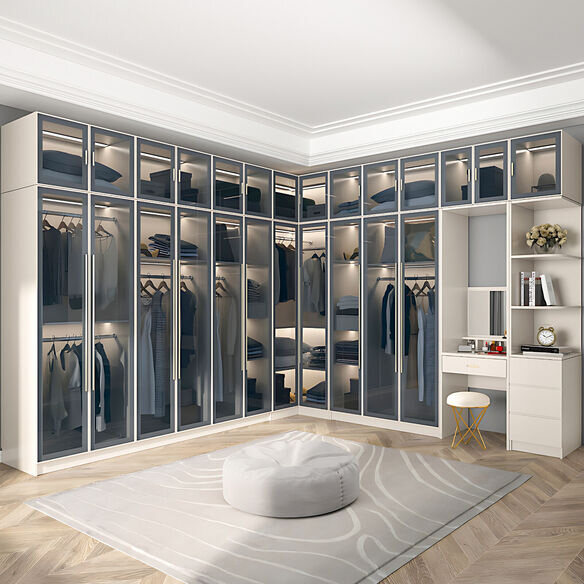
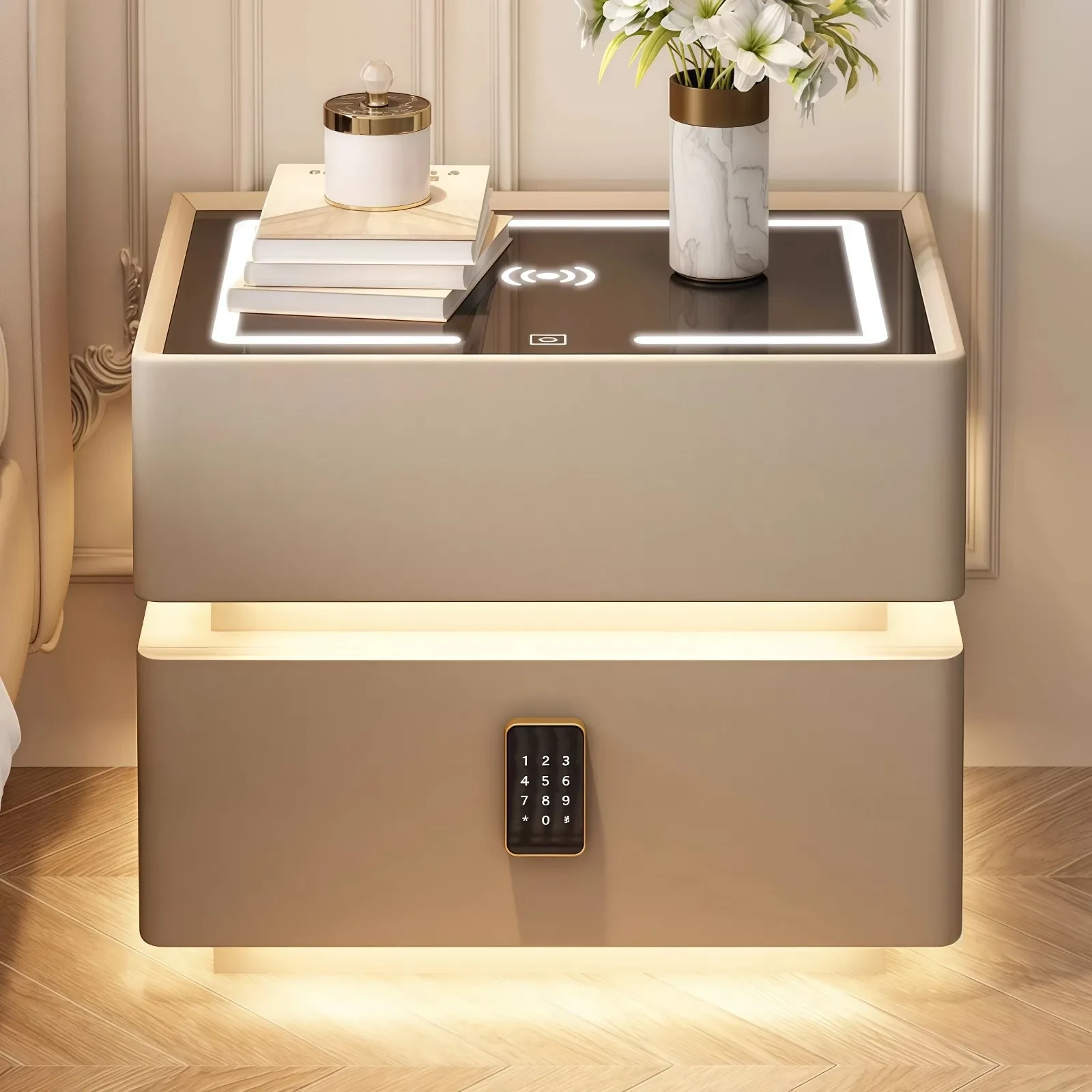
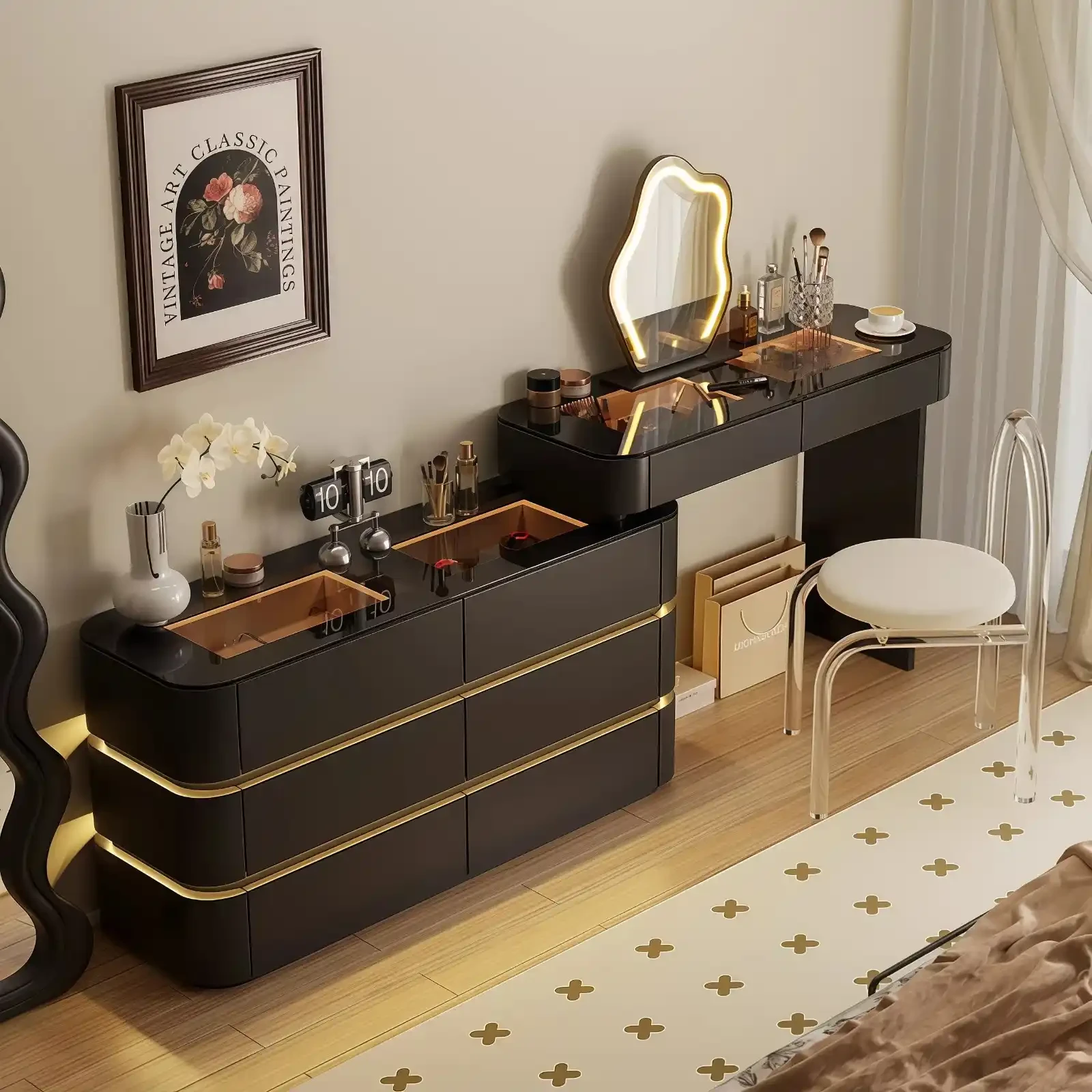
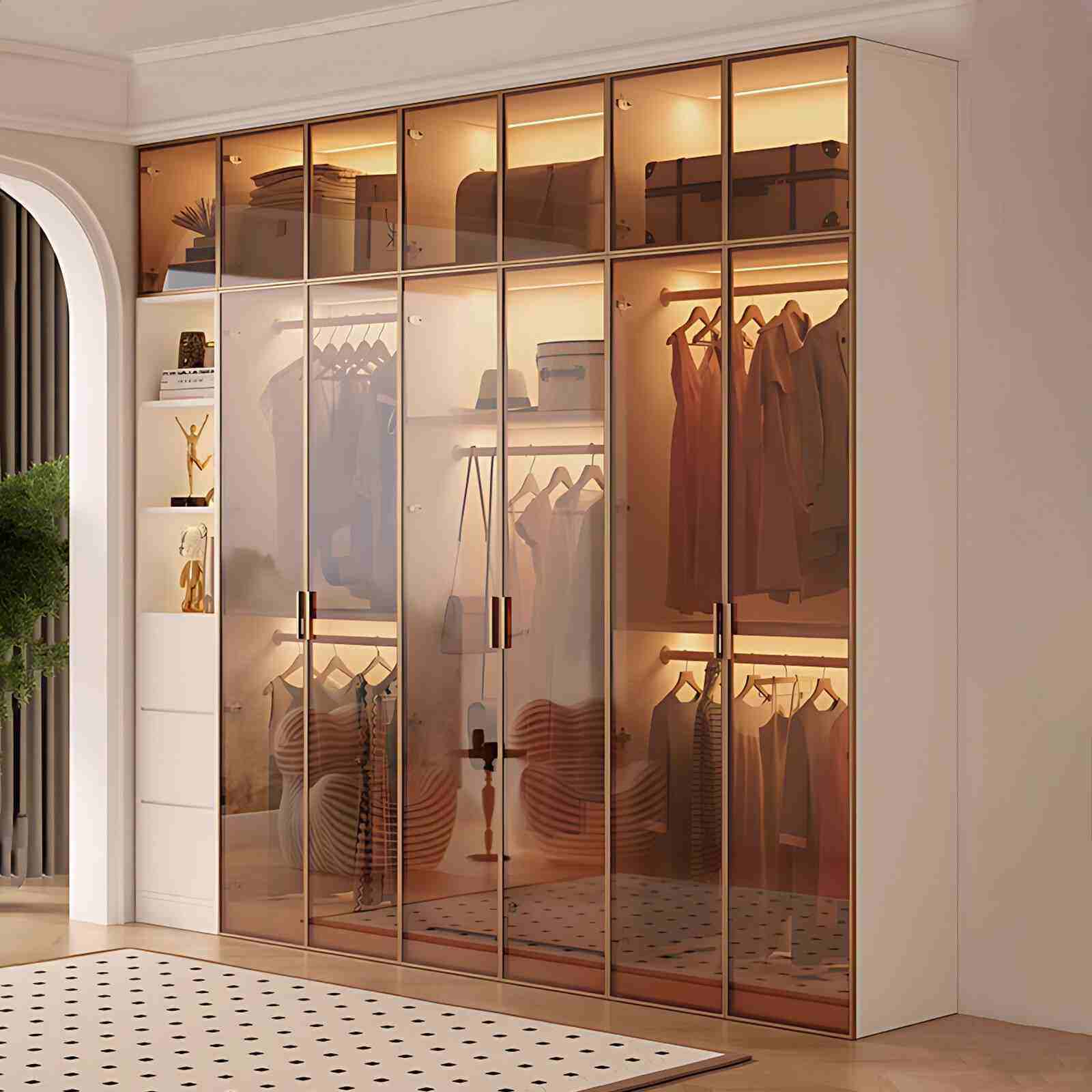
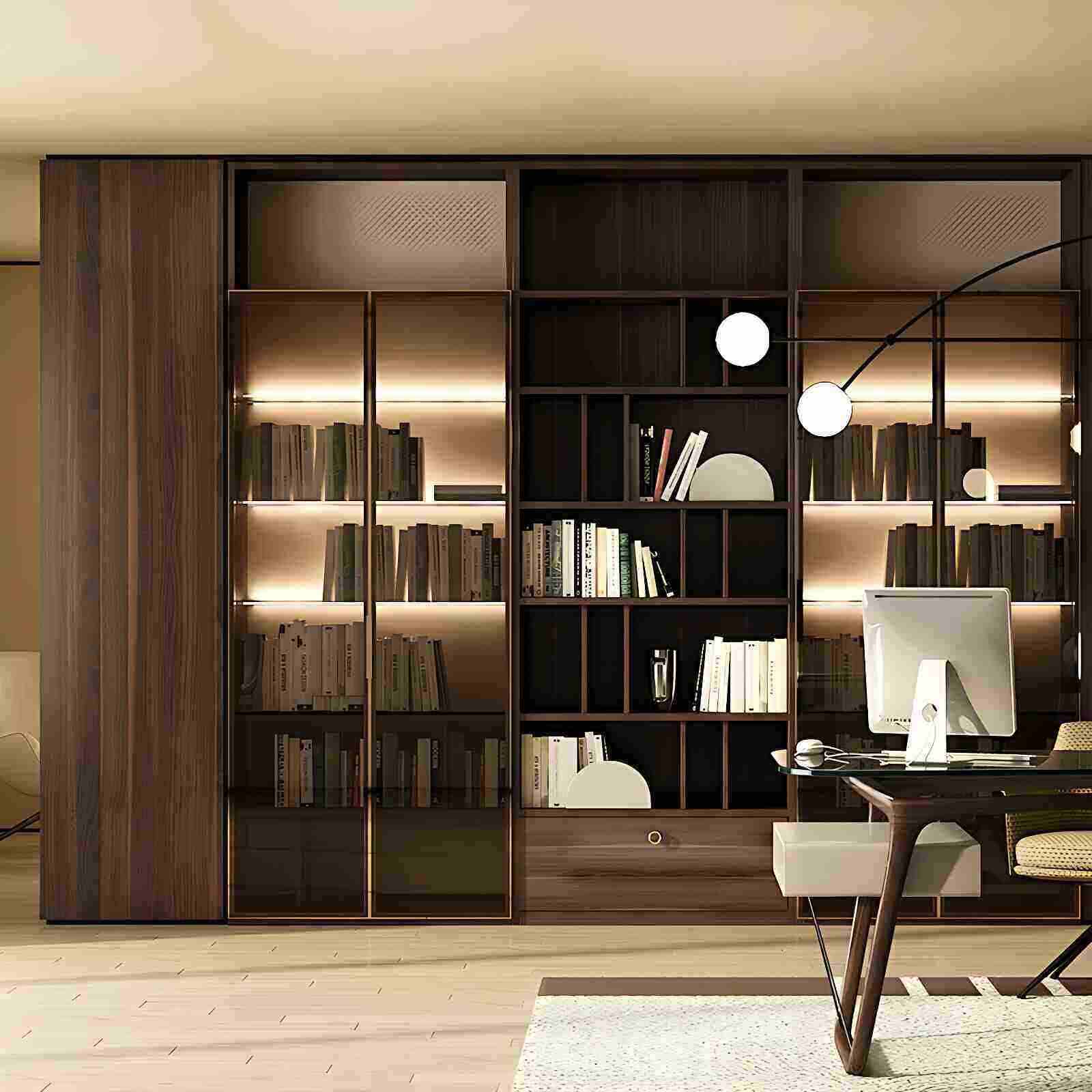
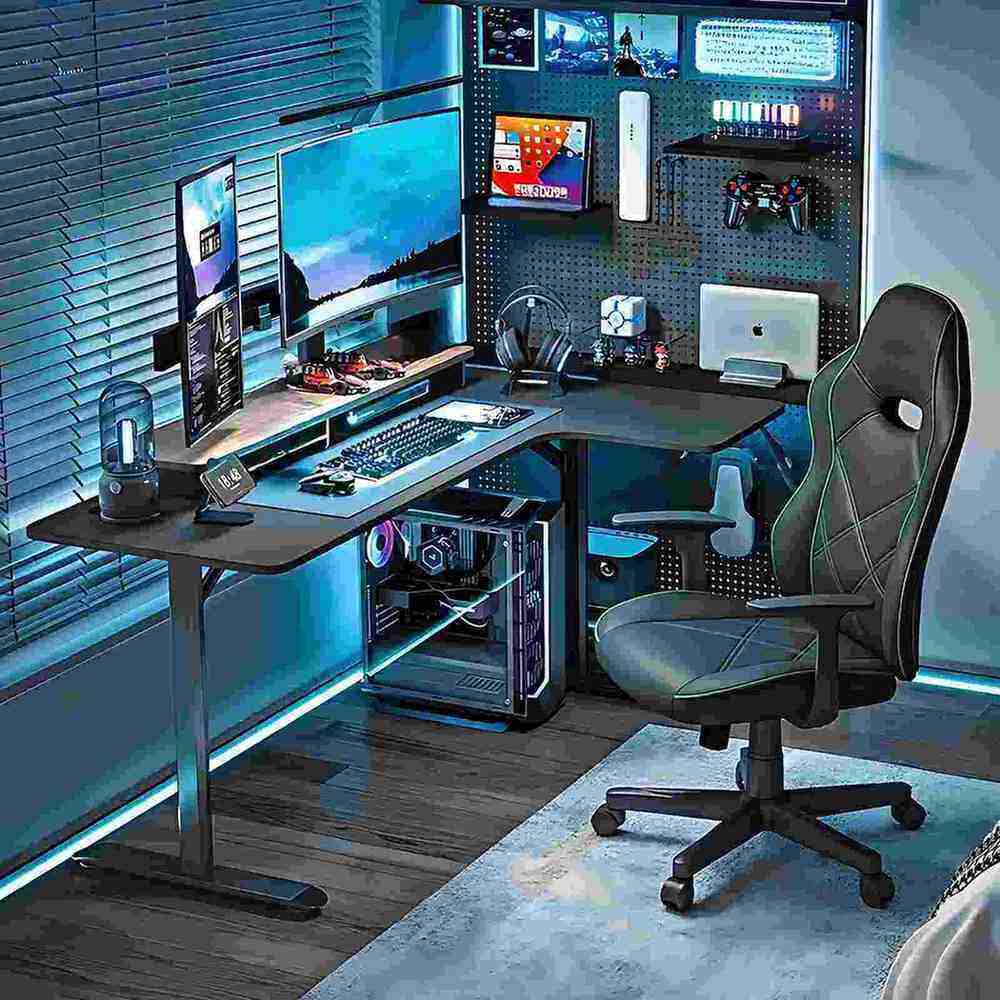
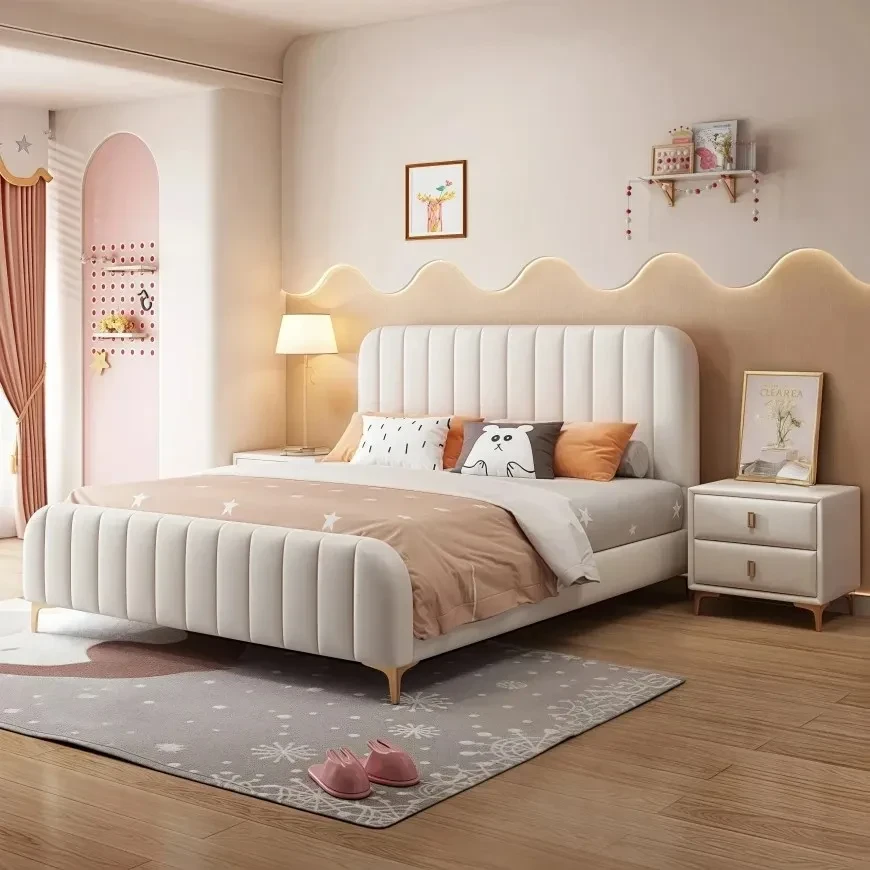
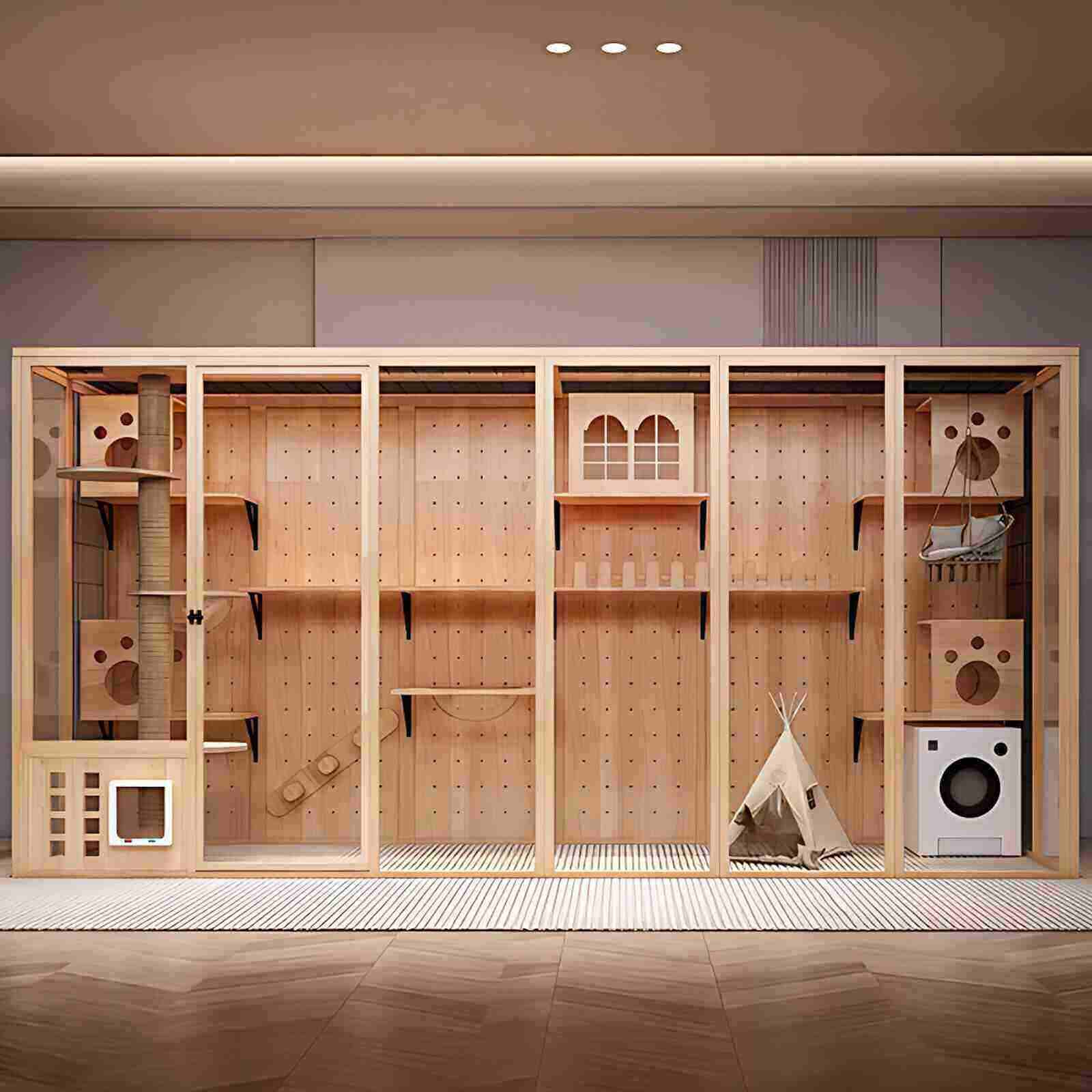
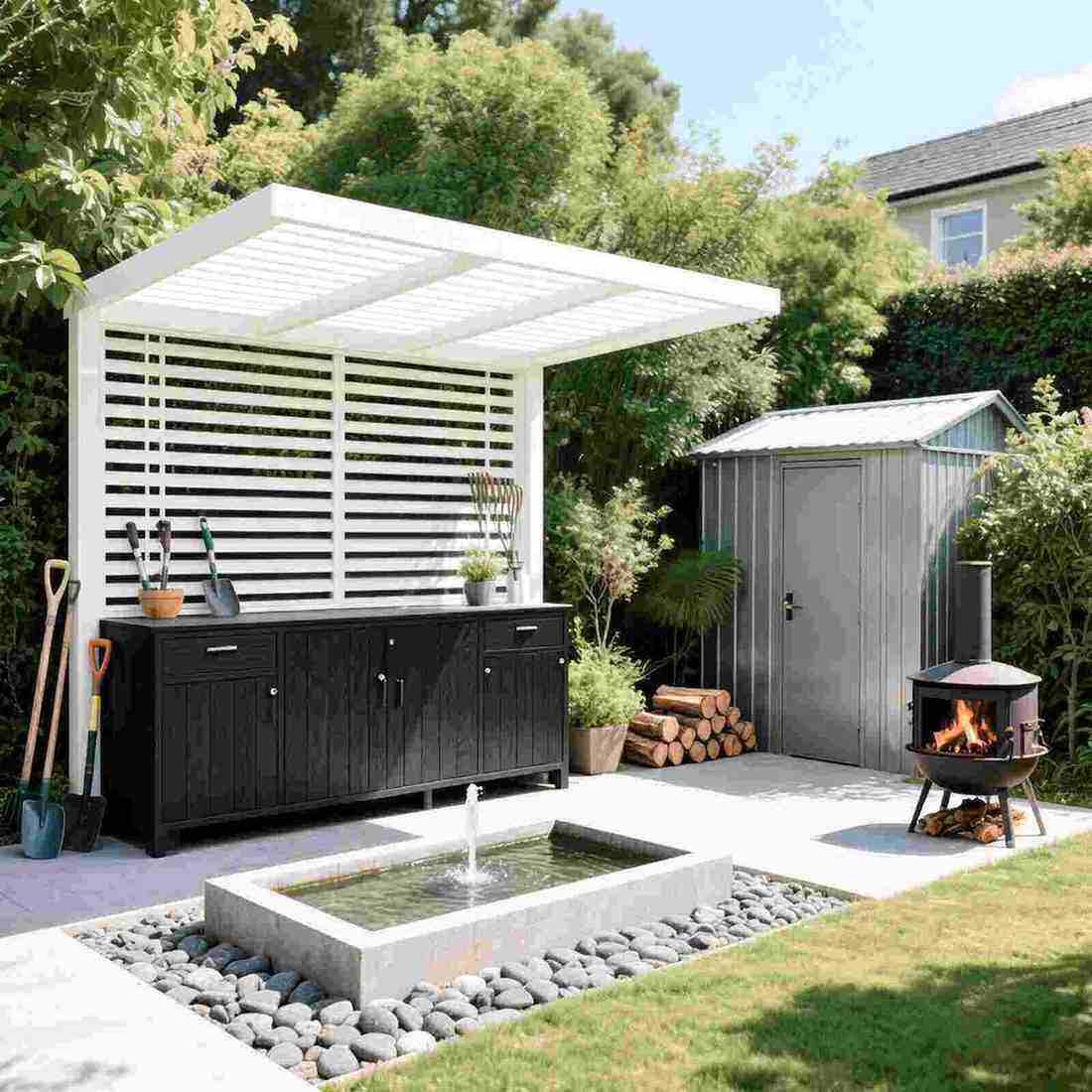
The peak season for home renovation, known as "Golden September and Silver October," has arrived.
When it comes to home renovation, in addition to budget and renovation effect, people are more concerned about the environmental friendliness and durability of the building materials.
Today, Dinglida will guide you through the advantages and disadvantages of various boards used in cabinet making, providing you with a reference for your home decoration.
The main types of boards used for making cabinets in home decoration are: MDF, particleboard, multi-layer solid wood board, solid wood eco-board, and solid wood board.
1. Medium-density fiberboard (MDF): also known as fiberboard, it is a type of engineered wood product made by soaking wood, branches, or other materials in water, followed by hot grinding, laying, and hot pressing. It is made from wood fibers or other plant fibers as raw materials and bonded with urea-formaldehyde resin or other suitable adhesives.
Advantages of MDF:
It has good sound insulation, impact resistance, high strength, uniform density, high surface flatness, and is easy to reprocess.
Disadvantages of MDF:
Poor waterproof and moisture-resistant properties, weak nail-holding power, and if the screws loosen after being tightened, they are difficult to re-secure.
Environmental performance:
Due to the special nature of its processing, it is unavoidable that some benzene and formaldehyde will remain, resulting in low environmental friendliness.
Intended use:
It's rarely used in home decoration; it's mostly used for solid-color glossy paint and veneer to make low-end finished furniture.
Recommendation rating: ●●
2. Particleboard: also known as chipboard, particleboard, bagasse board, is a type of engineered wood product made from wood chips or other lignocellulosic materials that are glued together with adhesives under heat and pressure.
Advantages of particleboard:
1. It has good sound absorption and sound insulation properties.
2. The interior has a cross-layered granular structure, with essentially the same performance in all directions, making it stable and non-deformable.
3. High surface flatness and small dimensional error
Disadvantages of particleboard:
1. Its internal structure is granular, making it difficult to mill.
2. The cutting process can easily cause chipping, so some processes require high-quality processing equipment; on-site fabrication is not recommended.
3. Poor moisture and water resistance, and low nail-holding power.
Environmental performance:
Because the raw materials are wood chips and wood scraps, bonded together with glue, a large amount of glue is used. The use of high-strength glue results in only average environmental performance, with environmental coefficients of E1 and E2.
Intended use:
Low- to mid-range panel furniture and custom furniture materials are not suitable for on-site fabrication during renovation.
Recommendation Index: ●●●
3. Solid wood multi-layer board: also known as plywood, is a board material made of veneers or thin boards rotary-cut from solid wood, which are dried, selected, glued, assembled, pre-pressed and hot-pressed. It usually has an odd number of veneer layers, with the fiber directions of adjacent veneers glued together perpendicular to each other.
Advantages of multi-layer solid wood boards:
1. Lightweight, with clear texture, insulating, high strength, and good stability.
2. Easy to construct, not prone to warping, and has good mechanical properties.
3. Flat surface, strong nail-holding power, not easy to split, good colorability, and easy to fix.
4. Excellent processing performance, suitable for industrial processing and on-site fabrication.
Disadvantages of multi-layer solid wood boards:
1. Significant thickness error: Due to the use of wood veneer, variations in veneer thickness and inconsistent pressure control during manufacturing result in variations in thickness. The industry average error is typically around 0.3 mm.
2. High cost and expensive construction
3. Labor-intensive products have a high dependence on manual labor and relatively low product quality stability.
Environmental performance:
It is made of solid wood veneer glued together. The grade of the glue determines its environmental protection level. Currently, the mainstream environmental protection level in the market is E1, while brand-name companies can achieve E0, which is relatively more environmentally friendly.
Intended use:
Mid-to-high-end custom furniture uses wood panels, solid wood customization combines materials, and wood panels are used in home decoration.
Recommendation Index: ●●●●
IV. Blockboard: Also known as core board, it is made by gluing and pressing two veneers together with a core of spliced wood strips. The core wood strips are made by drying wood planks, processing them into strips of a certain standard, and then splicing them together using a splicing machine. After splicing, two layers of high-quality veneer are covered on each side of the board, and then it is glued together using cold and hot presses.
Advantages of plywood:
1. Possessing the characteristics of natural wood, it is better suited to human natural needs.
2. It is lightweight, easy to process, and has good nail-holding power.
3. Excellent processing performance, suitable for industrial equipment and on-site fabrication.
Disadvantages of plywood:
1. Holes may appear when the board is cut open. This is because the core material is made of spliced wood boards, and depending on the grade of the core material, some gaps in the joints are unavoidable.
2. Large-sized door panels are prone to warping. Solid wood is characterized by expansion and contraction due to moisture and contraction due to dryness; this is a characteristic of solid wood.
Environmental performance:
The grade of adhesive used in the processing of boards directly affects their environmental performance. The mainstream environmental grades on the market are E1 and E0.
Applications: Home decoration boards, high-end whole-house customization boards
Recommendation Index: ●●●●●
V. Solid wood boards: Solid wood boards are boards made from whole pieces of wood (logs) through sawing, cutting, planing, and splicing.
Advantages of solid wood boards:
1. Furniture made of solid wood is sturdy, durable, and has a long lifespan.
2. The grain is natural and beautiful, and it has the unique aroma of natural wood.
3. It has good moisture absorption and breathability.
4. Excellent paintability and processing performance
Disadvantages of solid wood boards:
1. Difficult to maintain and prone to deformation: Solid wood furniture undergoes internal physical changes depending on climate and humidity, directly affecting its structure and appearance.
2. Prone to insect infestation; improper maintenance can lead to insect damage.
3. Flammable; please take fire prevention measures at home.
4. High cost and high price
Environmental performance:
It depends on the environmental protection level of the coating on the furniture surface; a higher environmental protection level...
Intended use:
Suitable for on-site crafting using traditional techniques, and industrialized production.
Recommendation Index: ●●●●
Having discussed the types of boards
Now let's talk about the environmental protection level of furniture boards.
In May 2018, the State Administration for Quality Supervision, Inspection and Quarantine and the Standardization Administration of China officially released the revised GB18580-2017 "Formaldehyde Emission Limits in Wood-based Panels and Wood Products for Interior Decoration and Renovation", abolishing the E2 limit standard and stipulating the E1 standard for limit labeling, requiring a limit value of 0.124 mg/m³, to effectively protect the physical and mental health of consumers.
Dinglida brings you a different kind of surprise.
1. A Leading Brand: "Dinglida" wood-based panels belong to Linyi Tianxiang Dingsheng Wood Industry Co., Ltd., formerly known as Tianxiang Wood Industry Co., Ltd., established in 1999. Located in Linyi, Shandong, a historical city renowned for its wood-based panel production and logistics, the company has grown from a single rotary-cut veneer manufacturer into a comprehensive production, sales, and service group for interior and exterior decorative materials over the past 20 years. Currently, its factory covers an area of over 170 acres and employs more than 800 people. It has established production and procurement bases in Guangdong, Shandong, and Africa, and owns Dinglida Building Materials Co., Ltd., Linyi Tianxiang Wood Industry Co., Ltd., Linyi Tianxiang Dingsheng Wood Industry Co., Ltd., Huiding International Trading Co., Ltd., and overseas wood-based panel production bases.
2. Excellent Brand Reputation: Dinglida was the first brand in the industry to be insured by China Pacific Insurance Company; it has also passed EU CE certification; after years of development and operation, it has been awarded honorary titles such as "Advanced Enterprise in Production and Operation", "Contract-Abiding and Creditworthy Unit", "Famous Chinese Brand", "Chinese Green Environmental Protection Product", "AAA Enterprise for Quality, Service and Integrity", "Top Ten Brands in China's Board Industry", "Top Ten Brands of China's Ecological Board", and "Member Unit of the China Forest Products Industry Cabinet and Custom Furniture Branch" by governments and organizations at all levels. Its sales network covers North China, East China, South China, Southwest China and other regions, and it has formed a good reputation among customers!
3. High panel positioning:
(1) High requirements for material selection, using top-grade core boards, with tight splicing, smooth surface, no rot or mold.
(2) The medium-sized boards are made of whole eucalyptus veneers, which have a smooth surface, high hardness, and are not easily deformed.
(3) The surface veneer is made of imported log rotary-cut engineered wood veneer, which effectively compensates for individual defects on the surface of the core board, further improves the surface flatness, and greatly enhances the stability of the board.
(4) The surface patterned paper uses high-grade ink paper with nanotechnology, which has realistic patterns, good wear resistance and no color change.
(5) The glue is made using German technology and is produced by extracting natural plant colloids and chemically transforming them. It exceeds the E0 standard and is highly environmentally friendly.
(6) Introduce advanced domestic heavy-duty production lines for sheet metal to meet the needs of the domestic market efficiently and with high quality.
4. Complete range of sheet materials
(1) A variety of board types: The base materials include imported first-grade Malacca wood, golden fir, fragrant cedar, paulownia wood, and multi-layer solid wood, to meet the individual needs of different regions and different consumer groups.
(2) Full range of board colors and patterns: The company offers 25 colors and patterns, 15 regular and popular colors and patterns, and negative ion boards suitable for children's rooms.
White tones, light wood grain, small embossed, and large embossed designs are suitable for young people; Tianxiang rosewood, Tianxiang padauk, and Sofia red are suitable for successful people; and Fallen Leaves and Pastoral Oak are suitable for middle-aged and elderly people...
(3) Complete accessories: The company offers matching Roman columns, coping moldings, hinged doors, sliding doors, wooden doors, etc., that match the color of the boards. As long as you are decorating, Dinglida will provide a complete set to meet all your needs.
(4) A wide range of accessories: The company offers a variety of accessories for custom furniture, including hinges, handles, guide rails, steel nails, gas nails, self-tapping screws, edge banding glue, nail-free glue, and all-purpose glue, allowing customers to purchase everything in one stop and saving them the trouble of going to different stores.
5. Excellent service output:
(1) Unified store design: Dinglida Board invited top Italian designers to design the company's unified store image, unified product layout and unified supporting facilities, leading the industry.
(2) Unified VI promotional design: Unified planning and design for various advertisements, media, film and television, and the Internet will achieve the desired promotional effect.
(3) Marketing Promotion Plan: In response to the brand's influence, Dinglida partnered with Baidu to significantly enhance its market influence through Baidu's search function. Simultaneously, a series of coordinated promotional activities across various online media platforms helped users truly understand Dinglida.
(4) Design Service Output: What you see is what you get, allowing you to preview your own home. Dinglida collaborates with 3D Cloud Network to simultaneously launch a 720° panoramic experience. Users can first experience the finished product effect, feel the sense of their own home, and then make selective purchases, consuming only what they truly like.
6. Dinglida Corporate Culture:
Company Vision: To become the number one brand among manufacturing board manufacturers.
Company Mission: To enable more families to use healthy and eco-friendly building materials
Brand Culture: Ecology and Environmental Protection
Corporate Values: Co-creation and Sharing
Company Philosophy: Customer satisfaction and employee happiness
Brand Image: Dinglida Ding Environmental Protection
Our promise: Truly environmentally conscious, and we stand by our word.
We are committed to high standards and requirements, taking consumer health as our responsibility, and constantly innovating to provide users with higher-quality home decoration materials. Your needs are always our focus.