
 USD
USD GBP
GBP
 EUR
EUR












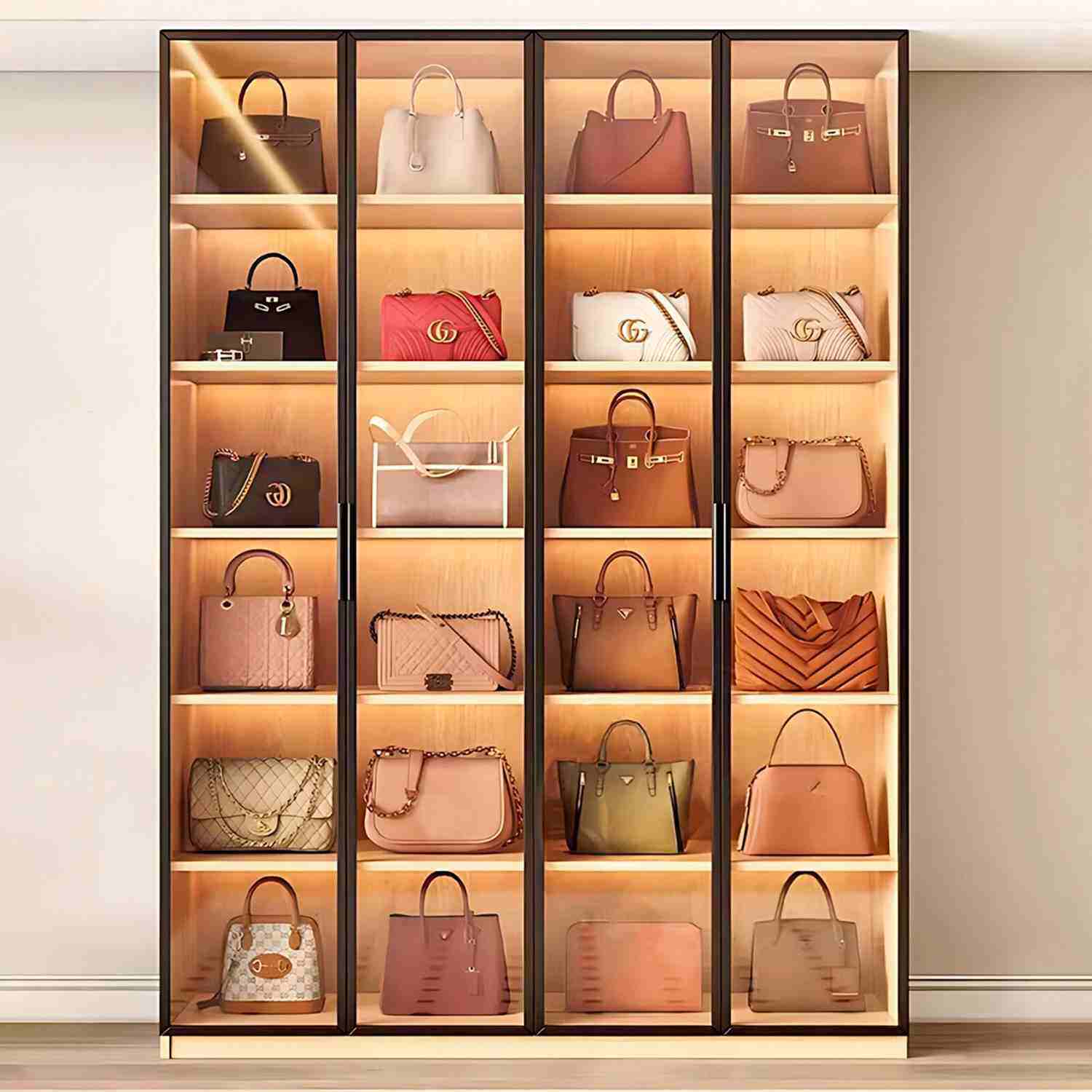
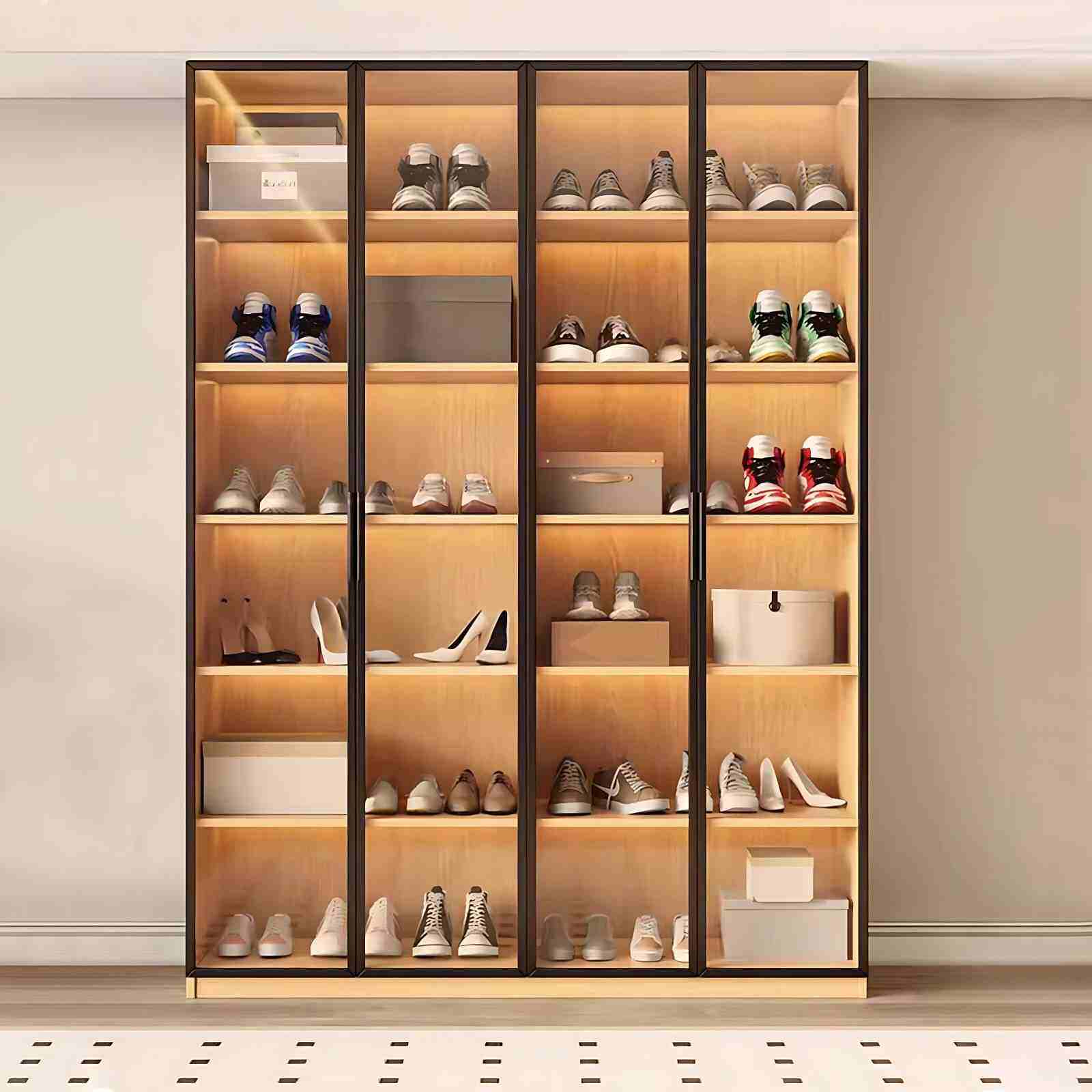


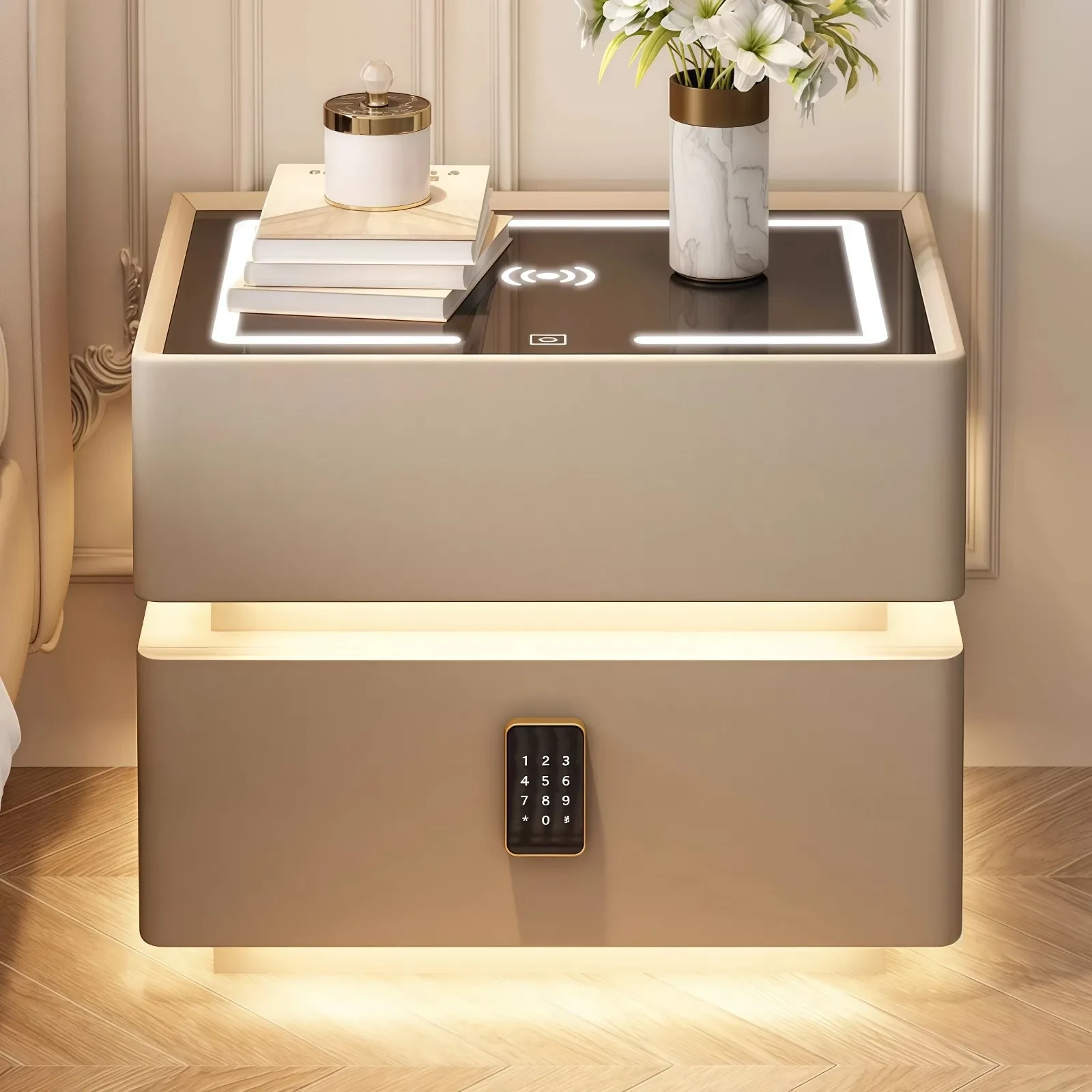





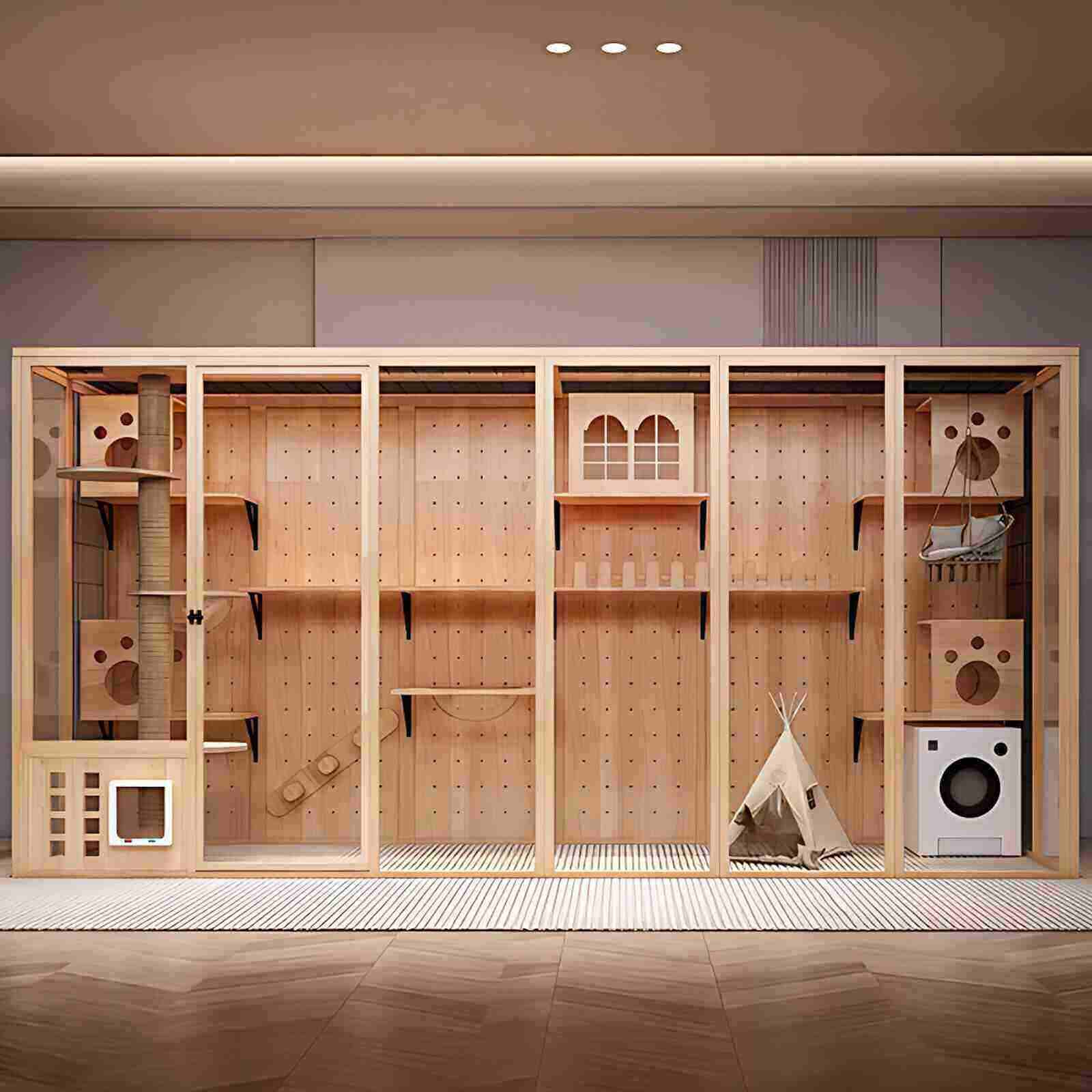
In the wood-based panel market, regardless of brand, all panels claim to be of "superior quality" and "healthy and environmentally friendly," with product advertisements offering extravagant claims and some even featuring incredibly low prices that entice consumers. Weiye brand wood-based panels points out that there are many misconceptions when choosing wood-based panels, and it's easy to fall into common pitfalls. Learn these four points to avoid being fooled.
1. Check the appearance
By carefully observing the appearance of the boards, you can make a preliminary judgment on whether they are good quality boards. High-quality boards should have a smooth, defect-free surface, free from defects such as dead knots, patching, glue leakage, cracks, bubbles, and skin inclusions. Secondly, you should pay attention to whether the manufacturer's name, address, grade, specifications, and other information on the board packaging are clear. Do not purchase boards with unclear or incomplete information.
2. Smell
"Whether a board is environmentally friendly depends on the glue." You can tell if a board contains formaldehyde by smelling it. Some companies use inferior glue during processing to save costs, resulting in seriously excessive formaldehyde levels. When purchasing, consumers should smell the edge of the board; if there is a pungent odor, it indicates excessive formaldehyde content, making it a substandard product that poses a significant health hazard and should not be purchased.
3. Saw off a section to inspect.
Before purchasing boards, you can ask the seller for a sample and cut a section to check the core of the product. Since boards are made by gluing or splicing core layers, high-quality boards will have clear cross-sections, a dense and firm core, good nail-holding power, and strong durability. Inferior boards are made of spliced mixed woods, with a loose and hollow core, which affects their service life and should not be purchased.
IV. Moisture Content
Moisture content is a crucial factor affecting the quality of wood-based panels and requires testing with specific tools. Generally, the moisture content should be around 16%. Too low a moisture content can cause the panels to warp and split, while too high a moisture content can cause discoloration, decay, and susceptibility to insects. Tools such as a "wood moisture meter" can be used to test the moisture content of the product.
The above four methods can basically distinguish the quality of wood-based panels. Weiye, as one of China's top ten wood-based panel brands, takes producing high-quality panels as its mission, actively innovating its development model. Through modern production equipment and a scientific quality management system, its eco-friendly panels, fire-retardant panels, plywood, and blockboard have gained high recognition from consumers and become best-selling products in the building materials market.