
 USD
USD GBP
GBP
 EUR
EUR






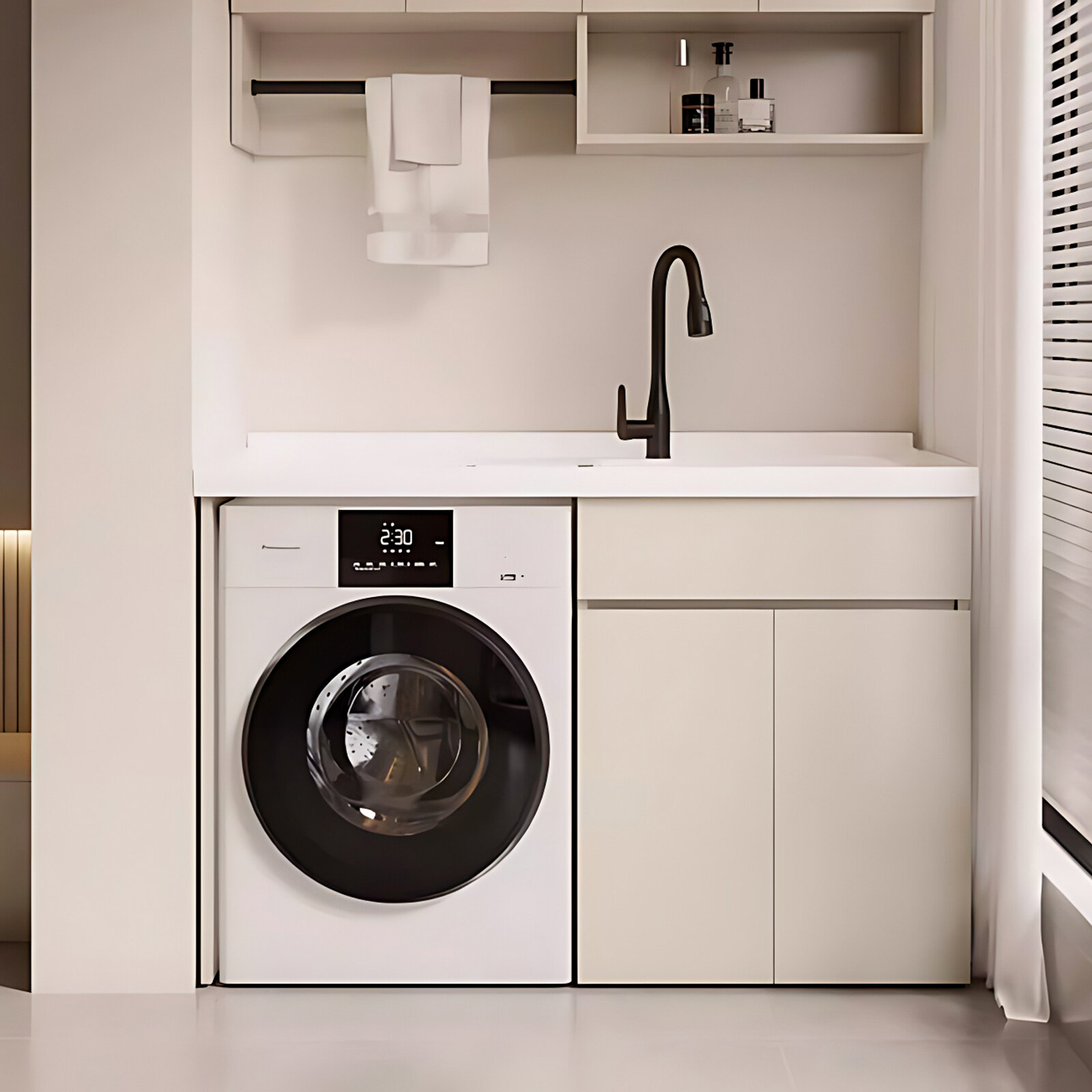
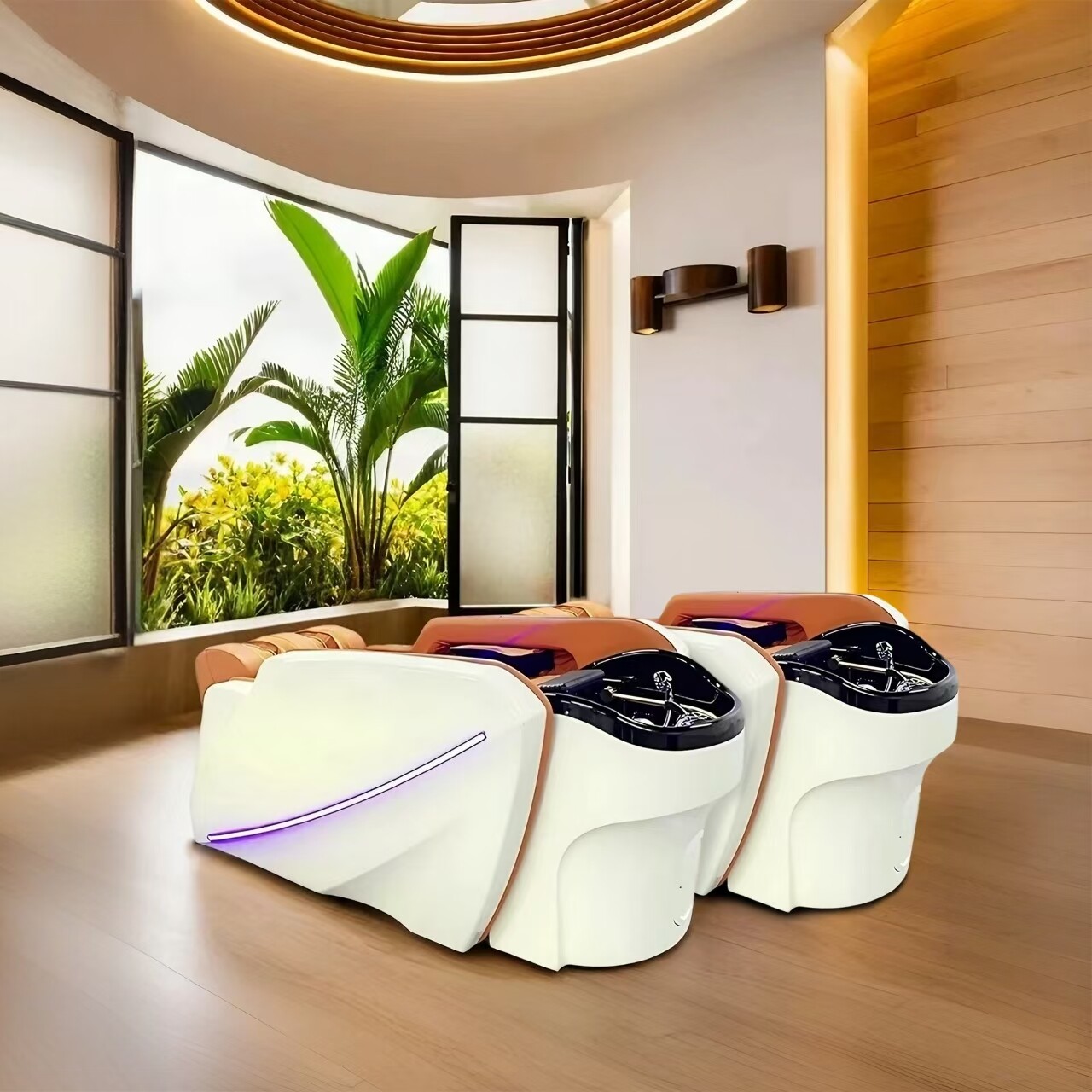

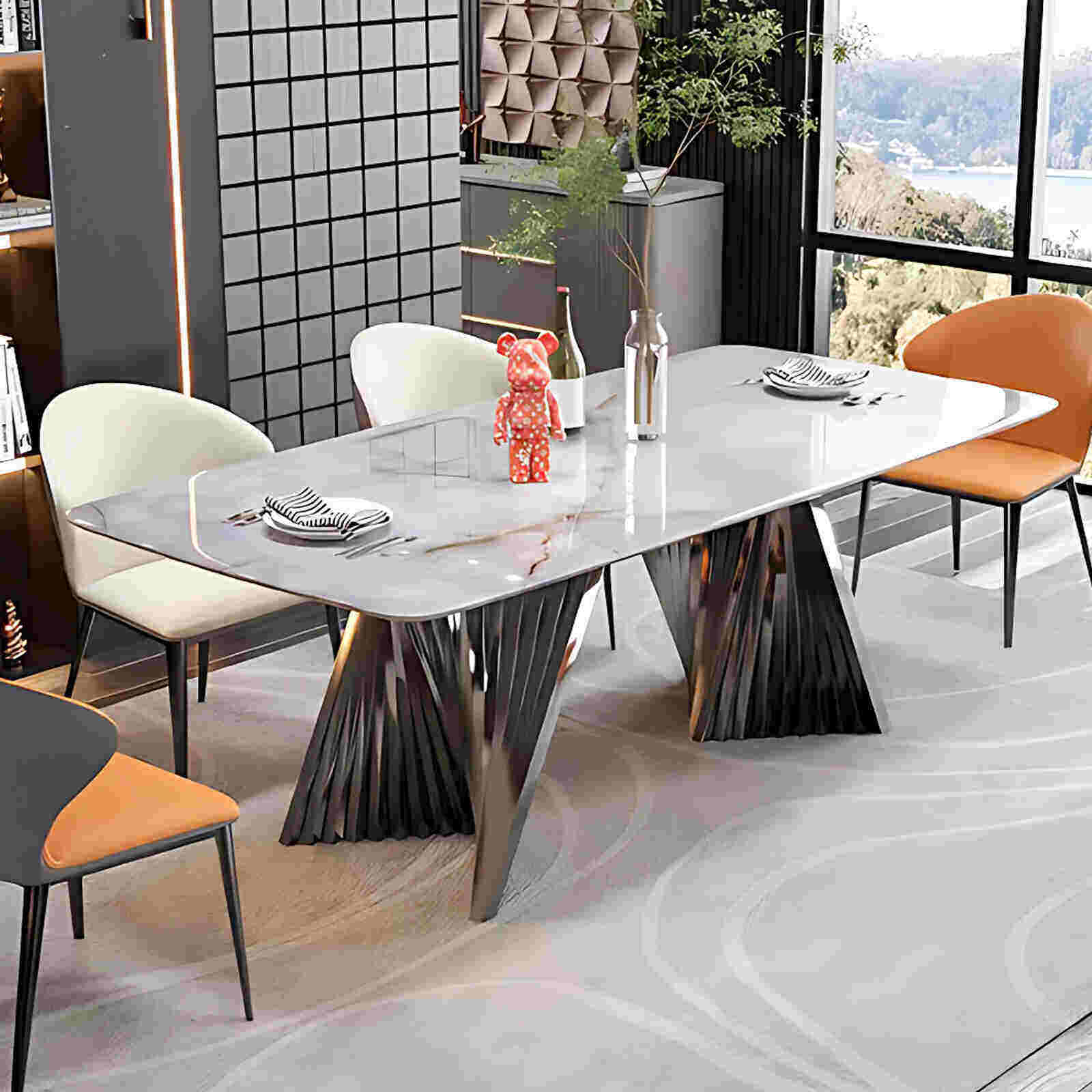
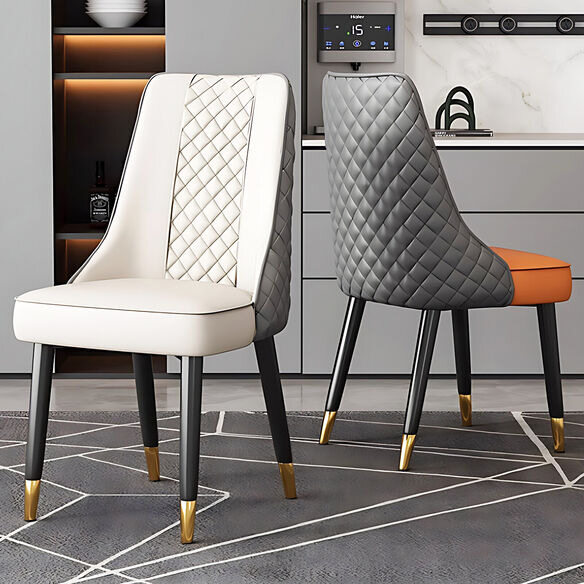
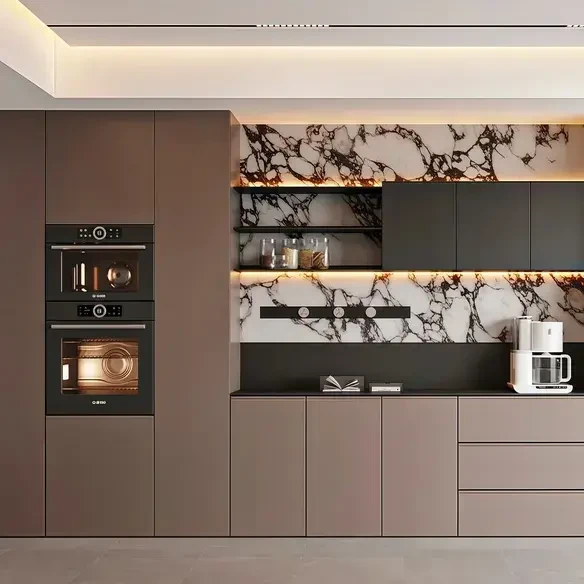
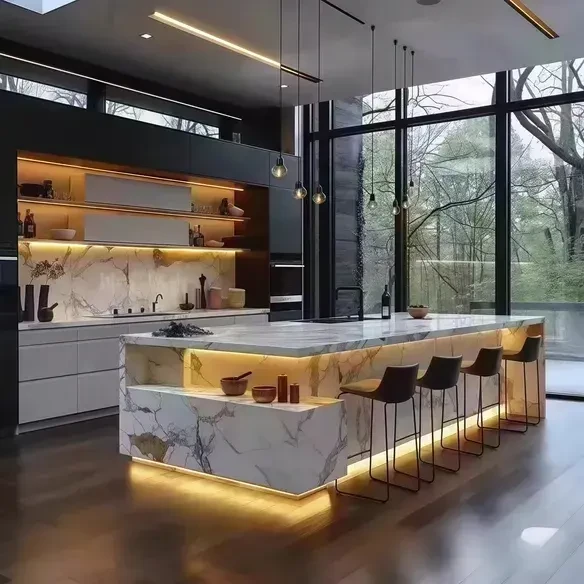







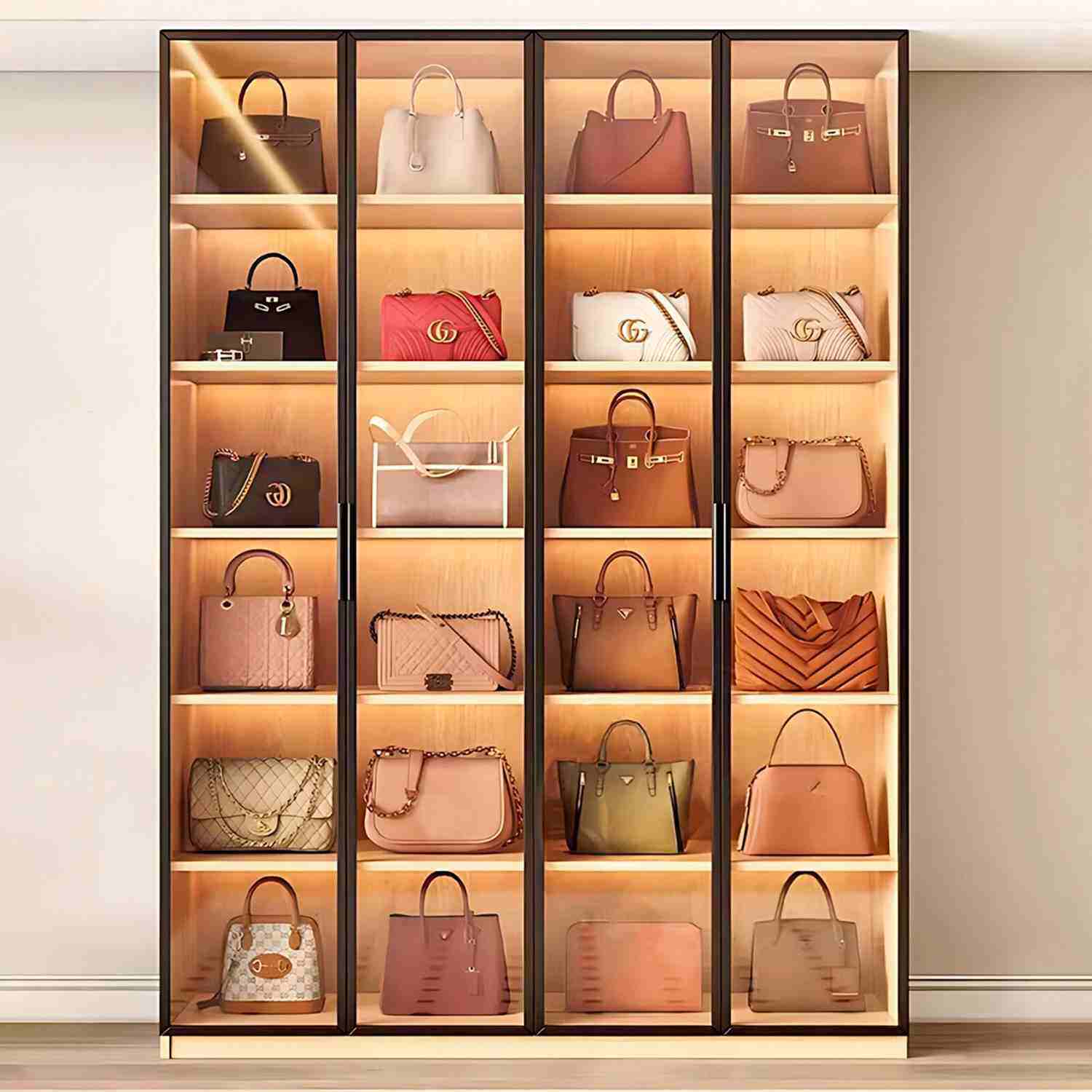








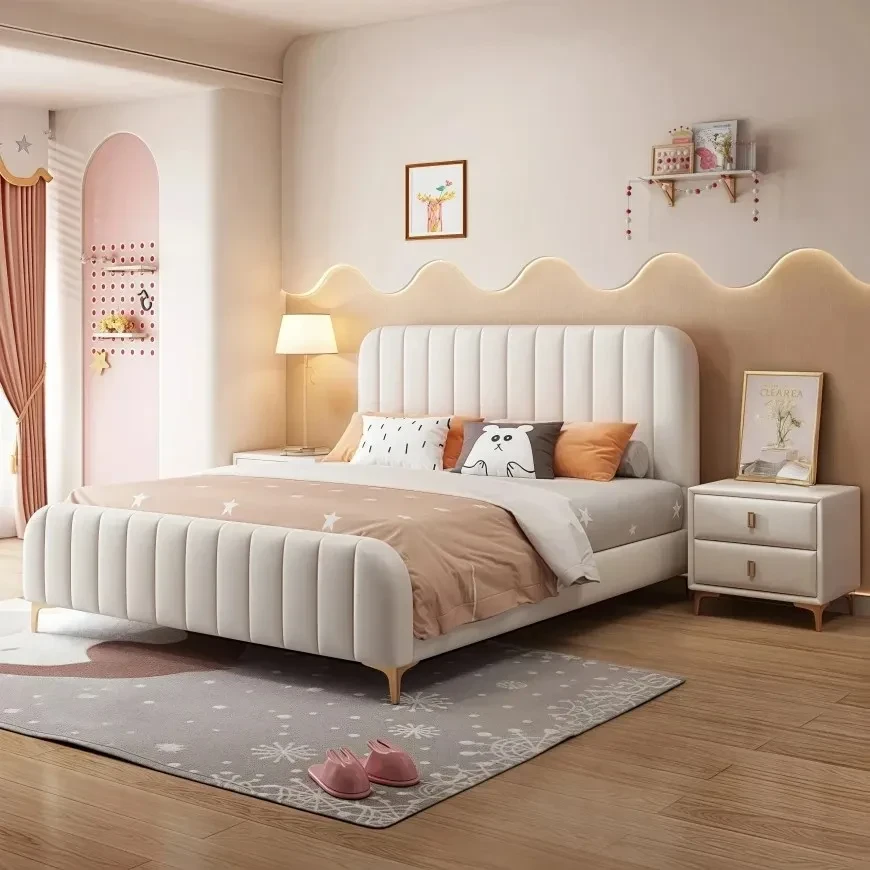
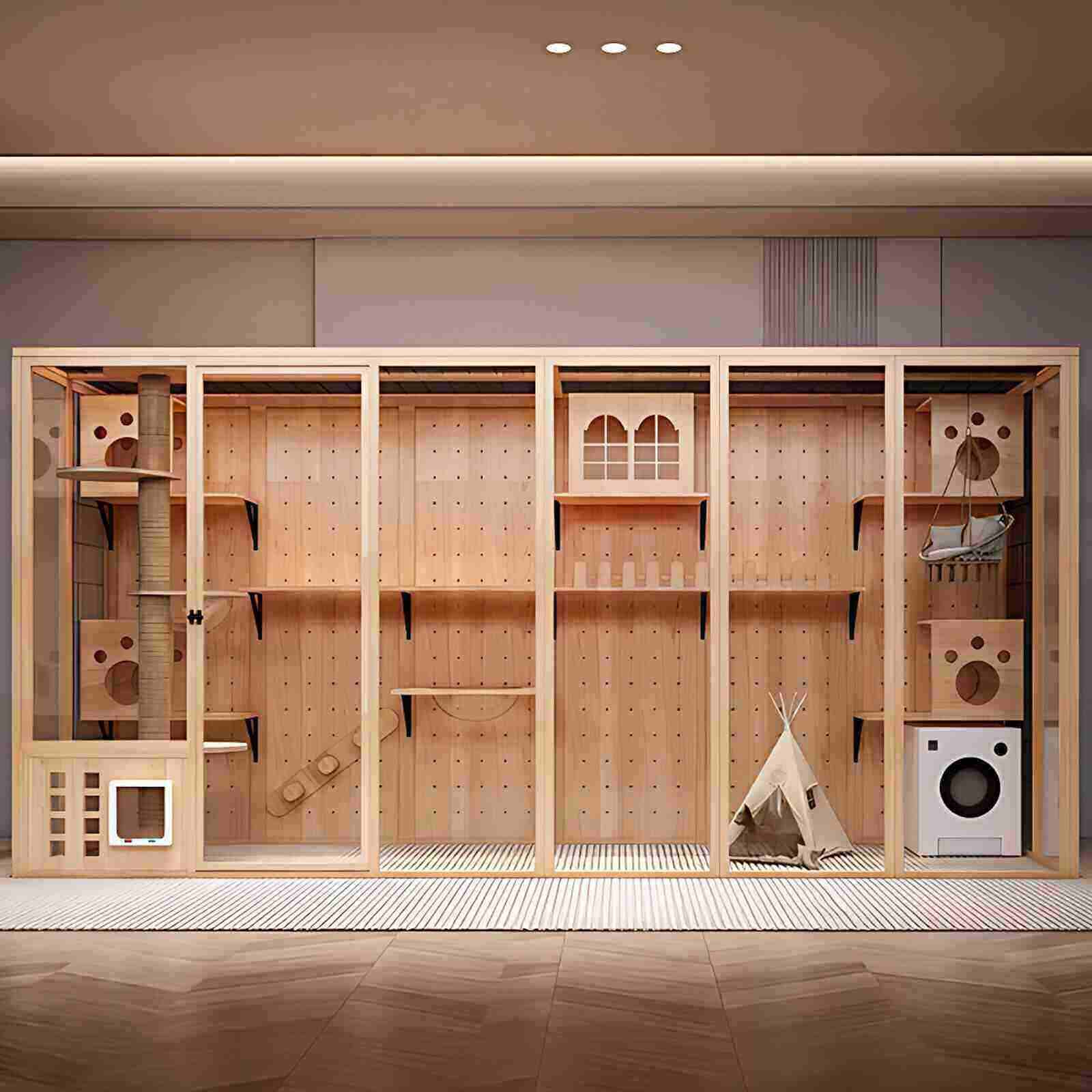
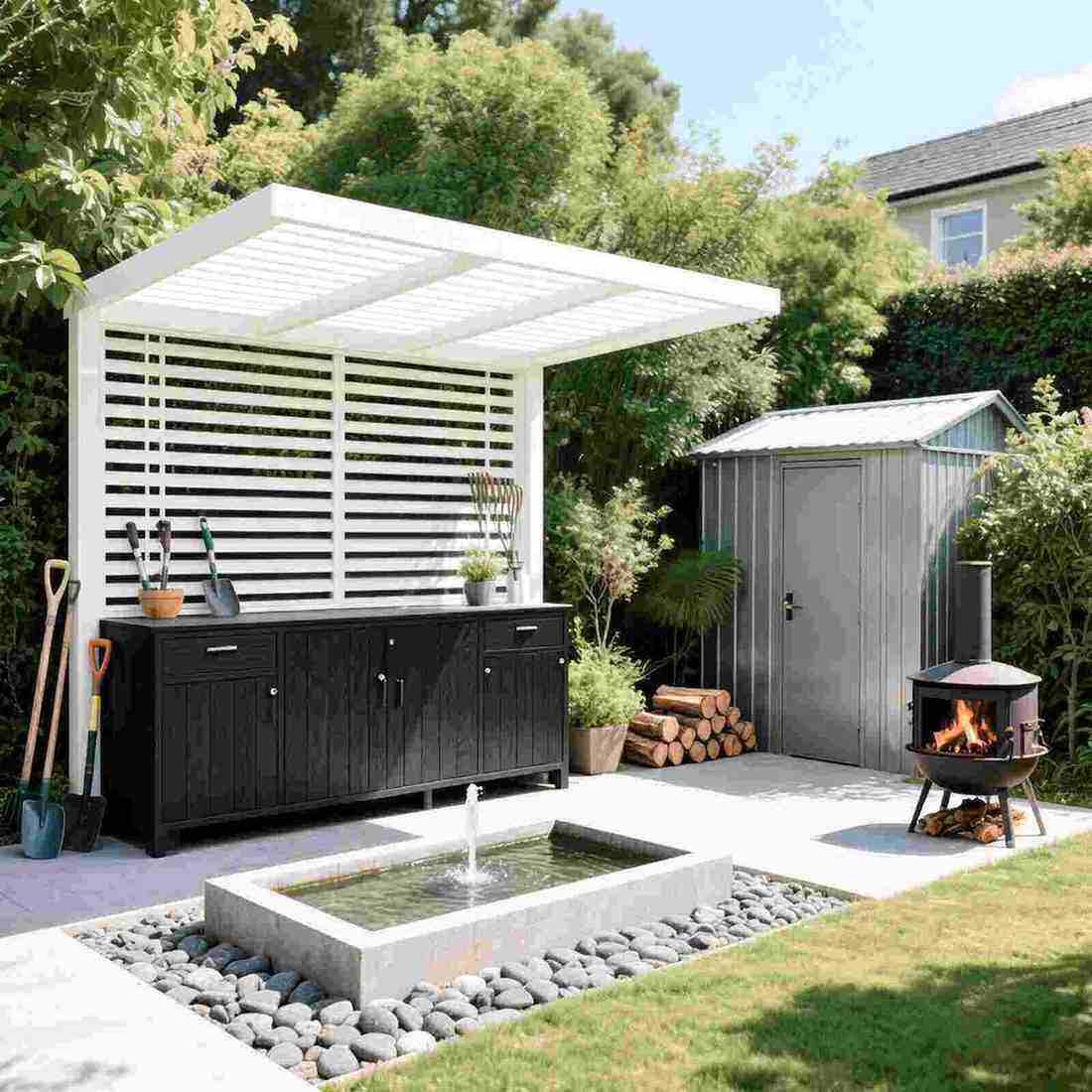
There are many types of eco-friendly building materials on the market, with significant price differences. Today, we'll introduce the factors that influence the price of eco-friendly building materials. Interested readers are welcome to take a look.
1. Facing paper
The price of eco-friendly boards is closely related to the quality of the veneer paper. Generally speaking, eco-friendly boards use high-quality melamine paper with ink, which produces richer colors. Lower-end eco-friendly boards use inferior ink paper, and some may even use pigment paper directly, which is prone to color fading.
2. Substrate
The substrate is also a factor affecting the price of eco-friendly boards. The quality of the substrate directly impacts the performance and practicality of the eco-friendly boards. Therefore, when selecting eco-friendly boards, it's essential to carefully inquire about the substrate's characteristics.
3. Production process
The production process of eco-friendly boards is also one of the factors affecting their price. Eco-friendly boards with better workmanship will be more expensive, while those with poorer workmanship will be relatively cheaper.
4. The quality of the adhesive used
There are significant differences in the quality of adhesives used in eco-friendly boards. If formaldehyde-free adhesive is used, the price will be higher, while if urea-formaldehyde adhesive is used, the price will be much cheaper. However, urea-formaldehyde adhesive contains a large amount of formaldehyde, which is harmful to human health.
Although many factors influence the price of eco-friendly building materials, their numerous advantages make them very popular with consumers. After reading the above introduction to eco-friendly building materials, do you have a better understanding of them? We hope everyone can purchase the products that best suit their needs.