
 USD
USD GBP
GBP
 EUR
EUR
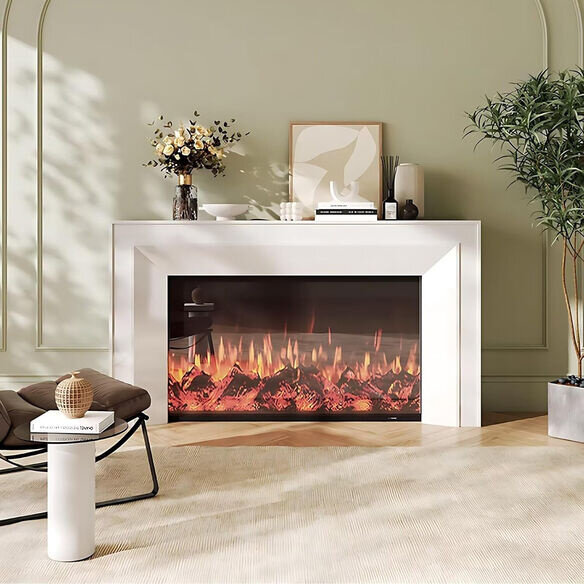
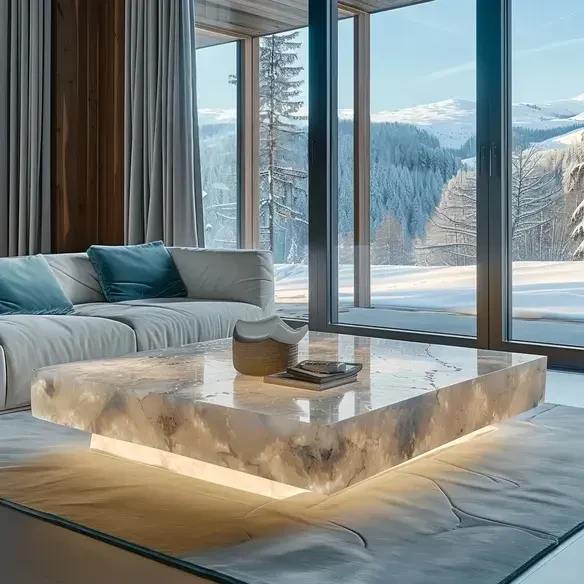
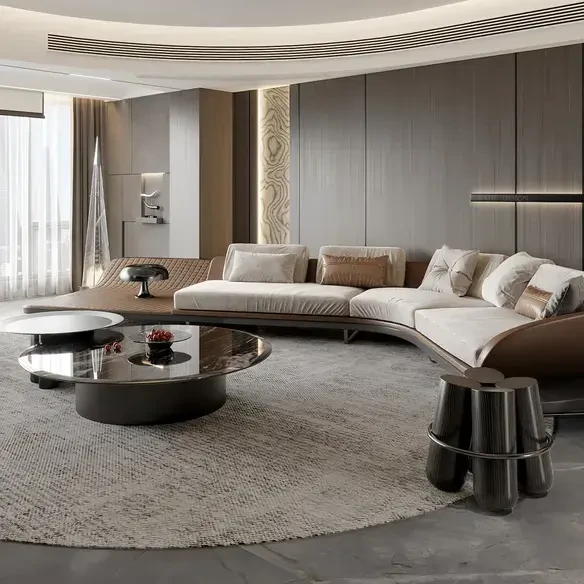
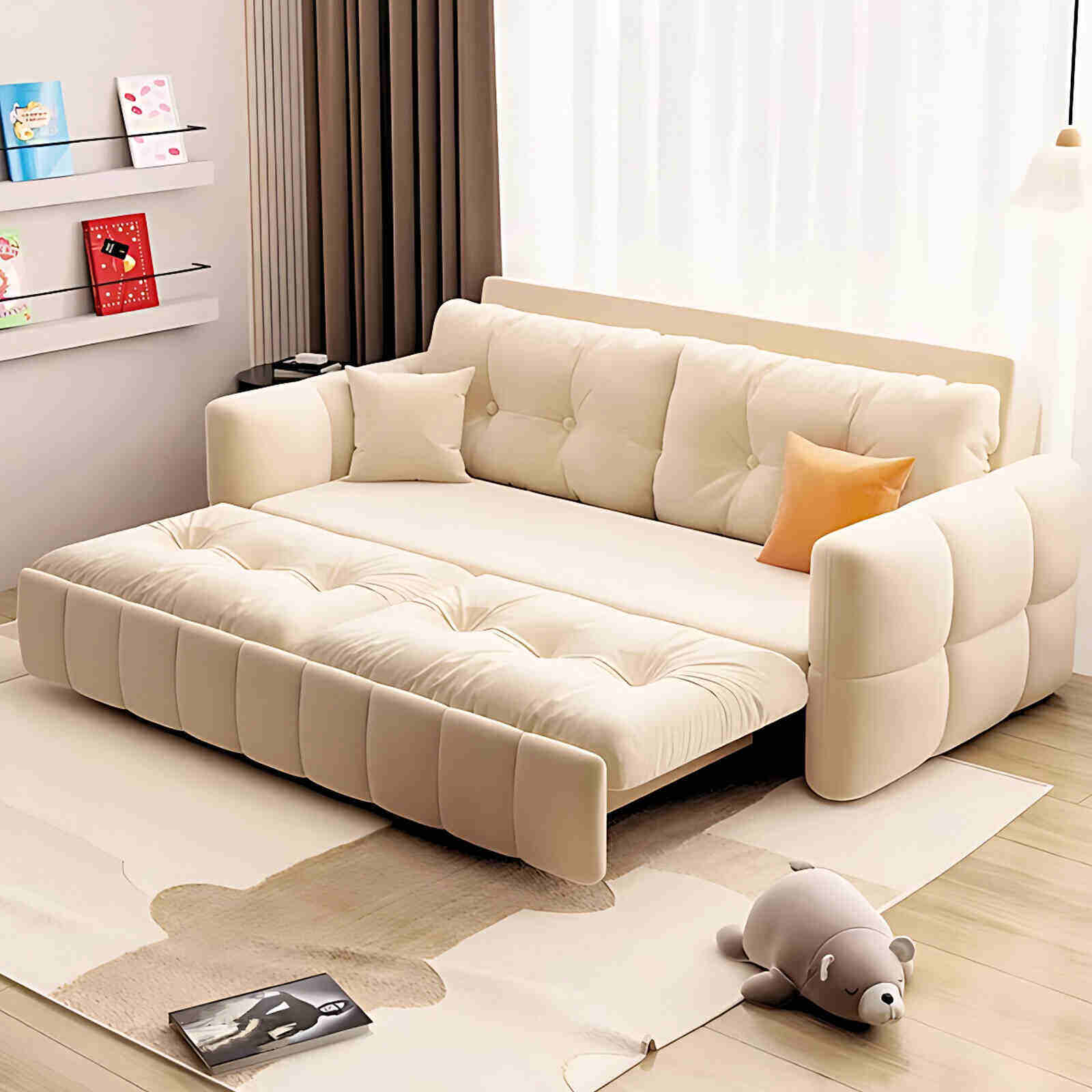
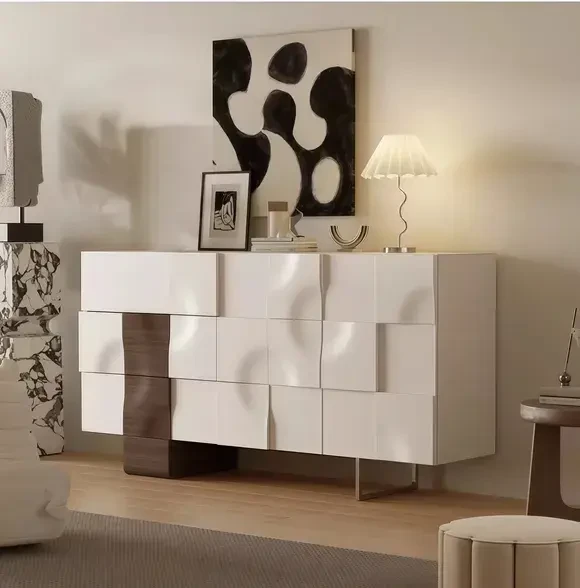
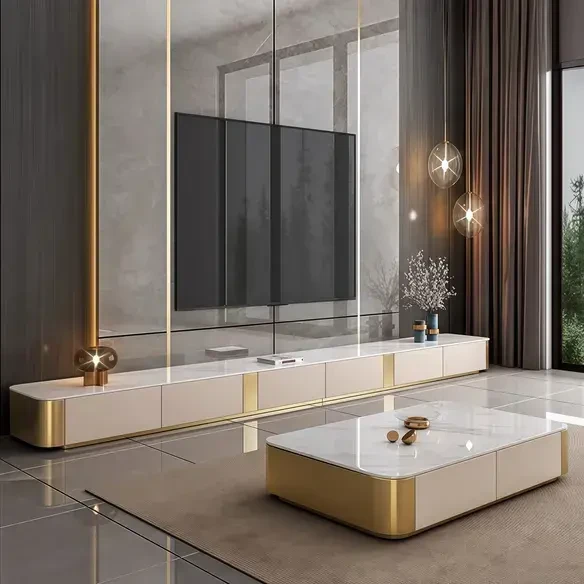
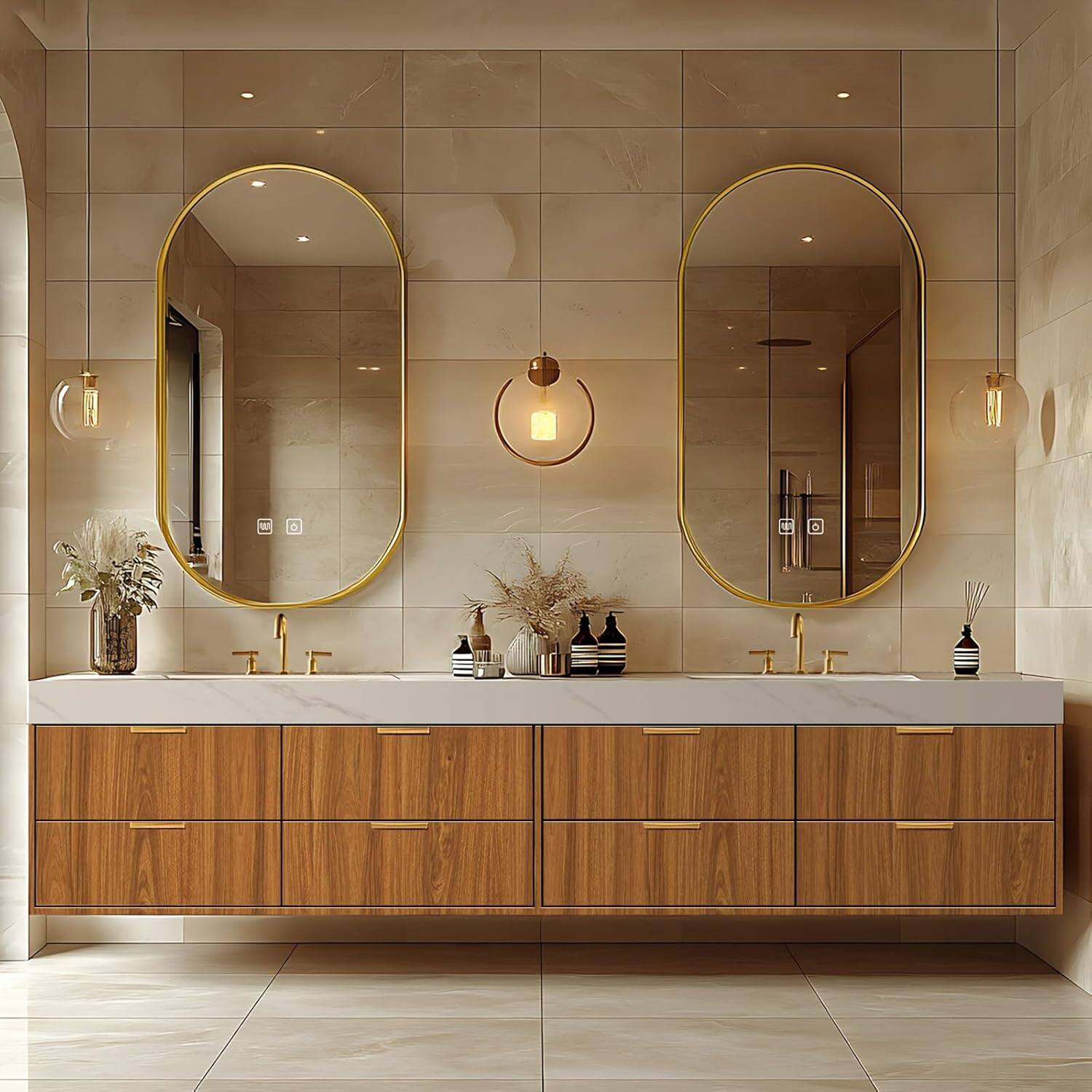
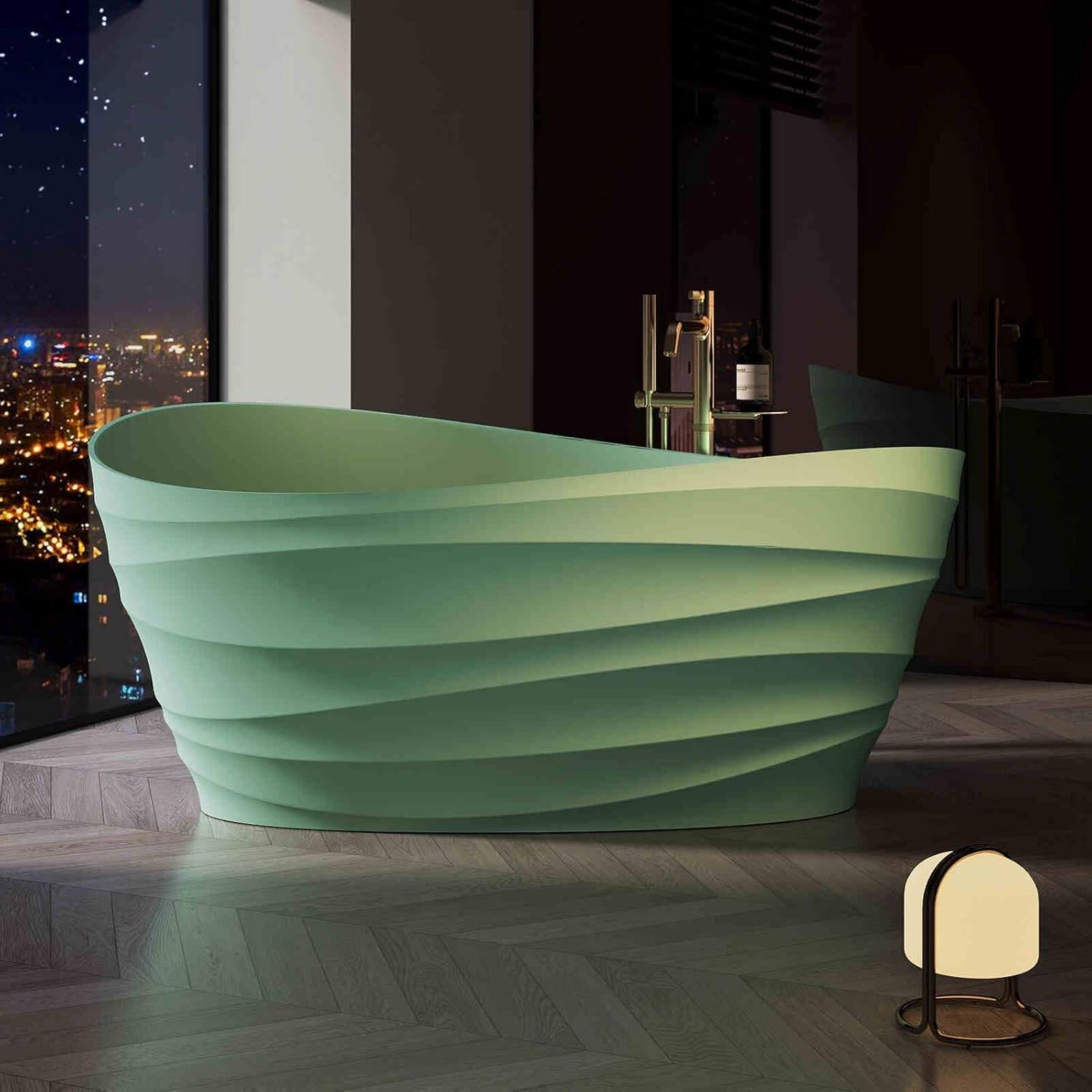
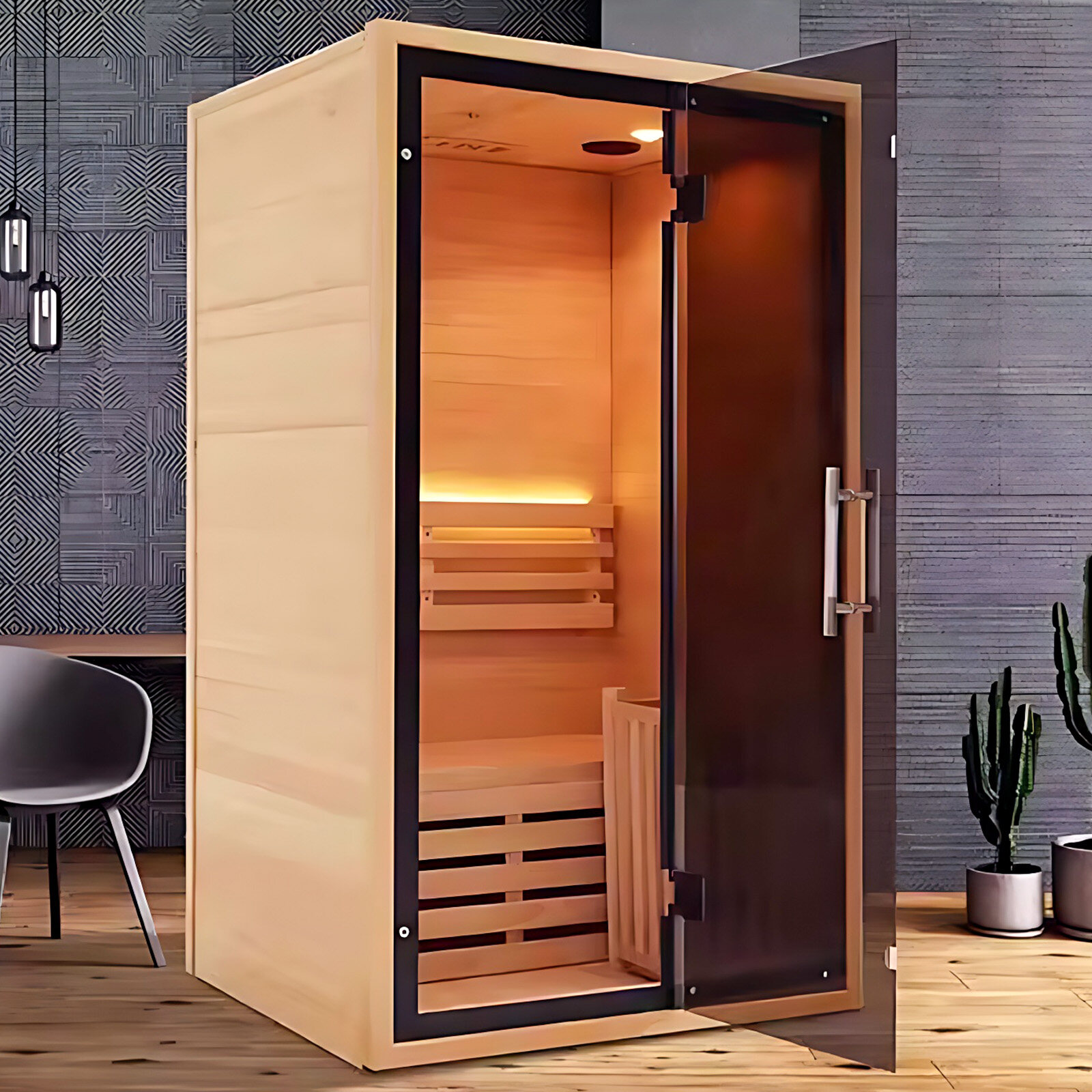
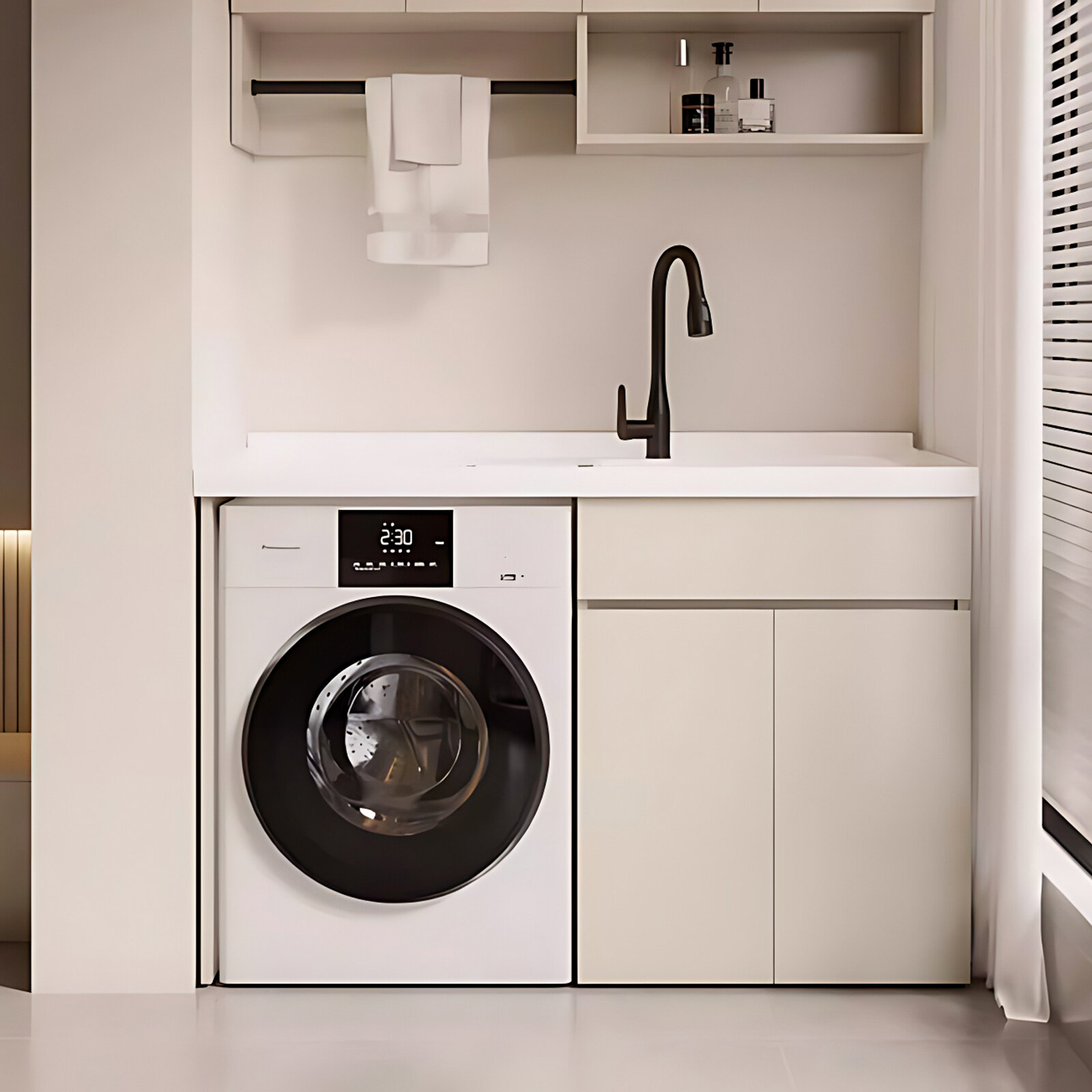
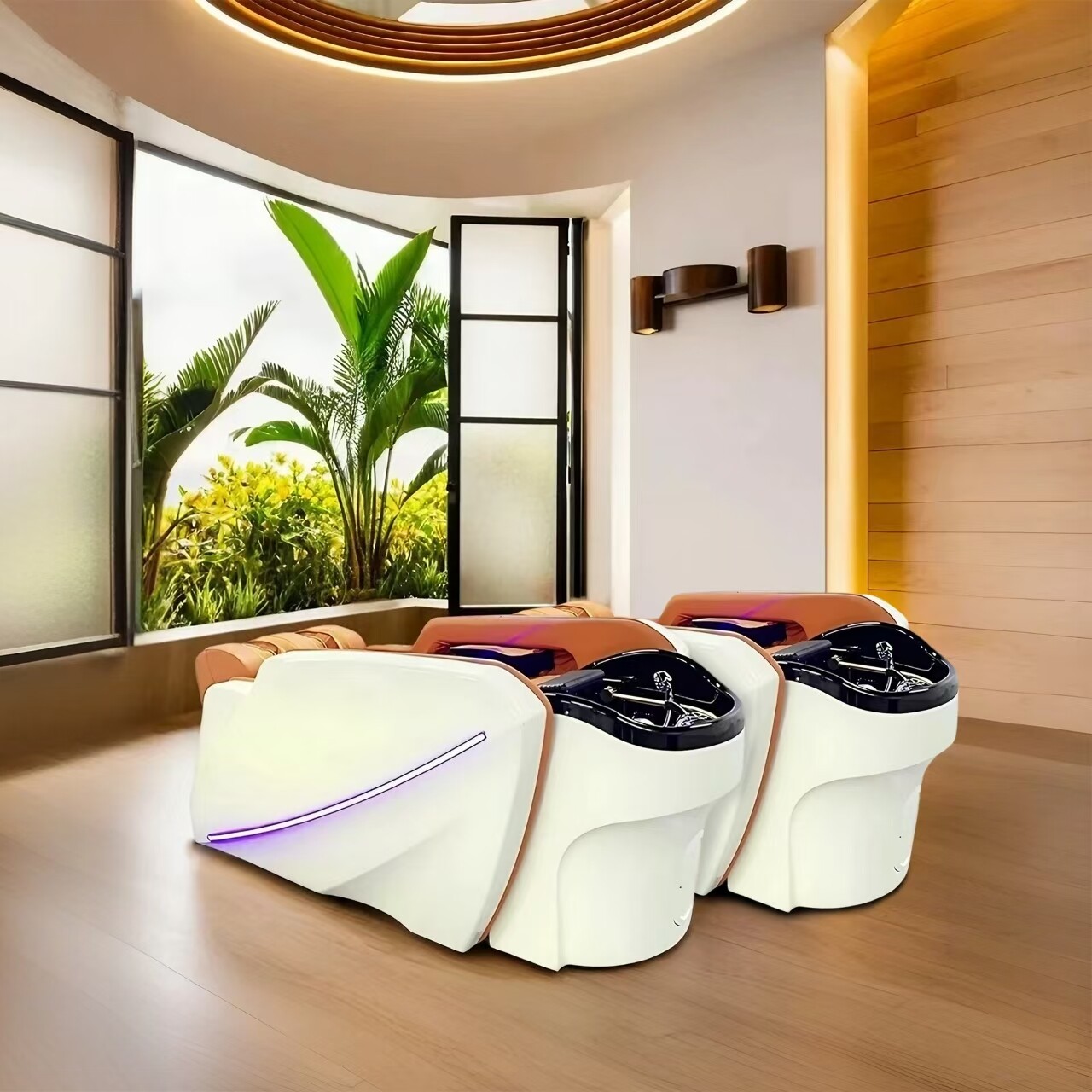
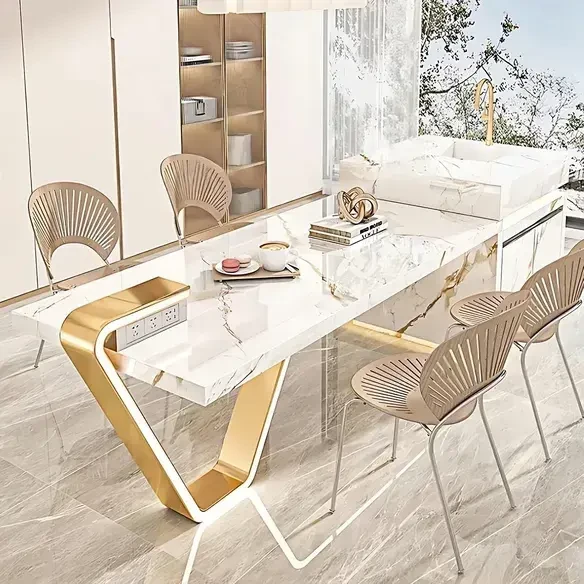
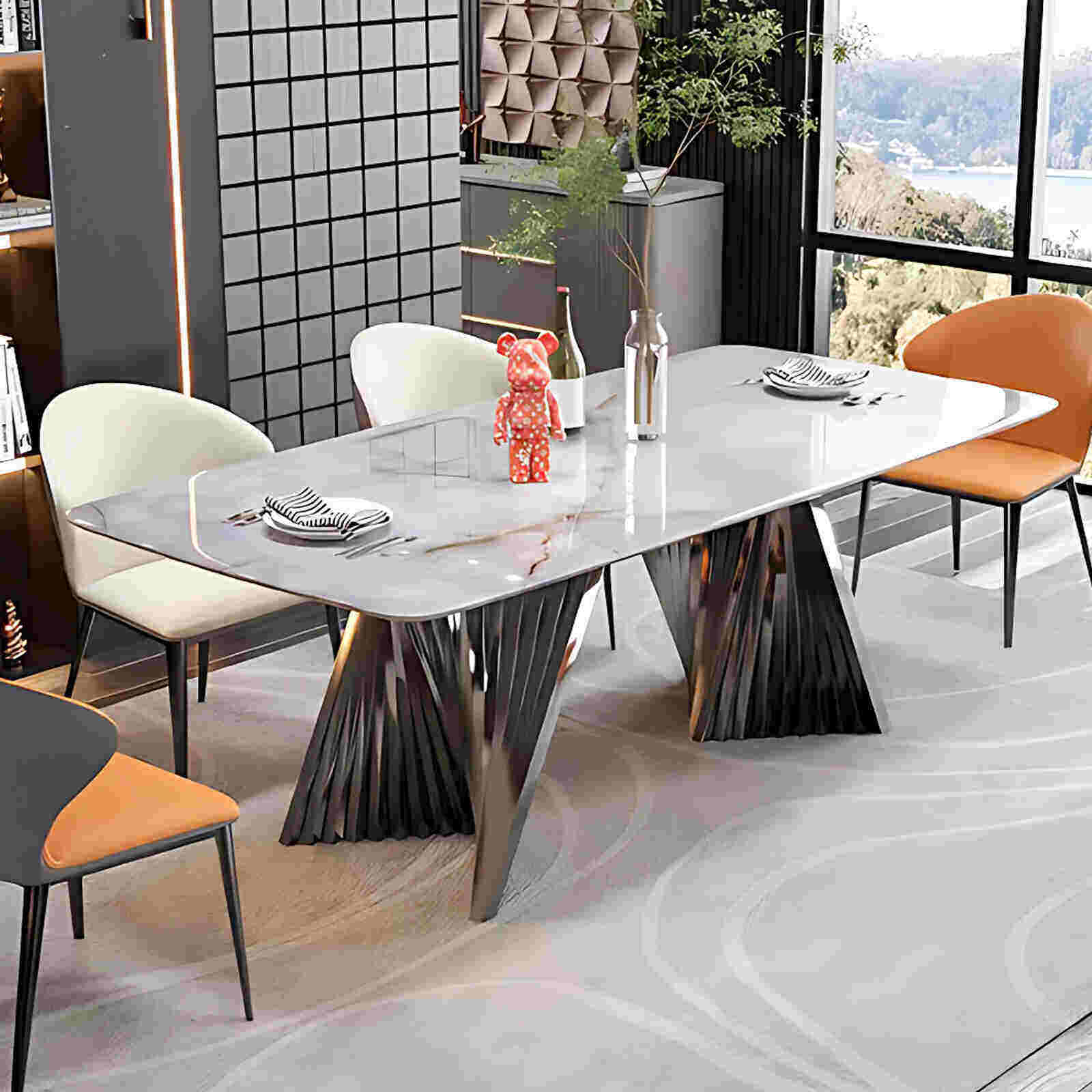
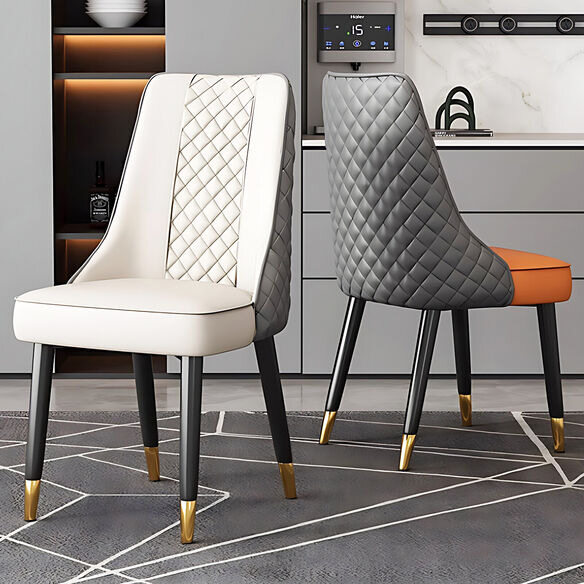
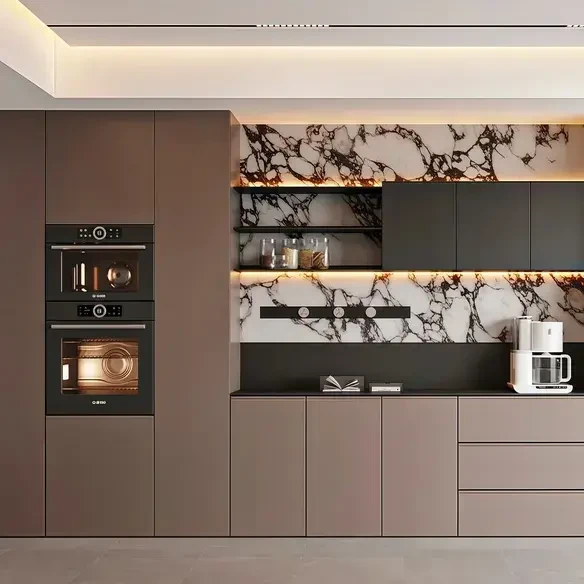
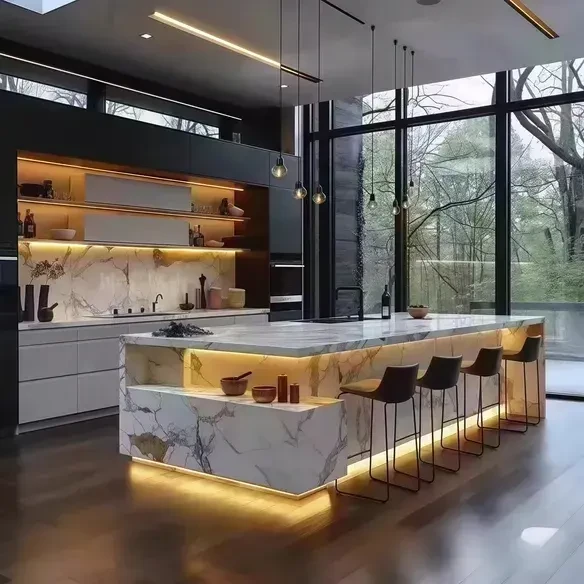
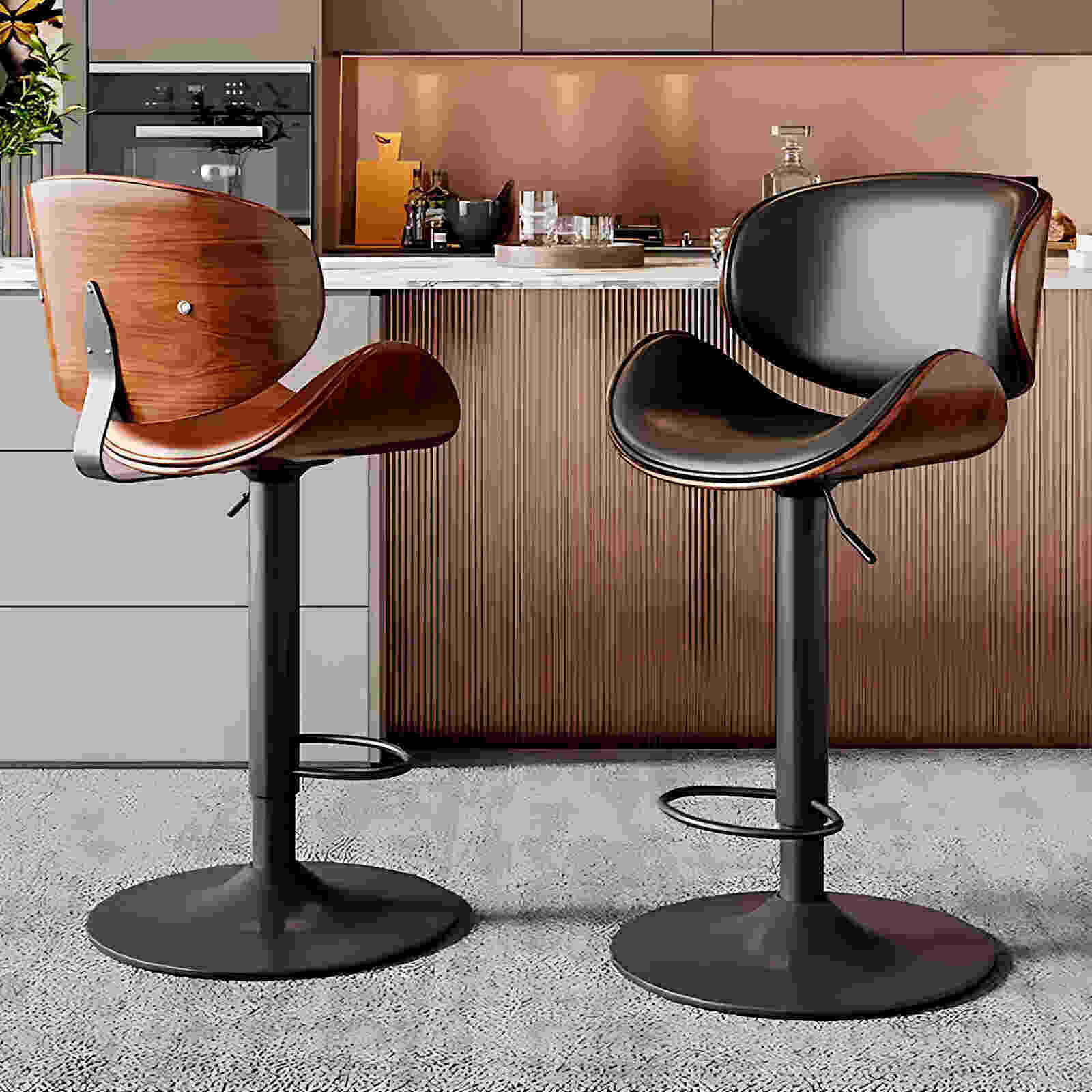
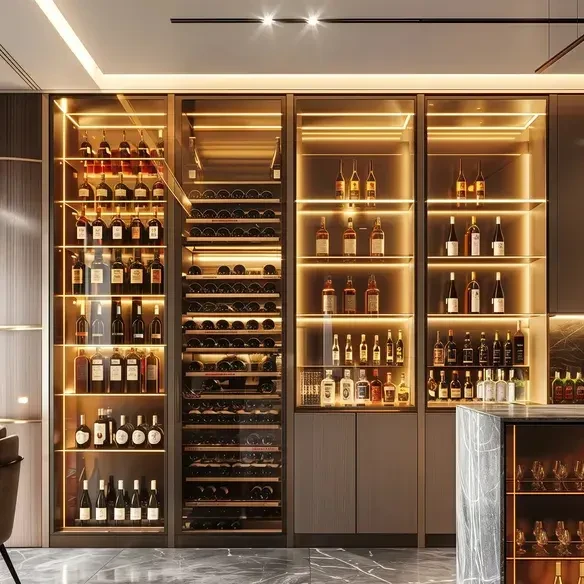
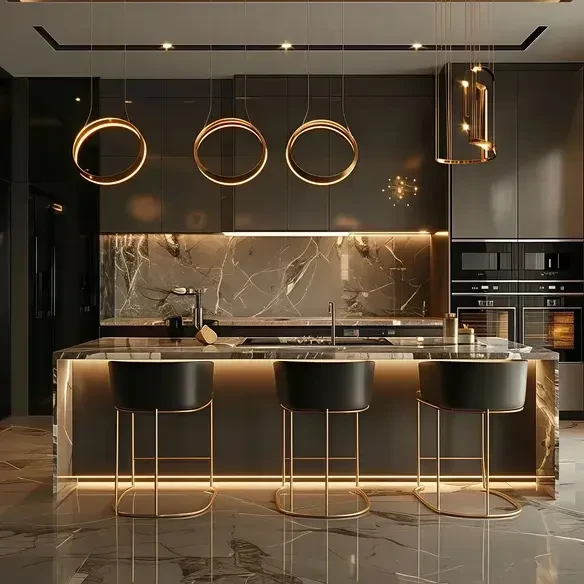
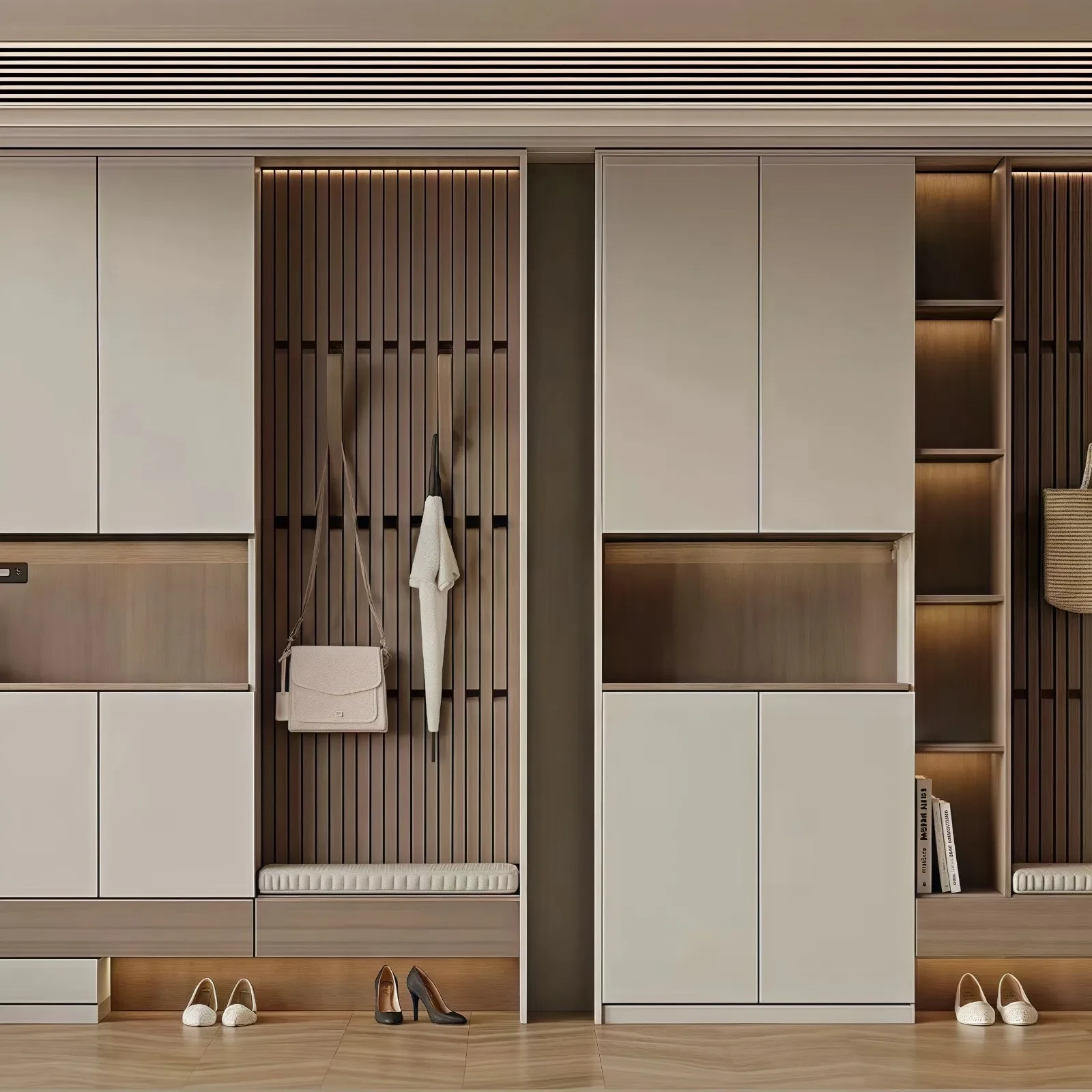
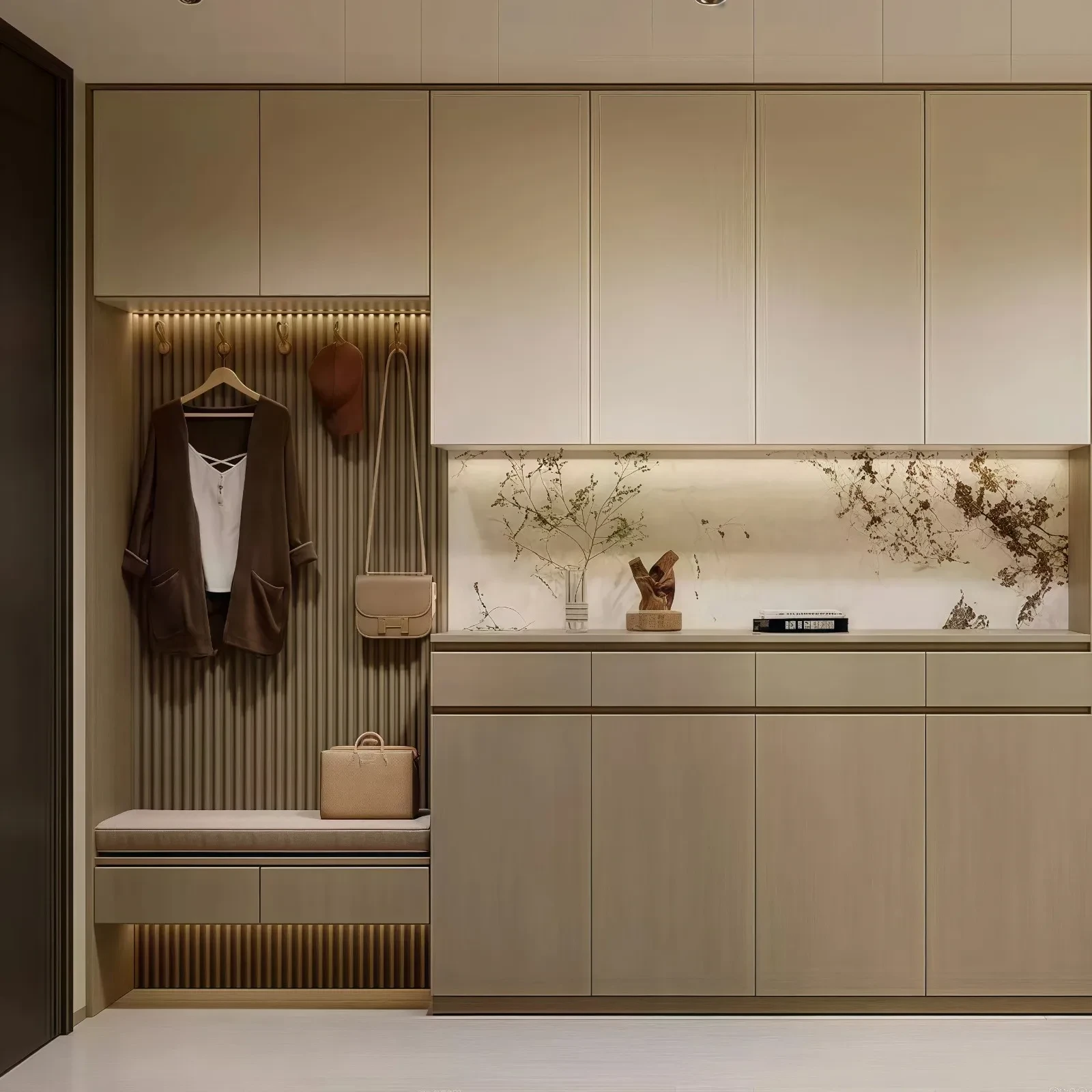
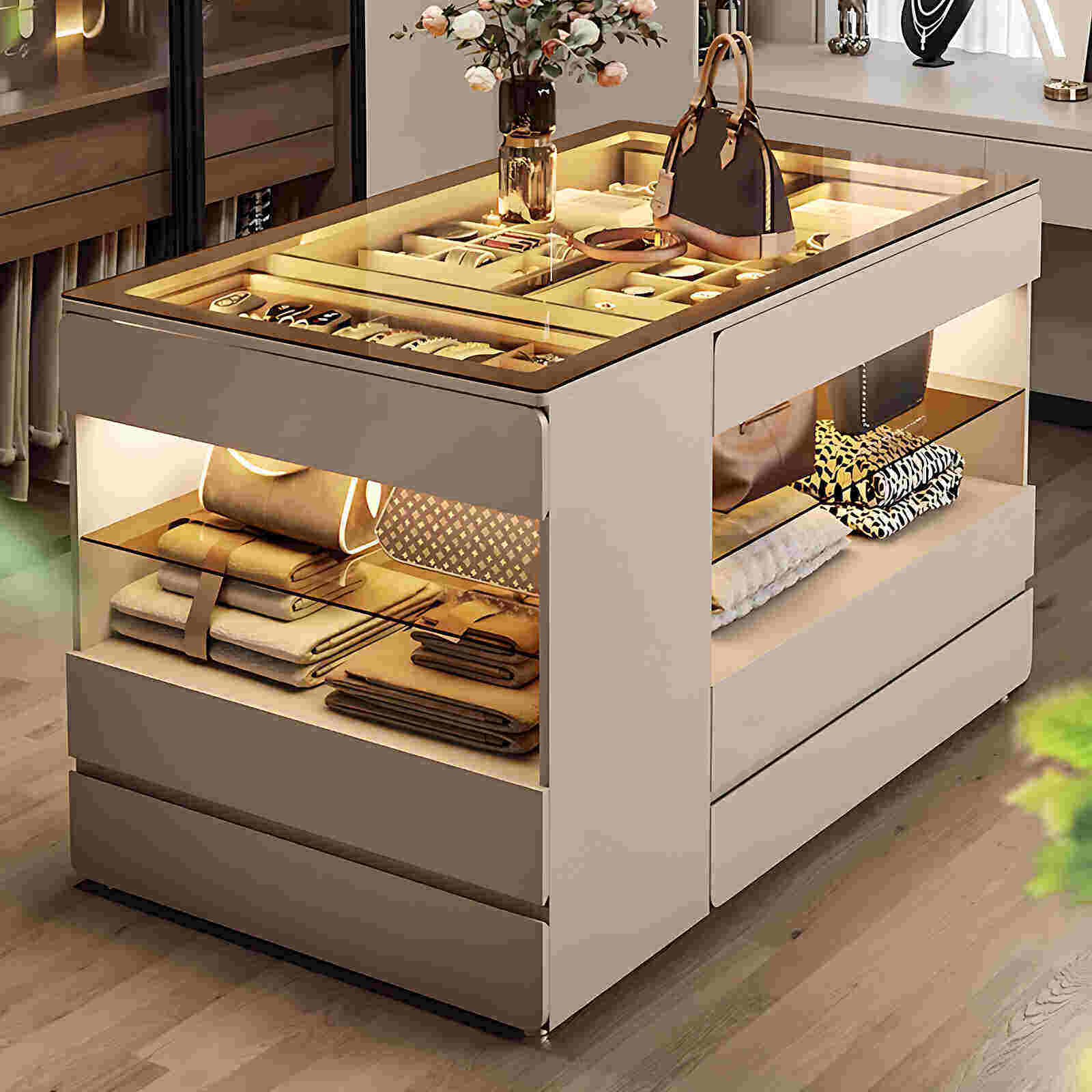
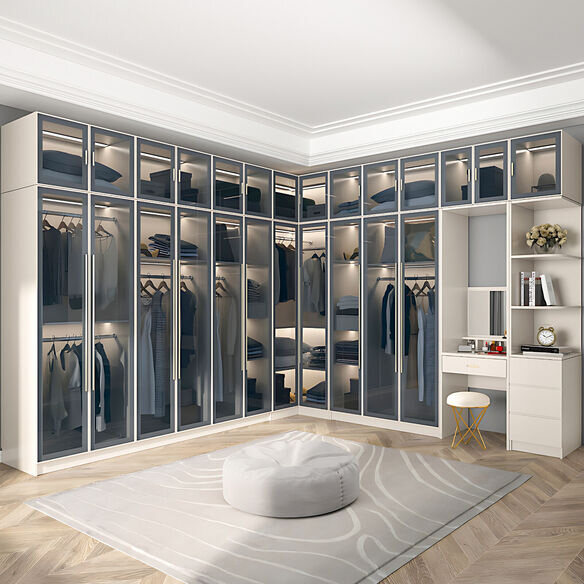
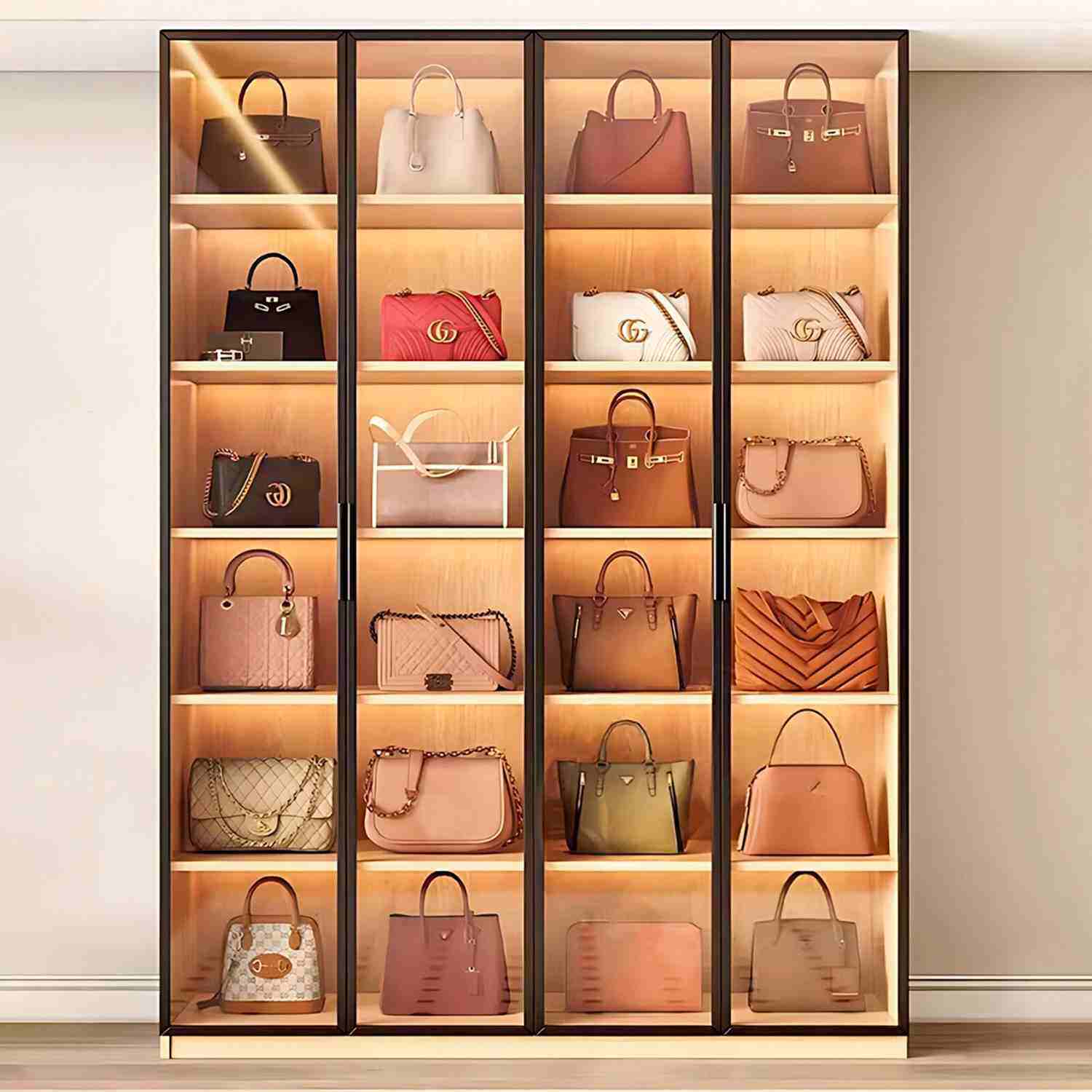
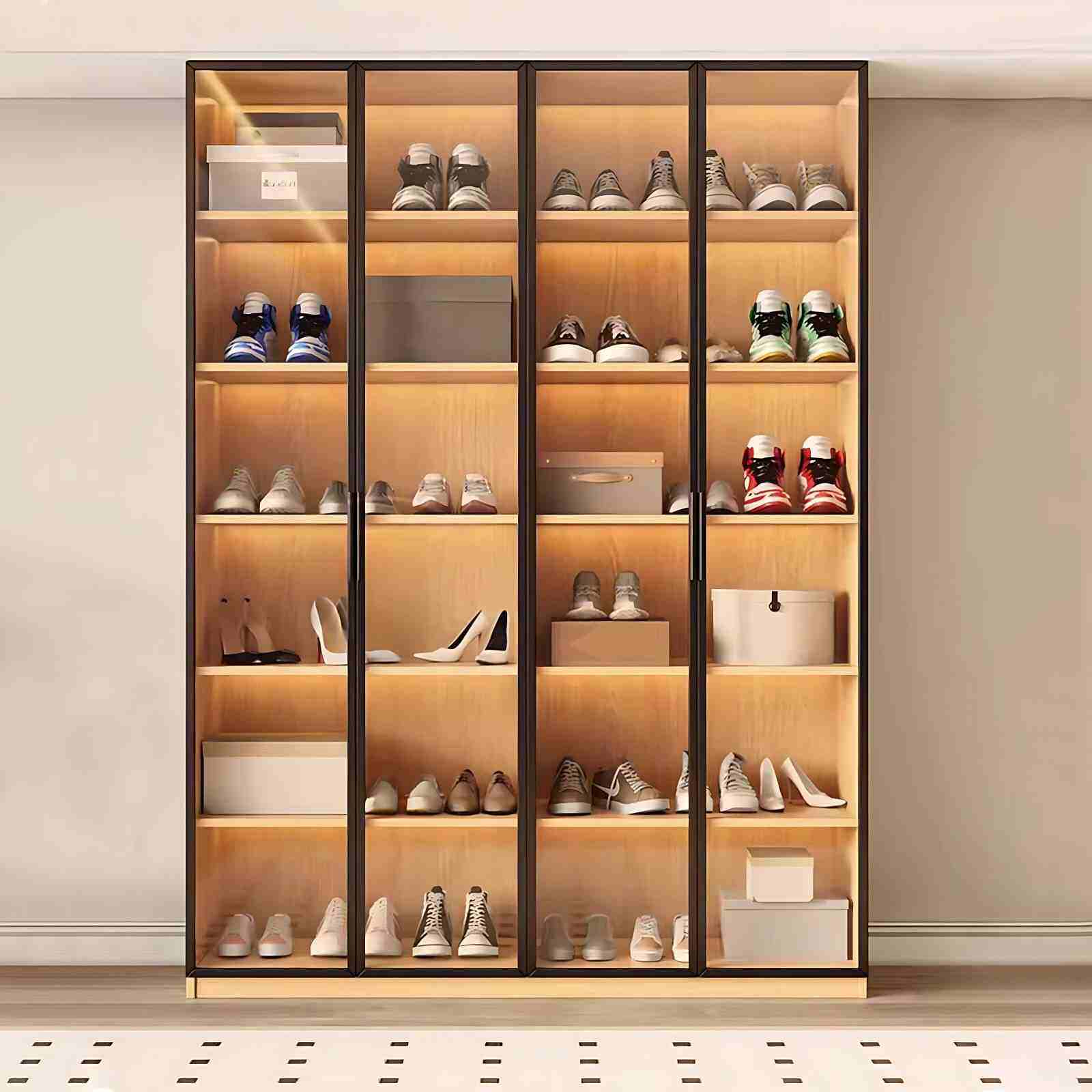
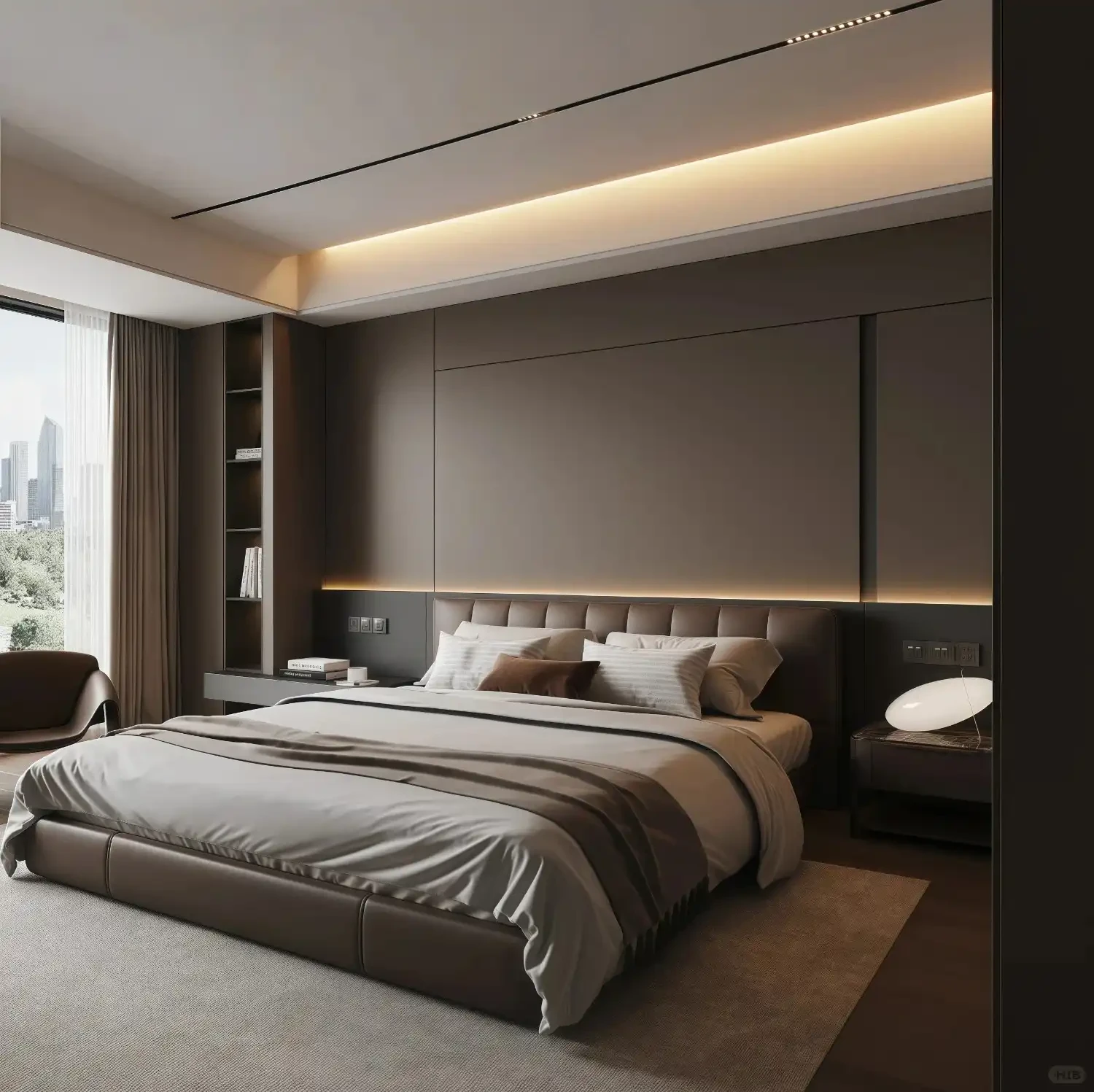
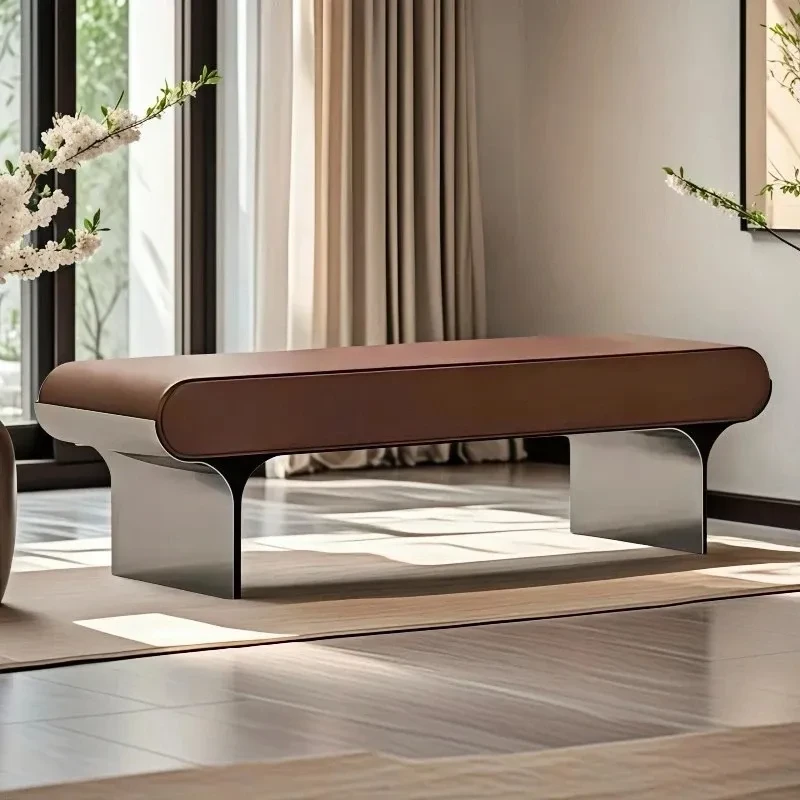
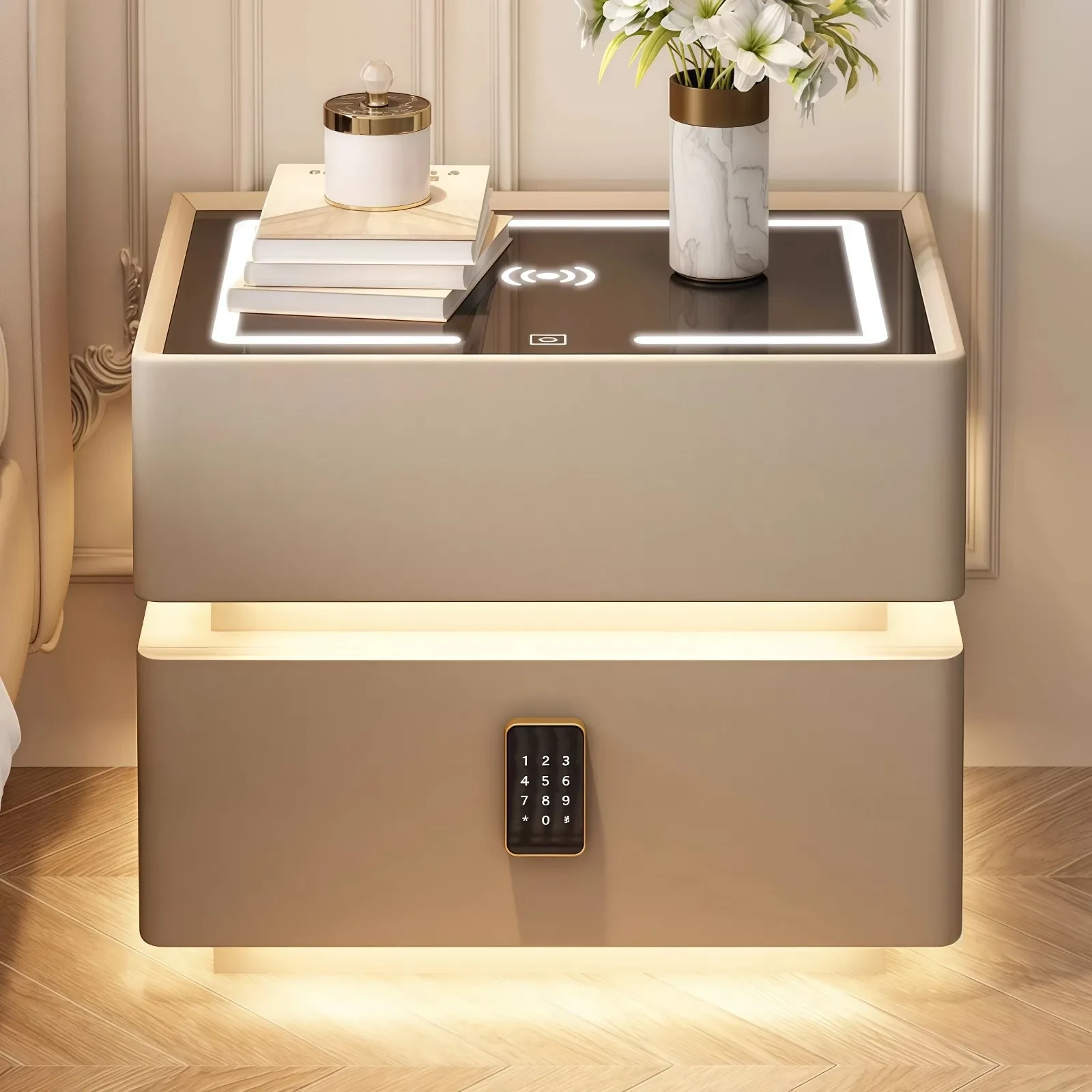
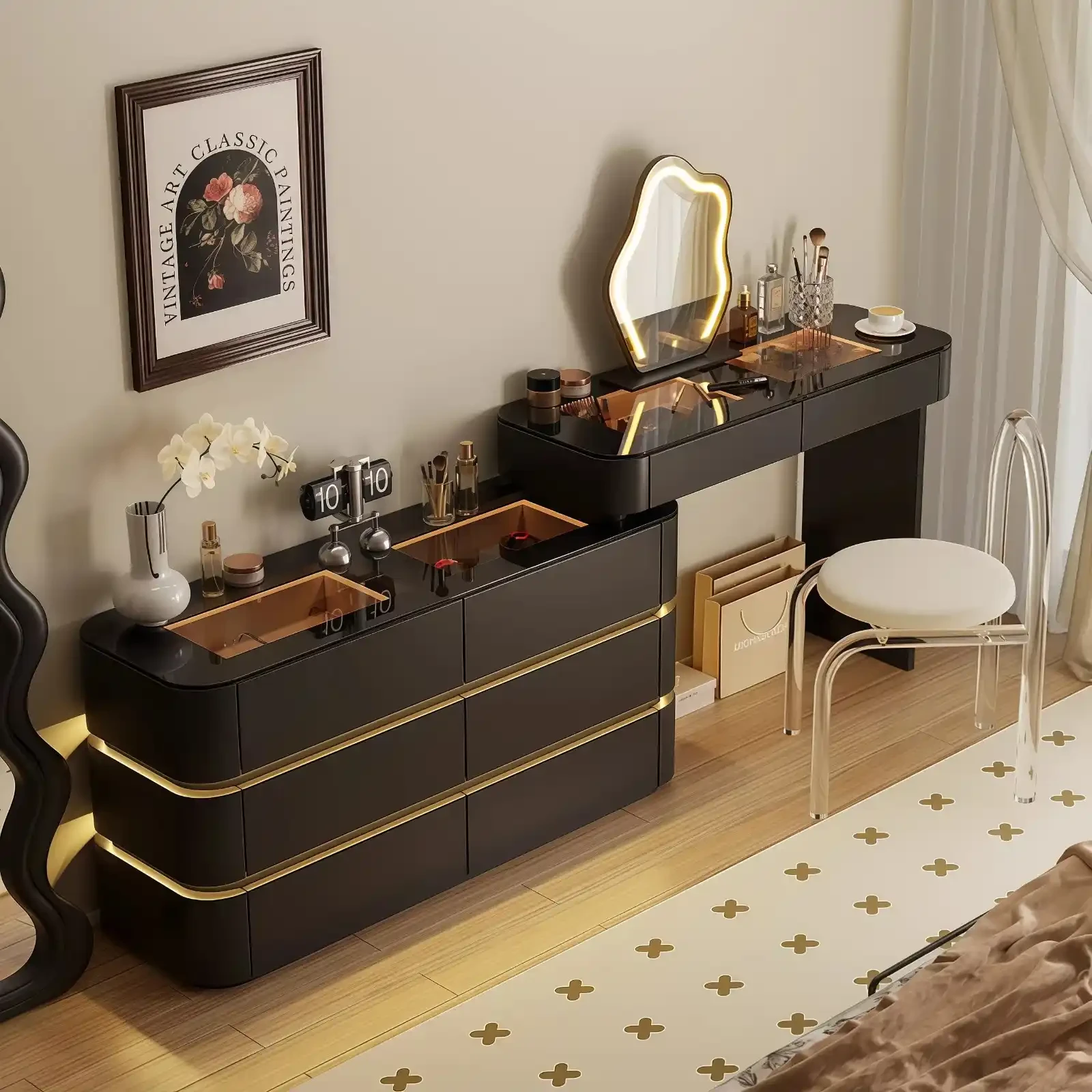
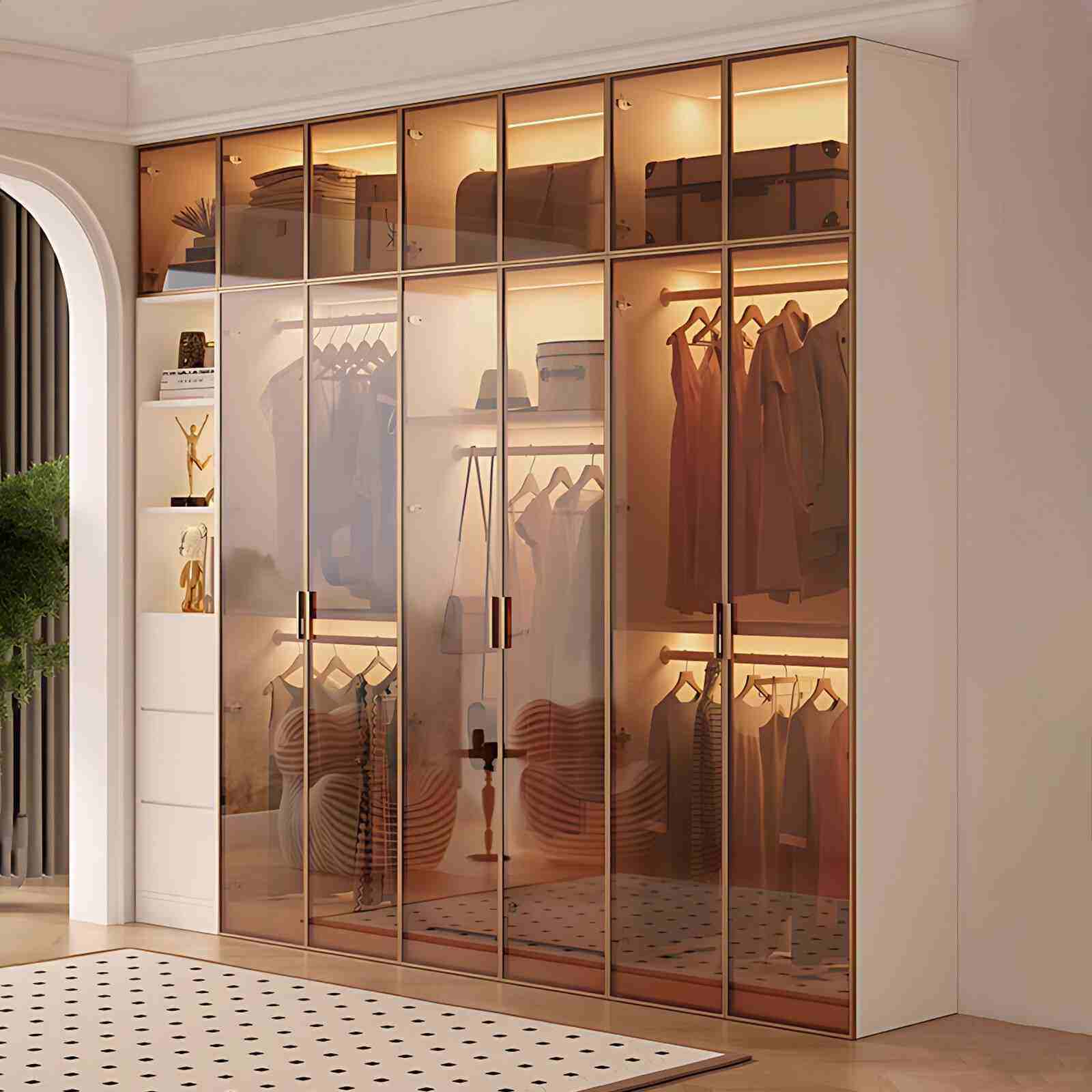
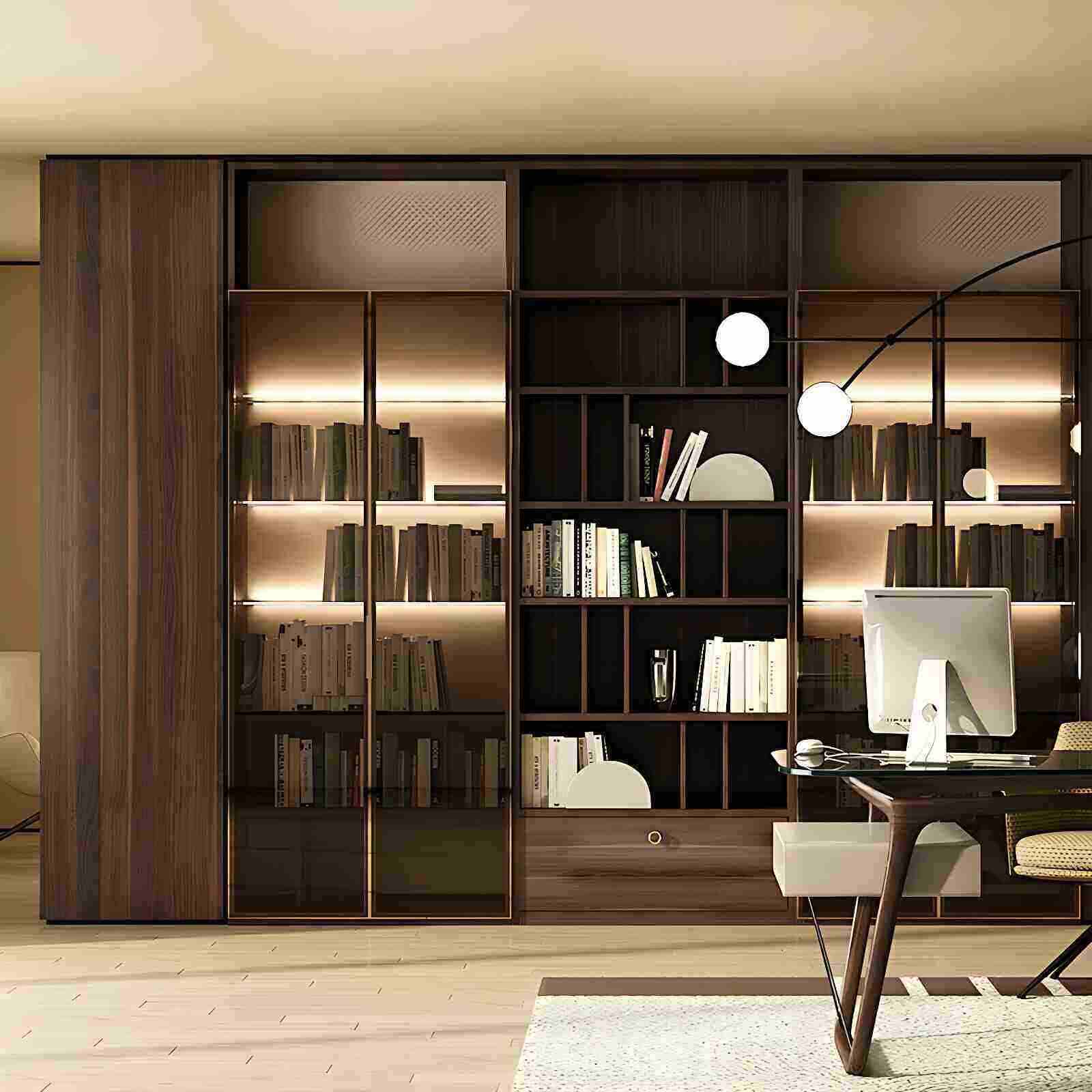
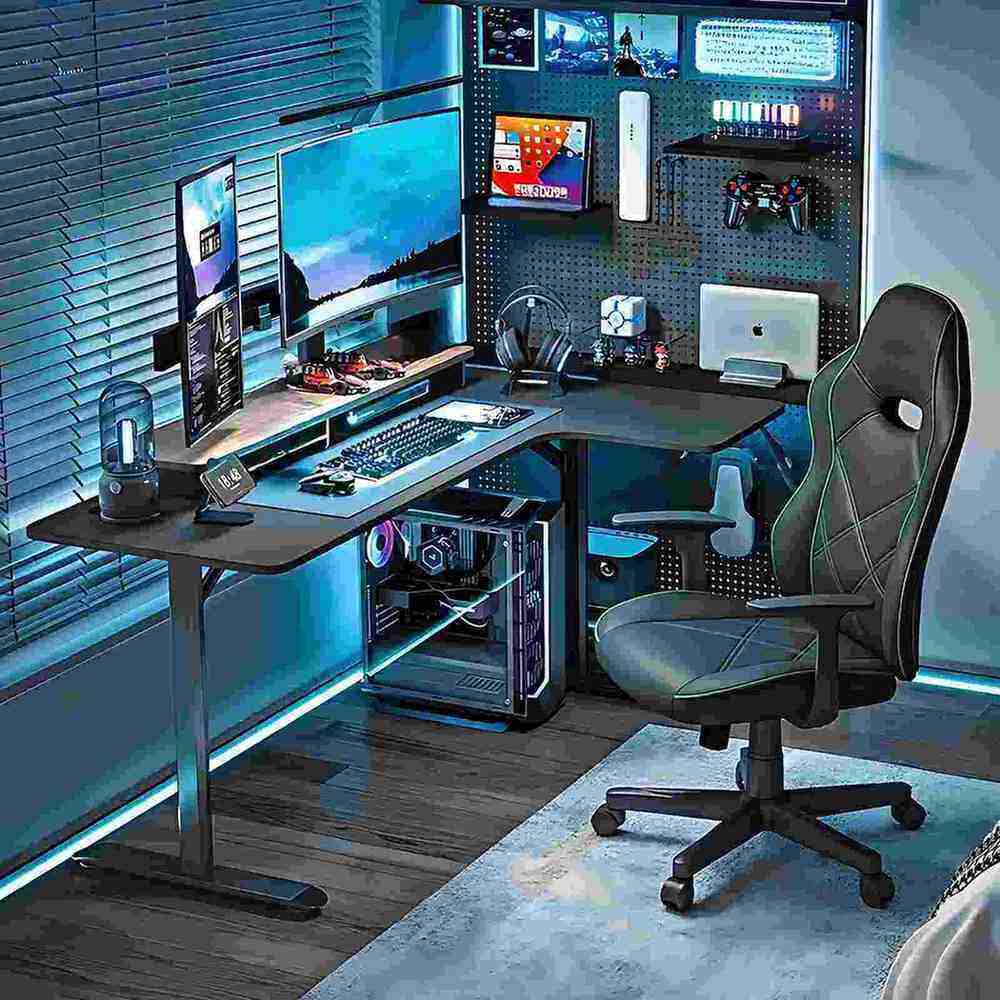
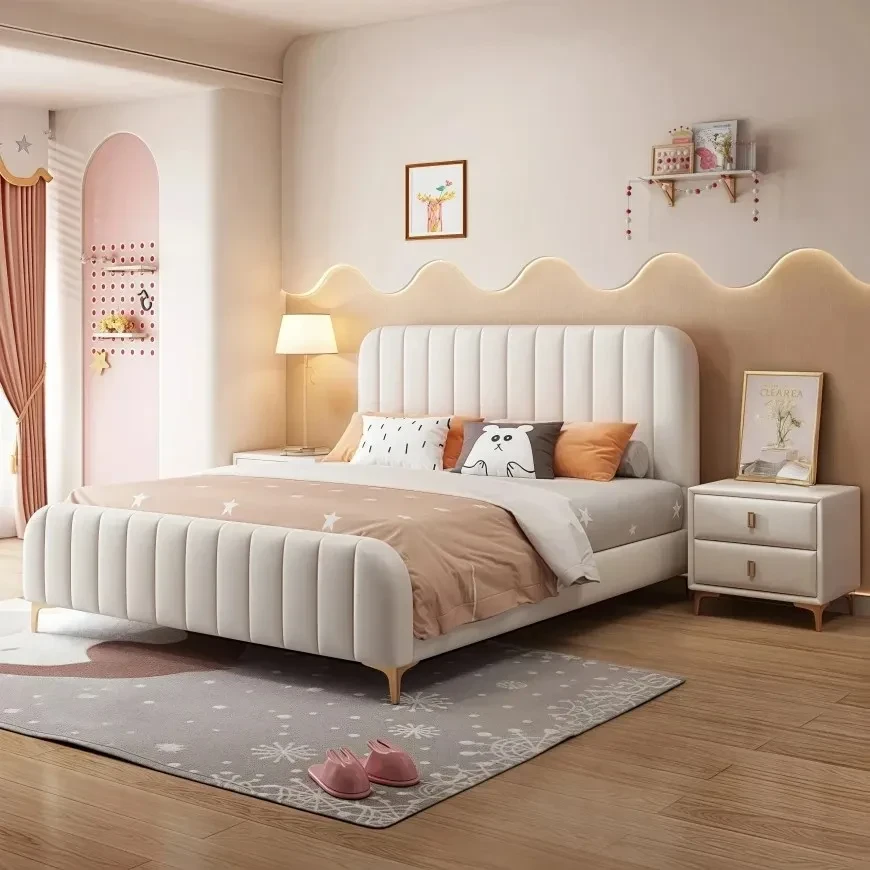
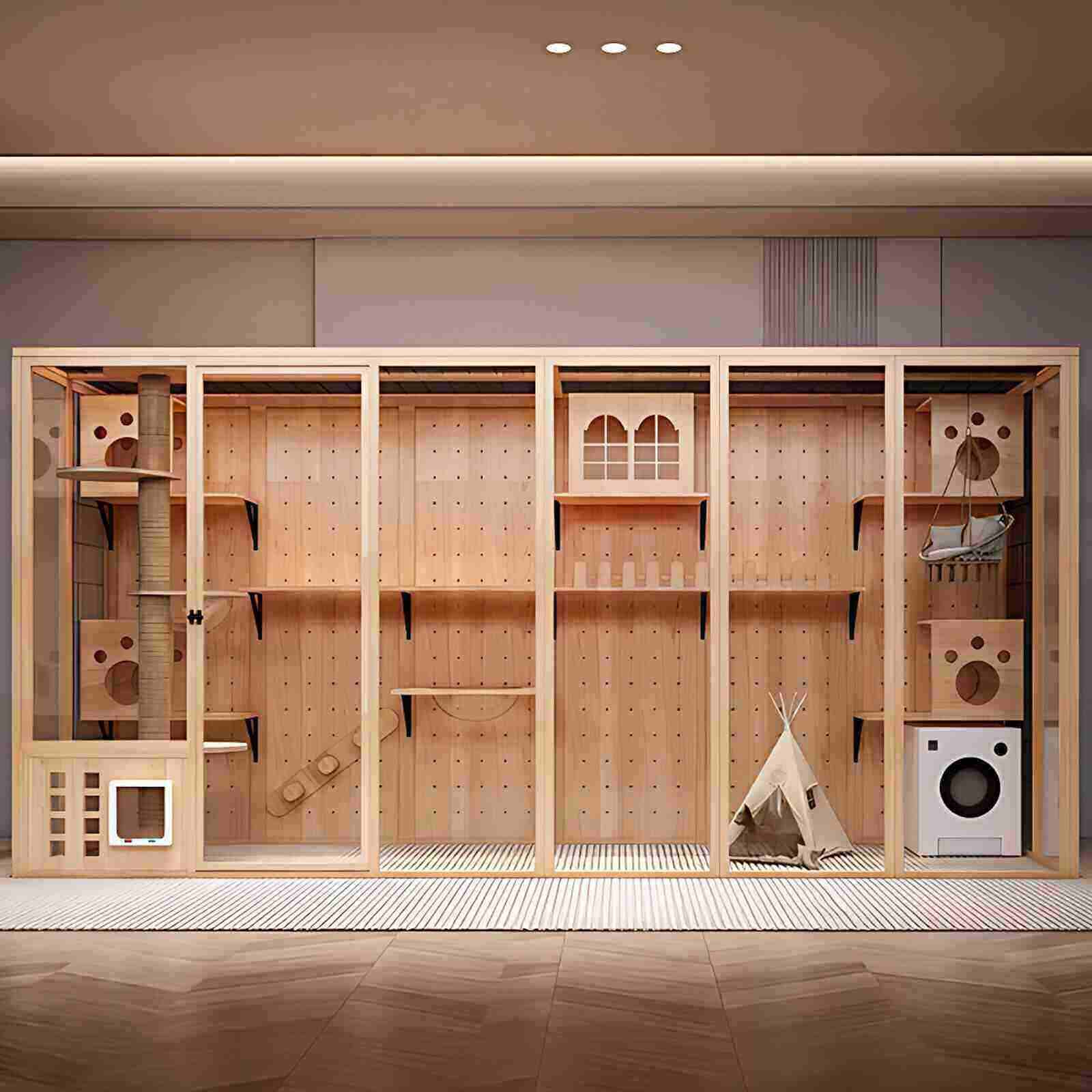
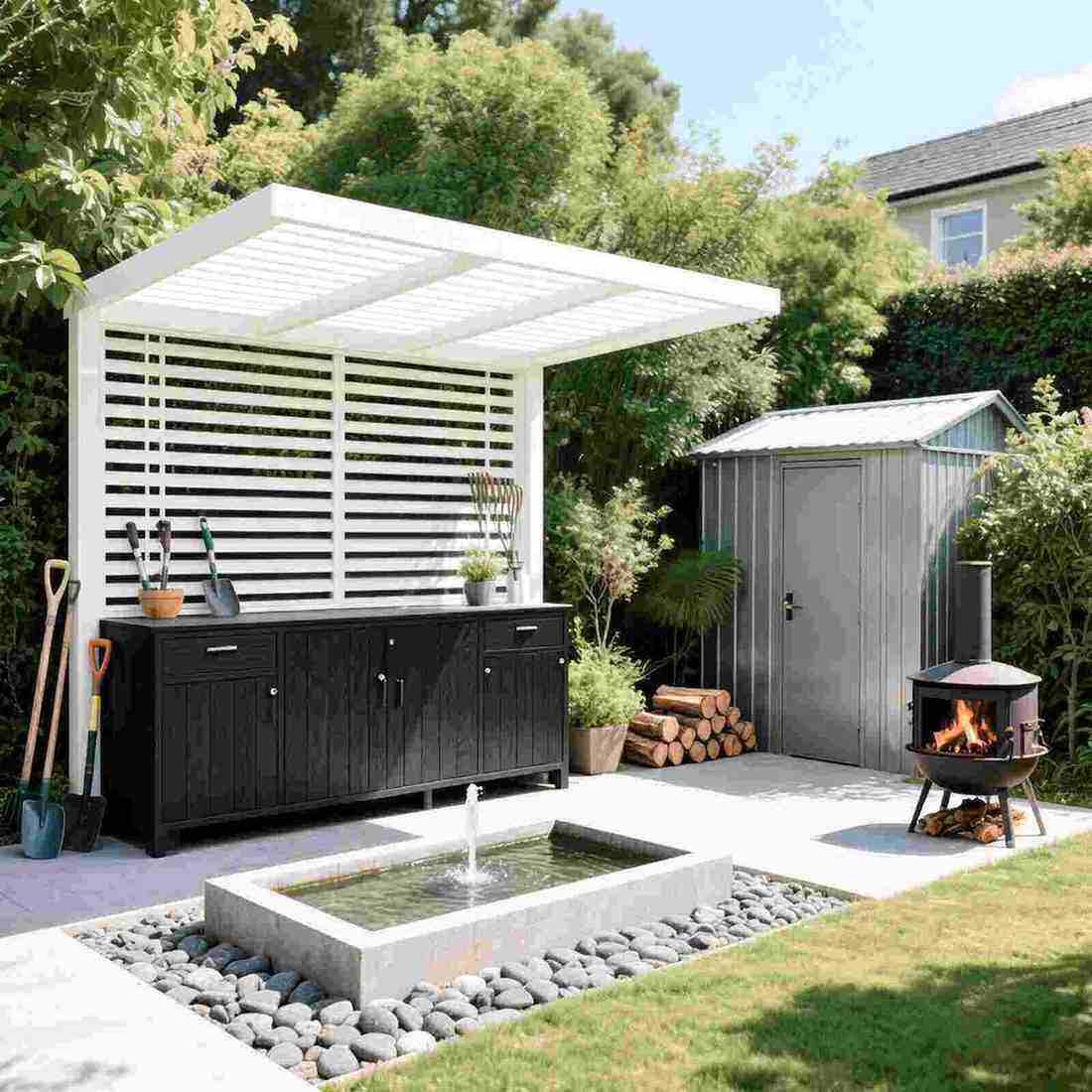
Engineered wood, also known as reconstituted wood or simulated precious wood, is a high-performance all-wood material made by using biomimetic principles to process and reconstitute ordinary wood (fast-growing timber) through high-tech processes. It represents a cutting-edge, high-end product in the wood processing industry. Engineered wood uses the cross-sectional texture and color of natural precious tree species as a reference, employing processes such as veneer color matching, lamination, and molding to simulate the appearance of natural precious tree species. Therefore, it is essentially still wood, retaining the natural properties of natural wood such as temperature regulation, humidity regulation, heat insulation, and electrical insulation. Furthermore, the processing avoids the inherent defects of natural wood, such as knots, wormholes, color differences, and decay. The modification treatment effectively solves the problems of cracking and deformation in natural wood, making it truly "derived from nature, yet surpassing nature."
Environmental upgrade, healthy home:
Environmental protection has become a major requirement in today's society; only products that are environmentally friendly and pollution-free can guarantee their competitiveness. The production process of engineered wood is very mature. E1-grade and E0-grade products, as well as formaldehyde-free products, were successfully developed in 2010 and 2015 respectively. Since June 2015, the research institute and engineered wood company have jointly developed formaldehyde-free wood veneer, which has already passed customer testing and approval. Continuously improving the environmental standards of its products keeps it at the forefront of the industry, making it a leader in the field.
Abundant varieties, surpassing even nature:
Engineered wood boasts a rich variety of over 1,500 species. Through scientific recombination, it produces a wide range of textures to meet individual needs, resulting in more unique decorative effects. It can not only mimic the textures of natural tree species but also create textures not found in nature. It overcomes the inherent defects of natural wood such as wormholes, knots, decay, discoloration, and color variations, better aligning with the Chinese pursuit of perfection and the rejection of imperfections.
Stable, durable, and powerful:
Overcoming challenges in environmental protection and bleaching technologies, color fastness has reached internationally advanced levels. Engineered wood overcomes the warping and deformation shortcomings of natural wood; its density, hardness, static bending strength, and resistance to bending are superior to natural wood, making it more stable. Furthermore, it endows products with multiple functions; during production, it can undergo modification treatments such as anti-corrosion, anti-insect, moisture-proofing, sound absorption, and flame retardant properties, making it more suitable for human living and residential conditions.
High colorfastness, long-lasting beauty:
The coloring of engineered wood veneer relies on the intermolecular bonding of dyes. Ordinary wood veneer has low colorfastness and is prone to fading in environments with light, high temperature, and humidity. However, our wood veneer products use special dyes with high colorfastness, exceeding the national standard for colorfastness Grade II, resulting in products that show almost no fading or discoloration. In 2015, we even overcame the challenge of gray colorfastness and developed a gray product with high colorfastness.
Innovative specifications, making customization easier:
Breaking conventional limitations, we can produce custom-made veneers that are extra long, extra thick, and extra wide. The longest veneer can be up to 3400mm in length, 1280mm in width, and 300mm in thickness, exceeding the conventional size of 2500*640mm. Orders for longer and wider veneers were already being produced on a large scale in 2015.
Environmental protection, industry recognition:
Engineered wood products have won the "Innovative Product Award" in the United States. This is not only because their excellent product quality has won full recognition in the American market, but also because engineered wood has a high comprehensive utilization rate and finished product utilization rate, which can reduce resource waste and make due contributions to promoting environmental protection for the entire planet.
Widely used and ubiquitous:
Engineered wood is primarily used to meet the decoration needs of factories and engineering projects; it has applications in almost any field where wood is used. Its usage can be broadly categorized into three areas: residential decoration, commercial decoration, and retail. With continuous advancements in production technology, engineered wood, as a novel decorative material, is gaining increasing recognition from manufacturers in engineering, furniture factories, and other sectors.