
 USD
USD GBP
GBP
 EUR
EUR
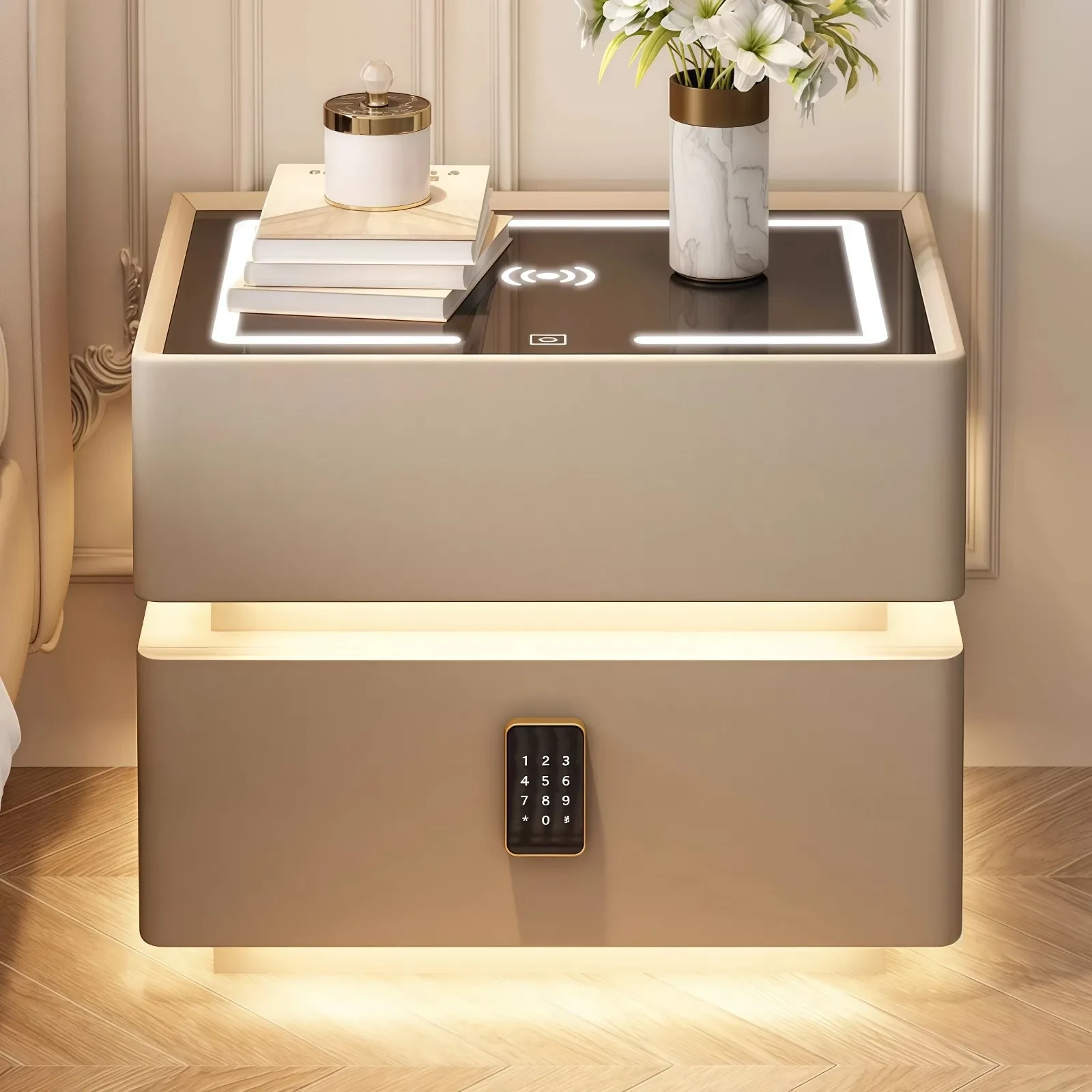
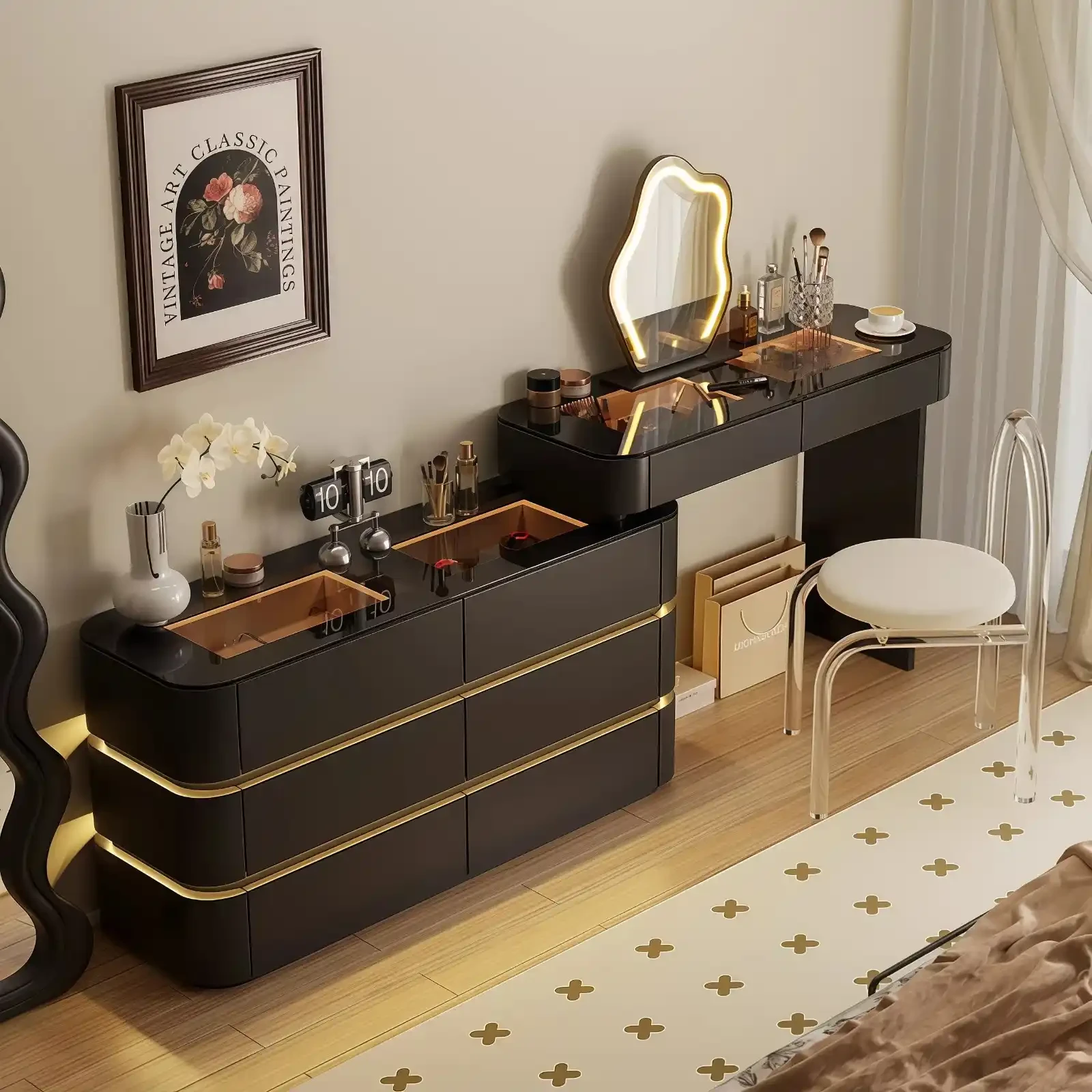
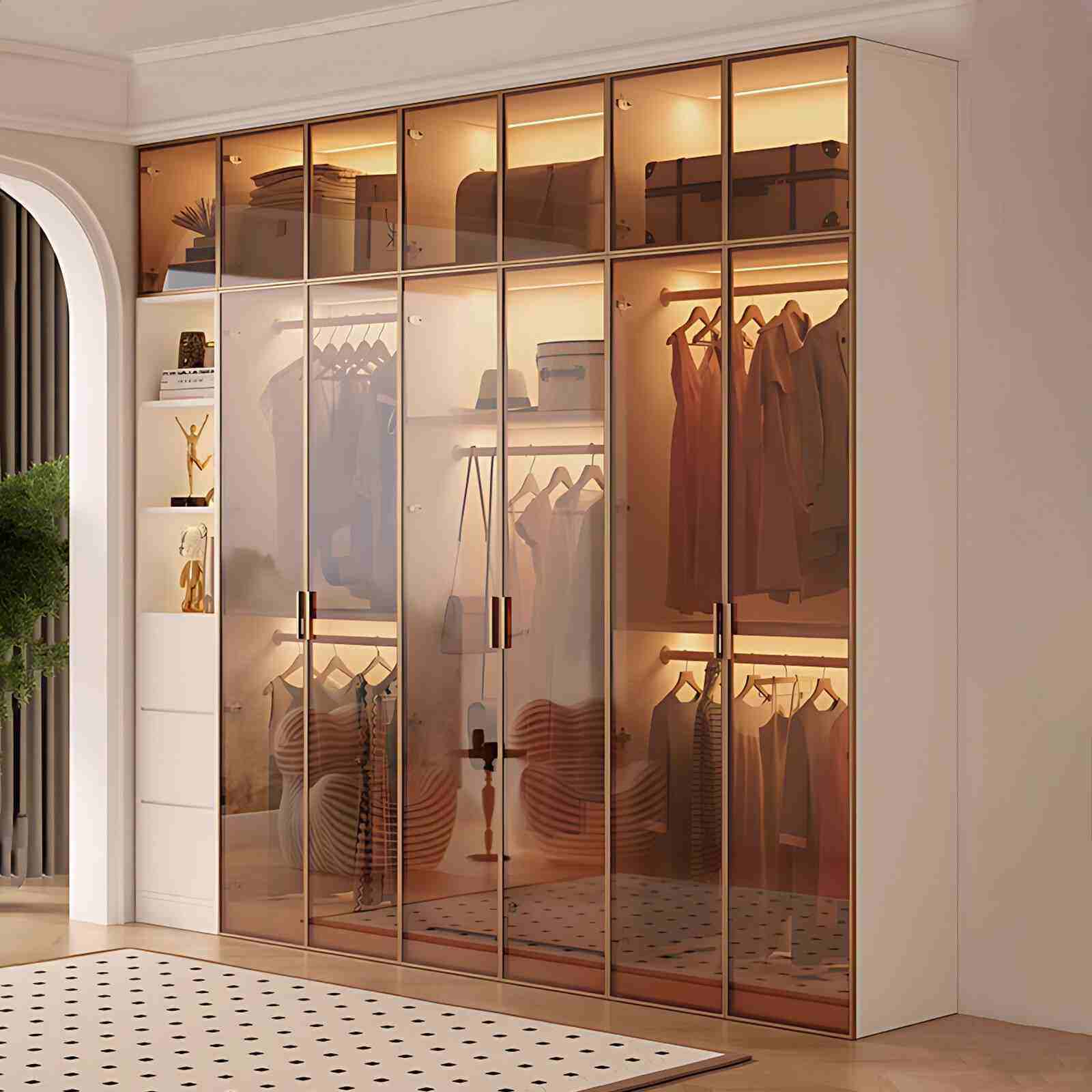
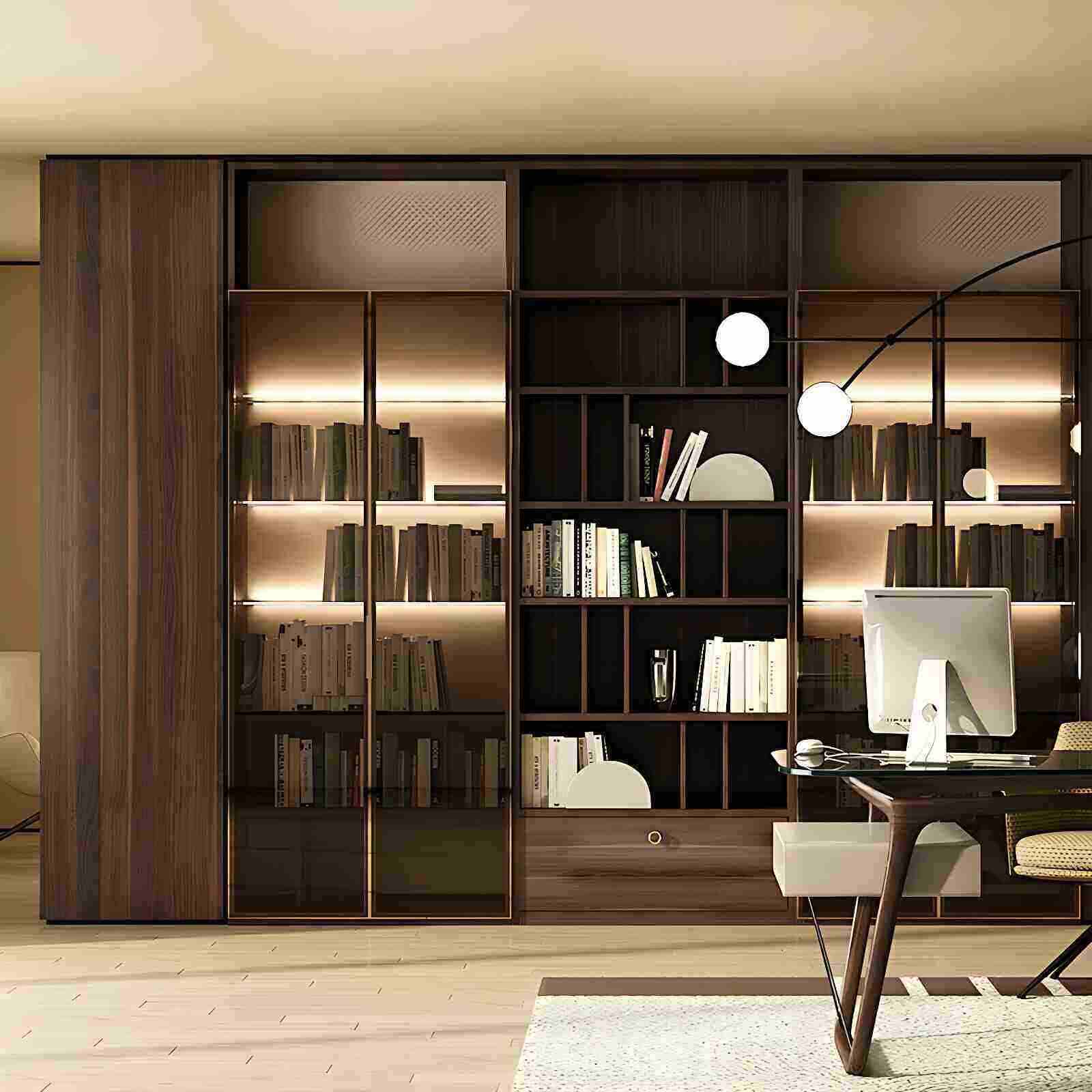
Many consumers and furniture manufacturers in China have a vague understanding of the concepts of Japanese JAS, JIS, and F★★★★ certifications. Before introducing F★★★★ certification, we can first understand the Japanese JAS, JIS, and other certifications.
JAS is an abbreviation for "Japanese Agriculture Standard," established by the Japanese Ministry of Agriculture, Forestry and Fisheries (MAFF) and implemented on April 1, 2002. JAS standards require all organic products and agricultural, forestry, and livestock products exported to Japan to meet Japanese agricultural standards. JAS certification is voluntary, but mandatory for organic food.
JIS is an abbreviation for Japanese Industrial Standards, which specifies the testing methods and standard values for confirming the type, size, quality, performance, and safety of industrial products. When a product can be confirmed to conform to JIS standards by a designated third-party certification body, it can be affixed with the JIS mark. There are 24 authorized bodies in Japan to issue JIS certification certificates, each with its own certification scope.
The certifying body for the Japanese F4 Star certification is the Japanese Ministry of Land, Infrastructure, Transport and Tourism. It primarily targets wood products, particleboard, plywood, MDF, and other wood-based building materials. F4 Star certification sets specific requirements for formaldehyde emissions: an average of ≤0.3mg/L and a maximum of ≤0.4mg/L. The "F4 Star" designation originates from the laws and regulations of the Japanese Ministry of Agriculture, Forestry and Fisheries and is a certificate issued by the Ministry of Land, Infrastructure, Transport and Tourism. Generally, the F4 Star certification referred to in the market refers to the certificate issued by the Japanese Ministry of Land, Infrastructure, Transport and Tourism. Kolin began producing and applying for the Japanese Minister's F4 Star certification in its early stages of production and officially obtained the certificate in 2018, certificate number: MFN-3497.
Image: Colin F★★★★ Minister's Certification
Differences in testing standards between Colin F★★★★ pure board and national standard (GB) board
Compared to national standard boards, the environmental protection testing methods for Kolin F★★★★ pure boards differ significantly. The Japanese F☆☆☆☆ standard requires a testing area of 1800 cm², with unsealed edges, and a water bath temperature of 65±2 degrees Celsius. In contrast, the Chinese standard requires a testing area of 180 cm², with aluminum foil wrapping on all four sides, and a testing temperature of around 20 degrees Celsius. Specifically, the Japanese F☆☆☆☆ testing area is 10 times larger than the Chinese standard, and the testing temperature is 3 times higher. Therefore, the Japanese F☆☆☆☆ testing standard more accurately reflects the formaldehyde emission level of the board itself compared to the national standard!
Figure F☆☆☆☆ Pure Board Third-Party Authoritative Testing Report
Overall, the formaldehyde content of the Colin F☆☆☆☆ pure board is 40% lower than that of the Chinese E0 (enterprise standard). If we use Chinese testing methods to test the Japanese F☆☆☆☆ product, the measurement results will be even lower, and may even be close to the formaldehyde release of domestic formaldehyde-free boards!
Figure: Differences between Japanese F★★★★ and Chinese GB testing standards
Colin F★★★★ Pure Board Introduction
Currently, Colin F★★★★ Pure Board mainly includes three series: Standard F★★★★ Pure Board, F★★★★ Green Core Moisture-proof Board, and F★★★★ Negative Ion Antibacterial Pure Board. The main sizes are 48 feet and 49 feet, and the thicknesses are 9mm, 18mm, and 25mm. Colin F★★★★'s internal control standards exceed national standards, achieving top-level domestic performance in formaldehyde control, and also reaching international standards in controlling TVOC and heavy metal content.
Table 1: Colin F★★★★ Board Internal Control Standards (Partial)
Colin F★★★★ Pure Board is made entirely from large-diameter pine and mixed hardwood logs. After natural conditioning and odor balancing, it is 100% self-shaving, achieving zero recycled material addition! Manufactured through more than 20 processes using imported German Dieffenbacher equipment, its environmental performance, stability, load-bearing capacity, and moisture resistance far exceed national standards!
Image: Colin F★★★★ Pure Board Raw Materials
Application Space and Prospects of Colin F★★★★ Pure Board
Compared to ordinary E0 boards, Colin F★★★★ pure boards have even lower formaldehyde emissions than solid wood-grade boards, and there are no restrictions on their use in home spaces! According to Japan's Building Standards Act, once the formaldehyde emission level meets the corresponding requirements of the F4 star standard and is approved by the Minister, there are no restrictions on the area that would otherwise be prohibited from use or have limitations on the area that could be used.
Compared to the formaldehyde-free boards that have become popular in the past two years, the formaldehyde emission of F★★★★ pure boards is very close to that of zero-formaldehyde boards, while the price difference of a 18mm F★★★★ pure board compared to a zero-formaldehyde board is nearly 40 yuan. From a production and supply perspective, compared to pure MDI-added boards, zero-formaldehyde-added boards have insufficient MDI adhesion during production, easily sticking to steel strips and causing significant losses in production capacity! Even for domestic zero-formaldehyde-added board suppliers with high-level processes, such as Huazhou Wood Industry and Kelin Wood Industry, the production capacity loss still requires a 70% discount. F★★★★ pure boards are a truly cost-effective base material product that can achieve stable mass supply. In addition to the stringent pursuit of ultra-low formaldehyde emission, Kelin has also focused on odor control of its boards. Recently, after in-depth communication with the purchasing, quality, and process departments of core customers such as Sophia and Oppein, Kelin has released and implemented the strictest odor control standard currently in China! The implementation of this standard will maximize the odor rating of Kelin pure boards!
Table 1: Comparison of Environmental Protection Levels between F★★★★ Pure Board and 0 Formaldehyde Added Pure Board
F★★★★ Formaldehyde Emission Standard for Pure Board
Formaldehyde emission standard for 0-formaldehyde-added boards
Average value ≤0.3mg/L
Maximum value ≤0.4mg/L
≤0.03mg/m3
≤0.2mg/L
In Japan, only boards certified by the Japanese Minister of Housing and Urban-Rural Development (F★★★★) are permitted for use in interior spaces such as schools, hospitals, and nursing homes. Colin F★★★★ pure board is not only suitable for these institutions but also for new home renovations and rooms for infants and pregnant women! For new home renovations, I recommend using E1-grade boards (national standard) for kitchen cabinets. In living rooms and bedrooms, where there is prolonged contact with the body, the more environmentally friendly F★★★★ pure board substrate is recommended!
In 2019, top-tier decorative panel manufacturers across various regions of the domestic market, such as Liangshi, Furen, Weijie, Qunyi, Laisai, Qiguo, Xinlesen, Xingguang, and Airuier, all entered the F★★★★ decorative panel camp! Using Kelin's F★★★★ base material, coupled with imported steel plates and imported paper for lamination, the F★★★★ decorative panels boast physical and chemical properties and environmental standards comparable to any international brand! Currently, thanks to the active promotion by Kelin and its numerous partners, an increasing number of high-end home furnishing brands have chosen to use Kelin's F★★★★ pure boards and have obtained F★★★★ exclusive authorization!
The future trend will inevitably be towards using low-formaldehyde base materials in home spaces without restrictions! Whoever chooses to adopt these products will gain a competitive advantage!