
 USD
USD GBP
GBP
 EUR
EUR



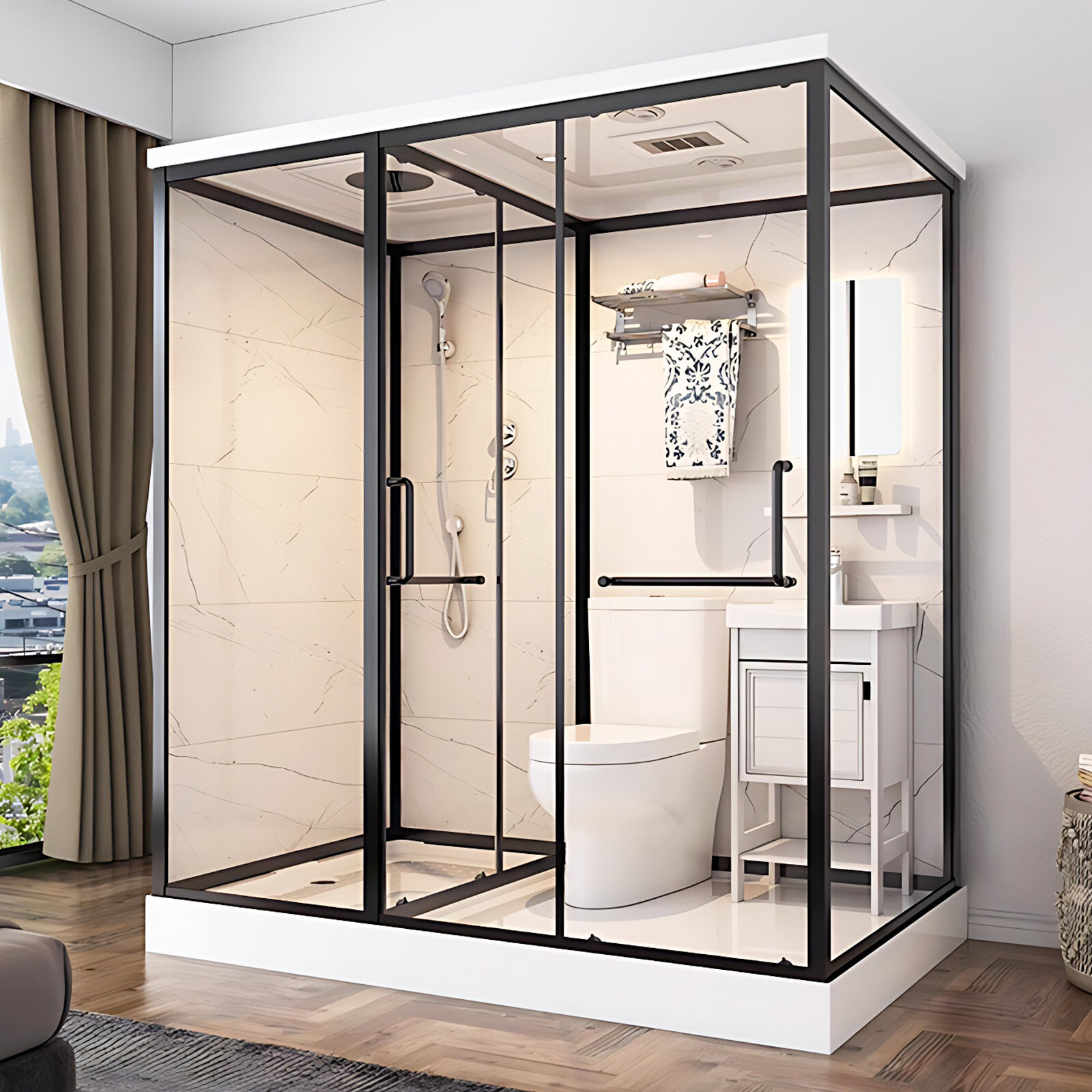
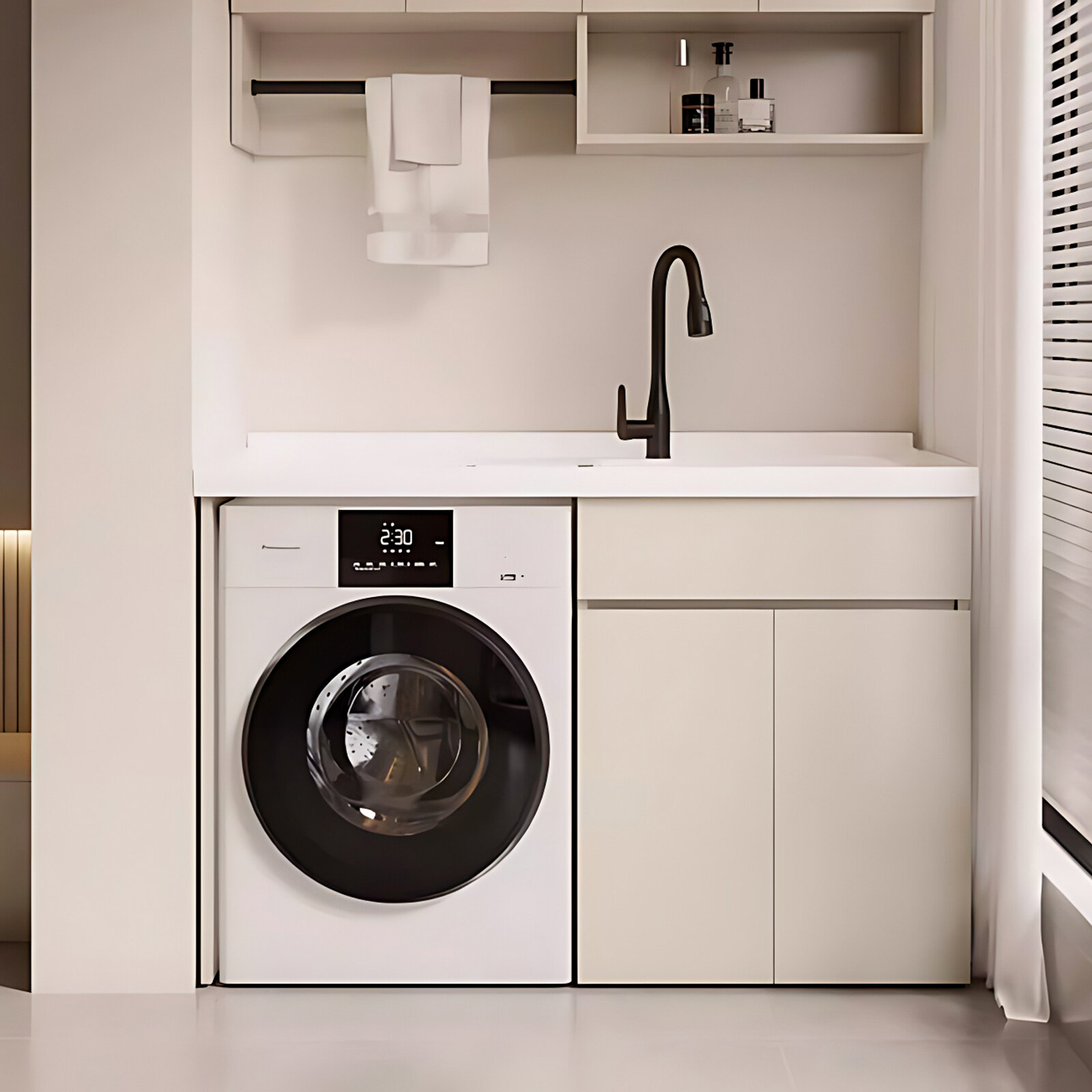


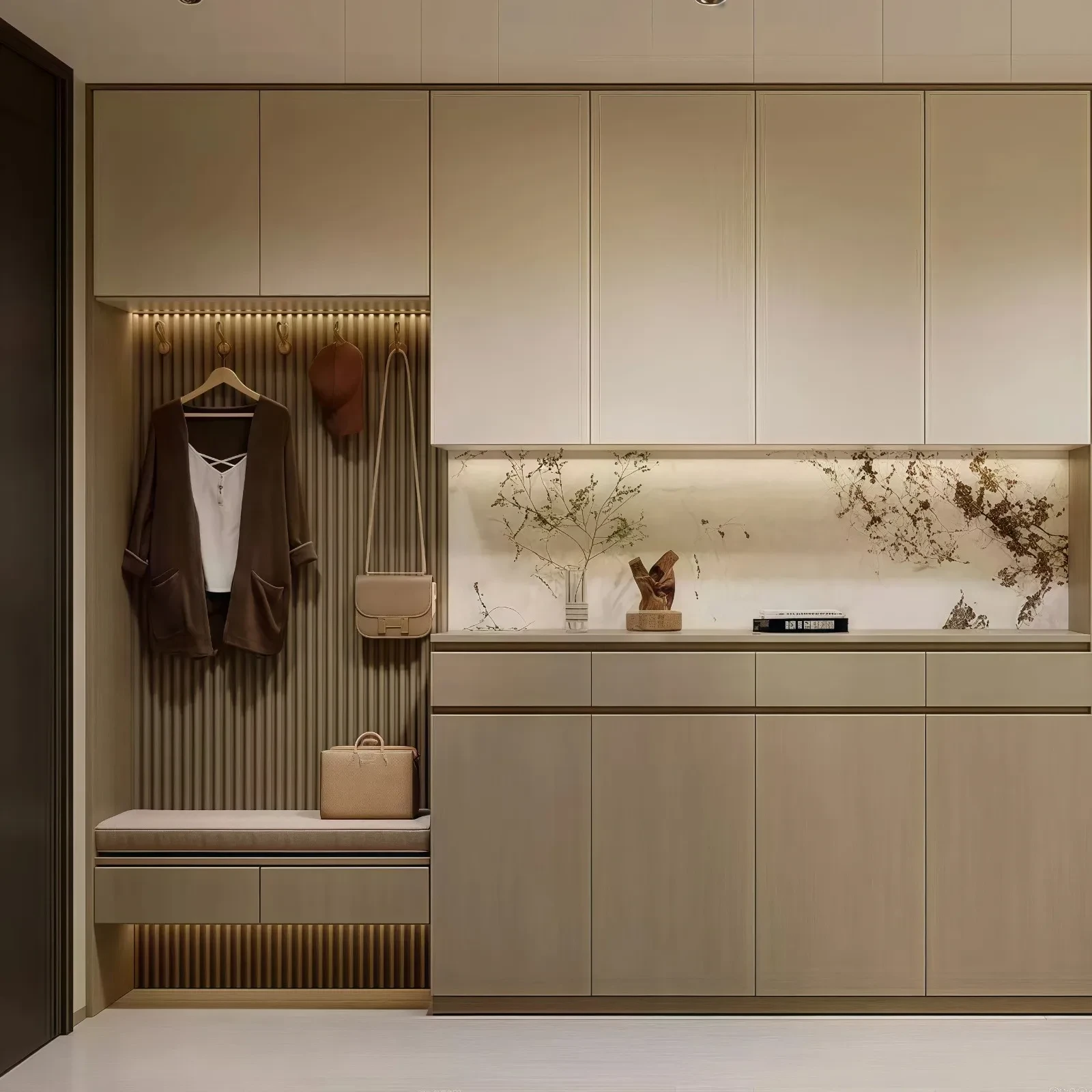
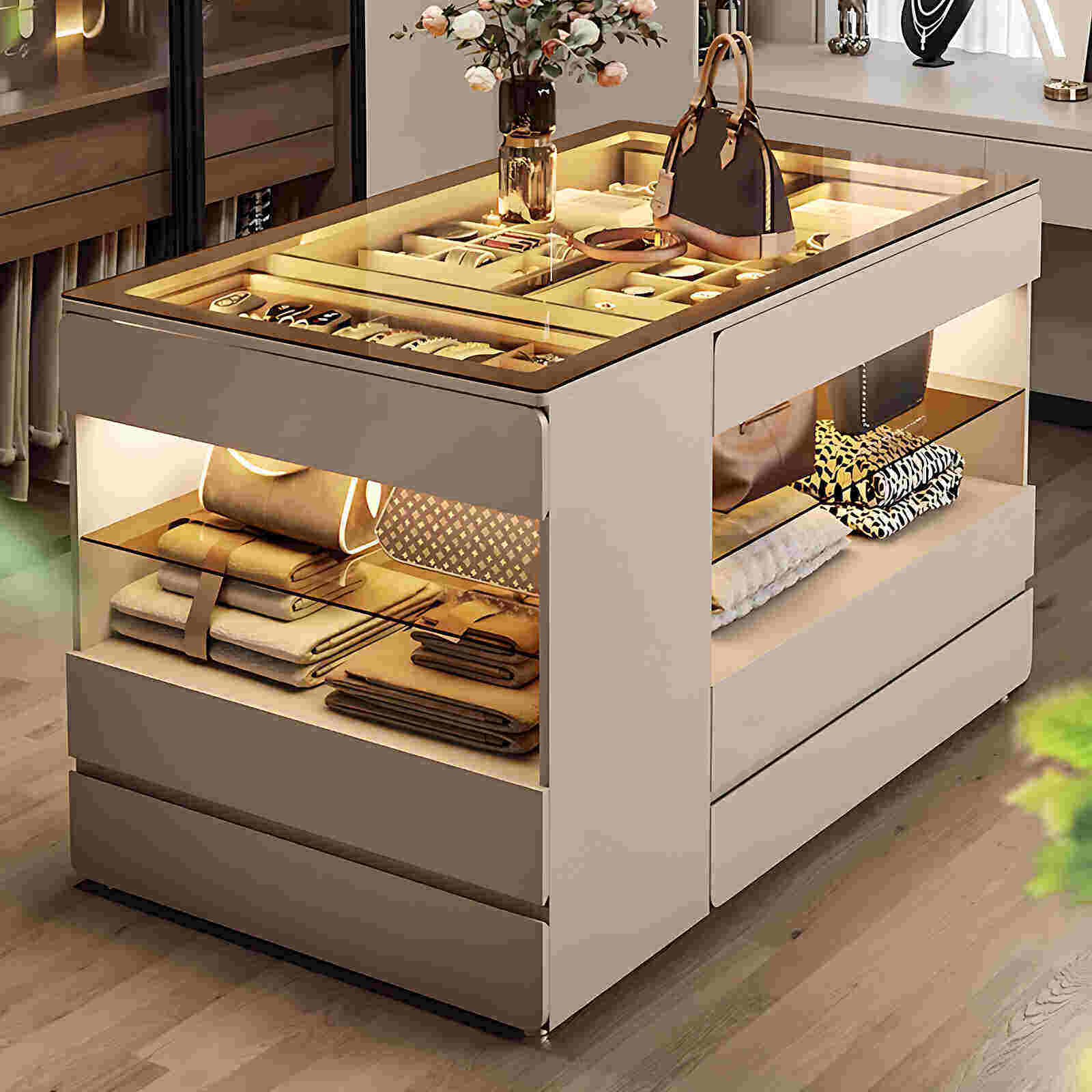
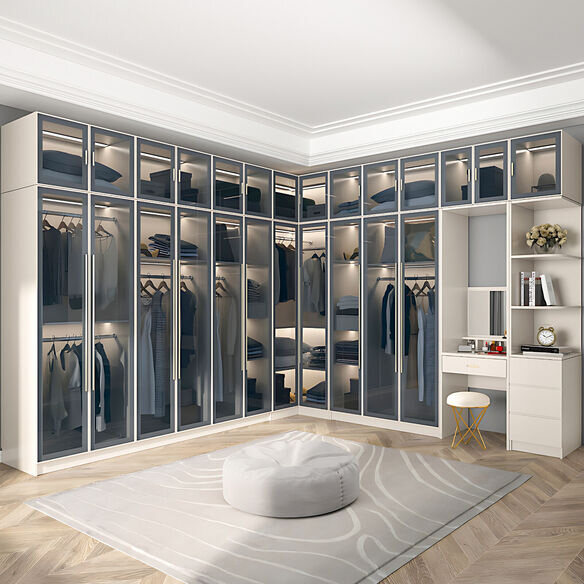
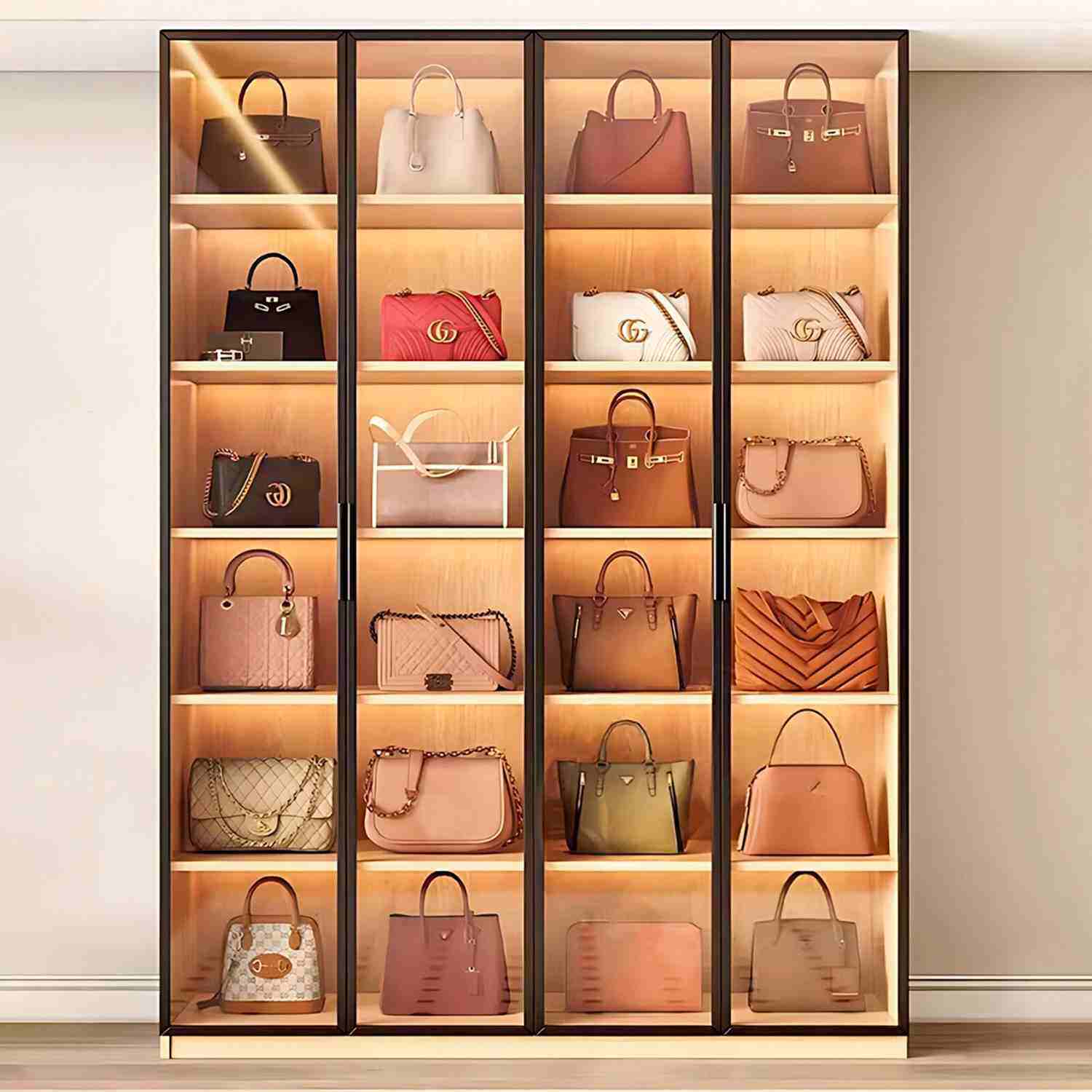
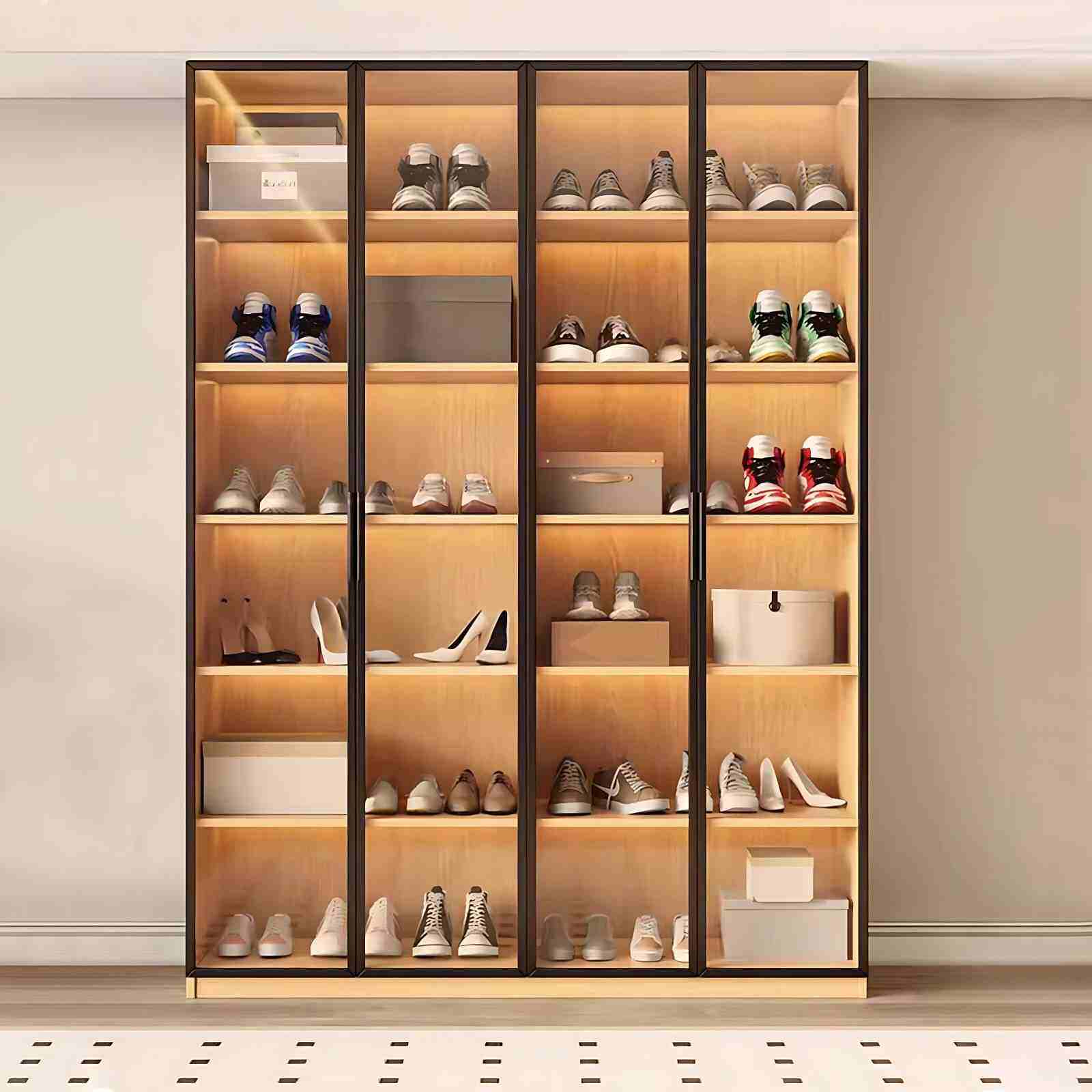
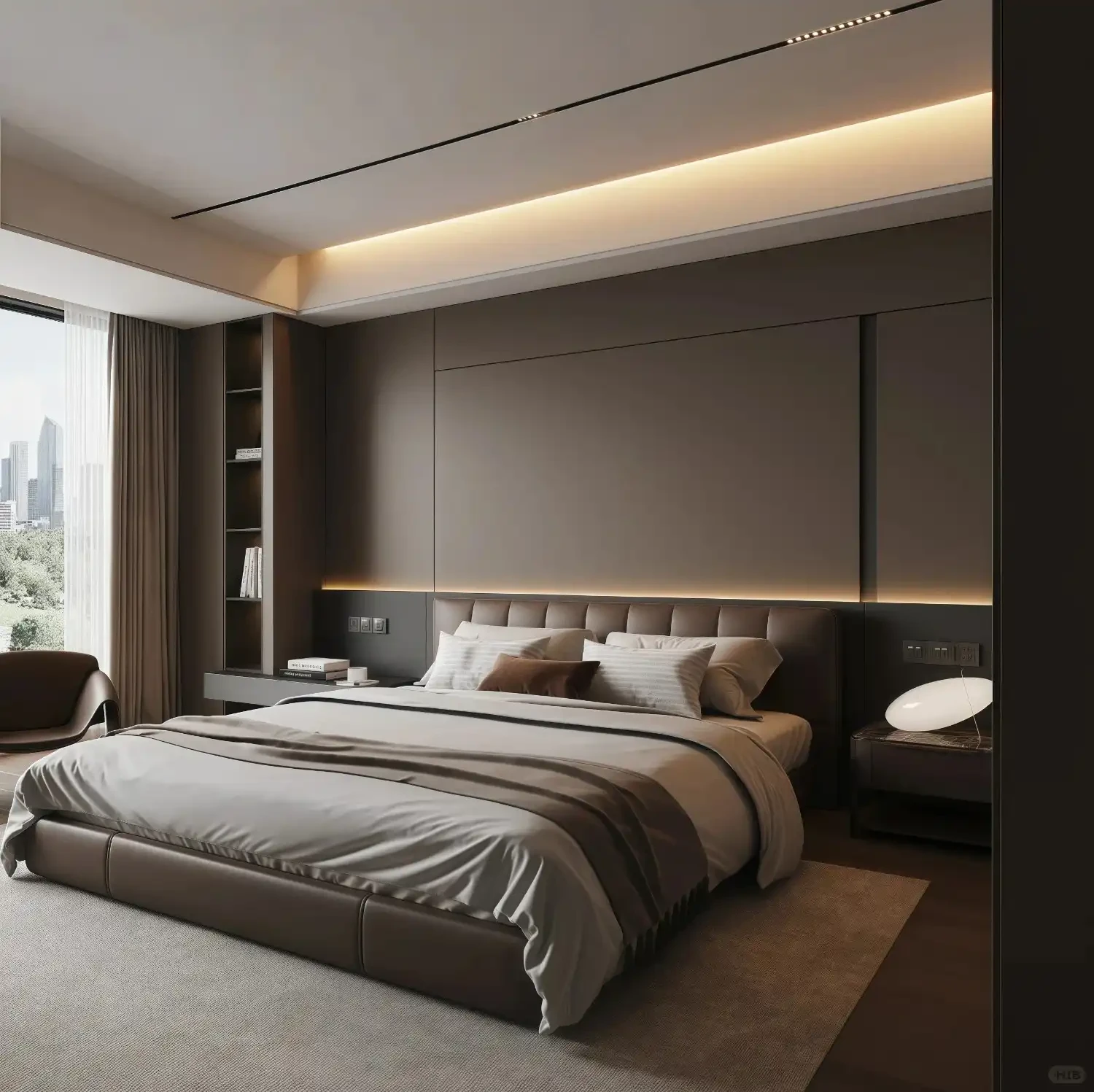

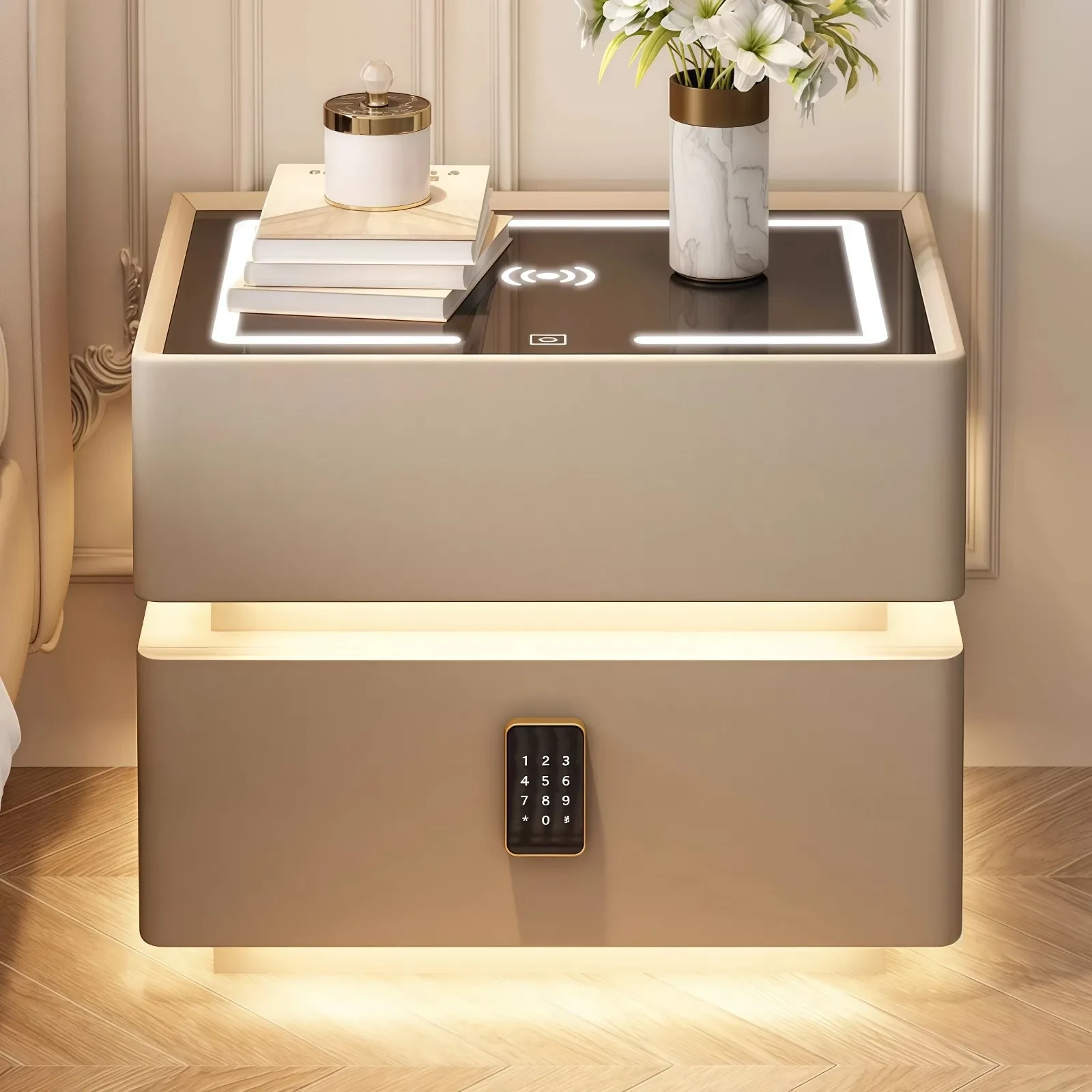
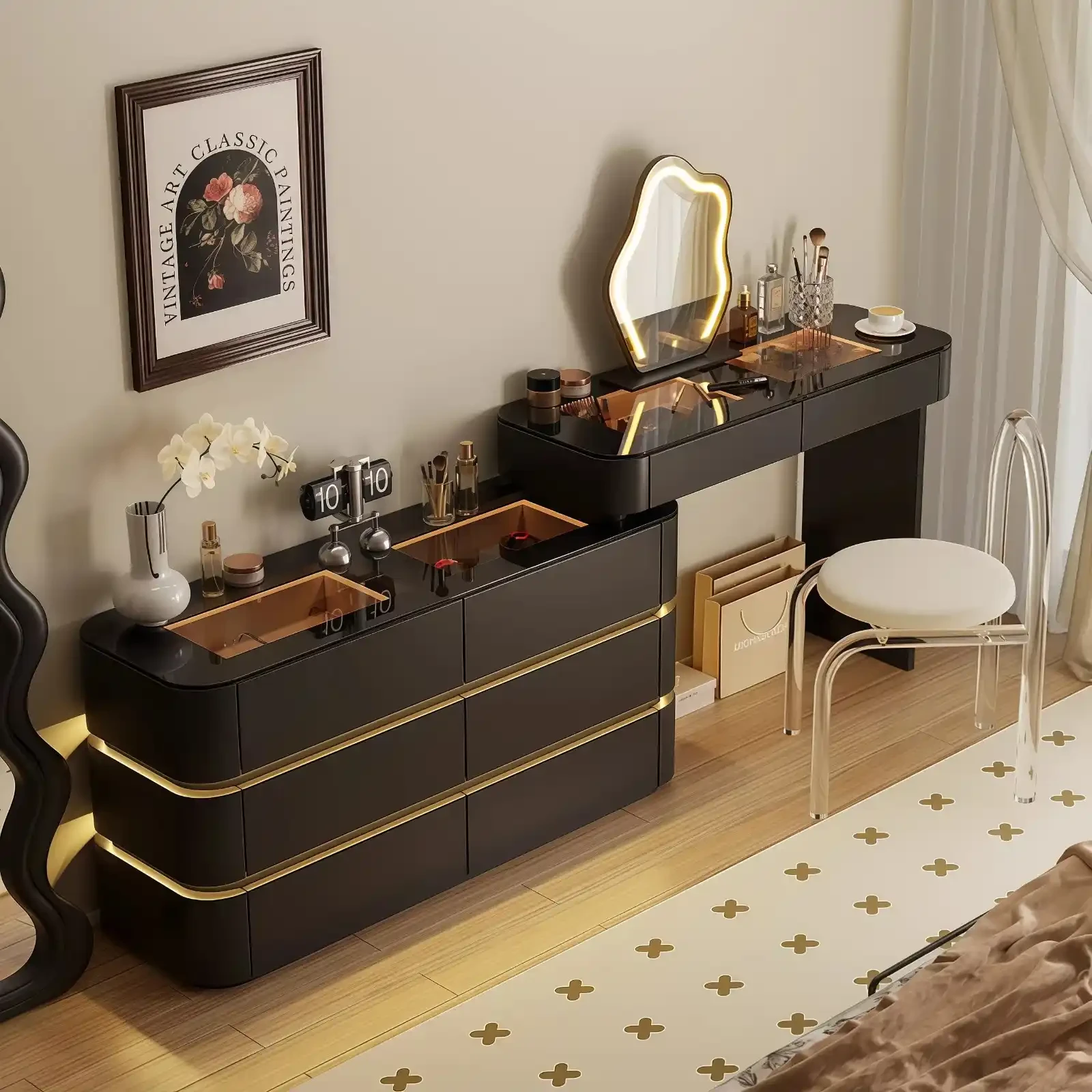
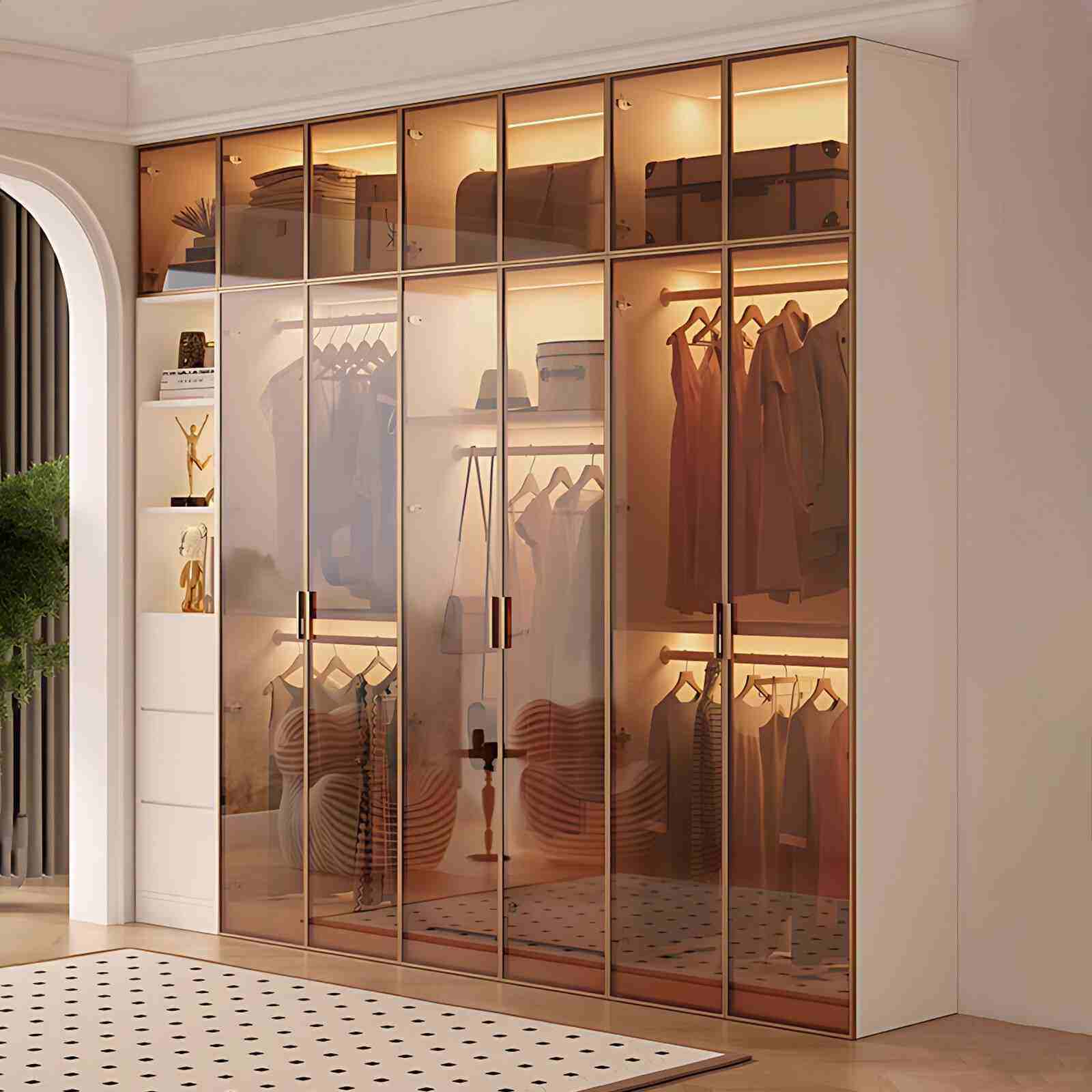


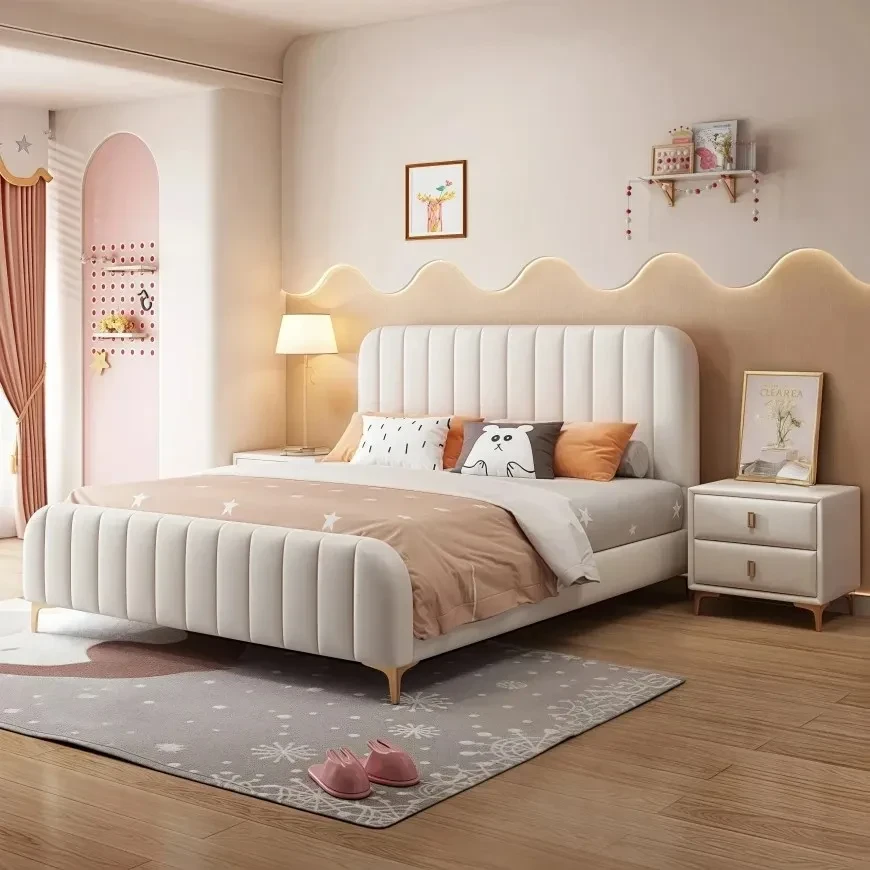
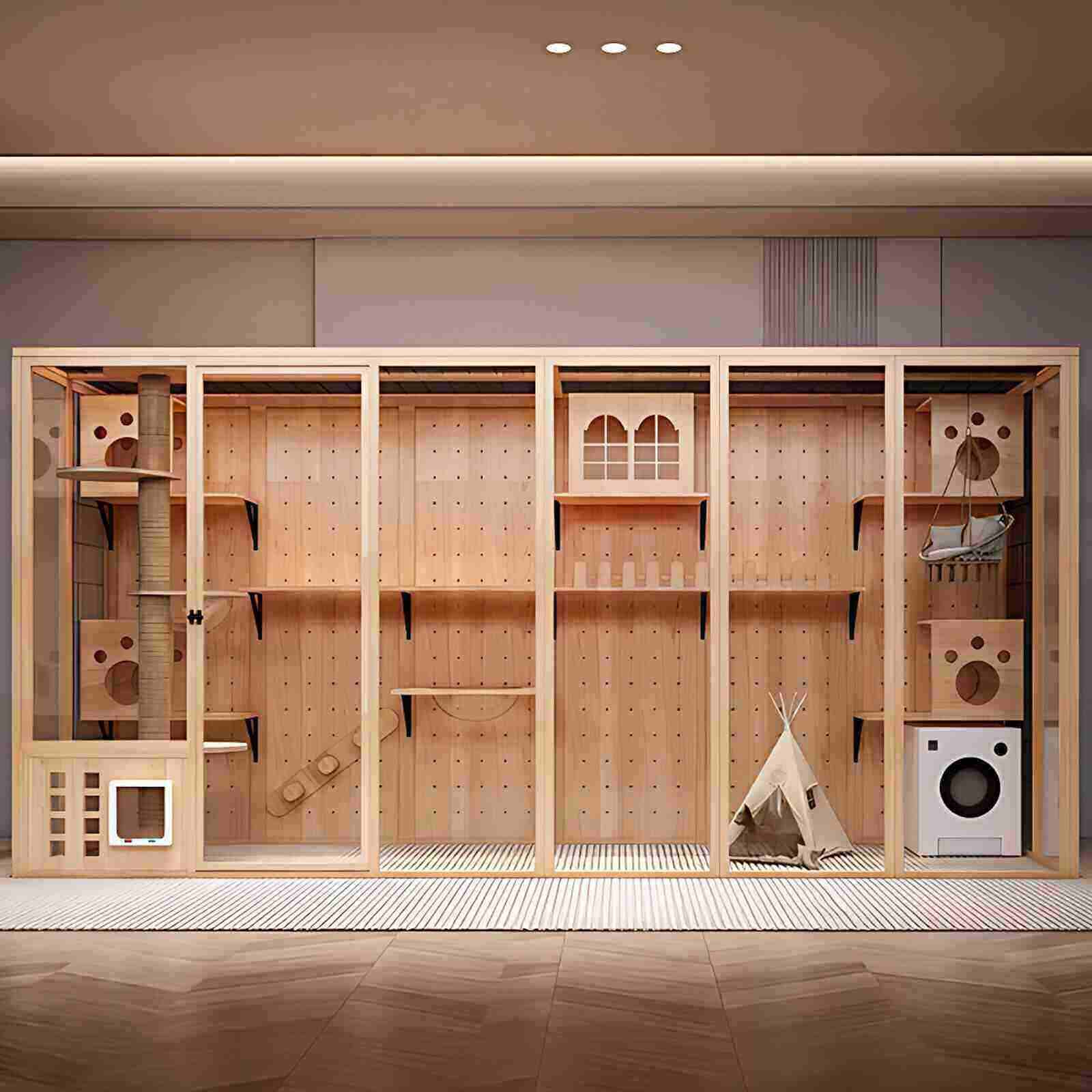
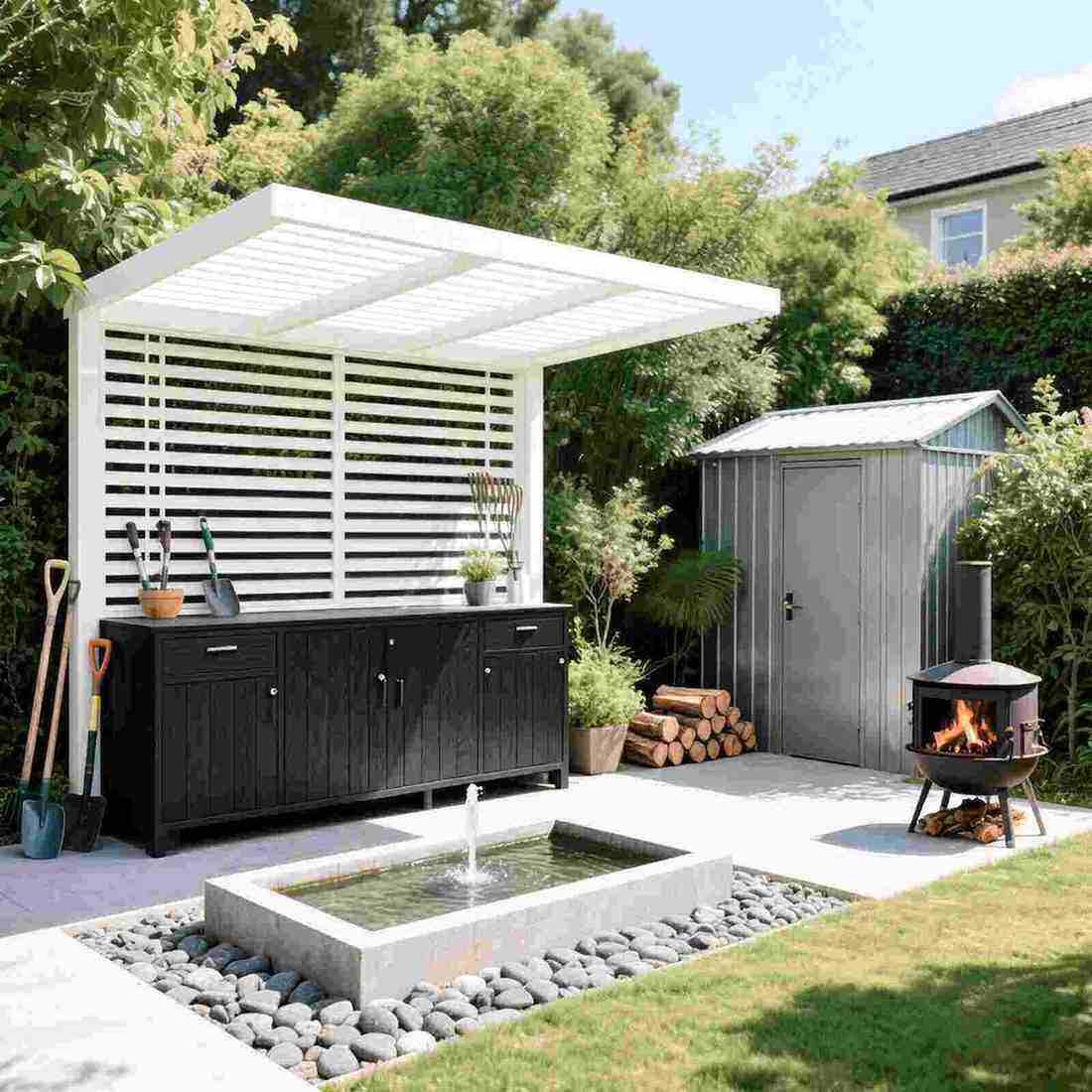
There are many types of wood-based panels on the market, including particleboard, chipboard, blockboard, MDF, and OSB. Just hearing the names can be overwhelming, and people are often unsure of their uses and quality. Many people don't know how to choose the right panels, or which are more environmentally friendly. Today, we'll discuss some common misconceptions about wood-based panels.
01
International environmental standards are higher, and imported brands are more environmentally friendly ❌
Domestic brands perform very well in terms of environmental protection.✔️
While some boards on the market may meet environmental standards on their own, it's difficult to ascertain whether they still meet standards after being laminated. However, the domestic brand TBB offers a board that handles both the base material and the laminate in one go: a formaldehyde-removing and antibacterial eco-board.
It's an upgraded product from TBB, with an environmental protection level reaching ENF standard, formaldehyde emission content ≤0.025mg/m³, and it also has formaldehyde absorption and removal functions. Therefore, the notion that "imported brands are more environmentally friendly" is now outdated.
02
The more adhesive used in the board material, the more formaldehyde it will produce. ❌
The amount of adhesive used does not determine the amount of formaldehyde.
Quality cannot be discussed without considering brand, grade, and craftsmanship, which is why it's emphasized to buy from reputable manufacturers and brands. As long as it meets national standards, it's generally environmentally friendly; however, to determine which is more environmentally friendly, one should check the board's testing report. Many factors, such as the type and amount of glue used in the board manufacturing process, edge banding, veneer application, and hole cutting, all affect the formaldehyde content of the final product. Furthermore, besides engineered wood furniture, flooring, curtains, carpets, and wallpaper also release formaldehyde. Therefore, it's crucial not only to ensure the base material is environmentally friendly but also to focus on the environmental friendliness of the space.
The plant-based adhesive boards use a self-developed soybean plant adhesive, processed through 13 environmentally friendly steps. Utilizing pure, natural, and renewable soybean meal as raw material, it extracts active soybean protein and concentrates it into a high-performance biomass soybean adhesive. This process reduces formaldehyde addition at the source, ensuring the boards' environmental friendliness and has obtained national patent recognition. This fundamentally solves the long-standing indoor health hazards of formaldehyde, phenol, and other pollutants!
03
Same board type means the same thing ❌
Different core materials result in different qualities. ✔️
Some brands claiming to use cedar are actually using relatively inexpensive hemlock. Some off-brand products even use very poor-quality, fast-growing paulownia wood, resulting in unevenness, large gaps, and poor nail-holding power. For example, with the same type of plywood, furniture boards use high-quality base materials, with premium wood veneer or impregnated paper as the surface material, combined with matching edge banding or special edge banding materials. This ensures the stability, nail-holding power, and flatness of the board, providing a strong guarantee for the quality of the finished furniture. Therefore, in addition to the type of board, the type of core material should also be considered.
Only a good service provider can guarantee that you buy genuine boards, have good processing and installation techniques, reasonable design, high-quality hardware, and reliable after-sales service.