
 USD
USD GBP
GBP
 EUR
EUR
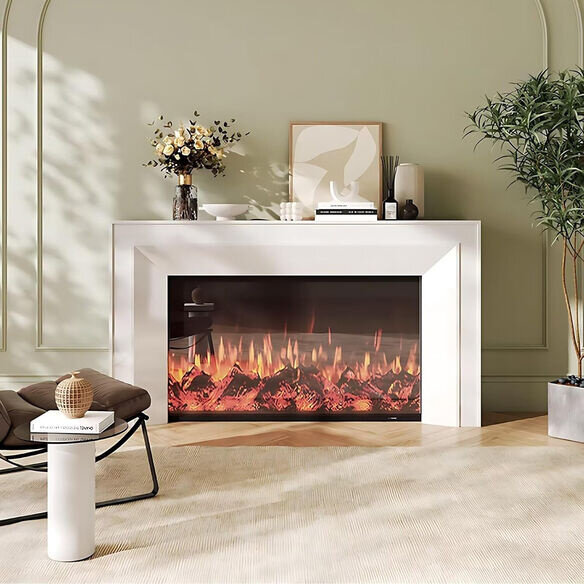
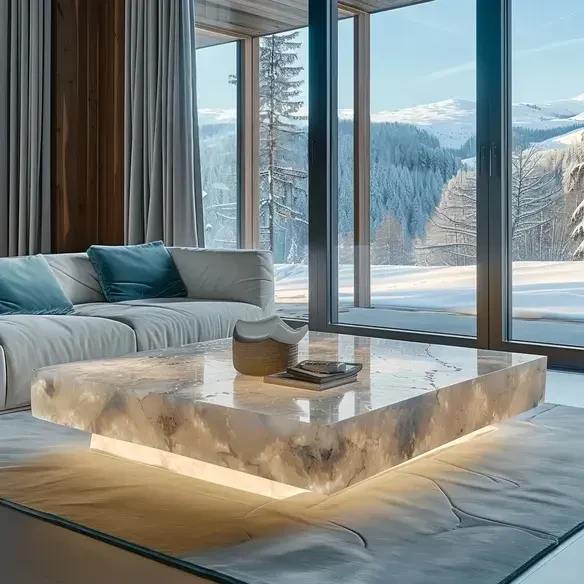
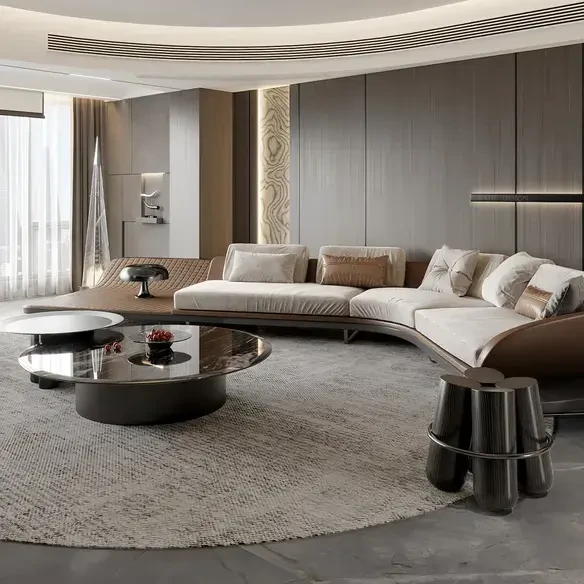
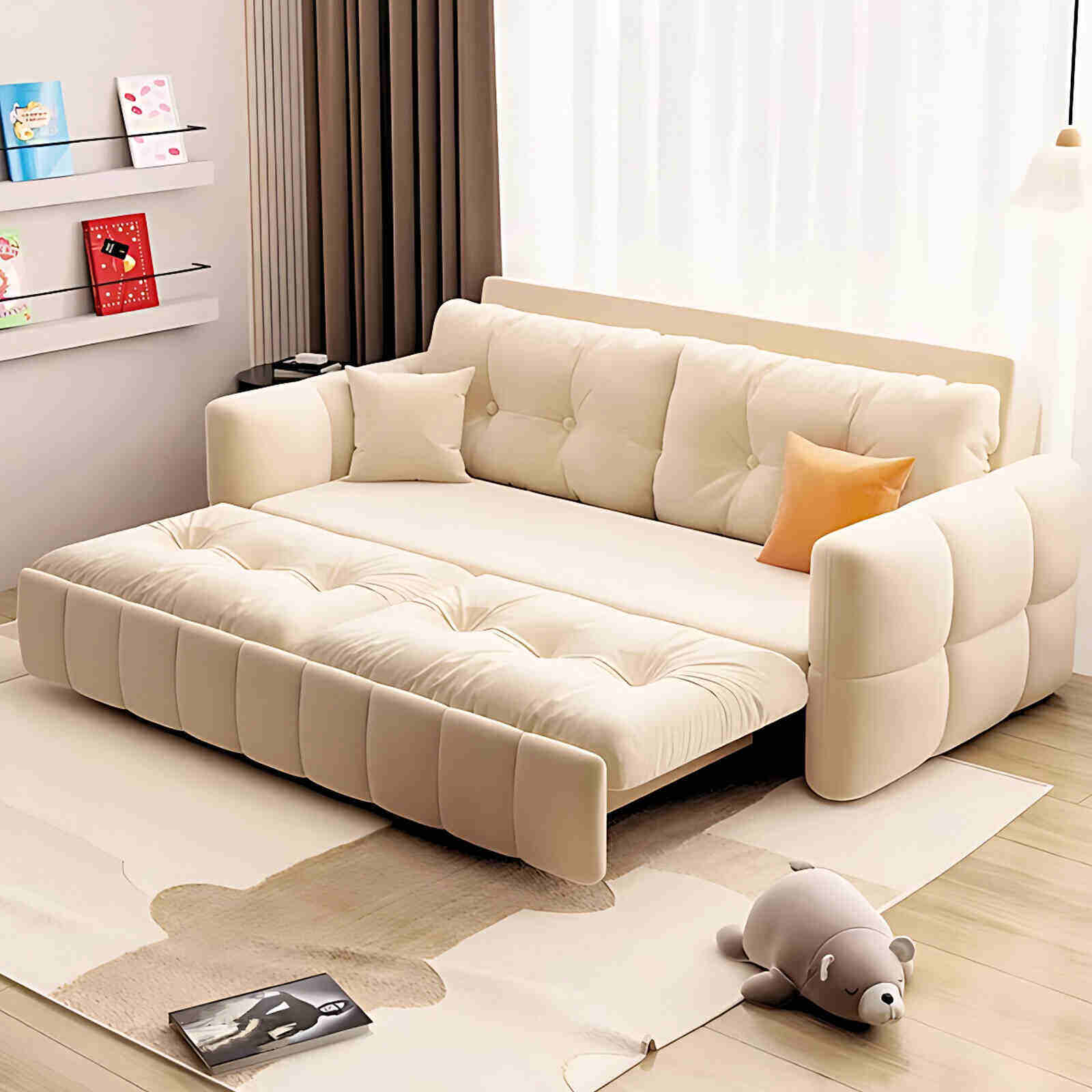
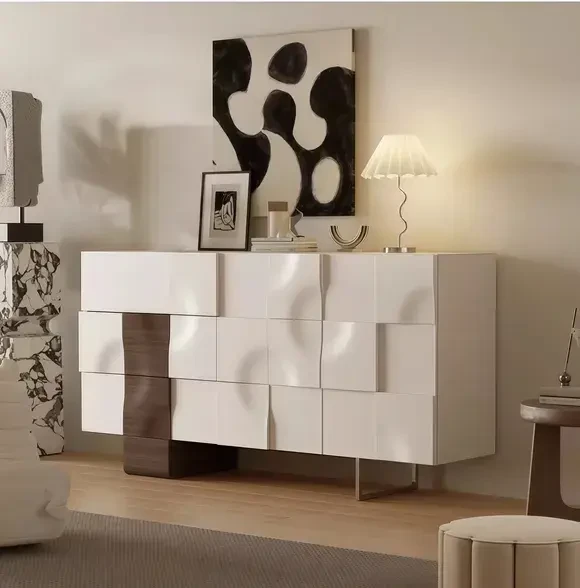
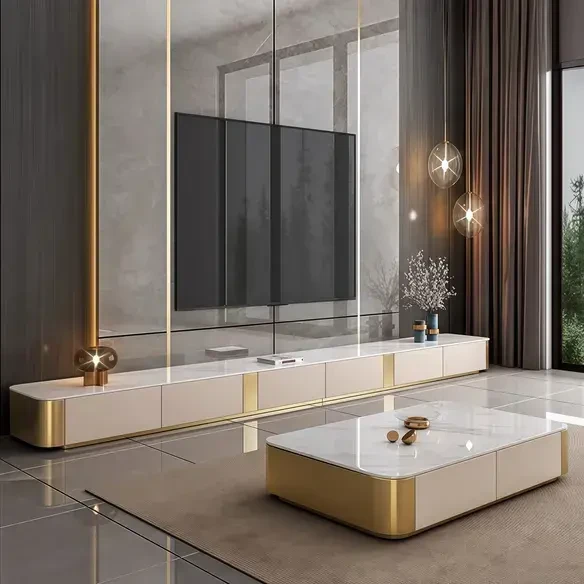
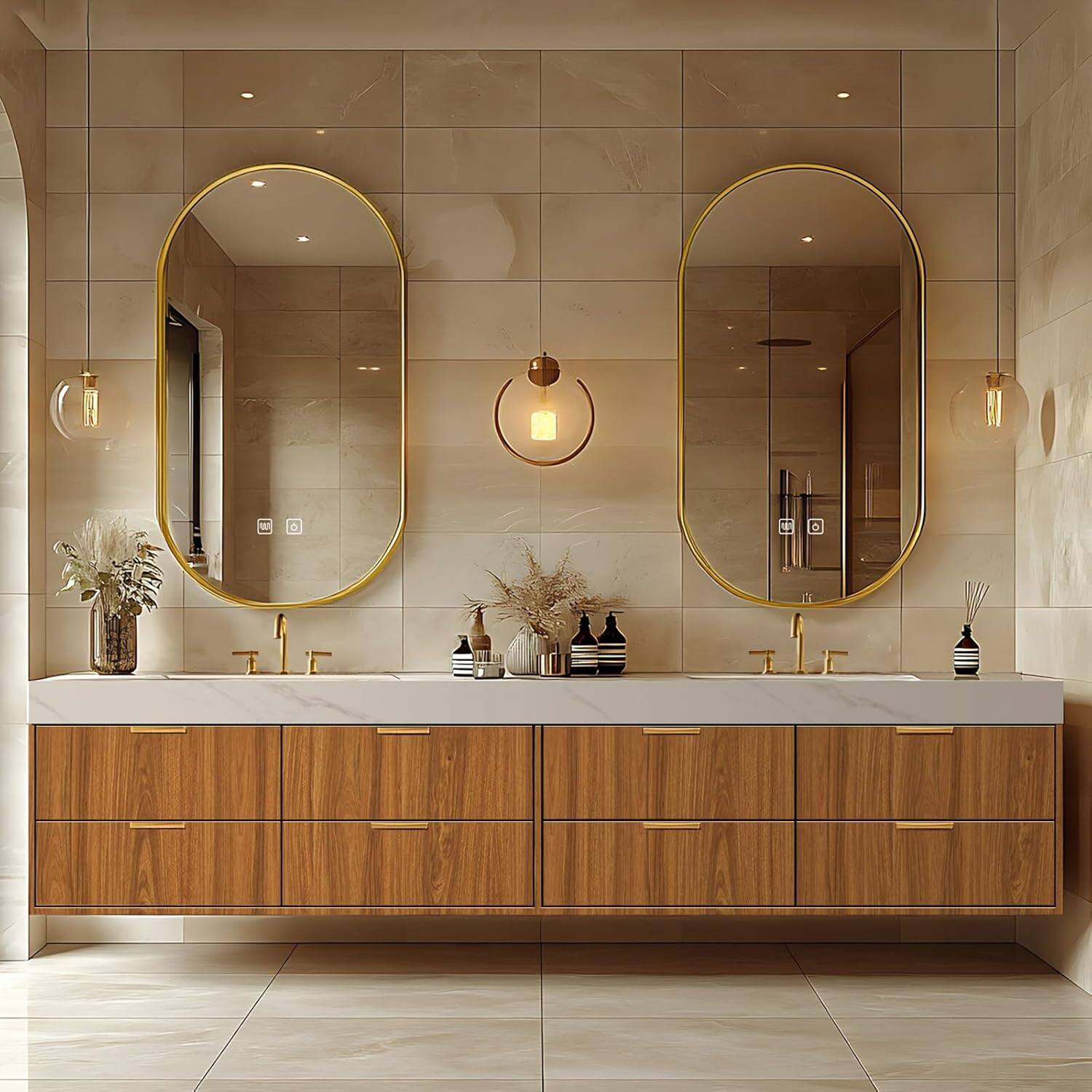
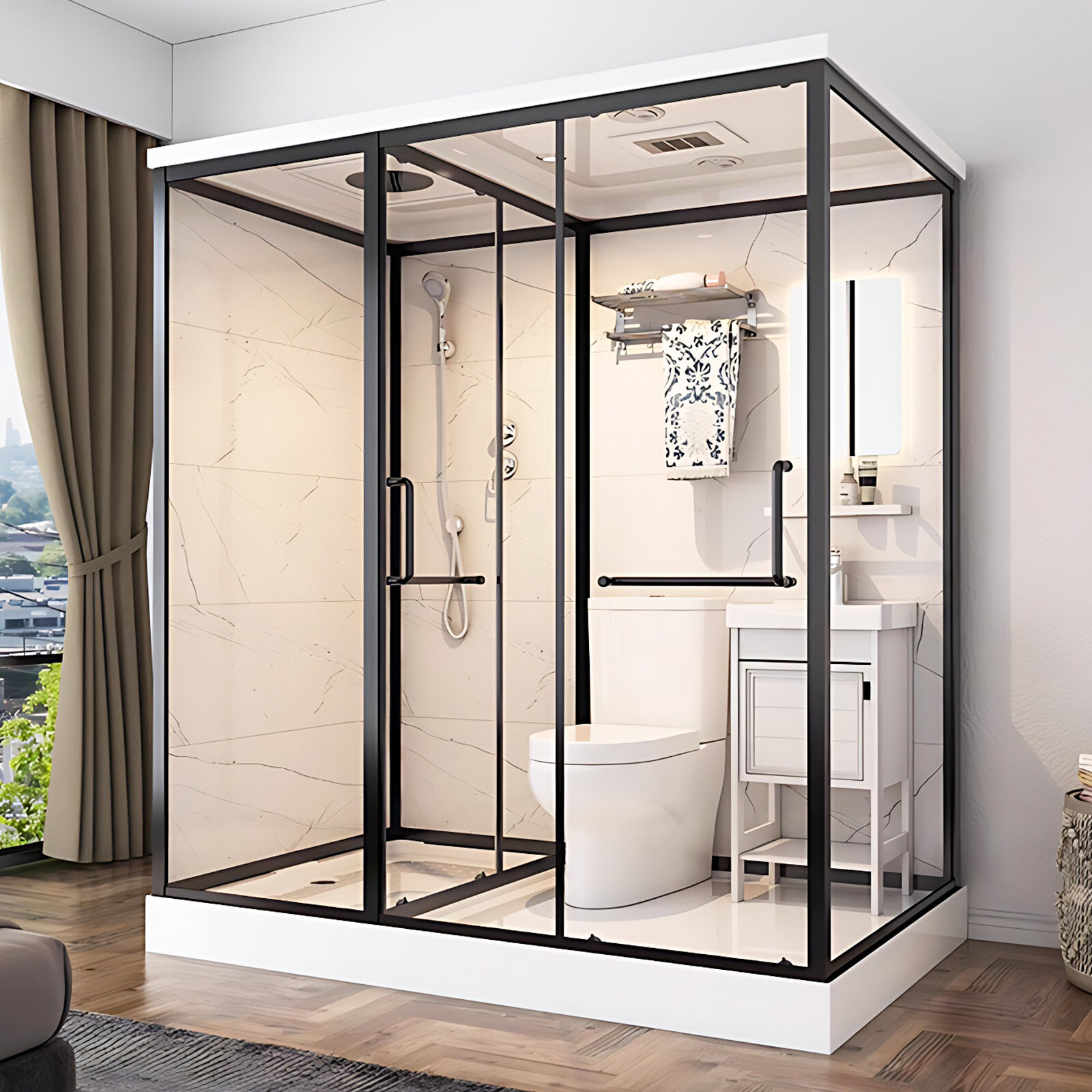
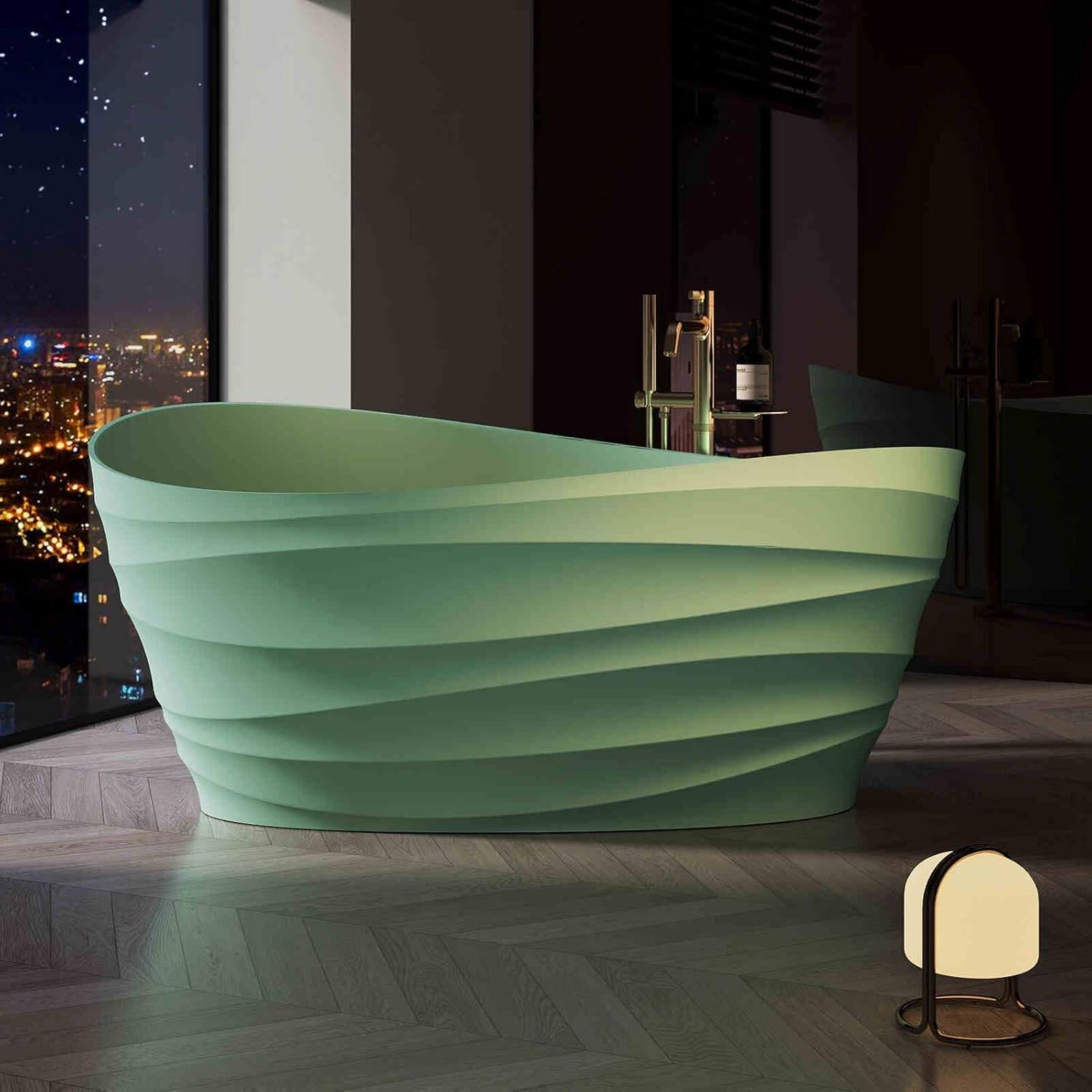
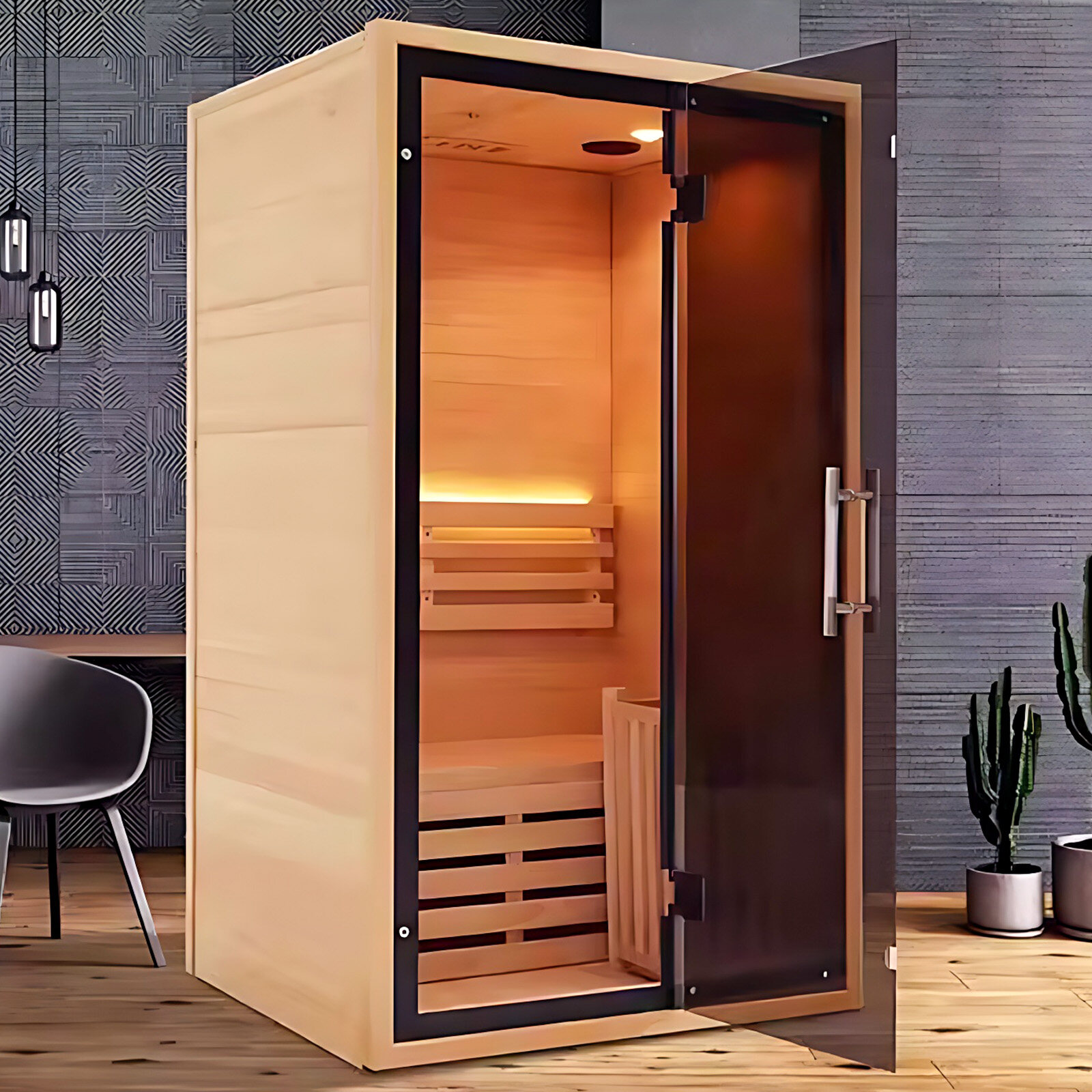
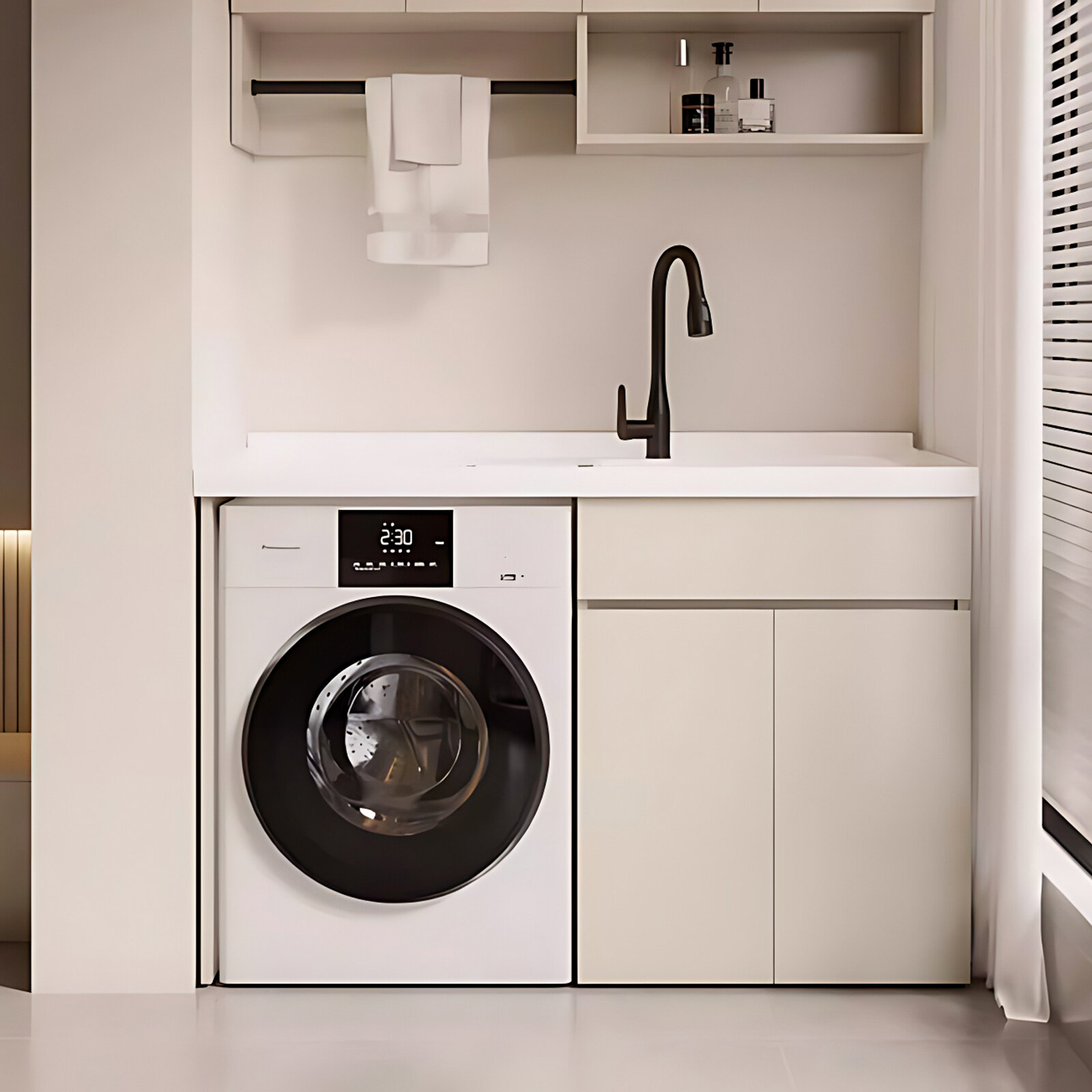
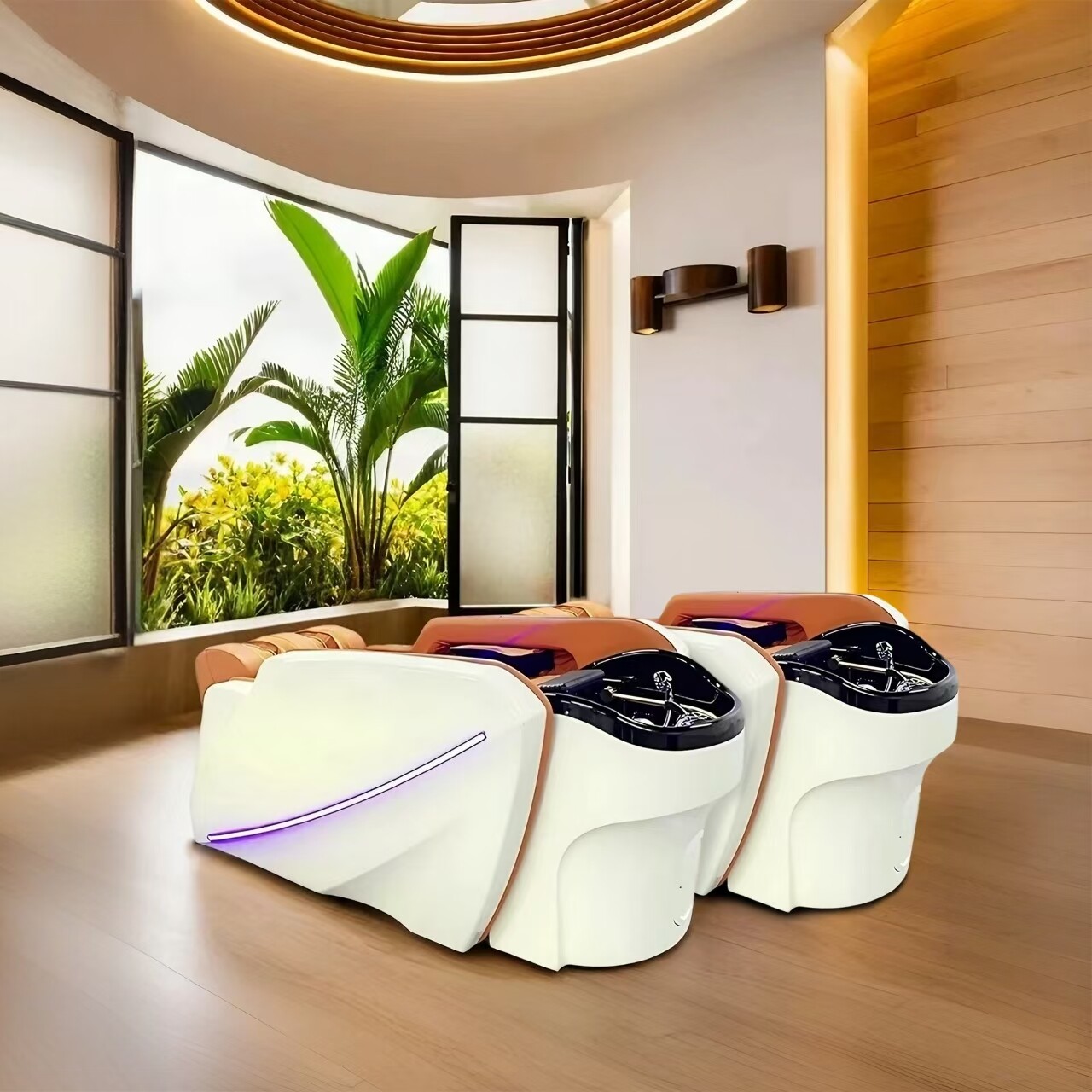
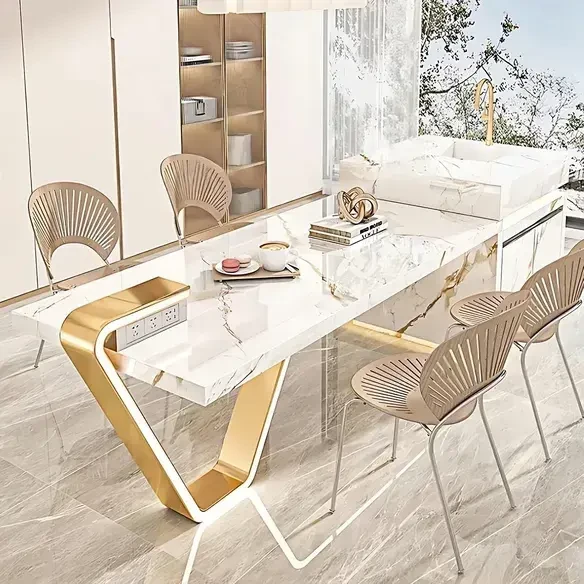
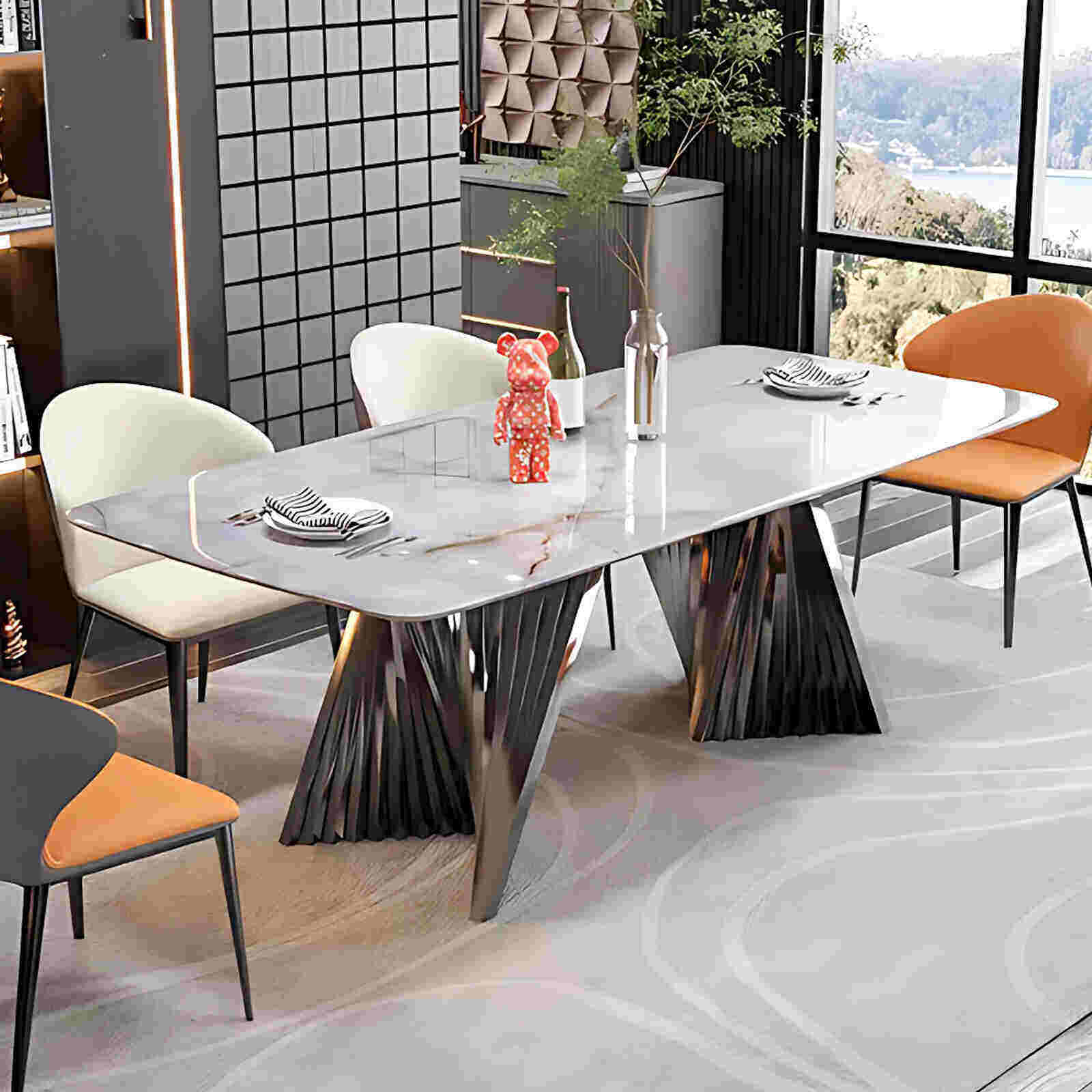
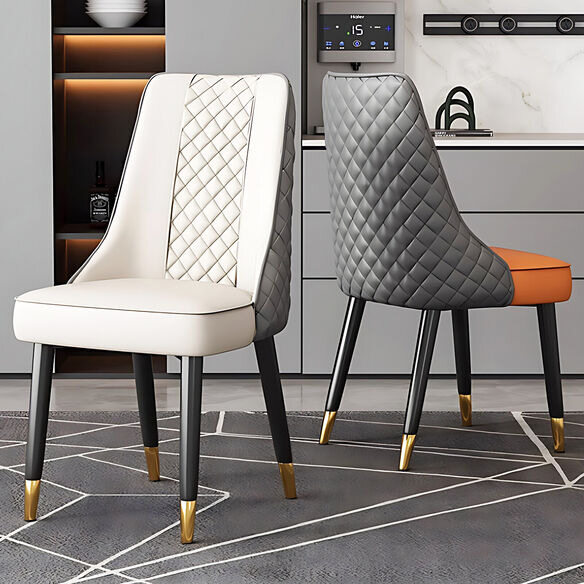
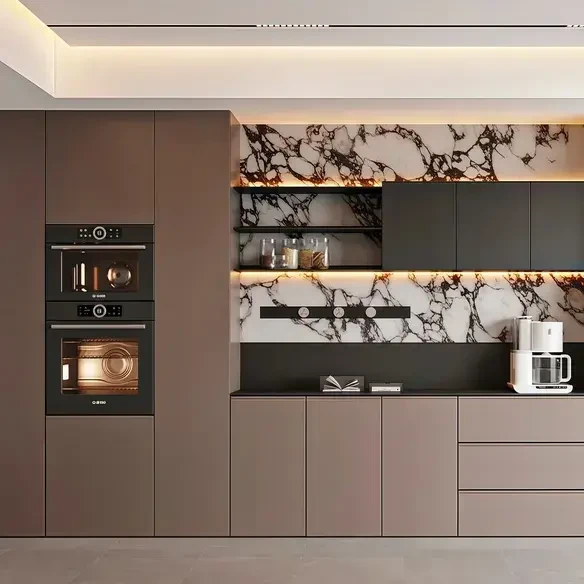
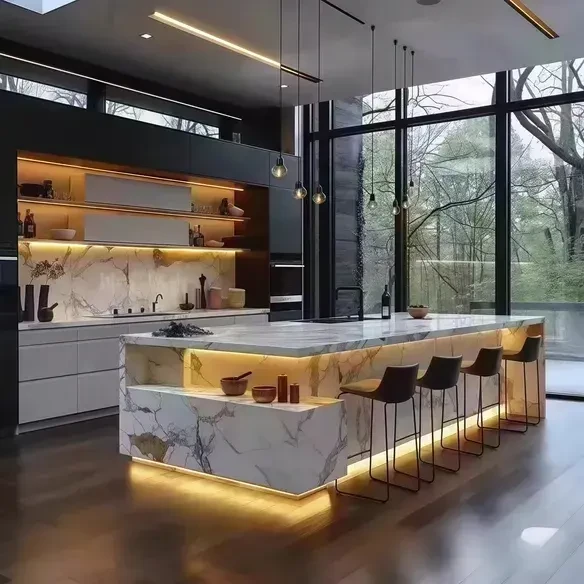
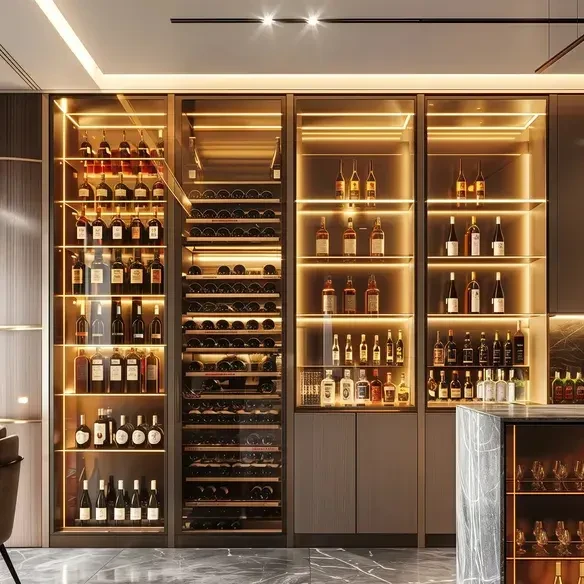
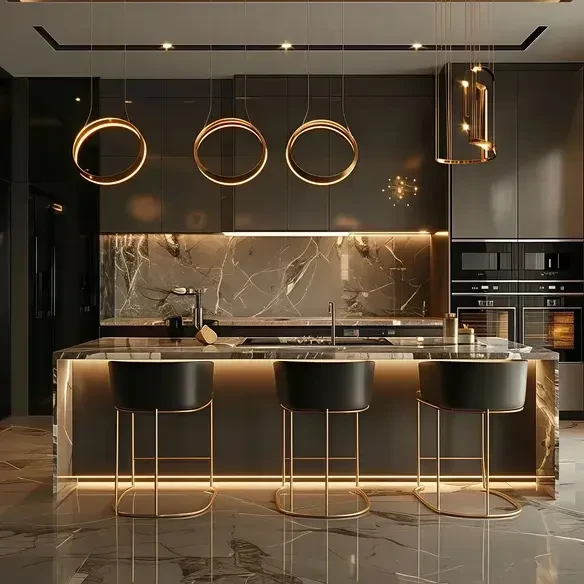
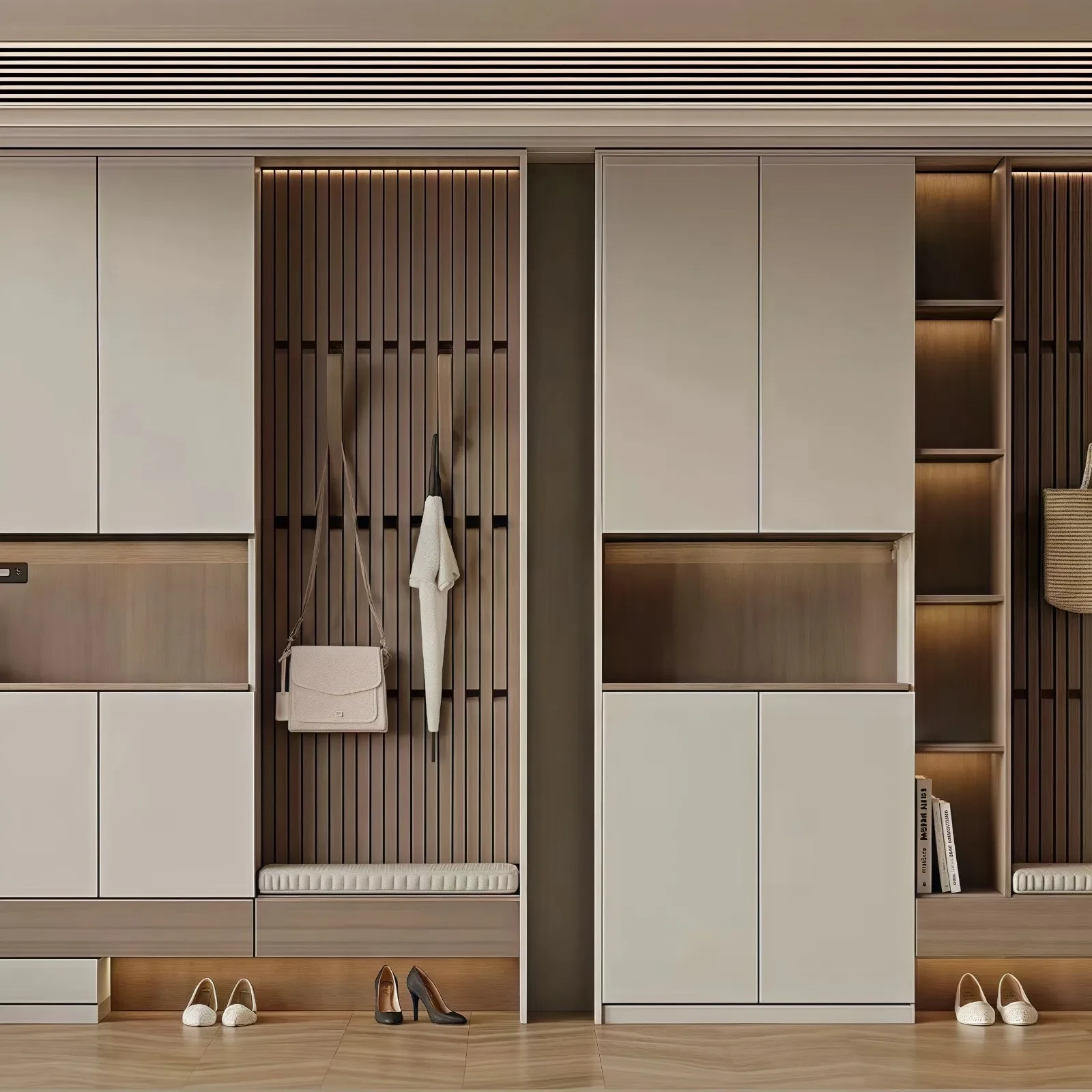
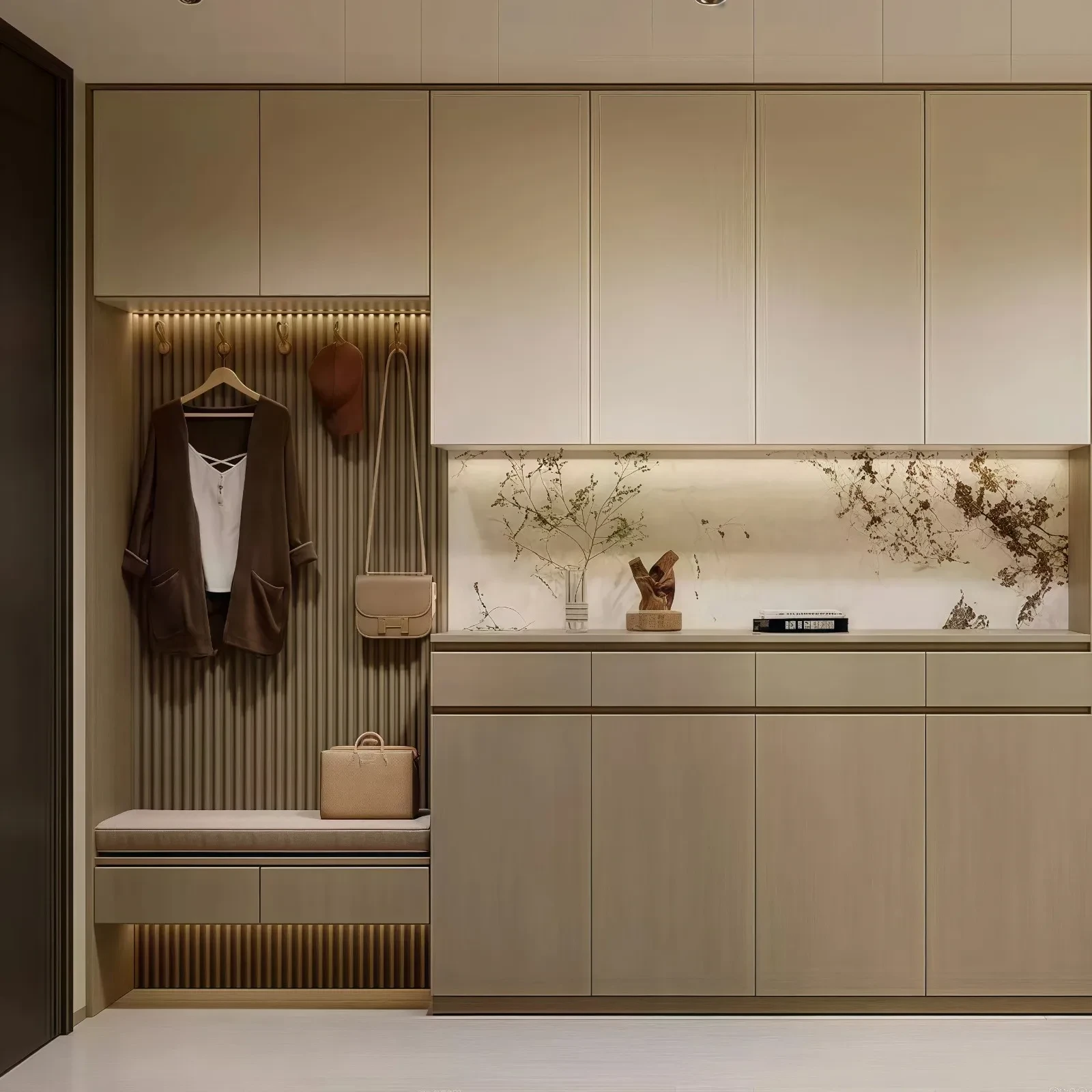
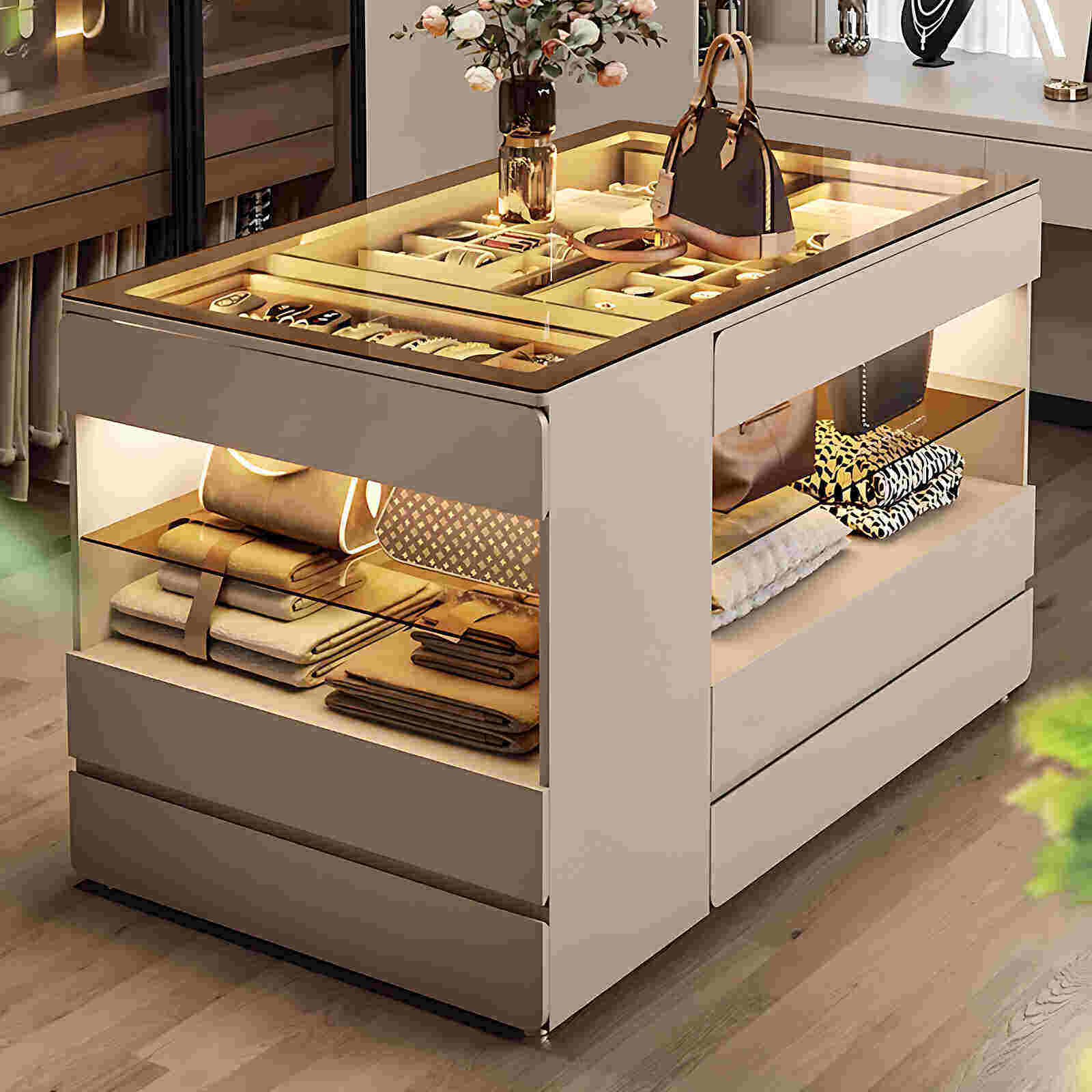
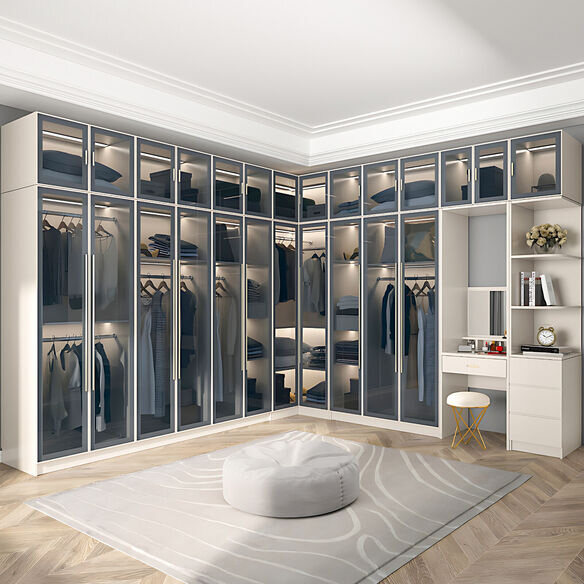
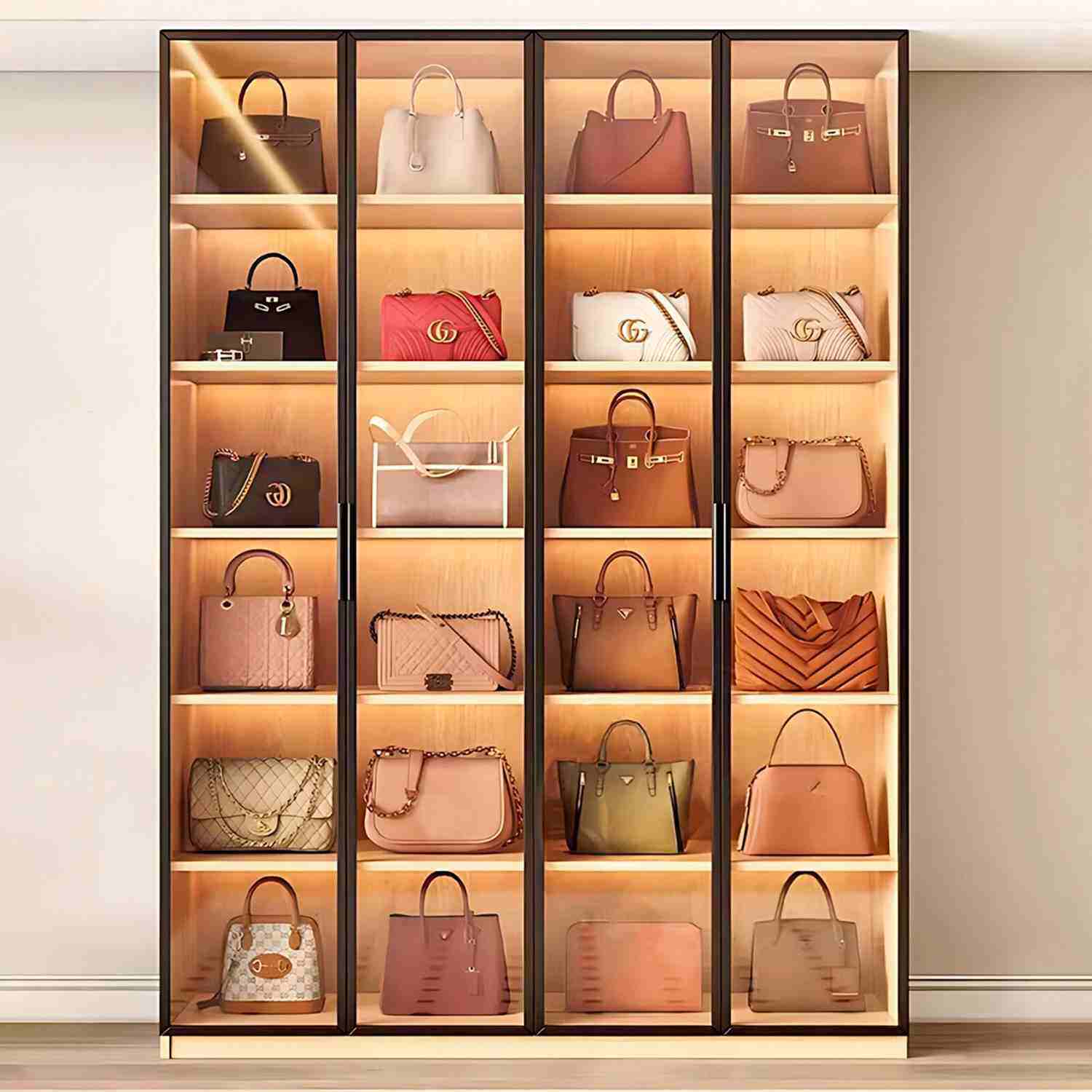
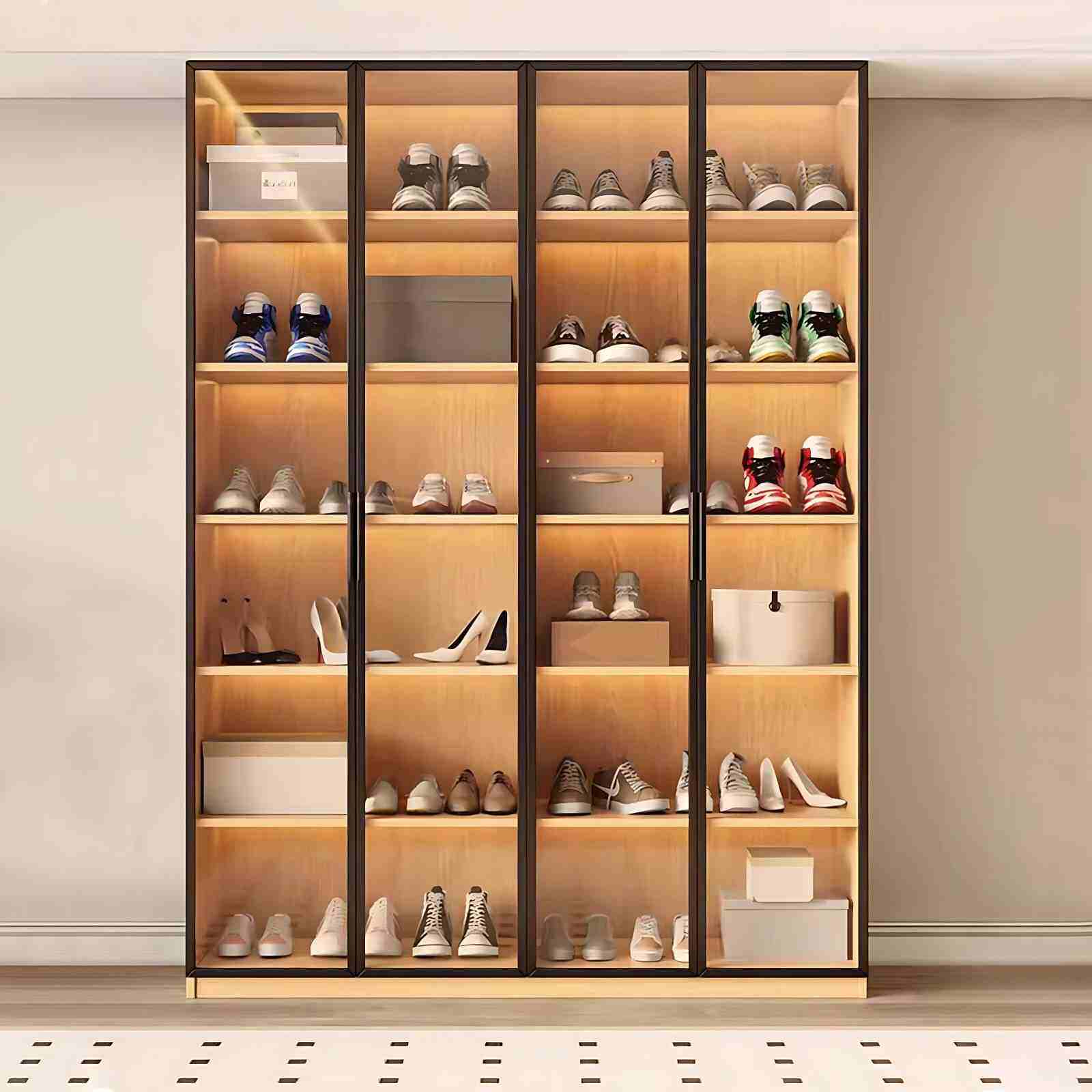
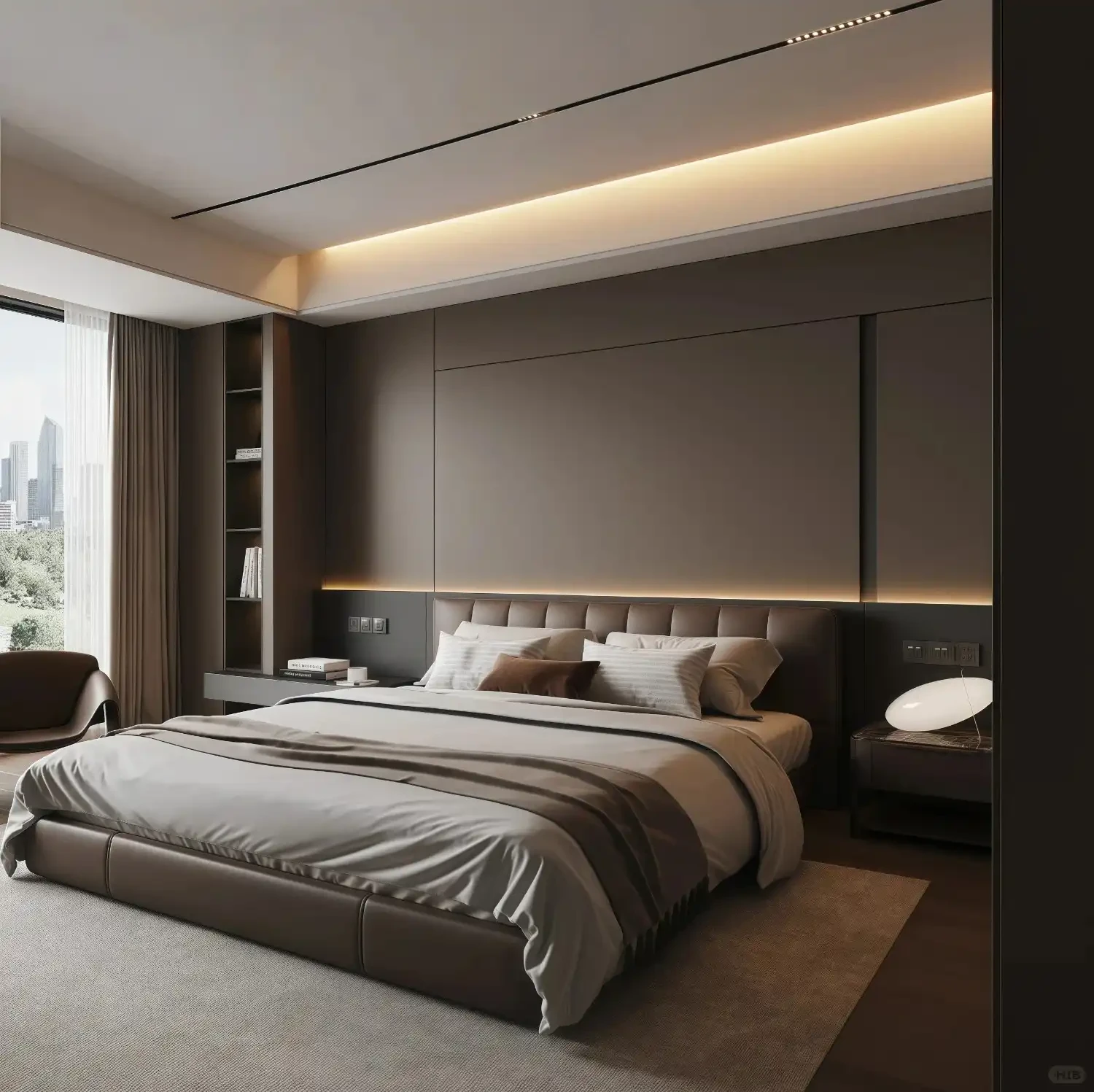
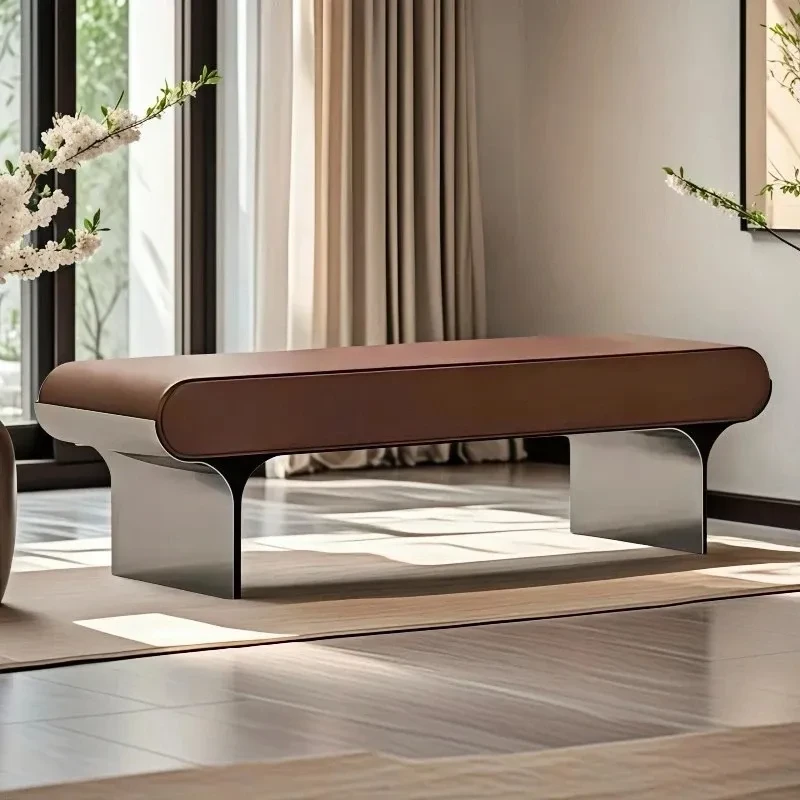
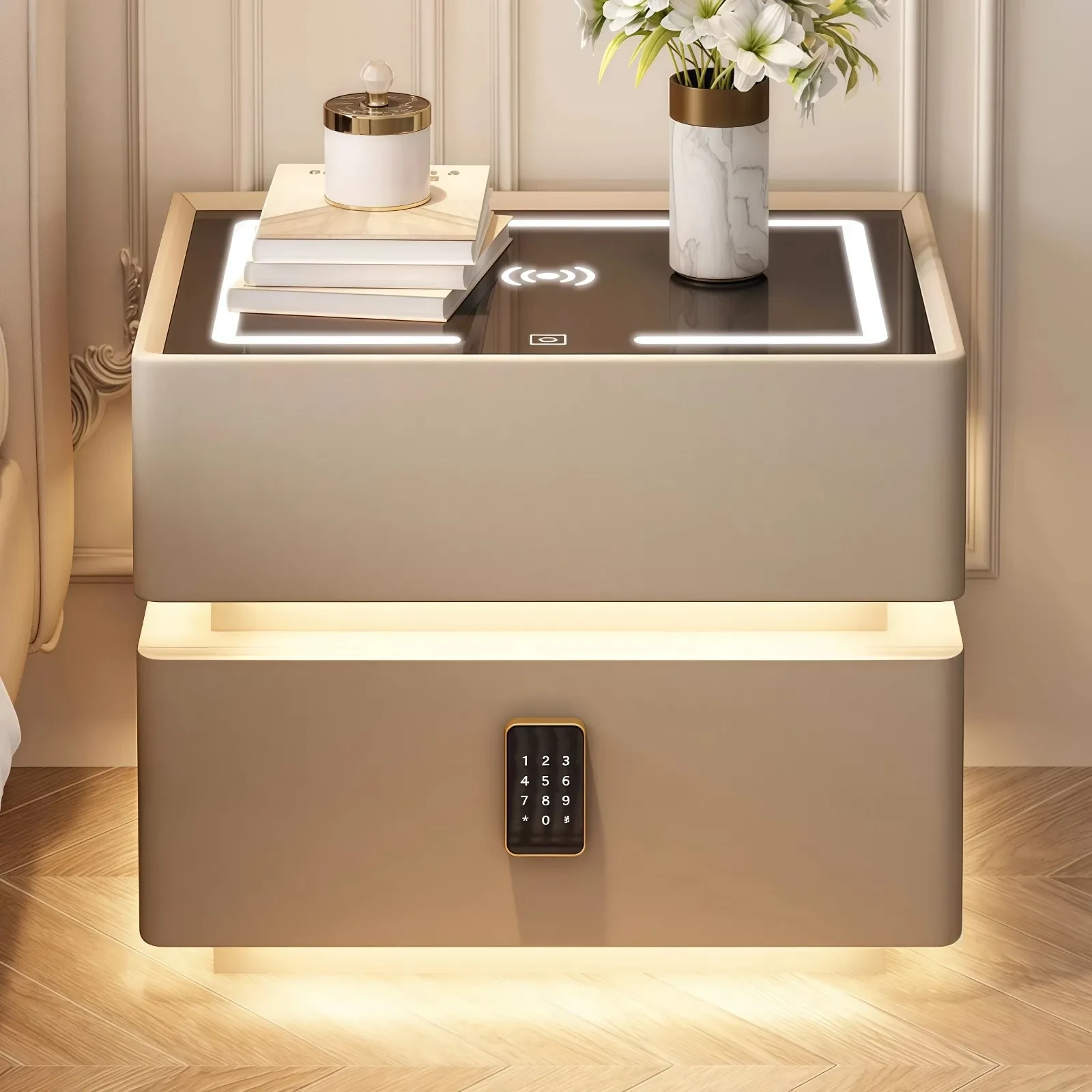
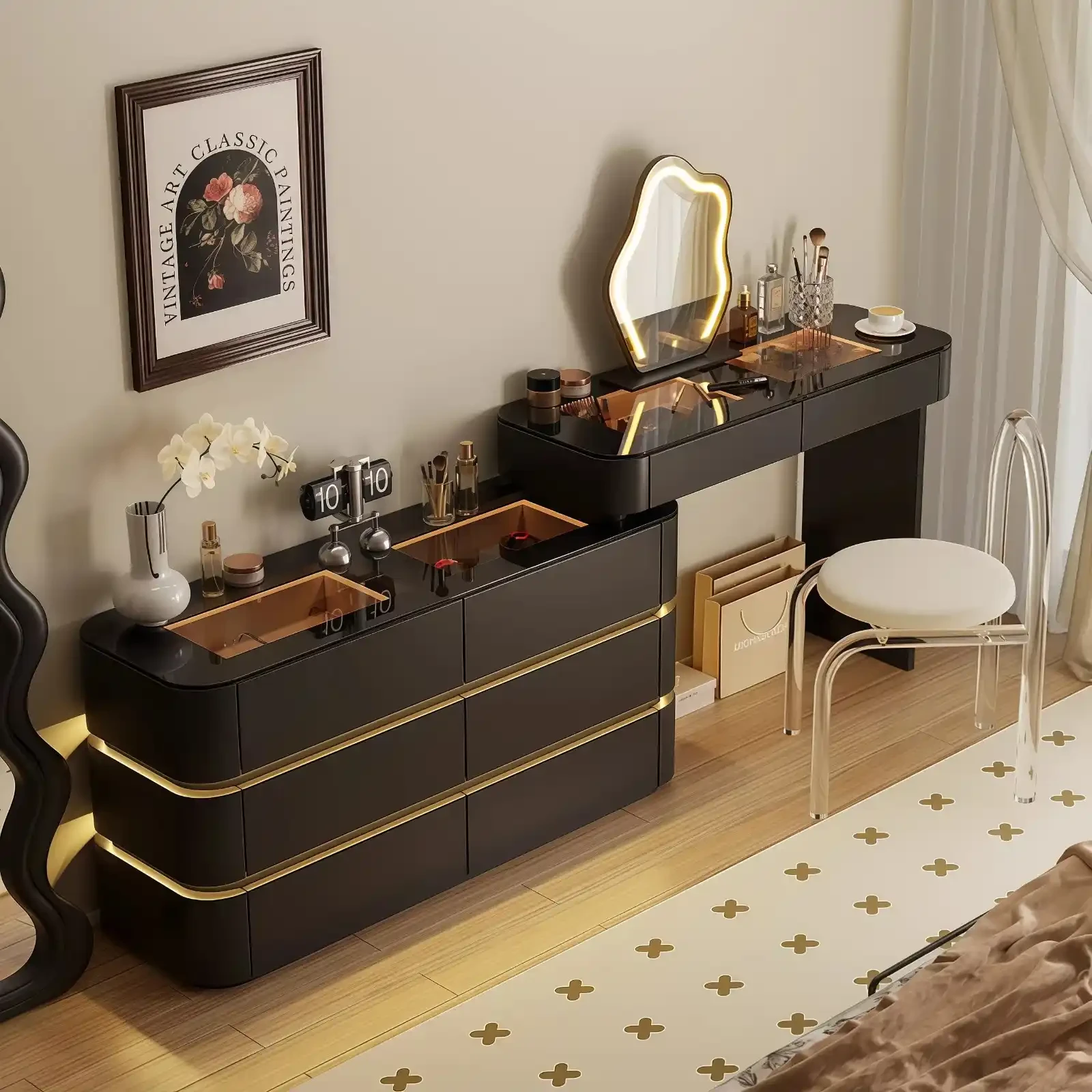
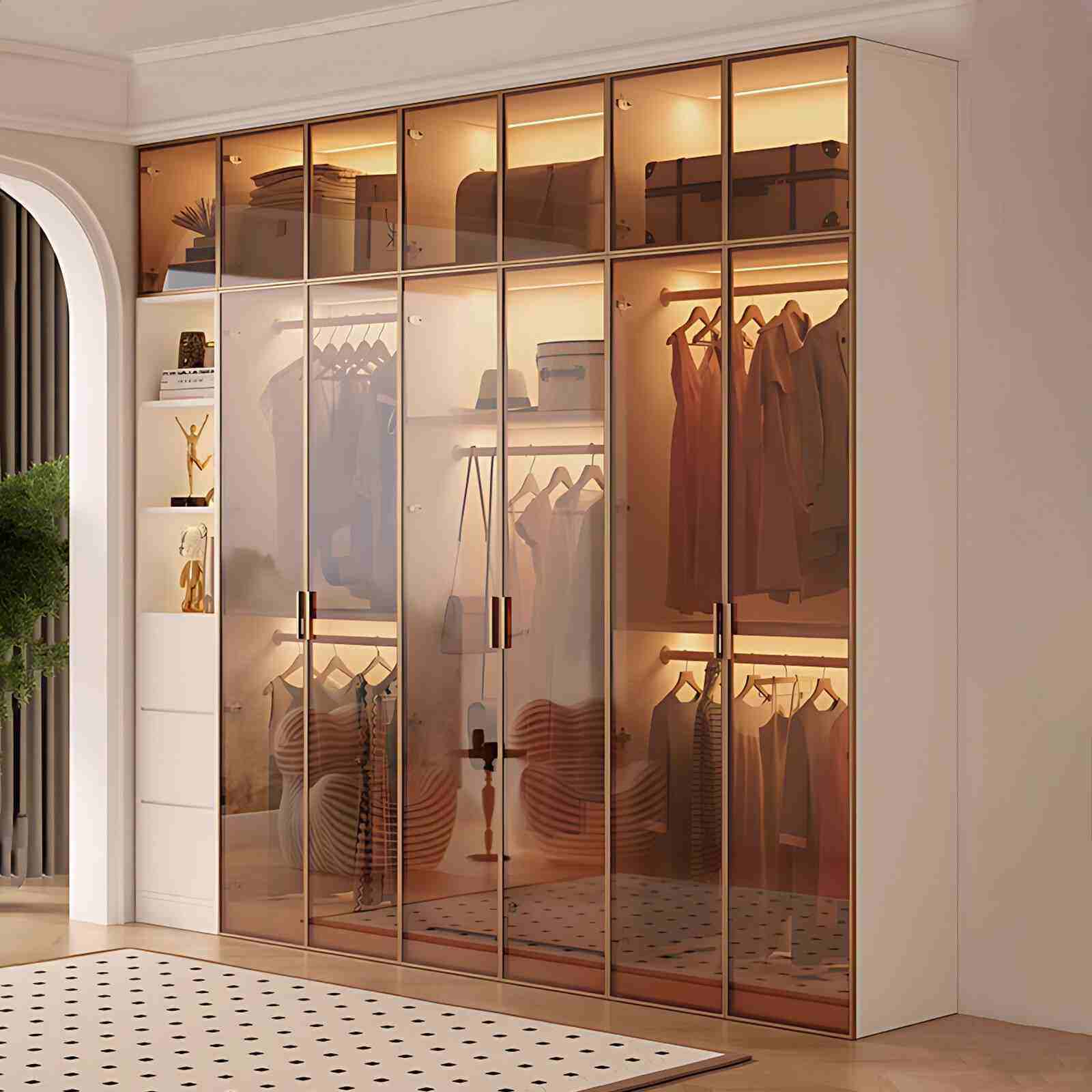
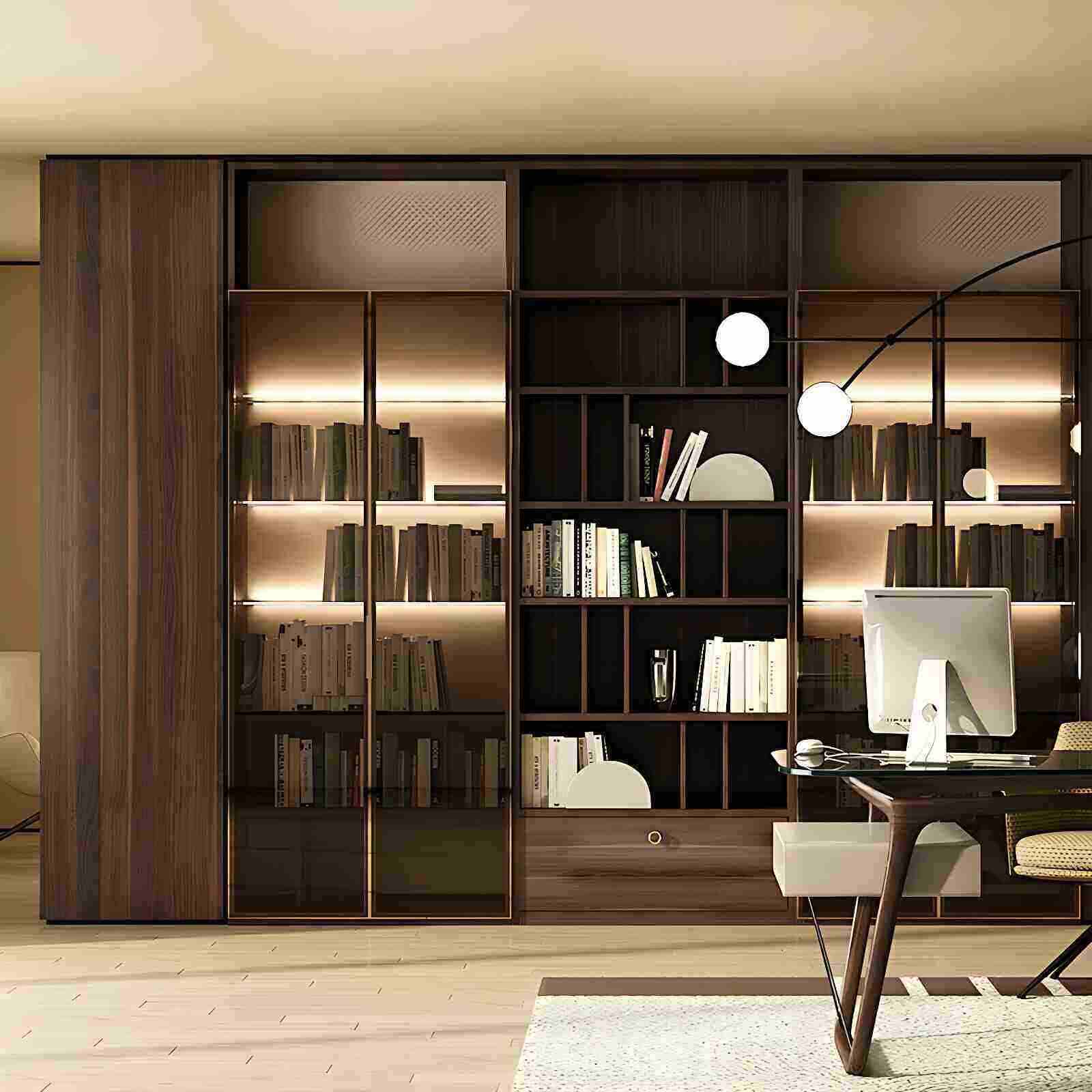
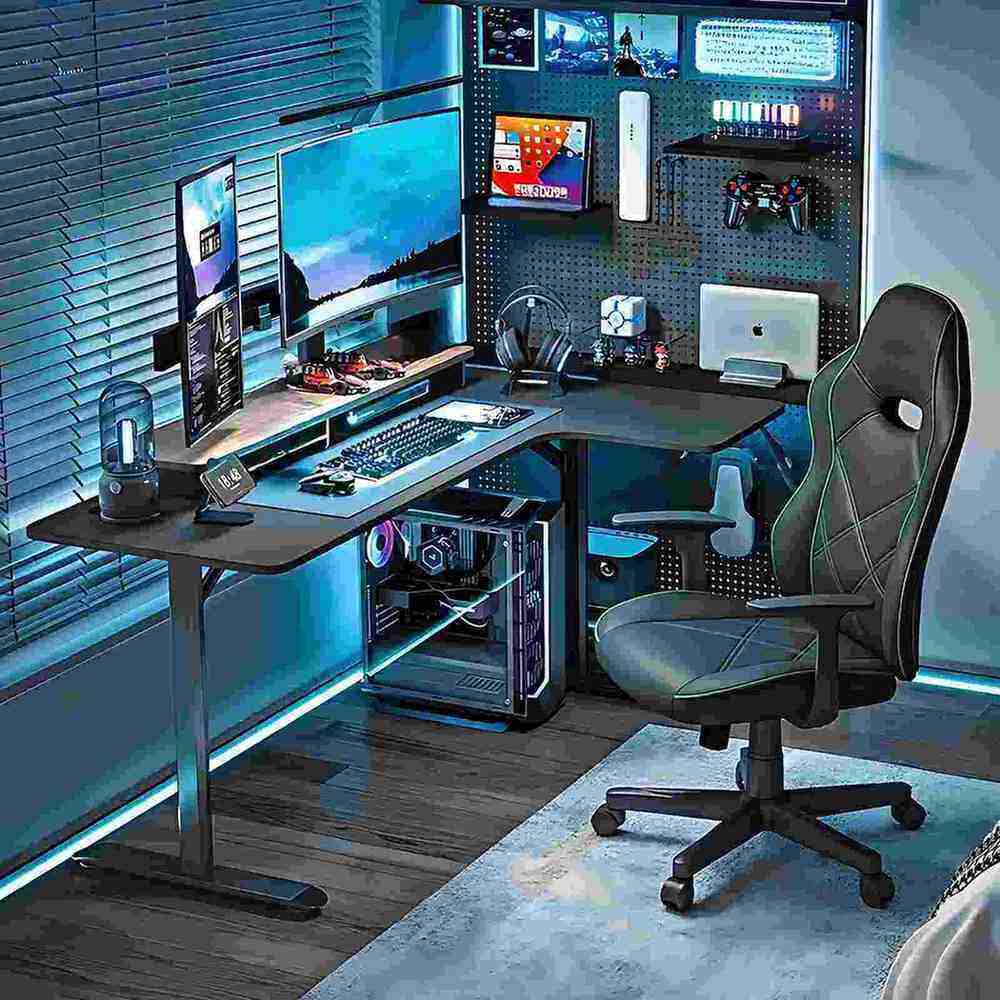
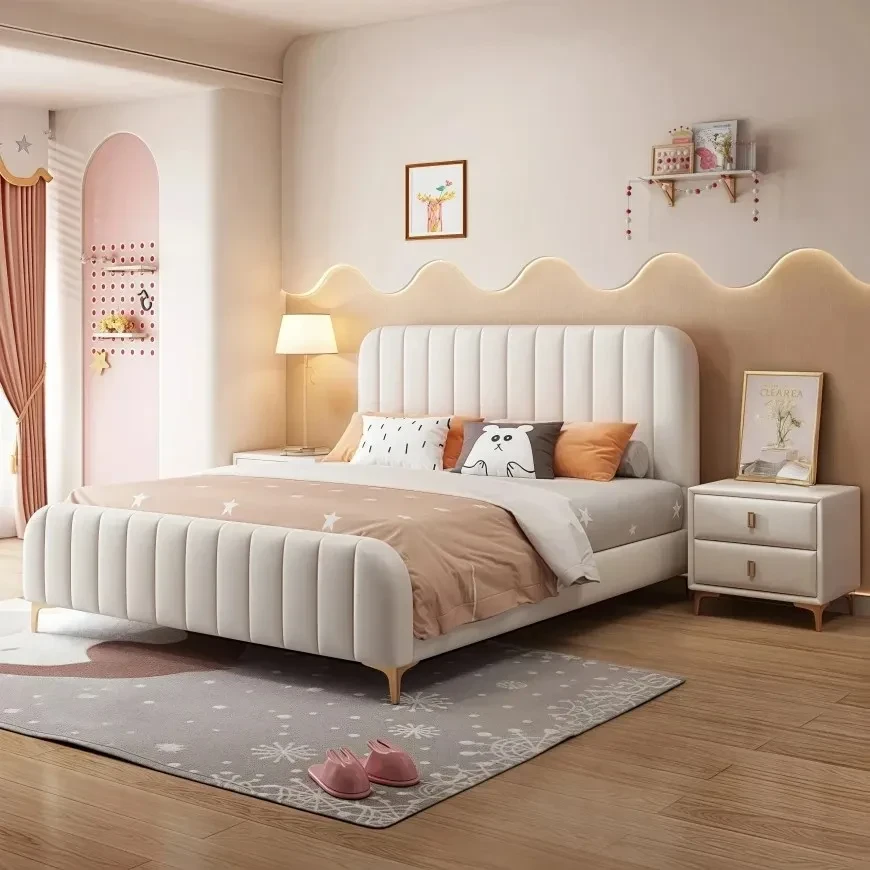
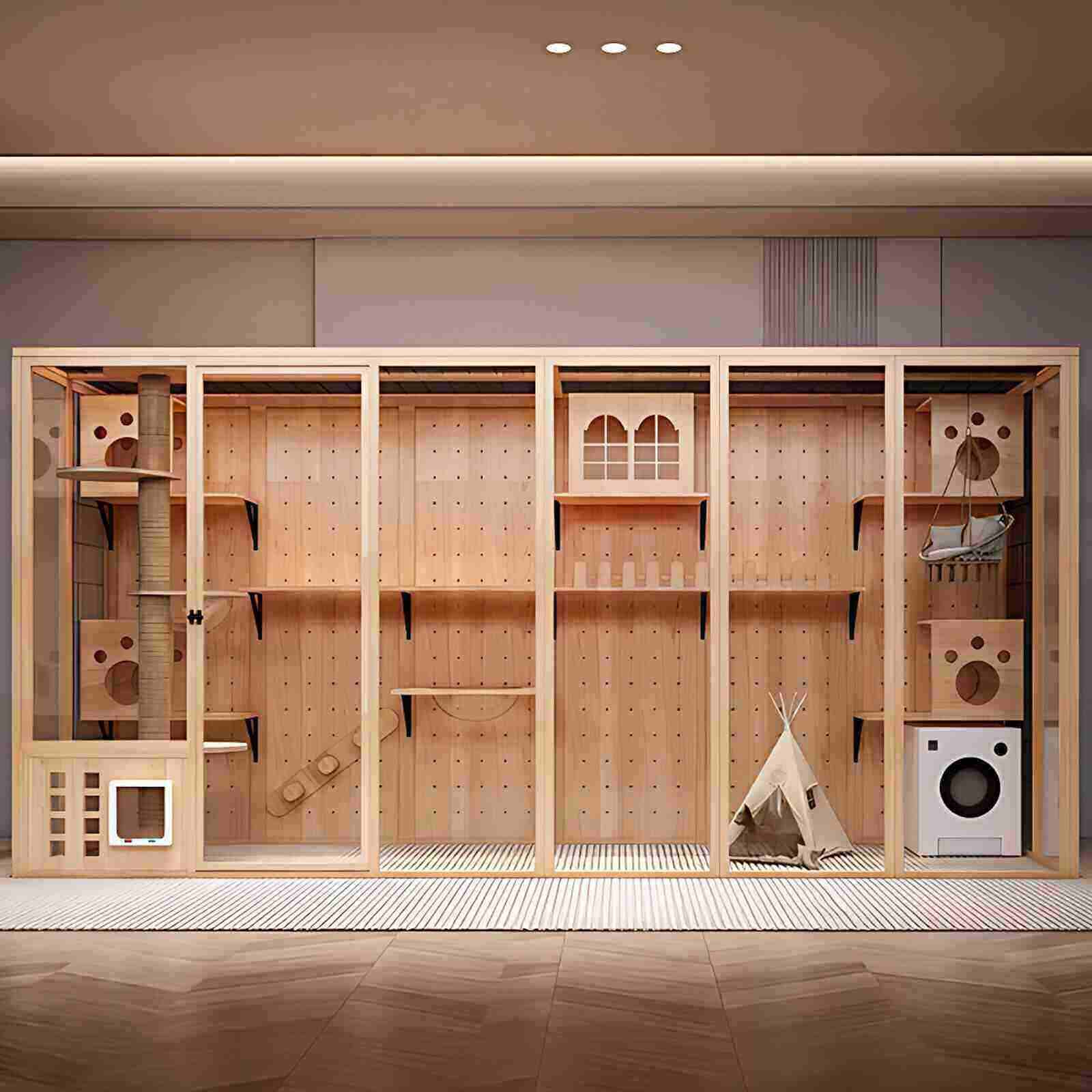
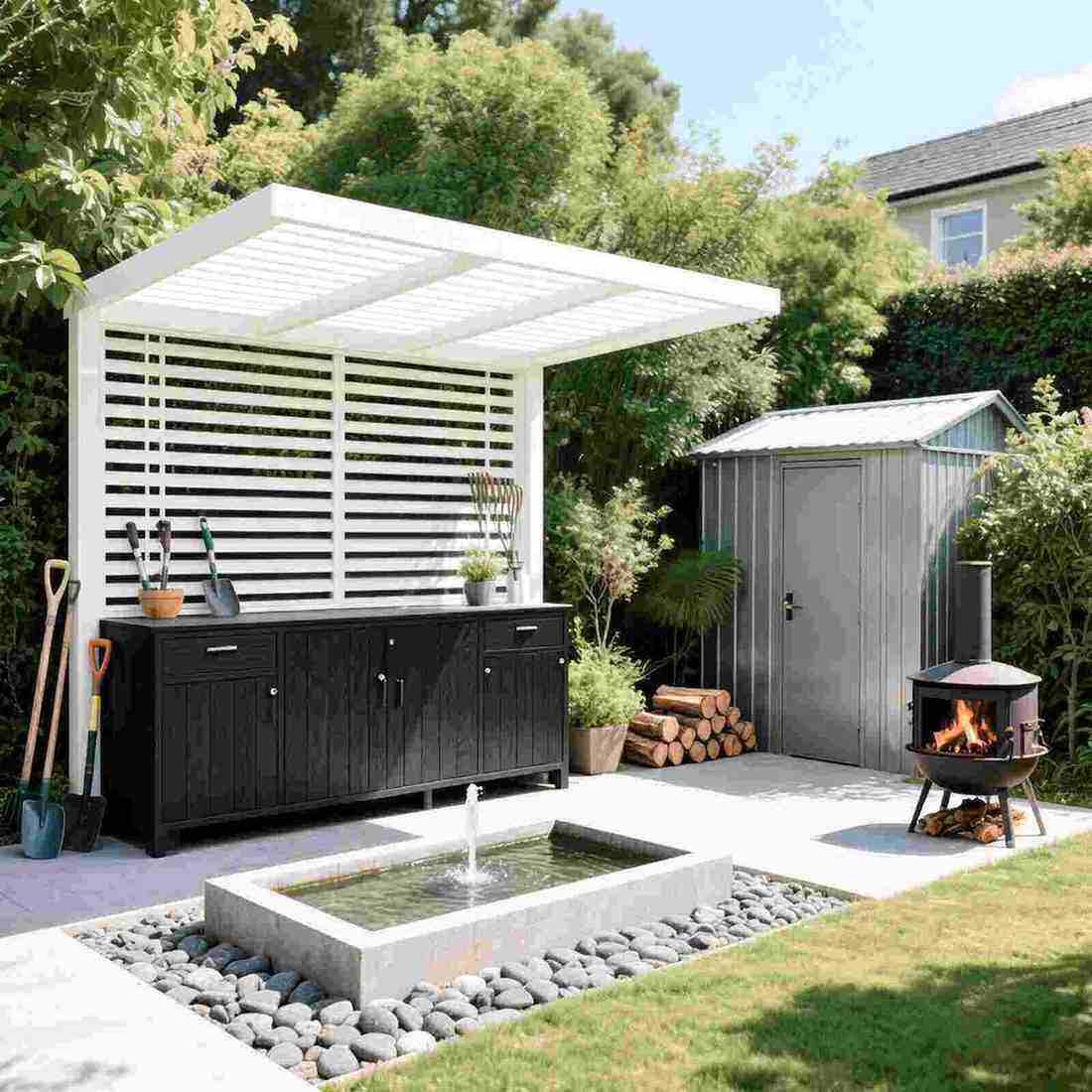
With rapid societal development and rising living standards, people's demands for modern home living are also increasing. In today's fast-paced life, people often crave complete relaxation at home, making clean, simple, elegant, and warm interior design a necessity for modern young people. As the popularity of modern and Scandinavian styles fades, the term "wabi-sabi" is appearing more and more frequently. But what exactly is the "wabi-sabi" style?
The term "wabi-sabi" originates from Japanese tea ceremony and Zen culture. During the late Muromachi period, social unrest and widespread fear led to the deep penetration of Buddhism, combined with the spirit of Zen, into the hearts of the Japanese people. The concepts of impermanence and the end times became mainstream. The spirit of Zen culture influenced all aspects of Japanese society's art and culture, resulting in a complete Zen-ification of aesthetic consciousness during the Muromachi period, with "wabi-sabi" at its core becoming the dominant aesthetic.
Sen no Rikyu was a renowned Japanese tea master, and the aesthetics of wabi-sabi originated from his tea ceremony. During the late Muromachi period, Rikyu promoted wabi-cha, believing that the tea ceremony should pursue a simple and unpretentious aesthetic. He transformed the luxurious tea room, reminiscent of a shoin, into a thatched-roof tea room. Everything in the tea room retained the natural, serene colors of its materials, and the tea utensils often maintained their irregular, rustic charm. Holding an uneven, rough teacup in the dimly lit tea room and carefully sipping tea, the tea master, immersed in the tranquil atmosphere, enters a state of serene emptiness, experiencing an indescribable sense of emotion. Wabi-cha combines the spirit of Zen with the tea ceremony, abandoning external splendor; it is an art of spiritualism that pursues solitude and tranquility.
In modern home life, the "wabi-sabi" style simplifies complexity and uses simple, rustic decorating materials to create a tranquil and elegant atmosphere. The following section introduces the style from five aspects: the texture, shape, color, feel, and pattern of the decorating materials.
quality
shape
In the "wabi-sabi" style of interior design, simple and natural lines are the main focus. To soften the scattered lines and surfaces in the space and make it visually softer and purer, curved surfaces are used extensively. Interfaces are reorganized and superimposed with curved surfaces at various angles to present beautiful arcs. For example, the arcs on the ceiling surface and the arched doorways on the walls present a smooth visual effect, which is different from the rigid transition of straight lines in conventional designs. Therefore, the wabi-sabi style can express a more beautiful visual image.
color
Color: In terms of spatial color, natural colors become the main theme of wabi-sabi. Strong color clashes are excluded, and pure tones are the essence of wabi-sabi. For example, the natural wood color of OSB boards is a commonly used color. Wabi-sabi also usually retains the colors conveyed by objects over time, such as black, light brown to dark brown, or different shades of gray. These colors seem withered, yet they reveal a quiet and peaceful feeling, making people feel at ease.
feel
The tactile feel of materials is crucial. Decorative materials, due to their different physical characteristics, create diverse surface textures. Tactile texture refers to the sensory experience of a material's surface-whether it's smooth or rough, hard or soft, cool or warm. Each material possesses its own unique texture and aesthetic appeal. By softening the expressiveness of spatial colors and skillfully utilizing natural light, the perceived texture of materials can be enhanced, resulting in a deeper impact on the spatial atmosphere and strengthening people's visual and psychological experiences. The "wabi-sabi" style typically emphasizes a retro, soft tactile feel, such as the newly developed fine linen and skin-feel series from Qiannianzhou. The tactile feel is generally a natural attribute of the material itself, while industrial products typically achieve this through special post-processing of the surface layer.
Pattern
The "wabi-sabi" style often uses the original natural textures of materials, such as the grain of wood and the rough, irregular textures of bark, to create decorative items. It also incorporates "natural" textures produced industrially through printing, weaving, and other processes. The surfaces of these ornaments, weathered by time, bear the marks of years, representing a state of tranquility and selflessness, creating a peaceful and harmonious home experience that resonates with nature.
Qiannianzhou Group creates its board products by focusing on five aspects: quality, shape, color, feel, and texture. Always at the forefront of trends, Qiannianzhou's PET platinum crystal board and UV decorative panel series offer more choices for the implementation of the "wabi-sabi" aesthetic in terms of color, surface texture, and other aspects, creating a living environment away from the hustle and bustle of the city. At the same time, we will also draw on the philosophical concepts inherent in "wabi-sabi" aesthetics to provide more possibilities for product development.