
 USD
USD GBP
GBP
 EUR
EUR
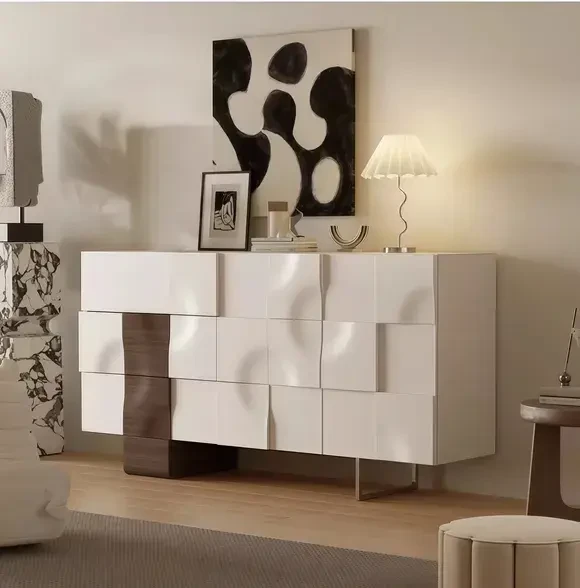
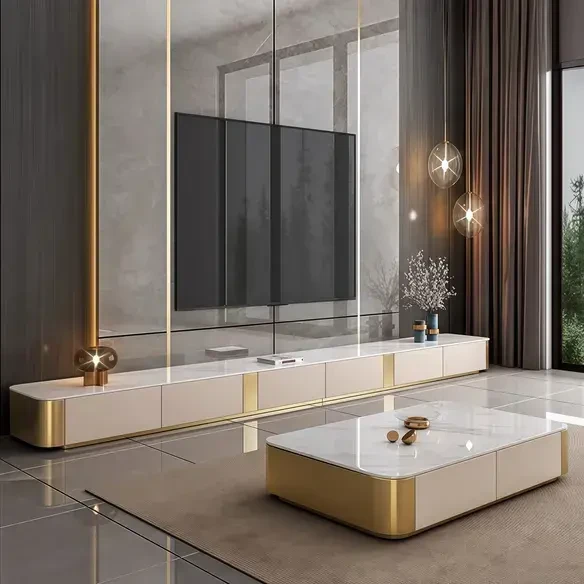
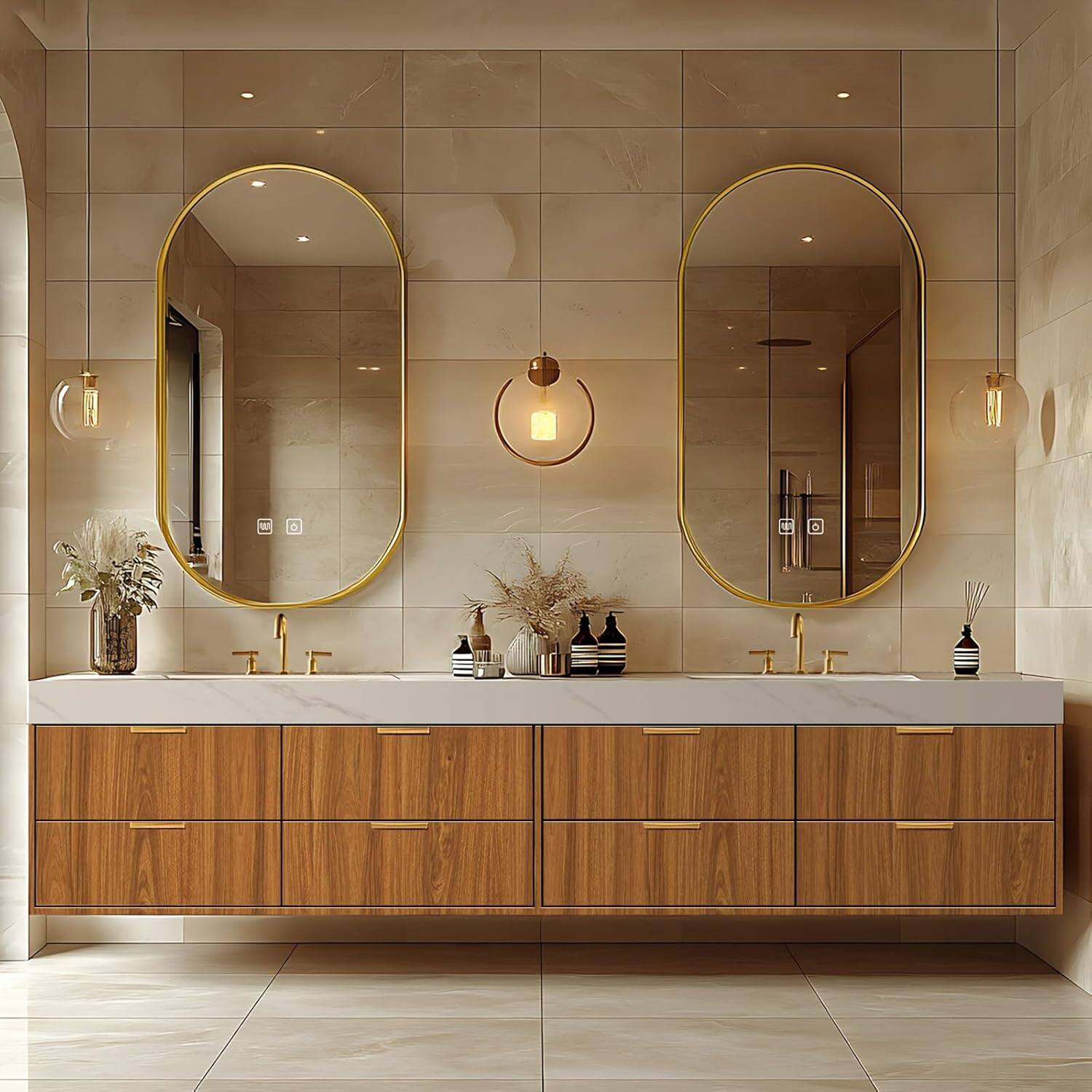
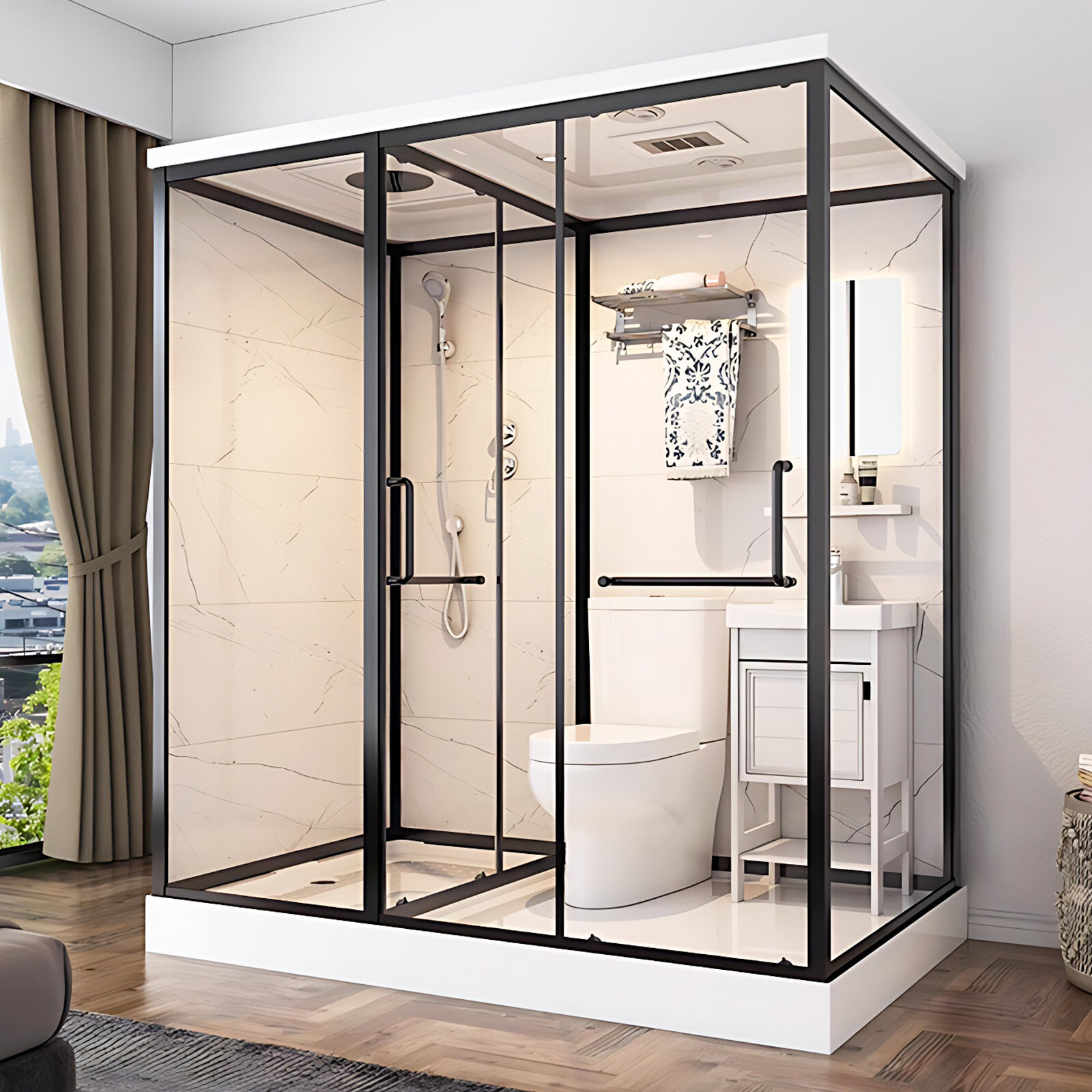
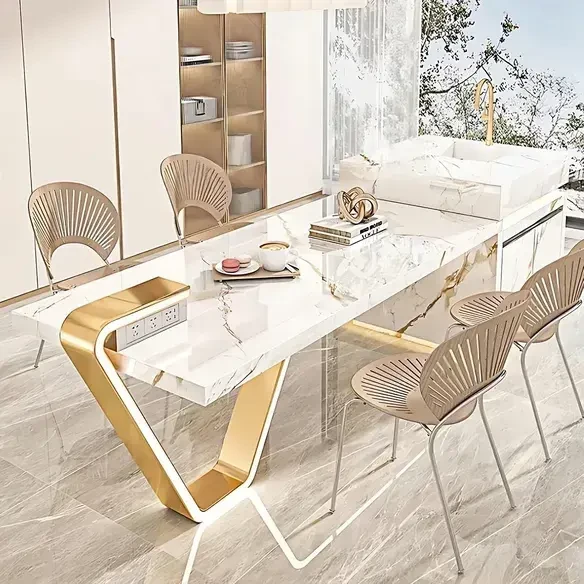
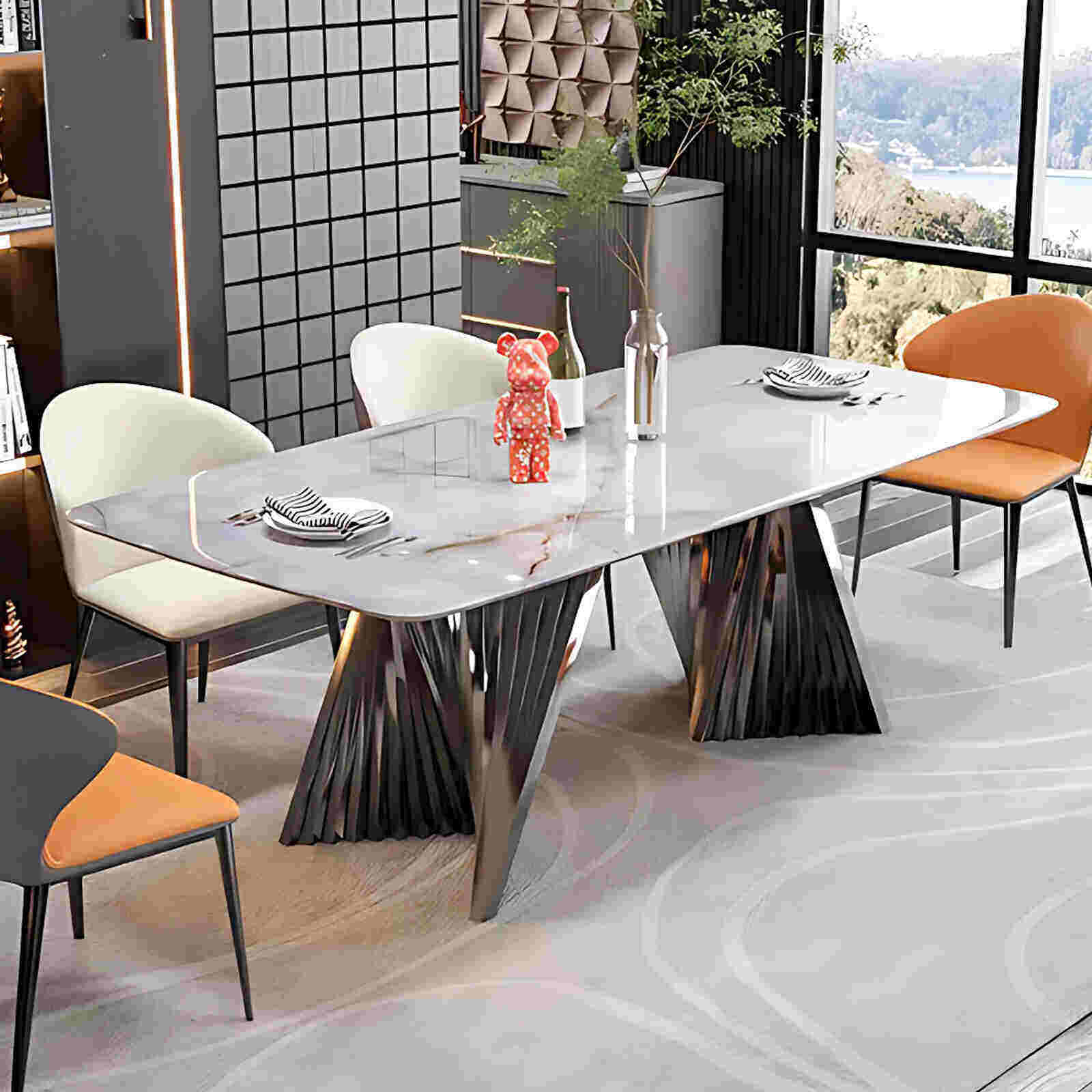
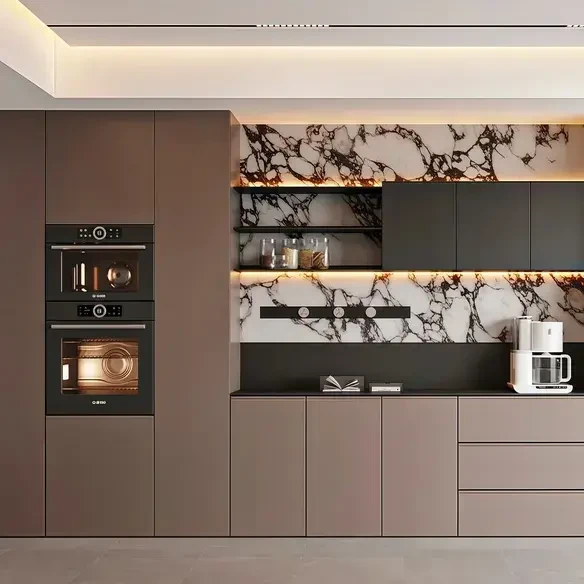
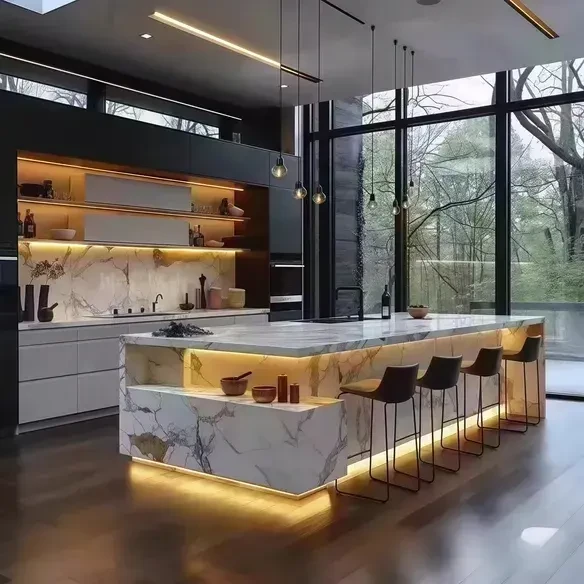
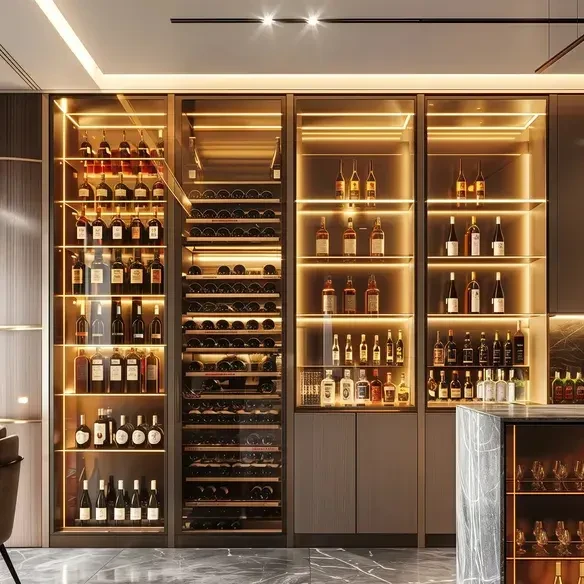
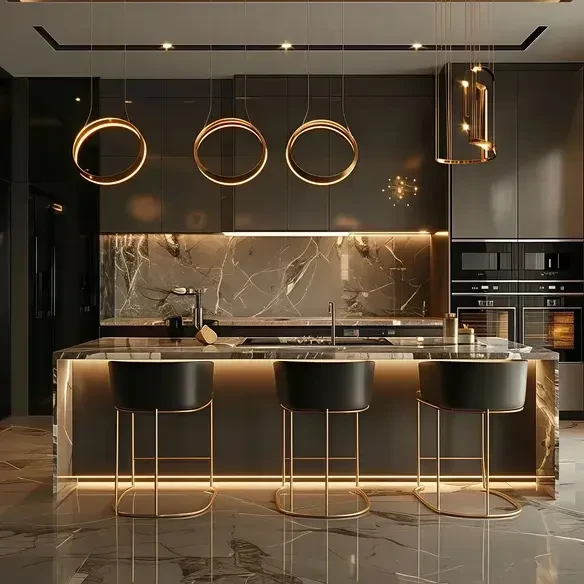
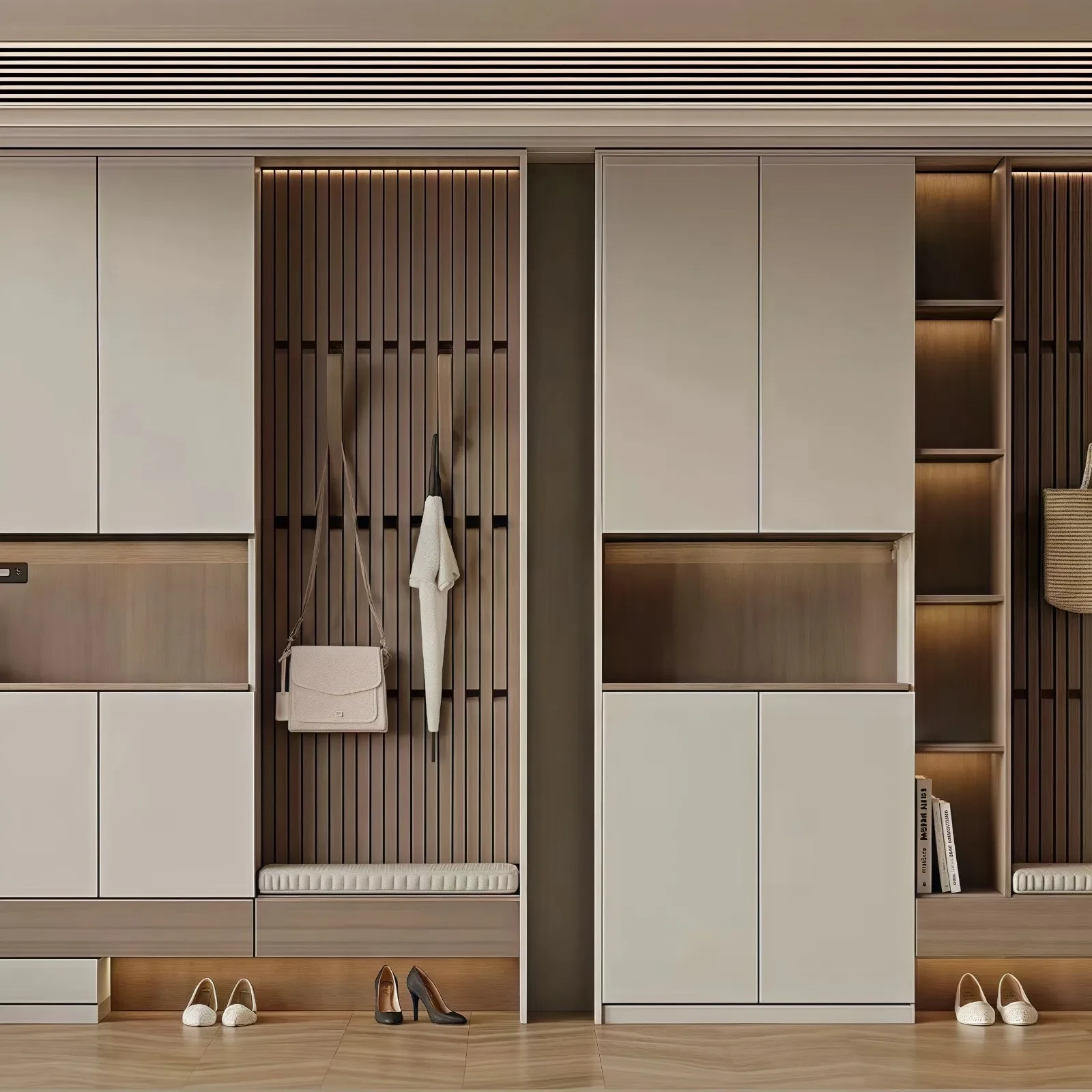
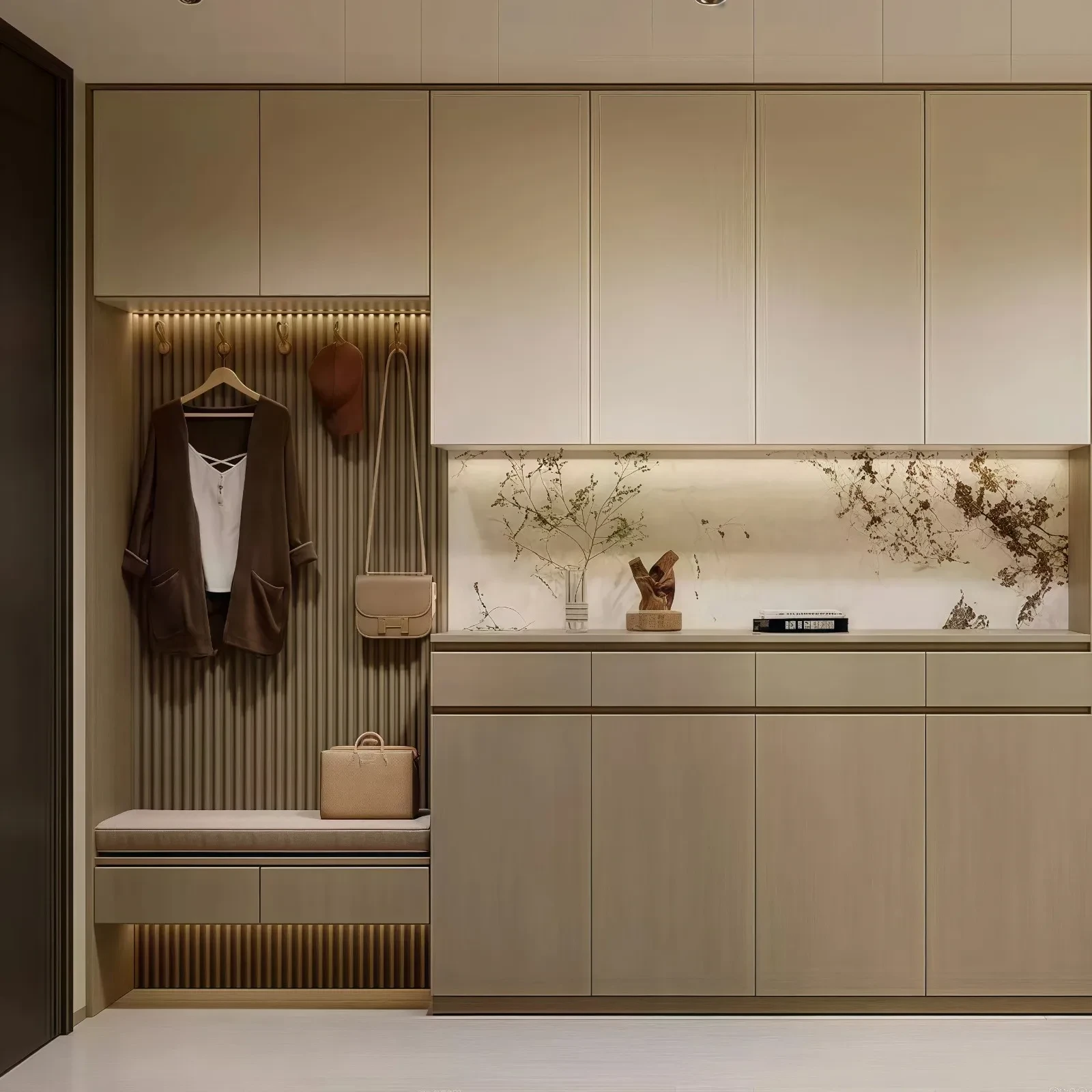
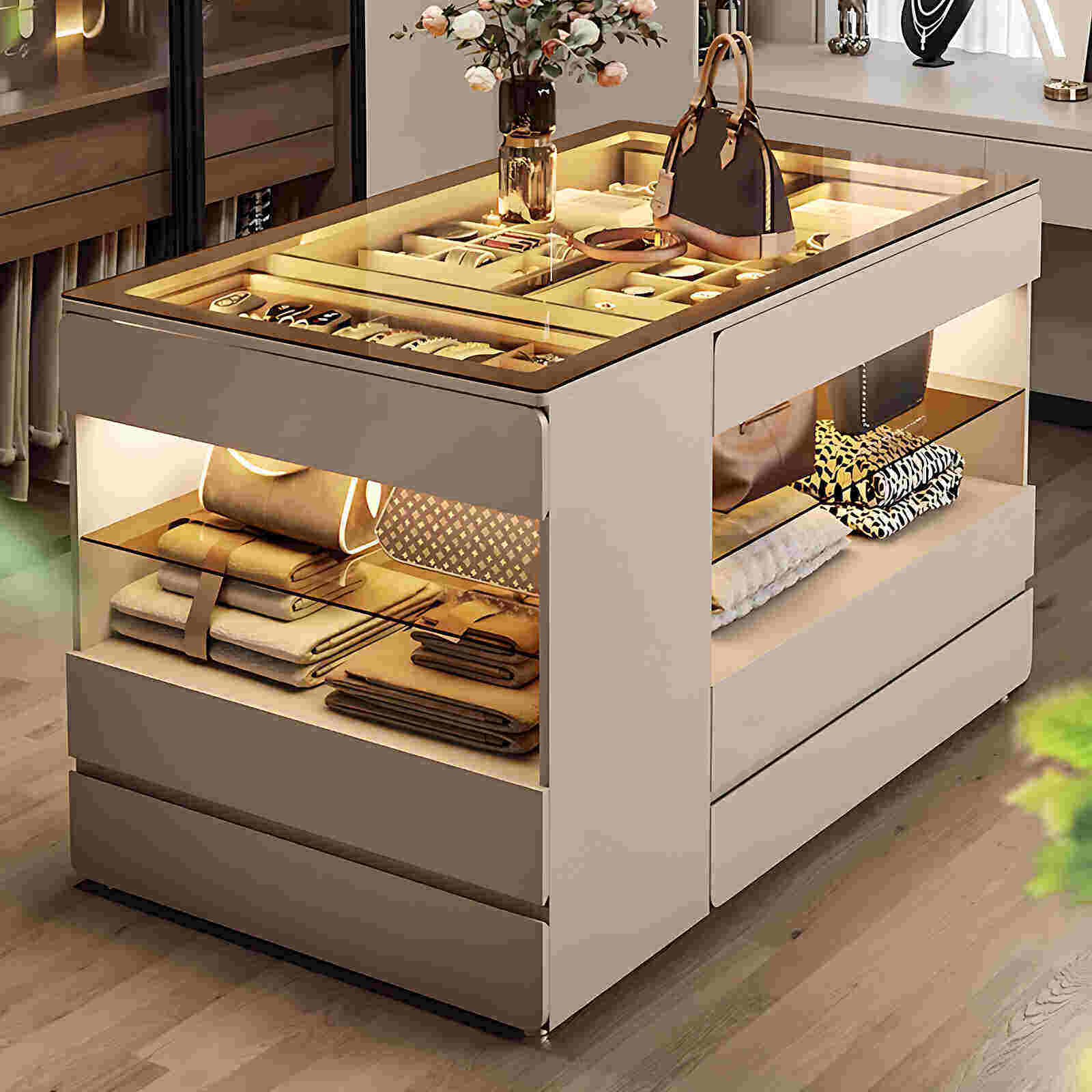
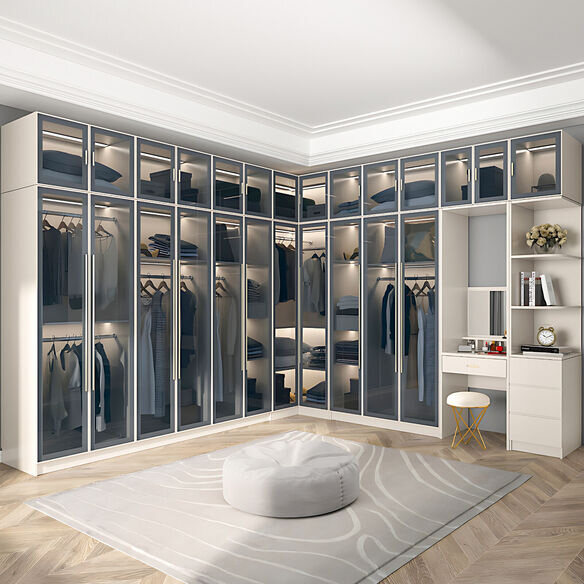
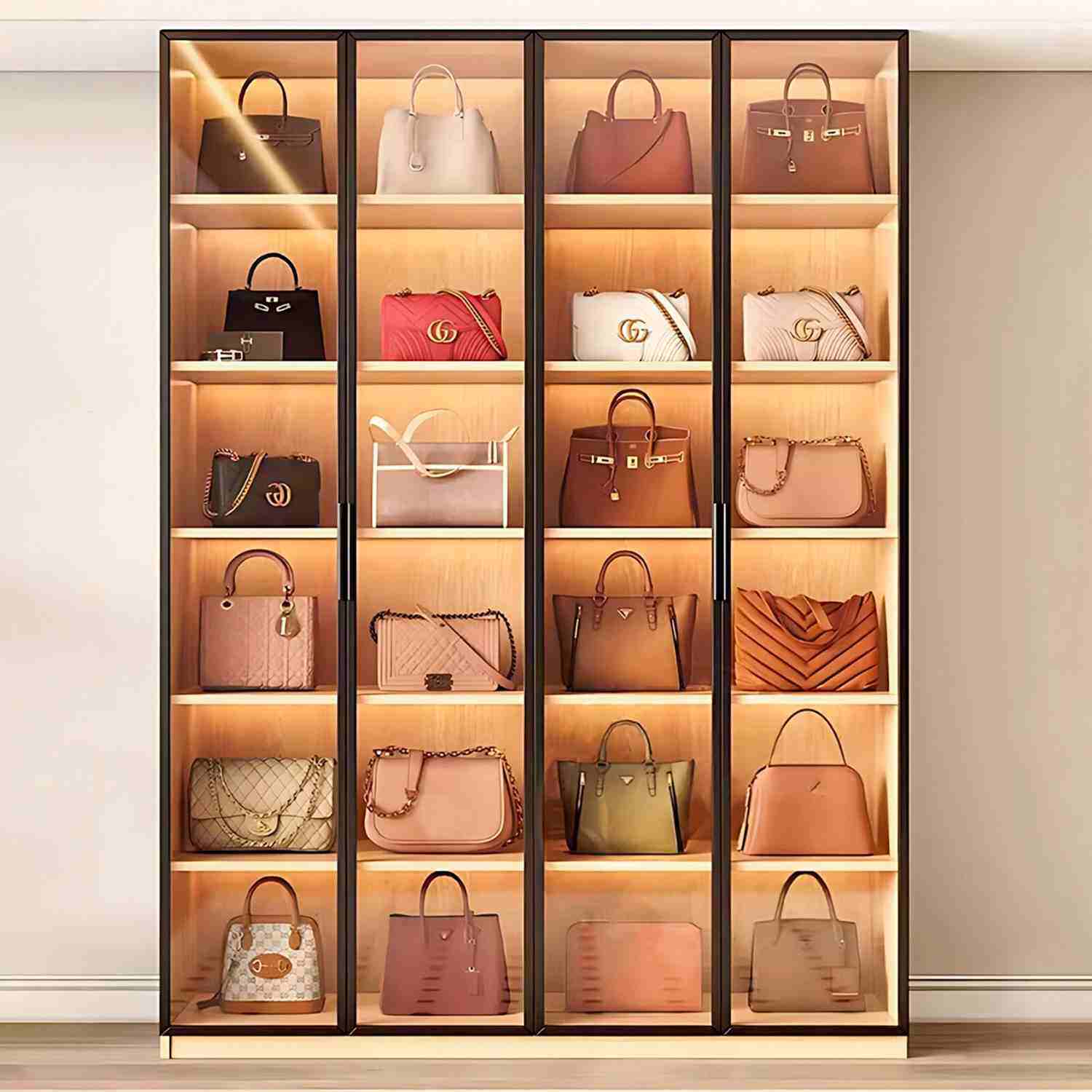
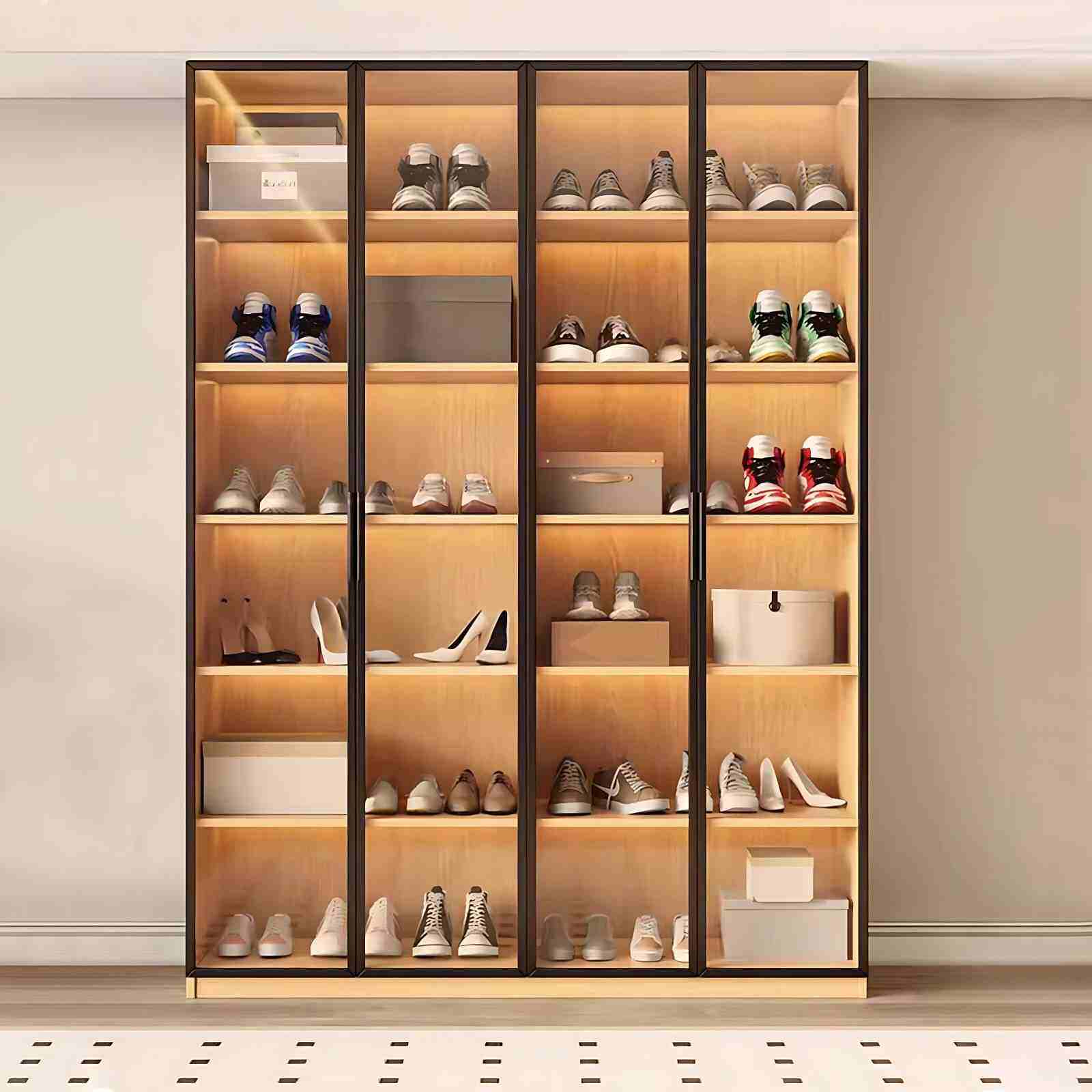
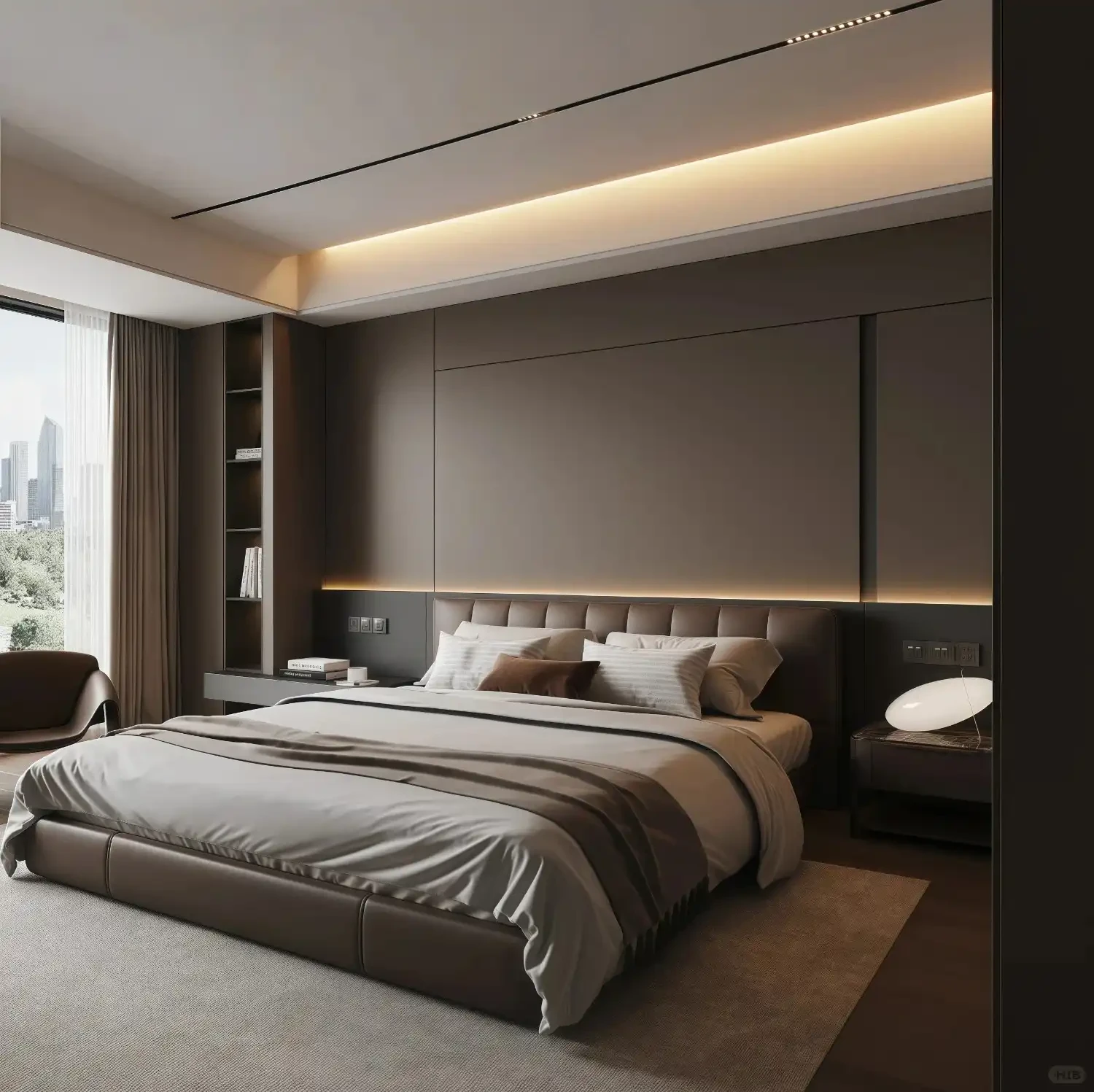
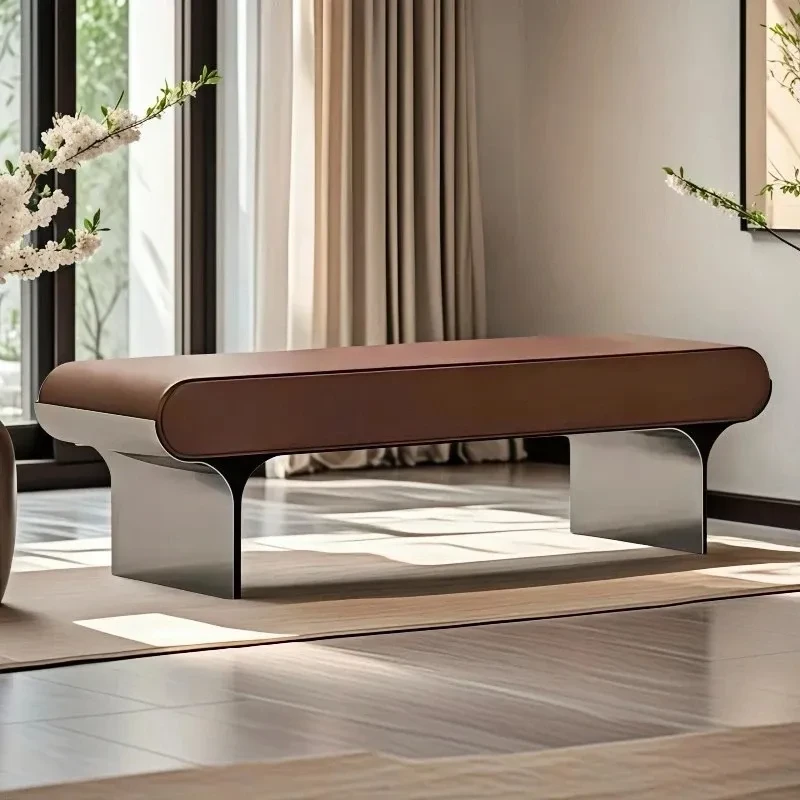

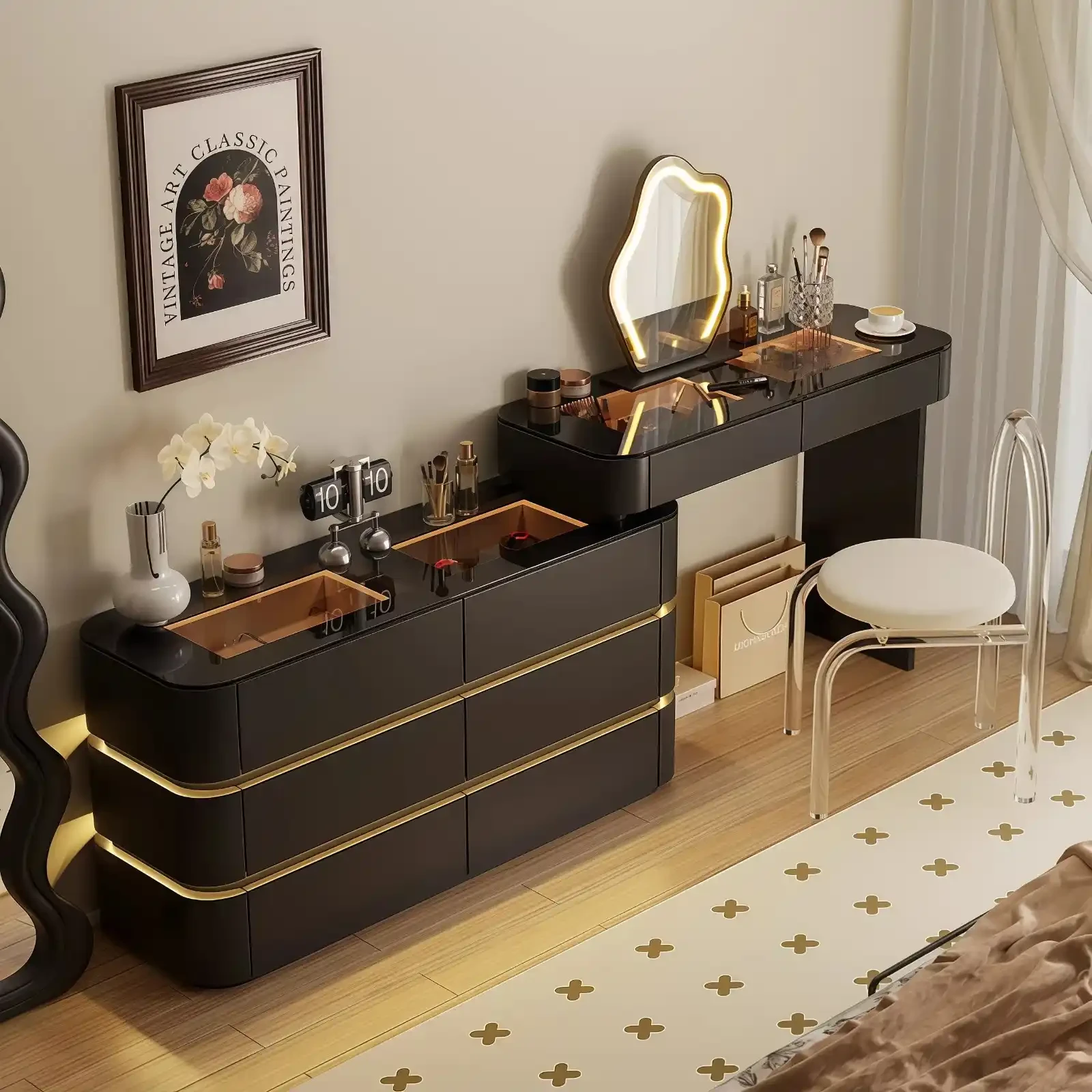
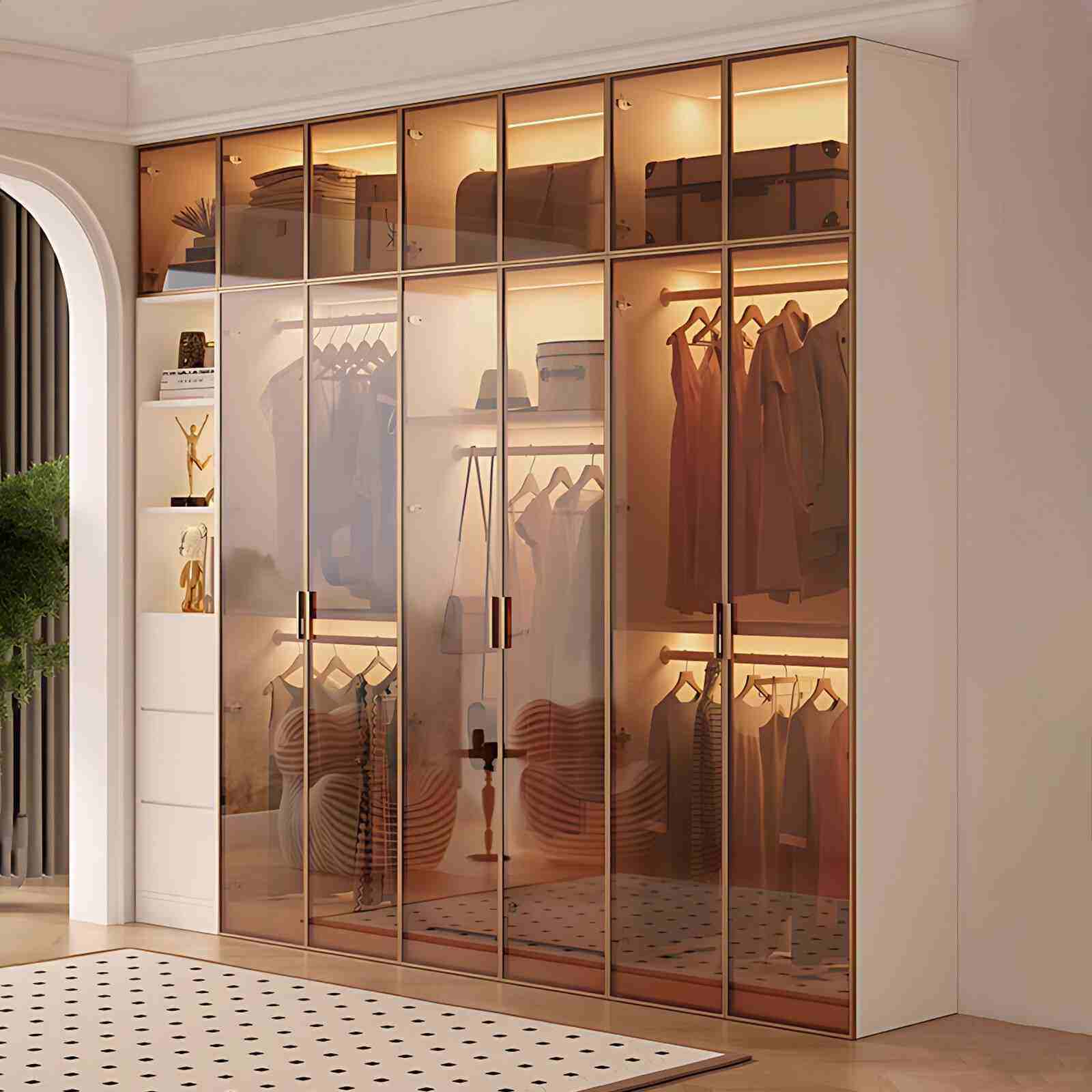
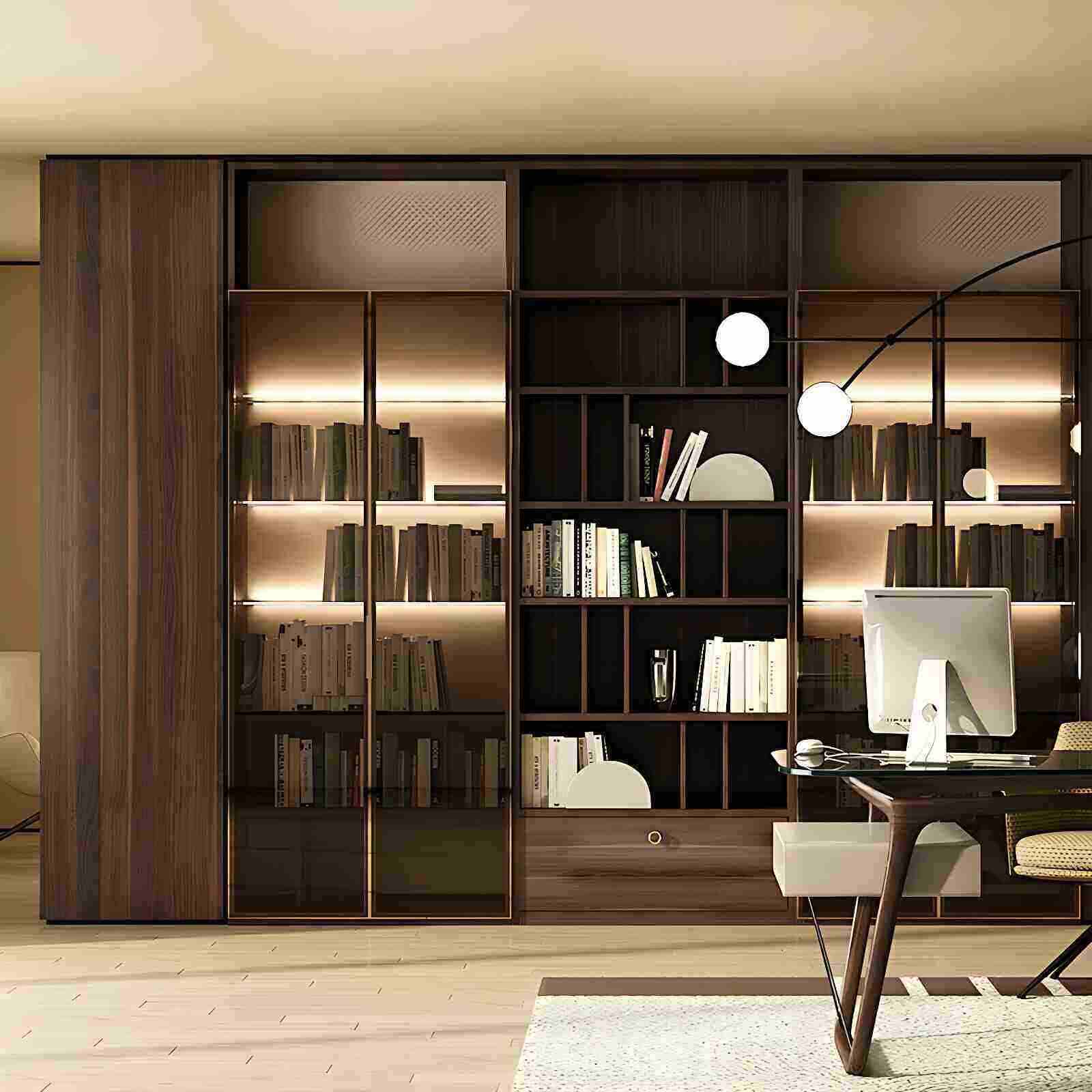
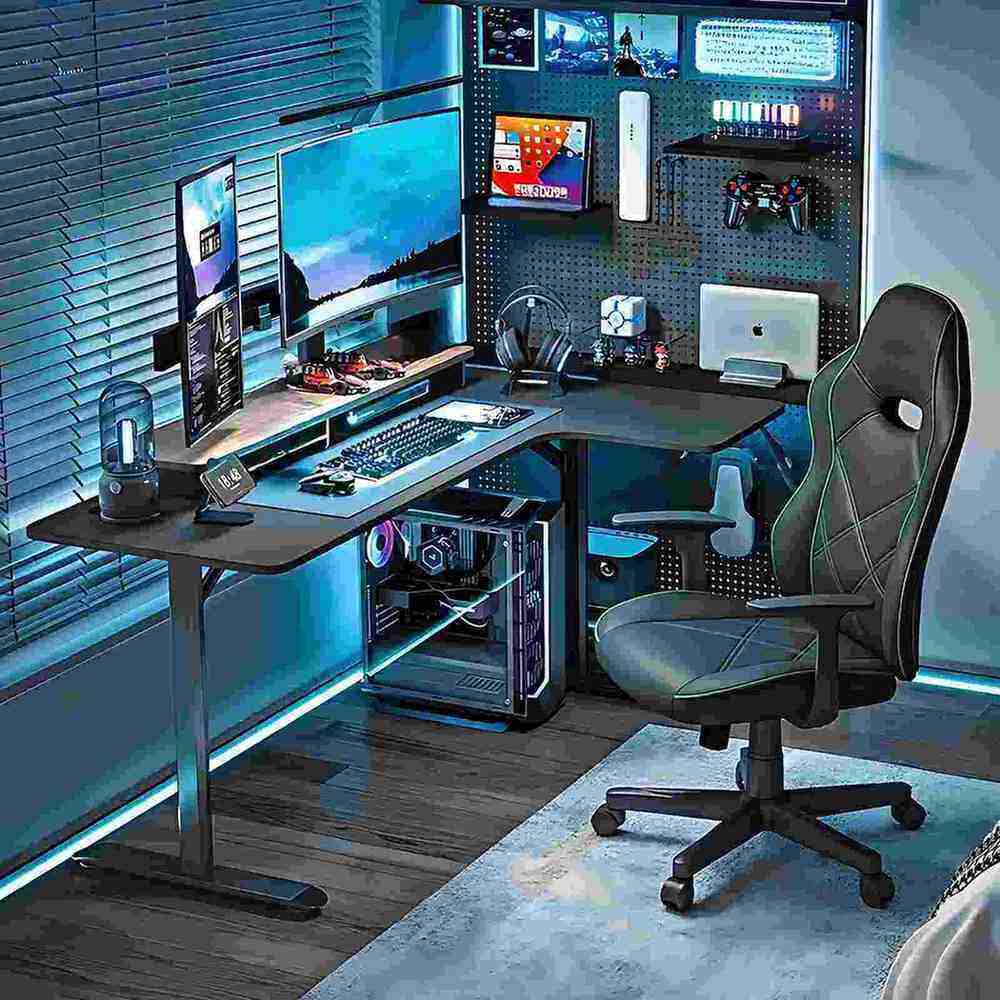
Building materials are a general term for materials used in civil engineering and construction projects. The industry that produces, sells, and operates such materials is called the building materials industry. Building materials, usually made into standard-sized flat rectangular boards, are used as components for walls, ceilings, or floors and are collectively referred to as building panels.
With the increasing emphasis placed on green development in the construction industry by the state, a variety of "green building materials" have emerged to help the industry achieve high-quality development and implement sustainable and green development policies.
So, what points should be considered when selecting slabs for a building project?
Q: "When selecting panels for engineering projects, how do you choose based on flame retardancy?"
For engineering applications, national acceptance standards must be considered. Currently, the market for fire-retardant boards is rife with substandard products. Some boards are merely coated with a layer of fire-retardant paint, while others may not even have undergone that. Such boards simply cannot pass inspection. Therefore, brand assurance is crucial for fire-retardant boards used in engineering projects.
Flame-retardant boards on the market can be divided into four grades according to their flame retardancy: Grade A (A1, A2) is non-combustible, Grade B1 is flame-retardant, Grade B2 is combustible, and Grade B3 is flammable. The difference in flame-retardant function is evident from these grades. As the industry's requirements for building fire safety become increasingly stringent, choosing high-flame-retardant boards can effectively improve building fire safety.
For non-combustible building materials with high requirements, A1 grade boards can be selected, which are almost non-combustible.
Zhongjing board series products offer A1-level non-combustible substrates and A-level non-combustible decorative panels, representing the highest level of flame retardant rating among flame-retardant boards. They are the ideal choice for engineering-grade flame-retardant boards.
ask
"How to choose materials that are required to be environmentally friendly?"
The environmental friendliness of materials is mainly determined by their formaldehyde content, asbestos content, and TVOC emission level. The lower the content, the more environmentally friendly the material. Additionally, a higher smoke toxicity rating means that the material will produce toxic fumes later in a fire, providing a greater chance of survival.
-
Formaldehyde: a colorless, odorless, and invisible gas, feared and dreaded. For wood-based panels, my country's regulations on formaldehyde levels in engineered wood products stipulate 9 mg/100g dry board, meaning that 9 milligrams of free formaldehyde are allowed per 100 grams of dry board. Therefore, formaldehyde emission levels are a crucial factor to consider when purchasing engineered wood products. Zhongjing board has a formaldehyde emission level of only 0.029 mg/m³, exceeding the international environmental standard E0.
-
Asbestos: Asbestos is a tough material with high heat, fire, wear, and chemical resistance. Therefore, from a building materials perspective, it is an excellent heat insulation and fireproofing material. However, it is a known carcinogen, and asbestos fibers can cause damage to healthy lung cells. Therefore, the asbestos content is an important factor to consider when purchasing building materials. Zhongjing board series products have no detectable asbestos content and are asbestos-free.
-
TVOC: TVOC is one of the more serious pollutants affecting indoor air quality. According to the national standard "Code for Design of Residential Buildings" (GB50096-2011), the TVOC emission limit for Class I residential buildings is ≤0.5 mg/m³. The TVOC emission of the Zhongjing panel is ≤0.06 mg/m³, far below the national requirement.
-
Smoke Toxicity: The smoke toxicity of a material refers to the smoke produced when a sample is heated at a constant speed in a ring furnace with stable heating, allowing for stable decomposition and combustion, thereby obtaining a stable concentration of smoke. The lower the required smoke concentration, the higher the smoke toxicity risk; conversely, the higher the required smoke concentration, the lower the smoke toxicity risk. AQ1 is the highest safety level. The smoke toxicity safety level for the Zhongjing board series products is AQ1.
All Zhongjing board products have obtained environmental certification certificates, including the China Environmental Labelling Certification (which is recognized in China), the CE certificate (which is recognized in the European Union), and the French A+ certification (which is recognized in Europe and the United States). They are green and environmentally friendly boards that can meet the stringent environmental testing requirements of different regions and are sold globally.
Q: "How should we select materials to reduce costs and increase efficiency?"
The Zhongjing board series, including its baseboard product, is an A1-grade non-combustible, lightweight, high-strength, smooth-surface, and high-performance lightweight inorganic board that can be applied without putty and industrially laminated. It can be fixed with nails or hand-cut, making construction convenient and offering superior performance. In on-site construction, the baseboard's superior performance allows it to replace various board materials, reducing confusion caused by multiple material selections and achieving "one board for multiple uses," saving time and increasing efficiency. The Jingtu and Jinghua series not only replace traditional stone and paint, perfectly replicating design effects while significantly reducing material costs. Their application system is simple and efficient, optimized as a light steel keel adhesive board system, reducing on-site construction difficulty. Construction workers can quickly master the system, effectively improving on-site construction efficiency and achieving overall cost reduction.
In the wave of low-carbon development, "green" has become the main theme for the future exploration and development of various industries. Zhongjing Building Materials, with its Zhongjing board series products, is riding the wave to meet the huge market demand for new environmentally friendly building materials. With technology as the foundation and products as the priority, it helps the construction and building materials industry achieve high-quality development and becomes a high-quality partner for all sectors inside and outside the industry.
Based in three major production bases in North China, East China, and South China, the company has successively won honorary titles such as "High-tech Enterprise" and "Eagle Enterprise," and its research center has been selected into the Tianjin "Belt and Road" Joint Laboratory Directory. Zhongjing Building Materials Group closely follows the development trends of "industrialization, greening, and informatization" and its self-requirements of "green intelligent manufacturing, industrialized production, and prefabricated construction," and is promoting the upgrading of new development methods in the construction industry with unprecedented energy and momentum.