
 USD
USD GBP
GBP
 EUR
EUR
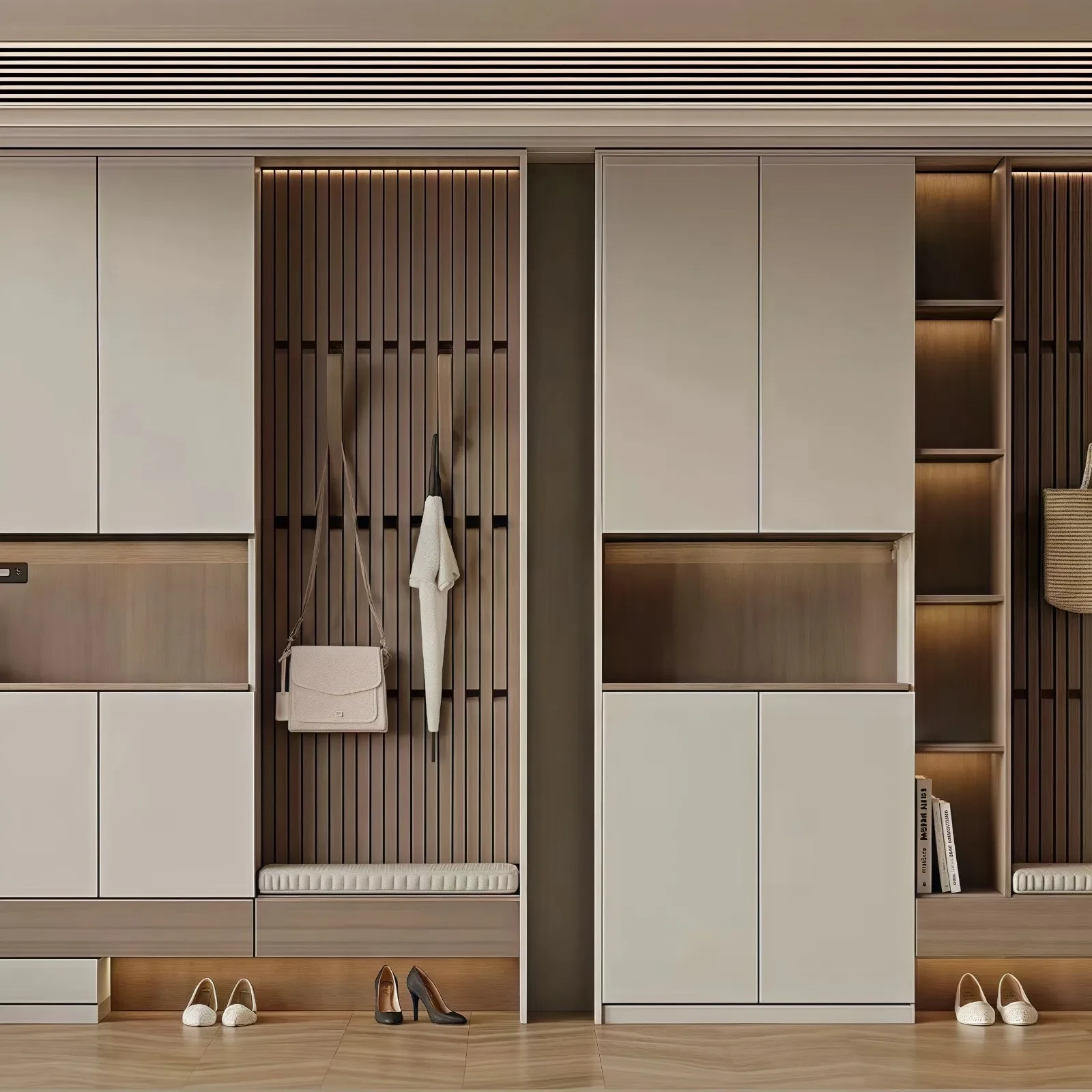
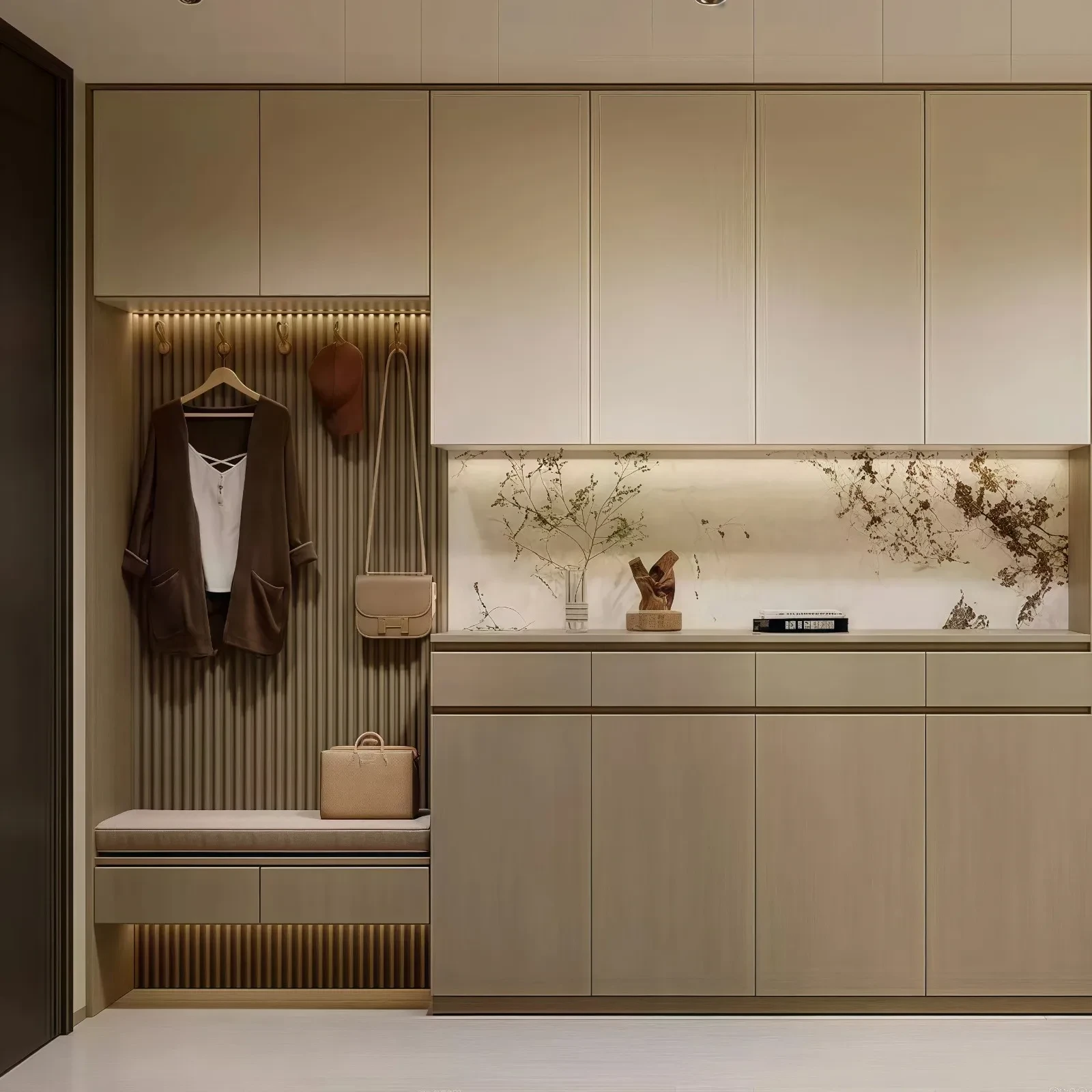
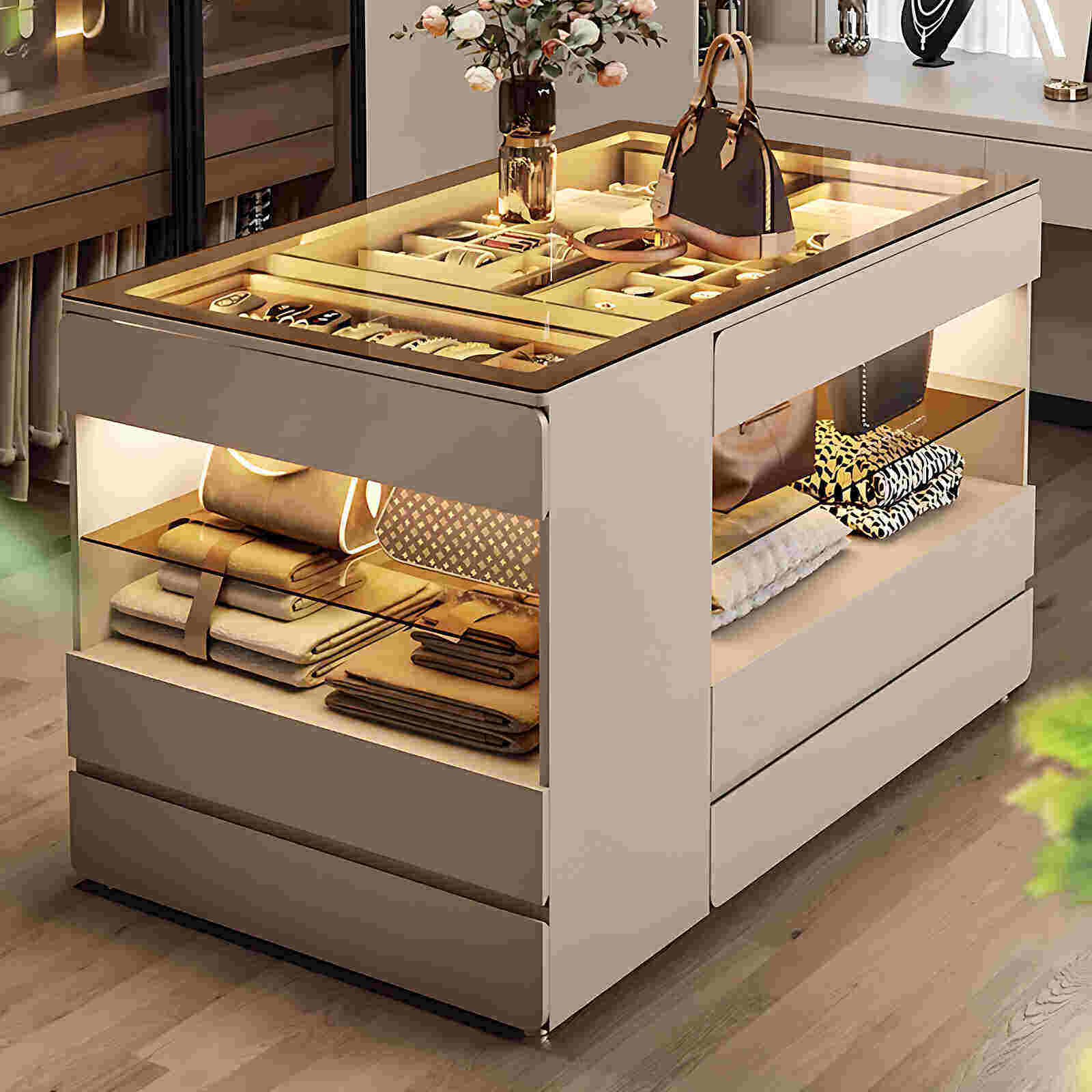
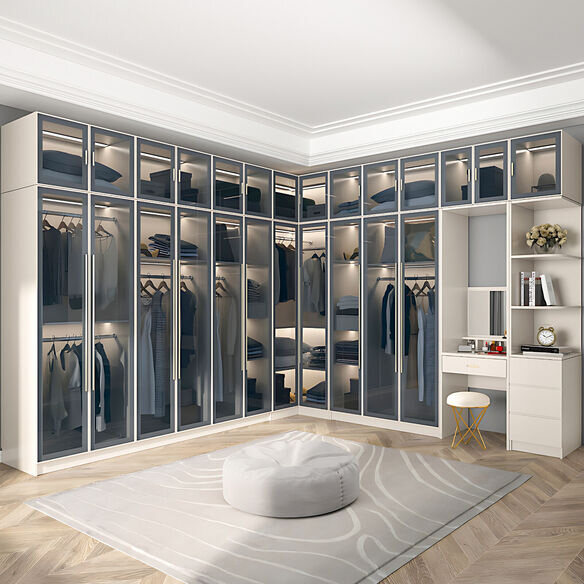

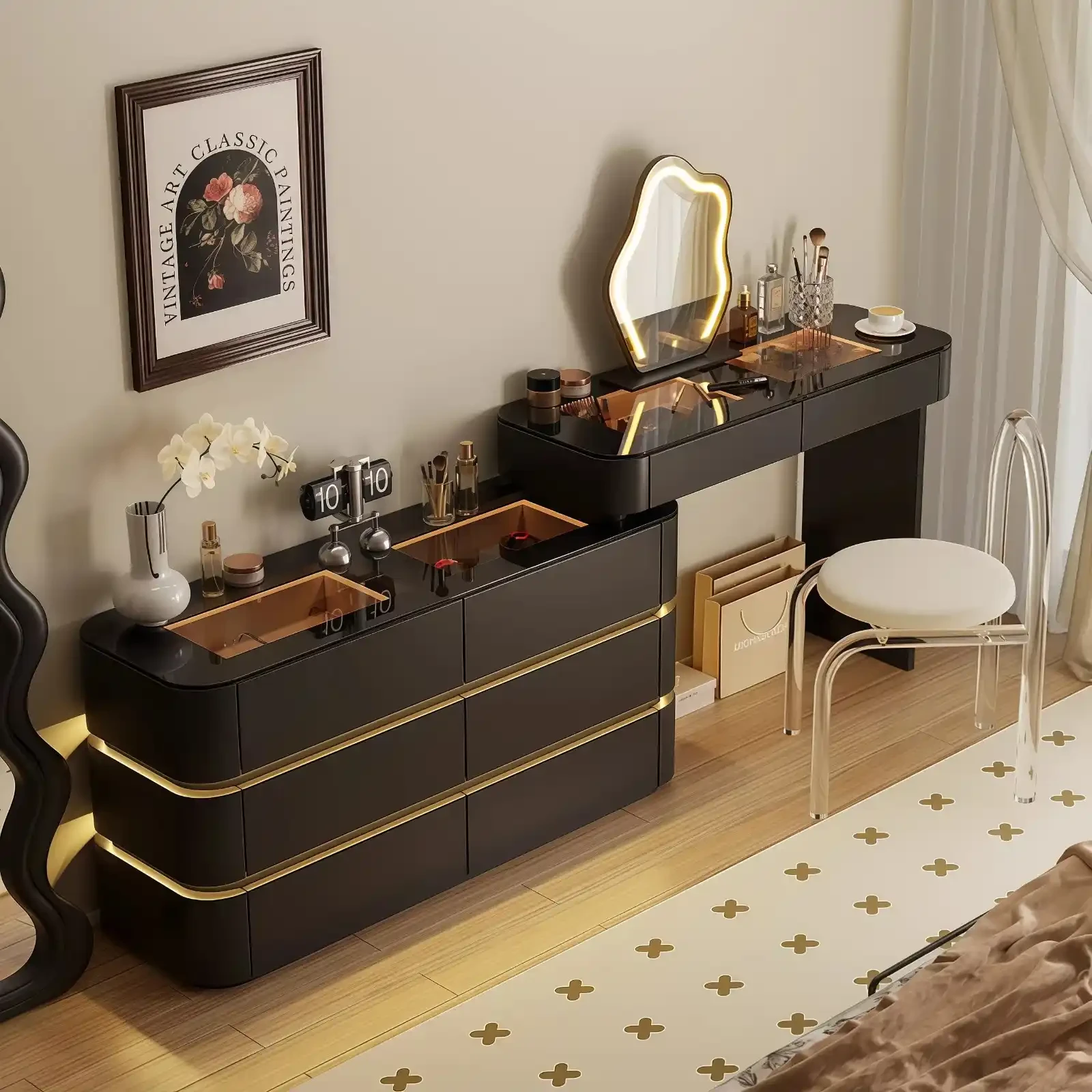
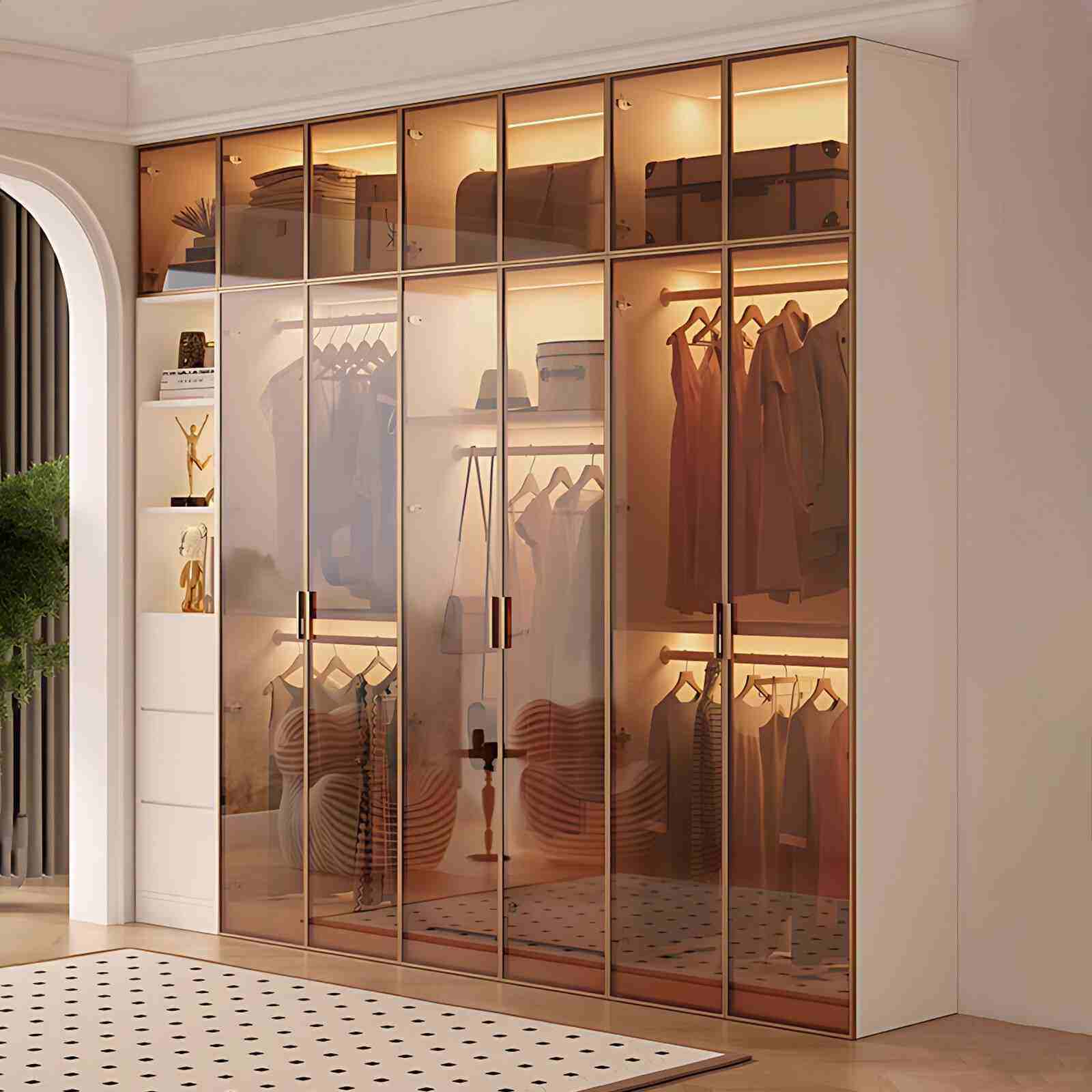
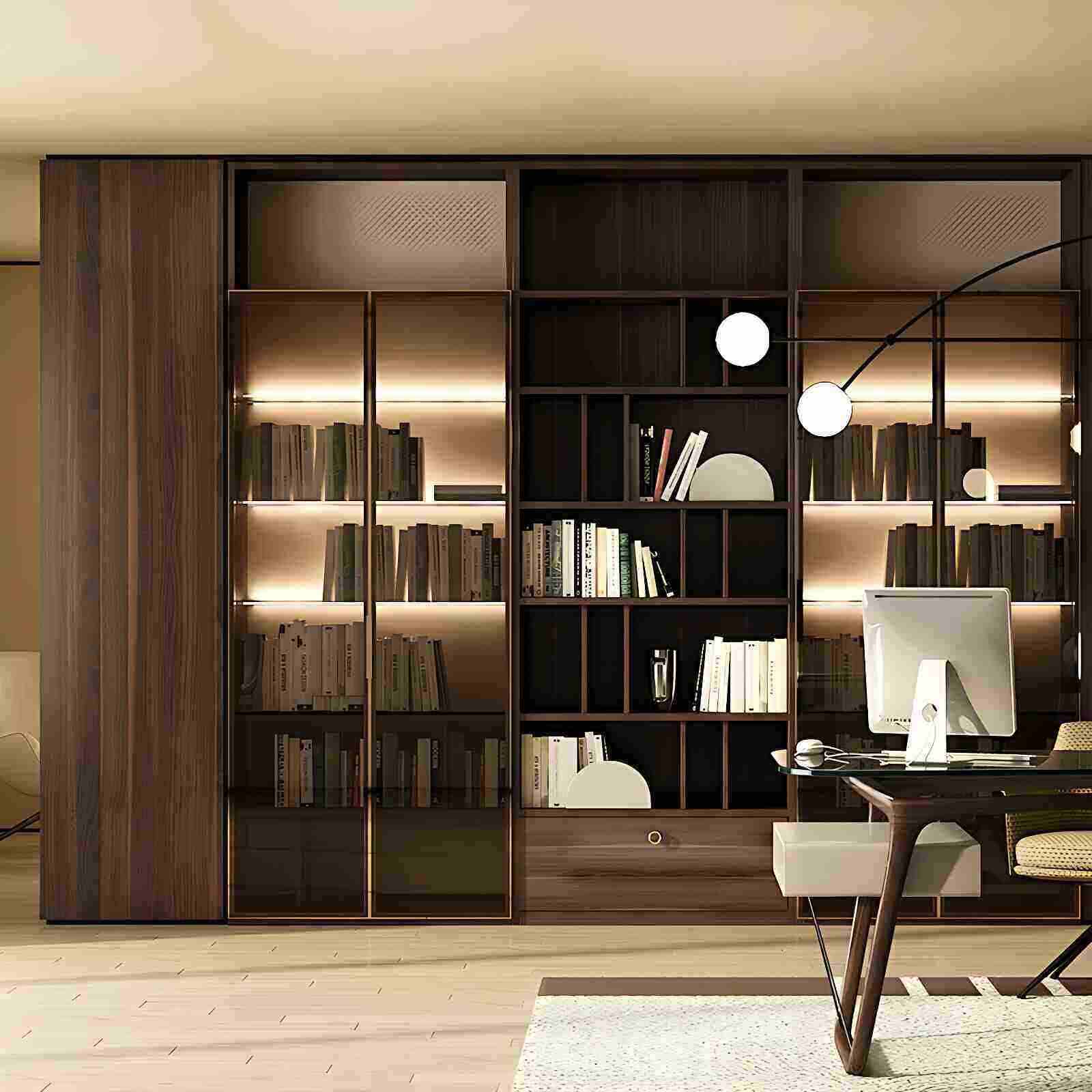

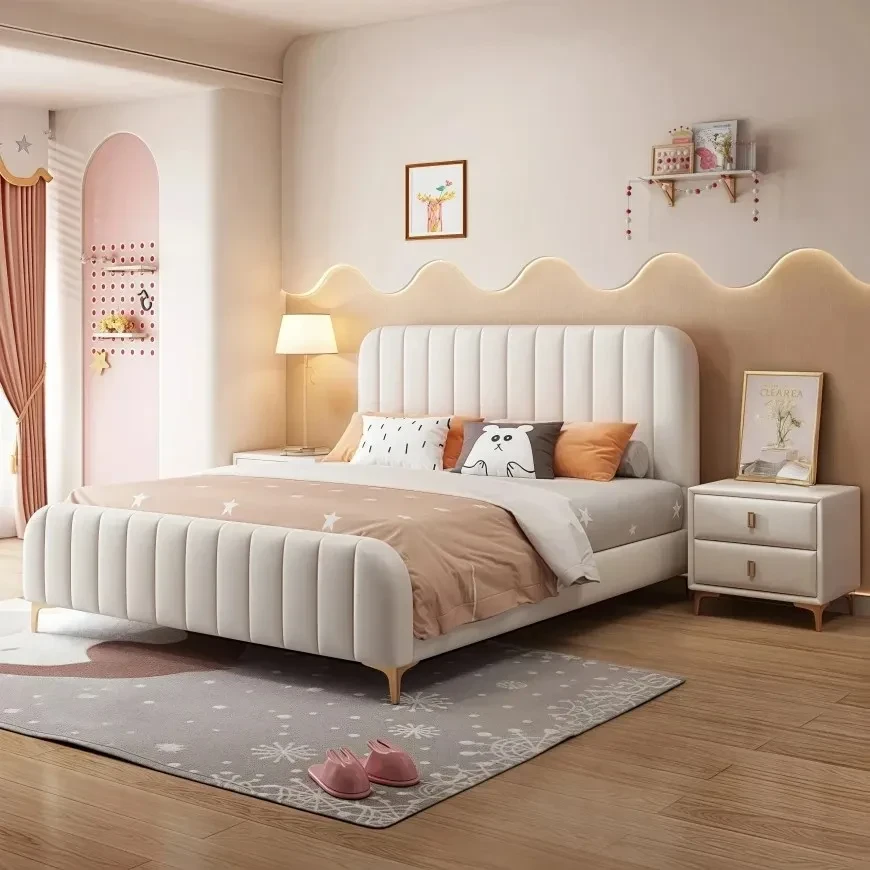
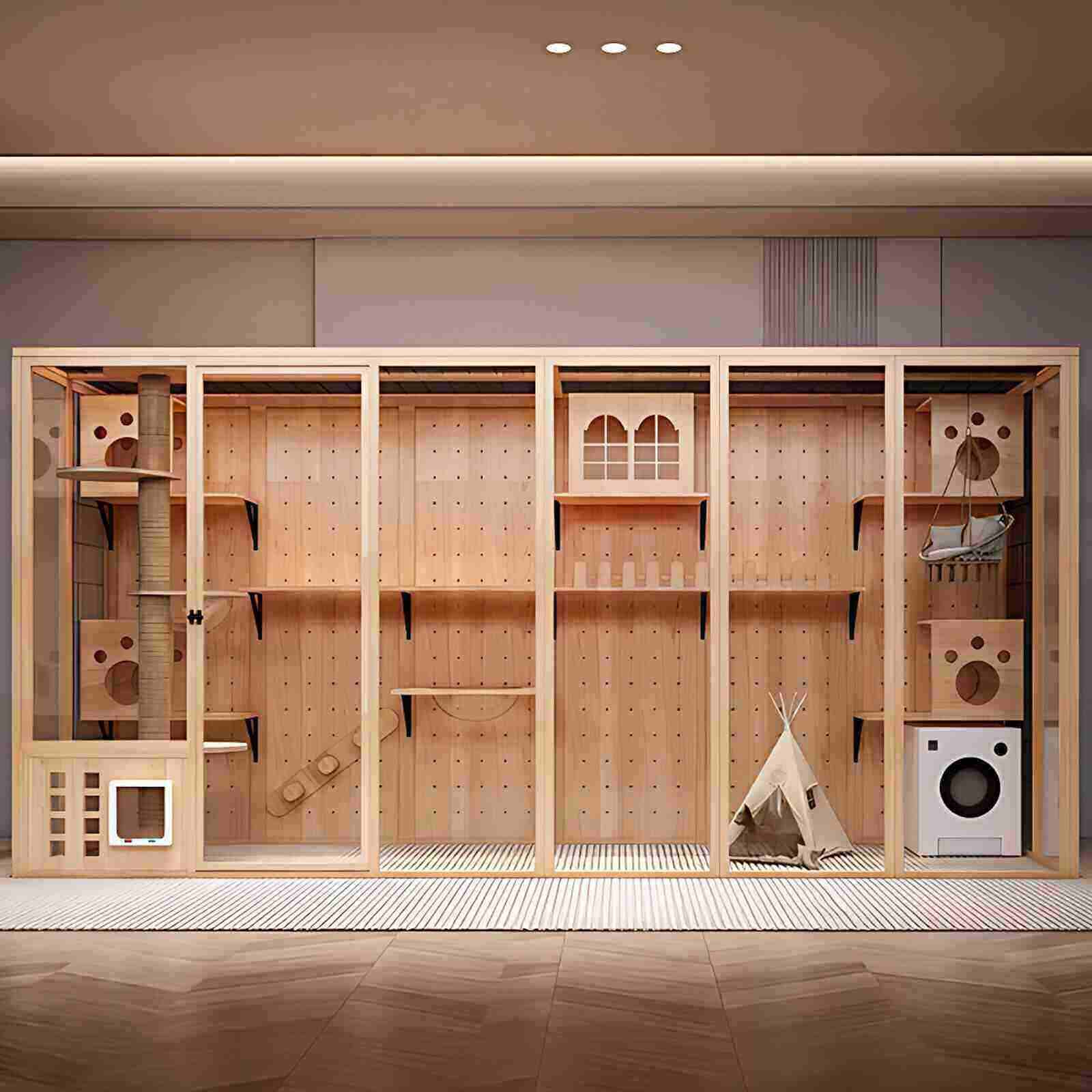
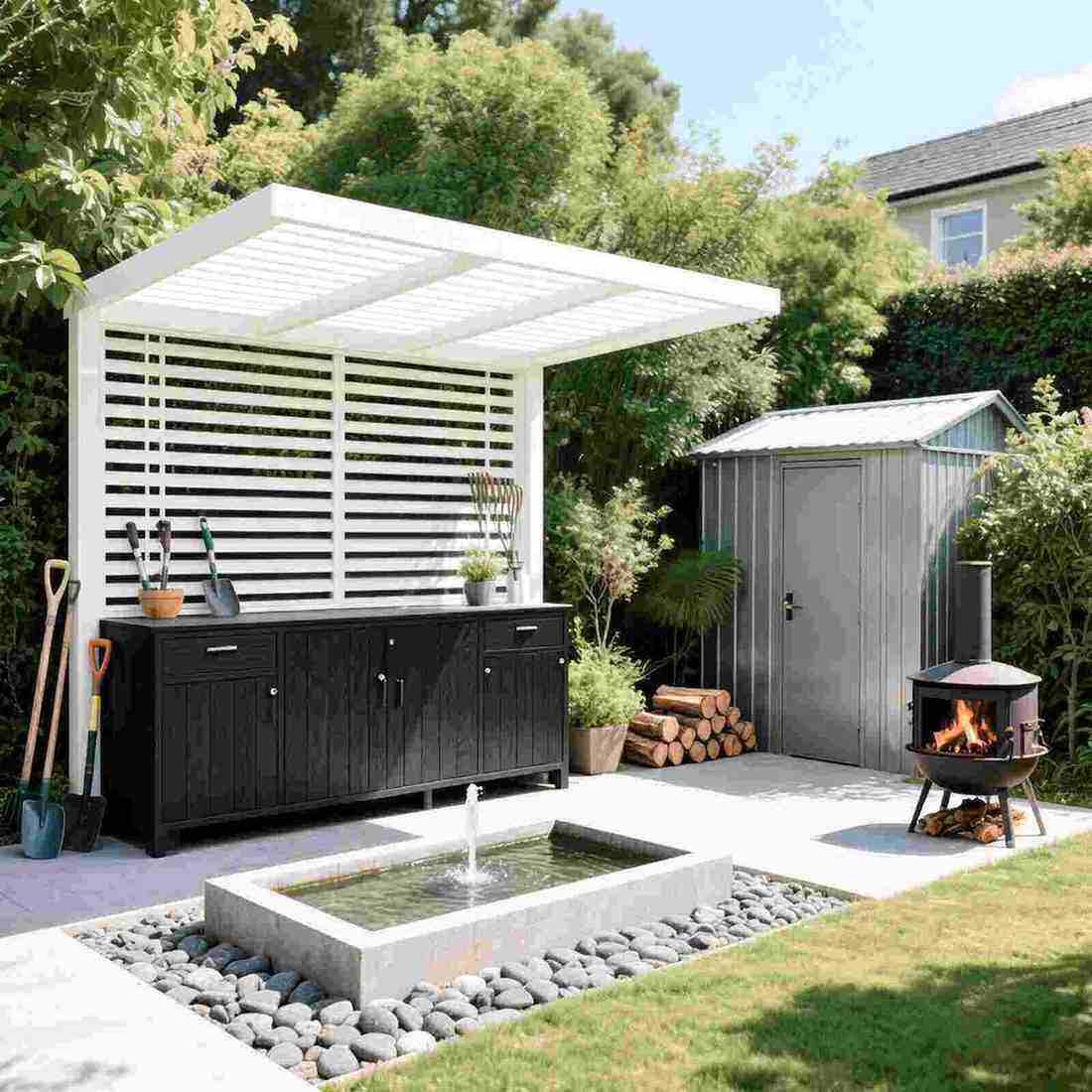
OSB board
OSB board, also known as Oriented Strand Board, is scientifically called oriented strand board. The product is made from wood as raw material, which is processed into large shavings by CNC equipment, and then manufactured through processes such as degreasing, drying, oriented stranding, and hot pressing.
The product uses PMDI adhesive, which has the characteristics of high water resistance and good environmental protection, and is highly favored by furniture companies at home and abroad.
High-quality materials
log construction
Penghong OSB boards are made from sliced virgin wood chips through processes such as directional laying, continuous hot pressing, and sanding. Thanks to their excellent stability and weather resistance, they are widely used in construction, decoration, and furniture industries.
Appearing without makeup
Very pleasing to the eye
Unlike the surface finishes of plywood and particleboard, Penghong OSB boards feature a smooth and even surface thanks to their interwoven natural grain. The raw boards boast pure and vibrant colors, offering strong decorative appeal.
Stable performance
High compressive strength
Penghong OSB boards feature longitudinally arranged surface shavings and transversely arranged core shavings. This reconstructed wood structure eliminates the impact of internal wood stress on processing. The product has uniform density and unparalleled nail-holding power compared to traditional materials, with particularly outstanding bending strength and impact resistance.
Green and environmentally friendly
Healthier
OSB board production strictly adheres to national industry standards. It uses environmentally friendly adhesives and virgin wood chips, with no harmful odors. The product undergoes high-temperature and pressure treatment at 200 degrees Celsius to kill bacteria in the wood, protecting the board from corrosion.
Structural characteristics
Very energy efficient
The long fibers in OSB boards have a low coefficient of thermal expansion, allowing them to maintain structural integrity even in humid environments. Furthermore, the porous structure of the boards diffuses sound, providing some noise reduction, and their low thermal conductivity contributes to energy conservation and emission reduction in buildings.