
 USD
USD GBP
GBP
 EUR
EUR
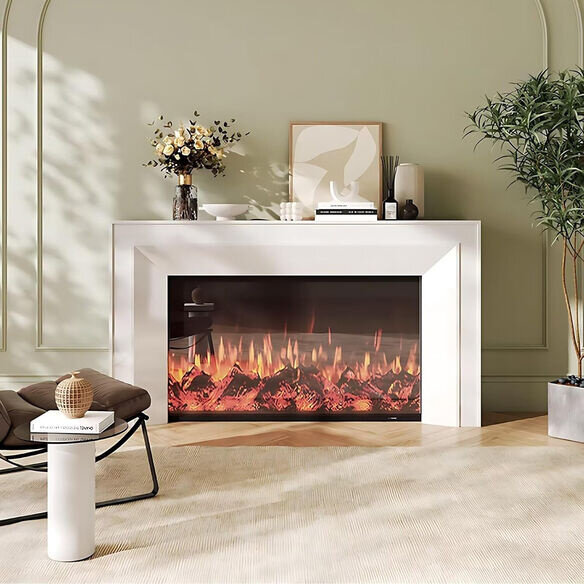
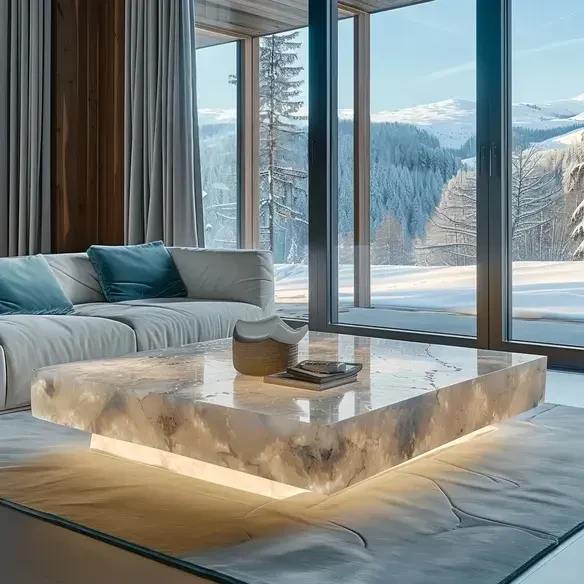
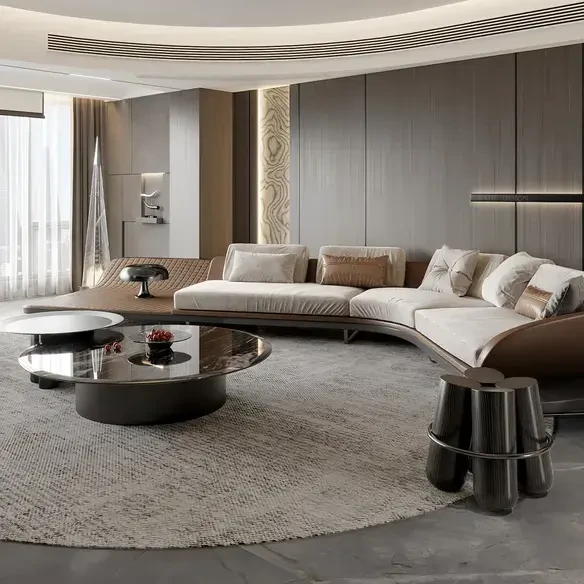
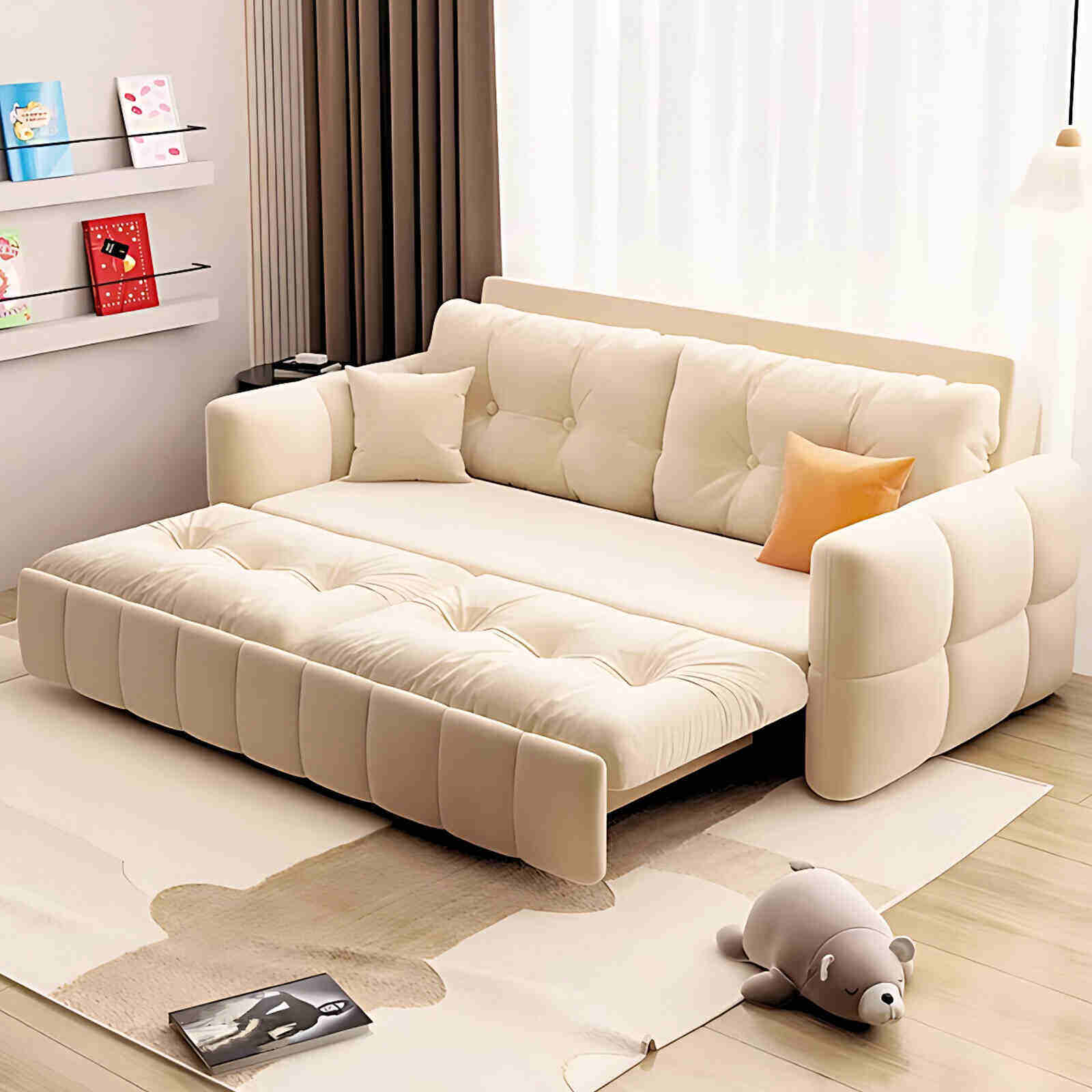









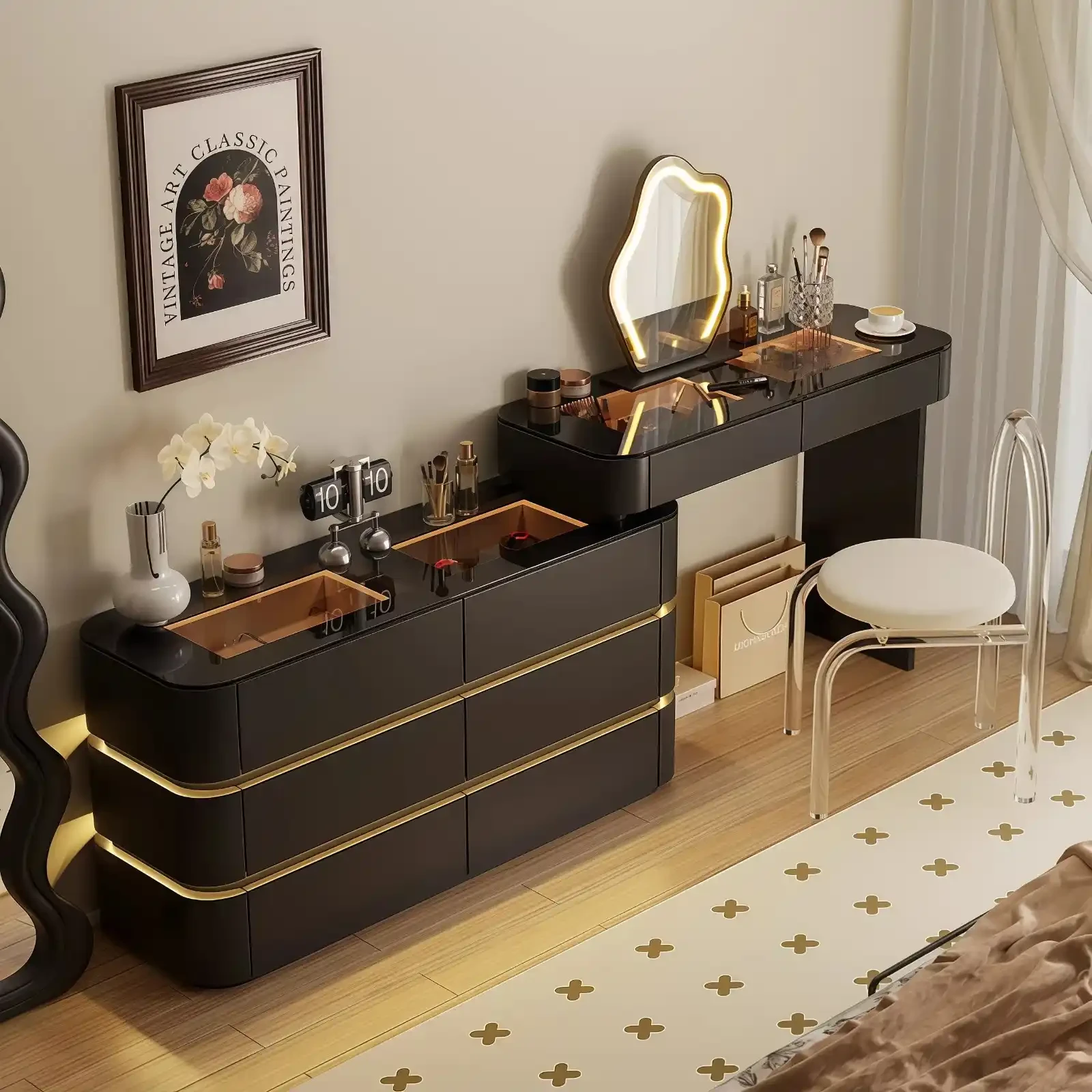

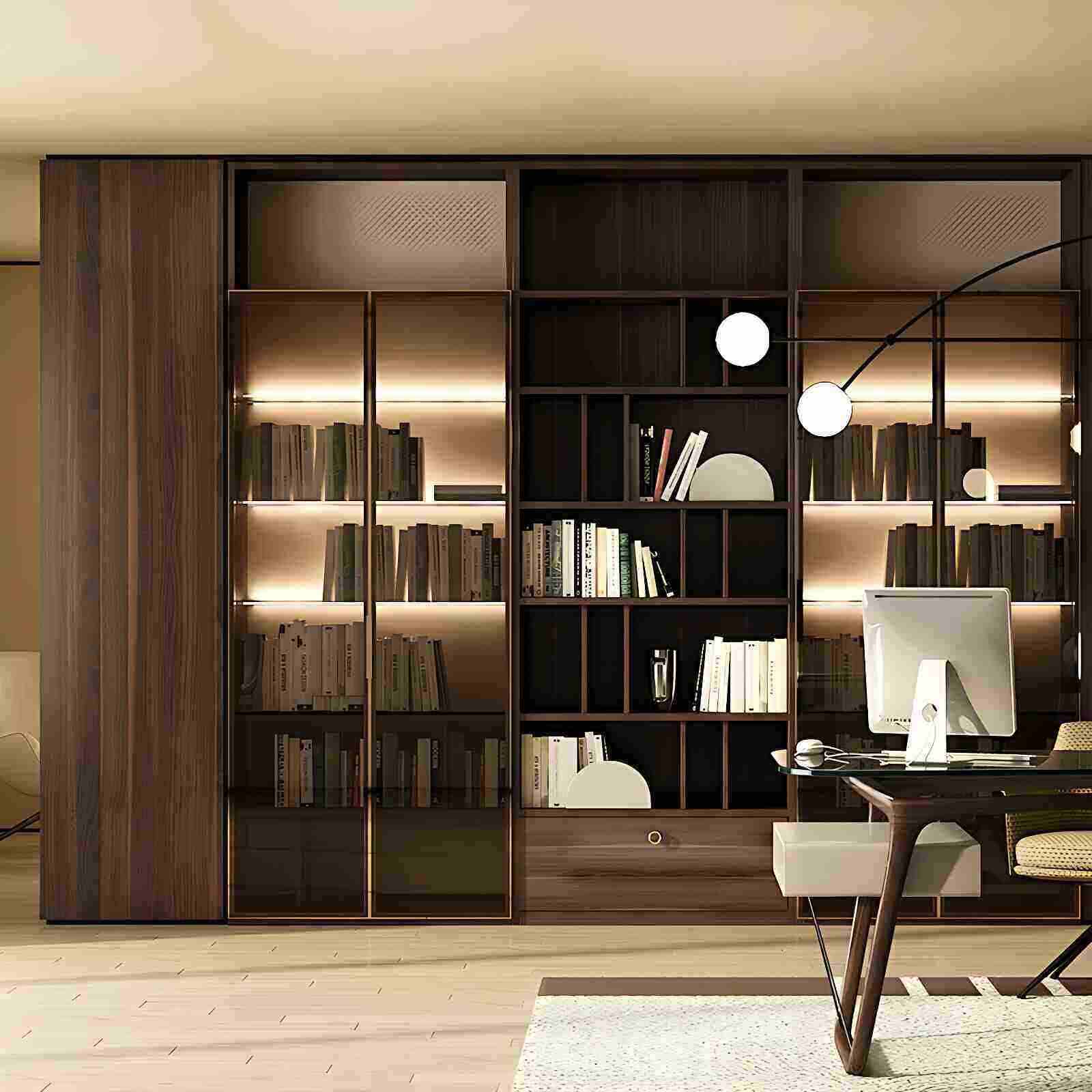

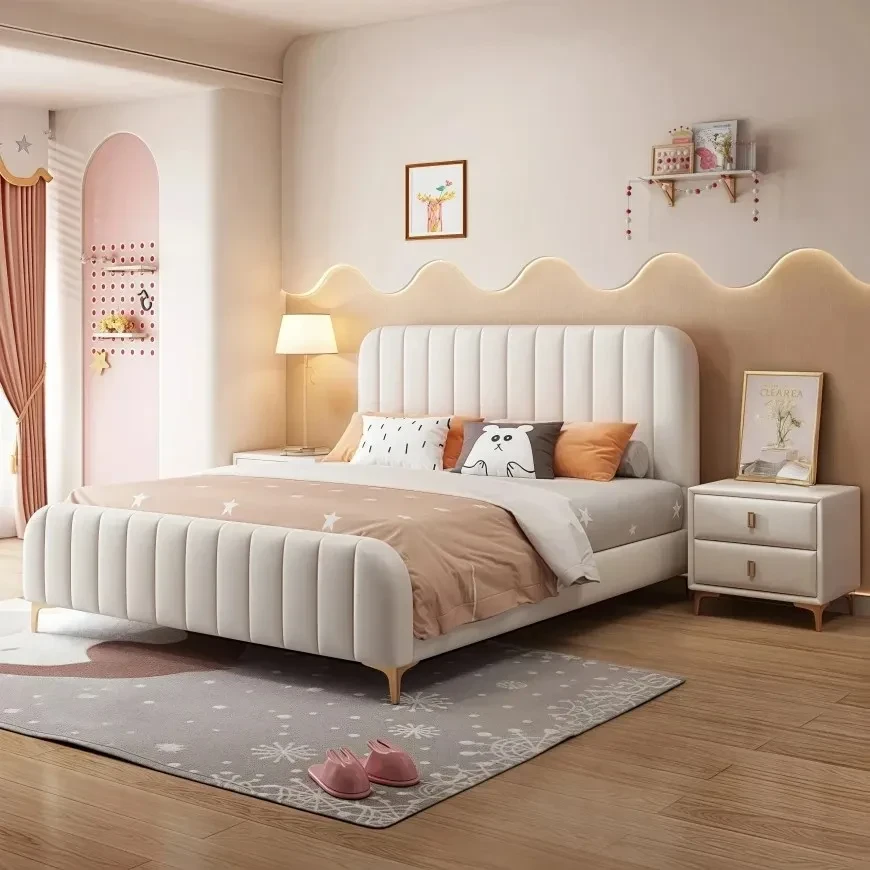
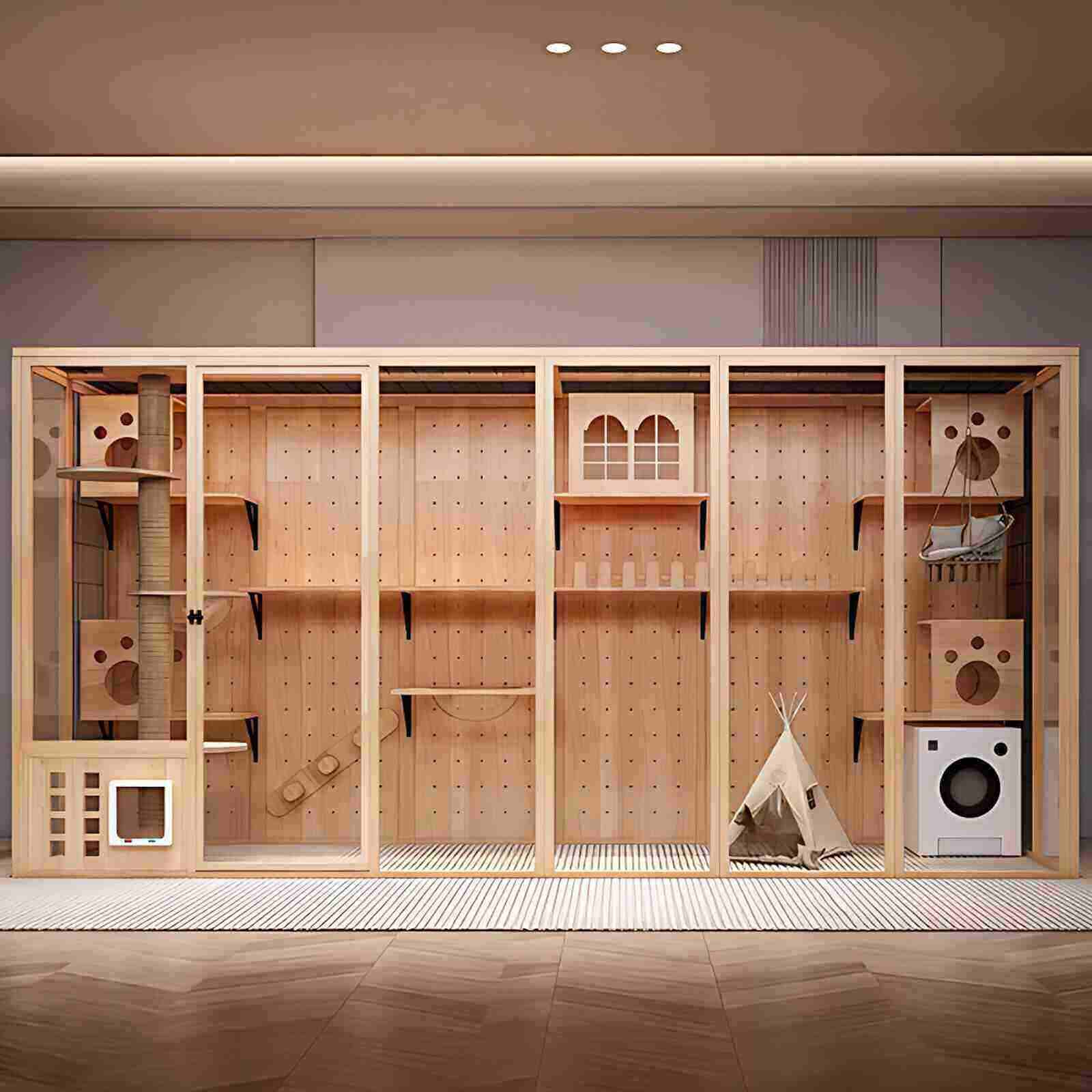

Interior decoration materials
They generally contain some harmful substances.
This pollution originates from the renovation itself.
This is known as home decoration pollution.
If the content of pollutants in home decoration is too high,
And the problem has remained unresolved for a long time.
It can cause physical discomfort and affect health.
So, how can we get rid of pollution from home renovations?
Let's take a look!
Formaldehyde, a common pollutant in home decoration
With economic development and the improvement of people's living standards, various raw materials have been used to make building decoration materials, which have entered homes. Formaldehyde, a chemical substance, is widely recognized as a representative cause of indoor air pollution.
Introduction to formaldehyde
▼The main harm of formaldehyde is its irritant effect on the skin and mucous membranes. Formaldehyde is a protoplasmic poison that can bind to proteins. When inhaled at high concentrations, it can cause severe respiratory irritation and edema, eye irritation, and headaches.
Home Formaldehyde Pollution Indicators
▼Home decoration should prioritize practicality and simplicity. Excessive decoration can easily lead to a cumulative effect of pollution. Excessive decoration is unnecessary. If the underlying plywood has quality problems, toxic and harmful gases such as formaldehyde will diffuse and release through the upper solid wood flooring. The limits for free formaldehyde indoors are: 0.12 mg/m² in public places and 0.08 mg/m² in residential rooms.
Choose the right building materials to get rid of formaldehyde pollution
▼Formaldehyde is present in some thermal insulation materials, foam insulation materials, wood plywood, fiberboard, floor adhesives, carpets, wallpaper, paints, plastic wainscoting, decorative patterns, flooring and the adhesives used for their installation and connection. You should choose carefully.
How to remove formaldehyde when moving into a new home
▼1. Activated carbon adsorption method: Place three to five dishes of sufficient amount of activated carbon in various corners of the room.
2. Ventilation method: Open doors and windows to allow air to circulate naturally.
3. Plant method: It is appropriate to place 2-3 potted plants that are 1.5 meters tall in the room.
4. Professional team treatment: A professional team uses various professional instruments and methods to remove residual formaldehyde from the home.
Benzene, a common pollutant in home decoration
Besides formaldehyde pollution, the second biggest killer in home pollution is benzene pollution. Inhaling high concentrations of toluene or xylene in a short period can cause symptoms of central nervous system depression, and in severe cases, respiratory failure and death.
Introduction to benzene
▼Benzene mainly comes from paints, wood varnishes, adhesives, and various organic solvents used in interior decoration. Benzene can cause leukemia and aplastic anemia. Patients who inhale excessive amounts of benzene may experience dizziness, nausea, chest tightness, and fatigue in mild cases, and coma or even death due to respiratory and circulatory failure in severe cases. Chronic benzene poisoning can irritate the skin, eyes, and upper respiratory tract.
Indicators of benzene pollution in homes
▼Benzene in homes and offices mainly comes from the large amounts of chemical raw materials used in building decoration, such as paints, fillers, and various solvents, all of which contain a large number of organic compounds that are released into the indoor air after decoration. Some of these raw materials can cause the benzene content in indoor air to exceed the national maximum allowable concentration by 14.7 times. The benzene content in indoor air should not exceed 0.09 g/m².
Choose the right building materials to get rid of benzene pollution
▼Choosing water-based wood varnishes is the fundamental way to prevent and reduce benzene pollution from home renovations. Avoid using paint to seal the base of walls, as this process severely pollutes the indoor environment and can cause long-term benzene pollution problems. Do not use furniture made of inferior plywood or MDF, as these will release large amounts of formaldehyde or benzene over a long period.
How to remove benzene when moving into a new home
▼After home renovation, ensure good ventilation. This can be achieved by using effective indoor air purifiers and ventilation systems, or by opening windows when outdoor air quality is good. This helps to release and expel benzene from the room. Allow the benzene to dissipate for a period before moving in. If severe indoor air pollution is found, you can also have experts from an indoor environmental testing center conduct indoor air quality testing to determine appropriate remedial measures.
Tips for preventing home decoration pollution
With increasing health awareness, many consumers are paying more attention to the issue of indoor pollution from renovations. Some consumers believe that using environmentally friendly building materials and furniture eliminates concerns about indoor pollution. However, the reality is that even if environmental standards are met, some harmful substances may still be present. This is because newly renovated houses contain gases emitted from various building materials, paints, and furniture, and the levels of harmful gases may still exceed the permitted levels.
Choosing green building materials
▼Green building materials, also known as ecological building materials, are building materials that are in harmony with the ecological environment. As a branch of ecological materials, green building materials must meet basic requirements in terms of material processing technology, environmental performance, and human health. TBB boards are undoubtedly environmentally friendly green building materials. You can purchase them from the TBB Tmall flagship store or your local TBB specialty store. Welcome to visit and purchase!
Rational use of building materials
▼To reduce pollution in home decoration, the sources of pollution cannot be completely eliminated. Since the pollution caused by materials cannot be eliminated, the only thing to do is to minimize the use of materials. In today's society, even home decoration materials that are hailed as green building materials still have sources of pollution. Therefore, to reduce pollution, we can only use building materials reasonably and avoid excessive decoration.