
 USD
USD GBP
GBP
 EUR
EUR



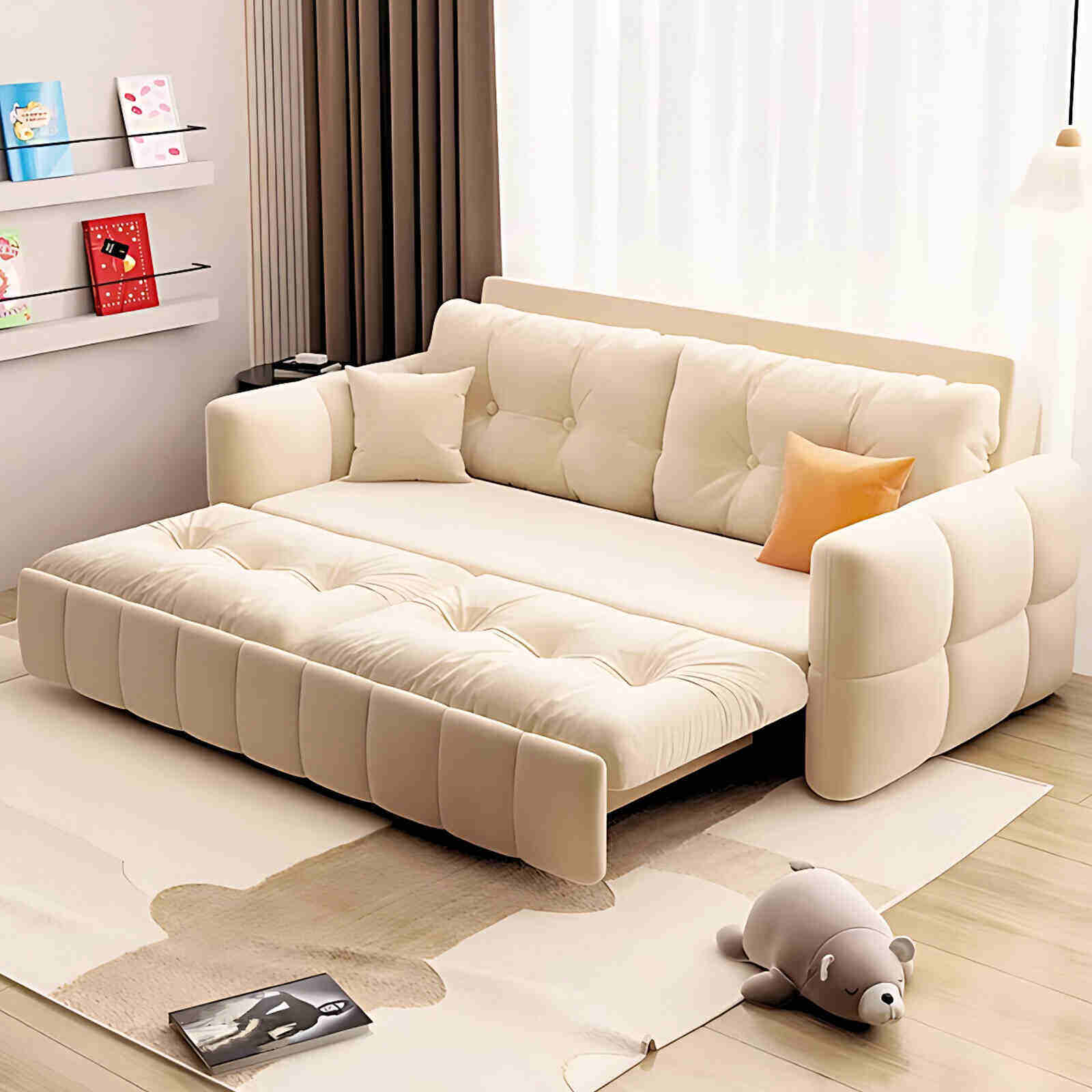
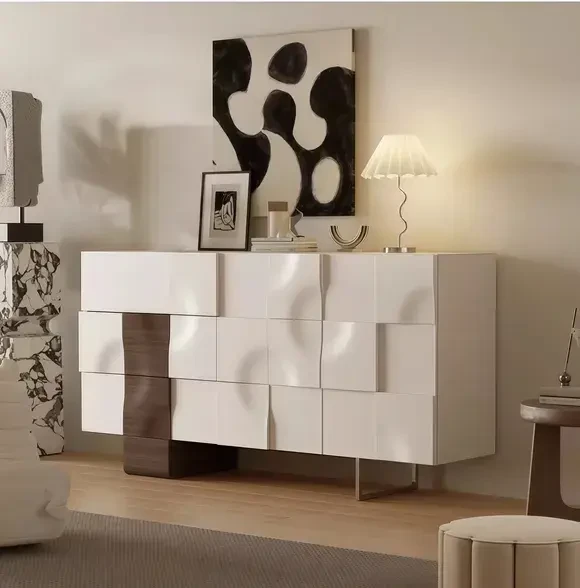

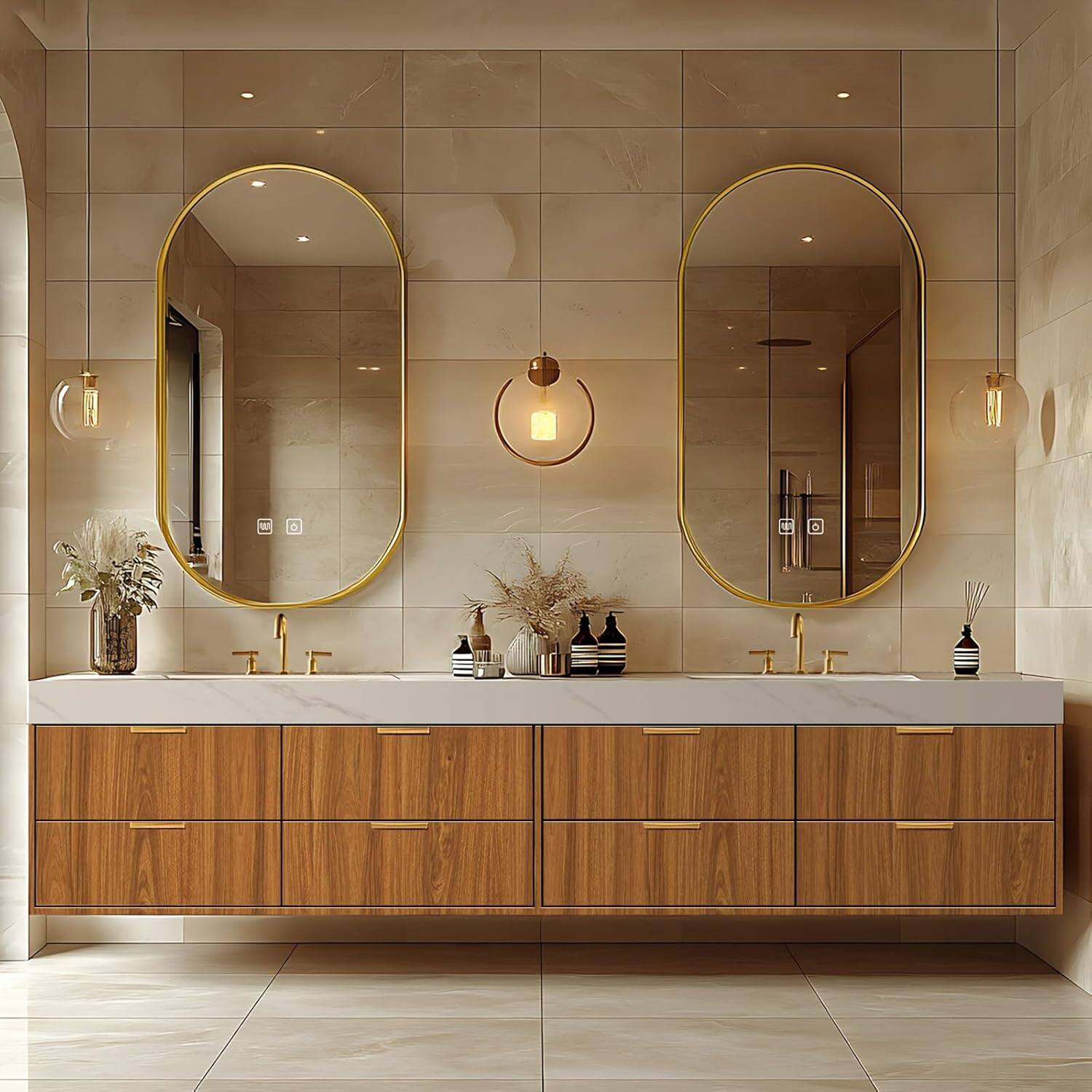
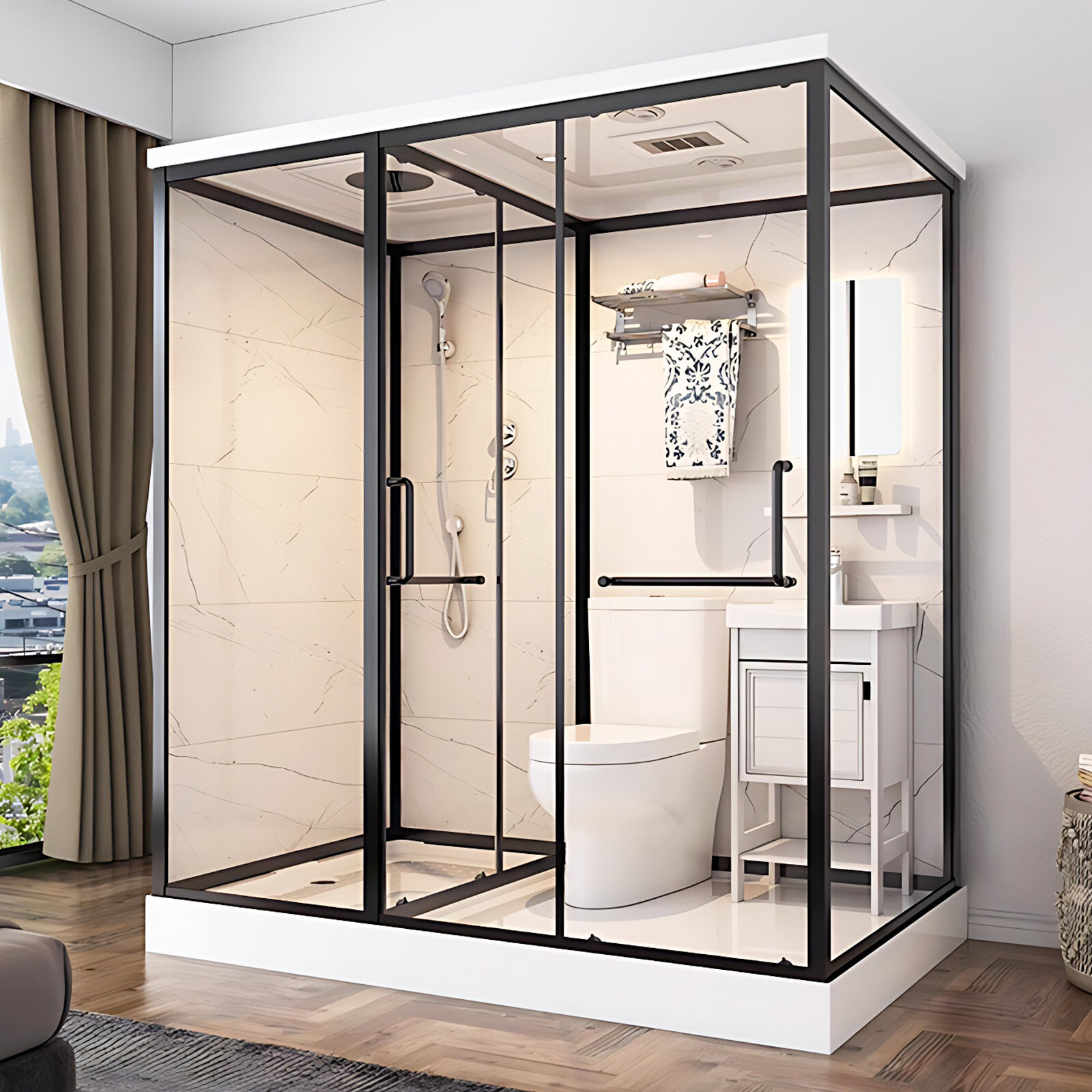

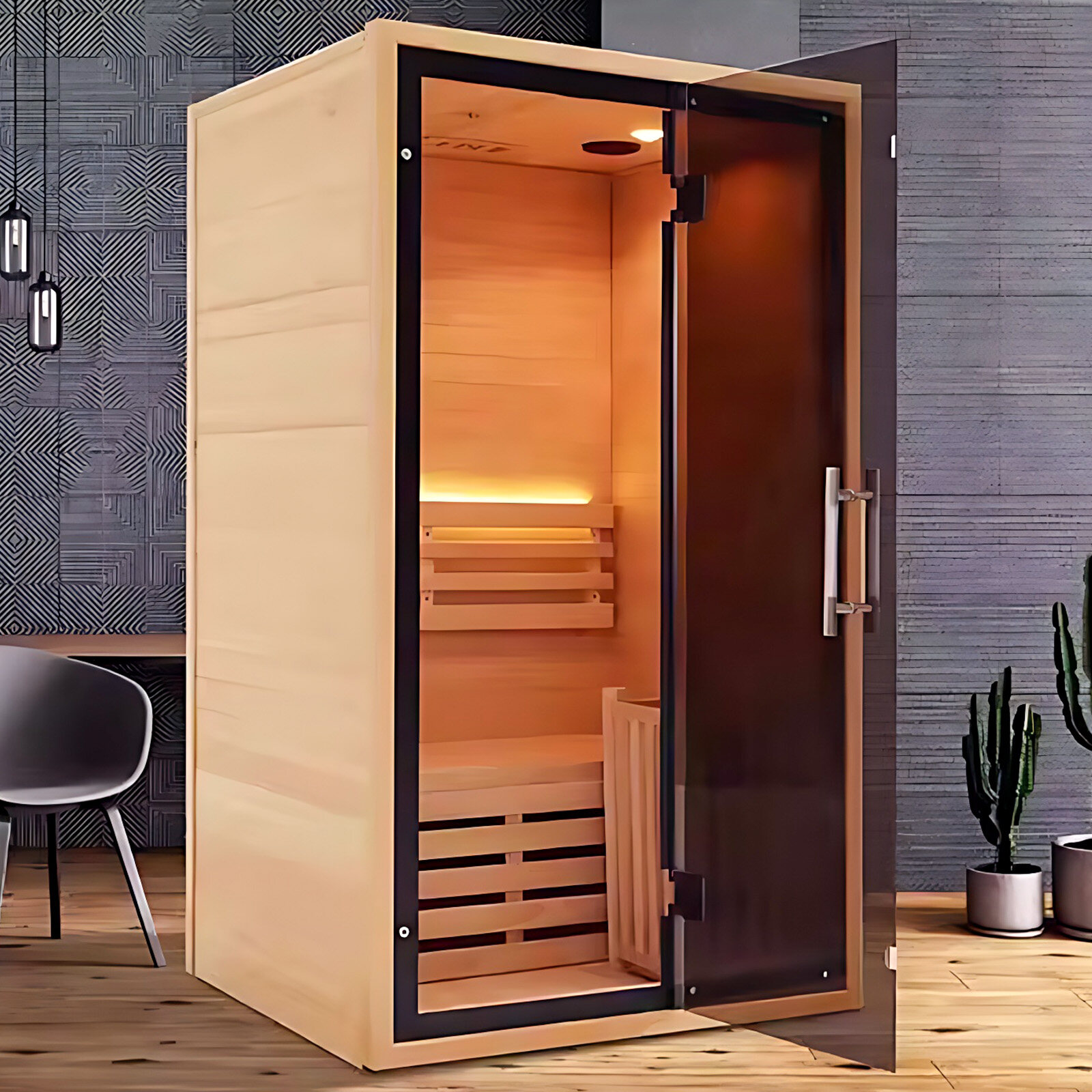
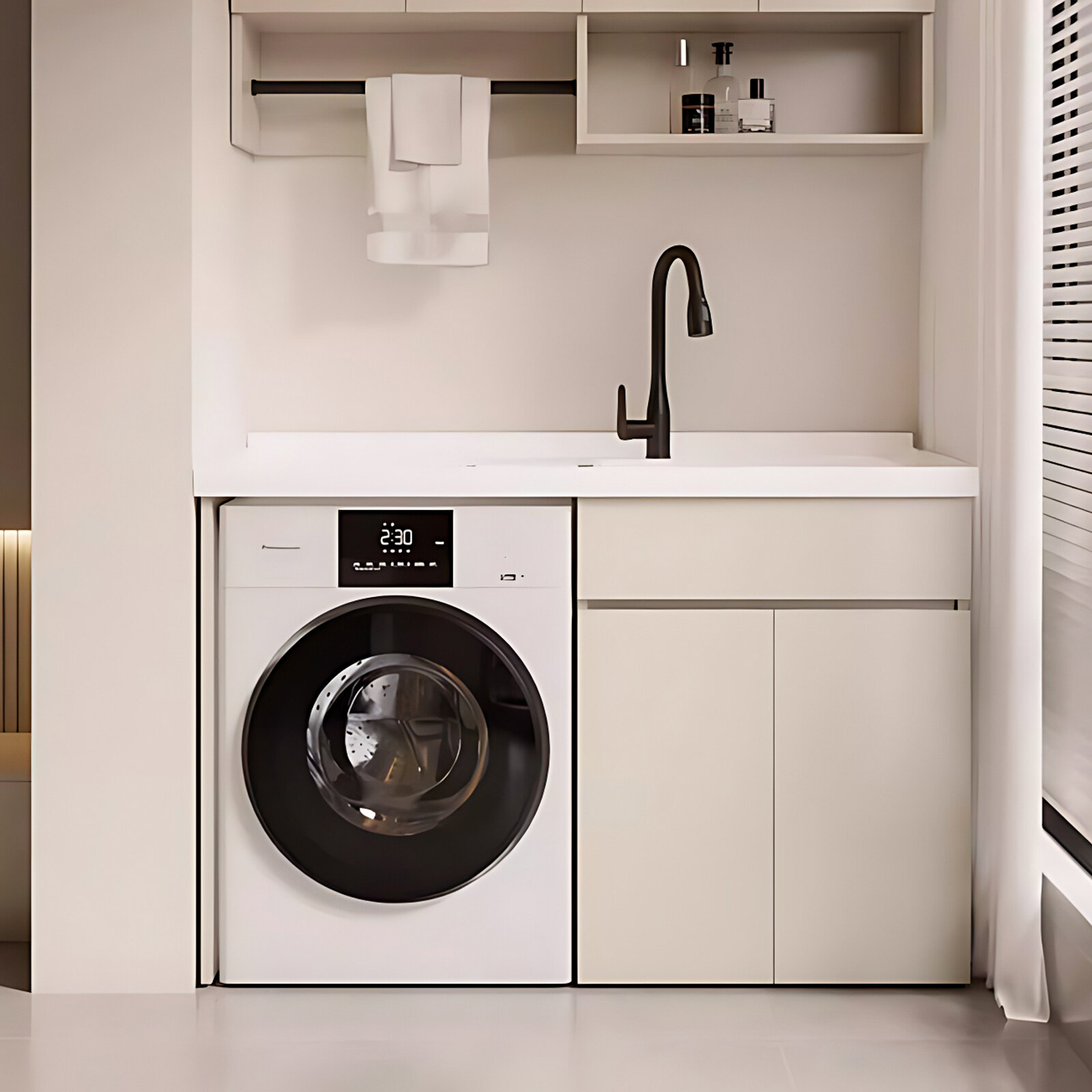
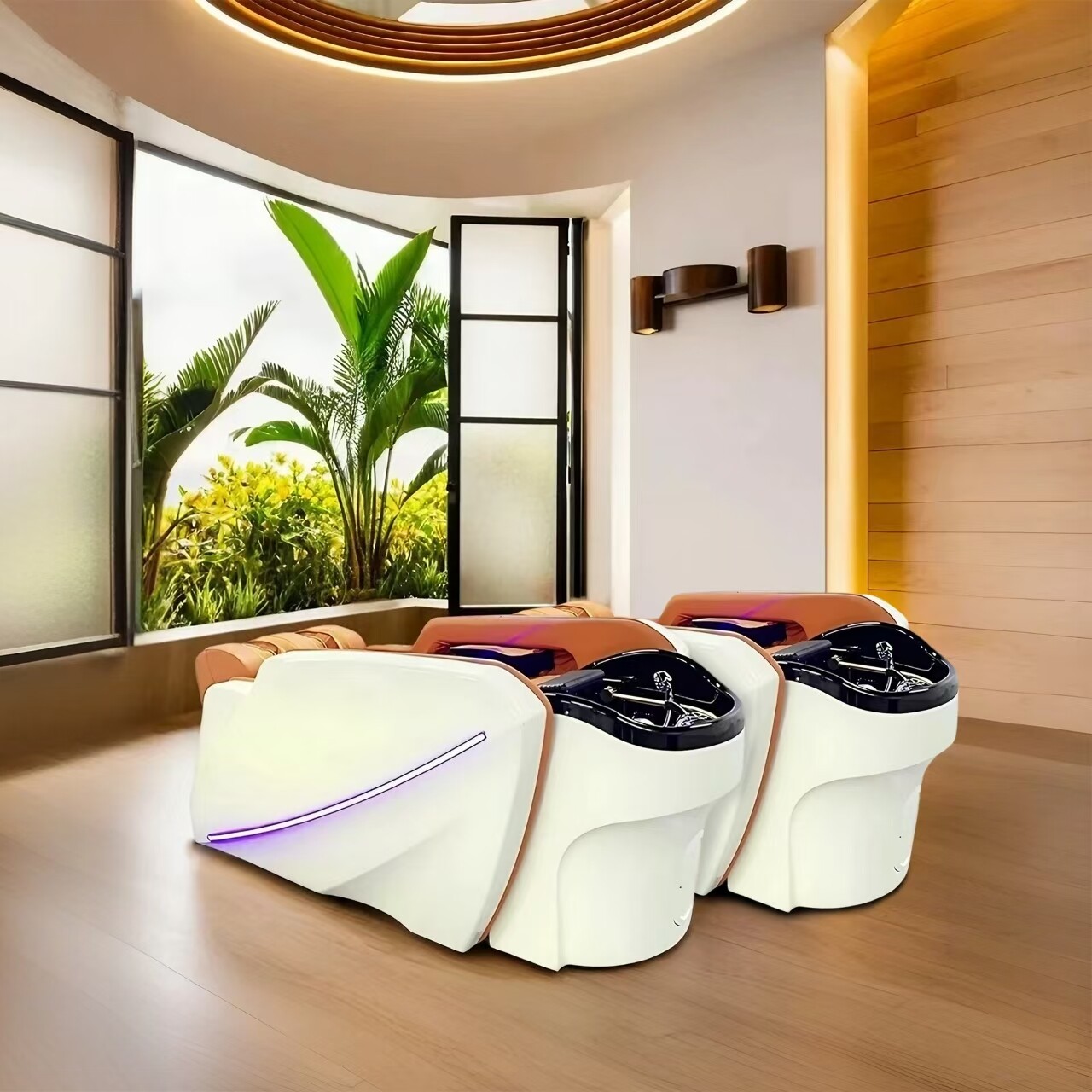


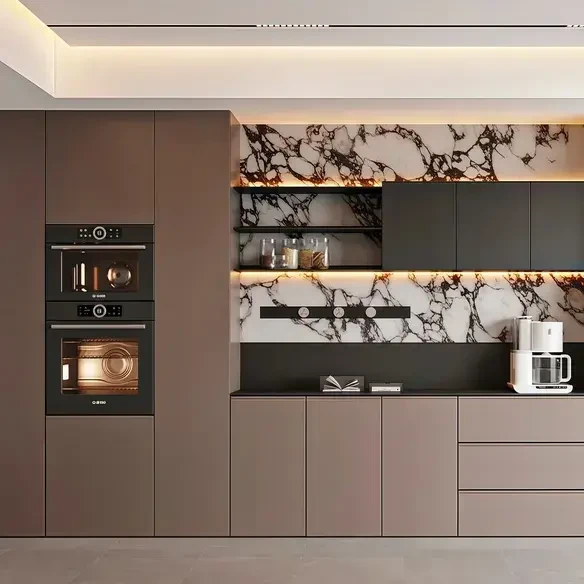
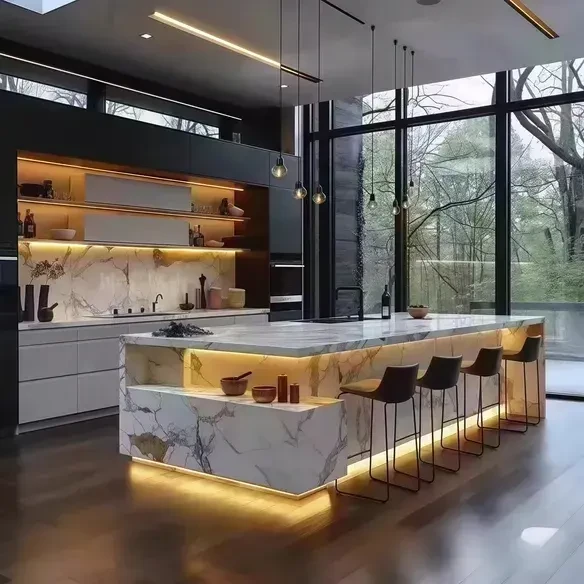











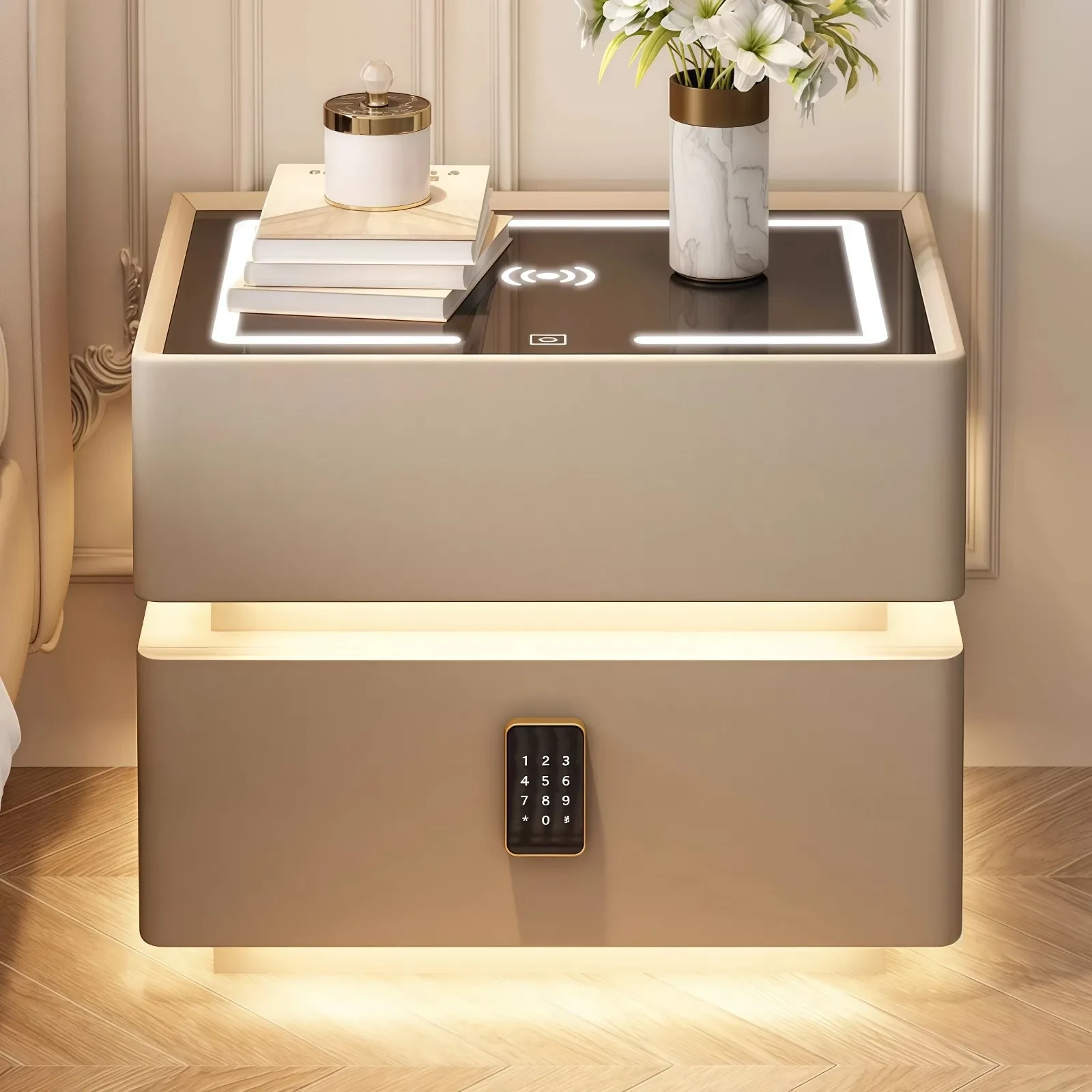






In home design, rounded elements are gradually gaining popularity among consumers. The soft lines of rounded cabinets not only break the rigidity of traditional right-angled furniture and inject a dynamic aesthetic into the space, but also cleverly avoid the risk of bumps and knocks, making them especially suitable for families with elderly people and children.
However, curved cabinets are expensive and difficult to install. To minimize losses, it is necessary to prepare in advance and avoid mistakes as much as possible.
Today, Qiangyi will provide you with a complete guide to the installation process of curved cabinets, helping you to install them more easily!
Curved cabinet installation steps
Curved cabinets are difficult to install, so thorough preparation and attention to detail are essential. Below are some standard installation steps; please adjust them according to the specific site conditions during construction.
1. Preparation of tools and materials
◆Essential tools: electric drill, screwdriver, level, tape measure, pencil, rubber mallet. If glass or metal parts are involved, special protective pads are also required.
◆Material Inspection: Carefully check the side panels, back panels, partitions, hardware and other components to ensure there are no scratches or deformations and that all accessories are complete.
2. Precise measurement and positioning
◆ Use a measuring tape and level to measure the wall surface to ensure that the flatness error is ≤3mm.
◆ Mark the cabinet positions and fixing points with a pencil according to the design drawings, and use a laser marking instrument if necessary.
3. Cabinet assembly
◆ Secure the side panels, back panels, and partitions with screws or connectors according to the instructions to ensure the structure is stable and not loose.
◆ For special curved parts, pay attention to the splicing angle and try to adjust them in advance.
4. Back panel reinforcement
◆After attaching the back panel tightly to the cabinet body, secure it with screws or nails to enhance overall stability.
◆ Ensure the back panel is aligned with the edge of the cabinet to avoid misalignment.
5. Cabinet fixing
◆Drill holes at the marked points and use expansion screws to fix the cabinet to the wall.
◆ Repeatedly check the cabinet's level and verticality to ensure the error is less than 2mm.
6. Cabinet door/drawer installation
◆Install the hinges or slide rails and adjust them so that the opening and closing are smooth and the gaps are even (about 2-3mm).
◆Test the opening and closing feel, and fine-tune the position of the hardware if necessary.
7. Detail adjustments
◆Recalibrate the cabinet's level and verticality, and check that all components are securely connected.
◆ Clean up excess glue residue and sawdust to keep the installation surface clean.
Installation Precautions
adequate protection
Wear gloves and goggles to prevent scratches and debris from getting into your eyes.
Use a sturdy ladder when working at heights, and ensure that someone is there to assist you.
Standard operating procedures
Use power tools correctly and avoid overloading or misoperation.
Maintain a stable center of gravity when moving parts to prevent twisting or the cabinet from tipping over.
Environmental safety
Keep away from electrical circuits and sockets during construction to avoid the risk of electric shock.
Children and pets are prohibited from entering the installation site to prevent accidents.
Post-installation maintenance
Cleaning steps
1. Dust removal: Wipe the surface dust with a dry, soft cloth following the grain of the fabric.
2. Stain removal: Wipe gently with a damp cloth dampened with neutral detergent, avoiding moisture seeping into the joints of the boards.
3. Cleaning details: Use cotton swabs to clean rounded corners and gaps in hardware.
4. Drying and finishing: Wipe dry with a dry cloth to prevent water stains from remaining.
Maintenance tips
1. Collision protection: Avoid impacts from sharp or heavy objects to prevent cabinet deformation.
2. Control the environment: Keep away from damp areas and direct sunlight to prevent mold and fading.
3. Regular maintenance: Wax the wooden cabinet every quarter to enhance its luster and provide protection.
4. Hardware maintenance: Wipe the hinges and slides with lubricating oil every month to extend their service life.
With their unique design aesthetics and practical value, curved cabinets are becoming an increasingly popular choice for home renovations. From precise installation to scientific maintenance, every detail is crucial to the user's actual experience.
Therefore, paying attention to one extra step during installation can reduce after-sales troubles and earn a better reputation for the custom brand.
If you are currently or about to order custom-made curved cabinets for your customers, remember to bookmark this installation guide! Welcome to purchase Qiangyi Wood Industry's hot-bent integrated curved cabinets; they offer a stable and durable structure, and worry-free installation.