
 USD
USD GBP
GBP
 EUR
EUR

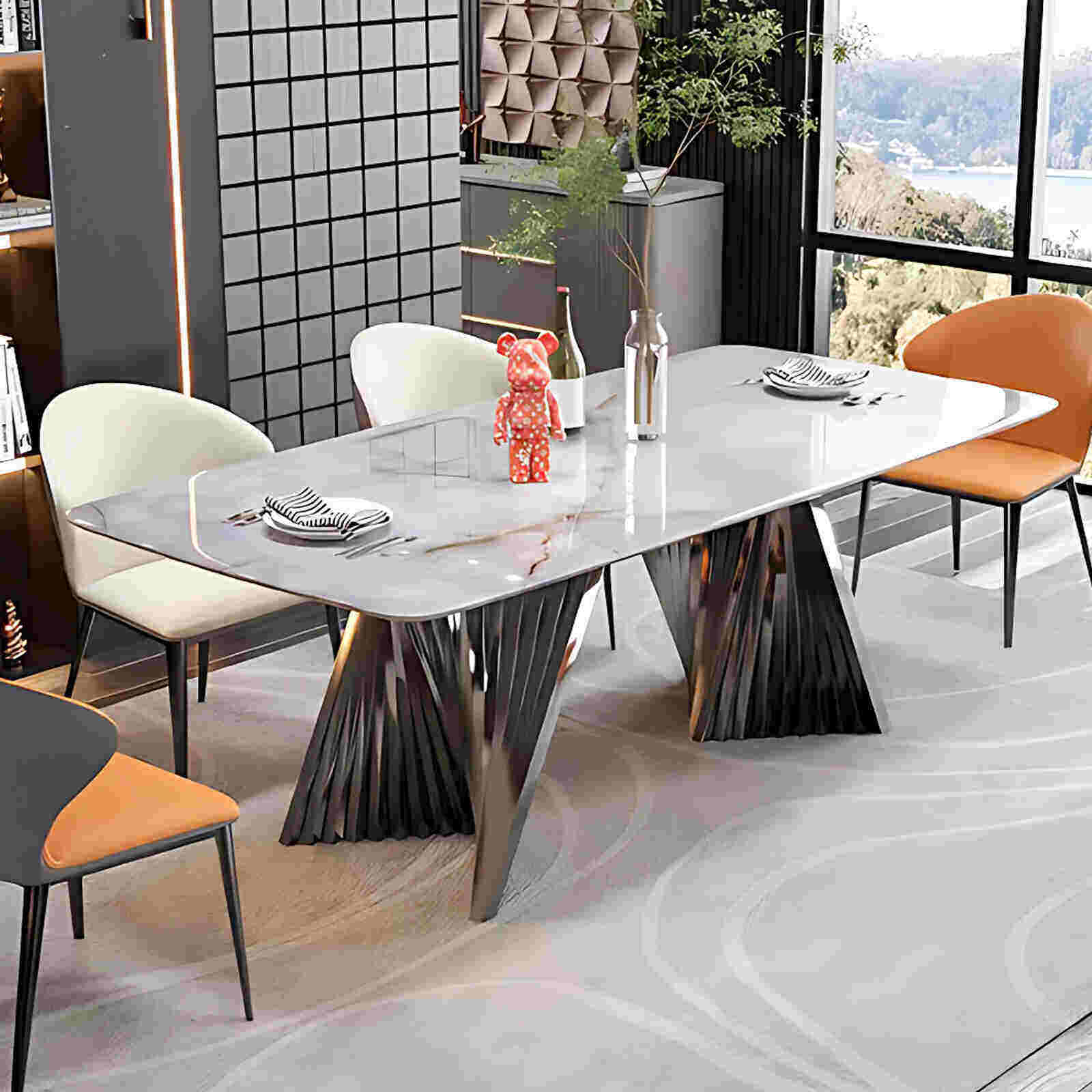
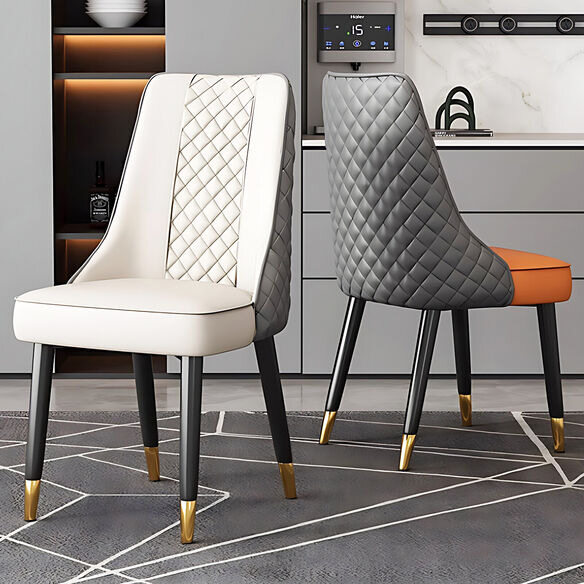
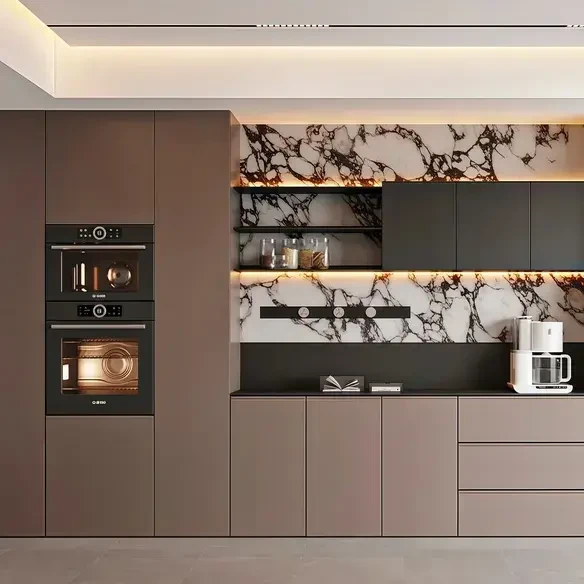
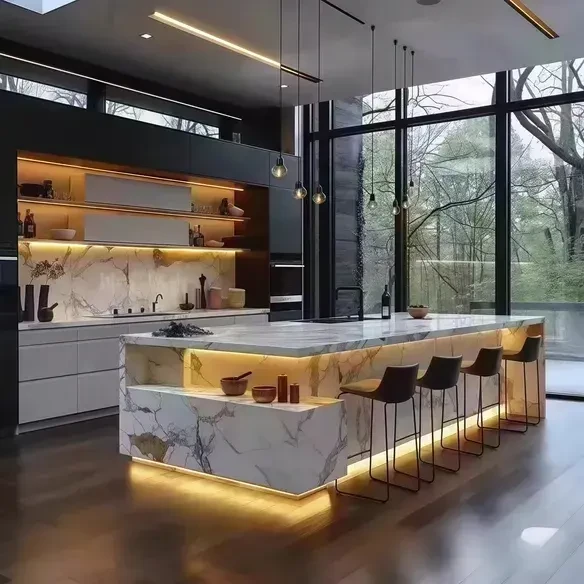
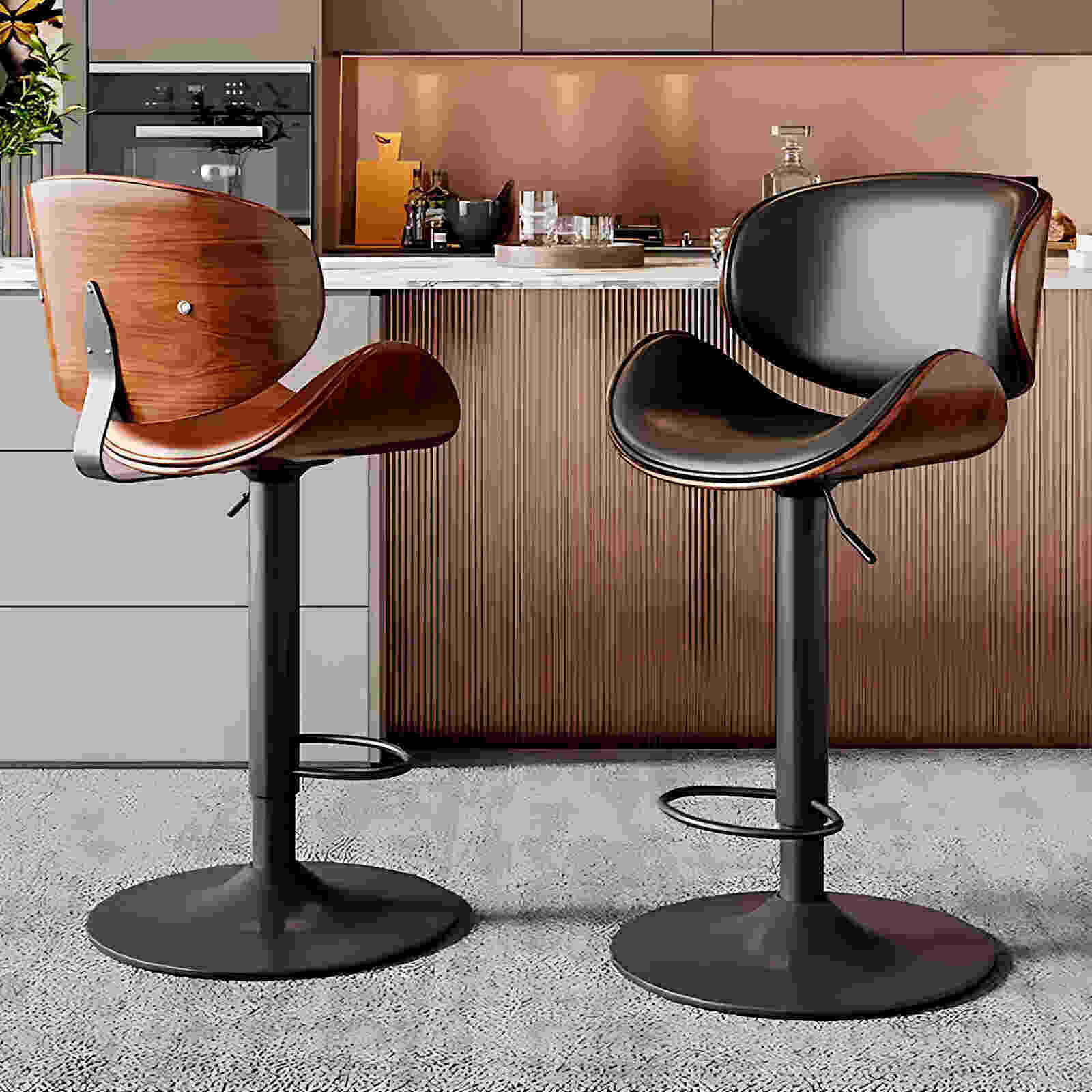


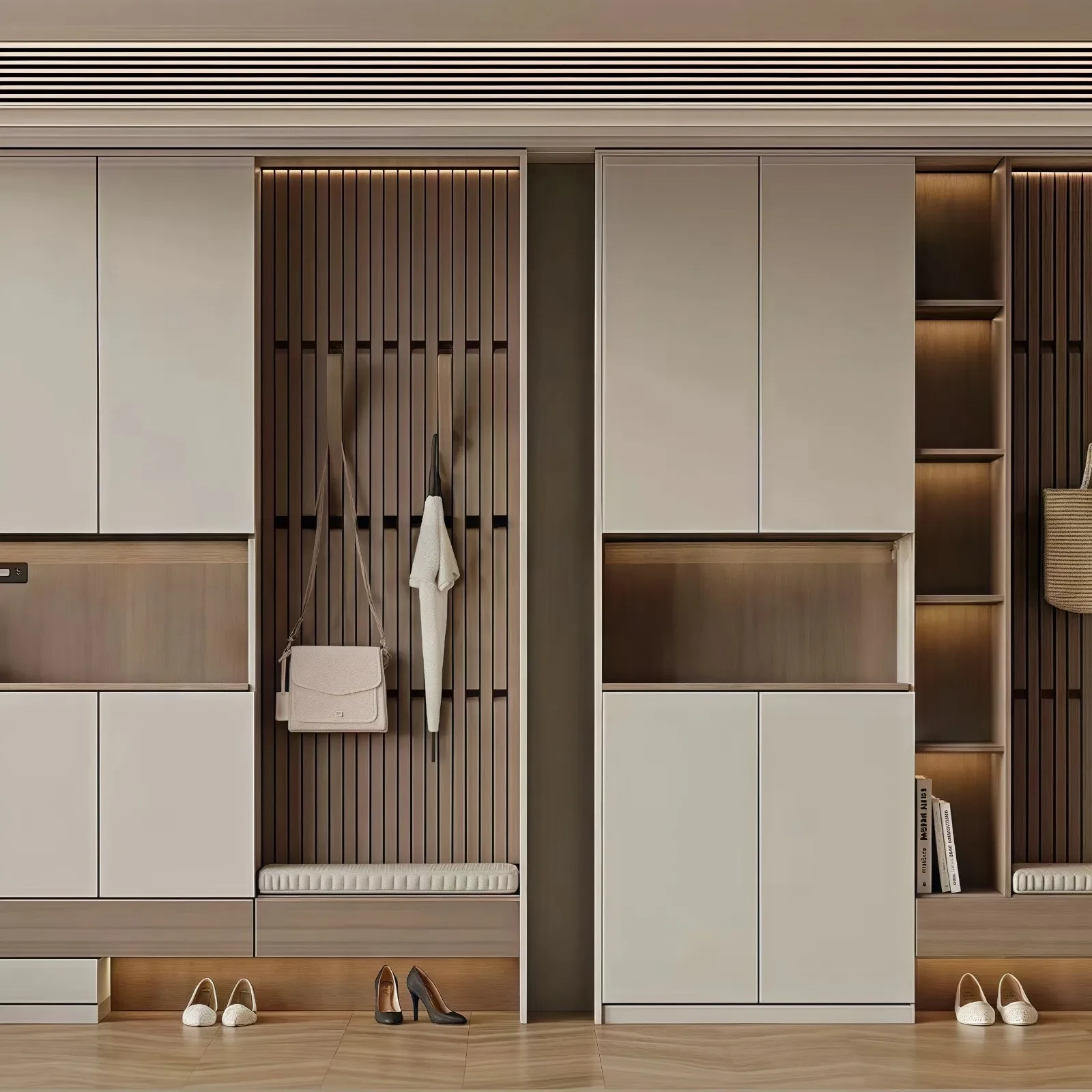
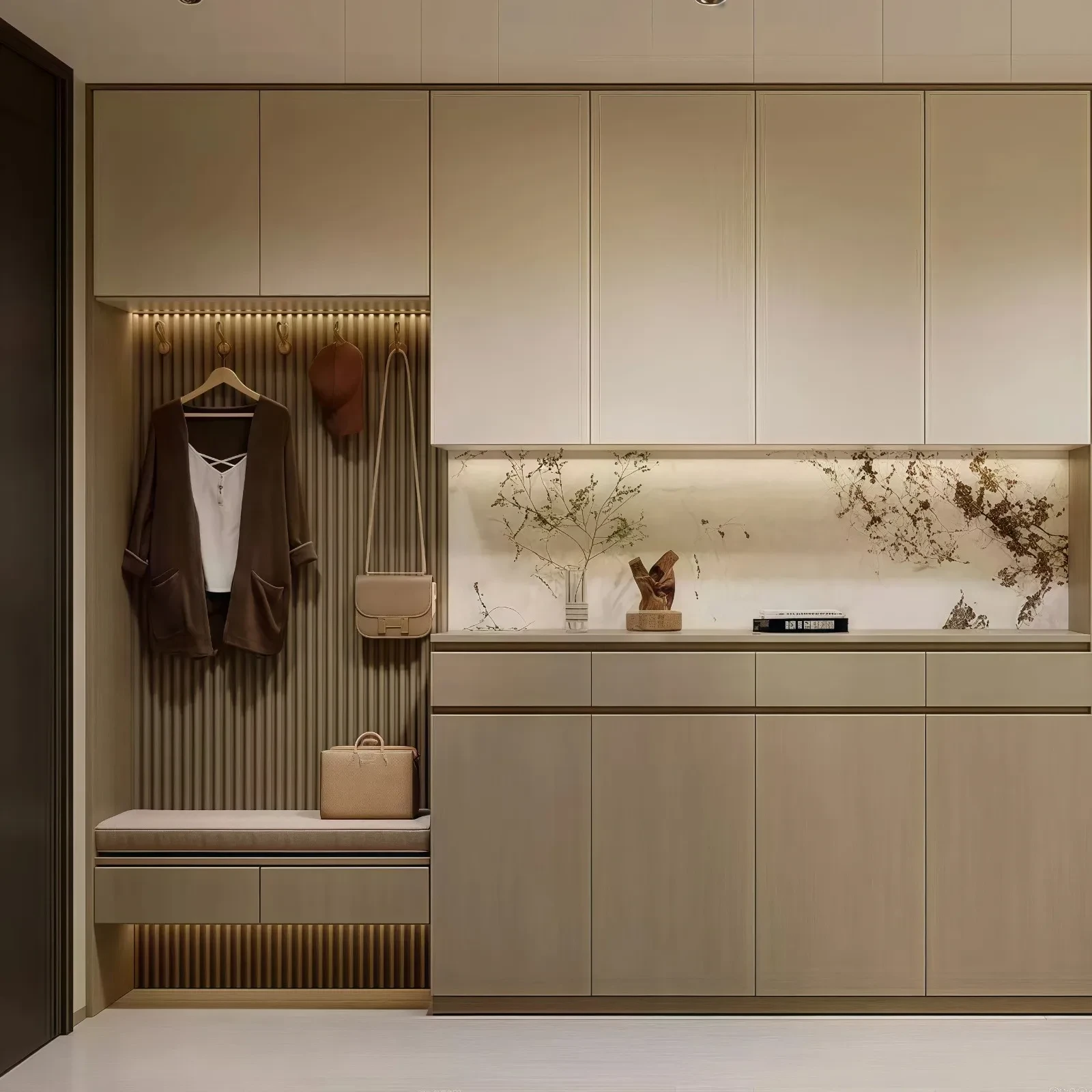
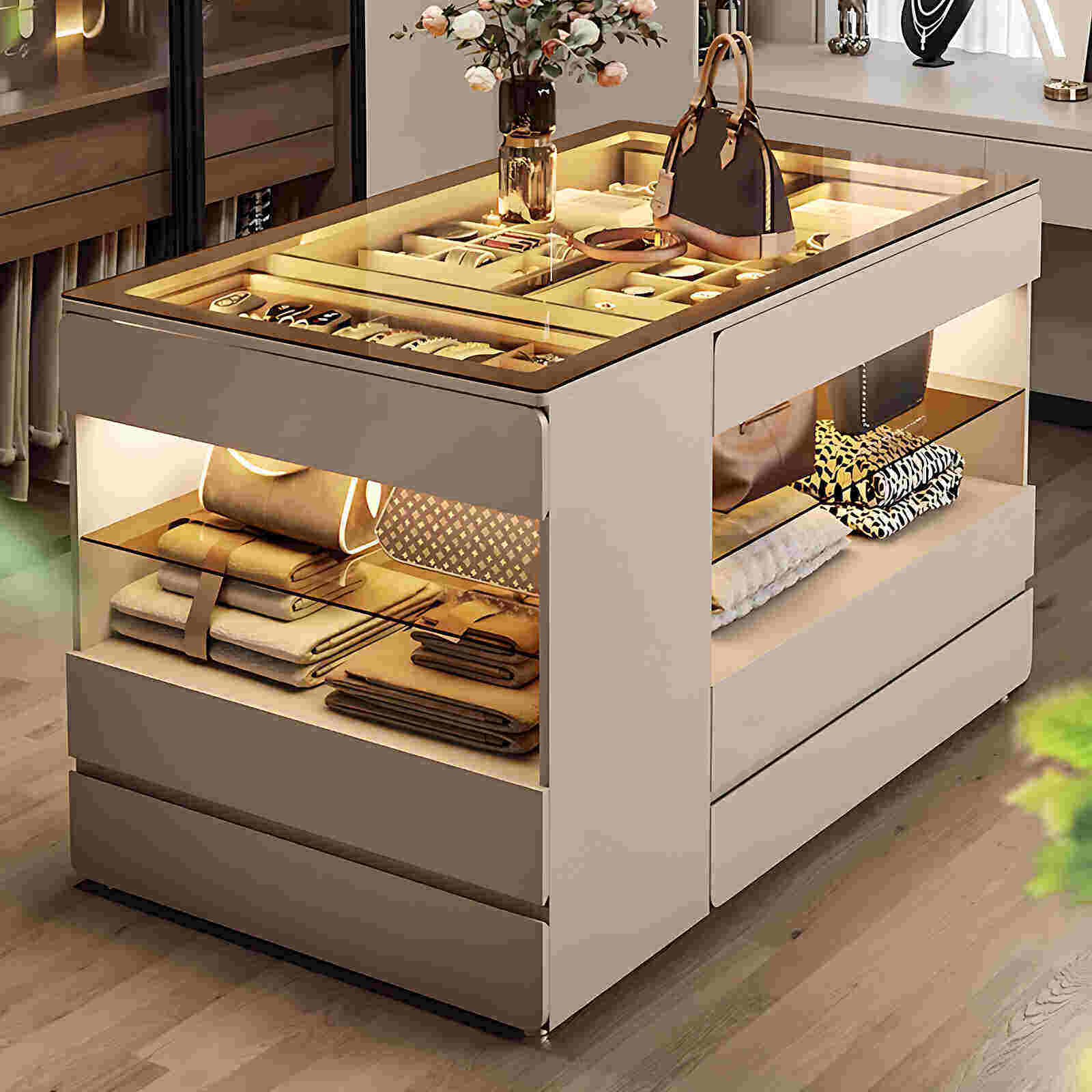
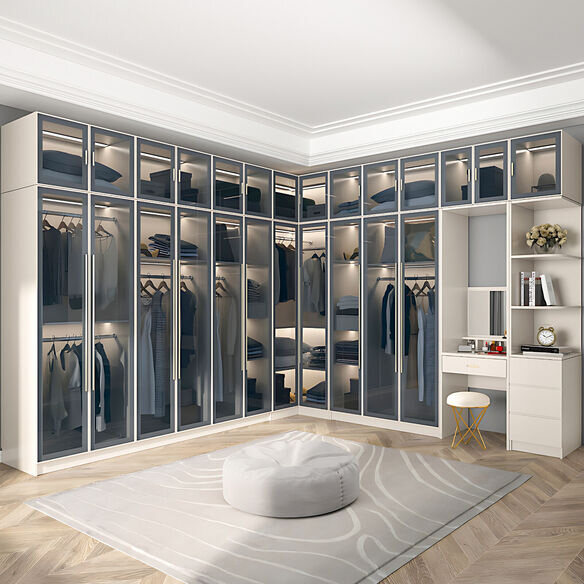
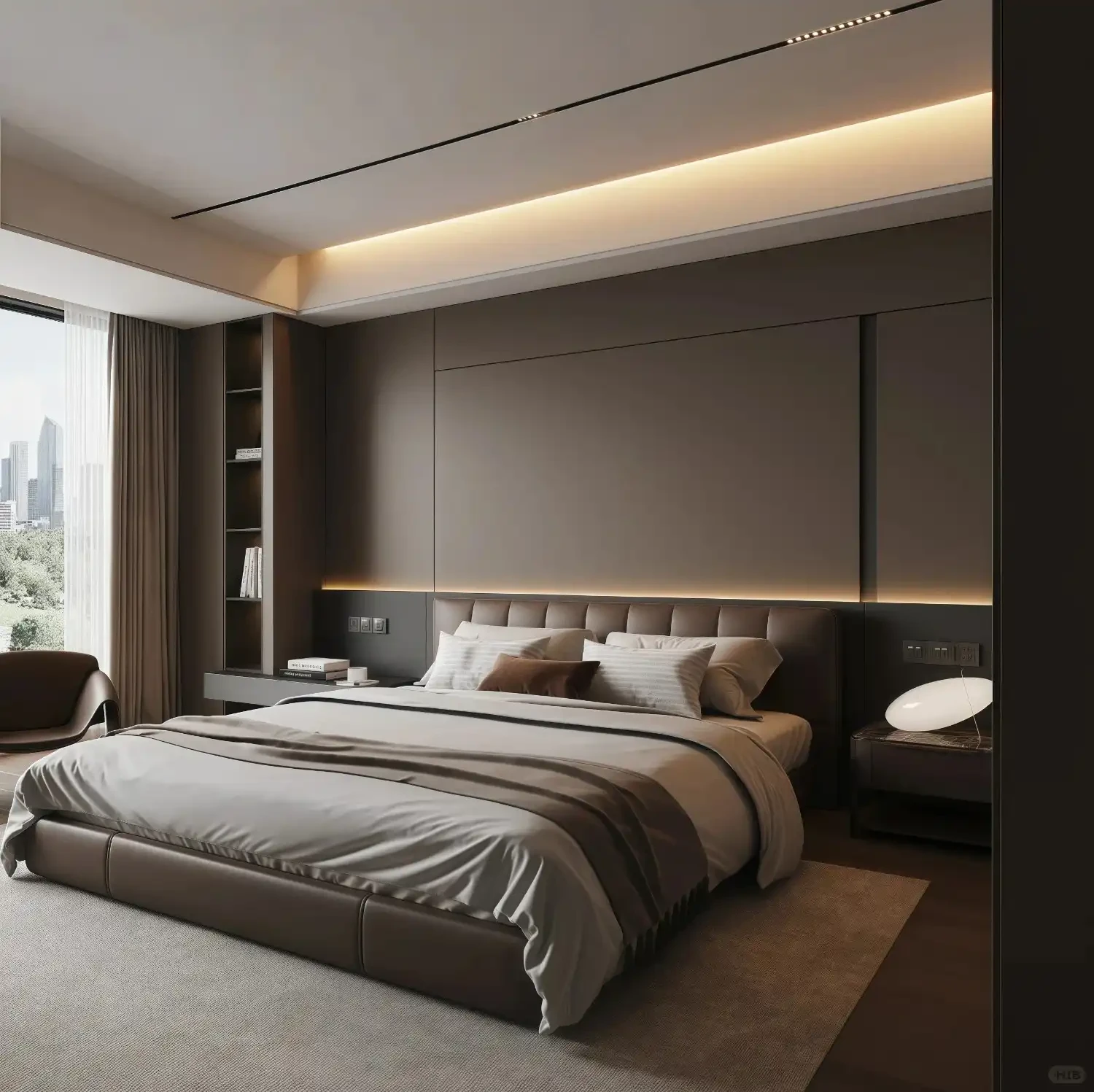
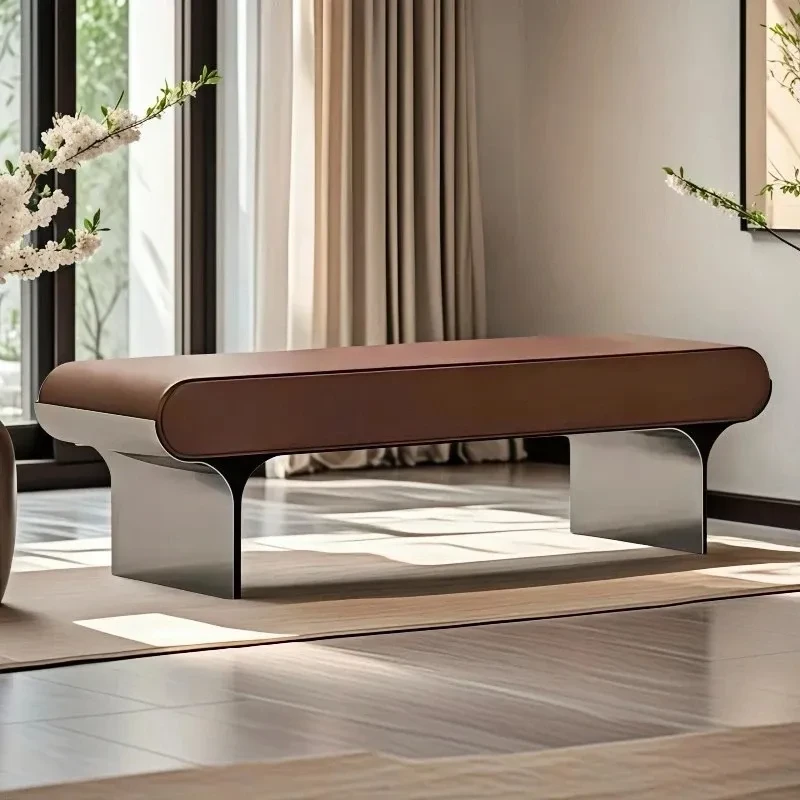
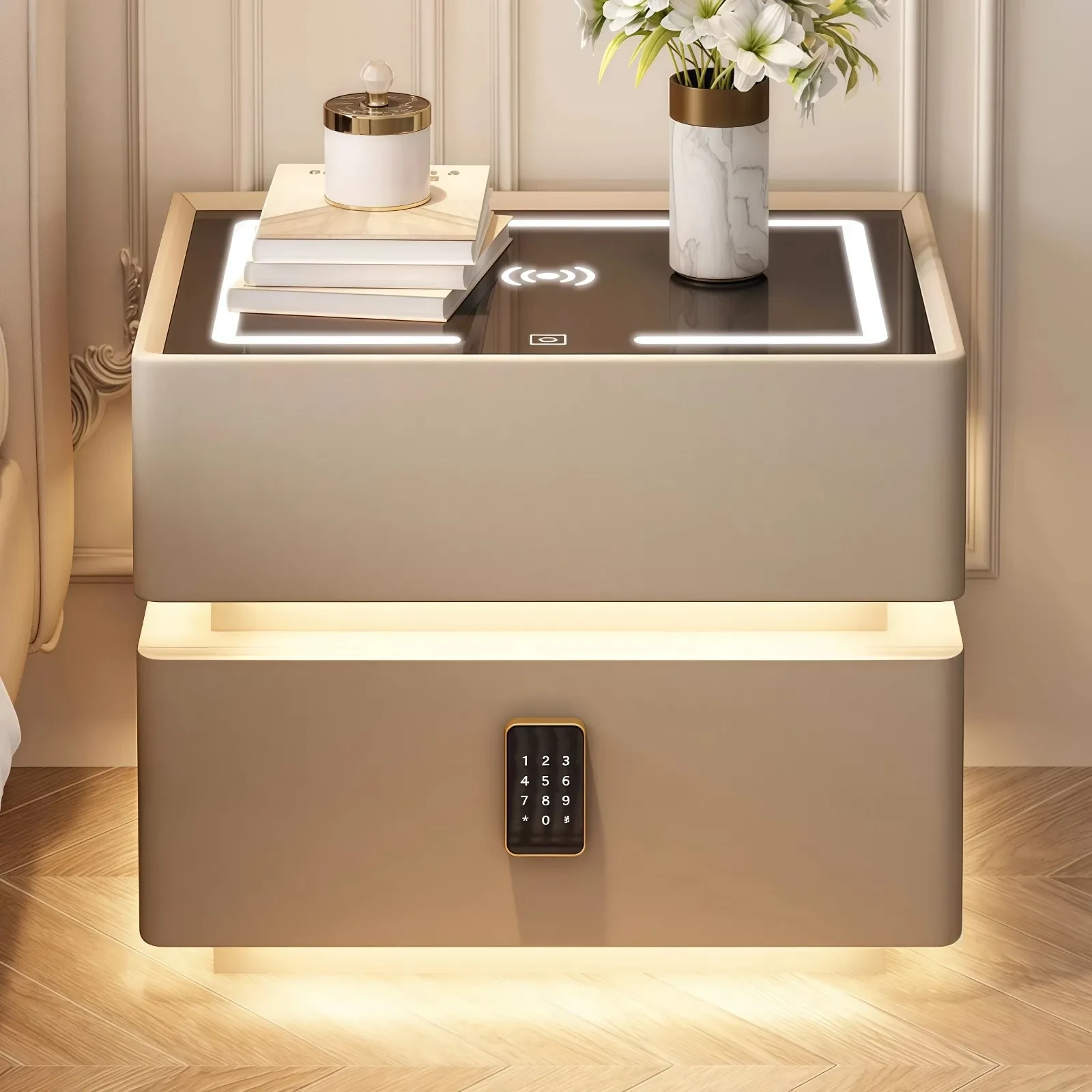
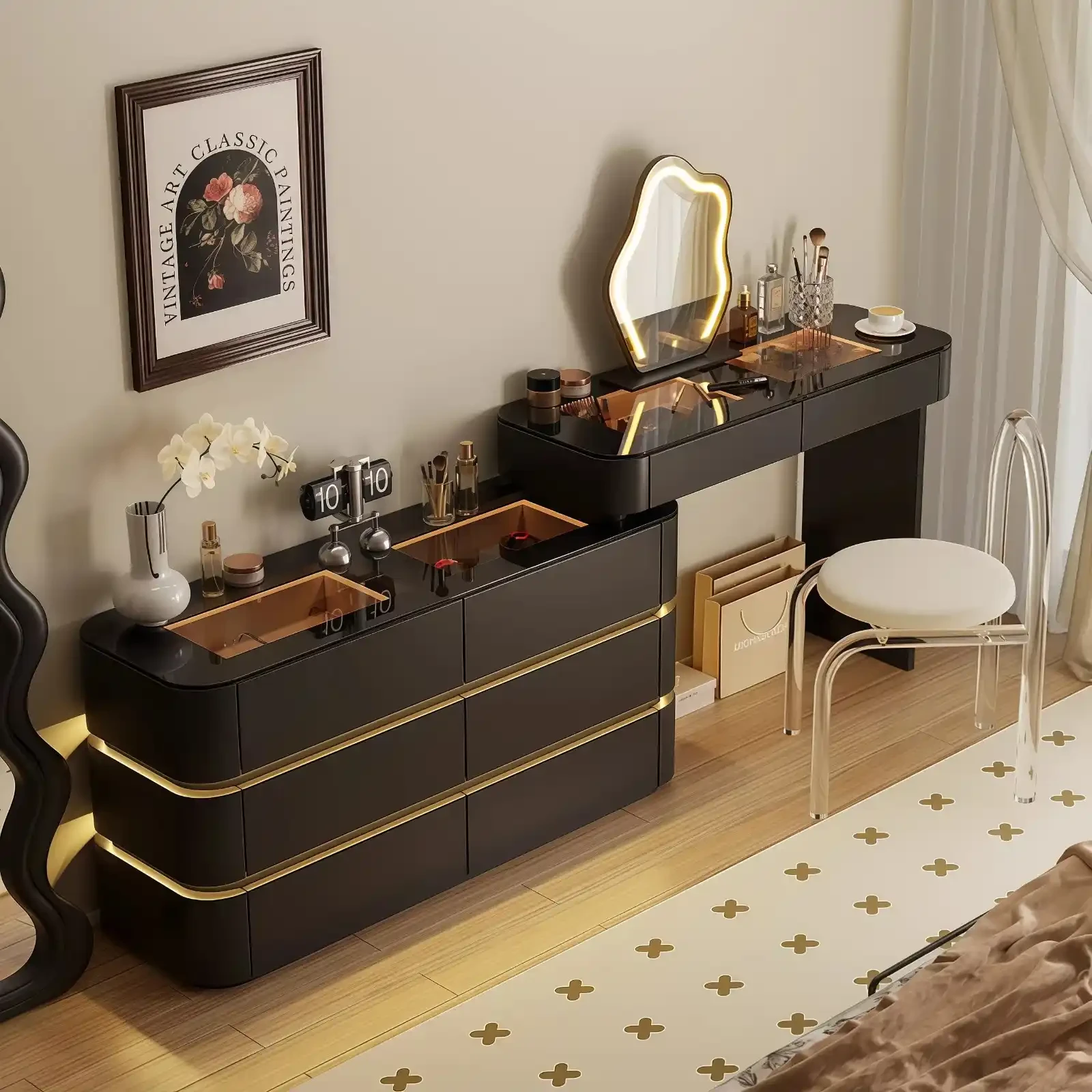

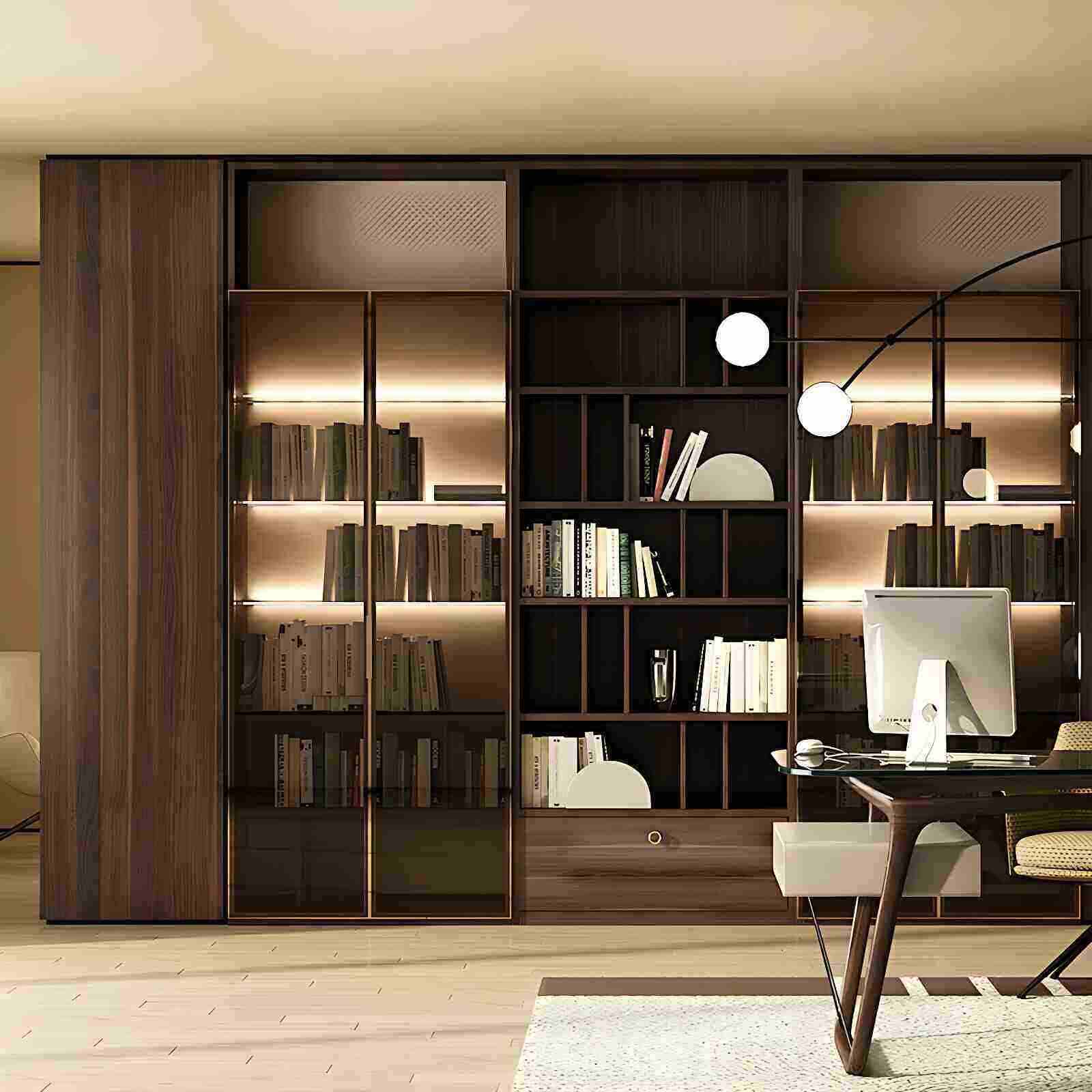
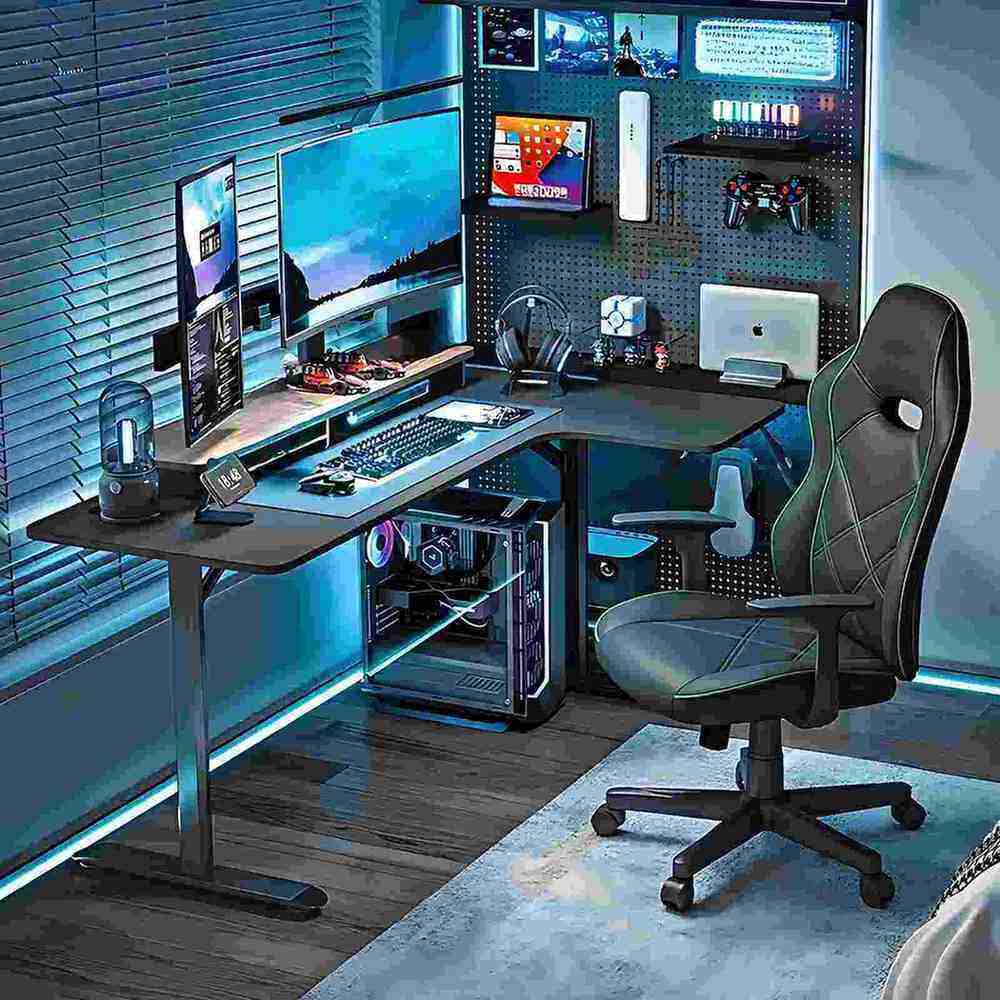
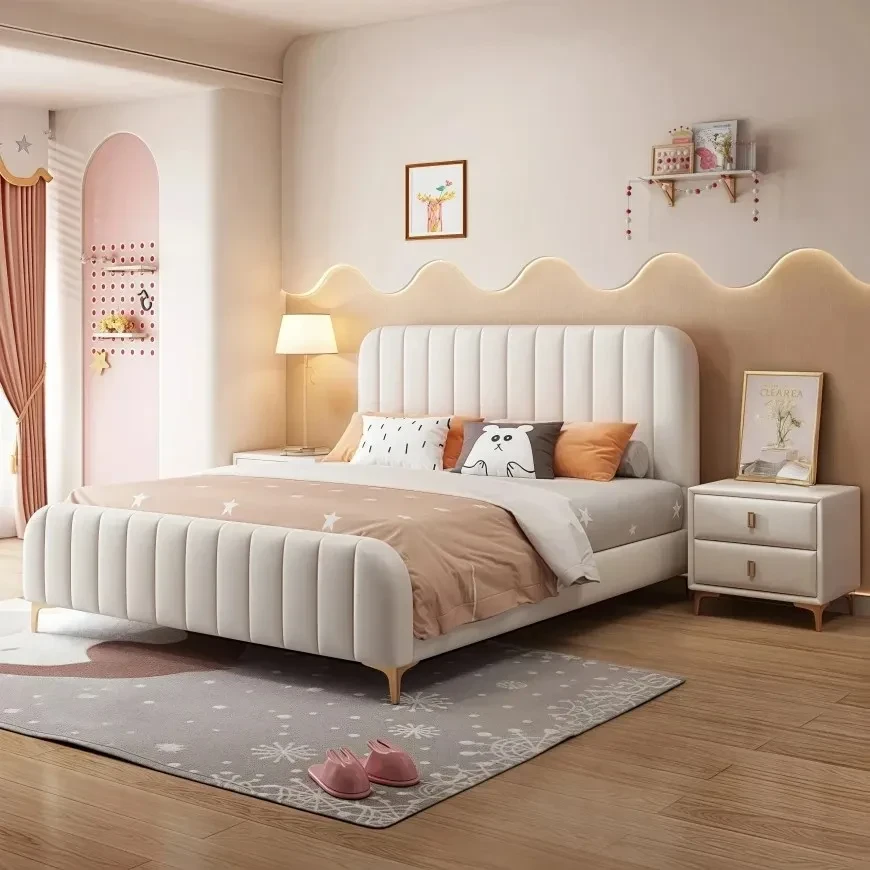
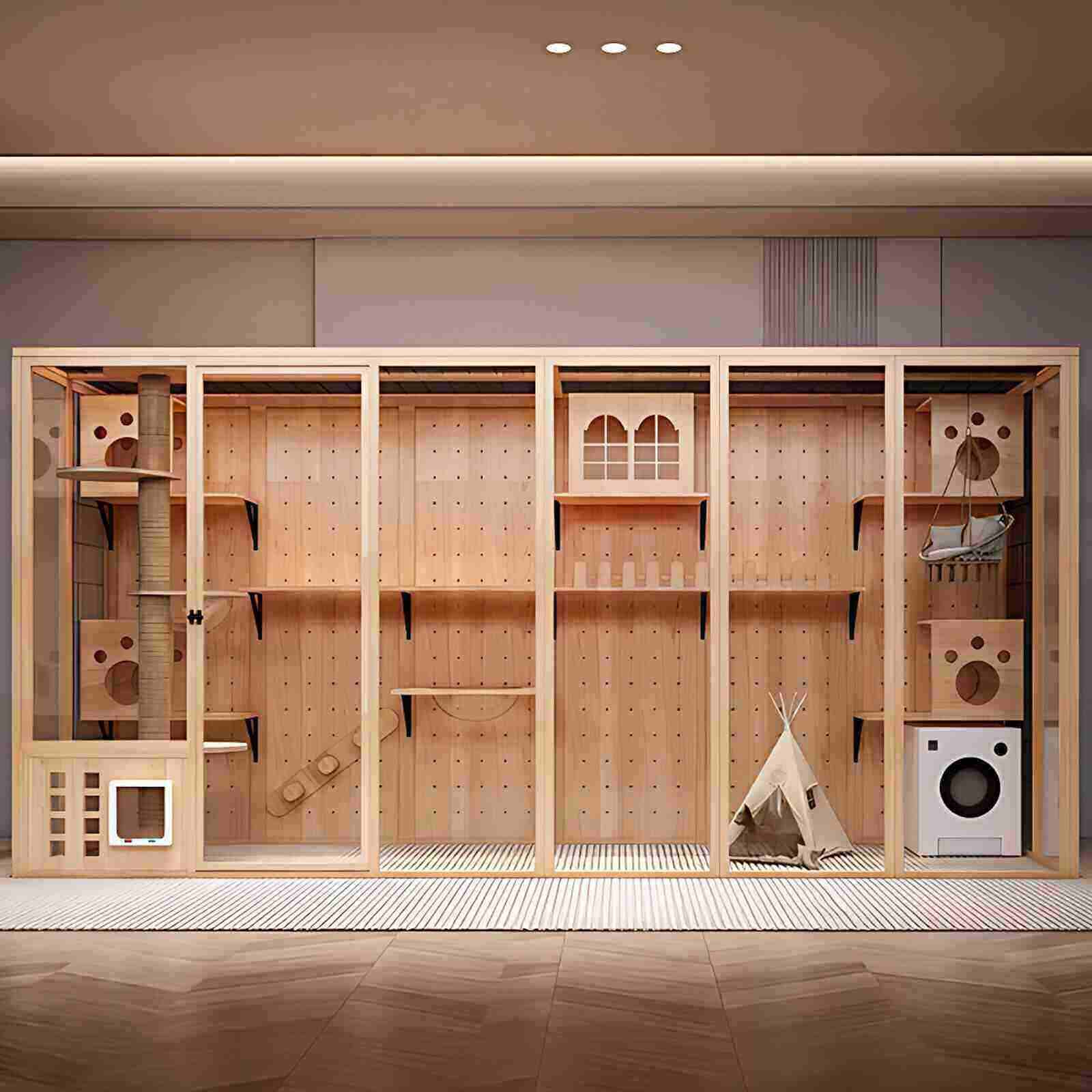
Parents with adorable children, are you always thinking about creating a unique and dreamy little world for your child? A child's room is not just a place to sleep, but also their little kingdom for exploring the world and growing happily. However, decorating a child's room is not as simple as furnishing a regular room; it's easy to make mistakes if you're not careful! Today, let's talk about the "must-learn" lessons for decorating a child's room, so that every design element is filled with love for your child.
Safety First
Children are naturally active and incredibly curious, so safety must be the top priority! When decorating, choose furniture with rounded edges and no sharp corners, or install anti-collision strips to prevent children from bumping into things and getting injured. Electrical outlets must be equipped with safety plugs to prevent children from touching them out of curiosity and causing danger. In addition, choose environmentally friendly, odorless building materials whenever possible, and ensure that the boards meet national environmental standards. You can choose TBB zero-formaldehyde ultra-clean board, which has zero formaldehyde added throughout the entire process, and its formaldehyde emission is one-third of the ENF level. Wardrobes, desks, and other furniture customized with it are like building a green and environmentally friendly "health defense line" for children, allowing them to play freely and grow up safely in their rooms, without parents having to worry about potential health hazards!
Reasonable layout
Children grow at a breakneck pace, so the layout of a children's room must consider both the present and the future. Furniture placement should allow for ample space for children to run, jump, and play. Adjustable desks and chairs are a good option, allowing them to be adjusted as the child grows, ensuring one desk accompanies them throughout their school years. Storage design is also crucial. Utilizing combinations of wardrobes, bookshelves, and drawers to categorize and organize toys, clothes, and books fosters good tidying habits and keeps the room consistently clean and organized.
Color matching
A child's room is like their color palette, reflecting their mood! Bright, soft colors can stimulate a child's creativity and imagination. You can choose light blue, light green, or other fresh and natural colors as the main wall color, and add a touch of whimsy with cartoon wall stickers and paintings. However, be careful not to choose overly complex or intense colors to avoid causing visual fatigue or irritability in children. You can also leave some white space to allow children room for free creation, such as hanging a small blackboard for them to doodle on.
Lighting Design
Good lighting design is key to protecting children's eyesight! Children's rooms should use a combination of a main light and auxiliary lights. The main light provides overall illumination; a soft, flicker-free LED ceiling light is recommended. Install an eye-friendly desk lamp above the desk to ensure sufficient and even lighting in the study area, reducing eye strain. Additionally, small nightlights can be installed for children to use at night, and the warm light can also give them a sense of security.
Decorating a child's room is a carefully planned endeavor about love and growth. From safety to aesthetics, from practicality to fun, every detail reflects parents' boundless expectations for their children.