
 USD
USD GBP
GBP
 EUR
EUR























"Biomass-based composite material manufacturing technology" is a new material manufacturing technology field that has gradually formed by introducing advanced composite material manufacturing technologies and continuously developing and innovating on the basis of traditional "wood processing" technology. Traditional wood processing technology mainly uses tree trunks as raw materials, processing them into solid wood boards and squares of various sizes through sawing and other techniques. This process generates a large amount of processing residues such as bark and sawdust, with a wood utilization rate of generally around 40%. "Wood-based composite material" manufacturing technology, however, utilizes these wood processing residues, as well as the large amount of branches and twigs generated during logging, using a series of advanced composite technology processes to produce board and square products of different sizes. Using this technology, the wood utilization rate can reach over 90%. With the development of "composite material" manufacturing technology, its raw materials have gradually expanded to include biomass resources such as bamboo and agricultural residues (agricultural straw), forming a new type of "biomass-based composite material manufacturing" encompassing various biomass resources, including "bamboo-based composite material manufacturing technology" and "agricultural residue-based composite material manufacturing technology." The technology system. With continuous technological progress and industrial expansion, the "biomass-based composite material manufacturing" technology system has now developed into one of the important industries of the national economy with an output value of trillions of yuan.
The question of accurately calculating the "output value" of various industries involved in biomass-based composite materials, including timber, bamboo, and agricultural residues, and their downstream industries, is currently unresolved due to the broad and fragmented nature of the field. For some technological areas, such as "agricultural straw-based composite materials," statistical data is not yet available because it is still in its early stages. Furthermore, output value data for "timber-structured buildings," "timber (bamboo) boardwalks," and "bamboo-timber structure landscaping" are generally included in statistics for "national forest parks" and a small portion of real estate (residential development), making them difficult to extract.
Regarding engineered wood products, some organizations do release statistical data, but its accuracy is not always guaranteed. For example, Liu Nengwen, president of the China Timber Distribution Association, released statistics showing that my country's engineered wood product output in 2017 was 315 million cubic meters; while Qian Xiaoyu, vice president of the China Forest Products Industry Association, gave data showing that my country's engineered wood product output in 2017 was 294.8 million cubic meters. The two figures differ by more than 20 million cubic meters. Which figure is more accurate?
Even the data released by the National Bureau of Statistics is highly inaccurate. Take plywood production as an example: many plywood factories in my country do not produce wood veneer themselves, but instead purchase it from specialized veneer manufacturers. For instance, wood veneer produced in Henan might be transported to Shandong to be used to produce plywood. Therefore, when compiling enterprise output and value statistics, wood veneer is counted once (in Henan, the output and value of wood veneer manufacturers are included in the statistics for the engineered wood products sector), and plywood is counted again (in Shandong, in reality, plywood output has already been counted at the veneer stage). Besides plywood, wood veneer can also be sold to flooring factories for flooring, decorative panel factories for decorative panels, wall panel factories for wall panels, etc. With these mixed-up statistics, their reliability is questionable.
Therefore, the purpose of providing a general estimate in this article is simply to give everyone a macroscopic concept; there is no need to pursue specific and accurate values.
I. Scope and Application Areas of Biomass-Based Composite Material Technology System
The manufacturing technology of "biomass-based composite materials" includes the following aspects: Solid wood-based composite material processing and manufacturing technology using solid wood (sawn timber) as raw material, such as CLT (cross-laminated timber) and engineered wood (glulam). Engineered wood-based panel processing and manufacturing technology using wood materials with different component forms (veneer, fiber, and wood shavings) as raw material, such as laminated veneer lumber (LVL), plywood, particleboard, oriented strand board (OSB), fiberboard, and blockboard. Bamboo-based engineered wood manufacturing technology using bamboo materials with different component forms as raw material, such as reconstituted bamboo, bamboo bundle plywood, bamboo strip plywood, bamboo laminated engineered wood, bamboo strip plywood, (flattened) bamboo veneer plywood, bamboo chipboard, bamboo fiberboard, as well as bamboo/wood composite boards, bamboo fiber/synthetic fiber composite materials, and round bamboo building components. Processing and manufacturing technology of composite boards made from agricultural straw and other agricultural residues, such as wheat straw particleboard, cotton stalk scrap board, wheat straw fiberboard, and rice straw bundle wallboard.
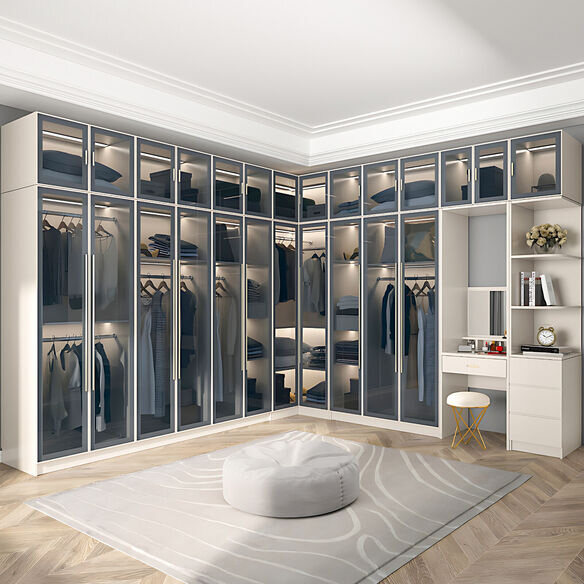
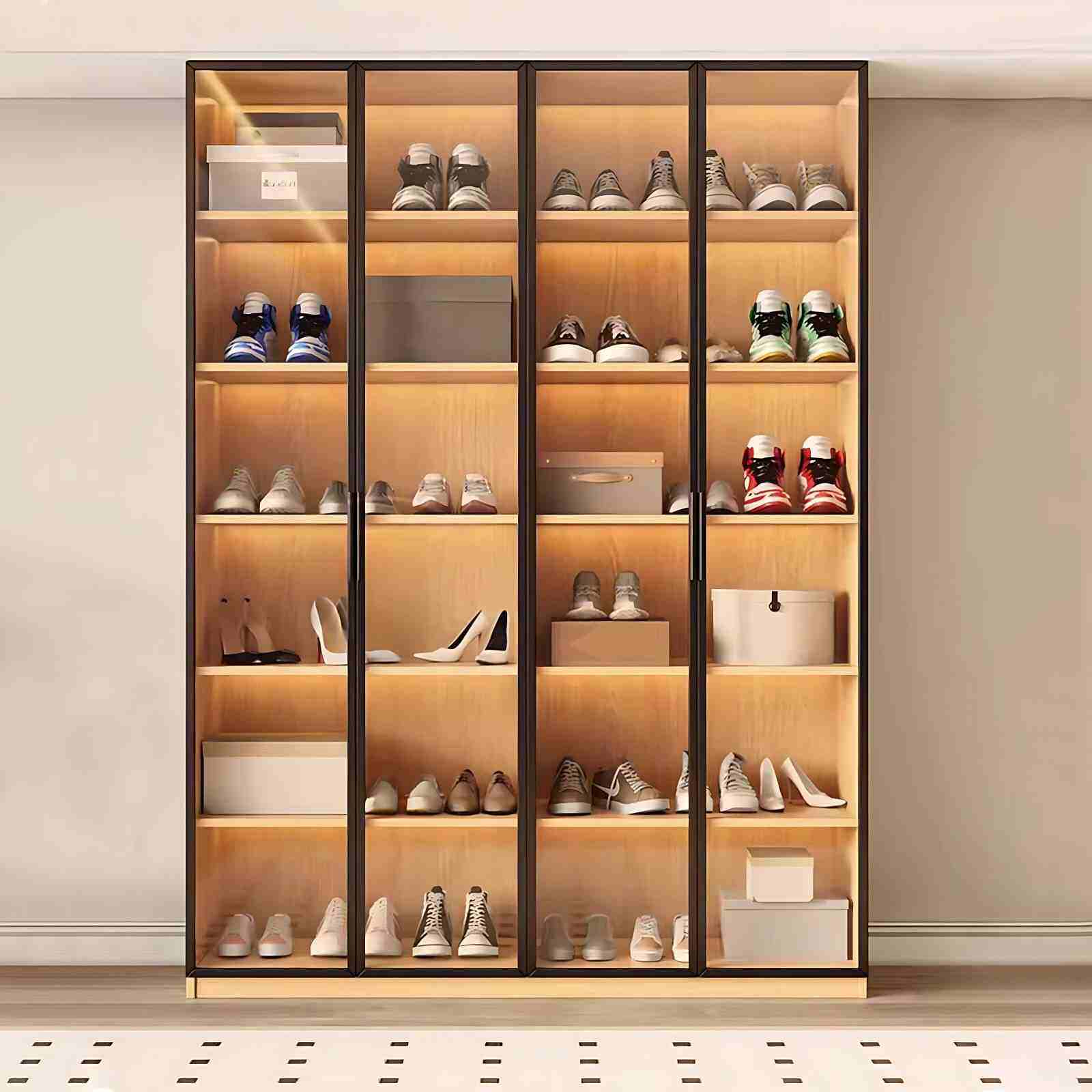
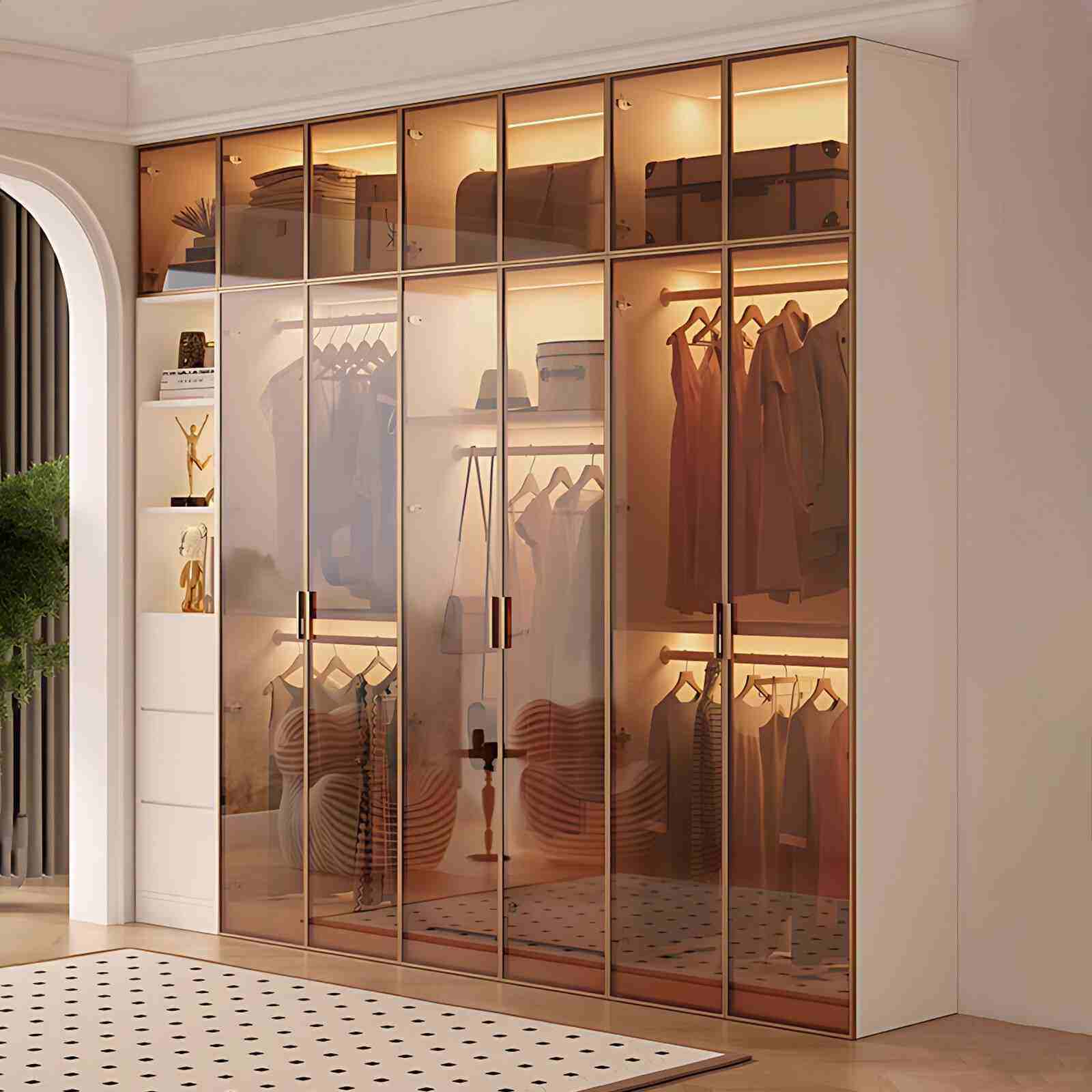
The main application areas of biomass-based composite materials are as follows: building materials, such as load-bearing materials for timber structures (beams, purlins, rafters, columns, etc. of glued laminated timber), enclosure materials (wall panels, floor panels, roof panels, etc.), and cement formwork used in construction and infrastructure projects. Building decoration materials, such as roof and wall decorations, wardrobes, cabinets, flooring, and doors in interior building decoration. Outdoor building decoration materials, such as landscaping, outdoor flooring (wooden walkways), and exterior wall cladding. Furniture, including various panel furniture and solid wood composite furniture, furniture for public places, as well as various vehicle body panels, container flooring, and various packaging and heavy-duty packaging materials.
Although my country's biomass-based composite materials industry has made rapid progress, there is still a significant gap compared to the industry's development and national needs. Further efforts are needed in both technological research and development within existing industries and in expanding the scope of its technological products.
II. Progress in the Application of Biomass-Based Composite Material Technology in Timber Structure Buildings
Timber-structured architecture has a history of thousands of years in my country. Traditional timber-structured buildings primarily use solid wood planks and square timber as the main material. This method of construction consumes a large amount of high-quality timber, resulting in low timber utilization. Currently, large-diameter, high-quality natural forest timber is extremely rare in my country, and logging of the remaining large-diameter natural forests in major forest areas is prohibited. Except for a small number of solid wood-structured dwellings still existing in some ethnic minority areas of certain provinces, traditional timber-structured buildings in my country have been replaced by brick-concrete and reinforced concrete structures. Steel, cement, clay bricks, and other building materials are all high-carbon emission materials, releasing large amounts of carbon dioxide during their manufacturing process, contributing to global warming. Therefore, using low-carbon "biomass materials" that can collect carbon dioxide to replace high-carbon emission materials such as steel and cement in timber-structured buildings has received high attention from the state and is becoming one of the new development directions for my country's construction industry.
In modern timber-framed buildings, biomass-based composite materials have become a major building material. For example, the cladding materials (wall panels, floor panels, roof panels) used in modern timber-framed buildings in my country mainly include oriented strand board (OSB), structural plywood, bamboo-wood composite panels, and bamboo plywood. The load-bearing materials (beams, purlins, rafters, columns) used in timber-framed buildings in my country include glued laminated timber (engineered lumber), laminated veneer lumber (LVL), cross-laminated timber (CLT), and bamboo-laminated lumber. Among these, CLT materials, formed by cross-laminated solid timber, have also seen some development and application in high-rise hybrid (timber and reinforced concrete structure) buildings.
One current problem is that my country still relies heavily on imported high-quality timber for structural solid wood composite materials such as glued laminated timber (GLLT) and cross-laminated timber (CLT). This dependence on imported materials poses a certain risk to the development of my country's timber structure industry. Changes in the international environment could disrupt the normal development of the industry. Utilizing domestically produced plantation timber and bamboo as raw materials for building structural load-bearing materials is one way to address this predicament. The development of this new technology will also help promote the development of my country's plantation timber and bamboo industry, contributing to rural employment. Currently, my country has made some progress in this area of technological research and development. Manufacturing technologies for domestically produced structural materials such as structural bamboo laminated timber (GLLT) made from bamboo strips, bamboo-wood composite building materials made from plantation eucalyptus veneer and bamboo strips, bamboo-wood composite cross-laminated timber (CLT) made from bamboo strip laminated boards and domestically produced plantation small-diameter pine planks, and reconstituted bamboo square timber are basically mature, and their industrialization is underway. With the application of these technologies in my country's timber structure building sector, the problem of my country's reliance on imported timber structure building materials will be gradually alleviated.
III. Progress in the Application of Biomass-Based Composite Material Technology in the Field of Wood-Based Panel Manufacturing
Wood-based panel manufacturing technology is a "wood-based composite material" manufacturing technology system that uses small-diameter timber and branches from plantations in my country as the main raw materials. It is one of the important industries in my country's forestry industry system. Currently, it provides more than 300 million cubic meters of wood-based panel products to related industries in my country every year (data provided by the China Timber Distribution Association: my country's total output of wood-based panels reached 315 million cubic meters in 2017). At the same time, it has also greatly promoted the development of my country's plantation forestry industry.
Currently, the main applications of engineered wood products in my country are in interior decoration and furniture manufacturing. Because urea-formaldehyde resin and other adhesives containing free formaldehyde are used in engineered wood manufacturing, formaldehyde pollution from these products in indoor environments has been a persistent problem. Using formaldehyde-free adhesives in the manufacture of engineered wood products and their products is a fundamental solution to this formaldehyde pollution issue. Currently, the technology for manufacturing formaldehyde-free engineered wood products using formaldehyde-free adhesives is largely mature in my country. Formaldehyde-free engineered wood products manufactured using formaldehyde-free materials such as thermoplastic resins, soybean protein, and isocyanates as adhesives have entered the Chinese market for interior decoration and furniture manufacturing (especially children's furniture), achieving significant economic and social benefits.
In terms of innovation and development of wood-based panel products in my country, developing new wood-based panel products with "low density and high strength" and "high density, high strength, and high weather resistance" to further expand their applications in automobiles, rail transportation, outdoor landscaping materials, and outdoor decoration is one of the directions for the development of wood-based panel products in my country. Developing "low density, high strength" wood-based panels with a density lower than ordinary wood-based panels (low density) but strength meeting or exceeding the requirements of ordinary wood-based panels can not only further reduce the consumption of raw materials for wood-based panels, but also effectively reduce vehicle weight in the automotive and rail transportation fields, thereby reducing the energy consumption of transportation vehicles. Developing special-purpose wood-based panels with "high density, high strength, and high weather resistance," such as developing high-density, high-strength plywood and applying it to liquefied natural gas (LNG) carriers; and developing "ultra-high density" high-weather-resistant fiberboard for use in the exterior curtain walls of high-rise buildings and decorative materials in high-humidity environments, will further expand the application fields of wood-based panel products in my country.
IV. Application Progress of Biomass-Based Composite Material Technology System in the Manufacturing of New Bamboo-Based Engineering Materials
The innovative development of new bamboo-based engineered timber manufacturing technologies has always been a crucial direction for the development of my country's "biomass-based composite materials" manufacturing technology industry. In recent decades, my country has made significant progress in the development of its bamboo-based engineered timber industry. Its products are widely used in construction, building materials, interior decoration, outdoor landscape architecture, furniture, and vehicle and container flooring. my country's bamboo-based engineered timber manufacturing technology is now among the world's leading levels. A new direction for the development of my country's bamboo-based engineered timber manufacturing technology is to leverage bamboo's high strength-to-weight ratio and good flexibility to develop "3D profile" manufacturing technology. This will allow for the production of various high-performance profiled composite materials with complex shapes, expanding their applications in automobiles, drones, rail transportation, missiles, aviation, and shipbuilding.
V. Application Progress of Biomass-Based Composite Material Technology System in the Manufacturing of Agricultural Straw Composite Materials
Agricultural straw composite material manufacturing technology is one of the new technologies developed in my country in recent decades for biomass-based composite material manufacturing. Using agricultural straw as a raw material to manufacture composite materials such as engineered wood panels can not only solve the shortage of biomass raw materials in my country, but also help address the environmental pollution problems caused by the combustion of large amounts of agricultural waste. Currently, the application fields of composite materials made from agricultural straw in my country are not wide enough. The main problems are that the material performance cannot fully meet the usage requirements, and the production cost is relatively high. In addition to solving problems related to product performance and production costs, further developing new material manufacturing technologies and expanding new applications based on the characteristics of agricultural straw raw materials is also one of the issues that needs to be addressed in this field. Utilizing the relatively light weight of agricultural waste materials, developing lightweight thermal insulation materials for building exterior walls, combining them with other inorganic materials to manufacture new composite building walls, and developing lightweight engineered wood panel products are all research directions that can be further explored.
Timber, bamboo, and agricultural straw are among the world's most abundant natural resources. Their renewable and sustainable characteristics provide vast opportunities for the development of "biomass-based composite material manufacturing technology." Continuously developing new technologies and expanding into new application areas to provide new impetus for the low-carbon development of my country's industrial system should be our perpetual goal.
About the author: Wang Zheng is a researcher at the Institute of Wood Science, Chinese Academy of Forestry.
Source: Forestry Professional Committee of the China Association of Senior Professors; Forestry Branch of the China Engineering Science and Technology Knowledge Center