
 USD
USD GBP
GBP
 EUR
EUR
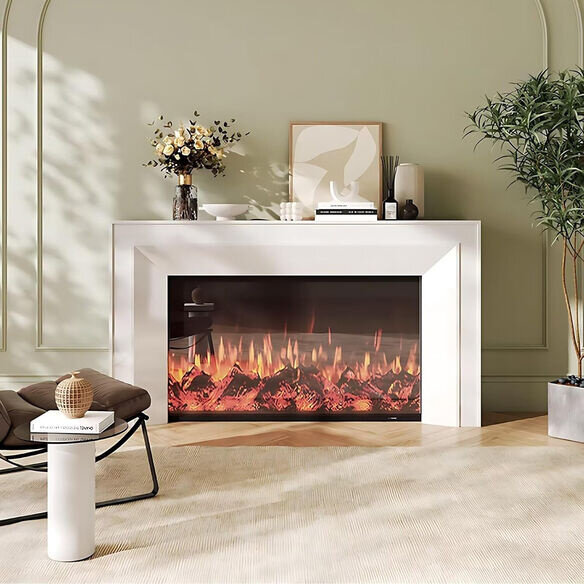

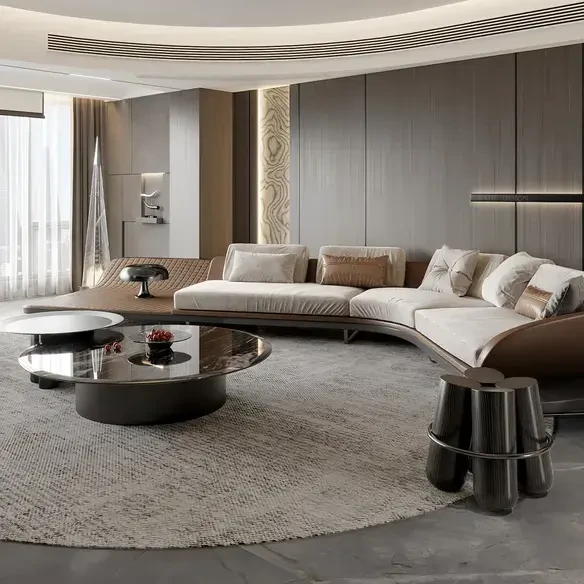
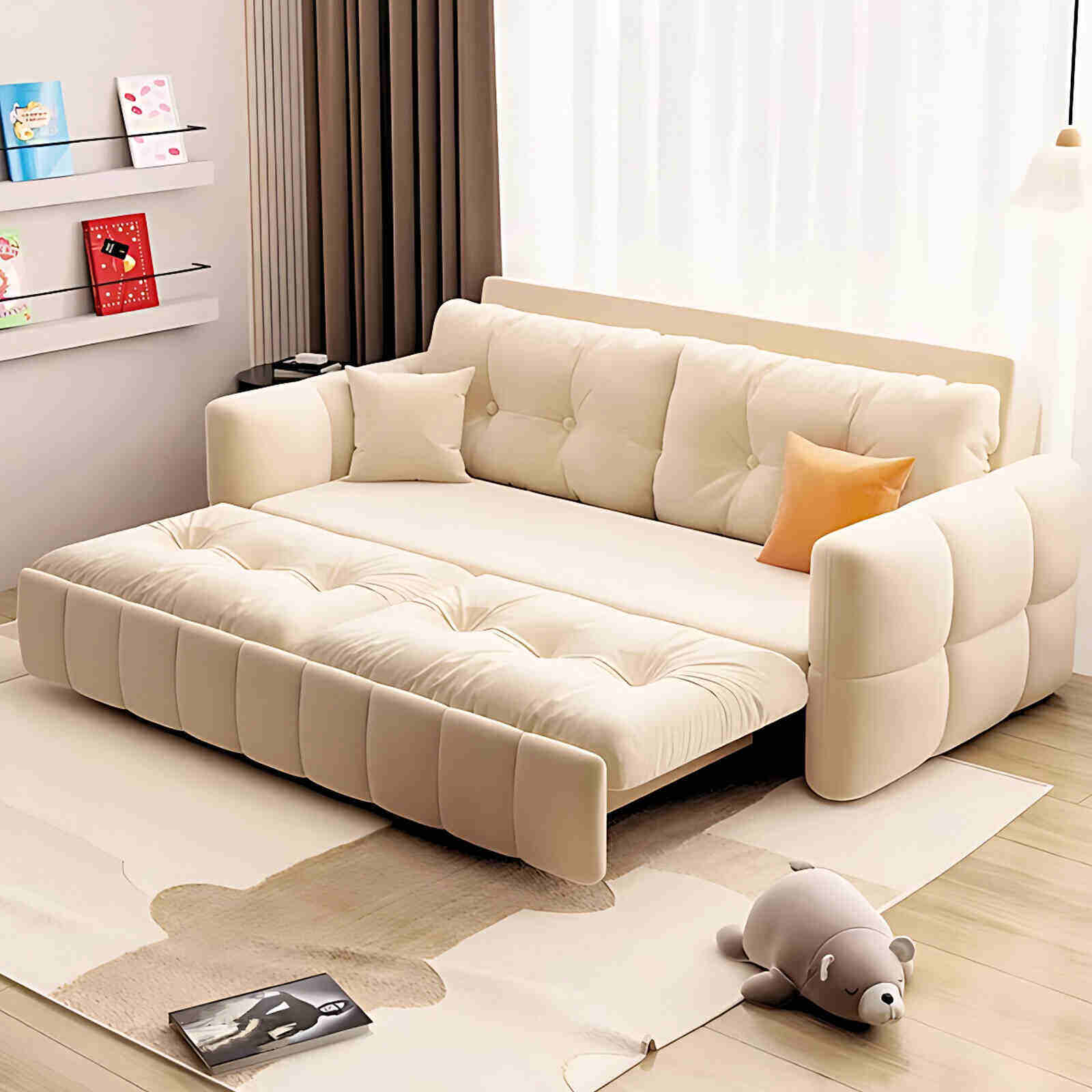
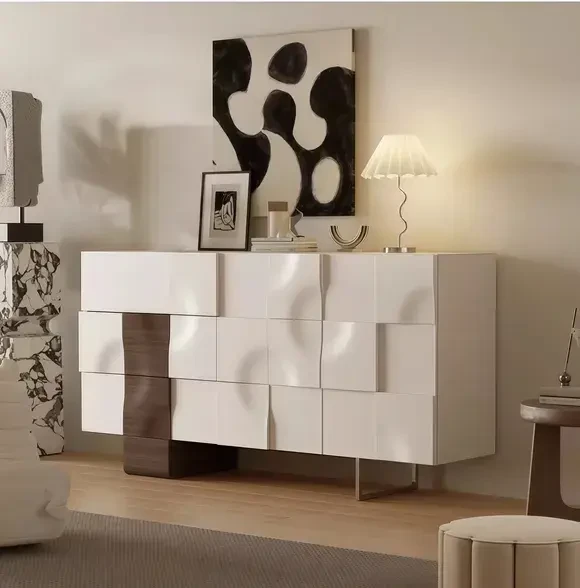

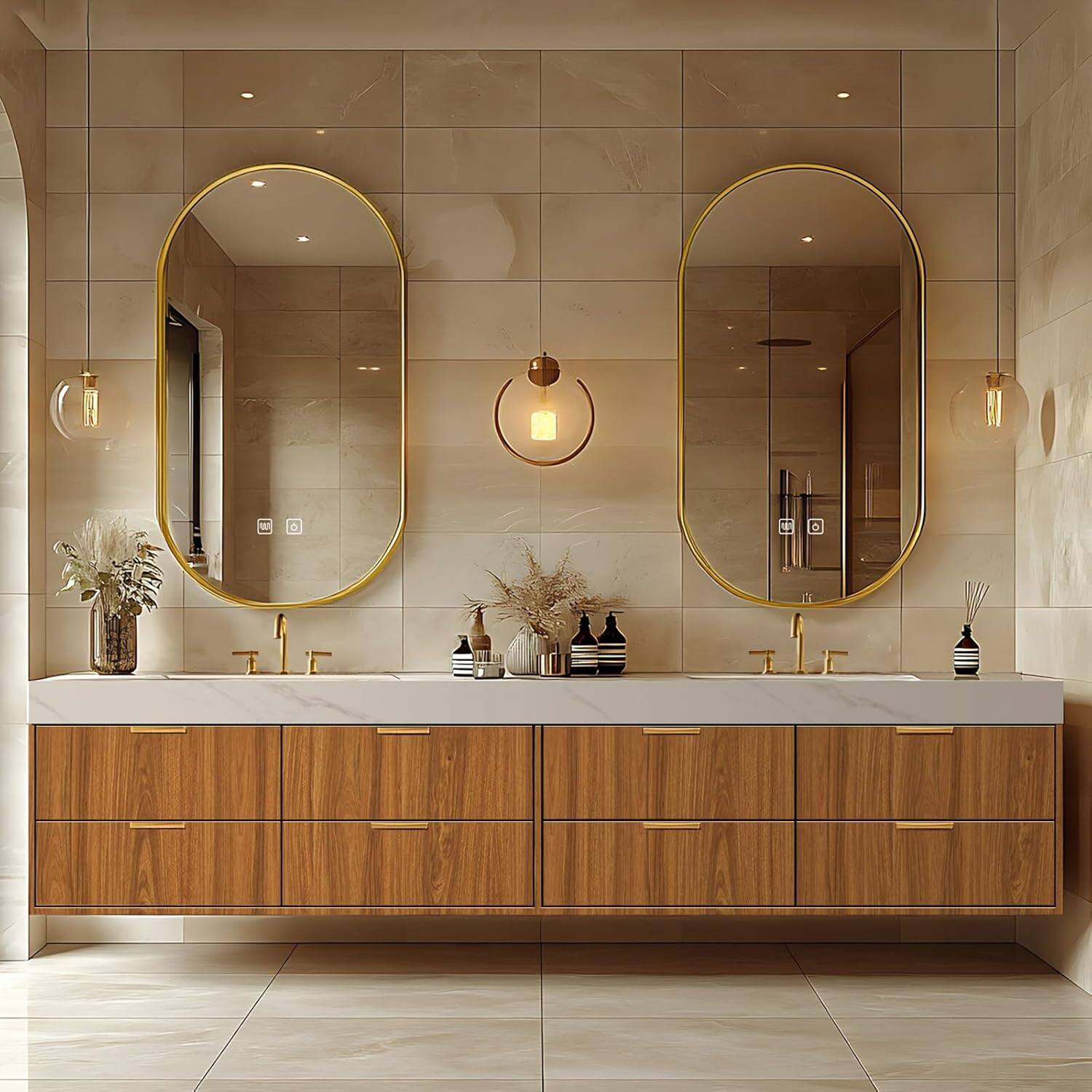
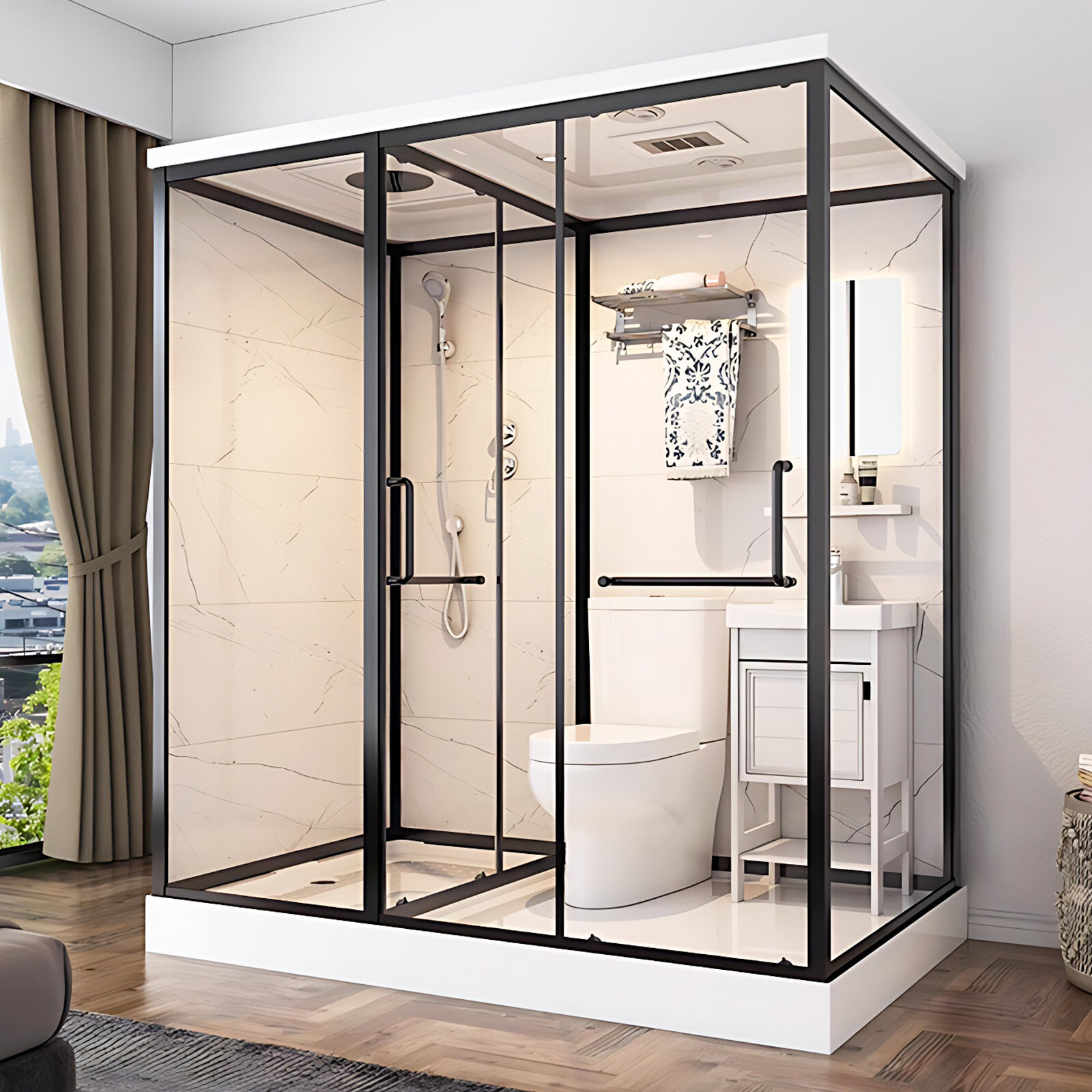
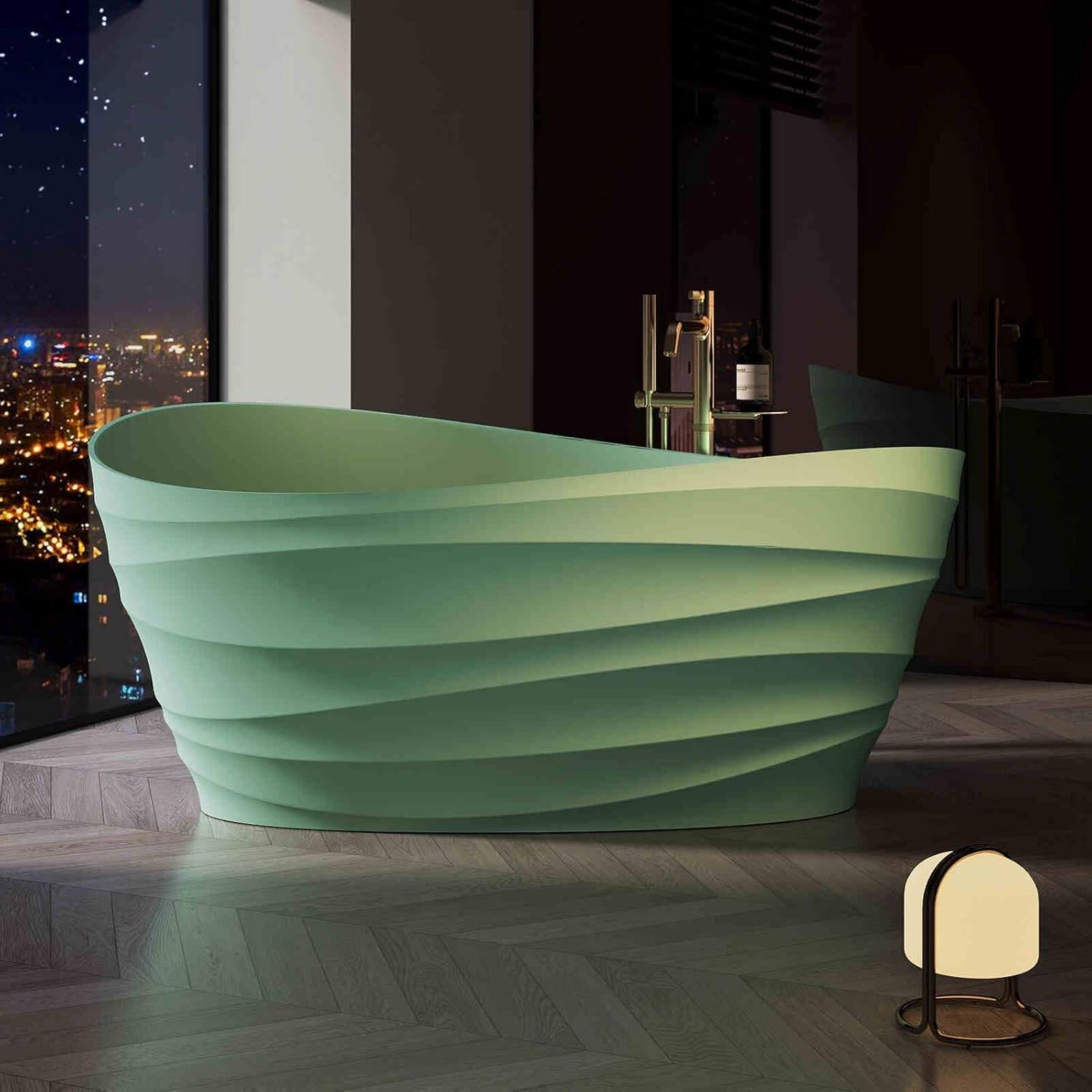
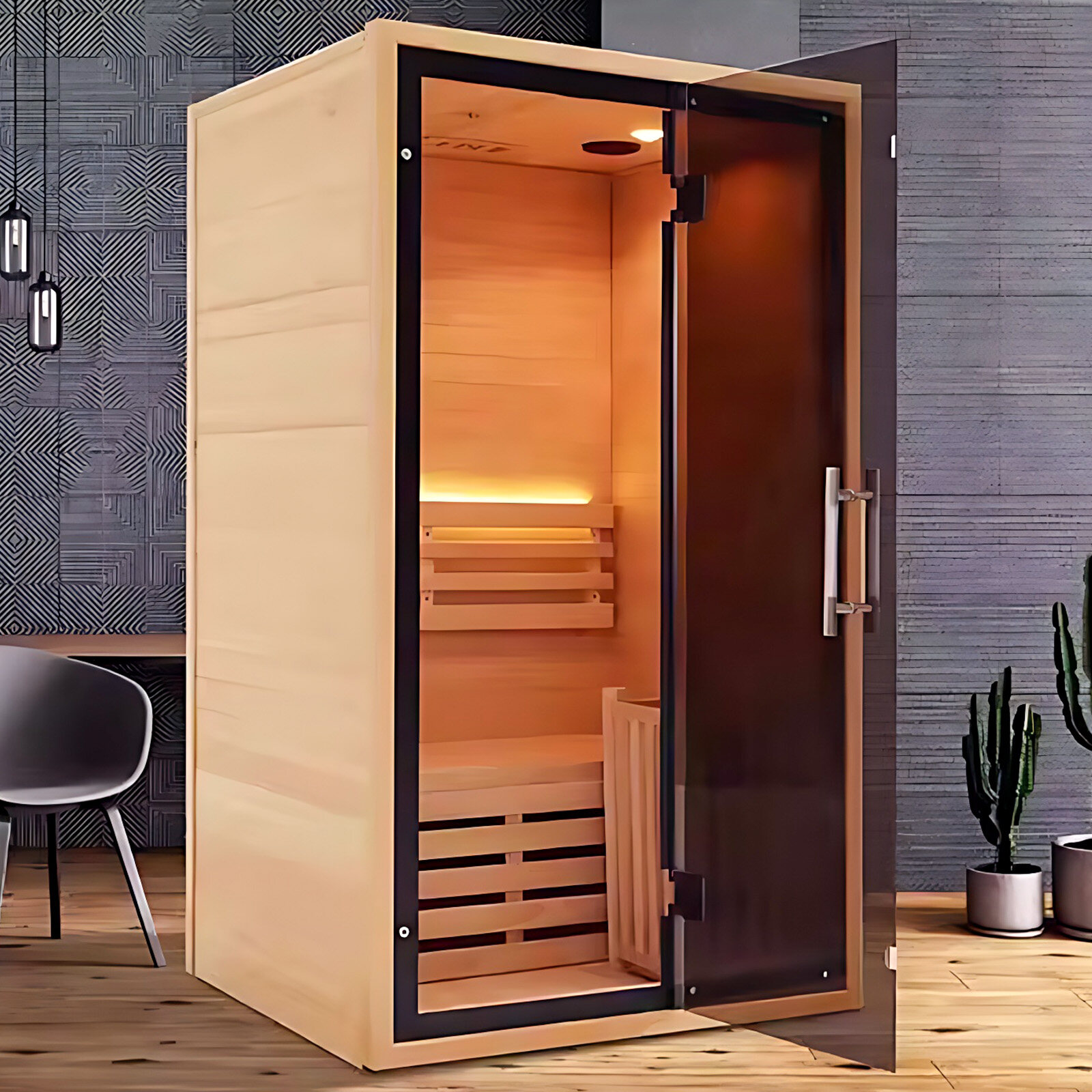
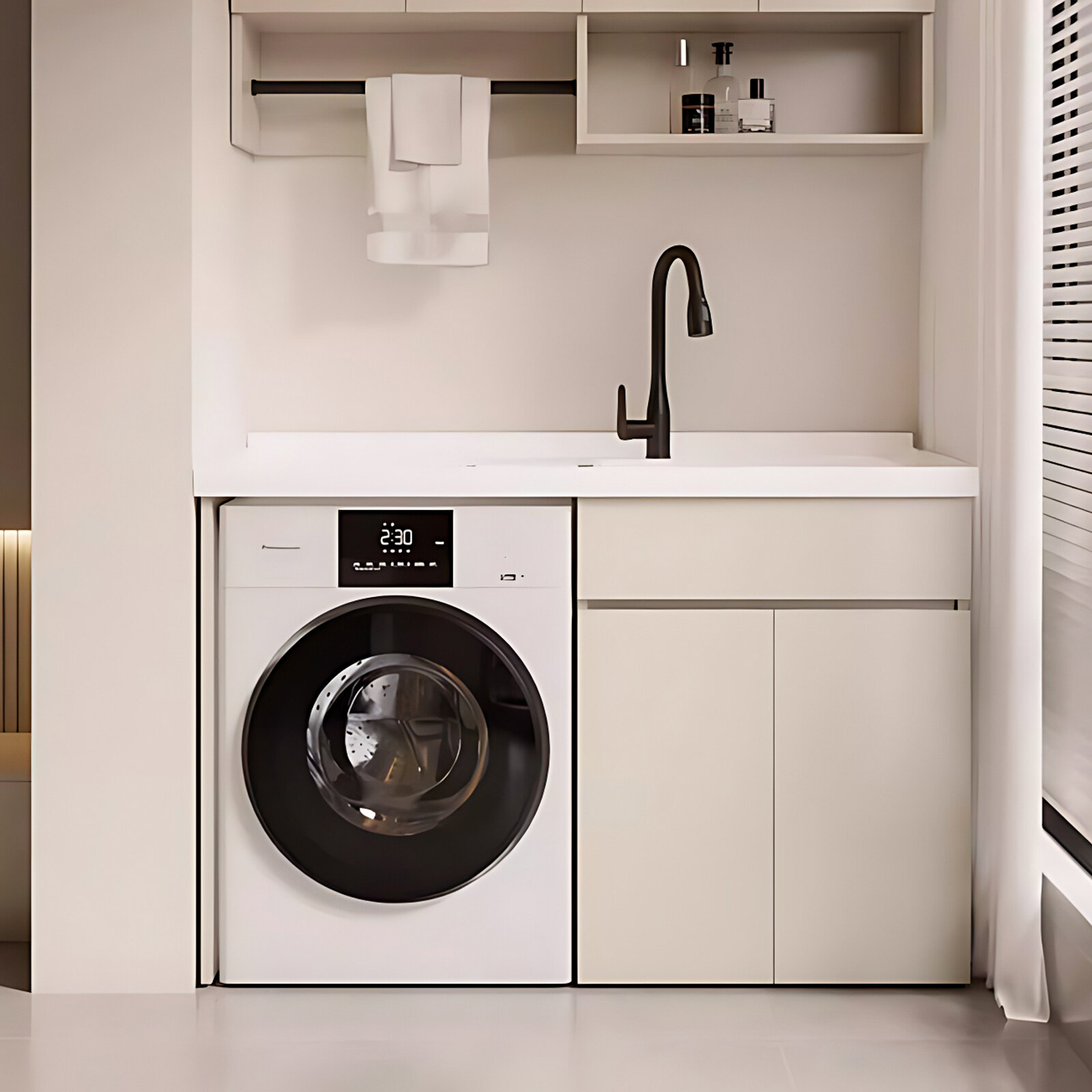
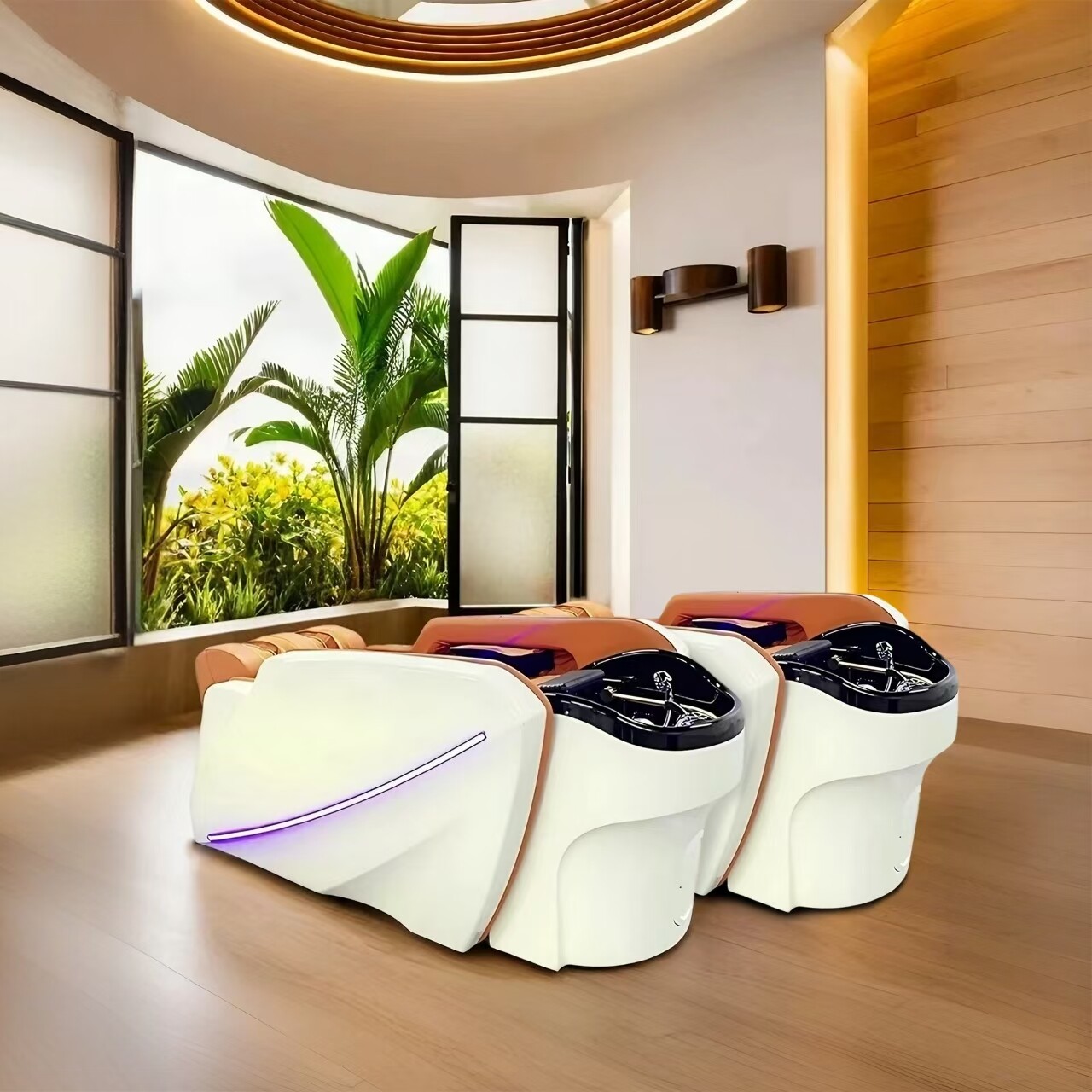
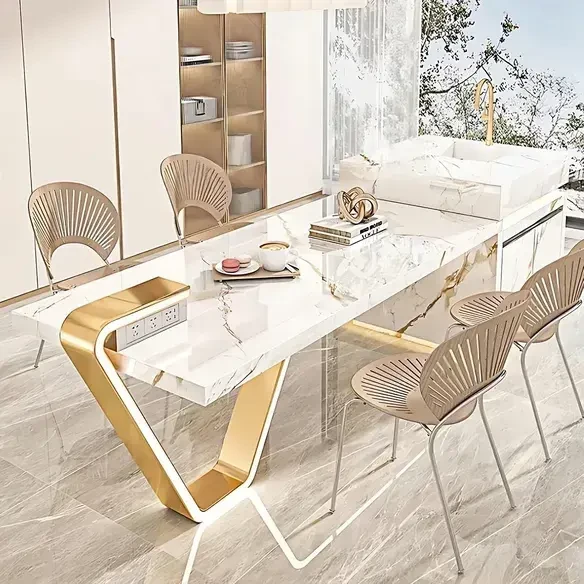
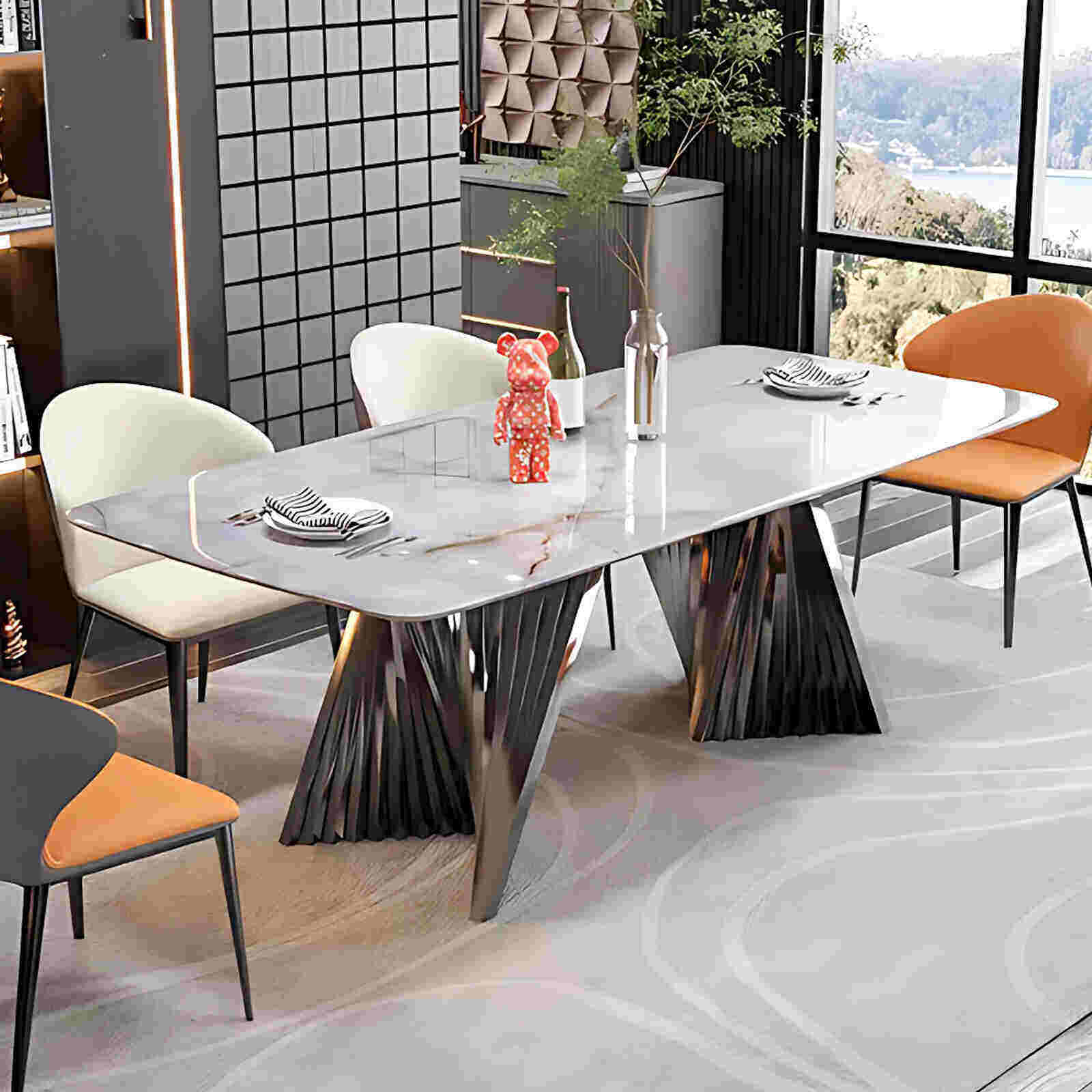
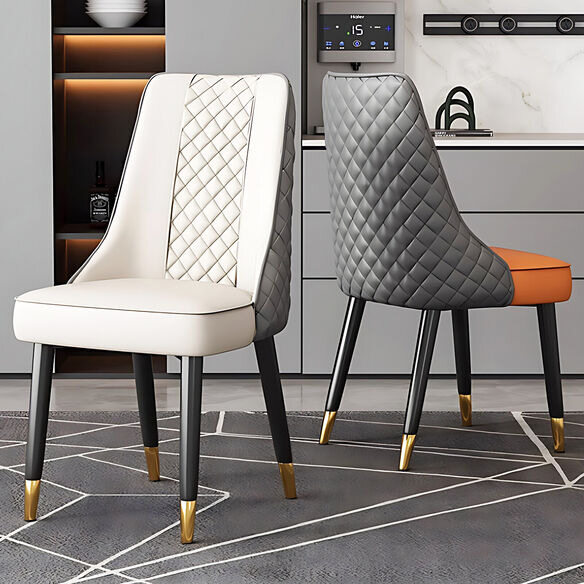
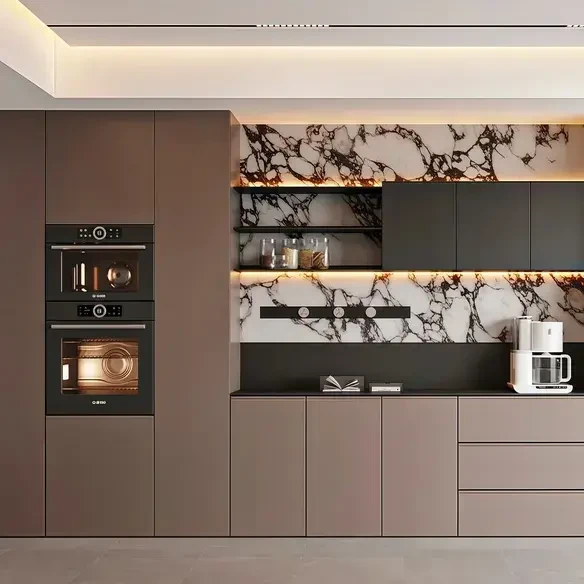
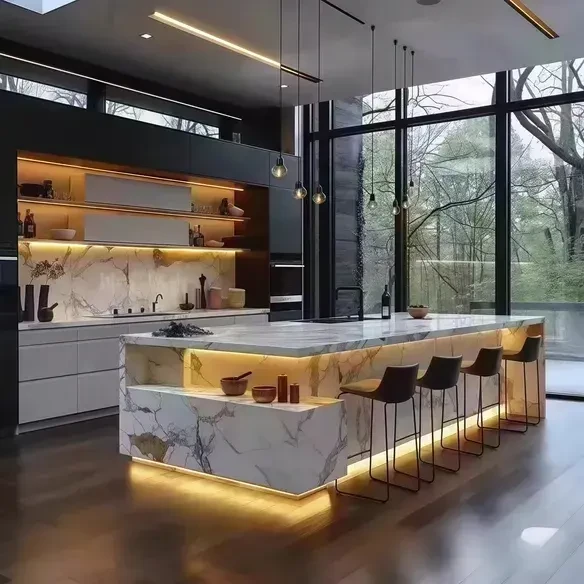
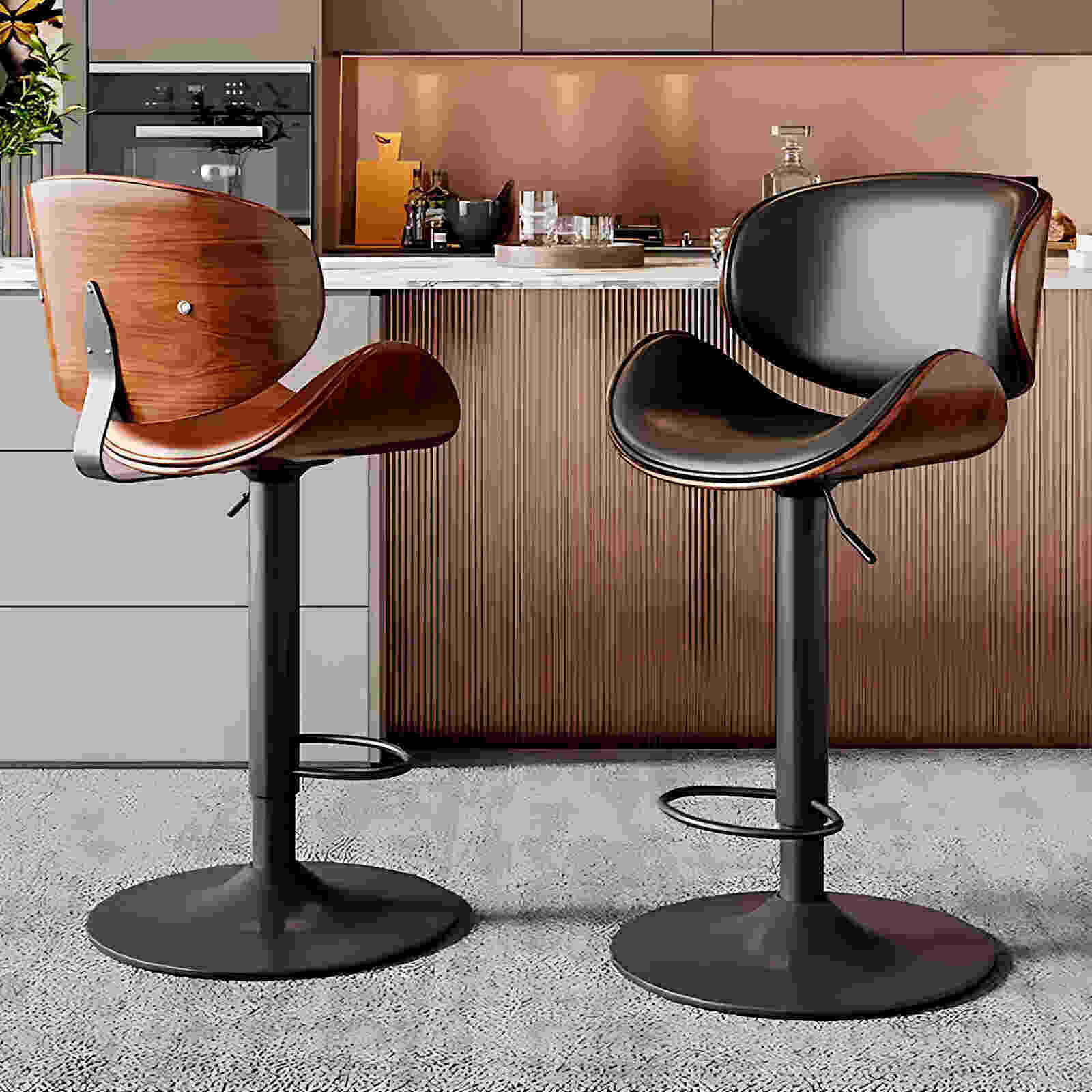
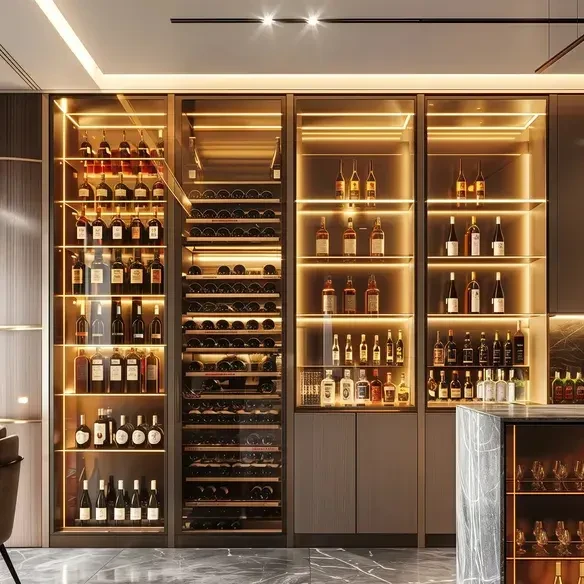
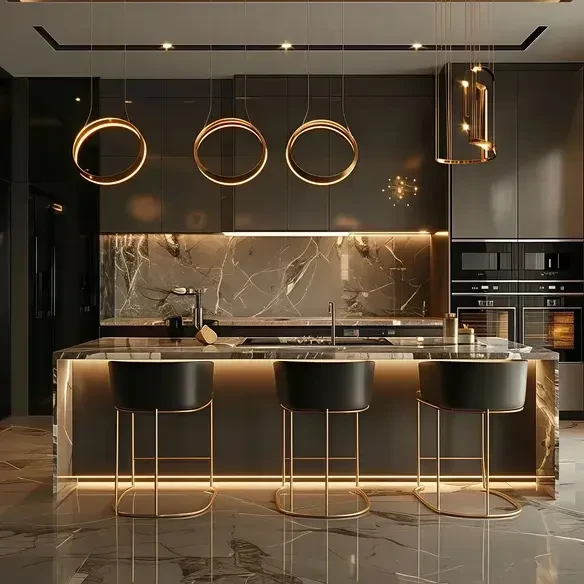
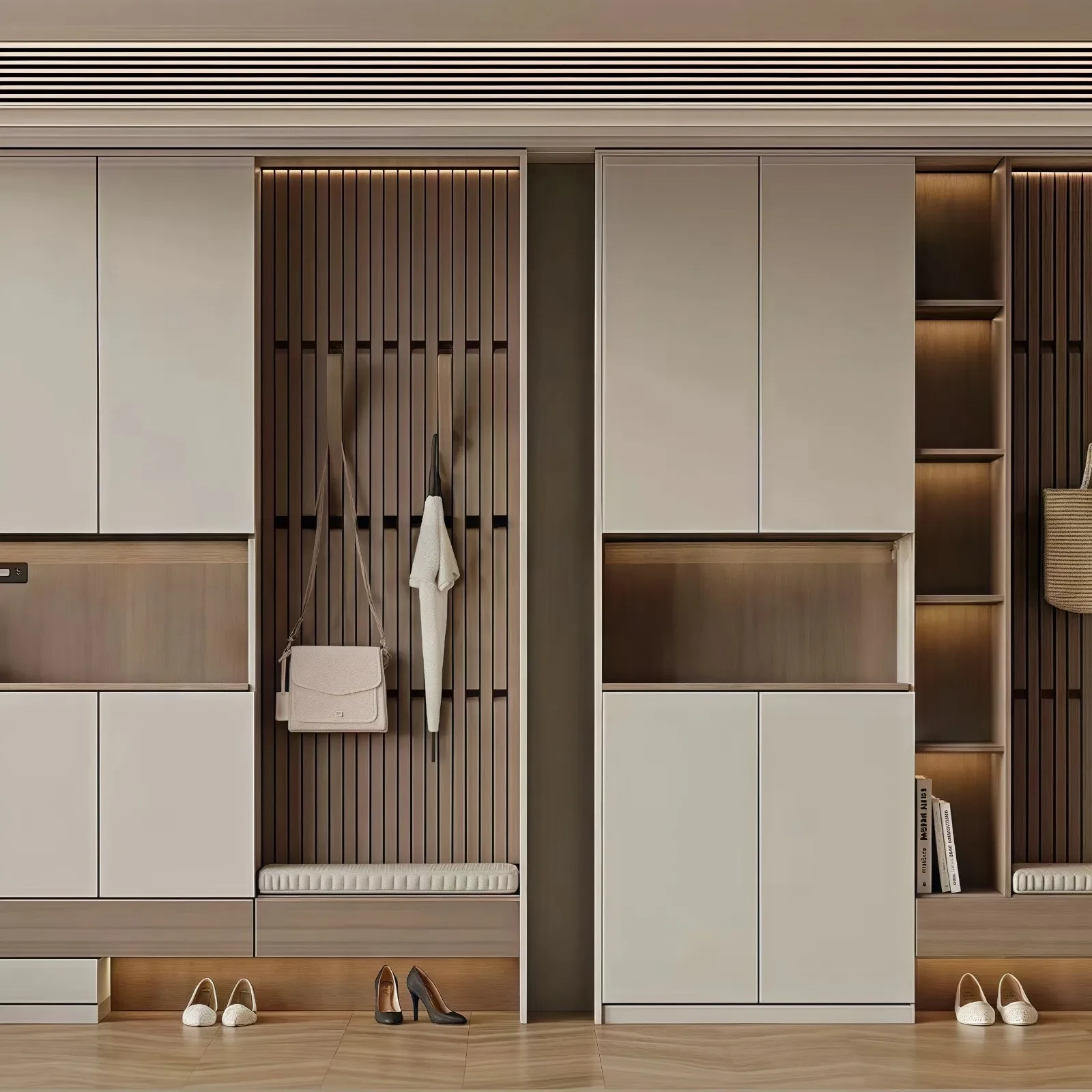
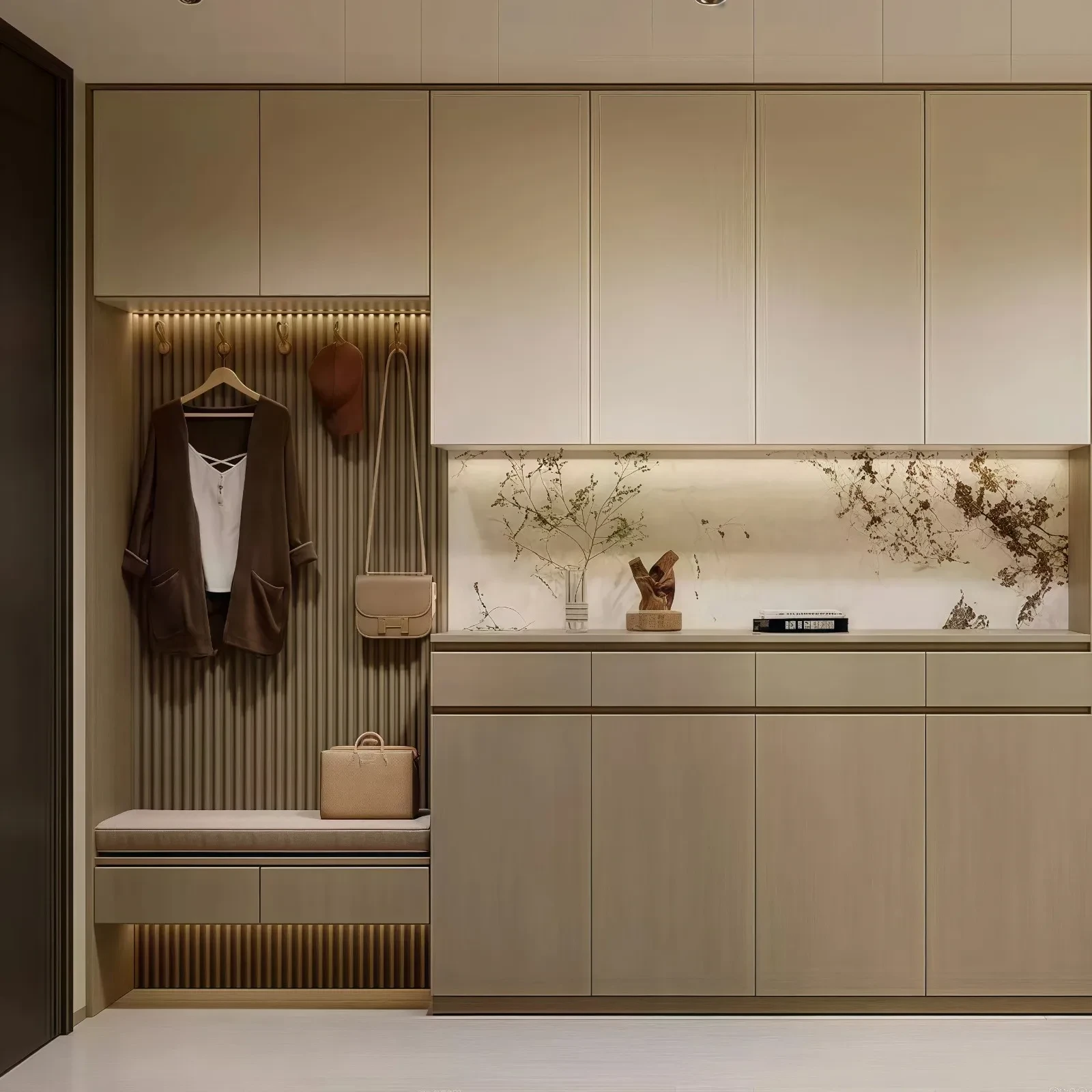
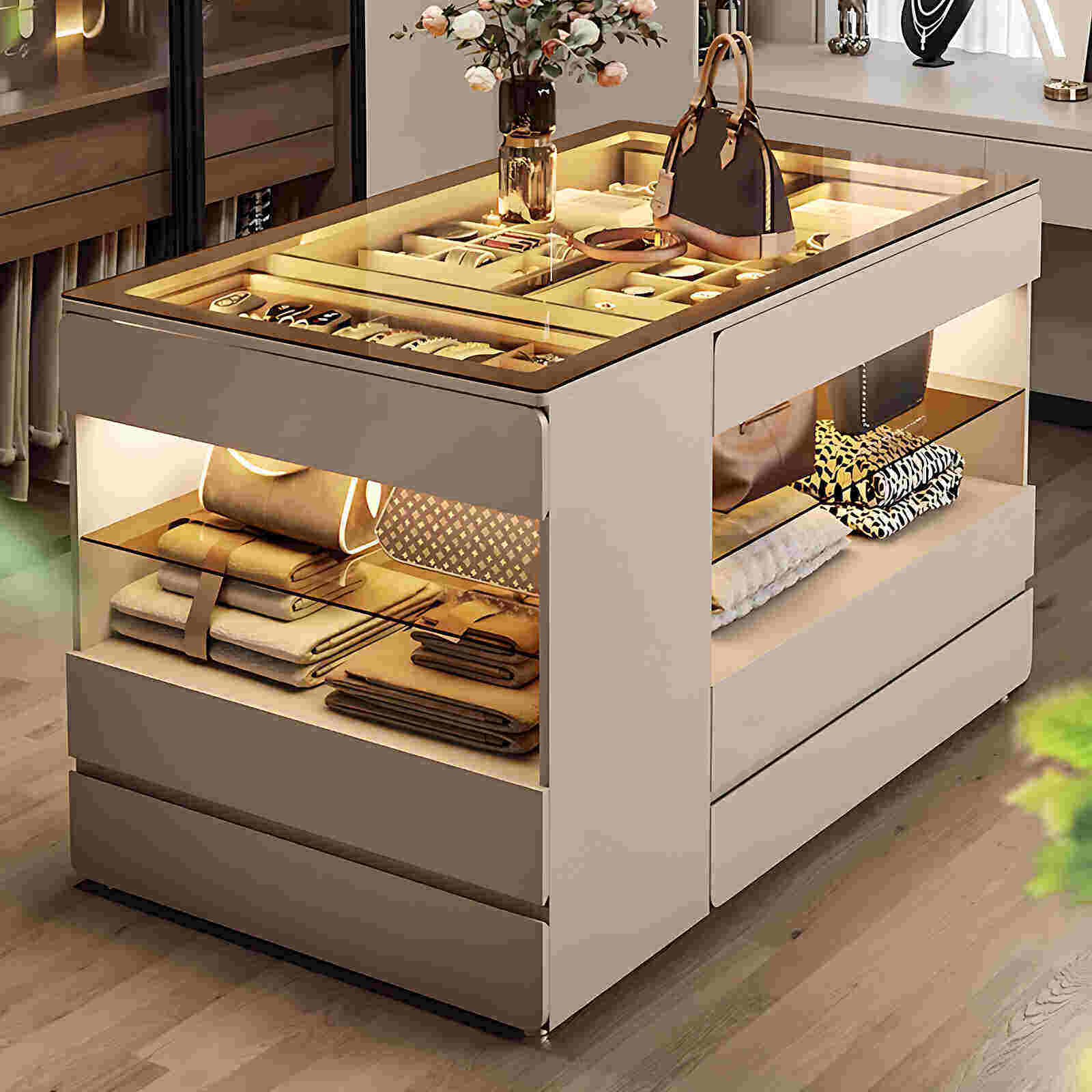
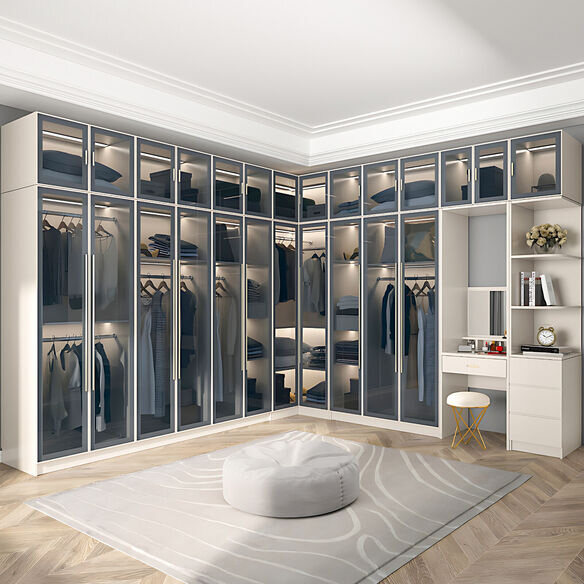
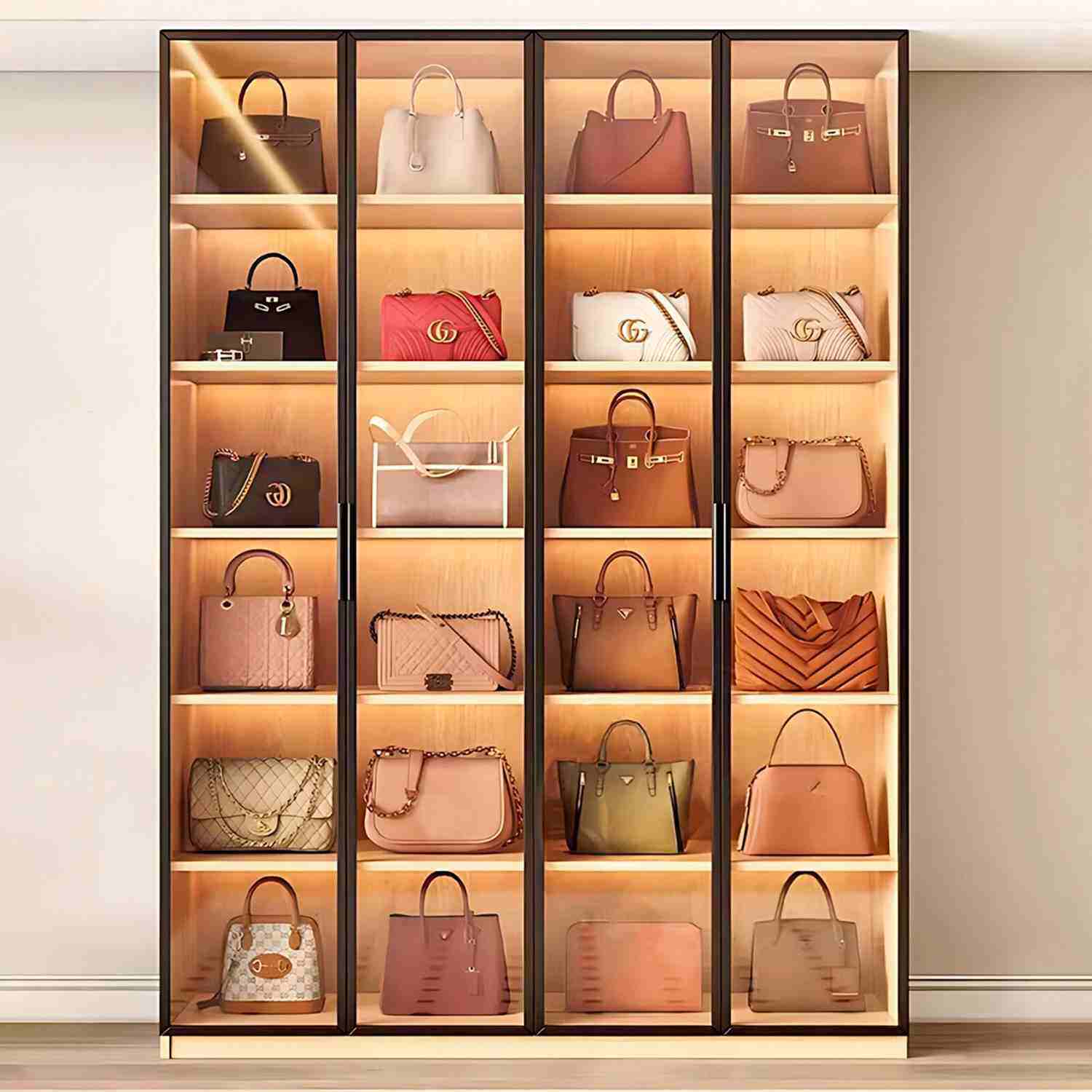
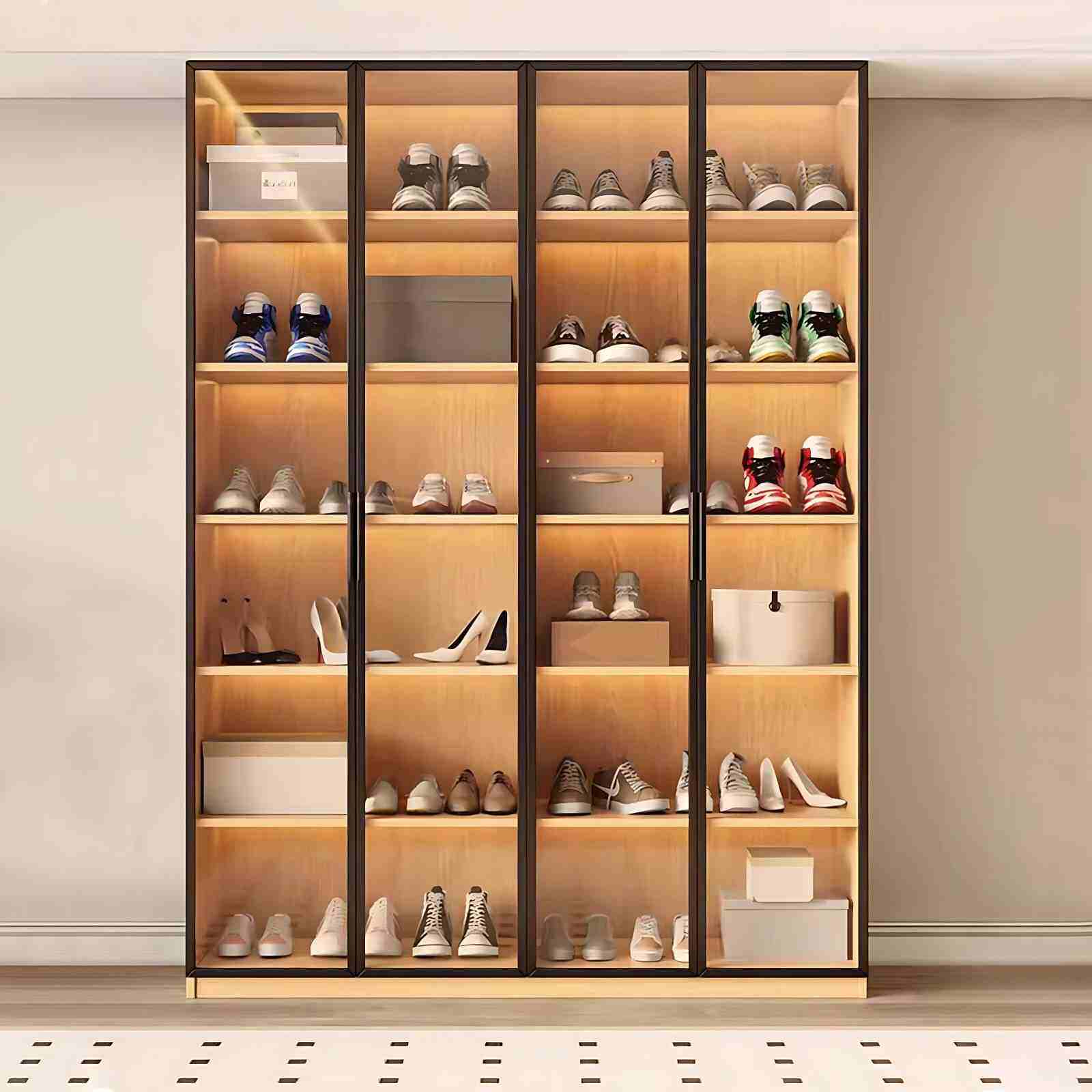
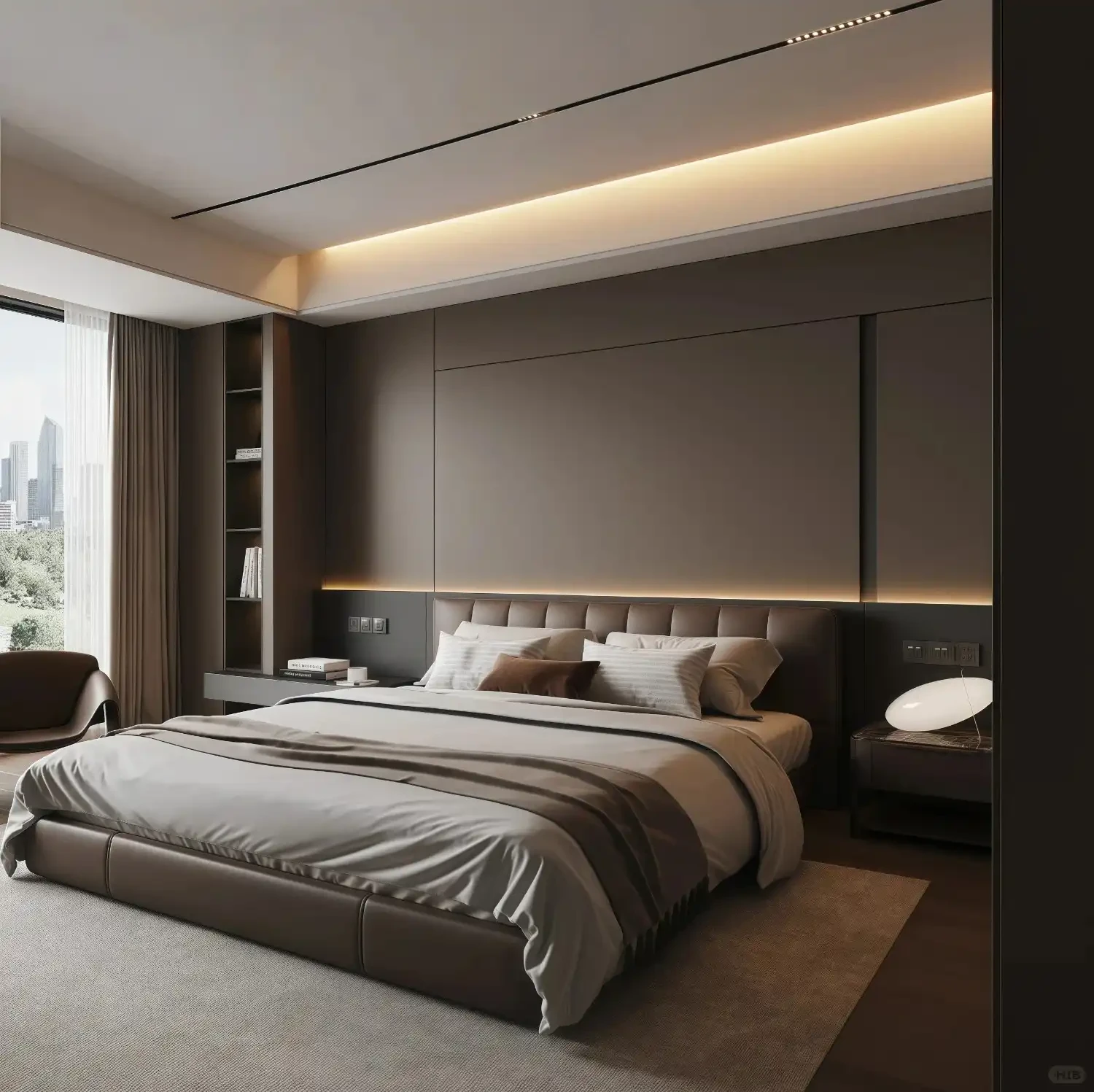
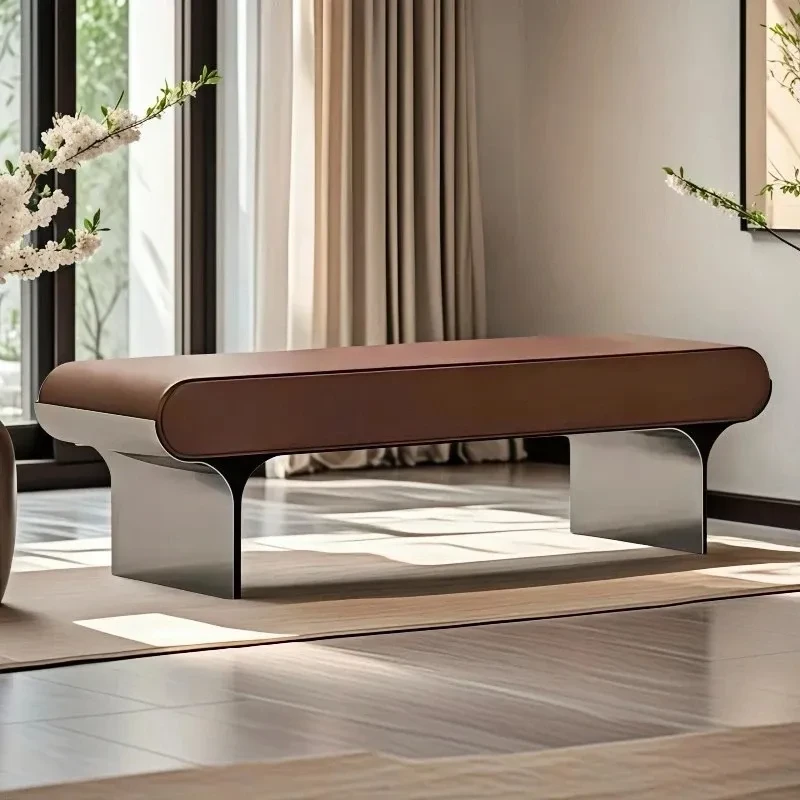

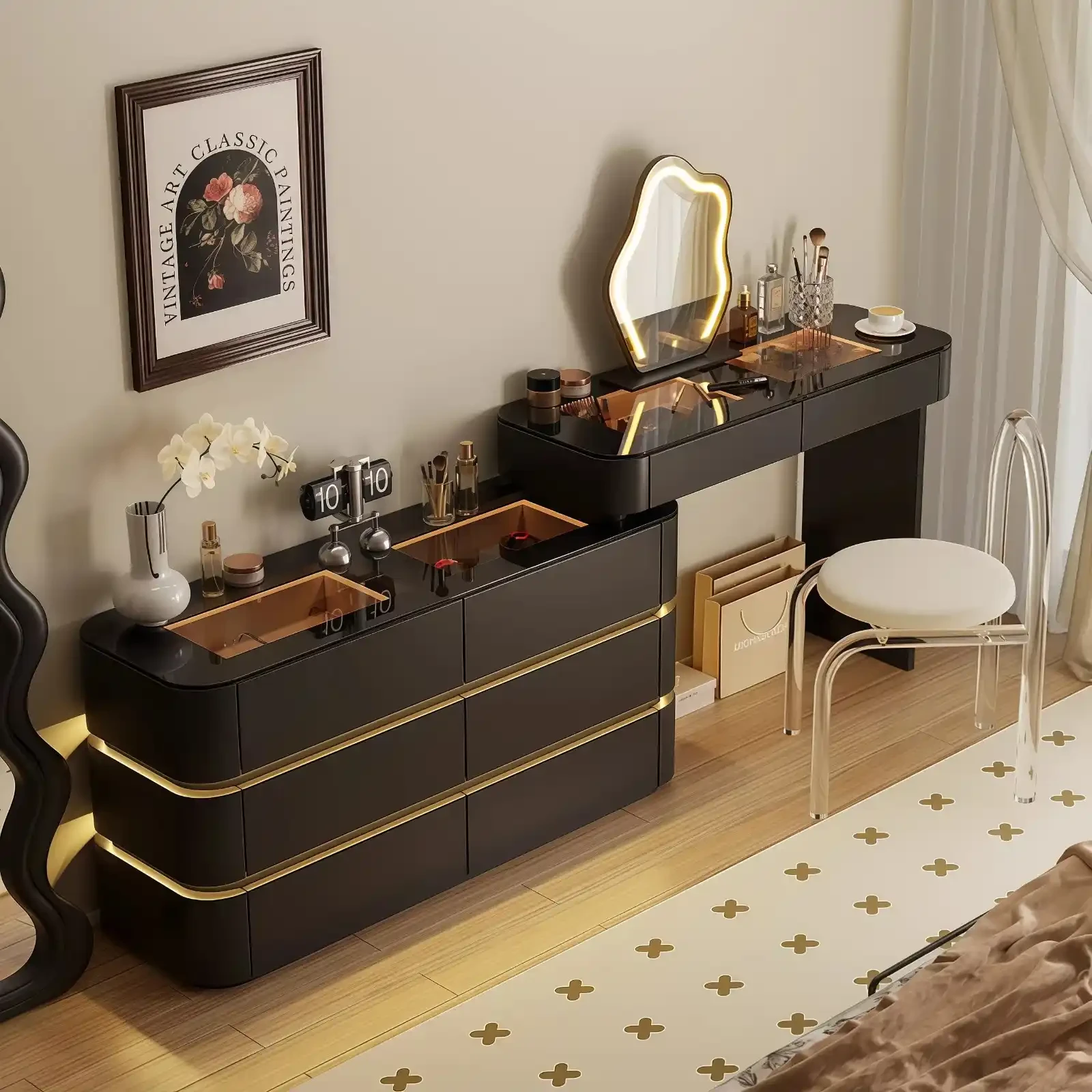
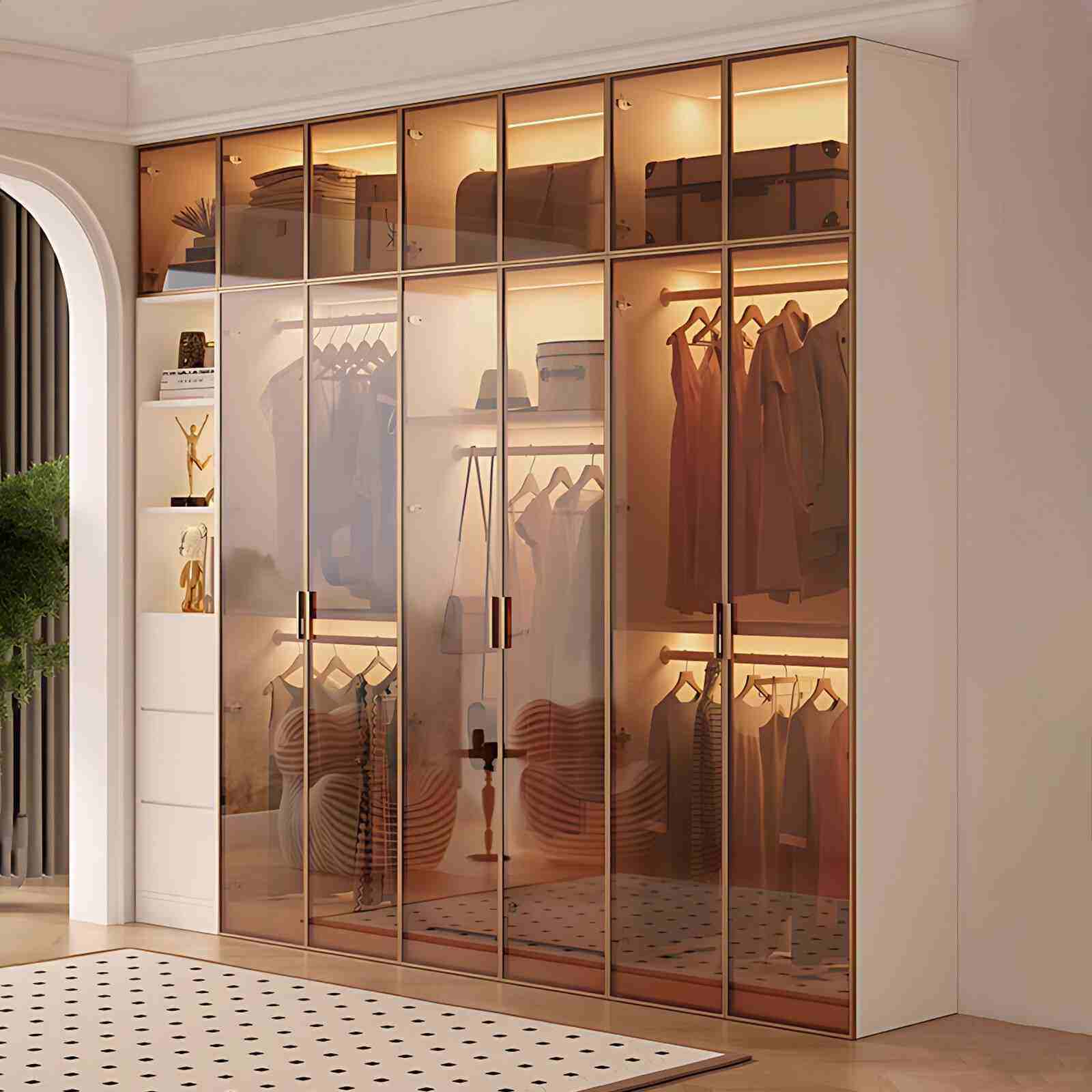
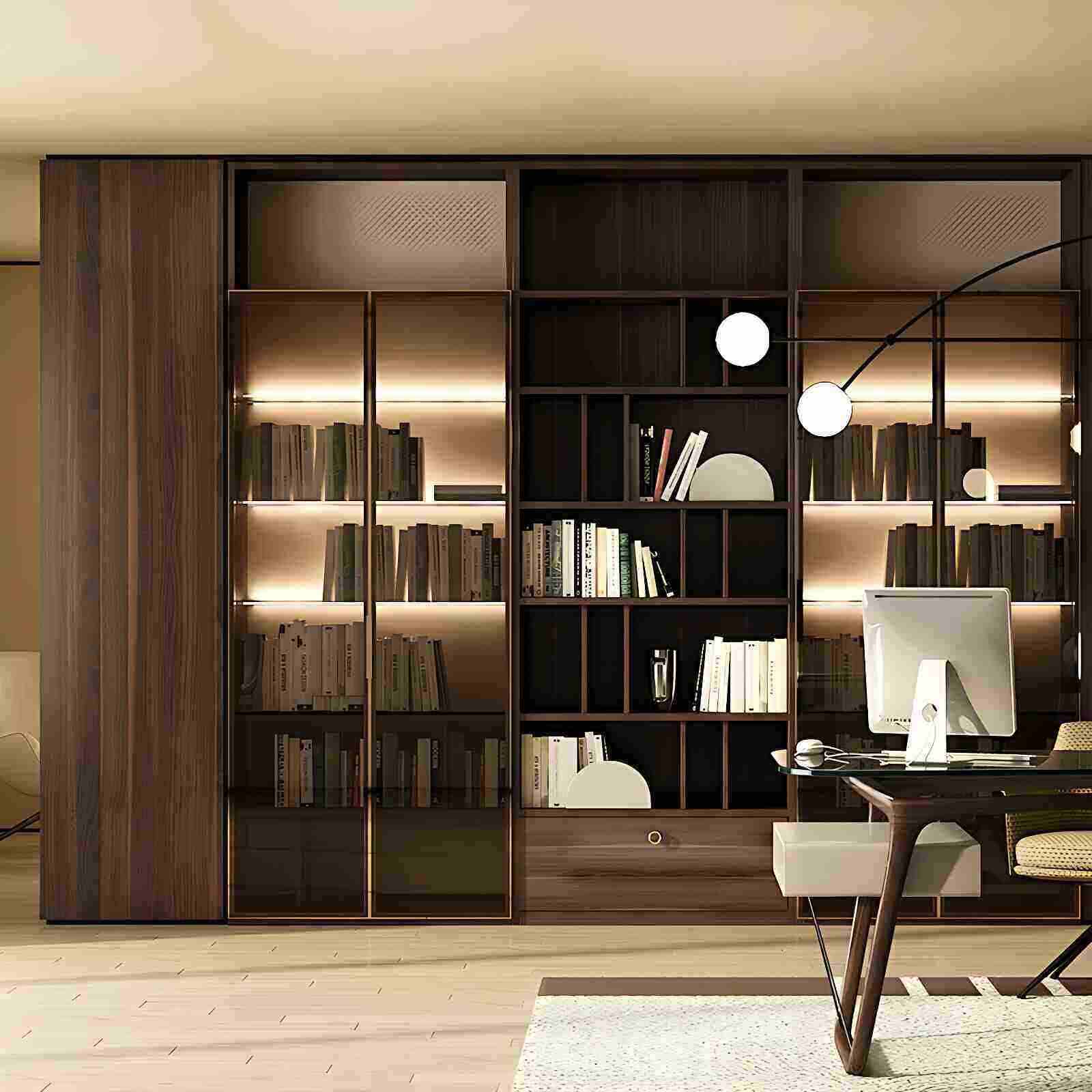

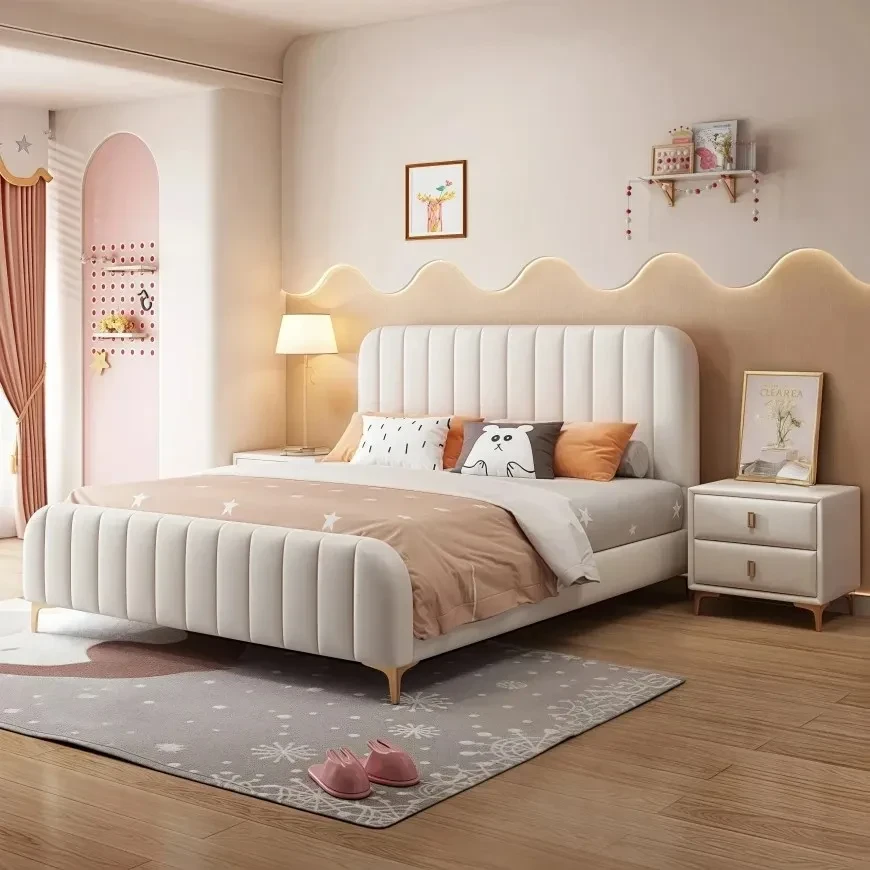
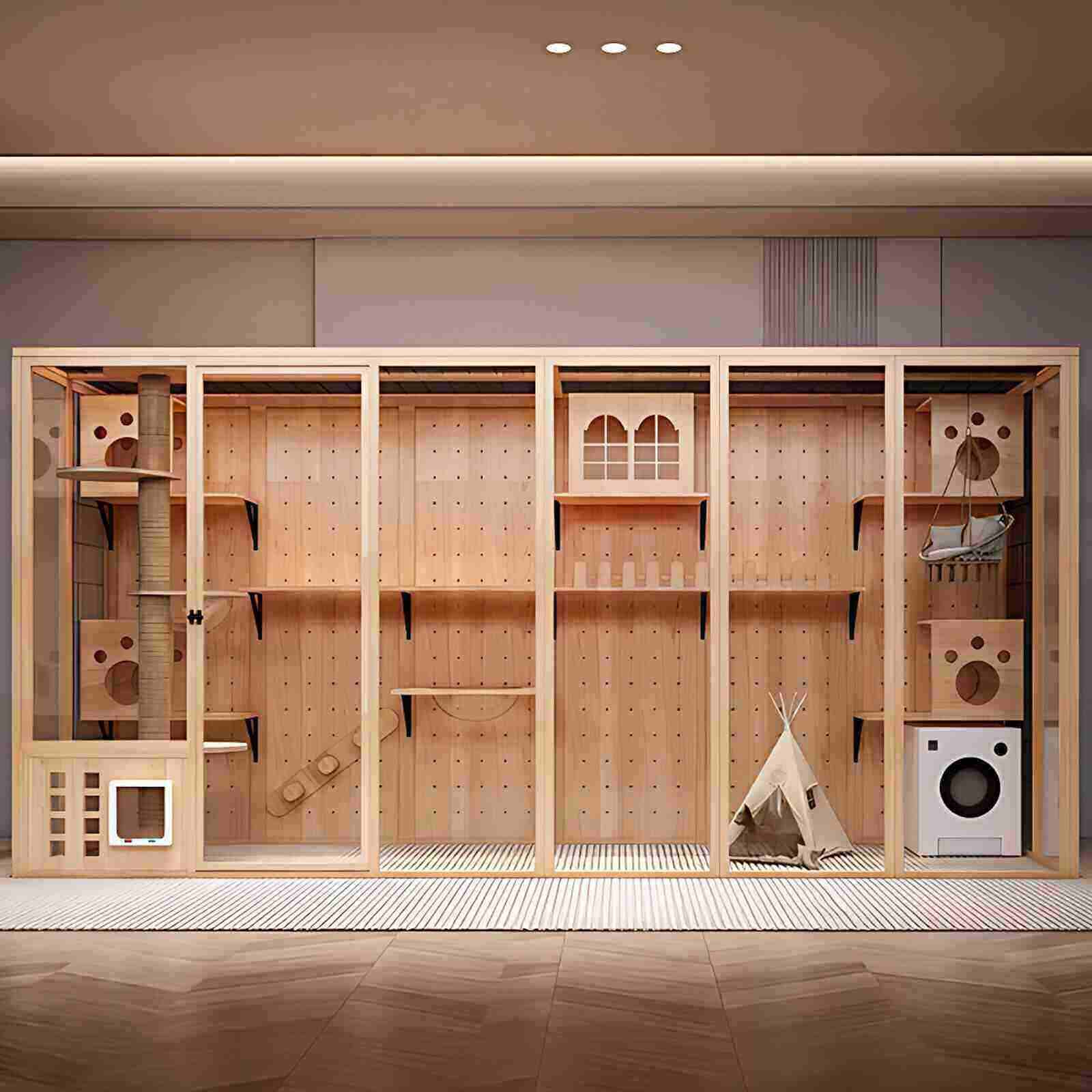
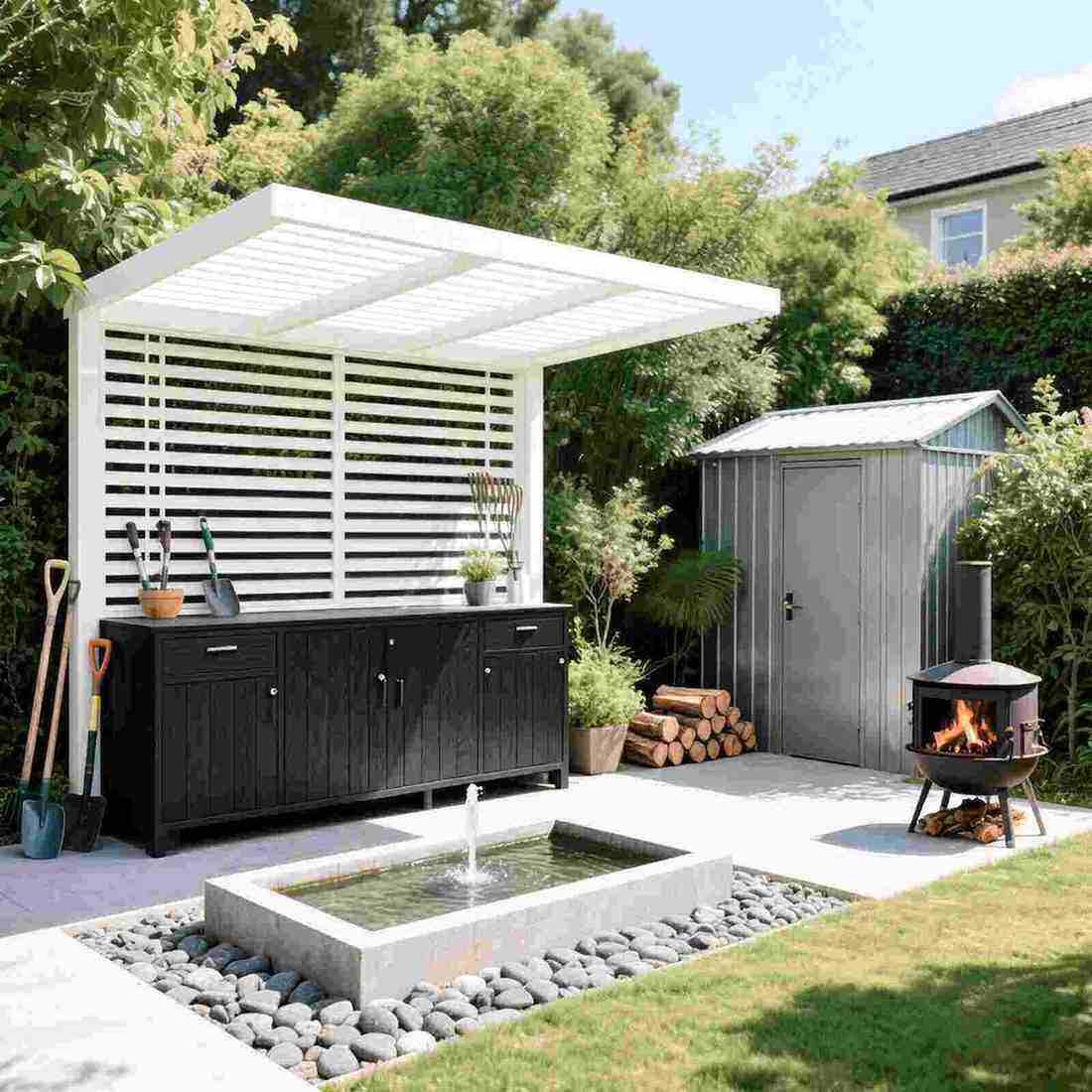
Faced with a dazzling array of raw materials in the home decoration market, the once-popular solid wood materials have gradually been replaced by bamboo-based engineered wood panels. This is not only due to their environmental friendliness but also because of the unique advantages of bamboo-based engineered wood panels in decoration. These advantages have suppressed the dominance of solid wood materials in the building materials market, allowing the more environmentally friendly and healthy bamboo-based engineered wood panels to gain their own place in the market. They have received affirmation and praise from many consumers and attracted more consumers to compete to buy them. So, let's take a look at what makes bamboo-based engineered wood panels, as a secret weapon in the home decoration market, so attractive to consumers.
Advantages of bamboo-based engineered wood products
Compared with many wood-based panels, bamboo engineered wood panels have unique advantages in physical properties, possessing many characteristics that other wood-based panels lack. These superior properties have become one of the biggest reasons why consumers favor them. For example, their high compressive strength makes many consumers willing to buy and use this type of panel, especially in the decoration industry. More and more young consumers are particularly fond of bamboo engineered wood panels. Their high elasticity is also one of the reasons why bamboo engineered wood panels are popular. Their superior weight resistance is renowned throughout the decoration industry. Therefore, as a new force in the building materials market, especially the decoration market, they are particularly suitable for use in decorating new homes.
Production of bamboo-based engineered wood panels
Bamboo and wood differ significantly in their applications, both in structure, form, and properties, as well as in the processing and equipment used. Taking bamboo plywood as an example, the first difference lies in the manufacturing process. Bamboo plywood is unique to bamboo-based engineered wood products; wood-based products do not require this step. The final products are categorized into warp-and-weft mats and hanging mats, each with its own characteristics and advantages. Regarding drying, bamboo-based engineered wood products can be naturally dried or machine-dried; otherwise, the color and physical properties will be affected, rendering them unusable. For gluing, there are manual and machine-applied methods to improve bonding quality. In the final hot-pressing stage, the appropriate temperature and time must be determined based on the type of glue and the number of layers used in the initial stages to produce bamboo-based engineered wood products best suited for the market.