
 USD
USD GBP
GBP
 EUR
EUR
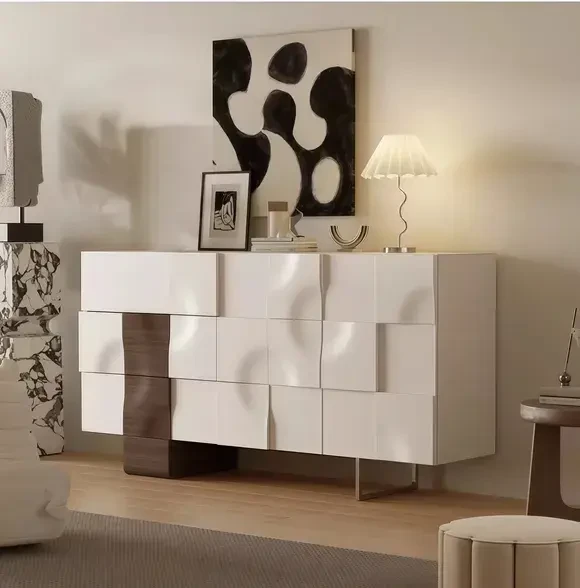

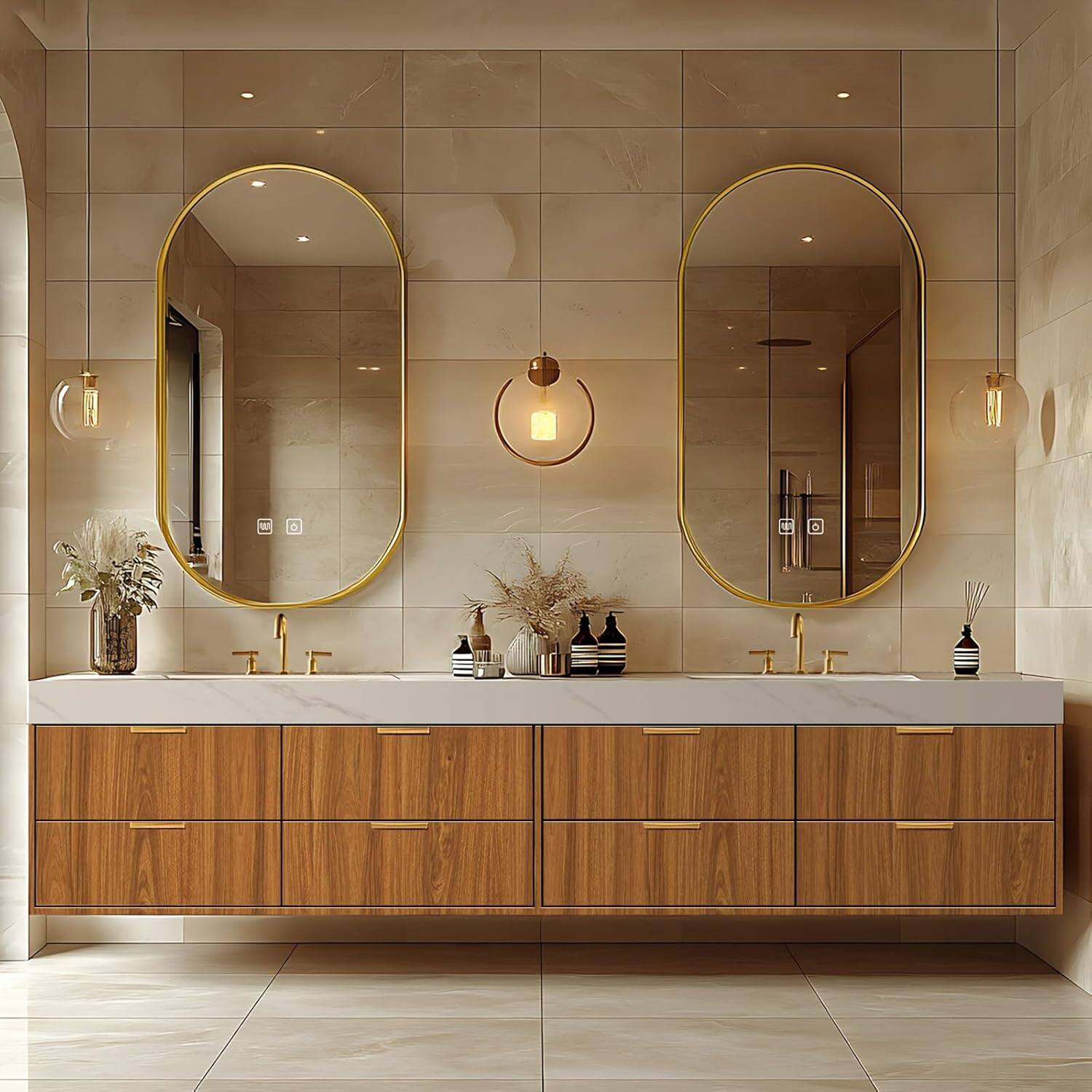
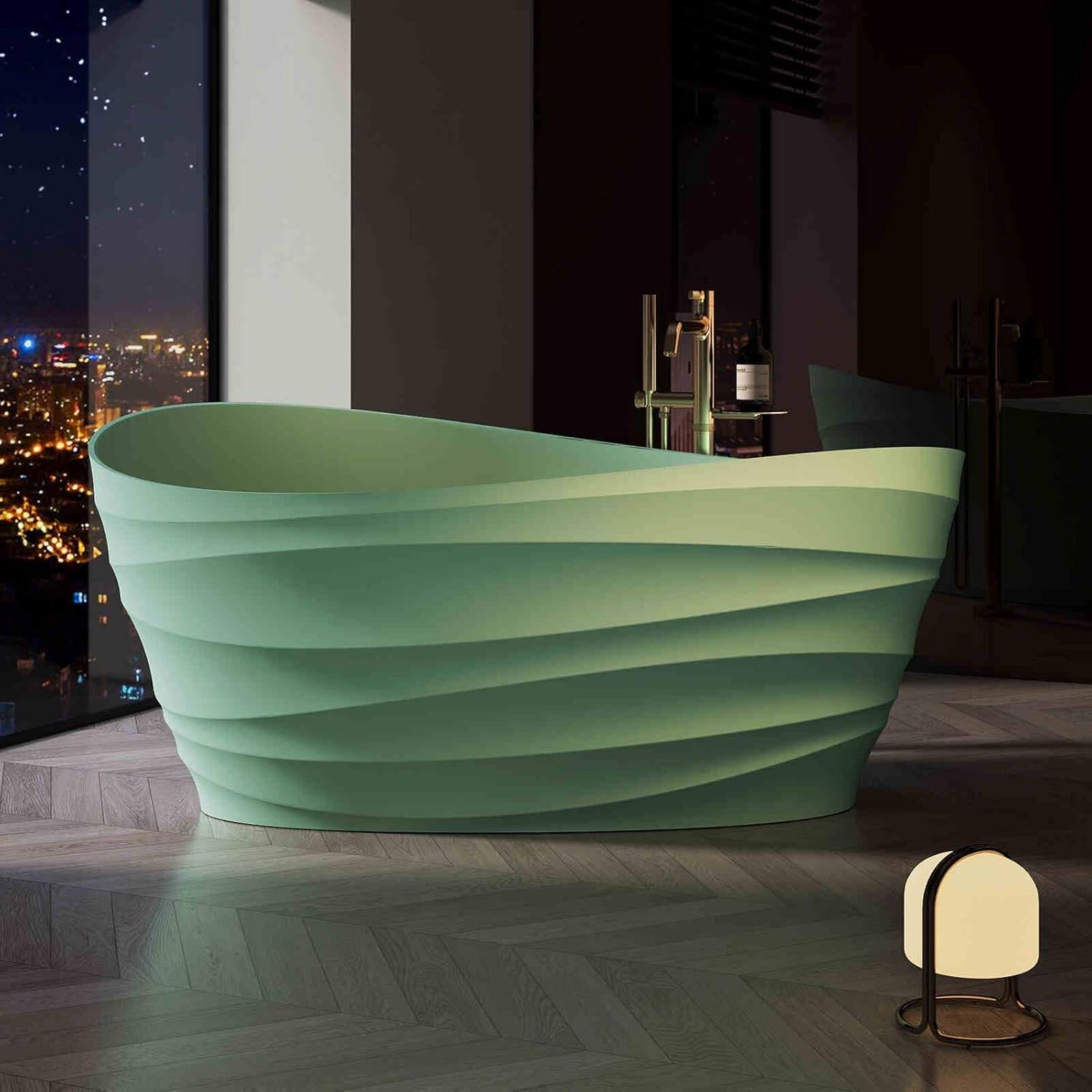
Digital manufacturing can produce complex shapes from wood-based panels.
Technology is advancing rapidly, and the digital world offers opportunities to do things we couldn't do before, such as assembling furniture and building our own homes.
This is the view of Giulio Masotti, an architect from Milan who created the unique Wood-Skin system.
Mr. Masotti described his "out-of-the-box" idea, because advancements in CNC machining and software have enabled new and amazing applications for wood and other materials.
Entering "Industry 4.0". It integrates the development momentum of manufacturers and has the potential to bring about major changes.
"What does Industry 4.0 really mean? It's about communication. We talk to machines, but most importantly, it's about how machines connect and communicate with each other."
Fundamentally, this is a platform for enhancing digital transmission and machine self-awareness. CNC machining technology and state-of-the-art software mean that any contour can be simulated and machined, leading to the concept of a self-assembling platform.
Mr. Masotti believes that this technology and 3D printing are becoming the "new standard".
“But it can still do more,” he said. “We can explore new areas. 3D printing can create very large structures that are very flexible and require no support. And the biggest area for virtual reality isn’t video games, but production and machinery.”
He said that there is now a "smart" block that can build itself effectively using a micro motor.
Origami decorative shapes at the Maison Margiela store in Milan
“It’s not just about us talking to machines, it’s about us talking to the final product.” Mr. Masotti calls Wood-Skin a disruptive digital manufacturing product for Industry 4.0, bringing materials into the digital age. He says it’s similar to what’s happening with 3D printing.
The use of three-dimensional materials is mainly in engineered wood products/composite products. The Wood-Skin system can form some strange, exquisite, seemingly impossible self-supporting and complex 3D structures.
Mr. Masotti described the on-site assembly process of the Wood-Skin system as similar to a giant origami craft.
He said, "Simply creating a new technology is not enough. Digital manufacturing is a way to reshape the world around us, and to achieve that, we need to update the materials."
When developing the Wood-Skin system, Mr. Masotti created a new series of composite materials consisting of two rigid layers sandwiching a special textile layer. He said, "With this simple action, we have given materials endless possibilities for variation."
The rigid layer is typically made of wood, including medium-density fiberboard, Auckland plywood, oriented strand board (OSB), and Finnish birch plywood, with a thickness ranging from 4 to 30 mm.
The developed Wood-Skin system software can process 3D shapes like origami, unfolding them and placing them into the produced slab workpiece.
Masotti said this hadn't really been achieved before because these materials couldn't be like paper, where the structure could move and breathe.
The interlocking nature of the Wood-Skin structure means that production can be completed in minutes, with smooth conveying and easy assembly. Wooden baffle joints are used to connect the Wood-Skin boards to form the on-site structure.
The concealed holes and the fixing of other hardware components make installation simple and quick.
Milan, an installation of a luxury store
Mr. Masotti said, "This is the trend of the future." All materials can be mixed and compounded.
The elements of the modular triangular pattern structure can vary in size, while the pattern, geometry, and density can all be adjusted in the customization system.
Wood-Skin boards come in standard sizes of 2,500 x 1,250 mm and 3,050 x 1,525 mm, but Wood-Skin can be used to build larger surfaces for projects of any size, from small interior furniture to the exterior walls of skyscrapers.
The outdoor structure is supported by treated plywood, which can be finished with laminate, veneer and varnish.
“We are working to develop new and important application areas for the service and contracting industry, such as outdoor applications and facades, which is a very large market that we haven’t really explored yet,” Mr. Masotti added.
This technology is also used in the manufacture of acoustic products. Sound-Skin boards are machined with holes to achieve high acoustic performance, while CNC machining can form various holes to accommodate loudspeakers, lights, and other technical devices.
Projects using the Wood-Skin system include: the interior facade of the Reign Restaurant in Dubai; a pair of laid-out "curtains" and exterior origami decorations for the Maison Margiela fashion boutique in Milan; the interior column structure of the San Donato City Hall near Milan using the Wood-Skin system; and projects in Madrid.An application at the headquarters of inkedIn; sun-protective "curtains" at the Ibis boutique hotel in Basel; and mesh panels made of medium-density fiberboard and marked with geometric patterns at the reception desk in Montreal, Canada.
Wood-Skin was also a finalist for last year's Architizer A+ Awards, an award that recognizes the best architecture and design in the world. Mr. Masotti said, "This solves the problem of complex shapes in architecture and provides us with a completely new way of producing everyday objects."
He added that this also helps architects around the world bring their ideas to life.
As another stage in the development and evolution of business models, the Wood-Skin system envisioned a platform where people could not only buy, but also create things on existing foundations. They could model and build anything, such as a bicycle rack or a doghouse, through the Wood-Skin system's online platform, then purchase the product and sell it through personal shops on the platform.
Mr. Masotti said, "This model is similar to 3D printing and scaled-up manufacturing, but it allows users to create larger, multi-material target workpieces."
"This solves the problem of complex architectural shapes and gives us a completely new way to produce everyday items," said architect Giulio Masotti.