
 USD
USD GBP
GBP
 EUR
EUR
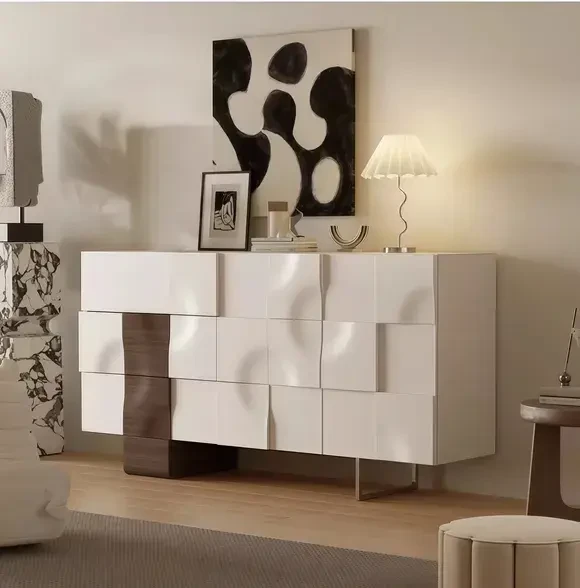
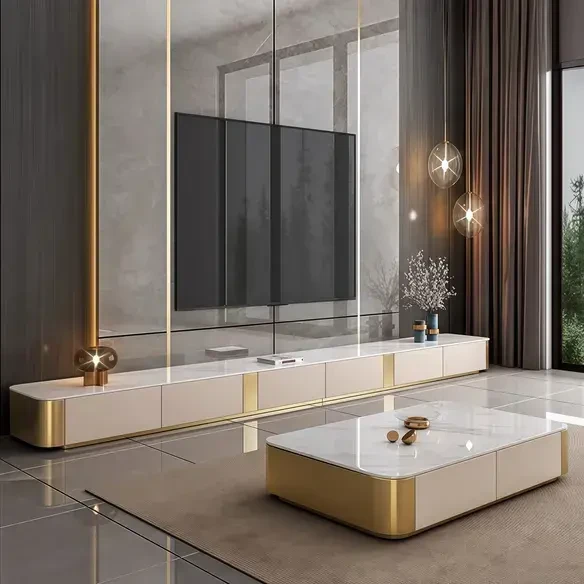
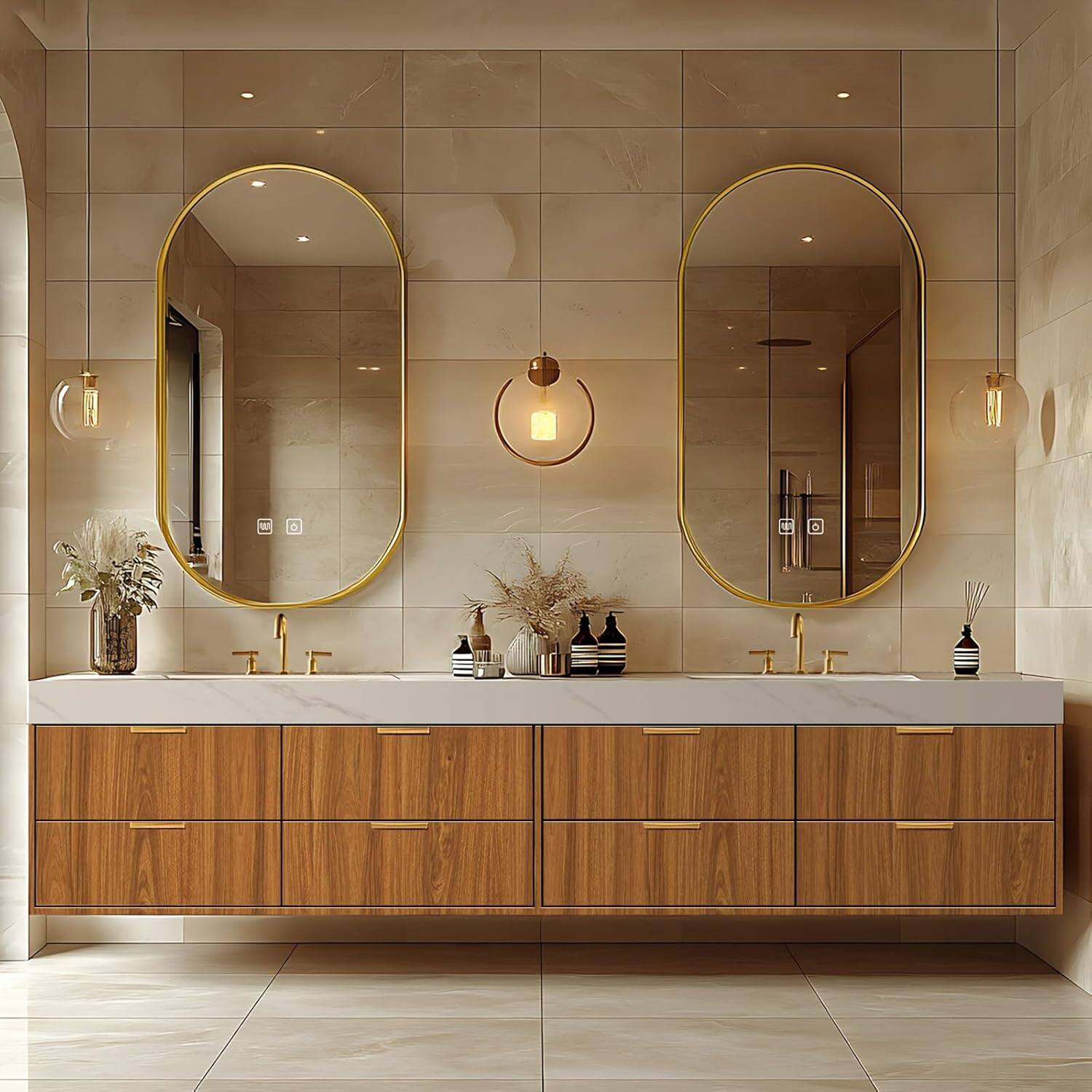
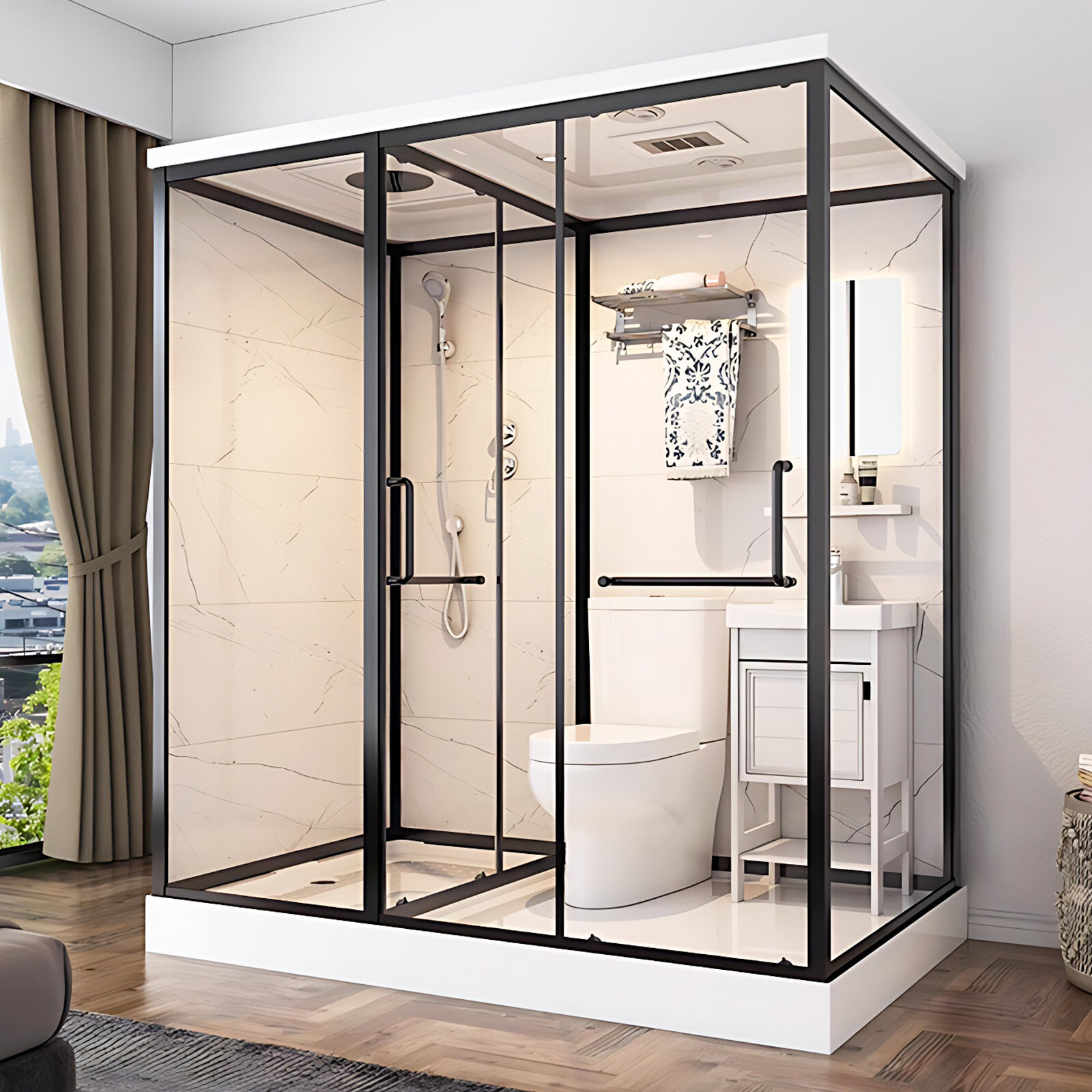
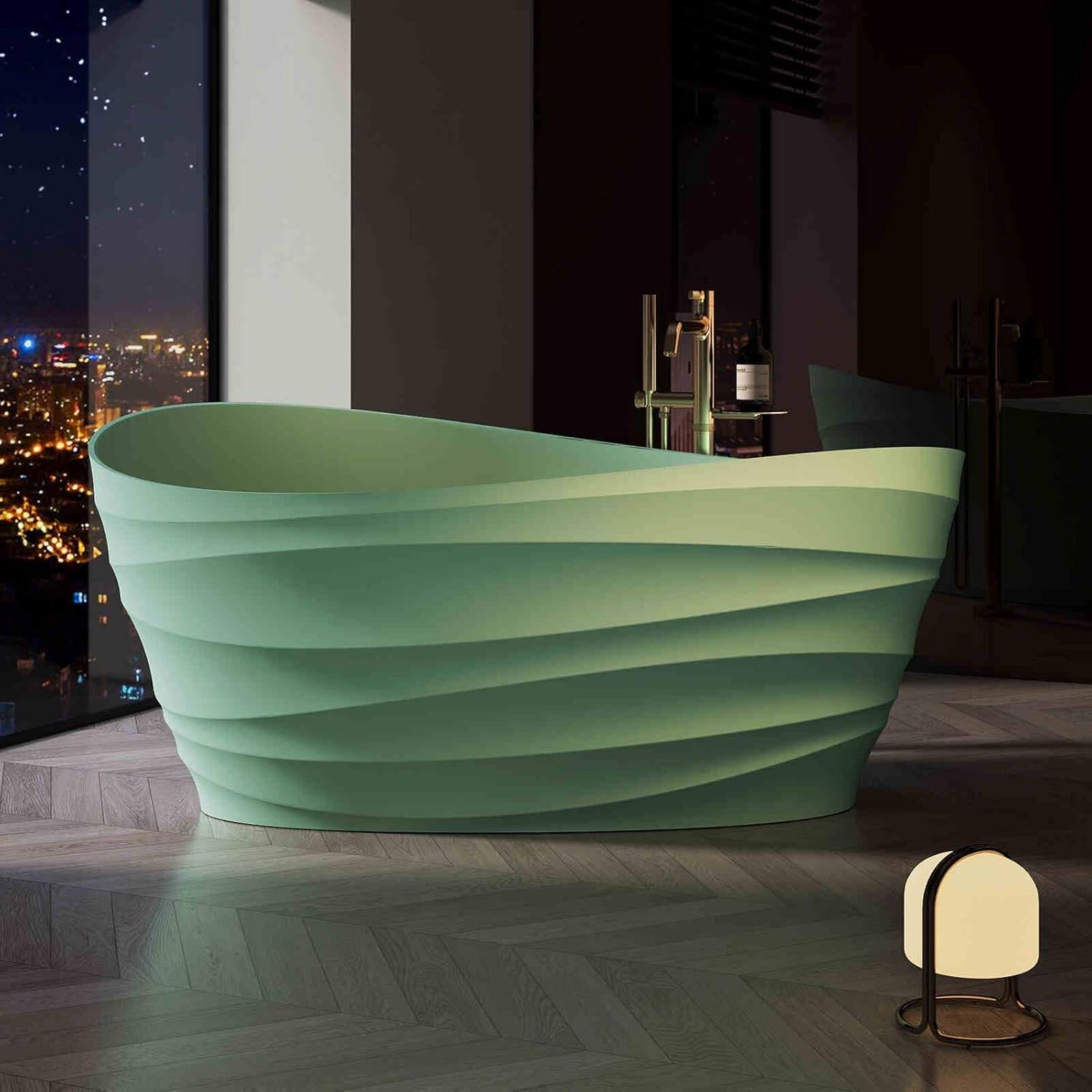
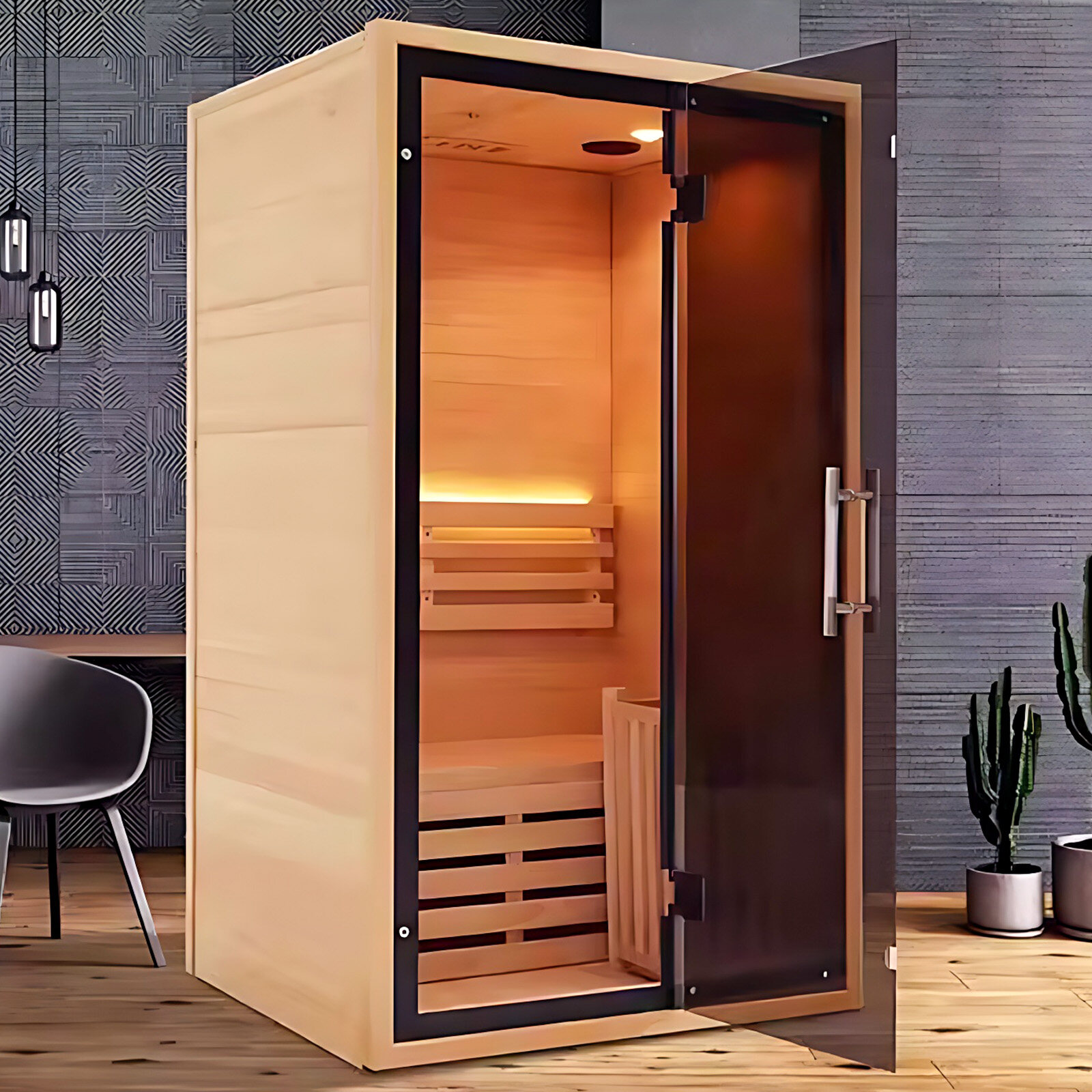
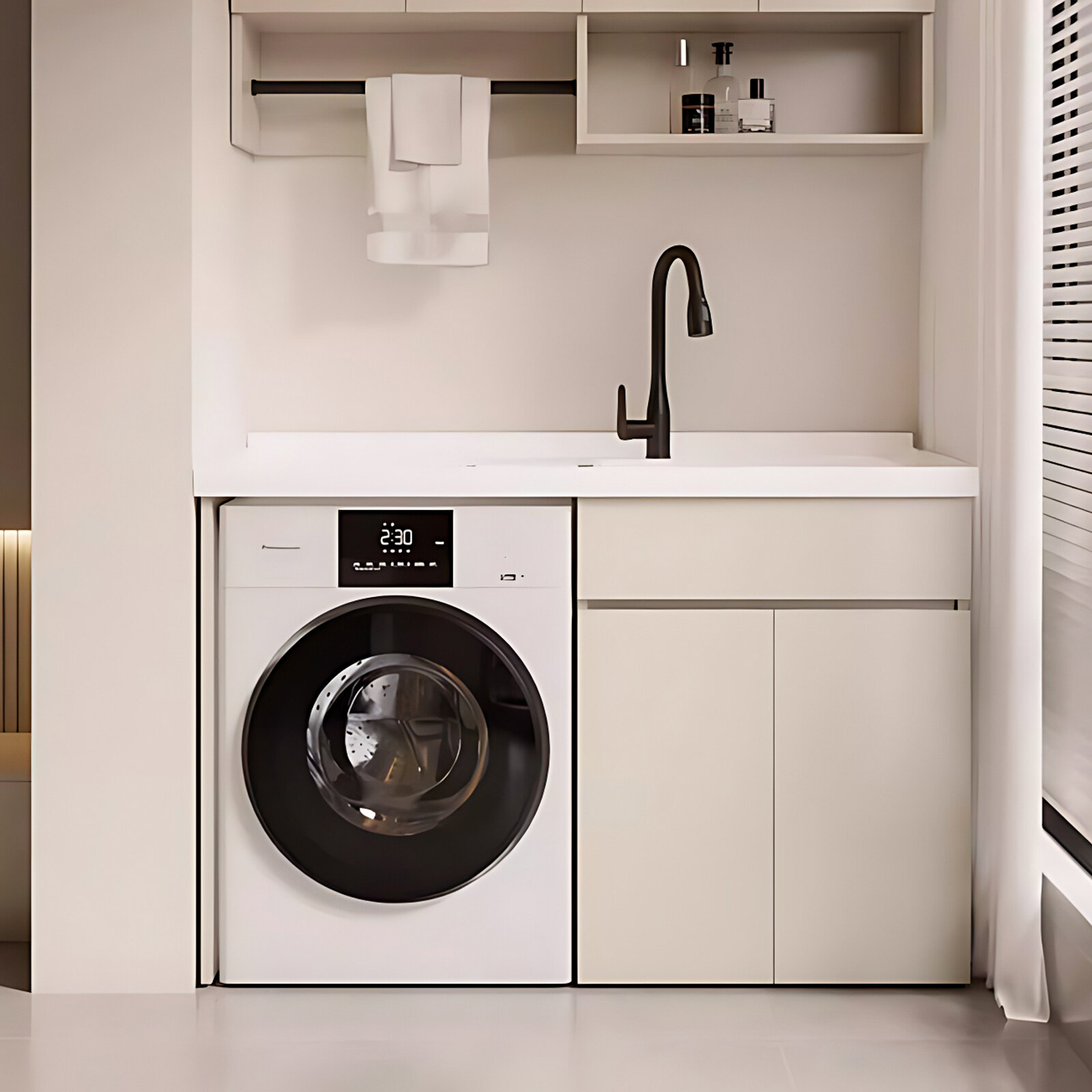
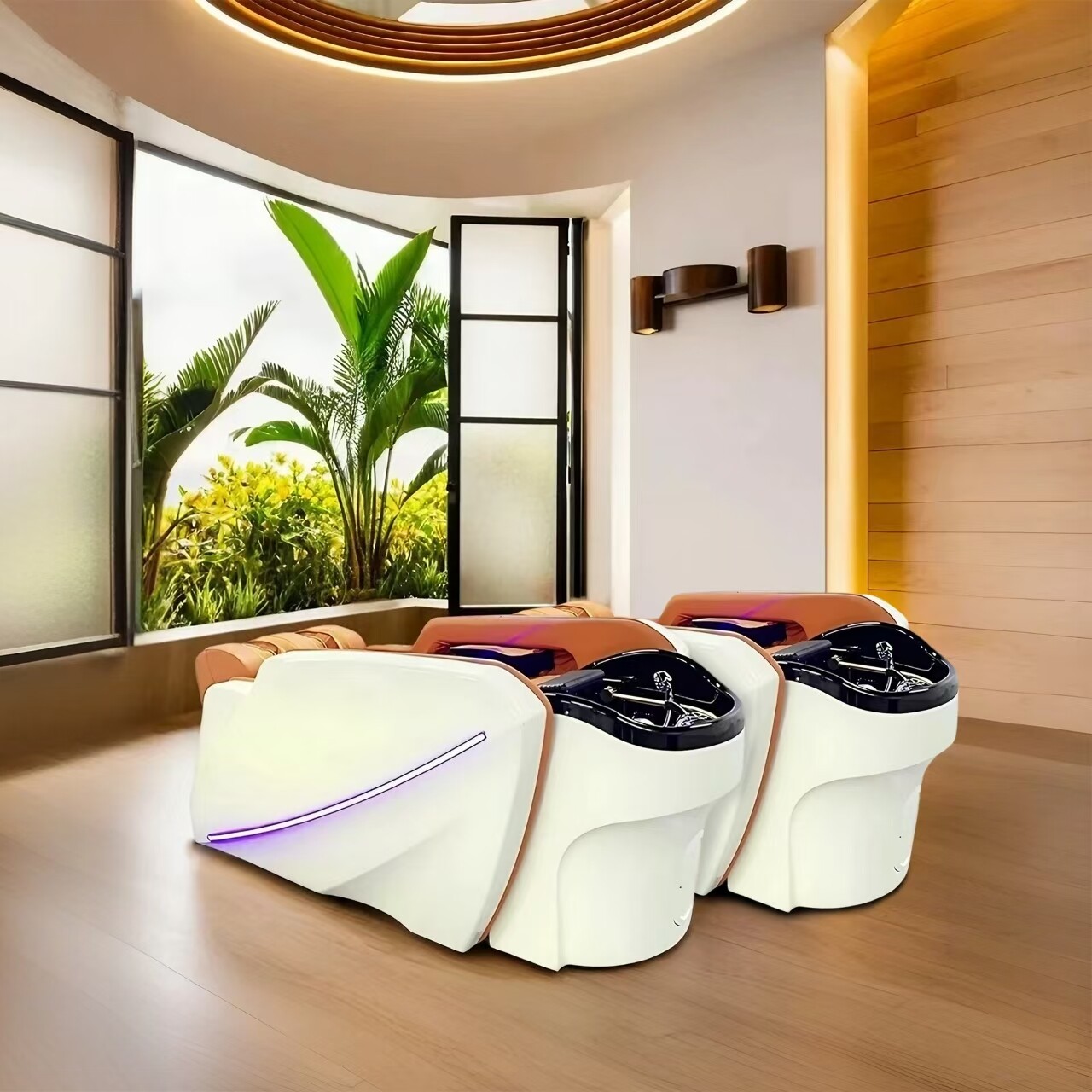
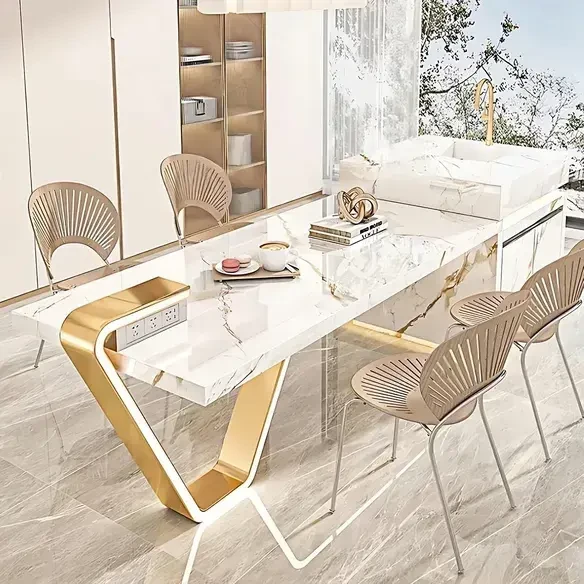
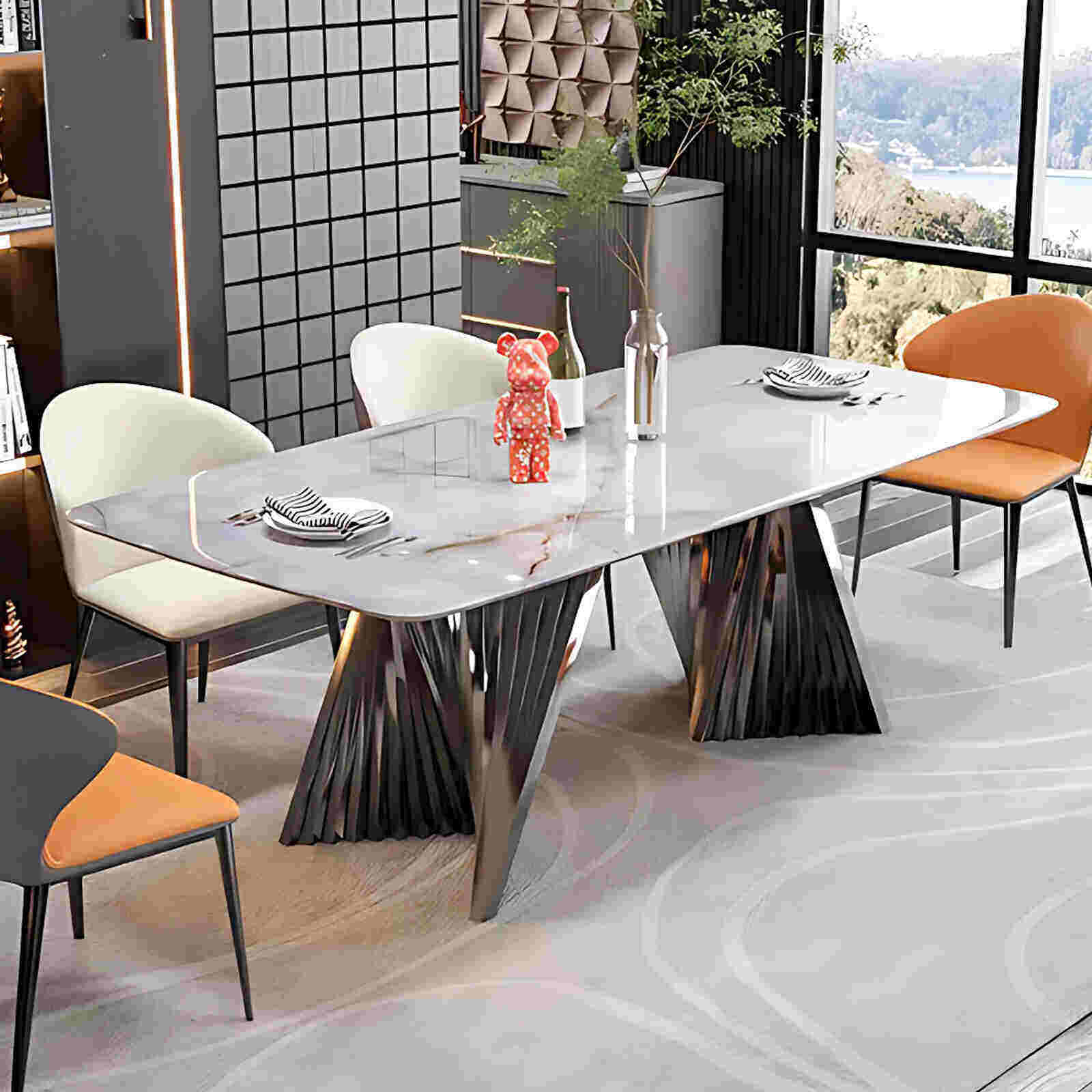
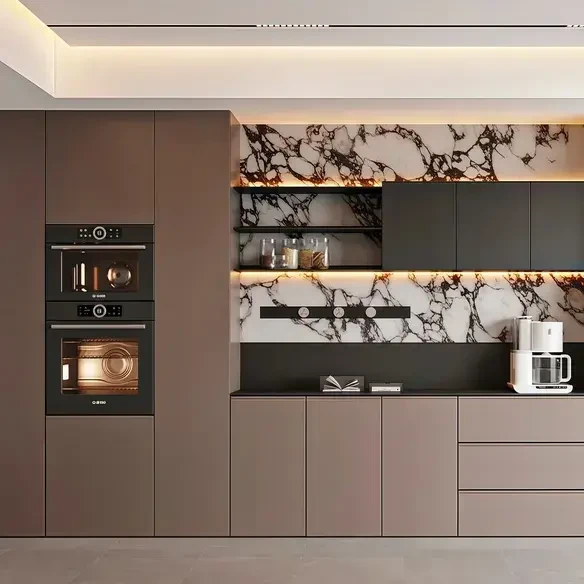

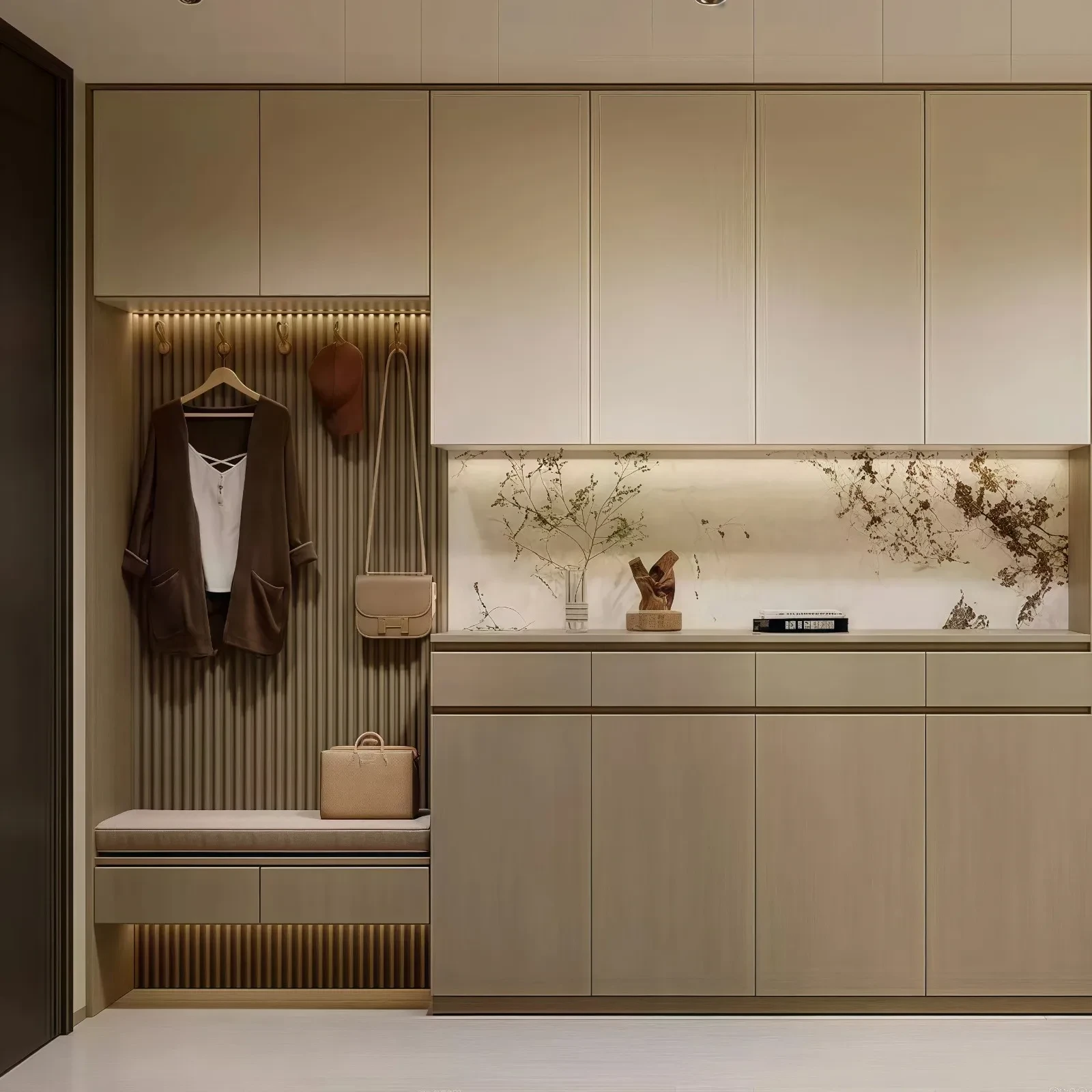
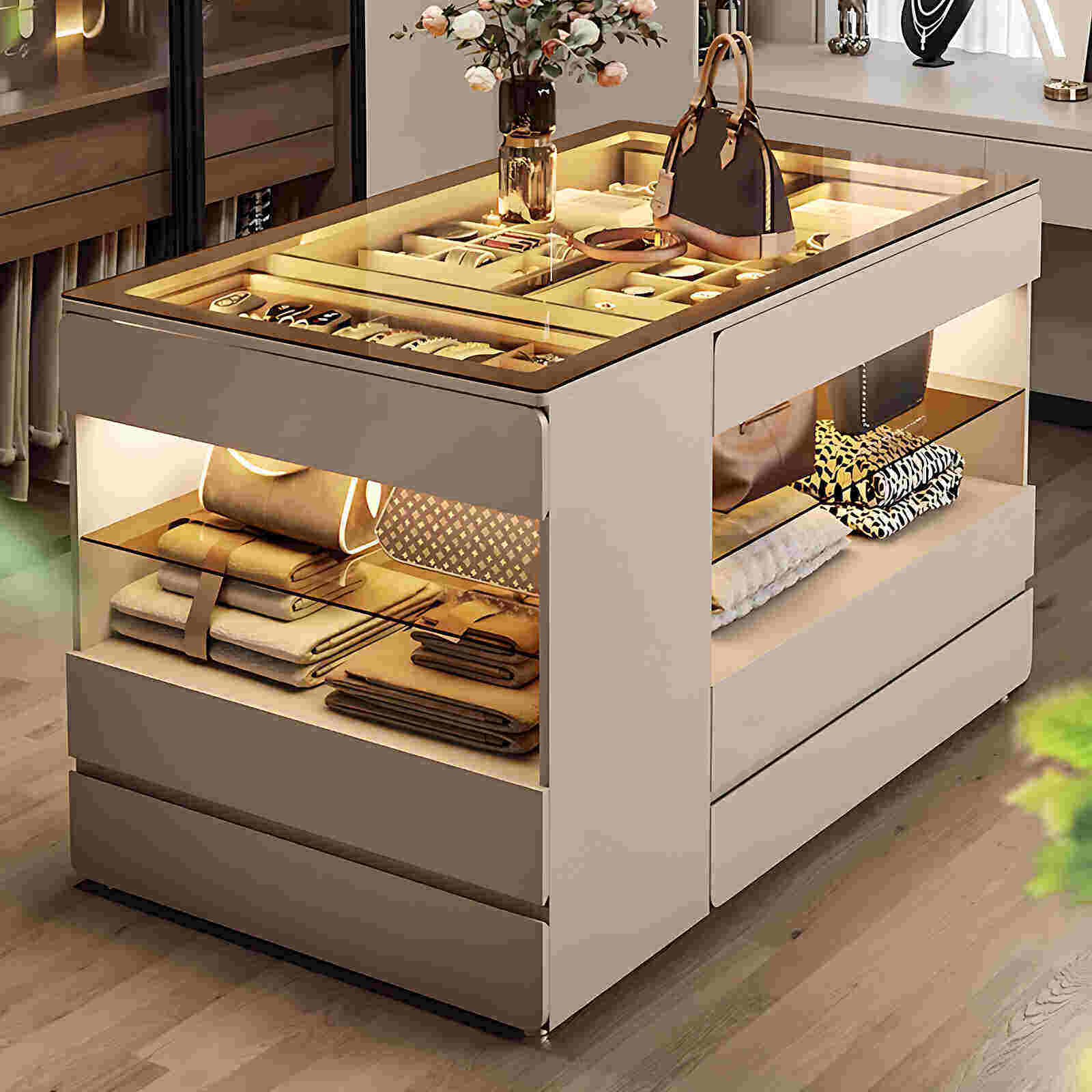
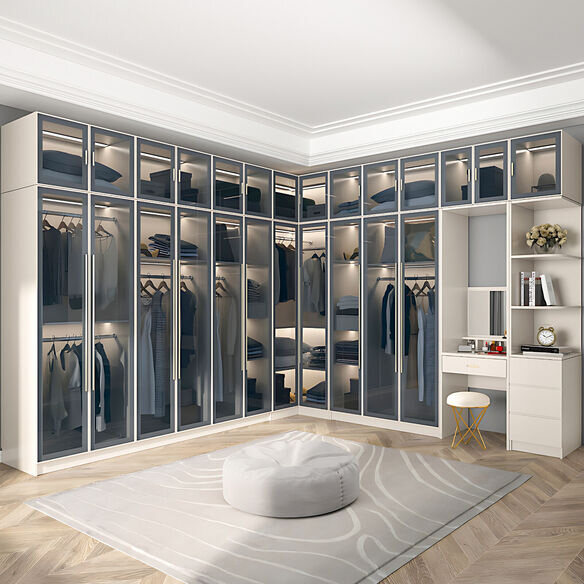
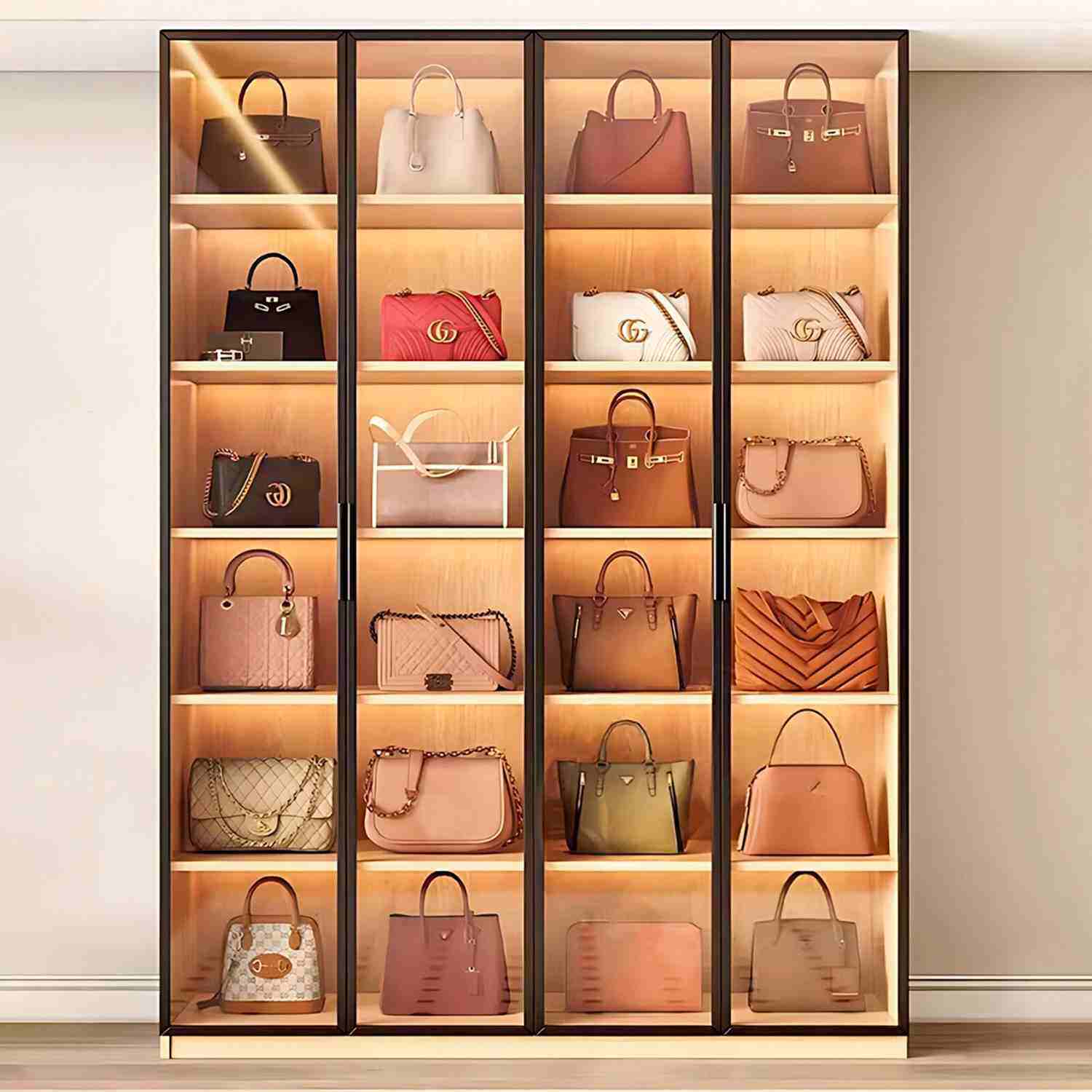
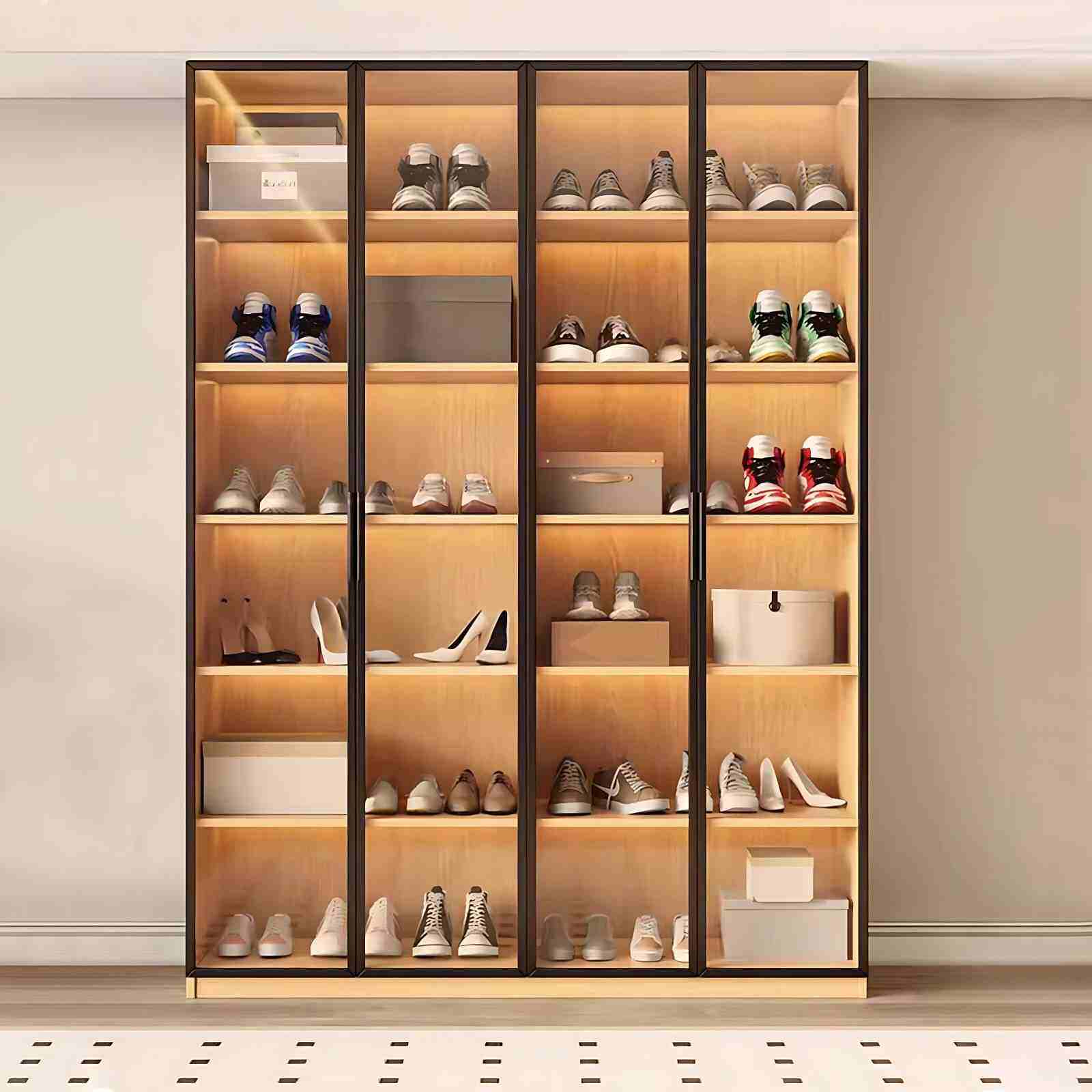
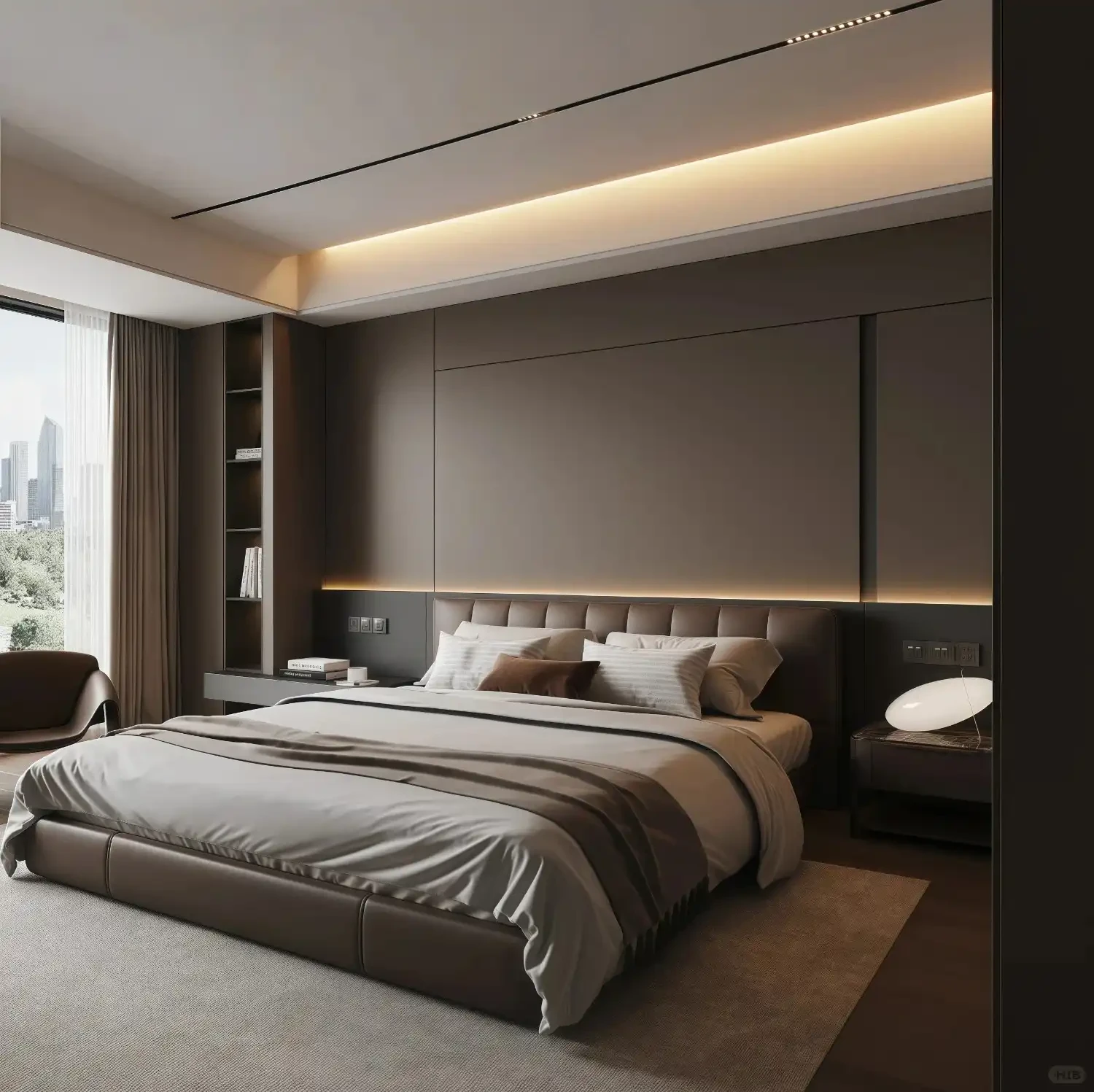
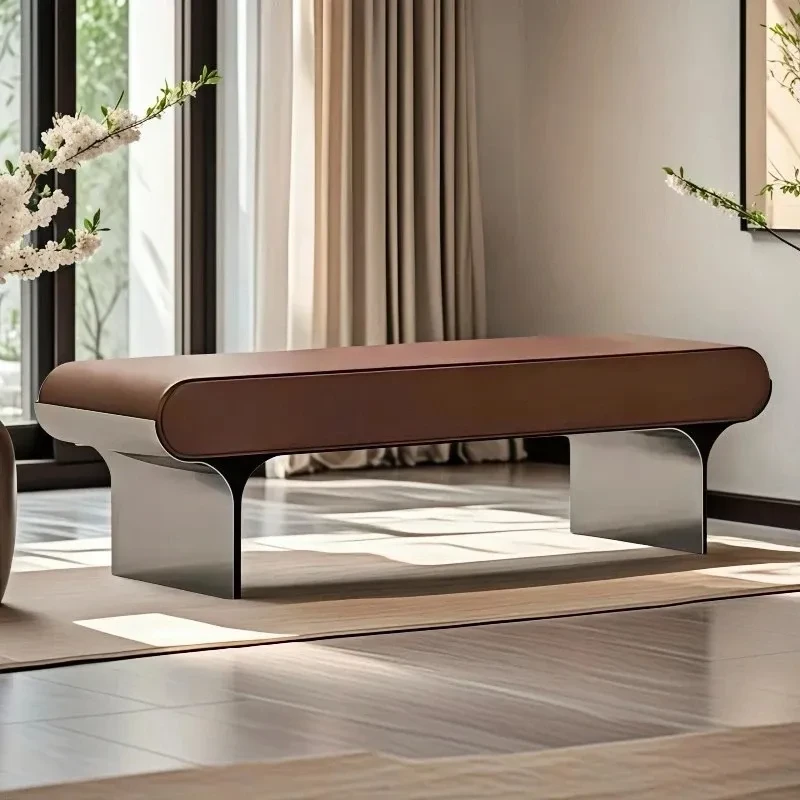
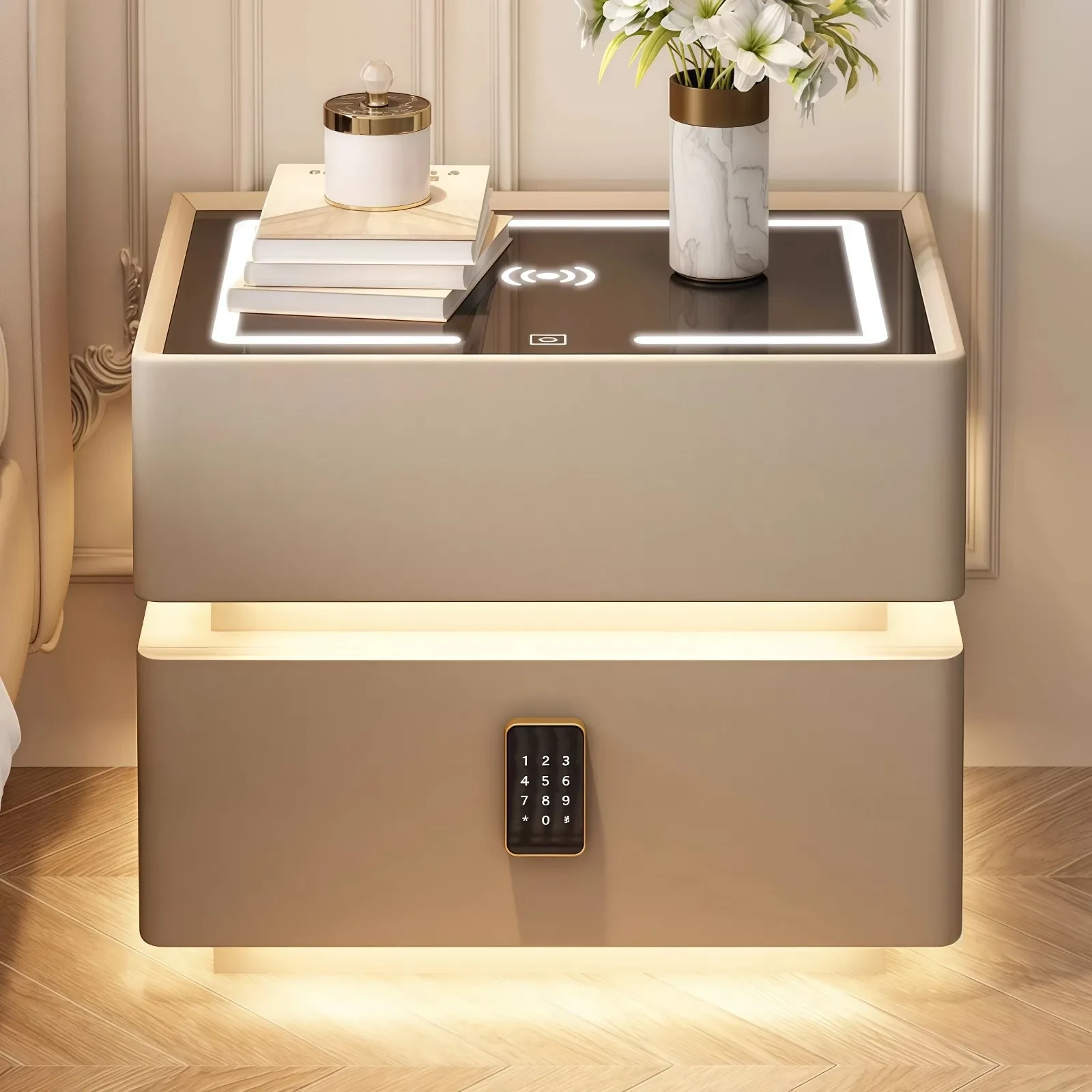
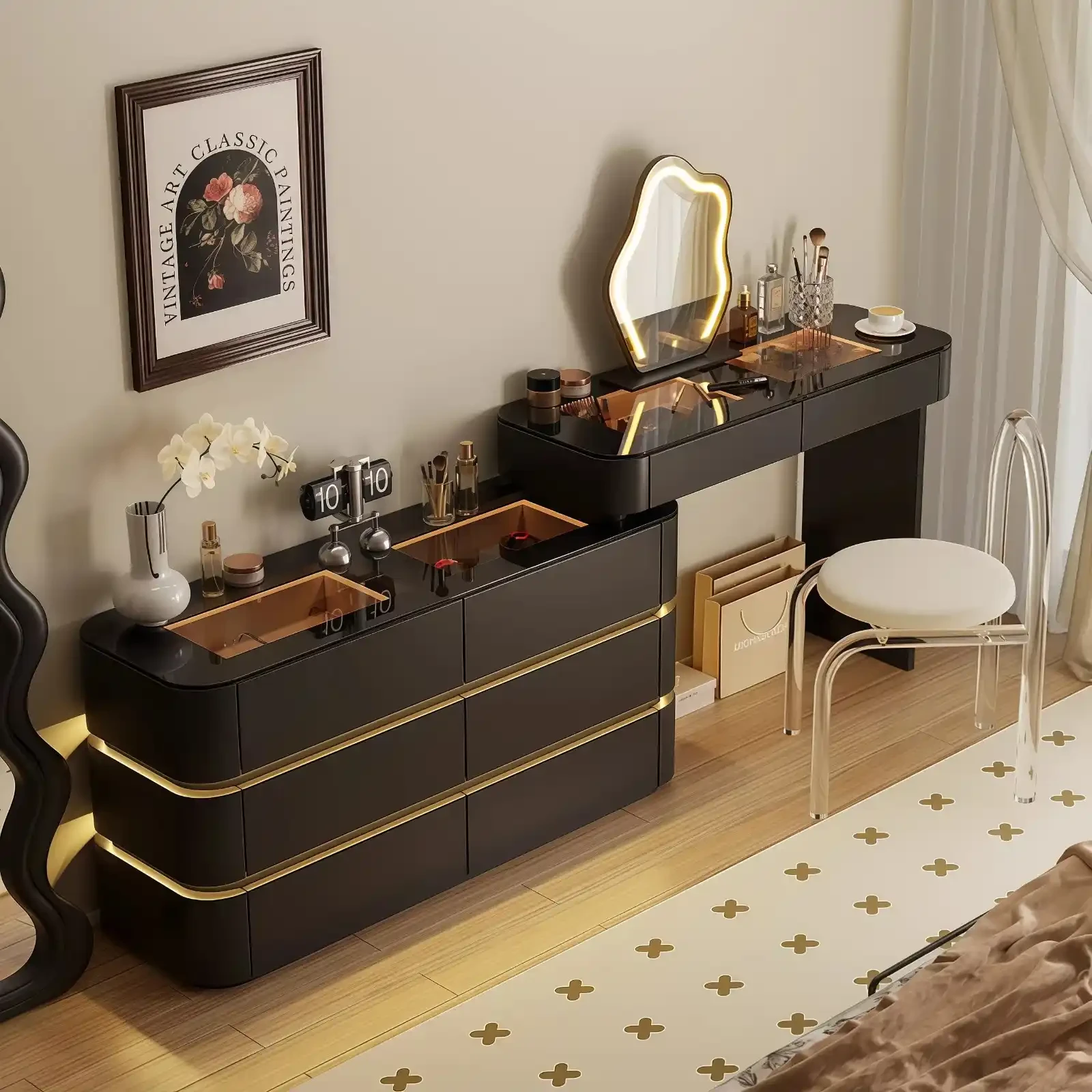
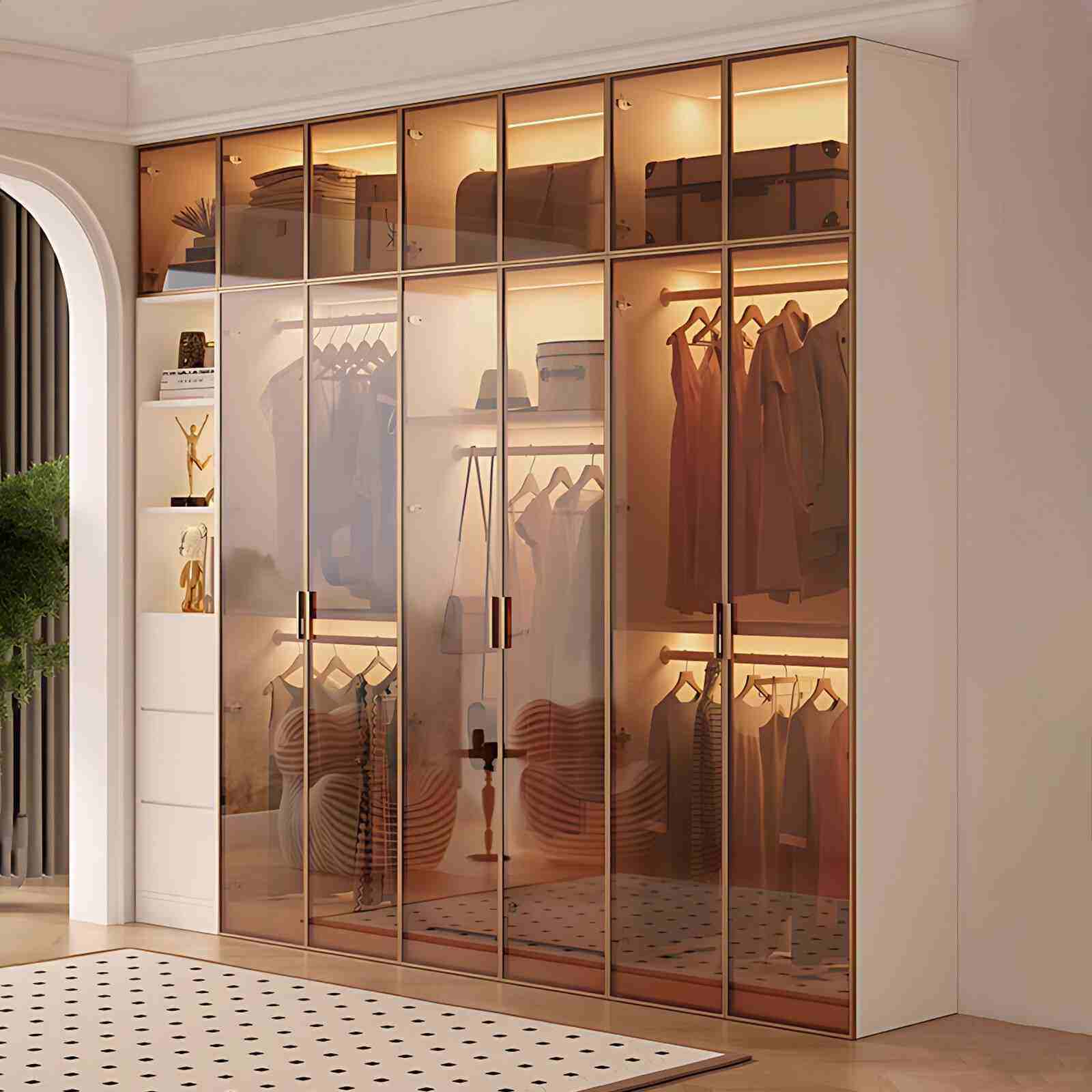
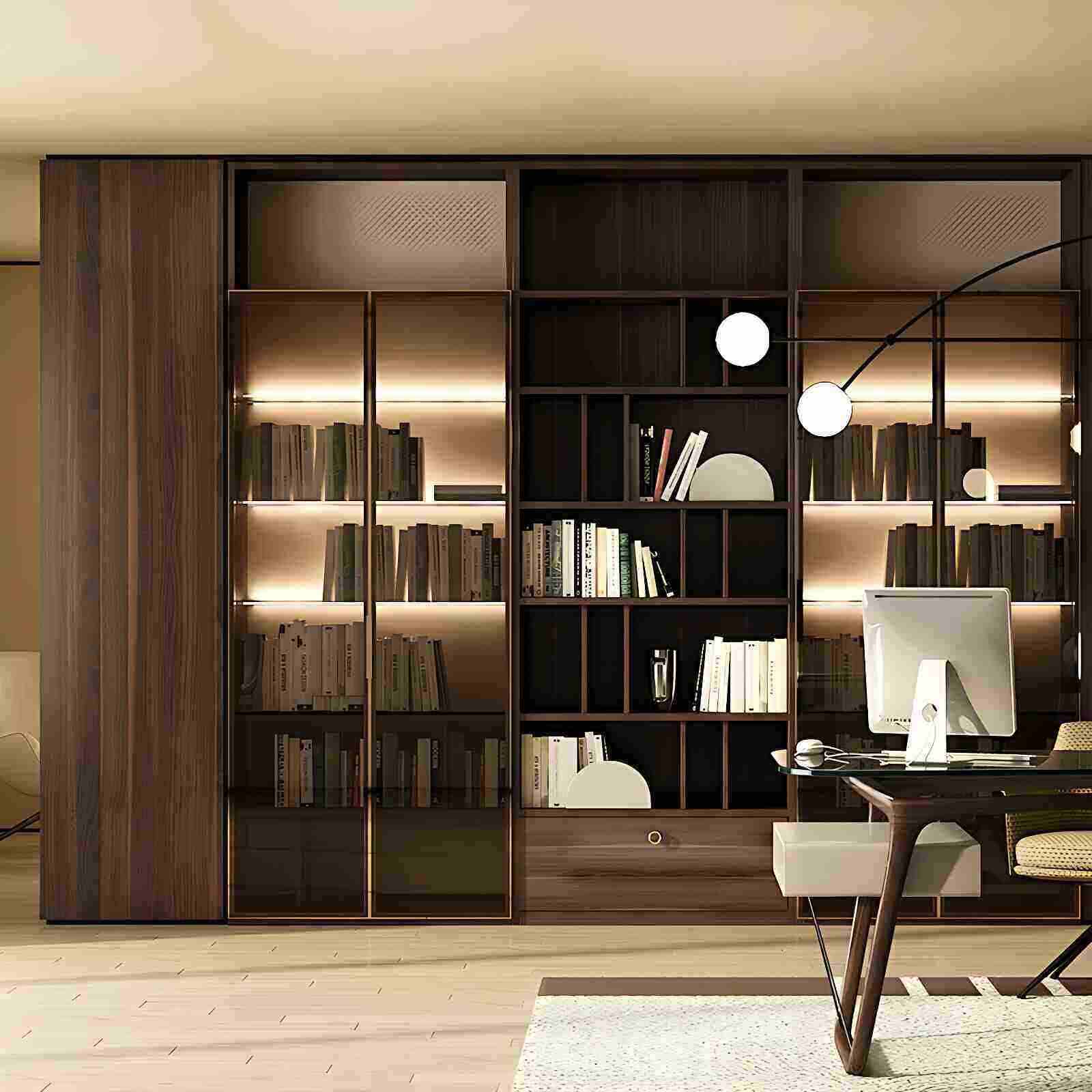
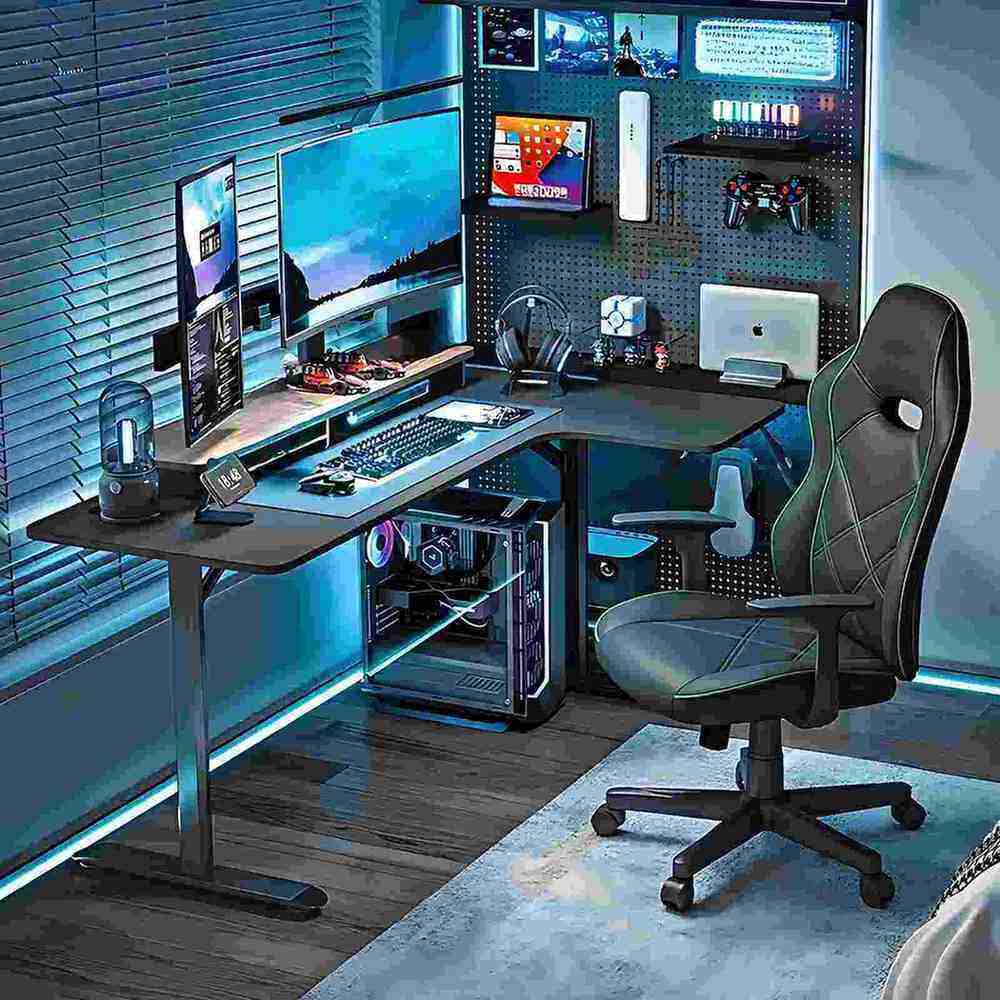
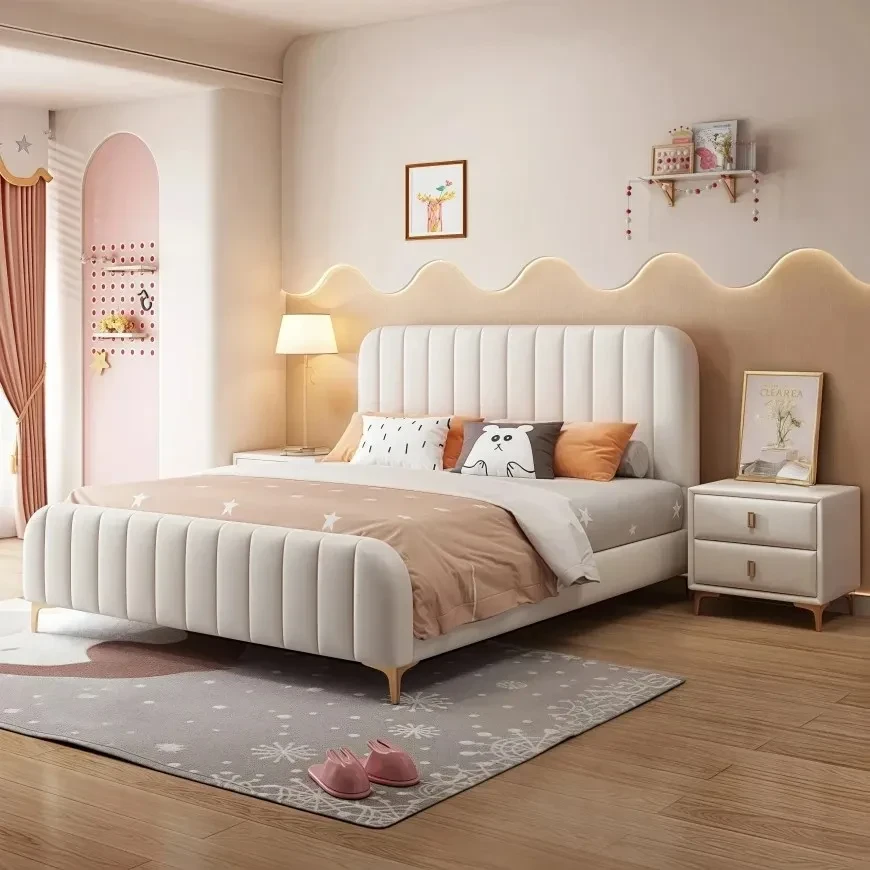
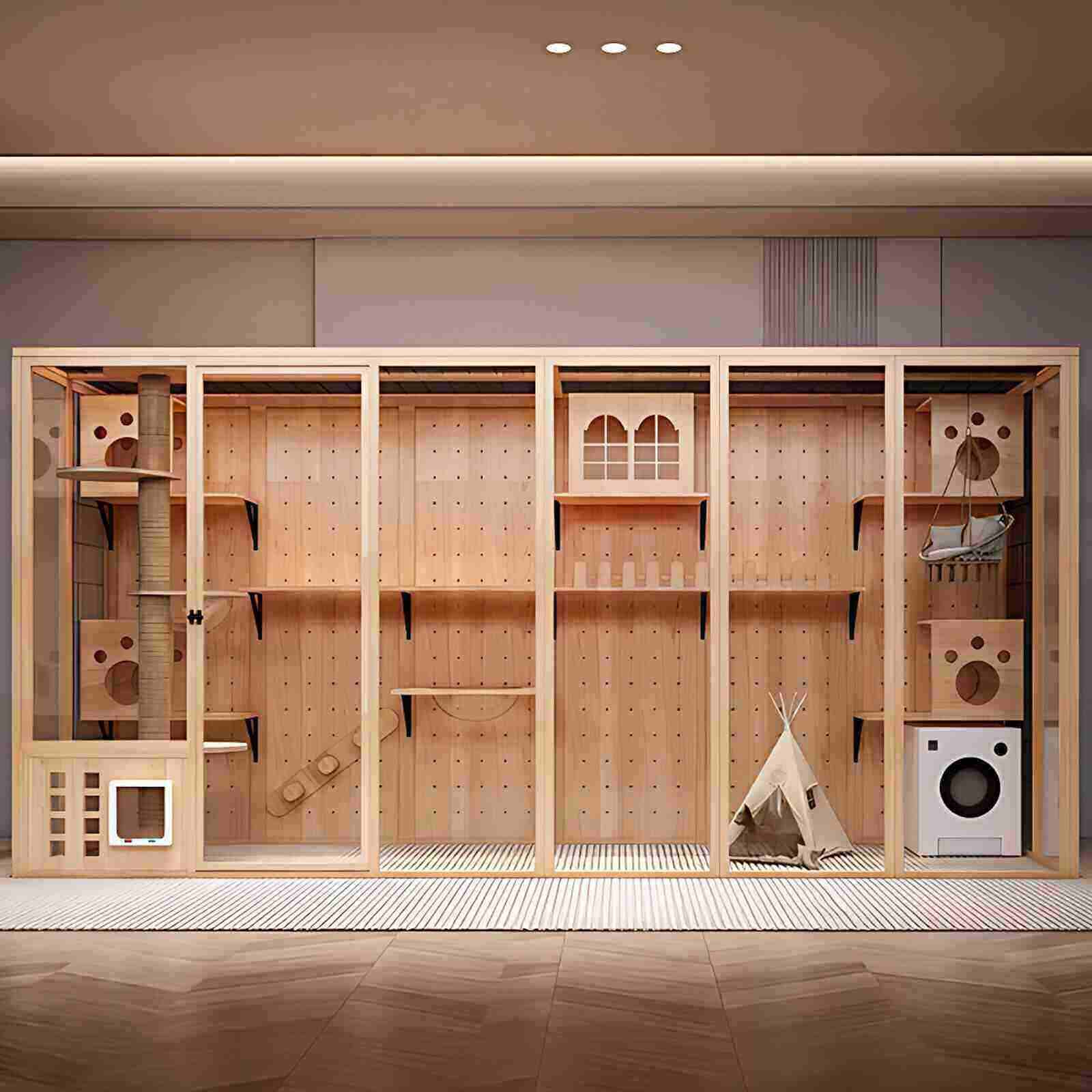
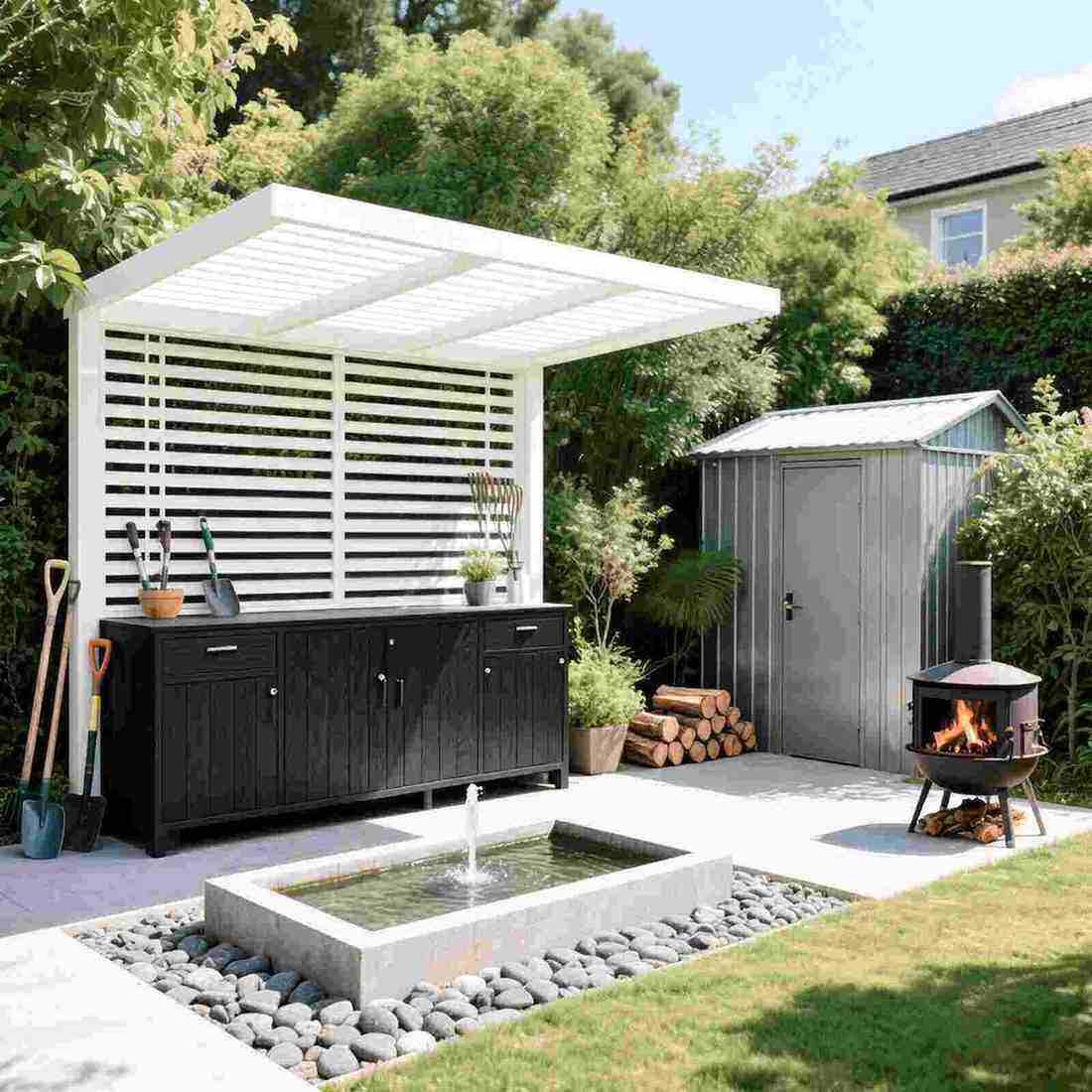
Faced with an increasingly severe environment, we all have a responsibility to protect it. From another perspective, regardless of our industry, we are all "consumers" of nature. We should infuse the "green concept" into every product, bringing natural resources to every household in another form. This is also the philosophy that Pansen has always pursued.
To make the living environment more environmentally friendly, it is crucial to reduce the use of inferior boards with excessive formaldehyde content during the decoration process. Therefore, the quality of the boards not only affects the quality of custom furniture, but also the environmental index of the entire living space.
So, how can you buy green and environmentally friendly building materials?
See certification
When choosing decorative boards such as plywood and eco-boards, consumers should always ask manufacturers to provide certificates from formal testing institutions, as well as relevant quality and environmental certifications. Having these will give consumers more peace of mind when making a purchase.
Check qualifications
Board grades are divided into three levels: E2, E1, and E0. E0 grade boards have the lowest formaldehyde emission of all boards. Because the production cost of environmentally friendly E2 grade boards is lower than that of E1 grade boards, some unscrupulous manufacturers take advantage of consumers' desire for cheap prices and recommend E2 grade boards that are only for outdoor use. Therefore, do not be misled by the price. When purchasing interior decoration boards, it is best to check whether the markings on the side of the board meet the standards for E1 or E0 grade, and ask the seller to provide the board's test report.
Check the quality
Only high-quality boards are likely to be relatively more environmentally friendly. Conversely, if the board quality is poor, do you think it will be environmentally friendly? Of course, the quality of the board and its environmental friendliness are not directly related. When purchasing custom-made boards, we often assume that "smelling" them will give us a rough idea of whether the product is environmentally friendly. However, the truth is quite surprising. Pansen tells water consumers that formaldehyde does have a certain degree of irritation, but this irritation mainly affects the eyes (causing discomfort, tearing, etc.). It is actually colorless and odorless, without any special or identifiable odor. In other words, the presence of an odor does not mean it is formaldehyde. If formaldehyde levels exceed the standard, you cannot actually detect it by smell. The most direct way is to check the formaldehyde emission certificate, such as the test report.
With the continuous improvement of enterprise production processes, from a health perspective, ecological boards all use more environmentally friendly E0 grade and soybean bio-based formaldehyde-free adhesives. From raw wood to finished products, a series of processes are subject to high requirements and strict control. Only by selecting environmentally friendly green materials, improving production processes, and actively exploring and producing green and environmentally friendly products can we gradually overcome common problems in the industry and achieve the goal of "zero formaldehyde" step by step. The quality of the boards is ensured from every process.