
 USD
USD GBP
GBP
 EUR
EUR
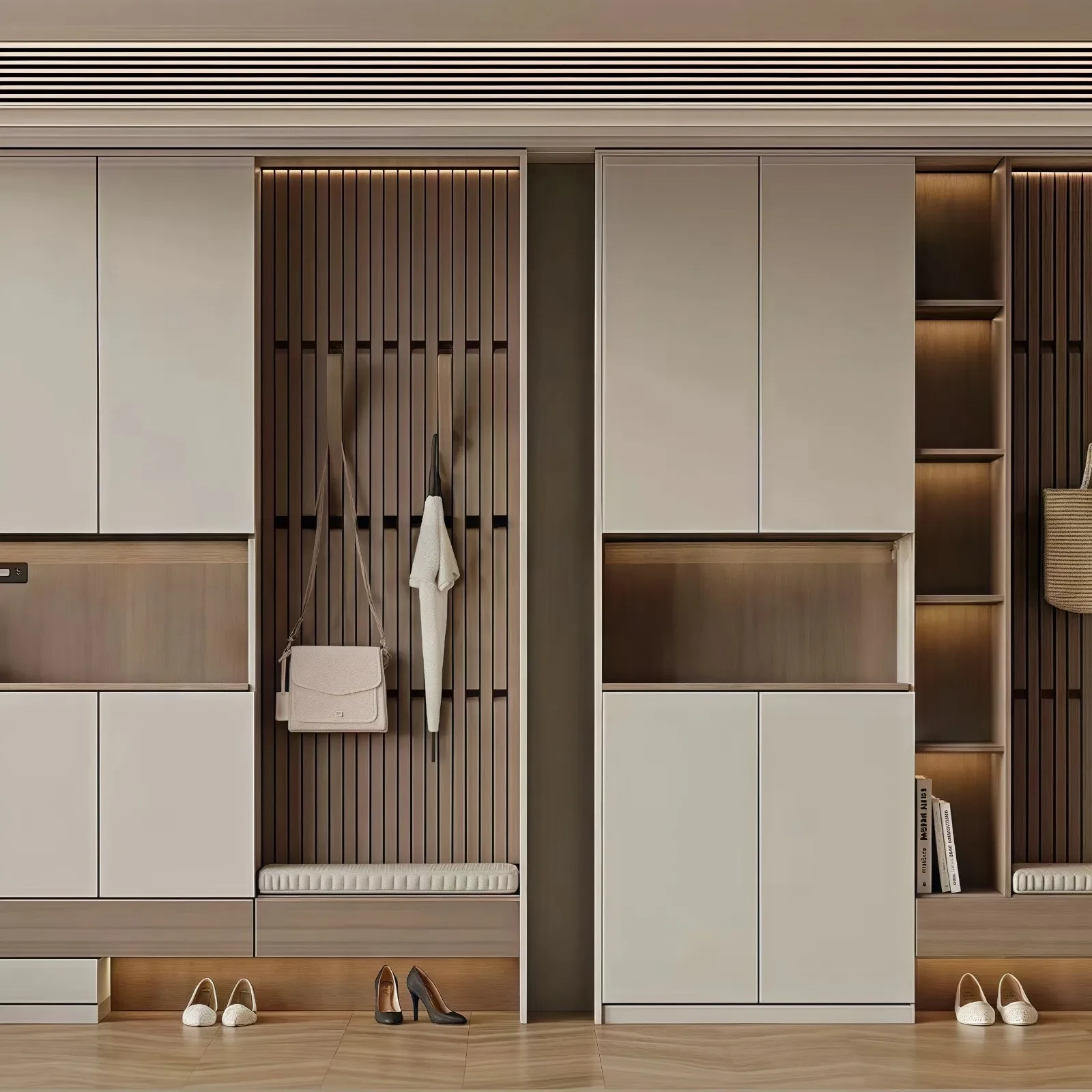
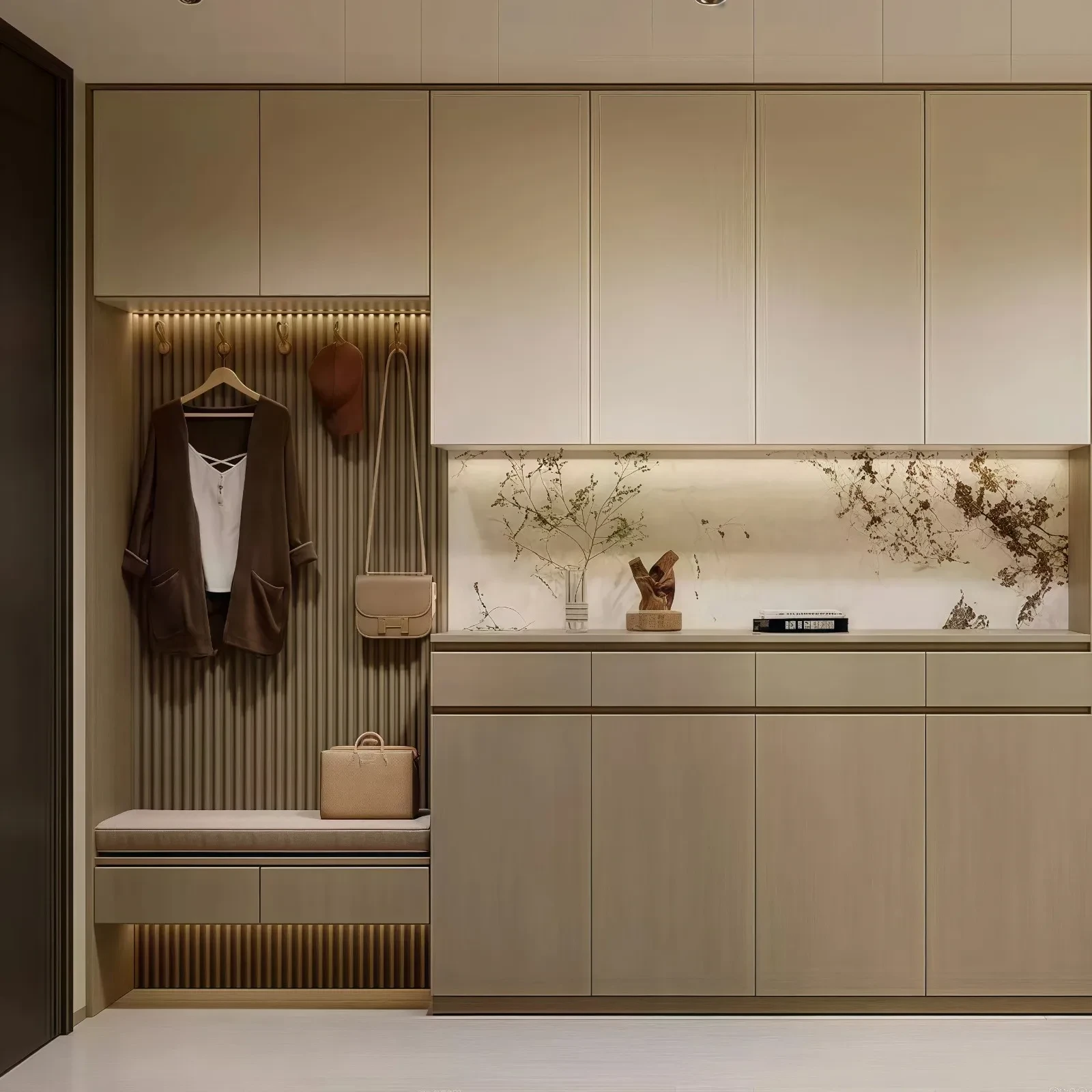
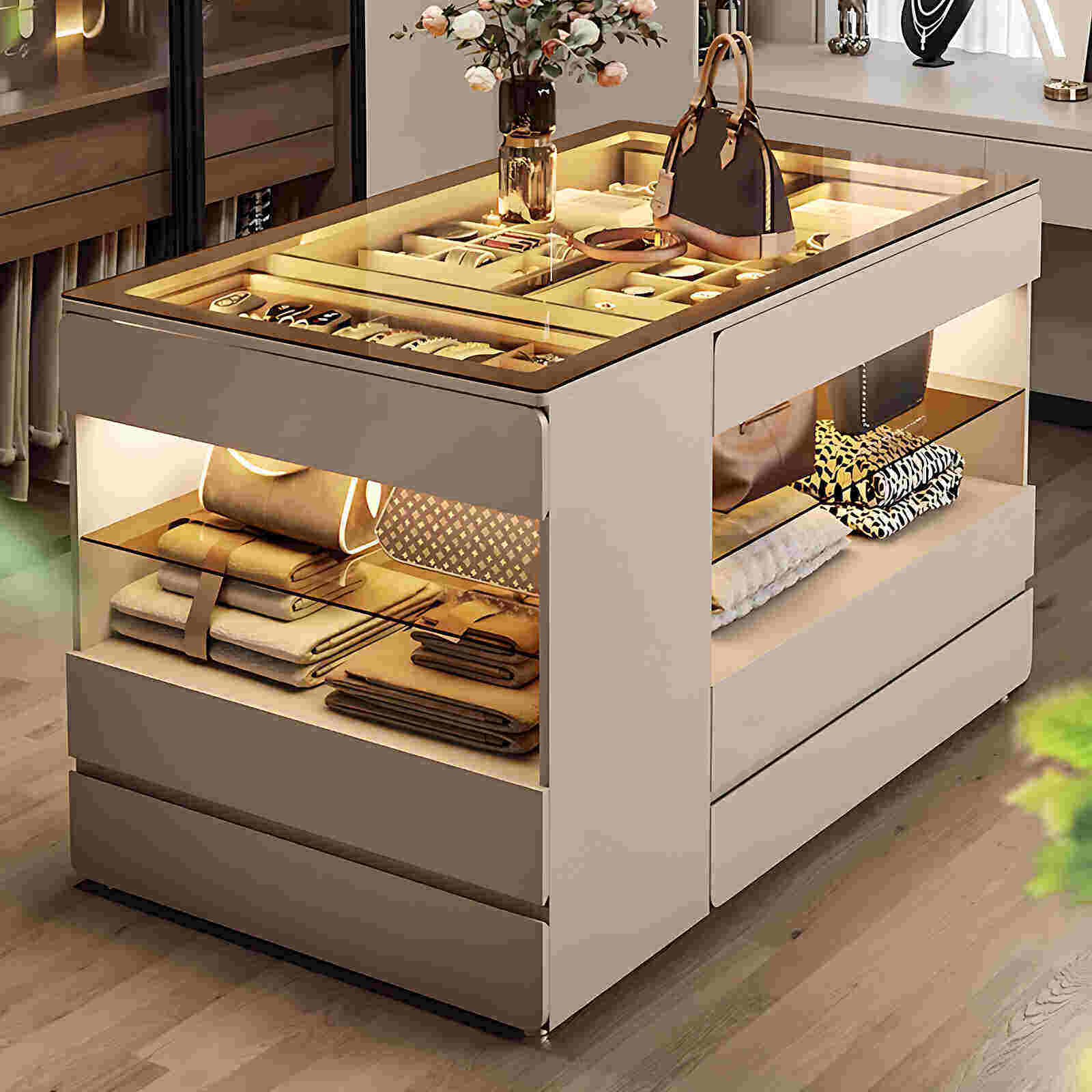
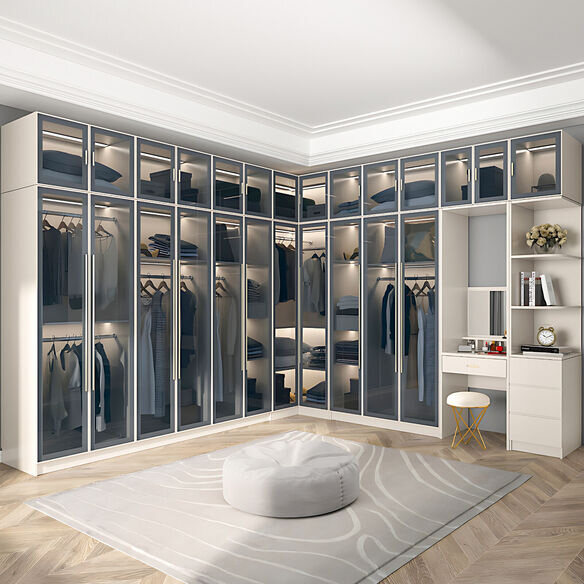
In the previous article, Mr. Yuan Qiaocheng provided an overview of the general process and optimization methods for whole-house custom wood design and manufacturing. He proposed the concept of "design leadership," arguing that design elements are not merely simple design functions, but also play the role of organizers of home decoration elements in the industry's development.
In this article, Mr. Yuan uses several specific cases to illustrate the relationship between design and manufacturing in the customization of solid wood panels, hoping to be helpful to everyone.
Hello everyone, today we'll discuss the importance of linking design and manufacturing from several perspectives.
Customized solid wood panels are design-driven, but due to the varying skills and lack of on-site experience among designers in different companies, problems such as difficulties in production and processing, incorrect structures, lack of product stability and performance, high labor and time costs in production, uncertain production cycles, inability to install on-site, and customer complaints arise after the drawings are drawn up and orders are placed.
The relationship between custom solid wood design and manufacturing can be explained by the following questions.
Case 1:
▲The wine glass cannot be placed into the gap of the base.
Case 2:
The designer did not consider all aspects when designing the nine-square grid. Only six squares can be used in a nine-square grid. In this case, the designer should have considered that the slide should be two sections instead of three. The carpenter did not notice this during pre-assembly, and this is how it ended up in the customer's home.
▲A nine-square grid can only be used with a six-square grid.
Case 3:
▲Design drawings of a walk-in closet
First, the top and side panels of this cabinet are not separated into upper and lower cabinets. Production is based on the drawings. The available boards are not long enough, so the boards need to be joined together, which increases the amount of processing and results in defects in appearance quality.
Secondly, the i3 cabinet was not clearly shown. The front view should show the entire cabinet, and the corner cabinets should be shown in a separate drawing.
Finally, the internal structure diagram did not include the top plate, which is a very easy dimension to be overlooked. Production is based on the dimensions and quantities after the order is broken down.
Case 4:
▲Design drawings of an outdoor shoe cabinet
The designer should have divided these two drawings into upper and lower cabinets, but they didn't.
There are also many small problems caused by carelessness, such as the top view and the front view having different dimensions, or a wardrobe cabinet having different heights. When the production staff discovered the size discrepancies, they called the designer, who said that the heights should be the same.
▲The top view and the front view are different sizes.
▲The cabinets vary in height.
Case 5:
Today, we've briefly discussed these issues. The next installment will delve deeper into this topic, explaining the product challenges in solid wood design one by one. We hope this will be helpful.
We also welcome everyone to leave comments at the end of the article to ask questions and discuss related issues.
About the Author
For 15 years, Mr. Yuan Qiaocheng has been working in the home furnishing and building materials industry, possessing rich practical experience and management skills. He has insights into the market prospects of both panel-based whole-house customization and solid wood decoration, and is familiar with processes such as production, design, craftsmanship, quality, and marketing.