
 USD
USD GBP
GBP
 EUR
EUR



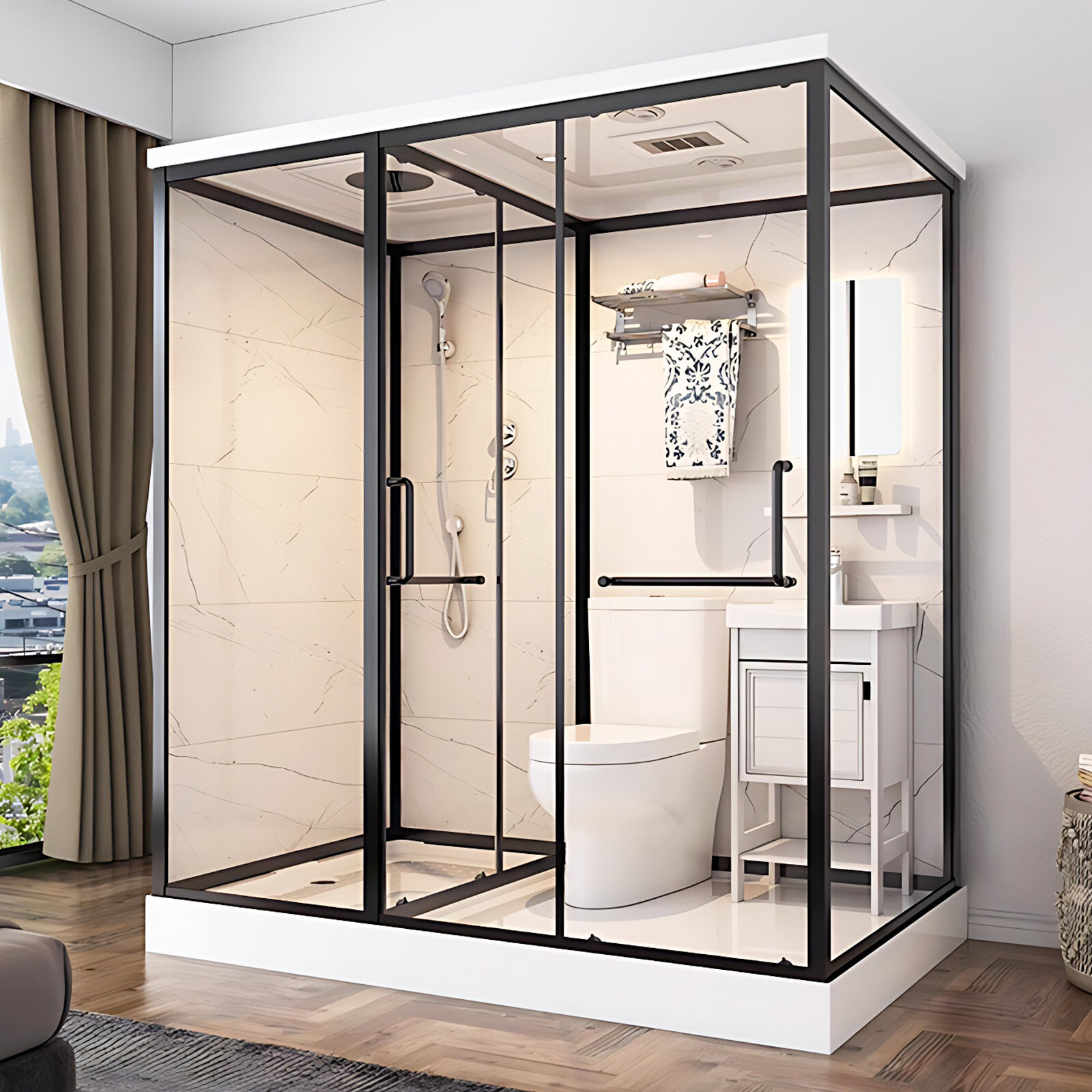
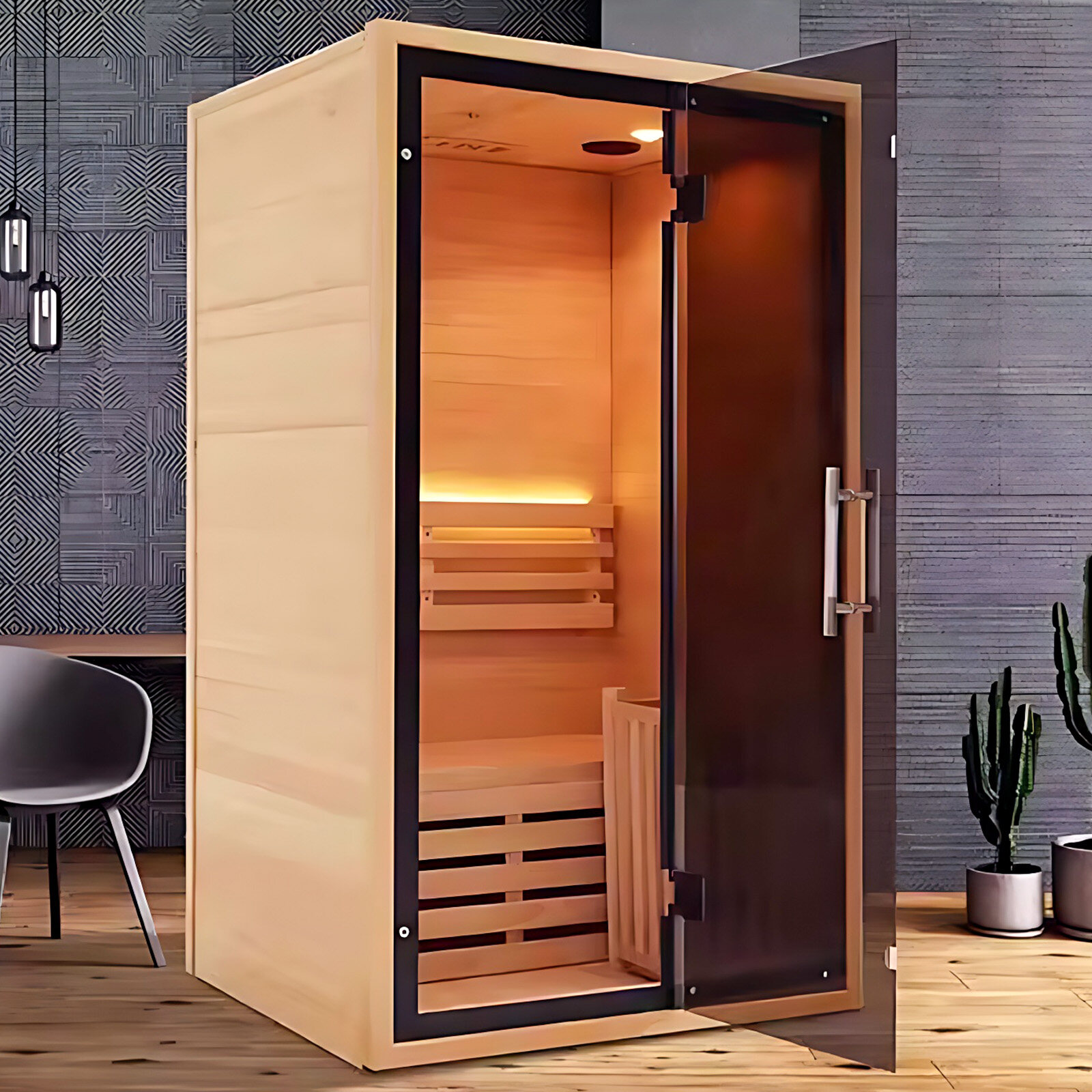













Sauna boards are made of solid wood and are specially designed for use in bathrooms. They are generally made from imported pine and Southeast Asian hardwoods, and undergo special treatments such as waterproofing and anti-corrosion. They are not only environmentally friendly but also resistant to water immersion, and there is no need to worry about them getting moldy or rotten.
Sauna board technology is the most mature, with two pieces connected by a plug-in joint. If used in bathroom ceilings, it needs to be coated with two coats of matte clear varnish for moisture protection. Sauna board is a type of wood panel specifically designed for sauna rooms, using a plug-in joint for easy installation. Sauna board undergoes high-temperature degreasing treatment, making it heat-resistant and less prone to warping. The main wood materials used for sauna boards include cedar, camphor pine, white pine, red spruce, hemlock, and cedar.
Sauna panels have a wide range of uses, most commonly in sauna rooms. White pine and red cedar are generally chosen, while Scots pine should be avoided due to its higher oil content. Wall panels are used extensively on both interior and exterior walls. Outdoor panels are typically 15-16mm thick and 120-150mm wide, while indoor panels are smaller. They can also be used for bathroom and balcony ceilings, as well as for bay windows and partial wall surfaces. In short, the design and use should be tailored to the specific purpose.
Sauna panels are made from kiln-dried Scots pine and red cedar planks for sauna rooms. Sauna panels are generally kiln-dried, but some manufacturers, to save costs, skip the degreasing process (because it's too expensive) and instead grade and select materials, removing any oily parts. Currently, imported Canadian red cedar is popular in the market, while Russian Scots pine is sometimes used in less demanding sauna rooms. However, kiln-dried Scots pine and red cedar are the most suitable materials because of their good texture and aesthetically pleasing knots and grain. Other materials tend to release resin at high temperatures. Three principles for selecting sauna panels: aesthetically pleasing and defect-free material, appropriate dimensions, and high-quality processing.
Sauna panels are made from kiln-dried Scots pine and red cedar wood for sauna room wall panels.
Common sizes for red cedar trees: 10*100*2750 and 10x100x2750mm, available in paint-free and non-painted versions, and can be customized according to customer requirements.
1. Materials: Sauna boards are mainly made of Finnish spruce, Scots pine, red cedar, as well as hemlock and Douglas fir. Red cedar sauna boards are knot-free, with clear grain, bright color, good texture, and fine workmanship. They are available in both unpainted and unpainted varieties. Scots pine sauna boards are the most popular product on the market, with a low price and good texture. Red cedar sauna boards are dimensionally stable, not easily deformed, and have a natural fragrance, making them ideal for building sauna rooms. Red cedar is a natural preservative-resistant wood, requiring no treatment, and has anti-corrosion, anti-mildew, and anti-rot properties. Hemlock and Douglas fir also have their own characteristics, and customers choose according to their preferences. In addition, sauna boards can also be divided into knotted and knot-free types, with knot-free sauna boards being much more expensive.
The main materials used for sauna boards are Finnish spruce and Scots pine.
2. Size of Pinus sylvestris: The most commonly used size is 10x100 mm.Sizes of 4000mm and 12X100x4000mm, with widths of 85-100mm, are also quite common.
3. Processing and manufacturing level: First, processing precision, including dimensional error and surface finish; second, sorting level, whether the grading is strict and whether defective boards are removed.
4. The sauna board is made of dried materials, so the product is not easily deformed or moldy after production.